Interviews are opportunities to demonstrate your expertise, and this guide is here to help you shine. Explore the essential Dermatology Expertise interview questions that employers frequently ask, paired with strategies for crafting responses that set you apart from the competition.
Questions Asked in Dermatology Expertise Interview
Q 1. Describe the pathogenesis of psoriasis.
Psoriasis is a chronic autoimmune disease characterized by rapid skin cell growth, leading to raised, red, scaly patches. Its pathogenesis is complex and not fully understood, but involves a combination of genetic predisposition and environmental triggers.
The process begins with an overactive immune response, where T cells, a type of white blood cell, mistakenly attack healthy skin cells. This triggers inflammation and accelerated keratinocyte (skin cell) proliferation. Instead of the usual 28-day skin cell turnover, in psoriasis, this process speeds up to just a few days. This rapid turnover leads to the buildup of keratin, forming the characteristic plaques.
Genetic factors play a significant role, with certain genes increasing susceptibility. Environmental triggers, such as stress, infections, and injuries, can also exacerbate the condition. These triggers may activate the immune system, initiating or worsening a psoriatic episode.
Imagine it like this: your skin’s normal cell production is a well-oiled machine, producing cells at a steady pace. In psoriasis, this machine malfunctions, accelerating production and creating a pile-up of cells, visible as the scaly plaques.
Q 2. Explain the different types of skin cancer and their treatments.
Skin cancer encompasses several types, primarily categorized as basal cell carcinoma (BCC), squamous cell carcinoma (SCC), and melanoma. Each has unique characteristics and treatments.
- Basal Cell Carcinoma (BCC): The most common type, BCC arises from the basal cells in the epidermis. It typically appears as a pearly or waxy bump, often with visible blood vessels. Treatment options include surgical excision, curettage and electrodesiccation (scraping and burning), and topical medications.
- Squamous Cell Carcinoma (SCC): The second most common type, SCC develops from the squamous cells in the epidermis. It often presents as a firm, red nodule or a scaly patch. Treatments include surgical excision, Mohs surgery (a precise surgical technique), radiation therapy, and topical treatments.
- Melanoma: The most serious type, melanoma originates from melanocytes (pigment-producing cells). It can appear in various forms, including moles that change in size, shape, or color, or as a new, darkly pigmented lesion. Diagnosis is crucial, often involving biopsy and histopathological examination. Treatment varies depending on the stage and includes surgical excision, sentinel lymph node biopsy, immunotherapy, targeted therapy, and radiation therapy. Early detection significantly improves outcomes.
The choice of treatment depends on several factors, including the type and stage of cancer, the location of the lesion, and the patient’s overall health. It’s crucial to consult a dermatologist for accurate diagnosis and appropriate management.
Q 3. Differentiate between atopic dermatitis and contact dermatitis.
Atopic dermatitis (eczema) and contact dermatitis are both inflammatory skin conditions, but their causes and mechanisms differ significantly.
- Atopic Dermatitis: This is a chronic, inflammatory skin disease characterized by intense itching, dryness, and inflammation. It’s often associated with other atopic conditions like asthma and allergic rhinitis. It’s believed to involve a genetic predisposition combined with an impaired skin barrier function, leading to increased sensitivity to allergens and irritants. The immune system plays a critical role, with an overactive response to environmental stimuli.
- Contact Dermatitis: This is an inflammatory skin reaction triggered by direct contact with an allergen (allergic contact dermatitis) or an irritant (irritant contact dermatitis). Allergic contact dermatitis involves a delayed hypersensitivity reaction, typically appearing 24-48 hours after exposure. Irritant contact dermatitis occurs when a substance directly damages the skin, causing inflammation. Examples include reactions to poison ivy, nickel in jewelry, or harsh chemicals.
In essence, atopic dermatitis is an intrinsic condition driven by genetic and immune factors, while contact dermatitis is an extrinsic condition triggered by external agents.
Q 4. What are the common causes of acne vulgaris?
Acne vulgaris, or simply acne, is a common skin condition characterized by comedones (blackheads and whiteheads), papules (small red bumps), pustules (pus-filled bumps), and nodules (larger, deeper bumps). The exact cause is multifactorial but centers around:
- Increased sebum production: Androgens (male hormones) stimulate sebaceous glands to produce more sebum (oil), contributing to clogged pores.
- Follicular hyperkeratinization: Abnormal shedding of skin cells within the hair follicle leads to blocked pores and the formation of comedones.
- Cutibacterium acnes (formerly Propionibacterium acnes): This bacterium resides in hair follicles and contributes to inflammation by producing inflammatory mediators.
- Inflammation: Immune responses to C. acnes and other factors cause the redness, swelling, and pus associated with acne.
- Genetic predisposition: Family history of acne increases the risk.
- Hormonal changes: Fluctuations in hormone levels, especially during puberty and menstruation, can exacerbate acne.
Think of acne as a perfect storm of oil, dead skin cells, bacteria, and inflammation all interacting within your pores.
Q 5. Discuss the treatment options for rosacea.
Rosacea is a chronic inflammatory skin condition characterized by facial redness, flushing, papules, pustules, and sometimes telangiectasia (dilated blood vessels). Treatment aims to reduce inflammation and control symptoms.
Treatment options vary depending on the severity and type of rosacea:
- Topical therapies: Azelaic acid, metronidazole, ivermectin, and other topical medications help reduce inflammation and control lesions.
- Oral antibiotics: Tetracycline or doxycycline may be prescribed to combat inflammation caused by bacteria and reduce the number of lesions.
- Oral isotretinoin: Reserved for severe, treatment-resistant cases, this medication significantly reduces sebum production.
- Laser therapy: Can treat telangiectasia and improve skin texture.
- Lifestyle modifications: Avoiding triggers such as sun exposure, alcohol, spicy foods, and stress are crucial for managing rosacea.
A multi-pronged approach, combining topical treatments, lifestyle adjustments, and, in some cases, oral medications, is usually the most effective strategy.
Q 6. How would you approach the diagnosis of a suspicious skin lesion?
Diagnosing a suspicious skin lesion requires a systematic approach involving careful history taking, physical examination, and potentially further investigations.
- Detailed history: This includes information about the lesion’s onset, evolution (changes in size, shape, color), associated symptoms (itching, pain), and any relevant family history of skin cancer.
- Physical examination: Close examination of the lesion’s characteristics (size, shape, color, borders, surface features) using a dermatoscope (a magnifying tool that helps visualize skin structures) is crucial. This is often using the ABCDEs of melanoma assessment: Asymmetry, Border irregularity, Color variation, Diameter greater than 6 mm, Evolving.
- Dermoscopy: A non-invasive technique that provides detailed visualization of skin structures, aiding in the diagnosis of skin lesions.
- Biopsy: If the lesion is suspicious, a biopsy is necessary to confirm the diagnosis. The type of biopsy (punch, excisional, incisional) depends on the lesion’s characteristics.
- Histopathological examination: The biopsied tissue is examined under a microscope by a pathologist to determine the diagnosis.
The decision to biopsy a lesion often involves clinical judgment and careful assessment of the lesion’s risk factors. Early detection and prompt treatment are essential in managing skin cancer.
Q 7. Explain the procedure for performing a skin biopsy.
Performing a skin biopsy involves carefully removing a small sample of skin tissue for microscopic examination. The procedure varies depending on the type of biopsy:
- Punch biopsy: A small, circular instrument is used to remove a core of tissue. This is commonly used for lesions that are not very deep.
- Excisional biopsy: The entire lesion and a small margin of surrounding normal skin are removed. This is often preferred for suspicious lesions to ensure complete removal.
- Incisional biopsy: A small portion of a larger lesion is removed. This is used when the entire lesion can’t or shouldn’t be removed at once, such as with a very large lesion.
The procedure usually involves local anesthesia to numb the area. After the tissue sample is removed, the site is typically closed with sutures (stitches) or allowed to heal naturally. The removed tissue is then sent to a laboratory for histopathological examination by a pathologist, who will provide a detailed report of the tissue’s characteristics.
The specific technique used will depend on the size, location, and type of lesion, as well as the clinician’s experience and judgment.
Q 8. What are the key differences between various types of skin grafts?
Skin grafts are used to replace damaged or lost skin. The key differences between various types lie primarily in the source of the skin and the thickness of the graft.
- Split-thickness skin grafts (STSGs): These grafts include the epidermis and a portion of the dermis. They are thinner, easier to harvest in larger quantities, and tend to have a faster take rate (successful engraftment). However, they often result in a less aesthetically pleasing scar than full-thickness grafts. Imagine it like taking a thin slice of an apple – you get a lot of material, but it’s not the whole apple.
- Full-thickness skin grafts (FTSGs): These grafts include the entire epidermis and dermis. They result in better cosmetic outcomes with a more natural appearance and less contracture (scarring that pulls the skin). However, they are harder to harvest, require a larger donor site, and have a slower take rate, which can impact the healing process. This is like transplanting a whole, intact piece of apple skin.
- Autografts: The gold standard. Skin is taken from the patient’s own body (the autologous donor site), minimizing the risk of rejection. This is the safest and most reliable option.
- Allografts: Skin from a deceased donor. This is often used as a temporary cover for extensive burns until an autograft can be performed. Because it is from a different individual, there is a significant risk of rejection.
- Xenografts: Skin from a different species (e.g., pig skin). These are used as temporary wound dressings to protect the wound bed and promote healing, but they are eventually rejected by the body.
The choice of graft depends on factors like the size and location of the wound, the patient’s overall health, and the desired cosmetic outcome. For example, a small burn wound might be treated with an STSG, whereas a large burn or a complex reconstructive surgery might require FTSGs or a combination of techniques.
Q 9. Describe your experience with Mohs surgery.
Mohs surgery is a specialized technique used to remove skin cancers, particularly those that are aggressive or recurrent. My experience with Mohs surgery is extensive, encompassing both the surgical and histological aspects. I’ve performed hundreds of Mohs procedures on patients with basal cell carcinomas (BCCs), squamous cell carcinomas (SCCs), and even some melanomas. The procedure involves removing the cancer layer by layer under a microscope, ensuring complete excision while preserving as much healthy tissue as possible. This precise approach results in very high cure rates, often exceeding 99%.
A key part of my role involves meticulous mapping of the lesion pre-operatively to ensure optimal removal and minimize the need for extensive excision. Post-operatively, I carefully assess the surgical margins and provide the patient with thorough instructions on wound care and monitoring. Managing patient expectations is crucial, particularly concerning potential scarring. I strive to create an environment of trust and transparency throughout the process.
One particularly memorable case involved a patient with a large, recurrent BCC on their face. Using Mohs surgery, we were able to completely remove the cancer while preserving the surrounding facial structures, resulting in a very satisfactory outcome. The patient’s relief and gratitude were incredibly rewarding.
Q 10. Discuss the management of a patient with severe eczema.
Managing severe eczema requires a multi-pronged approach focusing on controlling inflammation, relieving symptoms, and preventing flare-ups. The severity of the eczema dictates the treatment strategy.
- Topical corticosteroids: These are the cornerstone of treatment, particularly for acute flares. The choice of potency depends on the severity and location of the eczema. High-potency corticosteroids might be used for short periods on severely affected areas, while milder ones are suitable for maintenance therapy. We need to be mindful of potential side effects such as skin thinning (atrophy).
- Topical calcineurin inhibitors (TCIs): Such as tacrolimus or pimecrolimus, are excellent alternatives to corticosteroids, especially for long-term use in children and in areas prone to skin thinning. They have a different mechanism of action which reduces the risk of some side effects.
- Wet wraps: Soaking the affected area in cool water followed by applying emollient and occlusive dressings helps to hydrate the skin, reduce inflammation, and improve barrier function. This can be particularly helpful in reducing intense itching.
- Systemic therapy: In cases of severe, widespread, or unresponsive eczema, systemic therapies like oral corticosteroids (used cautiously due to potential side effects) or biologics might be necessary. Biologics are targeted therapies which offer a more specific approach to treating inflammatory processes.
- Phototherapy: Narrowband UVB phototherapy can be effective in reducing inflammation and improving skin condition. This should ideally be conducted under the supervision of a dermatologist.
- Patient education: Teaching patients about triggers, proper skin care, and stress management is crucial for long-term management. Identifying and avoiding irritants like harsh soaps, certain fabrics, and stress is essential.
For example, a patient with severe hand eczema might benefit from high-potency topical corticosteroids in combination with wet wraps initially, followed by a transition to topical calcineurin inhibitors for maintenance, along with education on avoiding hand irritants in their work environment.
Q 11. How do you counsel patients about sun protection?
Counseling patients about sun protection is a crucial part of dermatological care, and I always emphasize a multi-faceted approach.
- Seek shade: Especially during peak sun hours (10 am to 4 pm).
- Wear protective clothing: This includes long sleeves, long pants, wide-brimmed hats, and sunglasses.
- Use broad-spectrum sunscreen: This means it protects against both UVA and UVB rays. I recommend at least SPF 30, and reapplication every two hours, or more frequently if swimming or sweating. I explain the difference between chemical and mineral sunscreens, and help them select one that suits their skin type and preferences.
- Regular self-skin exams: Teach patients how to examine their skin regularly to look for changes in moles or other suspicious lesions.
- Regular professional skin checks: Emphasize the importance of annual skin exams by a dermatologist, especially for individuals with a family history of skin cancer or other risk factors.
I use clear and simple language avoiding medical jargon to educate patients. I often share personal anecdotes or examples to reinforce the importance of sun protection. For instance, I may show them pictures of sun-damaged skin to illustrate the long-term consequences of unprotected sun exposure. I customize my advice based on individual patient needs, including their skin type, lifestyle, and risk factors. I emphasize that sun protection is a lifelong commitment.
Q 12. What are the common side effects of topical corticosteroids?
Topical corticosteroids, while highly effective in treating inflammatory skin conditions, can have side effects, particularly with prolonged use or high-potency formulations. The severity of side effects depends on potency, application site, duration of use, and occlusion (covering the area with a dressing).
- Skin thinning (atrophy): This is a common side effect, especially with high-potency corticosteroids used on thin-skinned areas like the face. The skin becomes fragile, easily bruised, and prone to telangiectasia (spider veins).
- Striae (stretch marks): These can appear as reddish or purplish lines on the skin.
- Purpura: Purple discoloration of the skin due to capillary fragility.
- Acneiform eruptions: These can occur with certain corticosteroids.
- Perioral dermatitis: This is an inflammatory rash around the mouth.
- Hypopigmentation or hyperpigmentation: Changes in skin color, leading to lightening or darkening of the skin.
To minimize side effects, I always emphasize using the lowest effective potency for the shortest duration necessary. I may also recommend intermittent use or rotate between different topical agents. Patient education regarding proper application techniques and potential side effects is crucial. Regular monitoring is important to identify and address any adverse reactions promptly.
Q 13. Explain the use of retinoids in dermatological treatments.
Retinoids, derived from vitamin A, are a cornerstone of dermatological treatment, used for a wide range of conditions due to their diverse effects on skin cells. They work primarily by increasing skin cell turnover, reducing inflammation, and regulating sebum production.
- Acne vulgaris: Retinoids are highly effective in treating acne by reducing inflammation, unclogging pores, and preventing comedone formation (blackheads and whiteheads).
- Photoaging: Retinoids stimulate collagen production, reducing wrinkles, fine lines, and age spots. They can also improve skin texture and tone.
- Hyperpigmentation: Retinoids help to fade age spots, melasma, and post-inflammatory hyperpigmentation by inhibiting melanin production.
- Actinic keratosis: These precancerous lesions can be treated with topical retinoids to reduce their number and size.
- Psoriasis: Some retinoids are used in conjunction with other therapies to manage psoriasis.
Different retinoids have varying strengths and formulations (creams, gels, lotions). I carefully select the appropriate retinoid and concentration based on the patient’s skin type, condition, and tolerance. Starting with a low concentration and gradually increasing it as tolerated is crucial to minimize irritation. I advise patients to use retinoids at night and to use sunscreen during the day, as retinoids can make the skin more sun-sensitive. I provide thorough instructions on application techniques and potential side effects, such as dryness, redness, and peeling. These side effects are usually temporary and manageable.
Q 14. What is your experience with photodynamic therapy?
Photodynamic therapy (PDT) is a non-invasive procedure used to treat various skin conditions, primarily precancerous lesions and certain types of skin cancers. My experience includes using PDT for actinic keratosis, Bowen’s disease, and superficial basal cell carcinomas.
The procedure involves applying a photosensitizing agent to the affected area. This agent absorbs light, producing reactive oxygen species that destroy the abnormal skin cells. After a period of time (usually several hours), a light source (typically red light) is applied to activate the photosensitizer. The precise application of the photosensitizer is crucial for maximizing the therapeutic effect while minimizing damage to surrounding healthy tissues.
Post-PDT, patients may experience some temporary side effects, such as redness, swelling, and crusting. I provide detailed instructions on wound care and sun protection. The procedure’s success rate varies depending on the specific condition being treated, but overall, PDT is a valuable treatment option offering high cure rates and minimal scarring for many skin conditions. One particularly positive result involved a patient with extensive actinic keratosis on their face, who experienced significant clearing after only two PDT sessions. It’s crucial to have realistic expectations, emphasizing the potential for multiple treatments. This is a valuable procedure when appropriate to the condition and patient.
Q 15. Describe your approach to managing a patient with vitiligo.
Managing vitiligo requires a holistic approach focusing on both the physical and psychological impact. It’s a chronic autoimmune condition causing depigmentation, and treatment aims to improve appearance and patient well-being.
My approach begins with a thorough assessment, including the extent and location of depigmentation, patient’s history, and psychological impact. I discuss treatment options, emphasizing realistic expectations, as complete repigmentation isn’t always achievable.
- Topical treatments: Corticosteroids, calcineurin inhibitors (like tacrolimus), and vitamin D analogs can help repigment affected areas. However, these often have limitations and can cause side effects with long-term use.
- Light therapy (phototherapy): Narrowband UVB phototherapy is a commonly used treatment option. It stimulates repigmentation but requires regular sessions and may have side effects like sunburn.
- Depigmentation: If vitiligo is widespread, depigmentation of the remaining pigmented skin can create a more uniform appearance. This is a significant decision requiring careful discussion with the patient.
- Surgical options: Procedures like skin grafting or melanocyte transplantation are considered for smaller areas and are used selectively.
- Camouflage makeup: This can provide immediate improvement in appearance and can be helpful in managing psychosocial aspects of the disease.
- Psychological support: Vitiligo can significantly impact self-esteem, so referring patients to support groups or mental health professionals is crucial.
For example, I recently had a patient with facial vitiligo who responded well to a combination of topical corticosteroids and narrowband UVB therapy. We also incorporated camouflage makeup to address her immediate concerns about appearance. Regular monitoring and adjusting treatment based on individual responses are key components.
Career Expert Tips:
- Ace those interviews! Prepare effectively by reviewing the Top 50 Most Common Interview Questions on ResumeGemini.
- Navigate your job search with confidence! Explore a wide range of Career Tips on ResumeGemini. Learn about common challenges and recommendations to overcome them.
- Craft the perfect resume! Master the Art of Resume Writing with ResumeGemini’s guide. Showcase your unique qualifications and achievements effectively.
- Don’t miss out on holiday savings! Build your dream resume with ResumeGemini’s ATS optimized templates.
Q 16. How do you assess the severity of acne?
Acne severity assessment is crucial for choosing appropriate treatment. I use a standardized grading system, often a modified version of the Global Acne Grading System (GAGS), taking into account several factors:
- Lesion count: The total number of comedones (blackheads and whiteheads), papules (small, raised bumps), pustules (pus-filled bumps), and nodules (larger, deeper bumps) are counted.
- Lesion type: The predominance of one lesion type over another influences treatment strategies. For example, predominantly comedonal acne might benefit from topical retinoids, while nodulocystic acne may require oral antibiotics or isotretinoin.
- Severity of inflammation: The degree of redness, swelling, and pain associated with the acne lesions is assessed. Severe inflammation suggests the need for more aggressive treatment.
- Location and distribution: The areas affected and the distribution of the lesions provide additional information. Acne affecting the face, chest, and back requires a tailored approach.
For example, a patient with many inflamed nodules and pustules covering a large portion of their face would be classified as severe acne requiring systemic treatment. In contrast, a patient with primarily comedones would be classified as mild to moderate and might be treated with topical therapy.
Q 17. Discuss the latest advancements in the treatment of melanoma.
Melanoma treatment has advanced significantly. The approach is highly individualized, depending on the stage of the melanoma. Early detection is crucial for successful outcomes.
- Surgical excision: For early-stage melanomas, surgical removal with adequate margins is the primary treatment. Sentinel lymph node biopsy might be performed to check for spread.
- Targeted therapy: Medications targeting specific genetic mutations within the melanoma cells are used for advanced stages. These drugs can inhibit the growth and spread of cancer cells.
- Immunotherapy: Immunotherapy drugs, such as checkpoint inhibitors, harness the body’s immune system to fight cancer. They are highly effective for advanced melanoma in many cases.
- Radiation therapy: Radiation can be used to control local disease or reduce tumor size before surgery.
- Oncolytic viruses: These viruses specifically infect and kill cancer cells. They are an emerging treatment strategy showing promise.
- Combination therapies: Often, a combination of these therapies is used depending on the patient’s individual characteristics and the specific characteristics of the melanoma.
The recent advancements in immunotherapy and targeted therapy have dramatically improved survival rates for patients with advanced melanoma, providing longer-lasting remission and improved quality of life. The choice of treatment always requires careful consideration and depends on various factors, including the stage of the disease, the patient’s overall health, and other individual factors.
Q 18. What is your experience with laser treatments for skin rejuvenation?
I have extensive experience with various laser treatments for skin rejuvenation. The selection of laser type and parameters depend on the patient’s skin type, the desired outcome, and the presence of any contraindications.
- Fractional lasers: These lasers create microscopic columns of injury in the skin, stimulating collagen production and improving texture and tone. They are effective for treating wrinkles, acne scars, and hyperpigmentation. I often use them for fractional CO2 or Er:YAG lasers.
- Non-ablative lasers: These lasers heat the dermis without causing visible damage to the skin’s surface. They are effective for improving skin tone and texture, reducing fine lines, and improving redness. Examples include IPL and Nd:YAG lasers.
- Ablative lasers: These lasers remove the outer layers of the skin, resulting in more dramatic improvement in skin texture and tone, but with longer downtime. I use these cautiously and only on select patients.
Before performing any laser treatment, I conduct a thorough consultation to assess the patient’s skin type, medical history, and expectations. I carefully select the appropriate laser type and parameters to minimize the risk of complications, such as burns or hyperpigmentation. Post-treatment care instructions are essential to optimize results and minimize side effects. For example, I recently treated a patient with significant sun damage using a combination of fractional CO2 laser and IPL, achieving significant improvement in wrinkles, texture, and pigment irregularities.
Q 19. Explain the use of biologics in dermatological treatments.
Biologics are targeted therapies used in dermatology to treat various inflammatory and autoimmune conditions. They work by interfering with specific molecules involved in the inflammatory process.
- Treatment of psoriasis: Biologics like ustekinumab, adalimumab, and secukinumab target specific cytokines involved in the pathogenesis of psoriasis, reducing inflammation and improving skin clearance.
- Treatment of atopic dermatitis (eczema): Dupilumab and other biologics targeting interleukin-4 and interleukin-13 pathways show efficacy in moderate-to-severe atopic dermatitis.
- Treatment of hidradenitis suppurativa: Biologics can effectively reduce inflammation and improve symptoms in severe cases.
- Treatment of alopecia areata: Some biologics show promising results in managing autoimmune hair loss.
Biologics have revolutionized the treatment of several dermatological conditions, offering effective treatment options for patients with moderate-to-severe disease who have not responded to conventional therapies. However, it is important to be aware of potential side effects and closely monitor patients for any adverse events. They are usually administered by injection or infusion.
Q 20. How do you manage a patient with a severe allergic reaction to a topical medication?
Managing a severe allergic reaction to a topical medication is a medical emergency. The reaction can range from mild skin irritation to life-threatening anaphylaxis. Immediate action is crucial.
My immediate steps include:
- Assessing airway, breathing, and circulation (ABCs): This is the priority. If the patient has difficulty breathing, administer oxygen and potentially epinephrine (adrenaline) if available. Intubation may be required.
- Discontinuing the offending medication: Immediately stopping the topical medication is essential.
- Providing supportive care: This includes managing symptoms like rash, itching, and swelling with antihistamines (oral and/or intravenous), corticosteroids (oral or intravenous), and other supportive measures as needed.
- Monitoring vital signs: Closely monitor heart rate, blood pressure, and respiratory rate.
- Referring to the emergency room: Immediate transfer to the hospital for further management and monitoring is always necessary in severe cases.
A detailed history of the allergic reaction is important, including the medication involved, the timing of onset, and the severity of symptoms. The patient should be informed about the potential for future reactions and advised to use the medication cautiously or avoid it entirely. Depending on the severity and the presence of any systemic symptoms, allergy testing may be considered.
Q 21. Describe your experience with dermatopathology reporting.
My experience with dermatopathology reporting involves reviewing skin biopsies to diagnose various skin diseases. It’s a crucial part of accurate dermatological care. I’m familiar with various histopathological features associated with various skin conditions.
My reporting process involves:
- Careful macroscopic examination: Assessing the size, shape, color, and consistency of the tissue sample before microscopic examination.
- Microscopic examination: Detailed analysis of the tissue sections under the microscope, paying close attention to cellular morphology, inflammatory infiltrate, and other relevant features.
- Correlation with clinical information: Integration of the microscopic findings with the patient’s clinical presentation, history, and other diagnostic tests to arrive at the most accurate diagnosis.
- Generation of the report: Writing a clear, concise, and comprehensive report that accurately reflects the microscopic findings and their clinical implications.
- Utilizing appropriate terminology: Ensuring use of precise medical terminology to communicate effectively with other healthcare providers.
The accuracy of dermatopathology reporting is essential for guiding treatment decisions and ensuring optimal patient care. A clear and detailed report assists clinicians in choosing the correct treatment strategy, and contributes to the holistic management of dermatological diseases.
Q 22. What is your understanding of the Fitzpatrick skin typing system?
The Fitzpatrick skin typing system is a numerical classification system that categorizes human skin types based on their reaction to ultraviolet (UV) radiation. It’s a crucial tool in dermatology for assessing sun sensitivity and predicting the risk of sun damage. The six types range from Type I (very fair skin, always burns, never tans) to Type VI (very dark skin, never burns, always tans). Each type is characterized by its inherent melanin content and its response to sun exposure. Understanding this system allows dermatologists to tailor sun protection advice and treatment plans to individual patients, reducing the risk of sunburn, premature aging, and skin cancer.
- Type I: Very fair skin, always burns, never tans.
- Type II: Fair skin, burns easily, tans minimally.
- Type III: Fair to olive skin, sometimes burns, tans gradually.
- Type IV: Olive skin, rarely burns, tans easily.
- Type V: Brown skin, very rarely burns, tans very easily.
- Type VI: Dark brown to black skin, never burns, deeply pigmented.
For instance, a Type I patient needs significantly more rigorous sun protection than a Type VI patient. This system isn’t just about sunburn; it’s about understanding a patient’s inherent risk for skin cancer and photoaging.
Q 23. How would you counsel a patient on the use of sunscreens?
Counseling patients on sunscreen use involves more than simply recommending a product. It’s about educating them on the ‘why’ and the ‘how’. I explain the importance of daily sunscreen use, regardless of weather conditions or skin tone, to protect against the harmful effects of UVA and UVB radiation. This includes emphasizing the role of sunscreens in preventing sunburn, premature aging (wrinkles, age spots), and skin cancer.
My counseling approach includes:
- Assessing skin type: Using the Fitzpatrick scale to determine their individual sun sensitivity.
- Recommending appropriate SPF: Generally recommending at least SPF 30, broader-spectrum protection (UVA and UVB), and water resistance for activities involving swimming or sweating.
- Application techniques: Teaching patients how to apply sunscreen liberally 15-30 minutes before sun exposure, reapplying every two hours, or more frequently after swimming or sweating. I emphasize applying to all exposed skin, including often-missed areas like the ears, neck, and tops of feet.
- Lifestyle modifications: Advising on seeking shade during peak sun hours (10 am to 4 pm), wearing protective clothing like hats and long sleeves, and using sunglasses.
- Addressing concerns: Answering questions and addressing concerns about specific ingredients or potential side effects. For example, I often reassure patients concerned about greasy or white-cast sunscreens by recommending various formulations (gels, lotions, sprays) based on their skin type and preferences.
I always emphasize that sunscreen is a crucial part of a comprehensive sun protection strategy, not a standalone solution.
Q 24. Explain the importance of patch testing in contact dermatitis.
Patch testing is an essential diagnostic tool in contact dermatitis, a type of eczema caused by direct skin contact with an allergen or irritant. It helps identify the specific substance causing the allergic reaction. A series of small, standardized concentrations of suspected allergens are applied to the patient’s back under an occlusive patch for 48 hours. The area is then assessed for any reaction, such as redness, swelling, or blisters, which indicates an allergic contact dermatitis.
The importance of patch testing lies in its ability to:
- Identify the causative allergen: This allows for the avoidance of the allergen, preventing future reactions.
- Guide treatment: Once identified, appropriate treatment, such as topical corticosteroids or systemic therapies, can be tailored.
- Prevent unnecessary treatments: Avoids misdiagnosis and unnecessary treatment of conditions not caused by contact allergens.
- Confirm diagnosis: Patch testing provides objective evidence to support a clinical diagnosis of allergic contact dermatitis.
For example, a patient presenting with hand dermatitis might undergo patch testing to determine if it’s caused by a specific metal, cosmetic ingredient, or cleaning product. The results enable targeted avoidance and management of the condition.
Q 25. What are your experience with treating skin infections?
Throughout my career, I have extensive experience managing a wide range of skin infections, from common bacterial and fungal infections to more complex viral conditions. Treatment strategies vary significantly based on the infection’s type, severity, location, and the patient’s overall health. My approach always starts with a thorough clinical examination and, when necessary, diagnostic tests like cultures and microscopy to confirm the diagnosis.
Examples of my experience include:
- Bacterial infections (e.g., cellulitis, impetigo): I typically prescribe appropriate antibiotics, both topical and systemic, depending on the severity and causative organism. Patient education on hygiene and wound care is crucial.
- Fungal infections (e.g., tinea corporis, candidiasis): Antifungal medications, both topical and oral, form the mainstay of treatment. The choice of medication depends on the fungal species and the location of the infection.
- Viral infections (e.g., warts, herpes simplex): Management strategies range from topical treatments to cryotherapy, laser therapy, or antiviral medications. In some cases, I may recommend watchful waiting if the infection is mild and self-limiting.
Patient education is a critical component of my approach to all skin infections. I explain the nature of the infection, treatment plan, expected outcomes, and precautions to prevent recurrence. Regular follow-up appointments ensure effective treatment and address any complications.
Q 26. How would you manage a patient with hidradenitis suppurativa?
Hidradenitis suppurativa (HS) is a chronic inflammatory skin condition characterized by painful nodules, abscesses, and scarring, primarily affecting areas with apocrine sweat glands (e.g., armpits, groin). Management requires a multi-faceted approach tailored to the severity of the disease.
My approach to HS management includes:
- Lifestyle modifications: Weight management, smoking cessation, and avoiding tight clothing are vital in reducing inflammation.
- Topical treatments: Topical clindamycin or other antibiotics can help reduce bacterial load and inflammation.
- Systemic therapies: Oral antibiotics, such as tetracycline or doxycycline, are often used for moderate to severe cases. For more severe cases, biologics like anti-TNF agents (e.g., infliximab, adalimumab) are increasingly utilized. I also consider other systemic treatments including retinoids and hormonal therapies.
- Surgical interventions: In severe cases, surgical options like drainage of abscesses, excision of affected tissue, and laser therapy may be necessary to reduce scarring and improve quality of life. I often refer patients to specialists for surgical management.
- Pain management: Pain management is crucial. This might involve topical analgesics, oral pain relievers, or in some cases, referral to a pain specialist.
Regular monitoring and open communication with the patient are essential for optimizing HS management and improving their overall quality of life. I emphasize that HS is a chronic condition requiring long-term management, and treatment goals often focus on minimizing flares, reducing pain and scarring, and improving the patient’s psychological well-being.
Q 27. Describe your experience with cosmetic dermatological procedures.
I have significant experience in various cosmetic dermatological procedures, always prioritizing patient safety and realistic expectations. My expertise includes:
- Botox and fillers: I’m proficient in using botulinum toxin injections for wrinkle reduction and fillers (hyaluronic acid-based) for facial volume restoration and contouring. I focus on achieving natural-looking results tailored to individual facial anatomy and patient preferences.
- Chemical peels: I offer a range of chemical peels, from superficial to medium-depth, depending on the patient’s skin concerns (e.g., acne scarring, hyperpigmentation, fine lines). I carefully select the peel type and strength based on skin type and sensitivity.
- Laser treatments: I utilize various laser modalities for skin rejuvenation (e.g., fractional CO2 lasers), hair removal, and the treatment of vascular lesions (e.g., spider veins). Prior to treatment, I conduct a thorough skin assessment to determine the appropriate laser parameters for optimal results and minimizing risks.
- Microneedling: I use microneedling with or without radiofrequency to stimulate collagen production, improve skin texture, and reduce the appearance of scars and fine lines.
Before any procedure, I conduct a thorough consultation, discussing the patient’s goals, expectations, potential risks, and recovery timelines. I ensure that informed consent is obtained before commencing any treatment.
Q 28. Discuss your knowledge of common dermatological emergencies.
Recognizing and managing dermatological emergencies is a critical aspect of my practice. These situations often require immediate intervention to prevent serious complications. My experience encompasses various emergencies including:
- Severe allergic reactions (anaphylaxis): Prompt recognition and treatment with epinephrine, followed by immediate referral to a hospital emergency department are paramount.
- Toxic epidermal necrolysis (TEN): This life-threatening condition requires aggressive supportive care, including fluid management and infection control, often in a specialized burn unit.
- Stevens-Johnson syndrome (SJS): Similar to TEN, SJS necessitates immediate hospitalization for supportive care and management of complications.
- Severe skin infections (e.g., necrotizing fasciitis): This requires urgent surgical debridement and intravenous antibiotics.
- Bullous pemphigoid: A blistering skin disease that requires prompt diagnosis and management with corticosteroids and other immunosuppressants.
In all these cases, rapid assessment, immediate stabilization, and prompt referral to the appropriate specialists are essential. My approach centers on ensuring patient safety and minimizing long-term consequences.
Key Topics to Learn for Dermatology Expertise Interview
- Skin Anatomy and Physiology: Understanding the structure and function of the skin, including epidermis, dermis, and hypodermis, is fundamental. This forms the basis for diagnosing and treating dermatological conditions.
- Common Skin Diseases and Disorders: Gain a thorough understanding of prevalent skin diseases like acne, eczema, psoriasis, and skin cancers (melanoma, basal cell carcinoma, squamous cell carcinoma). Be prepared to discuss their presentation, diagnosis, and treatment options.
- Diagnostic Techniques: Familiarize yourself with various diagnostic methods used in dermatology, including dermatoscopy, biopsy techniques, and patch testing. Understand the interpretation of results and their clinical implications.
- Therapeutic Approaches: Master the principles of topical and systemic therapies used in dermatology. This includes understanding the mechanisms of action, indications, contraindications, and potential side effects of various medications and treatments.
- Cosmeceutical and Aesthetic Dermatology: Depending on the role, knowledge of cosmetic procedures like Botox, fillers, and chemical peels might be beneficial. Understand the underlying principles and potential risks involved.
- Medical Imaging in Dermatology: Learn about the role of imaging techniques like dermoscopy and ultrasound in the diagnosis and management of dermatological conditions.
- Patient Communication and Counseling: Develop your skills in effectively communicating diagnoses, treatment plans, and managing patient expectations. This is a crucial aspect of dermatological practice.
- Problem-Solving in Dermatology: Be prepared to discuss clinical cases and demonstrate your ability to analyze symptoms, order appropriate investigations, and formulate effective treatment strategies.
Next Steps
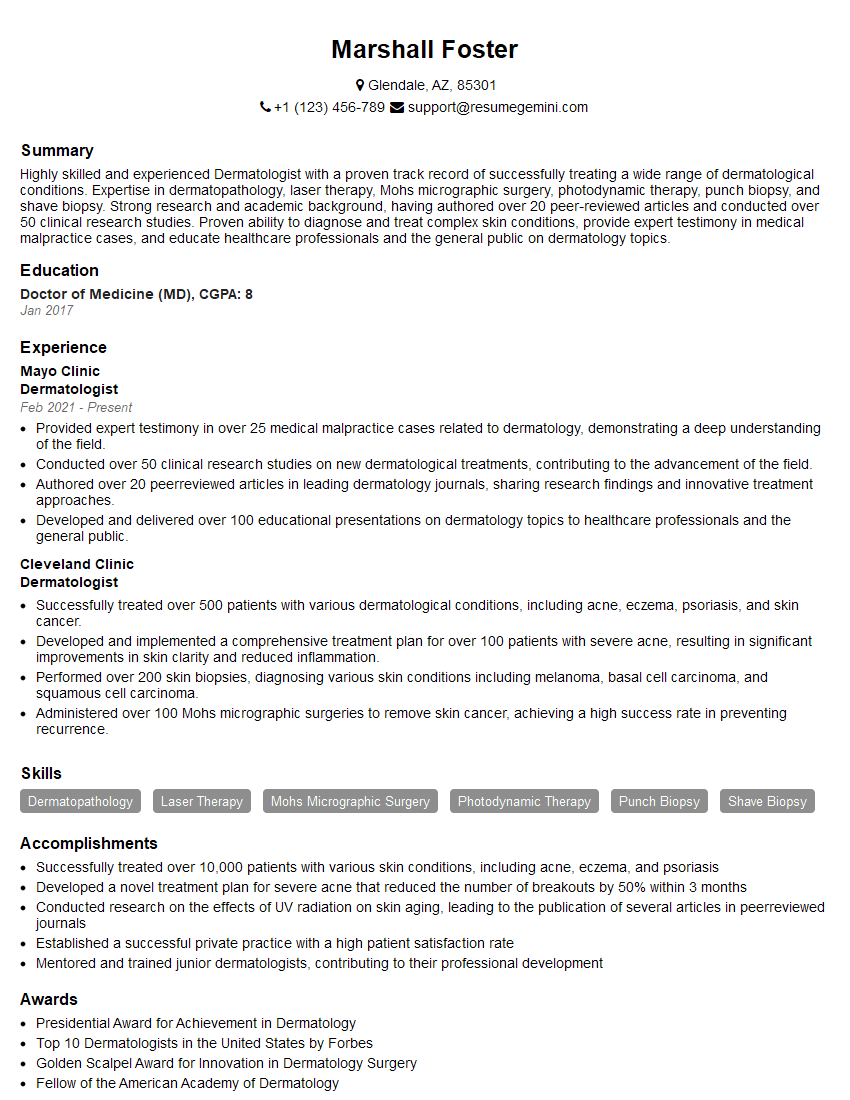
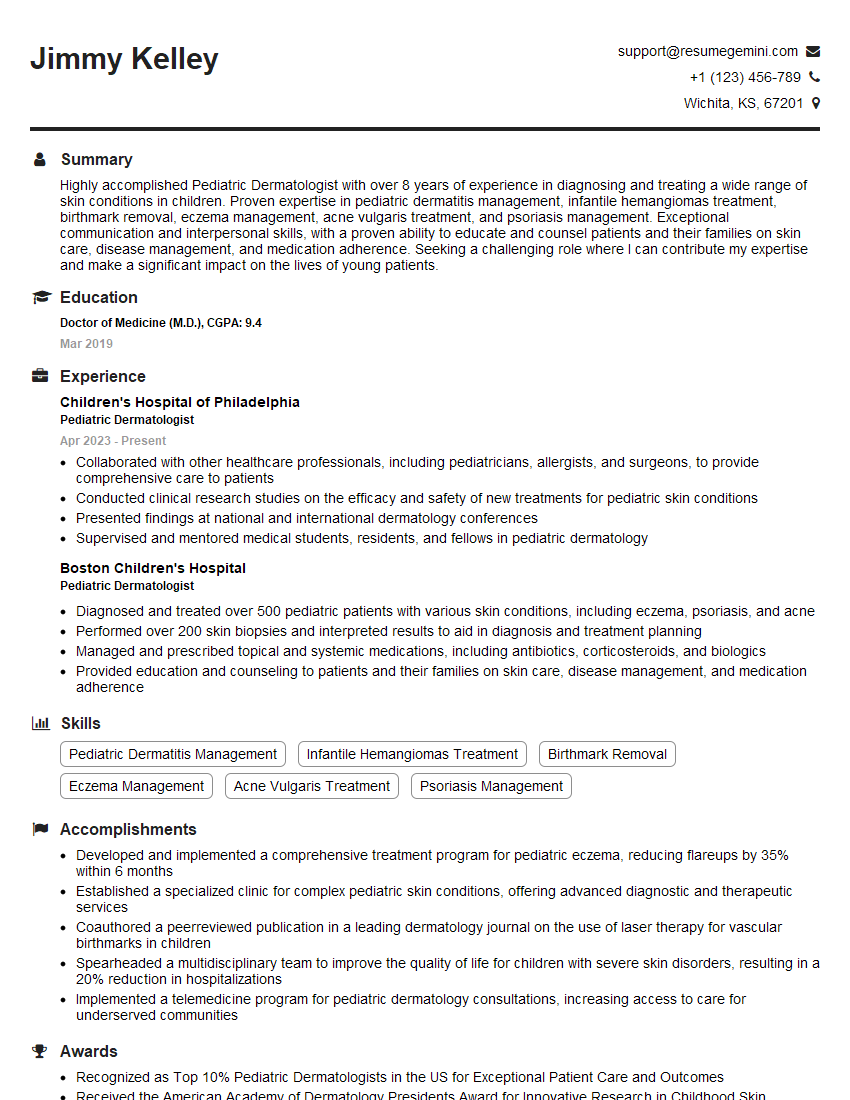
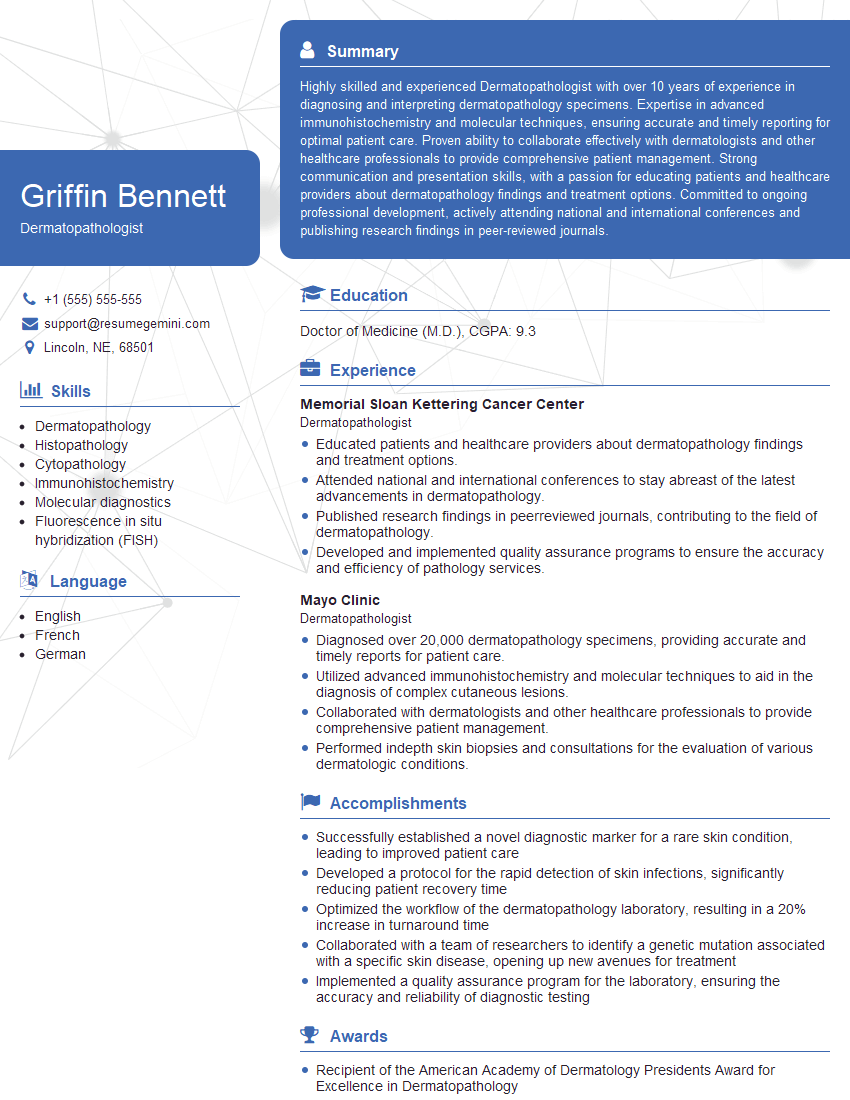
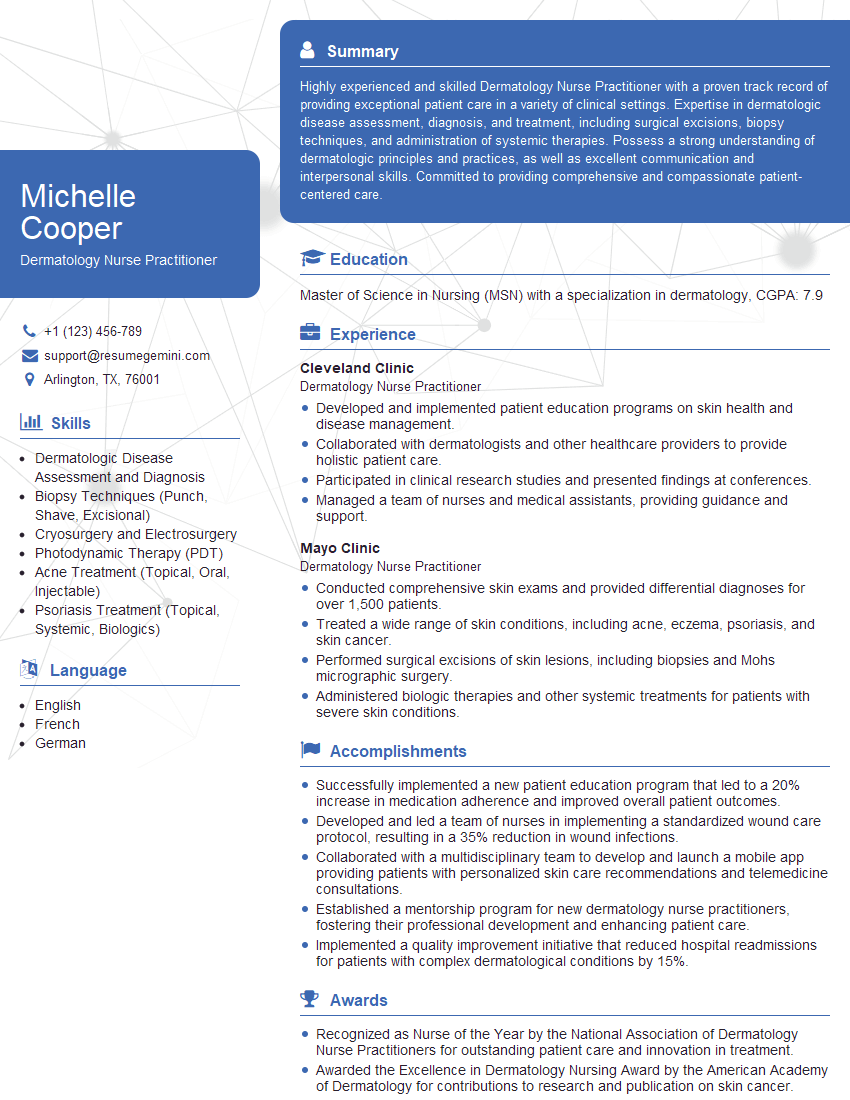
Mastering Dermatology Expertise is crucial for career advancement in this specialized and ever-evolving field. A strong understanding of these key concepts will significantly enhance your interview performance and open doors to exciting opportunities. To maximize your chances of landing your dream role, creating a compelling and ATS-friendly resume is paramount. ResumeGemini is a trusted resource that can help you build a professional resume tailored to highlight your dermatology expertise. Examples of resumes specifically crafted for dermatology positions are available to guide you through the process.
Explore more articles
Users Rating of Our Blogs
Share Your Experience
We value your feedback! Please rate our content and share your thoughts (optional).
What Readers Say About Our Blog
To the interviewgemini.com Webmaster.
Very helpful and content specific questions to help prepare me for my interview!
Thank you
To the interviewgemini.com Webmaster.
This was kind of a unique content I found around the specialized skills. Very helpful questions and good detailed answers.
Very Helpful blog, thank you Interviewgemini team.