The thought of an interview can be nerve-wracking, but the right preparation can make all the difference. Explore this comprehensive guide to Soldering Iron Use interview questions and gain the confidence you need to showcase your abilities and secure the role.
Questions Asked in Soldering Iron Use Interview
Q 1. What types of soldering irons are you familiar with?
Over the years, I’ve worked extensively with various soldering iron types. My experience spans from basic, inexpensive pencil irons ideal for hobbyists, to more sophisticated temperature-controlled stations crucial for precision work. These stations often feature digital displays for precise temperature settings and interchangeable tips to accommodate different component sizes and soldering needs.
- Pencil Irons: These are simple, affordable irons perfect for smaller projects and beginners. Think of them as the ‘Swiss Army knife’ of soldering, versatile but with limitations on temperature control.
- Temperature-Controlled Soldering Stations: These offer superior control, allowing you to dial in the exact temperature needed for various materials. This minimizes damage to sensitive components and ensures consistent, high-quality solder joints. I often prefer these for professional work.
- SMD (Surface Mount Device) Soldering Irons: Specifically designed for miniature surface-mount components, these irons often have very fine tips for precision placement and heat application. They are a necessity in modern electronics manufacturing.
- Air Soldering Stations: These use heated air instead of a tip to apply heat, which makes them excellent for reflowing solder paste used in surface mount technology.
My familiarity extends to understanding the nuances of each type, selecting the appropriate tool based on the job, and troubleshooting potential issues.
Q 2. Explain the difference between lead-free and leaded solder.
The key difference between lead-free and leaded solder lies in their composition. Leaded solder traditionally contains tin and lead, offering excellent flow and wettability. Think of it as the older, reliable workhorse. However, lead is toxic, leading to environmental and health concerns.
Lead-free solder, on the other hand, typically uses tin, silver, and copper. It’s environmentally friendly but often requires higher temperatures and may have slightly different properties, such as a higher melting point and less forgiving nature for beginners. This sometimes results in less-than-perfect solder joints if not handled correctly.
In my experience, lead-free solder requires more precision and attention to detail, demanding a steadier hand and precise temperature control to achieve clean, strong joints. The higher melting point demands more heat and can easily damage sensitive components. However, the environmental benefits make it the preferred choice in many professional settings.
Q 3. What is the appropriate temperature for soldering different types of components?
The appropriate soldering temperature depends heavily on the component being soldered and the type of solder used. There’s no single magic number; it’s more of a range. Using a temperature-controlled soldering station is crucial for precise temperature management.
- Through-Hole Components (resistors, capacitors): Generally, a range between 350°C and 400°C (662°F and 752°F) works well with leaded solder, while lead-free might require 400°C to 450°C (752°F to 842°F).
- Surface Mount Devices (SMD): These delicate components necessitate lower temperatures, typically in the range of 300°C to 380°C (572°F to 716°F) depending on the component and solder type. Exceeding these temperatures can easily damage the component.
- Sensitive Components (ICs, transistors): These require very careful attention and often benefit from the use of a lower-wattage soldering iron and a quicker soldering time to minimize heat transfer. I often use a specialized tip and flux for these components.
It’s crucial to consult the manufacturer’s datasheet for the component to determine the appropriate temperature range. Always err on the side of caution; it’s better to apply heat for a shorter duration than risk damage with excessive heat.
Q 4. Describe your experience with different solder types (e.g., rosin core, acid core).
My experience encompasses various solder types, each with distinct properties:
- Rosin Core Solder: This is the most common type, using rosin as flux. Rosin is a relatively mild flux that leaves a less corrosive residue than other types, making it suitable for most electronic applications. It’s my go-to solder for most jobs. The rosin aids in the soldering process by improving the solder’s flow and wettability.
- Acid Core Solder: This uses a more aggressive flux, usually composed of organic acids, which provides better cleaning and wetting capabilities. However, the residue is highly corrosive and requires thorough cleaning after soldering to avoid long-term damage. I rarely use this type unless specifically required for a challenging joint, and I always take extra steps to clean thoroughly afterward.
- No-Clean Solder: This type contains a flux designed to leave minimal residue, usually avoiding the need for cleaning. However, ‘no-clean’ doesn’t mean ‘no cleaning;’ many still benefit from post-soldering cleaning, especially in sensitive applications.
The choice of solder depends on the application. For general electronics work, rosin-core solder is excellent. More aggressive fluxes are reserved for situations where superior wetting is required.
Q 5. How do you prevent solder bridges?
Solder bridges, those unwanted connections between adjacent pins or pads, are a common problem. Preventing them requires careful technique and attention to detail.
- Proper Tip Size and Technique: Using a tip that’s appropriately sized for the connection minimizes the risk of accidental bridging. Always apply the heat to the pads/leads, not just the solder. This allows for proper capillary action to draw the solder into place.
- Flux Application: Apply a small amount of flux to the connection points prior to soldering. This improves the solder’s flow and reduces the chance of bridging.
- Solder Quantity: Use only the necessary amount of solder. Too much can easily cause a bridge.
- Magnification and Proper Lighting: When working with fine-pitch components, magnification and appropriate lighting are essential for clear visibility, preventing accidental bridges. I always use a good magnifying glass and a well-lit workspace.
- Cleanliness: A clean workspace and iron tip are crucial. Any residue or contamination can negatively affect solder flow and increase the risk of bridging.
Experience plays a significant role in avoiding solder bridges. It’s about developing a consistent technique and knowing how much solder and heat to apply to each connection.
Q 6. What techniques do you use to remove excess solder?
Removing excess solder involves several techniques, depending on the situation.
- Solder Wick: This is a braided copper mesh that absorbs molten solder. Apply a bit of flux to the wick, place it on the excess solder, and apply the heated iron tip to the wick. The wick absorbs the solder and can quickly and cleanly remove unwanted solder from a connection.
- Solder Sucker/Vacuum Pen: This tool uses suction to remove excess solder. Heat the solder joint, and then apply the tip of the sucker to remove the molten solder. This is effective for removing solder from through-hole components.
- Desoldering Braid: Similar to solder wick, but with different braiding and construction. Often more effective on fine-pitch SMT components.
- Manual Removal with Iron: With a practiced hand, you can sometimes carefully melt and remove excess solder using the soldering iron tip, guiding the molten solder away from the joint. This requires skill and experience to avoid damaging adjacent components.
Choosing the right method depends on the location and amount of excess solder. A solder wick is typically my first choice for most situations.
Q 7. Explain the importance of proper flux application.
Proper flux application is critical for successful soldering. Flux cleans the surfaces of the metals to be joined, improves the wetting action of the solder, and prevents oxidation.
- Cleaning the Surface: Flux removes oxides and contaminants from the surfaces, ensuring a good electrical and mechanical connection. Without flux, the solder might not adhere properly, resulting in a weak or unreliable joint. Think of it as preparing a surface for paint; you wouldn’t paint directly onto rust, right?
- Improving Wetting: Flux improves the ‘wetting’ action of the solder, allowing it to spread evenly and create a strong, continuous joint. Without it, the solder might ball up or fail to make proper contact.
- Preventing Oxidation: During the soldering process, metals can quickly oxidize, hindering the solder’s ability to flow and form a connection. Flux prevents this oxidation, enabling a cleaner and more reliable solder joint.
Flux is not just an optional additive; it’s a crucial part of the process. Using the right amount of the right flux can prevent many soldering issues and improve the quality and reliability of your work.
Q 8. What safety precautions do you take when using a soldering iron?
Safety is paramount when soldering. Think of a soldering iron as a miniature, intensely hot branding iron – respect is crucial. My safety precautions always begin with ensuring proper ventilation. Soldering fumes can be harmful, so I always work in a well-ventilated area or use a fume extractor. I always wear safety glasses to protect my eyes from solder splatter, which can cause serious eye injuries. Furthermore, I use heat-resistant gloves and a heat-resistant mat to protect my hands and my work surface from burns. I never leave a hot soldering iron unattended, always making sure to turn it off and allow it to cool completely before storing it. Lastly, I maintain a tidy workspace to prevent accidents caused by tripping or clutter. Even something as simple as a cluttered bench can quickly become dangerous when working with a hot tool.
Q 9. How do you identify a bad solder joint?
Identifying a bad solder joint is crucial for ensuring the reliability of any electronic circuit. A bad solder joint often presents visually distinct characteristics. A cold solder joint, characterized by a dull, grayish appearance, lacks proper fusion between the solder and the components. It’s often uneven, with a granular texture and typically exhibits poor mechanical strength. A dry joint shows minimal or no solder filling the gap between the components, leaving the connection essentially open. Then there is a solder bridge, where excessive solder unintentionally connects two adjacent pads, leading to shorts and malfunctions. Sometimes, you may even encounter solder balls – small spheres of solder that have formed improperly and could indicate improper technique. In addition to visual inspection, you may need to use a multimeter to test the continuity of the joint. If it registers high resistance or open circuit, it signifies a faulty connection. A successful solder joint should be smooth, shiny, and has a uniform appearance with good mechanical strength.
Q 10. What are the common causes of cold solder joints?
Cold solder joints, those weak and unreliable connections, stem from several common causes. Insufficient heat is the most frequent culprit. If the soldering iron’s temperature isn’t high enough to properly melt the solder and components, the resulting joint will be weak. Insufficient solder also plays a significant role. Using too little solder will prevent proper wetting and adhesion. Poor joint preparation, such as unclean or oxidized components, can also prevent good solder flow. Lastly, improper technique, including too fast application or not giving the solder enough time to cool properly, can lead to incomplete fusion. A common scenario I’ve encountered is a technician rushing through the work, resulting in several cold solder joints that must be re-done. The fix is straightforward: ensure the iron is at the correct temperature, use enough solder, clean the components meticulously, and give the solder ample time to cool properly and properly fuse.
Q 11. How do you handle different solder pad sizes and component lead types?
Handling different solder pad sizes and component lead types requires adaptable technique. For smaller pads, a finer soldering iron tip is essential for precision. A larger tip would simply apply too much heat to the entire board, potentially damaging nearby components. For larger pads, a correspondingly larger tip is acceptable and may even be preferred for quicker and more efficient work. With surface-mount devices (SMDs), a fine-tipped iron combined with specialized techniques such as using flux and a magnifying glass may be required. For thicker leads, more heat and solder might be necessary. Thinner leads are delicate and require more finesse to prevent damage. I always choose the smallest appropriate tip for maximum control and to prevent heat damage to the surrounding components. One important aspect is to use the correct amount of solder to completely fill the area between the lead and the pad, ensuring an even, strong joint. Using too much can cause bridging; too little creates a cold solder joint.
Q 12. Describe your experience with surface mount technology (SMT) soldering.
My experience with Surface Mount Technology (SMT) soldering is extensive. SMT soldering demands precision and specialized equipment, often requiring the use of a hot air rework station in addition to a soldering iron. It involves soldering extremely small components directly onto the surface of a printed circuit board (PCB). The key to success in SMT is precise temperature control to prevent overheating and damage. The use of flux is paramount, enhancing the solder’s flow and wetting properties on the tiny pads. Magnification is often required to accurately place and inspect the joints. I’ve worked on various SMT projects, from intricate microcontroller boards to densely populated PCBs. One challenging project involved repairing a failed network card using only a microscope and an extremely fine-tipped soldering iron. The patience and precision needed for successful SMT repair is essential. While some components can be hand-soldered, most require a specialized rework station.
Q 13. What is the importance of using the correct solder tip size?
Using the correct solder tip size is vital for achieving high-quality solder joints and preventing damage to components and the PCB. Too small a tip may not efficiently transfer enough heat, leading to cold solder joints. On the other hand, too large a tip can overheat delicate components or cause accidental bridging between pads. The ideal tip size should be proportional to the size of the component leads and the solder pads. For example, a fine-tipped iron is appropriate for small surface mount components, while a broader tip would be suitable for larger through-hole components. I always carefully select the appropriate tip based on the specific task. Using the right size ensures even heat distribution, preventing damage to sensitive circuitry and resulting in clean and reliable solder joints. This has been a key factor in minimizing rework and ensuring product quality throughout my career.
Q 14. How do you clean your soldering iron tip?
Maintaining a clean soldering iron tip is crucial for consistent performance and high-quality soldering. A dirty or oxidized tip leads to poor heat transfer and results in inferior solder joints. My preferred cleaning method involves using a wet sponge. I periodically wipe the tip on a damp sponge to remove excess solder and residue. For stubborn oxidation, I might use a tip cleaner, either a chemical cleaner or a brass sponge. The brass sponge mechanically removes the oxidized layer and restores the tip’s surface. Regular cleaning not only extends the life of the tip but also greatly improves soldering quality, resulting in stronger, more reliable joints. I make it a habit to clean my tip frequently during soldering sessions to maintain its optimal performance. Ignoring tip cleanliness is like trying to cook with a dirty pan – you’ll end up with a messy and possibly unsalvageable result.
Q 15. Explain your experience with rework techniques.
Rework techniques are crucial for correcting soldering errors or replacing components on a printed circuit board (PCB). My experience encompasses a range of methods, from simple component removal and replacement to more complex procedures involving specialized tools.
- Manual Desoldering: This involves using a desoldering pump or wick to remove solder from a joint before removing the component. I’m proficient in selecting the appropriate wick size and applying the right amount of suction to avoid damaging surrounding components. For stubborn joints, I use a specialized desoldering braid with flux to aid in solder removal.
- Hot Air Rework Station: For surface-mount components, I utilize hot air rework stations to carefully heat the component and its solder joints, allowing for clean removal. This requires precise temperature control and airflow to prevent damage to the PCB or nearby components. I can adjust parameters like temperature and airflow based on the specific component and its sensitivity to heat.
- Soldering Iron Rework: For through-hole components, I employ a high-quality soldering iron with a fine tip to carefully melt the solder joints, allowing for controlled component removal. This technique needs a steady hand and understanding of different solder types.
I always prioritize minimizing damage to the PCB and surrounding components during rework. I routinely inspect the PCB after rework to ensure no damage has been incurred and the repaired area is stable and secure.
Career Expert Tips:
- Ace those interviews! Prepare effectively by reviewing the Top 50 Most Common Interview Questions on ResumeGemini.
- Navigate your job search with confidence! Explore a wide range of Career Tips on ResumeGemini. Learn about common challenges and recommendations to overcome them.
- Craft the perfect resume! Master the Art of Resume Writing with ResumeGemini’s guide. Showcase your unique qualifications and achievements effectively.
- Don’t miss out on holiday savings! Build your dream resume with ResumeGemini’s ATS optimized templates.
Q 16. How do you troubleshoot soldering issues on a PCB?
Troubleshooting soldering issues on a PCB requires a systematic approach. I start by visually inspecting the solder joints under magnification, looking for common problems like cold solder joints (dull, uneven, or grainy appearance), bridges (solder connecting unintended traces), and insufficient solder.
- Visual Inspection: I use a magnifying glass or microscope to examine each solder joint carefully, paying close attention to the solder’s shape and its connection to the component leads and PCB pads. A good solder joint should be shiny, convex, and completely cover the pad.
- Continuity Testing: If visual inspection reveals potential issues, I use a multimeter to test the continuity of the circuits. This helps identify any open circuits caused by poor solder joints or bridges.
- Component Testing: If continuity testing indicates a problem with a particular component, I would individually test the component with a multimeter to rule out component failure as the source of the issue.
- Flux Residue: Excessive flux residue can cause issues, so careful cleaning is crucial. I would clean the board using isopropyl alcohol and ensure all residue is removed.
By combining visual inspection with electrical testing, I can effectively pinpoint the source of soldering issues and implement the appropriate repair strategy. Each step is meticulously documented and photographed for clarity.
Q 17. What is your experience with different soldering techniques (e.g., wave soldering, reflow soldering)?
My experience encompasses several soldering techniques, each suited to different applications and scales of production.
- Wave Soldering: I’m familiar with the process of wave soldering, where PCBs are passed over a wave of molten solder to automatically solder through-hole components. This requires an understanding of PCB design for optimal solder flow and proper setup of the wave soldering machine to avoid shorts and bridging.
- Reflow Soldering: I’m experienced in reflow soldering, a process commonly used for surface mount technology (SMT). This involves placing components on the PCB and then passing the board through an oven that melts the solder paste, creating the connections. Accurate temperature profiles are critical here to prevent damage to components or the PCB. I have experience with different reflow oven profiles and optimizing these profiles for specific component types.
- Manual Soldering (Hand Soldering): I’m highly proficient in manual soldering using various soldering irons and techniques, adapting my approach based on the specific component and PCB design. This technique emphasizes precision and control, particularly critical in prototyping and smaller-scale projects.
The selection of technique depends heavily on the volume of production, the type of components, and the design of the PCB. I can adapt my skills and knowledge to the most appropriate method for a given job.
Q 18. Describe your experience with using a magnifying glass or microscope during soldering.
Using magnification during soldering is essential for ensuring high-quality, reliable joints, especially when dealing with fine-pitch surface mount components. I regularly use both magnifying glasses and microscopes depending on the complexity of the task.
- Magnifying Glass: A simple magnifying glass provides sufficient magnification for many tasks, allowing me to clearly see the solder joint formation, ensure proper component placement, and identify any defects like bridging or cold joints.
- Microscopes: For very fine-pitch components or intricate rework, a microscope provides greater magnification and better illumination, enabling precise manipulation and inspection. Stereo microscopes are particularly useful as they provide a 3D view of the work area.
The use of magnification significantly improves accuracy and reduces the risk of errors, leading to more reliable and durable connections. It is an integral part of my soldering workflow.
Q 19. How do you ensure solder joint quality and reliability?
Ensuring solder joint quality and reliability requires attention to several key factors throughout the process.
- Proper Solder Selection: Using the appropriate type of solder (e.g., lead-free, leaded) with the correct melting point is crucial. The choice depends on the application and component specifications.
- Cleanliness: A clean workspace and clean PCB are essential to prevent contamination of the solder joints. I meticulously clean the PCB pads before soldering using isopropyl alcohol.
- Proper Technique: Applying the right amount of heat, solder, and using the appropriate soldering iron tip ensures a good solder joint. The solder should flow smoothly and create a shiny, convex meniscus.
- Flux Application: Using flux helps to improve the wetting of the solder and prevents oxidation. I always apply a suitable flux before soldering, ensuring it’s not excessive.
- Post-Soldering Inspection: A thorough visual inspection using magnification is crucial to identify any defects and ensure all joints meet quality standards. I employ visual inspection aids for critical applications.
By following these guidelines, I consistently produce high-quality solder joints that meet or exceed industry standards for reliability and longevity. My experience also extends to understanding industry standards and test procedures for verifying joint quality.
Q 20. Explain the importance of maintaining a clean and organized workspace when soldering.
Maintaining a clean and organized workspace is paramount for efficient and safe soldering. A cluttered workspace increases the risk of accidents and errors. Think of it as a surgical operation; a precise and clean environment is essential for success.
- Organization: All tools and materials should be readily accessible but stored in an organized manner to prevent accidental spills or damage.
- Cleanliness: Regularly cleaning the workspace removes solder splatters, flux residue, and other debris that can contaminate the PCB or interfere with the soldering process. A clean, dust-free environment minimizes the risk of short circuits and improves the quality of the solder joints.
- Proper Ventilation: Adequate ventilation is essential to remove soldering fumes, which can be harmful to health. I always work in a well-ventilated area or use a fume extractor.
- ESD Precautions: When working with electronic components, it’s crucial to prevent electrostatic discharge (ESD). I ensure that I am properly grounded and use ESD mats to protect sensitive components.
A well-organized and clean workspace improves efficiency, reduces errors, and enhances overall safety. It’s a fundamental practice that contributes significantly to the quality of the final product.
Q 21. What experience do you have with specialized soldering equipment (e.g., hot air rework stations)?
I have extensive experience with specialized soldering equipment, particularly hot air rework stations, which are essential for efficient and safe rework of surface-mount components.
- Hot Air Rework Stations: I’m proficient in operating various hot air rework stations, adjusting parameters such as temperature, airflow, and nozzle size to optimize the process for different components and PCB designs. I understand the importance of preheating and controlled cooling to prevent thermal shock damage to the PCB and components.
- Soldering Iron with Temperature Control: I’m highly proficient in using soldering irons with precise temperature control, which allows me to adjust the temperature based on the type of solder and component being used. This ensures the solder melts correctly and efficiently.
- Specialized Nozzles: I’m familiar with using different nozzles to focus the airflow and heat precisely on the target area, minimizing the risk of damage to surrounding components. Choosing the right nozzle is vital for effective component removal and placement.
My experience with these specialized tools allows me to perform complex rework operations with precision and efficiency. I’m also experienced in maintaining and troubleshooting this equipment, ensuring it operates optimally at all times. Understanding the capabilities and limitations of these tools is key to successful and safe rework operations.
Q 22. How would you handle a situation where you damage a component during soldering?
Damaging a component during soldering is unfortunately a risk, but minimizing the damage and learning from the mistake are crucial. My first step is always assessment. I carefully examine the extent of the damage. A minor solder bridge might be easily remedied with desoldering braid, while a cracked component requires more significant intervention. If the component is salvageable, I’d carefully remove the excess solder using a desoldering pump or braid, ensuring I don’t apply excessive heat or force. If the damage is beyond repair, I would immediately replace the component, double-checking the datasheet for correct orientation and specifications before proceeding. Proper documentation of the failure and the corrective action is vital for future quality control and to prevent similar issues. For instance, if I consistently damage a particular component type, I might investigate whether my soldering technique needs adjustment or if a different soldering iron or tool would be more suitable. Learning from errors is key to improving soldering skills and efficiency.
Q 23. What is your understanding of ESD (Electrostatic Discharge) protection and its relevance to soldering?
ESD, or Electrostatic Discharge, is a silent killer in electronics. It refers to the sudden flow of electricity between two objects with different electrical potentials. This seemingly small discharge can easily damage sensitive electronic components like microchips and integrated circuits. In soldering, we handle components that are highly susceptible to ESD damage. Therefore, ESD protection is paramount. My approach includes using an anti-static mat, an anti-static wrist strap connected to a grounded point, and anti-static bags and containers for storing components. I always ensure that my work area is clean and free of static-generating materials. Before handling any sensitive component, I always ground myself to prevent any potential charge buildup from harming the device. A simple yet effective measure is to touch a grounded metal object before handling components, ensuring any static charge on me is safely discharged. Regular maintenance of ESD equipment and adherence to company protocols are also crucial for effective protection.
Q 24. Describe your experience with soldering different metals.
My experience encompasses soldering a variety of metals, including copper, tin, lead, and various alloys used in surface mount technology (SMT). Each metal has unique properties influencing the soldering process. For instance, copper requires a good flux to prevent oxidation and ensure a strong solder joint. Lead-based solder, while now less common due to environmental concerns, has a lower melting point making it easier to work with. Lead-free solder, which is now the industry standard, has a higher melting point and requires more precise temperature control to prevent damage to the components. When soldering different metals, I adjust the temperature of my iron and the type of flux according to the specific material, ensuring clean, robust joints while avoiding cold joints (insufficient solder flow) or overheating (damage to the component). I’ve worked with components ranging from simple through-hole resistors and capacitors to intricate multi-layer PCBs, and each has required a tailored approach based on the materials used.
Q 25. Explain your experience with different types of solder paste.
My experience with solder paste includes various compositions, specifically differing in their metal ratios, flux types, and particle sizes. The selection of solder paste depends heavily on the application and the components being soldered. I’ve worked with lead-free solder pastes (e.g., SAC305) which are environmentally friendly and are the standard for most modern electronics. I’m also familiar with lead-containing pastes (though they are less common now) and specialized pastes for high-temperature applications. Different flux types in solder pastes influence the wetting properties, affecting the solder’s ability to flow and create a strong connection. For example, No-Clean pastes are convenient but require careful attention to ensure any residue doesn’t cause long-term problems. Understanding the characteristics of various solder pastes is vital for achieving optimal solder joints and avoiding defects. Particle size also affects the printability and solder joint quality – finer particles offer better resolution and smoother prints.
Q 26. How do you determine the correct amount of solder to use?
Determining the correct amount of solder is crucial for creating reliable joints without causing shorts or cold joints. The key is using just enough solder to create a good meniscus – a concave surface indicating proper capillary action and wetting. Too little solder will result in a weak or intermittent connection. Too much solder may create solder bridges (short circuits between adjacent pins or pads) or excessive solder build-up which may hinder device function. My approach is based on observation and experience. I visually inspect the joint as I apply the solder and adjust accordingly. For surface mount components, I often use stencil printing to ensure consistent solder paste deposition. In other cases, I apply a small amount of solder directly to the pads and heat it with my iron, allowing the capillary action to draw the solder where it is needed. Practicing and developing a good feel for the appropriate amount of solder is essential for high-quality soldering.
Q 27. How familiar are you with IPC-A-610 standards?
I am very familiar with IPC-A-610, the globally recognized standard for the acceptability of electronic assemblies. IPC-A-610 provides detailed criteria and guidelines for evaluating the quality of soldered connections and the overall assembly process. This standard is essential for ensuring the reliability and quality of the products I work on. I use IPC-A-610 as a guide for my soldering practice, adhering to its guidelines on acceptable joint shapes, solder volume, and the absence of defects like cold solder joints, bridging, or excessive solder. Regularly reviewing and updating my knowledge of IPC-A-610 ensures that I maintain high standards and produce consistent, reliable work that meets or exceeds industry best practices. Compliance with IPC-A-610 is critical for ensuring the functionality and longevity of electronic products.
Q 28. Describe your experience documenting soldering procedures
Documenting soldering procedures is crucial for maintaining consistency, facilitating training, and troubleshooting potential issues. My experience includes documenting soldering procedures using various methods: detailed written instructions, step-by-step photographic guides, and short videos demonstrating specific techniques. In many cases, a combination of methods provides the most comprehensive documentation. For instance, I might create a flowchart to outline a complex soldering process, supported by photographs showcasing critical steps and potential problems. The level of detail depends on the complexity of the task. Simple soldering processes might only require a short written procedure. However, more intricate processes involving unique components or specialized techniques require a more comprehensive documentation process. These documents are not only used for training new technicians but also for quality assurance and auditing purposes. Clear and concise documentation is critical for maintaining product quality and improving efficiency.
Key Topics to Learn for Your Soldering Iron Use Interview
- Soldering Iron Types and Selection: Understanding different types of soldering irons (e.g., temperature-controlled, pencil-type), their applications, and how to choose the right tool for the job.
- Solder Selection and Use: Knowing the various types of solder (e.g., lead-free, leaded), their melting points, and how to apply solder correctly for strong, reliable joints.
- Proper Soldering Technique: Mastering the essential techniques like preheating, applying solder to the joint, and achieving a clean, well-formed solder joint (avoiding cold joints, bridging, and excessive solder).
- Flux Application and Importance: Understanding the role of flux in cleaning surfaces, improving solder flow, and preventing oxidation during the soldering process.
- Safety Precautions and Best Practices: Familiarizing yourself with safety guidelines to prevent burns, electrical shock, and fume inhalation. This includes proper ventilation and using appropriate personal protective equipment (PPE).
- Troubleshooting Common Soldering Problems: Developing the ability to identify and resolve common issues such as cold solder joints, bridging, and solder splashes. Understanding how to diagnose and correct these problems is crucial.
- Soldering Different Materials: Gaining experience soldering various components and materials, including through-hole components, surface mount devices (SMDs), and wires of different gauges.
- Desoldering Techniques: Learning how to effectively remove solder from existing joints using desoldering tools and techniques, including wicking and vacuum desoldering.
- Maintenance and Care of Soldering Equipment: Knowing how to properly clean and maintain your soldering iron and related tools to ensure longevity and optimal performance.
Next Steps
Mastering soldering iron use is a valuable skill that opens doors to numerous opportunities in electronics manufacturing, repair, and related fields. A strong understanding of these techniques demonstrates attention to detail, technical proficiency, and problem-solving skills – highly sought-after qualities in many industries. To maximize your job prospects, crafting a compelling and ATS-friendly resume is key. ResumeGemini is a trusted resource that can help you build a professional resume that highlights your skills and experience effectively. Examples of resumes tailored to soldering iron use are available to guide you through this process. Invest the time to create a strong resume – it’s your first impression on potential employers.
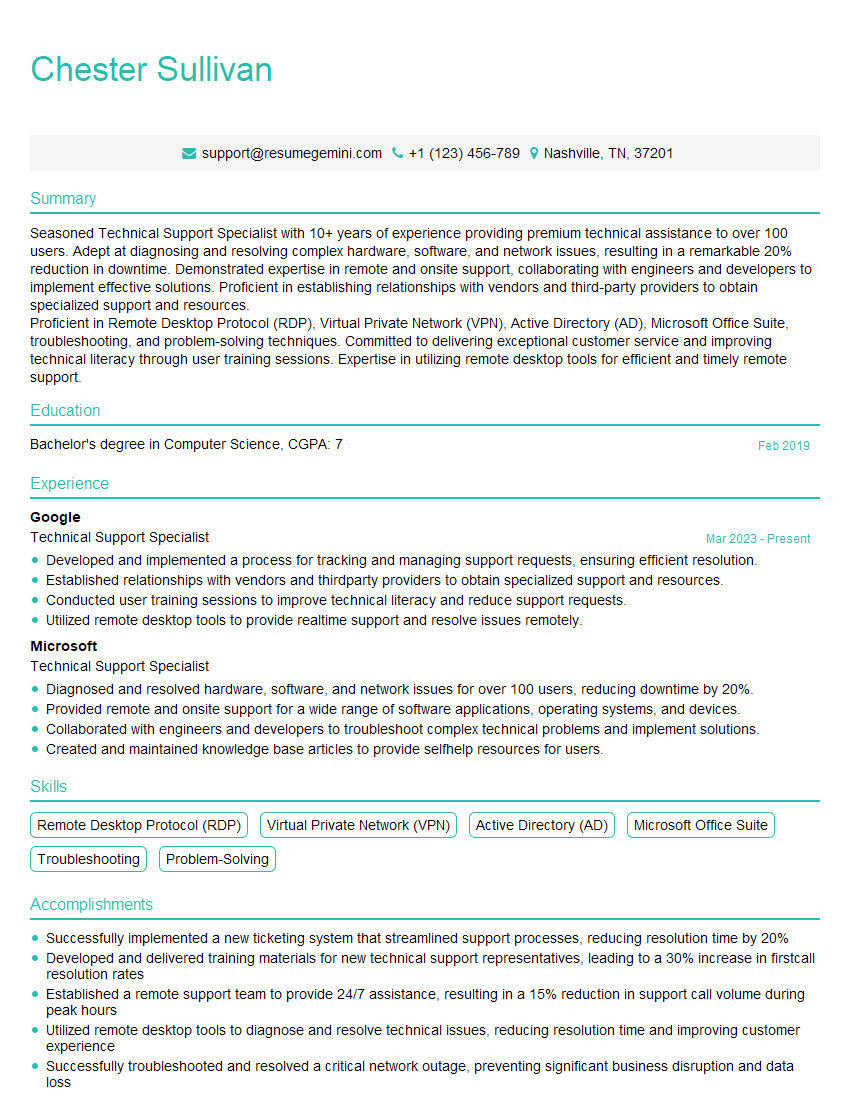
Technical Support Specialist Resume Sample

Maintenance Technician Resume Sample

Hardware Engineer Resume Sample

Quality Assurance Technician Resume Sample

Avionics Technician Resume Sample

Electronics Technician Resume Sample

Instrumentation Technician Resume Sample

Field Service Technician Resume Sample

Robotics Technician Resume Sample

Manufacturing Technician Resume Sample
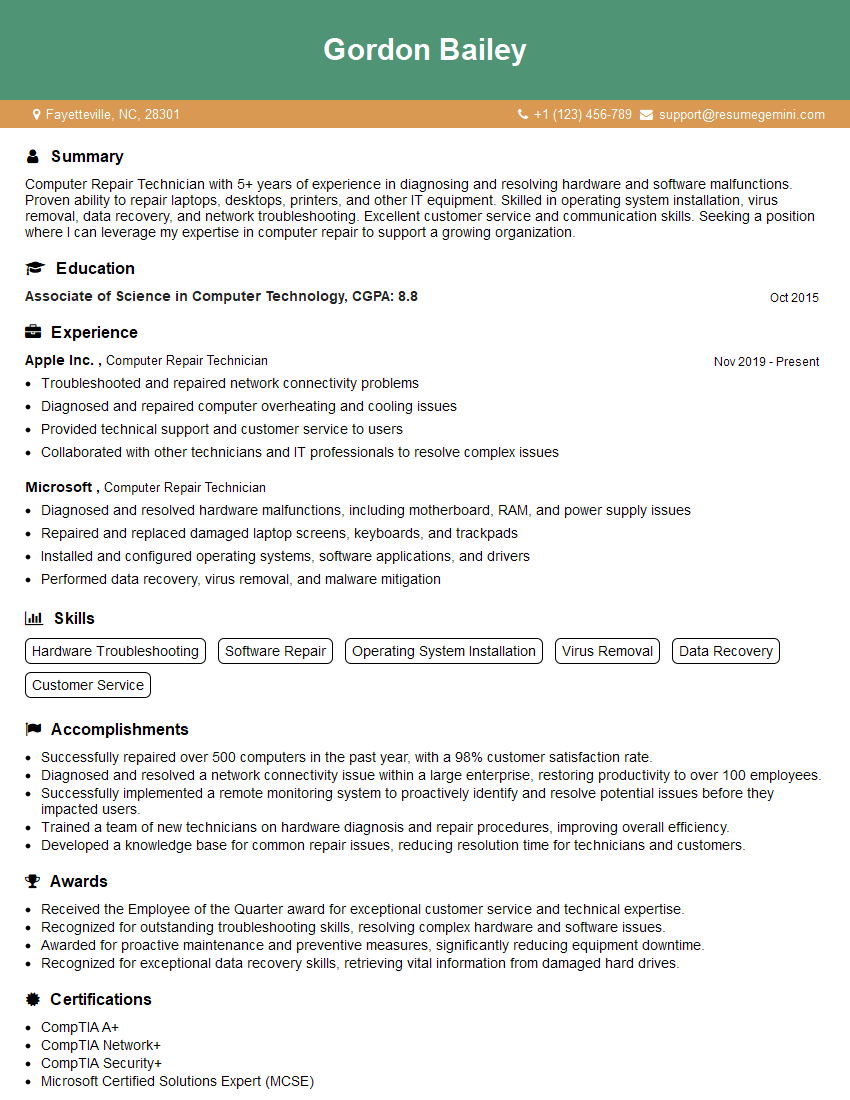
Computer Repair Technician Resume Sample
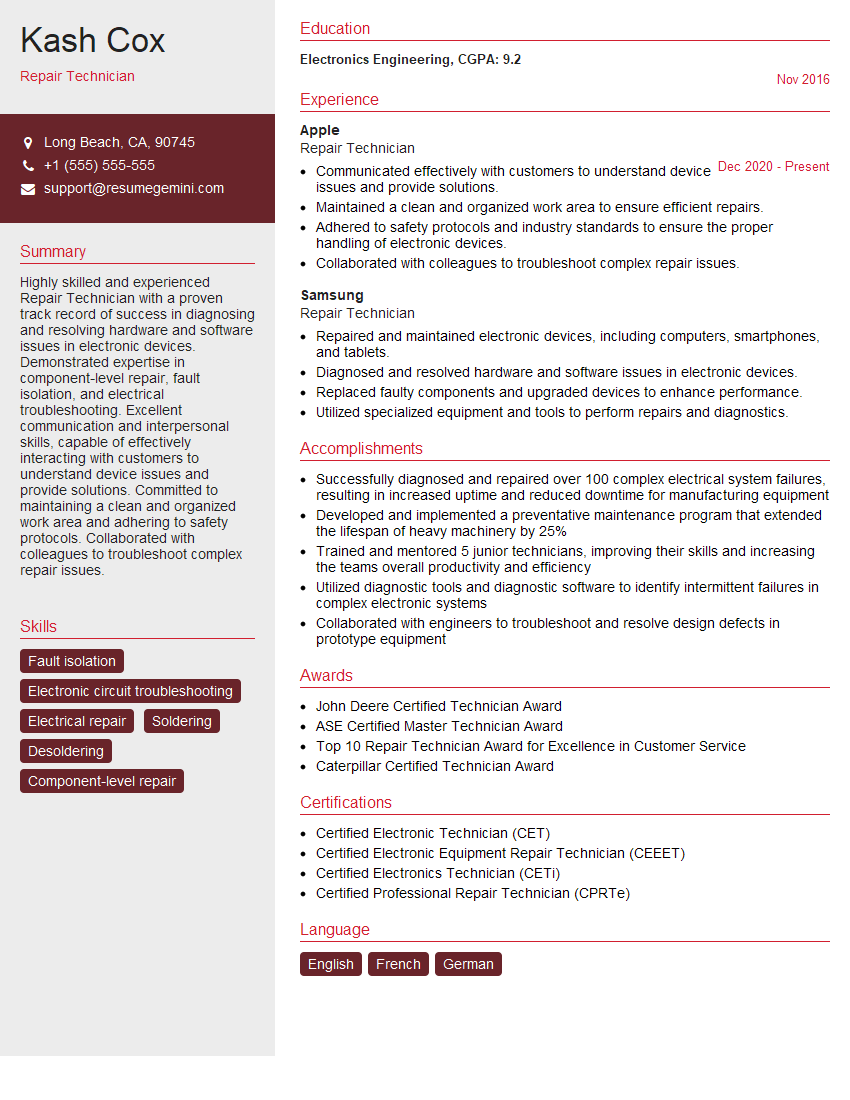
Repair Technician Resume Sample
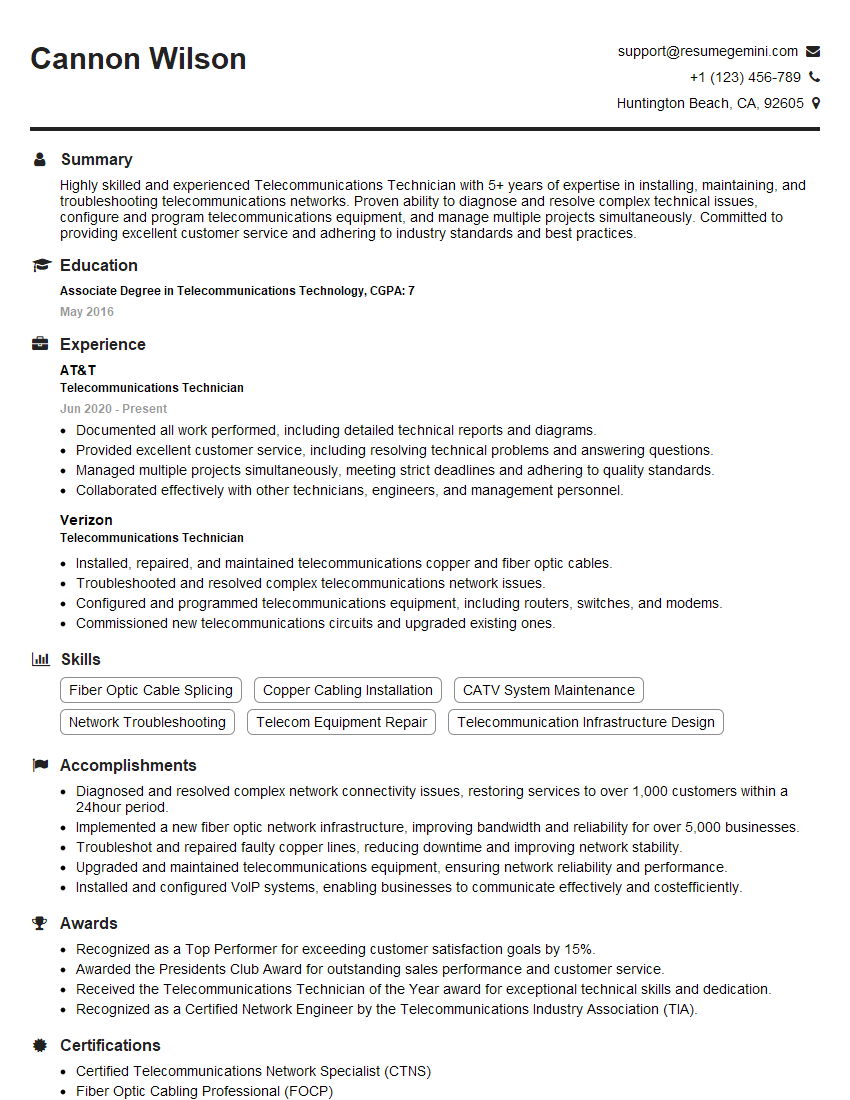
Telecommunications Technician Resume Sample

Electronics Assembler Resume Sample

Prototype Technician Resume Sample
- Technical Support Specialist
- Maintenance Technician
- Hardware Engineer
- Quality Assurance Technician
- Avionics Technician
- Electronics Technician
- Instrumentation Technician
- Field Service Technician
- Robotics Technician
- Manufacturing Technician
- Computer Repair Technician
- Repair Technician
- Telecommunications Technician
- Electronics Assembler
- Prototype Technician
Explore more articles
Users Rating of Our Blogs
Share Your Experience
We value your feedback! Please rate our content and share your thoughts (optional).
What Readers Say About Our Blog
To the interviewgemini.com Webmaster.
Very helpful and content specific questions to help prepare me for my interview!
Thank you
To the interviewgemini.com Webmaster.
This was kind of a unique content I found around the specialized skills. Very helpful questions and good detailed answers.
Very Helpful blog, thank you Interviewgemini team.