The thought of an interview can be nerve-wracking, but the right preparation can make all the difference. Explore this comprehensive guide to Industrial Waste Permit Compliance interview questions and gain the confidence you need to showcase your abilities and secure the role.
Questions Asked in Industrial Waste Permit Compliance Interview
Q 1. Explain the difference between NPDES and SPCC permits.
The National Pollutant Discharge Elimination System (NPDES) permit regulates water pollution, specifically discharges into waters of the United States. Think of it as a permit to legally release treated wastewater. In contrast, the Spill Prevention, Control, and Countermeasure (SPCC) plan focuses on preventing oil spills from facilities. It’s a preventative measure, outlining steps to contain and clean up spills should they occur. While both relate to environmental protection, they target different pollutants and hazards. An industrial facility might need both an NPDES permit for wastewater discharge and an SPCC plan if they store or handle oil.
Example: A manufacturing plant using oil-based lubricants would require an SPCC plan to detail how they’ll prevent and respond to spills. If they also discharge treated wastewater from their manufacturing process, they’d need an NPDES permit to ensure that discharge meets water quality standards.
Q 2. Describe your experience with the Resource Conservation and Recovery Act (RCRA).
The Resource Conservation and Recovery Act (RCRA) governs the generation, transportation, treatment, storage, and disposal of hazardous and non-hazardous waste. My experience includes conducting RCRA waste audits to ensure proper waste characterization and documentation. I’ve also been involved in developing and implementing RCRA compliance programs, including hazardous waste generator training programs and contingency plans. This includes ensuring proper labeling, manifesting, and record-keeping of hazardous waste shipments and disposal. I’ve worked with facilities to identify and manage their waste streams, minimizing waste generation and ensuring proper disposal methods to prevent environmental contamination.
Example: I once worked with a client who was misclassifying their waste, potentially leading to improper disposal. Through a thorough RCRA waste audit and training program, we corrected the classification and implemented a comprehensive waste management plan. This not only prevented environmental violations but also saved the company significant costs in disposal fees.
Q 3. How familiar are you with the Clean Water Act (CWA) and its implications for industrial waste?
The Clean Water Act (CWA) is the cornerstone of water pollution control in the US. It sets water quality standards and regulates discharges into surface waters. For industrial waste, the CWA’s implications are significant. It mandates that industrial facilities obtain NPDES permits before discharging any wastewater. These permits establish limits on the types and amounts of pollutants that can be released. Non-compliance can lead to hefty fines and legal action. My experience includes working directly with the CWA’s regulations, helping facilities develop and implement effective discharge monitoring programs and ensuring their operations meet the required standards.
Example: I’ve helped numerous industrial plants understand their CWA obligations, including developing comprehensive monitoring plans to track pollutants in their wastewater, ensuring they remain within permitted limits. We also address potential issues before they become major compliance problems.
Q 4. What are the key elements of a successful industrial waste permit application?
A successful industrial waste permit application requires meticulous detail and accuracy. Key elements include:
- Accurate characterization of waste streams: Thorough testing and analysis to identify the type and quantity of pollutants present.
- Comprehensive facility description: Detailed information about the facility’s operations and waste generation processes.
- Proposed treatment and disposal methods: Clear description of how the waste will be handled to meet regulatory requirements.
- Monitoring and reporting plan: Outline how compliance will be tracked and documented.
- Emergency response plan: Procedures for handling unexpected spills or releases.
- Financial responsibility: Demonstration of the ability to cover costs associated with cleanup or remediation.
Missing information or inaccuracies can lead to delays or rejection of the application.
Q 5. How do you ensure compliance with air emission regulations related to industrial waste processes?
Ensuring compliance with air emission regulations requires a multi-faceted approach. It starts with identifying potential sources of air emissions from industrial waste processes, such as incineration or drying operations. Next, we conduct air emission testing to determine the types and quantities of pollutants being released. This data is used to determine whether permits (e.g., Title V permits under the Clean Air Act) are required, and if so, to determine the applicable emission limits. Finally, we implement control technologies (e.g., scrubbers, filters) and ongoing monitoring programs to ensure emissions stay within regulatory limits. Regular training of personnel and ongoing record-keeping are crucial for continued compliance.
Example: I helped a manufacturing facility install and maintain a new emissions control system, drastically reducing particulate matter emissions and bringing them into compliance with local regulations. This also improved their overall environmental performance and enhanced their reputation.
Q 6. Explain your understanding of hazardous waste identification and classification.
Hazardous waste identification and classification is critical for proper management. It involves determining if a waste meets the criteria defined under RCRA. This includes evaluating its characteristics (ignitability, corrosivity, reactivity, toxicity) and its listing status (e.g., is it on the EPA’s list of hazardous wastes?). I have extensive experience using the EPA’s guidelines and utilizing various testing methods to characterize waste. Accurate classification is essential because it dictates how the waste must be handled, transported, and disposed of. Misclassification can result in severe penalties.
Example: I recently assisted a client in properly classifying their waste streams, identifying several wastes that were previously misclassified as non-hazardous. This resulted in the implementation of a new waste management plan, compliant with RCRA, avoiding potential fines and environmental damage.
Q 7. Describe your experience with developing and implementing environmental management systems (EMS).
Developing and implementing Environmental Management Systems (EMS), such as ISO 14001, involves establishing a structured approach to environmental performance. My experience covers all stages: conducting environmental audits to identify opportunities for improvement, developing environmental policies and procedures, training staff on environmental responsibilities, and implementing robust monitoring and reporting systems. The goal is to proactively manage environmental aspects and improve overall performance. I’ve helped several organizations successfully achieve ISO 14001 certification demonstrating a commitment to environmental stewardship.
Example: I guided a large manufacturing plant through the ISO 14001 certification process, helping them develop a comprehensive EMS that integrated environmental considerations into their daily operations. This led to improved efficiency, waste reduction, and cost savings while enhancing their environmental reputation.
Q 8. How do you handle non-compliance situations?
Handling non-compliance begins with immediate action. First, we identify the root cause of the non-compliance. This involves a thorough investigation, reviewing operational records, and potentially conducting site inspections. Once the cause is understood, we develop a corrective action plan (CAP). This plan outlines specific steps to address the non-compliance, prevent its recurrence, and bring the facility back into compliance. The CAP is then implemented, and its effectiveness is monitored through regular follow-up inspections and record reviews. For example, if a company exceeds its permitted discharge limits for a specific pollutant, we’d investigate if there’s a malfunction in the treatment system, a problem with the sampling procedure, or an increase in production. The CAP would then target the specific problem – be it equipment repair, operator retraining, or process modification. We also ensure transparent communication with the regulatory agency, keeping them informed of our findings and progress. Open communication is crucial to avoid escalating penalties and maintaining a positive working relationship.
Q 9. What are the common penalties for non-compliance with industrial waste permits?
Penalties for non-compliance vary greatly depending on the severity and nature of the violation, the jurisdiction, and the company’s history. Common penalties include:
- Administrative penalties: These can range from warning letters and administrative orders to significant fines. The fine amount can increase depending on the duration and extent of non-compliance.
- Criminal penalties: In serious cases of negligence or willful violation, criminal charges can be filed, leading to jail time and substantial fines.
- Civil penalties: These involve lawsuits from affected parties or environmental agencies. The court could order remedial action like cleanup, fines, or compensation for damages.
- Permit revocation or suspension: The regulatory agency may suspend or revoke the facility’s permit to operate, effectively halting its operations until compliance is achieved.
- Enforcement actions: This includes site shutdowns or legal injunctions to stop the polluting activity immediately.
For example, a small spill that’s quickly cleaned up might result in a warning, while consistent exceedances of discharge limits could lead to significant fines and permit suspension. The severity is always assessed on a case-by-case basis, considering factors like environmental impact, public health risk, and the company’s cooperation in rectifying the situation.
Q 10. Describe your experience with environmental audits and inspections.
I have extensive experience with environmental audits and inspections, both conducting them and undergoing them. I’m familiar with various audit methodologies, from self-audits to third-party audits conducted by regulatory agencies. My experience includes reviewing facility operating procedures, reviewing and verifying environmental monitoring data, assessing waste management practices, and inspecting equipment to ensure proper functioning and maintenance. For instance, I’ve led several audits that uncovered inconsistencies between a company’s reported data and actual site observations. This led to the identification of weaknesses in their data management systems and the implementation of improvements for better data quality. During regulatory inspections, I’ve ensured all documentation was readily available, demonstrating our compliance with permits and regulations. A strong understanding of environmental regulations and best practices is critical during these processes, ensuring efficient and effective audits.
Q 11. Explain your understanding of waste minimization and pollution prevention strategies.
Waste minimization and pollution prevention are crucial for environmental protection and cost savings. Waste minimization aims to reduce the volume and toxicity of waste generated at the source. This can involve process modifications, material substitution, or improved operational efficiency. Pollution prevention focuses on preventing pollution at its source, rather than treating it after it’s generated. Examples include using less hazardous chemicals, implementing closed-loop systems to recycle materials, and improving energy efficiency. In practice, we often combine both strategies. For example, a manufacturing facility could minimize waste by optimizing its production process to reduce scrap materials. Simultaneously, it could implement pollution prevention by using water-based cleaning agents instead of harsh solvents, reducing the volume and toxicity of wastewater discharged. This holistic approach ensures long-term environmental sustainability and reduced operational costs.
Q 12. How do you ensure accurate record-keeping and reporting related to industrial waste?
Accurate record-keeping and reporting are fundamental to industrial waste permit compliance. We utilize a robust system that includes detailed logs of waste generation, treatment, and disposal. This data is entered into a dedicated database or software system, which allows for easy retrieval, analysis, and reporting. The system is designed to ensure data integrity and accuracy, with checks and balances in place. For example, all waste shipments are tracked using chain-of-custody documents, ensuring accountability at every stage of the process. Regular internal audits are conducted to verify the accuracy and completeness of records. We employ electronic reporting systems where possible to minimize errors and ensure timely submission of reports to regulatory agencies. Transparency and data accuracy are paramount, as any inconsistencies could lead to serious penalties.
Q 13. Describe your experience with different waste treatment technologies.
My experience encompasses a range of waste treatment technologies. I’m familiar with biological treatment methods like activated sludge for wastewater treatment, physical methods like filtration and sedimentation, chemical methods such as neutralization and oxidation, and thermal treatment like incineration. I also have knowledge of newer technologies, such as advanced oxidation processes and membrane bioreactors. The selection of the appropriate treatment technology depends on several factors, including the type and characteristics of the waste, the regulatory requirements, and cost-effectiveness. For instance, a facility generating oily wastewater might employ an oil-water separator followed by biological treatment. A facility producing hazardous waste might need to utilize incineration or other specialized treatment methods. Understanding the strengths and limitations of each technology is crucial for selecting the most effective and environmentally sound solution.
Q 14. How do you manage and dispose of different types of industrial waste?
Managing and disposing of industrial waste requires a systematic approach. First, we characterize the waste to determine its physical and chemical properties and any potential hazards. This informs the selection of appropriate treatment and disposal methods. We then follow a hierarchy that prioritizes waste reduction, reuse, and recycling. If treatment and disposal are necessary, we choose methods that minimize environmental impact. Hazardous waste requires special handling, transport, and disposal according to strict regulations. Non-hazardous waste might be disposed of in landfills or recycled. For example, metal scraps can be recycled, while non-recyclable materials might go to a landfill. We always ensure compliance with all applicable regulations throughout the process, meticulously documenting each step and maintaining accurate records. This approach minimizes environmental risk and ensures responsible waste management.
Q 15. Explain your understanding of environmental impact assessments.
Environmental Impact Assessments (EIAs) are systematic studies conducted to predict the likely environmental consequences of a proposed project or development. Think of it as a pre-construction checklist for the environment. It identifies potential negative impacts – like air or water pollution, habitat loss, or noise disruption – and explores ways to mitigate them. A comprehensive EIA considers various environmental factors, including air quality, water resources, biodiversity, land use, and socio-economic aspects. For example, before constructing a new manufacturing plant, an EIA would assess the potential for air emissions from smokestacks and propose solutions, such as installing advanced filtration systems to minimize pollution. The goal is to ensure the project proceeds in an environmentally responsible manner.
EIAs usually involve multiple steps: scoping (defining the study’s boundaries), baseline data collection (measuring current environmental conditions), impact prediction (modeling potential changes), mitigation planning (developing strategies to reduce negative effects), and finally, reporting and review by regulatory agencies.
Career Expert Tips:
- Ace those interviews! Prepare effectively by reviewing the Top 50 Most Common Interview Questions on ResumeGemini.
- Navigate your job search with confidence! Explore a wide range of Career Tips on ResumeGemini. Learn about common challenges and recommendations to overcome them.
- Craft the perfect resume! Master the Art of Resume Writing with ResumeGemini’s guide. Showcase your unique qualifications and achievements effectively.
- Don’t miss out on holiday savings! Build your dream resume with ResumeGemini’s ATS optimized templates.
Q 16. How familiar are you with various environmental regulations at the state and local levels?
My familiarity with state and local environmental regulations is extensive. I have worked extensively with regulations governing air emissions (like the Clean Air Act state implementation plans), water discharges (National Pollutant Discharge Elimination System – NPDES permits and their state equivalents), hazardous waste management (RCRA), and solid waste disposal. I’m well-versed in the variations between states, understanding that permit requirements and enforcement can differ significantly. For instance, California’s environmental regulations are often stricter than those in some other states. I regularly consult resources like state environmental agency websites and legal databases to stay abreast of any updates or changes. This includes tracking updates to permit requirements, new regulations, and any changes to enforcement procedures.
Knowing the nuances of local regulations is crucial because often, local ordinances are even stricter than state rules. For instance, a city might have specific noise restrictions impacting plant operations beyond what the state mandates.
Q 17. Describe your experience with spill prevention, control, and countermeasures (SPCC) plans.
I have significant experience developing and implementing Spill Prevention, Control, and Countermeasure (SPCC) plans. These plans are vital for facilities that store significant quantities of oil or other hazardous substances. Think of an SPCC plan as an emergency response plan specifically designed to prevent and mitigate oil spills. My experience includes conducting facility inspections to identify potential spill sources, developing detailed prevention measures, establishing procedures for spill response (including containment and cleanup), and conducting regular training for facility personnel. I have also overseen the implementation of best management practices (BMPs) to minimize the risk of spills, such as using secondary containment and implementing regular equipment inspections. For example, I once worked with a manufacturing plant to improve their SPCC plan by upgrading their secondary containment systems and implementing a more robust training program, significantly reducing their spill risk.
Beyond creation and implementation, I’m also experienced in updating SPCC plans to reflect changes in facility operations, regulatory updates, or following incidents. Regulatory compliance audits of SPCC plans are another area of my expertise.
Q 18. How do you conduct a waste stream assessment?
Conducting a waste stream assessment involves a systematic approach to identifying and characterizing all waste generated by a facility. Imagine it’s like taking an inventory of everything a facility throws away. This includes everything from manufacturing byproducts to office waste. The goal is to understand the volume, composition, and hazards associated with each waste stream. This information is crucial for determining the best method for managing the waste – from recycling to proper disposal.
My approach typically involves:
- Data Collection: Gathering information about waste generation from various sources such as production records, material safety data sheets (MSDS), and facility personnel interviews.
- Waste Characterization: Analyzing the physical and chemical properties of the waste to classify it according to applicable regulations (hazardous vs. non-hazardous, etc.).
- Quantification: Determining the volume and mass of each waste stream generated over a specific time period.
- Risk Assessment: Evaluating the potential environmental and health risks associated with each waste stream.
- Recommendations: Developing recommendations for waste minimization, recycling, and proper disposal methods.
The results of a waste stream assessment are key to developing an effective waste management plan, ensuring compliance and minimizing environmental impacts.
Q 19. What is your experience with environmental monitoring and sampling techniques?
I have extensive experience with environmental monitoring and sampling techniques. This involves collecting samples of air, water, soil, or waste to analyze their composition and determine if they meet regulatory standards. This is crucial for ensuring compliance, and to identify any potential pollution problems. The process starts with developing a robust sampling plan, defining the sampling locations, frequency, and methods. The choice of sampling method depends on the matrix (air, water, etc.) and the analytes of interest.
I’m proficient in various sampling techniques, including grab sampling (single sample), composite sampling (multiple samples combined), and continuous monitoring. For example, I’ve used specialized equipment for collecting air samples, water quality probes, and soil coring tools. After collecting the samples, they need to be properly preserved, transported, and analyzed in a certified laboratory. Data analysis and interpretation are crucial to determining compliance with permit limits and to identify any trends or potential problem areas.
Q 20. Describe your experience using environmental compliance software.
I’m proficient in using various environmental compliance software applications. These tools streamline data management, reporting, and compliance tracking. I’ve used software to manage environmental permits, track compliance data, generate reports, and perform regulatory calculations. Specific examples include software for managing environmental data, such as sample results, emissions data, and waste manifests; and software that assists in regulatory reporting, such as preparing discharge monitoring reports (DMRs) and hazardous waste manifests.
The use of such software significantly improves efficiency and accuracy in managing compliance tasks, reducing the risk of errors and ensuring timely submission of reports to regulatory agencies. For instance, using specialized software for DMR preparation can automate many steps, minimizing manual data entry and reducing the potential for human error.
Q 21. How do you stay updated on changes in environmental regulations?
Staying updated on changes in environmental regulations is critical in this field. I utilize several methods to ensure I remain current. These include:
- Subscription to Regulatory Updates: I subscribe to newsletters and publications from relevant agencies like the EPA, state environmental agencies, and industry associations.
- Professional Development: Attending conferences, webinars, and workshops to learn about emerging trends and regulatory changes.
- Networking: Maintaining a network of colleagues and professionals in the field to share information and best practices.
- Legal Databases: Regularly reviewing legal databases and online resources to stay informed about new regulations, court decisions, and guidance documents.
By using these methods, I can ensure my knowledge remains current and that my recommendations and actions always align with the latest regulations.
Q 22. Explain your understanding of life-cycle assessment (LCA) principles.
Life Cycle Assessment (LCA) is a comprehensive methodology used to evaluate the environmental impacts of a product, process, or service throughout its entire life cycle. This encompasses everything from raw material extraction and manufacturing to use, maintenance, and ultimately, disposal or recycling.
Think of it like this: Imagine you’re making a chair. An LCA would analyze the environmental impact of harvesting the wood, transporting it to the factory, manufacturing the chair, using the chair, and finally, disposing of it or recycling its components. This involves assessing various environmental impacts, such as greenhouse gas emissions, water usage, energy consumption, and waste generation, at each stage.
The LCA principles revolve around four main stages:
- Goal and Scope Definition: Clearly defining the purpose of the LCA and specifying the product system boundaries, functional unit (e.g., one chair), and assessment criteria.
- Inventory Analysis: Quantifying all inputs and outputs associated with the product system throughout its life cycle. This often involves data collection from various sources and the use of specialized software.
- Impact Assessment: Evaluating the environmental significance of the inventory data using various impact categories, such as global warming potential, acidification, and eutrophication. This step involves choosing appropriate impact assessment methods.
- Interpretation: Analyzing the results of the impact assessment to identify the most significant environmental hotspots and potential areas for improvement. This step involves communicating the findings to stakeholders.
In industrial waste permit compliance, LCA can be invaluable in identifying ways to minimize environmental impacts throughout the waste management process, from waste generation to final disposal. For example, an LCA might reveal that a particular manufacturing process generates excessive greenhouse gas emissions, prompting the need for process optimization or the adoption of cleaner technologies.
Q 23. How do you manage and communicate environmental risks to stakeholders?
Managing and communicating environmental risks to stakeholders requires a proactive and transparent approach. It’s not enough to simply identify risks; we must effectively convey them to all involved parties – including employees, management, regulatory agencies, and the surrounding community.
My approach involves several key steps:
- Risk Assessment: Conducting thorough risk assessments using established frameworks like HAZOP (Hazard and Operability Study) or FMEA (Failure Mode and Effects Analysis) to identify potential environmental hazards and their likelihood and severity.
- Risk Communication: Developing clear and concise communication plans tailored to the specific audience. For example, communications with regulatory agencies require technical precision and adherence to specific reporting formats, while communication with the local community needs to be accessible and understandable.
- Mitigation Strategies: Implementing robust mitigation strategies to reduce or eliminate identified risks. This may include process improvements, technological upgrades, emergency response plans, and employee training.
- Monitoring and Reporting: Regularly monitoring environmental performance indicators and reporting on progress to stakeholders. This ensures transparency and demonstrates accountability.
- Proactive Engagement: Establishing open communication channels with stakeholders to address concerns promptly and proactively seek feedback. This fosters trust and builds strong relationships.
For example, in a scenario where a potential spill of hazardous waste is identified, I would immediately initiate a response plan, notify relevant authorities, implement containment measures, and communicate the incident and its mitigation to all stakeholders, keeping them updated on the situation and recovery efforts.
Q 24. What is your approach to problem-solving in complex environmental compliance situations?
My approach to problem-solving in complex environmental compliance situations is methodical and data-driven. I use a structured approach that combines technical expertise with effective communication and collaboration.
I typically follow these steps:
- Problem Definition: Clearly define the problem, gathering all available data and information. This may involve reviewing permits, regulations, site plans, and historical data.
- Root Cause Analysis: Identify the root cause of the compliance issue using techniques like fishbone diagrams or 5 Whys. This helps prevent recurrence.
- Solution Development: Develop potential solutions, evaluating their feasibility, cost-effectiveness, and environmental impact. This often involves exploring multiple options.
- Implementation: Implement the chosen solution, ensuring proper documentation and monitoring of progress.
- Verification and Validation: Verify that the implemented solution effectively addresses the compliance issue and validate its long-term effectiveness.
- Continuous Improvement: Continuously monitor the situation for any new issues or areas for improvement. This cyclical approach to problem-solving helps ensure ongoing compliance.
For instance, if faced with a discrepancy between reported waste volumes and actual waste generated, I would investigate the data collection processes, equipment calibration, and waste handling procedures to identify the source of the discrepancy and implement corrective actions to improve data accuracy and compliance.
Q 25. Describe a time you identified a potential environmental compliance issue. How did you resolve it?
During an audit of a manufacturing facility, I discovered that the company’s wastewater treatment system was not meeting the discharge limits specified in their permit. Specifically, the levels of certain heavy metals were exceeding the allowed concentrations.
My response involved several steps:
- Investigation: I conducted a thorough investigation to understand the root cause of the non-compliance. This involved reviewing operational records, analyzing wastewater samples, and interviewing plant personnel.
- Root Cause Analysis: The investigation revealed that a faulty component in the wastewater treatment system was responsible for the elevated heavy metal levels.
- Corrective Actions: I worked with the facility to develop a corrective action plan that included repairing the faulty component and implementing improved maintenance procedures.
- Reporting: I reported the issue and the corrective actions to the regulatory agency, providing documentation of the investigation and the implemented solutions. This demonstrated our proactive approach and commitment to compliance.
- Follow-up: I conducted follow-up monitoring to verify that the corrective actions were effective and that the facility was back in compliance.
This experience highlighted the importance of proactive monitoring, thorough investigations, and effective communication with regulatory agencies in ensuring environmental compliance.
Q 26. How familiar are you with the concept of environmental justice?
Environmental justice is the fair treatment and meaningful involvement of all people regardless of race, color, national origin, or income with respect to the development, implementation, and enforcement of environmental laws, regulations, and policies.
It recognizes that certain communities disproportionately bear the burden of environmental hazards, such as polluting industries or inadequate waste management facilities. This is unacceptable and demands equitable solutions. My understanding of environmental justice informs my work by ensuring that compliance efforts consider the potential impact on all stakeholders, especially vulnerable populations.
In practice, this means considering the location of waste disposal facilities, the potential for air and water pollution in surrounding communities, and the accessibility of information and opportunities for participation in decision-making processes. I actively seek to incorporate environmental justice principles into all aspects of my work, advocating for equitable solutions that protect the health and well-being of all individuals.
Q 27. Explain your experience with developing and implementing a waste management plan.
I have extensive experience in developing and implementing waste management plans for various industrial facilities. This typically involves a multi-step process:
- Waste Characterization: Conducting a thorough characterization of the facility’s waste streams, including identifying the type, quantity, and hazardous properties of each waste stream. This requires detailed analysis and often involves laboratory testing.
- Regulatory Compliance Assessment: Determining the applicable regulations and permits for each waste stream, ensuring compliance with all relevant local, state, and federal requirements.
- Waste Minimization Strategies: Developing strategies to minimize waste generation at the source, such as implementing process improvements or using alternative materials. This is a crucial step for environmental sustainability and cost savings.
- Waste Treatment and Disposal Methods: Selecting appropriate treatment and disposal methods for each waste stream, considering factors such as cost, efficiency, and environmental impact. This might involve recycling, incineration, landfilling, or other specialized methods.
- Emergency Response Plan: Developing a comprehensive emergency response plan to address potential waste spills or other incidents. This includes procedures for containment, cleanup, and notification of authorities.
- Monitoring and Reporting: Establishing a system for monitoring waste generation, treatment, and disposal, and reporting on compliance with the plan to relevant regulatory agencies.
For example, I developed a waste management plan for a chemical manufacturing facility that significantly reduced hazardous waste generation through process optimization and the implementation of a closed-loop recycling system. This resulted in substantial cost savings and reduced environmental impact.
Q 28. How do you collaborate with regulatory agencies to ensure compliance?
Collaboration with regulatory agencies is essential for ensuring compliance. I approach this through proactive communication, transparency, and a commitment to mutual understanding.
My strategies include:
- Pre-Permitting Consultation: Consulting with agencies early in the planning process to ensure that proposed activities are compliant with regulations. This avoids potential issues later on.
- Open Communication: Maintaining open and transparent communication channels with regulatory agencies, providing regular updates on permit compliance and any potential issues.
- Data Transparency: Providing accurate and timely data to agencies, including detailed monitoring reports, waste manifests, and other relevant documentation.
- Responsive Collaboration: Responding promptly and professionally to agency inquiries and requests, addressing concerns and resolving issues effectively.
- Relationship Building: Building strong relationships with agency personnel based on mutual respect and a shared commitment to environmental protection.
For example, during a permit renewal process, I worked closely with the environmental agency to address minor permit modifications, resulting in a smooth and efficient renewal process. This collaborative approach minimized delays and disruptions to the facility’s operations.
Key Topics to Learn for Industrial Waste Permit Compliance Interview
- Regulatory Frameworks: Understanding federal, state, and local regulations governing industrial waste disposal, including the Clean Water Act, Clean Air Act, and Resource Conservation and Recovery Act (RCRA).
- Permit Applications & Submissions: Knowing the process of completing accurate and compliant permit applications, including data collection, reporting, and documentation requirements.
- Waste Characterization & Management: Mastering techniques for identifying and classifying different types of industrial waste, and implementing appropriate management strategies for minimizing environmental impact.
- Compliance Monitoring & Auditing: Understanding methods for conducting regular compliance audits, interpreting monitoring data, and identifying potential violations.
- Environmental Reporting & Recordkeeping: Familiarizing yourself with the necessary reporting procedures, maintaining accurate records, and ensuring data integrity for regulatory compliance.
- Spill Prevention, Control, and Countermeasures (SPCC): Understanding the development and implementation of SPCC plans to prevent and mitigate hazardous material spills.
- Emergency Response Planning: Knowing how to develop and execute effective emergency response plans in case of accidental releases or environmental incidents.
- Best Management Practices (BMPs): Understanding and applying industry best practices for minimizing waste generation and improving environmental performance.
- Problem-Solving & Decision-Making: Developing skills to analyze complex situations, identify root causes of non-compliance, and propose effective solutions.
- Technological Advancements: Staying updated on emerging technologies and their applications in industrial waste management and compliance.
Next Steps
Mastering Industrial Waste Permit Compliance opens doors to rewarding careers with significant growth potential in environmental protection and sustainability. A strong understanding of these principles demonstrates your commitment to responsible environmental stewardship and positions you as a valuable asset to any organization. To maximize your job prospects, creating an ATS-friendly resume is crucial. ResumeGemini is a trusted resource to help you build a professional and impactful resume that highlights your skills and experience effectively. Examples of resumes tailored to Industrial Waste Permit Compliance are available to further assist you in showcasing your qualifications. Invest the time to craft a compelling resume; it’s your first impression on potential employers.
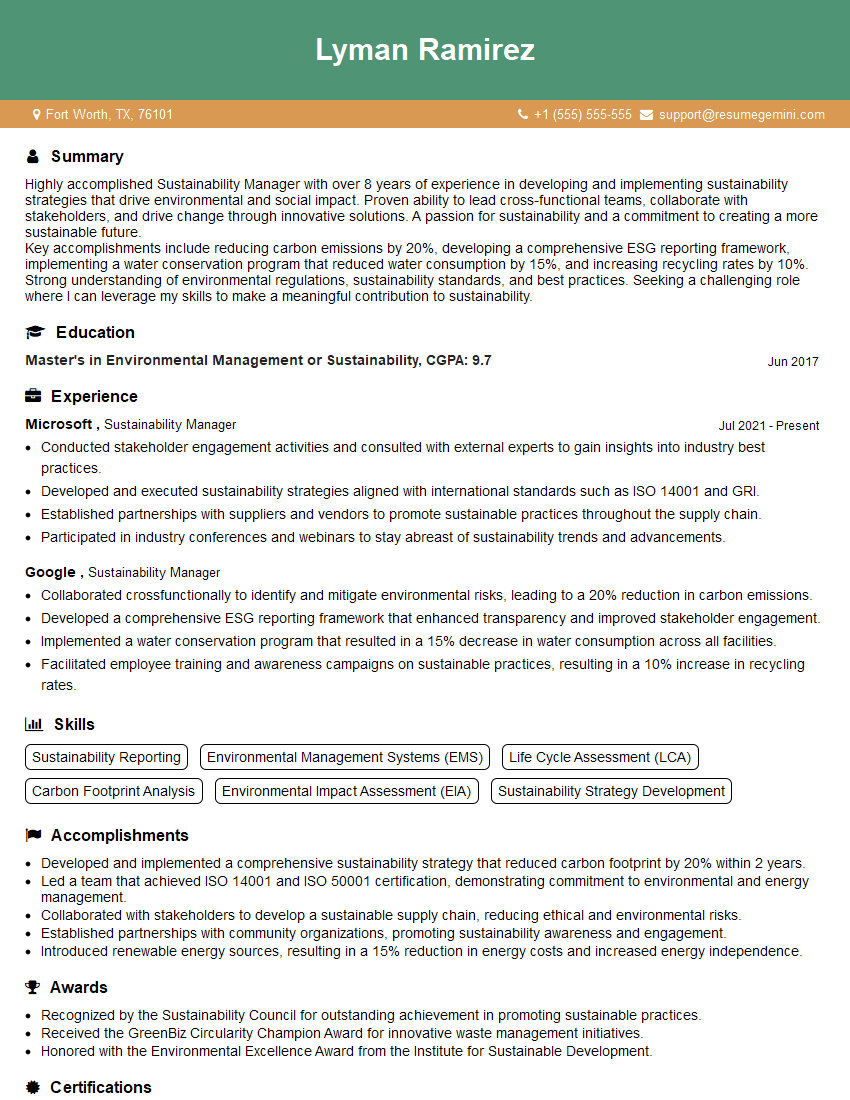
Sustainability Manager Resume Sample
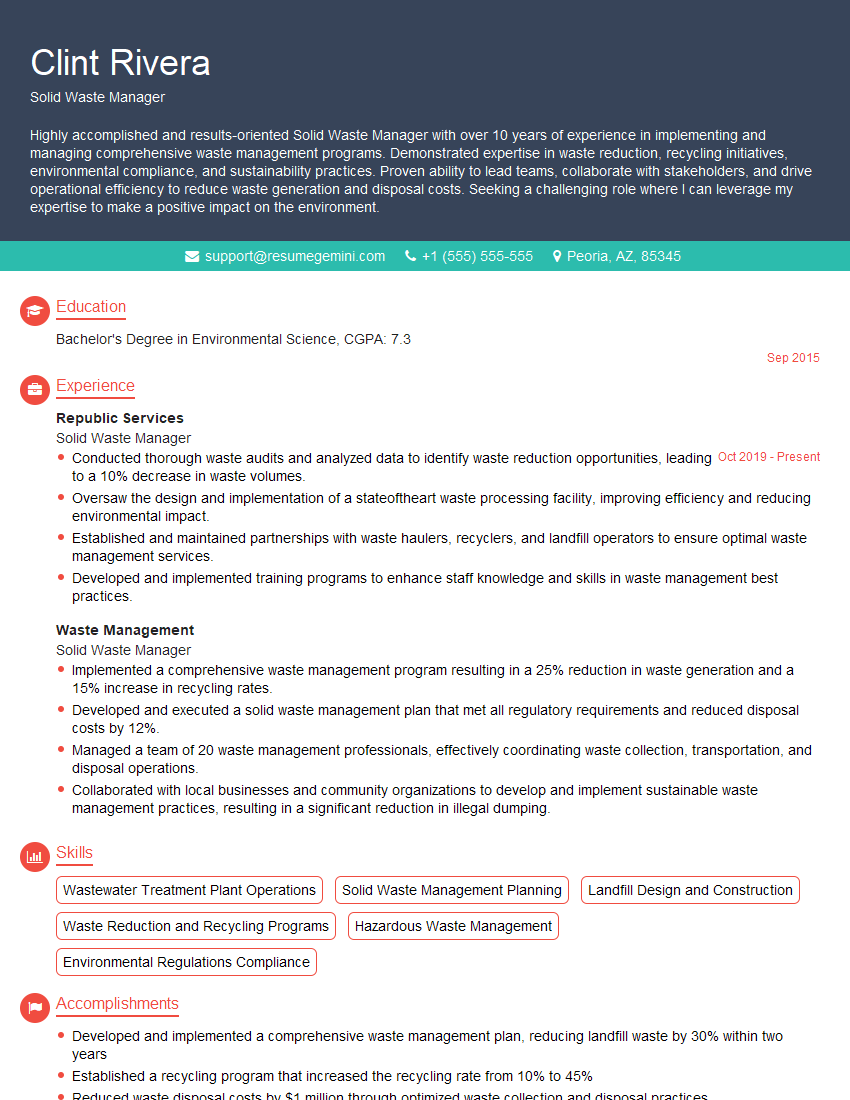
Solid Waste Manager Resume Sample
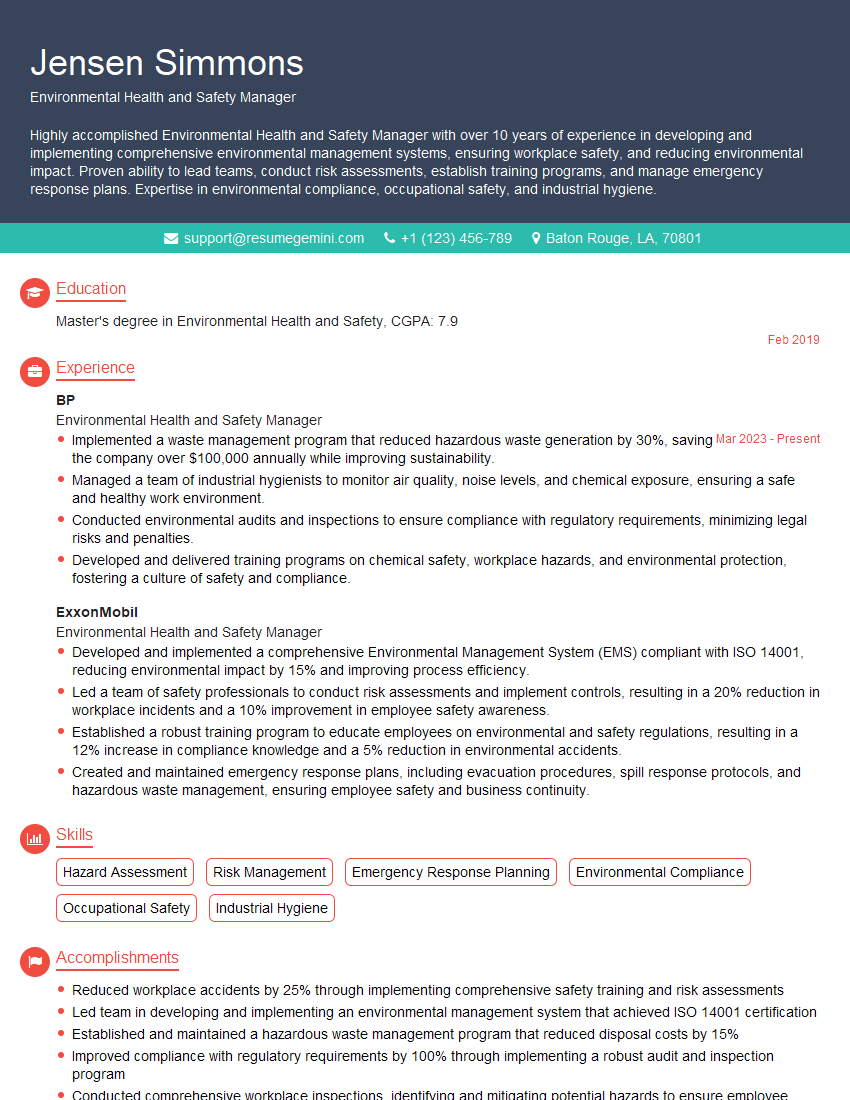
Environmental Health and Safety Manager Resume Sample
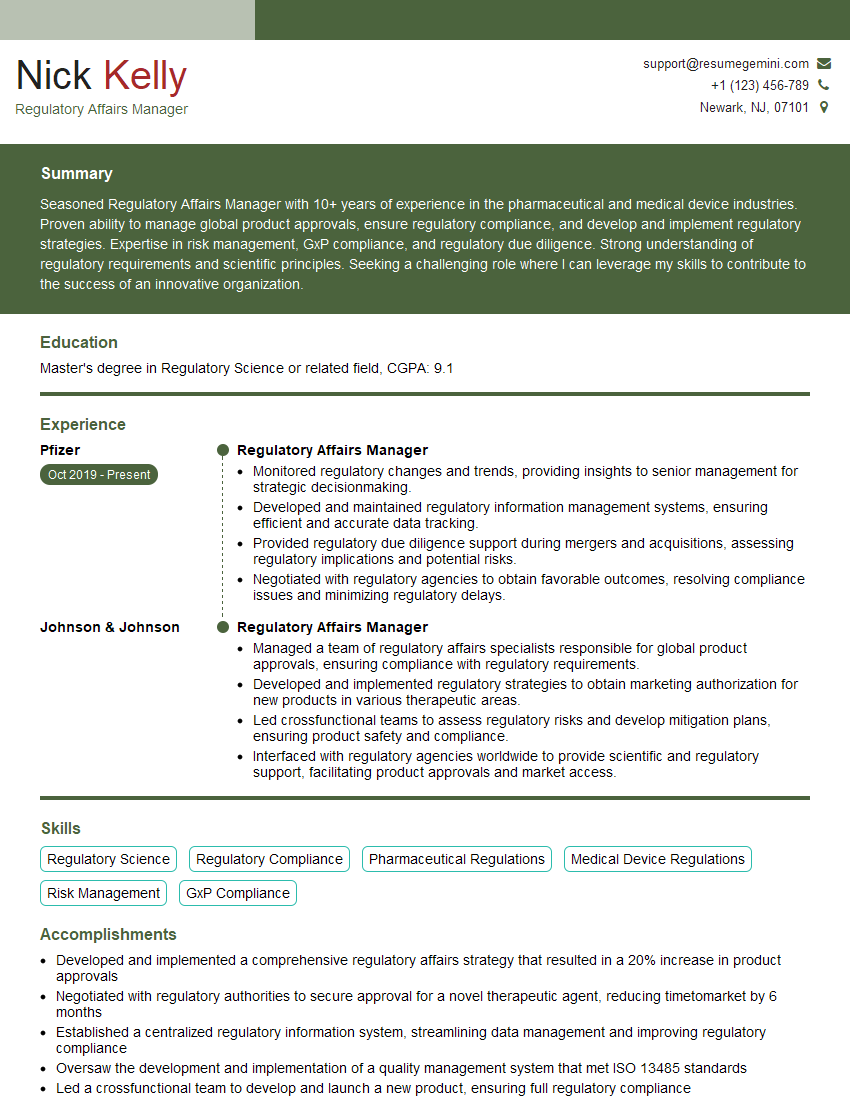
Regulatory Affairs Manager Resume Sample
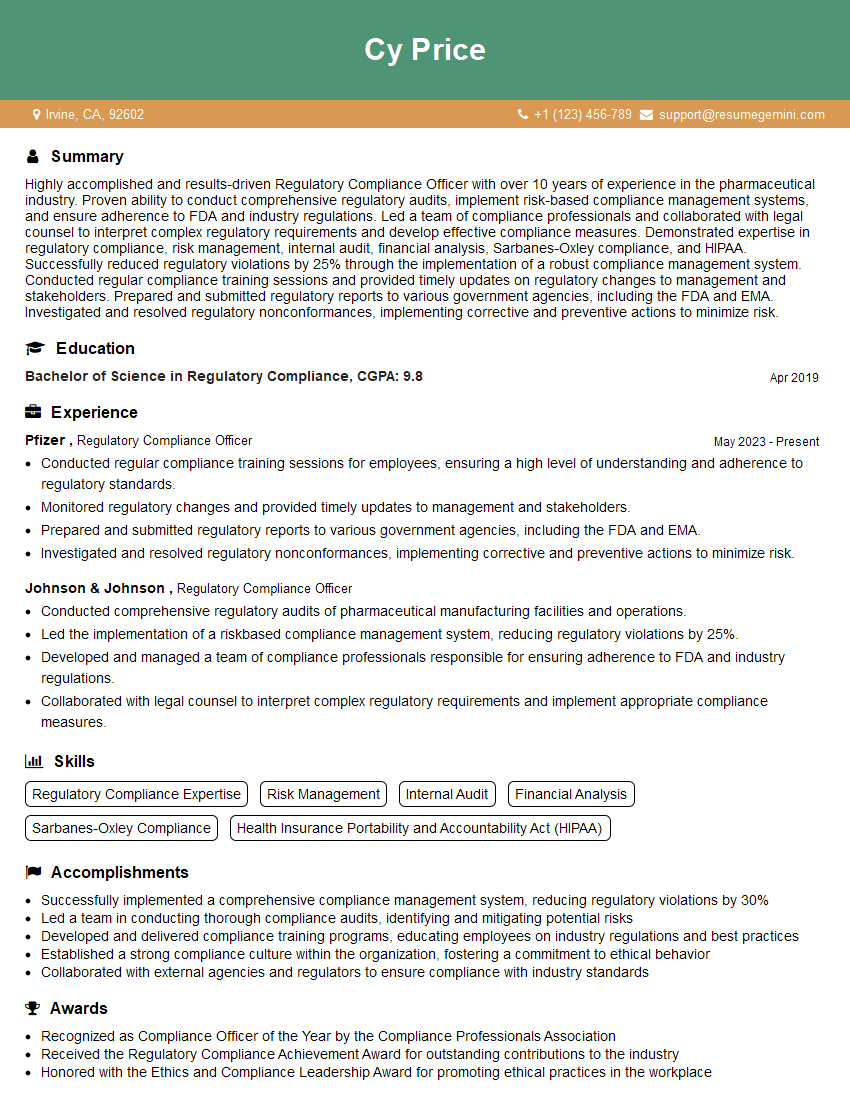
Regulatory Compliance Officer Resume Sample
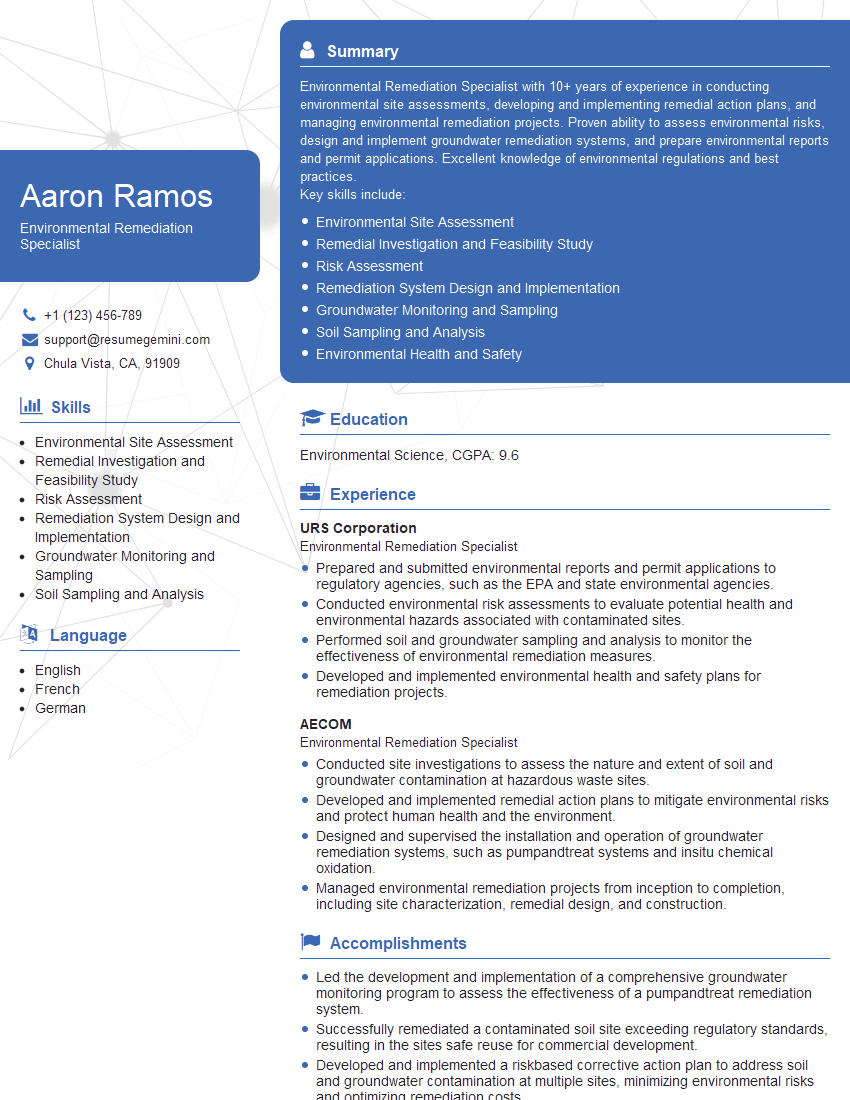
Environmental Remediation Specialist Resume Sample
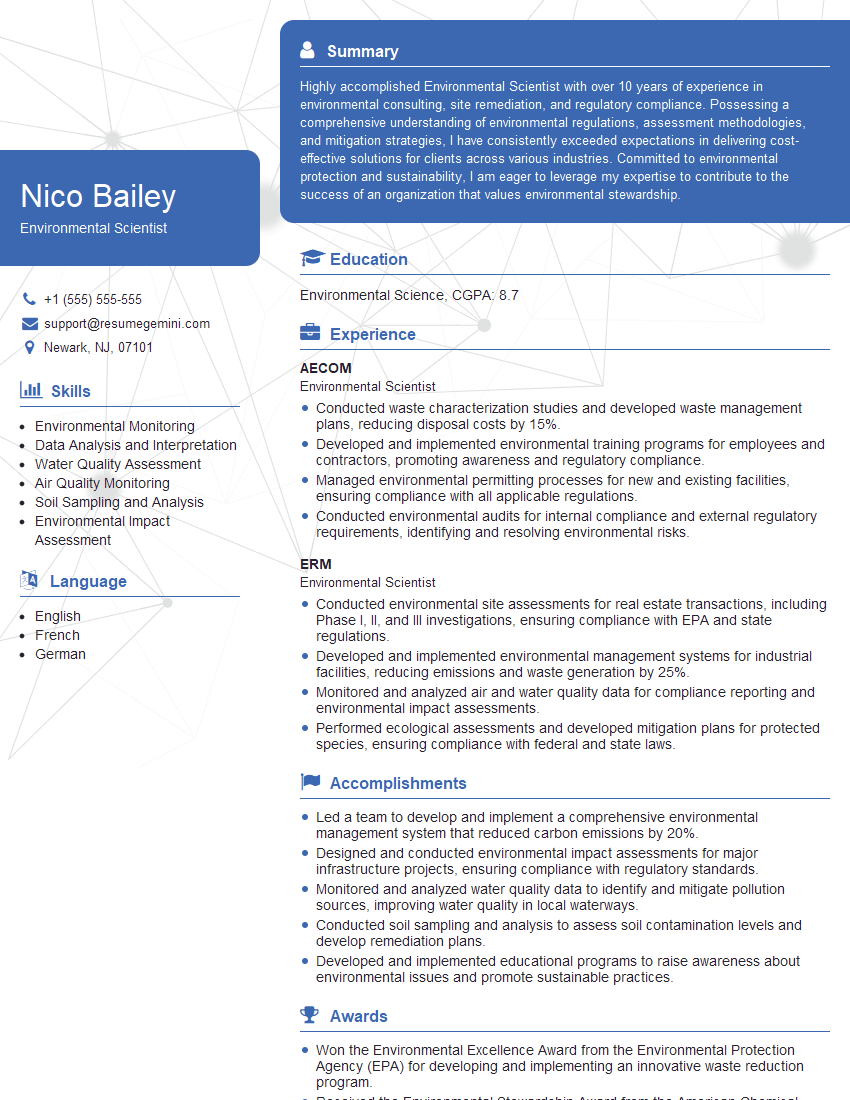
Environmental Scientist Resume Sample
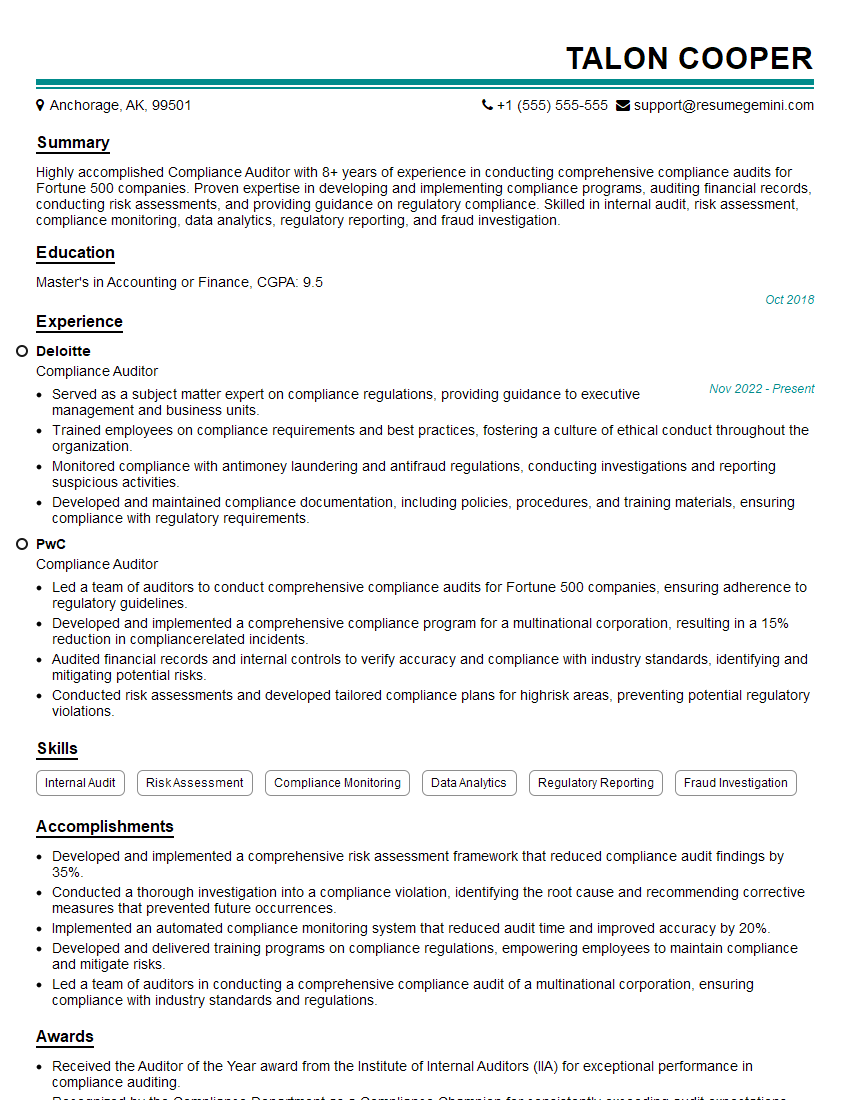
Compliance Auditor Resume Sample

Risk Management Specialist Resume Sample
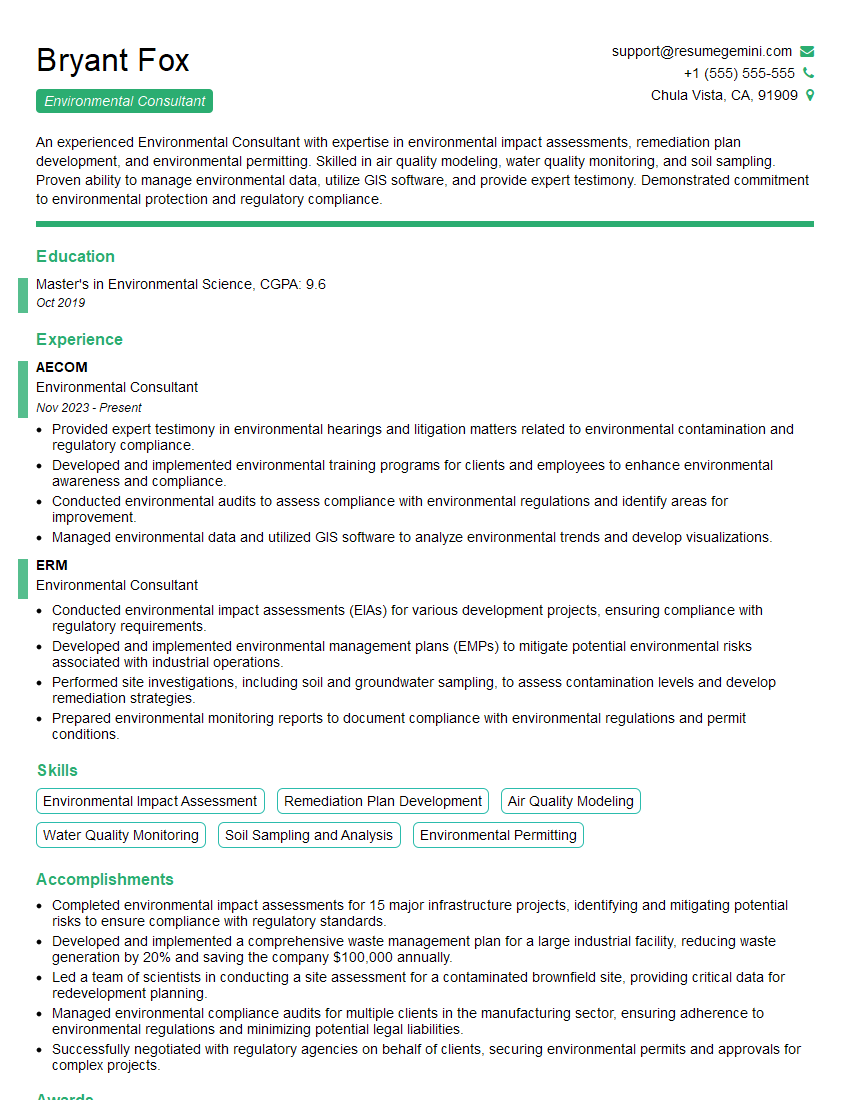
Environmental Consultant Resume Sample
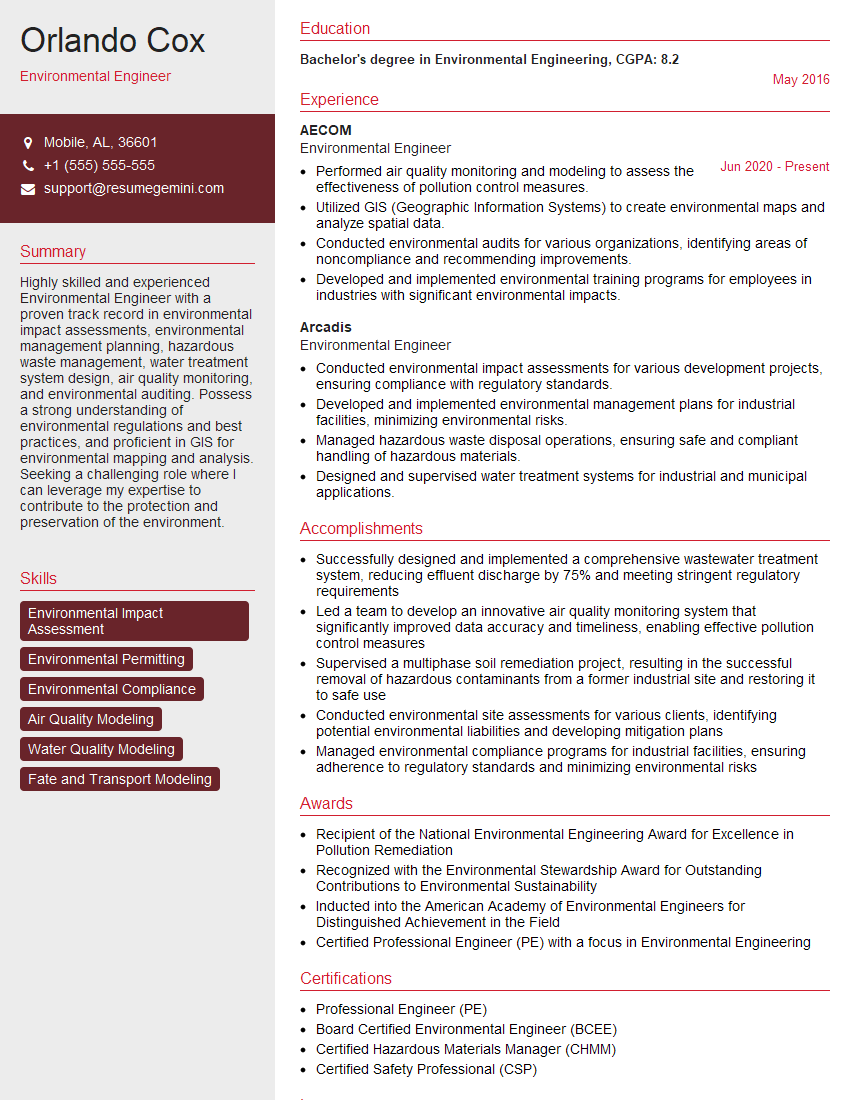
Environmental Engineer Resume Sample
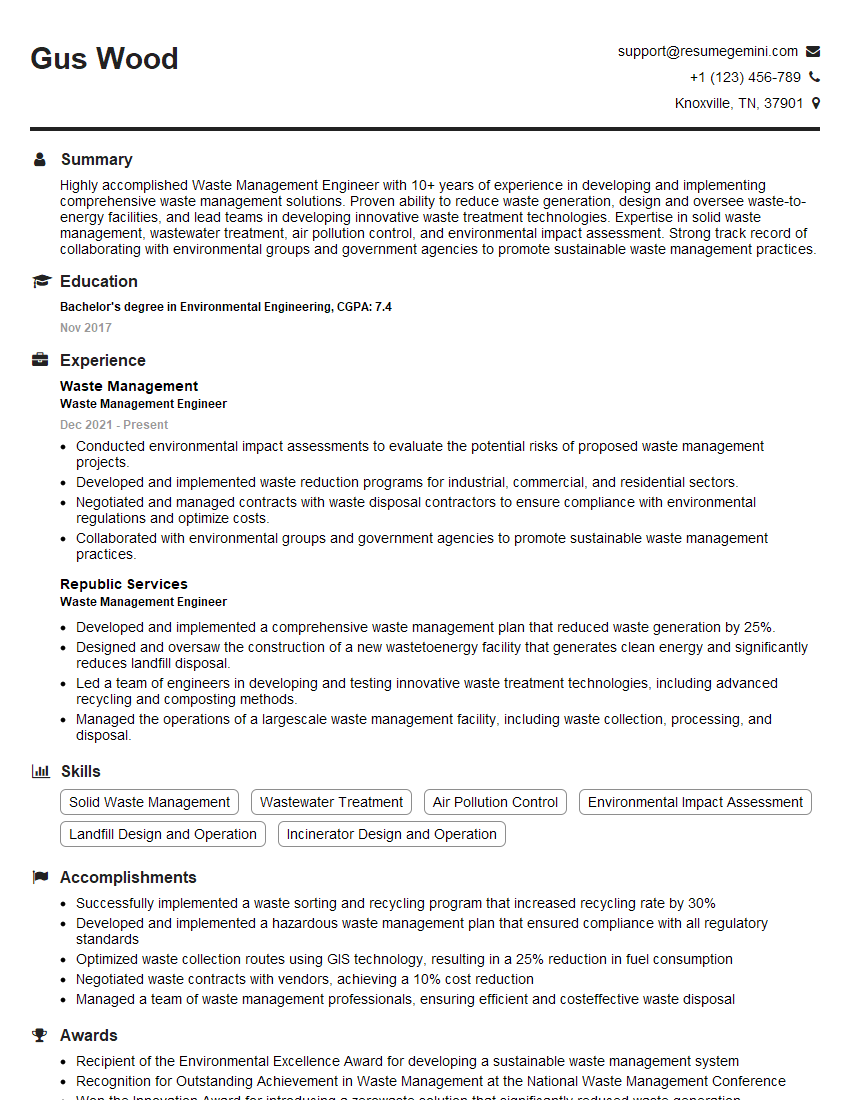
Waste Management Engineer Resume Sample
- Sustainability Manager
- Solid Waste Manager
- Environmental Health and Safety Manager
- Regulatory Affairs Manager
- Regulatory Compliance Officer
- Environmental Remediation Specialist
- Environmental Scientist
- Compliance Auditor
- Risk Management Specialist
- Environmental Consultant
- Environmental Engineer
- Waste Management Engineer
Explore more articles
Users Rating of Our Blogs
Share Your Experience
We value your feedback! Please rate our content and share your thoughts (optional).
What Readers Say About Our Blog
To the interviewgemini.com Webmaster.
Very helpful and content specific questions to help prepare me for my interview!
Thank you
To the interviewgemini.com Webmaster.
This was kind of a unique content I found around the specialized skills. Very helpful questions and good detailed answers.
Very Helpful blog, thank you Interviewgemini team.