Every successful interview starts with knowing what to expect. In this blog, we’ll take you through the top Supervision of Counseling Interns interview questions, breaking them down with expert tips to help you deliver impactful answers. Step into your next interview fully prepared and ready to succeed.
Questions Asked in Supervision of Counseling Interns Interview
Q 1. Describe your approach to providing supervision to counseling interns.
My approach to supervising counseling interns is grounded in a developmental, integrative model that blends psychodynamic, cognitive-behavioral, and systemic perspectives. I believe in fostering a collaborative, supportive, and challenging learning environment. Supervision isn’t simply about correcting mistakes; it’s about facilitating growth and self-discovery. I utilize a combination of methods including case conceptualization, role-playing, process discussions, and direct observation (if possible). The frequency and type of supervision are tailored to the intern’s individual needs and developmental stage. For example, early in the internship, we might focus on foundational skills like building rapport and conducting thorough assessments. As the intern progresses, we can delve deeper into complex cases and explore advanced therapeutic techniques. My goal is to create a safe space where interns feel comfortable exploring their own countertransference, anxieties and biases, and learning to manage these in a professional manner. I also prioritize developing the intern’s self-awareness and reflective capacity.
Q 2. How do you ensure the ethical conduct of your interns?
Ensuring ethical conduct is paramount. This starts with a thorough review and discussion of the ethical codes, specifically the guidelines set by the American Counseling Association (ACA). We engage in regular discussions of ethical dilemmas presented by cases, using case studies and role-playing to explore how to navigate challenging ethical situations. I encourage interns to document their sessions meticulously, emphasizing the importance of informed consent, confidentiality, and boundary setting. We also discuss the potential for boundary crossings and violations, and how to proactively avoid them. Regular supervision sessions allow for real-time consultation and help prevent ethical lapses. Transparency and open communication are key; interns are encouraged to bring up any ethical concerns without fear of judgment. For example, if an intern is unsure about the limits of confidentiality in a specific situation, we will work through the ethical considerations together. If a serious ethical violation occurs, we’ll follow established procedures, which may include reporting to the relevant authorities.
Q 3. What are some common challenges faced by counseling interns, and how do you address them?
Common challenges for interns include managing countertransference, feeling overwhelmed by client needs, struggling with self-doubt, dealing with difficult clients or cases, and navigating the complexities of the clinical setting. To address these, I offer a supportive and understanding environment. We dedicate time to exploring the intern’s feelings, using techniques like self-reflection and process discussions to help them understand and manage their emotional responses. I encourage the use of consultation with peers or other professionals, and I provide guidance on establishing healthy personal boundaries. Practical strategies, such as time management techniques and stress reduction strategies, are also discussed. When dealing with difficult clients, we work collaboratively to develop case conceptualizations, and explore alternative therapeutic approaches. I also model effective self-care strategies to promote resilience and prevent burnout.
- Countertransference: Regular supervision sessions provide a platform to process countertransference reactions, ensuring they don’t impact the therapeutic relationship.
- Difficult Cases: Collaborative case conceptualization helps interns approach challenging cases effectively.
Q 4. Explain your process for evaluating an intern’s progress.
Intern evaluation is a multi-faceted process, incorporating multiple data points. It begins with a clearly defined set of learning objectives, developed collaboratively at the start of the internship. Progress is assessed through regular supervision sessions, observation of sessions (if appropriate and with client permission), review of session notes, and ongoing feedback. I also utilize formal evaluation tools that incorporate both quantitative and qualitative data, such as rating scales for specific skills and written evaluations that reflect the intern’s overall performance and growth. The intern is actively involved in the process, providing self-assessments and reflecting on their own progress. Feedback is provided regularly, both formally and informally, ensuring a continuous cycle of improvement. This includes strengths and areas for growth, with specific, actionable suggestions for development. The final evaluation summarizes the intern’s overall performance, highlighting accomplishments and suggesting areas for continued professional development.
Q 5. How do you handle difficult cases or challenging behaviors in interns?
Handling difficult cases or challenging behaviors requires a thoughtful and systematic approach. First, I would work with the intern to ensure client safety and well-being. This might involve developing a safety plan, consulting with colleagues, or even recommending a referral if necessary. The focus then shifts to understanding the intern’s experience. What triggered the challenging behavior? What are the intern’s feelings and thoughts about the situation? We would collaboratively explore the intern’s case conceptualization and identify potential alternative approaches. This might include adjusting the therapeutic techniques, introducing new interventions, or seeking additional consultation. If the intern’s behavior is concerning or potentially harmful, appropriate interventions would be put into place, potentially involving further training, professional consultation, or even performance improvement plans. Open communication and a focus on supporting the intern’s professional growth are crucial throughout this process.
Q 6. Describe your experience with various supervision models (e.g., psychodynamic, cognitive-behavioral).
My experience encompasses a range of supervision models. I’m proficient in integrating psychodynamic approaches, focusing on the intern’s countertransference and the therapeutic relationship, while also utilizing cognitive-behavioral techniques to analyze clients’ thoughts, feelings, and behaviors. I frequently incorporate elements of systemic supervision, examining the impact of the family system or broader social context on the client. For instance, I might use a psychodynamic lens to help an intern understand their own emotional responses to a client’s trauma, then utilize a cognitive-behavioral framework to help the intern develop strategies for managing challenging client interactions. This integrative approach is flexible and adaptable to the specific needs of each intern and their client population. My experience includes working with interns from diverse theoretical backgrounds, emphasizing the importance of self-awareness and adaptability in their practice.
Q 7. How do you integrate theoretical frameworks into your supervision approach?
Integrating theoretical frameworks is essential to providing effective supervision. I help interns understand how their chosen theoretical orientation informs their clinical decisions, and I encourage them to explore the strengths and limitations of different models. For example, if an intern is using a cognitive-behavioral approach, we might discuss how to effectively use cognitive restructuring and behavioral experiments. We also examine how different theoretical lenses might offer different interpretations of the same client presentation, allowing for a more nuanced and holistic understanding. This integration process is ongoing, adapting to the changing needs of the intern and their clients. Regular discussions on theoretical underpinnings, along with practical application of theories in real-case scenarios, foster a comprehensive and informed approach to clinical practice.
Q 8. How do you create a safe and supportive learning environment for interns?
Creating a safe and supportive learning environment for counseling interns is paramount. It’s about fostering a space where they feel comfortable taking risks, making mistakes, and learning from them without fear of judgment. This involves several key elements:
- Establishing Trust and Rapport: I begin by building a strong, positive relationship with each intern, emphasizing open communication and mutual respect. This includes clearly outlining expectations, roles, and responsibilities from the outset.
- Confidentiality and Boundaries: We explicitly discuss confidentiality protocols, ethical considerations, and professional boundaries. This ensures both the intern and their clients are protected.
- Structured Supervision Sessions: I use a structured approach to supervision, ensuring dedicated time for case conceptualization, role-playing, and feedback. This provides a predictable and reliable framework for learning.
- Creating a Non-Judgmental Space: I actively create a space where interns feel comfortable sharing their struggles and successes without fear of criticism. I encourage self-reflection and offer support rather than immediate solutions.
- Modeling Ethical Practice: I consistently model ethical behavior, demonstrating my commitment to professional standards and client well-being. This serves as a powerful learning tool for interns.
For example, I once had an intern who was struggling with a particularly challenging client case. By creating a safe space for her to process her emotions and explore different therapeutic approaches, she was able to gain confidence and ultimately develop a successful intervention strategy.
Q 9. How do you address cultural competency in your supervision?
Cultural competency is not merely a topic of discussion; it’s a fundamental aspect of ethical and effective counseling. In my supervision, I integrate cultural competency in several ways:
- Self-Awareness and Reflection: I encourage interns to engage in self-reflection regarding their own cultural biases and assumptions. We discuss how these biases might influence their interactions with clients from diverse backgrounds.
- Culturally Sensitive Case Conceptualization: We collaboratively explore how cultural factors might impact clients’ presenting problems, experiences, and treatment goals. This includes considering the client’s cultural values, beliefs, and practices.
- Utilizing Culturally Relevant Resources: I provide access to culturally relevant resources, including books, articles, and workshops, to broaden interns’ understanding of different cultures and communities.
- Role-Playing and Simulations: We use role-playing and simulations to practice culturally sensitive communication strategies and address potential challenges that might arise during sessions.
- Supervision from a Multicultural Perspective: I ensure my supervision style and approach are sensitive to the diverse backgrounds and experiences of my interns, creating an inclusive learning space.
For instance, I had an intern working with a client from a collectivist culture. We discussed how the client’s family dynamics might impact their therapeutic process and how to adapt interventions to align with their cultural values.
Q 10. Describe your experience with providing feedback to interns.
Providing feedback to interns is a crucial aspect of effective supervision. My approach emphasizes a balance between supportive encouragement and constructive criticism, always aiming to facilitate growth and development. I use a multi-faceted strategy:
- Regular and Timely Feedback: I provide feedback regularly, both during and after sessions, ensuring it’s timely and relevant to the specific situations observed.
- Specific and Actionable Feedback: I avoid vague or generalized comments. Instead, I focus on specific behaviors or interactions, offering actionable suggestions for improvement.
- A Balanced Approach: I combine positive reinforcement with constructive criticism. I highlight strengths and areas for growth, focusing on specific examples from sessions.
- Collaborative Approach: I encourage interns to actively participate in the feedback process. I ask for their self-reflection and perspectives on their performance.
- Focus on Client Well-being: I always prioritize client well-being in my feedback, ensuring that the intern’s actions and interventions are client-centered and ethical.
For example, I might say, ‘I noticed your rapport-building skills were excellent with the client today, particularly your use of reflective listening. However, consider using open-ended questions more frequently to encourage the client to explore their thoughts and feelings further.’
Q 11. What strategies do you employ to foster the professional development of interns?
Fostering professional development involves a multi-pronged approach designed to equip interns with the skills and knowledge they need to succeed. I employ several strategies:
- Goal Setting: We collaboratively set realistic and achievable goals for each intern, considering their strengths, weaknesses, and areas of interest.
- Continuing Education: I encourage interns to engage in continuing education opportunities, including workshops, conferences, and relevant readings.
- Mentorship and Networking: I facilitate opportunities for networking and mentorship by connecting interns with experienced professionals in the field.
- Case Conceptualization and Treatment Planning: We dedicate time to case conceptualization, developing treatment plans, and exploring various therapeutic approaches relevant to the clients’ needs.
- Self-Care and Well-being: I emphasize the importance of self-care and stress management, providing resources and support to prevent burnout.
For example, I might suggest an intern attend a workshop on trauma-informed care, or connect them with a senior therapist specializing in a specific area of interest.
Q 12. How do you balance supportive supervision with constructive criticism?
Balancing supportive supervision with constructive criticism is a delicate but crucial aspect of my role. The key is to create a climate of trust and openness where feedback is received as a tool for growth, not as personal criticism. I achieve this through:
- Empathy and Validation: I begin by validating the intern’s experience and emotions. This creates a safe space for receiving feedback.
- Framing Feedback Positively: I frame constructive criticism as an opportunity for learning and improvement rather than a judgment of their abilities.
- Focus on Behavior, Not Personality: I focus on observable behaviors and actions, avoiding personal attacks or generalizations about the intern’s character.
- Sandwich Approach: I often use the ‘sandwich’ approach – starting with positive feedback, then offering constructive criticism, and ending with another positive reinforcement.
- Active Listening and Reflection: I actively listen to the intern’s responses and reflect back their feelings and concerns to ensure mutual understanding.
For instance, if an intern displayed poor boundaries with a client, I might say, ‘I’ve noticed your dedication to your clients, which is wonderful. However, in the session with Mr. X, the boundary about phone calls outside of session hours wasn’t clearly maintained. Let’s discuss strategies to set and maintain boundaries effectively in future sessions. I know you’re eager to help, and these strategies will only enhance your effectiveness and client safety.’
Q 13. Describe your experience with documenting supervision sessions.
Documentation of supervision sessions is essential for legal, ethical, and professional reasons. It provides a record of the intern’s progress, areas of focus, and any concerns or issues that arise. My documentation practices include:
- Detailed Notes: I maintain detailed notes of each supervision session, including key topics discussed, challenges encountered, and progress made.
- Objective and Factual: I ensure my notes are objective and factual, avoiding subjective opinions or interpretations.
- Client Confidentiality: I adhere to strict client confidentiality protocols in my documentation, ensuring no identifying information is included.
- Regular Review: I regularly review my notes to track the intern’s progress and identify any patterns or trends.
- Secure Storage: I store my supervision notes securely, adhering to all relevant regulations and agency policies.
My documentation typically includes the date, time, duration of the session, key discussion points (e.g., specific cases, theoretical concepts, ethical dilemmas), feedback provided, and any agreed-upon action steps for the intern.
Q 14. How do you maintain appropriate boundaries with your interns?
Maintaining appropriate boundaries with interns is crucial for ethical supervision. It’s about establishing clear professional relationships that prioritize the intern’s learning and growth without blurring lines that could compromise the supervisory relationship or the intern’s well-being. My approach involves:
- Clear Role Definition: I clearly define my role as supervisor and the intern’s role as a supervisee from the outset, outlining expectations and responsibilities.
- Time and Place Boundaries: Supervision occurs during designated times and in appropriate settings, avoiding informal or social interactions outside of scheduled sessions.
- Avoiding Dual Relationships: I avoid dual relationships, such as socializing or engaging in personal relationships with my interns.
- Self-Disclosure: I use self-disclosure judiciously and only when it serves a therapeutic purpose for the intern’s learning. I am careful not to overshare personal information.
- Professional Conduct: I maintain professional conduct at all times, modelling appropriate behavior and boundaries for the intern.
For example, I would avoid accepting gifts from interns or engaging in social media interactions beyond a professional context. I would also be careful to avoid conversations that drift too far from the scope of supervision or become overly personal in nature.
Q 15. How do you handle situations where an intern demonstrates a lack of competence?
Addressing a lack of competence in an intern requires a delicate balance of support and accountability. My approach is multifaceted and begins with careful observation. I look for patterns rather than isolated incidents. Is it a knowledge gap, a skill deficiency, or a consistent issue with ethical decision-making?
For example, if an intern struggles with active listening skills, I wouldn’t immediately label them incompetent. Instead, I’d schedule additional supervision time dedicated to role-playing and feedback on their active listening techniques, providing specific examples of effective and ineffective strategies. I might also suggest resources like relevant journal articles or workshops.
However, if the issue persists or involves significant ethical breaches, more assertive steps are necessary. This might involve creating a performance improvement plan with specific, measurable, achievable, relevant, and time-bound (SMART) goals. Severe or persistent incompetence, after all reasonable support has been provided, might necessitate a referral to the intern’s educational institution or program director.
Ultimately, my goal is to support the intern’s growth and development while ensuring client safety and ethical practice. Open communication and a collaborative approach are key, fostering a safe space for the intern to discuss challenges and receive constructive feedback.
Career Expert Tips:
- Ace those interviews! Prepare effectively by reviewing the Top 50 Most Common Interview Questions on ResumeGemini.
- Navigate your job search with confidence! Explore a wide range of Career Tips on ResumeGemini. Learn about common challenges and recommendations to overcome them.
- Craft the perfect resume! Master the Art of Resume Writing with ResumeGemini’s guide. Showcase your unique qualifications and achievements effectively.
- Don’t miss out on holiday savings! Build your dream resume with ResumeGemini’s ATS optimized templates.
Q 16. What measures do you take to ensure intern well-being?
Intern well-being is paramount and directly impacts their effectiveness and the quality of care they provide. My approach encompasses several key areas. Firstly, I create a supportive and trusting supervisory relationship, emphasizing open communication and mutual respect. I actively listen to their concerns and validate their experiences, making it safe for them to discuss challenges they may face, both professionally and personally.
- Regular Check-ins: I schedule regular individual supervision sessions, allowing ample time for discussing not only clinical cases but also the intern’s overall emotional and mental well-being.
- Self-Care Emphasis: I encourage and model healthy self-care practices, such as maintaining boundaries, prioritizing personal time, and utilizing stress-management techniques. I might suggest resources like mindfulness apps or workshops on stress reduction.
- Early Intervention: I am vigilant in observing signs of burnout or distress. This includes monitoring their caseload, their interactions with clients, and their overall demeanor during supervision. Any concerns are addressed promptly.
- Access to Resources: I provide access to relevant resources, such as employee assistance programs (EAPs), mental health professionals, and peer support networks.
For instance, if an intern appears overwhelmed or expresses feelings of burnout, I might suggest reducing their caseload temporarily, adjusting their schedule, or providing additional supervision. My approach is always tailored to the individual intern’s needs and circumstances.
Q 17. How do you address burnout in yourself and your interns?
Burnout is a significant concern for both supervisors and interns in the helping professions. Preventing burnout requires proactive strategies and self-awareness. For myself, I prioritize self-care, regularly engaging in activities I find enjoyable and restorative, like spending time in nature or pursuing hobbies. I also maintain clear boundaries between my professional and personal life, ensuring I don’t work excessive hours.
To address burnout in my interns, I model healthy self-care practices and encourage them to do the same. I actively monitor their workloads, ensuring they are not overloaded, and provide regular feedback and support. I regularly check in with them about their emotional well-being and offer access to resources, as mentioned previously. We discuss strategies for managing stress, such as time management techniques, mindfulness practices, and setting healthy boundaries with clients.
Recognizing the signs of burnout—such as cynicism, emotional exhaustion, and decreased professional efficacy—is crucial. Early intervention is key. If an intern displays these symptoms, I would explore the underlying causes, work collaboratively to address those causes, and potentially adjust their caseload or supervision schedule.
Q 18. What is your approach to working with diverse populations of interns?
Working with diverse populations of interns requires cultural humility and a commitment to social justice. This means continually learning about various cultural backgrounds, beliefs, and experiences, and recognizing the impact of systemic oppression and privilege. My approach is rooted in self-reflection about my own biases and assumptions, acknowledging that my understanding is always evolving.
I create a safe and inclusive supervision environment where interns feel comfortable sharing their experiences and perspectives, regardless of their background. I utilize culturally sensitive supervision strategies, such as incorporating cultural considerations in case discussions and providing tailored feedback that acknowledges individual differences. I also strive to ensure that the learning materials and resources used during supervision are inclusive and representative of the diversity of the population we serve. If I don’t have the specific expertise to adequately support an intern with certain cultural backgrounds, I will seek out consultation from someone who does.
For example, I might proactively discuss cultural competence frameworks with my interns, or I might encourage self-reflection using relevant tools and techniques. I’ll also ensure the use of materials that avoid bias and stereotypes.
Q 19. How do you facilitate self-reflection and learning among interns?
Facilitating self-reflection and learning is central to effective supervision. I employ several methods to encourage this process. One approach is through regular structured reflection exercises during supervision sessions. This may involve journaling prompts, case conceptualizations, or reviewing audio or video recordings of their sessions.
I also use a variety of feedback methods, including direct feedback, role-playing, and modeling. I focus on providing constructive criticism and actionable suggestions, rather than simply pointing out errors. Regularly reviewing case studies together provides a structured way to analyze therapeutic interventions and outcomes. Discussions of ethical dilemmas can deepen understanding. Furthermore, I encourage interns to seek feedback from clients, using this information to refine their skills and improve their therapeutic effectiveness. I also encourage peer supervision where appropriate, as this fosters both collaboration and learning from others’ experiences.
For instance, after a particularly challenging session, I might ask an intern to reflect on their emotional responses to the client’s disclosures and explore how these responses impacted the therapeutic relationship. This kind of reflective practice is crucial for fostering self-awareness and ongoing professional growth.
Q 20. What are your preferred methods for assessing an intern’s readiness for independent practice?
Assessing an intern’s readiness for independent practice involves a multi-faceted approach that goes beyond simply meeting the required hours of supervision. I employ a combination of methods to gauge their competency and preparedness. First, I regularly observe the intern’s clinical work through direct observation, review of session recordings, and case file reviews. This gives me a comprehensive picture of their skills and progress.
- Clinical Skills Proficiency: I assess their proficiency in core clinical skills, such as diagnosis, treatment planning, crisis intervention, and ethical decision-making.
- Self-Awareness & Reflection: I evaluate their self-awareness, their ability to reflect on their clinical work, and their capacity for self-correction.
- Client Outcomes: While not the sole indicator, I consider the outcomes achieved by their clients under supervision.
- Supervision Process: I look for evidence that the intern actively participates in the supervision process, actively seeks out and uses feedback, and demonstrates growth over time.
- Written Documentation: Thorough and accurate case notes and other documentation are key indicators of preparedness.
Ultimately, the decision about readiness for independent practice is a collaborative one, involving the intern, their program director (if applicable), and myself. It’s a judgment based on a holistic assessment of the intern’s competency, ethical considerations, and readiness to handle the complexities of independent practice.
Q 21. How do you handle conflicts that may arise between an intern and a client?
Conflicts between an intern and a client can arise for various reasons. My approach involves a systematic process prioritizing ethical considerations and client safety. The first step is to encourage open communication between the intern and the client. Mediation, with me present, may be necessary to address misunderstandings and improve communication.
If the conflict involves a serious ethical breach or potential harm to the client, I would immediately intervene, possibly recommending a change in client assignment or termination of the therapeutic relationship with that particular client, depending on the severity of the conflict and the nature of the breach. Documentation is vital. I maintain thorough records of all interactions, communications, and interventions related to the conflict.
Depending on the circumstances, consultation with other professionals might be required. This could involve seeking ethical guidance from a supervisor, seeking legal counsel or involving the client’s program director. Transparency and maintaining the client’s best interests are paramount throughout the entire process.
In essence, my role is to guide the intern through navigating this difficult situation ethically and professionally, while always prioritizing client safety and well-being.
Q 22. Describe your experience with utilizing technology in supervision (e.g., telehealth).
My experience with technology in supervision, particularly telehealth, has been extensive and overwhelmingly positive. I’ve utilized various platforms, including video conferencing software like Zoom and secure messaging systems compliant with HIPAA regulations. This allows for flexibility in scheduling and accessibility for both myself and my interns, particularly those in geographically remote areas or with mobility challenges. For example, I recently supervised an intern who was completing her practicum in a rural setting. Telehealth allowed us to conduct our weekly supervision sessions efficiently and effectively, ensuring consistent support without geographical limitations. Furthermore, utilizing technology allows for the integration of screen sharing, which is invaluable for reviewing client materials, such as session notes, or for collaboratively exploring treatment plans. However, it’s crucial to always prioritize client confidentiality and adhere to strict data security protocols when using technology in supervision.
Q 23. How do you stay updated on current best practices and ethical guidelines in counseling?
Staying current in counseling requires a multifaceted approach. I am a member of professional organizations such as the American Counseling Association (ACA) and actively participate in continuing education workshops and conferences, focusing on ethics and best practices. These events often feature leading experts in the field and provide opportunities to network with colleagues. I also regularly review relevant journals, such as the Journal of Counseling & Development and the Counseling Psychologist, to stay abreast of research and emerging trends. Furthermore, I regularly consult the ACA’s ethical code and other relevant ethical guidelines to ensure my practices and those of my supervisees remain compliant and ethical. Finally, I actively engage in peer supervision to discuss complex cases and ethical dilemmas, ensuring a collaborative approach to professional development.
Q 24. What resources do you provide to support the professional growth of your interns?
Supporting the professional growth of my interns is a high priority. I provide a variety of resources, including regular individual supervision, group supervision sessions where interns can learn from each other’s experiences, access to my extensive professional library and relevant online databases, and opportunities to attend workshops and conferences. I also encourage and support participation in professional organizations and actively assist interns in developing their professional networks. Additionally, I provide structured feedback on their work, including both written and verbal feedback on session recordings (with client consent, of course). I help them develop a personal professional development plan, identifying areas of strength and areas for growth. Finally, I act as a mentor, guiding them through the complexities of the profession and helping them develop their own professional identities.
Q 25. Explain your understanding of vicarious trauma and how you address it in supervision.
Vicarious trauma, the emotional residue of exposure to clients’ traumatic experiences, is a significant concern in the helping professions. I address this in supervision by fostering a supportive and self-reflective environment. We regularly discuss the impact of client stories on the interns’ emotional well-being and utilize techniques such as mindfulness exercises and self-care strategies to promote resilience. I encourage them to maintain healthy boundaries, utilize self-compassion, and prioritize their mental and physical health. I model self-care practices and openly discuss my own experiences with secondary trauma to create a culture of open communication and support. We also regularly discuss countertransference and how it might influence our work with clients. For example, if an intern is working with clients who have experienced childhood abuse and starts exhibiting emotional distancing, we would explore this in supervision to identify potential vicarious trauma and implement self-care strategies.
Q 26. How do you promote ethical decision-making in your interns?
Promoting ethical decision-making is a central focus of my supervision. We regularly discuss the ACA Code of Ethics, using case examples and ethical dilemmas to explore different perspectives and potential solutions. I encourage interns to utilize ethical decision-making models, such as the ethical decision-making framework, a step-by-step process that includes identifying the problem, gathering information, generating potential solutions, evaluating those solutions, and making a decision. I provide opportunities for role-playing ethical scenarios and encourage reflective practice to develop their ethical reasoning skills. We also engage in discussions of cultural competence and social justice to ensure their decision-making reflects sensitivity to diverse client populations. For example, we may discuss a hypothetical scenario where a client’s cultural beliefs conflict with a treatment goal, prompting a discussion about ethical considerations and culturally sensitive approaches.
Q 27. What is your experience with conducting performance evaluations of interns?
Performance evaluations are a crucial part of supervision. I use a structured approach incorporating multiple methods of assessment, including observations of sessions, review of session notes, feedback from clients (with appropriate consent and de-identification), and self-evaluations provided by the intern. The evaluation process begins early in the internship with a clear understanding of expectations and ongoing feedback. I provide regular, constructive feedback throughout the internship, focusing on both strengths and areas for improvement. The final evaluation is a comprehensive document detailing the intern’s performance across various competencies, including clinical skills, ethical decision-making, professional conduct, and self-awareness. I ensure that the evaluation process is transparent, fair, and collaborative, with ample opportunity for the intern to provide input and address concerns.
Q 28. Describe your experience with mentoring and supporting interns’ career development.
Mentoring and supporting interns’ career development is an integral part of my role. Beyond providing clinical supervision, I offer guidance on resume writing, job searching strategies, and interview preparation. I connect interns with my professional network, inviting them to relevant conferences and workshops and facilitating introductions to potential employers. We regularly discuss their career goals and aspirations, and I help them develop a personalized career plan. I encourage them to explore different areas of specialization within counseling, to attend relevant workshops and network with professionals in those areas, and to consider further education or training options. For example, I recently helped an intern navigate the process of applying for licensure and connected her with a mentor who specializes in her area of interest.
Key Topics to Learn for Supervision of Counseling Interns Interview
- Ethical and Legal Considerations: Understanding ethical codes (e.g., ACA, APA), informed consent, confidentiality, mandated reporting, and liability issues in supervision.
- Supervisory Models and Approaches: Familiarize yourself with various supervisory models (e.g., developmental, psychodynamic, integrative) and their practical application in different supervisory relationships. Be prepared to discuss your preferred approach and rationale.
- The Supervisory Relationship: Explore the dynamics of the supervisor-supervisee relationship, including establishing trust, setting boundaries, providing constructive feedback, and addressing challenging interpersonal dynamics.
- Assessment and Evaluation of Supervisees: Learn how to effectively assess the skills and competencies of supervisees, provide regular feedback, and conduct performance evaluations using objective criteria.
- Case Conceptualization and Treatment Planning: Understand how to guide supervisees in developing sound case conceptualizations, creating effective treatment plans, and monitoring progress.
- Addressing Countertransference and Burnout: Recognize the impact of countertransference on the supervisory relationship and strategies for managing burnout in both yourself and your supervisees.
- Diversity, Cultural Competence, and Social Justice: Discuss your approach to ensuring culturally competent supervision and addressing issues of diversity and social justice within the supervisory context.
- Crisis Intervention and Risk Management: Prepare to discuss strategies for addressing crisis situations involving supervisees and clients, and effective risk management protocols.
- Professional Development and Self-Reflection: Demonstrate understanding of the importance of ongoing professional development for supervisors and the role of self-reflection in effective supervision.
Next Steps
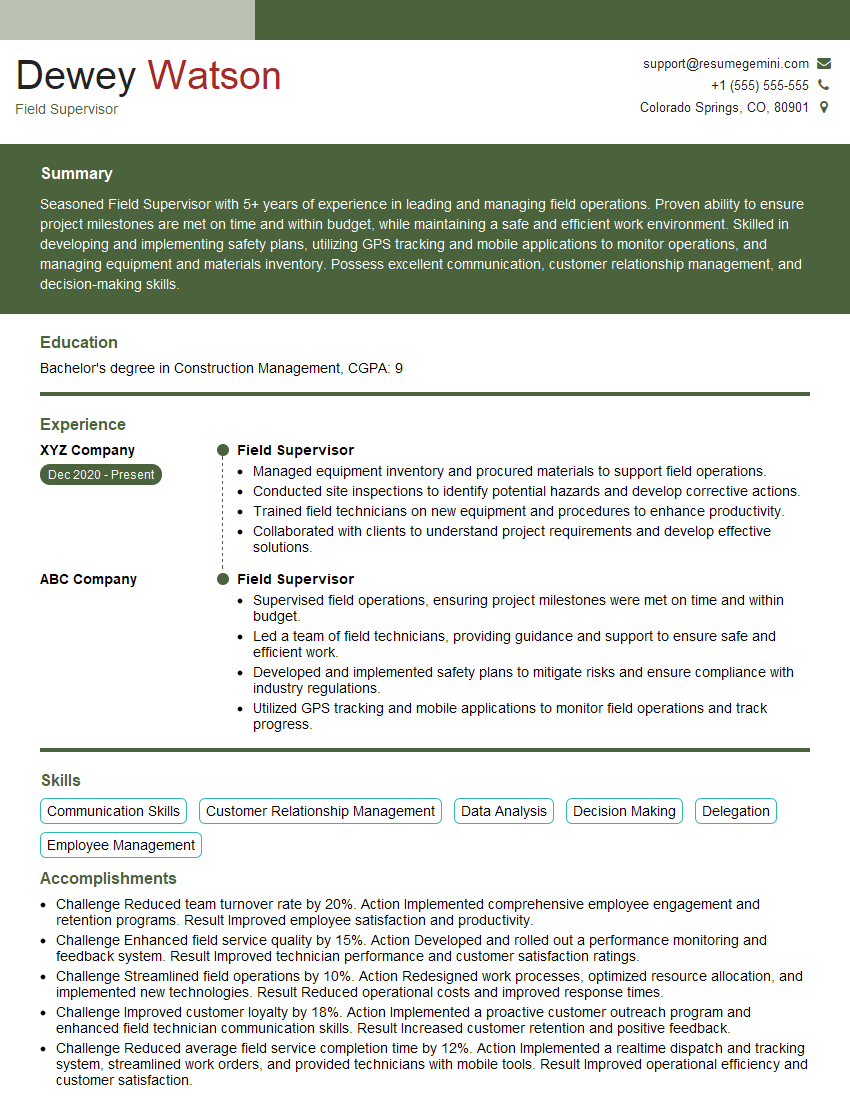
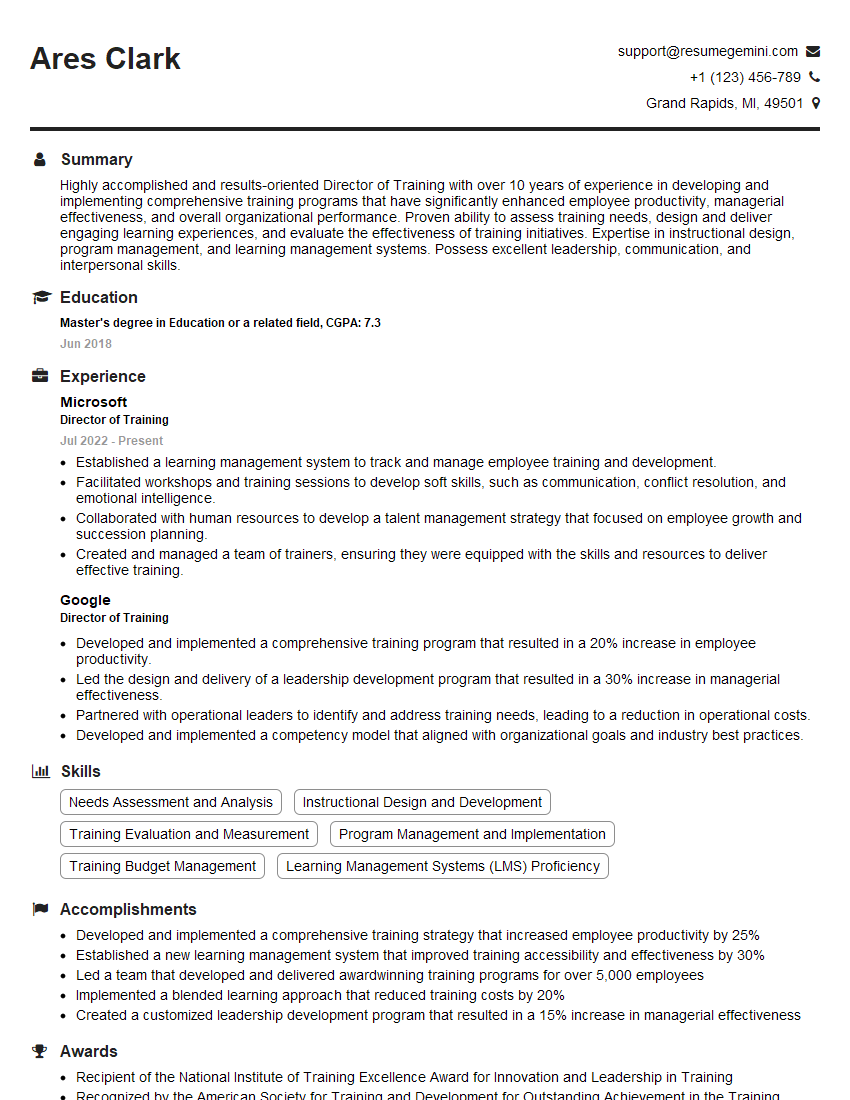
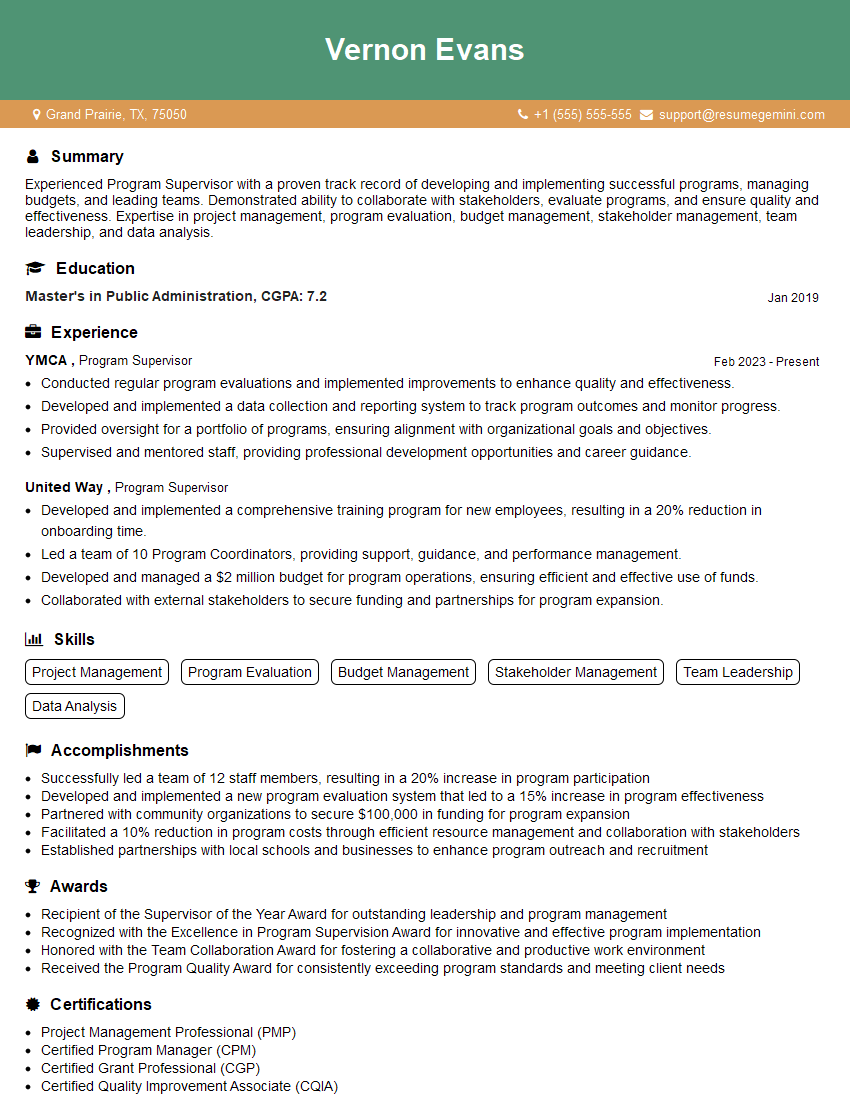
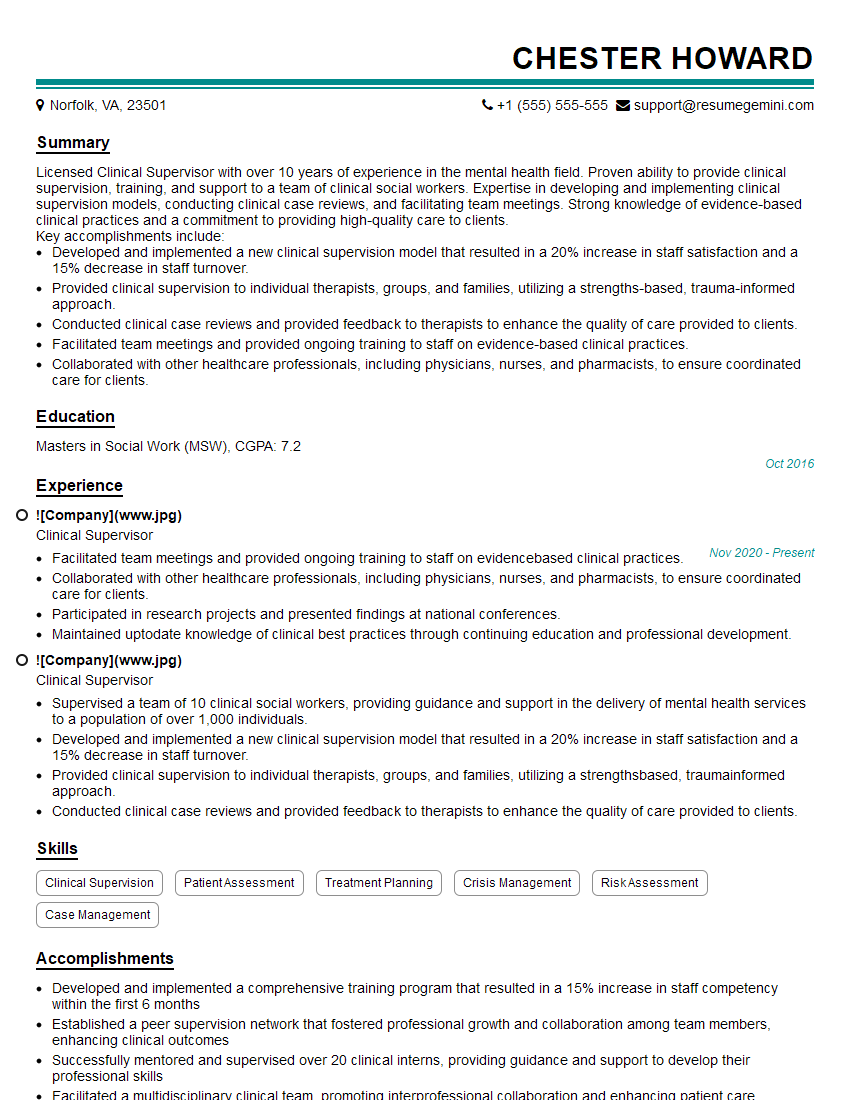
Mastering the art of supervising counseling interns is crucial for career advancement in the field, opening doors to leadership roles and increased responsibility. A strong resume is your key to unlocking these opportunities. Building an ATS-friendly resume, optimized for applicant tracking systems, is essential for getting your application noticed. We highly recommend using ResumeGemini to create a professional and impactful resume that showcases your skills and experience effectively. ResumeGemini provides examples of resumes tailored specifically to Supervision of Counseling Interns, helping you present your qualifications in the best possible light.
Explore more articles
Users Rating of Our Blogs
Share Your Experience
We value your feedback! Please rate our content and share your thoughts (optional).
What Readers Say About Our Blog
To the interviewgemini.com Webmaster.
Very helpful and content specific questions to help prepare me for my interview!
Thank you
To the interviewgemini.com Webmaster.
This was kind of a unique content I found around the specialized skills. Very helpful questions and good detailed answers.
Very Helpful blog, thank you Interviewgemini team.