The right preparation can turn an interview into an opportunity to showcase your expertise. This guide to Primary Immunodeficiency Disorders Management interview questions is your ultimate resource, providing key insights and tips to help you ace your responses and stand out as a top candidate.
Questions Asked in Primary Immunodeficiency Disorders Management Interview
Q 1. Describe the diagnostic criteria for Common Variable Immunodeficiency (CVID).
Diagnosing Common Variable Immunodeficiency (CVID) requires a multifaceted approach because it’s a heterogeneous disorder. There isn’t one single definitive test. Instead, diagnosis relies on a combination of clinical findings and laboratory results, often requiring exclusion of other conditions.
Recurrent Infections: A history of at least two serious bacterial infections per year or other recurrent infections (sinopulmonary, gastrointestinal, etc.) is crucial. This is often the presenting symptom.
Hypogammaglobulinemia: Low levels of serum IgG, IgA, and/or IgM are characteristic. The exact cut-offs can vary slightly depending on the laboratory, age, and individual factors, but persistently low levels are key. A single low measurement isn’t enough; it needs to be confirmed on multiple occasions.
Exclusion of other causes: It’s essential to rule out other conditions that can mimic CVID, such as HIV, other primary immunodeficiencies, and secondary immunodeficiencies caused by medications or underlying diseases.
Poor antibody response: Assessment of antibody response to vaccines (e.g., pneumococcal polysaccharide vaccine) can be helpful. A poor response (low antibody titres) is suggestive of CVID.
Lymphoproliferation: Some CVID patients may present with enlarged lymph nodes, spleen, or tonsils.
In summary, diagnosing CVID is a process of elimination, guided by a detailed clinical history, serological evaluation (including immunoglobulins and antibody responses), and possibly specialized immunological tests. It often requires the expertise of an immunologist to interpret results within the clinical context.
Q 2. What are the key differences between X-linked agammaglobulinemia (XLA) and Bruton’s agammaglobulinemia?
Both X-linked agammaglobulinemia (XLA) and Bruton’s agammaglobulinemia are essentially the same condition. The terms are used interchangeably. Bruton’s agammaglobulinemia is the older, eponymous term, while X-linked agammaglobulinemia highlights the genetic basis—it’s caused by mutations in the BTK gene located on the X chromosome. Therefore, it predominantly affects males.
The key feature is a complete or near-complete absence of B cells (mature antibody-producing cells). This leads to profoundly low or absent serum immunoglobulins (IgG, IgA, IgM).
There aren’t different subtypes; they are the same disease manifested differently from person to person due to the variety of mutations in the BTK gene. This variation can lead to a range of severity in symptoms, but the underlying pathophysiology remains consistent: failure of B-cell maturation.
Q 3. Explain the pathophysiology of Severe Combined Immunodeficiency (SCID).
Severe Combined Immunodeficiency (SCID) is a group of rare, often fatal disorders characterized by profound defects in both T-cell and B-cell immunity. This means the body lacks the ability to mount effective cellular and humoral immune responses.
The pathophysiology is diverse, but it stems from genetic defects affecting key components of lymphocyte development and function. These defects can involve:
Cytokine signaling pathways: Mutations impacting cytokines (e.g., IL-7Rα) crucial for T-cell development.
V(D)J recombination: This process is essential for generating the unique antigen receptors on T and B cells. Defects in enzymes like RAG1 and RAG2 severely impair V(D)J recombination, halting lymphocyte maturation.
Purine metabolism: Defects in enzymes like adenosine deaminase (ADA) lead to the accumulation of toxic metabolites that damage lymphocytes.
The consequence is a near-complete absence of functional T cells and a severely compromised B-cell compartment. This leaves individuals highly vulnerable to opportunistic infections, even those caused by organisms typically controlled by a healthy immune system.
Illustrative example: A defect in the IL7R gene prevents proper signaling for T cell development, resulting in near absence of T cells. This deficiency has a significant impact on B cell development as well, leading to severely impaired antibody production.
Q 4. Discuss the management strategies for recurrent respiratory infections in patients with PID.
Managing recurrent respiratory infections in PID patients requires a multi-pronged approach focusing on prevention and prompt treatment.
Prophylactic antibiotics: Long-term prophylaxis with antibiotics (e.g., trimethoprim-sulfamethoxazole) is often necessary to prevent or reduce the frequency of bacterial infections, particularly in those with recurrent sinopulmonary infections.
Immunoglobulin replacement therapy (IGRT): This is a cornerstone of treatment, providing passive immunity by supplementing missing antibodies. The frequency and dose depend on the specific PID and individual response.
Vaccination: While responses can be variable, appropriate vaccinations (avoiding live attenuated vaccines in severely immunocompromised individuals) are crucial. Pneumococcal, influenza, and other polysaccharide vaccines are frequently used.
Prompt treatment of infections: Rapid diagnosis and treatment of infections are paramount to prevent severe complications. This often involves early initiation of antibiotics, sometimes guided by cultures and sensitivities.
Respiratory hygiene: Education on hand hygiene and respiratory etiquette can help reduce infection transmission.
Environmental control: In some cases, modifying the home environment to reduce exposure to allergens and other irritants can be beneficial.
The specific management strategy will be tailored to the individual patient, considering their specific PID, the types of infections experienced, and their overall health status. Regular monitoring and adjustments to treatment are often needed.
Q 5. How do you approach the diagnosis of a suspected PID in an adult patient?
Diagnosing a suspected PID in an adult is similar to diagnosing it in a child but might require considering additional factors, such as the impact of prior infections or treatments.
Detailed clinical history: This includes a careful review of the type, frequency, and severity of infections; family history of immunodeficiency; any previous hospitalizations; responses to previous treatments; and other relevant medical conditions.
Physical examination: Looking for signs of chronic infections (e.g., enlarged lymph nodes, splenomegaly, recurrent sinusitis), growth retardation, or other manifestations of immune dysfunction.
Laboratory investigations: This is crucial and would include:
- Complete blood count (CBC) with differential to assess lymphocyte subsets.
- Serum immunoglobulin levels (IgG, IgA, IgM).
- Antibody response to vaccination (e.g., pneumococcal polysaccharide vaccine).
- Specific antibody tests to assess responses to specific antigens.
- Tests for specific immunodeficiencies depending on the clinical suspicion (e.g., flow cytometry to assess lymphocyte populations).
Referral to specialist: A referral to an immunologist is essential for interpreting results and guiding further investigations. Genetic testing may also be necessary to confirm a specific diagnosis.
Exclusion of secondary causes: It’s crucial to rule out any secondary causes of immunodeficiency (e.g., HIV, malnutrition, medications, autoimmune diseases).
The diagnostic process may be iterative, requiring multiple tests and consultations. The goal is to identify the underlying cause of the immunodeficiency and develop an appropriate treatment plan.
Q 6. What are the long-term complications associated with PID, and how are they managed?
Long-term complications of PID are significant and can significantly impact quality of life. They include:
Recurrent and severe infections: Untreated or inadequately treated infections can lead to chronic lung disease (bronchiectasis), chronic sinusitis, recurrent pneumonia, and even life-threatening sepsis.
Autoimmune disorders: Many PID patients develop autoimmune conditions like autoimmune hemolytic anemia, inflammatory bowel disease, or rheumatoid arthritis.
Malignancies: An increased risk of certain cancers, including lymphoma, is observed in some PID patients.
Growth retardation: Chronic infections and malabsorption can lead to failure to thrive and stunted growth.
Gastrointestinal complications: Chronic diarrhea, malabsorption, and inflammatory bowel disease are frequently observed.
Neurological complications: Some PID patients can have neurological involvement, which might manifest as encephalitis or other neurological conditions.
Management focuses on early detection and treatment of infections, management of autoimmune complications using immunosuppressants (carefully balanced against immune suppression already present), regular monitoring for malignancies, nutritional support to address malabsorption, and close collaboration between the patient, their family, and a multidisciplinary team including immunologists, pulmonologists, gastroenterologists, and other specialists as needed.
Q 7. Detail the role of immunoglobulin replacement therapy in PID management.
Immunoglobulin replacement therapy (IGRT), also known as intravenous immunoglobulin (IVIG) or subcutaneous immunoglobulin (SCIG), is a cornerstone of PID management, particularly for conditions with hypogammaglobulinemia. It provides passive immunity by supplementing the body’s deficient antibody levels.
Mechanism: IGRT works by administering concentrated pooled immunoglobulin from the plasma of many healthy donors. This provides a broad spectrum of antibodies that can combat various bacterial, viral, and other pathogens.
Administration: IVIG is administered intravenously, typically monthly or every few weeks, depending on the patient’s needs. SCIG allows for self-administration at home, typically weekly or bi-weekly. The route and frequency are determined by the individual patient’s response and preferences.
Benefits: IGRT dramatically reduces the frequency and severity of infections in many patients with PID, improving their quality of life and lifespan. It can prevent or lessen the severity of complications such as bronchiectasis and sinusitis.
Challenges: While IGRT is highly effective, it’s not without its potential challenges. Infusion reactions (e.g., fever, chills, headache) can occur with IVIG, although they are usually manageable. SCIG can cause injection site reactions. Regular monitoring of serum immunoglobulin levels is needed to optimize the dose and schedule.
Example: A patient with CVID experiencing frequent respiratory infections might be prescribed monthly IVIG infusions. The dosage is tailored to their specific immunoglobulin levels and response to treatment.
Q 8. Explain the importance of genetic testing in PID diagnosis.
Genetic testing is absolutely crucial in diagnosing Primary Immunodeficiency Disorders (PIDs). PIDs are a group of over 400 rare inherited disorders affecting the immune system’s ability to fight off infections. Because these disorders are genetic, pinpointing the specific gene defect is key to understanding the nature of the immune deficiency and guiding treatment.
Genetic testing, often involving next-generation sequencing (NGS), allows us to analyze a patient’s DNA and identify mutations in genes responsible for immune function. This helps confirm a suspected diagnosis, differentiate between various PID subtypes (e.g., distinguishing between common variable immunodeficiency and X-linked agammaglobulinemia), and predict the severity and prognosis of the disease. For example, identifying a mutation in the BTK gene points towards X-linked agammaglobulinemia, informing immediate treatment with immunoglobulin replacement therapy. Without genetic testing, diagnosis would often rely on exclusionary criteria and clinical presentation, which can lead to delays in treatment and poorer outcomes.
In essence, genetic testing transforms PID diagnosis from a complex clinical puzzle into a more precise and targeted approach, facilitating timely and effective interventions.
Q 9. Discuss the use of hematopoietic stem cell transplantation (HSCT) in the treatment of PID.
Hematopoietic stem cell transplantation (HSCT) is a potentially curative treatment option for some severe PIDs. It involves replacing a patient’s faulty hematopoietic stem cells (the precursors to all blood cells, including immune cells) with healthy donor cells. These donor cells then engraft in the bone marrow and begin producing healthy immune cells.
HSCT is most effective in PIDs with significant defects in the development or function of both B and T lymphocytes (the major players in adaptive immunity). However, it’s a complex procedure with significant risks, including graft-versus-host disease (GVHD), where the donor cells attack the recipient’s tissues, and infection. Careful patient selection, including HLA (Human Leukocyte Antigen) matching between donor and recipient and meticulous pre- and post-transplant care, are crucial for success. The procedure isn’t a ‘one size fits all’ solution, and suitability depends heavily on factors like the specific PID, the patient’s age and overall health, and the availability of a suitable donor.
Imagine it like transplanting a whole garden—removing the diseased plants (faulty stem cells) and replacing them with healthy seedlings (donor cells) to cultivate a thriving ecosystem (healthy immune system). While the process is intricate, the potential for long-term remission and a normal life makes it a critical treatment modality for appropriately selected patients.
Q 10. How do you counsel patients and their families about the diagnosis and prognosis of PID?
Counseling patients and families about a PID diagnosis and prognosis is a delicate and crucial aspect of care. It requires empathy, patience, and a multidisciplinary approach. The process starts with explaining the diagnosis in a clear and understandable way, avoiding overwhelming medical jargon. We use analogies and simple explanations to help them grasp the complexities of their child’s immune system and the implications of the disorder.
We discuss the specific challenges associated with their child’s particular PID, focusing on infection risks, potential complications, and treatment options. Open communication and honest discussions about prognosis, including potential long-term effects, are paramount. We emphasize the importance of adherence to treatment regimens, such as regular immunoglobulin replacement or prophylactic antibiotics. We also explore the emotional impact of the diagnosis on the family, offering support and connecting them with relevant support groups and resources. Regular follow-up appointments allow us to continuously address their questions, concerns, and changing needs. The aim is to empower families to actively participate in their child’s care and navigate the journey with confidence and resilience.
For example, with a family facing a diagnosis of severe combined immunodeficiency (SCID), we would explain the profound risks of infections, the urgency of finding a bone marrow transplant, and the challenges of long-term immunosuppressive medication. We offer emotional support, connecting them with other families facing similar challenges, and create a plan for long-term disease management.
Q 11. Describe the challenges in managing PID in resource-limited settings.
Managing PIDs in resource-limited settings poses significant challenges. These settings often lack access to specialized diagnostic tests, such as flow cytometry and genetic sequencing, leading to delayed or misdiagnosis. Furthermore, access to essential treatments, including immunoglobulin replacement therapy, HSCT, and specialized medications for infection prophylaxis, can be severely limited due to high costs and lack of infrastructure.
The scarcity of trained healthcare professionals who are familiar with PID diagnosis and management further exacerbates the situation. This results in higher rates of morbidity and mortality among PID patients in these settings. Innovative approaches, such as telemedicine for remote consultation, utilizing cost-effective diagnostic tools, and establishing collaborative networks to improve access to resources and training, are crucial to improving outcomes for PID patients in resource-limited settings. Early detection and appropriate management, even with limited resources, are critical for improving patient quality of life and longevity.
For example, a child with recurrent infections in a low-resource setting might initially be treated for common childhood infections, delaying the diagnosis of a PID for months or even years. Without access to immunoglobulin replacement, this delay greatly increases the risk of severe or even fatal infections.
Q 12. What are the current recommendations for vaccination in individuals with PID?
Vaccination recommendations for individuals with PIDs are complex and highly individualized, tailored to the specific PID and the patient’s immune status. In general, live attenuated vaccines (which use weakened forms of the virus) are often contraindicated due to the risk of severe infections. Inactivated vaccines (which use killed forms of the virus) are generally preferred, although their efficacy may vary depending on the underlying immune deficiency.
Detailed discussions with an immunologist or infectious disease specialist are crucial to determine the appropriate vaccination schedule. Careful monitoring for adverse events following vaccination is also necessary. For instance, children with severe combined immunodeficiency (SCID) should not receive live vaccines, while those with common variable immunodeficiency might be able to receive some inactivated vaccines but may need higher doses or more frequent boosters.
A personalized vaccination plan is essential, always balancing the benefits of protection against the risks of adverse effects. It’s not a one-size-fits-all approach, and constant vigilance is necessary in the context of compromised immunity.
Q 13. Explain the importance of infection prophylaxis in PID patients.
Infection prophylaxis is paramount in PID patients because their compromised immune systems make them highly susceptible to infections, which can be severe and even life-threatening. The specific prophylactic measures employed depend on the type and severity of the PID and the patient’s individual circumstances. These may include regular immunoglobulin replacement therapy to boost antibody levels, prophylactic antibiotics to prevent bacterial infections, and antiviral medications to combat viral infections.
For example, patients with agammaglobulinemia will require regular intravenous immunoglobulin (IVIG) infusions to provide passive immunity against common pathogens. Prophylactic antibiotics might be used for patients at increased risk of specific bacterial infections. Good hygiene practices, such as regular handwashing and avoiding contact with sick individuals, are also essential to reduce infection risk. Early detection and prompt treatment of infections are crucial because infections in PID patients can progress rapidly.
In short, infection prophylaxis aims to create a protective barrier, reducing the frequency and severity of infections and preserving the patient’s overall health. It’s a continuous effort tailored to each individual’s vulnerability.
Q 14. What are the potential side effects of immunoglobulin replacement therapy?
Immunoglobulin replacement therapy, while life-saving for many PID patients, is not without potential side effects. These can range from mild to severe and vary depending on the type of immunoglobulin preparation, the frequency of infusions, and the patient’s individual response. Common side effects include headache, fever, chills, muscle aches, and nausea. These are usually mild and transient, resolving within a few hours of infusion.
More serious but less frequent side effects include allergic reactions (ranging from mild rash to anaphylaxis), thrombosis (blood clot formation), and kidney damage. Close monitoring during infusions and regular assessments are vital to identify and manage potential complications. Furthermore, some patients may experience long-term side effects, such as increased risk of certain infections, due to the presence of potentially harmful substances in the immunoglobulin preparations. Regular blood tests are necessary to monitor kidney function and other vital parameters.
Careful selection of the appropriate immunoglobulin preparation and close monitoring for adverse effects are essential to maximize the benefits and minimize the risks of this crucial treatment modality. Open communication between the patient, caregiver, and healthcare team ensures prompt identification and management of any side effects that might arise.
Q 15. How do you monitor the effectiveness of immunoglobulin replacement therapy?
Monitoring the effectiveness of immunoglobulin (Ig) replacement therapy in Primary Immunodeficiency Disorders (PIDs) is crucial for ensuring adequate protection against infections. We primarily assess this through several key methods.
Infection Rate: The most direct measure is a reduction in the frequency and severity of infections. We meticulously track the number and types of infections experienced by the patient before, during, and after initiating Ig therapy. A significant decrease in infections suggests effective therapy. For example, a patient with recurrent pneumonia who experiences no pneumonia episodes after starting Ig therapy shows a positive response.
Serum IgG Levels: We regularly monitor trough IgG levels (the lowest level before the next infusion) to ensure they remain within the therapeutic range. These levels should be maintained above a pre-defined target, usually 5-7g/dL depending on the specific PID and patient’s response. Consistent low trough levels may indicate inadequate Ig dosage or absorption issues requiring adjustment.
Clinical Assessment: We conduct regular clinical evaluations to assess the patient’s overall health status. This includes monitoring for any signs or symptoms of infection, such as fever, cough, or fatigue. Improved general well-being and increased energy levels often correlate with effective Ig therapy.
Quality of Life: Improved quality of life is another important indicator. Patients with effective Ig therapy often report a reduction in missed school or work days, improved participation in social activities and an overall enhanced sense of well-being.
It’s essential to remember that individual responses vary, and close monitoring with frequent adjustments to the treatment regimen based on these assessments is necessary to optimize therapeutic efficacy and minimize adverse events.
Career Expert Tips:
- Ace those interviews! Prepare effectively by reviewing the Top 50 Most Common Interview Questions on ResumeGemini.
- Navigate your job search with confidence! Explore a wide range of Career Tips on ResumeGemini. Learn about common challenges and recommendations to overcome them.
- Craft the perfect resume! Master the Art of Resume Writing with ResumeGemini’s guide. Showcase your unique qualifications and achievements effectively.
- Don’t miss out on holiday savings! Build your dream resume with ResumeGemini’s ATS optimized templates.
Q 16. Describe the role of antimicrobial stewardship in managing PID.
Antimicrobial stewardship is critical in managing PIDs because these patients are highly susceptible to infections and the overuse of antibiotics can lead to antibiotic resistance, making subsequent infections even more challenging to treat. Effective stewardship involves:
Targeted Antimicrobial Therapy: We emphasize using culture-specific antibiotics, only prescribing antibiotics when absolutely necessary, and tailoring the choice to the specific pathogen identified. Broad-spectrum antibiotics should be reserved for situations where the pathogen cannot be quickly identified.
Prophylactic Antibiotics: In certain PID subtypes with recurrent infections, prophylactic antibiotics may be considered, but this must be carefully balanced against the risk of resistance development and adverse effects. For instance, recurrent sinopulmonary infections in patients with specific immunodeficiencies might benefit from prophylaxis, but this decision is individualized.
Infection Prevention Strategies: This is paramount, including hand hygiene, vaccinations (where appropriate considering the specific PID), and avoidance of exposure to infectious agents. Careful attention to respiratory hygiene is also critical. Education for the patient and family is a crucial part of this strategy.
Monitoring for Adverse Effects: Close monitoring for adverse reactions, like antibiotic-associated diarrhea or allergic reactions, is vital. This includes careful documentation and timely intervention.
Collaboration and Guidelines: Effective stewardship involves close collaboration with infectious disease specialists and adherence to established guidelines for antibiotic use.
By implementing these strategies, we aim to minimize the risk of antibiotic resistance while providing optimal infection control for PID patients.
Q 17. What are the common presenting symptoms of Wiskott-Aldrich syndrome?
Wiskott-Aldrich syndrome (WAS) is a rare X-linked recessive disorder characterized by a triad of symptoms:
Thrombocytopenia: This is a low platelet count, leading to easy bruising (purpura) and prolonged bleeding. Even minor injuries can result in significant bleeding.
Eczema: A chronic inflammatory skin condition characterized by dry, itchy, and often inflamed skin. This can range from mild to severe.
Immunodeficiency: Increased susceptibility to infections, particularly recurrent infections of the respiratory tract, skin, and gastrointestinal system. These infections can be severe and life-threatening.
In addition to these core features, individuals with WAS may also experience other complications such as autoimmune disorders, lymphoma, and increased risk of certain cancers. The severity of symptoms can vary considerably among individuals.
Q 18. Discuss the diagnostic workup for a suspected case of DiGeorge syndrome.
Diagnosing DiGeorge syndrome (also known as 22q11.2 deletion syndrome) involves a multi-faceted approach:
Clinical Evaluation: A thorough examination focusing on the characteristic features of the syndrome, including congenital heart defects (most commonly tetralogy of Fallot or truncus arteriosus), characteristic facial features (such as small jaw, low-set ears, and wide-set eyes), hypocalcemia (low calcium levels), and thymic hypoplasia (underdeveloped thymus gland) leading to immunodeficiency.
FISH (Fluorescence in situ hybridization): This is the gold standard for diagnosing DiGeorge syndrome. FISH analysis detects the microdeletion in chromosome 22q11.2 which is present in almost all cases.
Chromosomal Microarray Analysis (CMA): CMA can identify the deletion and also other chromosomal abnormalities that might be associated with DiGeorge syndrome phenotypes.
Immunological Studies: These help to assess the extent of immunodeficiency, including lymphocyte counts (often showing lymphopenia), T cell subset analysis (reduced numbers of T cells, particularly CD4+ T cells), and antibody levels.
Echocardiogram: This is essential for identifying and evaluating any associated cardiac anomalies.
Parathyroid Hormone (PTH) and Calcium Levels: Testing these levels helps evaluate for hypoparathyroidism, a common feature of DiGeorge syndrome.
The specific diagnostic workup will be tailored to the individual patient’s clinical presentation and may involve other investigations as needed. Early diagnosis and management are essential for improving outcomes.
Q 19. Explain the role of gene therapy in the treatment of PID.
Gene therapy holds immense promise for treating PIDs. It aims to correct the underlying genetic defect responsible for the immunodeficiency. Several approaches are being explored:
Hematopoietic Stem Cell Gene Therapy (HSCT): This involves modifying the patient’s own hematopoietic stem cells (HSCs) – the cells that give rise to all blood cells – by introducing a functional copy of the defective gene. The modified HSCs are then infused back into the patient, where they reconstitute the immune system with corrected cells. This approach has shown remarkable success in treating several PIDs, such as severe combined immunodeficiency (SCID).
Gene Editing: Technologies such as CRISPR-Cas9 allow for precise correction of the genetic defect within the patient’s cells. This offers potential for more targeted and effective gene correction. This technology is still under development but showing promising results in preclinical studies.
The challenges with gene therapy include the complexity of the procedures, potential for adverse events (such as insertional mutagenesis), and cost. However, ongoing research and advancements in gene editing technologies continue to improve the safety and efficacy of gene therapy, offering a potential curative treatment option for many PIDs.
Q 20. What are the ethical considerations in managing patients with PID?
Ethical considerations in managing PID patients are numerous and require careful navigation. Key areas include:
Informed Consent: Obtaining fully informed consent from the patient (or their legal guardian) regarding treatment options, risks, and benefits is paramount. This needs to be adapted to the age and understanding of the patient.
Balancing Risks and Benefits: Weighing the potential benefits of treatment (e.g., gene therapy) against the risks and side effects requires careful consideration. This often involves complex discussions with families and ethics committees.
Access to Treatment: Ensuring equitable access to diagnostic testing, specialized care, and potentially expensive therapies like gene therapy is a significant ethical challenge, particularly in resource-limited settings.
Genetic Testing and Counseling: Offering appropriate genetic testing and counseling to patients and families is crucial for understanding the implications of the diagnosis for themselves and future family members. Concerns about privacy and potential discrimination need to be addressed.
End-of-life care: In some cases, especially with severe PIDs, discussing end-of-life care options and ensuring the patient’s dignity and comfort becomes essential.
Careful consideration of these ethical issues is crucial for ensuring that the best interests of the PID patient are always paramount.
Q 21. How would you approach a patient with recurrent sinopulmonary infections and unexplained lymphopenia?
A patient presenting with recurrent sinopulmonary infections and unexplained lymphopenia requires a thorough evaluation to identify the underlying cause, which might be a PID. My approach would involve:
Complete History and Physical Examination: Gathering a comprehensive history focusing on the frequency, severity, and types of infections, as well as any family history of immunodeficiency or autoimmune disorders. A thorough physical exam is crucial to look for any other abnormalities.
Laboratory Investigations: This is a crucial step and would include:
- Complete blood count (CBC) with differential to confirm and quantify lymphopenia.
- Serum immunoglobulin levels (IgG, IgA, IgM) to assess humoral immunity.
- Flow cytometry to analyze lymphocyte subsets and identify possible defects in T cell and B cell populations.
- Specific antibody responses to vaccines (e.g., pneumococcal, tetanus).
- Tests for underlying infections (e.g., blood cultures, viral serology).
Genetic Testing: Depending on the initial results, targeted genetic testing for suspected PIDs (based on the clinical picture and lab results) would be considered. This might involve sequencing of genes associated with common PIDs.
Consultations: Collaboration with specialists, such as immunologists, infectious disease specialists, and geneticists, is vital for accurate diagnosis and appropriate management.
Based on the results of these investigations, a diagnosis can be made, and appropriate management initiated, which may include immunoglobulin replacement therapy, antibiotic prophylaxis, and/or further investigations. The goal is to identify and treat the underlying cause of recurrent infections and lymphopenia, improving the patient’s quality of life and reducing morbidity and mortality.
Q 22. Describe the different types of immune deficiencies and their associated clinical presentations.
Primary immunodeficiency disorders (PIDs) encompass a wide spectrum of inherited defects affecting the immune system’s ability to fight infections. These deficiencies can impact different parts of the immune system, leading to varied clinical presentations. We broadly categorize them into:
- B-cell deficiencies: These affect antibody production. Examples include X-linked agammaglobulinemia (XLA), where patients lack B cells, and common variable immunodeficiency (CVID), characterized by low antibody levels despite the presence of B cells. Clinical manifestations often involve recurrent bacterial infections, particularly of the sinuses, lungs, and skin.
- T-cell deficiencies: Affecting the cell-mediated immunity, these can range from severe combined immunodeficiencies (SCIDs), where both T and B cell function is severely impaired, to less severe conditions like DiGeorge syndrome, affecting T cell development. Patients experience severe and recurrent infections by various pathogens, including viruses, fungi, and opportunistic infections.
- Combined B- and T-cell deficiencies: SCIDs fall under this category and represent the most severe forms of PID. Infections are typically overwhelming and life-threatening, often presenting early in infancy.
- Phagocytic defects: These affect the ability of phagocytic cells (neutrophils, macrophages) to engulf and kill pathogens. Chronic granulomatous disease (CGD) is a classic example, resulting in recurrent infections with catalase-positive bacteria. These infections often form granulomas.
- Complement deficiencies: Defects in the complement system, a crucial part of innate immunity, can lead to increased susceptibility to infections and autoimmune diseases. Recurrent bacterial infections are common.
- Other defects: Some PIDs affect specific immune pathways, such as those involving interferon signaling or regulatory T cells, resulting in a varied spectrum of clinical symptoms.
The clinical presentation of PID is highly variable, depending on the specific defect and the age of the patient. Early diagnosis and management are crucial for improving the prognosis.
Q 23. Explain the mechanism of action of various immunomodulatory therapies used in PID.
Immunomodulatory therapies aim to either correct or compensate for the immune deficiency. The approach varies widely depending on the specific PID. Examples include:
- Immunoglobulin replacement therapy: Used in antibody deficiencies, this involves regular intravenous or subcutaneous infusions of pooled immunoglobulin from healthy donors to provide passive immunity.
- Antibiotics and Antifungals: Preventative and treatment for infections.
- Gene therapy: Emerging as a powerful tool for correcting genetic defects underlying certain PIDs, offering a potential cure. It’s particularly effective for SCID and some other rare PIDs. Gene therapy involves introducing a functional copy of the defective gene into the patient’s cells, essentially correcting the underlying cause of the immune deficiency.
- Hematopoietic stem cell transplantation (HSCT): Used in more severe PIDs, particularly SCIDs, this involves replacing the patient’s defective bone marrow with healthy donor cells. This is a curative option but carries risks and requires rigorous matching between the donor and recipient.
- Enzyme replacement therapy: For certain PIDs with specific enzyme deficiencies.
- Growth factors: Stimulate the production of specific immune cells, like granulocyte colony-stimulating factor (G-CSF) for neutropenia.
The choice of therapy depends on the nature and severity of the immunodeficiency, patient age, and other medical factors. A multidisciplinary approach is usually required, involving immunologists, infectious disease specialists, and other medical professionals.
Q 24. Discuss the importance of regular monitoring of immune function in PID patients.
Regular monitoring is crucial for PID management because it allows for early detection of infections, assessment of immune function, and adjustment of therapy. This monitoring includes:
- Infection surveillance: Tracking the frequency, severity, and type of infections.
- Immunological assessments: Measuring antibody levels, lymphocyte subsets, and other markers to evaluate the effectiveness of treatment and detect any changes in immune function. This might involve blood tests, flow cytometry, and other specialized assays.
- Clinical evaluations: Regular checkups with a physician to assess overall health, growth, and development.
Imagine it as a car check-up: Regular monitoring allows us to identify potential problems early, prevent major breakdowns (severe infections), and keep the ‘car’ (immune system) running smoothly. Early detection of changes in immune function enables prompt adjustments to the treatment plan, preventing serious complications.
Q 25. Describe the various types of immunoglobulin preparations available and their indications.
Several immunoglobulin preparations are available, differing in their source, purification methods, and concentration. The choice depends on the patient’s needs and clinical situation:
- Intravenous immunoglobulin (IVIG): The most common form, given through an intravenous line. It’s highly purified and offers broad-spectrum antibody coverage.
- Subcutaneous immunoglobulin (SCIG): Administered under the skin using a small needle and syringe, offering greater convenience and flexibility for patients.
- Intramuscular immunoglobulin (IMIG): Less common due to higher risk of injection-site reactions and potential lower efficacy compared to IVIG or SCIG.
Indications for immunoglobulin preparations include primary antibody deficiencies (like CVID and XLA), recurrent bacterial infections unresponsive to antibiotics, and certain autoimmune diseases. The dose and frequency of administration are tailored to each patient’s individual needs.
Q 26. How do you differentiate between primary and secondary immunodeficiencies?
The key difference lies in their etiology. Primary immunodeficiencies are inherited genetic disorders, meaning they are present from birth due to a gene mutation. Secondary immunodeficiencies, on the other hand, are acquired later in life due to various factors like infections (HIV), malnutrition, medications (corticosteroids), autoimmune diseases, or malignancies. They are not inherently genetic defects. For example, a patient with HIV develops a secondary immunodeficiency because the virus directly targets the immune system, leading to decreased T cell counts. In contrast, a patient with X-linked agammaglobulinemia has a primary immunodeficiency due to an inherited gene defect affecting B cell development.
Q 27. Explain the role of supportive care measures in managing the symptoms associated with PID.
Supportive care is essential for managing PID, focusing on mitigating the symptoms and improving quality of life. This can include:
- Prophylactic antibiotics and antifungals: Preventative measures to reduce the risk of infections.
- Vaccination: Live attenuated vaccines should be avoided in patients with certain PIDs, but many inactivated vaccines are safe and effective.
- Nutritional support: Ensuring adequate nutrition to support immune function and overall health.
- Respiratory support: Managing respiratory infections, potentially including bronchodilators or inhaled steroids.
- Psychological support: Addressing the emotional and psychological impact of having a chronic illness.
- Regular monitoring and prompt treatment: Any sign of infection requires immediate attention.
Supportive care is not merely secondary to specific therapies; it’s an integral part of the holistic approach to managing PID. It ensures the best possible quality of life for patients, especially those with more severe forms of immunodeficiency.
Q 28. What are the future directions in the research and management of primary immunodeficiency disorders?
Future directions in PID research and management are exciting and promise significant advancements. Areas of focus include:
- Gene therapy advancements: Improving gene therapy techniques to achieve higher efficacy and broader applicability for different types of PIDs.
- Novel immunomodulatory therapies: Developing new therapies that target specific immune pathways, leading to more precise and effective treatment.
- Personalized medicine: Tailoring treatment strategies based on individual patient genetics and immune profiles.
- Improved diagnostic tools: Developing faster and more accurate diagnostic tests to facilitate early diagnosis and management.
- Advanced prophylactic strategies: Exploring novel strategies to prevent infections in high-risk PID patients.
- Understanding disease pathogenesis: Research to understand the complex interactions that lead to specific PID manifestations.
The ultimate goal is to provide more effective, targeted treatments, improving the quality of life and long-term outcomes for patients with primary immunodeficiencies.
Key Topics to Learn for Primary Immunodeficiency Disorders Management Interview
- Classification of Primary Immunodeficiencies: Understand the different types of PID, their genetic basis, and clinical presentations. This includes both humoral and cellular immunodeficiencies.
- Diagnostic Approaches: Master the interpretation of laboratory findings, including flow cytometry, immunoglobulins, and functional assays. Be prepared to discuss the strengths and limitations of each test.
- Treatment Strategies: Familiarize yourself with various treatment modalities, such as immunoglobulin replacement therapy (IVIG), antimicrobial prophylaxis, hematopoietic stem cell transplantation (HSCT), and gene therapy. Understand the indications and contraindications for each.
- Monitoring and Management of Complications: Prepare to discuss the common complications associated with PIDs and how to effectively manage them, including infections, autoimmunity, and malignancy.
- Patient Education and Counseling: Understand the importance of patient and family education in managing PIDs. Be ready to discuss strategies for improving adherence to treatment plans.
- Ethical Considerations: Be prepared to discuss ethical dilemmas that may arise in the management of PIDs, such as informed consent, resource allocation, and end-of-life care.
- Emerging Therapies and Research: Stay updated on the latest advancements in PID research, including novel therapeutic approaches and ongoing clinical trials.
- Practical Case Studies: Review case studies to sharpen your diagnostic and treatment decision-making skills. Practice analyzing patient presentations and formulating appropriate management plans.
Next Steps
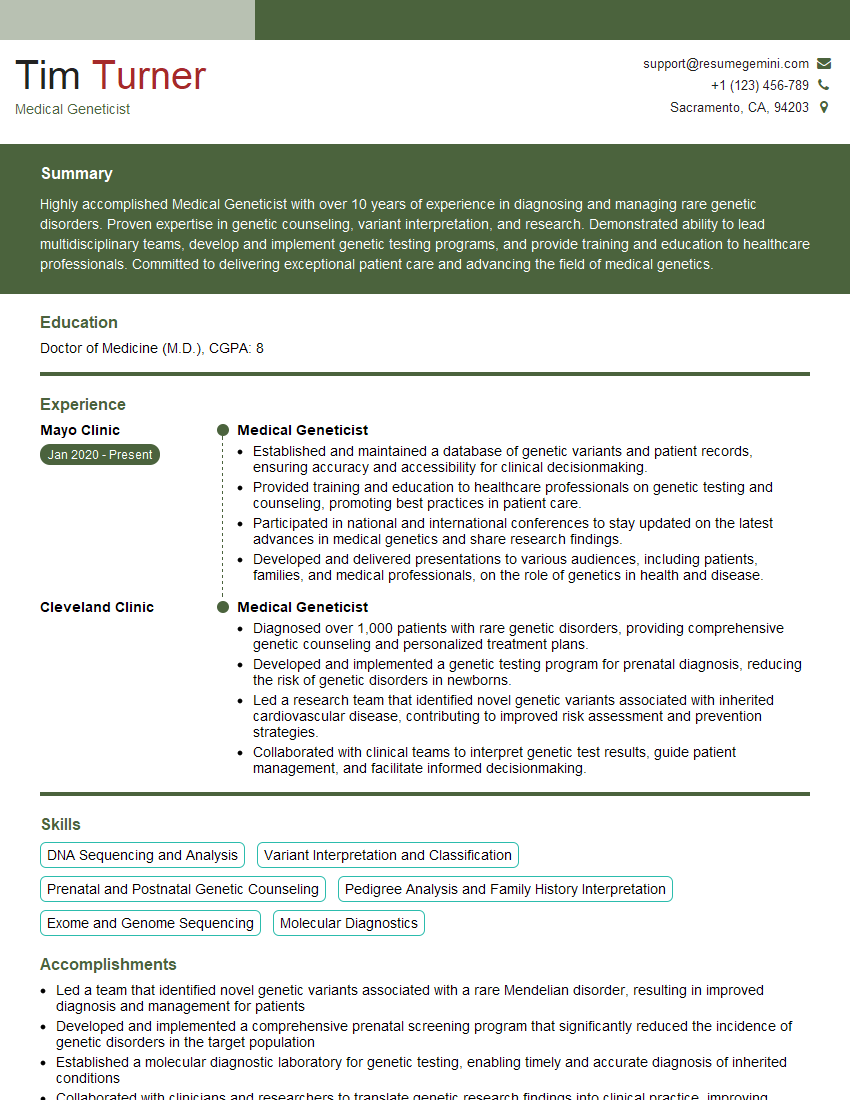
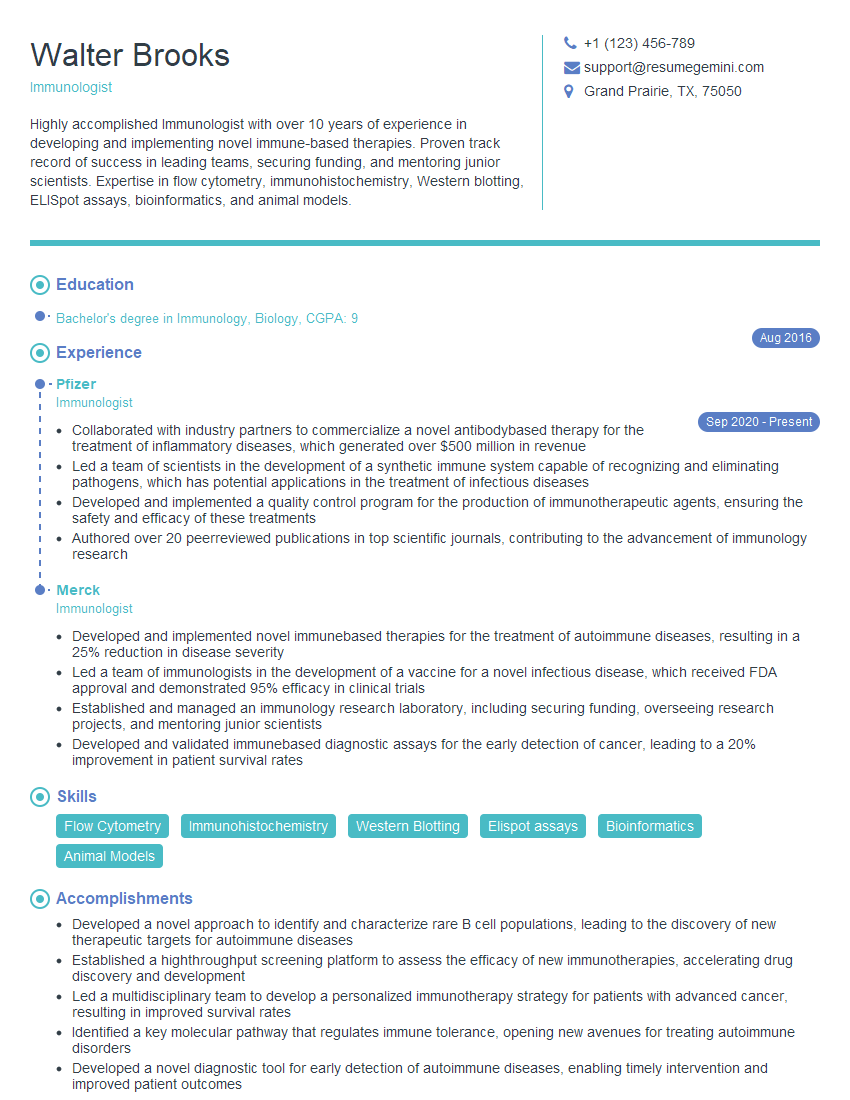
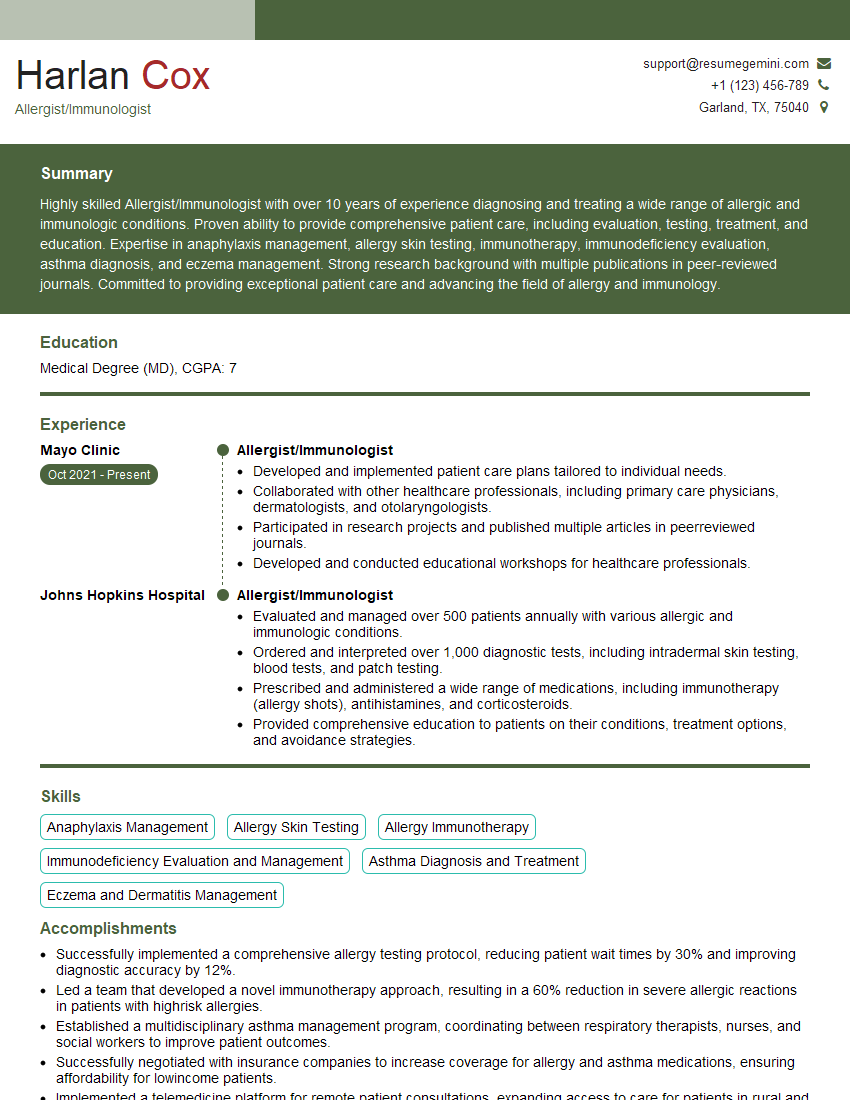
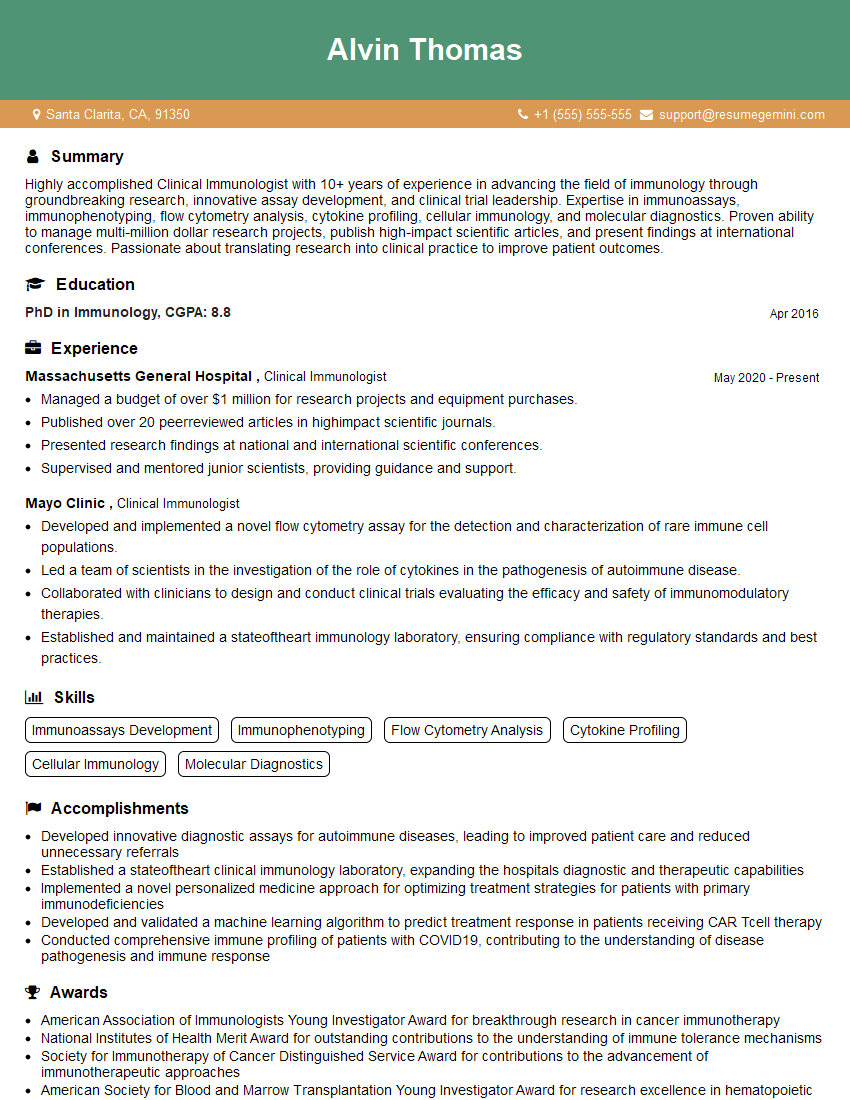
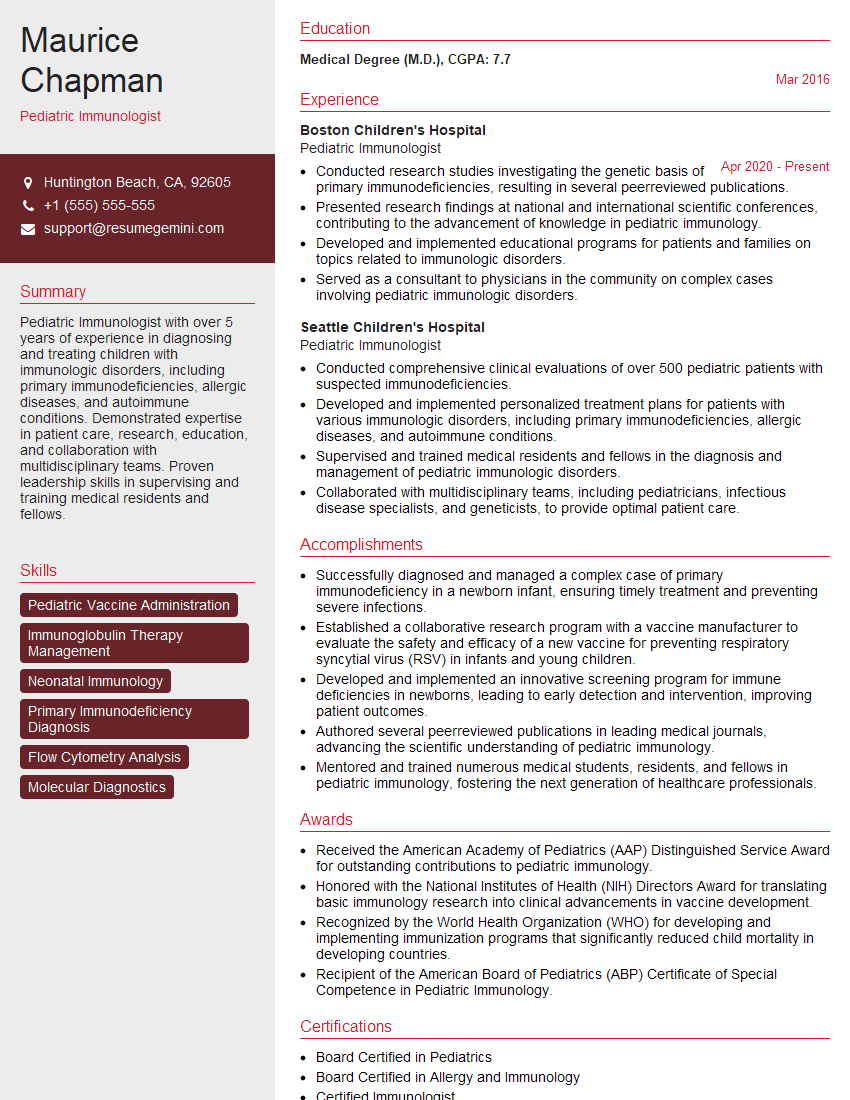
Mastering Primary Immunodeficiency Disorders Management is crucial for career advancement in immunology, hematology, or infectious diseases. A strong understanding of these complex disorders demonstrates expertise and commitment to patient care. To stand out to potential employers, create an ATS-friendly resume that highlights your skills and experience effectively. ResumeGemini is a trusted resource to help you build a professional and impactful resume that gets noticed. Examples of resumes tailored specifically to Primary Immunodeficiency Disorders Management are available to guide your creation process. Investing time in crafting a strong resume will significantly increase your job prospects in this specialized field.
Explore more articles
Users Rating of Our Blogs
Share Your Experience
We value your feedback! Please rate our content and share your thoughts (optional).
What Readers Say About Our Blog
To the interviewgemini.com Webmaster.
Very helpful and content specific questions to help prepare me for my interview!
Thank you
To the interviewgemini.com Webmaster.
This was kind of a unique content I found around the specialized skills. Very helpful questions and good detailed answers.
Very Helpful blog, thank you Interviewgemini team.