Interviews are more than just a Q&A session—they’re a chance to prove your worth. This blog dives into essential Specific IgE Antibody Testing interview questions and expert tips to help you align your answers with what hiring managers are looking for. Start preparing to shine!
Questions Asked in Specific IgE Antibody Testing Interview
Q 1. Explain the principle behind Specific IgE antibody testing.
Specific IgE antibody testing identifies the presence and amount of IgE antibodies directed against specific allergens in a patient’s blood. It’s based on the principle of antigen-antibody binding. If a patient is allergic to a particular substance (the allergen), their immune system will produce IgE antibodies specific to that allergen. These IgE antibodies bind to the allergen, triggering an allergic reaction. The test detects these allergen-specific IgE antibodies, indicating sensitization to that allergen.
Q 2. Describe different methods used for Specific IgE antibody detection (e.g., ImmunoCAP, ELISA).
Several methods exist for detecting specific IgE antibodies. Two widely used methods are:
- ImmunoCAP: This is a fluorescence enzyme immunoassay (FEIA) that’s highly automated and widely used. It involves coating a solid phase (typically a microbead) with the specific allergen. The patient’s serum is added, and if specific IgE antibodies are present, they’ll bind to the allergen. After washing away unbound antibodies, an enzyme-labeled anti-IgE antibody is added. This binds to the already-bound IgE antibodies. Finally, a substrate is added, triggering an enzymatic reaction that produces fluorescence. The intensity of the fluorescence is directly proportional to the concentration of specific IgE antibodies.
- ELISA (Enzyme-Linked Immunosorbent Assay): ELISA is another common method. Different ELISA formats exist (direct, indirect, competitive), but the basic principle remains the same. Allergens are coated on the surface of a microplate well. Patient serum is added, allowing allergen-specific IgE antibodies to bind. Then, an enzyme-conjugated anti-IgE antibody is added, followed by a substrate that generates a measurable signal (color change, fluorescence). The intensity of this signal is correlated to the amount of allergen-specific IgE present.
Other methods, though less common now, include RAST (Radioallergosorbent test) which utilizes radioactive labels instead of enzymes.
Q 3. What are the advantages and disadvantages of each method?
Each method has its own advantages and disadvantages:
- ImmunoCAP:
- Advantages: High sensitivity and specificity, highly automated, standardized results, capability of testing for numerous allergens simultaneously.
- Disadvantages: Relatively expensive, requires specialized equipment.
- ELISA:
- Advantages: Can be less expensive than ImmunoCAP, relatively simple to perform in some formats.
- Disadvantages: May have lower sensitivity compared to ImmunoCAP in some cases, standardization can be a challenge depending on the specific ELISA kit used, generally tests one allergen at a time unless using an array based system.
Q 4. How do you interpret Specific IgE antibody test results?
Interpreting Specific IgE antibody test results requires careful consideration of the numerical values obtained (usually expressed in kU/L or similar units) and the clinical picture of the patient. Results are typically compared to established reference ranges. A higher value indicates a greater level of sensitization to a particular allergen. However, the level of IgE doesn’t always directly correlate with the severity of the allergic reaction. A positive result suggests sensitization; however, a negative result does not entirely rule out allergy as other mechanisms might be involved. The interpretation should always be done in the context of the patient’s clinical history, symptoms, and other test results. A physician specializing in allergy and immunology should interpret these results and advise on appropriate management.
For example, a patient with a high Specific IgE to cat dander, along with a history of sneezing, itching eyes, and runny nose after exposure to cats, strongly suggests a cat allergy. Conversely, a high Specific IgE level in absence of symptoms could suggest sensitization without clinical significance.
Q 5. What are the limitations of Specific IgE antibody testing?
Specific IgE testing has some limitations:
- False Positives: Individuals might have a positive result without experiencing clinical allergy (sensitization without clinical allergy). This is especially true for high prevalence allergens like dust mites, which many people are sensitized to but don’t have severe clinical symptoms.
- False Negatives: The test may not detect IgE antibodies in all cases of allergy. This can occur if the patient’s IgE levels are very low or if other immune mechanisms are involved.
- Cross-reactivity: Some allergens share similar epitopes (antigenic determinants), leading to cross-reactivity and potential for inaccurate interpretation. For instance, some individuals allergic to birch pollen might also show positive results for apple or carrot, due to shared protein structures.
- Not suitable for all allergies: Specific IgE tests are primarily useful for type I immediate hypersensitivity reactions and don’t always assess for other allergic mechanisms.
Q 6. How do you ensure the accuracy and reliability of Specific IgE antibody tests?
Accuracy and reliability of Specific IgE testing depend on several factors:
- Proper sample collection and handling: Following strict guidelines for blood collection and storage is crucial to prevent degradation of IgE antibodies.
- Use of validated and standardized assays: Choosing well-established and reputable testing kits and methods like ImmunoCAP ensures consistency and comparability of results.
- Quality control measures: Laboratories should implement stringent quality control procedures, including the use of positive and negative controls, to monitor assay performance and identify potential issues.
- Experienced personnel: Properly trained personnel should perform the testing and interpret the results, considering clinical context.
- Regular calibration and maintenance of equipment: For automated methods like ImmunoCAP, regular maintenance is key for accurate and reliable measurements.
Q 7. Explain the role of positive and negative controls in Specific IgE testing.
Positive and negative controls are essential for quality control in Specific IgE testing. These are included in each assay run to validate the test’s performance and to identify possible errors or problems.
- Positive Control: This is a sample known to contain high levels of the specific IgE antibody being tested. It serves to verify that the reagents are working correctly and that the assay can detect a positive signal. If the positive control does not give the expected result, there is a problem with the assay.
- Negative Control: This is a sample known not to contain the specific IgE antibody. It helps to determine the background level of signal. A high signal in the negative control suggests non-specific binding or contamination.
By incorporating positive and negative controls in every assay run, laboratories can confidently ensure the reliability and validity of the test results.
Q 8. Describe the process of sample preparation and handling for Specific IgE testing.
Sample preparation and handling for Specific IgE testing are crucial for accurate results. It begins with obtaining a blood sample, typically venous blood collected in a serum separator tube (SST) to ensure optimal clot formation and serum separation. The SST prevents red blood cell lysis, which can interfere with the assay. After collection, the sample is centrifuged to separate the serum from the blood cells. The serum, containing the IgE antibodies, is then carefully transferred to a labeled container to prevent cross-contamination.
Storage is critical. Ideally, the serum should be processed within 24 hours of collection and stored at -20°C or lower for long-term storage. Repeated freeze-thaw cycles should be avoided, as these can damage the IgE antibodies and lead to inaccurate results. For transportation, samples must be properly packaged in compliance with relevant regulations to prevent damage during shipping.
Appropriate handling techniques, including using sterile equipment, adhering to biosafety protocols, and meticulously documenting all steps, are paramount for ensuring data integrity and reliability. For example, incorrectly labeling a sample can lead to patient misidentification and potentially serious consequences. A clear chain of custody must be maintained throughout the entire process.
Q 9. What are the potential sources of error in Specific IgE testing?
Several factors can introduce errors into Specific IgE testing. One common source is pre-analytical errors, which occur before the actual test is performed. This includes improper sample collection, handling, or storage, as mentioned previously. For instance, hemolysis (rupture of red blood cells) can interfere with the assay’s ability to accurately measure IgE levels.
Analytical errors occur during the testing process itself. These might stem from instrument malfunction, reagent degradation, or inconsistencies in the assay procedure. Calibration and quality control are vital to minimize these errors. A poorly calibrated instrument, for example, will consistently produce inaccurate results.
Post-analytical errors can occur after the test is completed, such as misinterpretation of results or errors in data entry. This highlights the importance of proper data management and interpretation by trained personnel. For example, failing to consider the patient’s clinical history when interpreting the results might lead to an incorrect diagnosis.
Finally, biological variation needs to be considered. Individual differences in IgE production and the presence of interfering substances in the serum can affect results. For example, a patient with a high total IgE level may exhibit varied specific IgE responses to different allergens.
Q 10. How do you troubleshoot common issues encountered during Specific IgE testing?
Troubleshooting Specific IgE testing involves a systematic approach. First, review the pre-analytical phase. Verify that the sample was collected, handled, and stored according to protocol. Check for hemolysis or other signs of improper handling. If problems are found at this stage, the test might need to be repeated with a new sample.
Next, examine the analytical phase. This involves verifying the instrument’s calibration, the integrity of the reagents, and the adherence to the assay’s procedural steps. If the instrument is malfunctioning or the reagents have degraded, recalibration or replacement might be necessary.
If the issue persists, assess the post-analytical phase, reviewing the results’ interpretation and any potential data entry errors. Consulting with a colleague or reviewing the patient’s clinical history can help clarify ambiguous results. If inconsistencies remain, consider performing a repeat test using a different method or platform. Proper documentation of all troubleshooting steps is crucial.
For example, if repeatedly low results are obtained, one might suspect insufficient antibody levels or reagent degradation. This requires investigation of both sample handling and testing procedure.
Q 11. What are the clinical applications of Specific IgE antibody testing?
Specific IgE antibody testing has widespread clinical applications, primarily in allergy diagnosis and management. It is used to identify specific allergens responsible for IgE-mediated allergic reactions. This is vital for guiding allergy management strategies, such as immunotherapy, avoidance strategies, and pharmacological treatment.
Beyond allergy diagnosis, Specific IgE testing can be used to monitor the effectiveness of allergen-specific immunotherapy. It can also be used in certain food allergy diagnostics, helping to differentiate true allergy from food intolerance. Furthermore, research applications exist, such as investigating the mechanisms of allergic sensitization and identifying novel allergens.
For example, a patient with suspected peanut allergy might undergo specific IgE testing to determine their sensitivity to peanut allergens. If the results are positive, appropriate management strategies can be implemented.
Q 12. How is Specific IgE testing used in the diagnosis of allergic diseases?
Specific IgE testing is a cornerstone in diagnosing allergic diseases. It helps identify which specific allergens trigger an IgE-mediated immune response in a patient. This is in contrast to total IgE testing, which only measures the overall level of IgE in the blood. A high total IgE level suggests an allergic predisposition, but it doesn’t specify the allergen(s) involved.
The test works by measuring the level of IgE antibodies specific to particular allergens. A high level of specific IgE antibodies to a certain allergen strongly suggests that the individual is sensitized to that allergen and may experience allergic reactions upon exposure. The results are usually reported as a quantitative value (e.g., kU/L) or a qualitative result (positive/negative) based on the assay used.
In combination with clinical history and skin prick tests, specific IgE testing significantly aids in the accurate diagnosis and management of various allergies, including allergic rhinitis, asthma, food allergies, and anaphylaxis. For example, a positive specific IgE test for cat dander, coupled with a history of sneezing and respiratory symptoms upon exposure to cats, confirms a cat allergy.
Q 13. How do you differentiate between specific IgE and total IgE?
The key difference lies in what they measure. Total IgE measures the overall concentration of IgE antibodies in the blood. This is a nonspecific test that indicates the general level of IgE, reflecting the body’s overall allergic response, but doesn’t identify the specific allergens triggering the response.
Specific IgE, in contrast, measures the IgE antibodies directed against particular allergens. This is a targeted test, providing information on the specific allergen(s) causing the allergic reaction. A patient can have a high total IgE level but only specific IgE reactivity to a few allergens, indicating a selective sensitization.
Think of it like this: total IgE is like measuring the total amount of water in a pool, while specific IgE is like identifying the source of the water (e.g., rainfall, river, etc.). Both provide valuable information, but the specific IgE provides a more targeted and clinically relevant picture for allergy management.
Q 14. Explain the concept of IgE cross-reactivity.
IgE cross-reactivity refers to the ability of IgE antibodies produced against one allergen to also react with other, structurally similar allergens. This occurs because these allergens share common epitopes (antigenic determinants) that are recognized by the same IgE antibodies. This can lead to allergic reactions to substances a person hasn’t previously been exposed to.
For instance, IgE antibodies produced against pollen from one type of weed may cross-react with pollen from a different weed species or even with certain foods, leading to symptoms like allergic rhinitis or oral allergy syndrome. This phenomenon is often seen in cross-reactivity between pollen and certain fruits or vegetables. For example, birch pollen allergy may lead to cross-reactivity with apple or hazelnut, resulting in oral allergy symptoms when consuming these foods.
Understanding IgE cross-reactivity is crucial in diagnosing and managing allergies because it explains why people may be allergic to multiple seemingly unrelated substances. It highlights the complexity of allergic reactions and the importance of considering potential cross-reactivities during diagnosis.
Q 15. What is the role of Specific IgE testing in allergy management?
Specific IgE testing plays a crucial role in allergy management by identifying the specific allergens causing an allergic reaction. It’s like having a detective solve a mystery – instead of guessing which culprit caused the allergic symptoms (rash, sneezing, etc.), we pinpoint the exact allergen (e.g., cat dander, peanut, pollen). This allows for targeted treatment and avoidance strategies.
The test measures the level of Immunoglobulin E (IgE) antibodies specific to particular allergens in a patient’s blood. Elevated levels indicate sensitization to that allergen, suggesting a possible allergic reaction upon exposure. This is far more precise than skin prick tests, which can have limitations in accuracy and interpretation, particularly in patients on certain medications.
Career Expert Tips:
- Ace those interviews! Prepare effectively by reviewing the Top 50 Most Common Interview Questions on ResumeGemini.
- Navigate your job search with confidence! Explore a wide range of Career Tips on ResumeGemini. Learn about common challenges and recommendations to overcome them.
- Craft the perfect resume! Master the Art of Resume Writing with ResumeGemini’s guide. Showcase your unique qualifications and achievements effectively.
- Don’t miss out on holiday savings! Build your dream resume with ResumeGemini’s ATS optimized templates.
Q 16. How do you interpret a positive Specific IgE test result in the context of a patient’s clinical presentation?
Interpreting a positive Specific IgE test result requires a careful consideration of the patient’s clinical presentation. A positive result means that the patient has IgE antibodies against the tested allergen. However, this doesn’t automatically mean they’ll have an allergic reaction. The level of IgE is important; a high level usually correlates with a higher likelihood of a reaction, but the clinical picture remains vital.
For example, a patient with a high Specific IgE level to peanuts but no history of peanut allergy symptoms may still be considered low-risk. Conversely, a patient with a moderate IgE level but a history of severe anaphylaxis after peanut ingestion requires significant caution. We always correlate test results with the patient’s medical history, physical examination findings, and any existing symptoms to draw a holistic conclusion.
Q 17. How do you counsel patients about their Specific IgE test results?
Counseling patients about their Specific IgE test results is a crucial aspect of responsible healthcare. I always begin by explaining the test’s purpose and the meaning of the results in plain language, avoiding technical jargon. For example, instead of saying “Your Specific IgE to cat dander is elevated,” I might say “The test shows you have antibodies to cat dander, which suggests your body might react negatively to cats.”
The discussion then focuses on the implications. If the results are positive, we discuss avoidance strategies, potential triggers, and management plans, including allergy medication. Importantly, I address any anxieties or concerns the patient may have. If results are negative for suspected allergens, we explore other potential causes of their symptoms and recommend further investigations if necessary. A follow-up appointment is always scheduled to review the plan and answer questions.
Q 18. What are the potential implications of false positive or false negative Specific IgE test results?
False positive and false negative results in Specific IgE testing have significant implications. A false positive means the test indicates an allergy when one doesn’t exist, leading to unnecessary avoidance and anxiety. This can be caused by factors such as cross-reactivity with other allergens or individual variations in antibody levels.
A false negative, conversely, indicates no allergy when one actually exists, potentially leading to dangerous exposures. This can occur due to factors such as low allergen exposure, a non-IgE-mediated allergy (which this test wouldn’t detect), or a technical issue with the test itself. Careful consideration of the patient’s clinical presentation, alongside the test result, is crucial to minimize these risks. We often use other diagnostic tests to confirm results if needed.
Q 19. How do you ensure patient confidentiality related to Specific IgE test results?
Ensuring patient confidentiality related to Specific IgE test results is paramount and adheres strictly to HIPAA regulations and other applicable privacy laws. Patient data, including test results, are stored securely in electronic health records (EHRs) with restricted access. Only authorized personnel involved in the patient’s care can view the results. We use encrypted communication channels and adhere to strict protocols for data handling and disposal.
Patients are informed about how their data is handled and their rights to access and control their information. Any release of information to third parties, such as insurance companies, requires explicit written consent from the patient, always protecting their privacy.
Q 20. Describe the regulatory requirements for Specific IgE antibody testing.
Specific IgE antibody testing is subject to rigorous regulatory requirements, primarily from bodies like the FDA (in the United States) and equivalent agencies in other countries. These requirements cover various aspects, including:
- Test Accuracy and Precision: The test must meet stringent standards for accuracy and reproducibility, minimizing the risk of false positive or false negative results.
- Quality Control: Laboratories must follow strict quality control procedures to ensure the reliability and validity of test results.
- Personnel Qualification: Technicians and analysts must possess appropriate qualifications and training.
- Laboratory Accreditation: Laboratories are often required to meet accreditation standards, such as those established by CAP (College of American Pathologists).
- Data Integrity and Security: Secure data handling and storage procedures to maintain the confidentiality and integrity of patient information are mandatory.
Failure to comply with these regulations can result in significant penalties, including fines and suspension of operations.
Q 21. What are the quality control measures implemented in your laboratory for Specific IgE testing?
Our laboratory implements rigorous quality control measures throughout the Specific IgE testing process to ensure accurate and reliable results. These measures include:
- Calibration and standardization: Regular calibration of instruments and use of standardized reagents to ensure consistent and accurate measurements.
- Internal controls: Inclusion of positive and negative controls in each testing run to monitor the performance of the assay.
- External quality assurance programs: Participation in external proficiency testing programs to compare our results with other laboratories and identify areas for improvement.
- Regular equipment maintenance: Regular servicing and maintenance of equipment to minimize errors and ensure optimal performance.
- Personnel training and competency assessment: Ongoing training and competency assessments for laboratory personnel to maintain high standards of technical expertise.
- Documentation and record keeping: Meticulous record-keeping and documentation of all procedures and results to ensure traceability and accountability.
These measures work in concert to minimize errors and ensure the highest quality of results for our patients.
Q 22. Discuss the cost-effectiveness of different Specific IgE testing methods.
The cost-effectiveness of Specific IgE testing methods depends heavily on several factors, including the number of allergens tested, the testing platform used, and the overall laboratory infrastructure. Generally, single-plex assays, testing for one allergen at a time, are less expensive per allergen than multiplex assays, which can test for many allergens simultaneously. However, multiplex assays can be more cost-effective overall when testing for a large number of allergens, as they reduce the overall testing time and laboratory resources needed.
For example, a physician might order a single-plex test for a suspected peanut allergy. This is relatively inexpensive. However, if a patient presents with a range of symptoms suggesting multiple food allergies, a multiplex array is often the more economically sound option. The initial investment in the multiplex platform may be higher, but the per-test cost ultimately lowers as the volume of tests increases. Furthermore, the cost savings from faster turnaround times and reduced labor should be factored in.
Ultimately, a comprehensive cost-benefit analysis considering the specific clinical situation and the available resources is crucial to determining the most cost-effective approach.
Q 23. How does Specific IgE testing compare to other allergy diagnostic tests (e.g., skin prick test)?
Specific IgE testing and skin prick tests (SPTs) are both commonly used for allergy diagnosis, but they have distinct advantages and disadvantages. SPTs are a rapid, relatively inexpensive method that involves pricking the skin with a diluted allergen extract and observing for a wheal-and-flare reaction. They are great for immediate-type hypersensitivity reactions. However, their accuracy can be affected by factors such as patient medication (e.g., antihistamines), skin conditions, and the experience of the person performing the test. SPTs also can’t always test for all potential allergens, and may present challenges with very young children or patients with extensive skin reactions.
Specific IgE testing, on the other hand, is a more quantitative and sensitive method that directly measures the level of IgE antibodies specific to certain allergens in a blood sample. It’s better for detecting IgE mediated allergies even in patients who have taken medications that would affect the SPT results. It’s also useful for identifying allergens that are difficult or impossible to test for using SPTs. However, Specific IgE tests are generally more expensive than SPTs, and may have a longer turnaround time.
Often, a combined approach—using SPTs as an initial screen followed by Specific IgE testing to confirm or clarify results—provides the most comprehensive and cost-effective diagnostic strategy.
Q 24. What is your experience with different allergy testing platforms?
Throughout my career, I’ve had extensive experience with various allergy testing platforms. This includes both single-plex and multiplex assays using different technologies such as ELISA (Enzyme-Linked Immunosorbent Assay), and chemiluminescent immunoassays. Each platform has its own strengths and weaknesses.
For example, ELISA is a widely available and relatively inexpensive method, well-suited for smaller labs and single-allergen testing. Multiplex arrays, on the other hand, offer higher throughput and the ability to screen for numerous allergens at once. This is extremely beneficial in cases of broad-spectrum allergic symptoms or when a patient’s history suggests widespread sensitivities. I find that the specific platform selected should be tailored to the clinical needs and resources available.
I also have hands-on experience with different manufacturers’ platforms, each with its unique data interpretation software. This experience has honed my ability to analyze results accurately and confidently across multiple systems.
Q 25. How do advances in technology impact Specific IgE testing?
Advances in technology have significantly improved Specific IgE testing. The development of multiplex assays has revolutionized the field, enabling the simultaneous detection of multiple allergens in a single test. This has increased efficiency and reduced the cost per allergen tested.
Furthermore, advancements in microarray technology have further enhanced the sensitivity and specificity of Specific IgE testing. These microarrays can accommodate a vast number of allergens on a single chip, allowing for comprehensive allergen profiling.
Another significant development is the use of automated systems for sample preparation and analysis. This has improved the throughput of tests while minimizing the risk of human error. The rise of sophisticated data analysis software has also aided in streamlining the interpretation of complex results.
Q 26. How do you stay updated on the latest developments in Specific IgE testing?
Staying abreast of the latest developments in Specific IgE testing is critical for maintaining professional competency. I actively engage in several strategies to ensure I’m updated.
- Regularly attending conferences and workshops: Participating in national and international conferences on clinical immunology and allergy allows me to learn about cutting-edge research and new testing methodologies from leading experts.
- Subscribing to relevant journals: I carefully follow journals dedicated to clinical immunology, allergy, and laboratory medicine. These publications are a wealth of information regarding breakthroughs in the field.
- Participating in professional organizations: Memberships in organizations such as the American Academy of Allergy, Asthma & Immunology (AAAAI) provide access to continuing education resources, updates on best practices, and networking opportunities with colleagues.
- Engaging in continuing medical education (CME): I regularly undertake CME activities specific to allergy testing and immunology to maintain my licensure and stay current with evolving knowledge and regulations.
These strategies ensure I’m always equipped to provide patients with the most accurate and up-to-date diagnostic information.
Q 27. Describe a time you had to troubleshoot a problem during Specific IgE testing.
During a routine Specific IgE testing run, we encountered unexpectedly high background noise levels in our results. This affected the accuracy of the readings. We immediately initiated a systematic troubleshooting process.
- Reviewed the testing protocol: We carefully examined every step of the procedure, looking for deviations from standard operating procedures (SOPs). We checked reagent storage, expiry dates, and proper handling.
- Tested the equipment: We calibrated and performed diagnostic checks on all the instruments used, including the automated analyzer and associated equipment.
- Evaluated the reagents: Fresh reagents were used to see if a reagent issue was involved. We also examined the reagents for any signs of degradation or contamination.
- Reviewed previous test runs: We compared the results with previous successful runs to pinpoint the timing of the change and help identify a potential causal factor.
Ultimately, we discovered a minor issue with the washing step in the automated analyzer. A small obstruction was partially blocking the flow. Once the obstruction was cleared and the system recalibrated, we resumed testing and obtained accurate results. This incident highlighted the importance of meticulous attention to detail in every stage of the testing process and the value of a systematic troubleshooting approach.
Q 28. Explain your understanding of relevant safety regulations in a clinical immunology laboratory setting.
Safety regulations in a clinical immunology laboratory setting are paramount, given the potential hazards associated with handling biological samples and reagents. My understanding encompasses several key areas:
- Biosafety: We strictly adhere to biosafety level 2 (BSL-2) guidelines, emphasizing proper handling and disposal of potentially infectious materials. This includes using appropriate personal protective equipment (PPE), such as gloves, lab coats, and eye protection.
- Chemical safety: We handle various chemicals with caution and follow the manufacturer’s safety data sheets (SDS) for all reagents used. Appropriate storage, handling procedures, and waste disposal methods are meticulously followed.
- Quality control: Rigorous quality control measures are in place throughout the testing process. This involves using positive and negative controls to ensure the accuracy and reliability of the results. Regular calibration and maintenance of equipment are also critical.
- Compliance: We strictly adhere to all relevant regulations, including those set by CLIA (Clinical Laboratory Improvement Amendments) and other applicable local and national regulations. Regular internal audits and external inspections are conducted to ensure compliance.
- Employee safety training: Comprehensive safety training is provided to all laboratory personnel, covering topics such as hazard identification, risk assessment, emergency procedures, and safe handling practices.
These safety regulations are not just guidelines, but are critical for ensuring both accurate results and the safety and well-being of both staff and patients. They are fundamental aspects of conducting allergy testing with high standards of quality and professionalism.
Key Topics to Learn for Specific IgE Antibody Testing Interview
- Fundamentals of Immunoglobulin E (IgE): Structure, function, and role in allergic responses. Understand the different IgE isotypes and their clinical significance.
- Specific IgE Antibody Testing Methods: In-depth knowledge of various techniques including ELISA, ImmunoCAP, and microarray-based assays. Compare and contrast their sensitivity, specificity, and applications.
- Interpretation of Test Results: Analyze and interpret data from Specific IgE tests, considering factors like age, clinical presentation, and potential confounding variables. Understand the concept of positive and negative predictive values.
- Clinical Applications: Discuss the diagnostic and therapeutic applications of Specific IgE antibody testing in allergic diseases (e.g., asthma, rhinitis, food allergies, anaphylaxis). Be prepared to discuss case studies.
- Limitations and Challenges: Understand the limitations of Specific IgE testing, including false positives and negatives, cross-reactivity, and the role of other diagnostic tools in confirming allergy.
- Quality Control and Assurance: Describe the importance of quality control procedures in ensuring accurate and reliable results in Specific IgE testing laboratories. Understand regulatory compliance.
- Emerging Technologies and Future Trends: Stay updated on advancements in Specific IgE antibody testing technologies, such as next-generation sequencing and point-of-care diagnostics.
- Data Analysis and Reporting: Discuss strategies for effectively organizing and presenting Specific IgE test results to healthcare professionals and patients.
Next Steps
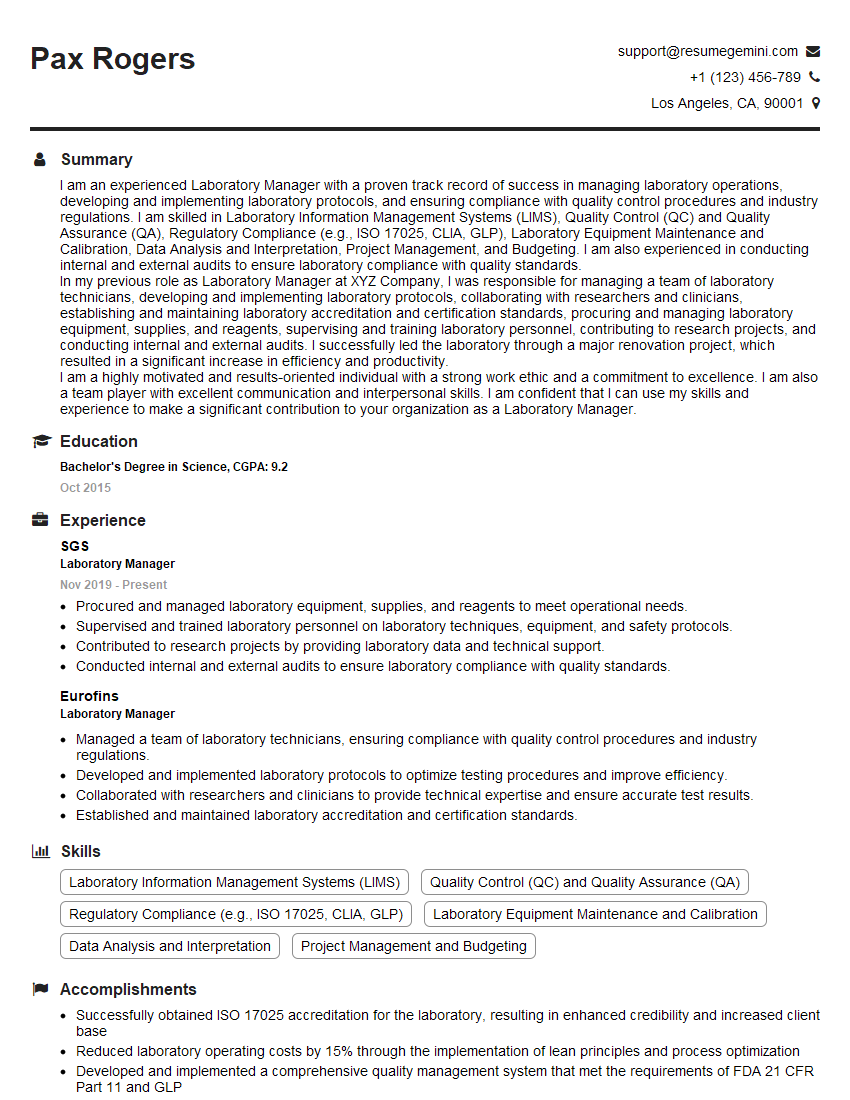
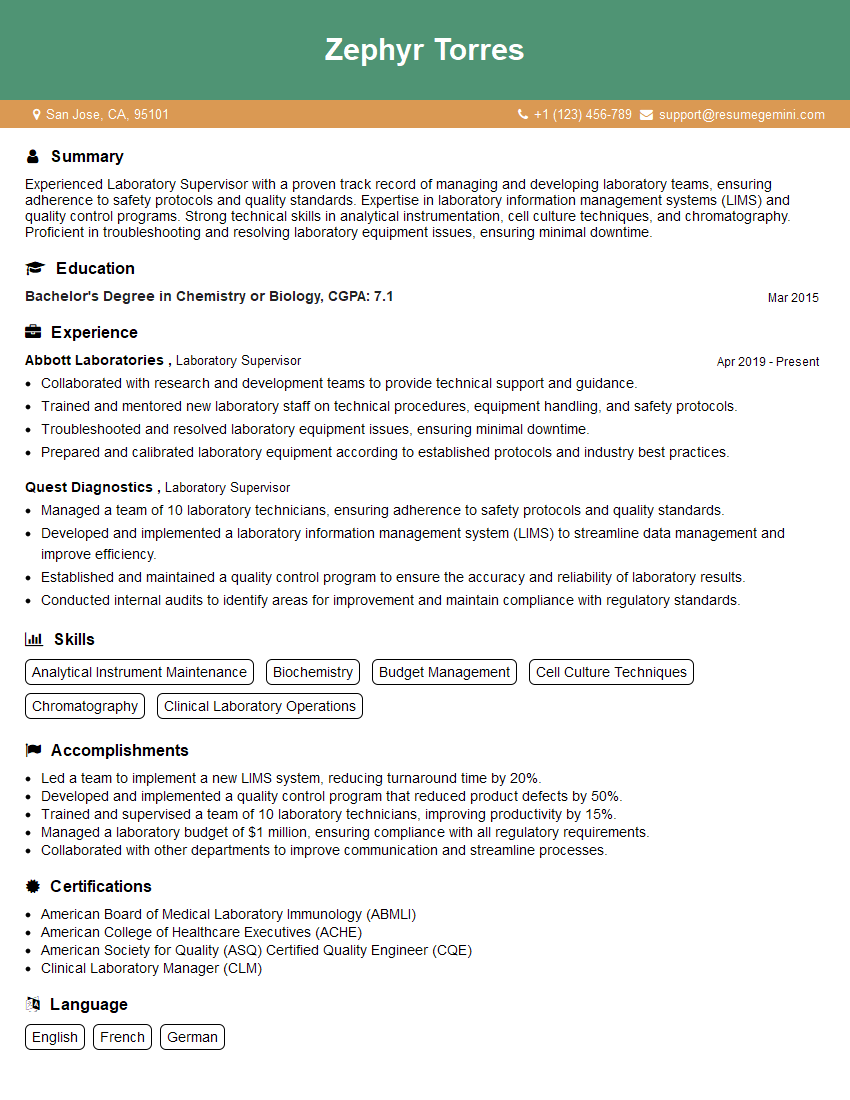
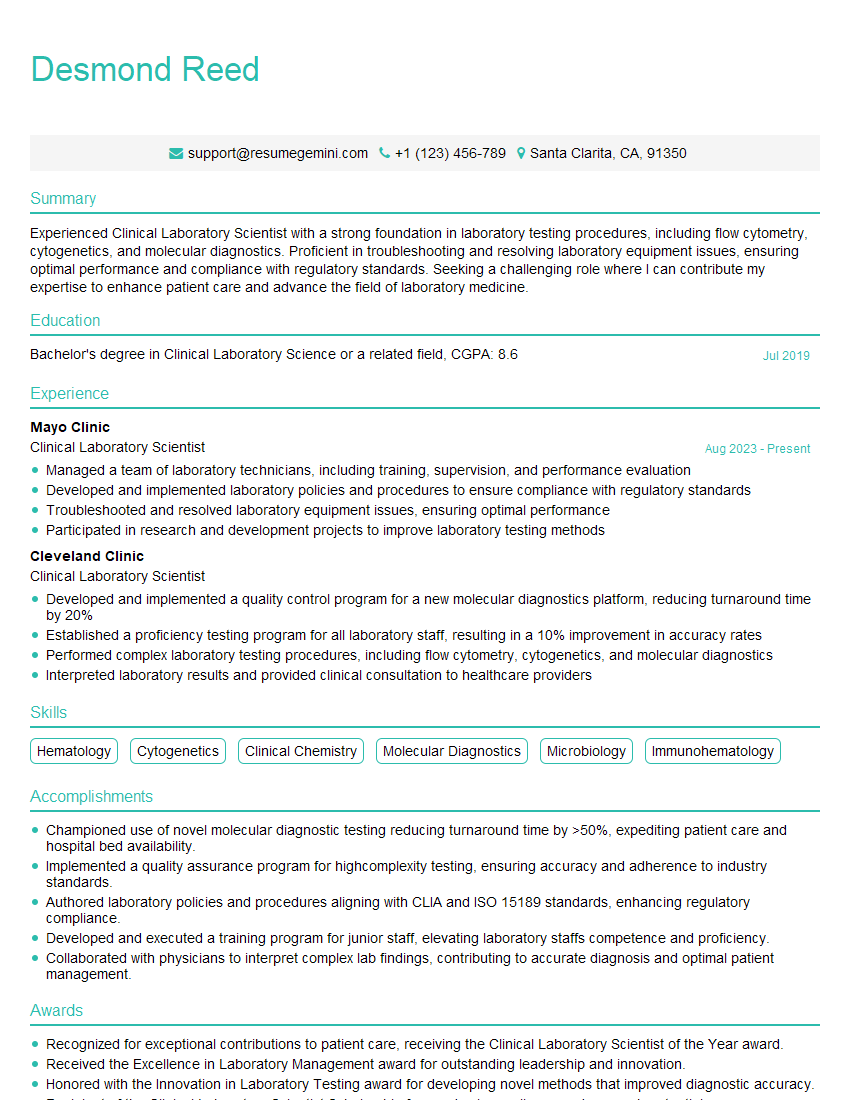
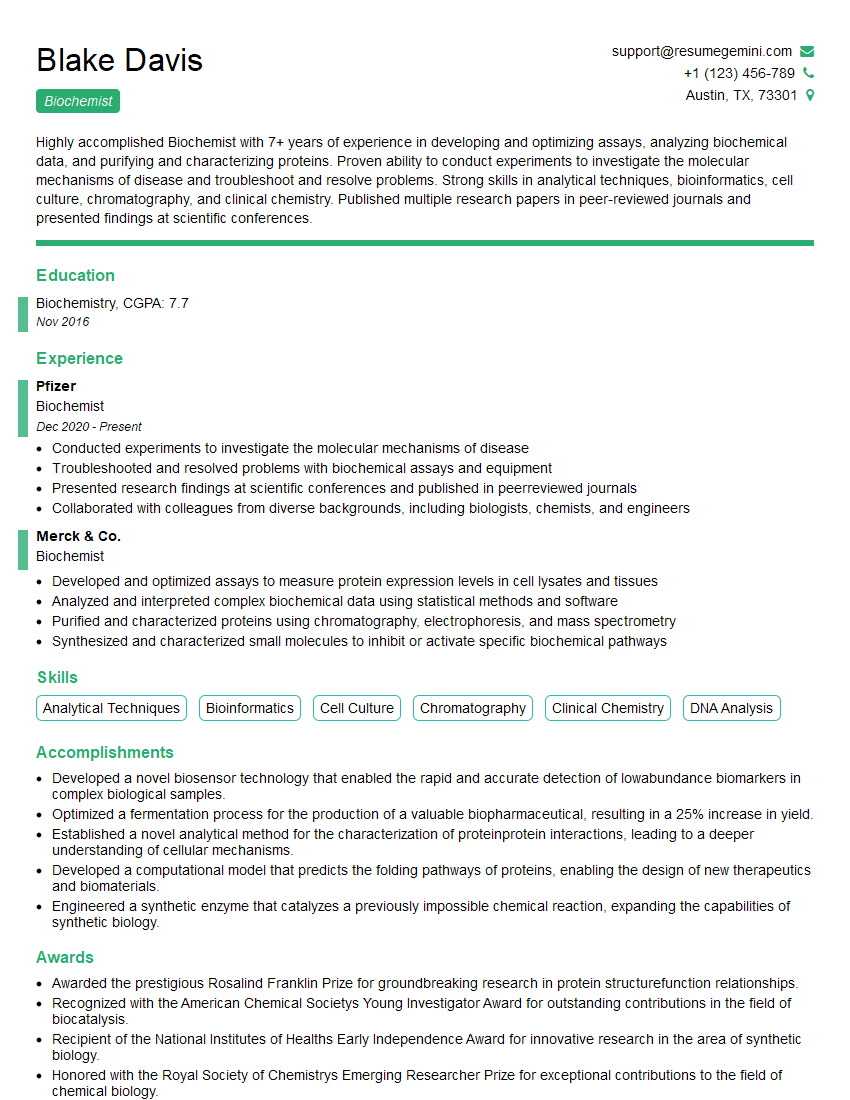
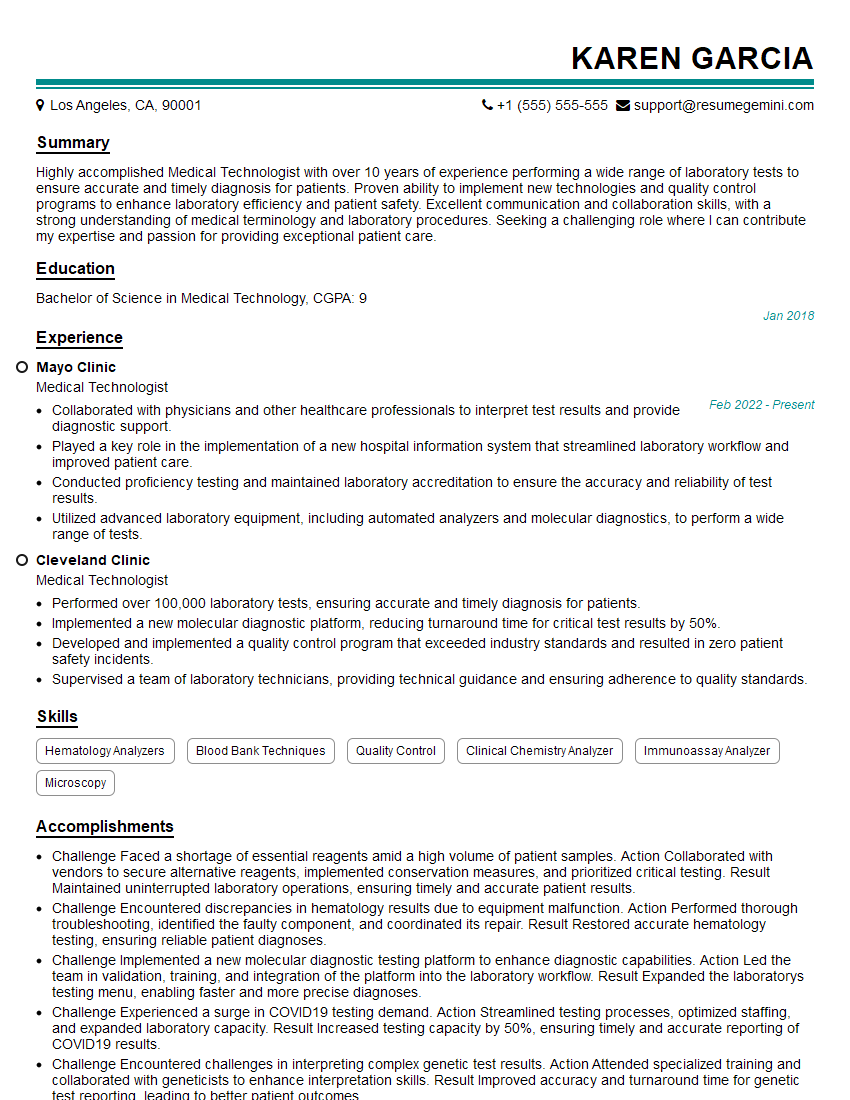
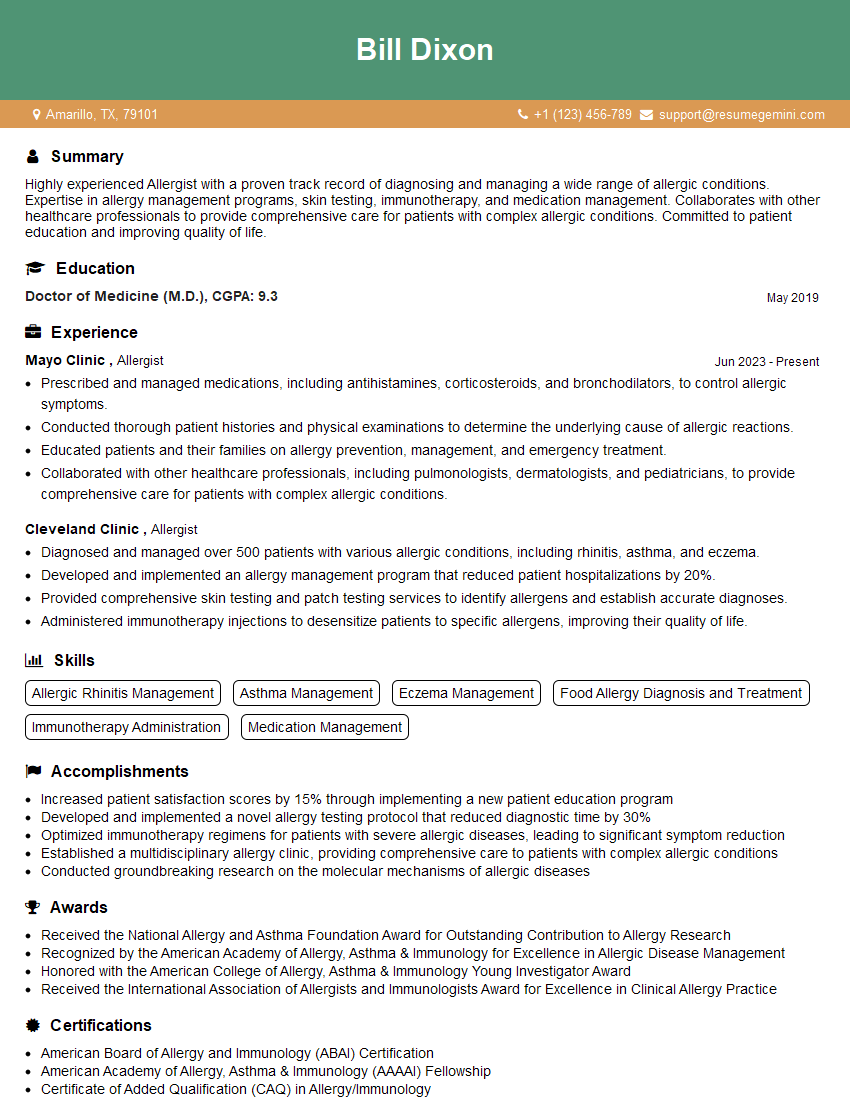
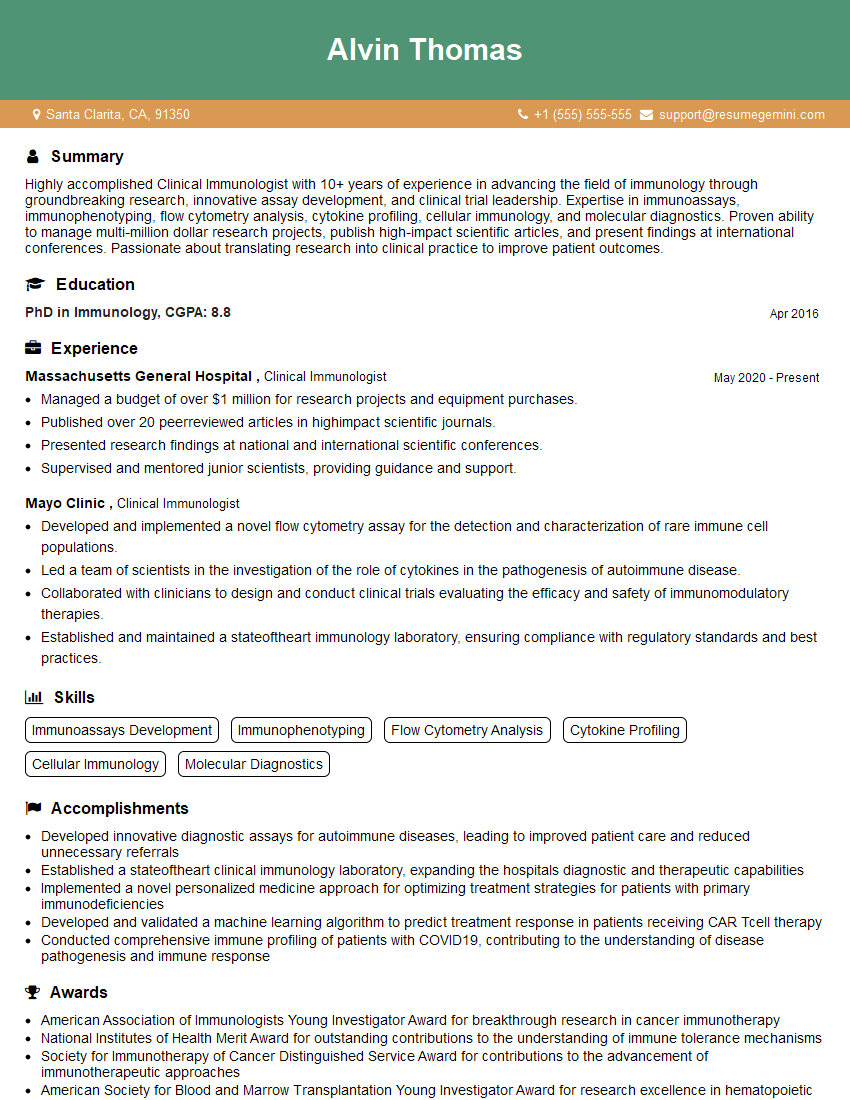
Mastering Specific IgE Antibody Testing opens doors to exciting career opportunities in clinical laboratories, research settings, and pharmaceutical companies. A strong understanding of this field significantly enhances your marketability and positions you for advancement. To maximize your job prospects, create an ATS-friendly resume that highlights your skills and experience effectively. ResumeGemini is a trusted resource that can help you build a professional and impactful resume tailored to the specific demands of the Specific IgE Antibody Testing field. Examples of resumes tailored to this specialization are provided to guide your process.

Explore more articles
Users Rating of Our Blogs
Share Your Experience
We value your feedback! Please rate our content and share your thoughts (optional).
What Readers Say About Our Blog
To the interviewgemini.com Webmaster.
Very helpful and content specific questions to help prepare me for my interview!
Thank you
To the interviewgemini.com Webmaster.
This was kind of a unique content I found around the specialized skills. Very helpful questions and good detailed answers.
Very Helpful blog, thank you Interviewgemini team.