The right preparation can turn an interview into an opportunity to showcase your expertise. This guide to Student Assessment and Development interview questions is your ultimate resource, providing key insights and tips to help you ace your responses and stand out as a top candidate.
Questions Asked in Student Assessment and Development Interview
Q 1. Describe your experience with various assessment methods (e.g., formative, summative, diagnostic).
Assessment methods are crucial for understanding student learning. Formative assessments, like quizzes or in-class activities, provide ongoing feedback during the learning process, allowing for adjustments. Summative assessments, such as final exams or projects, evaluate learning at the end of a unit or course. Diagnostic assessments, often pre-tests, identify students’ prior knowledge and learning gaps before instruction begins.
In my experience, I’ve utilized a wide array of these methods. For example, I’ve used formative assessments like short, frequent quizzes in a biology class to gauge student understanding of complex concepts like cellular respiration. This allowed me to adjust my teaching strategies in real-time, spending more time on areas where students struggled. Summatively, a comprehensive lab report evaluating their experimental design and data analysis provided a final grade. A pre-semester diagnostic quiz on basic chemistry principles helped me identify students needing extra support before diving into more advanced material. I also incorporated peer assessment, where students provided feedback on each other’s work, promoting both self-reflection and collaborative learning.
Q 2. How do you ensure assessment results are used to improve student learning?
Assessment results are not just grades; they’re valuable data informing instructional improvement. To ensure these results improve student learning, I follow a cyclical process. First, I analyze the data to identify trends: which concepts caused the most difficulty? Where did students excel? This involves looking at overall class performance, individual student scores, and common mistakes.
Second, I use this information to refine my teaching. Did students struggle with a specific concept? I might revisit the topic, using different teaching methods or additional resources. Perhaps a different explanation or hands-on activity would be more effective. For instance, if students consistently missed questions on a particular formula, I would dedicate more time to explaining it, providing additional practice problems, and offering one-on-one support.
Third, I provide targeted feedback to students. Generic comments like “needs improvement” are unhelpful; specific feedback pinpointing their strengths and weaknesses helps them understand how to improve. Finally, I track progress using subsequent assessments to see whether my adjustments were effective. This continuous improvement cycle helps ensure that assessment directly supports and enhances learning.
Q 3. Explain your understanding of different assessment models (e.g., Kirkpatrick’s four levels).
Kirkpatrick’s four levels of evaluation provide a framework for assessing the effectiveness of training, which is applicable to broader educational contexts. Level 1, Reaction, measures participants’ satisfaction with the learning experience. Level 2, Learning, assesses the knowledge gained. Level 3, Behavior, evaluates changes in on-the-job performance. Level 4, Results, measures the impact on organizational goals.
While not explicitly designed for student assessment, this model provides a valuable lens. We can adapt it to consider a student’s enjoyment of the course (Reaction), their demonstrated knowledge (Learning), their application of skills in assignments (Behavior), and the overall improvement in their understanding of the subject matter (Results). For example, a student might enjoy a class (Level 1), but their test scores might be low (Level 2), indicating a gap between engagement and actual learning. By examining all four levels, we gain a holistic understanding of the assessment’s effectiveness.
Q 4. How do you interpret and analyze student assessment data?
Interpreting student assessment data involves more than just calculating averages. I employ a multi-faceted approach. First, I examine descriptive statistics, including means, medians, and standard deviations, to understand the overall class performance. Then, I delve into individual student results, looking for patterns and outliers. A consistently low score suggests potential learning difficulties needing intervention, while a sudden drop might indicate external factors.
I also analyze the distribution of scores. A skewed distribution might highlight challenges with the assessment design or the instruction. For example, a large number of students missing the same questions on a test might indicate an area where further teaching and clarification are needed. Finally, I often use qualitative data, such as student feedback from surveys or reflection papers, to add context to the quantitative data. This holistic approach provides a nuanced understanding of student learning and identifies areas for improvement.
Q 5. Describe your experience with developing or implementing assessment plans.
Developing and implementing assessment plans is a crucial part of effective teaching. It begins with clearly defining learning objectives. What specific knowledge and skills should students acquire? Once objectives are established, I select appropriate assessment methods aligned with those objectives. This could include a mix of formative and summative assessments, projects, presentations, or essays. I ensure the assessment measures what it intends to, avoiding bias and promoting fairness.
For example, when designing an assessment plan for a history course focusing on critical thinking, I wouldn’t only use multiple-choice tests. Instead, I might incorporate essay questions requiring analysis of primary source documents or debates requiring students to defend their interpretations. The plan also includes a schedule of assessments throughout the course and mechanisms for providing timely feedback to students. Careful planning ensures assessments are meaningful, relevant, and support learning effectively.
Q 6. How do you communicate assessment results to students and stakeholders?
Communicating assessment results effectively is key. For students, I strive for clear, constructive feedback focused on their learning, not just their grade. This means providing specific examples of their strengths and weaknesses, and suggesting actionable steps for improvement. I might offer individual meetings to discuss their performance in more detail and explore strategies for success.
For stakeholders, such as parents or administrators, communication is more summarized. I provide aggregate data on class performance, highlighting overall trends and areas of strength or weakness. Reports may include comparisons to previous years or benchmarks, illustrating the effectiveness of instructional strategies. Open communication channels allow for transparency and collaboration to ensure a shared understanding of student progress.
Q 7. What are some challenges you’ve faced in student assessment, and how did you overcome them?
One challenge I faced was adapting assessments for diverse learners. Some students may need more time, different formats, or assistive technologies. To overcome this, I incorporated flexible assessment options, offering alternative assignments or modifying existing ones to accommodate individual needs. For example, I allowed students to choose between a written report and an oral presentation for a project. This ensures all students have the opportunity to demonstrate their understanding.
Another challenge is ensuring assessment validity and reliability. This requires careful consideration of assessment design and implementation. To ensure reliability, I use multiple assessment methods and avoid relying solely on one assessment type. Validity is ensured by aligning assessment tasks directly with learning objectives. Regular review and refinement of assessments based on data analysis are also essential to address biases and improve the overall quality and effectiveness of assessments.
Q 8. How do you ensure fairness and equity in assessment practices?
Ensuring fairness and equity in assessment practices is paramount. It’s about creating a level playing field where all students have an equal opportunity to demonstrate their learning, regardless of their background, learning style, or disability. This involves a multi-faceted approach.
Universal Design for Learning (UDL): UDL principles guide the creation of assessments that are accessible to all learners. This might involve offering multiple means of representation (e.g., text, audio, video), action and expression (e.g., written responses, oral presentations, projects), and engagement (e.g., varied levels of challenge, opportunities for collaboration).
Bias Identification and Mitigation: Carefully reviewing assessment materials for potential biases related to gender, race, culture, or socioeconomic status is crucial. This involves using clear and unambiguous language, avoiding culturally specific references, and ensuring that the content accurately reflects the curriculum without favoring specific groups.
Multiple Assessment Methods: Relying on a single assessment method can disadvantage certain students. Utilizing a variety of assessment methods, such as formative assessments (ongoing feedback), summative assessments (end-of-unit tests), projects, and performance-based tasks, provides a more comprehensive picture of student learning and minimizes the impact of any single assessment’s limitations.
Accommodations and Modifications: Providing reasonable accommodations (e.g., extended time, assistive technology) for students with disabilities or learning differences is essential to ensure equitable access to assessment opportunities. Modifications, on the other hand, alter the content or expectations of the assessment itself to meet a student’s specific needs. These decisions are made on an individual basis, following appropriate documentation and procedures.
Data Analysis and Ongoing Evaluation: Regularly analyzing assessment data to identify potential disparities in student performance across different groups is vital. This allows us to pinpoint areas where inequities exist and to adjust our assessment practices accordingly. For example, if a particular question consistently shows a significant performance gap between two groups, we investigate the question’s wording or content for potential bias.
Q 9. What is your experience with utilizing technology in assessment and data analysis?
Technology plays a transformative role in modern assessment and data analysis. My experience spans several areas:
Learning Management Systems (LMS): I’ve extensively used LMS platforms like Canvas and Moodle to deliver assessments, provide feedback, and track student progress. This allows for automated grading of objective assessments (e.g., multiple-choice quizzes) and provides valuable data on student performance. For instance, I can easily identify which questions students struggled with most, allowing for targeted remediation.
Assessment Software: I’m proficient in using various assessment software packages to create and deliver a wide range of assessments, including adaptive testing systems that tailor the difficulty of questions to each student’s ability level. This ensures a more precise and efficient measurement of student understanding.
Data Analysis Tools: I utilize statistical software like SPSS or R to analyze large datasets of student assessment results, identify trends, and inform instructional decisions. This allows me to move beyond simple averages and delve into the nuances of student performance, identifying areas of strength and weakness.
Digital Portfolio Assessment: I have experience using digital platforms to collect and evaluate student work in various formats, providing opportunities for students to showcase their skills and progress over time. This is particularly helpful for demonstrating mastery of complex skills or demonstrating growth across a portfolio of assignments.
For example, in a recent project, I used R to analyze student performance on a series of online assessments. The analysis revealed that students who engaged more frequently with online learning materials performed better on the assessments, providing valuable insights into effective learning strategies.
Q 10. How do you measure the effectiveness of interventions designed to improve student outcomes?
Measuring the effectiveness of interventions requires a systematic approach. It’s not enough to simply implement an intervention and hope for the best; we need robust data to evaluate its impact. This typically involves:
Pre- and Post-Intervention Assessments: Administering the same or similar assessments before and after the intervention allows us to compare student performance and quantify the improvement. Ideally, this involves a control group that does not receive the intervention for comparison.
Qualitative Data Collection: Gathering qualitative data, such as student feedback, teacher observations, and focus group discussions, provides a richer understanding of the intervention’s impact on student learning and well-being. This helps us understand the ‘why’ behind the quantitative results.
Statistical Analysis: Using statistical methods to analyze the data ensures that any observed improvements are statistically significant and not simply due to chance. This may involve comparing means, analyzing changes over time, or employing more complex statistical models depending on the research design.
Establishing Clear Learning Goals: Before initiating an intervention, it’s crucial to define clear, measurable learning goals. This will make evaluating progress more straightforward and ensure we are accurately assessing the intervention’s efficacy against its intended targets.
For instance, in a study evaluating a new literacy program, we compared pre- and post-intervention reading scores of students in the program with those in a control group. The analysis showed a statistically significant increase in reading scores among the students who participated in the program, suggesting its effectiveness.
Q 11. Describe your experience with program evaluation.
Program evaluation is a systematic process of collecting and analyzing data to determine the effectiveness of a program or initiative. My experience encompasses:
Needs Assessment: Conducting thorough needs assessments to identify the specific needs of the target population and the gaps the program aims to address. This informs the design and implementation of the program.
Program Design and Implementation: Participating in the design and implementation of the program, ensuring alignment with the needs assessment and established goals.
Data Collection and Analysis: Collecting both quantitative and qualitative data using various methods, including surveys, interviews, observations, and document review. This allows for a comprehensive understanding of program effectiveness.
Reporting and Dissemination: Preparing comprehensive reports that clearly present the findings of the evaluation, including recommendations for program improvement or replication. These reports are often shared with stakeholders including administrators, teachers, and funding agencies.
For example, I recently conducted an evaluation of a new after-school tutoring program. This involved administering pre- and post-tests, conducting interviews with students and tutors, and analyzing attendance data. My report highlighted the program’s positive impact on student achievement and provided recommendations for optimizing its resources and delivery.
Q 12. How do you identify and address student learning gaps?
Identifying and addressing student learning gaps requires a proactive and multi-pronged approach.
Formative Assessment: Regularly employing formative assessments, such as quizzes, exit tickets, and class discussions, allows for the early identification of learning gaps. This enables timely interventions before the gaps widen.
Data Analysis: Analyzing assessment data to identify patterns and trends in student performance helps pinpoint specific areas where students are struggling. This might involve looking at individual student performance, analyzing class-wide results, or comparing performance across different groups.
Diagnostic Assessments: Administering diagnostic assessments can help identify the root causes of learning gaps. These assessments delve deeper than typical assessments, providing a more detailed understanding of a student’s strengths and weaknesses.
Targeted Interventions: Developing and implementing targeted interventions tailored to the specific needs of students with learning gaps. This may involve providing additional instruction, assigning differentiated tasks, or using various teaching strategies to address specific learning obstacles.
Collaboration and Communication: Working closely with teachers, parents, and other support staff to ensure that interventions are effectively implemented and that students receive the necessary support.
For example, if data analysis reveals a significant number of students are struggling with a particular mathematical concept, we might provide additional tutoring, create differentiated worksheets, or use manipulatives to help them grasp the concept more effectively.
Q 13. What is your approach to working with students from diverse backgrounds?
Working effectively with students from diverse backgrounds requires cultural sensitivity, awareness, and a commitment to equitable practices. My approach involves:
Culturally Responsive Teaching: Integrating students’ cultural backgrounds and experiences into the curriculum and assessment practices. This makes learning more relevant and engaging for students.
Understanding Diverse Learning Styles: Recognizing that students learn in different ways and adjusting teaching methods to accommodate various learning styles and preferences. This ensures that all students have opportunities to succeed.
Building Relationships: Creating a supportive and inclusive classroom environment where all students feel safe, respected, and valued. This involves actively listening to students, getting to know their backgrounds, and addressing their concerns.
Family and Community Engagement: Engaging with families and communities to better understand students’ backgrounds and to create partnerships to support their learning. This ensures collaboration and a shared commitment to students’ success.
Using Diverse Resources: Utilizing a variety of resources that reflect the diversity of the student population. This includes textbooks, teaching materials, and assessments that represent different cultures and perspectives.
For example, I might incorporate stories and examples from different cultures into my lessons, or I might offer students choices in how they demonstrate their learning (e.g., written report, oral presentation, artwork).
Q 14. How do you balance assessment rigor with student well-being?
Balancing assessment rigor with student well-being is a critical aspect of effective assessment. It’s about ensuring that assessments are challenging enough to accurately measure student learning, while also minimizing undue stress and anxiety.
Clear Communication and Expectations: Clearly communicating assessment expectations and providing students with ample opportunity to prepare. This reduces anxiety by creating transparency.
Variety of Assessment Methods: Utilizing a variety of assessment methods, including low-stakes assessments and opportunities for feedback, reduces the pressure associated with high-stakes exams.
Positive Feedback and Encouragement: Providing constructive feedback that focuses on learning and growth, rather than solely on grades. This fosters a growth mindset and reduces performance anxiety.
Mindfulness and Stress-Reduction Techniques: Incorporating mindfulness techniques or stress-reduction strategies into the classroom environment can help create a more relaxed and supportive atmosphere during assessment periods.
Accommodations and Modifications: Offering reasonable accommodations to address any special needs or circumstances that may affect a student’s performance.
For example, instead of a single, high-stakes final exam, I might incorporate multiple smaller assignments throughout the course, allowing students to demonstrate their understanding incrementally and receive feedback along the way. This reduces the pressure and allows for more opportunities for learning.
Q 15. What are your strategies for promoting student self-assessment?
Promoting student self-assessment is crucial for developing metacognitive skills and fostering a growth mindset. My strategy involves a multi-faceted approach focusing on teaching self-assessment skills, providing regular opportunities for practice, and offering constructive feedback.
- Explicit Instruction: I begin by explicitly teaching students what self-assessment is and why it’s important. This includes explaining different self-assessment strategies, such as using checklists, rubrics, and reflection journals. For example, I might demonstrate how to use a rubric to evaluate their own writing, highlighting specific criteria and providing examples of strong and weak areas.
- Structured Opportunities: I incorporate regular self-assessment activities into my teaching. This could involve students completing self-reflection questionnaires after a project, peer-assessing each other’s work, or using self-grading tools for quizzes. For instance, after a presentation, students might complete a short reflection form focusing on their strengths, areas for improvement, and how they might approach future presentations differently.
- Constructive Feedback: Feedback is key. I don’t just focus on the final grade or product, but on the process and the student’s self-evaluation. I provide personalized feedback on their self-assessments, highlighting areas where their self-perception aligns with my assessment and areas where there’s a discrepancy. This allows for valuable discussion and learning.
- Goal Setting and Monitoring: I encourage students to set learning goals and use self-assessment to monitor their progress towards those goals. This helps them take ownership of their learning and develop a sense of agency.
By combining explicit instruction, structured opportunities, constructive feedback, and goal setting, I create a supportive learning environment where students develop strong self-assessment skills.
Career Expert Tips:
- Ace those interviews! Prepare effectively by reviewing the Top 50 Most Common Interview Questions on ResumeGemini.
- Navigate your job search with confidence! Explore a wide range of Career Tips on ResumeGemini. Learn about common challenges and recommendations to overcome them.
- Craft the perfect resume! Master the Art of Resume Writing with ResumeGemini’s guide. Showcase your unique qualifications and achievements effectively.
- Don’t miss out on holiday savings! Build your dream resume with ResumeGemini’s ATS optimized templates.
Q 16. Describe your familiarity with different types of standardized tests.
My familiarity with standardized tests encompasses a wide range, from achievement tests to aptitude tests and diagnostic tests. I understand their purpose, design, and limitations.
- Achievement Tests: These tests measure what a student has learned in a specific subject area. Examples include the SAT, ACT, and state-level standardized tests. I am familiar with their content validity, scoring methods, and the importance of interpreting scores in context, considering factors like the student’s background and learning environment.
- Aptitude Tests: These tests assess a student’s potential or capacity to learn. The most well-known examples are the IQ tests. I understand the limitations of these tests, acknowledging that they don’t fully capture a student’s capabilities or potential for success.
- Diagnostic Tests: These tests are used to identify a student’s strengths and weaknesses in specific areas. They’re often used to inform instruction and intervention strategies. I’m experienced in using the results of diagnostic tests to tailor instruction to meet individual student needs.
- Adaptive Tests: I’m also familiar with adaptive testing technologies, which adjust the difficulty of questions based on the student’s responses. This approach offers a more precise assessment of a student’s abilities.
Understanding the strengths and weaknesses of different standardized tests allows me to select and interpret test results judiciously, always keeping in mind the broader context of the student’s learning journey.
Q 17. How do you stay current with best practices in student assessment?
Staying current with best practices in student assessment is an ongoing process. I utilize several strategies to remain informed and adapt my approaches accordingly.
- Professional Development: I actively participate in workshops, conferences, and online courses focused on assessment and educational measurement. This ensures I’m familiar with the latest research and methodologies.
- Scholarly Journals and Publications: I regularly read educational research journals and publications, such as the Journal of Educational Measurement and Educational Researcher. This keeps me updated on the latest findings in assessment.
- Professional Organizations: Membership in professional organizations, like the National Council on Measurement in Education (NCME), provides access to resources, networking opportunities, and insights into emerging trends in the field.
- Online Resources and Webinars: I leverage online resources and webinars offered by universities, educational organizations, and assessment companies to broaden my knowledge.
- Collaboration with Colleagues: Regular discussions and collaboration with colleagues provide valuable opportunities for sharing best practices and learning from each other’s experiences.
This multi-pronged approach ensures that my assessment practices are aligned with current best practices and research evidence, maximizing their effectiveness and fairness.
Q 18. What is your experience with different assessment software and platforms?
My experience with assessment software and platforms is extensive. I’ve worked with a variety of systems, each with its unique features and functionalities.
- Learning Management Systems (LMS): I am proficient in using platforms like Canvas, Blackboard, and Moodle for creating and delivering assessments, tracking student progress, and providing feedback.
- Automated Essay Scoring (AES) Systems: I have experience using AES systems to efficiently evaluate large volumes of writing assignments, while acknowledging their limitations and using them as a tool to support, not replace, human judgment.
- Assessment Management Systems: I’ve utilized systems dedicated to managing the entire assessment cycle, from test creation and administration to scoring and reporting. Examples include platforms that facilitate large-scale standardized testing or personalized learning pathways.
- Data Analytics Platforms: I’m comfortable working with data analytics tools to analyze assessment data, identify trends, and inform instructional decisions. This includes understanding and interpreting various statistical measures and visualizations.
My experience extends beyond simply using these platforms. I understand their capabilities, limitations, and ethical considerations associated with their use in educational settings.
Q 19. How do you handle discrepancies or inconsistencies in student assessment data?
Discrepancies or inconsistencies in student assessment data warrant careful investigation. My approach is systematic and aims to identify the root cause and take appropriate action.
- Review the Data: The first step is to carefully review the data, looking for patterns or outliers. This might involve comparing scores across different assessments or analyzing individual student performance over time.
- Investigate Potential Sources of Error: Possible sources of error include issues with the assessment instrument itself (e.g., poorly written questions, unclear instructions), inconsistencies in scoring, or external factors affecting student performance (e.g., illness, lack of sleep). In the case of standardized tests, I’d review testing conditions and procedures to ensure fairness and adherence to protocols.
- Gather Additional Information: To understand the discrepancy, additional information may be necessary, such as classroom observations, teacher input, student work samples, and discussions with the student. This helps establish a holistic understanding of the situation.
- Take Appropriate Action: Once the source of the inconsistency is identified, appropriate action can be taken. This could involve revising the assessment instrument, providing additional support to the student, or adjusting grading procedures.
- Documentation: All steps in the process should be meticulously documented to ensure transparency and accountability.
By employing this systematic approach, I ensure that assessment data accurately reflects student learning and informs effective teaching and support.
Q 20. Describe your experience with developing rubrics and scoring guides.
Developing rubrics and scoring guides is a crucial aspect of ensuring fair and consistent assessment. My experience encompasses designing rubrics for various assessment types, from essays and presentations to projects and performances.
- Clear Criteria: I start by defining clear and specific criteria that align with the learning objectives of the assessment. This ensures that the rubric is focused and unambiguous.
- Performance Levels: I establish distinct performance levels, usually using a descriptive scale (e.g., Excellent, Good, Fair, Poor) or a numerical scale (e.g., 4-1). Each level includes detailed descriptions of the expected performance for each criterion.
- Examples: Including examples of student work at each performance level is essential for clarifying expectations and ensuring consistent scoring. This helps reduce subjectivity and ensures that different raters can arrive at similar scores for the same work.
- Pilot Testing: Before using a rubric, I pilot test it with a small group of students to identify any ambiguities or areas for improvement. Feedback from the pilot testing helps refine the rubric for broader application.
- Training: When working with multiple raters, I provide training to ensure everyone understands and applies the rubric consistently. This could involve a training session where examples are discussed and scoring practice is conducted.
Through careful design, pilot testing, and training, I ensure that my rubrics and scoring guides are reliable, valid, and promote fair assessment of student work.
Q 21. How do you ensure the reliability and validity of assessment instruments?
Ensuring the reliability and validity of assessment instruments is paramount. Reliability refers to the consistency of the assessment, while validity refers to whether the assessment actually measures what it is intended to measure.
- Reliability: I enhance reliability through various methods, including using multiple items to assess the same construct (e.g., multiple questions on the same concept), employing standardized procedures for administration and scoring, and using statistical measures like Cronbach’s alpha to assess internal consistency.
- Validity: Validity is established through a variety of methods. Content validity is ensured by ensuring that the assessment aligns with the curriculum and learning objectives. Criterion-related validity is assessed by correlating scores with other measures of the same construct (e.g., comparing test scores with grades). Construct validity examines whether the assessment measures the underlying theoretical construct it aims to measure. This often involves exploring relationships between the assessment and other relevant variables.
- Bias Review: I’m committed to conducting thorough bias reviews to identify and address any potential biases that might unfairly disadvantage certain groups of students. This includes examining the language used, the content covered, and the potential impact of cultural factors.
- Regular Review: Assessment instruments should be regularly reviewed and updated to ensure they remain aligned with current best practices and curriculum standards.
By focusing on both reliability and validity, and by employing appropriate methods to ensure fairness, I ensure that assessment instruments provide accurate and meaningful information about student learning.
Q 22. What is your understanding of different learning styles and how they impact assessment?
Understanding different learning styles is crucial for effective assessment. Learning styles refer to the diverse ways individuals prefer to receive and process information. Common models include visual, auditory, and kinesthetic learners. Visual learners thrive on diagrams, charts, and videos; auditory learners benefit from lectures and discussions; and kinesthetic learners learn best through hands-on activities and practical application.
The impact on assessment is significant. If assessments primarily rely on one style (e.g., written exams favoring visual and auditory learners), it might disadvantage kinesthetic learners or others who process information differently. Therefore, diverse assessment methods are crucial for fairness and accuracy. For example, incorporating practical demonstrations, oral presentations, or group projects alongside written tests can provide a more holistic evaluation and cater to diverse learning preferences.
Consider a scenario where a student consistently underperforms on written exams but excels in practical lab work. A solely written-exam based assessment wouldn’t accurately reflect the student’s understanding. By incorporating practical components, we get a more complete and fair picture of their capabilities.
Q 23. How do you collaborate with faculty to improve teaching and learning?
Collaboration with faculty is paramount to enhancing teaching and learning. I foster this through regular meetings, workshops, and individual consultations. We discuss student performance data, identifying areas of strength and weakness in teaching methodologies and course content. This process often involves analyzing assessment results to pinpoint areas needing improvement.
For instance, if data reveals that students struggle with a particular concept across multiple sections of a course, we might collaboratively develop new teaching strategies, supplemental materials, or alternative assessment methods. This could involve incorporating active learning techniques, peer instruction, or technology-enhanced learning tools. I also actively share best practices and resources related to effective teaching and assessment strategies gleaned from professional development or research. This collaborative approach promotes a culture of continuous improvement and ensures a more engaging and supportive learning environment for students.
Q 24. Describe your experience with using data to inform decision-making related to student support.
Data-driven decision-making is essential in student support. I have extensive experience using data from various sources – grades, attendance, student feedback surveys, advising records, and early alert systems – to identify at-risk students and design targeted interventions. For example, I’ve used data to identify students with declining GPAs or excessive absences, allowing for proactive outreach from advisors and support services.
One project involved analyzing student performance data across different demographics. We identified a significant disparity in success rates between first-generation college students and others. This led us to develop a targeted mentoring program for first-generation students, pairing them with upper-class mentors to provide academic and social support. The program resulted in a noticeable improvement in their GPA and retention rates, demonstrating the power of data-informed interventions.
Q 25. What is your experience with student retention strategies?
Student retention strategies are a key focus in my work. These strategies are multifaceted and address both academic and non-academic factors contributing to student success. I’ve been involved in developing and implementing programs focusing on early academic intervention, enhanced advising, peer mentoring, and fostering a sense of community on campus.
For example, I participated in the development of an early alert system that identifies students at risk of failing courses early in the semester. This allows for timely intervention from faculty and advisors, providing support before the student falls too far behind. Additionally, I’ve helped design and implement workshops focusing on academic skills development, time management, and stress reduction techniques to bolster students’ capacity to succeed.
Q 26. How do you incorporate feedback from students and faculty into the assessment process?
Incorporating feedback from students and faculty is integral to improving the assessment process. I regularly collect feedback through surveys, focus groups, and informal conversations. This feedback informs the design of assessments, ensuring clarity, relevance, and fairness. I also analyze feedback on existing assessments to identify areas needing improvement, ensuring that assessments accurately measure student learning and provide valuable feedback.
For instance, student feedback might reveal that an assignment is too ambiguous or time-consuming. Faculty feedback might suggest alternative assessment methods to better align with learning objectives. I use this feedback to revise assessments, making them more effective and enhancing the overall learning experience. This iterative process ensures that assessments are constantly evolving and improving.
Q 27. How do you manage multiple assessment projects simultaneously?
Managing multiple assessment projects concurrently requires a structured approach. I employ project management techniques, including detailed timelines, task assignments, and regular progress monitoring. This includes utilizing project management software to track deadlines and allocate resources effectively. I also prioritize tasks based on urgency and impact, focusing on critical deadlines first.
Effective communication is also essential. I maintain open communication with stakeholders – faculty, staff, and students – to ensure everyone is informed of project progress and potential challenges. Delegation of tasks and clear roles within teams are vital for managing workload effectively and maintaining project quality.
Q 28. Describe your experience with creating reports and presentations based on assessment data.
Creating clear and informative reports and presentations based on assessment data is a critical skill. I use data visualization techniques to present complex information in a readily understandable format. This often includes charts, graphs, and tables to illustrate key findings and trends. My presentations incorporate narrative explanations to provide context and interpret the data’s implications.
For example, a report might highlight student performance on specific learning objectives, identify areas of strength and weakness, and suggest recommendations for improvement. The presentation would then visually summarize these findings, providing a clear and concise overview for stakeholders. I always tailor reports and presentations to the specific audience, ensuring the information is relevant and easily understood.
Key Topics to Learn for Student Assessment and Development Interview
- Student Learning Outcomes Assessment: Understanding various assessment methods (e.g., formative, summative, criterion-referenced, norm-referenced), aligning assessments with learning objectives, and interpreting assessment data to inform instructional practices.
- Data Analysis and Interpretation: Applying statistical methods to analyze student performance data, identifying trends and patterns, and using data-driven insights to improve student learning and program effectiveness. This includes practical experience with relevant software.
- Assessment Design and Development: Creating valid, reliable, and fair assessments appropriate for diverse learners, considering accessibility needs and ethical considerations in assessment design.
- Program Evaluation: Understanding program evaluation methodologies, designing and conducting evaluations to assess the effectiveness of student support programs and interventions. This includes understanding both quantitative and qualitative data collection and analysis.
- Student Support and Development Strategies: Knowledge of various student support services and interventions (e.g., academic advising, mentoring, tutoring), and the ability to integrate assessment data to improve their effectiveness.
- Diversity, Equity, and Inclusion in Assessment: Understanding and addressing issues of bias and fairness in assessment practices, promoting equitable access to opportunities for all students.
- Technology in Student Assessment: Familiarity with various technologies used in assessment (e.g., learning management systems, online testing platforms), and the ability to leverage technology to improve the efficiency and effectiveness of assessment processes.
- Ethical Considerations in Assessment: Understanding professional ethical guidelines related to student assessment, ensuring confidentiality and maintaining the integrity of the assessment process.
Next Steps
Mastering Student Assessment and Development is crucial for advancing your career in education and student affairs. It demonstrates your ability to analyze data, improve learning outcomes, and contribute meaningfully to the success of students. To significantly boost your job prospects, create an ATS-friendly resume that showcases your skills and experience effectively. We highly recommend using ResumeGemini, a trusted resource for building professional resumes. ResumeGemini provides examples of resumes tailored to Student Assessment and Development to help you craft a compelling application.
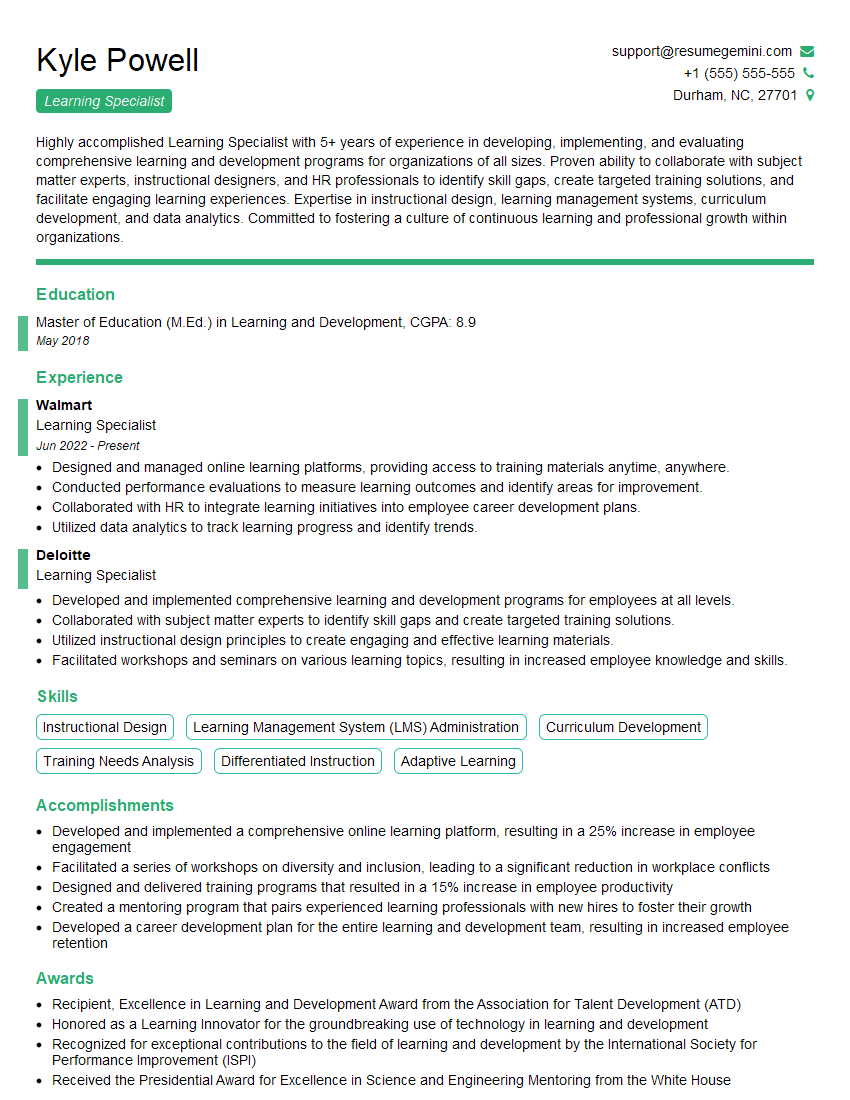
Learning Specialist Resume Sample
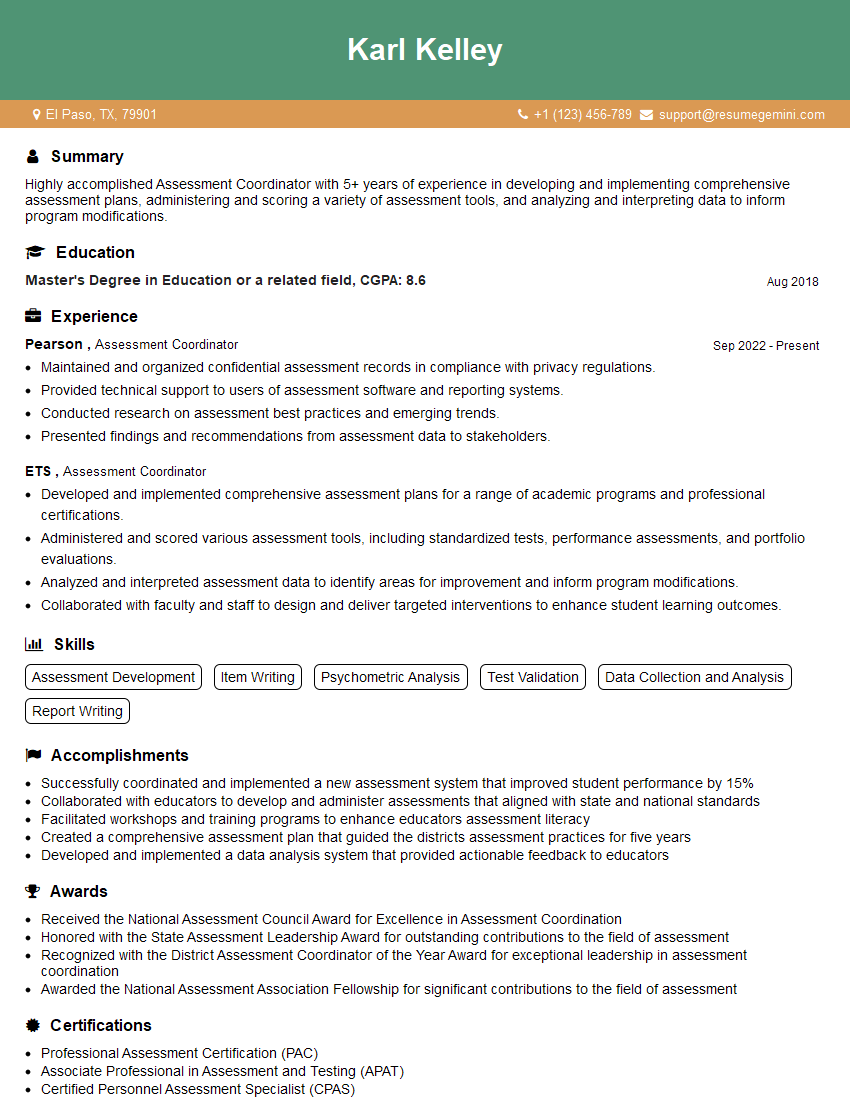
Assessment Coordinator Resume Sample
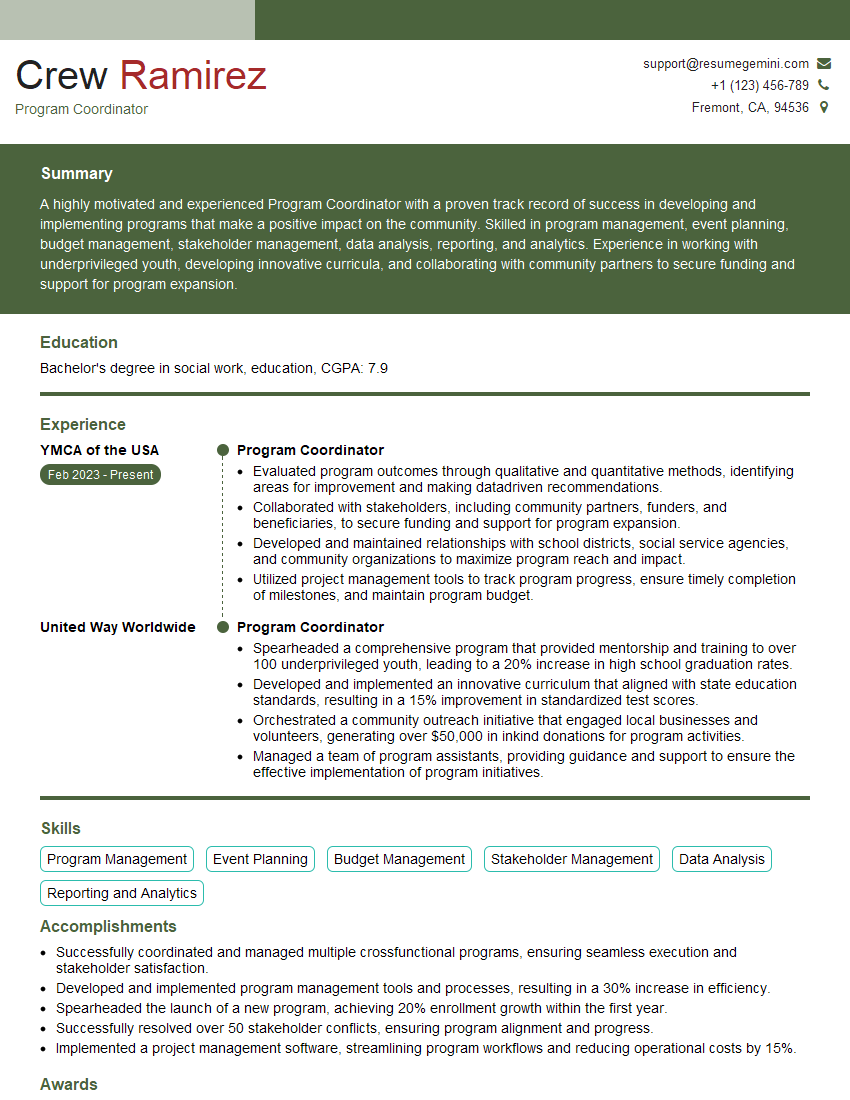
Program Coordinator Resume Sample
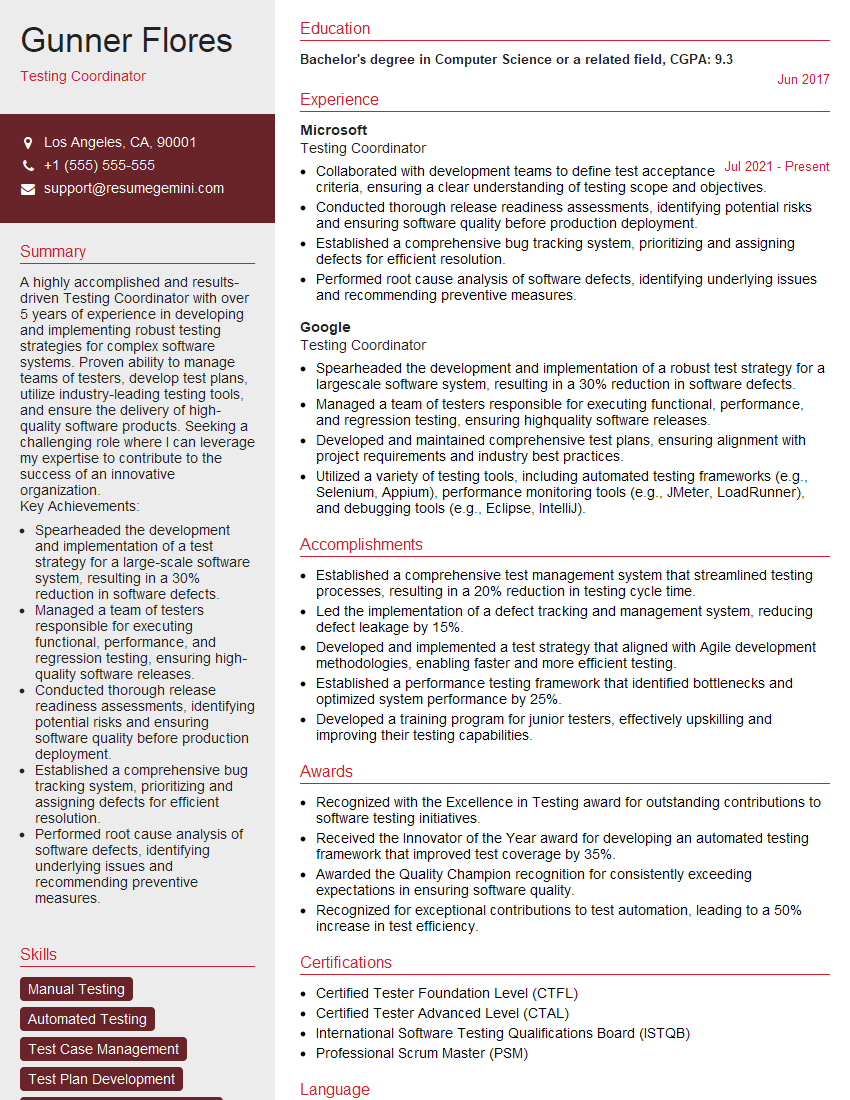
Testing Coordinator Resume Sample
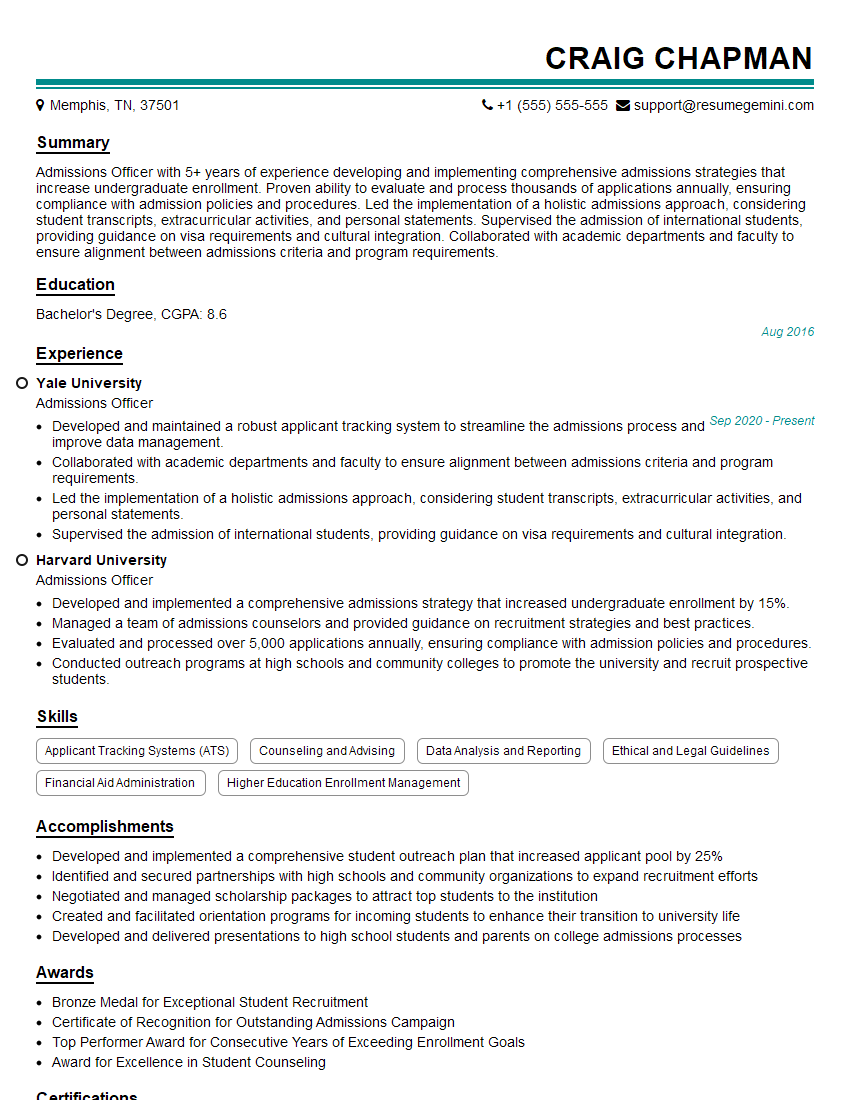
Admissions Officer Resume Sample
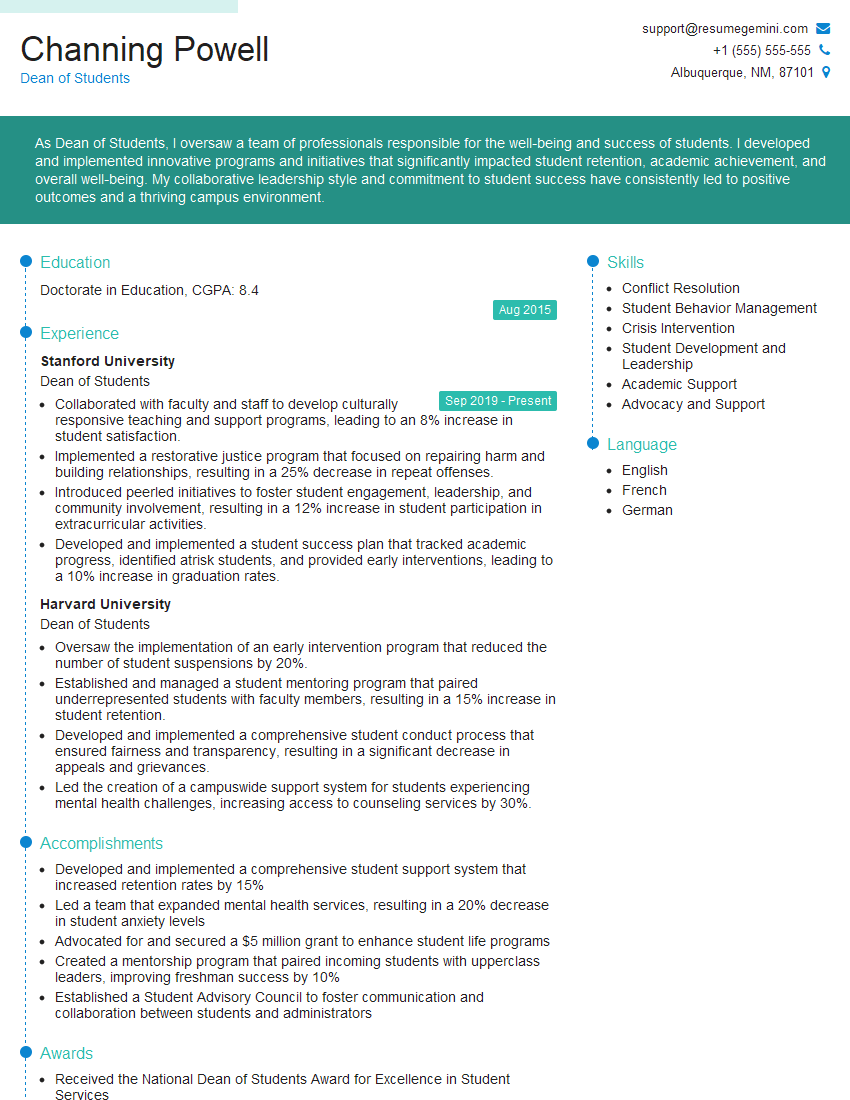
Dean of Students Resume Sample

Instructor Resume Sample

Professor Resume Sample
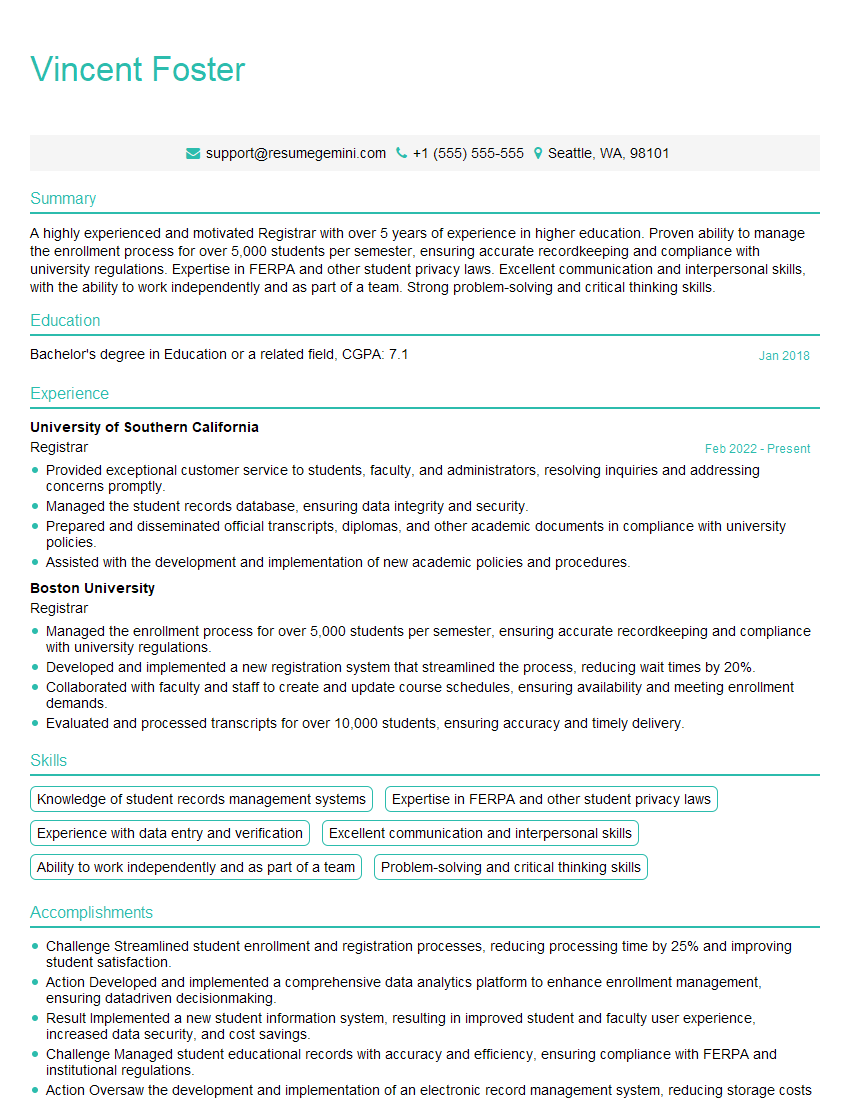
Registrar Resume Sample
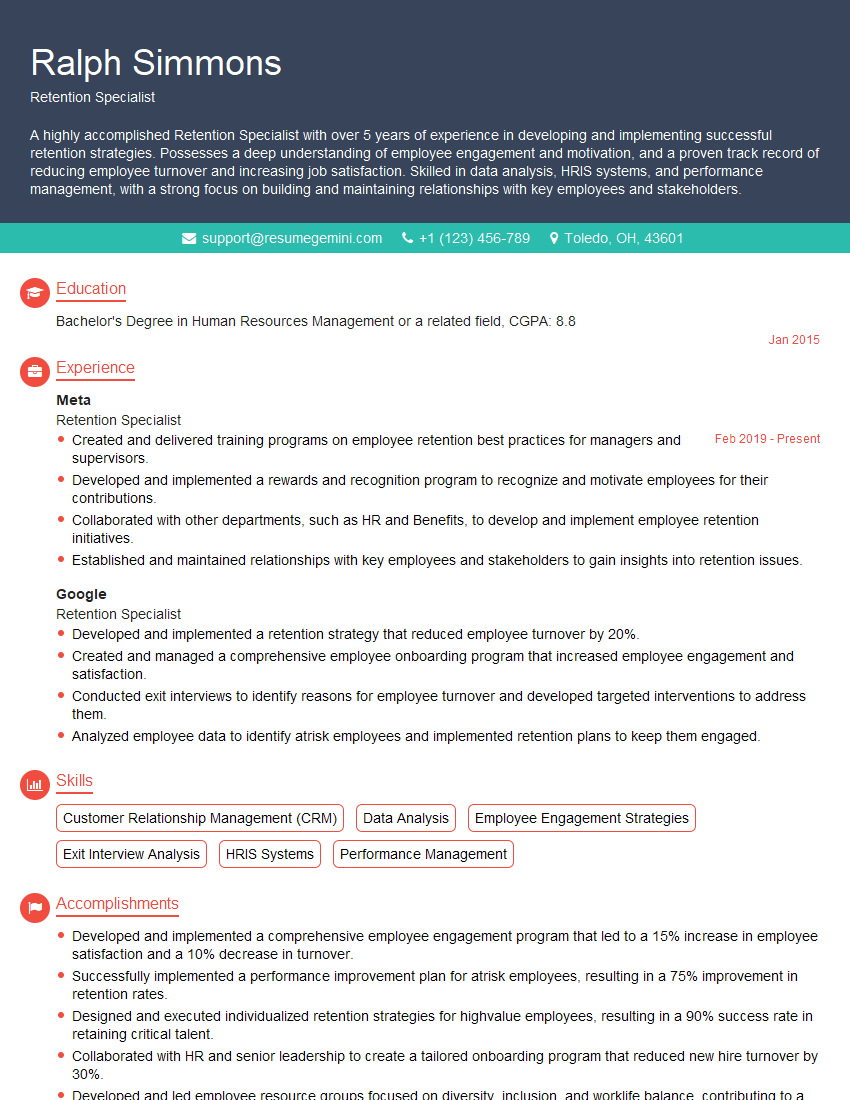
Retention Specialist Resume Sample

Curriculum Developer Resume Sample
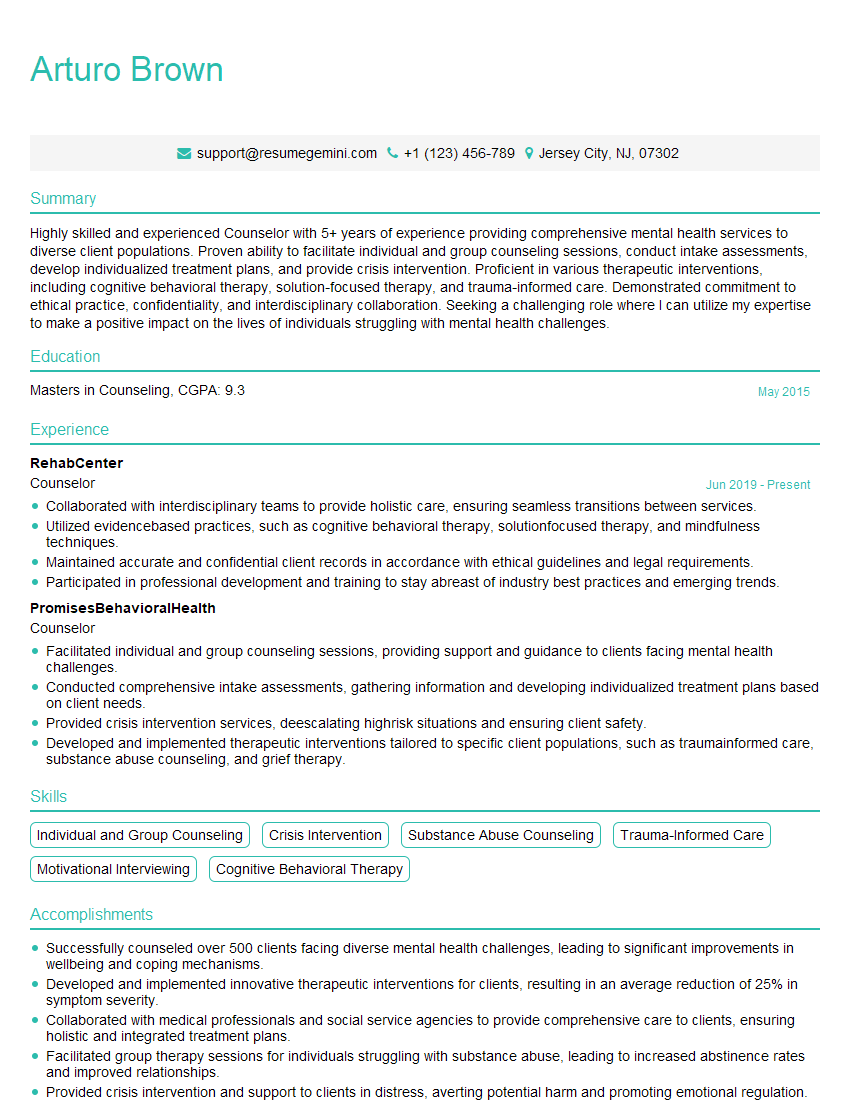
Counselor Resume Sample
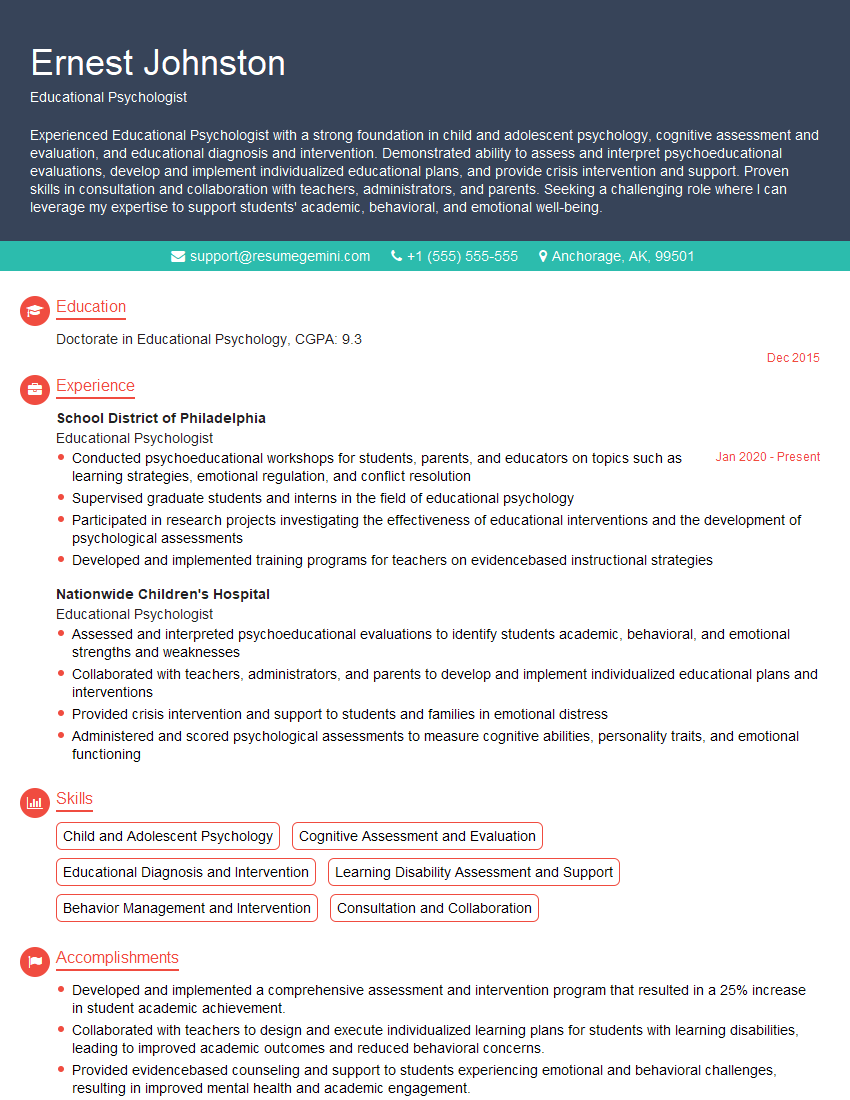
Educational Psychologist Resume Sample
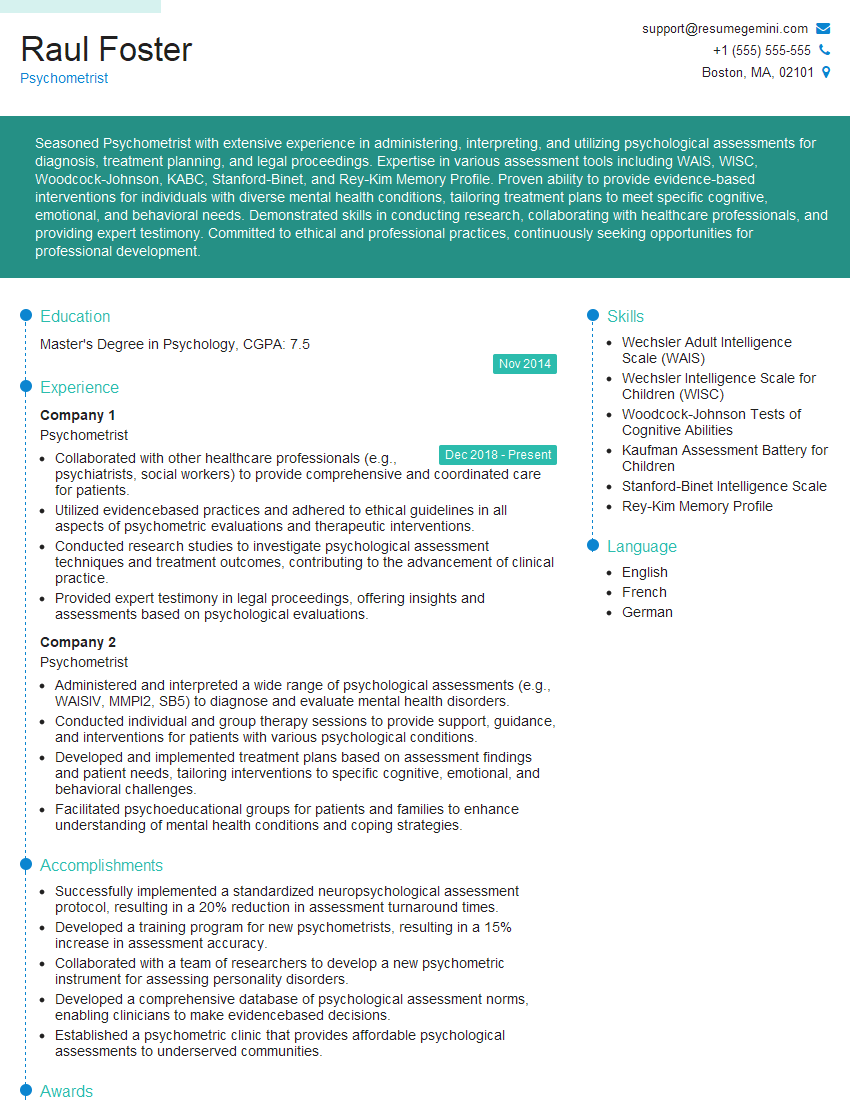
Psychometrist Resume Sample
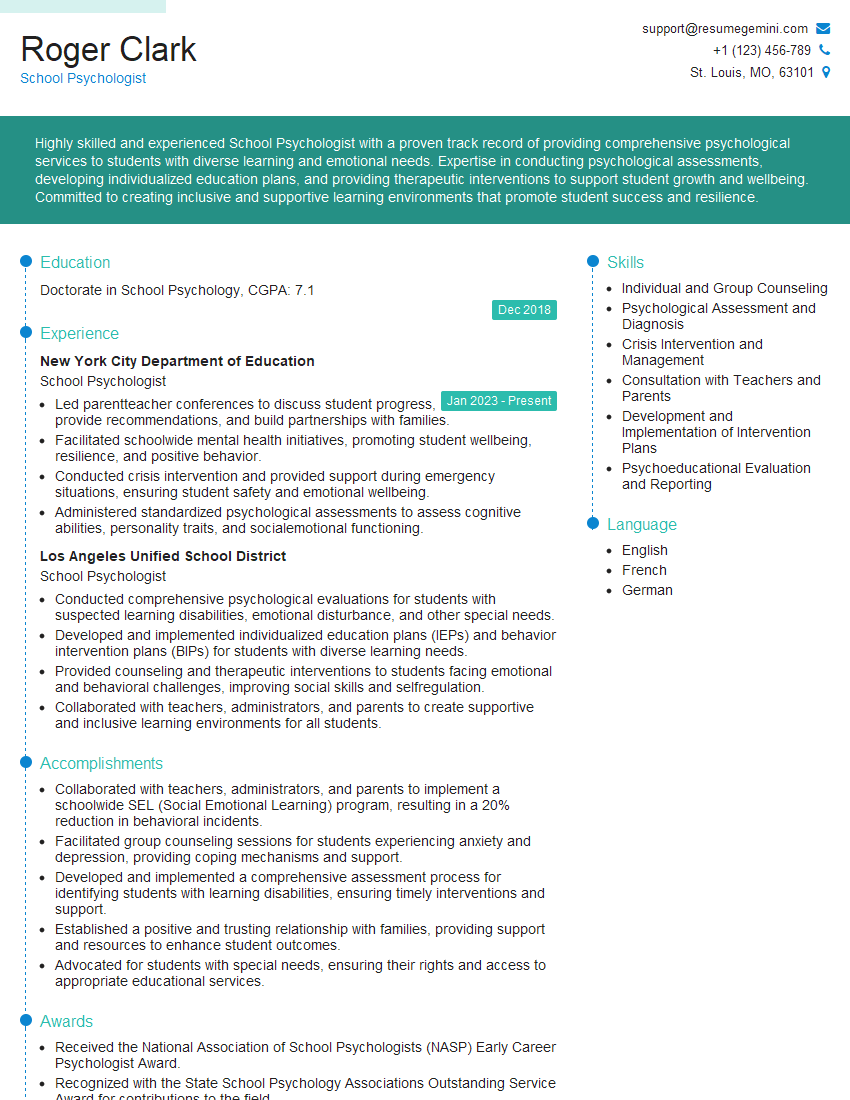
School Psychologist Resume Sample
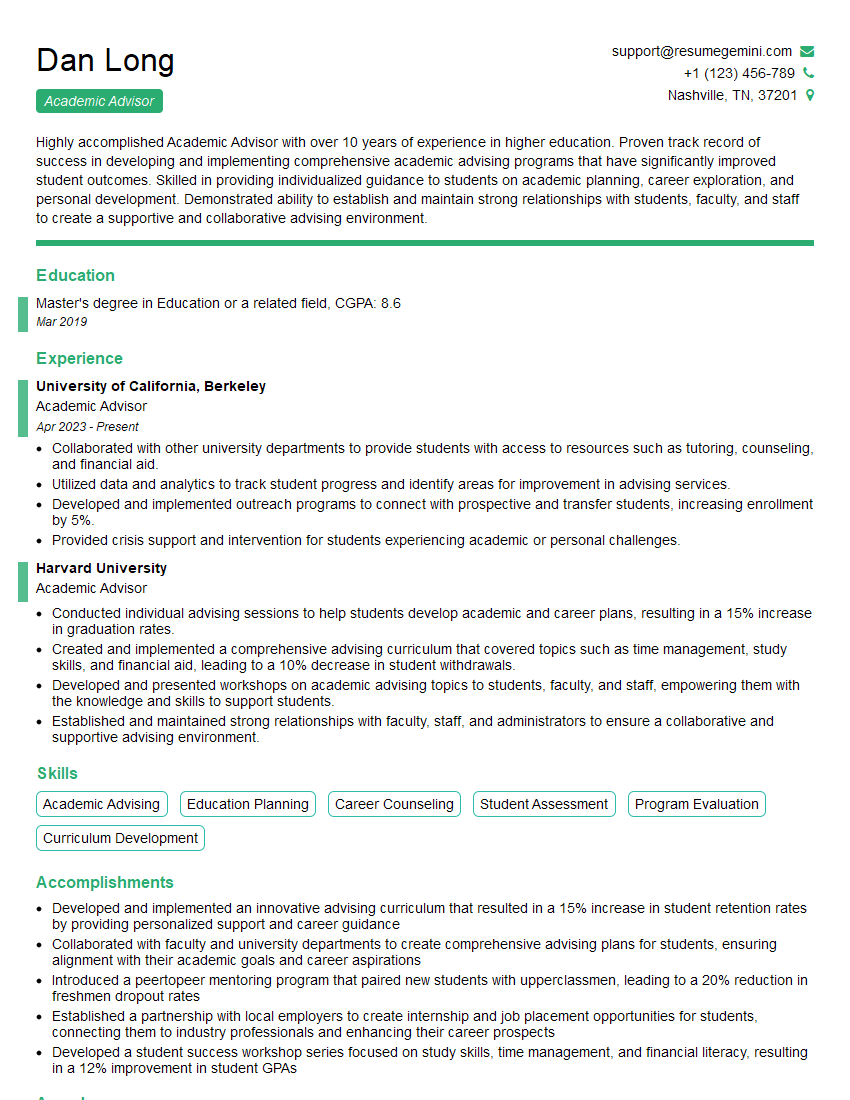
Academic Advisor Resume Sample
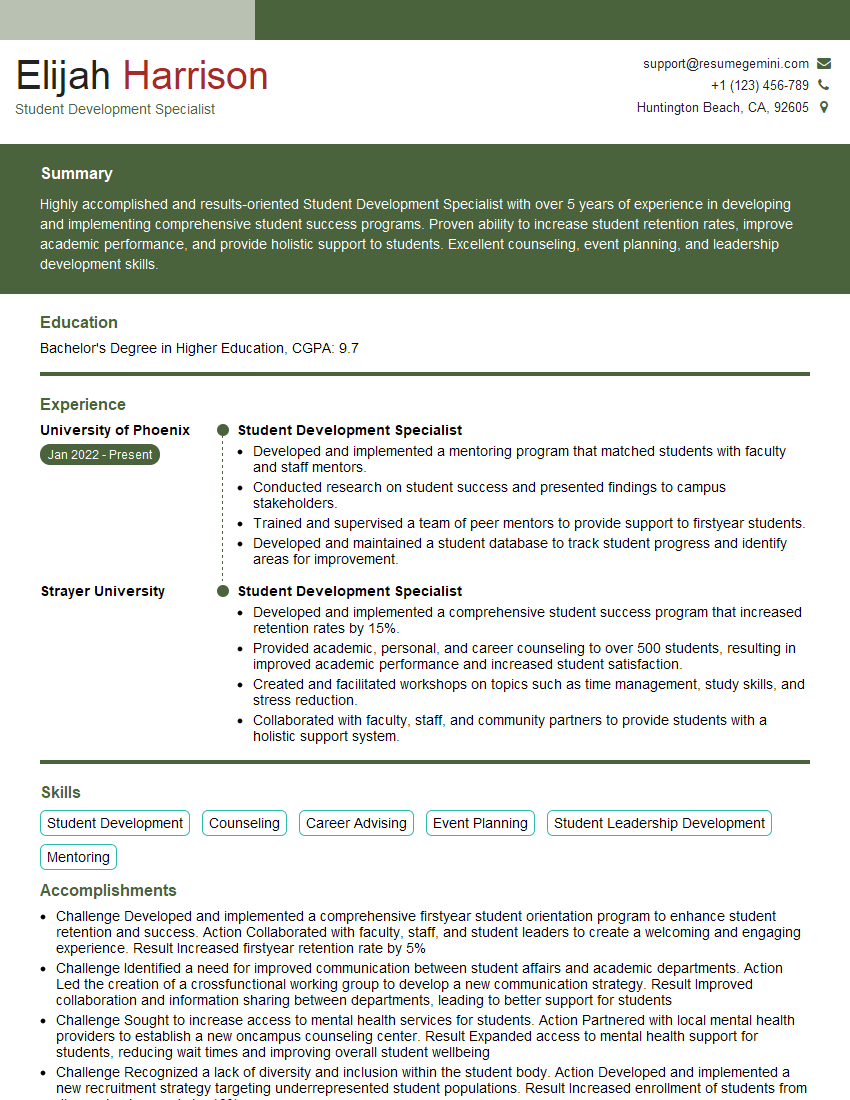
Student Development Specialist Resume Sample
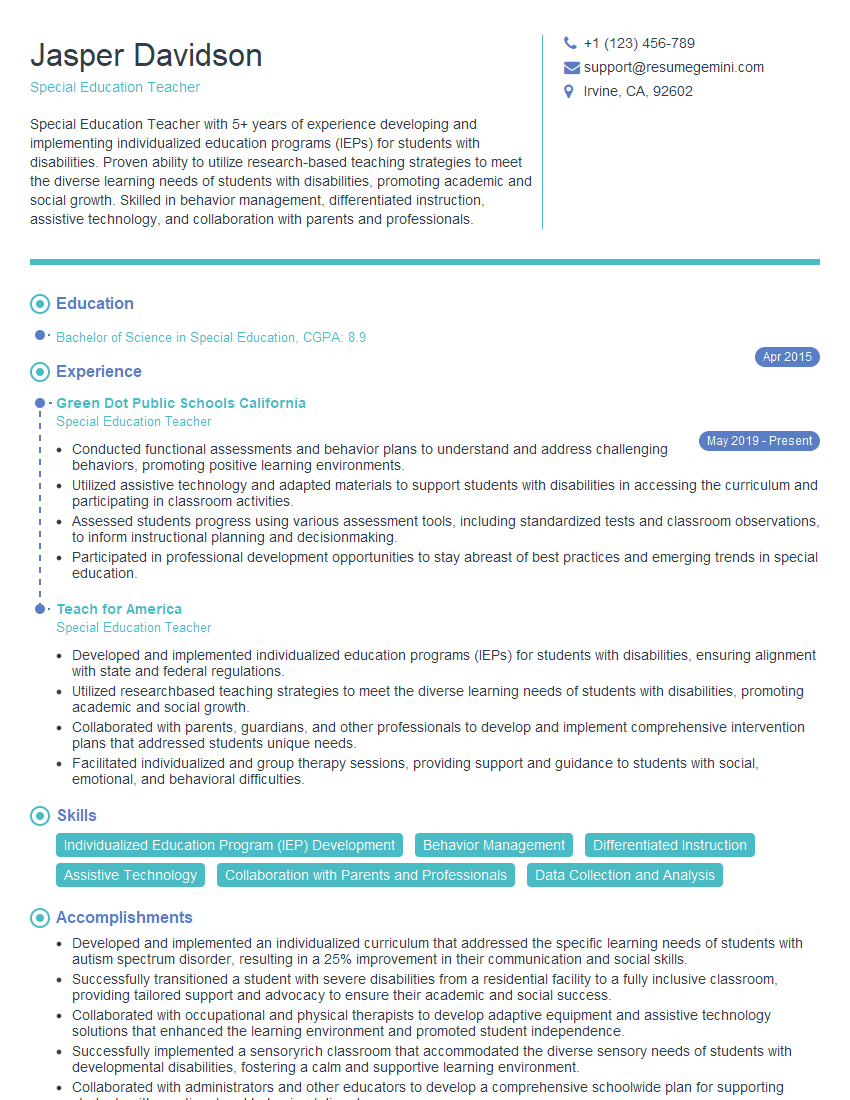
Special Education Teacher Resume Sample
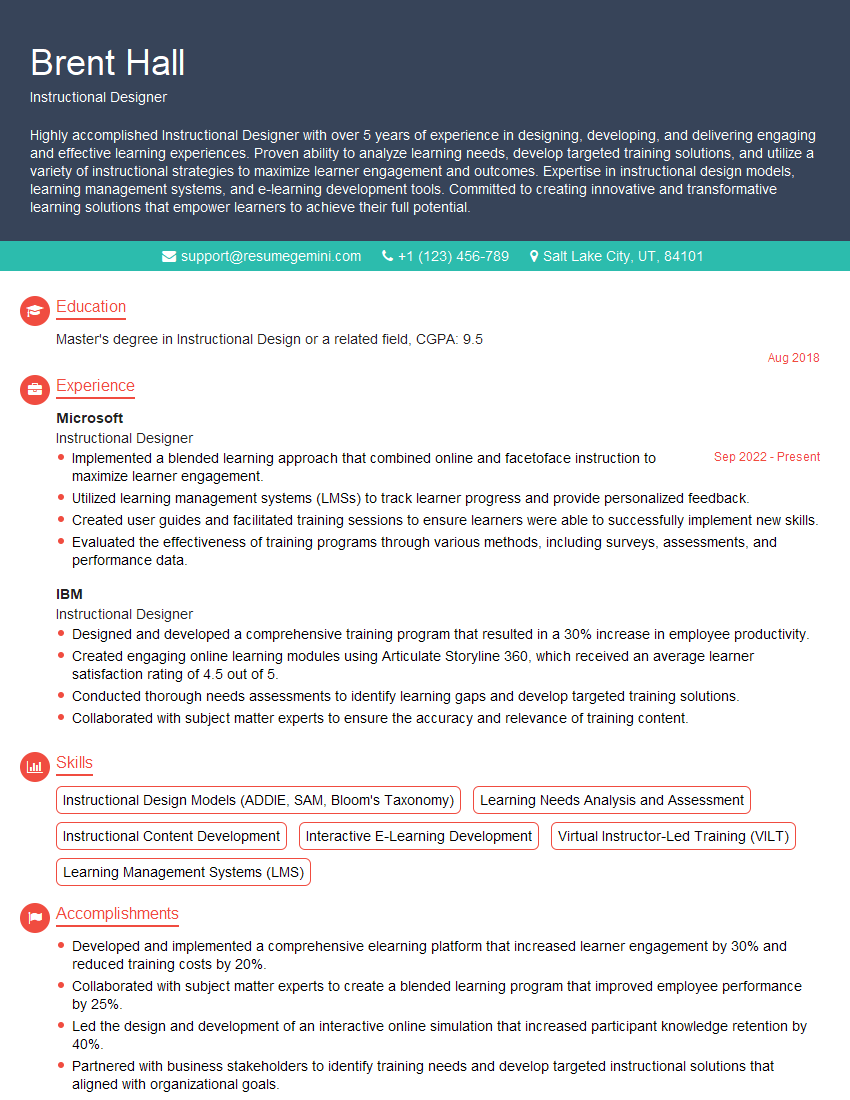
Instructional Designer Resume Sample
- Learning Specialist
- Assessment Coordinator
- Program Coordinator
- Testing Coordinator
- Admissions Officer
- Dean of Students
- Instructor
- Professor
- Registrar
- Retention Specialist
- Curriculum Developer
- Counselor
- Educational Psychologist
- Psychometrist
- School Psychologist
- Academic Advisor
- Student Development Specialist
- Special Education Teacher
- Instructional Designer
Explore more articles
Users Rating of Our Blogs
Share Your Experience
We value your feedback! Please rate our content and share your thoughts (optional).
What Readers Say About Our Blog
To the interviewgemini.com Webmaster.
Very helpful and content specific questions to help prepare me for my interview!
Thank you
To the interviewgemini.com Webmaster.
This was kind of a unique content I found around the specialized skills. Very helpful questions and good detailed answers.
Very Helpful blog, thank you Interviewgemini team.