Interviews are more than just a Q&A session—they’re a chance to prove your worth. This blog dives into essential Antihistamine and Decongestant Therapy interview questions and expert tips to help you align your answers with what hiring managers are looking for. Start preparing to shine!
Questions Asked in Antihistamine and Decongestant Therapy Interview
Q 1. What are the primary mechanisms of action for antihistamines?
Antihistamines primarily work by blocking the action of histamine, a chemical released by the body during an allergic reaction. Histamine binds to specific receptors on cells, triggering a cascade of events leading to allergic symptoms like sneezing, itching, and inflammation. Antihistamines competitively inhibit histamine from binding to these receptors, thus preventing or reducing the allergic response.
Think of it like this: histamine is a key trying to unlock a door (the receptor) that leads to allergic symptoms. The antihistamine is a slightly different shaped key that fits into the same lock, preventing the histamine key from working.
Q 2. Differentiate between first and second-generation antihistamines. Give examples of each.
First-generation antihistamines (also called sedating antihistamines) readily cross the blood-brain barrier, leading to significant central nervous system effects like drowsiness. They are often more effective at relieving symptoms but carry a higher risk of side effects. Examples include diphenhydramine (Benadryl) and chlorpheniramine (Chlor-Trimeton).
Second-generation antihistamines (also called non-sedating antihistamines) have a much lower likelihood of causing drowsiness because they have less ability to cross the blood-brain barrier. These are preferred in situations where alertness is crucial. Examples include cetirizine (Zyrtec), fexofenadine (Allegra), and loratadine (Claritin).
Q 3. Explain the difference between H1 and H2 receptor antagonists.
Both H1 and H2 receptors are histamine receptors, but they trigger different responses in the body. H1 receptor antagonists are the classic antihistamines used to treat allergic rhinitis (hay fever), urticaria (hives), and allergic reactions. They block histamine at the H1 receptor, which is responsible for many allergic symptoms.
H2 receptor antagonists, on the other hand, primarily target the H2 receptor, which is involved in gastric acid secretion. These are frequently used to treat conditions like peptic ulcers and gastroesophageal reflux disease (GERD). Examples include cimetidine (Tagamet) and ranitidine (Zantac).
Q 4. What are the common side effects of antihistamines?
Common side effects of antihistamines vary depending on whether they are first or second generation. First-generation antihistamines often cause drowsiness, dry mouth, blurred vision, constipation, and urinary retention. Second-generation antihistamines are less likely to cause drowsiness but may still cause headaches, fatigue, and dry mouth. Other possible side effects include dizziness, nervousness, and insomnia.
The severity of side effects can depend on the dosage and individual patient factors. It’s crucial to note that not everyone experiences these side effects.
Q 5. Describe the clinical uses of antihistamines.
Antihistamines have a wide range of clinical uses primarily revolving around the management of allergic conditions. They are frequently used to treat allergic rhinitis (hay fever), allergic conjunctivitis (eye allergies), urticaria (hives), angioedema (swelling), and some forms of eczema. Some antihistamines are also used to treat the common cold symptoms and motion sickness, though their effectiveness in these areas may be limited.
In addition, certain antihistamines, as mentioned, are used in the treatment of peptic ulcers and GERD (due to H2 receptor antagonism).
Q 6. What are the contraindications for antihistamine use?
Contraindications for antihistamine use can include known drug allergies, severe liver or kidney disease, narrow-angle glaucoma, urinary retention, and certain cardiac conditions. Pregnancy and breastfeeding should also be carefully considered, as some antihistamines can cross the placental barrier or be present in breast milk. It’s crucial to always consult with a healthcare professional to assess individual risks and benefits before using antihistamines, especially in patients with pre-existing conditions.
Interactions with other medications are also important to consider. For example, some antihistamines can interact with alcohol or sedatives, leading to increased drowsiness.
Q 7. How do decongestants work?
Decongestants work by constricting blood vessels in the nasal passages. This reduces blood flow and swelling in the nasal mucosa, thereby relieving nasal congestion. They typically act on alpha-adrenergic receptors, causing vasoconstriction. This reduced swelling opens up the nasal passages, improving airflow and breathing.
Think of it like tightening a water hose to reduce the flow of water. The decongestant tightens the blood vessels, reducing the amount of blood flow to the swollen nasal tissues.
Q 8. What are the different types of decongestants?
Decongestants are medications that reduce nasal congestion by shrinking swollen blood vessels in the nasal passages. They are primarily categorized into two main types: sympathomimetics and anticholinergics.
- Sympathomimetics: These work by mimicking the effects of the sympathetic nervous system, stimulating alpha-adrenergic receptors in the nasal blood vessels. This causes vasoconstriction, reducing swelling. Examples include phenylephrine and pseudoephedrine. Pseudoephedrine is a more potent decongestant than phenylephrine, but also carries a higher risk of side effects.
- Anticholinergics: These work by blocking the action of acetylcholine, a neurotransmitter that causes mucus secretion. By reducing mucus production, they indirectly help to alleviate congestion. Ipratropium bromide is an example, although it’s more commonly used for respiratory conditions like COPD, rather than solely as a nasal decongestant.
Choosing the right type depends on the individual patient and the specific needs. For example, a patient with hypertension might be better suited to phenylephrine, due to the higher risk of cardiovascular effects with pseudoephedrine.
Q 9. What are the potential side effects of decongestant use?
Decongestants, while effective, can cause several side effects, varying in severity and frequency depending on the specific drug and the individual’s sensitivity. Common side effects include:
- Nervousness, insomnia, and anxiety: These are more common with sympathomimetics like pseudoephedrine, due to its stimulating effects on the central nervous system. Think of it like drinking too much coffee.
- Increased blood pressure and heart rate: This is a significant concern, especially for patients with pre-existing cardiovascular conditions. Careful monitoring and possibly avoiding these medications entirely are recommended for these individuals.
- Rebound congestion: This occurs when prolonged use leads to worsening congestion after stopping the medication. This is why it’s crucial to follow recommended dosages and durations of use, typically no more than 3-5 days for oral decongestants and 3-7 days for nasal sprays.
- Dry mouth, nausea, and dizziness: These are less frequent but still possible side effects.
It’s essential to inform patients about these potential side effects and to monitor them closely for any adverse reactions. If serious side effects occur, the medication should be discontinued and medical advice sought.
Q 10. What are the clinical uses of decongestants?
Decongestants are clinically used to relieve the symptoms of nasal congestion associated with various conditions, including:
- The common cold: One of the most common uses, providing relief from stuffy noses and improving breathing.
- Allergic rhinitis (hay fever): Decongestants can help alleviate nasal congestion caused by allergies, although they don’t address the underlying allergic reaction itself.
- Sinusitis: They can help to drain sinuses and improve the effectiveness of other treatments.
- Acute otitis media (ear infection): Reducing congestion can improve pressure in the Eustachian tubes, potentially relieving associated ear pain.
However, it’s crucial to remember that decongestants are symptomatic treatment only; they do not cure the underlying cause of the congestion.
Q 11. Discuss the drug interactions associated with antihistamines.
Antihistamines can interact with several other medications. These interactions can range from minor inconveniences to serious health risks. Some notable interactions include:
- MAO inhibitors (monoamine oxidase inhibitors): Combining antihistamines, especially those with sedative effects, with MAOIs can increase the risk of severe hypertension and other cardiovascular complications. This combination should be strictly avoided.
- Alcohol and other central nervous system depressants: Antihistamines, particularly the first-generation ones like diphenhydramine (Benadryl), already have sedative properties. Combining them with alcohol or other CNS depressants (like benzodiazepines or opioids) can significantly enhance the sedative effects, leading to drowsiness, impaired coordination, and even respiratory depression.
- Other medications that cause drowsiness: Combining antihistamines with other drugs causing drowsiness (e.g., certain pain relievers, sleep aids) can exacerbate the drowsiness. Patients need to be aware of the cumulative effect.
Always review the patient’s medication list carefully and be alert for potential interactions. Careful monitoring and dosage adjustments may be needed.
Q 12. Discuss the drug interactions associated with decongestants.
Decongestants, particularly sympathomimetics, can also interact negatively with various medications. Key interactions include:
- MAO inhibitors: Similar to antihistamines, combining decongestants with MAOIs can lead to dangerously elevated blood pressure.
- Cardiac glycosides (e.g., digoxin): Decongestants can exacerbate the effects of cardiac glycosides, potentially leading to heart rhythm irregularities.
- Beta-blockers: The vasoconstricting effects of decongestants may counteract the effects of beta-blockers, potentially negating the benefits of the latter for conditions such as hypertension.
- Tricyclic antidepressants: Combining decongestants with these antidepressants might increase the risk of cardiac side effects.
A comprehensive medication review is essential to identify and manage potential interactions, which may necessitate dosage adjustments or alternative medication choices.
Q 13. How do you counsel a patient on the proper use of antihistamines and decongestants?
Counseling patients on the proper use of antihistamines and decongestants involves several key steps. This should involve thorough education and individual consideration.
- Explain the mechanism of action: Describe how the medication works to alleviate their symptoms, emphasizing that it is symptomatic treatment, not a cure. Using simple terms and analogies helps.
- Stress proper dosage and duration of use: Clearly explain the correct dosage and emphasize the importance of not exceeding the recommended duration. Overuse can lead to rebound congestion or other adverse effects.
- Discuss potential side effects: Be transparent about potential side effects and advise patients to report any concerns immediately. Provide strategies for managing manageable side effects like dry mouth (increased fluid intake).
- Instruct on drug interactions: Review the patient’s medication list for potential interactions and discuss necessary precautions or alternatives.
- Emphasize the importance of following up: Encourage patients to seek medical attention if their symptoms don’t improve or worsen.
- Provide written instructions: Supplement verbal counseling with clear written instructions and contact information.
Personalized counseling ensures that the patient understands their treatment plan and can safely and effectively manage their symptoms.
Q 14. What are the symptoms of an allergic reaction, and what is the appropriate management?
Allergic reactions vary widely in severity, from mild to life-threatening. Symptoms can include:
- Mild reactions: Itching, rash, hives, mild swelling, runny nose, sneezing, watery eyes.
- Moderate reactions: More extensive skin rash, significant swelling (angioedema), shortness of breath, wheezing.
- Severe reactions (anaphylaxis): Difficulty breathing, sudden drop in blood pressure (hypotension), rapid heart rate, dizziness, loss of consciousness.
Management of Allergic Reactions:
- Mild reactions: May only require antihistamines and supportive measures like cool compresses for itching.
- Moderate reactions: May require oral or injectable corticosteroids, along with antihistamines.
- Severe reactions (anaphylaxis): This is a medical emergency requiring immediate epinephrine injection (EpiPen), followed by prompt transport to a hospital for further treatment. Oxygen and intravenous fluids may also be necessary. Early recognition and treatment are crucial to prevent serious complications or fatalities.
Patient education on recognizing and managing allergic reactions, including self-administration of epinephrine if appropriate, is a vital aspect of care.
Q 15. How do you differentiate between an allergic reaction and a common cold?
Differentiating between an allergic reaction and a common cold requires careful observation of symptoms. While both can cause similar symptoms like sneezing, runny nose, and congestion, key differences exist. Allergic reactions, like allergic rhinitis (hay fever), are triggered by exposure to specific allergens such as pollen, pet dander, or dust mites. These reactions typically involve itching of the eyes, nose, and throat, along with watery eyes. The symptoms are often predictable, occurring when exposed to the specific allergen. A common cold, on the other hand, is a viral infection, often beginning with a sore throat, followed by a runny or stuffy nose, cough, and sometimes fever. The symptoms are usually less specific and less tied to environmental triggers. A key differentiator is the duration; allergic reactions can persist as long as exposure to the allergen continues, whereas cold symptoms typically improve within 7-10 days. If you are unsure, consulting a healthcare professional is recommended for accurate diagnosis and management.
In short: Allergic reactions are triggered by specific allergens, typically presenting with itchy eyes and nose, and often predictable in timing. Common colds are viral infections, usually including a sore throat and fever, and lasting for a shorter, more defined period.
Career Expert Tips:
- Ace those interviews! Prepare effectively by reviewing the Top 50 Most Common Interview Questions on ResumeGemini.
- Navigate your job search with confidence! Explore a wide range of Career Tips on ResumeGemini. Learn about common challenges and recommendations to overcome them.
- Craft the perfect resume! Master the Art of Resume Writing with ResumeGemini’s guide. Showcase your unique qualifications and achievements effectively.
- Don’t miss out on holiday savings! Build your dream resume with ResumeGemini’s ATS optimized templates.
Q 16. What are the potential risks of long-term use of decongestants?
Long-term use of decongestants, especially oral decongestants like pseudoephedrine or phenylephrine, carries several potential risks. The most prominent is the development of rebound congestion. This occurs because the body adapts to the constricting effect of the decongestant, leading to worsening congestion once the medication wears off. This creates a vicious cycle where patients need increasingly higher doses or more frequent use, leading to dependence. Other potential risks include increased blood pressure and heart rate, particularly in individuals with pre-existing cardiovascular conditions. They can also interact negatively with other medications, including some antidepressants and certain heart medications. In some individuals, prolonged use may lead to insomnia, nervousness, and anxiety. Therefore, decongestants are generally recommended for short-term use only (3-7 days), and only under the guidance of a healthcare provider.
Q 17. Describe the management of rhinitis using antihistamines and decongestants.
Managing rhinitis (inflammation of the nasal lining), whether allergic or non-allergic, often involves a combination of antihistamines and decongestants. Antihistamines work by blocking the effects of histamine, a chemical released during allergic reactions, reducing symptoms such as sneezing, itching, and runny nose. Decongestants constrict blood vessels in the nasal passages, relieving nasal congestion. The choice of specific medication depends on the patient’s individual symptoms and medical history. For example, a patient primarily experiencing sneezing and itching might benefit more from an antihistamine, while someone with significant nasal congestion would require a decongestant. Combination products containing both an antihistamine and a decongestant are available, offering convenience, but the potential for side effects from both components needs consideration. It is crucial to follow prescribed dosages and durations and discuss any concerns or side effects with a healthcare professional. Stepwise management might involve starting with an antihistamine and adding a decongestant only if congestion is severe, aiming to minimize the risk of rebound congestion.
Q 18. What are some non-pharmacological approaches to managing allergies?
Non-pharmacological approaches to managing allergies are crucial, particularly to reduce reliance on medications and minimize potential side effects. These strategies focus on avoiding or minimizing exposure to allergens. This can include:
- Environmental controls: Regularly cleaning the house, using dust mite-proof covers for bedding, and using air filters (HEPA filters are most effective) to remove airborne allergens.
- Allergen avoidance: Identifying and avoiding specific allergens like pollen (staying indoors during high pollen counts), pet dander (limiting pet contact or keeping pets out of bedrooms), and dust mites.
- Nasal irrigation: Using a saline nasal rinse to flush out allergens and irritants trapped in the nasal passages. This helps clear nasal congestion and reduce inflammation.
- Immunotherapy (allergy shots): A long-term treatment that gradually desensitizes the individual to specific allergens over time. It can provide long-lasting relief from allergy symptoms but requires commitment and involves several injections over an extended period.
Q 19. What are the considerations for prescribing antihistamines and decongestants in pediatrics?
Prescribing antihistamines and decongestants in pediatrics requires careful consideration due to developmental differences. Dosage adjustments are crucial based on age and weight. Many antihistamines have sedative effects, potentially impacting a child’s ability to concentrate and perform in school. Non-sedating antihistamines are often preferred for children. Oral decongestants are generally avoided in young children due to potential side effects and limited efficacy compared to other treatments. Nasal decongestants can be considered but should be used cautiously and for short durations to minimize the risk of rebound congestion. The overall approach should focus on managing symptoms safely and effectively while minimizing the use of medications. It’s essential to discuss other allergy management approaches with parents, such as environmental controls and allergen avoidance. The potential for interactions with other medications the child may be taking must also be assessed.
Q 20. What are the considerations for prescribing antihistamines and decongestants in geriatrics?
Prescribing antihistamines and decongestants in geriatrics requires caution due to age-related physiological changes and increased risk of drug interactions and side effects. Geriatric patients are more susceptible to anticholinergic side effects from certain antihistamines, such as dry mouth, constipation, urinary retention, and confusion. Selecting antihistamines with minimal anticholinergic properties is essential. Decongestants should be used cautiously due to the risk of increased blood pressure and heart rate, which can be exacerbated in patients with pre-existing cardiovascular issues. Lower starting doses and close monitoring of side effects are recommended. Polypharmacy (use of multiple medications) is common in this population, making careful evaluation of potential drug interactions crucial. Patient education on medication adherence, side effects, and potential interactions is vital to ensure safe and effective treatment. Non-pharmacological approaches, such as environmental control and avoidance strategies, play an even more significant role in managing allergies in this age group.
Q 21. Explain the role of corticosteroids in allergic rhinitis management.
Corticosteroids play a significant role in allergic rhinitis management, particularly in cases of moderate to severe symptoms that are not adequately controlled by antihistamines and decongestants alone. They are potent anti-inflammatory agents that reduce nasal inflammation, alleviating symptoms such as congestion, sneezing, itching, and runny nose. Corticosteroids are available as nasal sprays (intranasal corticosteroids), which are the preferred route of administration due to their localized effect, minimizing systemic side effects. Oral corticosteroids are generally reserved for short-term use in severe cases due to the potential for significant side effects. Inhaled corticosteroids are not used for allergic rhinitis, but rather for asthma. Intranasal corticosteroids are generally well-tolerated, but potential side effects such as nosebleeds, throat irritation, and, less frequently, thrush (oral yeast infection) can occur. They are not recommended for long-term use without a doctor’s oversight, as they can thin the nasal passages. Therefore, the decision to use corticosteroids is made on a case-by-case basis, considering the severity of symptoms and balancing the benefits against potential risks.
Q 22. Discuss the use of leukotriene inhibitors in allergy management.
Leukotriene inhibitors are a valuable addition to allergy management, particularly for patients who don’t respond well to, or can’t tolerate, traditional antihistamines and decongestants. Leukotrienes are inflammatory chemicals produced by the body in response to allergens. They contribute significantly to the symptoms of asthma and allergic rhinitis (hay fever).
These inhibitors, like montelukast and zafirlukast, work by blocking the action of leukotrienes, thereby reducing inflammation in the airways and nasal passages. This leads to a decrease in symptoms such as nasal congestion, runny nose, sneezing, and coughing. They’re often prescribed for patients with persistent allergic rhinitis or for those with asthma whose allergy symptoms contribute to their respiratory problems.
One advantage is that they are generally well-tolerated, with fewer sedative side effects compared to some antihistamines. However, they’re not a first-line treatment for mild allergic rhinitis and may not provide immediate relief, requiring several days for full effect. Think of them as a longer-term strategy to manage inflammation, rather than a quick fix for immediate relief like an antihistamine.
Q 23. How do you approach a patient who is experiencing treatment failure with over-the-counter antihistamines and decongestants?
Treatment failure with over-the-counter (OTC) medications warrants a thorough assessment. I’d start by clarifying the patient’s symptoms, medication use (including dosage, frequency, and duration), and response. A detailed history of their allergies and other medical conditions is crucial. For example, have they tried different types of OTC antihistamines (e.g., cetirizine, fexofenadine, loratadine)? How long have they been using them? What specific symptoms aren’t being relieved?
The next step involves considering potential reasons for treatment failure:
- Incorrect diagnosis: The patient might have a condition other than allergic rhinitis, such as a sinus infection.
- Inadequate dosage or frequency: The OTC medication might not be potent enough or used frequently enough for their symptoms.
- Allergen exposure: The patient might be exposed to high levels of allergens despite avoidance strategies.
- Medication interactions or side effects: Other medications or underlying health conditions may be interfering with the effectiveness of the OTC drugs, or the patient may be experiencing intolerable side effects.
- Underlying condition: They may have a more severe allergic reaction requiring more potent treatments.
Based on this evaluation, I’d consider options such as: prescription antihistamines (e.g., fexofenadine, cetirizine), prescription nasal corticosteroids (e.g., fluticasone), nasal decongestants, leukotriene inhibitors, or referral to an allergist for allergy testing and immunotherapy.
Q 24. What are some strategies to minimize side effects of antihistamines and decongestants?
Minimizing side effects of antihistamines and decongestants involves careful patient selection and monitoring. First-generation antihistamines (like diphenhydramine) are notorious for causing drowsiness, while newer generations (like cetirizine, fexofenadine, loratadine) are generally better tolerated. We can minimize drowsiness by prescribing the least sedating option and advising patients to take their medication at bedtime or when they can rest.
For decongestants, rebound congestion (worsening congestion after stopping the medication) is a significant concern. This is why it is important to limit the use of oral or nasal decongestants to a short duration (3-7 days) and explain this to the patient. Using saline nasal sprays can help keep nasal passages moist and reduce irritation. If a patient is experiencing side effects, such as dry mouth or dizziness, we can implement strategies like increased fluid intake, or consider switching medications.
Patient education plays a vital role. We educate patients about potential side effects beforehand, and encourage them to report any adverse reactions immediately.
Q 25. What are the legal and ethical implications of dispensing antihistamines and decongestants?
The legal and ethical implications of dispensing antihistamines and decongestants are centered around responsible prescribing and dispensing practices. Legally, only licensed healthcare professionals can prescribe medications. Improper prescribing, like exceeding recommended dosages or ignoring contraindications, can lead to legal repercussions. Furthermore, dispensing controlled substances inappropriately or violating privacy regulations are serious offenses.
Ethically, we must adhere to the principles of beneficence (acting in the patient’s best interest), non-maleficence (avoiding harm), autonomy (respecting patient decisions), and justice (treating patients fairly). This includes providing accurate information about medications, considering potential side effects and drug interactions, and obtaining informed consent from patients before initiating treatment.
For example, we should counsel patients on appropriate use, potential side effects, and interactions with other medications, including OTC and herbal remedies. Transparency and careful documentation of patient interactions and prescribing decisions are crucial.
Q 26. How would you explain the difference between a nasal spray and oral decongestant to a patient?
Imagine your nose as a garden hose. A nasal spray is like directly applying water to the clogged section of the hose, providing immediate and localized relief from congestion. Oral decongestants, on the other hand, are like adding a chemical to the water supply which flows throughout the entire system. It takes longer to work as it has to be absorbed into your bloodstream before affecting the nasal passages.
Nasal sprays are generally effective for more targeted relief of nasal congestion, whereas oral decongestants address the broader system. However, nasal sprays can cause rebound congestion if overused, while oral decongestants can have more systemic side effects, like increased heart rate or blood pressure. The choice between them depends on the severity, location, and duration of the nasal congestion, as well as the patient’s individual medical history.
Q 27. What are some common misconceptions regarding antihistamines and decongestants?
Several common misconceptions surround antihistamines and decongestants. One is that all antihistamines cause drowsiness. While this is true for some older antihistamines, newer generations are generally non-sedating. Another is that decongestants are a long-term solution for nasal congestion. Prolonged use can actually lead to rebound congestion, making the symptoms worse. Some also believe that combining multiple OTC medications always provides greater benefit, whereas it can, in fact, increase the risk of adverse reactions and interactions.
Patients often incorrectly believe that because a medication is available OTC, it’s completely harmless. This neglects the importance of considering individual sensitivities, underlying health conditions, and potential drug interactions. Finally, many assume that using higher doses will provide faster or better results. However, this can increase the risk of side effects without necessarily improving efficacy.
Q 28. How do you assess patient adherence to medication regimens related to antihistamines and decongestants?
Assessing patient adherence requires a multifaceted approach. Simple questions during routine check-ups, like “Are you taking your medication as prescribed?” are a starting point, but they may not reveal the full picture. We can use pill counts, electronic medication monitors, or even patient-reported outcome measures (PROMs) to monitor adherence objectively. Observing the patient’s response to treatment – Are their symptoms improving? – also provides important clues.
A more thorough assessment considers patient-specific barriers to adherence: Cost of medication, side effects, difficulty remembering to take the medication, or lack of understanding about the treatment regimen. By addressing these potential barriers, we can educate the patient on appropriate medication management, provide simple reminders or tools (e.g., pill organizers, smartphone reminders), and simplify the treatment regimen if feasible.
Open communication is crucial. We need to create a trusting relationship with patients, encouraging them to openly discuss challenges they face in adhering to their medication plans, allowing us to address concerns proactively and improve compliance.
Key Topics to Learn for Antihistamine and Decongestant Therapy Interview
- Pharmacology of Antihistamines: Understand the different generations of antihistamines (H1 antagonists), their mechanisms of action, pharmacokinetics, and pharmacodynamics. Consider comparing and contrasting first, second, and third-generation agents.
- Pharmacology of Decongestants: Explore the mechanisms of action of various decongestants (alpha-adrenergic agonists), focusing on their effects on blood vessels and nasal mucosa. Differentiate between oral and topical formulations and their associated side effects.
- Clinical Applications: Master the appropriate selection of antihistamines and decongestants for various allergic conditions (e.g., allergic rhinitis, urticaria) and common cold symptoms. Understand indications, contraindications, and potential drug interactions.
- Adverse Effects and Drug Interactions: Thoroughly review the common side effects of both antihistamines and decongestants, paying close attention to potential interactions with other medications, particularly those affecting the cardiovascular or central nervous systems.
- Patient Counseling and Education: Practice explaining the proper use, potential side effects, and precautions associated with these medications to patients. Consider scenarios requiring patient education regarding safe and effective use.
- Treatment Strategies and Combination Therapy: Explore the rationale behind combination therapies (e.g., antihistamine-decongestant combinations) and the benefits and drawbacks of such approaches. Understand when monotherapy is preferable.
- Over-the-Counter (OTC) vs. Prescription Medications: Differentiate between OTC and prescription formulations of antihistamines and decongestants, highlighting the strengths and limitations of each. Discuss appropriate patient selection for each type.
- Monitoring Treatment Effectiveness and Adverse Events: Learn to assess patient response to treatment and identify potential adverse events requiring intervention or medication adjustment.
Next Steps
Mastering Antihistamine and Decongestant Therapy is crucial for career advancement in various healthcare settings. A strong understanding of these medications showcases your clinical knowledge and patient care skills, significantly enhancing your job prospects. To optimize your job search, create an ATS-friendly resume that highlights your relevant skills and experience. ResumeGemini is a trusted resource to help you build a professional and effective resume. They provide examples of resumes tailored to Antihistamine and Decongestant Therapy to help guide you in crafting a compelling application.
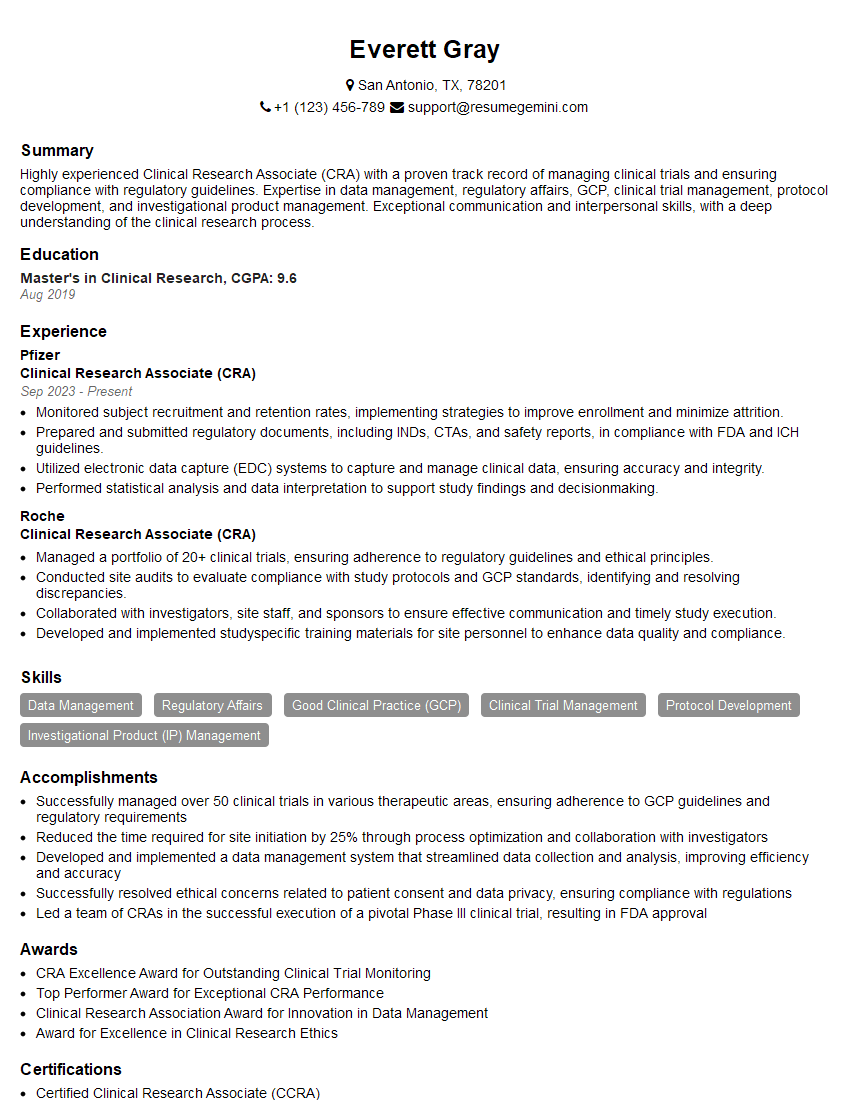
Clinical Research Associate (CRA) Resume Sample

Clinical Trial Manager Resume Sample

Quality Assurance Specialist Resume Sample

Regulatory Affairs Specialist Resume Sample

Toxicologist Resume Sample
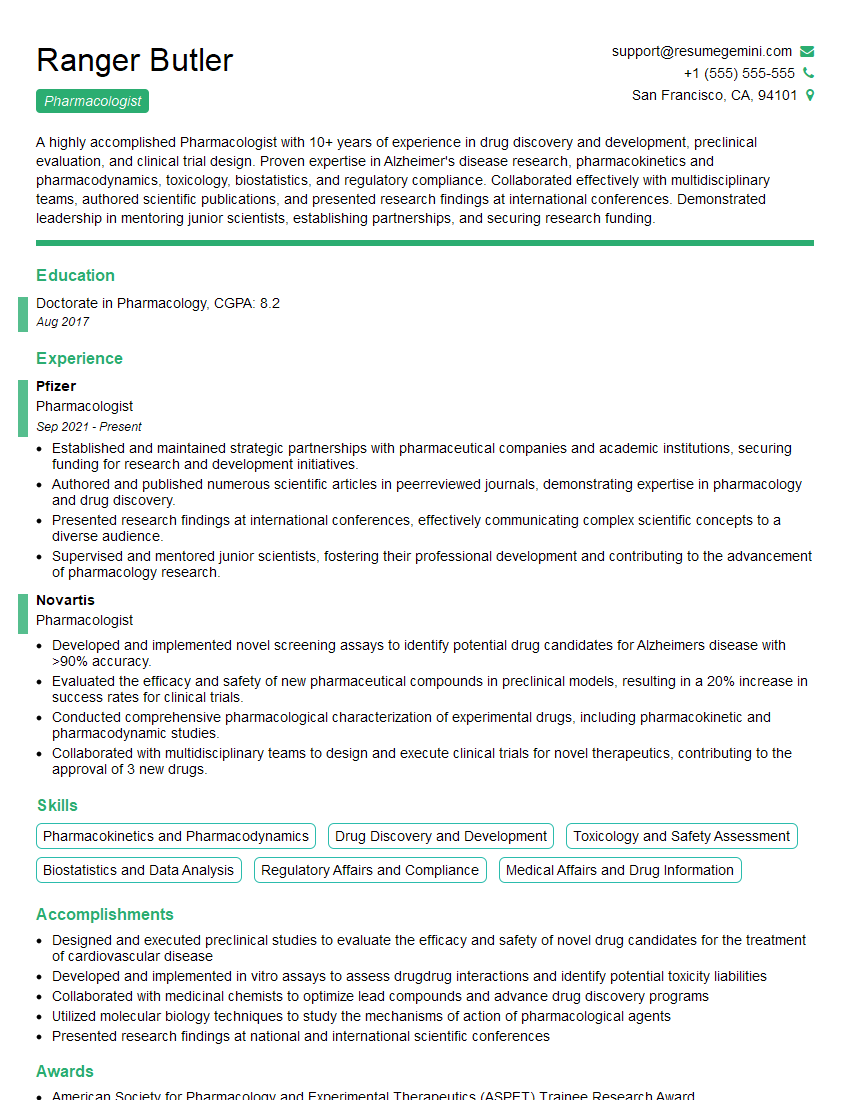
Pharmacologist Resume Sample
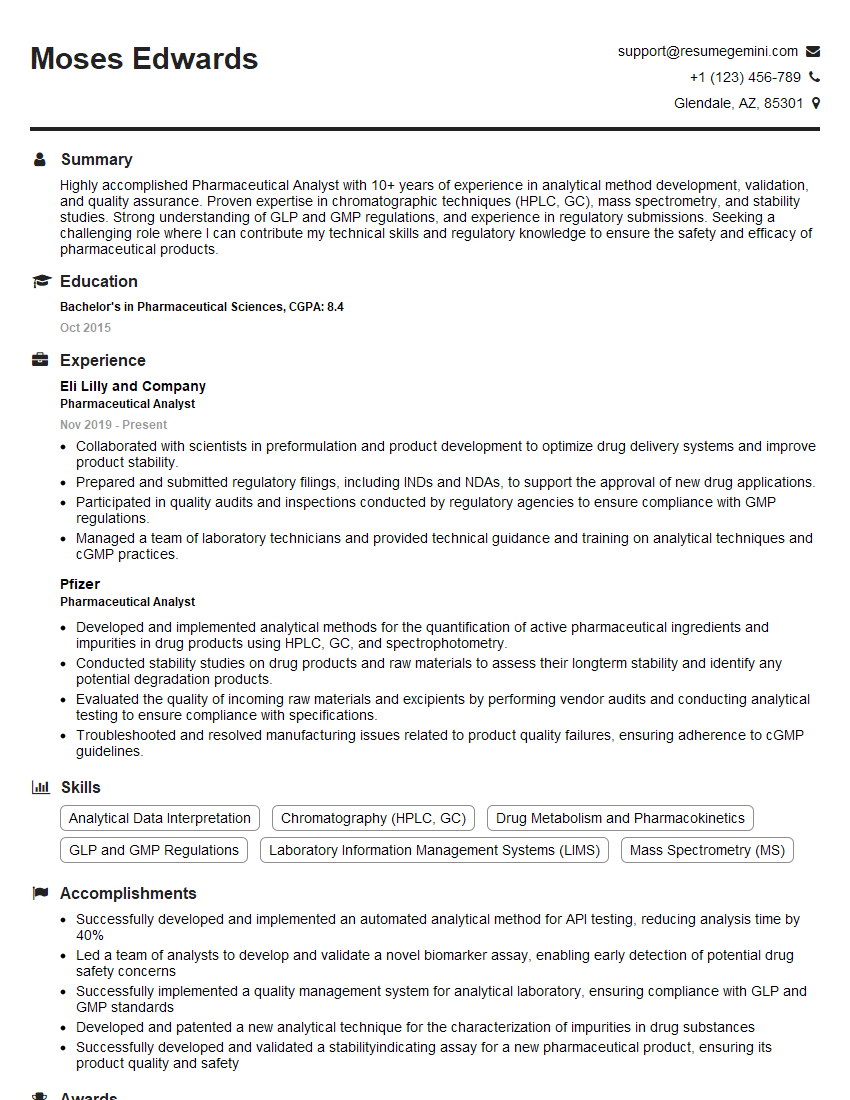
Pharmaceutical Analyst Resume Sample
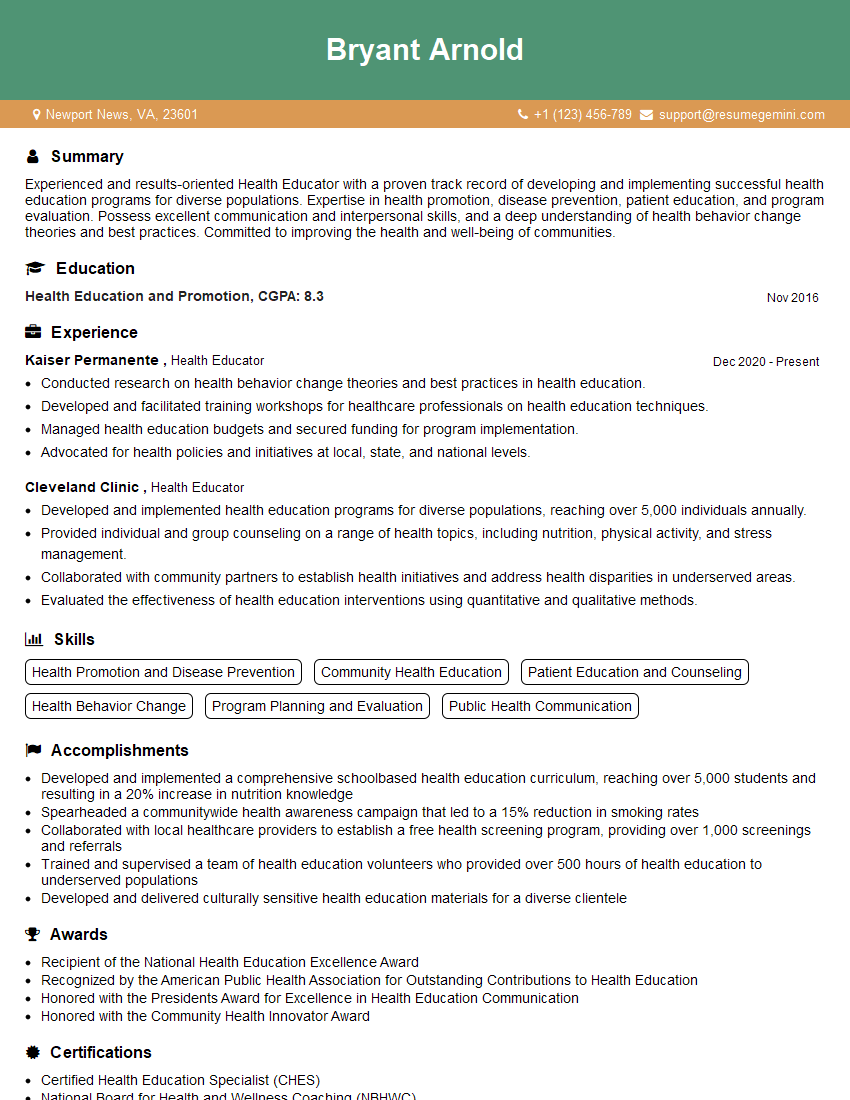
Health Educator Resume Sample
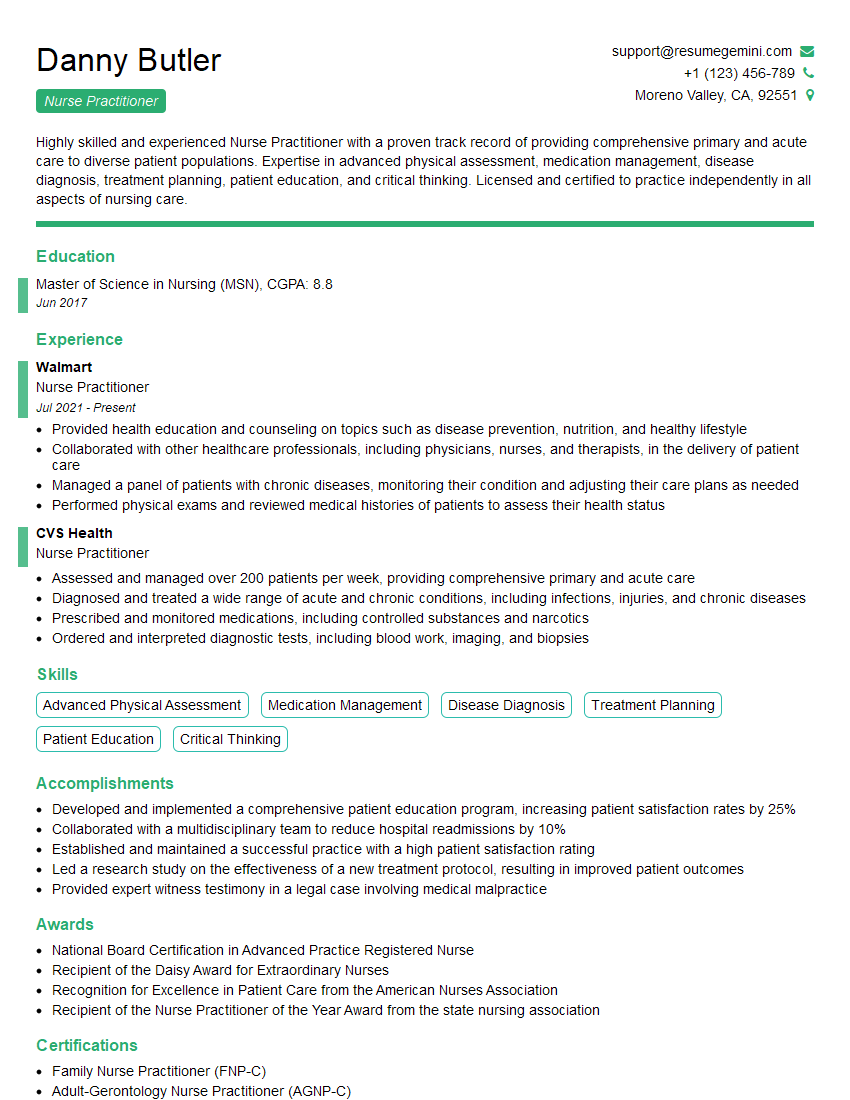
Nurse Practitioner Resume Sample

Medical Writer Resume Sample
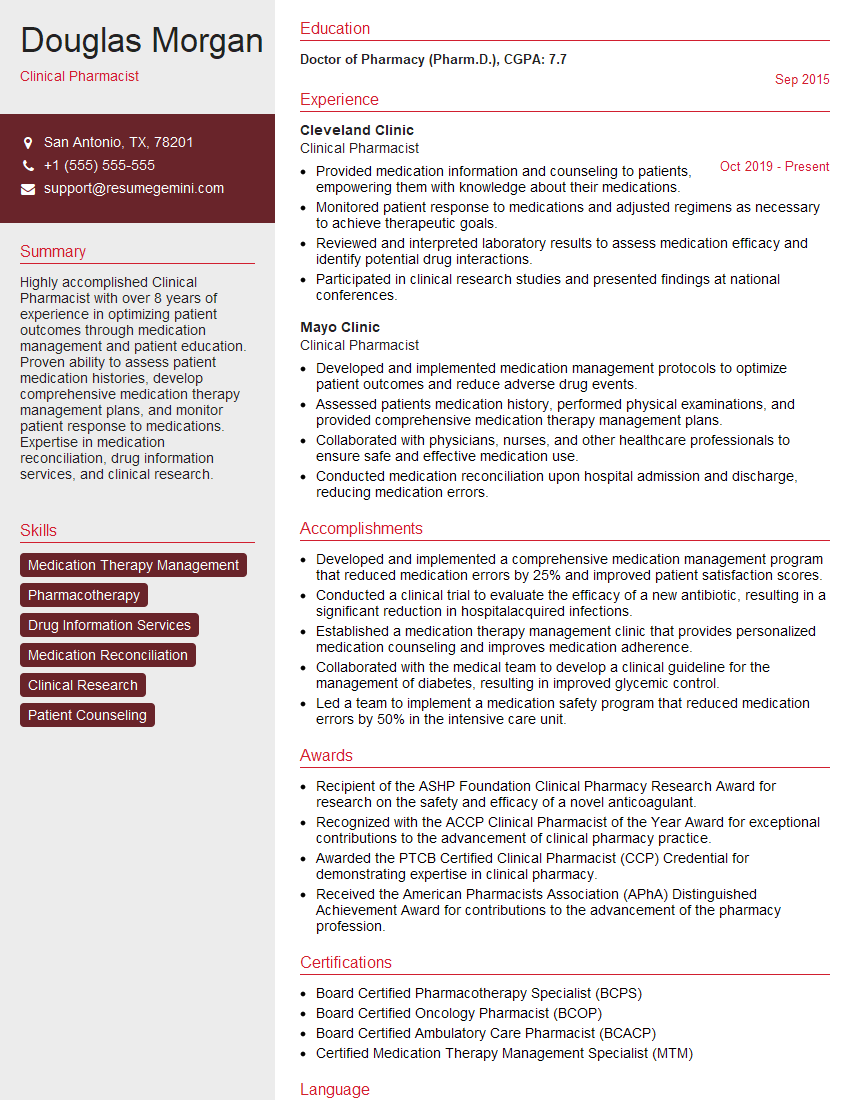
Clinical Pharmacist Resume Sample
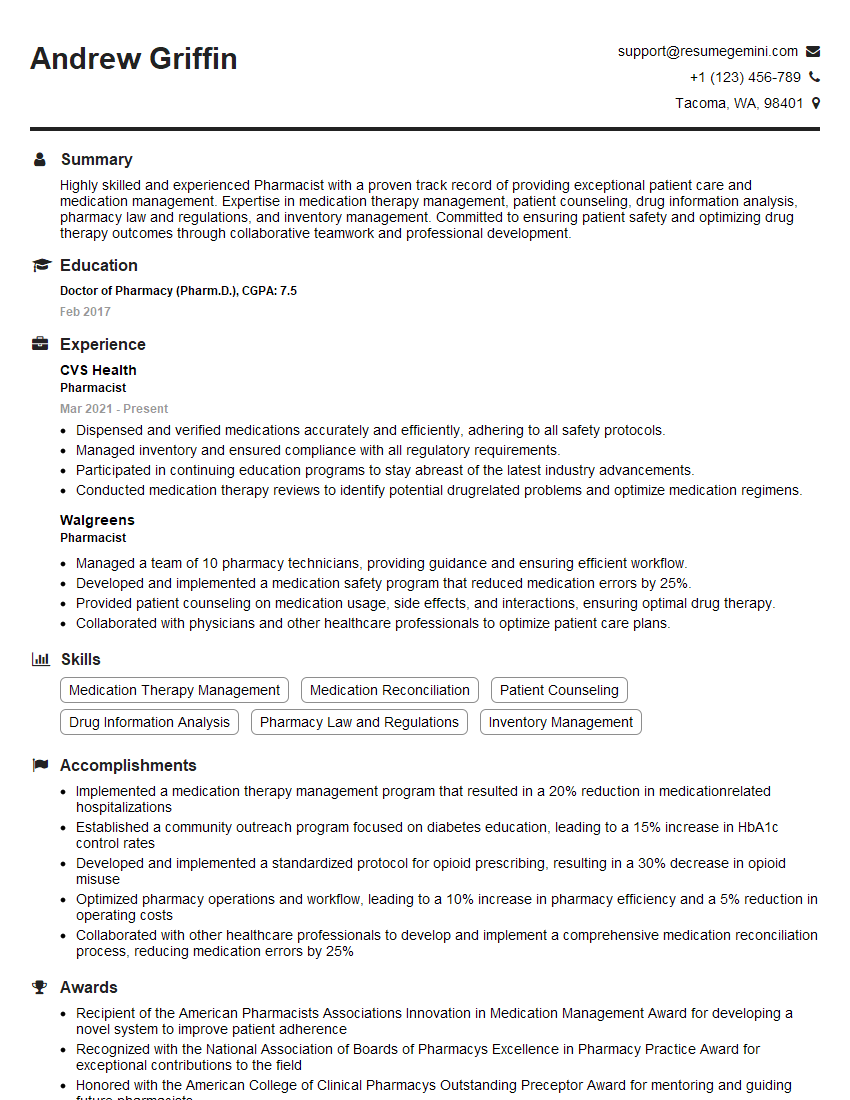
Pharmacist Resume Sample
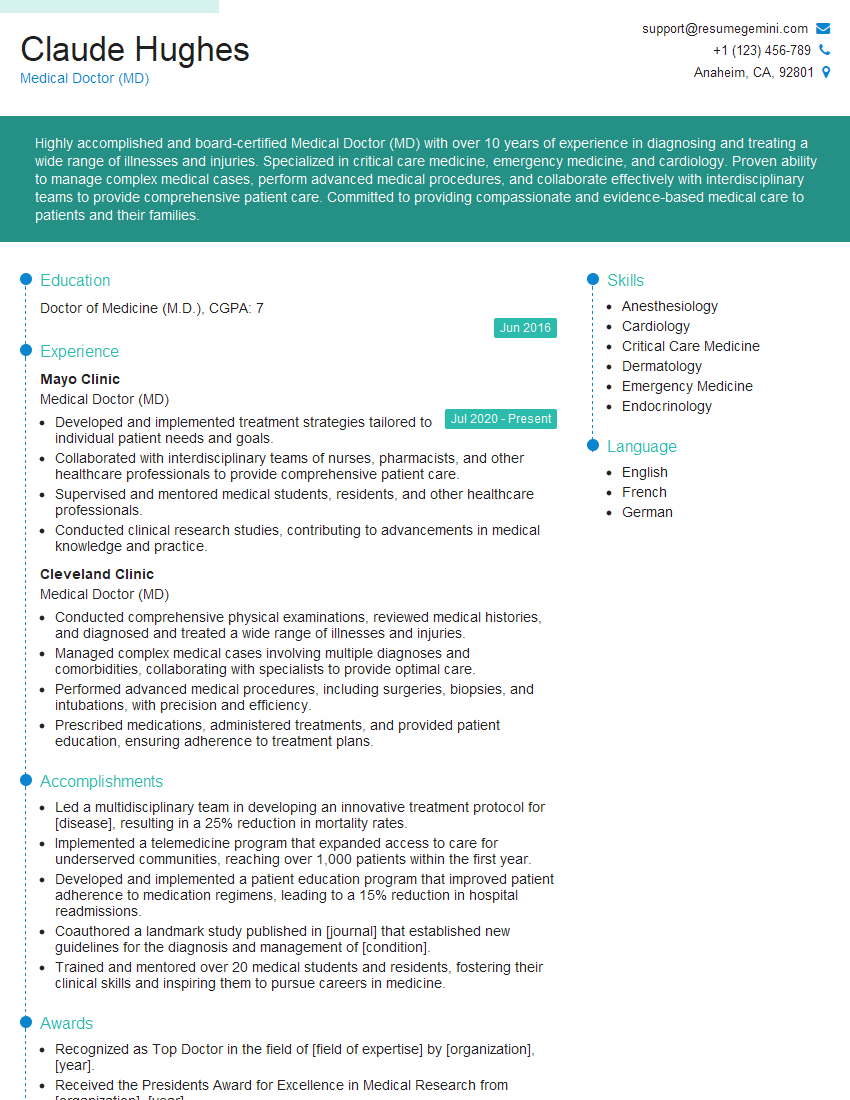
Medical Doctor (MD) Resume Sample
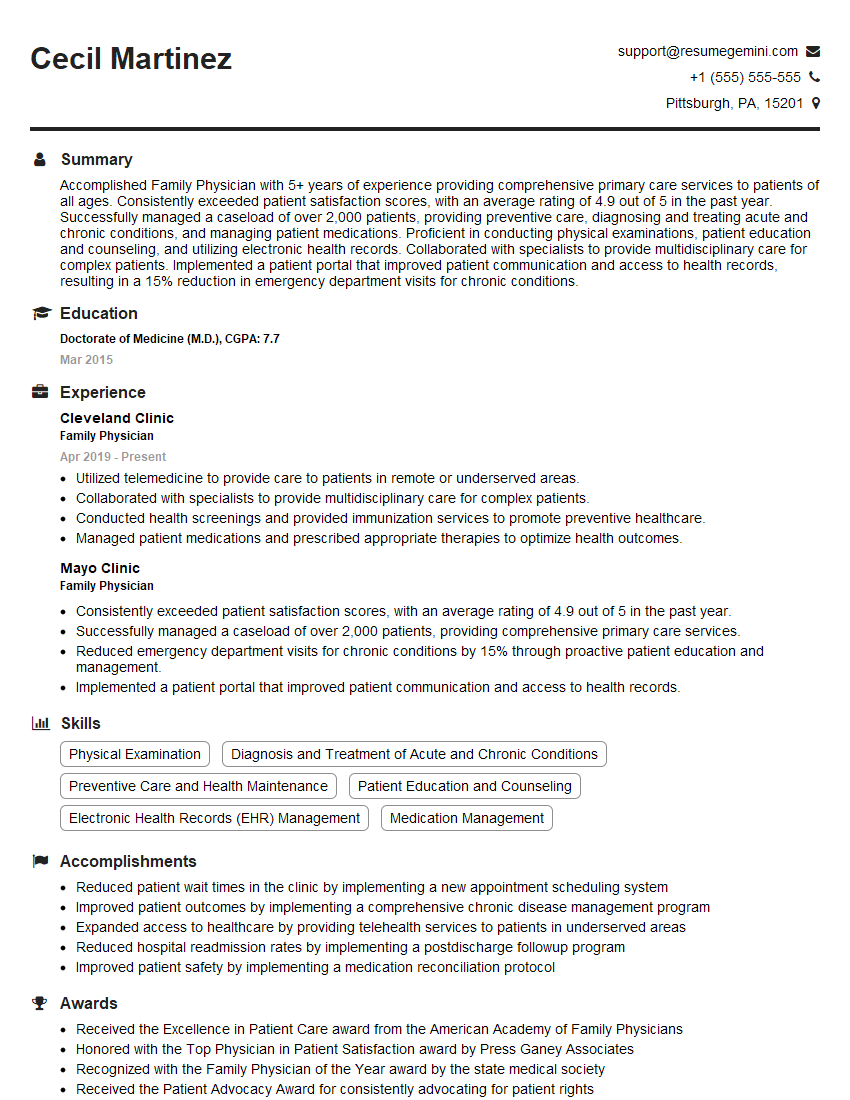
Family Physician Resume Sample

Physician Assistant Resume Sample

Allergist/Immunologist Resume Sample

Medical Science Liaison Resume Sample
- Clinical Research Associate (CRA)
- Clinical Trial Manager
- Quality Assurance Specialist
- Regulatory Affairs Specialist
- Toxicologist
- Pharmacologist
- Pharmaceutical Analyst
- Health Educator
- Nurse Practitioner
- Medical Writer
- Clinical Pharmacist
- Pharmacist
- Medical Doctor (MD)
- Family Physician
- Physician Assistant
- Allergist/Immunologist
- Medical Science Liaison
Explore more articles
Users Rating of Our Blogs
Share Your Experience
We value your feedback! Please rate our content and share your thoughts (optional).
What Readers Say About Our Blog
To the interviewgemini.com Webmaster.
Very helpful and content specific questions to help prepare me for my interview!
Thank you
To the interviewgemini.com Webmaster.
This was kind of a unique content I found around the specialized skills. Very helpful questions and good detailed answers.
Very Helpful blog, thank you Interviewgemini team.