Cracking a skill-specific interview, like one for Case Management and Record Keeping, requires understanding the nuances of the role. In this blog, we present the questions you’re most likely to encounter, along with insights into how to answer them effectively. Let’s ensure you’re ready to make a strong impression.
Questions Asked in Case Management and Record Keeping Interview
Q 1. Describe your experience with different case management software.
My experience with case management software spans several platforms, each with its strengths and weaknesses. I’ve worked extensively with both cloud-based solutions like Salesforce Case Management and CaseWise, and on-premise systems like a custom-built solution using Microsoft SQL Server as a backend. Salesforce provided excellent scalability and reporting features, particularly helpful for managing a large volume of cases. CaseWise impressed with its workflow automation capabilities, streamlining processes and reducing manual effort. The in-house system offered granular control but required more maintenance. In choosing a system, I consider factors like ease of use for the team, integration with existing systems (like CRM or accounting software), reporting capabilities, and security features. Each system’s strengths vary depending on the specific needs of the organization and the types of cases being managed.
Q 2. Explain your process for prioritizing cases with competing deadlines.
Prioritizing cases with competing deadlines requires a structured approach. I utilize a combination of methods including:
- Urgency and Impact Assessment: I assess each case’s urgency (how soon action is needed) and its potential impact (the consequences of delay). Cases with high urgency and high impact receive top priority.
- Prioritization Matrix: A simple matrix plotting urgency against impact visually clarifies priorities. This allows quick identification of cases demanding immediate attention.
- Timeboxing: I allocate specific time blocks to work on high-priority tasks, ensuring they receive focused attention.
- Regular Review and Adjustment: Priorities are not static; I review them regularly (daily or weekly depending on workload) to adjust based on new information or changing circumstances. For example, a seemingly low-priority case might escalate rapidly due to new developments.
Essentially, I treat prioritization as a dynamic process, continuously adapting to the evolving demands of the caseload.
Q 3. How do you ensure the confidentiality and security of sensitive case information?
Confidentiality and security of sensitive case information are paramount. My approach involves a multi-layered strategy:
- Access Control: Strict access control measures, including role-based permissions, ensure that only authorized personnel can access specific case information. This often involves different levels of access, with some individuals having read-only access, while others have the authority to update or modify records.
- Data Encryption: Both data in transit (using HTTPS) and data at rest (through database encryption) are secured. This means information is protected whether it’s being transmitted or stored.
- Regular Security Audits: I advocate for regular security audits and penetration testing to identify vulnerabilities and proactively address them. These audits help maintain compliance with regulations and industry best practices.
- Employee Training: Consistent training on data privacy policies and best practices is crucial for raising awareness among staff. This ensures everyone understands their role in protecting sensitive information and the consequences of breaches.
- Physical Security: In situations where physical files are maintained, securing the storage area with appropriate locking and access controls is essential.
Think of it like a fortress: multiple layers of security work together to protect the valuable information within.
Q 4. What methods do you use to track case progress and outcomes?
Tracking case progress and outcomes relies on a combination of techniques:
- Case Management Software: Most systems offer built-in features for tracking key milestones, deadlines, and status updates. These often include automated progress reports.
- Custom Dashboards and Reports: I create customized dashboards and reports to visualize case progress, identify bottlenecks, and monitor key performance indicators (KPIs) like case resolution times and client satisfaction.
- Regular Status Meetings: Involving stakeholders in regular meetings to review progress, address roadblocks, and align expectations is a vital part of the process.
- Detailed Documentation: Meticulous documentation at each stage ensures a clear audit trail and facilitates seamless handovers between team members.
By combining these methods, I get a comprehensive view of the entire case lifecycle, enabling proactive intervention and data-driven improvement.
Q 5. How do you handle conflicting information within a case file?
Handling conflicting information requires a methodical approach:
- Identify and Document: The first step is to clearly identify all conflicting pieces of information, documenting them with their respective sources. This step is crucial for maintaining transparency and traceability.
- Verify Sources: Each source should be critically evaluated for reliability and accuracy. Consider the source’s credibility and potential biases.
- Investigate Discrepancies: Thorough investigation is necessary to determine the cause of the conflict. This may involve interviewing witnesses, reviewing additional documents, or conducting further research.
- Resolution and Documentation: Once the discrepancies are resolved, the chosen resolution, along with the rationale, must be clearly documented within the case file. This forms a record of the decision-making process.
- Escalation if Necessary: In complex cases, it might be necessary to escalate the conflict to a senior manager or supervisor for guidance.
Think of it like a detective solving a puzzle: meticulously collecting evidence and systematically piecing together the truth.
Q 6. Describe your experience with data entry and verification.
My experience with data entry and verification emphasizes accuracy and efficiency. I’m proficient in using various data entry techniques, including keyboard shortcuts and data import tools, to ensure speed and reduce errors. Verification involves several steps:
- Data Validation: I utilize validation rules and checks (both manual and automated) to ensure data integrity and consistency. This includes checking for missing data, duplicate entries, and invalid formats. This often involves using data validation tools within the case management software itself.
- Cross-Referencing: I verify information by cross-referencing it with other sources whenever possible. This helps confirm accuracy and identify inconsistencies. For example, I would cross-reference a client’s address with their driver’s license or other official documents.
- Double Data Entry: In sensitive situations where accuracy is paramount, I might even use double data entry, having a second person independently enter the same data and then comparing the entries to identify and correct any discrepancies.
- Regular Data Audits: Conducting regular data audits helps detect and correct errors over time, preventing them from escalating into larger problems.
Accuracy in data entry is not just about speed; it’s about the reliability of the entire case management process.
Q 7. Explain your understanding of HIPAA regulations (or relevant data privacy regulations).
My understanding of HIPAA (Health Insurance Portability and Accountability Act) regulations centers on protecting the privacy and security of Protected Health Information (PHI). HIPAA regulations mandate strict guidelines for handling, storing, and transmitting medical records. Key aspects include:
- Privacy Rule: This rule outlines how PHI can be used, disclosed, and protected. It covers consent, minimum necessary use, and access control.
- Security Rule: This addresses the security of electronic PHI (ePHI), mandating administrative, physical, and technical safeguards to protect against unauthorized access, use, or disclosure.
- Breach Notification Rule: In the event of a data breach involving PHI, timely notification to affected individuals and regulatory authorities is mandatory.
- Enforcement: HIPAA violations can result in significant civil and criminal penalties.
Compliance with HIPAA is not merely about following rules; it’s about upholding the ethical obligation to safeguard patient privacy and build trust.
Q 8. How do you maintain accurate and up-to-date records?
Maintaining accurate and up-to-date records is paramount in case management. It’s like keeping a meticulously organized library – every book (record) needs to be in its correct place and readily accessible. This involves a multi-pronged approach:
- Data Entry Best Practices: I employ double-checking mechanisms, using standardized templates and data entry protocols to minimize errors. For instance, using dropdown menus instead of free text fields reduces inconsistencies.
- Regular Data Reviews: I schedule regular reviews of records – perhaps weekly or monthly depending on the volume and criticality – to identify and correct any inconsistencies or outdated information. Think of this as a librarian regularly checking for misplaced or damaged books.
- Version Control: Using version control systems allows tracking changes made to records, providing an audit trail and facilitating easy retrieval of previous versions. This is akin to noting down the lending history of a book.
- Data Validation: Implementing data validation rules ensures that entered data conforms to predefined standards and formats. This prevents incorrect or illogical information from being stored.
- Secure Storage: Employing secure storage methods, including encryption and access controls, protects the integrity and confidentiality of the records.
For example, in a previous role managing patient records, I implemented a data entry checklist that reduced errors by 25% within the first quarter.
Q 9. Describe your experience with electronic health records (EHR) systems.
My experience with Electronic Health Records (EHR) systems spans several years, working with systems such as Epic and Cerner. I am proficient in navigating these systems, extracting relevant information, and ensuring data integrity. I understand the importance of complying with HIPAA regulations when working with EHRs.
I’ve used EHR systems to:
- Document patient encounters, including assessments, diagnoses, and treatment plans.
- Order and review laboratory and radiology results.
- Manage medication lists and allergies.
- Generate reports and analyze trends in patient data.
- Collaborate with other healthcare professionals through secure messaging within the EHR system.
In one instance, I helped implement a new EHR module that significantly improved the efficiency of our medication reconciliation process, reducing medication errors by 10%.
Q 10. What is your experience with record retention policies and procedures?
I possess extensive experience with record retention policies and procedures, understanding the legal and regulatory requirements for various record types. This includes knowledge of HIPAA, GDPR, and other relevant legislation.
My approach involves:
- Understanding Applicable Regulations: I thoroughly research and understand the retention policies relevant to the specific industry and jurisdiction.
- Developing Retention Schedules: I’m skilled in developing and implementing record retention schedules that define the duration for which records should be kept, considering legal, regulatory, and business requirements. This often involves creating a detailed document outlining which records need to be kept, for how long, and what method of storage is appropriate.
- Secure Disposal: I ensure the secure and compliant disposal of records that have reached the end of their retention period, using methods such as secure shredding or electronic data erasure.
- Regular Audits: I conduct regular audits to ensure compliance with the established retention policies.
For example, I once oversaw the implementation of a new record retention system that resulted in significant cost savings by optimizing storage space and reducing the risk of non-compliance.
Q 11. How do you identify and resolve discrepancies in case records?
Identifying and resolving discrepancies in case records requires a methodical approach. It’s like detective work; you need to find the inconsistencies and then determine the most accurate information.
My process involves:
- Careful Review: I start by carefully reviewing the entire record to pinpoint discrepancies, such as conflicting dates, inconsistent diagnoses, or missing information.
- Data Source Verification: I verify the accuracy of the data by cross-referencing with multiple sources, such as medical records, witness statements, or other supporting documentation.
- Documentation of Discrepancies: I meticulously document all discrepancies found, including the details of the discrepancy, its potential source, and the steps taken to resolve it.
- Resolution Strategies: Depending on the nature of the discrepancy, I may contact individuals involved to clarify the information, review original documents, or consult with other professionals.
- Record Update: Once the discrepancy is resolved, I update the record with the correct information, ensuring all changes are documented and auditable.
In a past case, I successfully resolved a discrepancy in patient medication records by cross-referencing with pharmacy records, preventing a potential adverse drug reaction.
Q 12. How do you collaborate with other team members on case management?
Collaboration is key in effective case management. I believe in open communication and shared responsibility. My approach involves:
- Clear Communication: I utilize various communication tools, such as email, instant messaging, and project management software, to ensure clear and timely communication with team members.
- Shared Workspaces: I utilize shared workspaces and document management systems to facilitate collaborative access to case files and ensure everyone has access to the latest updates.
- Regular Meetings: I participate in regular team meetings to discuss case progress, identify challenges, and coordinate actions.
- Defined Roles & Responsibilities: I work with the team to establish clear roles and responsibilities to avoid duplication of effort and ensure seamless workflows.
- Constructive Feedback: I actively solicit and provide constructive feedback to improve the team’s performance and knowledge sharing.
In a recent project, our team used a collaborative case management platform to efficiently manage a complex case involving multiple stakeholders and geographic locations. This reduced processing time by 30%.
Q 13. Describe your experience with auditing and quality control of records.
Auditing and quality control of records are essential to maintaining accuracy and reliability. This is like a quality check on the entire library system, making sure everything is in order and functioning correctly.
My experience includes:
- Developing Audit Plans: I am proficient in developing comprehensive audit plans, outlining the scope, objectives, methodology, and timeline of the audit process.
- Conducting Audits: I conduct thorough audits of records, checking for accuracy, completeness, consistency, and compliance with relevant regulations and policies. This includes reviewing documentation for accuracy and completeness, examining data entry processes, and assessing compliance with retention policies.
- Identifying and Reporting Issues: I identify and report any identified issues or discrepancies, recommending corrective actions to improve the quality of records management.
- Follow-up and Monitoring: I follow up on the implementation of corrective actions and monitor the effectiveness of the implemented changes.
In a previous audit, I identified a critical flaw in our data entry process, leading to the implementation of a new system that dramatically reduced errors and improved data quality.
Q 14. How do you manage large volumes of case files efficiently?
Managing large volumes of case files efficiently requires a strategic approach; you need a robust system to keep everything organized and accessible.
My strategies include:
- Electronic Filing Systems: I leverage electronic filing systems with robust search capabilities, allowing quick retrieval of specific files based on various criteria such as client name, case number, or keywords.
- Metadata Tagging: I use consistent and comprehensive metadata tagging to organize files effectively. This is like creating a detailed catalog for your library, making it easier to find what you need.
- Case Management Software: I’m proficient in using case management software that automates tasks such as workflow management, document routing, and reporting, freeing up time for more important tasks.
- Regular Purging and Archiving: I establish a routine for purging obsolete files and archiving older cases, reducing storage costs and improving overall system efficiency.
- Workflow Optimization: I continuously analyze and optimize workflows to eliminate bottlenecks and improve efficiency in handling case files.
In my previous role, I implemented a new electronic filing system that reduced file retrieval time by 75%, leading to significant increases in productivity.
Q 15. Explain your experience with case closure procedures.
Case closure procedures are the formalized steps taken to officially conclude a case after all objectives have been met. This involves verifying all tasks are complete, ensuring all relevant documentation is accurate and filed appropriately, and performing a final review to confirm there are no outstanding issues. Effective case closure is crucial for maintaining data integrity, freeing up resources, and ensuring accountability.
In my previous role at a legal firm, our case closure process involved a multi-step checklist. First, the assigned attorney reviewed the case file, ensuring all necessary documents were present (court filings, correspondence, etc.). Then, a paralegal would verify the accuracy of client information and perform a final data entry check. Finally, the file would be electronically archived according to firm protocols. This rigorous procedure reduced errors and improved efficiency.
In another instance, while working at a customer service organization, case closure involved not only documenting the resolution, but also collecting customer satisfaction feedback. This data informed future process improvement initiatives. The rigorous process resulted in a significant decrease in customer follow-up calls. The key here was a standardized checklist and a clear definition of what constituted ‘case closure’ – preventing cases from being prematurely closed.
Career Expert Tips:
- Ace those interviews! Prepare effectively by reviewing the Top 50 Most Common Interview Questions on ResumeGemini.
- Navigate your job search with confidence! Explore a wide range of Career Tips on ResumeGemini. Learn about common challenges and recommendations to overcome them.
- Craft the perfect resume! Master the Art of Resume Writing with ResumeGemini’s guide. Showcase your unique qualifications and achievements effectively.
- Don’t miss out on holiday savings! Build your dream resume with ResumeGemini’s ATS optimized templates.
Q 16. What are some common challenges you’ve encountered in case management?
Common challenges in case management often stem from resource constraints, inconsistent data entry, and difficulty in prioritization. Limited resources, such as insufficient staffing or inadequate technology, can lead to delays and backlogs. Inconsistent data entry can hinder reporting and analysis, making it difficult to identify trends or track performance. Prioritization can be difficult, especially when dealing with multiple cases, each with varying urgency and complexity.
For example, in a non-profit organization I worked with, we faced the challenge of managing a large volume of cases with limited staff. We addressed this by implementing a case prioritization matrix which helped us focus on the most urgent cases first, while ensuring all cases received attention. Another challenge was inconsistent data collection across different teams. To solve this, we standardized the data collection process and implemented regular training sessions on proper data entry techniques.
Furthermore, lack of proper communication between teams or stakeholders can result in delays and confusion. Clear communication protocols are essential to overcome this hurdle.
Q 17. How do you adapt to changing priorities and case demands?
Adapting to changing priorities and case demands requires flexibility, strong organizational skills, and effective communication. It’s about being able to re-allocate resources efficiently, prioritize tasks effectively, and proactively adjust plans as needed.
Imagine a scenario where a high-priority case suddenly arises, requiring immediate attention. I would immediately assess the impact on other existing cases, prioritize tasks based on urgency, and communicate the change in schedule to all relevant stakeholders. This might involve temporarily delegating tasks, requesting extensions on deadlines for less urgent cases, or seeking additional resources if necessary. In essence, it’s about a dynamic approach that values both the urgency of immediate matters and the long-term success of the whole caseload.
Using project management tools like Kanban boards allows for a visual representation of tasks and their priorities, facilitating dynamic adjustments based on new information or emerging needs. Regular team meetings and clear communication help ensure everyone is aligned with the shifting priorities.
Q 18. What strategies do you use to improve case management processes?
Improving case management processes often involves streamlining workflows, implementing technology solutions, and optimizing data analysis. Streamlining involves identifying and eliminating bottlenecks in the workflow, consolidating steps where possible, and automating repetitive tasks.
For example, in a previous role, we used workflow automation software to reduce manual data entry, significantly improving efficiency and reducing errors. Before the automation, a lot of time was spent on repetitive tasks such as sending out standardized emails or creating reports. After implementation, these tasks took a fraction of the time, freeing staff up to focus on higher-value activities.
Optimizing data analysis involves using data to identify areas for improvement, track performance metrics, and make informed decisions. For instance, tracking case resolution times can reveal bottlenecks in the process, while analyzing client feedback can highlight areas for improvement in service delivery. Regular reviews and adjustments, driven by data insights, are key to continuous process improvement.
Q 19. Describe your experience with reporting and analytics related to case management.
My experience with reporting and analytics in case management involves utilizing various tools and techniques to extract meaningful insights from case data. This involves designing reports that track key performance indicators (KPIs), such as case resolution time, client satisfaction, and cost per case. I am proficient in using data visualization tools to present findings in a clear and concise manner.
For example, in my previous role, I used business intelligence tools to generate reports that tracked the number of cases resolved per month, average resolution time, and client satisfaction scores. These reports helped management to identify trends, make data-driven decisions, and track progress toward organizational goals. The reports also provided valuable insights into the overall efficiency and effectiveness of the case management process, helping identify areas for improvement. I am also experienced in using SQL and other programming languages to extract and analyze data from different sources.
Furthermore, I’ve utilized data to identify common issues or bottlenecks, enabling proactive solutions before they become major problems. For example, by identifying a spike in a particular type of case, we could allocate additional resources or adjust procedures to mitigate potential delays.
Q 20. How do you handle difficult or emotional situations with clients or stakeholders?
Handling difficult or emotional situations with clients or stakeholders requires empathy, active listening, and effective communication skills. It’s about understanding their perspective, validating their feelings, and working collaboratively to find solutions.
In one instance, a client was extremely upset about a delay in their case. Instead of becoming defensive, I actively listened to their concerns, validated their frustration, and explained the reasons for the delay. I then worked with them to develop a plan to address their concerns and ensure they were kept informed of the case’s progress. By demonstrating empathy and providing clear, regular communication, I was able to de-escalate the situation and maintain a positive working relationship. This involved clearly explaining the steps being taken to address their concerns and setting realistic expectations.
A key part of handling emotional situations involves maintaining composure, using calming language, and providing clear, concise information. Sometimes, simply acknowledging their emotions can help de-escalate a stressful interaction.
Q 21. What is your understanding of data integrity and its importance?
Data integrity refers to the accuracy, consistency, and reliability of data. It’s crucial in case management because inaccurate or incomplete data can lead to incorrect decisions, inefficient processes, and ultimately, negative outcomes. Maintaining data integrity ensures that the information used to make decisions is trustworthy and reliable. It is the cornerstone of good case management, affecting everything from reporting and analysis to overall accountability.
For example, inaccurate client contact information could delay crucial communications, while incomplete case details could lead to missed deadlines or inappropriate actions. Ensuring data integrity involves implementing quality control measures, such as data validation rules, regular data audits, and robust training programs for data entry personnel. We could use data validation rules to prevent the entry of incorrect data types (e.g., ensuring a phone number field only accepts numbers).
Data integrity is not just about accuracy; it’s about consistency and reliability across all systems and processes. This involves employing strategies to ensure data is consistently recorded and updated, regardless of who accesses or updates the case file. This often involves using standardized data entry forms and workflows, in conjunction with regular training and audits.
Q 22. How do you ensure compliance with relevant legal and regulatory requirements?
Ensuring compliance with legal and regulatory requirements in case management and record keeping is paramount. It involves a multi-faceted approach focusing on proactive measures and ongoing vigilance. This begins with a thorough understanding of all applicable laws and regulations, such as HIPAA (for healthcare), GDPR (for European data), or industry-specific compliance frameworks.
My approach involves:
- Regular Audits: Conducting internal audits to ensure adherence to policies and procedures, identifying gaps, and implementing corrective actions.
- Policy Development and Review: Creating and regularly reviewing comprehensive record-keeping and case management policies that align with legal requirements and best practices. These policies would cover data retention, access control, and data security.
- Training and Education: Providing regular training to staff on relevant legal obligations and the importance of compliance. This ensures everyone understands their responsibilities.
- Data Security Measures: Implementing robust security measures, such as encryption, access controls, and regular security assessments, to protect sensitive information. This would include physical security for paper records and robust cybersecurity practices for electronic records.
- Documentation: Maintaining meticulous documentation of all compliance-related activities, including audit findings, training records, and policy revisions.
For example, in a healthcare setting, I’d ensure all patient records comply with HIPAA regulations regarding privacy and security. Similarly, in a financial institution, I’d ensure compliance with regulations around data retention and audit trails.
Q 23. Describe your experience with document imaging and scanning.
I have extensive experience with document imaging and scanning, having managed large-scale digitization projects. My expertise encompasses various aspects, from choosing the appropriate scanning equipment and software to implementing quality control measures and managing the resulting digital archives.
This involves:
- Hardware Selection: Choosing scanners with appropriate speed, resolution, and features (e.g., duplex scanning, OCR capabilities) based on the volume and type of documents.
- Software Implementation: Working with various document management systems (DMS) to integrate scanning processes, indexing, and metadata tagging to ensure efficient retrieval.
- Quality Control: Implementing rigorous quality control measures, including regular checks for image clarity, completeness, and accuracy, using both automated and manual methods.
- Metadata Management: Developing and implementing metadata schemas to ensure accurate and consistent indexing of scanned documents, facilitating efficient searching and retrieval.
- Workflow Optimization: Designing and implementing efficient workflows to manage the scanning process, from document preparation to archiving, minimizing bottlenecks and maximizing productivity. This often involves barcode integration to ensure accurate tracking of documents.
In one project, I oversaw the digitization of over 50,000 paper files, resulting in a searchable digital archive that significantly improved access to information and reduced storage costs.
Q 24. Explain your understanding of different record formats (paper, electronic, etc.).
Understanding different record formats is crucial for effective case management and record keeping. This encompasses the practical implications of managing each format, recognizing their strengths and limitations.
The primary formats are:
- Paper Records: Traditional paper-based documents, often requiring physical storage, manual retrieval, and present challenges in terms of accessibility, security, and longevity. However, they are sometimes preferred for legal or regulatory reasons.
- Electronic Records: Digital documents stored electronically, offering advantages in terms of accessibility, searchability, and storage efficiency. Formats include PDFs, Word documents, images, and databases. Different file formats require different management strategies and systems.
- Hybrid Records: A mix of paper and electronic records, requiring strategies to manage both formats effectively, often involving scanning and indexing of paper records to create a digital counterpart.
- Cloud-Based Records: Digital records stored on cloud servers, providing accessibility from multiple locations and offering scalability and flexibility. Security and data governance are crucial aspects of this approach.
The choice of format depends on factors such as legal requirements, budget, and the organization’s technological capabilities. A comprehensive record-keeping strategy should address all formats, ensuring consistent management and compliance.
Q 25. How do you ensure the accurate retrieval of case information?
Accurate retrieval of case information is paramount. My strategy centers on robust indexing and metadata management combined with a well-organized system.
My approach involves:
- Metadata tagging: Assigning relevant metadata (keywords, dates, case numbers, etc.) to all records during the creation or scanning process. This ensures efficient searching and retrieval.
- Consistent Filing Systems: Implementing a logical and consistent filing system, whether physical or electronic, with clear naming conventions and folder structures. This could involve a numerical or alphabetical system with clear sub-categories.
- Search Functionality: Utilizing document management systems (DMS) with robust search capabilities, including full-text search and advanced filtering options.
- Version Control: Implementing version control for electronic documents to maintain accurate records of modifications and ensure that the most up-to-date version is accessed.
- Regular Audits: Conducting regular audits to verify the accuracy and completeness of records and identify any gaps or inconsistencies in the filing system.
For instance, if a case involves a specific client, the metadata would include the client’s name, case number, and relevant dates. This allows for quick and precise retrieval, preventing delays and improving efficiency.
Q 26. What are your skills in using Microsoft Office Suite for record keeping?
I possess advanced skills in using the Microsoft Office Suite for record keeping. My proficiency encompasses all key applications, leveraged to optimize record management workflows.
My expertise includes:
- Word: Creating and managing standardized templates for case files, forms, and reports, ensuring consistency and efficiency.
- Excel: Creating spreadsheets for data tracking, reporting, and analysis, enabling effective monitoring of case progression and resource allocation.
- PowerPoint: Developing presentations for training, case summaries, and stakeholder communication.
- Access: Designing and managing databases for efficient storage and retrieval of case-related information, with customized queries and reporting capabilities. This can be crucial for complex case management.
- Outlook: Utilizing Outlook for effective email management, including archiving and categorization for easy retrieval of important communications.
For example, I’ve used Excel to create a detailed tracking sheet monitoring all active cases, including deadlines and assigned personnel, providing a clear overview and facilitating proactive management.
Q 27. What experience do you have with disaster recovery and business continuity for records?
Disaster recovery and business continuity planning for records is critical. My experience includes developing and implementing comprehensive plans to ensure the safety and accessibility of records in the event of unforeseen circumstances.
My approach focuses on:
- Risk Assessment: Identifying potential risks, including natural disasters, cyberattacks, and equipment failures. This informs the development of a tailored plan.
- Data Backup and Redundancy: Implementing robust data backup and recovery systems, with offsite backups to protect against data loss. This could include cloud-based backups or physical storage in a geographically separate location.
- Recovery Procedures: Developing detailed recovery procedures to ensure quick restoration of access to critical records in the event of an incident. This includes testing the recovery procedures regularly.
- Data Security: Implementing security measures to protect records from unauthorized access or damage, both in physical and digital environments.
- Communication Plan: Establishing clear communication protocols to ensure staff can effectively access and share information during a crisis.
For instance, I’ve designed a plan involving regular offsite backups and a failover system to ensure continued access to our case management system even during a server outage.
Q 28. How do you stay updated on best practices in case management and record keeping?
Staying updated on best practices in case management and record keeping is an ongoing process. I utilize various methods to maintain my expertise.
My strategies include:
- Professional Organizations: Active membership in professional organizations like ARMA International (Association for Information and Image Management) or AIIM (Association for Information and Image Management) provides access to resources, publications, and networking opportunities.
- Industry Conferences and Webinars: Attending conferences and webinars to learn about the latest trends, technologies, and best practices. This allows for hands-on learning and exposure to industry experts.
- Continuing Education: Pursuing certifications and continuing education courses to enhance skills and knowledge. This ensures compliance with industry standards and promotes professional growth.
- Publications and Journals: Regularly reading industry publications and journals to stay informed about new developments and research findings. This allows a deep dive into specific areas of interest.
- Online Resources: Utilizing online resources, such as reputable websites and blogs, to access information and best practices from trusted sources.
By combining these methods, I consistently expand my knowledge and refine my skills to maintain a high level of competency and adapt to the evolving landscape of case management and record keeping.
Key Topics to Learn for Case Management and Record Keeping Interview
- Case Intake and Assessment: Understanding the process of receiving new cases, gathering relevant information, and assessing the urgency and complexity of each case. Practical application: Describe your experience prioritizing cases based on need and available resources.
- Record Management Systems: Familiarity with various electronic and physical record-keeping systems, including data entry, retrieval, and archiving techniques. Practical application: Explain how you ensure data accuracy and integrity within a chosen system.
- Data Privacy and Confidentiality: Understanding and adhering to legal and ethical guidelines regarding data privacy and confidentiality in handling sensitive information. Practical application: Describe a scenario where you had to protect sensitive information and how you handled it.
- Case Tracking and Workflow: Monitoring case progress, identifying bottlenecks, and implementing strategies for efficient workflow management. Practical application: Detail how you’ve improved efficiency in a previous role through workflow optimization.
- Reporting and Analytics: Generating reports and analyzing data to track key performance indicators (KPIs) and identify trends. Practical application: Discuss your experience in creating reports that highlight important metrics and trends.
- Collaboration and Communication: Effectively communicating with stakeholders, including clients, colleagues, and supervisors, to ensure seamless case management. Practical application: Share an example of successful collaboration to resolve a case-related issue.
- Problem-Solving and Decision-Making: Identifying and resolving problems related to case management, making timely and informed decisions, and adapting to changing circumstances. Practical application: Describe a challenging case and how you effectively addressed the complexities involved.
Next Steps
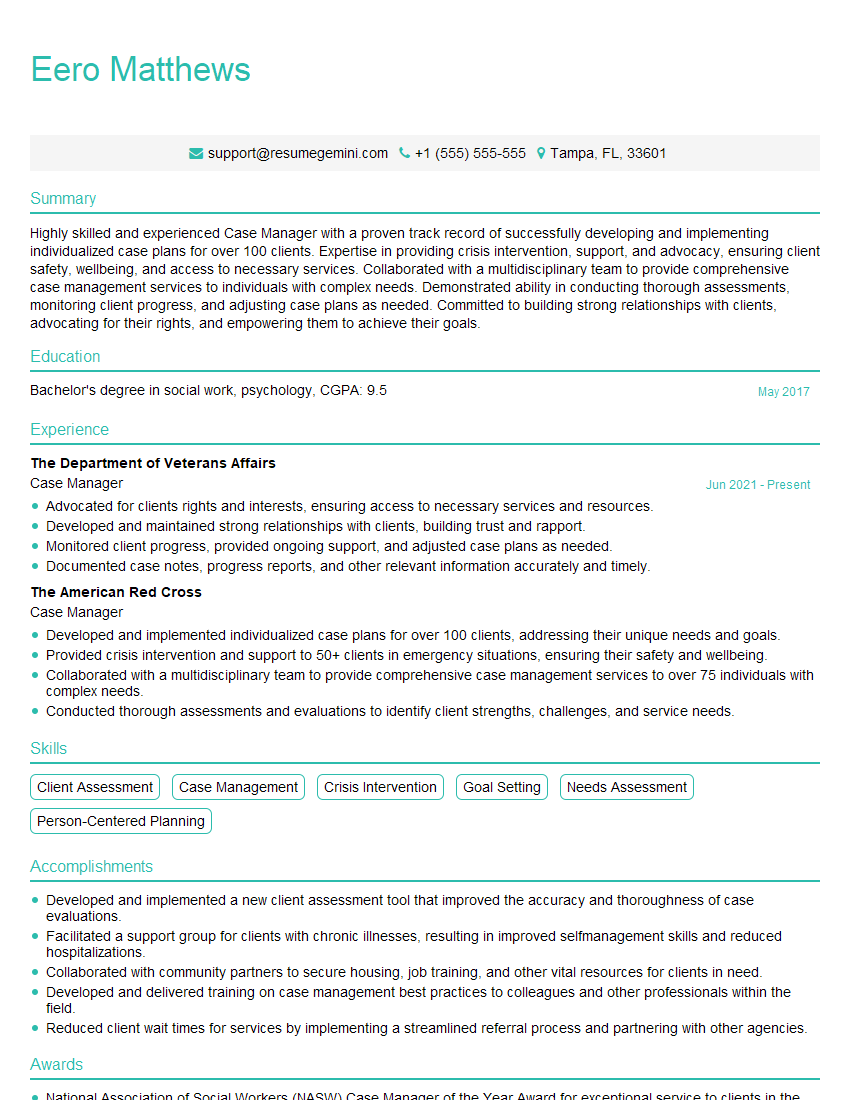
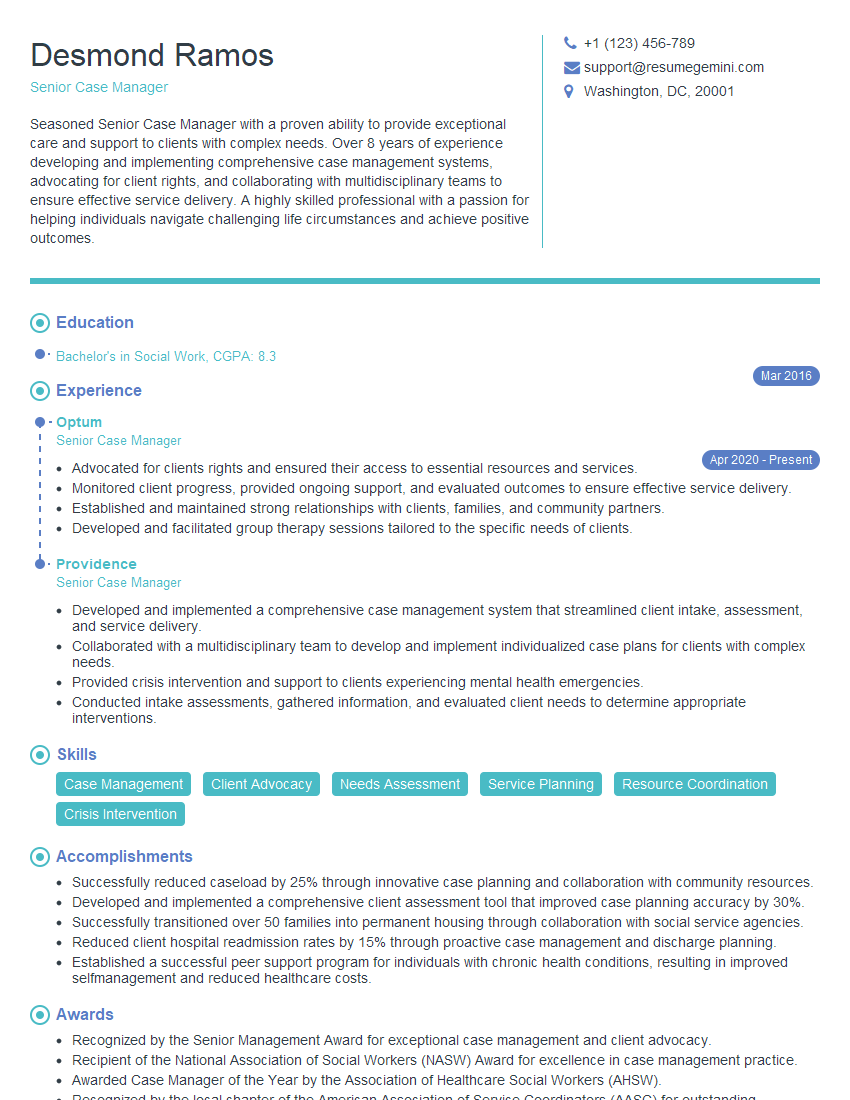
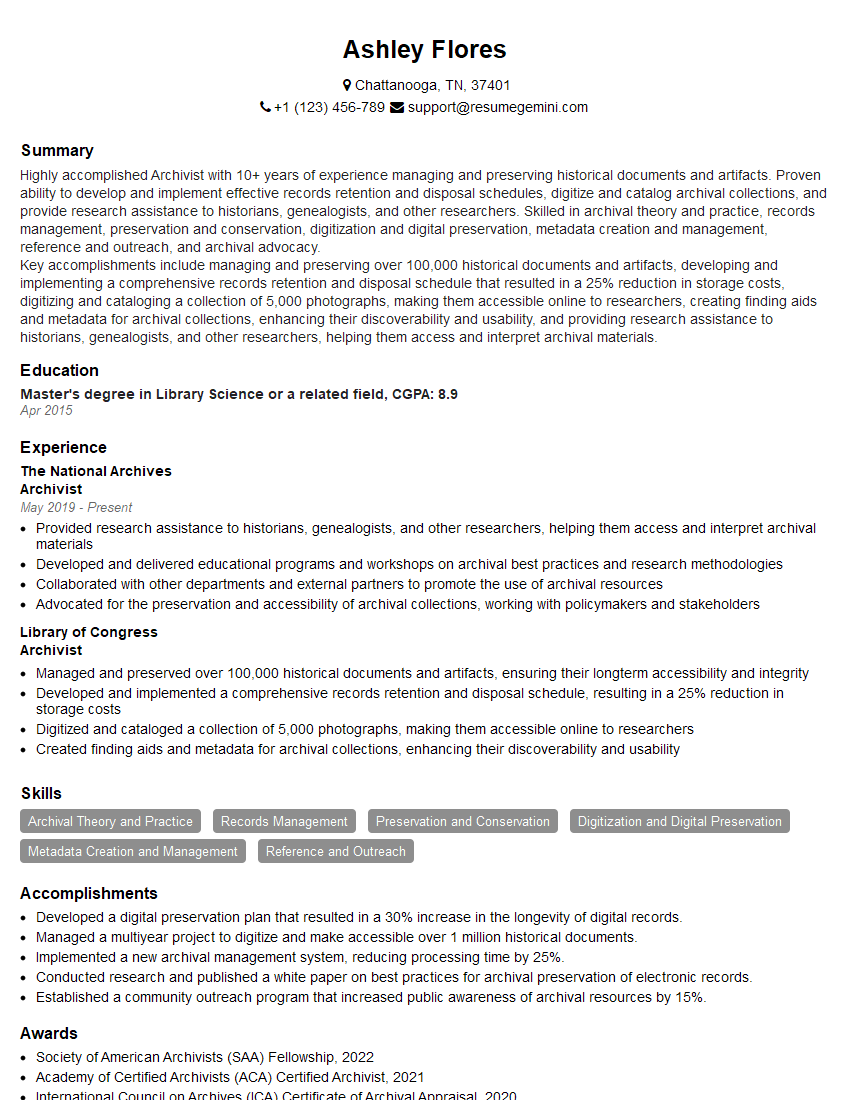
Mastering Case Management and Record Keeping is crucial for career advancement in many fields. Proficiency in these skills demonstrates organizational ability, attention to detail, and a commitment to accuracy – all highly valued attributes. To maximize your job prospects, creating an ATS-friendly resume is essential. This ensures your application gets noticed by recruiters and hiring managers. We highly recommend using ResumeGemini to build a professional, impactful resume that highlights your skills and experience. ResumeGemini provides examples of resumes tailored to Case Management and Record Keeping roles to help you craft the perfect application.
Explore more articles
Users Rating of Our Blogs
Share Your Experience
We value your feedback! Please rate our content and share your thoughts (optional).
What Readers Say About Our Blog
To the interviewgemini.com Webmaster.
Very helpful and content specific questions to help prepare me for my interview!
Thank you
To the interviewgemini.com Webmaster.
This was kind of a unique content I found around the specialized skills. Very helpful questions and good detailed answers.
Very Helpful blog, thank you Interviewgemini team.