Feeling uncertain about what to expect in your upcoming interview? We’ve got you covered! This blog highlights the most important Complete Blood Count (CBC) Interpretation interview questions and provides actionable advice to help you stand out as the ideal candidate. Let’s pave the way for your success.
Questions Asked in Complete Blood Count (CBC) Interpretation Interview
Q 1. What are the key components of a Complete Blood Count (CBC)?
A Complete Blood Count (CBC) is a comprehensive blood test that provides a snapshot of your blood’s cellular components. It’s a fundamental tool in diagnosing a wide range of medical conditions. The key components include:
- Red Blood Cell (RBC) parameters: This includes Hemoglobin (Hb), Hematocrit (Hct), Mean Corpuscular Volume (MCV), Mean Corpuscular Hemoglobin (MCH), Mean Corpuscular Hemoglobin Concentration (MCHC), and Red Cell Distribution Width (RDW). These values tell us about the size, shape, and number of red blood cells, crucial for oxygen transport.
- White Blood Cell (WBC) count and differential: This encompasses the total number of white blood cells and the percentage of each type (neutrophils, lymphocytes, monocytes, eosinophils, and basophils). WBCs are vital for fighting infection.
- Platelet count: Platelets are essential for blood clotting. A low platelet count can lead to excessive bleeding, while a high count can increase the risk of clotting.
Think of a CBC as a detailed inventory of your blood’s cellular army – each component plays a unique role in maintaining health. Understanding the results requires analyzing each part in the context of the patient’s overall clinical picture.
Q 2. Explain the significance of a low hemoglobin level.
A low hemoglobin level (anemia) means your blood has fewer red blood cells or less hemoglobin within those cells than normal, resulting in reduced oxygen-carrying capacity. This can leave you feeling fatigued, weak, and short of breath. The significance depends on the severity and underlying cause. For example, a mild anemia might be related to nutritional deficiencies (iron, vitamin B12, folate), while a severe anemia could indicate a serious underlying condition like bone marrow failure or chronic blood loss.
Imagine your blood as a delivery truck carrying oxygen throughout the body. Low hemoglobin is like having a truck with a smaller cargo capacity – the body isn’t receiving enough oxygen to function optimally. Diagnosing the cause of low hemoglobin is crucial for effective treatment.
Q 3. What does a high white blood cell count (leukocytosis) indicate?
A high white blood cell count (leukocytosis) signifies that your body is producing more white blood cells than usual, often in response to an infection or inflammation. It’s the body’s way of boosting its immune response to fight off invaders like bacteria, viruses, or fungi. However, leukocytosis can also be caused by other factors, including certain cancers (leukemias), autoimmune disorders, and some medications.
Think of it like this: your body’s defense system is on high alert. While a higher WBC count often suggests an infection, a thorough investigation is necessary to pinpoint the underlying cause and ensure appropriate treatment. Further tests, like a white blood cell differential, are needed to understand which type of white blood cell is elevated and narrow down the possibilities.
Q 4. Describe the different types of white blood cells and their functions.
White blood cells, or leukocytes, are diverse warriors of the immune system. Each type has a specialized function:
- Neutrophils: The most abundant type, they are the first responders to bacterial and fungal infections, engulfing and destroying pathogens (phagocytosis).
- Lymphocytes: Crucial for adaptive immunity. They include T cells (cell-mediated immunity) and B cells (antibody production).
- Monocytes: Phagocytic cells that mature into macrophages in tissues, acting as scavengers and antigen-presenting cells.
- Eosinophils: Primarily involved in fighting parasitic infections and allergic reactions.
- Basophils: Release histamine and heparin, playing a role in allergic reactions and inflammation.
Understanding the proportions of each type in a differential count is key to identifying the type of infection or immune response occurring.
Q 5. Interpret a CBC with elevated neutrophils.
Elevated neutrophils (neutrophilia) often indicates an acute bacterial infection. Your body is deploying its frontline defense force to combat the bacterial invasion. However, other causes include inflammation, tissue damage, stress, and certain medications. The degree of elevation provides clues: a modest increase might be a sign of a mild infection, while a significant rise could indicate a severe or overwhelming infection. Further investigation may be necessary to determine the specific cause of the neutrophilia, such as blood cultures to identify the bacteria.
For example, a patient presenting with fever, cough, and elevated neutrophils might be suspected of having pneumonia, requiring chest x-rays and further testing to confirm the diagnosis and guide treatment.
Q 6. Interpret a CBC with decreased lymphocytes.
Decreased lymphocytes (lymphocytopenia) suggests a weakened immune system, making the individual more susceptible to infections. This can be caused by several factors, including viral infections (like HIV), autoimmune diseases, certain cancers (like lymphoma), malnutrition, radiation therapy, and some medications. The severity of lymphocytopenia dictates the urgency of investigation. Severe lymphopenia is a serious condition requiring immediate medical attention.
Imagine your immune system’s intelligence agency being depleted – fewer lymphocytes mean a diminished ability to identify and target invading pathogens. A thorough medical history and further testing are crucial to diagnose the cause and manage the condition.
Q 7. What are the causes of thrombocytopenia?
Thrombocytopenia, a low platelet count, increases the risk of bleeding. The causes are varied and can range from:
- Decreased platelet production: This can occur in bone marrow disorders (aplastic anemia, leukemia), vitamin deficiencies, or medication side effects.
- Increased platelet destruction: Autoimmune disorders (idiopathic thrombocytopenic purpura), certain infections, and some medications can lead to the premature destruction of platelets.
- Platelet sequestration: An enlarged spleen can trap and destroy platelets.
- Dilution: Massive blood transfusions can dilute the platelet count.
A patient with thrombocytopenia might present with easy bruising, petechiae (small red spots on the skin), or bleeding gums. The diagnostic approach depends on the patient’s symptoms and other clinical findings.
Q 8. Explain the significance of an elevated mean corpuscular volume (MCV).
An elevated mean corpuscular volume (MCV) indicates that the average size of red blood cells (RBCs) is larger than normal. We express MCV in femtoliters (fL). A normal MCV typically ranges from 80-100 fL. Values above 100 fL suggest macrocytosis, a condition where RBCs are abnormally large. This is a key finding in macrocytic anemia.
Think of it like this: imagine your red blood cells as tiny delivery trucks carrying oxygen. In macrocytosis, these trucks are oversized and may not function as efficiently. This can lead to fatigue and other symptoms associated with anemia. Several factors can cause an elevated MCV, including vitamin B12 deficiency, folate deficiency, liver disease, and certain medications.
For example, a patient presenting with fatigue, pallor, and an MCV of 115 fL might warrant further investigation for vitamin B12 or folate deficiency, potentially through serum levels testing.
Q 9. What are the causes of anemia?
Anemia is a condition characterized by a lower than normal number of red blood cells (RBCs), or a lower than normal amount of hemoglobin in the blood. This reduces the blood’s capacity to carry oxygen throughout the body. The causes of anemia are diverse and can be broadly classified into three categories:
- Decreased red blood cell production: This can be due to nutritional deficiencies (iron, vitamin B12, folate), bone marrow disorders (aplastic anemia, leukemia), kidney disease (decreased erythropoietin production), or chronic diseases (inflammation).
- Increased red blood cell destruction (hemolysis): This can result from inherited conditions like sickle cell anemia or thalassemia, autoimmune disorders, or infections.
- Blood loss: Acute blood loss from trauma or chronic blood loss from gastrointestinal bleeding or heavy menstrual periods can lead to anemia.
Diagnosing the underlying cause requires a careful clinical evaluation, along with laboratory tests like a CBC, peripheral blood smear, and further specialized tests.
Q 10. Differentiate between microcytic, normocytic, and macrocytic anemia.
The classification of anemia based on MCV helps to narrow down the potential causes.
- Microcytic anemia (MCV < 80 fL): The red blood cells are smaller than normal. Common causes include iron deficiency anemia, thalassemia, and anemia of chronic disease.
- Normocytic anemia (MCV 80-100 fL): The red blood cells are of normal size, but the number of red blood cells is reduced. This can be seen in acute blood loss, hemolytic anemia, and anemia of chronic disease.
- Macrocytic anemia (MCV > 100 fL): The red blood cells are larger than normal. Common causes include vitamin B12 deficiency, folate deficiency, liver disease, and alcohol abuse.
Understanding these distinctions is crucial for guiding further investigations and treatment strategies. For instance, a patient with microcytic anemia would warrant iron studies, while a patient with macrocytic anemia might require vitamin B12 and folate level testing.
Q 11. Interpret a CBC with anisocytosis and poikilocytosis.
Anisocytosis refers to the presence of red blood cells of varying sizes on a peripheral blood smear, while poikilocytosis refers to the presence of red blood cells of varying shapes. Both findings are often associated with various anemias and other hematological disorders.
Seeing anisocytosis and poikilocytosis on a CBC report alongside other abnormalities, like a low hemoglobin, hematocrit, and MCV, could indicate several conditions. For example, significant anisocytosis and poikilocytosis with a low MCV might suggest iron deficiency anemia or thalassemia. In contrast, these findings alongside a high MCV could point towards a megaloblastic anemia (B12 or folate deficiency). A peripheral blood smear examination is essential for visualizing these variations in size and shape and to confirm the presence of these abnormalities.
It is important to consider the clinical presentation of the patient in conjunction with the CBC results. For example, a patient with gastrointestinal bleeding and these findings would strongly suggest iron deficiency anemia.
Q 12. Explain the role of reticulocytes in assessing anemia.
Reticulocytes are immature red blood cells released from the bone marrow. Their presence in the peripheral blood provides insight into the bone marrow’s ability to produce red blood cells. Measuring the reticulocyte count helps differentiate between different types of anemia.
In cases of anemia due to decreased red blood cell production (e.g., iron deficiency, vitamin B12 deficiency), the reticulocyte count will be low, reflecting the bone marrow’s inability to compensate for the reduced red blood cell mass. Conversely, in hemolytic anemia where red blood cells are being destroyed prematurely, the reticulocyte count will be elevated as the bone marrow tries to compensate by increasing red blood cell production. This is because the body is trying to replace the red blood cells being destroyed quicker than they can be made. The reticulocyte count, therefore, gives valuable information about the underlying mechanism of anemia.
A low reticulocyte count in the context of anemia indicates hypoproliferative anemia, suggesting a problem with red blood cell production itself. A high reticulocyte count suggests a hemolytic process or recovery from blood loss.
Q 13. What are the limitations of a CBC?
While a CBC is a valuable and widely used screening tool, it has limitations. It provides a snapshot of the blood’s cellular components but doesn’t provide the whole picture. Some key limitations include:
- Lack of specificity: Abnormal CBC findings can be seen in a wide range of conditions, making it difficult to pinpoint a specific diagnosis based on CBC alone.
- Inability to detect subtle abnormalities: Some early or mild abnormalities might not be detected by a standard CBC.
- Limited information on bone marrow function: While reticulocyte count gives some indication, a CBC alone doesn’t fully assess bone marrow function.
- Doesn’t identify underlying causes: A CBC reveals abnormalities in blood cell counts, but not necessarily the cause of those abnormalities. Further tests are often needed to determine the underlying cause of anemia or other hematological problems.
Therefore, a CBC should be interpreted in the context of a patient’s clinical presentation and other laboratory tests, as needed, for a comprehensive diagnosis.
Q 14. How do you interpret a CBC in the context of a patient’s clinical presentation?
Interpreting a CBC in the context of a patient’s clinical presentation is crucial for accurate diagnosis. The patient’s symptoms, medical history, and physical examination findings must be considered alongside the CBC results. This holistic approach ensures a more accurate and comprehensive interpretation.
For instance, a patient presenting with fatigue, pallor, and shortness of breath might have anemia. If the CBC shows low hemoglobin and hematocrit with a low MCV, and the patient also reports heavy menstrual bleeding, the clinical picture strongly suggests iron deficiency anemia. This would guide further investigations, such as serum iron studies and ferritin levels.
In contrast, a patient with similar symptoms but a normal MCV and a high reticulocyte count might suggest hemolytic anemia, leading to further investigation for autoimmune disorders or other causes of increased red blood cell destruction. The clinical picture helps direct which aspects of the CBC are most relevant and guides the selection of subsequent diagnostic tests.
Q 15. Describe the process of performing a manual differential count.
A manual differential count is a microscopic examination of a stained blood smear to determine the relative proportions of different types of white blood cells (WBCs). It’s a crucial part of a complete blood count (CBC) that provides more detailed information than automated counters alone.
The process involves:
- Preparing the smear: A small drop of blood is spread thinly on a glass slide, creating a monolayer of cells for easier visualization.
- Staining: The smear is stained, typically with Wright-Giemsa stain, which differentially stains the cellular components, allowing for identification of various cell types based on their morphology (size, shape, and staining characteristics).
- Microscopic examination: Using a light microscope at 100x oil immersion, the technician systematically counts 100 WBCs, classifying each into its respective category: neutrophils, lymphocytes, monocytes, eosinophils, and basophils. The number of each type is recorded.
- Calculation: The percentage of each WBC type is calculated (relative count), providing a differential count. For example, if 60 out of 100 WBCs are neutrophils, the neutrophil percentage is 60%.
Imagine it like sorting colored candies: you have a pile of mixed candies, and you count and categorize them by color to determine the proportion of each color.
Career Expert Tips:
- Ace those interviews! Prepare effectively by reviewing the Top 50 Most Common Interview Questions on ResumeGemini.
- Navigate your job search with confidence! Explore a wide range of Career Tips on ResumeGemini. Learn about common challenges and recommendations to overcome them.
- Craft the perfect resume! Master the Art of Resume Writing with ResumeGemini’s guide. Showcase your unique qualifications and achievements effectively.
- Don’t miss out on holiday savings! Build your dream resume with ResumeGemini’s ATS optimized templates.
Q 16. How do you identify and report artifacts in a blood smear?
Artifacts in a blood smear are structures or features that are not normal blood cells and can interfere with accurate analysis. Identifying and reporting them is crucial for accurate interpretation.
Common artifacts include:
- Platelet clumps: Aggregates of platelets that can be mistaken for lymphocytes. They appear as clusters of small, purple granules.
- Debris: Cell fragments, dust, or other extraneous material. This can look like various shapes and sizes and have irregular staining.
- Air bubbles: Create clear, round spaces in the smear.
- Fibrin strands: Thin, thread-like structures that result from blood clotting.
- Staining artifacts: Uneven staining or precipitation of stain can affect the appearance of cells.
Reporting artifacts involves noting their presence and describing their appearance in the report. This helps the physician understand the quality of the smear and avoid misinterpretations. For example, significant platelet clumping could lead to falsely low platelet counts.
Q 17. What is the significance of RDW?
RDW stands for Red Cell Distribution Width and is a measure of the variation in the size of red blood cells (RBCs). It’s expressed as a percentage or coefficient of variation.
A normal RDW indicates uniform RBC size, while an elevated RDW suggests anisocytosis (variation in RBC size). This is often seen in conditions like:
- Iron deficiency anemia: Small RBCs (microcytic) along with larger-than-normal RBCs.
- Thalassemia: Another type of microcytic anemia with varying RBC sizes.
- Megaloblastic anemia: Characterized by large RBCs (macrocytic) and significant size variation.
- Myelodysplastic syndromes: A group of bone marrow disorders.
Think of it like a bag of marbles: a normal RDW would be a bag with marbles of relatively uniform size; an elevated RDW would be a bag with marbles of drastically different sizes.
Q 18. What is the significance of MPV?
MPV stands for Mean Platelet Volume and represents the average size of platelets in a blood sample. It’s reported in femtoliters (fL).
An elevated MPV might indicate:
- Increased platelet production: In response to conditions like bleeding or infection.
- Thrombocytopenia (low platelet count): The body may produce larger platelets to compensate for the low count.
- Certain myeloproliferative disorders: Such as essential thrombocythemia.
A decreased MPV is less commonly significant and could be associated with some types of anemia or bone marrow failure.
Think of it as measuring the average size of the individual components (platelets) of a larger whole (blood).
Q 19. Explain the difference between relative and absolute WBC counts.
Both relative and absolute WBC counts are part of a CBC, but they provide different perspectives.
Relative WBC count: This is the percentage of each type of WBC relative to the total WBC count. For example, 60% neutrophils means 60% of the total WBCs are neutrophils. It only indicates the proportions of different WBC types.
Absolute WBC count: This represents the actual number of each WBC type per microliter of blood. This is derived by multiplying the relative count by the total WBC count. For instance, if the total WBC count is 10,000/µL and the relative neutrophil count is 60%, the absolute neutrophil count is 6000/µL.
The absolute count is crucial for diagnosis as it gives quantitative data, unlike the relative count which can be misleading. For example, a normal relative lymphocytosis (high percentage of lymphocytes) might actually represent an absolute lymphocytopenia if the total WBC is very low.
Q 20. How do you handle discrepancies between automated and manual CBC results?
Discrepancies between automated and manual CBC results require careful investigation. Several factors can contribute to these differences.
Steps to handle discrepancies:
- Review the sample quality: Check for issues such as inadequate mixing, clotting, or hemolysis which may affect the automated results.
- Repeat the tests: Both automated and manual tests should be repeated to eliminate random error.
- Examine the blood smear manually: Check for artifacts or unusual cell morphology that could affect the automated analysis.
- Compare results with patient history and clinical presentation: Consider the patient’s symptoms and other lab results to determine the most likely explanation for the discrepancy.
- If discrepancy persists, consult with a pathologist: A specialist can provide expert analysis and recommend further testing.
For example, a discrepancy in platelet count might be due to platelet clumping, which would be easily identified on a manual blood smear review. The manual count, which correctly identifies and accounts for these clumps, should prevail.
Q 21. Discuss the importance of quality control in CBC analysis.
Quality control in CBC analysis is paramount for accurate and reliable results. It involves several key aspects:
- Instrument calibration and maintenance: Regular calibration and maintenance of automated hematology analyzers ensure consistent and accurate readings.
- Use of control materials: Regular analysis of control samples with known values helps assess the accuracy and precision of the instruments and the technician’s technique.
- Proficiency testing: Participation in external quality assessment programs helps monitor performance against other laboratories and identify any systematic errors.
- Technician training and competency: Well-trained technicians are essential for proper sample preparation, instrument operation, and accurate cell identification in manual differentials.
- Documentation of all procedures and results: Proper record-keeping is crucial for traceability and quality assurance.
Think of it as baking a cake: consistent measurements, proper equipment, and experienced baking technique all contribute to a perfectly baked cake, just like good quality control ensures reliable CBC results.
Q 22. What are the potential pre-analytical errors that can affect CBC results?
Pre-analytical errors in CBCs are mistakes that happen before the blood sample is even analyzed. These errors can significantly skew results and lead to misdiagnosis. They can be broadly categorized into three areas: patient preparation, sample collection, and sample handling.
- Patient Preparation: Inadequate fasting (especially for lipid panels often included with CBCs), dehydration, strenuous exercise, or recent blood transfusions can alter blood components, leading to inaccurate counts.
- Sample Collection: Improper venipuncture technique (e.g., hemolysis due to forceful aspiration or prolonged tourniquet application) can damage red blood cells, releasing hemoglobin and falsely elevating certain parameters. Insufficient sample volume can also lead to inaccurate results. Incorrect labeling or misidentification of the patient can have catastrophic consequences.
- Sample Handling: Prolonged clotting time before analysis can affect platelet counts. Excessive shaking or improper storage temperature can lead to cell damage and inaccurate results. Delays in testing are also a major concern as certain blood components are unstable outside the body.
For instance, a patient who has vigorously exercised before blood draw might present with a slightly elevated white blood cell count due to stress, mimicking an infection. Similarly, hemolysis from a poorly performed venipuncture can lead to falsely elevated potassium levels that are often reported alongside the CBC.
Q 23. How do you interpret a CBC in a patient with suspected infection?
In a suspected infection, we look for signs of inflammation and immune response within the CBC. A key indicator is leukocytosis – an elevated white blood cell count (WBC).
- Increased neutrophils: This is a hallmark of bacterial infections. A ‘left shift’ (increased immature neutrophils – bands) suggests an acute, severe infection.
- Increased lymphocytes: This often points towards a viral infection, though certain bacterial and parasitic infections can also cause lymphocytosis.
- Increased monocytes: This can occur in chronic infections, autoimmune diseases, and some malignancies.
- Elevated ESR (Erythrocyte Sedimentation Rate) and CRP (C-reactive protein): While not part of the CBC itself, these are frequently ordered alongside a CBC and significantly aid in the assessment of inflammatory processes. These would not be present on a CBC result alone.
- Changes in the red blood cell count: Anemia may be present secondary to the infection, reflecting decreased bone marrow production or blood loss.
For example, a patient with a high fever and a WBC of 18,000/µL with a significant left shift strongly suggests a bacterial infection. Conversely, a patient with a mild fever and a WBC of 12,000/µL with predominantly lymphocytosis points toward a viral etiology. However, these are just clues, and further investigations are required to confirm a diagnosis.
Q 24. How do you interpret a CBC in a patient with suspected leukemia?
Suspecting leukemia requires a thorough review of the CBC, looking for abnormalities in all three cell lines: red blood cells, white blood cells, and platelets.
- Leukemia’s hallmarks in CBC: High WBC count (sometimes extremely elevated in acute leukemias), often with immature cells (blasts) in the differential. Anemia (low red blood cell count) and thrombocytopenia (low platelet count) are also common. The specific type of leukemia (e.g., acute myeloid leukemia (AML), chronic lymphocytic leukemia (CLL)) influences the specific pattern of abnormalities observed. AML often causes a dramatic increase in immature white blood cells, while CLL usually shows a very high number of mature lymphocytes.
- Immature cells (blasts): The presence of blasts in the peripheral blood strongly suggests acute leukemia. A bone marrow biopsy is essential for confirmation and subtyping.
- Atypical cell morphology: Automated analyzers may flag abnormal cell sizes and shapes, requiring manual review by a hematologist to confirm the presence of leukemic cells. These anomalies are not quantifiable and require expert analysis under microscopy.
Imagine a patient presenting with fatigue, bruising, and recurrent infections. A CBC showing a WBC of 50,000/µL with 80% blasts immediately raises suspicion for acute leukemia. This requires urgent referral to a hematologist for further evaluation.
Q 25. How do you interpret a CBC in a patient with suspected bleeding disorder?
Suspected bleeding disorders often manifest as thrombocytopenia (low platelet count) or abnormalities in coagulation factors (which aren’t directly measured in a basic CBC).
- Thrombocytopenia: A low platelet count is a key indicator of a potential bleeding disorder. It can be caused by decreased production, increased destruction, or sequestration of platelets. The degree of thrombocytopenia helps determine the severity of the bleeding risk.
- Prolonged clotting times (PT/PTT): These tests are typically ordered separately but are crucial for assessing coagulation factor deficiencies. A normal CBC alone might not fully elucidate a bleeding disorder in the absence of prolonged clotting times.
- Anemia: Chronic blood loss can manifest as anemia. A CBC may show decreased hemoglobin and hematocrit levels. This isn’t specific to bleeding disorders as other causes of anemia exist.
For example, a patient with easy bruising and prolonged bleeding after minor injuries might have a low platelet count in their CBC (e.g., 50,000/µL), suggesting thrombocytopenia. However, further testing, such as PT/PTT, would be necessary to identify the underlying cause (e.g., immune thrombocytopenic purpura (ITP), or other causes). A normal platelet count does not rule out coagulation disorders.
Q 26. Explain the significance of a left shift in the white blood cell differential.
A ‘left shift’ refers to an increase in the number of immature neutrophils (bands) in the white blood cell differential. Normally, neutrophils mature in a specific order, progressing from myeloblasts to metamyelocytes to bands, and finally to segmented neutrophils. In a left shift, we see an increase in the earlier, less mature forms, particularly bands.
This is a strong indicator of an acute infection or inflammation. The bone marrow is attempting to produce more neutrophils rapidly to combat the infection, and as a result, releases immature cells into the bloodstream before they are fully developed. The greater the left shift (i.e., the higher the percentage of bands), the more severe and acute the infection is usually considered to be.
For example, a patient with pneumonia might exhibit a significant left shift with a high total neutrophil count, indicating the body’s active response to the infection. A less pronounced left shift might be seen in milder infections or inflammatory states.
Q 27. Describe the process of investigating an abnormal CBC result.
Investigating an abnormal CBC result involves a systematic approach, beginning with a thorough review of the patient’s history, physical examination, and the CBC itself.
- Clinical Correlation: Does the abnormal CBC finding match the patient’s symptoms and clinical presentation? For example, anemia with fatigue and pallor is more significant than isolated anemia in an asymptomatic patient.
- Repeat CBC: A repeat CBC is often warranted to rule out pre-analytical error or to assess for dynamic changes in the blood count. Was there a clear reason for the abnormal result?
- Targeted testing: Based on the suspected etiology, specific tests are ordered. For example, if thrombocytopenia is present, peripheral blood smear examination, bone marrow biopsy (rarely), and coagulation studies may be needed.
- Consultation: Depending on the complexity of the case, consultation with specialists like a hematologist, oncologist, or infectious disease specialist may be necessary.
- Review of other lab results: Other lab tests like liver function tests, kidney function tests, or metabolic panels may provide further clues and contextualize the CBC findings.
For example, if a CBC shows unexpected thrombocytopenia, the next steps might involve reviewing medication lists (certain medications cause thrombocytopenia), assessing for signs of bleeding, and performing a peripheral smear to evaluate platelet morphology and rule out other causes.
Q 28. What are some common follow-up tests performed after an abnormal CBC?
Follow-up tests after an abnormal CBC are highly dependent on the specific abnormalities detected.
- Peripheral blood smear: This microscopic examination of a blood sample helps assess cell morphology (shape and size) in detail and identify any abnormal cells (e.g., blasts in leukemia, sickle cells in sickle cell anemia).
- Bone marrow biopsy/aspiration: This invasive procedure is used to examine the bone marrow, the primary site of blood cell production, when there are significant abnormalities in the CBC or when further investigation is needed to diagnose conditions such as leukemia or aplastic anemia.
- Coagulation studies (PT, PTT, INR): These tests evaluate the clotting ability of the blood, crucial for diagnosing bleeding disorders.
- Reticulocyte count: Measures the number of immature red blood cells, helping to assess the bone marrow’s ability to produce red blood cells. Important in investigating anemia.
- Iron studies (ferritin, iron, TIBC): Assess iron status, which is essential for red blood cell production and crucial in the diagnosis and management of iron-deficiency anemia.
- Vitamin B12 and folate levels: Assess the levels of these essential vitamins needed for red blood cell production and maturation. Deficiencies lead to specific types of anemia.
The choice of follow-up tests is tailored to the suspected diagnosis and the information obtained from the initial CBC and the patient’s history. It’s a highly individualized process, focusing on efficiency and a rapid diagnosis.
Key Topics to Learn for Complete Blood Count (CBC) Interpretation Interview
- Cellular Components: Understanding the normal ranges and clinical significance of variations in red blood cells (RBCs), white blood cells (WBCs), and platelets.
- Red Blood Cell Indices: Mastering the interpretation of MCV, MCH, MCHC, and RDW, and their correlation with different anemias.
- White Blood Cell Differential: Analyzing the proportions of neutrophils, lymphocytes, monocytes, eosinophils, and basophils; recognizing patterns indicative of infection, inflammation, or malignancy.
- Platelet Count and Function: Interpreting platelet counts and understanding their role in hemostasis; recognizing thrombocytopenia and thrombocytosis and their associated conditions.
- Hemoglobin and Hematocrit: Understanding the clinical significance of variations in hemoglobin and hematocrit levels and their relationship to oxygen-carrying capacity.
- Practical Application: Developing the ability to integrate CBC results with patient history and other lab findings to arrive at a differential diagnosis.
- Problem-Solving Approach: Practicing identifying discrepancies and inconsistencies in CBC results and formulating strategies to resolve them through further investigation.
- Correlation with other tests: Understanding how CBC results relate to other hematological tests like peripheral blood smear examination and bone marrow biopsy.
- Case Studies: Reviewing and analyzing various case studies involving abnormal CBC results to enhance practical application and diagnostic reasoning skills.
Next Steps
Mastering Complete Blood Count (CBC) interpretation is crucial for advancing your career in healthcare, opening doors to specialized roles and increased responsibilities. A strong understanding of CBCs demonstrates analytical skills and a foundational knowledge essential for many medical professions. To significantly boost your job prospects, focus on crafting a compelling and ATS-friendly resume that highlights your expertise. ResumeGemini is a valuable resource to help you build a professional and impactful resume that showcases your skills effectively. ResumeGemini provides examples of resumes tailored to Complete Blood Count (CBC) Interpretation, ensuring your application stands out from the competition.

Lab Manager Resume Sample
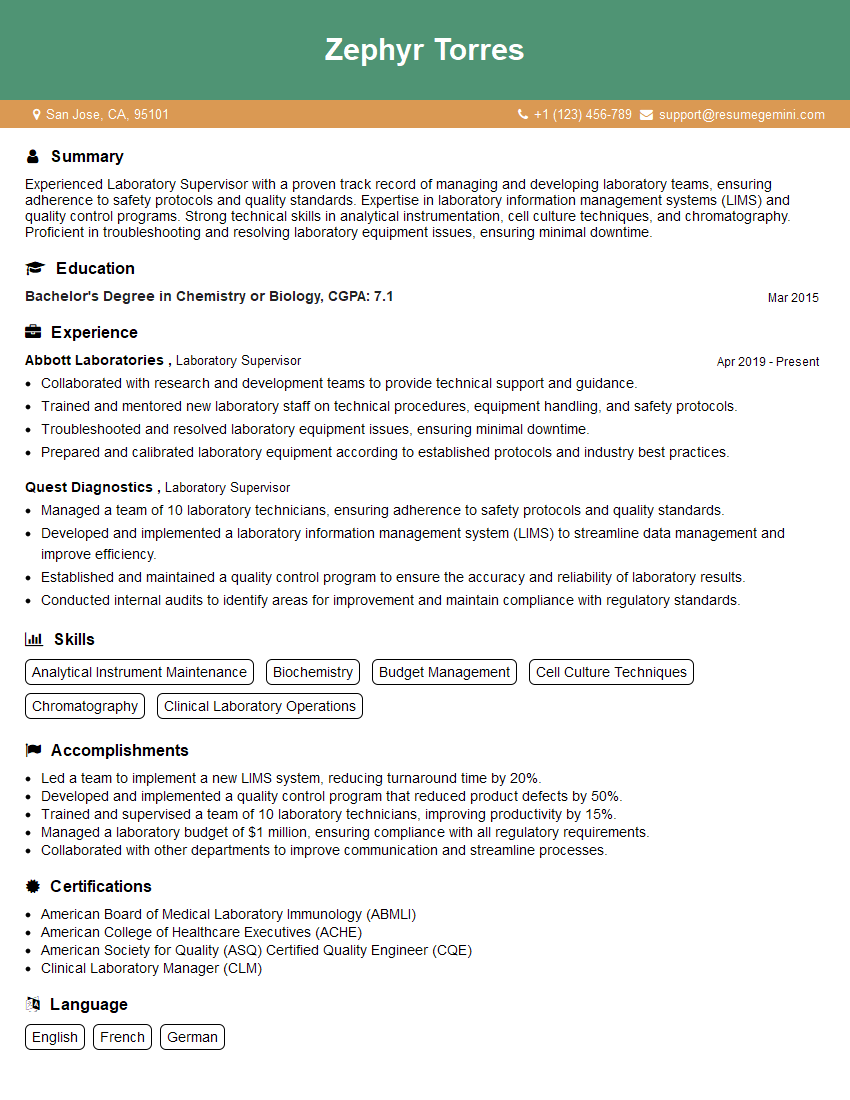
Laboratory Supervisor Resume Sample
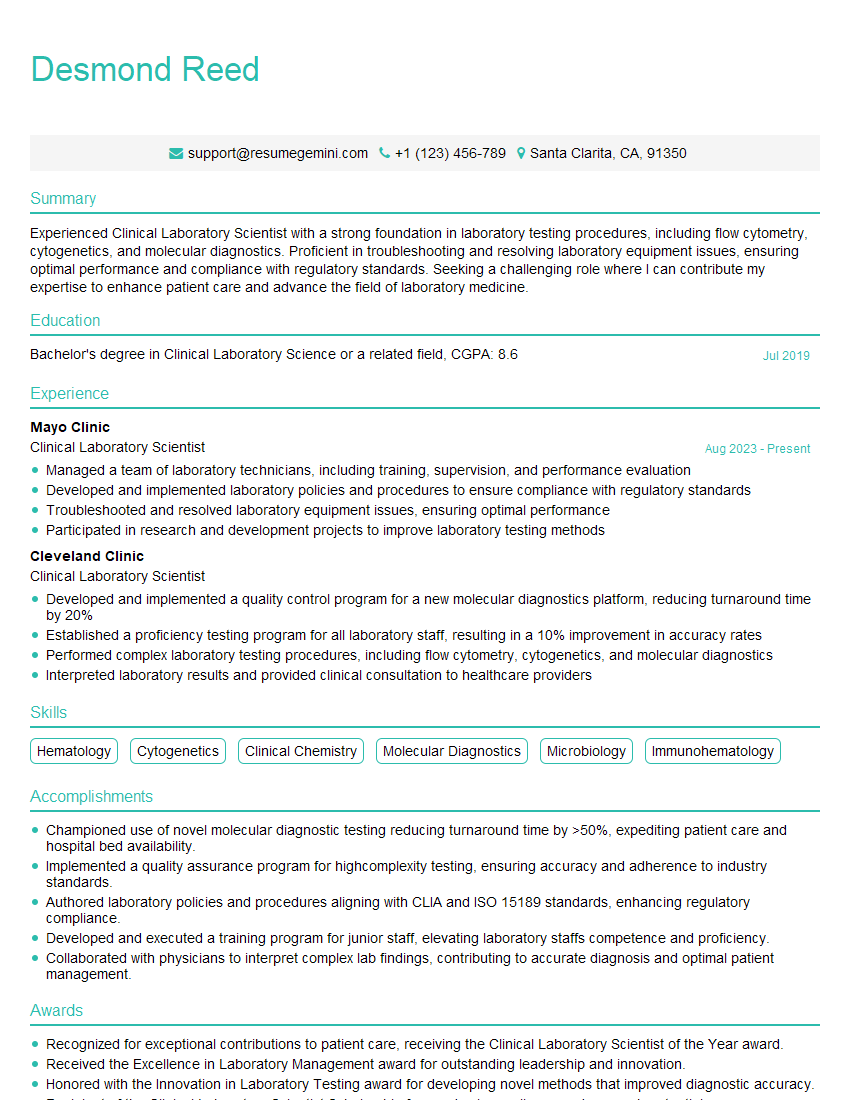
Clinical Laboratory Scientist Resume Sample

Medical Laboratory Technician Resume Sample
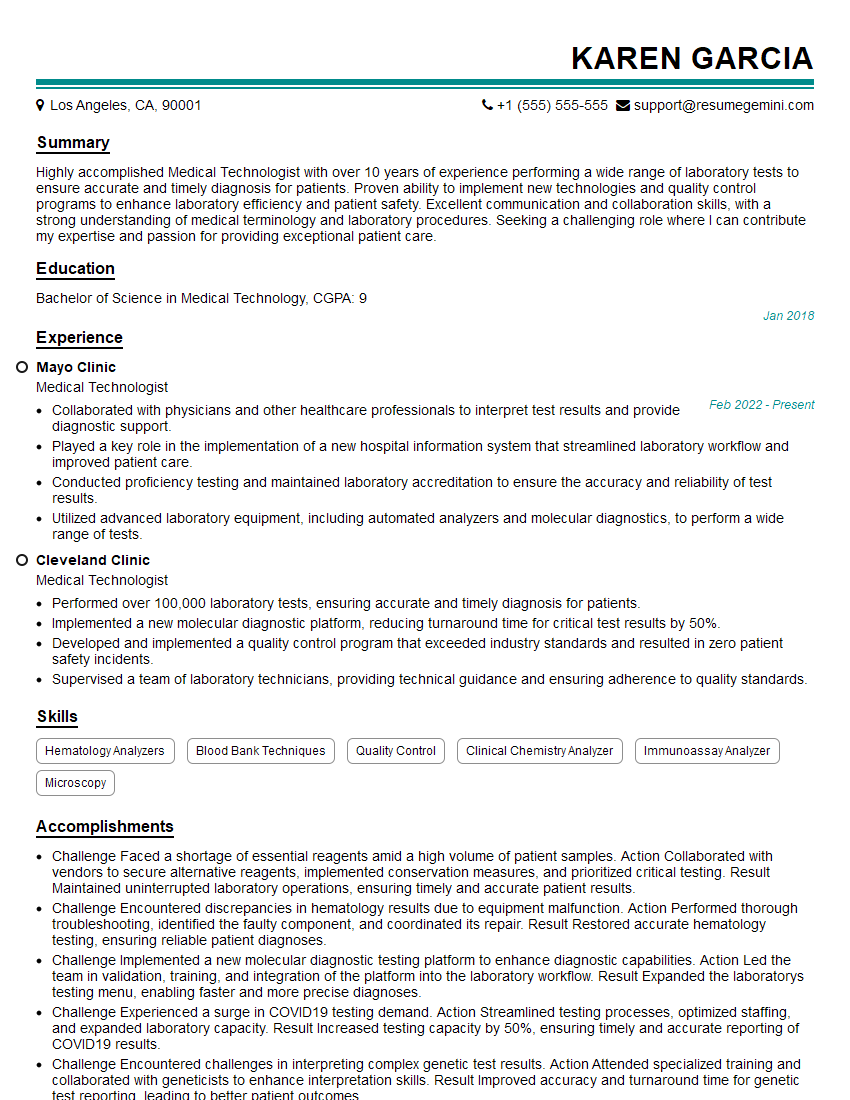
Medical Technologist Resume Sample
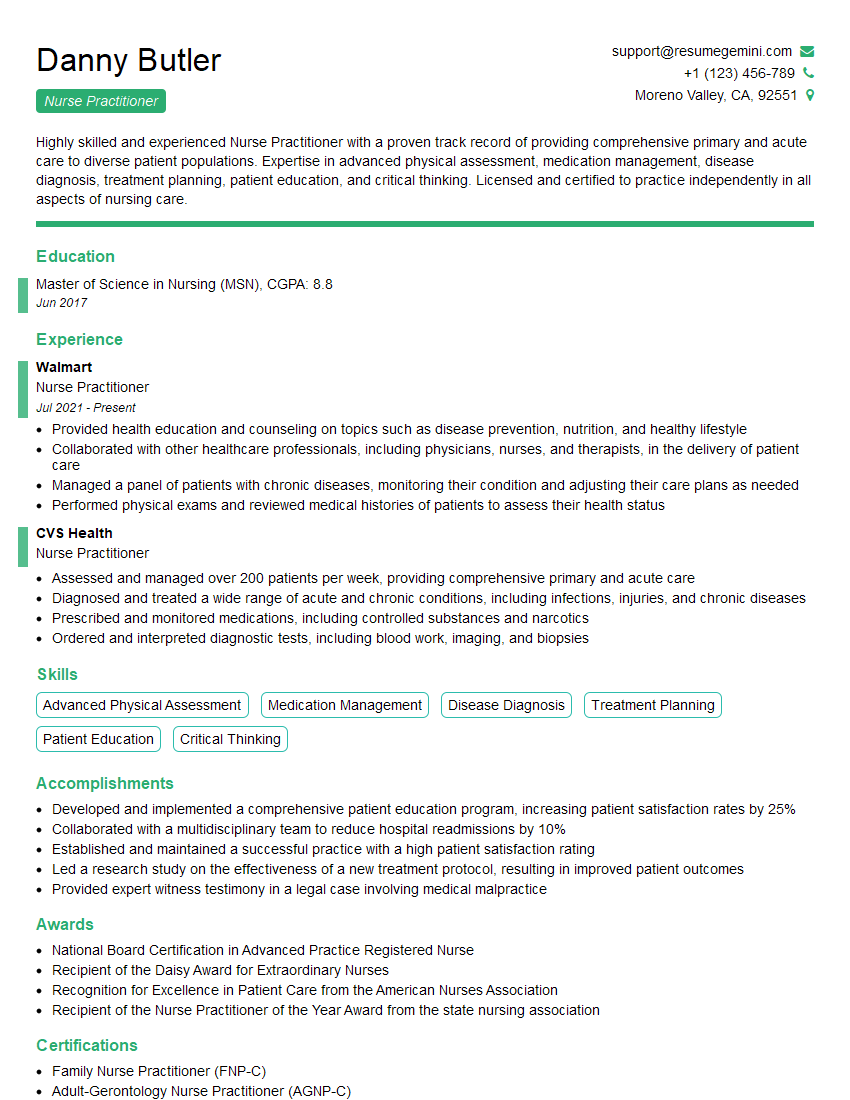
Nurse Practitioner Resume Sample

Physician Assistant Resume Sample
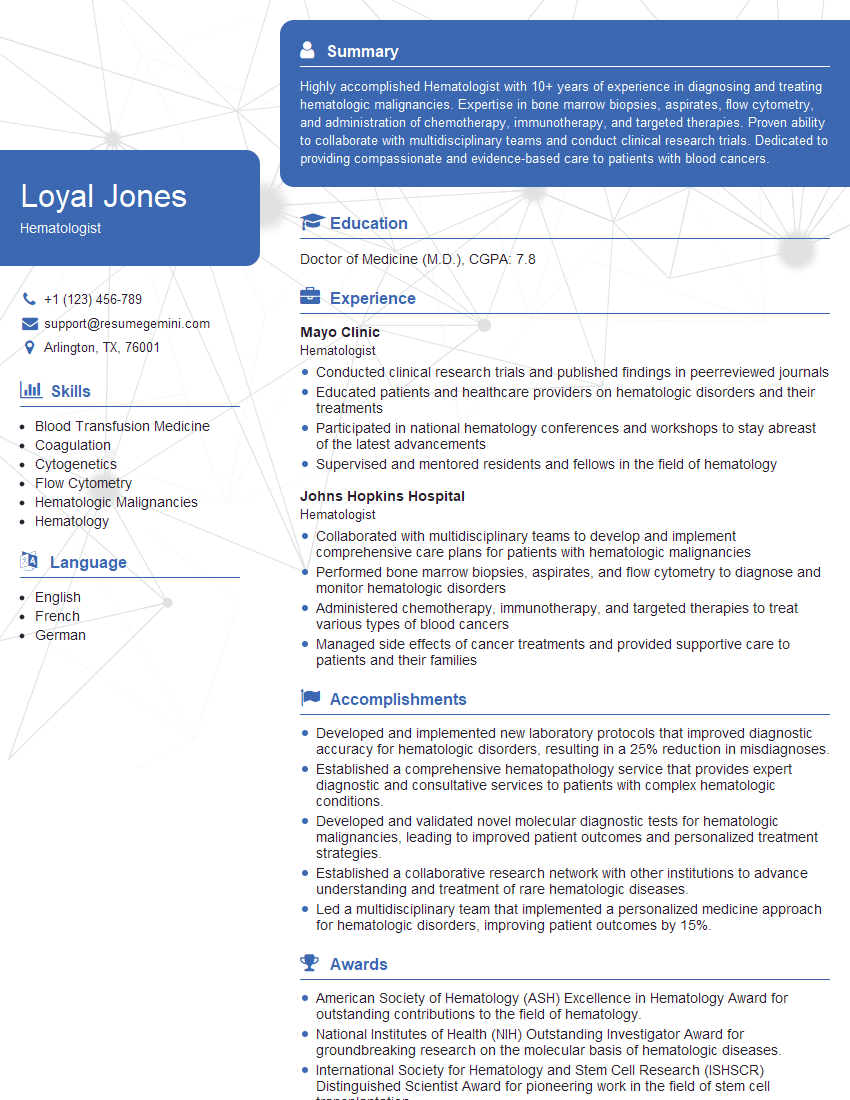
Hematologist Resume Sample
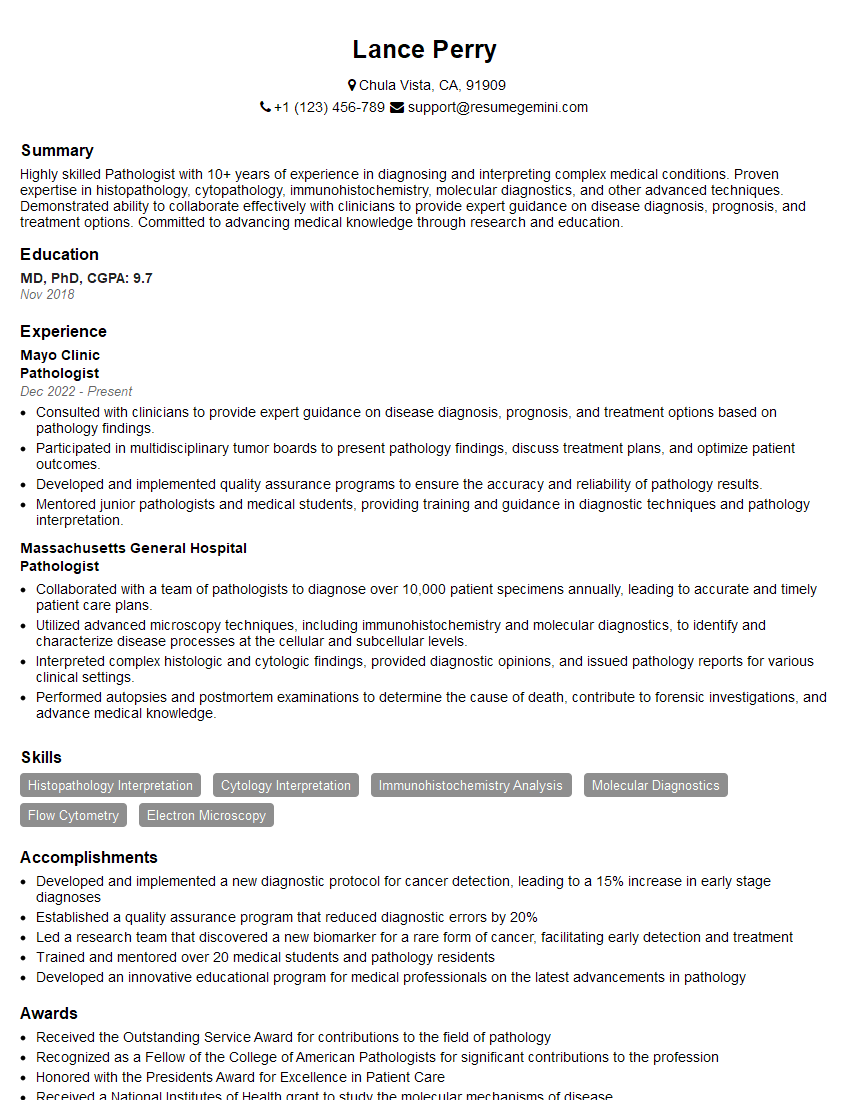
Pathologist Resume Sample
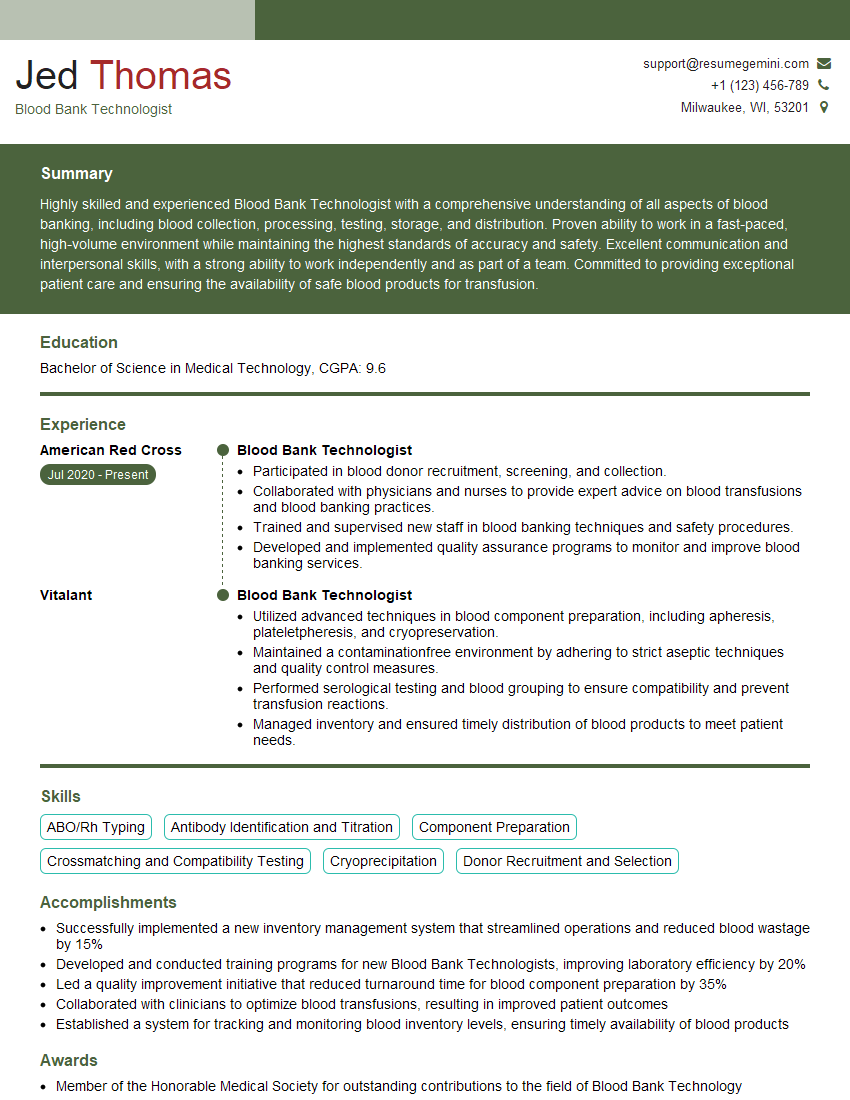
Blood Bank Technologist Resume Sample
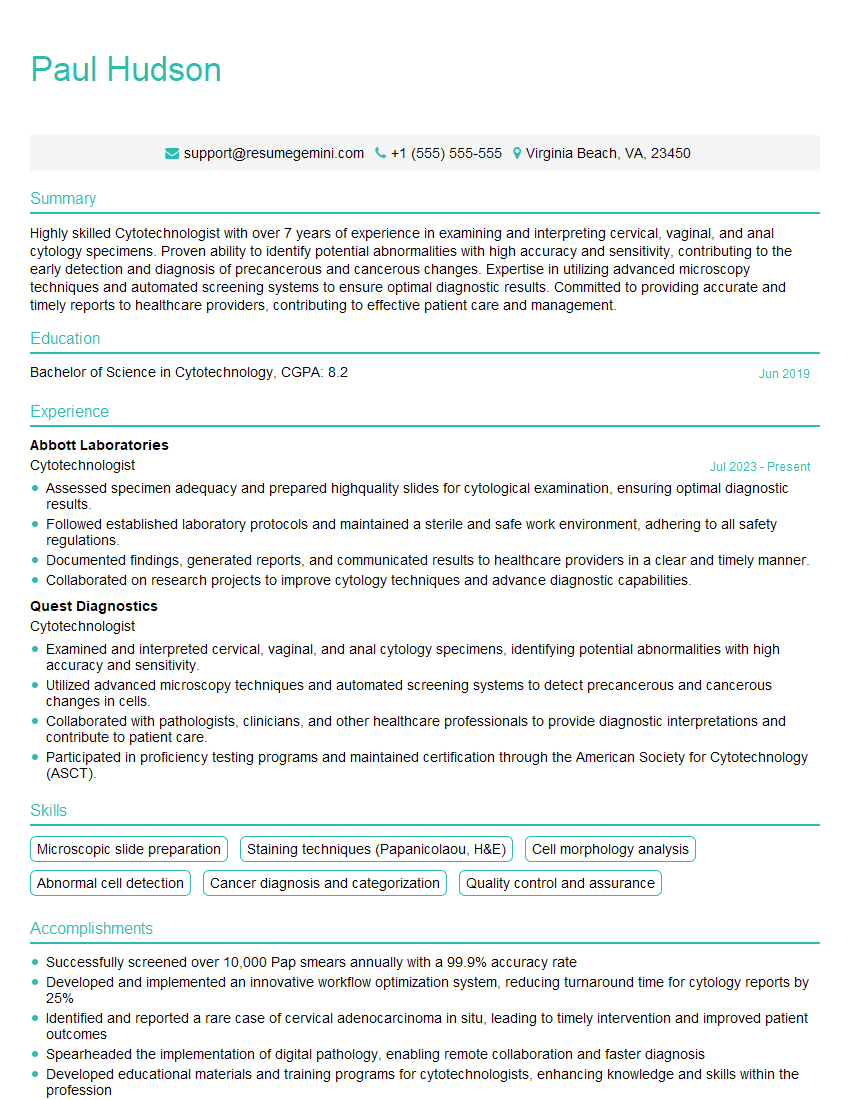
Cytotechnologist Resume Sample
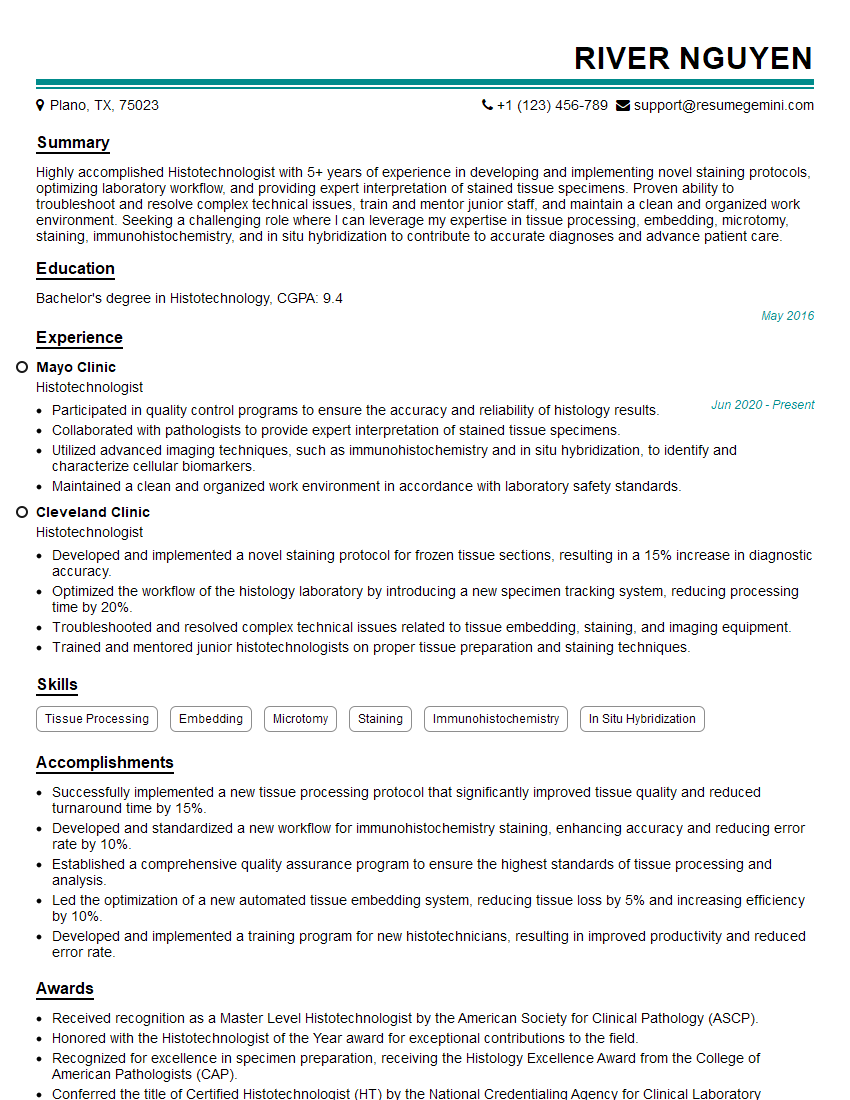
Histotechnologist Resume Sample
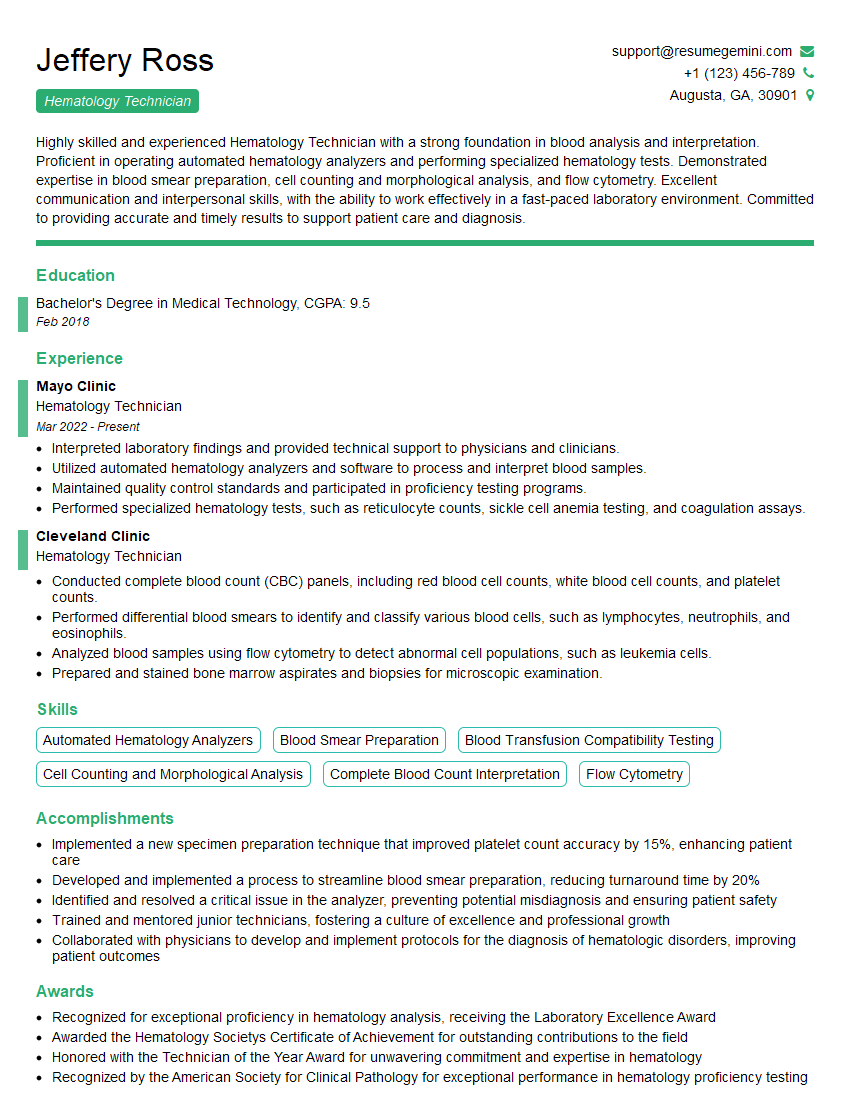
Hematology Technician Resume Sample
Explore more articles
Users Rating of Our Blogs
Share Your Experience
We value your feedback! Please rate our content and share your thoughts (optional).
What Readers Say About Our Blog
To the interviewgemini.com Webmaster.
Very helpful and content specific questions to help prepare me for my interview!
Thank you
To the interviewgemini.com Webmaster.
This was kind of a unique content I found around the specialized skills. Very helpful questions and good detailed answers.
Very Helpful blog, thank you Interviewgemini team.