Interviews are more than just a Q&A session—they’re a chance to prove your worth. This blog dives into essential Developing and Implementing Group Activities interview questions and expert tips to help you align your answers with what hiring managers are looking for. Start preparing to shine!
Questions Asked in Developing and Implementing Group Activities Interview
Q 1. Describe your experience designing and implementing group activities for diverse populations.
Designing and implementing group activities for diverse populations requires a deep understanding of individual differences and a commitment to creating inclusive experiences. My approach begins with thorough needs assessments, considering factors like age, cultural background, learning styles, and abilities. I then tailor the activity to ensure it’s engaging and accessible to everyone. For instance, when working with a group including both visual and auditory learners, I might incorporate both visual aids (like diagrams or charts) and audio components (like discussions or storytelling) into the activity. When working with individuals from different cultural backgrounds, I ensure that the activity is culturally sensitive and avoids any potentially offensive content or stereotypes. I also make a point to create activities that foster understanding and appreciation across cultural lines.
For example, in a leadership training program I developed for a multinational corporation, I designed a group project that involved creating a marketing campaign for a new product. To cater to the diverse linguistic abilities, the initial brainstorming was done using visuals and gestures, and subsequent presentations allowed the use of participants’ native languages. The success of this activity was reflected in the participants’ improved cross-cultural communication skills and enhanced teamwork.
Q 2. How do you assess the success of a group activity?
Assessing the success of a group activity is a multi-faceted process. It goes beyond simply whether the activity was completed. I use a combination of methods to gain a comprehensive understanding of the activity’s impact. This includes:
- Direct Observation: I carefully observe group dynamics, participation levels, and overall engagement during the activity.
- Feedback Mechanisms: Post-activity questionnaires and group discussions provide valuable insights into participant experiences and learning outcomes. I use open-ended questions to encourage honest feedback.
- Performance Metrics: If the activity has a specific deliverable (like a presentation or a report), I assess the quality of the outcome. For example, a rubric might be used to score teamwork, problem-solving, and creativity.
- Follow-up Assessment: In some cases, I might conduct follow-up assessments to gauge the long-term impact of the activity on participants’ knowledge, skills, or attitudes.
A successful activity isn’t just about achieving a specific outcome; it’s also about fostering a positive learning environment and enhancing participants’ social and emotional skills.
Q 3. What strategies do you use to manage disruptive behavior in group settings?
Managing disruptive behavior requires a proactive and sensitive approach. My strategy focuses on prevention and intervention, rather than solely punishment.
- Establishing Clear Expectations: From the outset, I clearly communicate the activity’s goals, rules, and expectations for behavior. This includes defining acceptable and unacceptable behaviors.
- Positive Reinforcement: I actively reinforce positive behaviors through praise, acknowledgment, and rewards. This encourages desired behaviors and creates a positive learning environment.
- Addressing Disruptive Behavior Directly: If disruptive behavior occurs, I address it privately and calmly, attempting to understand the underlying cause. I might ask the individual questions like, “How are you feeling today?” or “Is there something I can do to help you focus?”
- Redirecting Behavior: I gently redirect disruptive behaviors by refocusing the individual’s attention on the activity. I might also involve them more actively in the group process.
- Seeking External Support: In severe cases, or when my attempts to manage the situation are unsuccessful, I seek support from supervisors or other professionals.
For example, if a participant is consistently off-task, I might subtly redirect them by offering them a specific role within the group activity that leverages their strengths and encourages engagement. This prevents them from disrupting the rest of the group, while simultaneously addressing their individual needs.
Q 4. Explain your approach to adapting group activities to different learning styles and needs.
Adapting group activities to different learning styles and needs is crucial for ensuring inclusivity and maximizing learning outcomes. I use a variety of strategies to address different learning preferences, including:
- Variety of Activities: I incorporate a range of activities that appeal to different learning styles (visual, auditory, kinesthetic, etc.). This might include discussions, hands-on projects, presentations, role-playing, and games.
- Differentiated Instruction: I offer different levels of challenge and support within the activity to cater to individual needs and abilities. This could involve providing scaffolding for struggling learners or extension activities for more advanced learners.
- Multiple Representations: I present information and concepts in multiple ways (visual aids, written materials, verbal explanations) to ensure that all learners can access the information.
- Flexible Grouping: I use flexible grouping strategies, such as heterogeneous grouping (mixing learners with different abilities) or homogeneous grouping (grouping learners with similar abilities), depending on the activity’s goals and the learners’ needs.
For example, during a team-building activity, I might provide written instructions, a visual diagram, and a verbal explanation, catering to varied learning styles. Students may then choose their preferred method for collaboration, ensuring that every member actively participates and contributes effectively.
Q 5. How do you ensure inclusivity and accessibility in your group activities?
Ensuring inclusivity and accessibility in group activities is paramount. My approach involves:
- Universal Design for Learning (UDL) Principles: I apply UDL principles to create activities that are accessible to all learners, regardless of their abilities or disabilities. This includes providing multiple means of representation, action and expression, and engagement.
- Accessibility Considerations: I consider the physical and cognitive accessibility of the activity and the environment. This might involve providing assistive technologies, modifying the physical space, or adjusting the activity’s duration or complexity.
- Culturally Responsive Teaching: I incorporate culturally relevant materials and perspectives into the activity to ensure that all learners feel valued and respected.
- Addressing Biases: I actively work to identify and address potential biases in the activity’s design and implementation. I ensure that the materials used are free of stereotypes and avoid perpetuating inequalities.
- Collaboration with Support Staff: I collaborate with support staff, such as special education teachers or counselors, to gain their expertise and insights when designing and implementing activities for learners with diverse needs.
For instance, when designing an online group activity, I ensure that all materials are available in accessible formats (e.g., alt text for images, transcripts for videos) and that the platform used is compatible with assistive technologies.
Q 6. Describe a time you had to troubleshoot a problem during a group activity. What was your solution?
During a team-building retreat, the planned outdoor activity, a ropes course, was cancelled due to inclement weather. The participants were disappointed, and the planned schedule was disrupted.
My solution involved quickly improvising an alternative indoor activity that still fostered teamwork and problem-solving. We used readily available materials (pens, paper, whiteboards) and shifted to a series of problem-solving challenges and collaborative brainstorming sessions focusing on hypothetical scenarios relevant to their work. This impromptu change allowed us to maintain the positive momentum and still achieve the key objectives of the retreat—building camaraderie and improving collaborative skills.
The success of this adaptation stemmed from my ability to think quickly, utilize available resources effectively, and adapt to unexpected circumstances. It underscored the importance of having a contingency plan and the flexibility to deviate from the original plan while maintaining focus on the ultimate goals of the activity.
Q 7. What techniques do you utilize to foster collaboration and teamwork within a group?
Fostering collaboration and teamwork involves creating an environment that encourages positive interactions and shared responsibility. My techniques include:
- Clearly Defined Roles and Responsibilities: I ensure that each participant has a clear understanding of their role and responsibilities within the group. This prevents confusion and promotes individual accountability.
- Icebreaker Activities: I use icebreaker activities to help participants get to know each other and build rapport before beginning the main activity.
- Collaborative Problem-Solving Tasks: I design activities that require participants to work together to solve problems or achieve a common goal. This encourages them to share ideas, leverage each other’s strengths, and learn from one another.
- Constructive Feedback Mechanisms: I facilitate opportunities for participants to provide and receive constructive feedback. This helps them learn from their mistakes and improve their collaborative skills.
- Team-Based Rewards: I sometimes use team-based rewards or recognition to reinforce collaborative efforts. This motivates individuals to support their teammates and work towards a shared objective.
For example, in a project-based learning setting, I might use a jigsaw activity where different group members have access to only part of the information required to complete the project, forcing them to collaborate and share information. This not only promotes teamwork but also enhances problem-solving skills.
Q 8. How do you handle conflict resolution within a group setting?
Conflict is inevitable in group settings, but it doesn’t have to derail the activity. My approach focuses on proactive conflict management and de-escalation. I begin by establishing clear ground rules at the outset, emphasizing respect, active listening, and constructive feedback. When conflict arises, I facilitate a structured discussion using techniques like active listening and reframing. For instance, if two participants are disagreeing on a solution, I’ll ask them to rephrase each other’s points to ensure understanding before offering alternative solutions or compromises. Sometimes, a short break can be helpful. If the conflict persists or involves serious issues, I might separate individuals to allow them to calm down before addressing the matter privately with each person, and then facilitating a reconciliation between them when appropriate. The goal is not to suppress conflict, but to manage it constructively, transforming disagreements into opportunities for growth and learning.
Q 9. What are some methods you employ to assess participant engagement during a group activity?
Assessing participant engagement requires a multi-faceted approach. I use a combination of observational methods and direct feedback mechanisms. Observation includes watching body language – are participants actively participating in discussions, contributing ideas, and showing enthusiasm? I also look for signs of disengagement like withdrawn behavior or lack of interaction. For direct feedback, I employ methods like short anonymous polls or quick surveys during or immediately after the activity. These could ask simple questions about how engaged they felt, what parts were most engaging and least engaging, or what could be improved. I sometimes use informal check-ins throughout the activity. For example, I might ask, “How are we feeling about the progress so far?” This keeps the group’s pulse, enabling early intervention if engagement is lagging. Lastly, I might use post-activity feedback forms to get a comprehensive understanding of their level of involvement.
Q 10. How do you create a safe and supportive environment for group participation?
Creating a safe and supportive environment starts with establishing clear expectations and ground rules from the beginning. This includes promoting respect for diverse opinions, active listening, and constructive feedback. I emphasize that everyone’s contribution is valued regardless of their background or experience. I model respectful communication and actively challenge any behavior that undermines this environment. Building rapport through icebreaker activities helps participants feel comfortable interacting with one another. I also make a conscious effort to create a physical space that feels welcoming and inclusive, ensuring participants have equal access to resources and opportunities to participate. Finally, confidentiality is key, especially when activities involve personal sharing. Explicitly outlining confidentiality expectations protects participants and encourages open communication.
Q 11. What are your preferred methods for gathering feedback after a group activity?
I use a combination of methods to gather feedback, tailoring my approach to the group size and the activity’s nature. For smaller groups, a facilitated discussion is effective. This allows for open and honest feedback, and allows me to probe deeper into responses. For larger groups, anonymous online surveys or short questionnaires are more efficient. These can incorporate both quantitative (e.g., rating scales) and qualitative (e.g., open-ended questions) data. I often incorporate a simple feedback form with questions like: What did you enjoy most? What could be improved? What did you learn? After a larger group activity, I may use a representative sample from the larger group for follow-up interviews for more detailed insight. Immediate feedback, like a quick thumbs-up/thumbs-down poll at the end of an activity, is also useful for immediate insights. The key is to make the feedback process simple, quick, and non-threatening.
Q 12. How do you measure the effectiveness of group activities in achieving specific objectives?
Measuring the effectiveness of group activities depends heavily on the specific objectives. If the goal is improved teamwork, I might track improvements in collaboration skills through observation or peer evaluations. For knowledge acquisition, a pre- and post-activity quiz can assess learning outcomes. If the aim is problem-solving, I’d analyze the quality and effectiveness of the solutions generated by the group. For example, if the goal was to brainstorm innovative marketing strategies, I would evaluate the creativity and practicality of the ideas produced. Measurable outcomes can often be determined beforehand, allowing for a clear comparison between pre-defined expectations and post-activity results. Qualitative data from feedback forms and observation notes can supplement quantitative data for a more comprehensive assessment of success.
Q 13. Describe your experience developing engaging and motivating activities for large groups.
I have extensive experience designing engaging activities for large groups, often leveraging technology to facilitate interaction. For instance, I’ve used interactive online platforms to enable simultaneous participation in brainstorming sessions, polls, and Q&A’s, even with participants in different locations. Large group activities require clear structure and well-defined roles to prevent chaos. I often divide large groups into smaller teams for focused work before bringing everyone together for a shared presentation or discussion. Engaging elements like gamification (e.g., points, leaderboards) or incorporating storytelling techniques can increase motivation and participation. A memorable example was a large team-building activity where we simulated a disaster relief operation, dividing participants into specialized teams (logistics, medical, communications) to tackle challenges collaboratively. This created a sense of purpose and significantly increased engagement compared to a more traditional lecture format.
Q 14. How do you tailor group activities to fit specific time constraints and resource limitations?
Adapting group activities to time and resource constraints is crucial. If time is limited, I shorten activities, focusing on the core learning outcomes. For instance, a problem-solving activity might be streamlined by reducing the number of problems or simplifying the complexity of the scenarios. If resources are limited, I opt for activities that require minimal materials or can leverage readily available technology. For example, instead of a complex hands-on project, a stimulating discussion or collaborative online document could be used. Creativity is key; substituting physical props with virtual ones or simplifying instructions can significantly reduce resource needs without compromising engagement. A clear understanding of the objectives and an ability to prioritize essential elements are vital for successful adaptation to constraints.
Q 15. What is your process for selecting appropriate activities for a particular group and context?
Selecting appropriate group activities requires a thorough understanding of the group’s context, goals, and individual participant needs. It’s like choosing the right ingredients for a recipe – you need the right components to achieve the desired outcome.
My process involves a four-step approach:
- Needs Assessment: I begin by defining the objectives of the activity. What skills need to be developed? What knowledge needs to be shared? What outcomes are we hoping to achieve? This informs the type of activity best suited to the task. For example, a brainstorming session is ideal for generating ideas, while a role-playing exercise might be better for developing communication skills.
- Group Analysis: Next, I consider the characteristics of the group. What is their size? What is their prior experience with group work? What are their diverse learning styles and preferences? Are there any accessibility needs to consider? This helps ensure inclusivity and engagement.
- Activity Selection: Based on the needs assessment and group analysis, I choose activities that align with both. I consider factors like the time available, resources required (materials, technology), and the learning style of the participants. I aim for a balance of structured and unstructured activities to cater to various preferences.
- Pilot Testing (optional but recommended): If time allows, I’ll conduct a small-scale pilot test with a similar group to identify any potential issues or areas for improvement before implementation.
For instance, if I’m facilitating a team-building exercise for a group of introverted software engineers, I wouldn’t choose a highly competitive, public speaking-focused activity. Instead, I’d opt for collaborative problem-solving challenges or a low-pressure creative task like building something with limited materials.
Career Expert Tips:
- Ace those interviews! Prepare effectively by reviewing the Top 50 Most Common Interview Questions on ResumeGemini.
- Navigate your job search with confidence! Explore a wide range of Career Tips on ResumeGemini. Learn about common challenges and recommendations to overcome them.
- Craft the perfect resume! Master the Art of Resume Writing with ResumeGemini’s guide. Showcase your unique qualifications and achievements effectively.
- Don’t miss out on holiday savings! Build your dream resume with ResumeGemini’s ATS optimized templates.
Q 16. How do you ensure that all participants have an opportunity to contribute during group activities?
Ensuring all participants contribute is crucial for successful group activities. It’s about creating a safe and inclusive environment where everyone feels comfortable sharing their ideas. I employ several strategies:
- Structured Participation Techniques: I use methods like round-robin discussions, where each person takes a turn to speak, or think-pair-share, where participants discuss ideas in pairs before sharing with the larger group. This ensures everyone has a chance to voice their thoughts.
- Visual Aids and Tools: Tools like online whiteboards, collaborative documents, or even physical brainstorming boards provide visual representation of contributions, enabling quiet participants to share their thoughts more easily. This caters to diverse communication styles.
- Active Listening and Facilitation: As a facilitator, I actively listen to all contributions and ensure that everyone’s perspective is valued and acknowledged. I guide the conversation, making sure no one dominates the discussion and that quieter voices are heard.
- Pre-activity Icebreakers: Using icebreakers to establish rapport before the activity can help create a more relaxed and inclusive atmosphere, encouraging participation from everyone.
- Post-activity Debrief: A short reflection after the activity provides an opportunity to assess participation, identify any challenges, and ensure that everyone feels their contributions were valued.
For example, in a workshop on conflict resolution, I might use a structured debate format, ensuring that all participants have an opportunity to argue their point of view, rather than letting a few dominant voices control the discussion.
Q 17. Describe your experience using technology to enhance group activities.
Technology can significantly enhance group activities, boosting engagement and collaboration. I’ve successfully used several technological tools to improve the experience.
- Online Collaboration Platforms: Platforms like Google Workspace (Docs, Slides, Sheets) and Microsoft 365 enable real-time collaboration, allowing participants to work together on documents, presentations, and spreadsheets irrespective of their physical location.
- Interactive Whiteboards: Tools like Miro or Mural facilitate visual brainstorming and collaborative problem-solving. Participants can add ideas, comments, and images to a shared online canvas, which makes the process transparent and engaging.
- Video Conferencing: Platforms like Zoom or Google Meet are essential for facilitating remote group activities. They allow for face-to-face interaction, even when participants are geographically dispersed.
- Polling and Feedback Tools: Online polling tools allow for quick and anonymous feedback, providing valuable insights into participants’ understanding and opinions. This can be used to gauge engagement or to gather feedback during an activity.
For instance, during a remote team-building exercise, I used an online escape room platform to create a shared experience that engaged participants across different time zones. The interactive nature of the platform kept them involved, and the collaborative puzzle-solving strengthened their teamwork.
Q 18. What are some creative strategies you use to keep participants engaged during lengthy activities?
Maintaining engagement during lengthy activities requires a multi-faceted approach. It’s like keeping an audience captivated during a long performance – you need to vary the pacing and style to avoid monotony.
- Varied Activities: Incorporating a mix of activities, including individual work, small group discussions, and whole-group presentations, helps prevent fatigue and boredom. For example, alternating between a lecture and a hands-on activity can keep participants focused.
- Breaks and Movement: Regular short breaks, even just 5-10 minutes, allow participants to rest and recharge, improving focus and attentiveness. Incorporating physical activities during the break, such as quick stretches or a short walk, can boost energy levels.
- Interactive Elements: Using games, quizzes, or polls helps to break up the monotony and actively involve participants in the learning process. This is particularly helpful when dealing with complex information.
- Storytelling and Real-World Examples: Relatable anecdotes and real-world examples can make the content more engaging and relevant to participants’ lives, making it easier to understand and remember.
- Change of Scenery (if possible): If the setting permits, moving to a different room or area for an activity can help to refresh the energy levels of the group.
For example, during a lengthy training session on project management, I would incorporate short team challenges, quizzes to test understanding, and real-world case studies to illustrate key concepts. This diverse approach keeps the participants engaged and prevents mental fatigue.
Q 19. How do you differentiate between facilitation and leadership in group activities?
While both facilitation and leadership involve guiding a group, they differ in their focus and approach. Think of a conductor leading an orchestra – the conductor (leader) sets the overall direction while the facilitator (a section leader perhaps) ensures each section plays harmoniously.
- Leadership: Leadership in group activities focuses on setting the vision, goals, and direction. The leader makes decisions, assigns tasks, and ensures the group stays on track. Leaders often have more authority and responsibility for the overall success of the activity.
- Facilitation: Facilitation focuses on creating a supportive and productive environment for the group to work collaboratively. The facilitator guides the discussion, manages conflict, and ensures that all participants have an opportunity to contribute. Facilitators primarily empower the group to reach its own conclusions.
In a team-building exercise, for example, the leader might set the overall goal (e.g., solve a complex problem), while the facilitator ensures that everyone participates, manages disagreements, and keeps the process running smoothly.
Q 20. How do you balance structured activities with opportunities for spontaneous participation?
Balancing structured activities with opportunities for spontaneous participation requires careful planning and flexibility. It’s like having a well-structured itinerary for a vacation, but also allowing for spontaneous detours and discoveries.
My approach involves:
- Clear Structure, Flexible Execution: I start with a clear outline of the activities, timelines, and objectives. However, I also build in flexibility to adapt to the group’s needs and interests. This allows for spontaneous ideas to emerge organically without derailing the overall plan.
- Designated “Open-Floor” Time: I incorporate specific times within the structured activities where participants can freely share their thoughts, ask questions, or suggest alternative approaches. This encourages spontaneous contributions within a defined framework.
- Observing and Responding: I actively observe the group’s dynamics and responses to the structured activities. If I see an opportunity for a spontaneous discussion or activity that enhances the learning process, I will readily adapt the plan to include it.
- Building in Contingency Plans: I anticipate potential deviations from the plan and prepare alternative activities or approaches to maintain engagement and momentum even if the original plan needs adjustments.
For instance, in a workshop on creativity, I might have a structured brainstorming session, but also allocate time for free association and exploration of unconventional ideas. This combination fosters both focused idea generation and spontaneous creative exploration.
Q 21. What are some common pitfalls to avoid when developing and implementing group activities?
Several pitfalls can hinder the effectiveness of group activities. Avoiding these requires careful planning and a proactive approach.
- Poor Planning and Unclear Objectives: Lack of clarity about the goals and objectives can lead to confusion and disengagement. The activity should have a clear purpose and desired outcomes.
- Inadequate Time Management: Activities should be appropriately timed, allowing sufficient time for discussion and participation, but also avoiding dragging on too long, leading to fatigue.
- Dominating Participants: Some participants may dominate the discussion, silencing others. Strategies to ensure equitable participation should be employed (as discussed previously).
- Lack of Inclusivity: Activities should be designed to be accessible and inclusive of all participants, regardless of their background, skills, or abilities.
- Ignoring Feedback: Gathering and acting upon feedback from participants is crucial for improving future activities.
- Inappropriate Activity Selection: Choosing activities that are not aligned with the group’s goals, skills, or interests can lead to frustration and low engagement.
For example, failing to adequately prepare for a group project by not clearly defining roles and responsibilities can lead to conflict and ultimately a failed project. Similarly, not providing enough time for a complex task can leave participants feeling rushed and stressed.
Q 22. Explain your understanding of group dynamics and how it impacts activity design.
Group dynamics refer to the complex interplay of individual personalities, roles, and interactions within a group. Understanding these dynamics is crucial for designing effective group activities because they directly influence how participants engage, collaborate, and achieve shared goals. For instance, a group with strong leadership and clear communication channels will likely perform differently than a group grappling with conflict or lacking direction.
When designing activities, I consider several key aspects of group dynamics:
- Group size and composition: Larger groups may require different facilitation techniques compared to smaller, more intimate settings. Diverse groups require sensitivity to varying communication styles and perspectives.
- Group roles and responsibilities: Defining roles clarifies expectations and prevents confusion. This is especially vital in activities with collaborative tasks.
- Power dynamics: I’m mindful of potential power imbalances within a group and strive to create an inclusive environment where all voices are heard.
- Group cohesion and morale: Building a sense of unity and shared purpose is paramount. Activities should foster trust and collaboration, leading to a more positive and productive experience.
Ignoring group dynamics can lead to activities that are unproductive, frustrating, or even counterproductive. A well-designed activity anticipates and addresses potential challenges stemming from group interactions, ensuring a smoother and more effective learning or team-building experience.
Q 23. Describe your experience with different group activity formats (e.g., workshops, team-building exercises, training sessions).
My experience spans a variety of group activity formats, each requiring a unique approach.
- Workshops: I’ve facilitated numerous workshops focusing on specific skills or knowledge areas. These often involve interactive lectures, group discussions, brainstorming sessions, and practical exercises, designed to actively engage participants and promote knowledge retention. For example, a workshop on project management might include a simulation exercise where participants manage a fictional project, applying the concepts learned.
- Team-building exercises: I’ve designed and implemented various team-building activities, from problem-solving challenges to trust-building exercises (like blindfolded obstacle courses). The goal is to improve communication, collaboration, and trust among team members, fostering a stronger and more cohesive unit. One successful exercise involved a complex puzzle requiring diverse skills and collaboration to solve.
- Training sessions: I’ve conducted training sessions for employees across different industries. These sessions are tailored to specific organizational needs and typically involve a blend of presentations, group discussions, role-playing, and practical demonstrations to impart knowledge and skills effectively. A recent training session on customer service focused on role-playing scenarios to practice handling difficult customers.
Each format demands a tailored approach to pacing, content delivery, and participant engagement. My ability to adapt my methods ensures the effectiveness of each activity regardless of its format.
Q 24. How do you adapt your communication style to suit the needs of different group members?
Adapting my communication style is crucial for effective group facilitation. I observe participants carefully to understand their communication preferences and adapt accordingly.
- Verbal communication: I adjust my tone, vocabulary, and pace to match the group’s understanding and comfort level. I avoid jargon or technical terms unless appropriate and clearly defined.
- Non-verbal communication: I pay attention to body language, facial expressions, and engagement levels to gauge the group’s response and adjust my approach accordingly. Active listening is key.
- Visual aids: I frequently use visual aids like presentations, diagrams, or real-life examples to cater to different learning styles. This allows me to convey information clearly and engage visually-oriented learners.
- Written communication: Handouts, summaries, or follow-up emails are used to reinforce key concepts and ensure everyone has access to the information.
For example, when working with a group of diverse ages and backgrounds, I adjust my language to ensure everyone understands. I would use simpler terms and avoid idioms with a younger audience and more technical terms when appropriate with older or more experienced participants. Active listening and observation help me determine the most effective approach for any given group.
Q 25. What methods do you use to build rapport and trust with participants?
Building rapport and trust is fundamental for successful group activities. I use several strategies to achieve this:
- Icebreakers: I start with engaging icebreakers to foster a sense of comfort and connection. These can be simple games, questions, or shared experiences that encourage interaction and help participants learn more about each other.
- Active listening and empathy: I make a conscious effort to actively listen to participants’ perspectives, show empathy, and acknowledge their contributions. This creates a safe and respectful environment for open communication.
- Positive reinforcement: I provide positive feedback and encouragement to build confidence and boost morale. Celebrating successes, both big and small, helps create a more positive and collaborative atmosphere.
- Transparency and honesty: Openness and honesty in communication are essential for establishing trust. I clearly communicate the goals and expectations of the activity and address concerns openly.
For instance, in a team-building exercise, I might start with a brief icebreaker game to help participants get to know each other before embarking on more challenging tasks. This reduces anxiety and facilitates collaboration more effectively.
Q 26. Describe a time you had to modify a group activity due to unforeseen circumstances.
During a leadership training workshop, a key speaker was unexpectedly called away due to a family emergency. This left me with less than an hour to adapt the scheduled afternoon session.
My immediate response was to assess the situation: What part of the agenda was most affected? What were the key learning objectives? I realized the crucial aspect was a hands-on leadership simulation. Instead of cancelling it entirely, I quickly restructured the remaining time. I divided the group into smaller teams and used a modified, less complex version of the simulation, focusing on the most critical aspects of leadership. I provided clear, concise instructions and adjusted the timeframe to ensure completion.
Despite the unforeseen circumstances, the session was still productive, and participants gained valuable insights through focused team collaboration. This experience taught me the importance of having contingency plans, being flexible, and adapting quickly to changing circumstances. It also demonstrated the adaptability and resilience of participants when faced with unexpected changes.
Q 27. How do you ensure that the learning outcomes of a group activity are clearly defined and measurable?
Clearly defined and measurable learning outcomes are crucial for evaluating the success of a group activity. I use the SMART criteria (Specific, Measurable, Achievable, Relevant, and Time-bound) to ensure this.
Example: Instead of vaguely stating a goal like “improve teamwork,” a SMART learning outcome would be: “By the end of this workshop, participants will be able to demonstrate improved collaborative problem-solving skills by successfully completing a complex puzzle within a 45-minute time frame, as measured by the completion rate and the quality of the solutions produced.”
To achieve this:
- Needs Assessment: I conduct a thorough needs assessment to identify specific skill gaps or areas for improvement. This informs the design of the activity and ensures alignment with desired learning outcomes.
- Pre- and Post-Activity Assessments: I use pre- and post-activity questionnaires, tests, or observations to measure changes in knowledge, skills, or attitudes. This data provides objective evidence of the activity’s effectiveness.
- Feedback Mechanisms: I incorporate regular feedback mechanisms, such as group discussions or anonymous surveys, to assess participants’ experiences and identify areas for improvement.
By carefully defining and measuring learning outcomes, I can demonstrate the impact and value of my group activities, both quantitatively and qualitatively. This data-driven approach allows for continuous improvement and ensures the design and implementation of future activities are even more effective.
Q 28. What resources and tools do you typically use to support the development and implementation of group activities?
My toolkit for developing and implementing group activities encompasses a range of resources and tools:
- Software and Platforms: I use project management software (like Trello or Asana) to organize tasks, track progress, and manage timelines. Collaboration platforms like Microsoft Teams or Google Workspace facilitate communication and sharing of materials among participants and facilitators.
- Visual Aids and Presentation Tools: PowerPoint, Prezi, or even digital whiteboards are essential for delivering presentations and capturing key information visually. I also utilize online collaborative tools for brainstorming and idea generation.
- Assessment Tools: Questionnaires, surveys, and online testing platforms allow for pre- and post-activity assessments, enabling quantitative measurement of learning outcomes.
- Activity Design Templates: I use pre-designed templates to create clear agendas, participant guidelines, and post-activity evaluation forms. This helps standardize the process and ensure a high level of quality.
- Learning Management Systems (LMS): For larger-scale training or workshops, I utilize LMS platforms like Moodle or Canvas to host materials, track progress, and facilitate communication.
The selection of resources is tailored to the specific needs of each activity and the available technology. My approach is always focused on maximizing engagement and ensuring accessibility for all participants.
Key Topics to Learn for Developing and Implementing Group Activities Interview
- Understanding Group Dynamics: Explore Tuckman’s stages of group development (forming, storming, norming, performing, adjourning) and how to facilitate effective transitions between them. Consider the impact of group size, composition, and individual personalities on overall performance.
- Activity Design Principles: Learn to design activities with clear objectives, measurable outcomes, and engaging methodologies. Practice crafting activities that foster collaboration, communication, problem-solving, and critical thinking.
- Facilitation Techniques: Master techniques for guiding group discussions, managing conflict, ensuring equitable participation, and providing constructive feedback. Practice active listening, questioning, and summarizing skills.
- Assessment and Evaluation: Develop methods for measuring the effectiveness of group activities, both in terms of individual and group performance. Learn how to collect and analyze data to inform future activity design.
- Adaptability and Flexibility: Understand how to adapt activities to different contexts, group compositions, and unexpected challenges. Practice improvisational skills and problem-solving in dynamic situations.
- Technology Integration: Explore the use of technology to enhance group activities, such as collaborative platforms, online tools, and presentation software. Consider the potential benefits and limitations of different technologies.
- Ethical Considerations: Understand the ethical implications of group activities, including issues of fairness, inclusivity, and respect for individual differences. Learn to create a safe and supportive learning environment.
Next Steps
Mastering the art of developing and implementing group activities is crucial for career advancement in many fields, demonstrating your ability to lead, collaborate, and achieve shared goals. A strong resume is your first step to showcasing these skills. To increase your chances of landing your dream role, create an ATS-friendly resume that highlights your relevant experience and accomplishments. ResumeGemini is a trusted resource that can help you build a professional and impactful resume. Examples of resumes tailored to showcasing expertise in Developing and Implementing Group Activities are available – leverage them to craft a compelling narrative of your capabilities.
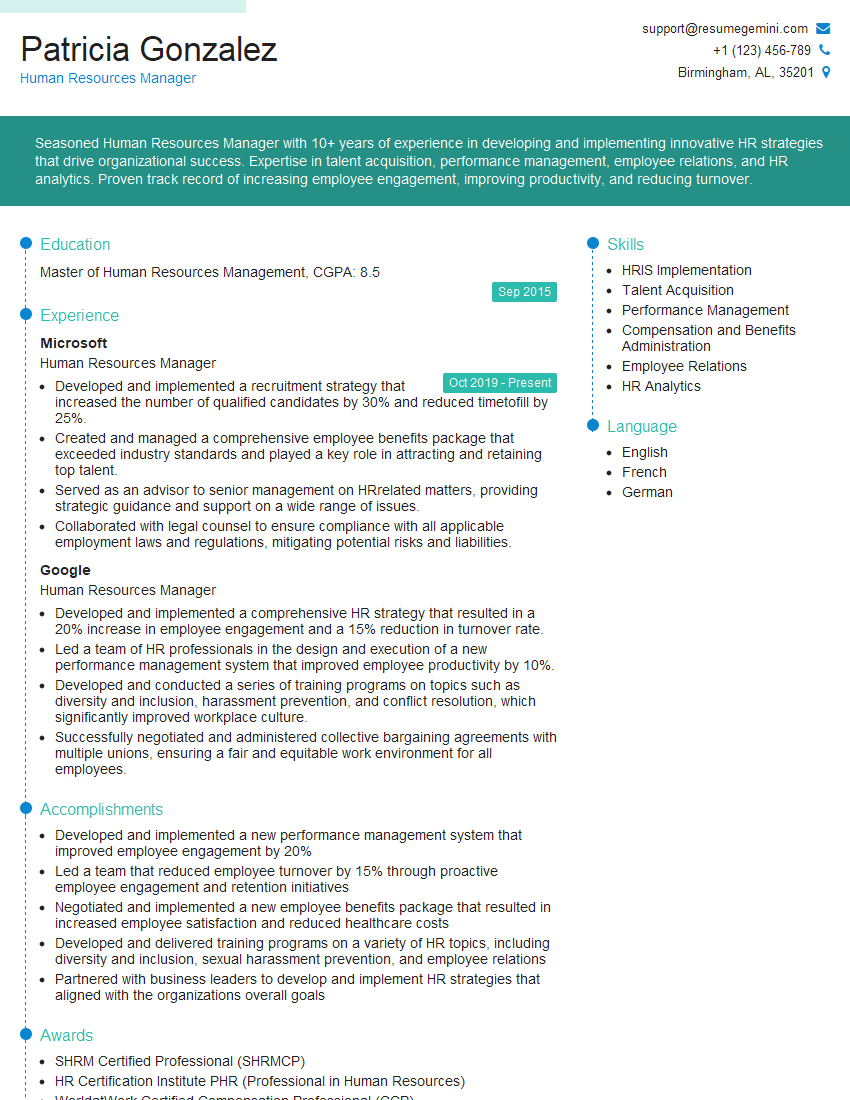
Human Resources Manager Resume Sample
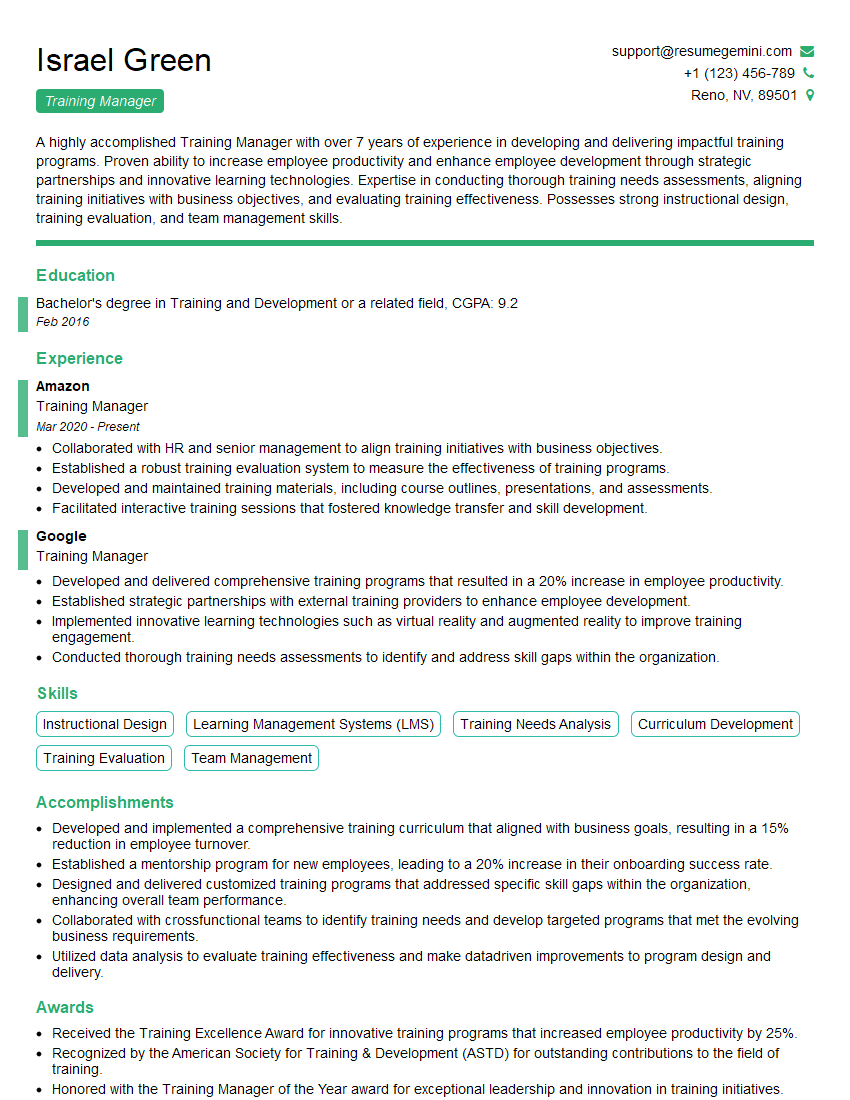
Training Manager Resume Sample
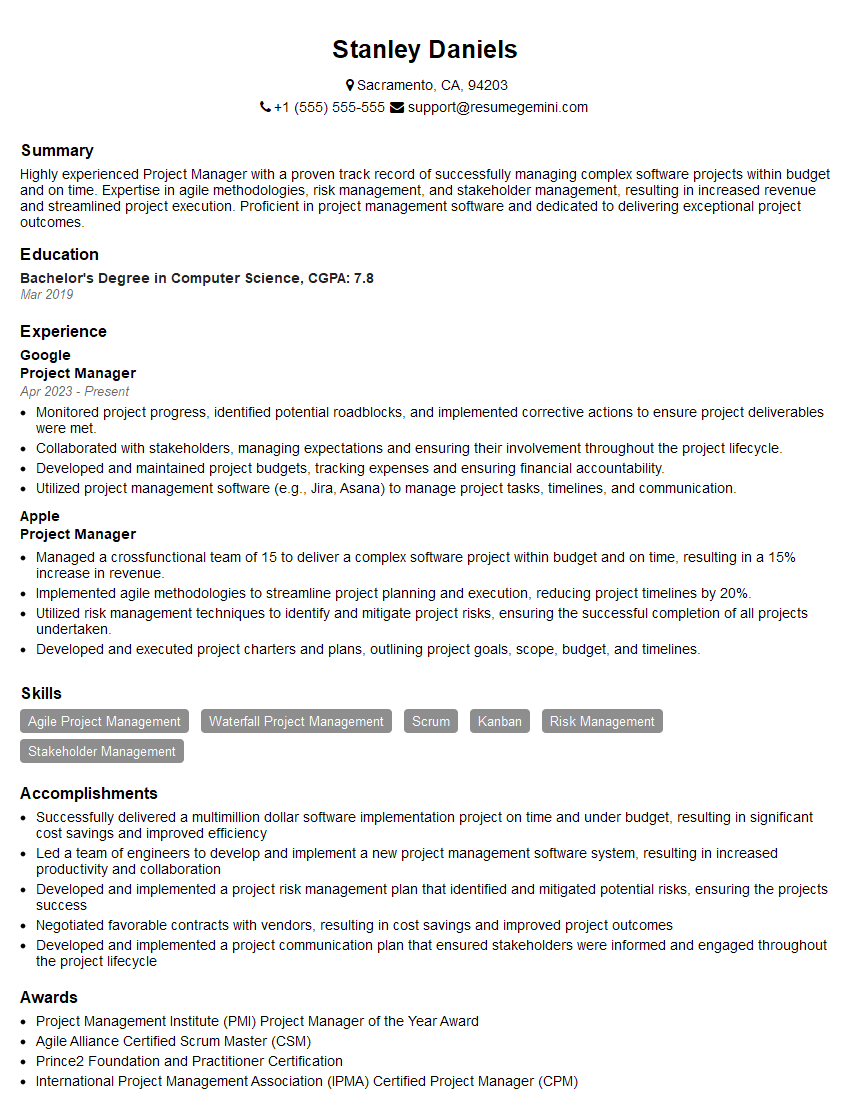
Project Manager Resume Sample
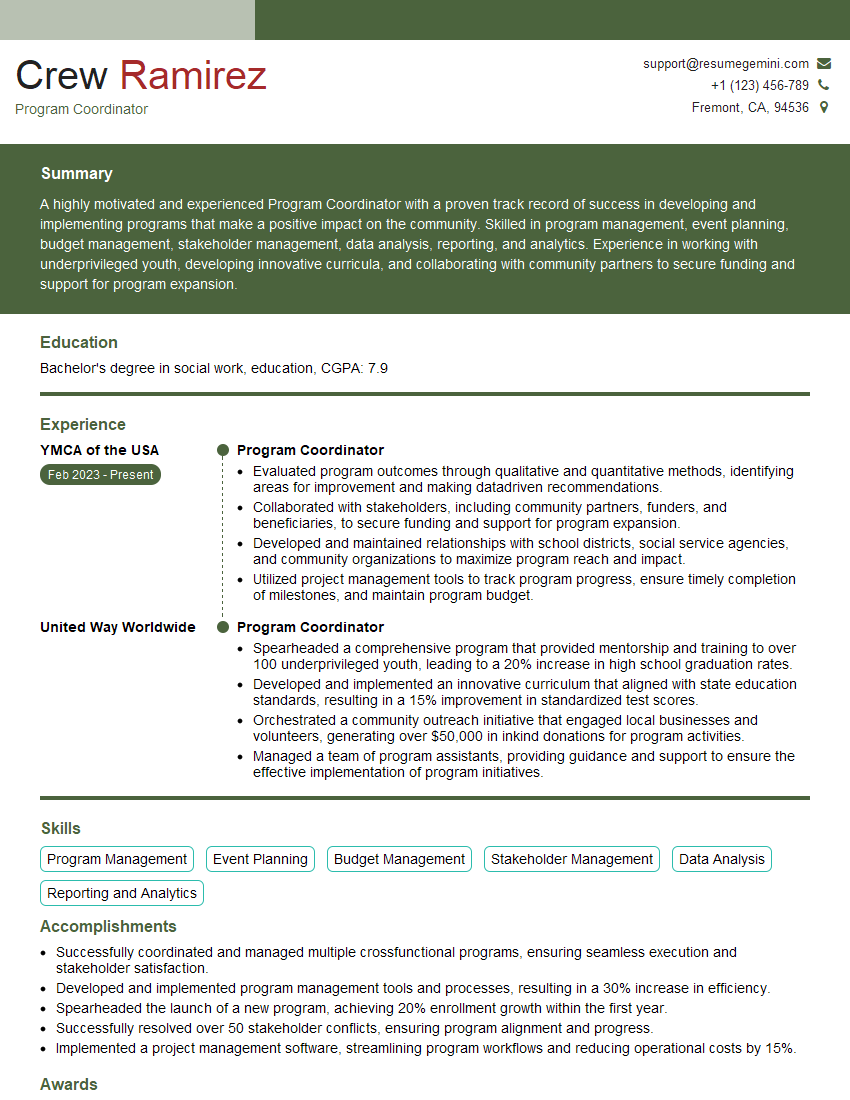
Program Coordinator Resume Sample
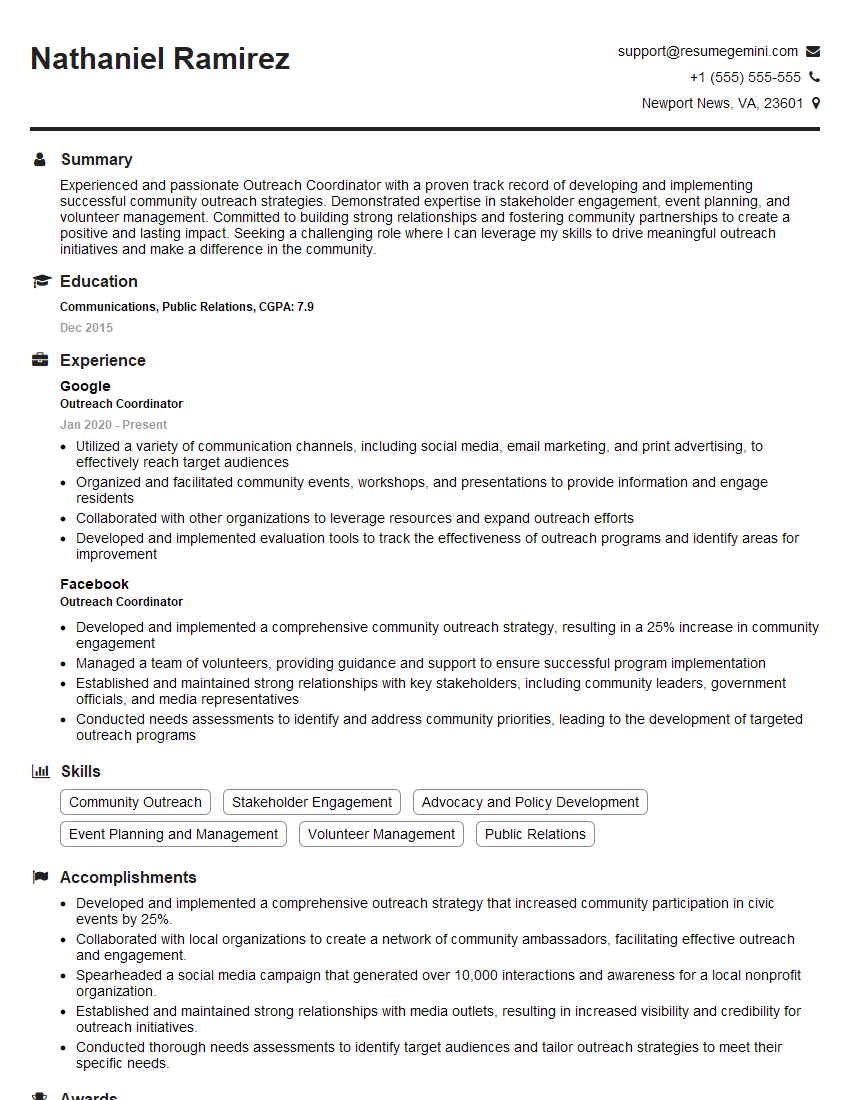
Outreach Coordinator Resume Sample
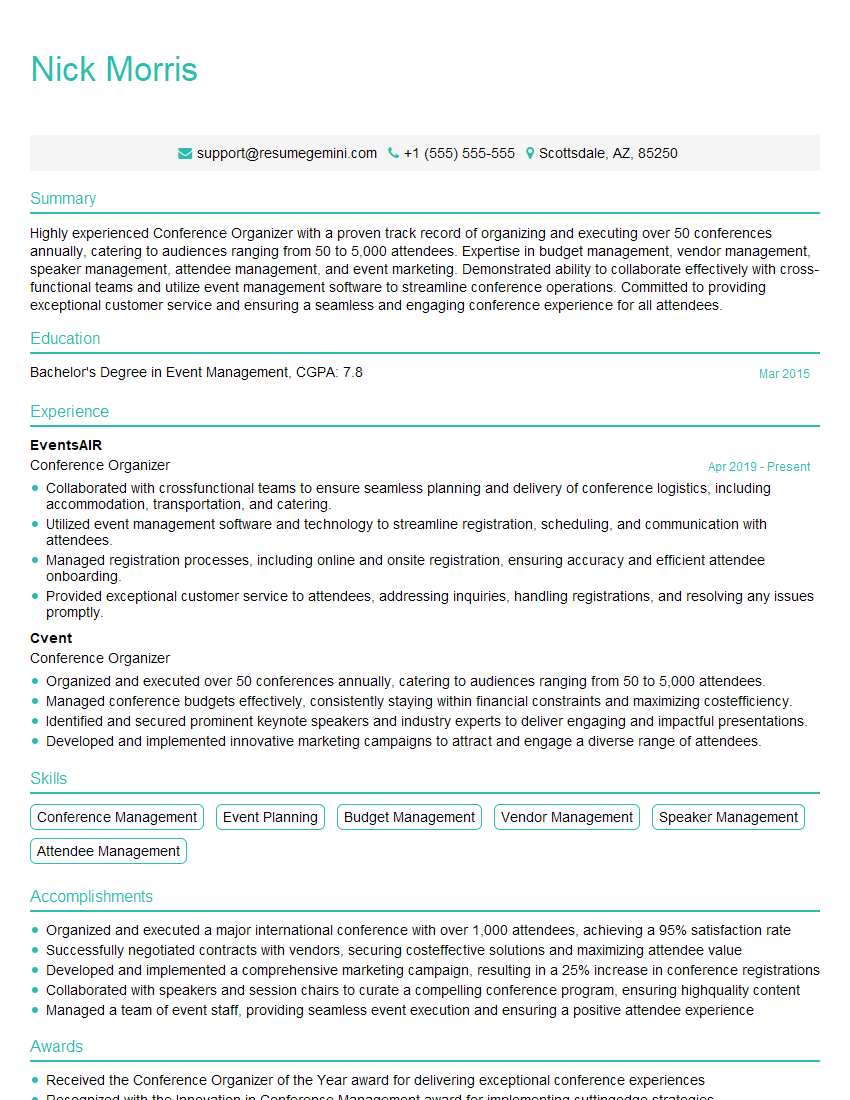
Conference Organizer Resume Sample
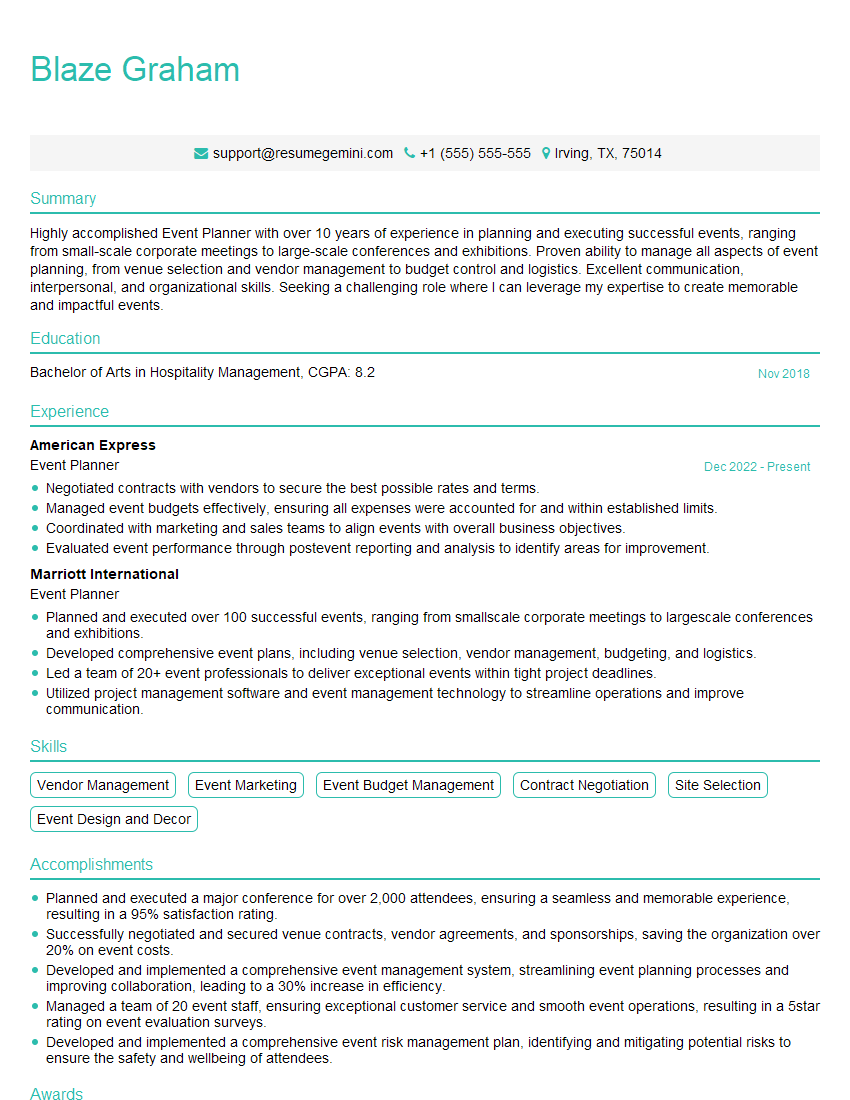
Event Planner Resume Sample
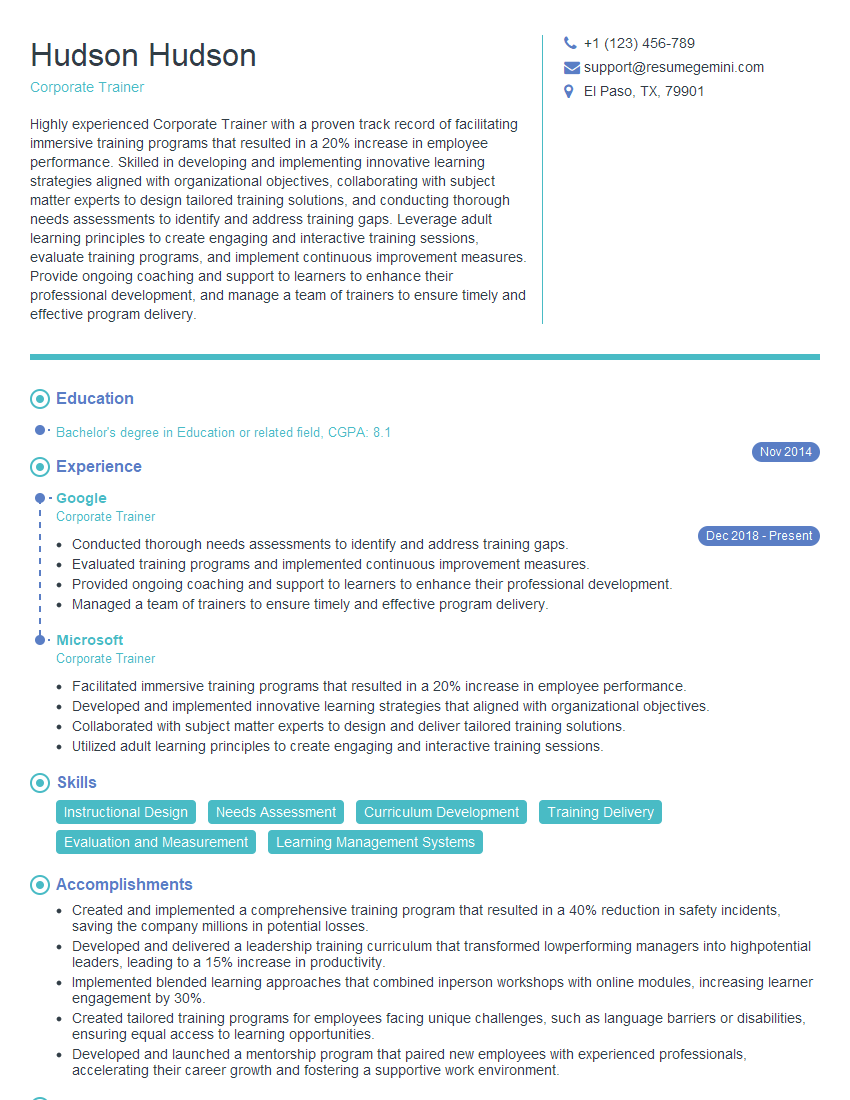
Corporate Trainer Resume Sample

Curriculum Developer Resume Sample

Community Organizer Resume Sample
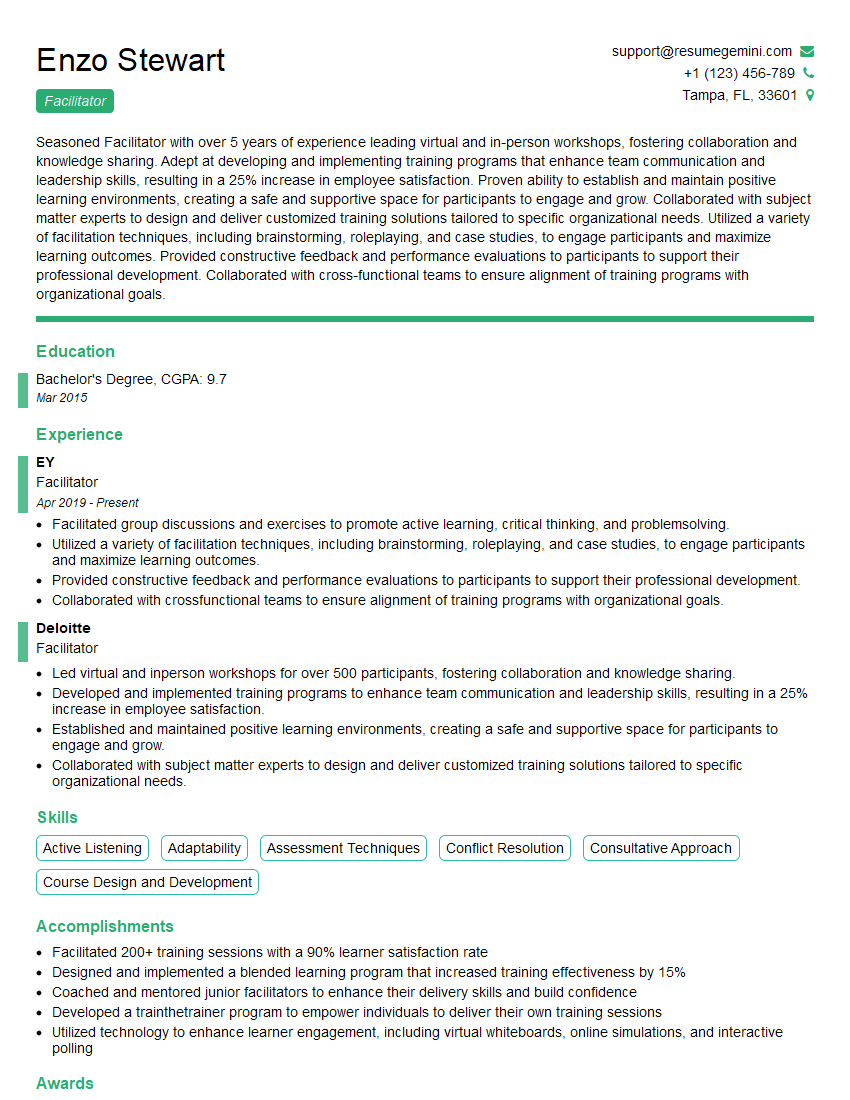
Facilitator Resume Sample
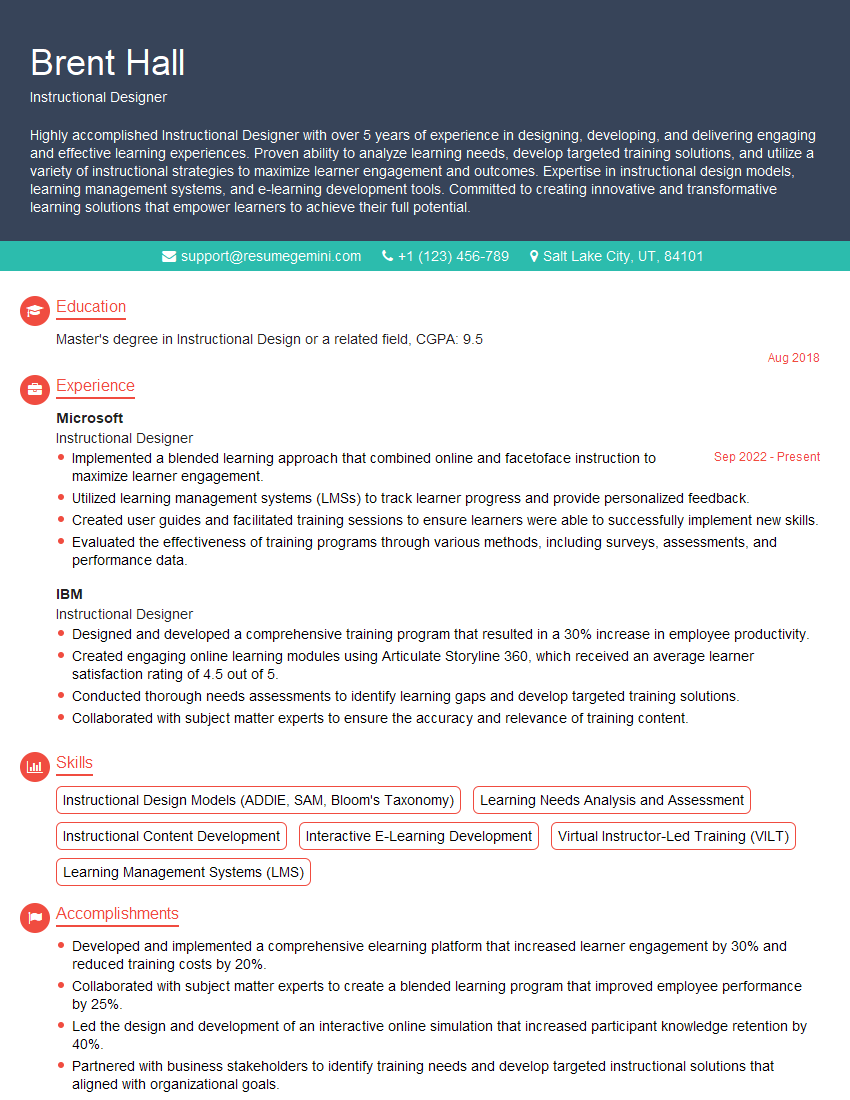
Instructional Designer Resume Sample

Activities Director Resume Sample
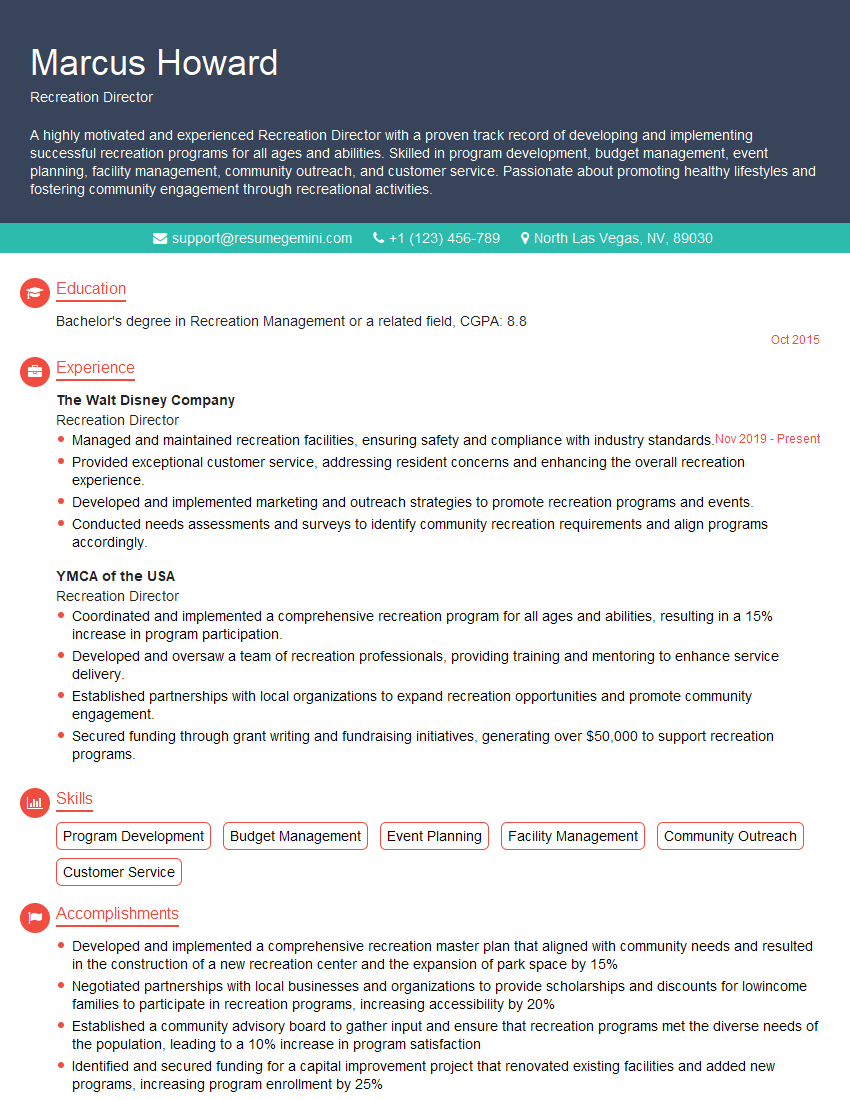
Recreation Director Resume Sample
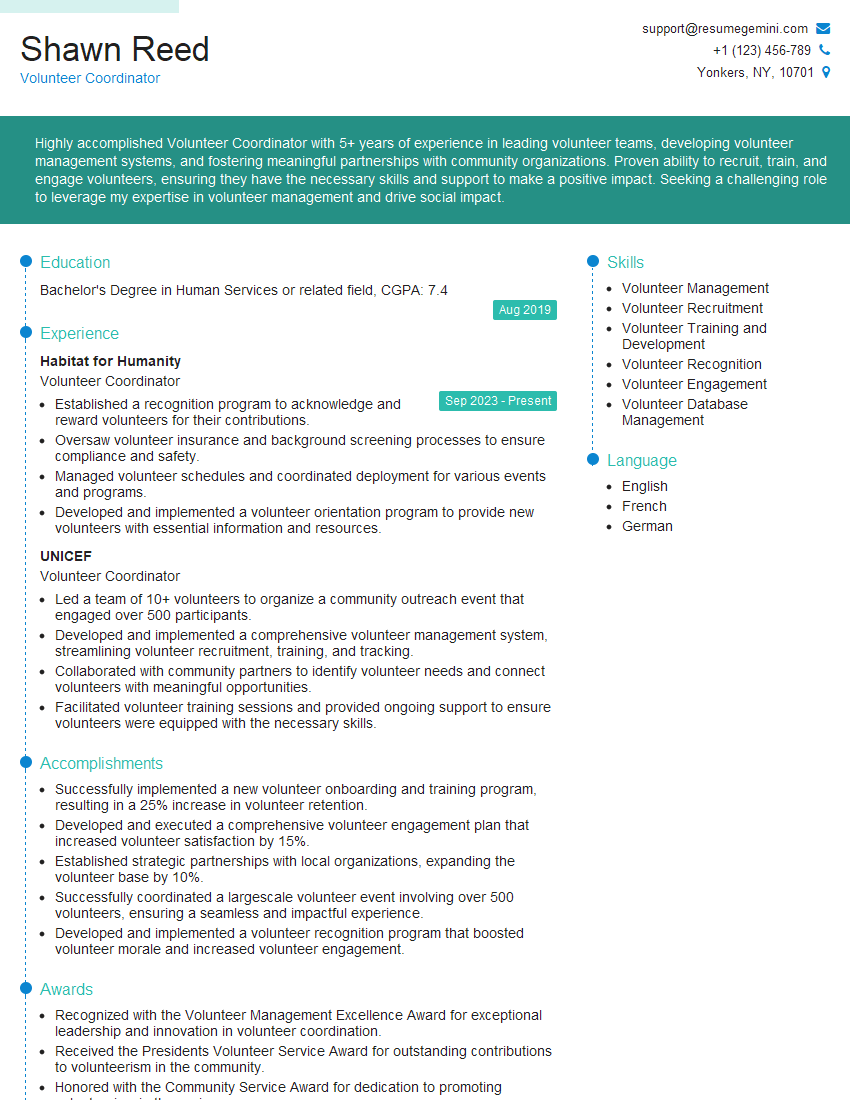
Volunteer Coordinator Resume Sample
Explore more articles
Users Rating of Our Blogs
Share Your Experience
We value your feedback! Please rate our content and share your thoughts (optional).
What Readers Say About Our Blog
To the interviewgemini.com Webmaster.
Very helpful and content specific questions to help prepare me for my interview!
Thank you
To the interviewgemini.com Webmaster.
This was kind of a unique content I found around the specialized skills. Very helpful questions and good detailed answers.
Very Helpful blog, thank you Interviewgemini team.