The right preparation can turn an interview into an opportunity to showcase your expertise. This guide to Corneal Abrasion Management interview questions is your ultimate resource, providing key insights and tips to help you ace your responses and stand out as a top candidate.
Questions Asked in Corneal Abrasion Management Interview
Q 1. Describe the different types of corneal abrasions.
Corneal abrasions are essentially scratches or wounds on the cornea, the transparent front part of your eye. They’re categorized primarily by their depth and the extent of the damage.
- Superficial Abrasions: These are the most common, affecting only the outermost layers of the cornea (epithelium). They heal quickly and usually cause minimal discomfort.
- Deep Abrasions: These extend deeper into the corneal stroma, the thicker middle layer. They heal more slowly and can lead to more significant complications like scarring or infection.
- Descemetoceles: In severe cases, the abrasion can penetrate almost completely through the cornea, damaging the Descemet’s membrane, a thin layer just before the innermost layer (endothelium). This is a serious injury requiring urgent intervention.
- Corneal Perforation: This represents the most severe form, where the abrasion goes completely through the cornea, resulting in a full-thickness wound. This is a true ophthalmic emergency.
Think of it like a scratch on your skin; a superficial scratch heals easily, while a deep cut requires more care and might scar.
Q 2. Explain the diagnostic process for a corneal abrasion.
Diagnosing a corneal abrasion starts with a thorough history, focusing on the mechanism of injury (e.g., foreign body, trauma). A slit-lamp examination is crucial. This specialized microscope allows for magnification and detailed visualization of the cornea. Using fluorescein dye, a yellow-green stain, is essential. The dye highlights the abrasion by adhering to the damaged area, making it clearly visible under a blue cobalt light. We look for the location, depth, and extent of the abrasion. If there’s suspicion of a deeper injury or infection, additional tests like corneal topography (to assess corneal curvature) or cultures (to identify any bacteria) may be necessary.
For example, if a patient presents with eye pain after rubbing their eye with a dirty fingernail, the fluorescein staining during slit-lamp examination could reveal a superficial abrasion.
Q 3. What are the common causes of corneal abrasions?
Corneal abrasions have numerous causes, broadly categorized as:
- Foreign Bodies: Dust, sand, eyelashes, or even contact lenses that are improperly cleaned or worn for too long.
- Trauma: Fingernails, branches, sports equipment, or any object that scrapes across the cornea.
- Contact Lens Complications: Improper handling, ill-fitting lenses, or extended wear.
- Infections: Herpes simplex virus (HSV) keratitis can present with abrasions.
A common scenario: Imagine a construction worker getting a speck of dust in their eye, leading to a corneal abrasion upon blinking. Another scenario would be a contact lens wearer experiencing a corneal abrasion from a poorly cleaned lens or one that’s been worn too long. Preventing these through proper hygiene and safety measures is key.
Q 4. How do you differentiate a corneal abrasion from other corneal conditions?
Differentiating a corneal abrasion from other corneal conditions relies heavily on the slit-lamp exam and fluorescein staining. A corneal ulcer, for instance, presents with a deeper and more irregular defect, often accompanied by significant inflammation and signs of infection. Conditions like keratitis (corneal inflammation) might appear similar initially, but their underlying causes (e.g., infections, autoimmune disorders) would differentiate them. Conditions like dry eye disease can cause discomfort, but usually do not show a distinct abrasion on staining. A detailed patient history and careful clinical examination are paramount. For example, a patient with a history of contact lens use and significant pain might have a corneal ulcer rather than just a simple abrasion.
Q 5. Detail the treatment protocol for a simple corneal abrasion.
Treatment for a simple corneal abrasion focuses on pain relief, promoting healing, and preventing infection. This typically includes:
- Topical Analgesics: Drops containing anesthetic agents (like proparacaine) provide immediate pain relief, but should be used sparingly to avoid corneal toxicity and dependency.
- Antibiotic Ointments: These are prophylactic and may not be needed for every case, (discussed in the next question).
- Cycloplegics: These eye drops relax the ciliary muscle, relieving pain and spasms, especially if the abrasion is causing significant discomfort and eye strain.
- Artificial Tears: Frequent lubrication keeps the eye moist, fostering a healing environment.
The patient is usually advised to avoid rubbing the eye, refrain from wearing contact lenses until healing, and follow up with the ophthalmologist as needed.
Q 6. What are the indications for antibiotic use in corneal abrasions?
Antibiotic use in corneal abrasions is not routine for all cases. It’s indicated primarily when there’s an increased risk of infection. These indications include:
- Deep Abrasions: The deeper the abrasion, the higher the risk of bacterial contamination.
- Contaminated Injuries: If the injury occurred in a dirty environment or involved a foreign body that cannot be completely removed.
- Immunocompromised Patients: Patients with weakened immune systems are more susceptible to infections.
- Clinical Signs of Infection: Symptoms like increased pain, significant redness, purulent discharge (pus), and reduced vision indicate a possible infection.
The choice of antibiotic depends on local resistance patterns, and we often select broad-spectrum antibiotics to cover a wide range of possible pathogens until cultures provide definitive results.
Q 7. Discuss the management of a corneal abrasion complicated by infection.
Managing a corneal abrasion complicated by infection is a serious undertaking requiring immediate and aggressive intervention. It typically involves:
- Intensive Topical Antibiotics: Higher concentrations and more frequent administration of broad-spectrum antibiotic eye drops or ointments are crucial. The choice of antibiotic will be guided by culture and sensitivity testing to ensure targeted treatment.
- Frequent Monitoring: Close follow-up is essential, often daily, to monitor the response to treatment and assess for any progression of the infection.
- Possible Systemic Antibiotics: In severe cases, oral or intravenous antibiotics may be necessary to control the infection systemically.
- Corticosteroids (with caution): Corticosteroids can help manage inflammation but should be used cautiously in infected abrasions as they may mask signs of infection or even increase susceptibility.
- Surgical Debridement: In cases of extensive necrotic (dead) tissue or significant infection, surgical removal of the infected tissue might be necessary.
Failure to adequately treat an infected corneal abrasion can result in severe complications, including vision impairment, corneal scarring, perforation, and even vision loss. Early recognition and prompt management are critical. Early diagnosis is key in preventing progression to a more serious, vision-threatening condition.
Q 8. How do you manage a corneal abrasion with a foreign body?
Managing a corneal abrasion with a foreign body requires a meticulous approach prioritizing safe removal of the foreign body followed by appropriate treatment of the abrasion. First, we need to ensure proper visualization of the eye. Using a fluorescein stain helps highlight the abrasion and pinpoint the foreign body. A sterile cotton swab or a moistened cotton-tipped applicator can be gently used to remove the foreign body. Forceful rubbing should be avoided to prevent further corneal damage. If the foreign body is deeply embedded or difficult to remove, referral to an ophthalmologist is crucial to prevent complications. Once the foreign body is removed, the abrasion is treated with antibiotic drops and possibly a lubricating ointment to promote healing and comfort. Pain relief can be achieved with topical anesthetic drops.
Example: Imagine a patient who gets a speck of metal in their eye while working with a grinder. Careful removal under magnification, perhaps using a specialized instrument, would be necessary. Afterwards, the abrasion would be assessed, treated with antibiotics, and the patient given detailed aftercare instructions.
Q 9. Explain the use of topical anesthetic in corneal abrasion management.
Topical anesthetics, like proparacaine or tetracaine, are used in corneal abrasion management primarily for pain relief. They temporarily numb the cornea, allowing for comfortable examination and foreign body removal. However, their use is limited because prolonged use can interfere with the healing process, potentially causing corneal epithelial toxicity and delayed healing. Therefore, we typically prescribe them sparingly, only for the immediate relief of pain during initial examination and treatment. The patient is then usually transitioned to less potent analgesics, such as nonsteroidal anti-inflammatory drops if needed, for ongoing pain management.
Example: A patient presents with a severe corneal abrasion causing intense pain. A topical anesthetic will temporarily numb the eye, allowing for comfortable removal of any foreign body and a more thorough examination without causing further distress to the patient. However, the patient will be instructed not to use these frequently.
Q 10. When is referral to a corneal specialist necessary?
Referral to a corneal specialist is necessary in several situations. These include: suspected corneal ulceration (deeper than a simple abrasion), presence of a large or deep abrasion, failure to heal within a reasonable timeframe (e.g., more than a week), involvement of a significant amount of the corneal surface, suspected infection (purulent discharge, severe pain, or significant inflammation), presence of a foreign body that cannot be easily removed, or significant associated eye injury.
Example: A patient with a large abrasion covering a considerable area of their cornea, accompanied by severe pain and purulent discharge, would require urgent referral to rule out infection and ensure appropriate treatment. Similarly, a patient with a deep abrasion or a foreign body that is deeply embedded would benefit from the expertise of a specialist.
Q 11. Describe the potential complications of a corneal abrasion.
Corneal abrasions, if not properly managed, can lead to several complications. These include: infection (keratitis), persistent corneal epithelial defect (slow or incomplete healing), corneal scarring (potentially affecting vision), development of a corneal ulcer (deeper damage to the cornea), synechiae (adhesions between the iris and cornea), and rarely, perforation of the cornea. The risk of complications is higher in patients with certain underlying conditions such as diabetes, dry eye syndrome, or weakened immune systems.
Example: An untreated corneal abrasion can become infected, potentially leading to a painful corneal ulcer that requires more aggressive treatment and could permanently impair vision.
Q 12. What are the different types of topical antibiotics used for corneal abrasions?
Various topical antibiotics are used for corneal abrasions, depending on the suspected or confirmed pathogen. Common choices include fluoroquinolones (e.g., ciprofloxacin, moxifloxacin, levofloxacin), aminoglycosides (e.g., tobramycin), and polymyxins (e.g., polymyxin B). The choice of antibiotic depends on local resistance patterns, and the severity of the abrasion. Often, broad-spectrum antibiotics are initially used until culture results are available, allowing for targeted treatment. In case of suspected fungal infection, specific antifungal agents would be used.
Example: Ciprofloxacin eye drops are a frequently used first-line choice for bacterial corneal abrasions due to their broad-spectrum activity and good corneal penetration.
Q 13. How do you counsel a patient on proper eye hygiene to prevent corneal abrasions?
Counseling patients on proper eye hygiene is crucial in preventing corneal abrasions. This includes: avoiding rubbing the eyes, especially with dirty hands, washing hands thoroughly before touching the eyes, using artificial tears or lubricating eye drops for dry eyes, wearing appropriate eye protection during activities that could cause eye injury (e.g., contact sports, woodworking, gardening), prompt treatment of any underlying dry eye conditions, and maintaining good contact lens hygiene if applicable. Educating the patient about the importance of these practices is vital in reducing their risk of experiencing a corneal abrasion.
Example: A patient who regularly uses their fingers to rub their eyes would be advised on the importance of handwashing and avoiding this behavior to prevent introducing contaminants to the eye.
Q 14. Explain the role of patching in corneal abrasion management.
The role of patching in corneal abrasion management is debated. While historically common, current evidence suggests that patching is not generally beneficial for simple corneal abrasions and may even be detrimental. Patching can increase the risk of infection by trapping debris under the patch and increasing moisture, which creates a breeding ground for bacteria. A patch is not typically recommended except in specific circumstances, such as for extremely painful abrasions to reduce eye movement and thus promote healing, or where there’s a risk of the patient rubbing their eye excessively. In these cases, a patch might provide temporary comfort and protection, but its use should be carefully considered and monitored closely.
Example: A young child with a corneal abrasion might benefit from a patch to prevent them from rubbing their eyes, but close monitoring for infection is essential. In adults with simple abrasions, it’s generally advised to avoid patching.
Q 15. What are the signs and symptoms of a serious corneal abrasion?
A serious corneal abrasion, also known as a corneal ulcer, presents with significantly more intense symptoms than a simple scratch. Imagine the difference between a minor paper cut and a deep wound – that’s the severity difference we’re talking about.
- Severe pain: The pain is often disproportionate to the apparent size of the abrasion and may be significantly worsened by blinking or exposure to light (photophobia).
- Decreased vision: Vision blurring or significant reduction in visual acuity is common.
- Significant redness (conjunctival hyperemia): The white of the eye appears intensely red and bloodshot.
- Possible discharge: A significant amount of purulent (pus-like) or mucopurulent discharge may be present.
- Signs of infection: The presence of yellowish-white spots on the cornea (hypopyon), cloudy cornea, or significant corneal swelling are ominous signs indicating a possible infection.
- Foreign body sensation: A persistent and bothersome feeling of something in the eye.
It’s crucial to remember that some individuals might have a lower pain threshold or tolerance, so the absence of excruciating pain doesn’t automatically rule out a serious abrasion. A thorough examination is always necessary.
Career Expert Tips:
- Ace those interviews! Prepare effectively by reviewing the Top 50 Most Common Interview Questions on ResumeGemini.
- Navigate your job search with confidence! Explore a wide range of Career Tips on ResumeGemini. Learn about common challenges and recommendations to overcome them.
- Craft the perfect resume! Master the Art of Resume Writing with ResumeGemini’s guide. Showcase your unique qualifications and achievements effectively.
- Don’t miss out on holiday savings! Build your dream resume with ResumeGemini’s ATS optimized templates.
Q 16. How do you assess the severity of a corneal abrasion?
Assessing corneal abrasion severity involves a combination of subjective and objective findings. Think of it like a detective investigating a crime scene; we need to gather all the clues.
- Patient history: Understanding the mechanism of injury (e.g., contact lens wear, trauma), duration of symptoms, and medical history (e.g., diabetes, immune deficiency) is crucial.
- Visual acuity: We measure the patient’s ability to see using a Snellen chart, documenting any visual impairment.
- Slit-lamp examination: This is the cornerstone of diagnosis. Using a specialized microscope, we examine the cornea’s depth, extent, and characteristics of the abrasion. We also look for signs of infection or complications like stromal involvement (deeper layers of the cornea).
- Fluorescein staining: We instill fluorescein dye into the eye; this dye stains damaged corneal tissue, making the abrasion clearly visible under blue light. This helps to precisely map the size and location of the abrasion. A deeper abrasion will stain more intensely and appear more irregular.
- Corneal thickness measurement (Pachymetry): In cases of suspected deep abrasions or ulcers, pachymetry helps assess the thickness of the cornea and identify areas of thinning, suggesting potential complications.
- Microbial cultures (if infection suspected): Swabs may be taken to identify the causative organism in suspected infectious keratitis, guiding antibiotic selection.
The combination of these assessments helps classify the abrasion as superficial, moderate, or severe, guiding appropriate management decisions.
Q 17. Discuss the use of cycloplegics in corneal abrasion management.
Cycloplegics, like cyclopentolate or tropicamide, are medications that temporarily paralyze the ciliary muscle of the eye, resulting in pupil dilation and relaxation of the eye’s focusing mechanism (accommodation).
In corneal abrasion management, cycloplegics are used to relieve pain by reducing ciliary muscle spasm, which contributes significantly to the discomfort. Think of it as giving the eye a rest from constantly trying to focus, reducing the strain and pain. It also helps to prevent the development of synechiae (adhesions) between the iris and the lens, a potential complication in cases of iritis secondary to corneal injury.
For instance, a patient with a painful corneal abrasion will experience significant improvement in their discomfort after the instillation of cycloplegics. The pain relief is often dramatic, allowing for better patient comfort and cooperation with treatment.
Q 18. What are the contraindications for topical antibiotics in corneal abrasions?
While topical antibiotics are crucial in preventing or treating infections in corneal abrasions, there are contraindications to consider. These aren’t absolute contraindications but rather situations where the risks might outweigh the benefits, requiring careful assessment.
- Known allergy: A history of allergy to a specific antibiotic is an absolute contraindication for that antibiotic. We need to choose an alternative.
- Pregnancy and breastfeeding: Certain antibiotics should be used cautiously, if at all, during pregnancy and breastfeeding, due to potential adverse effects on the fetus or infant. Careful consideration and risk-benefit assessment are necessary.
- Severe renal or hepatic impairment: The kidney and liver metabolize and excrete medications. Impaired function may lead to accumulation of the antibiotic and potential toxicity.
- Use in viral keratitis: Antibiotics are generally ineffective against viral infections and may even mask the underlying infection or delay appropriate antiviral treatment. Accurate diagnosis is crucial.
- Pre-existing sensitivity: Some patients have pre-existing ocular sensitivity, and antibiotics may further irritate their eyes. Careful observation is necessary.
The decision to use topical antibiotics should always be based on a thorough risk-benefit assessment, considering individual patient factors and the clinical presentation.
Q 19. How do you manage a corneal abrasion in a patient with contact lenses?
Managing a corneal abrasion in a contact lens wearer requires a different approach compared to those who don’t wear contacts. Contact lenses can exacerbate corneal damage and increase the risk of infection.
The first step is always to immediately remove the contact lens. This is crucial to prevent further damage and provide the cornea with an opportunity to heal. Then, thorough fluorescein staining is needed to assess the extent of the damage. After removing the lens, we then proceed to:
- Assess the severity of the abrasion: This dictates further management, which may include topical antibiotics, analgesics, and cycloplegics, depending on the findings.
- Discontinue contact lens use: The duration of contact lens suspension depends on the severity and healing rate. We usually advise a minimum of several days of discontinuation.
- Regular follow-up examinations: Frequent follow-up appointments are crucial to monitor healing and address any complications. Contact lens wearers have a higher risk of infection.
- Contact lens hygiene: Patients should be educated on proper hygiene practices to prevent future abrasions. This includes regular lens cleaning, disinfection, and replacement schedules.
It’s important to emphasize that immediate lens removal is critical, and patients must be properly instructed on how to do this safely and effectively.
Q 20. Explain the use of corticosteroids in corneal abrasion management.
Corticosteroids, like prednisolone acetate, possess potent anti-inflammatory properties. However, their role in corneal abrasion management is controversial and requires careful consideration.
In uncomplicated corneal abrasions, corticosteroids are generally avoided because they can impair wound healing and increase the risk of infection. This is because they suppress the body’s natural immune response, which is vital in fighting infection and promoting repair.
However, in specific cases such as severe inflammatory reactions, corneal melting conditions (like neurotrophic keratitis), or deep corneal involvement, corticosteroids might be cautiously used under strict monitoring and ideally combined with antibiotics to prevent infection. The use of corticosteroids in these specific scenarios must be judiciously implemented by an ophthalmologist and is based on a careful assessment of the risks and benefits for the individual patient.
For example, a patient with a corneal abrasion secondary to herpes simplex virus keratitis might require corticosteroids to manage the associated inflammation, but this must be balanced with the risks of possible delayed healing and increased infection risk.
Q 21. Describe the role of ophthalmic imaging in assessing corneal abrasions.
Ophthalmic imaging plays a vital role in assessing the severity and characteristics of corneal abrasions, going beyond the limitations of the naked eye. It provides objective data and aids in guiding treatment strategies.
- Slit-lamp biomicroscopy: As mentioned previously, this is the primary imaging modality. It allows detailed visualization of the cornea, including the depth, size, and location of the abrasion, and also helps detect any associated complications, like corneal edema or ulceration.
- Confocal microscopy: This advanced imaging technique provides high-resolution images of corneal structures, enabling assessment of the precise depth and extent of the abrasion, and identification of any underlying inflammatory cells or microbial involvement.
- Optical coherence tomography (OCT): OCT offers cross-sectional images of the cornea, allowing for precise measurement of corneal thickness and detection of subtle stromal abnormalities. This is particularly helpful in evaluating the depth of deeper abrasions or assessing the healing process.
- Fluorescein angiography: Though less commonly used for simple abrasions, it is valuable in visualizing the vascular pattern in the cornea and can help differentiate between a simple abrasion and more complex conditions such as vascular keratitis.
Combining these imaging modalities enhances diagnostic accuracy, allowing clinicians to make informed decisions regarding the management of corneal abrasions, from simple treatment to advanced therapeutic interventions.
Q 22. What are the potential long-term consequences of untreated corneal abrasions?
Untreated corneal abrasions, even seemingly minor ones, can lead to several serious long-term complications. The cornea’s delicate nature makes it vulnerable to infection, which is the most significant risk. A simple scratch can become a gateway for bacteria or fungi, potentially leading to a corneal ulcer, a severe infection that can cause significant vision loss, scarring, and in extreme cases, even blindness.
Beyond infection, untreated abrasions can result in persistent pain, inflammation, and the formation of corneal scars. These scars can distort the cornea’s normally smooth surface, impacting the clarity of vision and potentially requiring corrective surgery, such as corneal transplantation, in severe cases. The extent of the long-term consequences depends largely on the severity of the initial abrasion, the presence of any pre-existing corneal conditions, and the individual’s immune response.
For instance, a patient with diabetes, who already have compromised immune function, is at a much higher risk of developing a severe infection from even a small corneal abrasion compared to a healthy individual. Therefore, prompt and appropriate treatment is crucial to minimize these risks.
Q 23. How do you manage pain associated with a corneal abrasion?
Pain management in corneal abrasions is paramount for patient comfort and compliance with treatment. The initial pain is often quite intense due to the rich nerve supply of the cornea. We typically employ a multifaceted approach, beginning with topical analgesics. Cycloplegic agents, such as cyclopentolate or tropicamide, are crucial to paralyze the ciliary muscle, reducing pain by preventing spasms in the iris and ciliary body. These are commonly used in conjunction with topical anesthetic drops for immediate relief, such as proparacaine.
For more severe pain, oral analgesics like acetaminophen or NSAIDs (nonsteroidal anti-inflammatory drugs) might be necessary. It’s essential to carefully consider patient-specific factors such as age, allergies, and any pre-existing conditions when choosing the appropriate analgesic. We often advise patients to avoid rubbing their eyes, as this can exacerbate the abrasion and increase pain. In cases of persistent or severe pain despite appropriate management, we may investigate for additional factors such as concurrent infection or underlying conditions.
Q 24. Discuss the use of bandage contact lenses in managing corneal abrasions.
Bandage contact lenses play a significant role in managing certain corneal abrasions, particularly those involving significant epithelial defects. These specialized lenses act as a protective barrier, preventing the abrasion from further irritation and promoting a more comfortable healing environment. They shield the damaged cornea from the eyelids and prevent the abrasive action of blinking. This is especially beneficial for patients with large, deep abrasions that may be prone to re-traumatization.
The lens also helps to maintain a moist environment, enhancing epithelial cell migration and promoting faster healing. However, bandage contact lenses are not suitable for all abrasions. Their use requires careful consideration of factors such as the severity and location of the abrasion, the presence of infection, and the patient’s ability to properly care for the lens. Incorrect use can lead to complications, including infection. The decision to use a bandage contact lens should be made on a case-by-case basis after a thorough ophthalmic examination.
Q 25. Explain the principles of wound healing in the context of corneal abrasions.
Corneal abrasion healing involves a complex interplay of cellular and molecular mechanisms. The process can be broadly divided into three overlapping phases: inflammation, epithelialization, and stromal repair. The inflammatory phase, initiated immediately after the injury, involves the recruitment of immune cells to the site of the abrasion to clear debris and fight off potential pathogens. This phase is characterized by redness, swelling, and often, pain.
Epithelialization, the next phase, is characterized by the migration and proliferation of epithelial cells from the surrounding undamaged tissue to cover the damaged area. This process typically takes 24-72 hours, depending on the size and depth of the abrasion. Finally, stromal repair focuses on the underlying stroma, the supportive layer of the cornea. If the abrasion is superficial, this process is minimal. However, with deeper abrasions, stromal healing involves the production of collagen and other extracellular matrix components, leading to the gradual restoration of corneal integrity.
The overall healing process is influenced by factors such as the patient’s age, underlying health conditions, and the presence of infection. Promoting a moist environment and protecting the cornea from further trauma are vital for efficient wound healing.
Q 26. What are the key differences in managing corneal abrasions in children versus adults?
Managing corneal abrasions in children differs significantly from adults primarily due to their limited compliance and higher risk of infection. Children often struggle to understand the importance of avoiding eye rubbing, increasing the likelihood of re-traumatization and delayed healing. We might need to involve parents or guardians actively in the care plan, emphasizing the need for close supervision and compliance with treatment.
The choice of analgesics and topical medications needs careful consideration in children. We often opt for lower concentrations and smaller volumes of medications to minimize systemic effects. Preventing infection is particularly crucial in children, given their immature immune systems. Regular follow-up visits are essential to monitor healing progress and detect potential complications early.
Bandage contact lenses are generally less preferred in children due to the challenges associated with maintaining lens hygiene and the increased risk of complications. Detailed instructions and parental involvement are paramount for successful management in this age group.
Q 27. How do you differentiate between a corneal abrasion and a corneal ulcer?
Differentiating between a corneal abrasion and a corneal ulcer is crucial for effective management. While both involve damage to the cornea, a corneal ulcer is a more severe condition characterized by the loss of corneal epithelium and underlying stromal tissue, along with a significant inflammatory response and often, the presence of an infection. A corneal abrasion, on the other hand, is typically a superficial wound involving only the epithelial layer.
Clinically, a corneal ulcer presents with deeper stromal involvement, often appearing as a grayish-white or opaque area on the cornea. Fluorescein staining, a standard diagnostic test, can help differentiate the two. While abrasions show superficial staining, ulcers exhibit deeper staining and may show signs of infiltration or hypopyon (pus in the anterior chamber). Microbial cultures are often necessary to identify the specific pathogen causing a corneal ulcer and guide the appropriate treatment. The presence of significant pain, blurred vision, and photophobia (light sensitivity) are also indicators of a potentially deeper corneal involvement that needs careful evaluation.
Q 28. Describe your experience in managing complex corneal abrasions.
My experience in managing complex corneal abrasions involves a range of scenarios, from large, deep abrasions requiring bandage contact lenses and close monitoring to those complicated by underlying conditions like dry eye or previous corneal surgeries. I’ve encountered cases where initially diagnosed abrasions later evolved into ulcers requiring aggressive antibiotic therapy and even surgical intervention. Early and accurate diagnosis is key, utilizing tools like slit-lamp biomicroscopy and fluorescein staining to assess the depth and extent of the damage and the presence of infection.
One memorable case involved a patient with a large, deep abrasion caused by a tree branch. Due to the size and risk of infection, we opted for a therapeutic bandage contact lens alongside broad-spectrum antibiotic drops and close monitoring. His recovery was slow, requiring multiple follow-up visits and adjustments to his treatment plan. Successfully navigating these complex cases involves a thorough understanding of corneal anatomy and physiology, a keen eye for detail, and a commitment to patient-centered care. Successful treatment hinges on diligent monitoring and prompt intervention to prevent sight-threatening complications.
Key Topics to Learn for Corneal Abrasion Management Interview
- Diagnosis and Assessment: Understanding the various diagnostic techniques used to identify and classify corneal abrasions, including slit-lamp biomicroscopy, fluorescein staining, and potential imaging modalities.
- Treatment Protocols: Familiarize yourself with different treatment approaches based on abrasion severity, including antibiotic and antiviral drops, topical analgesics, and bandage contact lenses. Understand when referral to a specialist is necessary.
- Patient Education and Compliance: Mastering the communication skills to effectively educate patients about their condition, treatment plan, and the importance of adherence to medication regimens and follow-up appointments.
- Complications and Management: Be prepared to discuss potential complications such as infection, delayed healing, and corneal ulceration, and the appropriate management strategies for each.
- Emergency Situations: Understand how to handle urgent situations involving severe corneal abrasions, including managing pain, preventing infection, and initiating appropriate referrals.
- Current Research and Trends: Stay updated on the latest advancements in corneal abrasion management, including new treatment modalities and research findings.
- Legal and Ethical Considerations: Be aware of the legal and ethical aspects related to patient confidentiality, informed consent, and appropriate documentation.
Next Steps
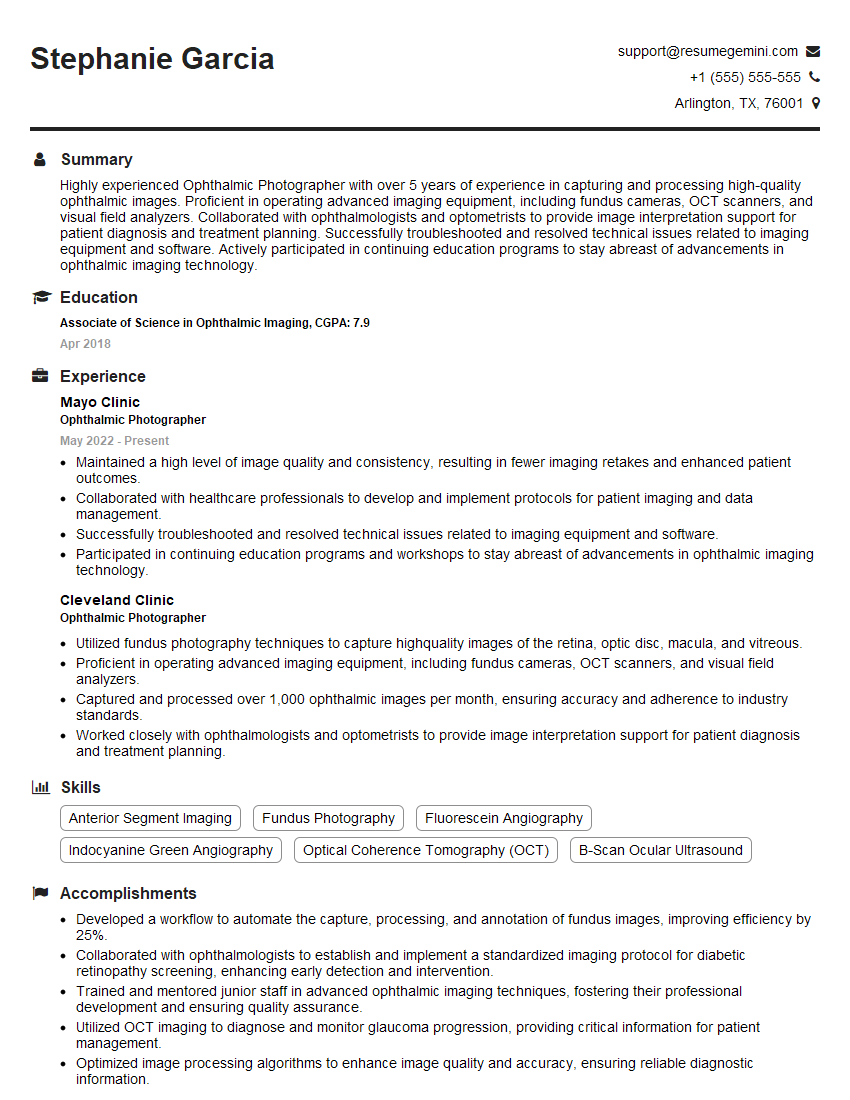
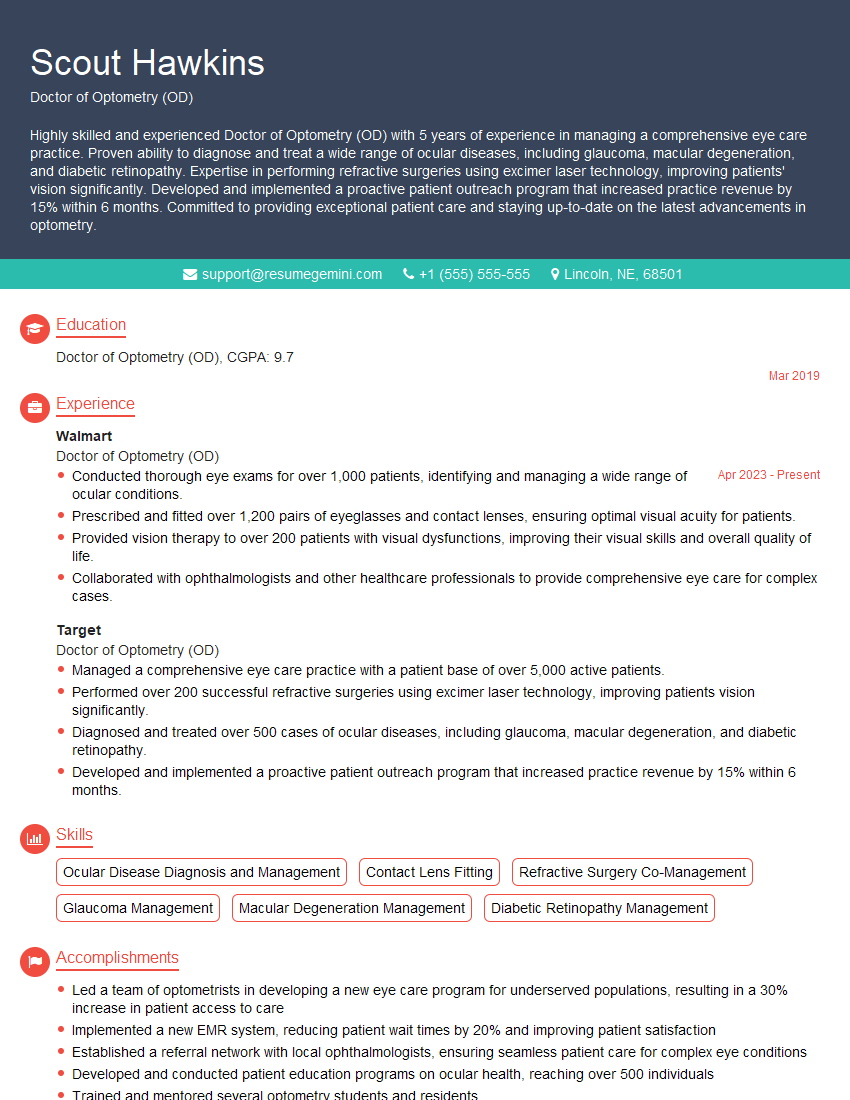
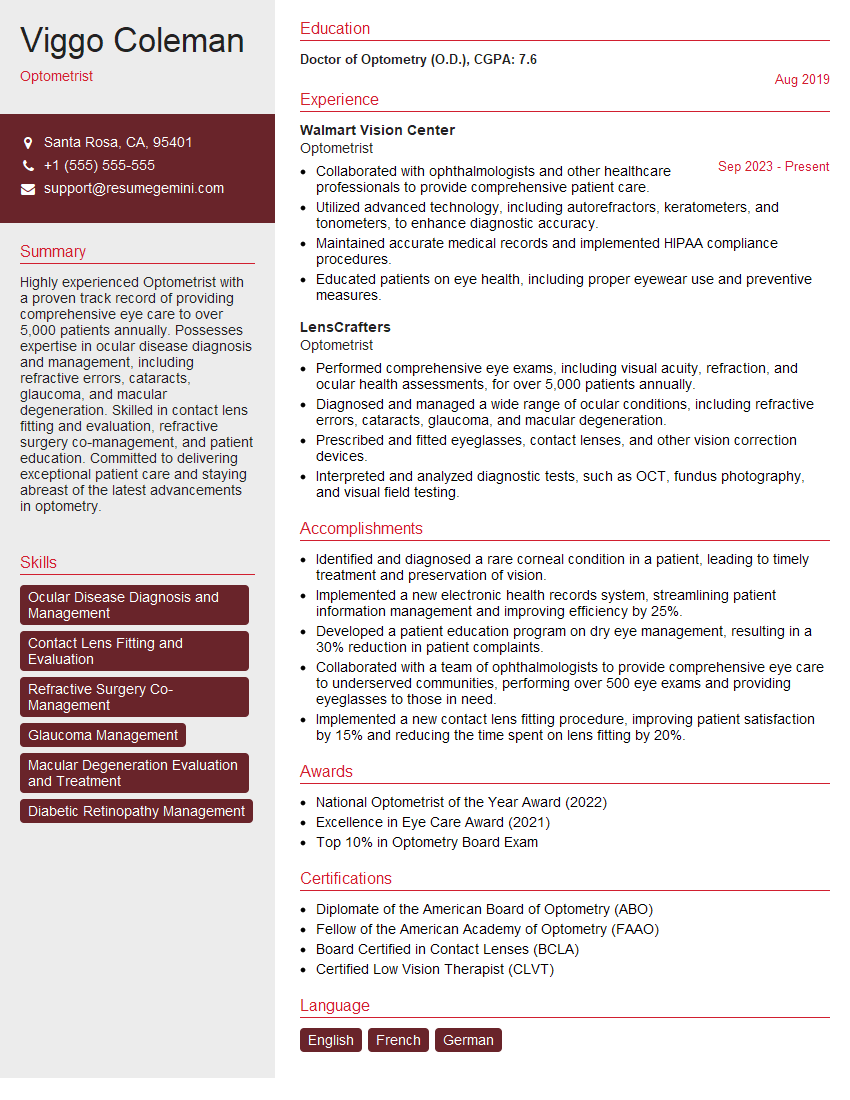
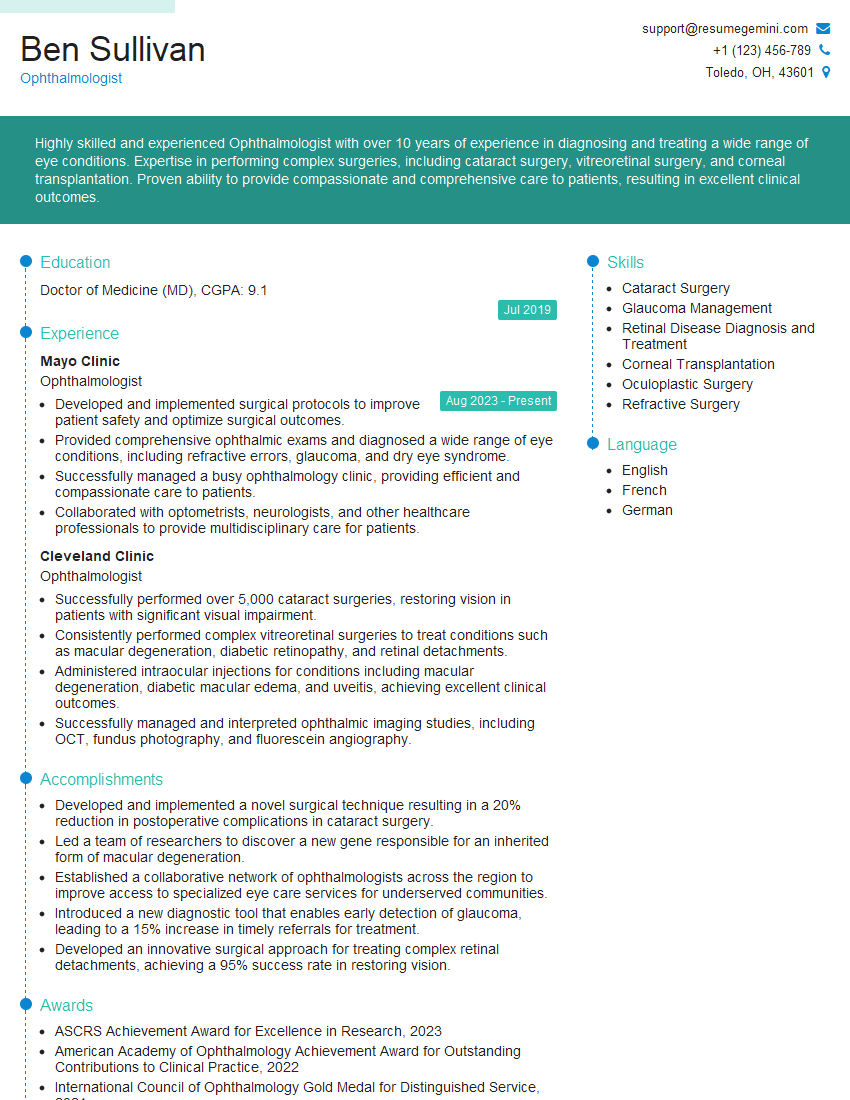
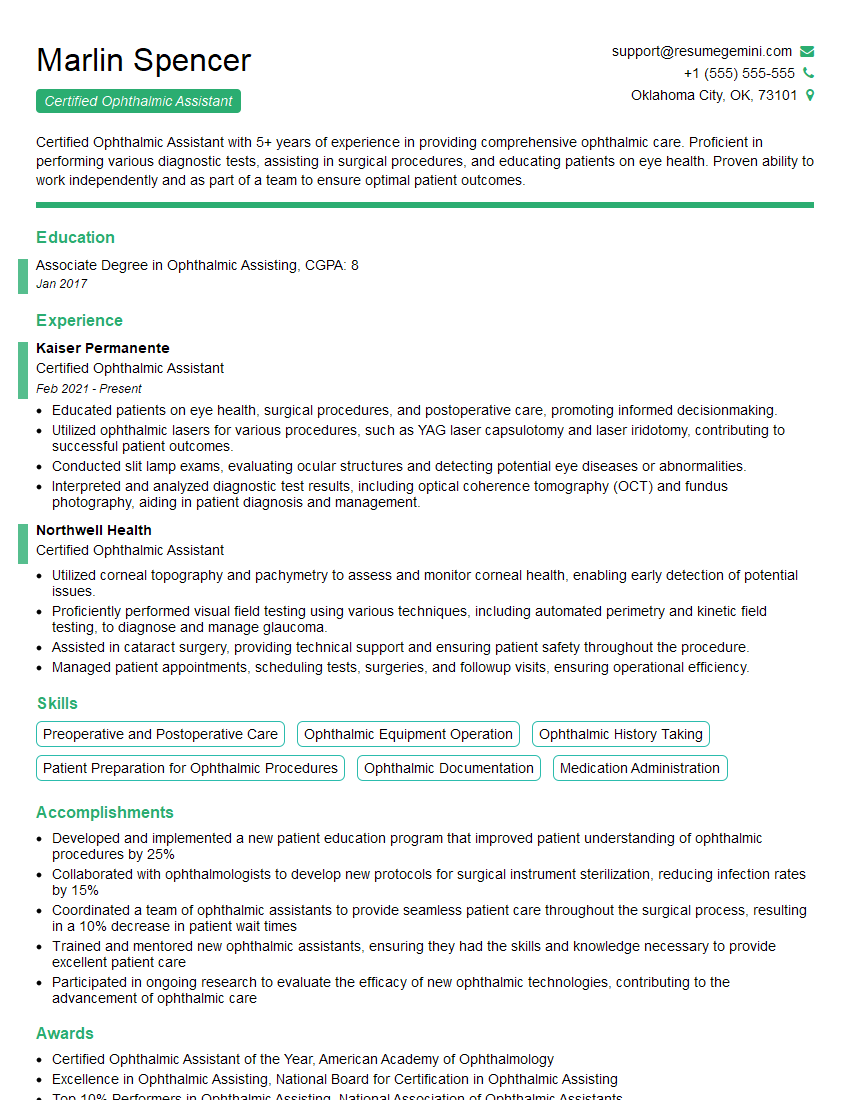
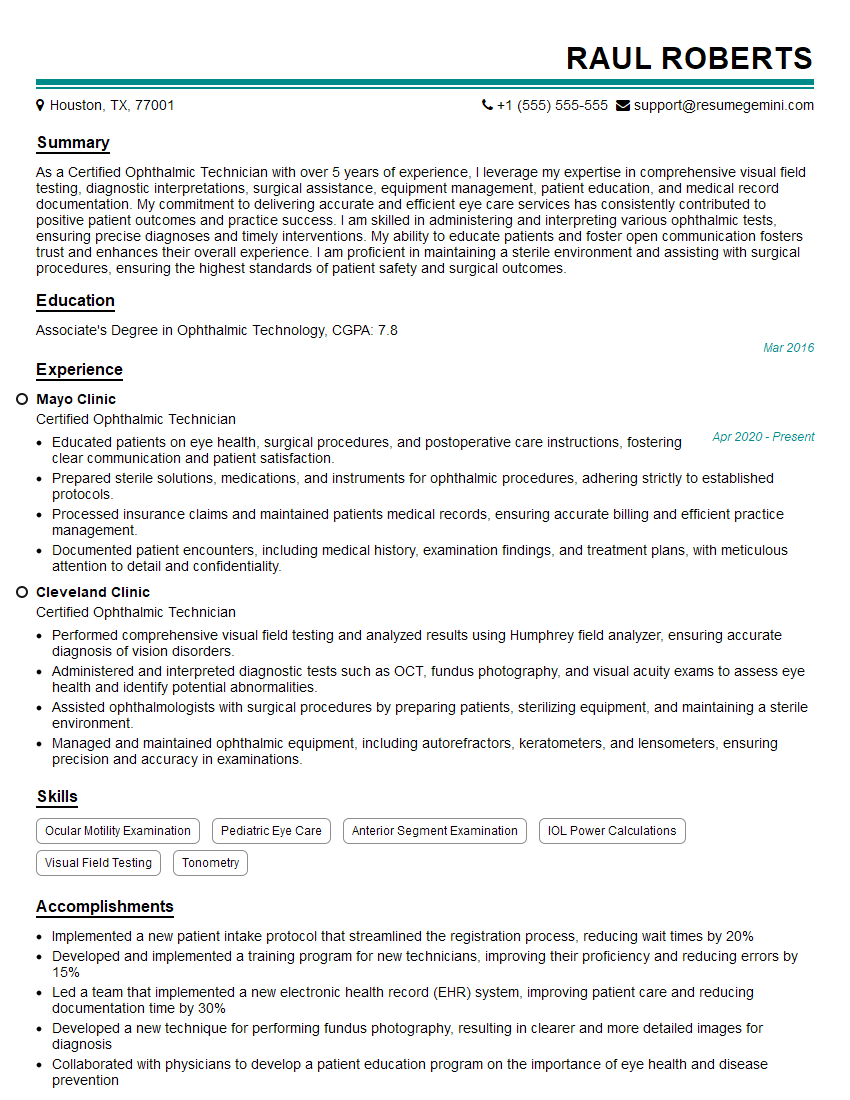
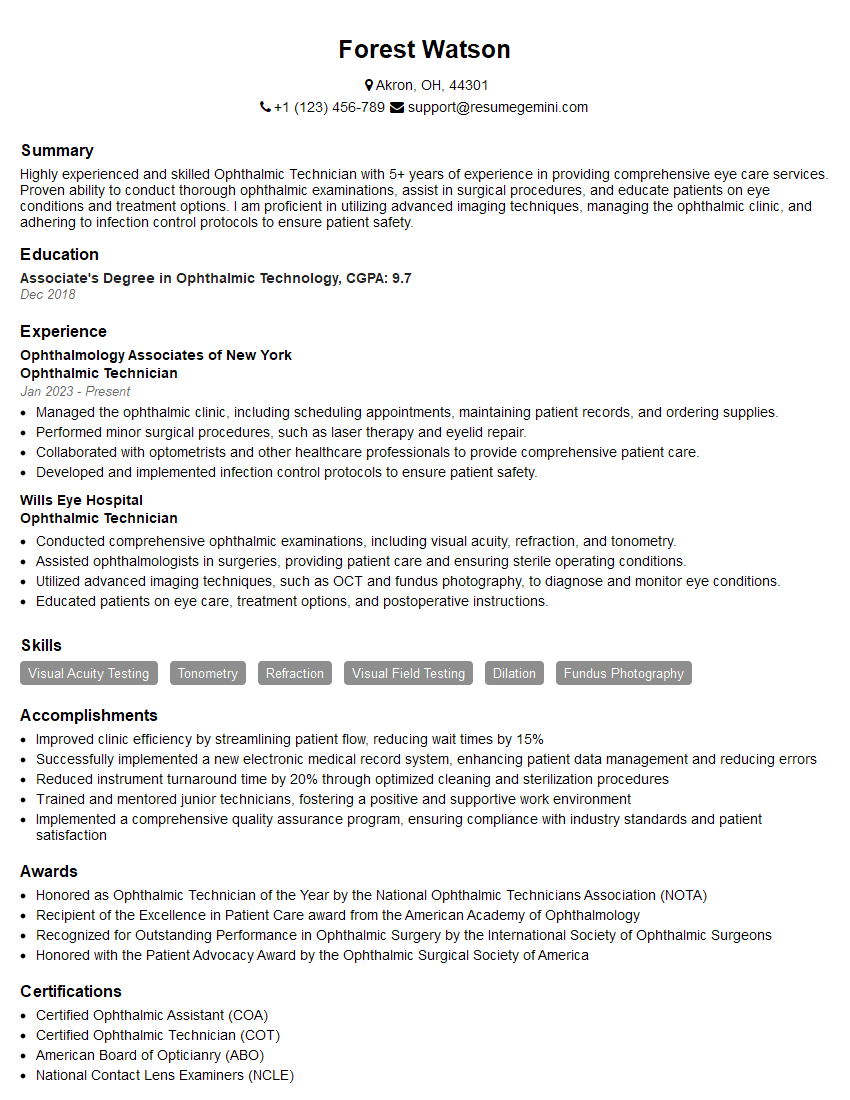
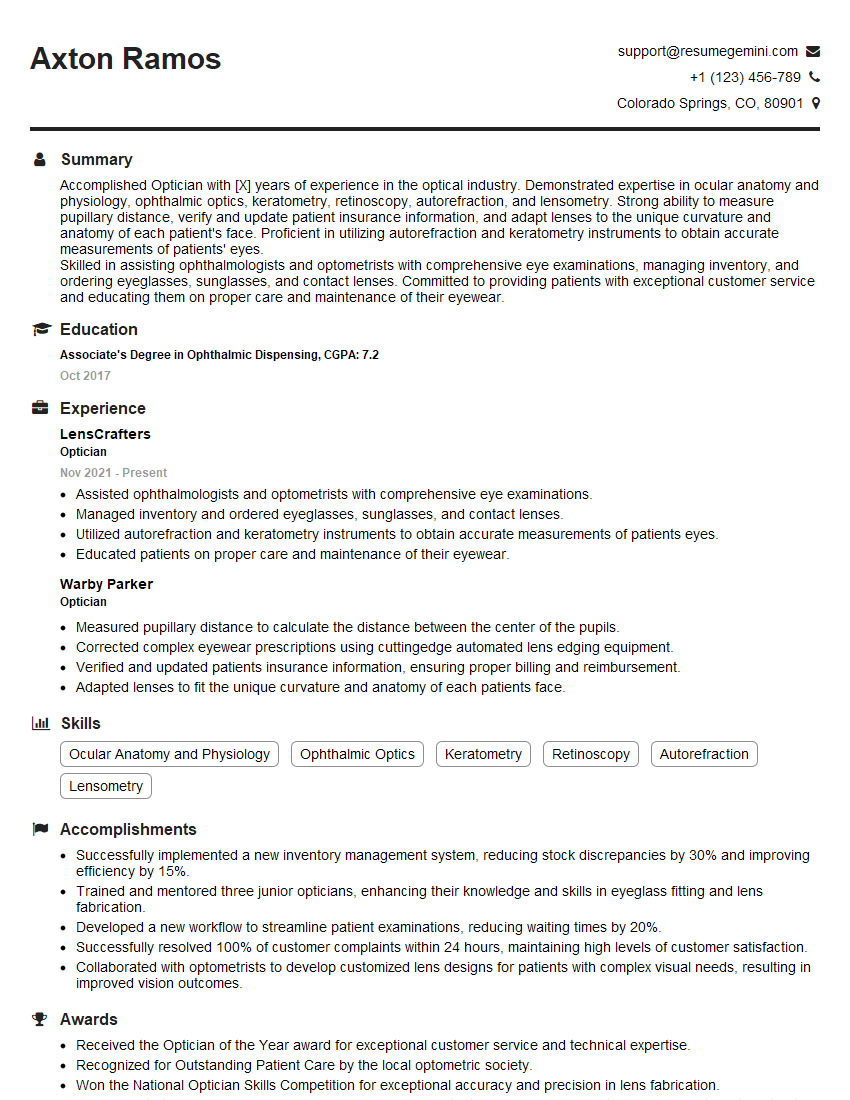
Mastering Corneal Abrasion Management is crucial for career advancement in ophthalmology and related fields. A strong understanding of this area demonstrates expertise and enhances your value to potential employers. To maximize your job prospects, it’s essential to craft a resume that effectively highlights your skills and experience. An ATS-friendly resume is key to getting your application noticed by recruiters. We recommend using ResumeGemini, a trusted resource for building professional and impactful resumes. ResumeGemini provides examples of resumes tailored to Corneal Abrasion Management to help guide you through the process. Invest in your future – build a resume that reflects your expertise and opens doors to exciting opportunities.
Explore more articles
Users Rating of Our Blogs
Share Your Experience
We value your feedback! Please rate our content and share your thoughts (optional).
What Readers Say About Our Blog
To the interviewgemini.com Webmaster.
Very helpful and content specific questions to help prepare me for my interview!
Thank you
To the interviewgemini.com Webmaster.
This was kind of a unique content I found around the specialized skills. Very helpful questions and good detailed answers.
Very Helpful blog, thank you Interviewgemini team.