Interviews are opportunities to demonstrate your expertise, and this guide is here to help you shine. Explore the essential Managing Group Conflicts and Challenges interview questions that employers frequently ask, paired with strategies for crafting responses that set you apart from the competition.
Questions Asked in Managing Group Conflicts and Challenges Interview
Q 1. Describe your approach to identifying the root cause of a group conflict.
Identifying the root cause of a group conflict requires a systematic approach that goes beyond surface-level disagreements. My approach involves a three-step process: Observation, Inquiry, and Analysis.
- Observation: I begin by objectively observing the conflict’s dynamics. This includes paying close attention to the involved parties’ verbal and nonverbal cues, the context of the conflict, and any recurring patterns. For example, noticing if disagreements always stem from a particular project or if certain individuals consistently clash.
- Inquiry: I then conduct individual interviews with each involved party. These conversations are conducted in a neutral and empathetic manner to understand their perspectives, concerns, and the underlying needs driving their actions. It’s crucial to create a safe space for open communication, assuring individuals that their input is valued and won’t be used against them. Open-ended questions like ‘Can you describe the situation from your point of view?’ are far more effective than leading questions.
- Analysis: Finally, I analyze the collected data, looking for common threads and underlying issues. This often involves identifying unmet needs, miscommunication, differing values, or power imbalances. For instance, a conflict over resource allocation might mask deeper issues of perceived unfairness or lack of trust in leadership.
By combining observation, careful inquiry, and thorough analysis, I can effectively pinpoint the root cause and tailor a solution accordingly, addressing the underlying problem rather than just the symptoms.
Q 2. Explain a time you successfully mediated a disagreement between team members.
In a previous role, two team members, Sarah and Mark, were locked in a disagreement over the design of a key feature for a new software application. Sarah, the UX designer, favored a minimalist approach, while Mark, the developer, believed a more complex design was necessary for functionality. Their disagreement escalated to personal attacks, impacting team morale and productivity.
My intervention began by facilitating a separate conversation with each individual, actively listening to their concerns and validating their perspectives without judgment. I then organized a facilitated meeting, emphasizing the importance of collaboration and a shared goal. I introduced a structured problem-solving process, starting with clearly defining the project’s objectives. We brainstormed design options, evaluating each based on its alignment with the project goals, user experience, and technical feasibility. This collaborative approach encouraged them to see beyond their initial positions and identify a compromise that incorporated elements from both their original designs. The process ended with a documented agreement outlining the chosen design and a shared commitment to its implementation. The team’s morale improved significantly afterward, with renewed collaboration and trust among team members.
Q 3. How do you handle personality clashes within a team?
Personality clashes often stem from communication styles, work habits, or differing values. My approach focuses on creating a structured environment that accommodates individual differences while promoting teamwork. This involves:
- Clear communication guidelines: Establishing clear expectations for communication, such as respectful language, active listening, and constructive feedback. We create a team charter which outlines expected behaviors.
- Individualized approaches: Recognizing that different individuals have varying communication styles and adapting my approach accordingly. For instance, some team members may prefer direct communication while others might respond better to a more indirect approach.
- Conflict resolution training: Providing team members with training on conflict resolution techniques, empowering them to effectively manage disagreements amongst themselves. This can help them understand different conflict styles and develop the skills to address conflicts constructively.
- Mediation and coaching: Acting as a mediator when necessary, facilitating productive conversations between clashing individuals. This might include helping them understand each other’s perspectives, identify common ground, and develop mutually agreeable solutions.
- Role clarification: Ensuring that each team member understands their roles and responsibilities clearly, minimizing potential overlaps or conflicts arising from unclear expectations.
The aim is not to eliminate personality differences but to create a respectful and productive working environment where these differences are understood and managed effectively.
Q 4. What strategies do you use to prevent conflicts from escalating?
Preventing conflict escalation requires proactive measures and a focus on building a strong team culture. My strategies include:
- Regular check-ins: Conducting regular one-on-one meetings and team meetings to address concerns early before they escalate into larger conflicts. Early detection can prevent a minor issue from becoming a major disruption.
- Open communication channels: Establishing open and accessible communication channels to encourage transparent communication and facilitate the timely addressing of concerns. This could include creating a dedicated communication platform or scheduling regular team meetings for open discussion.
- Team building activities: Organizing team-building activities to enhance trust and mutual understanding between team members. These activities provide an informal setting for team members to get to know each other better and build stronger relationships.
- Conflict resolution training: Providing conflict resolution training to equip team members with the skills to effectively manage disagreements constructively. Early training empowers individuals to de-escalate tensions and reach solutions on their own.
- Fair and consistent processes: Implementing fair and consistent processes for decision-making, resource allocation, and performance evaluation to reduce the likelihood of disputes. Transparency in processes can prevent the perception of unfairness and reduce friction.
By emphasizing proactive communication, creating a supportive environment, and implementing fair processes, I aim to minimize the occurrence and escalation of conflicts.
Q 5. How do you facilitate productive discussions during team meetings?
Facilitating productive discussions during team meetings requires careful planning and execution. I use the following strategies:
- Clear agenda and objectives: Begin with a clear agenda, outlining the objectives and expected outcomes. This ensures everyone is on the same page and the meeting stays focused.
- Structured discussion format: Employ a structured discussion format, such as brainstorming, round-robin discussions, or problem-solving frameworks. This helps to ensure everyone gets a chance to contribute.
- Time management: Effectively manage time, allocating sufficient time for each agenda item. Sticking to a schedule ensures efficiency and prevents the meeting from dragging on.
- Active listening and facilitation: Actively listen to team members’ contributions, summarizing key points, and encouraging participation from all. This promotes inclusivity and fosters a sense of collaboration.
- Conflict resolution techniques: Employ conflict resolution techniques to address disagreements constructively, ensuring that differing opinions are respected and utilized to create better solutions.
- Actionable outcomes: Conclude the meeting with clear action items, assigning responsibilities, and establishing deadlines to ensure progress and accountability.
By implementing these strategies, I ensure team meetings are productive, focused, and lead to tangible outcomes.
Q 6. Describe your experience with different conflict resolution styles (e.g., compromising, collaborating).
I have extensive experience with various conflict resolution styles, understanding that the most effective approach depends on the specific context of the conflict.
- Compromising: This involves finding a mutually acceptable solution where each party gives up something to reach an agreement. This is effective when a quick solution is needed and a win-win outcome isn’t feasible.
- Collaborating: This is a more time-intensive approach where parties work together to find a solution that satisfies everyone’s needs. This is ideal when the relationship between parties is important and a creative solution is needed.
- Competing: This involves asserting one’s own position forcefully, which is appropriate when a quick decision is essential or when dealing with a matter of principle.
- Avoiding: This involves postponing or withdrawing from the conflict, suitable when the issue is not critical, or when allowing time for tempers to cool is beneficial.
- Accommodating: This involves prioritizing the other party’s needs over one’s own. This is appropriate when preserving the relationship is paramount, even if it means giving up on one’s own preferences.
My ability to adapt to the specific situation and select the most suitable conflict resolution style enhances my effectiveness in resolving conflicts while maintaining positive working relationships.
Q 7. How do you assess the severity of a conflict and determine the appropriate intervention?
Assessing conflict severity and determining the appropriate intervention requires considering several factors. I use a framework that involves:
- Impact assessment: Evaluating the conflict’s impact on team productivity, morale, and project timelines. A high-impact conflict requires immediate and decisive intervention.
- Relationship dynamics: Assessing the relationship between the conflicting parties. Are they able to communicate effectively? Do they have a history of conflict? Understanding the relationship helps determine the approach to intervention.
- Nature of the conflict: Determining the root cause of the conflict—is it a simple misunderstanding, a personality clash, or a deeper systemic issue? Different root causes call for different interventions.
- Escalation potential: Assessing the potential for the conflict to escalate further, considering the intensity of emotions and the involvement of other parties. High-escalation potential requires immediate action to prevent further damage.
Based on this assessment, interventions range from informal conversations and mediation to formal conflict resolution processes, involving HR or senior management if necessary. My ability to gauge the severity and tailor the intervention accordingly is crucial for effective conflict management.
Q 8. How do you manage conflicts involving sensitive information or personalities?
Managing conflicts involving sensitive information or personalities requires a delicate approach prioritizing confidentiality and emotional intelligence. The first step is to establish clear boundaries regarding information sharing. This might involve designating a secure space for discussions or agreeing on a strict confidentiality agreement. Next, it’s crucial to acknowledge the emotional sensitivities involved. Actively listen to each party, validate their feelings, and avoid judgmental language. Reframing the conflict as a problem to be solved collaboratively, rather than a personal attack, can significantly ease tensions. For instance, instead of saying ‘You’re wrong,’ try ‘I understand your perspective, but let’s explore other solutions together.’ Finally, maintaining strict impartiality throughout the process is paramount. Ensure all parties feel heard and respected, and document all discussions and agreements meticulously.
Consider a scenario involving a disagreement between two team members, one of whom revealed a personal medical condition in the course of the conflict. Addressing this requires careful navigation. The conversation should be held in private, acknowledging the sensitive nature of the information. The focus should then shift to the underlying conflict, ensuring the medical condition remains confidential and irrelevant to the resolution process.
Q 9. Describe a time you had to make a difficult decision in a conflict situation.
During a project launch, a key team member refused to cooperate, claiming the project plan was flawed and threatening to quit. This created significant tension and threatened the project’s timeline. The difficult decision was to postpone the launch by a week, despite pressure from upper management. This allowed me time to address the team member’s concerns constructively. I scheduled one-on-one meetings to understand the root cause of their dissatisfaction. I found that they felt their expertise wasn’t valued and their contributions were overlooked. By validating their concerns, involving them in revising the plan, and recognizing their contributions publicly, I managed to restore trust and collaboration. The extra week, while stressful, ultimately led to a more successful launch with significantly improved team morale.
Q 10. How do you ensure fairness and impartiality when resolving conflicts?
Ensuring fairness and impartiality requires a conscious effort to avoid bias and actively seek perspectives from all involved parties. This begins with active listening – truly hearing and understanding each side’s perspective without interruption or judgment. It also means creating a safe space for open communication, where individuals feel comfortable expressing their opinions and concerns without fear of retribution. Using a structured approach, like a mediation process, can significantly improve fairness. This includes clearly outlining the process, explaining the rules of engagement, and ensuring equal opportunity for all parties to present their case. Additionally, focusing on the issue at hand, rather than getting sidetracked by personality conflicts, helps maintain objectivity. Finally, the resolution should be based on objective criteria, such as company policies, relevant data, or industry best practices, rather than personal preferences.
Q 11. What are some effective communication techniques for managing group conflicts?
Effective communication is the cornerstone of conflict resolution. Several techniques are particularly useful. First, ‘active listening’ involves paying close attention, reflecting back what you’ve heard, and asking clarifying questions to ensure understanding. Second, ‘I-statements’ allow individuals to express their feelings without blaming others (e.g., ‘I feel frustrated when deadlines are missed,’ instead of ‘You always miss deadlines’). Third, ’empathy’ involves trying to understand the other person’s perspective, even if you don’t agree with it. Fourth, ‘clarifying questions’ helps to identify the root cause of the conflict and ensure everyone is on the same page. Finally, maintaining a calm and respectful tone, even under pressure, is crucial. Avoid interrupting or raising your voice.
Q 12. How do you build trust and rapport with conflicting parties?
Building trust and rapport with conflicting parties starts with demonstrating genuine respect and empathy. Actively listen to their concerns, validate their feelings, and show that you understand their perspective. This builds a foundation of mutual understanding. Transparency is also vital. Clearly explain your role in the conflict resolution process and how you plan to approach it. This helps build confidence and reduces suspicion. Finally, follow through on your commitments. If you promise to do something, make sure you do it. This consistency builds trust and shows that you take the situation seriously. In practice, this could involve starting meetings with informal icebreakers to foster a comfortable atmosphere before delving into the conflict’s core issues.
Q 13. How do you handle situations where a conflict involves a superior or subordinate?
Conflicts involving superiors or subordinates require extra sensitivity and adherence to organizational protocols. The most important aspect is maintaining professionalism and respect throughout. If the conflict involves a subordinate, addressing it privately is essential. Provide constructive feedback, focusing on behaviors rather than personality traits. If the conflict involves a superior, expressing concerns respectfully, perhaps in a one-on-one meeting, is key. In either case, documentation is vital. Keep records of discussions and agreements. If the conflict escalates, organizational policies and procedures for addressing workplace disputes should be followed meticulously. Maintaining neutrality and objectivity is critical, even if the conflict involves someone with significant power within the organization. Remember, focusing on the problem, not the person, is paramount in maintaining a professional and productive environment.
Q 14. Explain your experience using conflict resolution frameworks or models.
I have extensive experience applying various conflict resolution frameworks, including mediation, negotiation, and collaborative problem-solving. In mediation, I facilitate communication between conflicting parties, helping them find mutually acceptable solutions. Negotiation involves bargaining and compromise to reach a mutually agreeable outcome. Collaborative problem-solving focuses on identifying the root causes of the conflict and working together to develop solutions that address those causes. For example, I recently used the ‘principled negotiation’ framework (also known as interest-based bargaining) to resolve a dispute between two departments over resource allocation. This framework emphasizes focusing on underlying interests, rather than positions, generating options for mutual gain, and using objective criteria to evaluate those options. The result was a fair distribution of resources, increasing inter-departmental collaboration and overall efficiency.
Q 15. How do you document and track the resolution of conflicts?
Documenting and tracking conflict resolution is crucial for learning, improvement, and accountability. My approach involves a multi-faceted system. First, I use a centralized, easily accessible database, perhaps a shared spreadsheet or a dedicated project management tool like Asana or Jira. This database tracks each conflict with key details: the involved parties, a brief description of the conflict, the date it arose, the resolution strategy employed, the outcome, and a follow-up assessment. For sensitive conflicts, I may use a more secure, password-protected system. Second, I maintain detailed notes from each conflict resolution meeting or interaction. These notes provide context, record decisions made, and act as a reference point for future review. Third, for complex or ongoing conflicts, I create a visual timeline charting the progress of the conflict and highlighting key milestones in the resolution process. This provides a clear picture of the situation over time. Finally, regular review of this data allows for analysis of trends, revealing recurring conflict patterns or areas needing procedural improvement.
Career Expert Tips:
- Ace those interviews! Prepare effectively by reviewing the Top 50 Most Common Interview Questions on ResumeGemini.
- Navigate your job search with confidence! Explore a wide range of Career Tips on ResumeGemini. Learn about common challenges and recommendations to overcome them.
- Craft the perfect resume! Master the Art of Resume Writing with ResumeGemini’s guide. Showcase your unique qualifications and achievements effectively.
- Don’t miss out on holiday savings! Build your dream resume with ResumeGemini’s ATS optimized templates.
Q 16. How do you measure the effectiveness of your conflict resolution strategies?
Measuring the effectiveness of conflict resolution strategies requires a multi-pronged approach. I primarily assess effectiveness through quantitative and qualitative data. Quantitatively, I track metrics such as the time taken to resolve a conflict, the frequency of similar conflicts recurring, and employee satisfaction surveys that specifically address teamwork and conflict. A decrease in reported conflicts and an increase in positive feedback regarding team dynamics indicates success. Qualitatively, I conduct follow-up interviews with the involved parties to gauge their satisfaction with the resolution process and whether the underlying issues have been addressed. I also observe team interactions post-resolution to assess improved communication and collaboration. For example, if a conflict regarding project deadlines led to the implementation of a new project management system, post-implementation surveys and observation of improved workflow would show the effectiveness of the resolution. Regular feedback loops and retrospective analyses of past conflicts are vital in refining strategies for future use.
Q 17. How do you address recurring conflicts within a team?
Recurring conflicts often point to deeper, systemic issues within the team. Addressing them requires a proactive, multifaceted strategy. First, I facilitate a team workshop to identify the root cause of the recurring conflict. This often involves open dialogue, brainstorming sessions, and anonymous feedback mechanisms. Next, I work with the team to develop and implement solutions that address the root cause. This might involve adjusting team roles, improving communication channels, clarifying expectations, establishing clear guidelines, or providing conflict-resolution training. For instance, if repeated conflicts stem from unclear roles and responsibilities, I would collaborate with the team to redefine roles and responsibilities, potentially using a RACI matrix to clarify Accountabilities, Responsibilities, Consulted parties, and Informed parties. Ongoing monitoring and follow-up are essential to ensure the implemented solutions are effective and to make adjustments as needed. Creating a culture of open communication and regular feedback is also critical in preventing recurring conflicts.
Q 18. Describe a time you failed to resolve a conflict. What did you learn?
In a previous role, I faced a conflict between two senior team members with strong personalities and entrenched viewpoints. My initial approach was to mediate directly, focusing on finding a compromise. However, this approach failed because it didn’t address the underlying power imbalance and lack of trust between them. I learned that a successful resolution requires going beyond surface-level agreements; it necessitates identifying and addressing the root causes of the conflict. In retrospect, I should have taken a more structured approach, perhaps using a collaborative problem-solving model that included all relevant stakeholders, facilitated open and honest communication, and established clear expectations and accountability. I should have also focused on rebuilding trust between the individuals, potentially involving an external facilitator for impartial guidance. This experience taught me the importance of assessing the power dynamics, understanding the emotional context of the conflict, and employing appropriate strategies to address both the symptoms and the root causes.
Q 19. How do you promote a culture of open communication and conflict resolution?
Promoting a culture of open communication and conflict resolution is an ongoing process, not a one-time event. It begins with leadership buy-in and modeling the desired behavior. Leaders must openly communicate their own struggles and how they navigate conflicts. Regular team-building activities that emphasize collaboration and communication skills are also crucial. Implementing clear communication protocols and providing training on conflict resolution techniques empowers team members to address conflicts constructively. Creating a safe space where individuals feel comfortable expressing their opinions and concerns, without fear of retribution, is paramount. This may involve establishing anonymous feedback channels, clear reporting procedures, and a commitment to addressing grievances promptly and fairly. Furthermore, celebrating successful conflict resolutions and acknowledging efforts to resolve conflicts reinforce positive behavior and create a more positive work environment.
Q 20. How do you adapt your approach to conflict resolution depending on the context?
Adapting my approach to conflict resolution is crucial because conflicts are rarely identical. My approach depends on several factors, including the nature of the conflict (e.g., interpersonal, task-related, process-related), the personalities and power dynamics involved, the urgency of the situation, and the organizational culture. For instance, a minor disagreement between team members might be resolved through informal mediation, while a more significant conflict between departments might require a formal process involving senior management. In highly charged emotional situations, I may prioritize emotional regulation techniques before addressing the substantive issue. In situations where trust is broken, rebuilding trust might be a primary focus before addressing the immediate issue. Flexibility and adaptability are key to successfully resolving conflicts in diverse contexts. Continual learning and refinement of conflict resolution techniques based on experience are vital.
Q 21. How do you involve stakeholders effectively in the conflict resolution process?
Involving stakeholders effectively is crucial for sustainable conflict resolution. First, I identify all stakeholders impacted by the conflict, including those directly involved and those indirectly affected. Then, I create a clear communication plan to ensure all stakeholders are informed about the process and their roles. This involves choosing appropriate communication channels (e.g., meetings, emails, surveys) to reach each stakeholder effectively. It’s vital to provide opportunities for all stakeholders to voice their concerns and perspectives. This might involve holding separate meetings with different groups of stakeholders or using anonymous feedback mechanisms to encourage honest participation. I also aim to build consensus by facilitating open dialogue and seeking common ground. Finally, I ensure that all stakeholders are informed of the resolution and any subsequent actions, maintaining transparency and accountability throughout the process. Effective stakeholder engagement ensures buy-in, collaboration, and a more sustainable resolution.
Q 22. How do you manage your own emotions during conflict situations?
Managing my emotions during conflict is paramount. It’s like being a conductor of an orchestra – each instrument (emotion) needs to be carefully balanced to create a harmonious outcome. I utilize a few key strategies. First, I practice self-awareness. I take a moment to identify what I’m feeling and why. This helps me avoid reacting impulsively. Then, I employ deep breathing and mindfulness techniques to calm my nervous system. This allows me to think clearly and respond thoughtfully rather than emotionally. Finally, I maintain a focus on active listening, which helps me understand the other person’s perspective, reducing the intensity of my own emotional response. For example, in a heated discussion about project deadlines, I might feel frustrated, but by taking a deep breath and listening intently to the other person’s concerns, I can find common ground and address the issue collaboratively instead of letting frustration dictate my actions.
Q 23. How do you balance the needs of individuals with the needs of the group?
Balancing individual and group needs is a delicate dance. It’s not about choosing one over the other, but rather finding a synergistic solution that satisfies both. I approach this using a collaborative problem-solving method. First, I ensure every individual feels heard and valued. This involves active listening and creating a safe space for open communication. Then, I help the group identify shared goals and objectives. By focusing on the common ground, I can facilitate a discussion where individuals can express their needs in relation to those shared goals. Finally, I facilitate compromise and negotiation. This might involve brainstorming creative solutions that accommodate individual needs while also aligning with the group’s overall objectives. For instance, in a team project where one member prefers a specific methodology while others prefer a different approach, I’d facilitate a discussion to find a hybrid approach that incorporates elements from both, ensuring everyone feels their input has been valued and the project’s objectives are met.
Q 24. What are some common signs of escalating conflict?
Escalating conflict often shows itself through subtle, then increasingly overt signs. Imagine a simmering pot – at first, there’s a gentle bubble, then a rolling boil, and finally, a forceful eruption. Early signs might include increased interruptions during conversations, raised voices, or personal attacks masked as constructive criticism. As it escalates, you might see body language changes like clenched fists or avoidance of eye contact. The language becomes more aggressive, with accusations and blame replacing collaborative discussion. Ultimately, the conflict can lead to complete breakdowns in communication and a refusal to cooperate. Recognizing these patterns early is crucial for intervening effectively. For instance, if a meeting starts with polite disagreements but quickly turns into shouting matches and personal insults, it’s a clear indicator that the conflict is escalating and immediate intervention is required.
Q 25. Describe your experience with formal conflict resolution processes (e.g., grievance procedures).
I have extensive experience with formal conflict resolution processes, particularly grievance procedures. In a previous role, I was involved in several instances where employees raised concerns through the company’s formal grievance process. My role involved facilitating meetings between the involved parties, ensuring a fair and impartial process. This included carefully documenting all communication, adhering to the procedural timelines, and ensuring all parties understood their rights and responsibilities. The process typically involves a series of steps: an informal attempt at resolution, a formal written complaint, an investigation, and finally, mediation or arbitration if necessary. Successful navigation of these processes requires impartiality, strong communication skills, and a commitment to fairness. I’ve seen firsthand how a well-structured grievance procedure can both resolve conflict effectively and maintain a positive working environment. In one case, a dispute regarding work assignments was successfully resolved through mediation, resulting in a more equitable distribution of tasks and improved team morale.
Q 26. How do you deal with individuals who are unwilling to cooperate in conflict resolution?
Dealing with uncooperative individuals in conflict resolution requires patience and strategic approaches. It’s important to understand the underlying reasons for their unwillingness to cooperate. Are they afraid of repercussions? Do they feel unheard or undervalued? My approach focuses on building trust and rapport. I start by acknowledging their perspective, even if I don’t agree with it. I emphasize the importance of finding a mutually acceptable solution and highlight the potential benefits of collaboration. If direct engagement isn’t working, I might involve a neutral third party mediator to facilitate communication. In some cases, formal disciplinary action might be necessary, but this should always be a last resort. For instance, if a team member consistently refuses to participate in conflict resolution meetings, I would first try to understand their concerns in a one-on-one setting. If this doesn’t yield results, I would consider involving HR to mediate the situation and explore options like team-building activities to foster better communication.
Q 27. How do you ensure that conflict resolution leads to positive outcomes for all involved?
Ensuring positive outcomes from conflict resolution requires a focus on restorative justice rather than simply ending the dispute. This means focusing on repairing relationships, restoring trust, and creating a better future for all involved. Key to this is ensuring all parties feel heard and understood. I achieve this by facilitating open dialogue, fostering empathy, and encouraging active listening. The focus shifts from assigning blame to identifying shared interests and collaborative solutions. Positive outcomes also include establishing clear expectations, setting boundaries, and implementing strategies to prevent similar conflicts in the future. For example, if a conflict arises due to unclear roles and responsibilities, a positive outcome would include defining roles clearly and establishing a system for ongoing communication to prevent similar misunderstandings in the future. The goal is not just to stop the fighting, but to build stronger, more resilient relationships and improve the overall functioning of the group.
Key Topics to Learn for Managing Group Conflicts and Challenges Interview
- Understanding Conflict Dynamics: Explore different conflict styles (e.g., avoiding, accommodating, competing, compromising, collaborating) and their impact on team performance. Learn to identify the root causes of conflict, going beyond surface-level disagreements.
- Effective Communication Strategies: Practice active listening, empathy, and assertive communication techniques. Develop skills in facilitating constructive dialogue and managing difficult conversations within a group setting.
- Conflict Resolution Techniques: Learn and apply various conflict resolution methods, including negotiation, mediation, and arbitration. Understand when each approach is most appropriate and how to adapt your strategy based on the specific situation and individuals involved.
- Team Building and Collaboration: Explore strategies for building strong, cohesive teams. Understand how to foster trust, respect, and shared goals to prevent conflicts and promote effective collaboration.
- Leadership in Conflict Management: Develop your leadership skills in navigating group conflicts. Learn how to create a safe space for open communication, guide the resolution process, and ensure fair and equitable outcomes for all involved.
- Preventing Future Conflicts: Proactively implement strategies to minimize future conflicts. This includes establishing clear roles and responsibilities, setting expectations, and fostering a culture of open communication and respect.
- Ethical Considerations: Understand the ethical implications of your actions when managing group conflicts. Ensure fairness, impartiality, and respect for all individuals involved.
Next Steps
Mastering the art of managing group conflicts and challenges is crucial for career advancement. It demonstrates essential leadership skills, highlighting your ability to build strong teams, navigate complex situations, and drive positive outcomes. To significantly enhance your job prospects, invest time in crafting an ATS-friendly resume that showcases your expertise in this area. ResumeGemini is a trusted resource that can help you build a professional and impactful resume tailored to your specific skills and experience. Examples of resumes tailored to highlight expertise in Managing Group Conflicts and Challenges are available within ResumeGemini to guide your efforts.

Communications Manager Resume Sample
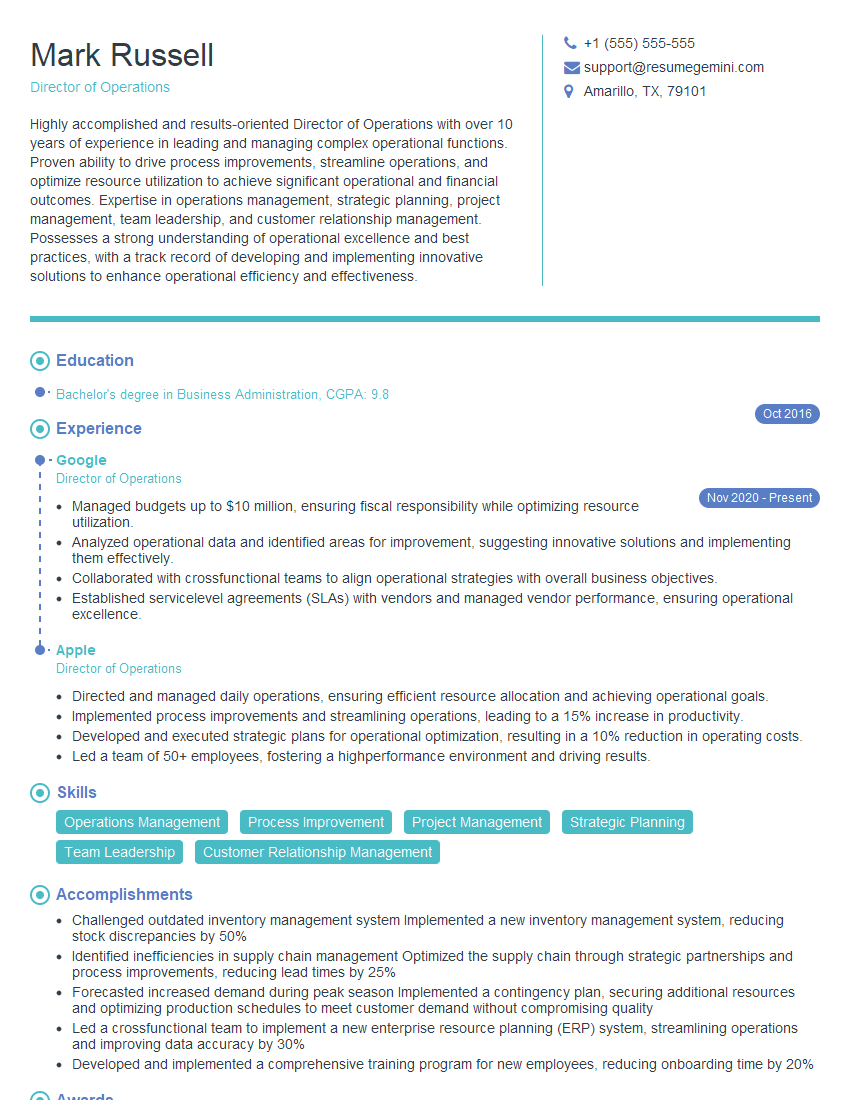
Director of Operations Resume Sample
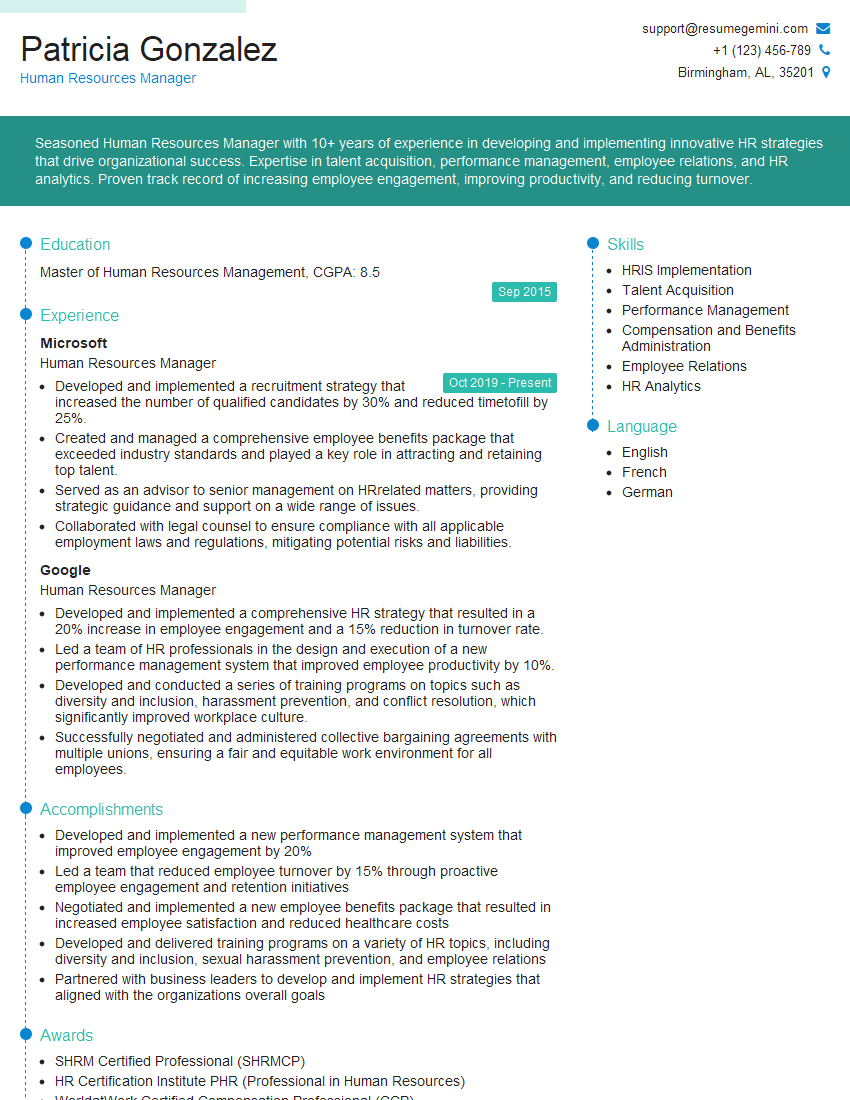
Human Resources Manager Resume Sample

Project Manager Resume Sample
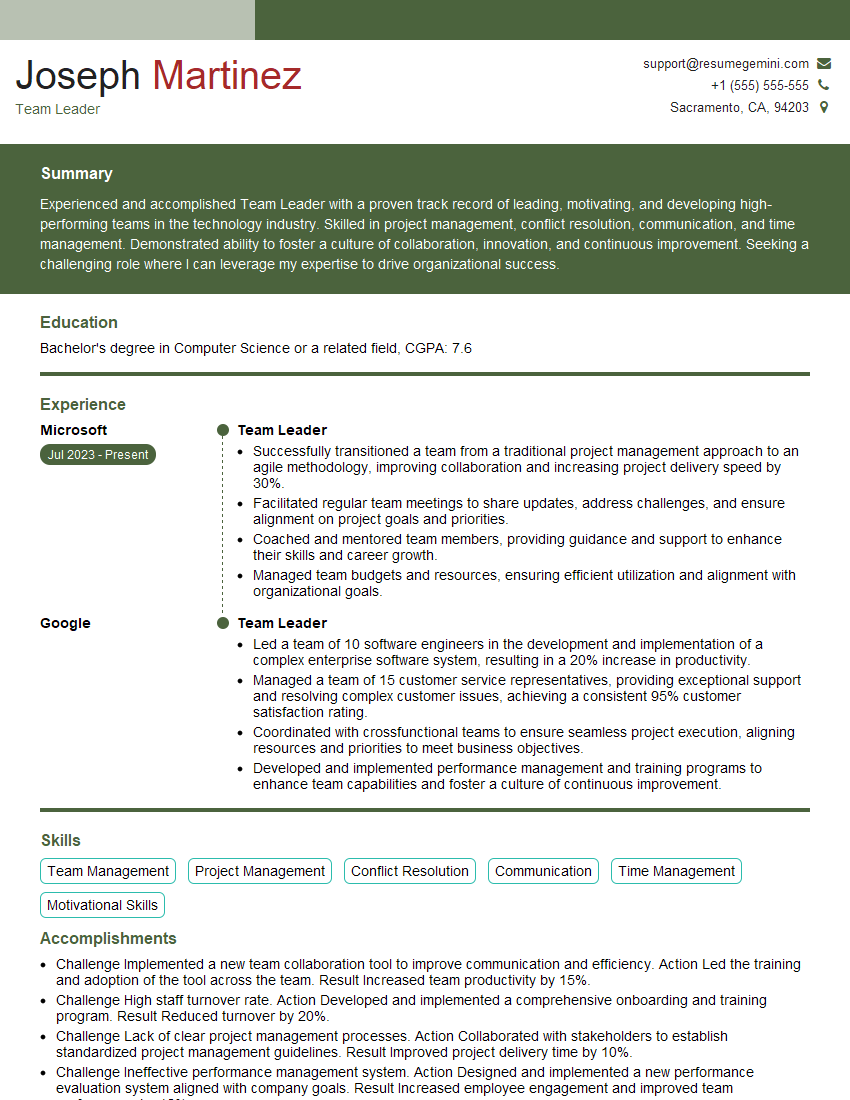
Team Leader Resume Sample
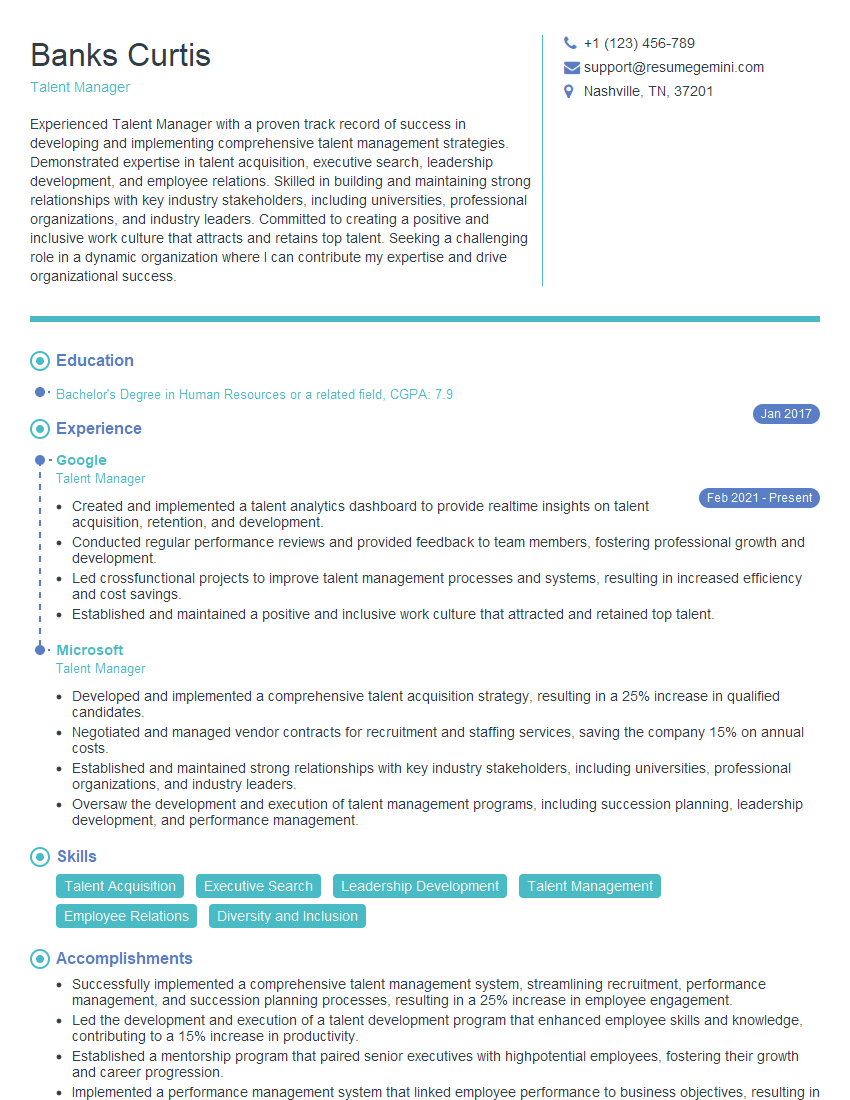
Talent Manager Resume Sample
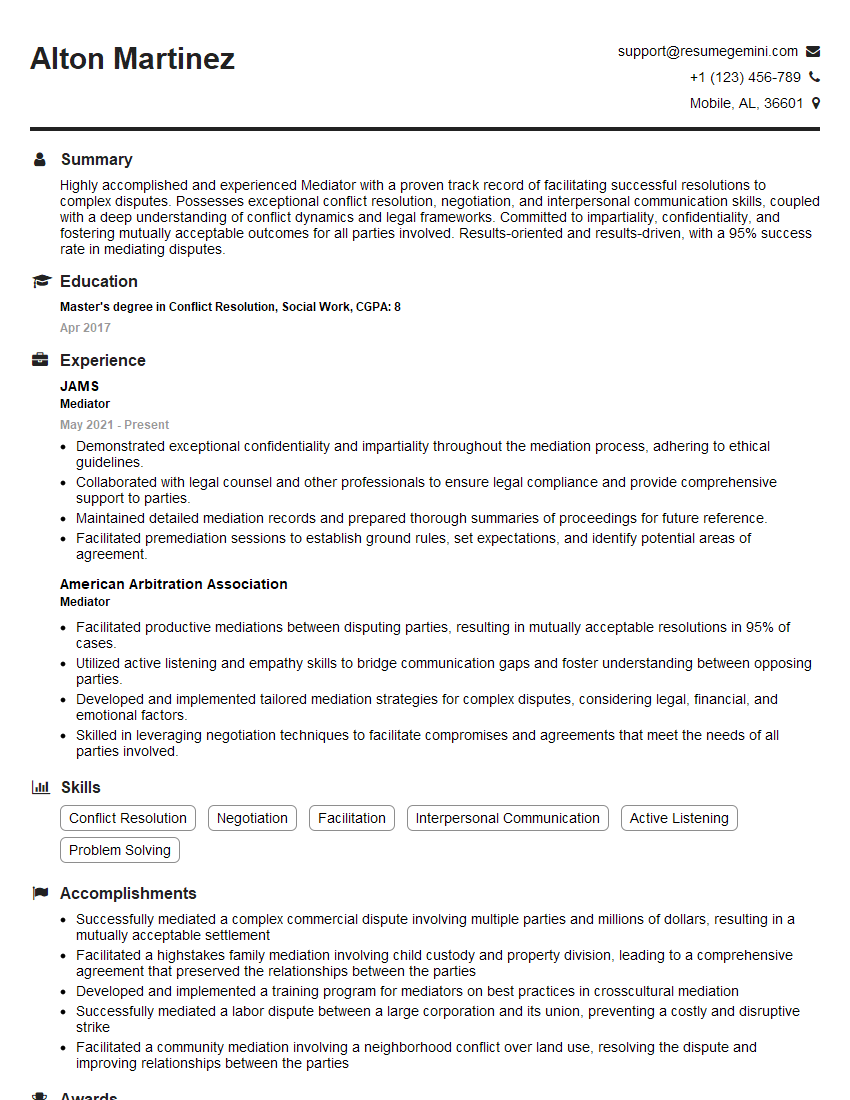
Mediator Resume Sample
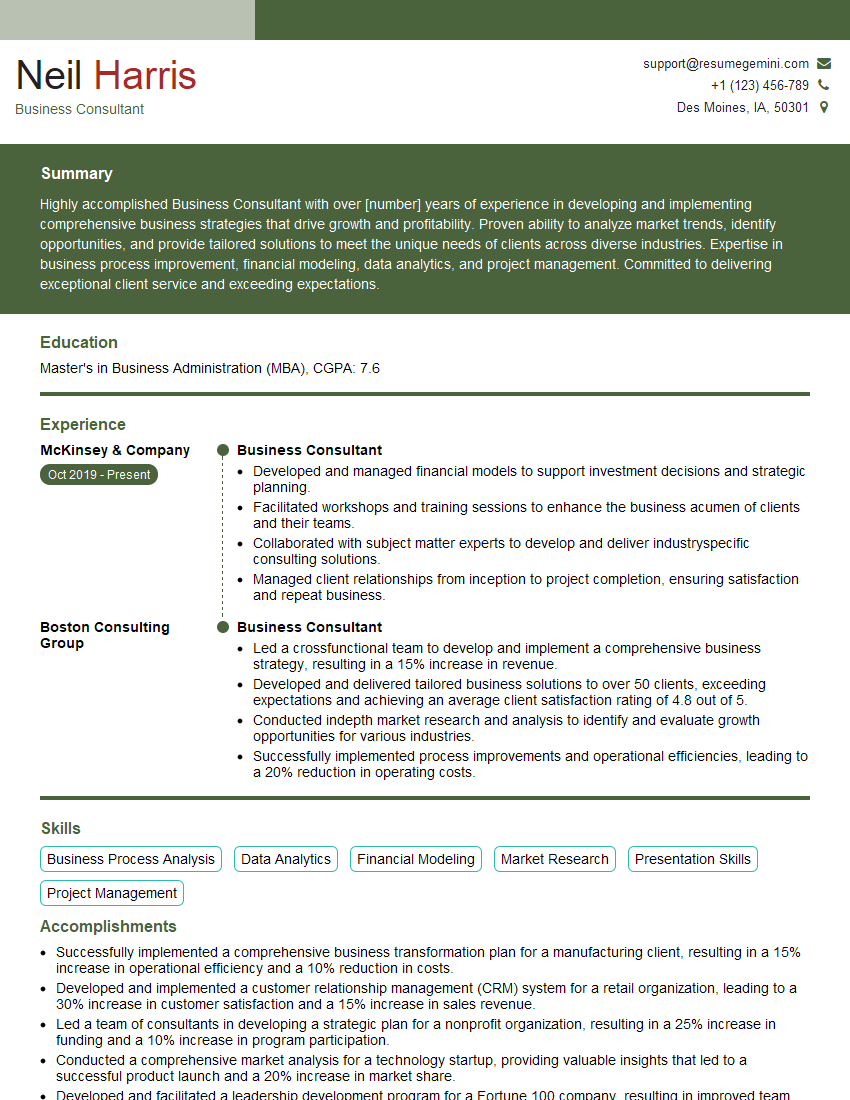
Business Consultant Resume Sample
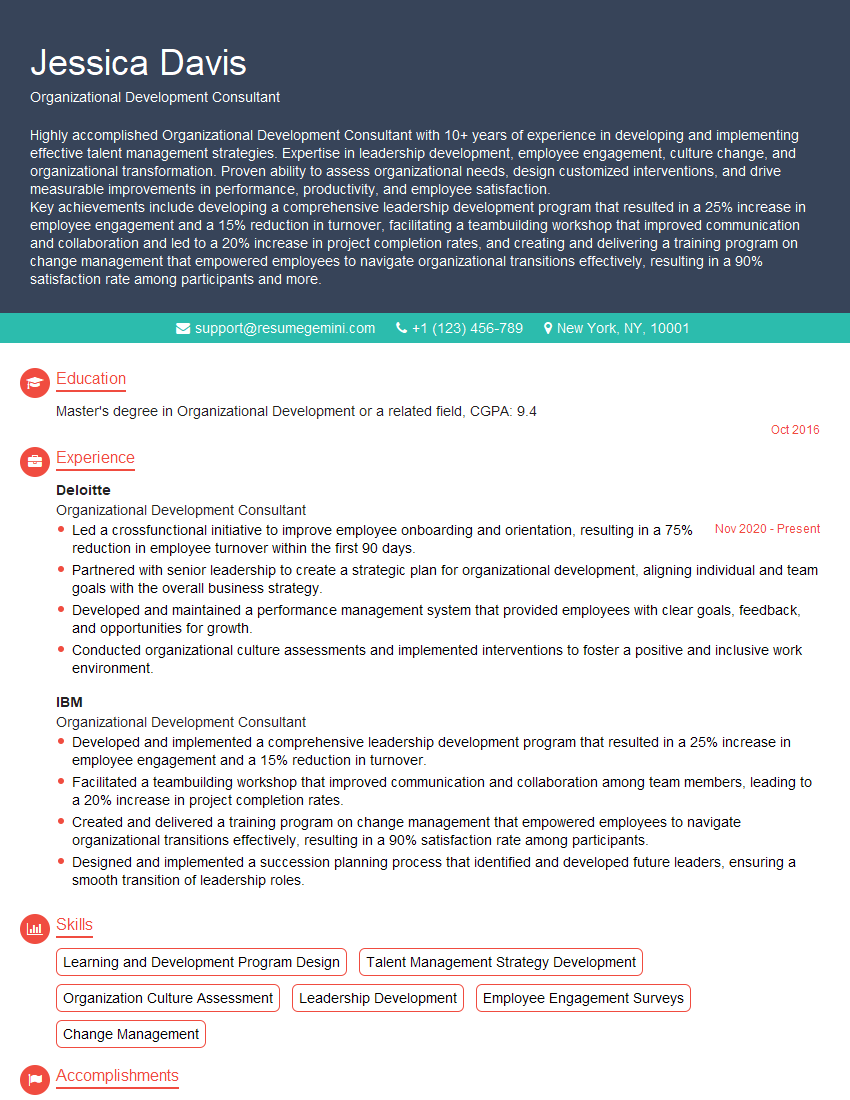
Organizational Development Consultant Resume Sample
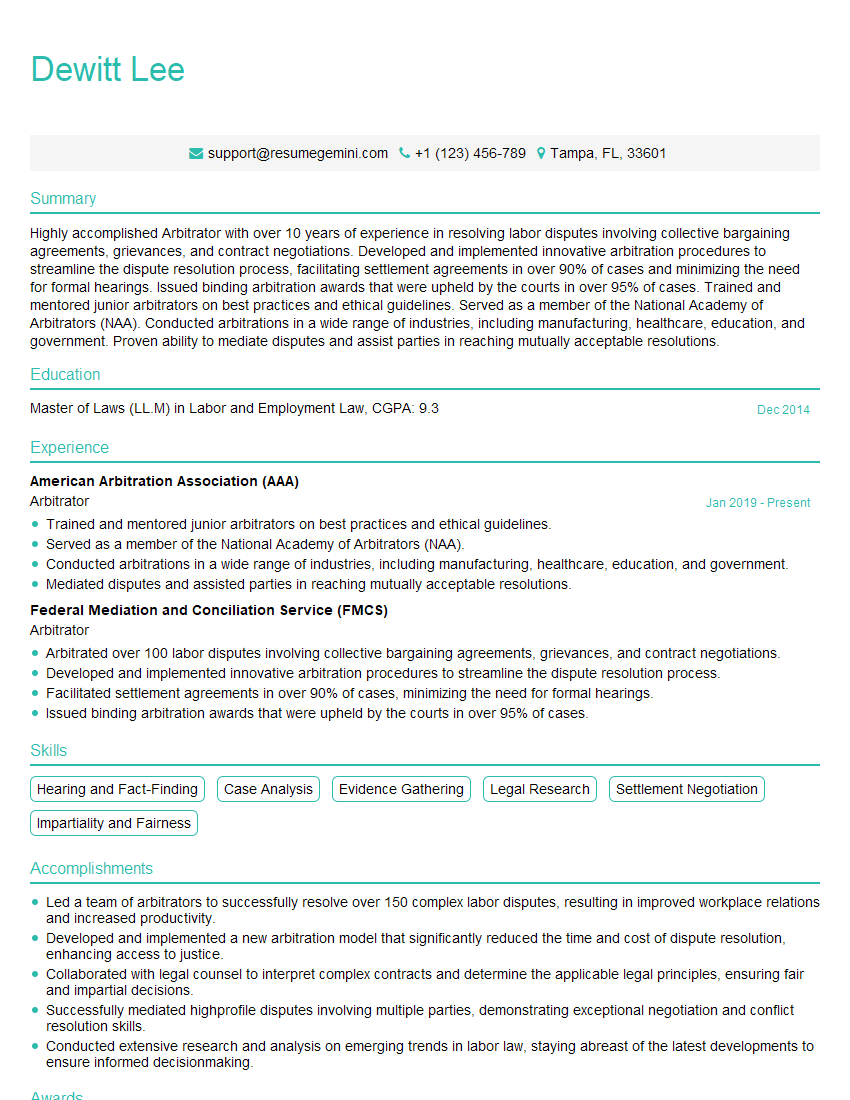
Arbitrator Resume Sample
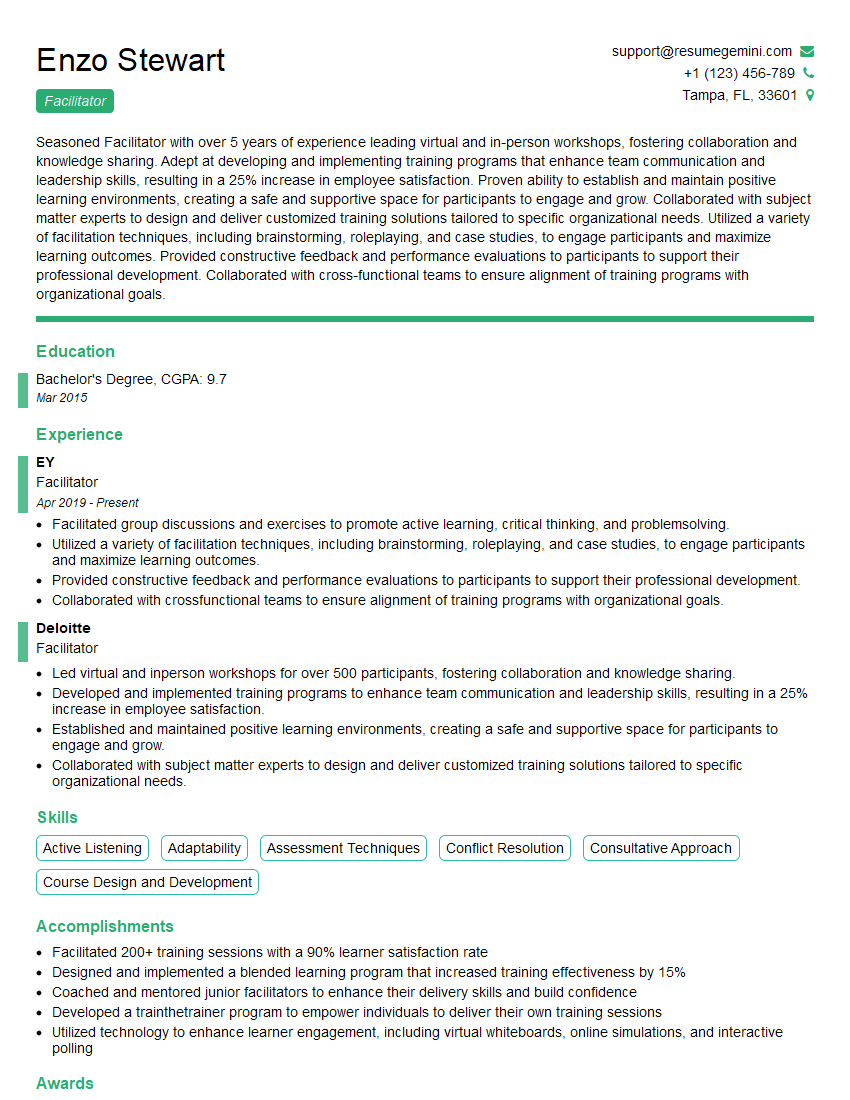
Facilitator Resume Sample
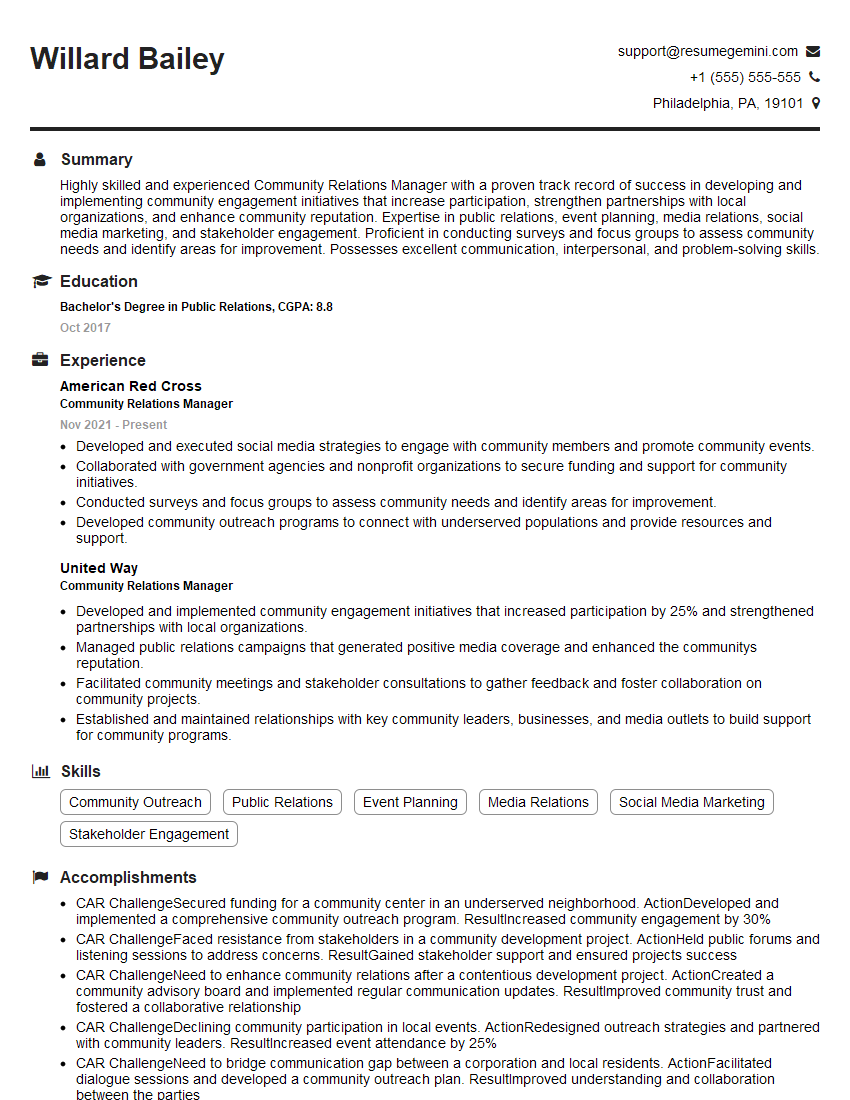
Community Relations Manager Resume Sample
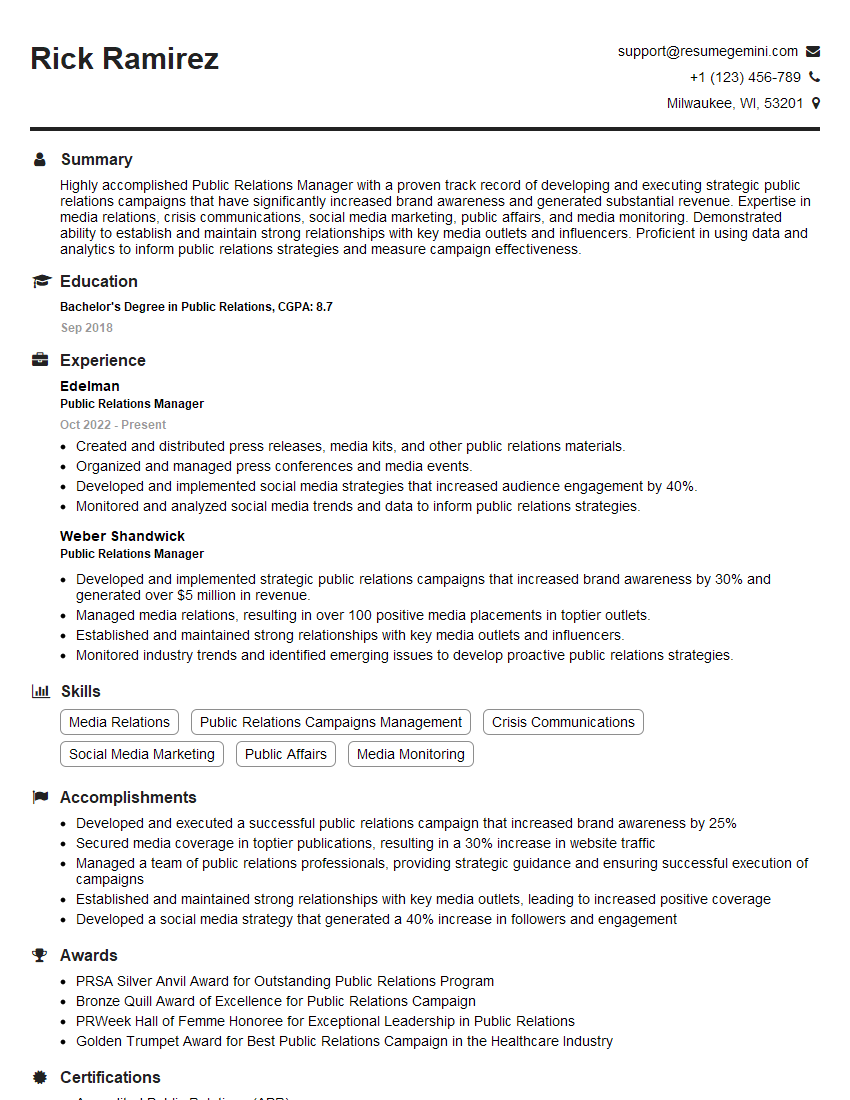
Public Relations Manager Resume Sample
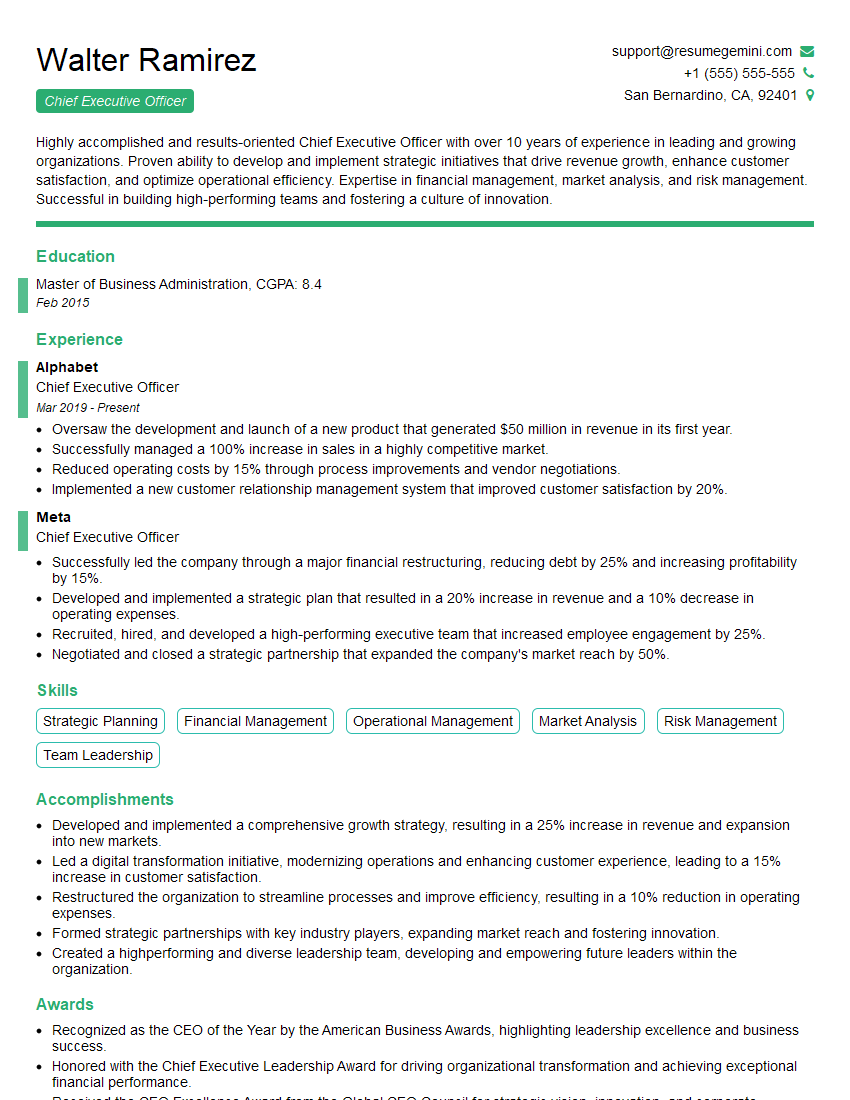
Chief Executive Officer Resume Sample
Explore more articles
Users Rating of Our Blogs
Share Your Experience
We value your feedback! Please rate our content and share your thoughts (optional).
What Readers Say About Our Blog
To the interviewgemini.com Webmaster.
Very helpful and content specific questions to help prepare me for my interview!
Thank you
To the interviewgemini.com Webmaster.
This was kind of a unique content I found around the specialized skills. Very helpful questions and good detailed answers.
Very Helpful blog, thank you Interviewgemini team.