Unlock your full potential by mastering the most common Dermatologic Examination interview questions. This blog offers a deep dive into the critical topics, ensuring you’re not only prepared to answer but to excel. With these insights, you’ll approach your interview with clarity and confidence.
Questions Asked in Dermatologic Examination Interview
Q 1. Describe the proper technique for performing a complete skin examination.
A complete skin examination requires a systematic approach to ensure no area is missed. Think of it like a meticulous detective searching for clues. We begin with a thorough visual inspection, utilizing good lighting – natural light is ideal – and magnification when necessary. The patient should be undressed to allow complete visualization of all skin surfaces. We examine the scalp, paying close attention to hair parting lines, then systematically move down the body, inspecting the face, ears, neck, trunk, upper and lower extremities, and finally, the palms, soles, and interdigital spaces. Don’t forget to check areas easily missed like the buttocks, under the breasts, and the umbilicus. We use both direct observation and palpation (feeling) to assess texture, temperature, and consistency of lesions. Each lesion is documented meticulously, noting its location, size, shape, color, and any other relevant characteristics.
In practice, I often use a dermatoscope for magnified visualization and polarized light to help distinguish between benign and malignant lesions. I also use a systematic approach, like a checklist, to ensure I don’t miss any area. For example, I might systematically work my way from head to toe, dividing the body into sections.
Q 2. What are the key components of a thorough dermatologic history?
A thorough dermatologic history is crucial in guiding the diagnosis and management of skin conditions. It’s not just about the rash itself, but the entire story surrounding it. Think of it as piecing together a puzzle – each piece of information adds to the overall picture.
- Chief Complaint: A precise description of the patient’s main skin concern, using their own words.
- History of Present Illness (HPI): A detailed timeline of the lesion’s development – when it started, how it evolved, any triggering factors (e.g., sun exposure, new medication), associated symptoms (itching, pain, burning).
- Past Medical History (PMH): Any relevant medical conditions (e.g., eczema, psoriasis, autoimmune diseases), surgeries, allergies, and previous skin problems. This helps uncover potential underlying causes.
- Family History (FH): Skin conditions can be hereditary. Knowing if family members have had similar problems provides valuable context.
- Social History (SH): Lifestyle factors like sun exposure, occupation, hobbies, use of cosmetics and personal care products, and smoking habits can significantly influence skin health.
- Medication History (MH): Certain medications can cause skin reactions (photosensitivity, rashes). A detailed medication list is essential.
For instance, a patient presenting with a new rash needs a detailed HPI to understand its progression – did it start as a small spot and grow? Did it itch from the beginning? Knowing their medication list helps determine if the rash is a side effect. A positive family history of melanoma may raise our suspicion about a suspicious mole.
Q 3. Explain the ABCDEs of melanoma detection.
The ABCDEs of melanoma detection are a simple mnemonic device to help remember key characteristics of suspicious lesions. It helps to identify potentially dangerous moles which require prompt medical attention.
- A – Asymmetry: One half of the mole doesn’t match the other half.
- B – Border: The edges are irregular, ragged, notched, or blurred.
- C – Color: The color is uneven, with variations of black, brown, tan, white, red, or blue.
- D – Diameter: The mole is larger than 6 millimeters (about the size of a pencil eraser), although melanomas can be smaller.
- E – Evolving: The mole is changing in size, shape, color, or elevation.
Imagine a mole that looks like a distorted map, with irregular borders and a mixture of colors – this is a warning sign. Any change in a pre-existing mole should also raise concern. Remember, while the ABCDEs are helpful, they are not foolproof. A dermatologist’s professional judgment is crucial in evaluating suspicious lesions.
Q 4. Differentiate between various types of skin lesions (e.g., macule, papule, nodule, vesicle).
Skin lesions are categorized based on their morphology (shape and form). It’s like describing a sculpture – the material, size, and shape are important details.
- Macule: A flat, circumscribed lesion less than 1 cm in diameter, like a freckle or birthmark. It only involves the epidermis (the outer layer of the skin).
- Papule: A raised, solid lesion less than 1 cm in diameter, like a wart or acne pimple. It involves the dermis (deeper layer of the skin).
- Nodule: A raised, solid lesion larger than 1 cm in diameter, deeper than a papule, and sometimes involving subcutaneous tissue (fatty tissue under the skin).
- Vesicle: A fluid-filled lesion (clear fluid) less than 1 cm in diameter, like a chickenpox blister.
- Bulla: A fluid-filled lesion larger than 1 cm in diameter.
- Pustule: A small elevation filled with pus, like a pimple.
Consider a patient with a cluster of small, fluid-filled blisters (vesicles) – that is characteristic of certain viral infections. Conversely, a solitary, raised, firm nodule could indicate a variety of conditions, and warrants further evaluation.
Q 5. How would you assess skin turgor and what does it indicate?
Assessing skin turgor helps determine the body’s hydration status. It’s a simple test, but it speaks volumes about fluid balance.
Technique: Gently pinch a fold of skin on the forearm or abdomen. Observe how quickly the skin returns to its normal position after release. This is done by gently pinching a fold of skin on the inner aspect of the forearm or on the abdomen. The skin should snap back promptly.
Interpretation: Skin that snaps back quickly indicates good hydration. Skin that remains tented or takes a while to return to its normal position suggests dehydration. This is a particularly useful assessment in older adults where dehydration is common.
Clinical Significance: Decreased skin turgor can be a sign of dehydration, hypovolemia (low blood volume), or malnutrition.
Q 6. Describe your approach to diagnosing a suspicious skin lesion.
Diagnosing a suspicious skin lesion is a multi-step process that requires a combination of clinical examination, dermoscopy, and often, biopsy.
- Detailed History and Physical Examination: This involves the patient’s history relevant to the lesion (as discussed above) and a thorough examination of the lesion’s characteristics.
- Dermoscopy: This non-invasive technique uses a dermatoscope with magnification and polarized light to visualize the structures within the lesion. This aids in differentiating benign from malignant lesions and helps guide biopsy decisions.
- Biopsy: If dermoscopy is inconclusive or the lesion is highly suspicious, a biopsy is the gold standard for diagnosis. The type of biopsy (shave, punch, excisional) depends on the lesion’s characteristics and location.
- Histopathological Examination: The biopsy sample is sent to a pathology lab for microscopic examination to determine the diagnosis definitively.
Imagine a patient with a mole that shows changes in size and color. Dermoscopy can provide additional details about the pigmentation pattern. If the features remain ambiguous, a biopsy would be performed to ensure accurate diagnosis.
Q 7. What are the common differential diagnoses for erythematous plaques?
Erythematous plaques – red, raised, flat lesions – can have many causes. It’s like a detective investigating a crime scene – there are multiple suspects to consider.
- Psoriasis: A chronic inflammatory skin condition characterized by well-defined, scaly plaques.
- Eczema (Atopic Dermatitis): An inflammatory skin condition characterized by itchy, red, and often weeping or crusted plaques.
- Seborrheic Dermatitis: An inflammatory condition affecting areas with high sebum production, resulting in erythematous and scaly plaques.
- Discoid Lupus Erythematosus: An autoimmune condition that causes raised, scaly, erythematous plaques.
- Contact Dermatitis: An allergic or irritant reaction to contact with a substance, causing erythematous plaques.
- Ringworm (Tinea corporis): A fungal infection that can present as erythematous, scaly, and sometimes annular plaques.
To illustrate, a patient with well-demarcated, scaly plaques on the elbows and knees, accompanied by intense itching, may suggest psoriasis. However, a similar presentation could also be due to eczema, making a thorough history and examination essential to differentiate the conditions.
Q 8. Explain your approach to managing a patient with psoriasis.
Managing psoriasis requires a multifaceted approach tailored to the patient’s specific disease severity and location. We start with a thorough history and physical exam, assessing the extent and severity of the plaques (raised, red, scaly patches), their location, and the patient’s overall impact. This includes evaluating for psoriatic arthritis if there are joint symptoms.
Treatment options range from topical therapies for mild psoriasis to systemic medications for severe, widespread disease. For mild cases, we might start with topical corticosteroids, vitamin D analogs (calcipotriene), or topical retinoids. These can reduce inflammation and scaling. For moderate to severe psoriasis, we may consider phototherapy (UVB or PUVA), biologic therapies (e.g., tumor necrosis factor inhibitors, interleukin inhibitors), or systemic medications like methotrexate or cyclosporine. The choice depends on several factors including the severity of psoriasis, the patient’s medical history, and potential side effects.
Patient education is key. We emphasize the chronic nature of the disease, the importance of adherence to treatment, and the management of triggers like stress, infection, and certain medications. We also discuss the importance of skin hydration and sun protection.
Example: A patient presents with mild plaque psoriasis on their elbows and knees. We would likely initiate treatment with a topical corticosteroid and calcipotriene, instructing them on proper application and potential side effects. We’d also advise them on moisturizing their skin and avoiding triggers.
Q 9. How would you manage a patient with a severe allergic contact dermatitis?
Managing severe allergic contact dermatitis requires immediate removal of the offending allergen and aggressive treatment to control inflammation and prevent complications. The first step is identifying the allergen through a thorough history (e.g., recent exposure to new cosmetics, plants, metals) and possibly patch testing. Once the allergen is identified, complete avoidance is crucial.
Treatment focuses on reducing inflammation and relieving symptoms. High-potency topical corticosteroids are often used initially to quickly control the severe inflammation. Wet dressings with cool compresses can provide significant relief from itching and inflammation. Oral corticosteroids might be necessary for severe cases, though their use is often short-term due to potential side effects. Antihistamines can help manage itching.
In cases with secondary infection (often seen in severe dermatitis due to scratching), we would add appropriate antibiotics. In severe cases, hospitalization might be required for intravenous fluids and supportive care. We emphasize education on allergen avoidance and prevention strategies to avoid future episodes.
Example: A patient presents with severe allergic contact dermatitis after exposure to poison ivy, with significant blistering and weeping. We would initiate high-potency topical corticosteroids, cool compresses, and possibly oral corticosteroids for a short period. We’d also prescribe antihistamines for itching and emphasize the importance of avoiding future contact with poison ivy.
Q 10. Describe the different types of skin biopsies and when each is indicated.
Several types of skin biopsies exist, each chosen based on the suspected diagnosis and depth of tissue required for accurate assessment. The choice of biopsy technique impacts the quality of the specimen and the ability to make an accurate diagnosis.
- Shave Biopsy: A razor blade is used to remove a superficial layer of skin. It’s ideal for lesions that are raised and easily accessible, such as benign tumors or superficial infections. It doesn’t provide the full depth of the lesion.
- Punch Biopsy: A small, cylindrical punch tool removes a core of skin tissue. It can obtain a deeper sample than a shave biopsy, allowing for examination of deeper structures. It’s useful for lesions of varying depths, including moles, inflammatory conditions, and some tumors.
- Excisional Biopsy: This involves surgically removing the entire lesion and a margin of surrounding normal skin. It’s preferred for suspicious lesions, such as potentially cancerous moles, to ensure complete removal and proper assessment of margins. The resulting specimen can be fully examined.
- Incisional Biopsy: A smaller portion of a large lesion is removed. This technique is used when removing the entire lesion is impractical or undesirable.
The choice depends on the clinical suspicion. For example, a suspicious mole would generally necessitate an excisional biopsy to completely remove it and assess the margins for cancerous cells. A raised, scaly lesion might only require a shave biopsy.
Q 11. What are the common side effects of topical corticosteroids?
Topical corticosteroids are effective in reducing inflammation, but prolonged or improper use can lead to several side effects. These side effects are more likely with higher potency corticosteroids and with prolonged use or application to large areas.
- Skin Atrophy (thinning): Long-term use can lead to thinning of the skin, making it fragile and susceptible to bruising and tearing. This is often visible as fine wrinkling and a change in skin texture.
- Striae (stretch marks): These can appear as purplish streaks, particularly on the abdomen, thighs, and breasts.
- Telangiectasia (broken blood vessels): These appear as tiny red lines on the skin.
- Purpura (bruising): The skin becomes more prone to bruising due to thinning.
- Perioral dermatitis: A rash around the mouth resembling acne.
- HIRSUTISM (increased hair growth): especially in women.
- Acneiform eruptions: Can worsen existing acne or cause new acne breakouts.
- Local infections: Corticosteroids can mask infections, allowing them to worsen.
It’s crucial to use topical corticosteroids judiciously, under the guidance of a dermatologist. The lowest effective potency should be used for the shortest duration possible.
Q 12. How do you assess for fungal infections of the skin?
Assessing for fungal infections involves a combination of clinical examination and laboratory testing. The clinical presentation often provides strong clues, but laboratory confirmation is crucial to guide treatment.
Clinical Examination: We look for characteristic features such as scaling, erythema (redness), pruritus (itching), and the specific morphology of the lesion. Tinea corporis (ringworm) typically presents as a circular, scaly patch with a raised border. Tinea pedis (athlete’s foot) often involves the interdigital spaces of the feet with scaling and maceration. Tinea cruris (jock itch) affects the groin area. Yeast infections like candidiasis often present with bright red, moist, and sometimes satellite lesions.
Laboratory Testing: The most common test is a potassium hydroxide (KOH) preparation, where a sample of the lesion is treated with KOH to dissolve skin cells, revealing fungal hyphae (filaments) under the microscope. Culture is a more sensitive method and can identify the specific fungal species, allowing for targeted treatment. Wood’s lamp examination (using UV light) can help visualize some fungal infections, but it is not definitive.
Example: A patient presents with a scaly, circular rash on their arm with a raised border and central clearing. A KOH preparation shows fungal hyphae, confirming the diagnosis of tinea corporis. Treatment would involve topical antifungal medication.
Q 13. Describe your approach to diagnosing and managing acne vulgaris.
Acne vulgaris is diagnosed based on clinical presentation, which includes comedones (blackheads and whiteheads), papules (small bumps), pustules (pus-filled bumps), nodules (larger, deeper lesions), and cysts (large, painful lesions). A thorough history regarding skin care products, diet, menstrual cycles (in women), and family history of acne helps guide management.
Treatment is tailored to the severity of acne and involves various approaches:
- Mild Acne: Topical retinoids (tretinoin, adapalene) promote cell turnover and unclog pores. Benzoyl peroxide is an antibacterial agent that helps kill Cutibacterium acnes (formerly Propionibacterium acnes), a bacteria contributing to acne.
- Moderate Acne: In addition to topical treatments, oral antibiotics (e.g., tetracycline, minocycline) may be added to control bacterial inflammation.
- Severe Acne: Isotretinoin (Accutane) is a potent oral retinoid that is reserved for severe, recalcitrant acne unresponsive to other treatments. Its use requires strict monitoring due to potential side effects.
Patient education is essential. This includes proper skin cleansing techniques, avoidance of harsh scrubbing, and sun protection during topical retinoid use. Regular follow-up appointments allow for treatment adjustments based on the patient’s response.
Q 14. What are the common signs and symptoms of skin cancer?
Skin cancer encompasses several types, each with distinct signs and symptoms. Early detection is crucial for successful treatment.
- Basal Cell Carcinoma (BCC): The most common type, often appearing as a pearly or waxy nodule, sometimes with a central ulceration. It may be pink, red, or brown. It usually grows slowly.
- Squamous Cell Carcinoma (SCC): Can present as a firm, red nodule or a flat, scaly lesion. It can grow more rapidly than BCC and has a higher risk of metastasis (spreading to other parts of the body).
- Melanoma: The most dangerous type, arising from melanocytes (pigment-producing cells). It’s characterized by the ABCDEs of melanoma: Asymmetry, Border irregularity, Color variation, Diameter greater than 6mm, and Evolving in size, shape, or color. Melanoma can appear in various forms, including nodular melanoma which is a dark raised lesion.
Other signs of skin cancer can include persistent sores that don’t heal, unusual bleeding or crusting, a change in size or shape of a mole, and new growth on the skin. Regular self-skin exams and professional skin checks are essential for early detection and treatment.
Q 15. What are the different types of skin cancer and how are they diagnosed?
Skin cancer encompasses several types, primarily categorized as basal cell carcinoma (BCC), squamous cell carcinoma (SCC), and melanoma. BCC and SCC are non-melanoma skin cancers, arising from the epidermis. Melanoma, originating from melanocytes, is far more aggressive.
Diagnosis relies on a thorough dermatologic examination, including visual assessment for suspicious lesions, and often involves biopsy.
- BCC: Often presents as pearly or waxy nodules, sometimes with telangiectasia (fine blood vessels). Biopsy shows characteristic histological features.
- SCC: May appear as firm, scaly plaques or ulcerated lesions. Biopsy confirms the diagnosis.
- Melanoma: Assessed using the ABCDEs of melanoma (Asymmetry, Border irregularity, Color variation, Diameter greater than 6mm, Evolving). Biopsy with histopathological examination, including Breslow depth and ulceration assessment, is crucial for staging and prognosis.
In addition to clinical examination, dermoscopy, a non-invasive technique using magnification, can aid in early detection of suspicious lesions. Imaging techniques like dermatoscopy and sometimes even ultrasound can further improve diagnostic accuracy. Ultimately, a biopsy is gold standard for confirming a diagnosis and determining the subtype and grade of skin cancer.
Career Expert Tips:
- Ace those interviews! Prepare effectively by reviewing the Top 50 Most Common Interview Questions on ResumeGemini.
- Navigate your job search with confidence! Explore a wide range of Career Tips on ResumeGemini. Learn about common challenges and recommendations to overcome them.
- Craft the perfect resume! Master the Art of Resume Writing with ResumeGemini’s guide. Showcase your unique qualifications and achievements effectively.
- Don’t miss out on holiday savings! Build your dream resume with ResumeGemini’s ATS optimized templates.
Q 16. How do you differentiate between eczema and psoriasis?
Eczema (atopic dermatitis) and psoriasis are chronic inflammatory skin conditions, but they differ significantly in their presentation and underlying pathophysiology. Think of it like this: eczema is often an itchy, reactive skin, while psoriasis involves rapid skin cell turnover, creating characteristic plaques.
- Eczema: Characterized by intensely itchy, erythematous (red) patches, often with weeping or crusting. Commonly affects flexural areas (e.g., inside elbows and knees) in children and can persist into adulthood. It is often associated with other allergies.
- Psoriasis: Presents as well-demarcated, erythematous plaques covered with silvery-white scales. Commonly affects extensor surfaces (e.g., elbows, knees, scalp). Can involve nails and joints (psoriatic arthritis).
Differentiation involves considering the location, morphology (shape and appearance), presence of scaling, itch, family history, and response to treatment. Sometimes, a skin biopsy may be necessary to distinguish between them, particularly in ambiguous cases.
Q 17. Describe the Wood’s lamp examination and its clinical applications.
A Wood’s lamp examination uses ultraviolet (UV) light to examine the skin. Different wavelengths of UV light cause different substances to fluoresce (glow), revealing otherwise invisible features. It’s like shining a special light to highlight hidden details.
Clinical Applications:
- Tinea infections (ringworm): Wood’s lamp can highlight fungal infections, causing them to fluoresce a characteristic yellow-green color. This is particularly helpful in detecting tinea capitis (scalp ringworm) in children.
- Bacterial infections (e.g., erythrasma): Some bacterial infections, like erythrasma, can show coral-red fluorescence under Wood’s lamp.
- Hypopigmentation: The lamp can help distinguish different types of hypopigmentation (reduced skin color), such as vitiligo (often appears non-fluorescent) from other conditions.
- Porphyrias: Certain porphyrias, rare genetic disorders affecting porphyrin metabolism, can cause characteristic fluorescence under UV light.
While useful, Wood’s lamp examination is not definitive and should be interpreted in conjunction with clinical findings and potentially other diagnostic tests.
Q 18. What are your techniques for evaluating skin pigmentation changes?
Evaluating skin pigmentation changes requires a systematic approach. I begin with a comprehensive history, including any recent sun exposure, medications, family history of skin conditions, and travel history. Then a thorough visual examination is performed looking at:
- Location: Note the distribution of the changes. Are they localized, generalized, or in specific sun-exposed areas?
- Morphology: Observe the shape, size, color, and texture of the lesions. Are they macules (flat), papules (raised), or plaques (larger raised areas)?
- Color: Describe the color precisely (e.g., hyperpigmented – darker than surrounding skin; hypopigmented – lighter; mixed pigmentation). Consider using a standardized color chart for objective assessment.
- Associated findings: Are there any other skin changes, such as scaling, atrophy (thinning of the skin), or hair loss?
Tools like dermatoscopy can greatly enhance the assessment of pigmented lesions. For example, dermoscopy can help differentiate between benign and malignant nevi (moles). In cases of concerning pigmentation changes, further investigations like biopsies may be required.
It’s important to emphasize the importance of patient education in assessing changes in pigmentation, especially concerning early detection of melanoma.
Q 19. What are the key considerations when examining a patient with suspected hidradenitis suppurativa?
Hidradenitis suppurativa (HS) is a chronic inflammatory skin disease affecting apocrine sweat glands, typically in intertriginous areas (skin folds). Examination involves a careful assessment of:
- Distribution: Lesions commonly appear in the axillae (armpits), groin, and buttocks. Note the location and extent of involvement.
- Morphology: Observe the presence of comedones (blackheads), nodules, abscesses, sinuses, and scarring. The stage of HS (I-IV) should be determined.
- Drainage: Check for purulent (pus-like) drainage from sinuses or abscesses.
- Associated findings: Note any signs of infection (erythema, warmth, swelling) or inflammation.
- Patient history: Consider the duration of symptoms, previous treatments, and family history of HS.
The goal of the examination is to assess the severity of the disease and to rule out other conditions. Imaging, such as ultrasound, can aid in assessing the extent of disease in deeper tissues. A careful examination can guide effective treatment strategies, including topical therapies, systemic medications, and sometimes surgical intervention.
Q 20. Describe your approach to managing a patient with vitiligo.
Managing vitiligo, an autoimmune depigmenting disorder, requires a multi-faceted approach focusing on both medical and psychosocial aspects. The treatment plan is personalized based on factors such as the extent of disease, patient preferences, and other health conditions.
My approach involves:
- Thorough Assessment: Assessing the extent and distribution of depigmentation, considering factors like age, location of patches, and the patient’s emotional wellbeing.
- Patient Education: Explaining the disease, its progression, and available treatment options, addressing misconceptions and managing expectations.
- Treatment Options: This can include topical corticosteroids, calcineurin inhibitors, phototherapy (narrowband UVB), or other medications. For extensive vitiligo, systemic therapies may be considered. Repigmentation can be challenging, and long-term treatment is usually required.
- Camouflage and Cosmetic Therapy: Providing patients with options such as makeup or other products to cover the depigmented areas. This can significantly improve self-esteem.
- Psychological Support: Offering emotional support or recommending therapy to cope with the psychological impact of vitiligo.
Regular monitoring and adjustments to the treatment plan are crucial, as response to therapy varies among patients. The primary goal is to improve quality of life through both repigmentation and improving the patient’s acceptance of their skin condition.
Q 21. Explain the role of dermoscopy in dermatologic examination.
Dermoscopy is a non-invasive technique that uses a dermatoscope (a handheld device with magnification and polarized light) to visualize skin structures. It’s like having a high-powered microscope for the skin’s surface.
Role in Dermatologic Examination:
- Improved visualization: Dermoscopy allows detailed examination of pigmented lesions, revealing subtle features that are invisible to the naked eye, significantly increasing diagnostic accuracy for melanomas and other pigmented lesions.
- Early detection of skin cancer: It enhances the detection of melanomas and other skin cancers at an earlier, more treatable stage by identifying suspicious features such as atypical vascular patterns or pigment network changes.
- Differentiation of benign and malignant lesions: Dermoscopy helps distinguish between benign and malignant nevi (moles) by analyzing specific structural features.
- Diagnosis of other skin conditions: Dermoscopy is not limited to pigmented lesions; it can also be used to diagnose other skin conditions such as inflammatory diseases, infectious diseases, and vascular disorders.
While dermoscopy is a powerful tool, a thorough clinical examination remains essential and is always performed in conjunction with dermoscopy to reach a conclusive diagnosis. When clinically indicated, dermoscopy findings are always correlated with other imaging or laboratory investigations and a biopsy may still be necessary for definitive diagnosis.
Q 22. How do you assess the severity of a burn injury?
Assessing burn severity involves a multi-faceted approach, primarily using the depth and extent of the burn. We utilize the commonly understood classification system: superficial (first-degree), partial-thickness (second-degree), and full-thickness (third-degree) burns.
Depth is determined by examining the characteristics of the burn wound. Superficial burns affect only the epidermis (outer skin layer), resulting in redness and pain. Partial-thickness burns involve the epidermis and dermis (deeper layer), causing blisters, significant pain, and varying degrees of blanching (loss of color when pressed). Full-thickness burns extend through the entire dermis, often appearing white or charred, with little to no pain due to nerve damage.
Extent is determined using the Rule of Nines or the Lund and Browder chart, which estimate the percentage of body surface area (BSA) affected. This helps in determining fluid resuscitation needs and overall prognosis. For example, a patient with a 20% BSA partial-thickness burn will require different management than one with a 5% BSA superficial burn. We also consider factors such as location (e.g., burns to the face, airways, or joints are considered more serious), patient age, and underlying medical conditions when assessing the overall severity and planning treatment.
Q 23. Describe your experience with patch testing.
Patch testing is a cornerstone of diagnosing allergic contact dermatitis. My experience involves performing and interpreting numerous patch tests using a standardized series of allergens applied to the patient’s back using Finn chambers. I meticulously document the patient’s history, including potential exposure sources, and then apply the allergens.
After 48 and 72 hours, I carefully assess each site for signs of allergic reaction, like erythema, papules, vesicles, or eczematous changes. I use a standardized scoring system to document the reaction’s intensity. Interpreting the results requires careful consideration of the patient’s history and the pattern of reactions to specific allergens. For example, a strong positive reaction to nickel might indicate contact allergy to jewelry or other nickel-containing objects. I then provide the patient with detailed information about avoiding the causative allergens and discuss management strategies, including topical corticosteroids, if needed.
Q 24. Explain the importance of patient education in dermatology.
Patient education is paramount in dermatology. Many skin conditions are chronic and require ongoing self-management. Effective education empowers patients to actively participate in their care, leading to better outcomes and improved quality of life. I always ensure that patients understand their diagnosis, treatment plan, and potential side effects.
For example, if a patient has psoriasis, I explain the nature of the disease, the importance of regular treatment, and the potential benefits and drawbacks of different therapies. I also teach them proper skin care techniques, such as moisturizing and avoiding harsh soaps. For patients with acne, I might explain the role of hormones, bacteria, and inflammation in the condition and the importance of consistent cleansing and medication use. This patient-centered approach strengthens the doctor-patient relationship and ensures a successful treatment plan.
Q 25. What are the ethical considerations when dealing with sensitive skin conditions?
Ethical considerations in dermatology are numerous, especially when dealing with sensitive skin conditions. Maintaining patient confidentiality is paramount; all information disclosed should be kept private. Informed consent is crucial before initiating any treatment, ensuring patients understand the procedure, potential risks, and benefits.
When dealing with conditions like vitiligo or severe acne, which can significantly impact self-esteem and body image, it’s vital to approach the patient with empathy and respect. Avoiding stigmatizing language and ensuring a safe and supportive environment are essential. For instance, before prescribing isotretinoin (Accutane), I thoroughly discuss its potential side effects (including depression and pregnancy risks) and ensure informed consent, including pregnancy testing and contraception planning. Maintaining professional boundaries and avoiding any form of discrimination are also critical aspects of ethical practice.
Q 26. How do you approach patients with concerns about cosmetic dermatology?
Approaching patients with cosmetic dermatology concerns requires a careful and nuanced approach. It’s crucial to manage expectations realistically and avoid promising unrealistic results. I begin by understanding the patient’s concerns and goals, taking a thorough history to evaluate their skin type, medical conditions, and treatment history.
I discuss the available options, outlining the benefits, risks, and limitations of each procedure. For example, when discussing Botox, I clearly explain its temporary nature, potential side effects (e.g., bruising, headaches), and the importance of choosing a qualified, board-certified dermatologist. I emphasize that cosmetic procedures are a personal choice and that the goal is to enhance natural features, not to create an artificial look. A detailed discussion of the costs and realistic expectations is crucial to avoiding misunderstandings and disappointments.
Q 27. Describe your experience with managing patients with skin infections.
Managing patients with skin infections involves prompt diagnosis and appropriate treatment to prevent complications. My approach includes a thorough history, including travel history and potential exposure to infectious agents, and a detailed physical examination. I often need to collect samples (swabs, scrapings) for microbiological testing (culture and sensitivity) to identify the causative organism and guide treatment.
For example, a patient presenting with cellulitis (a bacterial skin infection) would receive appropriate antibiotic therapy, often intravenously depending on severity. I monitor the patient closely for clinical improvement and adjust the treatment as needed based on laboratory results. For fungal infections, I would prescribe topical or systemic antifungals based on the location and severity of the infection. Viral infections, such as herpes simplex, may require antiviral medications and supportive care. Patient education on hygiene practices and preventative measures is crucial in managing and preventing recurrent infections.
Q 28. How do you stay current with the latest advancements in dermatologic examination and treatment?
Staying current in dermatology requires a multi-pronged approach. I regularly read peer-reviewed journals like the Journal of the American Academy of Dermatology and attend conferences and workshops to learn about the latest advancements in diagnostic techniques and treatment modalities. I actively participate in continuing medical education (CME) courses to maintain my medical license and stay abreast of best practices.
I also utilize online resources and professional networks to access new research findings and clinical guidelines. Regularly attending dermatology-focused meetings allows me to network with colleagues, share experiences, and learn from experts in the field. The dynamic nature of dermatology mandates continuous learning and a proactive approach to staying updated on new research and treatments to provide the best possible care for my patients.
Key Topics to Learn for Dermatologic Examination Interview
- Skin Lesion Assessment: Understanding morphology (size, shape, color, texture), distribution, and evolution of skin lesions. Practical application: Differentiating between various types of rashes, moles, and tumors based on visual assessment and patient history.
- Dermatoscopy: Mastering the technique and interpretation of dermatoscopic images to aid in diagnosis. Practical application: Identifying suspicious melanocytic lesions and distinguishing benign from malignant features.
- Common Skin Conditions: In-depth knowledge of the presentation, diagnosis, and management of common dermatological conditions (e.g., eczema, psoriasis, acne, rosacea). Practical application: Formulating a differential diagnosis based on clinical findings and patient history.
- Special Procedures: Understanding the principles and applications of various dermatologic procedures (e.g., punch biopsy, shave biopsy). Practical application: Choosing the appropriate procedure based on the clinical presentation and suspected diagnosis.
- Patient History Taking: Developing effective questioning techniques to elicit pertinent information regarding the patient’s symptoms, medical history, and risk factors. Practical application: Gathering comprehensive data to assist in accurate diagnosis and treatment planning.
- Differential Diagnosis: Formulating a systematic approach to creating a differential diagnosis, considering various possible conditions based on the clinical presentation. Practical application: Prioritizing the most likely diagnoses and ordering appropriate investigations.
- Documentation and Communication: Creating clear, concise, and accurate documentation of the dermatologic examination, findings, and treatment plan. Practical application: Communicating findings effectively with patients and other healthcare professionals.
Next Steps
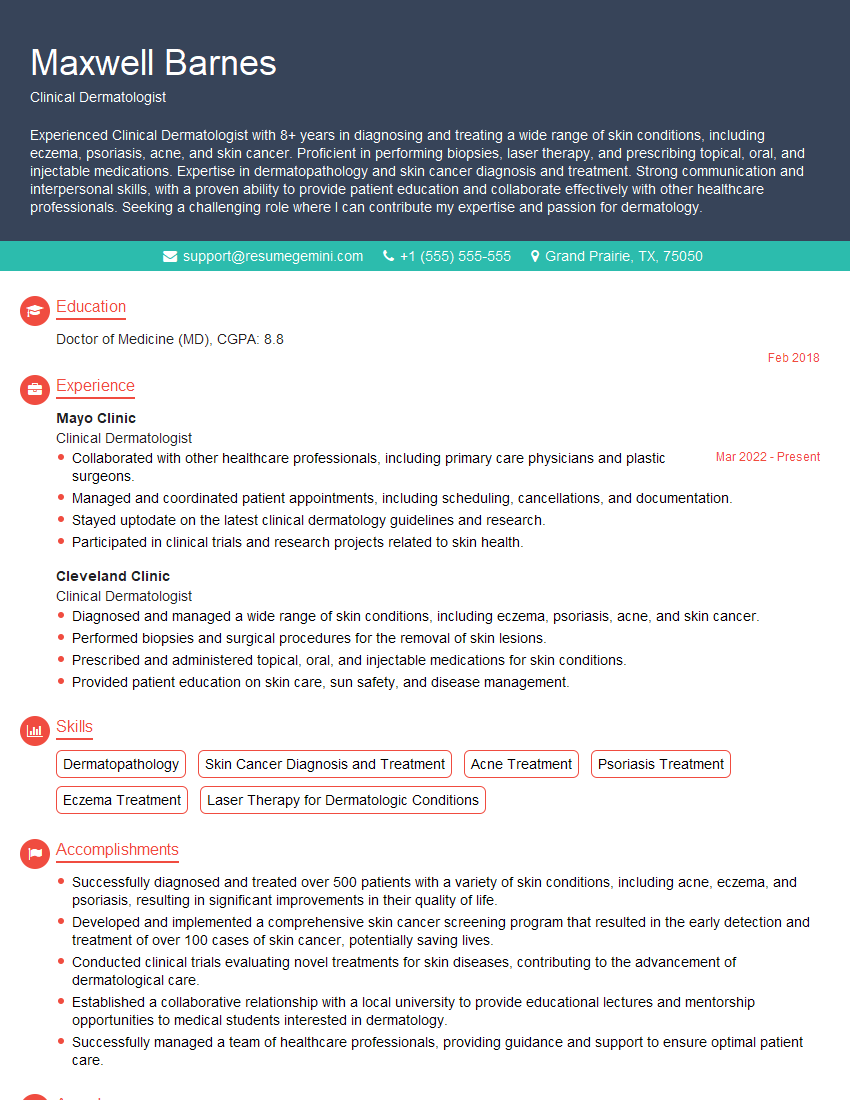
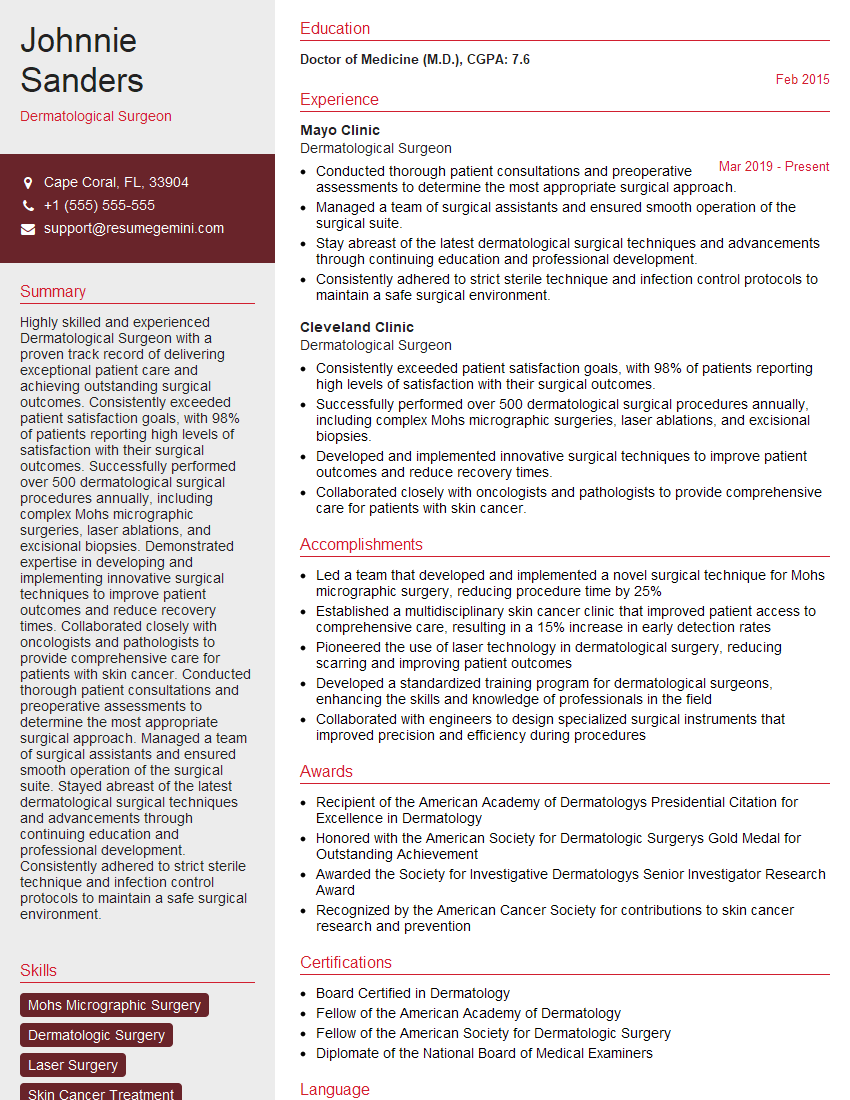
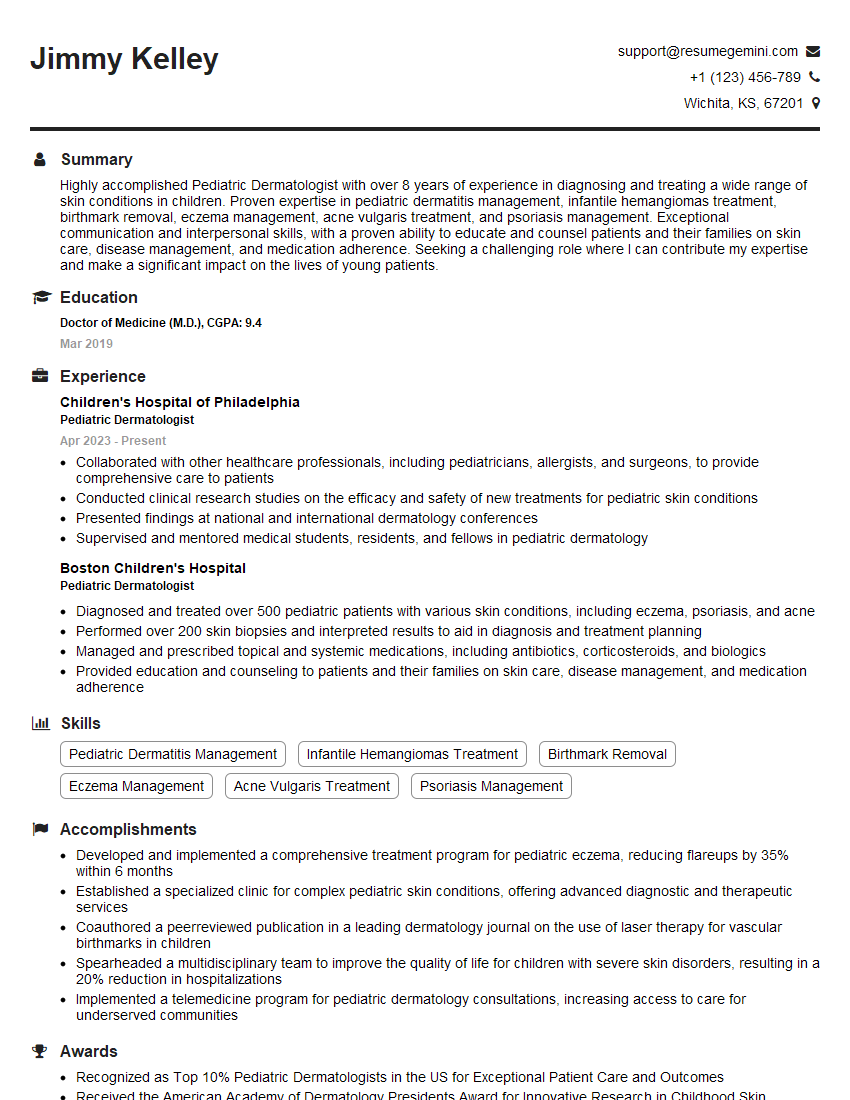
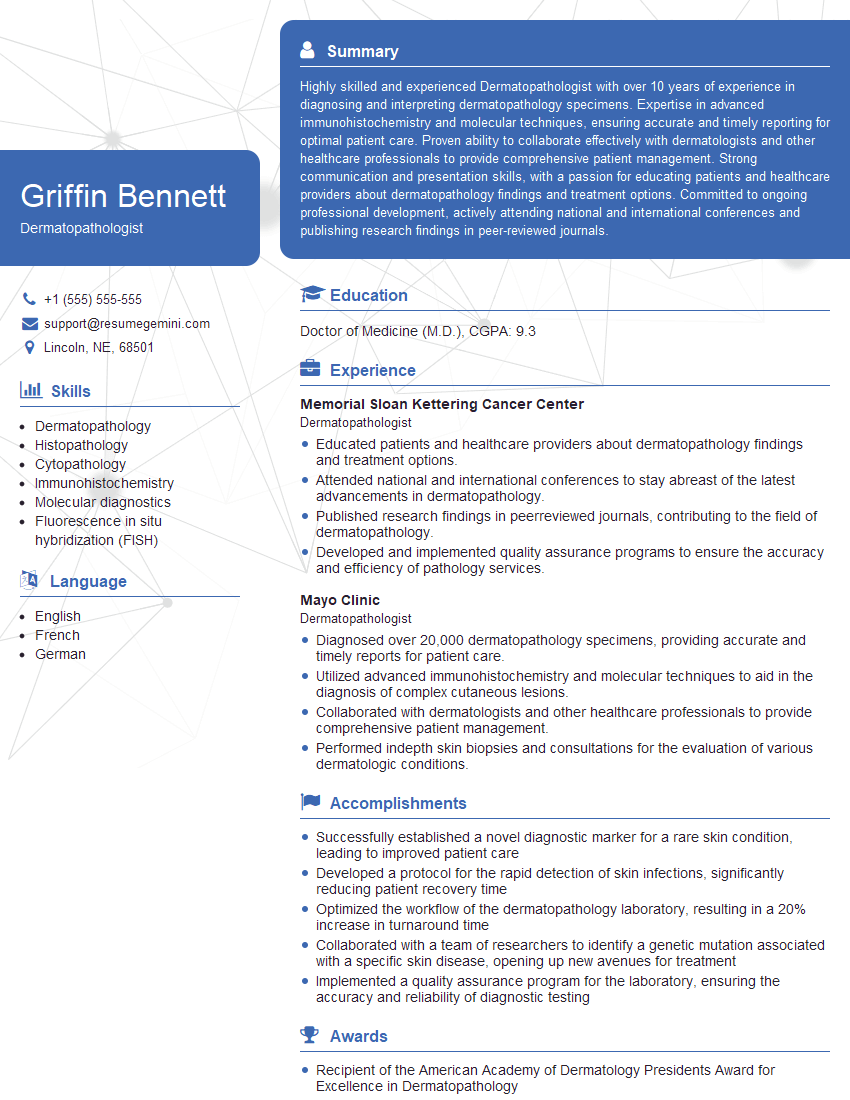
Mastering the dermatologic examination is crucial for career advancement in dermatology and related fields. A strong understanding of these key concepts will significantly enhance your clinical skills and confidence during patient interactions. To maximize your job prospects, it’s essential to create a resume that effectively showcases your skills and experience to Applicant Tracking Systems (ATS). ResumeGemini is a trusted resource for building professional and ATS-friendly resumes. They offer tailored resume examples specific to dermatologic examination roles, helping you present your qualifications in the best possible light. Invest time in crafting a compelling resume – it’s your first impression!

Explore more articles
Users Rating of Our Blogs
Share Your Experience
We value your feedback! Please rate our content and share your thoughts (optional).
What Readers Say About Our Blog
To the interviewgemini.com Webmaster.
Very helpful and content specific questions to help prepare me for my interview!
Thank you
To the interviewgemini.com Webmaster.
This was kind of a unique content I found around the specialized skills. Very helpful questions and good detailed answers.
Very Helpful blog, thank you Interviewgemini team.