Unlock your full potential by mastering the most common Flexible Bronchoscopy interview questions. This blog offers a deep dive into the critical topics, ensuring you’re not only prepared to answer but to excel. With these insights, you’ll approach your interview with clarity and confidence.
Questions Asked in Flexible Bronchoscopy Interview
Q 1. Describe the indications for flexible bronchoscopy.
Flexible bronchoscopy is a minimally invasive procedure used to visualize the airways and obtain diagnostic information. Indications are broad and encompass a wide range of respiratory conditions. Think of it like having a tiny, flexible camera explore your lungs.
- Suspected lung cancer: Bronchoscopy allows for direct visualization of suspicious lesions, collection of tissue samples (biopsies), and potentially even minimally invasive treatment.
- Hemoptysis (coughing up blood): To identify the source of bleeding, which could range from a simple inflammation to a more serious condition.
- Unexplained cough or lung infection: To identify the cause and guide treatment. This is especially helpful when other tests like X-rays or CT scans aren’t conclusive.
- Evaluation of abnormal chest imaging findings: To clarify findings seen on X-rays or CT scans, determining if a lesion is benign or malignant.
- Foreign body aspiration: To locate and remove a foreign object lodged in the airways.
- Airway obstruction: To assess the nature and extent of the obstruction and potentially treat it.
- Bronchoalveolar lavage (BAL): To obtain a sample of fluid from the lungs for diagnostic testing (as discussed further below).
In short, flexible bronchoscopy serves as a crucial diagnostic and therapeutic tool across many pulmonary diseases.
Q 2. Explain the different types of flexible bronchoscopes and their applications.
Flexible bronchoscopes come in varying diameters and lengths, each suited for specific applications. The choice depends on patient anatomy, lesion location, and the procedure’s goals.
- Standard flexible bronchoscopes: These are the workhorses, used for most diagnostic and therapeutic procedures. They are relatively thin and easily navigated through the airways. Think of them as the standard ‘camera’ for exploring the lungs.
- Ultra-thin bronchoscopes: These are smaller in diameter, enabling access to more peripheral airways, especially useful in patients with smaller airways or those requiring access to smaller lesions.
- Therapeutic bronchoscopes: These might include additional channels for instruments like biopsy forceps, stents, or lasers. These are for more complex procedures that are both diagnostic and therapeutic.
- Virtual bronchoscopy: This is not a physical scope but uses advanced image processing to reconstruct 3D images of the airways from CT scans, offering a non-invasive visualization option.
For instance, an ultra-thin bronchoscope might be preferred for a patient with significantly narrowed airways, while a therapeutic bronchoscope would be necessary for placing a stent to relieve an airway obstruction.
Q 3. Outline the steps involved in performing a flexible bronchoscopy procedure.
A flexible bronchoscopy procedure follows a systematic approach prioritizing patient safety and comfort. It generally involves these steps:
- Pre-procedure preparation: This includes a thorough patient history, physical examination, and assessment of coagulation status. Informed consent is crucial. The patient usually receives sedation or local anesthesia.
- Topical anesthesia: A local anesthetic spray is applied to numb the throat and airways, reducing discomfort.
- Bronchoscope insertion: The bronchoscope is gently passed through the nose or mouth into the trachea and then into the bronchi. The physician navigates through the airways, guided by the scope’s camera.
- Visual examination: The physician carefully examines the airways for any abnormalities such as tumors, inflammation, foreign bodies, or bleeding.
- Bronchoalveolar lavage (BAL) or biopsy: If indicated, BAL or biopsy samples are collected (explained in more detail below).
- Bronchoscope removal: Once the procedure is completed, the bronchoscope is carefully withdrawn.
- Post-procedure monitoring: The patient’s vital signs are monitored, and they are kept under observation until the effects of sedation have worn off.
The entire process, including preparation and recovery, can take anywhere from 30 minutes to several hours depending on the complexity of the case.
Q 4. What are the potential complications associated with flexible bronchoscopy?
While generally safe, flexible bronchoscopy carries the potential for several complications, though most are relatively rare. It’s important to discuss the risks fully with the patient before the procedure.
- Bleeding: This is the most common complication, usually mild and easily controlled, but can be more significant in some cases.
- Infection: Infection of the airways is a possibility, though the risk is reduced by proper sterile technique.
- Pneumothorax (collapsed lung): This occurs when air leaks into the space between the lung and chest wall, requiring treatment like a chest tube.
- Hypotension (low blood pressure) and bradycardia (slow heart rate): These can occur from vagal nerve stimulation during the procedure, especially with patients who have cardiac disease. Medications are commonly used to counter this.
- Laryngospasm (spasm of the vocal cords): This can cause difficulty breathing and requires immediate management.
- Reactions to sedation or anesthesia: Allergic reactions or adverse effects of sedation are possible.
The vast majority of flexible bronchoscopies are performed without major complications, and the risks are usually outweighed by the diagnostic or therapeutic benefits.
Q 5. How do you manage airway bleeding during a flexible bronchoscopy?
Airway bleeding during a bronchoscopy can range from minimal to severe. Management depends on the severity and source of bleeding. The key is to identify the source of bleeding and then employ appropriate control measures.
- Mild bleeding: Often resolves spontaneously or with simple measures like applying pressure with the bronchoscope or suctioning.
- Moderate to severe bleeding: May require more aggressive intervention, such as:
- Adrenaline injection: Direct injection of epinephrine (adrenaline) into the bleeding site to constrict blood vessels.
- Electrocautery: Using a heated instrument to cauterize the bleeding vessel.
- Coagulation therapy: Applying a coagulation device to seal off bleeding vessels.
- Bronchial artery embolization: In severe cases, this technique is used to block the blood vessels supplying the bleeding area.
In cases of uncontrollable hemorrhage, the procedure may need to be aborted. Post-procedural close monitoring is essential to detect and manage any delayed bleeding.
Q 6. Describe your experience with bronchoalveolar lavage (BAL).
Bronchoalveolar lavage (BAL) is a crucial technique I use frequently during flexible bronchoscopy. It involves instilling and then aspirating saline into a specific area of the lung to collect alveolar macrophages and other fluid components for analysis. Think of it like gently rinsing a small part of the lung and then collecting the rinse water for examination.
My experience encompasses a wide range of applications, from diagnosing infectious pneumonias (identifying the specific bacteria or virus) to evaluating interstitial lung disease (identifying inflammatory cells and other characteristics). I’ve used BAL to assess for Pneumocystis jirovecii pneumonia in immunocompromised patients and to detect malignant cells in cases of suspected lung cancer. The analysis of the BAL fluid provides essential clues for diagnosis and guiding treatment strategy.
Interpreting the results requires careful consideration of the cytology (cell types), microbiology (presence of bacteria, fungi, or viruses), and biochemistry (e.g., presence of inflammatory markers). I collaborate with the laboratory team to ensure accurate and timely reporting of the findings.
Q 7. Explain the technique for obtaining endobronchial biopsies.
Obtaining endobronchial biopsies is another essential aspect of my practice. The aim is to collect tissue samples from suspicious lesions within the airways for pathological examination under a microscope.
The technique involves navigating the flexible bronchoscope to the target lesion. Specialized forceps are then introduced through the bronchoscope’s working channel to grasp and obtain a biopsy specimen. Several passes may be required to get an adequate sample, depending on the lesion’s size, location, and consistency.
Different types of forceps exist, such as cup biopsy forceps (for collecting tissue from a larger area), and flexible forceps (better for reaching more difficult areas). The choice of forceps depends on the specific characteristics of the target lesion and the experience of the bronchoscopist. After obtaining the biopsy samples, they are sent to the pathology lab for analysis, which will determine the nature of the tissue and provide a critical element for the patient’s diagnosis and treatment plan.
Q 8. How do you interpret bronchoscopic findings?
Interpreting bronchoscopic findings involves a systematic approach, combining visual observation with any collected samples. We start with assessing the overall airway patency, noting any narrowing, obstruction, or abnormal structures. Then we meticulously examine the tracheobronchial tree, looking for signs of inflammation (like redness, swelling), masses (tumors, foreign bodies), bleeding, or secretions.
For example, visualizing a localized area of erythema and edema in a segmental bronchus might suggest an infection like pneumonia. The presence of a mass with irregular borders could raise suspicion for malignancy. We carefully document the location, size, and characteristics of any abnormalities. Further analysis involves examining any collected biopsies or brushings under a microscope, and correlating findings with the patient’s clinical presentation and imaging studies (like chest X-rays or CT scans) for a comprehensive diagnosis.
Finally, I always consider the broader clinical context. A patient’s medical history, symptoms, and response to treatment all play a crucial role in shaping the interpretation of bronchoscopic findings. It’s a holistic approach, not just a reading of images.
Q 9. What is your approach to managing a patient with difficult airways during bronchoscopy?
Managing difficult airways during bronchoscopy requires a multi-pronged approach prioritizing patient safety. First, a thorough pre-procedural assessment is crucial, including careful review of the patient’s medical history (e.g., history of difficult intubation, presence of significant comorbidities), performing a thorough physical exam, and potentially utilizing imaging studies to better visualize the airway anatomy. If the airway is anticipated to be challenging, we might choose to employ specific techniques like the use of flexible bronchoscopes with smaller diameter tubes. These flexible scopes are more maneuverable than rigid scopes and allow for a less invasive approach.
During the procedure itself, if difficulties arise, we may use a variety of techniques such as topical anesthesia to reduce discomfort and potentially use a variety of airway adjuncts like bougies to assist with easier passage through the airway. If severe difficulties occur, we are prepared to immediately stop and may need to use alternative methods of airway management, or even involve the anesthesia team for more advanced airway maneuvers. Communication and collaboration with the anesthesiology team is absolutely key in managing these situations. We are well-versed in rescue techniques and always prioritize patient safety.
Q 10. Describe your experience with electrocautery during bronchoscopy.
Electrocautery is a valuable tool in bronchoscopy, used for hemostasis (stopping bleeding) or for tissue resection. It involves using a low-voltage current to heat a wire or probe, creating a controlled burn. I have extensive experience using electrocautery in various scenarios, such as controlling bleeding from biopsy sites or resecting small lesions. The key is meticulous technique to prevent thermal injury to surrounding tissue. This includes using the lowest effective power setting, and carefully monitoring the area being treated. We always take precautions to prevent any inadvertent burns to the airway, for instance by using appropriate suction to clear away smoke, and making sure to keep the electrode in contact with the tissue for the minimum amount of time needed to achieve the desired effect.
For example, I recently used electrocautery to control bleeding from a biopsy site during a lung cancer investigation. By carefully applying the electrocautery to the bleeding vessel, I was able to achieve hemostasis quickly and efficiently without causing further damage. However, it’s crucial to remember that electrocautery also carries potential risks, including airway burns and perforation. This is why careful application with appropriate monitoring is vital.
Q 11. How do you manage a pneumothorax during a bronchoscopy procedure?
A pneumothorax, or collapsed lung, is a serious complication of bronchoscopy, though thankfully uncommon. Immediate recognition and management are crucial. The first step is to immediately cease the procedure and administer supplemental oxygen. Chest X-ray confirmation is vital to confirm the diagnosis. Management depends on the severity of the pneumothorax. For small pneumothoraces, often observation and supplemental oxygen is sufficient. Larger pneumothoraces usually require immediate chest tube insertion to evacuate the air and allow the lung to re-expand. This is usually performed by the thoracic surgery team or the critical care team. Intubation might be necessary if the pneumothorax is causing significant respiratory compromise.
The exact approach depends on several factors, such as the patient’s respiratory status, size of pneumothorax and overall health condition. In all cases, prompt recognition and intervention are critical for favorable outcomes. The management is always tailored to each individual patient’s needs and closely monitored.
Q 12. What are the contraindications for flexible bronchoscopy?
Several contraindications exist for flexible bronchoscopy. These can be broadly categorized into absolute and relative contraindications. Absolute contraindications, meaning the procedure should not be performed, include: severe uncompensated cardiovascular instability, and a lack of informed consent. Relative contraindications, meaning the procedure may proceed after carefully weighing the risks and benefits, include unstable hemodynamic status (such as uncontrolled bleeding or severe hypertension), severe coagulopathy (increased risk of bleeding), and severe respiratory distress where the procedure might further compromise the patient’s respiratory status. Other factors to consider are the patient’s ability to cooperate with the procedure, as well as their overall clinical condition.
Thorough pre-procedural assessment is vital to identify any contraindications and properly inform the patient about the risks and benefits of the procedure, ensuring the informed consent process is meticulously followed and documented.
Q 13. Discuss your experience with cryotherapy in bronchoscopy.
Cryotherapy, using extremely cold temperatures to freeze and destroy tissue, is another valuable technique in bronchoscopy. I have used it primarily for treating early-stage lung cancer and benign endobronchial lesions. The process involves applying a cryoprobe to the target tissue, which then freezes the cells, leading to their eventual necrosis and sloughing. Cryotherapy is generally well-tolerated, causing less thermal injury to surrounding tissue compared to electrocautery. However, it can be technically challenging, requiring precise placement of the cryoprobe to ensure complete treatment of the lesion.
For example, I’ve successfully used cryotherapy to treat a patient with a small, centrally located endobronchial tumor. The post-procedure bronchoscopy showed a reduction in the tumor size, suggesting a successful ablation.
Q 14. Explain your experience with using navigation systems during bronchoscopy.
Navigation systems, using various imaging techniques, have significantly advanced bronchoscopy. These systems integrate real-time imaging (such as CT or fluoroscopy) with bronchoscope position, guiding the physician to precisely target specific areas within the lung. My experience with navigation systems has greatly improved accuracy in identifying and treating peripheral lung lesions. It’s like having a GPS for the lungs, allowing for more targeted biopsies and interventions.
For instance, when dealing with a small nodule detected on CT scan, the navigation system allows me to visualize the nodule’s exact location and navigate the bronchoscope directly to it, increasing the chances of successful biopsy or treatment. It has significantly improved diagnostic yield, particularly for small or difficult-to-reach lesions, minimizing the need for invasive procedures such as open surgery.
Q 15. Describe your familiarity with bronchoscopic stent placement.
Bronchoscopic stent placement is a crucial procedure I perform frequently to alleviate airway obstruction. It involves inserting a small, expandable metallic or plastic tube into a narrowed or blocked airway using a flexible bronchoscope. The stent acts as a scaffold, keeping the airway open and improving airflow.
My familiarity encompasses various stent types, including self-expanding metallic stents (SEMS) and silicone stents, each with its own advantages and indications. SEMS are often preferred for malignant airway obstruction due to their radial force and ability to maintain patency, while silicone stents are better suited for benign conditions or temporary use. The procedure selection depends on factors such as the location and nature of the obstruction, the patient’s overall health, and the anticipated duration of stent placement.
For instance, I recently placed a SEMS in a patient with lung cancer causing severe airway narrowing. The procedure successfully relieved the obstruction, improving his breathing and quality of life. Proper stent selection and precise placement are paramount to achieving successful outcomes and minimizing complications such as migration or infection.
Career Expert Tips:
- Ace those interviews! Prepare effectively by reviewing the Top 50 Most Common Interview Questions on ResumeGemini.
- Navigate your job search with confidence! Explore a wide range of Career Tips on ResumeGemini. Learn about common challenges and recommendations to overcome them.
- Craft the perfect resume! Master the Art of Resume Writing with ResumeGemini’s guide. Showcase your unique qualifications and achievements effectively.
- Don’t miss out on holiday savings! Build your dream resume with ResumeGemini’s ATS optimized templates.
Q 16. How do you manage post-bronchoscopy complications?
Managing post-bronchoscopy complications is critical to patient safety and requires a proactive approach. Common complications include bleeding, infection, pneumothorax (collapsed lung), and hypoxemia (low blood oxygen).
Immediate post-procedure monitoring is essential, focusing on vital signs, oxygen saturation, and respiratory status. Bleeding is typically managed with observation, suctioning, and if necessary, bronchoscopic interventions like cauterization or placement of a hemostatic agent. Infection is addressed with antibiotics guided by cultures if needed. Pneumothorax necessitates chest tube insertion in most cases, while hypoxemia requires supplemental oxygen therapy and close monitoring.
Patient education on recognizing and reporting potential complications is also vital for timely intervention. For instance, I always inform patients about potential coughing and minor bleeding and advise them to contact my office immediately should they experience shortness of breath, chest pain, or excessive bleeding. A structured follow-up plan, including close monitoring and scheduled appointments, aids in the early detection and effective management of any complications.
Q 17. What are the advantages and disadvantages of using flexible bronchoscopy compared to rigid bronchoscopy?
Flexible and rigid bronchoscopy are both valuable tools in pulmonology, but they differ significantly in their applications and advantages. Flexible bronchoscopy, which uses a thin, flexible tube, offers several key advantages over rigid bronchoscopy.
- Accessibility: Flexible bronchoscopes can navigate complex airway anatomy, reaching peripheral lesions that might be inaccessible with rigid bronchoscopes. This is particularly useful in diagnosing and treating peripheral lung cancers or lesions.
- Patient comfort: Flexible bronchoscopy is generally better tolerated by patients because it requires less sedation and is associated with less trauma to the airway. It is often performed under conscious sedation.
- Versatility: Flexible bronchoscopy is a very versatile technique allowing for procedures such as transbronchial lung biopsy, bronchoalveolar lavage, and endobronchial ultrasound-guided transbronchial needle aspiration (EBUS-TBNA).
However, rigid bronchoscopy, which employs a larger, rigid tube, also has its place. Its advantages include:
- Direct visualization: Rigid bronchoscopes provide a clearer view of the airway, making it easier to remove larger foreign bodies or perform certain surgical procedures.
- Better suctioning: Rigid bronchoscopes have more robust suction capabilities than flexible bronchoscopes.
In essence, the choice between flexible and rigid bronchoscopy depends on the specific clinical scenario and the goals of the procedure. Many cases are best addressed using flexible bronchoscopy due to its safety profile and broader applications.
Q 18. Describe your experience with bronchoscopic foreign body removal.
Bronchoscopic foreign body removal is a critical skill I’ve used extensively throughout my career. The approach depends heavily on the type, size, and location of the foreign body and the patient’s clinical condition.
For example, I’ve removed everything from small coins lodged in the trachea to larger objects impacting the bronchi. The procedure typically involves visualizing the foreign body with the bronchoscope and then using specialized forceps or other instruments to gently remove the object. The entire process requires precise hand-eye coordination and a keen understanding of airway anatomy to avoid causing further damage.
In cases of particularly challenging or complex foreign body extractions, I collaborate with other specialists, such as ENT surgeons, to ensure optimal patient outcomes. For instance, I once worked with an ENT surgeon to extract a large peanut lodged deep within a child’s airway. The combined expertise of both teams was crucial for the successful retrieval of the object while minimizing harm.
Q 19. Explain the role of bronchoscopy in the diagnosis of lung cancer.
Bronchoscopy plays a vital role in the diagnosis and staging of lung cancer. It offers several key benefits, including the ability to obtain tissue samples for histological confirmation and to assess the extent of disease.
Transbronchial biopsy (TBB), where small tissue samples are collected from suspected areas, is often the first-line diagnostic approach. Endobronchial ultrasound-guided transbronchial needle aspiration (EBUS-TBNA) allows for targeted sampling of mediastinal lymph nodes, crucial for staging the cancer. Bronchoalveolar lavage (BAL) helps assess for the presence of malignant cells in the airways.
Through these techniques, bronchoscopy contributes significantly to accurate diagnosis, guides subsequent treatment decisions, and plays a crucial role in determining prognosis. For instance, in a recent case, bronchoscopy with EBUS-TBNA helped to definitively diagnose lung cancer and reveal lymph node involvement, influencing the treatment strategy from surgery to chemotherapy.
Q 20. How do you determine the appropriate sedation level for a bronchoscopy patient?
Determining the appropriate sedation level for bronchoscopy is crucial for patient comfort and safety. This depends on several factors, including the patient’s age, medical history, anxiety level, and the complexity of the procedure.
My approach focuses on a balanced approach, aiming for adequate sedation to minimize discomfort and allow for procedure completion, without compromising the patient’s ability to cooperate or causing respiratory depression. I typically use a combination of medications, including a benzodiazepine for anxiety and an opioid for pain relief, often titrated based on the patient’s response. Close monitoring of vital signs, including oxygen saturation, heart rate, and blood pressure, is crucial throughout the procedure.
In selecting and adjusting sedatives, I rely on my assessment of each patient’s unique needs. For instance, I might use a lighter sedation level for a younger, healthy patient undergoing a simple procedure, while a more significant level of sedation may be appropriate for an elderly patient with multiple comorbidities. The goal is always to provide safe and effective sedation customized to each individual.
Q 21. What are your preferred methods for managing patient anxiety before a bronchoscopy?
Managing patient anxiety before bronchoscopy is essential for ensuring a smooth and successful procedure. I employ several strategies to address this.
Open communication and education are paramount. I take the time to explain the procedure thoroughly, answer all patient questions, and address any concerns. I use clear and simple language, avoiding medical jargon, and offer visual aids such as diagrams and videos to help patients visualize what to expect.
Pre-procedural medication such as a low dose of an anxiolytic can be beneficial. I also encourage relaxation techniques like deep breathing exercises or mindfulness. For patients with extreme anxiety, a pre-procedure meeting with a psychologist or psychiatrist may be helpful.
Throughout the process, I emphasize empathy and reassurance, creating a supportive environment to help alleviate patient apprehension. Building rapport and trust is key to ensuring patient comfort and cooperation before, during, and after the bronchoscopy.
Q 22. Explain your experience with various bronchoscopic imaging techniques.
My experience encompasses a wide range of bronchoscopic imaging techniques, crucial for accurate diagnosis and treatment planning. This includes standard white-light bronchoscopy, which provides a visual assessment of the airways. Beyond this, I’m proficient in narrow band imaging (NBI), which enhances the visualization of subtle vascular patterns in the airway mucosa, aiding in the detection of early-stage lung cancer and other lesions. I also have extensive experience with autofluorescence bronchoscopy, utilizing specific wavelengths of light to highlight abnormal tissue, and fluorescence bronchoscopy using various dyes which aid in the detection of cancerous and pre-cancerous lesions. Finally, I’m experienced with endobronchial ultrasound (EBUS), a technique that combines bronchoscopy with ultrasound to visualize lymph nodes and other structures adjacent to the airways, allowing for the precise sampling of suspicious tissue. For example, in a patient presenting with a suspicious lung nodule, NBI could help distinguish between benign and malignant lesions, while EBUS would aid in staging the cancer by evaluating regional lymph nodes.
Q 23. How do you handle unexpected complications during a bronchoscopy procedure?
Handling unexpected complications during bronchoscopy requires a calm, systematic approach prioritizing patient safety. Potential complications include bleeding, pneumothorax (collapsed lung), infection, or airway obstruction. My approach involves immediate assessment of the patient’s vital signs, and securing the airway if necessary. I’m trained in managing each of these complications, often involving adjusting the bronchoscope technique, administering medications like bronchodilators or vasoconstrictors, and if needed, transitioning to a more invasive procedure like a thoracotomy. For instance, if significant bleeding occurs, I’ll use techniques like applying pressure or employing electrocautery. In the event of a pneumothorax, I’ll place a chest tube to facilitate lung re-expansion. Documentation of the event, including the response and patient outcome, is critically important for continuous quality improvement and risk management.
Q 24. Describe your understanding of the ethical considerations in performing flexible bronchoscopy.
Ethical considerations in flexible bronchoscopy are paramount. Informed consent is crucial; patients need to understand the procedure, its benefits, risks, and alternatives. This includes explaining the potential complications and addressing any anxieties they may have. Maintaining patient confidentiality, respecting their autonomy, and ensuring their dignity throughout the procedure are non-negotiable. For example, I always discuss the potential risks and benefits of bronchoscopic biopsies with the patient and their family before proceeding with the procedure. Furthermore, I ensure that the patient understands that they have the right to refuse any aspect of the procedure. Ethical dilemmas may arise with incapacitated patients, requiring collaboration with family members or appointed guardians, always prioritizing the patient’s best interests.
Q 25. Explain the importance of pre-procedure patient assessment in bronchoscopy.
Pre-procedure patient assessment is critical for ensuring a safe and effective bronchoscopy. This involves a thorough review of the patient’s medical history, including allergies, current medications, and any co-morbidities like heart or lung disease. A physical examination focuses on respiratory status, and assessing for risk factors for complications. Laboratory tests, such as blood counts and coagulation studies, are often necessary. We also perform imaging studies review to precisely locate the target area, aiding the procedure’s efficiency. For example, a patient with a history of bleeding disorders would require careful consideration of the risks of biopsy. This rigorous assessment helps optimize the procedure’s success and minimizes potential complications. Patients who are poorly oxygenated might require pre-procedural oxygen therapy and careful monitoring throughout.
Q 26. How do you ensure proper infection control during bronchoscopy?
Infection control is paramount to prevent the spread of infectious agents during bronchoscopy. This starts with strict adherence to hand hygiene protocols before and after the procedure. The bronchoscope is meticulously cleaned and sterilized between each use following established guidelines, usually involving a high-level disinfection process. Appropriate personal protective equipment (PPE), including gloves, gowns, and masks, is consistently used by all personnel involved. In addition, the procedure room itself is maintained to high standards of cleanliness. Aseptic technique during the procedure is critical. Any potentially contaminated materials are appropriately disposed of in accordance with hospital protocols. This comprehensive approach significantly reduces the risk of transmitting infections to both patients and healthcare professionals. For example, we use specific disinfectants and detergents that effectively kill a wide array of pathogens.
Q 27. What are the latest advancements in flexible bronchoscopy technology?
Recent advancements in flexible bronchoscopy technology have significantly improved diagnostic and therapeutic capabilities. High-definition video systems provide sharper, more detailed images of the airways. The integration of advanced imaging modalities like confocal laser endomicroscopy (CLE) and optical coherence tomography (OCT) offer real-time microscopic views of airway tissues, increasing diagnostic accuracy. There are also innovations in therapeutic bronchoscopy, including cryotherapy and laser ablation, allowing for more precise and effective treatment of airway lesions. Robotic-assisted bronchoscopy systems enhance precision and maneuverability, particularly in challenging anatomical situations. These advancements are transforming bronchoscopy, allowing for less invasive procedures with improved patient outcomes. For instance, CLE can help differentiate between benign and malignant airway lesions in real time, guiding biopsy decisions.
Q 28. Describe your experience with bronchoscopic thermal ablation techniques.
My experience with bronchoscopic thermal ablation techniques, such as cryotherapy and laser ablation, is extensive. Cryotherapy uses extreme cold to freeze and destroy abnormal tissue, while laser ablation uses focused laser energy to vaporize or ablate the tissue. These techniques are effective in treating various airway conditions, including early-stage lung cancer, endobronchial tumors, and benign airway lesions. The choice of technique depends on the specific lesion’s characteristics, location, and size. Careful patient selection and precise targeting are vital to minimize complications. Post-procedure monitoring is crucial to detect any complications, such as bleeding or airway obstruction. For example, I’ve successfully used cryotherapy to treat benign airway stenosis and laser ablation to resect early-stage lung cancers which were located peripherally within the airway. Patient outcomes following these procedures are typically very favorable, and the procedures can lead to long-term improvement in airway function or tumor control.
Key Topics to Learn for Flexible Bronchoscopy Interview
- Indications and Contraindications: Understand the appropriate and inappropriate uses of flexible bronchoscopy across various patient populations and clinical scenarios. Consider situations where alternative procedures might be preferred.
- Procedure Techniques: Master the steps involved in performing a flexible bronchoscopy, from patient preparation and positioning to bronchoscope insertion, navigation, and specimen collection. Practice explaining these techniques clearly and concisely.
- Image Interpretation and Diagnosis: Develop the ability to interpret bronchoscopic images accurately, identifying abnormalities such as tumors, inflammation, and foreign bodies. Be prepared to discuss diagnostic challenges and differential diagnoses.
- Therapeutic Applications: Familiarize yourself with the therapeutic uses of flexible bronchoscopy, including tissue biopsies, bronchoalveolar lavage, endobronchial interventions (e.g., stent placement, laser therapy), and foreign body removal. Be ready to discuss specific case examples.
- Complications and Management: Understand potential complications associated with flexible bronchoscopy (e.g., bleeding, pneumothorax, infection) and the strategies for their prevention and management. This demonstrates a commitment to patient safety.
- Equipment and Technology: Be familiar with the various types of bronchoscopes, accessories, and imaging modalities used in flexible bronchoscopy. Understanding technological advancements demonstrates professional curiosity.
- Patient Communication and Consent: Discuss the importance of effective communication with patients before, during, and after the procedure. Be prepared to discuss obtaining informed consent and addressing patient concerns.
- Ethical Considerations: Understand the ethical implications of flexible bronchoscopy, including issues related to patient autonomy, risk disclosure, and resource allocation.
Next Steps
Mastering Flexible Bronchoscopy significantly enhances your career prospects within respiratory medicine and related fields. Demonstrating a comprehensive understanding of this procedure during your interview will greatly improve your chances of securing your dream position. To further boost your application, creating a strong, ATS-friendly resume is crucial. ResumeGemini is a trusted resource that can help you craft a professional and impactful resume tailored to highlight your skills and experience in Flexible Bronchoscopy. Examples of resumes tailored specifically to this field are available for your review, ensuring your application stands out from the competition.
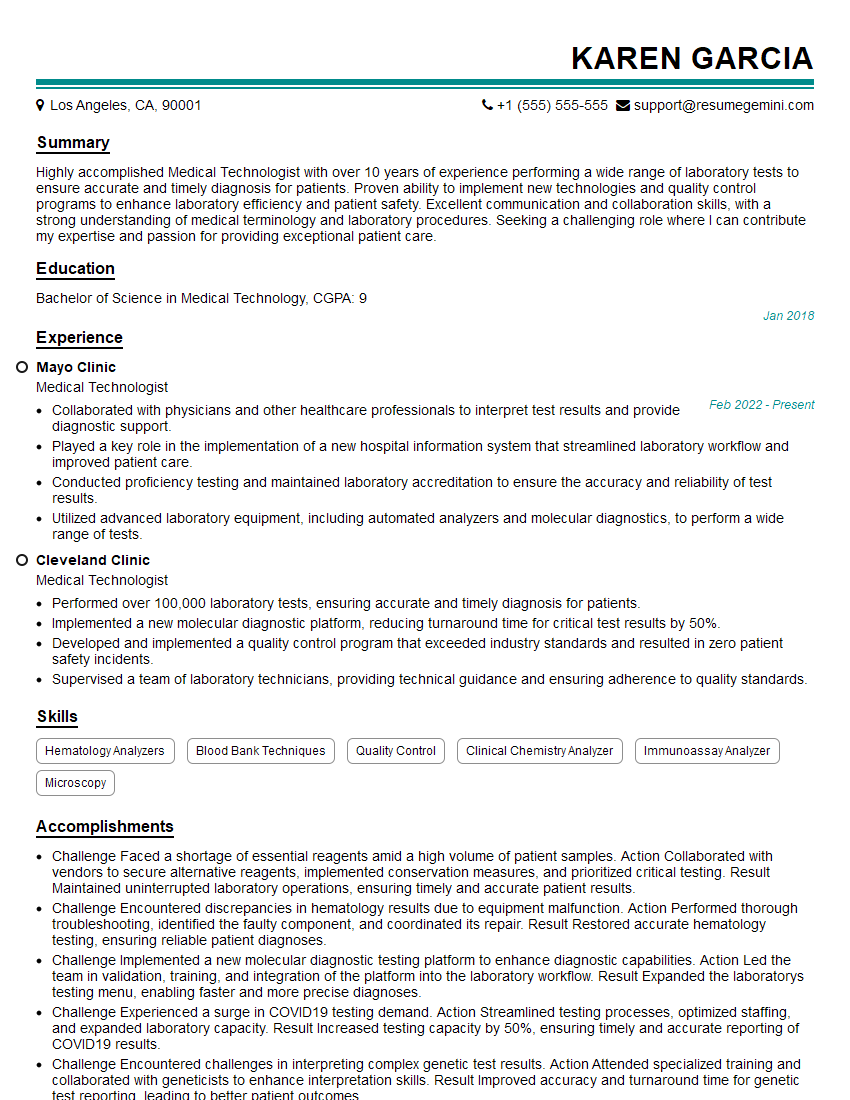
Medical Technologist Resume Sample
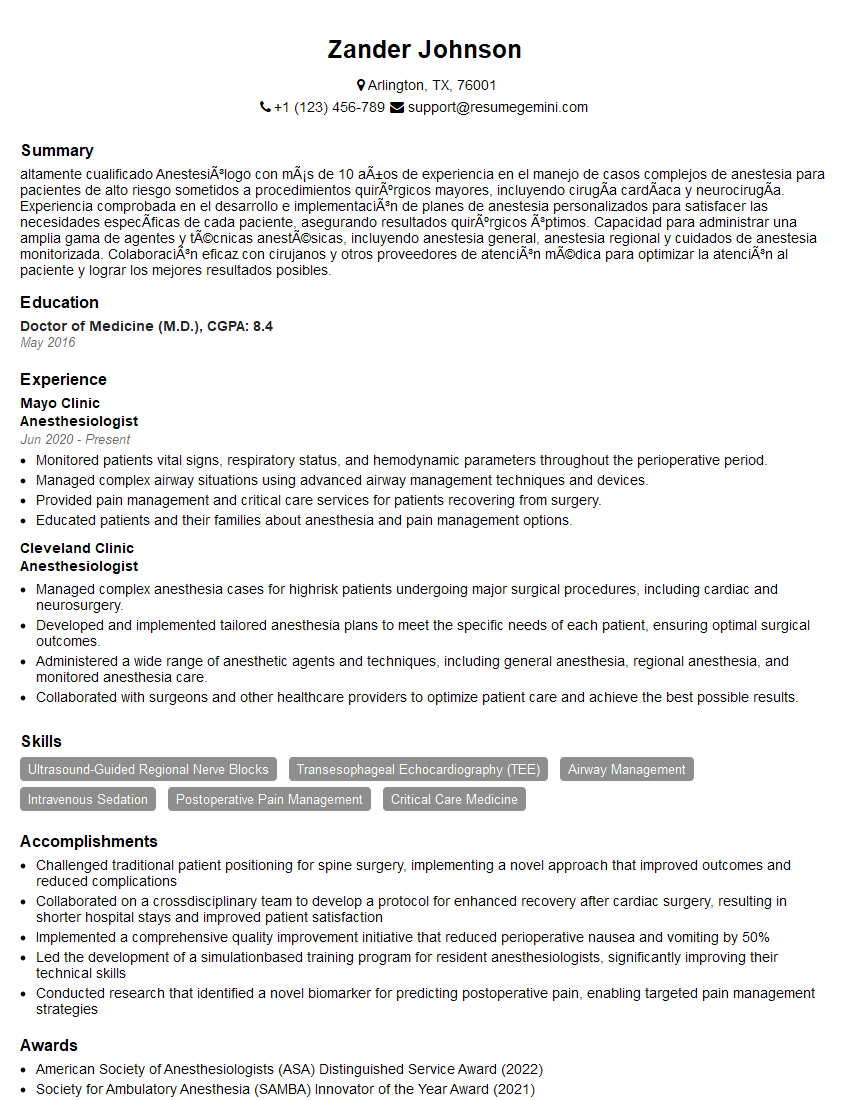
Anesthesiologist Resume Sample
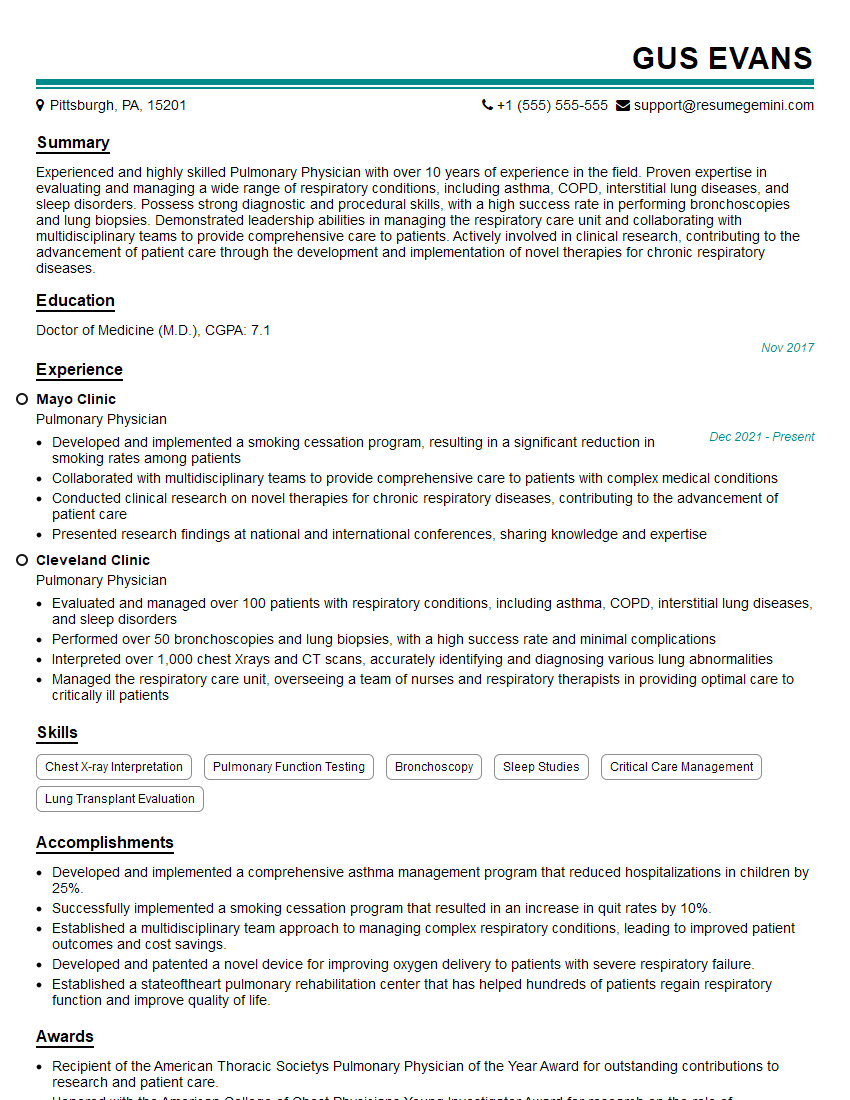
Pulmonary Physician Resume Sample
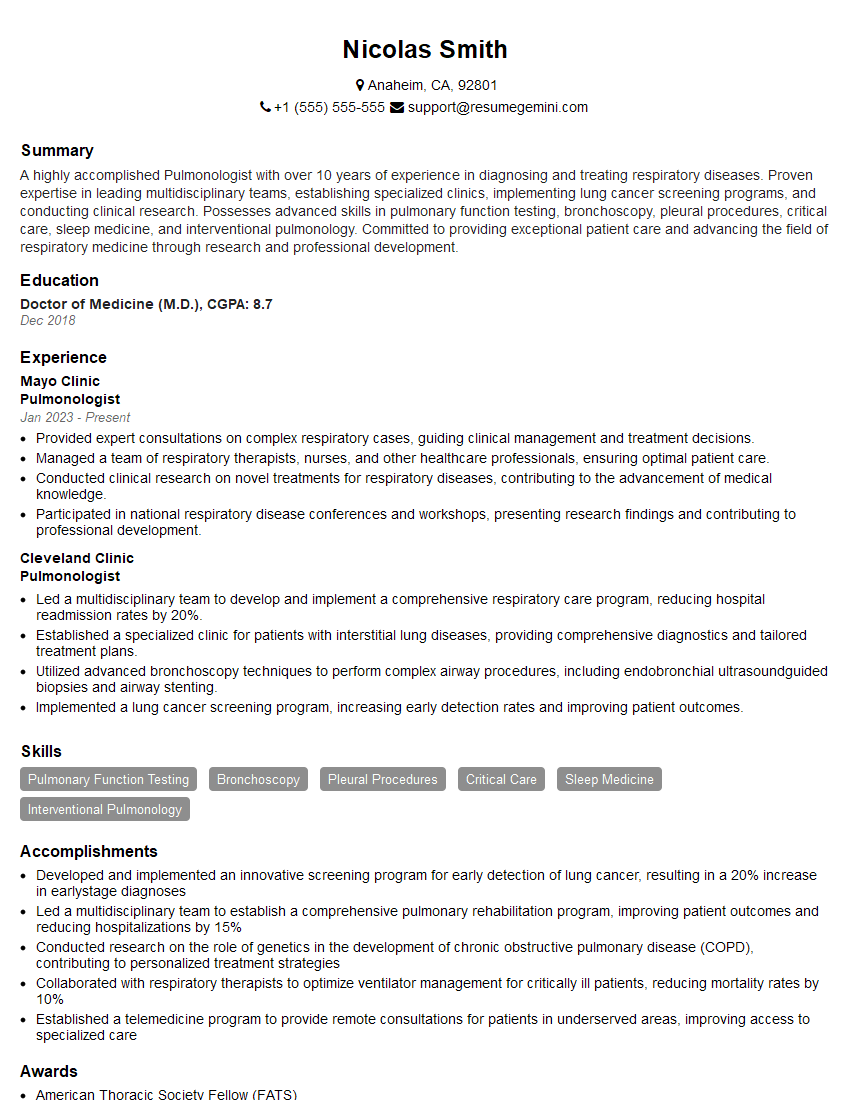
Pulmonologist Resume Sample
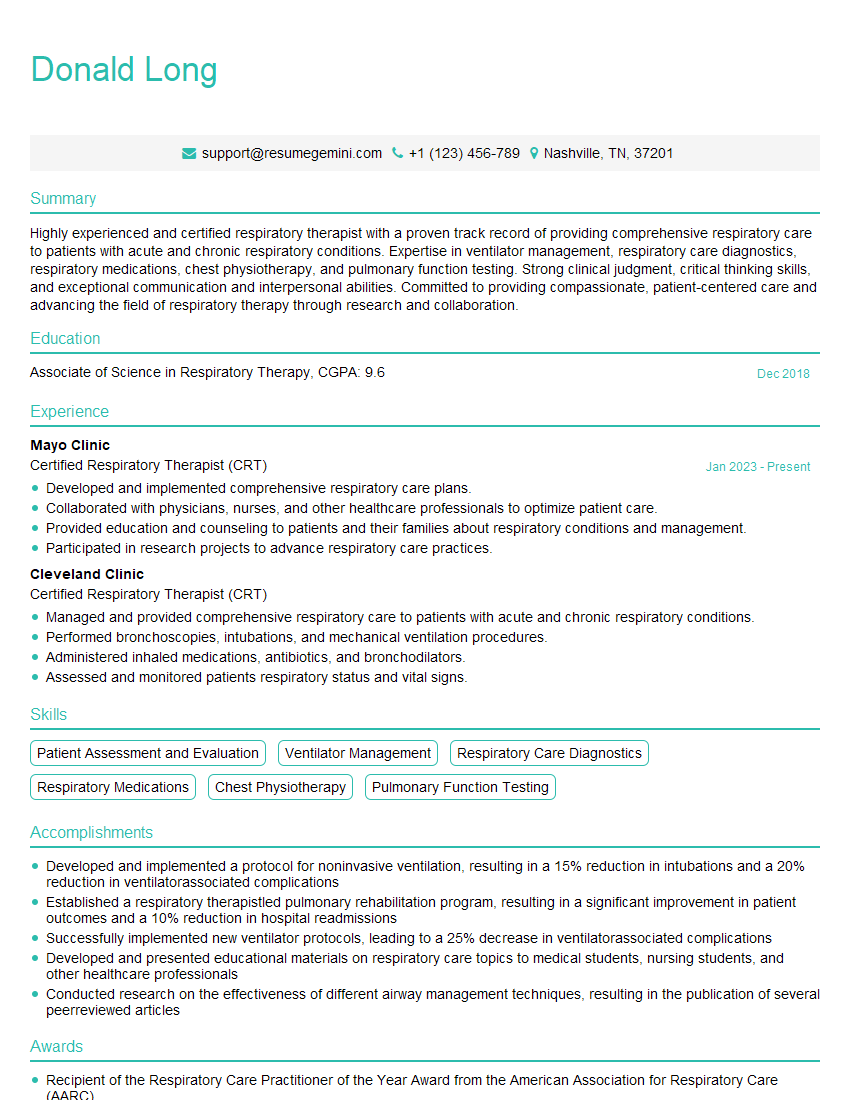
Certified Respiratory Therapist (CRT) Resume Sample
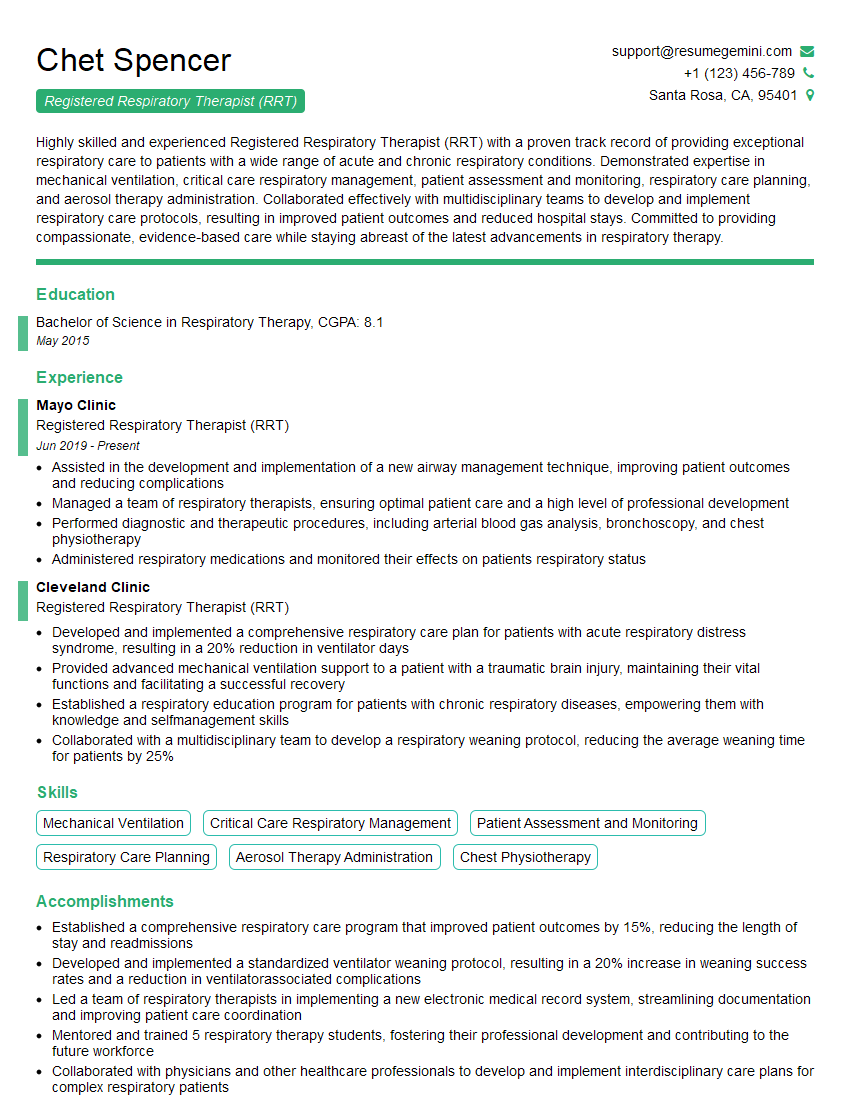
Registered Respiratory Therapist (RRT) Resume Sample
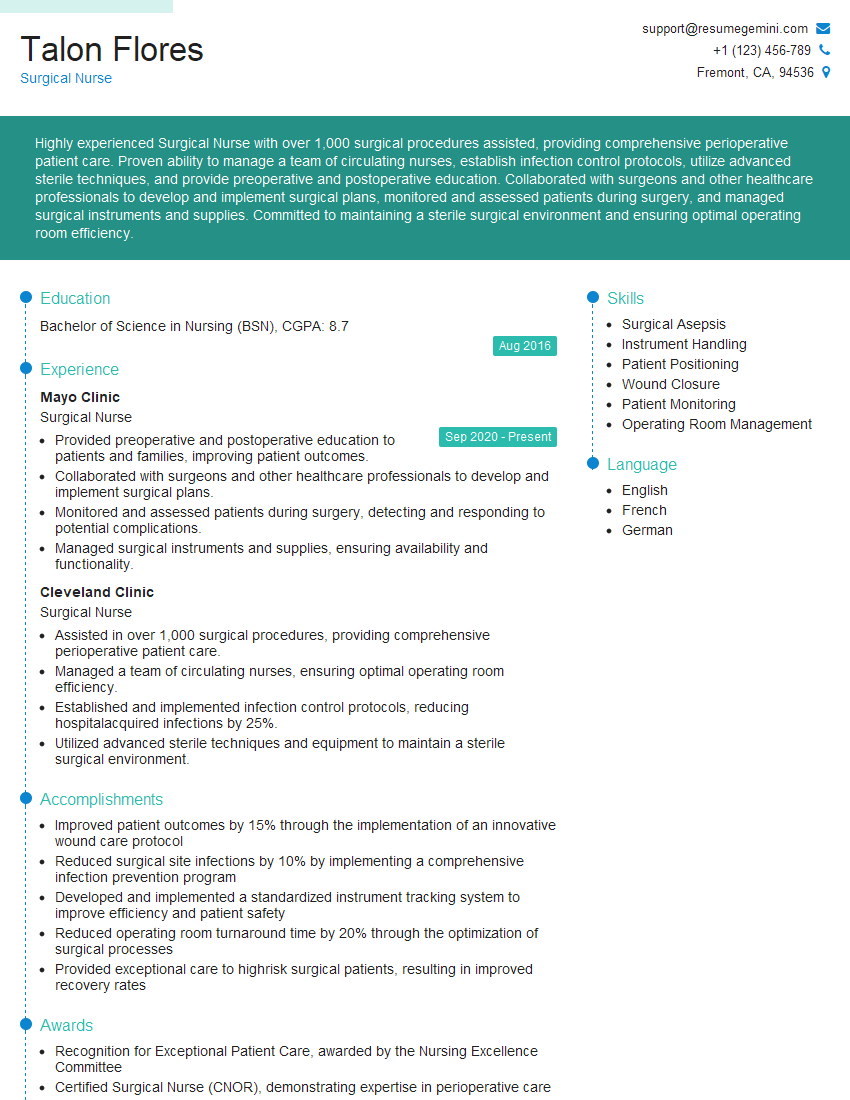
Surgical Nurse Resume Sample
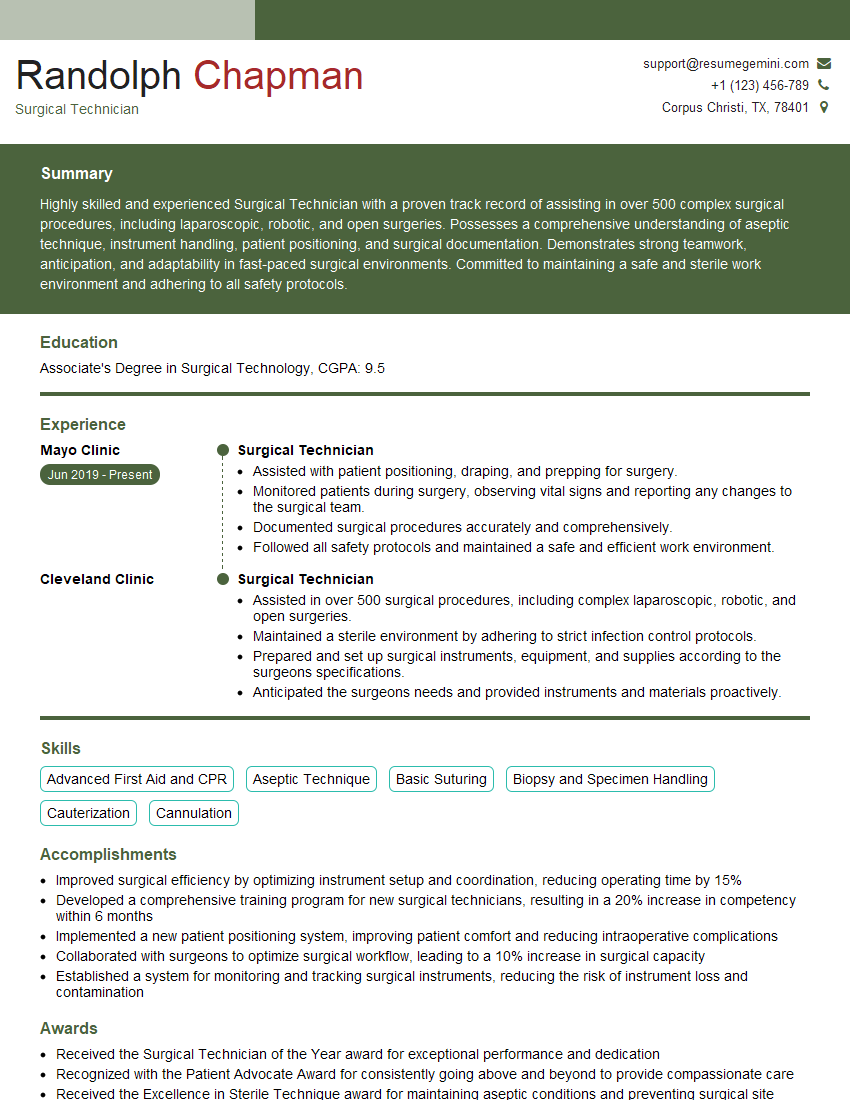
Surgical Technician Resume Sample
Explore more articles
Users Rating of Our Blogs
Share Your Experience
We value your feedback! Please rate our content and share your thoughts (optional).
What Readers Say About Our Blog
To the interviewgemini.com Webmaster.
Very helpful and content specific questions to help prepare me for my interview!
Thank you
To the interviewgemini.com Webmaster.
This was kind of a unique content I found around the specialized skills. Very helpful questions and good detailed answers.
Very Helpful blog, thank you Interviewgemini team.