Feeling uncertain about what to expect in your upcoming interview? We’ve got you covered! This blog highlights the most important Trickling Filter Operation interview questions and provides actionable advice to help you stand out as the ideal candidate. Let’s pave the way for your success.
Questions Asked in Trickling Filter Operation Interview
Q 1. Describe the principle of operation of a trickling filter.
A trickling filter is a wastewater treatment process that uses a bed of media to support the growth of a biofilm of microorganisms. Wastewater is distributed over the media, and as it trickles down, the microorganisms in the biofilm consume the organic matter in the wastewater. Think of it like a giant, naturally occurring compost heap for wastewater. The principle is based on providing a large surface area for microbial attachment and efficient contact between the wastewater and the microorganisms. The cleaned water then percolates through the media and is collected at the bottom.
Q 2. Explain the role of microorganisms in a trickling filter.
Microorganisms are the workhorses of a trickling filter! They’re the ones that actually remove the pollutants. Bacteria, fungi, and protozoa form a complex biofilm on the media surface. These organisms consume the organic matter (like food) in the wastewater through aerobic processes (meaning they need oxygen). Different types of microorganisms specialize in breaking down different types of pollutants. For example, some bacteria are excellent at removing nitrogen, while others focus on carbon-based pollutants. The efficiency of the filter heavily relies on the health and diversity of this microbial community. Maintaining optimal conditions, like dissolved oxygen levels, is crucial for their survival and effectiveness.
Q 3. What are the key parameters monitored in a trickling filter system?
Monitoring key parameters ensures a trickling filter operates efficiently and meets effluent quality standards. Key parameters include:
- Influent and Effluent BOD (Biochemical Oxygen Demand) and COD (Chemical Oxygen Demand): Measure the amount of organic matter present.
- Dissolved Oxygen (DO): Essential for aerobic microbial activity; low DO indicates potential problems.
- pH: Impacts microbial activity; optimal range is typically 6.5-8.5.
- Temperature: Affects microbial metabolism and growth rates.
- Recirculation flow rate: Influences contact time and efficiency.
- Media surface condition: Regularly checking for clogging, ponding, or deterioration is crucial.
- Effluent suspended solids: Indicates the effectiveness of solids removal.
Regular monitoring allows for proactive adjustments to optimize filter performance.
Q 4. How do you interpret BOD and COD results in relation to trickling filter performance?
BOD and COD are crucial indicators of organic matter present in wastewater, directly reflecting trickling filter performance. BOD measures the oxygen consumed by microorganisms during the biological degradation of organic matter, while COD represents the total amount of oxygen required to oxidize all organic and inorganic matter. A high BOD/COD ratio usually means readily biodegradable organic matter is present. A high BOD or COD in the effluent indicates poor filter performance; a significant portion of the organic load isn’t being removed. We look for a significant reduction in BOD and COD between the influent and effluent to gauge the filter’s effectiveness. For example, a reduction of 85-95% in BOD is generally considered efficient.
Q 5. What are the common problems encountered in trickling filter operation?
Common problems in trickling filter operation include:
- Clogging of the media: Accumulation of solids reduces the surface area for microbial growth and wastewater flow.
- Ponding: Water accumulates on the media surface due to reduced flow or clogged media.
- Fly breeding: Organic matter attracts flies, posing a nuisance and health hazard.
- Odor problems: Anaerobic conditions due to low DO or clogging lead to unpleasant smells.
- Low DO levels: Reduced oxygen availability hinders microbial activity and treatment efficiency.
- Excessive solids loading: Overloading the filter overwhelms the microorganisms, resulting in reduced efficiency.
- Media deterioration: Over time, media can degrade, reducing surface area and efficiency.
Q 6. How do you troubleshoot a reduction in the efficiency of a trickling filter?
Troubleshooting reduced efficiency involves systematic investigation. Here’s a step-by-step approach:
- Review operating parameters: Check DO levels, flow rates, pH, and temperature for deviations from optimal ranges.
- Inspect the media: Look for signs of clogging, ponding, or deterioration.
- Assess influent characteristics: Changes in wastewater composition (e.g., increased BOD, toxic substances) can affect performance.
- Check for blockages: Inspect distribution systems for blockages that could hinder even wastewater flow.
- Evaluate recirculation rate: Insufficient recirculation can limit contact time and oxygen supply.
- Analyze microbial community: Assess the health and diversity of the biofilm using microscopic examination or other analytical techniques. A decline in microbial activity points towards an underlying problem.
- Consider cleaning or replacing media: If clogging or significant deterioration is observed, cleaning or media replacement may be necessary.
Addressing these factors, often in a combined approach, will restore the filter’s efficiency.
Q 7. Describe the different types of trickling filter media.
Various media types are used in trickling filters, each offering different characteristics:
- Rock media: Naturally occurring rocks (e.g., basalt, limestone) are commonly used, offering good durability and surface area, although they can be susceptible to clogging.
- Plastic media: Synthetic media offers several advantages like high surface area, lightweight, resistance to clogging and degradation, and varied shapes and designs which promotes better flow distribution. Examples include corrugated plastic sheets, or specialized plastic modules.
- Other media: Other materials like wood, gravel, and manufactured media (often made from recycled materials) have been utilized but their properties are significantly impacted by environmental conditions and have a shorter lifespan.
The choice of media depends on factors such as cost, durability, surface area, and the specific wastewater characteristics.
Q 8. Explain the significance of recirculation in a trickling filter.
Recirculation in a trickling filter is the process of returning a portion of the treated effluent back to the influent. Think of it like this: imagine washing dishes – you wouldn’t just rinse them once, right? You’d rinse and re-rinse to get them truly clean. Recirculation achieves a similar effect in wastewater treatment.
Its significance lies in several key areas:
- Increased Treatment Efficiency: By increasing the contact time between the wastewater and the biofilm (the community of microorganisms living on the media), recirculation boosts the biodegradation of organic matter. More contact means more thorough cleaning.
- Improved Hydraulic Loading Distribution: Recirculation helps to distribute the flow more evenly across the filter media, preventing channeling (where water flows preferentially through certain areas) and ensuring uniform treatment throughout the filter bed.
- Enhanced Oxygen Transfer: The returned effluent often contains dissolved oxygen, which is crucial for aerobic biological processes. Recirculation effectively replenishes oxygen levels within the filter, ensuring optimal microbial activity.
- Shock Load Mitigation: Sudden increases in influent wastewater strength (a ‘shock load’) can negatively impact treatment efficiency. Recirculation helps to dilute these shock loads, protecting the microbial community and maintaining consistent performance.
The amount of recirculation is carefully controlled based on factors such as the influent characteristics, desired effluent quality, and the filter’s design.
Q 9. What are the advantages and disadvantages of trickling filters compared to other wastewater treatment methods?
Trickling filters offer a robust and reliable method of wastewater treatment, but like any technology, they have advantages and disadvantages when compared to other methods such as activated sludge systems or constructed wetlands.
Advantages:
- Robustness and Simplicity: Trickling filters are relatively simple to operate and maintain, requiring less sophisticated control systems than activated sludge processes. They are less susceptible to upsets caused by fluctuations in influent flow or composition.
- Lower Energy Consumption: They require less aeration compared to activated sludge systems, leading to reduced energy consumption and operating costs.
- Effective BOD and COD Removal: Trickling filters can effectively remove biological oxygen demand (BOD) and chemical oxygen demand (COD), indicating a substantial reduction in organic pollutants.
- Nitrification Potential: Under appropriate conditions, trickling filters can achieve nitrification, converting ammonia to nitrate, a less harmful form of nitrogen.
Disadvantages:
- Large Land Footprint: Trickling filters typically require a larger land area compared to activated sludge systems of equivalent treatment capacity.
- Potential for Odor Problems: If not properly managed, trickling filters can generate unpleasant odors due to the decomposition of organic matter.
- Limited Efficiency at Low Temperatures: Microbial activity, and thus treatment efficiency, can be reduced at low temperatures.
- Potential for Fly Breeding: If the filter media is not regularly cleaned, it can become a breeding ground for flies.
The choice of wastewater treatment method depends on several factors, including site conditions, budget, effluent discharge requirements, and available expertise.
Q 10. How do you maintain optimal hydraulic loading in a trickling filter?
Maintaining optimal hydraulic loading is crucial for efficient trickling filter operation. Hydraulic loading refers to the volume of wastewater applied per unit area of filter media per unit time (typically expressed as gallons per day per square foot or cubic meters per day per square meter).
Optimal hydraulic loading is a balance: too high a loading can lead to overloading of the biological system, reduced treatment efficiency, and potential for clogging. Too low a loading can lead to underutilization of the media and increased costs.
Strategies for maintaining optimal hydraulic loading include:
- Careful Design and Sizing: The filter should be appropriately sized to accommodate the expected wastewater flow and strength.
- Flow Control and Equalization: Using flow control devices, such as weirs or flow meters, helps to regulate the flow evenly across the filter media. Equalization basins can help to smooth out fluctuations in influent flow.
- Recirculation: As discussed previously, recirculation can help to distribute the flow more evenly and effectively.
- Regular Monitoring: Closely monitoring the hydraulic loading rate allows for timely adjustments to ensure it remains within the optimal range.
- Media Depth: A deeper filter bed can accommodate higher hydraulic loading rates without compromising efficiency. However, depth is constrained by cost and the need to maintain good oxygen transfer.
Regular monitoring of effluent quality parameters (BOD, COD, suspended solids) provides feedback on the efficacy of the hydraulic loading.
Q 11. What are the safety precautions necessary when operating a trickling filter?
Safety precautions during trickling filter operation are paramount to protect personnel and the environment. Here are some key considerations:
- Personal Protective Equipment (PPE): Appropriate PPE, including waterproof boots, gloves, and eye protection, should be worn at all times when working near or on the trickling filter.
- Confined Space Entry Procedures: If entry into the filter is necessary for maintenance or inspection, strict confined space entry procedures must be followed, including atmospheric monitoring for oxygen levels, and the presence of hazardous gases.
- Lockout/Tagout Procedures: Before any maintenance or repairs on pumps, valves, or other equipment associated with the trickling filter, lockout/tagout procedures should be strictly followed to prevent accidental startup.
- Fall Protection: Safe access to the filter structure, including handrails and fall protection systems, must be provided.
- Hazardous Materials Handling: Proper procedures should be followed for the handling and disposal of any hazardous chemicals used in the treatment process.
- Awareness of Rotating Equipment: All personnel should be aware of the potential hazards associated with rotating equipment, such as pumps and motors, and maintain appropriate distances.
- Emergency Response Plan: A comprehensive emergency response plan should be in place to handle spills, equipment failures, or other emergencies.
Regular safety training and compliance with all applicable regulations are crucial to ensure a safe working environment.
Q 12. Explain the process of cleaning or replacing trickling filter media.
Cleaning or replacing trickling filter media is a periodic maintenance activity crucial for maintaining treatment efficiency. The frequency depends on factors like the wastewater characteristics and the type of media used.
Cleaning:
- High-Pressure Washing: This method uses high-pressure water jets to remove accumulated solids and debris from the media. The washed material is typically collected and sent to further treatment.
- Chemical Cleaning: In cases of severe clogging or biofouling, chemical cleaning agents might be used to remove organic matter and help restore the media’s porosity. This should be carefully done according to manufacturer instructions and environmental regulations.
- Mechanical Cleaning: Depending on the media type, some forms of mechanical cleaning might be possible, though this is less common.
Replacement:
When cleaning is no longer effective, or the media is severely damaged or deteriorated, replacement becomes necessary. The old media is typically removed and disposed of according to environmental regulations, and new media is installed. This process may require extensive downtime.
The choice between cleaning and replacement depends on a cost-benefit analysis considering the cost of cleaning/replacement, downtime, and the level of treatment efficiency restoration achievable by each method.
Q 13. How do you control odor emissions from a trickling filter?
Odor control in trickling filters is important for environmental protection and community acceptance. Odors are primarily caused by the volatile organic compounds (VOCs) produced during the decomposition of organic matter. Several strategies can effectively mitigate odor emissions:
- Proper Media Selection: Choosing media that offers good aeration and prevents clogging helps reduce the anaerobic zones (areas lacking oxygen) where odor-causing gases are more readily produced.
- Adequate Aeration: Ensuring sufficient oxygen availability within the filter minimizes anaerobic decomposition. This can involve optimizing the hydraulic loading rate and ensuring good airflow.
- Odor Control Chemicals: Chemical treatments, such as biocides or odor masking agents, can be used to reduce odor emissions. This approach should be carefully implemented, considering the environmental impact and potential effect on the microbial community.
- Covering the Filter: Partial or complete covering of the filter bed can reduce odor dispersion. This is particularly useful in densely populated areas.
- Odor Treatment Systems: Specialized odor treatment systems, such as biofilters or scrubbers, can be employed to remove or neutralize odor-causing VOCs from the exhaust air. This adds cost to the initial investment but can be vital in sensitive locations.
- Regular Maintenance: Keeping the filter media clean and free of clogging helps prevent the formation of anaerobic zones and reduce odor problems.
A comprehensive approach involving a combination of these methods is typically most effective in controlling odor emissions from a trickling filter.
Q 14. Describe the role of dissolved oxygen in a trickling filter.
Dissolved oxygen (DO) plays a vital role in the biological processes occurring within a trickling filter. The microorganisms responsible for degrading organic matter in the wastewater are predominantly aerobic, meaning they require oxygen for respiration.
The role of DO can be summarized as follows:
- Support for Aerobic Microbial Activity: Sufficient DO levels are essential for maintaining a healthy and active biofilm. Without sufficient oxygen, anaerobic processes can take over, leading to a decrease in treatment efficiency and the generation of foul-smelling gases.
- Organic Matter Degradation: The aerobic microorganisms consume oxygen during the oxidation of organic matter. The higher the organic load, the more oxygen is required.
- Nitrification: The conversion of ammonia to nitrate (nitrification) is an aerobic process that requires high DO levels. Nitrification is an important step in removing nitrogen from wastewater.
Monitoring DO levels is a key aspect of trickling filter operation. Low DO levels indicate potential problems such as overloading, insufficient aeration, or clogging. Maintaining adequate DO levels through strategies such as recirculation or aeration helps ensure optimal treatment efficiency.
Q 15. How do you manage the sludge produced by a trickling filter?
Sludge management in a trickling filter is crucial for maintaining efficiency and preventing operational issues. The sludge, a mixture of organic matter, microorganisms, and solids, accumulates on the filter media and needs regular removal. This is typically achieved through a combination of techniques.
- Periodic Washing/Cleaning: The filter media itself can be cleaned periodically using high-pressure water jets or other mechanical means to dislodge accumulated sludge. The frequency depends on the sludge accumulation rate and the media type.
- Recirculation: A portion of the effluent (treated wastewater) can be recirculated back to the top of the filter. This helps to wash away some of the sludge and keeps the media surface relatively clean, improving biological activity.
- Sludge Scraping: For some designs, particularly those with fixed media, there might be mechanisms to scrape accumulated sludge from the media surface. This is often combined with washing.
- Waste Activated Sludge Treatment: The sludge removed from the trickling filter is often sent to a separate treatment process, typically an anaerobic digester, to further reduce organic matter and stabilize the sludge before final disposal or land application.
Imagine it like cleaning a shower head: Regular cleaning (washing) prevents excessive buildup (clogging), ensuring optimal water flow (treatment efficiency).
Career Expert Tips:
- Ace those interviews! Prepare effectively by reviewing the Top 50 Most Common Interview Questions on ResumeGemini.
- Navigate your job search with confidence! Explore a wide range of Career Tips on ResumeGemini. Learn about common challenges and recommendations to overcome them.
- Craft the perfect resume! Master the Art of Resume Writing with ResumeGemini’s guide. Showcase your unique qualifications and achievements effectively.
- Don’t miss out on holiday savings! Build your dream resume with ResumeGemini’s ATS optimized templates.
Q 16. Explain the impact of temperature on trickling filter performance.
Temperature significantly impacts trickling filter performance, primarily by affecting the biological activity of the microorganisms responsible for wastewater treatment. Warmer temperatures generally accelerate biological processes, leading to faster organic matter decomposition and higher treatment efficiency. However, excessively high temperatures can inhibit microbial activity and even kill off beneficial microorganisms, reducing efficiency.
Conversely, lower temperatures slow down biological activity, resulting in reduced treatment efficiency. In very cold climates, the process can become significantly hampered, potentially leading to incomplete treatment. This effect is often observed in seasonal variations: you’ll see better performance in summer months and potentially issues in winter, requiring adjustments to operational parameters to compensate for these temperature fluctuations.
Q 17. How do you deal with clogging in a trickling filter?
Clogging in a trickling filter, caused by the accumulation of solids and organic matter on the filter media, is a serious problem that reduces efficiency and can lead to treatment failure. Addressing clogging requires a multi-pronged approach:
- Regular Cleaning/Washing: As mentioned before, periodic washing of the media is crucial to prevent excessive clogging. The cleaning frequency should be adjusted based on the observed clogging rate.
- Media Selection: Choosing appropriate filter media is paramount. Some media are more resistant to clogging than others. Plastic media, for instance, is often preferred over rocks for its reduced clogging tendency.
- Pre-treatment: Implementing effective pre-treatment steps, such as screening and grit removal, can significantly reduce the amount of solids entering the trickling filter, minimizing clogging potential.
- Recirculation Optimization: Strategic recirculation helps maintain a cleaner media surface, but excessively high recirculation rates can hinder the treatment process. Optimizing recirculation is key to striking a balance between cleaning and efficiency.
- Process Control Monitoring: Closely monitoring parameters like head loss across the filter can indicate the onset of clogging, allowing for timely intervention.
Think of it like a clogged drain: regular cleaning (washing) and preventing debris from entering (pre-treatment) are essential to maintain proper flow (treatment efficiency).
Q 18. What are the effects of toxic influents on a trickling filter?
Toxic influents, such as heavy metals, pesticides, or industrial chemicals, can severely impair the biological activity in a trickling filter. These substances can inhibit or even kill the microorganisms, hindering the treatment process. Some toxic substances might even accumulate in the sludge, posing an environmental hazard.
The effects can range from reduced treatment efficiency to complete system failure. Dealing with toxic influents requires careful management and potentially specialized treatment steps. This might include:
- Influent Monitoring: Regular testing of the influent for toxic substances is crucial to detect and address potential issues before significant damage occurs.
- Pre-treatment: Specialized pre-treatment methods, such as chemical precipitation or adsorption, might be necessary to remove or neutralize toxic compounds before they enter the trickling filter.
- Process Modification: Adjustments to operational parameters, such as recirculation rate or hydraulic loading, might be needed to mitigate the effects of toxic substances.
- Sludge Management: Toxic sludge needs special handling and disposal procedures, potentially requiring additional treatment or specialized landfills.
Q 19. How do you monitor and control the pH in a trickling filter?
pH control in a trickling filter is essential for maintaining optimal microbial activity. The ideal pH range is typically between 6.5 and 8.0. Deviations from this range can significantly affect the efficiency of the treatment process. Monitoring and control typically involves:
- Regular pH Monitoring: Frequent pH measurements of both the influent and effluent are crucial to track any deviations from the optimal range.
- Chemical Adjustment: If the pH is outside the ideal range, chemical adjustments can be made using either acid (e.g., sulfuric acid) to lower the pH or alkali (e.g., lime) to raise it.
- Process Optimization: Optimizing other operational parameters, such as recirculation rate, can indirectly influence the pH.
Maintaining the correct pH is like providing the microorganisms with the right environment for optimal growth and activity – just like maintaining a suitable temperature range for growing plants.
Q 20. Explain the concept of hydraulic retention time (HRT) in a trickling filter.
Hydraulic retention time (HRT) in a trickling filter refers to the average time wastewater spends in the filter. It’s a crucial design and operational parameter that influences treatment efficiency. A longer HRT allows more time for biological processes to occur, potentially leading to higher treatment efficiency. However, excessively long HRTs can be costly and might not necessarily yield proportionally better results.
HRT is calculated as:
HRT = Volume of the filter / Flow rate
For example, a filter with a volume of 1000 cubic meters and a flow rate of 10 cubic meters per hour would have an HRT of 100 hours.
The optimal HRT depends on several factors, including wastewater characteristics, temperature, and media type. A well-designed and operated trickling filter will have an HRT chosen to maximize efficiency while minimizing costs.
Q 21. Describe the importance of proper aeration in a trickling filter system.
Proper aeration is vital for maintaining aerobic conditions within the trickling filter. Aerobic microorganisms, which are responsible for the bulk of the treatment, require oxygen to thrive and carry out the decomposition of organic matter. Insufficient aeration leads to anaerobic conditions, which can produce foul-smelling gases, reduce treatment efficiency, and potentially create hazardous conditions.
Aeration is typically achieved through:
- Natural Aeration: In some designs, natural air diffusion through the media provides sufficient oxygen. This approach is often limited to smaller systems with low organic loading rates.
- Forced Aeration: Larger systems often incorporate forced aeration, using devices like air diffusers or mechanical aerators to increase oxygen transfer into the wastewater.
Maintaining sufficient oxygen levels is crucial to ensure effective biological treatment. Imagine it like providing sufficient air to a campfire – sufficient oxygen ensures a strong and efficient burn (treatment), while lack of air leads to smoldering (inefficient treatment) and potentially producing unpleasant smoke (foul-smelling gases).
Q 22. How do you prevent the growth of filamentous bacteria in a trickling filter?
Preventing excessive growth of filamentous bacteria in a trickling filter is crucial for maintaining its efficiency. Filamentous bacteria, while part of the natural biofilm, can become dominant and lead to ‘bulking’ – a condition where the biomass sloughs off the media, reducing treatment effectiveness and clogging the underdrain system. This happens when the balance between filamentous and other bacteria is disrupted.
Several strategies can be employed:
Maintain a sufficient dissolved oxygen level: Filamentous bacteria thrive in low-oxygen environments. Aeration, achieved through proper media design and flow rates, is key to preventing their dominance. Think of it like providing a healthy environment where the ‘good’ bacteria can outcompete the ‘bad’ ones.
Control organic loading: Overloading the filter with organic matter can favor filamentous growth. Careful monitoring and control of influent flow and BOD (Biochemical Oxygen Demand) are essential. Imagine overloading a garden – the weeds (filamentous bacteria) will quickly overtake the desired plants.
Optimize the F/M ratio (Food to Microorganism ratio): A proper F/M ratio ensures that the bacteria have enough food to grow but aren’t overwhelmed. Too much food leads to filamentous growth, while too little results in poor treatment efficiency. Finding the right balance is crucial for long-term health.
Recirculation: Recirculation of effluent back to the influent can help maintain a healthy biofilm and control filamentous growth by improving the oxygen transfer and providing a more stable environment.
Nutrient Management: Controlling nutrient levels, especially phosphorus, can help control the growth of filamentous bacteria. Certain species are particularly sensitive to phosphorus levels.
Periodic cleaning of the filter media: While not a preventative measure directly, regular cleaning removes excess sludge and can indirectly control filamentous growth.
Q 23. What are the common maintenance procedures for a trickling filter?
Regular maintenance is essential for optimal trickling filter performance. Procedures include:
Regular inspections: Check for signs of clogging, ponding (water accumulating on the media surface), and unusual odors. This allows for early detection of problems.
Cleaning the underdrain system: Periodic cleaning removes accumulated solids and debris, ensuring proper drainage and preventing clogging. This often involves flushing or using specialized cleaning tools.
Media maintenance: Depending on the media type, this could involve washing or replacing damaged or deteriorated media. Think of it like weeding and pruning a garden to ensure healthy growth.
Monitoring influent and effluent quality: Regularly monitoring parameters like BOD, suspended solids, and ammonia allows for timely detection of operational problems and adjustments to the treatment process.
Aeration system maintenance: If the filter uses forced aeration, regular checks and maintenance of the aeration system are necessary to ensure adequate oxygen supply.
Sludge removal: Regular removal of accumulated sludge from the filter is essential to avoid overloading and maintain proper operation. This is often done through periodic backwashing or other sludge removal systems.
Q 24. How do you determine the optimal recirculation ratio for a trickling filter?
The optimal recirculation ratio for a trickling filter is determined by balancing several factors. The goal is to improve treatment efficiency without excessively increasing operational costs. A higher recirculation ratio generally leads to improved treatment, particularly for high-strength wastewaters.
Determining the optimal ratio often involves experimentation and monitoring of key parameters. Factors to consider include:
Wastewater characteristics: High-strength wastewaters will generally benefit more from higher recirculation ratios.
Media type and characteristics: Different media types have varying capacities for biofilm growth, influencing the optimal ratio.
Desired effluent quality: The required level of treatment dictates the necessary recirculation ratio.
Operational costs: Increasing the recirculation ratio increases energy consumption for pumping.
Pilot studies or mathematical modelling can be used to estimate an optimal recirculation ratio for a specific application. Monitoring parameters like BOD removal and effluent quality are essential to evaluate the effectiveness of various recirculation ratios.
Q 25. Explain the role of the underdrain system in a trickling filter.
The underdrain system in a trickling filter plays a vital role in collecting the treated effluent from the media bed. It’s the foundation of efficient wastewater treatment. A well-designed underdrain system ensures uniform distribution of effluent, prevents clogging, and promotes even aeration.
Key functions include:
Effluent collection: The primary function is to efficiently collect the treated wastewater that has percolated through the media.
Aeration (in some designs): Some underdrain systems incorporate features that promote aeration, improving the efficiency of the biological treatment process.
Support for media: The underdrain system provides support for the media bed, ensuring stability and preventing settling or collapse.
Preventing clogging: A properly designed system prevents clogging by allowing for easy removal of solids and debris.
Q 26. What are the different types of underdrain systems used in trickling filters?
Several types of underdrain systems exist for trickling filters, each with its own advantages and disadvantages:
Channel-type underdrains: These consist of a series of channels or troughs placed at the base of the media bed. They are relatively simple and inexpensive but can be prone to clogging if not properly maintained.
Porous-plate underdrains: These use a perforated or porous plate to distribute the effluent evenly. They provide good support for the media but can be more expensive and may be more susceptible to clogging.
Tile underdrains: These employ a network of perforated pipes or tiles to collect the effluent. They are relatively durable and less prone to clogging than channel-type systems but may require more space.
Gravel underdrains: These use a layer of graded gravel to support the media and distribute the effluent. They are inexpensive but may be less efficient than other systems, and can be susceptible to clogging.
The choice of underdrain system depends on factors such as the size of the filter, the type of media used, and the characteristics of the wastewater being treated.
Q 27. How do you calculate the efficiency of a trickling filter?
Trickling filter efficiency is typically expressed as the percentage reduction in BOD (Biochemical Oxygen Demand) or suspended solids between the influent and effluent. The calculation is straightforward:
Efficiency (%) = [(Influent BOD - Effluent BOD) / Influent BOD] x 100
The same formula can be applied using suspended solids instead of BOD. A higher percentage indicates a more efficient filter. For example, if the influent BOD is 200 mg/L and the effluent BOD is 20 mg/L, the efficiency is: [(200 - 20) / 200] x 100 = 90%. This means the filter removed 90% of the BOD.
It’s important to note that efficiency can be affected by several factors, including organic loading, recirculation ratio, media condition, and temperature. Regular monitoring is crucial for maintaining and improving efficiency.
Q 28. Describe the process of commissioning a new trickling filter system.
Commissioning a new trickling filter system is a crucial step to ensure its proper operation and longevity. It involves a series of steps designed to verify that the system meets design specifications and performs as intended.
The process typically includes:
Pre-commissioning inspection: A thorough inspection of all components, including the media, underdrain system, aeration system (if applicable), and piping, to verify proper installation and identify any defects.
System testing: Testing of individual components and the entire system under various operating conditions. This might involve testing pump performance, aeration efficiency, and hydraulic characteristics.
Start-up and monitoring: Gradual start-up of the system with wastewater, beginning at low flow rates and gradually increasing them. Close monitoring of key parameters such as BOD, suspended solids, dissolved oxygen, and flow rates is essential during the start-up phase.
Performance evaluation: Continuous monitoring of effluent quality to determine if the system meets the design specifications and required treatment levels.
Operator training: Providing training to plant operators on the proper operation and maintenance of the system.
Documentation: Maintaining complete documentation of all aspects of the commissioning process, including test results, maintenance records, and operator training.
Careful commissioning helps prevent operational problems and ensures the filter achieves its designed treatment capacity and efficiency.
Key Topics to Learn for Trickling Filter Operation Interview
- Hydraulics and Flow Distribution: Understanding flow rates, weir design, and ensuring even distribution across the filter media for optimal treatment.
- Media Selection and Characteristics: Knowledge of different filter media types (e.g., rock, plastic), their physical properties, and their impact on treatment efficiency and longevity.
- Biological Processes: A thorough grasp of the microbial ecology within the filter, including the roles of aerobic and anaerobic processes in wastewater treatment.
- Oxygen Transfer and Aeration: Understanding how oxygen is supplied to the biofilm and the impact of dissolved oxygen levels on treatment performance. Practical experience with aeration systems is beneficial.
- Wastewater Characteristics and Treatment Goals: Knowing how different influent parameters (BOD, COD, TSS) affect treatment efficiency and how to adjust operational parameters to meet effluent discharge standards.
- Troubleshooting and Maintenance: Familiarity with common operational problems (e.g., ponding, clogging, odor control) and effective maintenance procedures to ensure optimal performance.
- Process Control and Monitoring: Understanding the use of instrumentation and data analysis to monitor filter performance and make adjustments to optimize treatment efficiency. This includes interpreting key performance indicators (KPIs).
- Regulations and Compliance: Awareness of relevant environmental regulations and permit requirements for wastewater treatment plants using trickling filters.
- Energy Efficiency and Sustainability: Understanding strategies for optimizing energy consumption and minimizing the environmental footprint of the trickling filter operation.
Next Steps
Mastering Trickling Filter Operation is crucial for career advancement in the environmental engineering and wastewater treatment fields. A strong understanding of these processes demonstrates technical expertise and problem-solving skills highly valued by employers. To significantly enhance your job prospects, it’s essential to create a resume that is both ATS-friendly and showcases your skills effectively. ResumeGemini is a trusted resource to help you build a professional and impactful resume that highlights your expertise in Trickling Filter Operation. Examples of resumes tailored to this specific field are available to guide you through the process.
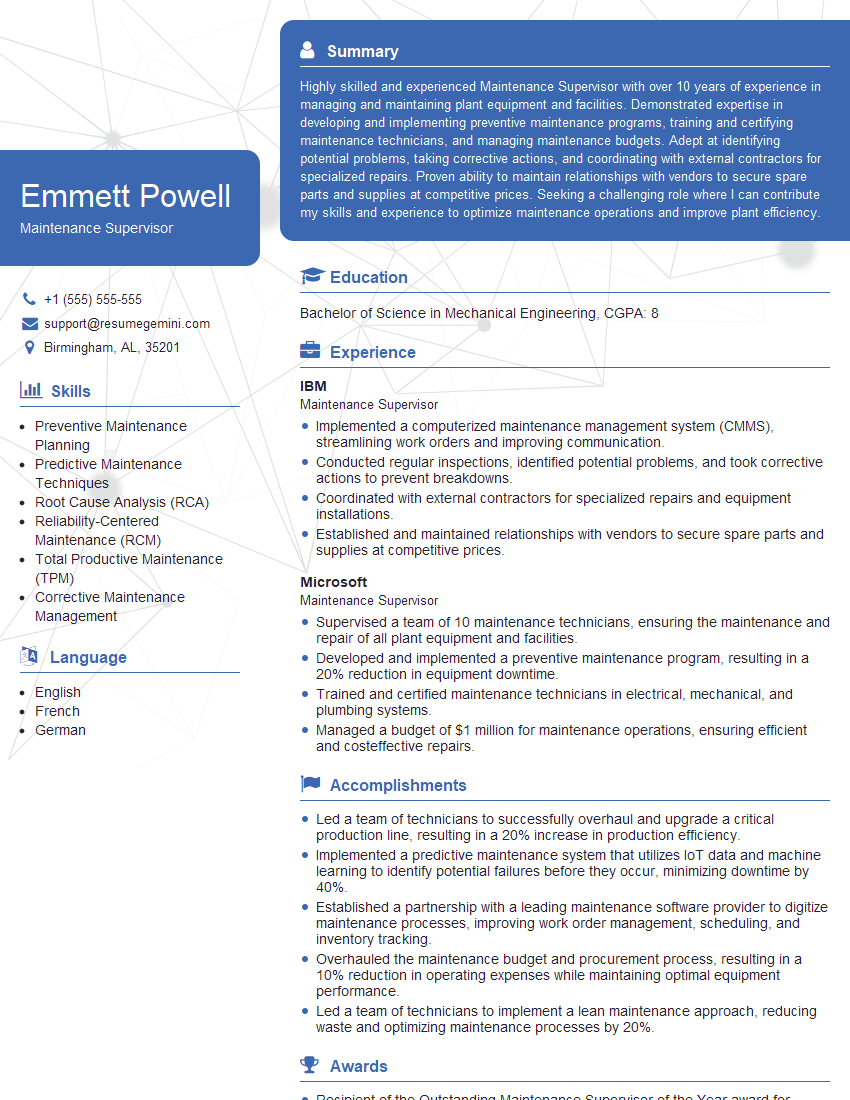
Maintenance Supervisor Resume Sample
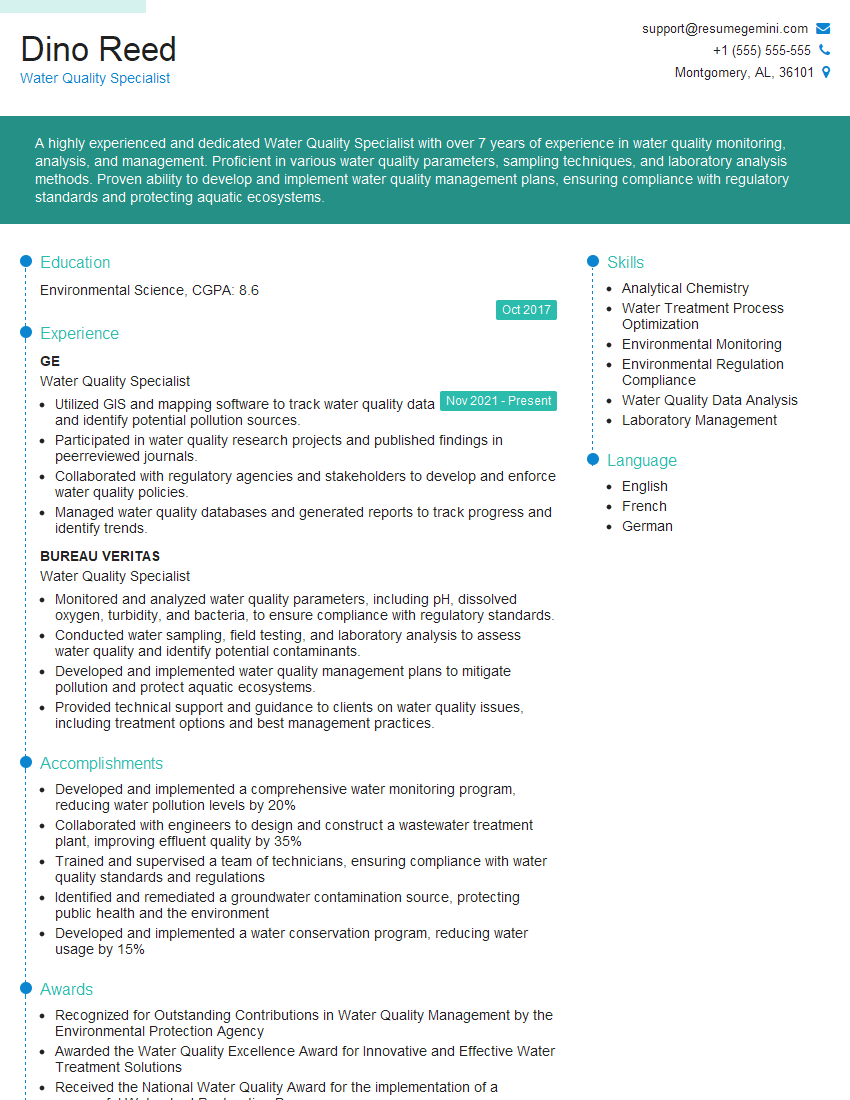
Water Quality Specialist Resume Sample
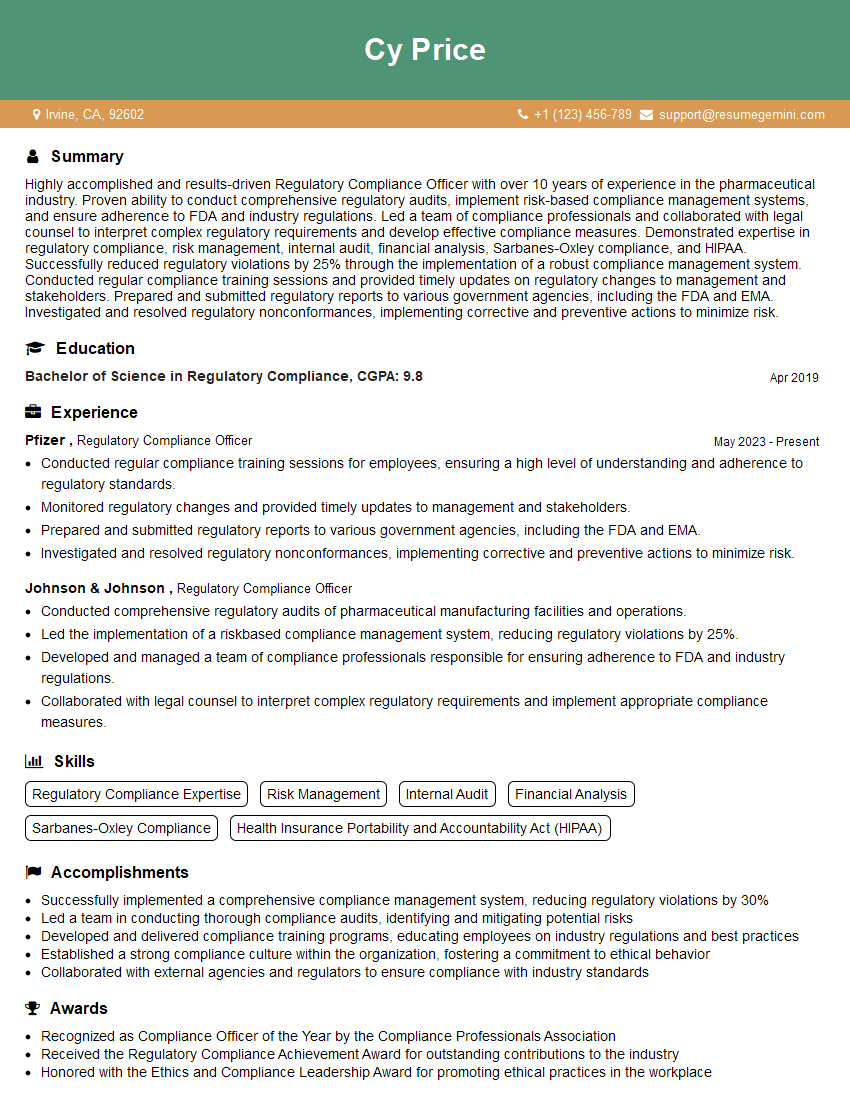
Regulatory Compliance Officer Resume Sample
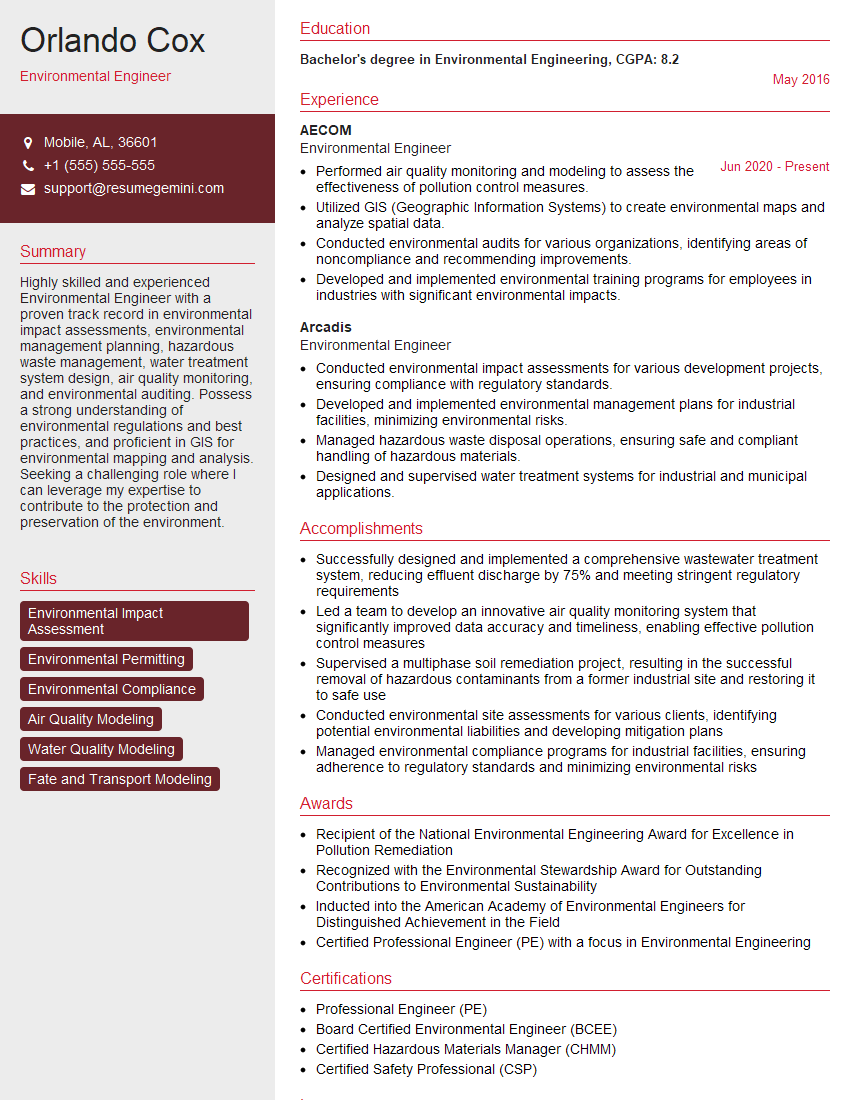
Environmental Engineer Resume Sample
Field Service Technician Resume Sample
Environmental Technician Resume Sample
Wastewater Treatment Supervisor Resume Sample
Wastewater Treatment Plant Operator Resume Sample
Explore more articles
Users Rating of Our Blogs
Share Your Experience
We value your feedback! Please rate our content and share your thoughts (optional).
What Readers Say About Our Blog
To the interviewgemini.com Webmaster.
Very helpful and content specific questions to help prepare me for my interview!
Thank you
To the interviewgemini.com Webmaster.
This was kind of a unique content I found around the specialized skills. Very helpful questions and good detailed answers.
Very Helpful blog, thank you Interviewgemini team.