Interviews are more than just a Q&A session—they’re a chance to prove your worth. This blog dives into essential Nasal Allergy Treatment interview questions and expert tips to help you align your answers with what hiring managers are looking for. Start preparing to shine!
Questions Asked in Nasal Allergy Treatment Interview
Q 1. Explain the pathophysiology of allergic rhinitis.
Allergic rhinitis, or hay fever, is an inflammatory response of the nasal mucosa triggered by exposure to allergens. It’s a type I hypersensitivity reaction. The process begins when an allergen, like pollen, enters the nasal passages. If the individual is sensitized to that allergen (meaning they’ve developed IgE antibodies against it), the allergen binds to these IgE antibodies on mast cells and basophils in the nasal lining.
This binding triggers a cascade of events: mast cells degranulate, releasing histamine, leukotrienes, and other inflammatory mediators. Histamine causes vasodilation (widening of blood vessels), increased vascular permeability (leakiness), and smooth muscle contraction, leading to the classic symptoms of allergic rhinitis: sneezing, runny nose, nasal congestion, and itchy nose and eyes.
Leukotrienes contribute further to inflammation and mucus production. Other inflammatory cells, like eosinophils, are recruited to the site, amplifying the inflammatory response. This whole process results in nasal congestion, inflammation, and the production of excessive mucus, causing significant discomfort.
Q 2. Describe the diagnostic criteria for allergic rhinitis.
Diagnosing allergic rhinitis relies on a combination of clinical findings and allergy testing. The diagnosis begins with a thorough history, including the patient’s symptoms (sneezing, runny nose, nasal congestion, itchy eyes and nose), symptom duration and seasonal patterns, family history of allergies, and exposure to potential allergens.
A physical exam, focusing on the nasal passages, might reveal pale, swollen nasal mucosa. However, these clinical findings alone aren’t enough for a definitive diagnosis. Allergy testing is crucial to identify the specific allergen(s) triggering the reaction. This often involves skin prick tests or blood tests (RAST).
The criteria generally include: characteristic symptoms, a positive response to allergy testing showing sensitization to one or more allergens, and the exclusion of other conditions that may present with similar symptoms (such as infections or nasal polyps).
Q 3. What are the common allergens implicated in nasal allergies?
A wide array of allergens can trigger allergic rhinitis. The most common culprits are airborne allergens like pollen (tree, grass, weed), dust mites (found in bedding and carpets), pet dander (from cats, dogs, etc.), and mold spores. Other less common allergens include cockroaches, certain foods (when inhaled), and industrial chemicals.
The specific allergens implicated vary depending on geographic location, time of year, and individual sensitivities. For example, individuals living in areas with high levels of tree pollen might experience more severe symptoms in the spring, while grass pollen triggers symptoms in the summer.
Understanding the prevalent allergens in a patient’s environment is crucial for effective management. Environmental control measures can be implemented to minimize exposure, a key strategy in allergy management.
Q 4. Detail the different types of allergy tests and their interpretation.
Two primary types of allergy tests are used to diagnose allergic rhinitis: skin prick tests and blood tests (RAST – Radioallergosorbent test).
Skin prick tests: These are relatively quick, inexpensive, and widely used. A small amount of allergen extract is pricked onto the skin’s surface. A positive reaction (wheal and flare) indicates an allergic response. This test directly assesses the immediate IgE-mediated response.
RAST (Radioallergosorbent test): This blood test measures the level of specific IgE antibodies in the blood against various allergens. It’s useful for individuals with skin conditions that prevent skin prick tests, or when more precise quantitation of IgE antibodies is needed. RAST is generally more expensive and takes longer to get results compared to skin prick tests.
Interpretation: A positive result in either test indicates sensitization to the specific allergen. The degree of reaction (size of wheal or IgE level) may correlate with the severity of the allergy, but this is not always a precise measure of clinical severity. A negative result does not entirely rule out allergy, as some individuals may not have detectable IgE responses despite having symptoms.
Q 5. Compare and contrast pharmacologic and non-pharmacologic treatments for allergic rhinitis.
Both pharmacologic and non-pharmacologic treatments play a vital role in managing allergic rhinitis. Pharmacologic treatments involve medications, while non-pharmacologic approaches focus on environmental control and lifestyle changes.
- Pharmacologic treatments: Include antihistamines, intranasal corticosteroids, decongestants, and leukotriene modifiers. These target specific aspects of the allergic inflammatory process.
- Non-pharmacologic treatments: Focus on reducing exposure to allergens. This can include measures like using allergen-impermeable covers for bedding, frequent vacuuming and dusting, using air purifiers with HEPA filters, avoiding exposure to pets (or at least minimizing contact), and getting regular allergen immunotherapy (allergy shots).
The choice between treatments depends on individual needs and the severity of symptoms. Mild symptoms may respond well to non-pharmacologic approaches alone, whereas severe symptoms may require a combination of pharmacologic and non-pharmacologic therapies. For instance, a patient with severe seasonal allergies might benefit from intranasal corticosteroids to manage inflammation alongside allergen avoidance measures and possibly allergy shots for long-term relief.
Q 6. Discuss the use of antihistamines in the treatment of allergic rhinitis.
Antihistamines are a cornerstone of allergic rhinitis treatment. They work by blocking the action of histamine, a key inflammatory mediator released during an allergic reaction. Histamine causes many of the bothersome symptoms of allergic rhinitis, such as sneezing, runny nose, and itching.
There are two main types: first-generation (sedating) and second-generation (non-sedating) antihistamines. First-generation antihistamines, such as diphenhydramine (Benadryl), can cause drowsiness as a side effect because they cross the blood-brain barrier. Second-generation antihistamines, such as cetirizine (Zyrtec) and fexofenadine (Allegra), are less likely to cause drowsiness. The choice between them depends on individual tolerance and the presence of other medical conditions.
Antihistamines are usually effective in relieving sneezing, itching, and runny nose, but they are less effective at treating nasal congestion. They are often used alone for mild symptoms or in combination with other medications for more severe cases.
Q 7. Explain the mechanism of action of intranasal corticosteroids.
Intranasal corticosteroids are highly effective in managing allergic rhinitis. They are topically applied to the nasal passages, delivering a high concentration of the medication directly to the site of inflammation. Their mechanism of action is multifaceted:
- Inhibition of inflammatory mediator release: Intranasal corticosteroids suppress the production and release of inflammatory mediators, such as histamine, leukotrienes, and cytokines, by mast cells, eosinophils, and other inflammatory cells. This reduces the inflammatory cascade.
- Decreased vascular permeability: They decrease the permeability of blood vessels in the nasal mucosa, lessening the leakage of fluid into the tissues, thus reducing nasal congestion and rhinorrhea.
- Inhibition of inflammatory cell recruitment: They inhibit the recruitment and activation of inflammatory cells (eosinophils, lymphocytes) to the nasal mucosa, further reducing inflammation.
Examples include fluticasone (Flonase), mometasone (Nasonex), and budesonide (Rhinocort). They are generally well-tolerated, although some patients may experience minor side effects like nasal dryness or epistaxis (nosebleed). They are particularly effective for relieving nasal congestion, which is often poorly managed by antihistamines alone.
Q 8. What are the potential side effects of intranasal corticosteroids?
Intranasal corticosteroids (INCS) are the cornerstone of allergic rhinitis treatment, but like all medications, they can have side effects. These are generally mild and transient, but it’s crucial to be aware of them.
- Local Effects: The most common side effects are local to the nose. These include nasal dryness, epistaxis (nosebleeds), and occasionally, nasal irritation or burning. These are usually dose-related, meaning they tend to be more frequent with higher doses or prolonged use.
- Systemic Effects: While less frequent, systemic side effects are possible, especially with high doses or prolonged use. These can include throat irritation, headaches, and very rarely, more serious effects like adrenal suppression (a decrease in cortisol production by the adrenal glands). Adrenal suppression is more likely with high doses or in patients with underlying conditions affecting the adrenal glands.
- Other potential side effects: Some patients may experience taste disturbances. In children, some studies have suggested potential effects on growth, though this is a topic of ongoing research.
It’s important to remember that the benefits of INCS in controlling allergy symptoms usually outweigh the risks for most patients. Always discuss any concerns with your doctor or allergist.
Q 9. When is immunotherapy indicated for allergic rhinitis?
Immunotherapy, also known as allergy shots, is indicated for allergic rhinitis when symptoms are severe and don’t respond adequately to standard treatments like intranasal corticosteroids, antihistamines, or nasal decongestants. It’s also considered when the patient has significant limitations in their daily life due to their allergies, or when they prefer a long-term solution to reduce their reliance on daily medications.
Specifically, immunotherapy is a good option for individuals with:
- Severe persistent allergic rhinitis significantly impacting their quality of life.
- Asthma triggered by allergic rhinitis.
- Significant limitations on daily activities due to their allergy.
- Intolerance or ineffectiveness of other treatments.
The decision to pursue immunotherapy should be made in consultation with an allergist who can assess the patient’s overall health, allergy history, and weigh the risks and benefits.
Q 10. Describe the process of allergy immunotherapy (allergy shots).
Allergy immunotherapy involves administering gradually increasing doses of allergen extracts (substances causing the allergy, like pollen or pet dander) via subcutaneous injection (under the skin). The process is typically overseen by an allergist or immunologist in a clinic setting.
The process usually looks like this:
- Allergen identification: Skin prick testing or blood tests are performed to identify the specific allergens causing the symptoms.
- Initial build-up phase: Starting with a very low dose, the injections are given at increasing intervals (e.g., weekly) until a maintenance dose is reached. This phase can take several months.
- Maintenance phase: Once the maintenance dose is reached, injections are given at longer intervals (e.g., every 2-4 weeks) for several years. This phase aims to maintain the desensitization effect.
Throughout the process, patients are closely monitored for any adverse reactions. It’s a commitment that requires regular clinic visits, but for many individuals with severe allergies, the long-term benefits are substantial, leading to significant reduction or even elimination of allergy symptoms.
Q 11. How do you manage acute allergic reactions (anaphylaxis)?
Anaphylaxis is a severe, life-threatening allergic reaction requiring immediate medical attention. Management involves a rapid, coordinated response focusing on maintaining airway, breathing, and circulation (ABCs).
The steps involved are:
- Immediate administration of epinephrine (adrenaline): This is the most crucial step. Epinephrine should be administered intramuscularly (into the thigh) using an auto-injector (EpiPen or similar) as soon as anaphylaxis is suspected.
- Call emergency medical services (EMS): 911 or your local emergency number should be called immediately.
- Airway management: If the patient is having difficulty breathing, position them upright and provide supplemental oxygen if available. If airway obstruction is severe, advanced airway techniques may be necessary by trained personnel.
- Observation: Even after apparent improvement, patients must be observed closely in a hospital setting for at least 24 hours following an anaphylactic event due to the potential for biphasic reactions (a recurrence of symptoms).
The key to successful management of anaphylaxis is early recognition, prompt administration of epinephrine, and quick access to emergency medical care. Patients at high risk for anaphylaxis should always carry an auto-injector and receive education on its proper use.
Q 12. Explain the role of leukotriene inhibitors in allergic rhinitis management.
Leukotriene inhibitors, such as montelukast and zafirlukast, are medications that block the action of leukotrienes, inflammatory substances involved in allergic reactions. They are not first-line treatment for allergic rhinitis, but they can be helpful as an add-on therapy for patients who don’t get adequate relief from other treatments like INCS or antihistamines.
Leukotriene inhibitors are particularly useful in patients with:
- Exercise-induced bronchospasm (EIB): Because leukotrienes play a significant role in EIB, these inhibitors can help prevent bronchospasm during physical activity.
- Asthma with allergic rhinitis: They can be effective in managing both conditions simultaneously.
- Intolerance or ineffectiveness of other medications.
Side effects of leukotriene inhibitors are usually mild and include headaches, nausea, and abdominal pain. It is important to note that while they can help manage some symptoms of allergic rhinitis, they are not as effective as INCS for nasal congestion. A physician or allergist needs to assess the suitability and appropriate use.
Q 13. What are the differences between seasonal and perennial allergic rhinitis?
The key difference between seasonal and perennial allergic rhinitis lies in the duration and cause of the symptoms.
- Seasonal allergic rhinitis: This type of allergic rhinitis is triggered by seasonal allergens, most commonly pollens from trees, grasses, or weeds. Symptoms typically occur during specific times of the year, corresponding to the pollen season in a given geographic area. For example, tree pollen allergies might be prevalent in early spring, grass pollen in late spring and summer, and weed pollen in late summer and fall.
- Perennial allergic rhinitis: This type of allergic rhinitis is caused by allergens that are present year-round, such as dust mites, pet dander, or mold spores. Symptoms are continuous and persistent throughout the year. In many cases, indoor allergens are prominent culprits.
Both forms of allergic rhinitis share similar symptoms (sneezing, runny nose, itchy eyes and nose), but the timing and duration of symptoms help differentiate them. Accurate diagnosis is crucial for effective management, as treatment strategies might vary slightly depending on the specific allergens involved.
Q 14. Discuss the management of allergic rhinitis in children.
Managing allergic rhinitis in children requires a careful and often multi-faceted approach, prioritizing safety and efficacy. The goal is to minimize symptoms and improve the child’s quality of life without causing any harmful side effects.
Management strategies often include:
- Environmental control: This is crucial, involving minimizing exposure to allergens as much as possible. This might include using allergen-impermeable covers for mattresses and pillows, frequent vacuuming and washing of bedding, and avoiding exposure to pets if the child has pet allergies.
- Pharmacotherapy: Medications play a significant role, but the choice should be tailored to the child’s age and specific needs. For instance, intranasal corticosteroids are often preferred in children older than 2 years, but other medications like antihistamines might be more suitable for younger children. The dosage should be carefully determined by the pediatrician or allergist.
- Immunotherapy (allergy shots): In children with severe persistent allergic rhinitis that doesn’t respond to other treatments, immunotherapy can be considered. However, the decision to pursue immunotherapy in children should be made very carefully, taking into account the child’s age and medical history.
- Patient and family education: It is crucial to educate both the child and their parents about their allergy, its triggers, and effective management strategies.
Always consult a pediatrician or allergist for diagnosis and appropriate management of allergic rhinitis in children. The goal is to develop an individualized treatment plan that is both effective and safe for the child.
Q 15. How do you differentiate allergic rhinitis from other nasal conditions?
Differentiating allergic rhinitis from other nasal conditions requires a careful assessment of symptoms and medical history. Allergic rhinitis, or hay fever, is specifically triggered by an allergic reaction to airborne allergens like pollen, dust mites, or pet dander. This reaction leads to inflammation in the nasal passages.
Key differences lie in the symptom profile and response to treatment. For instance, a common cold presents with fever, body aches, and a more variable symptom duration, usually resolving within 7-10 days. Sinusitis, on the other hand, often involves facial pain or pressure, along with thicker, colored nasal discharge. Non-allergic rhinitis may mimic allergic rhinitis but lacks the clear allergen link and may respond differently to antihistamines. A thorough history taking, physical examination, and potentially allergy testing will help differentiate.
- Allergic Rhinitis: Itchy eyes and nose, sneezing, clear runny nose, symptoms often seasonal or linked to specific allergens.
- Common Cold: Fever, body aches, congestion, thicker nasal discharge, shorter duration.
- Sinusitis: Facial pain or pressure, headache, thick, colored nasal discharge, may persist for several weeks.
- Non-allergic Rhinitis: Similar nasal symptoms to allergic rhinitis but no identifiable allergen and different response to treatment.
Consider a patient presenting with itchy, watery eyes, sneezing fits, and a clear runny nose, especially during spring. This strongly suggests allergic rhinitis, particularly if symptoms improve when the allergen exposure is reduced.
Career Expert Tips:
- Ace those interviews! Prepare effectively by reviewing the Top 50 Most Common Interview Questions on ResumeGemini.
- Navigate your job search with confidence! Explore a wide range of Career Tips on ResumeGemini. Learn about common challenges and recommendations to overcome them.
- Craft the perfect resume! Master the Art of Resume Writing with ResumeGemini’s guide. Showcase your unique qualifications and achievements effectively.
- Don’t miss out on holiday savings! Build your dream resume with ResumeGemini’s ATS optimized templates.
Q 16. Describe the role of nasal saline irrigation in managing allergic rhinitis.
Nasal saline irrigation plays a crucial role in managing allergic rhinitis by physically flushing out allergens, irritants, and mucus from the nasal passages. Think of it as a gentle ‘power wash’ for your nose. This reduces nasal congestion and inflammation, improving airflow and decreasing symptom severity. It’s a safe, cost-effective, and readily accessible method.
Saline irrigation can be particularly beneficial in reducing the need for other medications, especially in milder cases. The improved nasal hygiene can prevent secondary infections as well. Many patients find it a soothing and refreshing experience, particularly during allergy season. The best results are often seen when combined with other treatments, as part of a comprehensive management plan.
Proper technique is crucial: Using a neti pot or squeeze bottle with isotonic (0.9%) saline solution helps ensure the correct salt concentration to avoid irritation. Patients should always use distilled or sterile water to prevent infections. Improper technique can lead to infections, so proper patient education is key.
Q 17. What are the key considerations for patient education regarding allergic rhinitis?
Patient education is paramount in the successful management of allergic rhinitis. It empowers patients to actively participate in their care and achieve optimal outcomes. Key areas to cover include:
- Understanding the condition: Explain the underlying allergic mechanism – the body’s immune system overreacting to harmless allergens.
- Identifying triggers: Help patients identify their specific allergens through symptom diaries, allergy testing or observation.
- Environmental control: Emphasize the importance of reducing exposure to identified allergens (dust mites, pet dander, pollen) through strategies like using air filters, encasing pillows and mattresses, and regular cleaning.
- Medication use: Clearly explain how and when to use prescribed medications (antihistamines, nasal corticosteroids, decongestants), including potential side effects and interactions.
- Lifestyle modifications: Discuss the role of regular nasal saline irrigation, avoiding known triggers, and incorporating strategies for stress management (stress can exacerbate symptoms).
- Symptom monitoring: Teach patients to monitor their symptoms and report any changes or worsening to their healthcare provider.
- When to seek medical attention: Explain that persistent symptoms despite treatment, severe symptoms, or development of new symptoms warrant a follow-up.
Using simple language, visual aids, and providing written materials enhances patient understanding and adherence to the treatment plan.
Q 18. How do you monitor the effectiveness of treatment for allergic rhinitis?
Monitoring the effectiveness of allergic rhinitis treatment involves a multi-faceted approach. It’s not just about symptom reduction but also about improving quality of life.
We use several measures:
- Symptom scores: Patients use standardized questionnaires to rate the severity of their symptoms (e.g., nasal congestion, sneezing, itching). Improvement in scores indicates treatment efficacy.
- Medication adherence: We assess how consistently patients are taking their medications, as poor adherence can hinder treatment success.
- Functional impact: We evaluate how well patients are functioning in their daily lives. Are they able to sleep well, work productively, and participate in activities without significant disruption from their symptoms?
- Physical examination: Regular check-ups allow us to assess for any nasal inflammation or other changes.
- Allergy testing results: In some cases, we use allergy testing to confirm diagnoses and guide treatment strategies.
For example, a patient with initially high symptom scores who shows a significant reduction after starting medication, reports better sleep and improved work productivity, and has reduced nasal inflammation during a follow-up demonstrates a positive treatment response.
Q 19. What are the common complications of uncontrolled allergic rhinitis?
Uncontrolled allergic rhinitis can lead to several complications if left untreated. These complications can significantly impact a person’s quality of life.
- Sinusitis: Chronic nasal inflammation can lead to secondary bacterial or fungal infections of the sinuses.
- Otitis media (ear infections): Inflammation can spread from the nasal passages to the middle ear, especially in children.
- Sleep disturbances: Nasal congestion and nighttime sneezing can disrupt sleep, causing daytime fatigue and affecting cognitive function.
- Asthma exacerbation: In individuals with asthma, uncontrolled allergic rhinitis can trigger or worsen asthma symptoms.
- Reduced quality of life: Persistent symptoms impact daily activities, work performance, social interactions, and overall well-being.
- Development of nasal polyps: These benign growths can develop in the nasal passages due to chronic inflammation.
It’s crucial to address allergic rhinitis effectively to prevent these complications and ensure the patient’s overall health and well-being. Early intervention is key.
Q 20. Discuss the role of environmental control in managing allergic rhinitis.
Environmental control is a cornerstone of allergic rhinitis management. It focuses on minimizing exposure to allergens in the patient’s environment. It’s about creating a ‘safe haven’ at home.
Strategies include:
- Dust mite control: Encasing mattresses and pillows in allergen-impermeable covers, frequent washing of bedding in hot water, using dust mite-resistant bedding, and regular vacuuming with a HEPA filter vacuum.
- Pet allergen control: Keeping pets out of bedrooms, regular bathing of pets, using air purifiers with HEPA filters, and avoiding contact with pets as much as possible, especially during allergy seasons.
- Mold control: Regularly cleaning bathrooms and other damp areas, repairing leaks promptly, using dehumidifiers, and cleaning and removing visible mold.
- Pollen control: Keeping windows closed during high pollen counts, using air conditioning, showering after being outdoors, and monitoring pollen forecasts.
- Air purification: Using high-efficiency particulate air (HEPA) filters in the home can significantly reduce airborne allergens.
For example, a patient highly sensitive to dust mites may see significant improvement in their symptoms by implementing strategies such as regularly washing bedding in hot water and using allergen-impermeable mattress covers.
Q 21. Explain the use of decongestants in allergic rhinitis treatment.
Decongestants, both oral and nasal, are often used in allergic rhinitis treatment to relieve nasal congestion. They work by constricting blood vessels in the nasal passages, reducing swelling and improving airflow. However, their role is limited and they should not be the primary treatment.
Oral decongestants like pseudoephedrine or phenylephrine can provide temporary relief, but their use should be limited to a few days due to the risk of rebound congestion. Prolonged use can lead to worsening congestion upon cessation. Nasal decongestant sprays, while effective for short-term relief, should also be used for only a few days to avoid similar rebound effects and potential nasal irritation.
Decongestants are best used as an adjunct to other treatments, particularly when nasal congestion is a significant problem, and preferably short-term. They are generally more effective in combination with other medications such as intranasal corticosteroids or antihistamines. For example, a patient with significant congestion alongside allergic rhinitis might use a nasal decongestant spray for a few days to help clear their nasal passages, but the mainstay of their treatment would be a nasal corticosteroid to reduce inflammation and prevent recurrence of congestion.
Q 22. What are the potential interactions between allergy medications and other drugs?
Drug interactions with allergy medications are a significant concern, especially considering the frequent use of multiple medications for symptom management and comorbid conditions. Certain interactions can either reduce the effectiveness of allergy medications or increase the risk of side effects.
- Antihistamines and Sedatives: First-generation antihistamines like diphenhydramine (Benadryl) have sedative effects and can potentiate the effects of other sedatives, such as benzodiazepines or opioids, leading to excessive drowsiness.
- Decongestants and Cardiovascular Medications: Pseudoephedrine and phenylephrine (found in many decongestants) can raise blood pressure. Patients with hypertension or taking cardiovascular medications like beta-blockers need careful monitoring to avoid adverse effects.
- MAO Inhibitors and Antihistamines: Combining certain antihistamines with monoamine oxidase inhibitors (MAOIs), used to treat depression, can increase the risk of hypertensive crisis.
- Asthma Medications and Allergy Medications: Patients with both asthma and allergies often take inhaled corticosteroids and other asthma medications. These may interact with some allergy medications, especially those affecting the immune system. For instance, some interactions may affect how well the inhaled corticosteroids work.
- Immunotherapy and Other Medications: Immunotherapy, or allergy shots, can be affected by immunosuppressive medications. It’s vital to inform your allergist about all other medications you’re taking.
It’s crucial to maintain a detailed medication list and always inform your physician or pharmacist of all medications, supplements, and herbal remedies being used to avoid potentially harmful interactions. They can assess the potential for drug interactions and advise on safe medication combinations.
Q 23. How do you counsel patients about the potential risks and benefits of different treatment options?
Counseling patients about allergy treatment involves a balanced approach, focusing on shared decision-making and empowering them to participate actively in their care. I begin by explaining the different treatment options available, emphasizing their relative benefits and risks in the context of their individual needs and preferences.
- First-line treatments (e.g., intranasal corticosteroids, antihistamines): I discuss their effectiveness in relieving symptoms, emphasizing the lower risk of side effects compared to other options. I also discuss potential side effects, such as nasal dryness or drowsiness.
- Second-line treatments (e.g., oral corticosteroids, leukotriene modifiers, immunotherapy): These are reserved for patients who don’t respond adequately to first-line treatments or have more severe disease. I highlight their greater potential for side effects while emphasizing their efficacy in specific circumstances.
- Immunotherapy (allergy shots): I detail the process, duration, and potential benefits (long-term symptom control), alongside the potential risks (injection site reactions, systemic reactions, cost). Realistic expectations are crucial here.
- Lifestyle Modifications: I advise patients on avoidance strategies (e.g., minimizing exposure to allergens), good hygiene, and home environmental control measures, emphasizing these as integral parts of their management plan.
I always encourage patients to actively participate in the decision-making process, allowing them to ask questions and express their concerns. The goal is to tailor the treatment strategy to their unique circumstances and ensure that they feel informed and confident in their choices.
Q 24. Describe your experience in managing patients with severe allergic rhinitis.
Managing patients with severe allergic rhinitis requires a multi-faceted approach and often necessitates a collaborative effort with other specialists like ENT doctors and pulmonologists. My experience involves employing a tiered strategy focusing on the severity of the symptoms and the patient’s response to treatment.
I start with a comprehensive evaluation including a detailed history, physical exam, allergy testing (skin prick and/or blood tests), and assessment of symptom severity using validated tools such as the Rhinoconjunctivitis Quality of Life Questionnaire (RQLQ). Based on this, I initiate a stepwise treatment approach.
- High-dose intranasal corticosteroids: Often the cornerstone of severe rhinitis management. I might utilize multiple sprays per day.
- Leukotriene modifiers: These can be added to improve symptom control and may reduce the need for higher doses of corticosteroids.
- Oral corticosteroids: These are reserved for severe exacerbations or during periods of intense symptoms. They are usually short-term to minimize adverse effects.
- Immunotherapy (allergy shots or sublingual immunotherapy): This is a crucial long-term strategy to modify the allergic response. I carefully select the allergens based on testing and assess patient suitability for immunotherapy.
- Biologics: In some patients with severe, uncontrolled allergic rhinitis, I may recommend newer biologic therapies which target specific immune pathways involved in allergy. These are typically reserved for patients who have failed other treatment options.
Regular follow-up appointments are essential to monitor symptom control, medication effectiveness, and any potential side effects. Adjusting the treatment plan based on the patient’s response is key to managing this challenging condition.
Q 25. What are your strategies for optimizing patient adherence to treatment plans?
Optimizing patient adherence to treatment plans is crucial for effective allergy management. It involves more than simply prescribing medication; it necessitates building a strong therapeutic alliance and proactively addressing potential barriers.
- Shared Decision-Making: Involving patients in the development of their treatment plan fosters a sense of ownership and commitment.
- Simple and Clear Instructions: Using plain language, avoiding medical jargon, and providing written instructions enhance understanding.
- Medication Reminders: Utilizing pill organizers, smartphone apps, or text message reminders can improve adherence.
- Addressing Side Effects Promptly: Proactive management of potential side effects minimizes discomfort and discourages medication discontinuation.
- Regular Follow-up Appointments: Scheduled check-ups provide an opportunity to monitor progress, address concerns, and reinforce the importance of adherence.
- Patient Education: Thorough education regarding the disease, its treatment, and potential long-term consequences improves understanding and engagement.
- Addressing Barriers: Addressing financial, logistical, or social barriers that may hinder adherence.
I regularly assess adherence through direct questioning, medication refill patterns, and patient-reported outcomes. If adherence is suboptimal, I work collaboratively with the patient to identify the underlying issues and implement strategies to overcome them.
Q 26. How do you stay up-to-date with the latest advances in allergy treatment?
Staying current with the latest advances in allergy treatment is an ongoing process, crucial for providing optimal patient care. I utilize several strategies to remain up-to-date:
- Professional Organizations: Active participation in professional organizations like the American Academy of Allergy, Asthma & Immunology (AAAAI) and the American College of Allergy, Asthma & Immunology (ACAAI).
- Continuing Medical Education (CME): Attending conferences, workshops, and webinars to learn about new research findings and treatment approaches.
- Peer-Reviewed Journals: Regularly reviewing leading journals in the field of allergy and immunology.
- Online Resources: Accessing reputable online resources such as medical databases (PubMed, UpToDate) and trusted websites from professional organizations.
- Collaboration with Colleagues: Engaging in discussions and case studies with colleagues to share experiences and insights.
By integrating these strategies, I ensure that my knowledge and practice reflect the most current evidence-based recommendations and best practices.
Q 27. Describe a challenging case of allergic rhinitis and how you managed it.
I recall a challenging case involving a young woman with severe perennial allergic rhinitis unresponsive to standard treatments. She presented with debilitating symptoms, including constant sneezing, rhinorrhea, nasal congestion, and significant ocular symptoms. She’d tried various antihistamines, intranasal corticosteroids, and even short courses of oral corticosteroids, with minimal improvement. Her RQLQ score was extremely low, indicating a significant negative impact on her quality of life. Allergy testing revealed sensitivities to dust mites, cats, and pollens.
After a thorough reassessment, including a nasal endoscopy to rule out structural abnormalities, we decided to initiate allergen-specific immunotherapy (allergy shots). We started with a gradually increasing dose of the allergens she was sensitive to. Alongside the immunotherapy, we optimized her medication regimen, including a higher dose of intranasal corticosteroid, a leukotriene modifier, and short-term use of oral antihistamines during severe symptom flare-ups. We also collaborated with an occupational therapist to address her home environment, focusing on dust mite control measures.
Over several months, she showed significant improvement in her symptoms. Her RQLQ score gradually improved, reflecting a better quality of life. While immunotherapy takes time to show full effects, she reported noticeable improvement even in the early stages. It was a case highlighting the importance of a multi-pronged, individualized approach to severe allergic rhinitis management, and the patience often required to achieve satisfactory outcomes.
Q 28. How would you address a patient’s concerns about the long-term effects of immunotherapy?
Patient concerns regarding the long-term effects of immunotherapy are understandable. It’s vital to address them openly and honestly. I begin by explaining that immunotherapy, while involving injections or sublingual tablets, is a safe and effective treatment option for many people with allergies.
I highlight the potential long-term benefits, emphasizing that immunotherapy aims to modify the underlying allergic immune response, not just manage symptoms. This can lead to long-lasting symptom relief, even after the treatment course concludes.
I then thoroughly discuss the potential short-term and long-term side effects, including the possibility of local injection site reactions (pain, redness, swelling), or, less frequently, systemic reactions such as hives or difficulty breathing. I reassure them that these reactions are usually mild and manageable, and that I will closely monitor them throughout the process. I emphasize that the benefits of long-term symptom control often outweigh the risks.
Finally, I explain that there are ongoing monitoring strategies to ensure the continued safety and effectiveness of the treatment. I typically offer regular check-ups to assess the patient’s response, address any concerns, and make necessary adjustments. This approach aims to instill confidence in the treatment and reduce anxiety associated with long-term commitment.
Key Topics to Learn for Nasal Allergy Treatment Interview
- Allergen Identification and Diagnosis: Understanding common allergens (pollen, dust mites, pet dander), skin prick testing, and in-vitro diagnostic methods.
- Pharmacological Management: Intranasal corticosteroids, antihistamines, decongestants, leukotriene inhibitors – mechanisms of action, efficacy, and side effects. Practical application: Choosing appropriate medication based on patient presentation and allergy severity.
- Immunotherapy (Allergy Shots): Principles of immunotherapy, patient selection criteria, administration protocols, and potential adverse reactions. Practical application: Explaining the process and benefits to patients.
- Non-Pharmacological Management: Environmental control measures (air purifiers, dust mite covers), avoidance strategies, and patient education. Practical application: Developing personalized management plans for patients.
- Assessment and Monitoring of Treatment Efficacy: Objective and subjective measures for assessing treatment success (e.g., symptom scores, quality of life questionnaires). Practical application: Tracking patient progress and adjusting treatment plans as needed.
- Management of Complicated Cases: Understanding and managing severe allergic rhinitis, allergic asthma co-morbidities, and drug interactions.
- Current Research and Advancements: Staying updated on the latest research in nasal allergy treatments and novel therapeutic approaches.
Next Steps
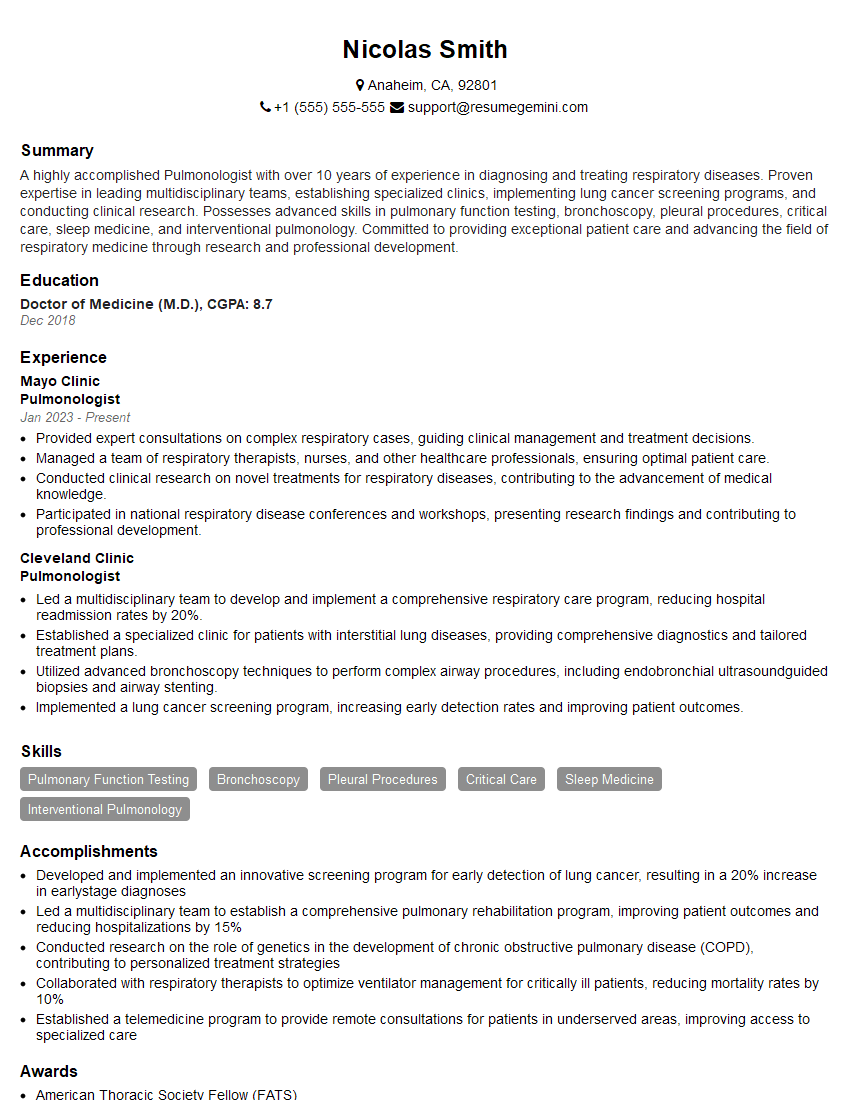
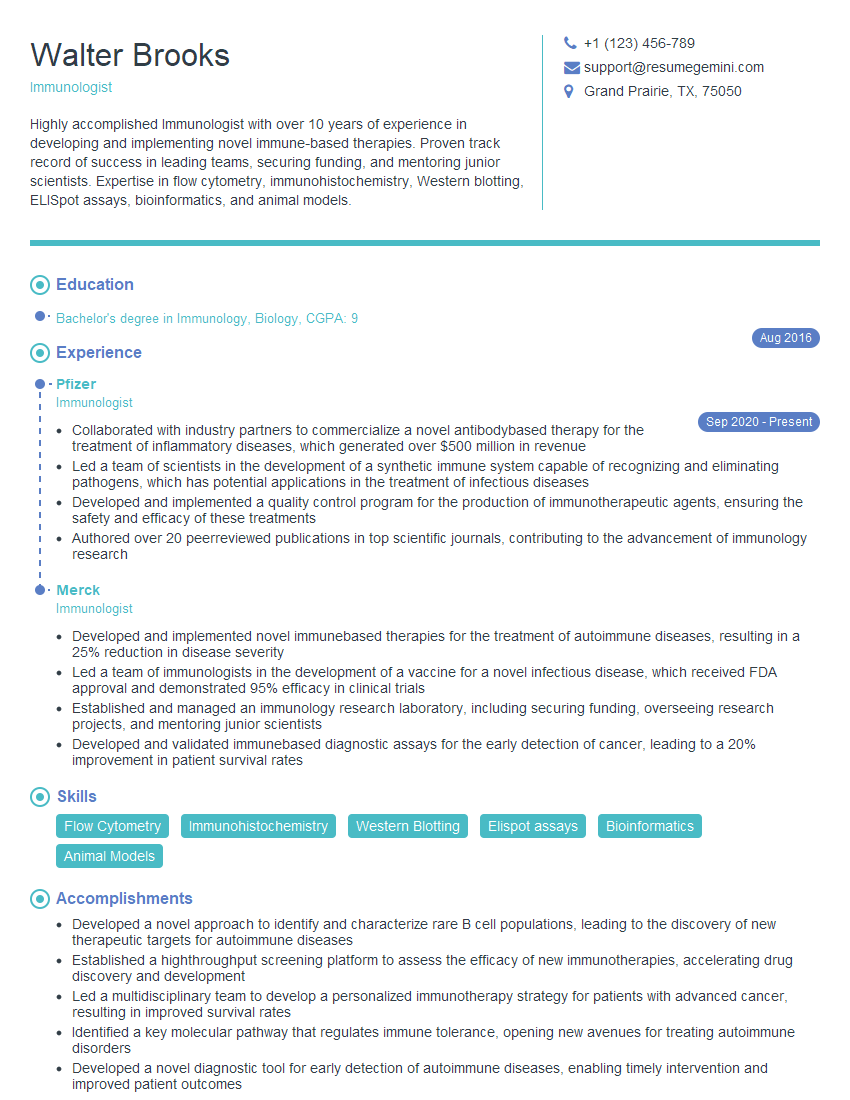
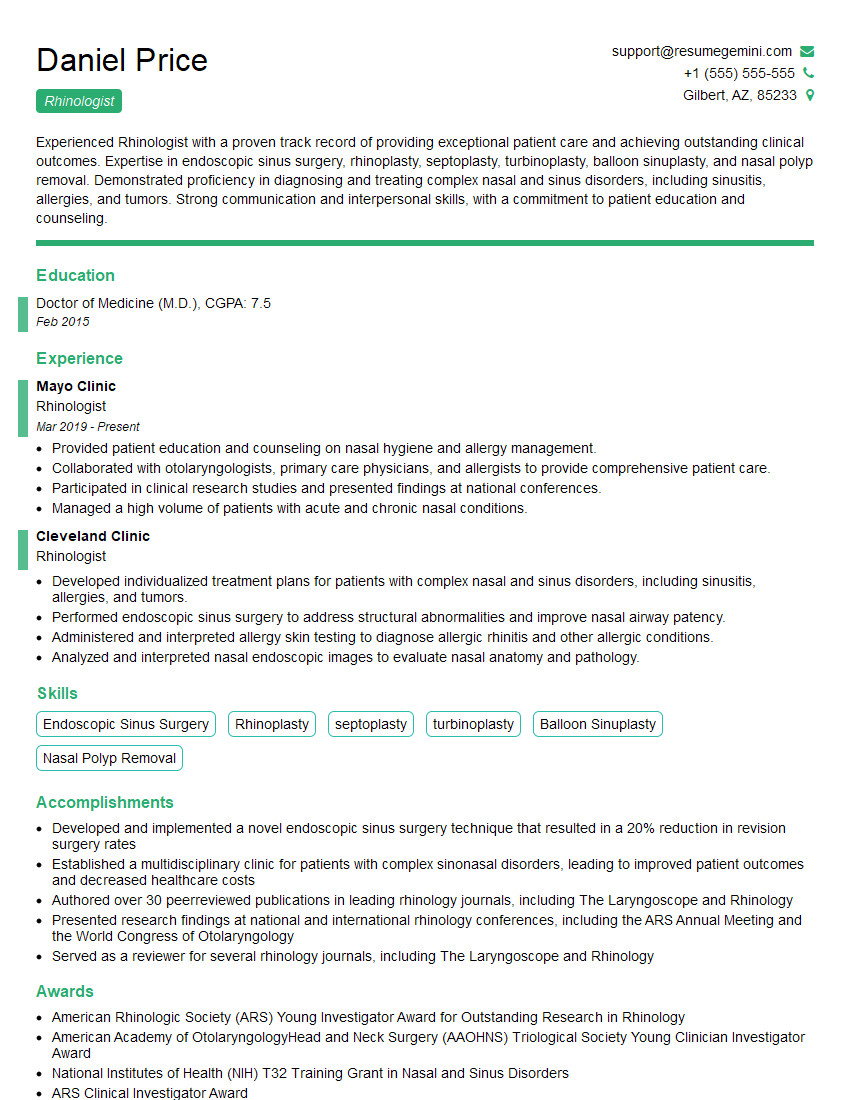
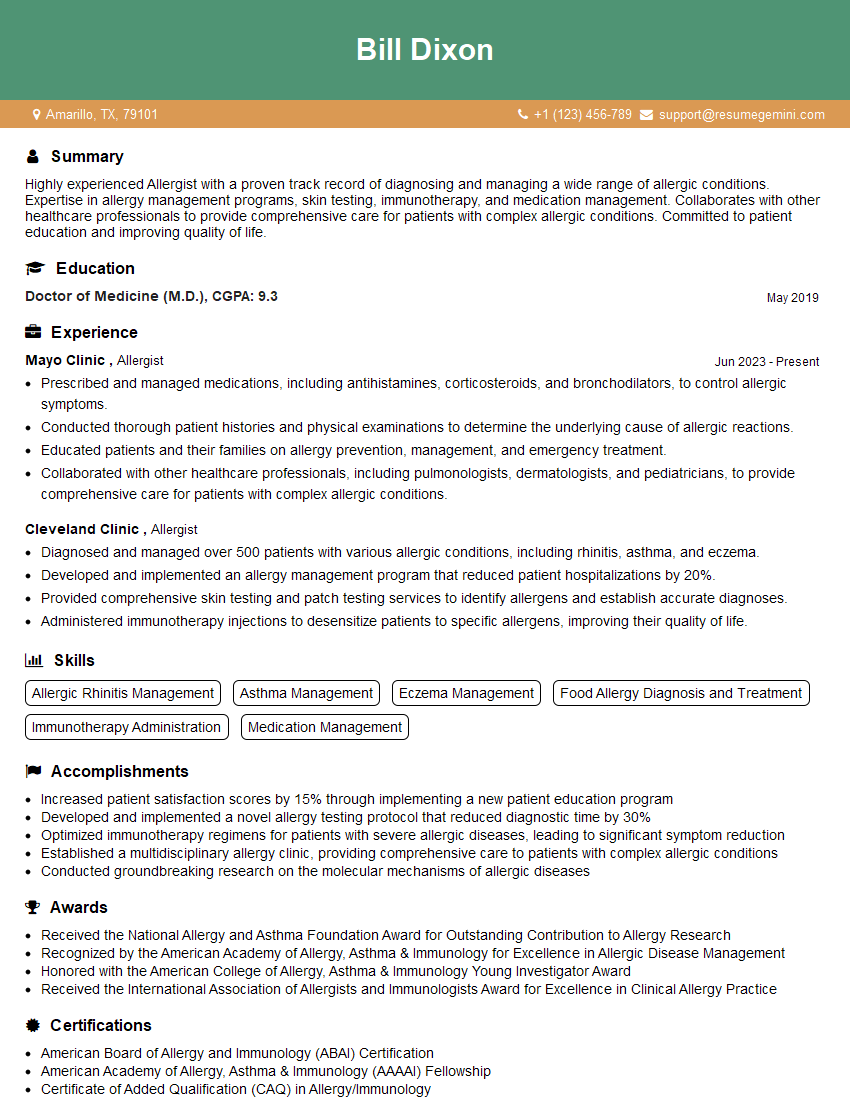
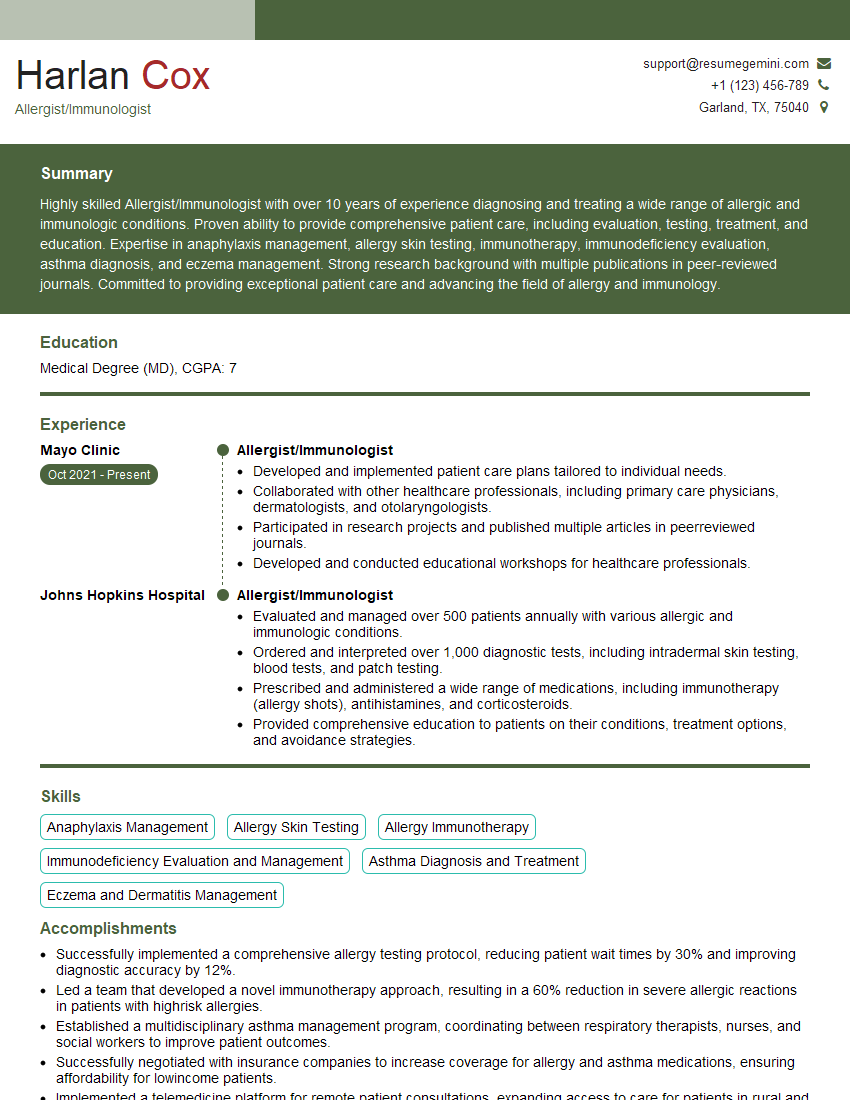
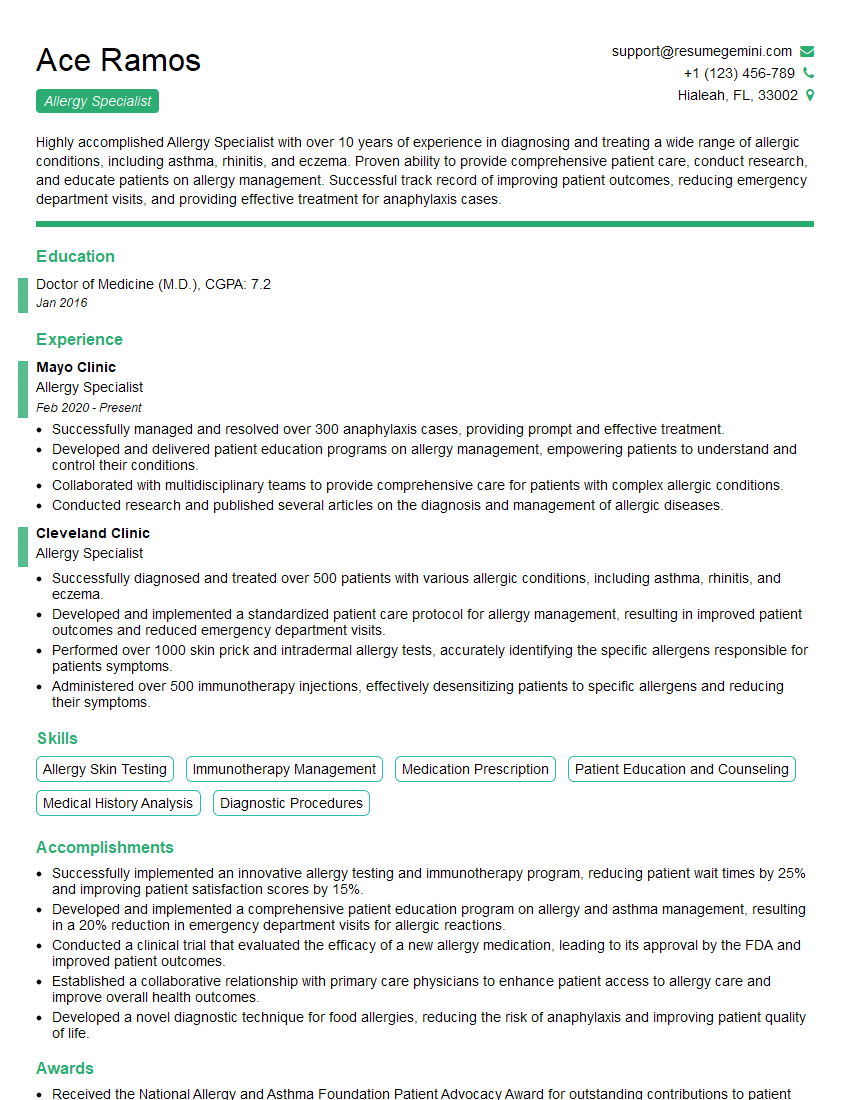
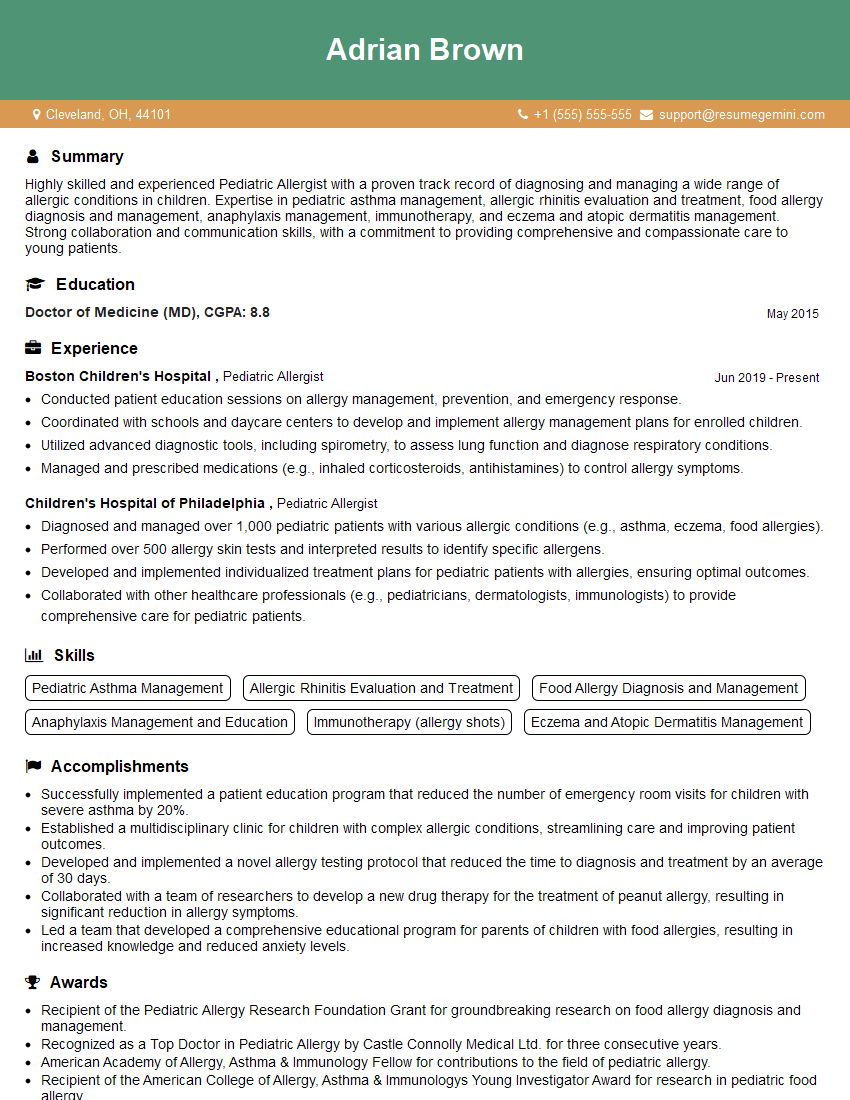
Mastering nasal allergy treatment significantly enhances your career prospects in allergy and immunology, opening doors to specialized roles and leadership positions. A strong resume is crucial for showcasing your expertise to potential employers. Create an ATS-friendly resume to maximize your chances of getting noticed by recruiters. ResumeGemini is a trusted resource to help you build a compelling and professional resume that highlights your skills and experience effectively. Examples of resumes tailored to Nasal Allergy Treatment professionals are available through ResumeGemini to guide you.
Explore more articles
Users Rating of Our Blogs
Share Your Experience
We value your feedback! Please rate our content and share your thoughts (optional).
What Readers Say About Our Blog
To the interviewgemini.com Webmaster.
Very helpful and content specific questions to help prepare me for my interview!
Thank you
To the interviewgemini.com Webmaster.
This was kind of a unique content I found around the specialized skills. Very helpful questions and good detailed answers.
Very Helpful blog, thank you Interviewgemini team.