Interviews are more than just a Q&A session—they’re a chance to prove your worth. This blog dives into essential Planning and Design interview questions and expert tips to help you align your answers with what hiring managers are looking for. Start preparing to shine!
Questions Asked in Planning and Design Interview
Q 1. Describe your experience with different zoning regulations.
My experience with zoning regulations spans various jurisdictions, encompassing residential, commercial, and industrial zones. I’m familiar with the intricacies of regulations related to building setbacks, height restrictions, parking requirements, density limits, and permitted uses. For example, I’ve worked on projects in areas with strict historic preservation overlay zones, requiring meticulous research and adherence to specific guidelines regarding materials, design styles, and even landscaping. In other projects, I’ve navigated the complexities of environmental protection regulations integrated into zoning codes, such as those protecting wetlands or sensitive ecosystems. Understanding these regulations is crucial for successful project planning and prevents costly delays or project rejections. I consistently stay updated on changes to zoning codes through professional development and engagement with local planning departments.
Q 2. Explain your process for creating a site plan.
Creating a site plan is a systematic process that involves several key steps. It begins with a thorough site analysis, including topographic surveys, soil testing, and utility location studies. This data informs the design decisions for building placement, access roads, parking areas, landscaping, and other site features. Next, I develop preliminary design concepts, exploring various options to optimize site use and meet client needs. These concepts are refined through iterative feedback from stakeholders and review against applicable zoning regulations and building codes. The final site plan integrates all design elements into a comprehensive document, including detailed drawings, specifications, and calculations. This process often involves close collaboration with engineers, landscape architects, and other consultants to ensure a coordinated and functional design. For instance, on a recent project, we optimized the site layout to minimize environmental impact by preserving existing trees and incorporating permeable paving to manage stormwater runoff.
Q 3. How do you handle conflicting stakeholder priorities in a design project?
Handling conflicting stakeholder priorities requires a collaborative and communicative approach. I begin by identifying all stakeholders and their respective needs and objectives. I then facilitate open communication and discussion to understand the root causes of the conflict. This often involves active listening, clarifying expectations, and finding common ground. I may use tools like priority matrices or weighted scoring systems to objectively evaluate the different options. The goal is to find a compromise that addresses the key concerns of all parties, even if it means making trade-offs. Transparency and clear communication throughout the process are essential to build trust and maintain positive relationships. For example, in a recent project with competing demands for open space versus building density, we used a participatory design workshop to help stakeholders reach a consensus on a solution that met the majority of their needs.
Q 4. What software proficiency do you possess relevant to planning and design?
My software proficiency includes AutoCAD, Revit, SketchUp, and GIS software such as ArcGIS. I’m adept at using AutoCAD for precise drafting and detailed site plans, Revit for building information modeling (BIM), allowing for efficient coordination and collaboration on complex projects. SketchUp is invaluable for creating quick conceptual designs and 3D visualizations to better communicate design ideas to clients. GIS software helps me analyze site characteristics, access relevant data, and create maps for presentations and reports. I’m also proficient in various rendering and presentation software to produce high-quality visuals for clients and stakeholders.
Q 5. Describe a time you had to revise a design due to unforeseen constraints.
During a recent park renovation project, we initially designed a large amphitheater based on the initial client brief. However, during the site excavation, we discovered unexpectedly high groundwater levels which made constructing the amphitheater at the initially planned location impossible. This required a significant redesign. We explored several alternative locations and designs, ultimately opting for a smaller, elevated stage with improved drainage solutions. This involved revising the entire site plan, adjusting landscaping, and recalculating costs. While challenging, the experience reinforced the importance of thorough site investigation and adaptability in design. We communicated the changes transparently to the client, highlighting the advantages of the revised design in terms of practicality and cost-effectiveness.
Q 6. How do you incorporate sustainable design principles into your work?
Sustainable design principles are integral to my work. I incorporate them throughout the entire design process, from site selection to material choices and operational considerations. This includes strategies to minimize environmental impact by preserving natural features, reducing energy consumption through passive design techniques (like maximizing natural light and ventilation), using sustainable building materials, and implementing water-efficient landscaping. I also consider the project’s long-term impact, aiming for designs that are resilient, adaptable, and minimize waste. For instance, in a recent school project, we incorporated solar panels, rainwater harvesting systems, and highly efficient insulation to create an environmentally responsible and cost-effective building. We also prioritized locally sourced materials to reduce transportation emissions.
Q 7. Explain your understanding of accessibility guidelines in design.
My understanding of accessibility guidelines is comprehensive, encompassing the Americans with Disabilities Act (ADA) standards and other relevant regulations. I ensure that all designs incorporate features to accommodate people with disabilities, including provisions for wheelchair accessibility, appropriate signage, clear pathways, accessible restrooms, and adequate space for maneuverability. This includes attention to details like ramp slopes, door widths, and the placement of controls and fixtures. Furthermore, I utilize accessible design principles as a positive aspect for all users. Features that support accessibility, such as clear sightlines and ample lighting, create a welcoming and user-friendly environment for everyone. I use various tools and resources to ensure compliance and create truly inclusive and accessible designs.
Q 8. How do you manage project timelines and budgets effectively?
Effective project timeline and budget management hinges on meticulous planning and proactive monitoring. It’s like building a house – you wouldn’t start without blueprints and a materials list! I begin by creating a detailed Work Breakdown Structure (WBS), breaking down the project into smaller, manageable tasks. Each task receives a realistic time estimate and associated cost. This forms the basis of my Gantt chart, a visual representation of the project schedule, highlighting dependencies and critical paths.
I then use project management software (like Microsoft Project or Asana) to track progress against the schedule and budget. Regular monitoring – ideally weekly – involves comparing actual progress against the planned schedule and costs. Any deviations are immediately addressed. This might involve adjusting resource allocation, negotiating with vendors, or re-evaluating task timelines. For example, on a recent park renovation project, we discovered unexpected soil conditions. By promptly addressing this through revised plans and securing additional resources, we avoided significant delays and cost overruns. Transparent communication with stakeholders is key; regular reports keep everyone informed and allow for proactive problem-solving.
Q 9. Describe your experience with community engagement in planning projects.
Community engagement is vital for successful planning projects. It’s not just about informing people; it’s about actively involving them in the decision-making process. My approach involves multiple layers of engagement. This starts with initial community surveys and focus groups to understand community needs and aspirations. Then, I hold public forums and workshops to present preliminary design concepts and gather feedback. I utilize online platforms, such as dedicated project websites and social media groups, for broader reach and continuous engagement. This was particularly effective during the planning of a new community center. We held multiple online surveys and town hall meetings, which helped incorporate community preferences (like the inclusion of a dedicated children’s play area) into the final design.
Beyond information sharing, I actively seek diverse opinions and actively address concerns. Transparency is paramount; I make sure that the process is clear and that all feedback is considered, even if it results in modifications to the original plan. It’s about building trust and creating a sense of ownership within the community.
Q 10. How do you use data analysis to inform your design decisions?
Data analysis is indispensable for evidence-based design. I use data to understand user behavior, identify patterns, and make informed design choices. For example, in transportation planning, traffic flow data from sensors and surveys helps determine optimal road layouts and traffic light timings. Similarly, demographic data helps tailor community facilities to the specific needs of the population. I use various tools for data analysis, including GIS (Geographic Information Systems) software to map spatial relationships, statistical software packages (like R or SPSS) for analyzing quantitative data, and data visualization tools (like Tableau) to communicate findings effectively. For instance, during a school redesign project, analyzing student movement patterns within the building allowed us to optimize hallway layouts and improve circulation efficiency.
Data analysis not only informs design decisions but also helps evaluate the effectiveness of completed projects. Post-project analysis can reveal unexpected outcomes and inform future projects.
Q 11. Explain your familiarity with building codes and regulations.
I have extensive experience working within various building codes and regulations, understanding their impact on design. Familiarity with these codes is not merely about compliance; it’s about integrating them creatively into the design process. My knowledge encompasses local, state, and national building codes, fire codes, accessibility standards (ADA), environmental regulations, and zoning ordinances. I typically start a project by thoroughly reviewing all relevant regulations for the site location. I utilize online resources, code books, and collaborate with building inspectors and other specialists to ensure complete compliance. Ignoring these regulations can lead to costly delays and even project failure.
For instance, in designing a multi-family dwelling, careful consideration is given to egress requirements (escape routes in case of fire), accessibility features for people with disabilities, and parking regulations. My approach involves proactive collaboration with regulatory bodies, thereby ensuring a smooth permitting process and avoiding costly rework later on.
Q 12. How do you prioritize tasks when working on multiple projects simultaneously?
Prioritizing tasks across multiple projects requires a structured approach. I typically employ a matrix that considers urgency, importance, and dependencies between tasks. The Eisenhower Matrix (urgent/important) is a useful tool here. Projects and their associated tasks are ranked based on their deadlines and overall impact. Critical path activities, those that directly impact project completion, are prioritized. I also consider resource availability when assigning priorities. For example, a task requiring specialized skills might be prioritized if the relevant expert is only available for a limited time. I regularly review and adjust priorities as new information or changing circumstances emerge. This approach minimizes delays and ensures that important aspects of each project receive the necessary attention.
Effective time management techniques, including time blocking and the Pomodoro Technique, are crucial for focused work on high-priority tasks.
Q 13. Describe your experience with different design methodologies (e.g., Agile, Waterfall).
My experience spans both Agile and Waterfall methodologies, each suitable for different project types. Waterfall is a linear approach, suitable for projects with well-defined requirements and minimal anticipated changes. It’s like building a house according to a fixed blueprint. Each stage (design, construction, testing) is completed before moving to the next. Agile, on the other hand, is iterative and adaptable, better suited for projects where requirements are likely to evolve. It’s more like building with Lego – you can continuously adjust and improve the design based on feedback and changing needs.
I often blend aspects of both methodologies. For example, I might use a Waterfall approach for the initial design phase of a large-scale infrastructure project, establishing a solid foundation. However, during the implementation phase, I’ll incorporate Agile principles, allowing for flexibility in response to unforeseen challenges or changes in stakeholder requirements. Choosing the appropriate methodology, or a hybrid approach, depends on the specific project context and stakeholder expectations.
Q 14. How do you ensure the designs are both aesthetically pleasing and functionally efficient?
Balancing aesthetics and functionality is fundamental to good design. It’s not an either/or proposition; rather, they are mutually reinforcing. Aesthetics enhance user experience, making a functional space more appealing and enjoyable. Functionality ensures the space meets its intended purpose efficiently. I achieve this balance through a holistic design process that considers both form and function from the outset. This involves iterative design reviews, incorporating feedback from stakeholders and experts (engineers, usability specialists). For example, in designing a public library, aesthetically pleasing architecture would be combined with the functionality of different zones for children, adults, quiet study, etc.
User-centered design principles are critical here; understanding user needs and behaviors guides design choices. I often use tools like mockups and prototypes to visualize and test design concepts before committing to final plans. This allows for early detection and correction of any discrepancies between form and function, resulting in a final design that is both beautiful and highly usable.
Q 15. What is your approach to problem-solving in a design context?
My approach to problem-solving in design is a structured, iterative process. I begin by deeply understanding the problem, engaging in thorough research, and defining clear objectives. This involves actively listening to stakeholders, analyzing data, and identifying constraints. I then brainstorm multiple solutions, prioritizing those that best address the core issue and align with project goals. This phase often includes sketching, diagramming, and prototyping to visualize concepts. Once a preferred solution is chosen, I rigorously test and refine it, gathering feedback at each stage to ensure the final design is both effective and aesthetically pleasing. Think of it like building with LEGOs; you start with a vision, experiment with different pieces, test the structure’s stability, and adjust until you have a robust, creative final product.
For instance, in a recent project involving the redesign of a public square, I started by conducting surveys and interviews with residents to understand their needs and concerns. This informed my design solutions, which were iteratively refined through digital modelling and physical mock-ups, ultimately resulting in a design that improved accessibility, increased green space, and fostered a stronger sense of community.
Career Expert Tips:
- Ace those interviews! Prepare effectively by reviewing the Top 50 Most Common Interview Questions on ResumeGemini.
- Navigate your job search with confidence! Explore a wide range of Career Tips on ResumeGemini. Learn about common challenges and recommendations to overcome them.
- Craft the perfect resume! Master the Art of Resume Writing with ResumeGemini’s guide. Showcase your unique qualifications and achievements effectively.
- Don’t miss out on holiday savings! Build your dream resume with ResumeGemini’s ATS optimized templates.
Q 16. Describe your experience with creating presentations and reports for stakeholders.
I have extensive experience creating presentations and reports for diverse stakeholders, ranging from technical teams to community groups and executive boards. My approach emphasizes clarity, visual appeal, and a tailored message for each audience. I utilize a variety of tools, including PowerPoint, Adobe Creative Suite, and data visualization software, to create compelling narratives that effectively communicate complex information. I structure my presentations with a clear introduction, concise points, supporting visuals, and a strong conclusion. For technical audiences, I focus on details and data; for community groups, I prioritize visual communication and relatable language.
For example, in a recent environmental impact assessment, I created a presentation that clearly outlined potential risks and mitigation strategies using charts, maps, and compelling visuals. This ensured that even non-technical stakeholders could grasp the key findings and recommendations. I always ensure that reports are well-organized, include detailed methodology, and support conclusions with solid evidence.
Q 17. How do you handle design reviews and feedback?
I view design reviews and feedback as integral to the design process, not as criticism. I actively solicit feedback from various stakeholders throughout the process, creating a collaborative environment where constructive criticism is encouraged. I approach feedback with an open mind, acknowledging the validity of different perspectives. I document all feedback, analyze its implications, and then incorporate it into the design, always explaining my rationale for accepting or rejecting certain suggestions. I believe that effective communication is crucial during this phase; therefore, I clearly explain my design decisions and actively engage in discussions to ensure shared understanding.
For instance, in a recent project, feedback suggested a change that initially seemed impractical. However, through further discussion and analysis, I realized the modification would improve usability and accessibility, leading to a better final product.
Q 18. How do you stay up-to-date with the latest trends and technologies in planning and design?
Staying current in the dynamic field of planning and design requires a proactive approach. I regularly attend industry conferences and workshops, subscribe to relevant journals and publications, and actively participate in online forums and communities. I also follow leading designers and researchers on social media platforms like LinkedIn and Twitter. Furthermore, I dedicate time to explore new software and technologies, focusing on those that enhance efficiency and design capabilities. I believe continuous learning is essential; therefore, I actively seek opportunities to expand my knowledge and refine my skills.
For example, I recently completed an online course on parametric design, a skill that has already improved my workflow and enabled me to explore more creative and efficient design solutions.
Q 19. Explain your understanding of urban planning principles.
My understanding of urban planning principles is grounded in the concept of creating sustainable, equitable, and resilient communities. I recognize the interconnectedness of various factors, including land use, transportation, infrastructure, and environmental considerations. Key principles I incorporate into my work include mixed-use development to promote vibrant neighborhoods, transit-oriented design to reduce reliance on cars, and the incorporation of green spaces to improve environmental quality and public health. I strive to balance economic development with social equity, ensuring that all community members have access to essential services and opportunities.
Sustainable design principles, like LEED certification, also guide my thinking, aiming to minimize the environmental footprint of built environments. Understanding zoning regulations and building codes is crucial for successful urban planning, ensuring that projects comply with local ordinances.
Q 20. Describe your experience with GIS software and its application in planning.
I am proficient in using Geographic Information System (GIS) software, such as ArcGIS and QGIS, for various planning applications. GIS allows me to analyze spatial data, create thematic maps, and model potential scenarios. In my work, I utilize GIS for tasks such as site analysis, identifying optimal locations for infrastructure, assessing environmental impact, and visualizing development patterns. For instance, I used GIS to analyze traffic flow patterns in a city center, identifying areas that needed improved public transit accessibility. This analysis informed the design of a new light rail system, improving transportation and reducing congestion.
Example code (ArcGIS Python): arcpy.analysis.Intersect(in_features, out_feature_class) This line of code performs a spatial intersection between two feature classes in ArcGIS, allowing me to identify overlapping areas or areas of interest.
Q 21. How do you ensure your designs meet client requirements and specifications?
Ensuring designs meet client requirements and specifications is paramount. I achieve this through a collaborative and transparent process. This begins with a detailed briefing session where I thoroughly understand the client’s needs, vision, and constraints, including budgetary limitations and timelines. I then translate these requirements into design criteria and specifications, ensuring that they are clear, measurable, achievable, relevant, and time-bound (SMART). Throughout the design process, I maintain open communication with the client, regularly providing updates and seeking their feedback. Before finalizing a design, I conduct thorough checks to ensure it aligns with all agreed-upon requirements and specifications.
A crucial aspect is developing detailed design documents that clearly articulate design elements, materials, and specifications. This ensures that the final product matches the client’s expectations and can be accurately implemented by contractors. Any potential discrepancies are addressed immediately through open dialogue and iterative design changes.
Q 22. Describe your experience with collaborating with other professionals in a design team.
Collaboration is the cornerstone of successful design. In my experience, effective teamwork hinges on clear communication, mutual respect, and a shared understanding of project goals. I’ve worked on multidisciplinary teams including architects, engineers, landscape architects, and contractors. We utilized various collaboration tools, such as project management software (e.g., Asana, Monday.com) for task assignment and progress tracking, and cloud-based design platforms (e.g., BIM 360) for real-time design collaboration and version control. I actively participate in regular meetings, contribute to design reviews, and proactively seek feedback from team members. For instance, on a recent mixed-use development project, I worked closely with the structural engineer to ensure the design incorporated both aesthetic and structural considerations from the initial concept phase. This collaborative approach prevented costly revisions later in the process and ensured the project was delivered on time and within budget.
Q 23. How do you measure the success of a planning or design project?
Measuring the success of a planning or design project goes beyond simply completing it on time and within budget. True success is measured by how well the project achieves its intended goals and impacts its stakeholders. This can be assessed through a combination of quantitative and qualitative measures. Quantitative measures might include things like the project’s adherence to the budget, its completion timeline, and the achievement of specific performance targets (e.g., energy efficiency goals in a building). Qualitative measures focus on the project’s impact and user satisfaction. This can involve collecting user feedback through surveys or interviews, monitoring post-occupancy performance, and assessing the project’s contribution to the community. For example, on a park redesign project, success was not only measured by staying within the budget and schedule, but also by the increase in park usage, positive feedback from community members, and the positive environmental impact.
Q 24. Explain your experience with different types of planning documents (e.g., master plans, zoning ordinances).
My experience encompasses a wide range of planning documents, from large-scale master plans to detailed zoning ordinances. I’ve worked with master plans guiding the development of entire communities, considering land use, transportation, infrastructure, and environmental factors. I understand the intricate details of zoning ordinances, their impact on design decisions, and how to navigate the regulatory landscape to ensure compliance. I’m familiar with various other documents such as environmental impact statements, site plans, building codes, and accessibility guidelines. For instance, while working on a downtown revitalization project, I leveraged the existing master plan to guide design decisions and ensured that our proposals aligned with the zoning regulations. Understanding these varied documents is crucial for navigating the complex approvals process and achieving project success.
Q 25. How do you address concerns related to environmental impact in your design?
Environmental considerations are integrated into my design process from the very beginning. I employ sustainable design principles, aiming to minimize environmental impact throughout the project lifecycle. This includes selecting sustainable materials, optimizing energy efficiency, implementing water conservation strategies, and minimizing waste generation. We utilize tools like life-cycle assessments (LCAs) to evaluate the environmental impact of different design options. Furthermore, I collaborate closely with environmental consultants to ensure compliance with relevant regulations and to identify opportunities for environmental enhancement. For example, on a residential development project, we incorporated green roofs to reduce stormwater runoff, used locally-sourced materials to reduce transportation emissions, and designed the buildings to meet LEED certification standards. This proactive approach results in environmentally responsible and resilient designs.
Q 26. Describe a challenging design project and how you overcame its obstacles.
One challenging project involved the renovation of a historic building while adhering to strict preservation guidelines. The biggest obstacle was balancing the need for modern functionality with the preservation of historical features. We faced constraints like limited space, outdated infrastructure, and the need to preserve original architectural details. To overcome these challenges, we employed innovative design solutions, such as incorporating hidden modern systems within existing walls, and using advanced materials that blended seamlessly with the original structure. We also collaborated extensively with historical preservation experts and utilized 3D modeling to visualize the renovation and test various scenarios. This collaborative and innovative approach allowed us to successfully complete the project, delivering a functional and historically sensitive renovation.
Q 27. How do you handle changes in project scope or requirements?
Handling changes in project scope or requirements is a critical aspect of project management. My approach involves a systematic process that begins with clearly documenting the change request, including the rationale, impact on the schedule and budget, and any necessary revisions to the design. I then collaborate with the client and the design team to assess the feasibility and implications of the change. This often involves creating updated schedules, budgets, and design documents to reflect the revised requirements. Transparent communication and proactive risk management are crucial during this process. I utilize change management tools and techniques to track changes, manage approvals, and maintain control over the project. This structured approach minimizes disruption and ensures that the project remains aligned with the client’s evolving needs.
Q 28. What are your salary expectations for this role?
My salary expectations for this role are commensurate with my experience and skills, and are in line with the industry standard for similar positions. I am open to discussing a competitive compensation package that reflects the value I will bring to your organization. I am confident that my expertise and contributions will significantly benefit your team, and I am eager to learn more about the specific details of this opportunity and how my compensation would align with the role’s responsibilities and the company’s compensation structure.
Key Topics to Learn for Your Planning and Design Interview
Ace your interview by mastering these essential areas of Planning and Design. We’ve broken down the key concepts to help you showcase your skills and experience effectively.
- Strategic Planning: Understand different planning methodologies (Agile, Waterfall, etc.), goal setting, resource allocation, and risk management within the design process. Consider practical examples from past projects to illustrate your experience.
- Design Principles & Theories: Demonstrate your knowledge of user-centered design, accessibility, and visual communication principles. Be prepared to discuss how you apply these theories in practice to solve design challenges.
- Project Management & Execution: Discuss your experience in managing timelines, budgets, and teams. Highlight your ability to handle multiple projects simultaneously and adapt to changing priorities. Consider using specific examples to illustrate your project management skills.
- Technical Proficiency: Depending on the specific role, be prepared to discuss your proficiency with relevant software (e.g., design software, project management tools). Showcase your ability to utilize technology to enhance the design process.
- Communication & Collaboration: Emphasize your skills in effectively communicating design ideas to clients and stakeholders. Highlight your collaborative experience and ability to work within a team environment.
- Problem-Solving & Critical Thinking: Be ready to discuss your approach to solving complex design problems. Prepare examples where you identified a problem, developed a solution, and implemented it successfully.
Next Steps: Launch Your Planning & Design Career
Mastering Planning and Design opens doors to exciting and rewarding career opportunities. A strong resume is your key to unlocking these possibilities. Crafting an ATS-friendly resume is crucial for getting noticed by recruiters and hiring managers. This means using keywords strategically and presenting your skills and experience in a clear, concise, and scannable format.
To make this process easier and more effective, we strongly recommend using ResumeGemini. ResumeGemini provides the tools and resources to create a compelling and ATS-optimized resume, maximizing your chances of landing your dream job. Examples of resumes tailored specifically for Planning and Design professionals are available to guide you. Take the next step towards your career success today!
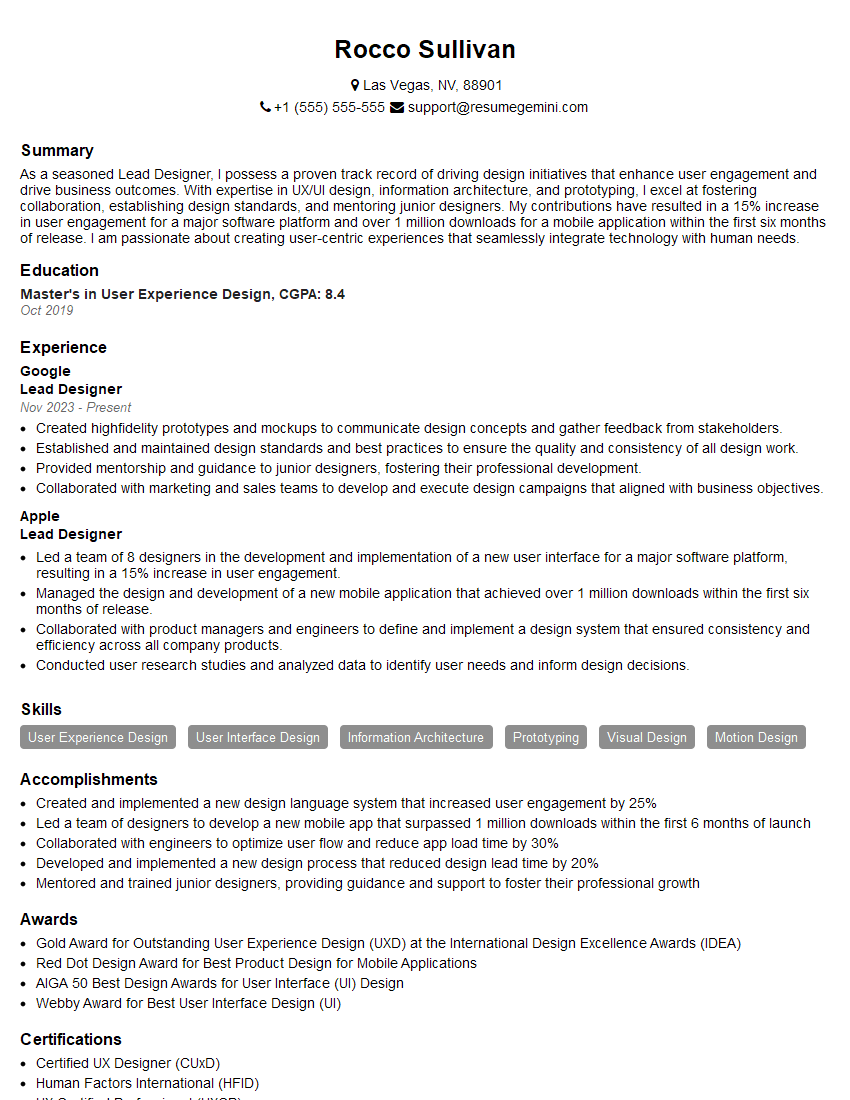
Lead Designer Resume Sample
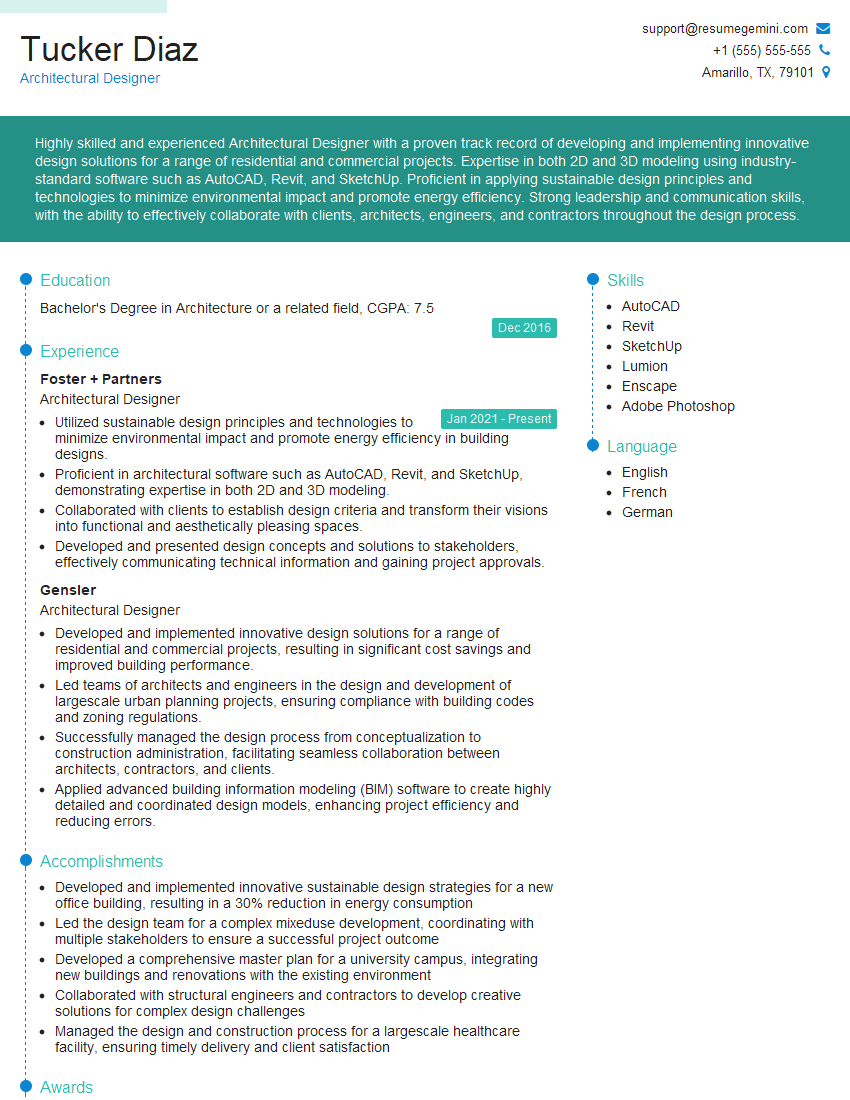
Architectural Designer Resume Sample
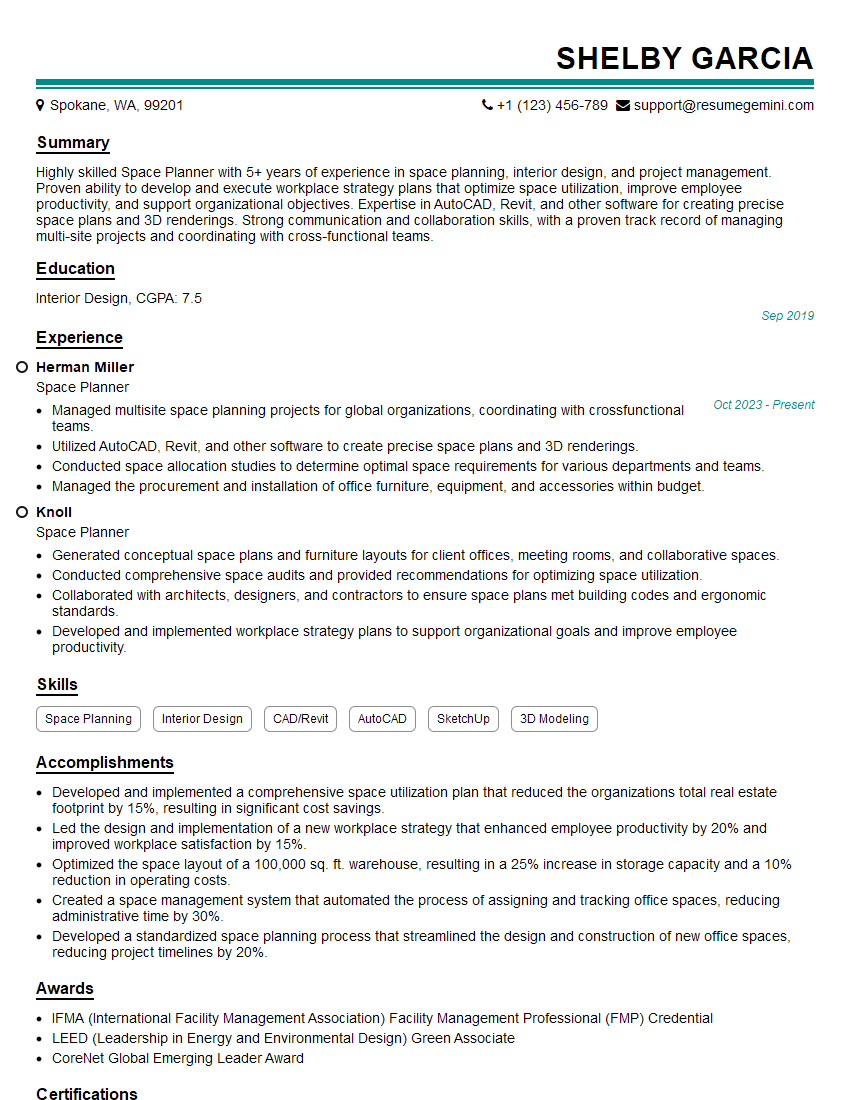
Space Planner Resume Sample
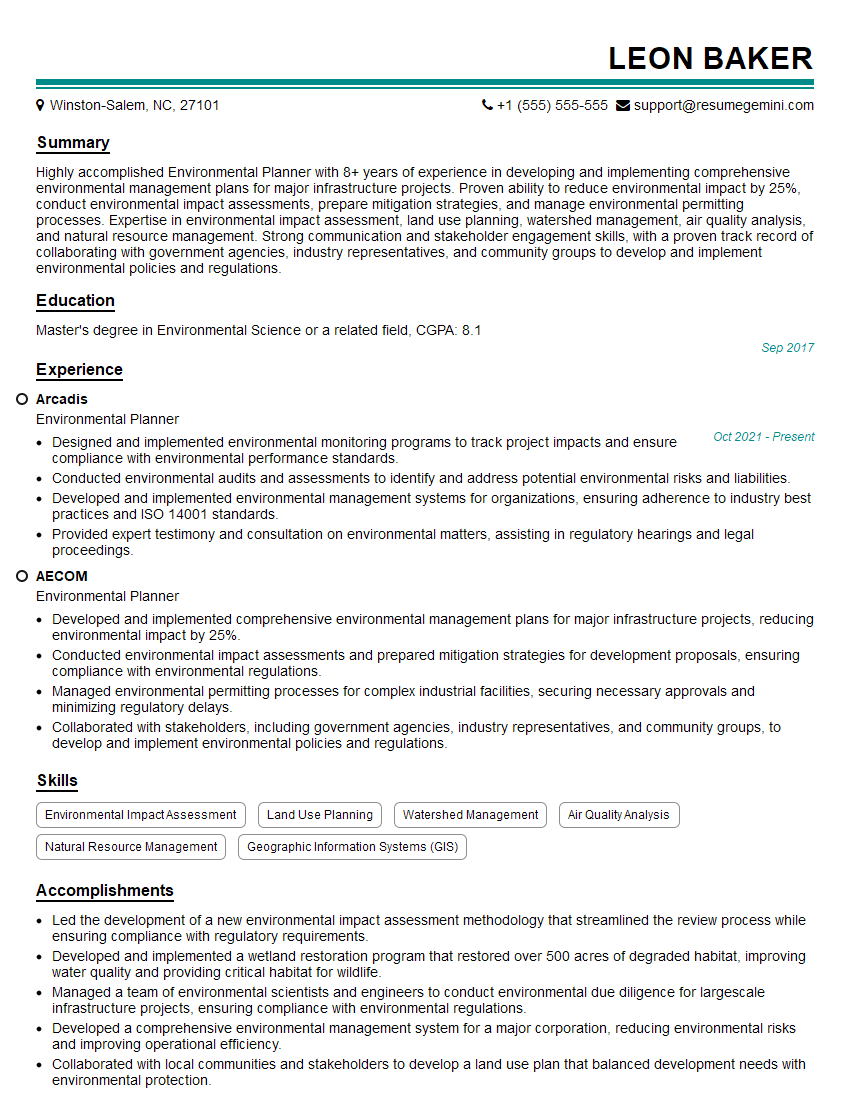
Environmental Planner Resume Sample
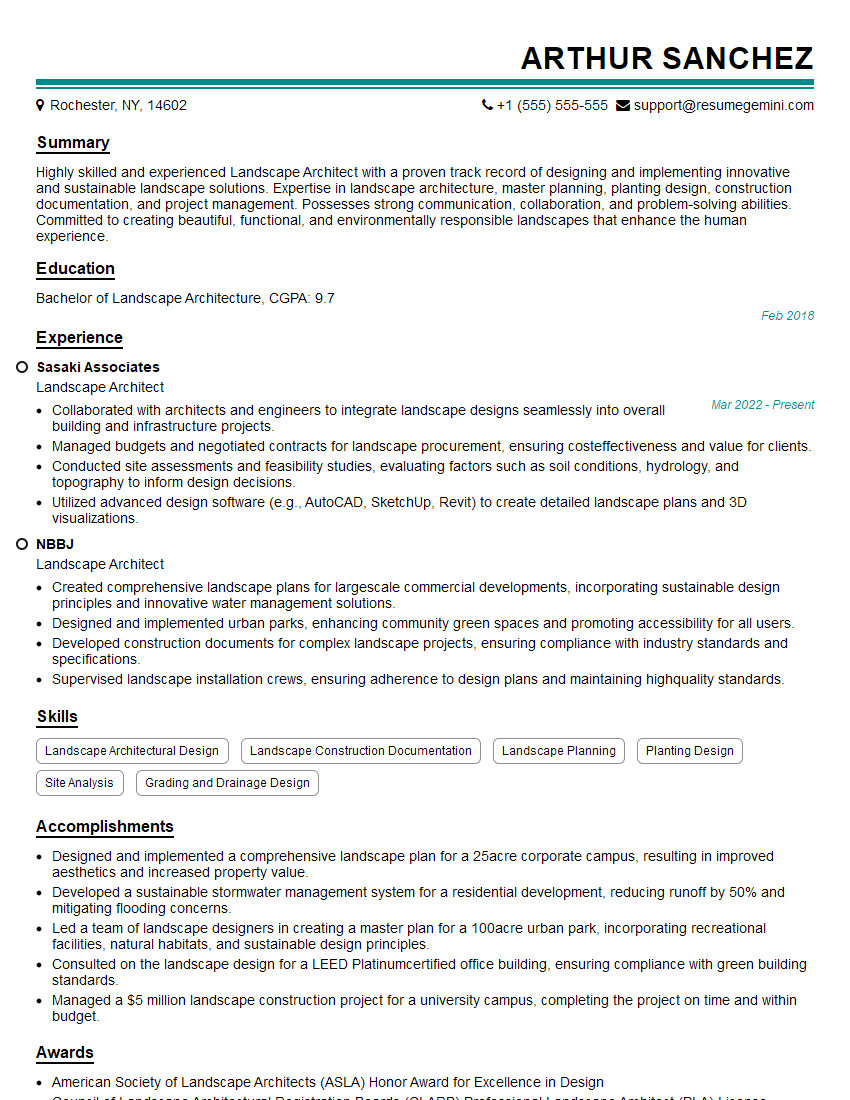
Landscape Architect Resume Sample
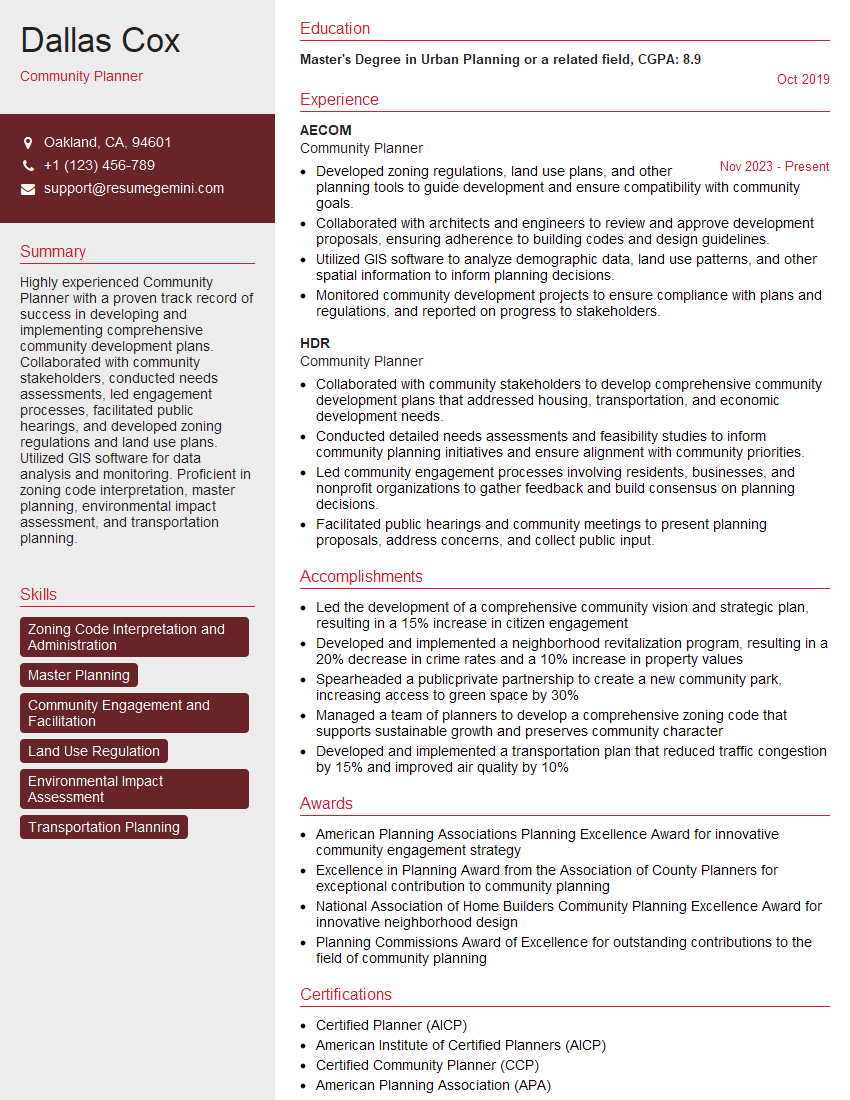
Community Planner Resume Sample
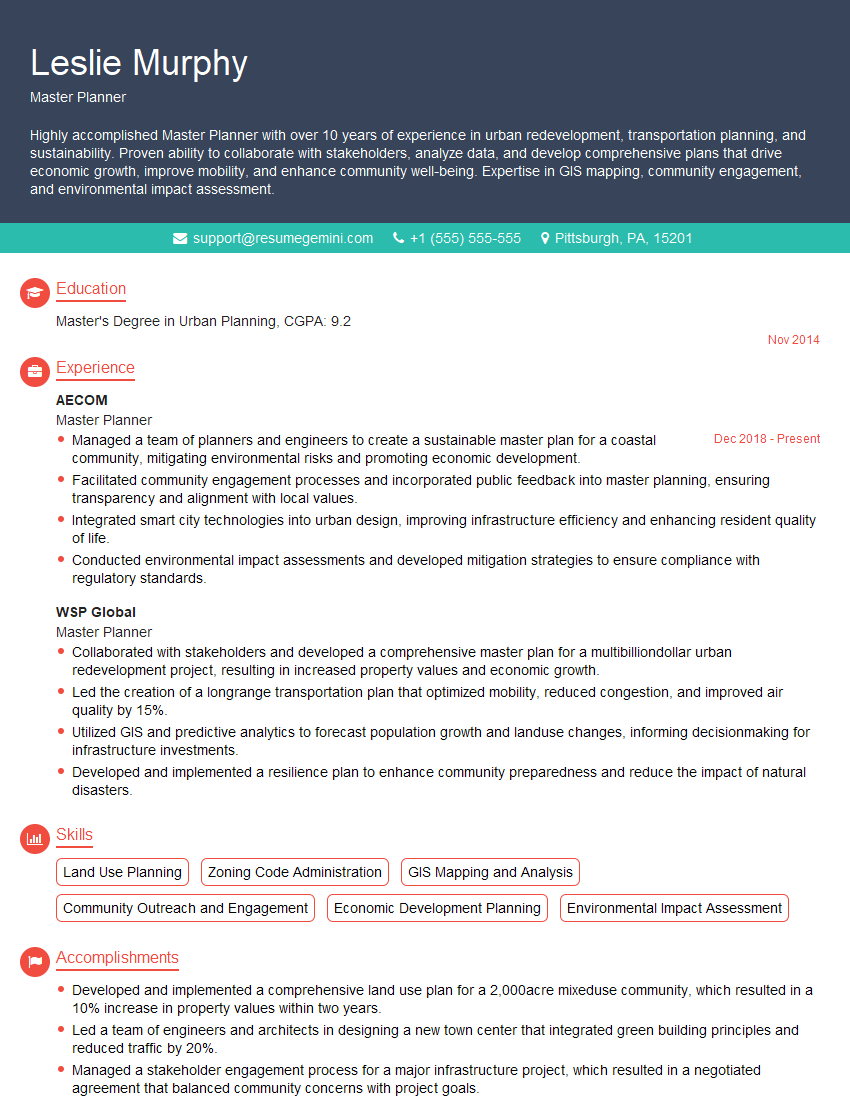
Master Planner Resume Sample
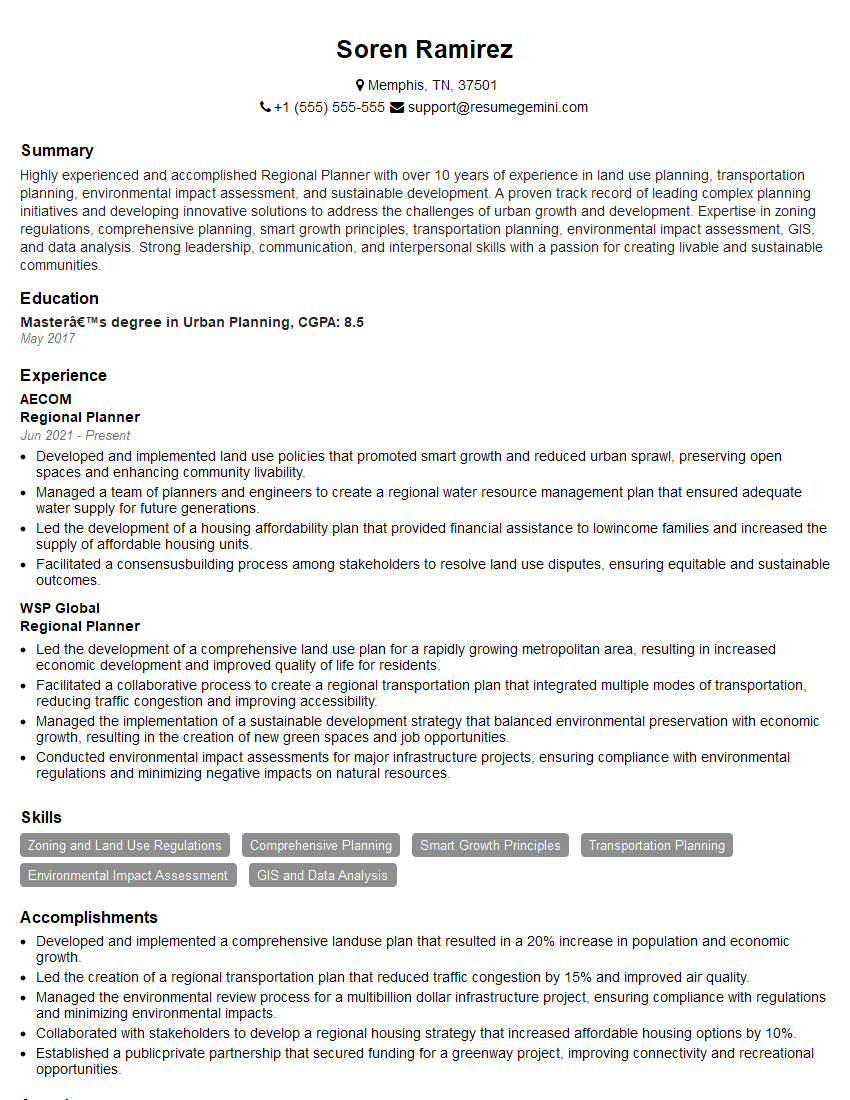
Regional Planner Resume Sample
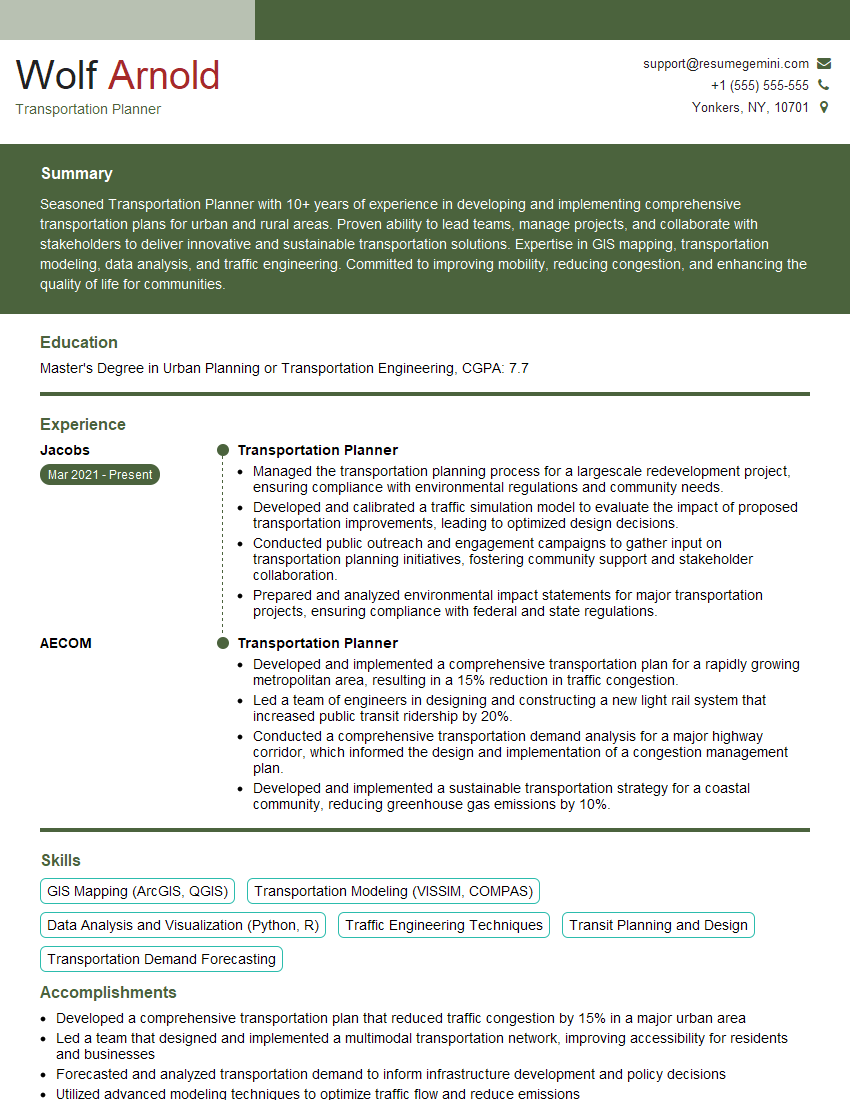
Transportation Planner Resume Sample
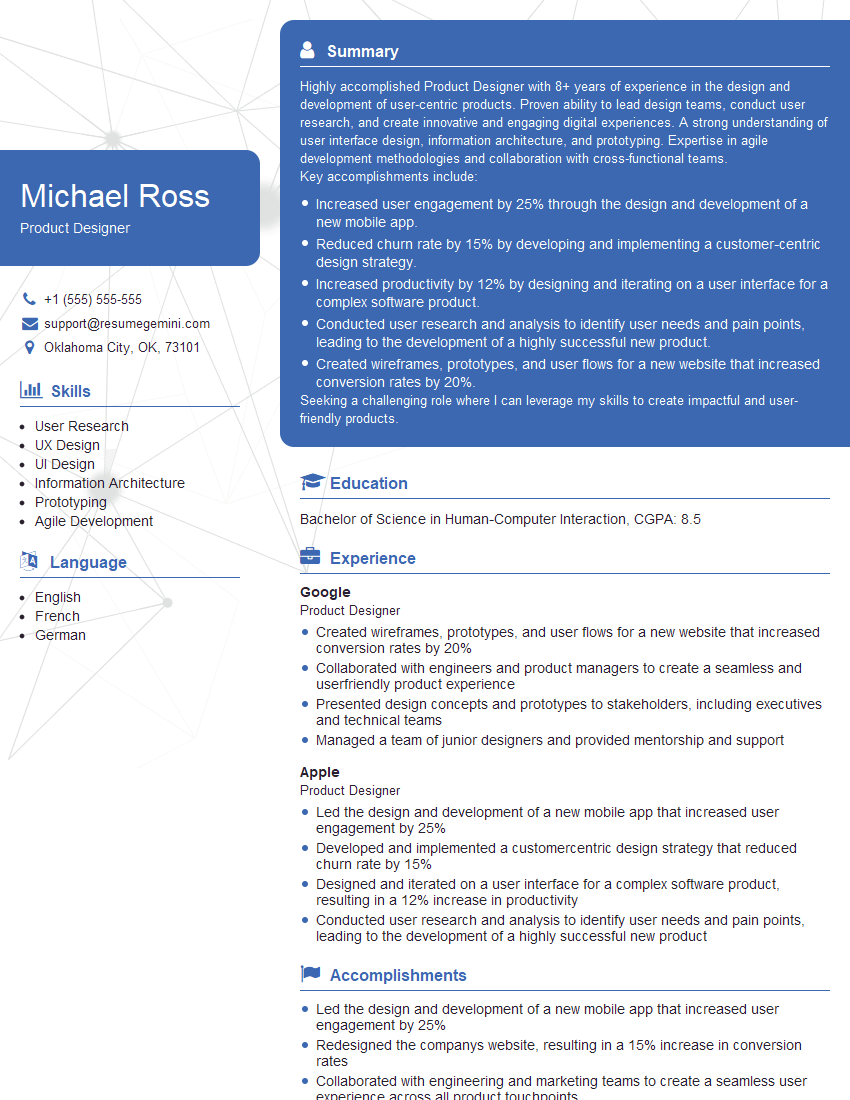
Product Designer Resume Sample
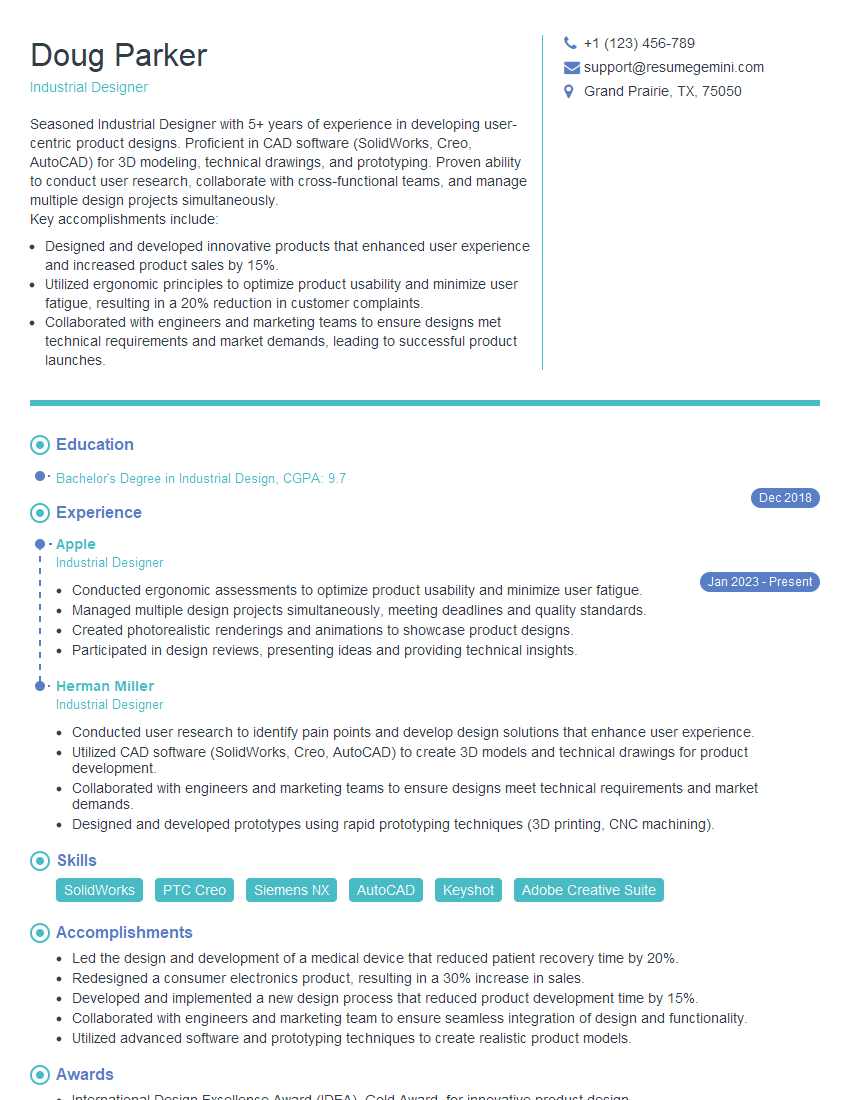
Industrial Designer Resume Sample
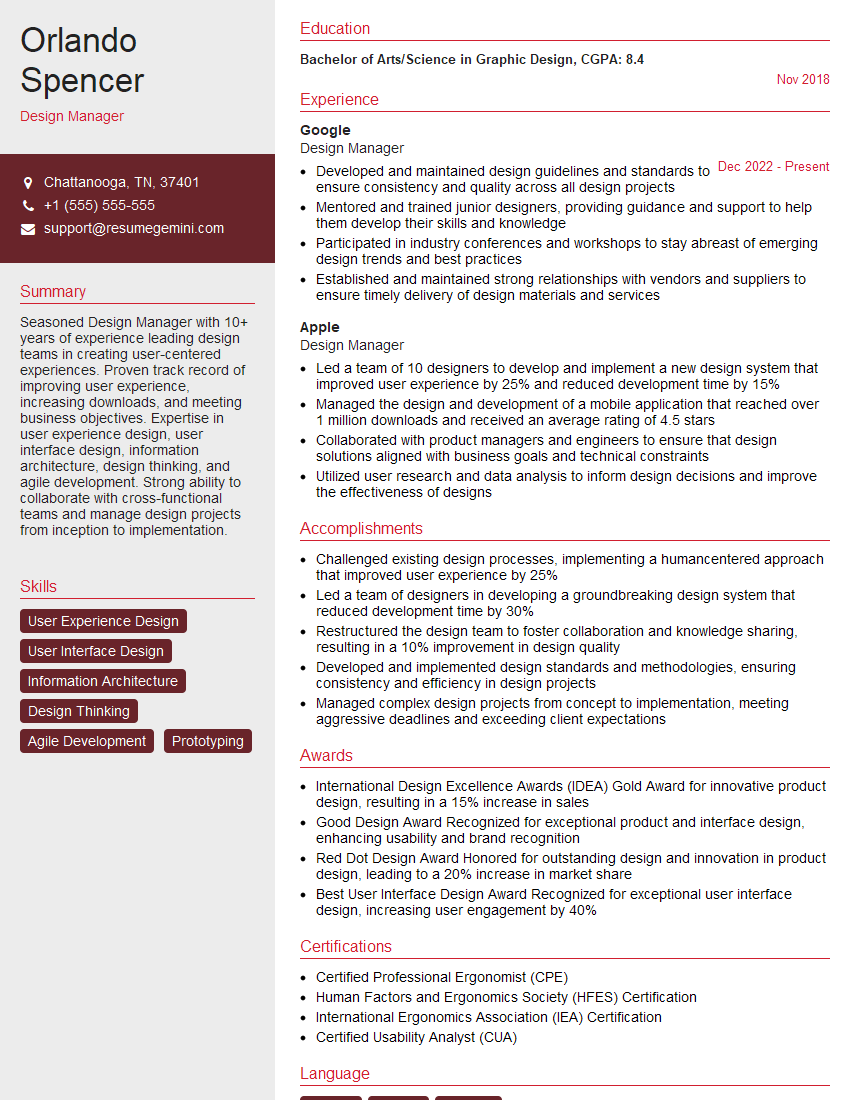
Design Manager Resume Sample
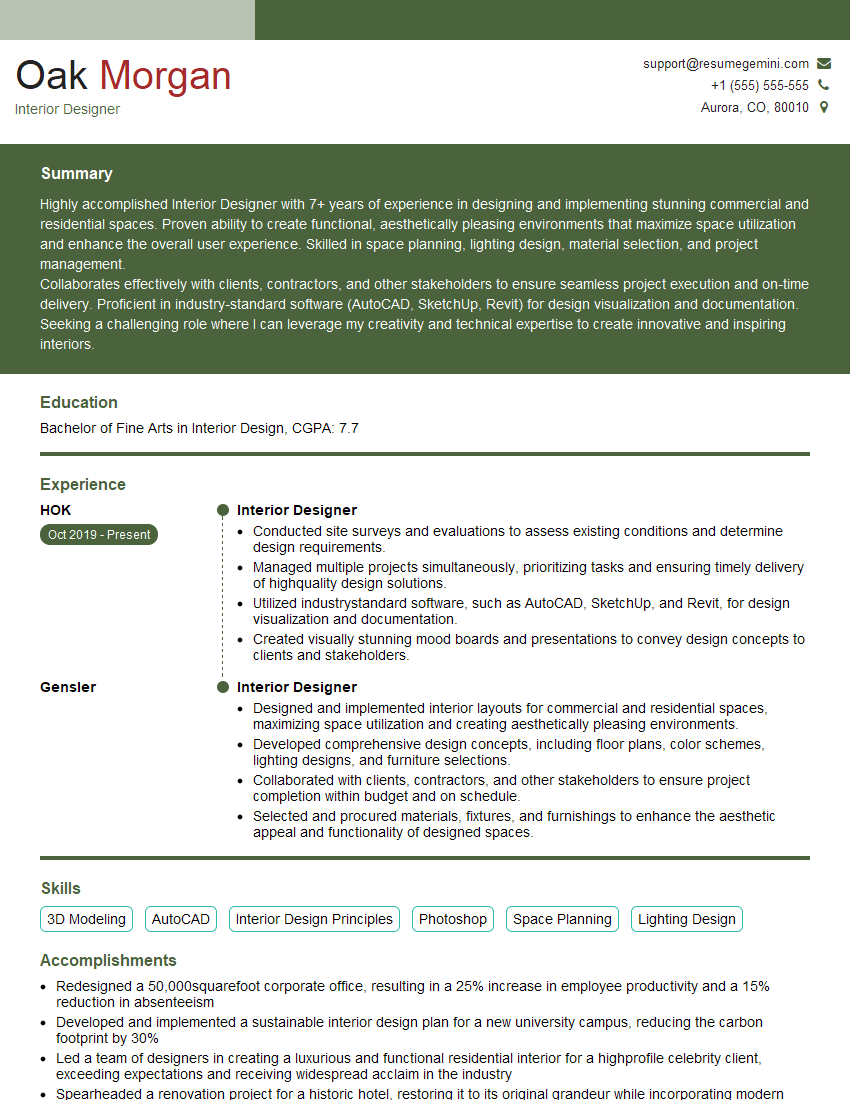
Interior Designer Resume Sample
Explore more articles
Users Rating of Our Blogs
Share Your Experience
We value your feedback! Please rate our content and share your thoughts (optional).
What Readers Say About Our Blog
To the interviewgemini.com Webmaster.
Very helpful and content specific questions to help prepare me for my interview!
Thank you
To the interviewgemini.com Webmaster.
This was kind of a unique content I found around the specialized skills. Very helpful questions and good detailed answers.
Very Helpful blog, thank you Interviewgemini team.