The right preparation can turn an interview into an opportunity to showcase your expertise. This guide to Peak Flow Meter Interpretation interview questions is your ultimate resource, providing key insights and tips to help you ace your responses and stand out as a top candidate.
Questions Asked in Peak Flow Meter Interpretation Interview
Q 1. Define peak expiratory flow (PEF).
Peak expiratory flow (PEF) is the maximum speed of air that you can exhale from your lungs in one forceful breath. It’s a measure of how well your airways are opening and closing. Think of it like this: Imagine blowing through a straw – a higher PEF means you’re blowing very hard and fast, indicating good airway function. A lower PEF might suggest some airway obstruction.
Q 2. Explain the purpose of a peak flow meter.
A peak flow meter is a small, handheld device used to measure your PEF. It’s a crucial tool for managing asthma and other respiratory conditions. By regularly monitoring your PEF, you and your doctor can track the severity of your condition, identify potential exacerbations (worsening of symptoms) early, and adjust your treatment plan accordingly. Imagine it’s like having a personal weather report for your lungs; it gives you early warning signs of impending ‘storms’.
Q 3. Describe the proper technique for using a peak flow meter.
Using a peak flow meter correctly is essential for accurate readings. Here’s the proper technique:
- Stand up straight: Good posture ensures accurate airflow.
- Remove any obstructions: Make sure nothing is blocking your mouth or nose.
- Take a deep breath: Fill your lungs completely.
- Seal your lips around the mouthpiece: Ensure a tight seal to prevent air leakage.
- Blow forcefully and quickly: Exhale as hard and fast as you can, making sure to keep blowing throughout the measurement.
- Record your peak flow reading: Note down the highest reading from your three attempts.
- Repeat the measurement at least two more times: Record each attempt to help determine the best reading. Use the highest number.
It is crucial to always use the same peak flow meter to ensure consistency. Consistent technique is key to reliable monitoring.
Q 4. What are the normal PEF ranges for adults and children?
Normal PEF ranges vary significantly depending on age, height, gender, and overall health. There’s no single universal number. A healthcare professional should provide personalized expected PEF ranges based on the individual’s characteristics. Generally, however, peak flow results are often compared to a percentage of the patient’s predicted or personal best peak flow rather than absolute values. For example, a patient’s personal best might be 600, and readings consistently around 450 (75% of personal best) may be cause for concern depending on their symptoms.
Q 5. How do you interpret a peak flow reading?
Interpreting a peak flow reading involves comparing it to your personal best (your highest ever recorded PEF), and often to pre-determined zones, usually green, yellow, and red. A reading in the green zone typically indicates good lung function, yellow signals potential problems requiring attention, and red indicates a severe exacerbation that needs immediate medical attention. It’s important to remember that interpretations should be made in the context of your individual medical history and current symptoms. Don’t rely solely on the number; your overall feeling is also critical. For example, even if the number is in the green zone but you’re feeling short of breath, you should contact your doctor.
Q 6. What factors can affect peak flow readings?
Several factors can influence peak flow readings, including:
- Time of day: PEF tends to be higher in the morning and lower in the evening.
- Medications: Bronchodilators can increase PEF.
- Physical activity: Exercise can temporarily raise PEF.
- Air temperature and humidity: Cold, dry air can constrict airways, leading to lower readings.
- Altitude: Higher altitudes can lead to lower PEF readings.
- Infection: Respiratory infections can significantly decrease PEF.
- Technique: Inconsistent technique can lead to inaccurate results.
Understanding these influencing factors allows for better interpretation of trends and better communication with healthcare providers. For instance, a lower reading in the evening isn’t necessarily alarming if it is consistently lower in the evening than in the morning.
Q 7. What are the zones (green, yellow, red) on a peak flow chart and their significance?
Peak flow charts usually incorporate color-coded zones to simplify interpretation:
- Green Zone: Represents your normal peak flow range. Readings in this zone typically indicate well-controlled airways.
- Yellow Zone: Indicates caution. Readings in this zone suggest a worsening of your condition. It often means you need to take action such as adjusting your medications, avoiding triggers, or contacting your doctor.
- Red Zone: Signals a serious problem. Readings in this zone indicate a severe airway obstruction, usually requiring immediate medical attention. You need to use your rescue inhaler and contact your healthcare provider immediately.
The exact boundaries of these zones are personalized and defined in collaboration with your healthcare professional based on your individual baseline PEF and medical history. These zones empower you to actively manage your respiratory health.
Q 8. How do you determine a patient’s personal best peak flow?
Establishing a patient’s personal best peak flow is crucial for effective asthma management. It represents their highest peak flow reading over a period of time, usually 2-3 weeks when they’re feeling well and symptom-free. This baseline measurement provides a reference point to track changes and identify potential exacerbations. We instruct patients to record their peak flow readings twice daily (morning and evening) for this period. The highest reading achieved during this time becomes their personal best. Think of it like establishing a personal fitness record – you wouldn’t know if you’re improving unless you have a starting point.
For example, if a patient’s highest reading over two weeks is 550 L/min, then 550 L/min becomes their personal best. Any subsequent readings significantly below this value indicate a potential worsening of their condition.
Q 9. Explain the importance of patient education regarding peak flow monitoring.
Patient education is paramount in effective peak flow monitoring. Without understanding the process and the implications of their readings, patients won’t be able to utilize the peak flow meter effectively. We need to explain clearly what a peak flow meter is, how to use it correctly (including proper technique and posture), and, critically, how to interpret the results in relation to their personalized zones (green, yellow, red).
We also emphasize the importance of regular monitoring, especially during periods of increased symptoms. We provide written instructions, visual aids, and encourage questions. Think of it like teaching someone to drive – just giving them the keys isn’t enough; they need to understand the rules of the road and how to respond to different situations.
- Explain the purpose of peak flow monitoring.
- Demonstrate proper use of the peak flow meter.
- Teach how to record and interpret the readings based on their personalized zones.
- Explain action plans for each zone (green, yellow, red).
- Address any questions and concerns.
Q 10. How frequently should peak flow measurements be taken?
The frequency of peak flow measurements depends on the patient’s condition and stability. Patients with well-controlled asthma might only need to monitor once or twice daily, typically in the morning and evening. However, during periods of worsening symptoms or increased use of rescue inhalers, more frequent monitoring may be necessary – even every 4 hours. This allows us to detect early warning signs and adjust treatment accordingly.
Regular monitoring provides a longitudinal view of the patient’s respiratory status, allowing for early intervention. Think of it like monitoring blood pressure – frequent checks are critical for those with hypertension to prevent potential complications.
Q 11. What actions should be taken if a patient’s peak flow falls into the yellow or red zone?
Falling into the yellow or red zone indicates worsening airway obstruction. The action plan depends on which zone the reading falls into and the patient’s specific treatment plan. Generally, a yellow zone reading signals a need to increase preventative medications as prescribed (e.g., inhaled corticosteroids) and monitor more frequently. It’s a warning sign that the asthma is becoming less controlled.
A red zone reading is an emergency, representing severe airway obstruction. The patient should immediately initiate their rescue plan (e.g., use of short-acting bronchodilators like albuterol) and contact their doctor or seek medical attention. The goal is to reverse the acute worsening of symptoms.
Q 12. What are the limitations of peak flow meters?
While peak flow meters are valuable tools, they have limitations. Accuracy can vary depending on patient effort and technique; inconsistencies in effort can lead to inaccurate readings. It is important to ensure that the patient is using the device correctly. Peak flow meters are not suitable for very young children or patients who cannot understand the instructions. Additionally, they don’t directly measure lung function but rather airflow, which might not perfectly reflect the overall severity of the disease. Finally, individual patient variability and other factors like weather conditions can also affect results.
It’s important to use the peak flow meter as one tool in the management of asthma, alongside other assessments like spirometry and clinical symptoms.
Q 13. How do you manage a patient experiencing a peak flow reading in the red zone?
A red zone peak flow reading is a medical emergency requiring immediate action. The patient should immediately administer their rescue medication (usually a short-acting beta-agonist inhaler like albuterol) as prescribed. This should be followed by frequent reassessment of the peak flow. If there is no improvement or if symptoms worsen, the patient must seek immediate medical attention. This may involve a visit to the emergency room or contacting their physician. Delaying treatment in this situation can be dangerous.
The steps involve:
- Administer rescue medication.
- Reassess peak flow after 5-10 minutes.
- If no improvement or worsening symptoms, seek immediate medical attention.
Q 14. What are some common causes of decreased peak flow readings?
Several factors can contribute to decreased peak flow readings. Common causes include:
- Asthma exacerbation: This is the most common reason, marked by increased inflammation and airway narrowing.
- Respiratory infections: Viral or bacterial infections can lead to increased airway inflammation and mucus production, impeding airflow.
- Poor inhaler technique: Incorrect use of inhalers can lead to suboptimal medication delivery and inadequate symptom control.
- Environmental factors: Exposure to allergens (e.g., pollen, pet dander) or irritants (e.g., smoke, pollution) can trigger bronchospasm.
- Medication non-compliance: Failing to take prescribed medications regularly can lead to worsening asthma control.
- Exercise-induced bronchospasm (EIB): Intense physical activity can trigger airway constriction.
- Other underlying conditions: Conditions like chronic obstructive pulmonary disease (COPD) can also affect peak flow readings.
Determining the exact cause often requires a comprehensive assessment, including consideration of the patient’s symptoms, medication regimen, environmental exposures, and possibly further diagnostic tests.
Q 15. How does peak flow monitoring contribute to asthma or COPD management?
Peak flow monitoring is a crucial tool in managing asthma and COPD because it provides a quick and objective measure of lung function. It helps patients and healthcare providers track changes in airflow, allowing for early detection of worsening symptoms and timely intervention. Think of it like a vital sign, specifically for your lungs. A consistently low peak flow reading can signal an impending exacerbation (worsening of symptoms) allowing for proactive treatment adjustments, preventing a hospital visit.
For example, a patient with asthma might notice a gradual decline in their peak flow readings over several days. This could indicate the onset of an asthma attack, prompting them to use their rescue inhaler more frequently or seek medical attention. Similarly, a COPD patient might use their peak flow readings to gauge the effectiveness of their medication and adjust their activity levels accordingly.
Career Expert Tips:
- Ace those interviews! Prepare effectively by reviewing the Top 50 Most Common Interview Questions on ResumeGemini.
- Navigate your job search with confidence! Explore a wide range of Career Tips on ResumeGemini. Learn about common challenges and recommendations to overcome them.
- Craft the perfect resume! Master the Art of Resume Writing with ResumeGemini’s guide. Showcase your unique qualifications and achievements effectively.
- Don’t miss out on holiday savings! Build your dream resume with ResumeGemini’s ATS optimized templates.
Q 16. Describe the difference between peak flow and FEV1.
While both peak flow and FEV1 (forced expiratory volume in 1 second) measure lung function, they do so differently. Peak flow measures the fastest airflow during a forceful exhalation, essentially the maximum speed of air exiting the lungs. It’s a simple, quick test done with a handheld device. FEV1, on the other hand, measures the volume of air forcefully exhaled in one second, representing a measure of lung capacity. It requires more sophisticated equipment (spirometer) and is usually administered in a doctor’s office or clinic.
Imagine blowing through a straw: peak flow is like measuring how fast you blow; FEV1 is like measuring how much air you blow out in one second. Both provide valuable information, but peak flow is a readily available, at-home tool for self-monitoring.
Q 17. What are the potential errors in peak flow measurement and how to avoid them?
Several factors can lead to inaccurate peak flow measurements. A common error is improper technique; this includes not standing upright, not exhaling fully before the test, or not performing a forceful exhalation. Other sources of error include using a faulty peak flow meter, recording readings incorrectly, or not using the correct peak flow meter for the patient (size matters!).
- Improper Technique: Ensure the patient understands the correct technique, including proper posture and a forceful, sustained exhalation.
- Faulty Meter: Regularly check the peak flow meter for damage or calibration issues.
- Incorrect Recording: Always double-check recorded values and ensure accurate documentation.
- Incorrect Meter Size: Choose the appropriately sized peak flow meter for the patient’s age and height.
Addressing these issues through proper training and use of the device is key to obtaining reliable data.
Q 18. How do you ensure accurate and reliable peak flow readings?
Ensuring accurate and reliable peak flow readings involves a multi-pronged approach. First, proper patient education is critical. Patients must understand the correct technique for using the peak flow meter. This includes proper posture (standing upright), a full exhalation before the test, and a forceful, sustained blow. We recommend patients perform several measurements, typically three, and record the highest reading. This helps minimize variability and provides a more representative result.
It is also essential to use a properly calibrated and appropriate-sized peak flow meter. Regularly checking the device for any damage or malfunction is a key preventive step. Finally, documenting each reading consistently and accurately helps identify trends and patterns over time, thus alerting early to changes in the patient’s condition.
Q 19. What is the role of peak flow monitoring in preventing exacerbations?
Peak flow monitoring plays a significant role in preventing exacerbations by enabling early detection of declining lung function. By tracking daily peak flow readings, patients and healthcare providers can identify a downward trend before symptoms become severe. This early warning system allows for timely adjustments to the treatment plan. For instance, increasing the frequency of medication use, or initiating other preventive measures, may be implemented to avoid a full-blown exacerbation.
Think of it as a warning system for your lungs. A gradual drop in peak flow readings is a red flag, signaling potential problems. Early intervention based on this data can prevent a significant decline in lung function and potentially a hospitalization.
Q 20. How do you document peak flow readings in a patient’s chart?
Peak flow readings should be meticulously documented in a patient’s chart. This typically involves recording the date, time of the measurement, the peak flow value, and any relevant contextual information, such as symptoms experienced by the patient at the time of measurement. The preferred format should be clearly defined within the health institution’s guidelines. It’s also crucial to note any changes in medication, or other relevant treatments.
For example, a chart entry might look like this: Date: 2024-10-27, Time: 8:00 AM, Peak Flow: 250 L/min, Symptoms: Mild cough, wheezing. Medication: Increased albuterol use.
Q 21. Can you explain the use of a peak flow diary?
A peak flow diary is a simple yet powerful tool for both patients and healthcare providers. It’s a record of daily peak flow measurements, often accompanied by notes about symptoms and medication use. This diary provides a visual representation of trends in lung function over time, making it easier to identify patterns and potential problems. The diary serves as a valuable communication tool between the patient and their healthcare team. A consistent pattern allows for a collaborative management plan adjustment for better outcome.
For instance, a patient maintaining a peak flow diary might notice a consistent drop in readings in the evenings, indicating a possible need for adjustments in their evening medication schedule. This information can help the healthcare provider personalize the treatment to the patient’s individual needs, rather than just relying on general guidelines.
Q 22. How would you explain peak flow monitoring to a patient?
Peak flow monitoring is a simple yet effective way to track how well your lungs are working. Imagine your lungs are like balloons; a peak flow meter measures how forcefully you can blow air out of your lungs. We use a small, handheld device called a peak flow meter to measure this. By regularly checking your peak flow, we can identify patterns and potential problems early on, allowing us to adjust your treatment as needed, helping you manage conditions like asthma or COPD better.
The meter provides a number, your peak expiratory flow (PEF), which represents the highest flow rate you can achieve during a forced exhalation. We’ll show you how to use it correctly and explain what your personal ‘best’ and ‘worst’ numbers are to help you monitor your condition.
Q 23. How do you interpret peak flow trends over time?
Interpreting peak flow trends involves looking for patterns over time. Think of it like tracking your weight; consistent changes indicate something is happening. We typically look at daily peak flow measurements recorded in a diary or app. A consistently decreasing trend could suggest worsening symptoms and the need to adjust medication or seek medical attention. For example, if a patient’s usual peak flow is around 500 L/min, and it consistently drops to 400 L/min over several days, it indicates a potential problem. Conversely, if peak flow remains stable or shows a positive trend with treatment, it demonstrates effective management.
We also consider the overall variability. Large fluctuations from day to day, even if the average remains relatively high, can be a warning sign, indicating underlying instability in lung function.
Q 24. What are some alternative methods of assessing lung function?
Peak flow meters provide a convenient and inexpensive way to assess lung function, but they’re not the only method. Spirometry is a more comprehensive test conducted in a doctor’s office or clinic. It involves blowing into a device that measures various aspects of your breathing, like forced vital capacity (FVC) and forced expiratory volume in one second (FEV1), giving a more precise picture of lung health. Other methods include body plethysmography, which measures lung volumes more accurately, and arterial blood gas analysis, which assesses oxygen and carbon dioxide levels in the blood.
The choice of method depends on the specific needs of the patient and the situation. Peak flow monitoring is excellent for self-management, while spirometry offers more detailed, objective data for diagnosis and treatment adjustments.
Q 25. What is the relationship between peak flow and medication adherence?
There’s a strong correlation between medication adherence and peak flow readings. Consistent, proper use of prescribed medications, such as inhalers for asthma or COPD, directly impacts lung function. Patients who consistently take their medication as directed usually exhibit better peak flow readings, showing improved lung function and reduced variability. Conversely, poor medication adherence often results in lower and more variable peak flow numbers, indicating worsening control of the respiratory condition.
Monitoring peak flow, therefore, helps assess medication effectiveness and adherence. Regularly reviewing peak flow data with patients can help identify those who may require additional support or education to ensure they are adhering to their prescribed treatment regimen.
Q 26. How would you handle a patient who is unable to use a peak flow meter?
If a patient is unable to use a peak flow meter due to physical limitations, like severe arthritis or weakness, we explore alternative methods. We may use a different assessment tool, like spirometry conducted by a respiratory therapist, or rely more on clinical observation of symptoms such as breathlessness and wheezing. We also need to determine the reason for their inability to use the meter and try to adapt the process. For example, adapting the peak flow meter grip or using a larger, more ergonomic meter may help. It’s crucial to maintain effective communication and work with the patient to find a suitable method for assessing their lung function.
Q 27. Discuss the role of peak flow in evaluating the effectiveness of treatment.
Peak flow measurements are critical in evaluating treatment effectiveness. Improvements in peak flow values over time, especially after starting or adjusting medication, clearly indicate that the treatment is working. For instance, a consistent increase in peak flow after starting a new asthma medication reflects improved lung function and symptom control. Conversely, a lack of improvement or continued decline, despite treatment, suggests a need to re-evaluate the treatment plan or consider alternative approaches.
Tracking peak flow trends allows for a personalized approach, enabling timely adjustments to optimize treatment strategies and enhance the patient’s quality of life.
Q 28. How does environmental exposure influence peak flow measurements?
Environmental factors significantly influence peak flow measurements. Exposure to allergens, such as pollen or pet dander, or irritants like pollutants or smoke, often leads to reduced peak flow values, reflecting airway narrowing and inflammation. Weather conditions also play a role; cold, dry air can trigger bronchospasm in susceptible individuals, leading to lower peak flow readings. Conversely, spending time in a clean, controlled environment with reduced allergen exposure can often lead to higher peak flow numbers.
Understanding these environmental influences is essential for interpreting peak flow data accurately. We help patients identify their personal triggers and provide strategies for managing environmental exposure to help improve their lung function and overall well-being.
Key Topics to Learn for Peak Flow Meter Interpretation Interview
- Understanding Peak Expiratory Flow (PEF): Defining PEF, its significance in respiratory health assessment, and the principles behind its measurement using a peak flow meter.
- Interpreting Peak Flow Readings: Analyzing individual PEF readings, understanding the context of personal best (PB) and identifying variations from the PB to indicate potential respiratory issues. This includes recognizing zones (green, yellow, red) and their clinical implications.
- Patient Education and Communication: Explaining the purpose of peak flow monitoring to patients, demonstrating proper peak flow meter usage, and effectively communicating results and their significance in a clear, understandable manner.
- Factors Influencing Peak Flow Readings: Identifying variables that can affect PEF readings (e.g., time of day, posture, medication, environmental factors) and their impact on interpretation.
- Record Keeping and Data Analysis: Maintaining accurate records of peak flow readings, utilizing charting methods to visualize trends, and recognizing patterns indicative of disease progression or response to treatment.
- Troubleshooting Peak Flow Meter Issues: Identifying common problems with peak flow meters, performing basic troubleshooting, and understanding when professional maintenance or replacement is necessary.
- Correlation with Other Respiratory Assessments: Understanding how peak flow measurements relate to other diagnostic tools and tests used in respiratory care, such as spirometry and oximetry.
Next Steps
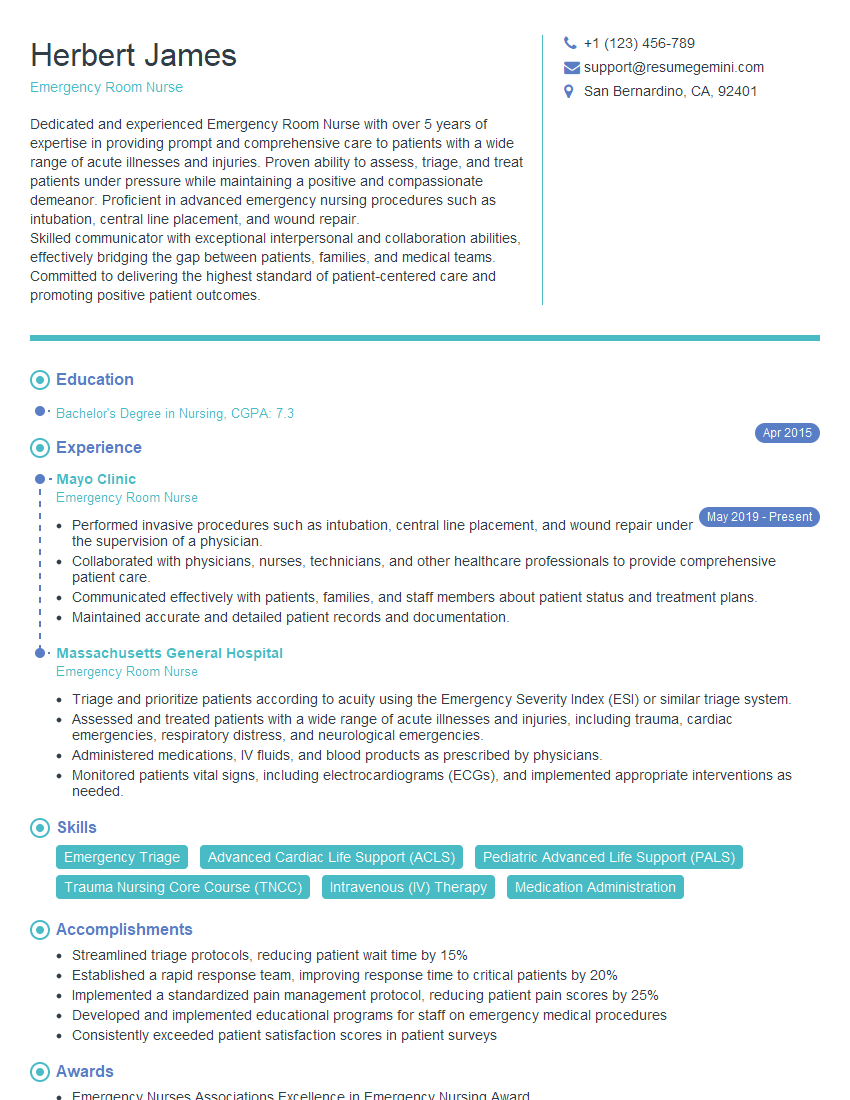
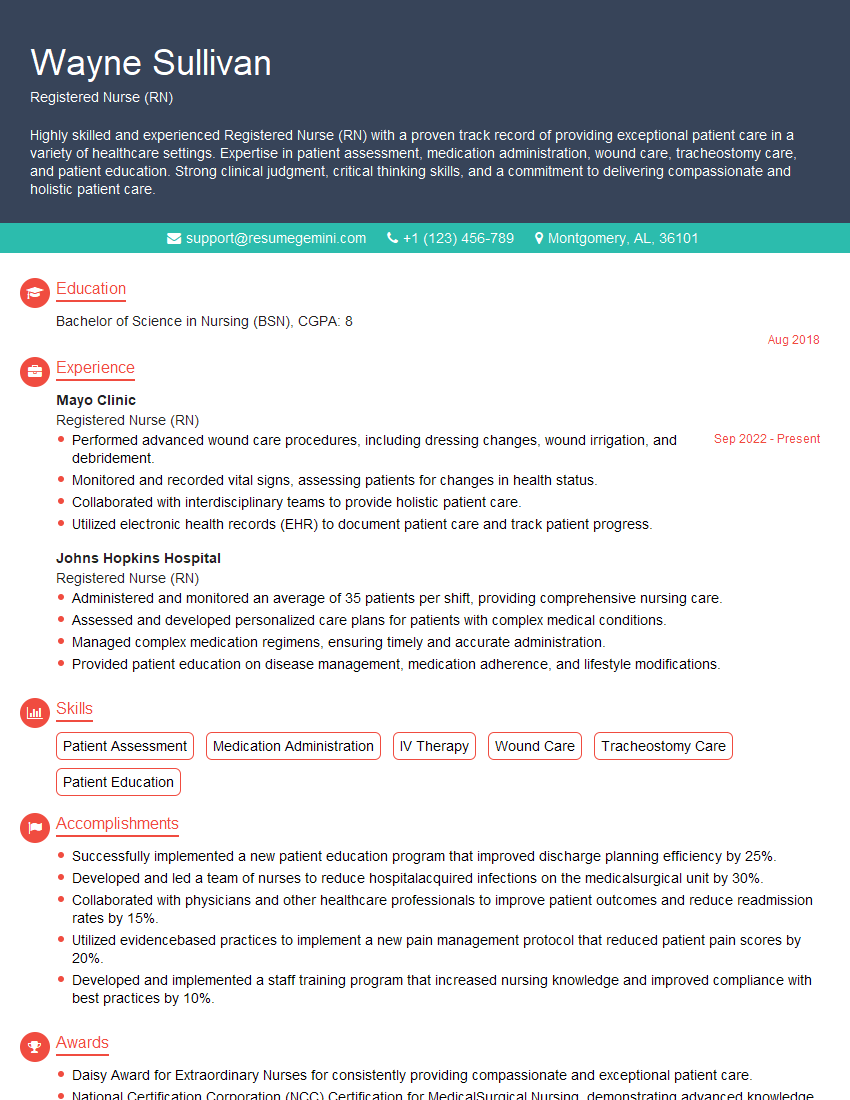
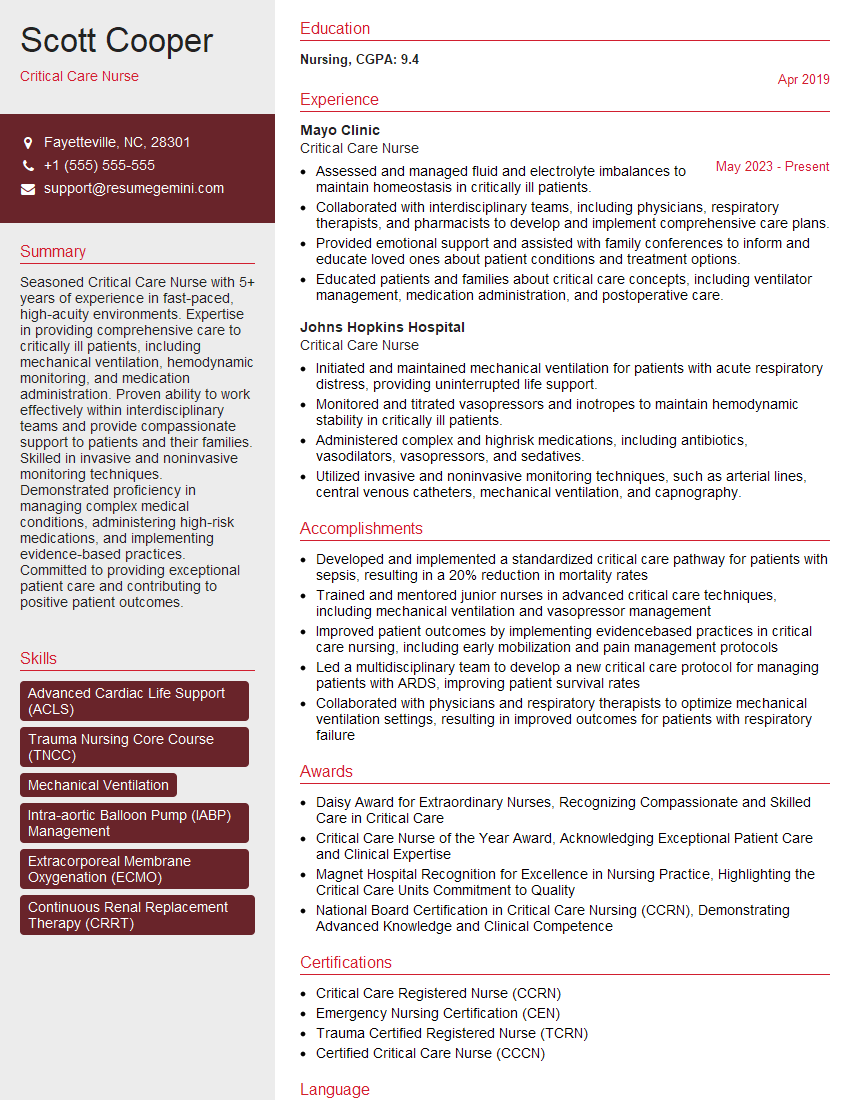
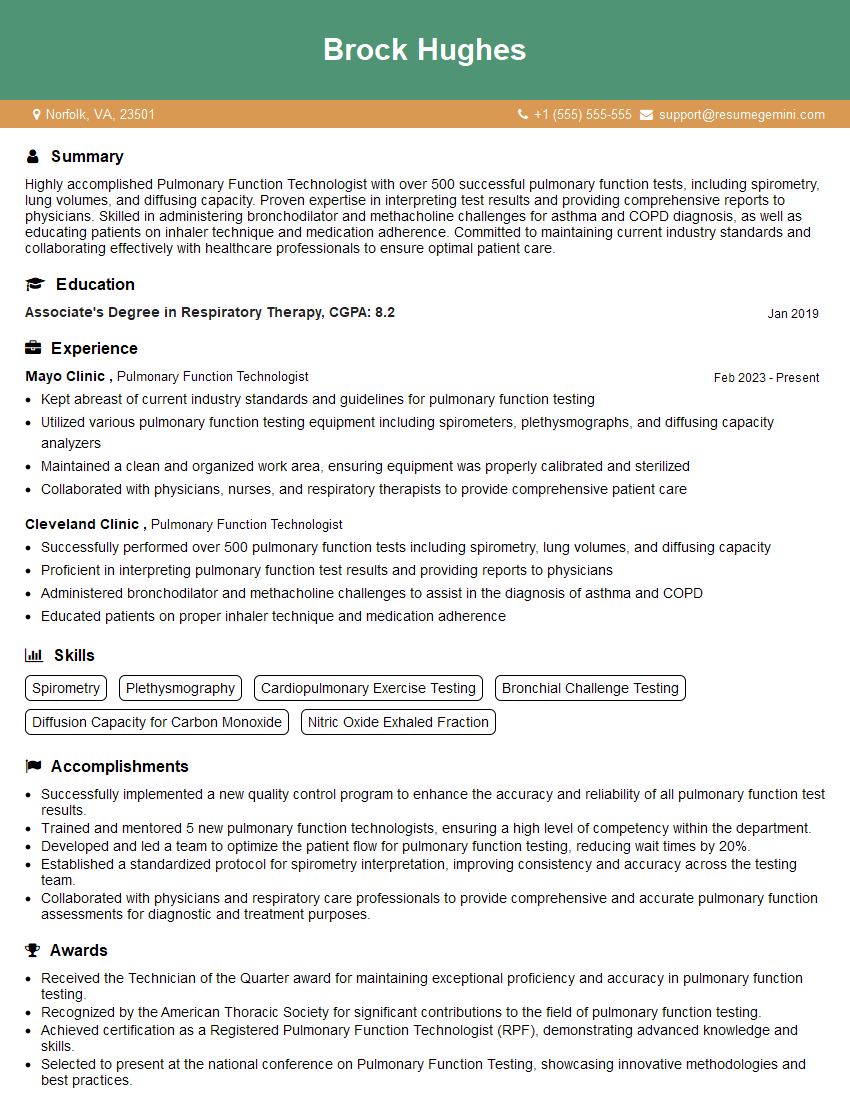
Mastering Peak Flow Meter Interpretation is crucial for career advancement in respiratory therapy and related healthcare fields. Proficiency in this area demonstrates a strong understanding of respiratory physiology and patient care, making you a highly valuable asset to any healthcare team. To significantly boost your job prospects, crafting a compelling and ATS-friendly resume is essential. ResumeGemini is a trusted resource that can help you build a professional and effective resume tailored to highlight your skills and experience. Examples of resumes specifically tailored to Peak Flow Meter Interpretation are available to help guide your resume creation process.




Explore more articles
Users Rating of Our Blogs
Share Your Experience
We value your feedback! Please rate our content and share your thoughts (optional).
What Readers Say About Our Blog
To the interviewgemini.com Webmaster.
Very helpful and content specific questions to help prepare me for my interview!
Thank you
To the interviewgemini.com Webmaster.
This was kind of a unique content I found around the specialized skills. Very helpful questions and good detailed answers.
Very Helpful blog, thank you Interviewgemini team.