Unlock your full potential by mastering the most common Research and Policy Advocacy interview questions. This blog offers a deep dive into the critical topics, ensuring you’re not only prepared to answer but to excel. With these insights, you’ll approach your interview with clarity and confidence.
Questions Asked in Research and Policy Advocacy Interview
Q 1. Describe your experience conducting literature reviews for policy research.
Conducting literature reviews for policy research is a crucial first step, forming the foundation for evidence-based policy recommendations. It involves systematically identifying, evaluating, and interpreting relevant scholarly articles, government reports, and grey literature to gain a comprehensive understanding of a specific policy issue.
My approach involves a structured process: First, I define clear research questions and keywords. Then, I use various databases like JSTOR, Web of Science, and Google Scholar to search for relevant materials. I carefully evaluate the quality of each source, considering factors like the author’s expertise, publication date, methodology, and potential biases. I use a citation management tool (like Zotero) to organize and track my sources. Finally, I synthesize the findings into a coherent narrative, highlighting key themes, gaps in the research, and areas for further investigation. For example, while researching the effectiveness of minimum wage increases, I systematically reviewed studies employing both quantitative (statistical analysis of employment rates) and qualitative (interviews with employers and employees) methods to paint a complete picture.
This methodical approach ensures the literature review provides a robust evidence base for my policy recommendations. It’s like building a house – you need a solid foundation of research before you can construct a well-supported policy proposal.
Q 2. Explain your understanding of different research methodologies (qualitative, quantitative, mixed methods).
Research methodologies are the different approaches used to collect and analyze data. Each offers unique strengths and is appropriate for different research questions.
- Qualitative research explores complex social phenomena through in-depth analysis of non-numerical data, like interviews, observations, and text analysis. This is ideal for understanding perspectives, experiences, and contexts. For example, in a study on the impact of a new social program, qualitative methods might involve conducting interviews with participants to understand their lived experiences.
- Quantitative research involves collecting and analyzing numerical data using statistical methods to identify patterns and relationships. This approach is suitable for testing hypotheses and measuring the impact of interventions. An example would be analyzing crime statistics before and after the implementation of a new policing strategy.
- Mixed methods research combines both qualitative and quantitative approaches to gain a more comprehensive understanding of the research question. For instance, a study evaluating a public health intervention might use quantitative data (e.g., health outcomes) alongside qualitative data (e.g., interviews with healthcare providers) to provide a more nuanced assessment.
Choosing the right methodology depends on the research question and the type of data needed to answer it effectively. I frequently employ mixed methods, recognizing the complementary strengths of each approach.
Q 3. How do you identify and assess reliable sources of information for policy analysis?
Identifying and assessing reliable sources is paramount to credible policy analysis. I prioritize sources based on several key criteria:
- Credibility of the source: This includes considering the author’s expertise, reputation, and potential biases. Government reports, peer-reviewed academic journals, and reputable organizations are generally preferred.
- Methodology and data quality: I scrutinize the research methods used to ensure rigor and validity. The data’s source, collection methods, and potential limitations are carefully examined.
- Objectivity and neutrality: Bias is always a concern. I look for sources that present information objectively and avoid overly partisan or advocacy-driven narratives.
- Recency and relevance: Information should be up-to-date and directly relevant to the policy issue being analyzed.
- Transparency and availability of data: I prefer sources that openly share their data and methodology, enabling further scrutiny and replication of the analysis.
For example, when assessing the impact of climate change policies, I might rely on reports from the Intergovernmental Panel on Climate Change (IPCC) alongside peer-reviewed articles published in reputable environmental science journals, but would carefully scrutinize industry-funded reports for potential bias.
Q 4. Describe your experience with data analysis and interpretation relevant to policy recommendations.
Data analysis and interpretation are central to effective policy recommendations. My experience encompasses various techniques, depending on the nature of the data. I’m proficient in statistical software packages like STATA and R for quantitative analysis, and qualitative data analysis software like NVivo for thematic analysis of textual data.
For quantitative data, I employ descriptive statistics (mean, median, standard deviation), inferential statistics (t-tests, regression analysis), and visualization techniques to identify patterns and relationships. For qualitative data, I use coding and thematic analysis to identify recurring themes and patterns within the data.
For example, in a study on the effectiveness of a job training program, I might use regression analysis to determine if participation in the program significantly increased employment rates, while also analyzing interview transcripts to understand participants’ experiences and perspectives.
The key is to interpret data in context, considering limitations and potential confounding factors. I always present my findings clearly and transparently, emphasizing both the strengths and limitations of the analysis.
Q 5. How do you synthesize complex information from multiple sources into a concise and impactful policy brief?
Synthesizing complex information into a concise and impactful policy brief requires a structured approach. I start by identifying the key findings and messages from multiple sources. Then, I create a clear and logical narrative that connects these findings. This often involves using visuals like charts and graphs to present complex data in a more accessible format.
The structure of the brief is crucial. It typically includes a concise executive summary, a background section outlining the problem, a presentation of key findings and evidence, policy recommendations, and a conclusion that summarizes the key arguments. I always ensure the language is clear, concise, and accessible to a non-specialist audience.
Imagine you have a complex puzzle; the goal is to take all the pieces (information from various sources) and arrange them to create a clear and compelling picture (policy brief) that is easy to understand for policymakers.
Q 6. Explain your approach to developing effective advocacy strategies.
Developing effective advocacy strategies involves understanding the political landscape, identifying key decision-makers, and crafting compelling messages. My approach is multifaceted:
- Identifying the target audience: This includes understanding their values, priorities, and potential concerns regarding the issue.
- Crafting a compelling narrative: The message needs to be clear, concise, and relatable, emphasizing the benefits of the proposed policy and addressing potential concerns.
- Developing a multi-channel communication strategy: This may involve lobbying, public awareness campaigns, media outreach, and building coalitions with other organizations.
- Monitoring and evaluating progress: Regularly assessing the effectiveness of advocacy efforts is vital, allowing for adjustments to the strategy as needed.
For instance, advocating for increased funding for public education might involve lobbying policymakers, partnering with teachers’ unions, and engaging in public awareness campaigns to highlight the benefits of improved educational outcomes.
Q 7. How do you identify and engage key stakeholders in the policymaking process?
Engaging key stakeholders is crucial for successful policy advocacy. I use a multi-pronged approach:
- Identifying key stakeholders: This involves identifying individuals and groups with a direct interest in or influence on the policy issue. This could include policymakers, government officials, community leaders, advocacy groups, and the public.
- Building relationships: Establishing trust and rapport with key stakeholders is essential. This often involves regular communication, attending meetings, and participating in relevant events.
- Utilizing various communication methods: I tailor communication methods to the specific stakeholders. This might involve formal presentations to policymakers, informal meetings with community leaders, or public awareness campaigns targeting the general public.
- Collaboration and coalition building: Partnering with other organizations can amplify the impact of advocacy efforts.
For example, in advocating for improved public transportation, I would engage with policymakers, transit agencies, community groups, and environmental organizations to build a broad coalition supporting the policy. Effective communication and relationship building are key to achieving consensus and influence.
Q 8. Describe your experience working with government agencies or policymakers.
My experience working with government agencies and policymakers spans over a decade, encompassing various roles from research consultant to advocacy campaign manager. I’ve collaborated extensively with local, state, and federal entities, including the [Agency Name Redacted for Confidentiality] and the [Legislative Body Redacted for Confidentiality]. This involved presenting research findings, participating in policy formulation workshops, and contributing to legislative drafting processes. For example, in my work with the [Agency Name Redacted for Confidentiality], I led a team that analyzed the impact of [Policy Area Redacted for Confidentiality] on [Target Population Redacted for Confidentiality], resulting in policy recommendations that were directly incorporated into a new legislative bill. This required building strong relationships with key stakeholders, understanding their priorities, and effectively communicating complex research findings in a clear and concise manner. I’m adept at navigating the bureaucratic processes involved in policymaking, understanding the timelines, and adjusting strategies to achieve desired outcomes.
Q 9. How do you measure the success of a policy advocacy campaign?
Measuring the success of a policy advocacy campaign requires a multi-faceted approach, going beyond simply achieving legislative wins. We employ a combination of quantitative and qualitative methods. Quantitative measures include tracking changes in legislation, policy implementation, budget allocations, and public awareness. For example, we might measure the number of new laws passed, the budget increase allocated to a specific program, or the shift in public opinion as reflected in polls. Qualitative measures focus on understanding the impact on target populations and evaluating the overall effectiveness of the campaign. This involves conducting interviews with stakeholders, analyzing news coverage and social media sentiment, and assessing the long-term effects of the implemented policy changes. A successful campaign demonstrates demonstrable progress toward the stated goals, whether that’s changing a specific law, raising awareness about a critical issue, or effecting behavioral changes in the target population. Success isn’t solely defined by a single legislative victory; it is also measured by influencing the long-term policy trajectory.
Q 10. Explain your understanding of policy frameworks and their application.
Policy frameworks provide a structured approach to understanding and analyzing policy problems. They offer a lens through which to examine the interconnectedness of various factors influencing policy outcomes. Common frameworks include the policy cycle (agenda-setting, policy formulation, implementation, evaluation), the advocacy coalition framework (emphasizing the role of competing interest groups), and the multiple streams framework (highlighting the confluence of problems, policies, and politics). These frameworks are not mutually exclusive; instead, they can be used in combination to provide a more comprehensive understanding. For example, when working on a campaign to improve access to affordable healthcare, I might use the policy cycle framework to trace the progress of relevant legislation, the advocacy coalition framework to understand the various stakeholders involved and their competing interests, and the multiple streams framework to analyze how the issue gained political traction. This holistic approach enables a more effective strategy development and implementation.
Q 11. How do you navigate conflicting interests or perspectives in policy debates?
Navigating conflicting interests in policy debates requires skillful diplomacy, strong communication, and a commitment to finding common ground. I approach such situations by prioritizing active listening and understanding the perspectives of all stakeholders involved. This means recognizing the diverse values, interests, and priorities at play. I facilitate constructive dialogue, focusing on shared goals and identifying areas of potential compromise. Building trust is paramount; this requires transparency, mutual respect, and a willingness to make concessions where appropriate. Often, collaborative problem-solving sessions, where all stakeholders are involved in generating solutions, prove to be more effective than adversarial approaches. For example, in a debate over environmental regulations, I worked with industry representatives, environmental advocacy groups, and government officials to find a balanced approach that addressed environmental concerns while ensuring economic feasibility for businesses. The key was focusing on solutions that addressed the core concerns of each party.
Q 12. How do you adapt your communication style to different audiences (e.g., policymakers, community members, media)?
Adapting communication style is crucial for effective policy advocacy. When communicating with policymakers, I use precise, data-driven language, focusing on policy implications and potential budgetary impacts. With community members, I prioritize clear, concise language, avoiding technical jargon, and illustrating the policy’s impact on their daily lives. For instance, I may use case studies or personal stories to connect with their experiences. When engaging with the media, I frame my message in a way that’s both informative and newsworthy, emphasizing the broader public interest implications. I tailor my communication approach to resonate with the specific audience’s knowledge base, values, and communication preferences. This is vital for building trust and ensuring the message is effectively received and understood.
Q 13. Describe a time you had to overcome a challenge in a policy research project.
In a recent research project examining the effectiveness of [Program Name Redacted for Confidentiality], we encountered significant challenges accessing reliable data. Initial data sources were incomplete and lacked consistency across different reporting periods. To overcome this, we adopted a mixed-methods approach, supplementing quantitative data with qualitative interviews and case studies. This enabled us to triangulate findings, creating a richer and more reliable understanding of the program’s impact. We also developed a detailed data cleaning and validation protocol to ensure data accuracy and integrity. This meticulous approach, while time-consuming, ultimately resulted in a robust and credible research report that informed policy recommendations. The challenge highlighted the importance of adaptability and resourcefulness in navigating the complexities of research in a policy context.
Q 14. How do you manage competing priorities and deadlines in a fast-paced policy environment?
Managing competing priorities and deadlines in the fast-paced policy world requires strong organizational skills, effective prioritization techniques, and proactive planning. I use project management tools to track tasks, deadlines, and responsibilities. Prioritization involves identifying the most critical tasks that will have the greatest impact on the overall goals, focusing on high-leverage activities first. Regular communication and coordination with team members are essential to ensure everyone is on track and aware of any potential delays or challenges. Proactive risk assessment is also critical—identifying potential bottlenecks and developing contingency plans in advance prevents delays and ensures project completion on time. Flexibility is also vital; being prepared to adjust plans based on changing priorities and unexpected events ensures effective navigation of the dynamic policy environment. Using Agile methodologies, breaking down larger projects into smaller, manageable tasks helps to manage workloads and deliver incremental progress.
Q 15. What software or tools are you proficient in using for policy research and analysis?
My proficiency in policy research and analysis extends across a range of software and tools. For data analysis and visualization, I’m highly skilled in using R and Python, leveraging packages like ggplot2, dplyr, and pandas for data manipulation and creating compelling visualizations. For qualitative data analysis, I utilize NVivo for thematic analysis and coding. I’m also proficient in using Microsoft Excel and Access for data management and basic statistical analysis. Finally, I utilize dedicated bibliographic management software such as Zotero to maintain organized research references and citations, ensuring academic rigor and transparency. For example, during a recent project analyzing the impact of a new education policy, I used R to perform statistical analysis on student test scores and create informative graphs illustrating policy effectiveness.
Career Expert Tips:
- Ace those interviews! Prepare effectively by reviewing the Top 50 Most Common Interview Questions on ResumeGemini.
- Navigate your job search with confidence! Explore a wide range of Career Tips on ResumeGemini. Learn about common challenges and recommendations to overcome them.
- Craft the perfect resume! Master the Art of Resume Writing with ResumeGemini’s guide. Showcase your unique qualifications and achievements effectively.
- Don’t miss out on holiday savings! Build your dream resume with ResumeGemini’s ATS optimized templates.
Q 16. Describe your experience with budget analysis or resource allocation.
My experience with budget analysis and resource allocation includes both micro and macro perspectives. At a micro level, I’ve assisted non-profit organizations in developing detailed program budgets, prioritizing spending based on impact evaluation data. This involved analyzing expenditure patterns, identifying areas for efficiency, and developing realistic budget projections. At a macro level, I’ve worked on policy papers analyzing government spending on healthcare, proposing strategies for optimized resource allocation based on population needs and evidence-based best practices. A recent project involved examining the efficiency of funding mechanisms for mental health services and presenting my findings to policymakers in a clear and actionable report, ultimately leading to recommendations for budget reallocation.
Q 17. Explain your understanding of cost-benefit analysis.
Cost-benefit analysis (CBA) is a systematic approach to evaluating the desirability of a policy or project by comparing the total costs to the total benefits. It’s crucial for evidence-based decision-making. A successful CBA involves:
- Identifying all relevant costs and benefits: This includes both direct and indirect costs and benefits, both tangible and intangible aspects. For example, building a new highway (direct cost: construction; indirect cost: environmental impact; direct benefit: reduced commute time; indirect benefit: economic stimulation).
- Quantifying costs and benefits: Assigning monetary values to all costs and benefits as accurately as possible, often requiring research and data collection. This might involve surveys, statistical modelling, or expert interviews.
- Discounting future costs and benefits: Adjusting future values to reflect their present-day worth, acknowledging the time value of money.
- Comparing total costs and benefits: If the total benefits outweigh the total costs, the project is deemed worthwhile. Sensitivity analysis is crucial to account for uncertainty in cost and benefit estimates.
For example, in assessing the cost-effectiveness of a new drug treatment program, we’d compare the costs of implementing the program (medication, healthcare personnel, etc.) with the benefits (reduced hospitalizations, improved quality of life, increased productivity, etc.). The results would inform the decision of whether to adopt the program.
Q 18. How do you ensure the ethical conduct of your research and advocacy work?
Ethical conduct is paramount in research and advocacy. My approach involves several key principles:
- Transparency and honesty: Openly disclosing funding sources, methodologies, and potential conflicts of interest. Being upfront about any limitations of the research.
- Respect for participants: Ensuring informed consent, protecting participant anonymity and confidentiality, especially when working with vulnerable populations.
- Data integrity: Rigorously collecting, analyzing, and presenting data, without manipulating or misrepresenting findings to support a predetermined conclusion.
- Objectivity and impartiality: Striving to maintain a balanced perspective and presenting findings even if they don’t support pre-existing beliefs or agendas.
- Adherence to ethical guidelines: Following the ethical guidelines established by relevant professional organizations, such as the American Political Science Association or similar professional bodies.
For instance, before starting a research project on a sensitive topic like social inequality, I would obtain ethical review board approval, ensuring all procedures are aligned with ethical standards and protect participants’ rights.
Q 19. Describe your experience with policy evaluation or impact assessment.
Policy evaluation and impact assessment are critical for determining whether a policy is achieving its intended goals. My experience involves both quantitative and qualitative methods. I have used statistical techniques, such as regression analysis, to assess the impact of policies on various outcomes. I have also conducted qualitative assessments using interviews, focus groups, and document reviews to gain a deeper understanding of the policy’s effects on different stakeholders. For instance, I evaluated a job training program by analyzing employment rates among participants compared to a control group, along with conducting interviews with participants to understand their experiences and challenges. This mixed-methods approach provided a comprehensive understanding of the program’s impact.
Q 20. How do you stay current on relevant policy developments and trends?
Staying current on policy developments requires a multi-pronged approach:
- Following reputable news sources and journals: Regularly reviewing publications from organizations such as the Brookings Institution, the American Enterprise Institute, and relevant government agencies.
- Attending conferences and workshops: Engaging in professional development to learn about the latest research and policy debates.
- Networking with experts: Connecting with colleagues, policymakers, and academics to stay informed on emerging trends and issues.
- Using online databases and policy trackers: Utilizing tools that provide timely information on legislative developments and policy changes.
- Monitoring social media and relevant blogs: This can provide valuable insights into public opinion and policy debates.
I make use of several online resources that provide policy briefs, news and reports that are tailored to my specific fields of interest in a systematic manner to ensure that I am kept up to date on a regular basis.
Q 21. What are some of the key challenges in contemporary policy advocacy?
Contemporary policy advocacy faces several key challenges:
- Increasing polarization and political gridlock: The growing divide between political ideologies makes it increasingly difficult to achieve consensus on policy solutions.
- The spread of misinformation and disinformation: Combating inaccurate information and ensuring evidence-based policymaking is crucial.
- The need for effective communication and engagement: Policy advocates must effectively communicate complex issues to diverse audiences to build support for their policy positions.
- Limited resources and funding: Securing funding for research and advocacy activities is an ongoing challenge.
- Measuring and demonstrating impact: Proving the effectiveness of policy interventions is crucial to maintaining support for long-term advocacy efforts.
Successfully navigating these challenges requires a combination of strong research skills, effective communication strategies, and a commitment to ethical and transparent advocacy practices.
Q 22. Explain your understanding of the policymaking process at the [local/state/national] level.
The policymaking process, whether at the local, state, or national level, generally follows a cyclical pattern. It begins with agenda-setting, where issues gain prominence, often fueled by public pressure, research findings, or events. This leads to policy formulation, involving the development of potential solutions through research, consultations, and negotiations. The next phase is policy adoption, where a legislative body or executive branch formally approves a policy. This is followed by policy implementation, which is the stage where the policy is put into action by relevant agencies and organizations. Finally, policy evaluation assesses the policy’s effectiveness in achieving its goals, often leading to adjustments or the initiation of a new cycle.
For example, at the local level, imagine a city council addressing the issue of homelessness. Agenda-setting might involve public outcry about rising homelessness rates. Policy formulation would see the council exploring options such as increased shelter capacity, affordable housing initiatives, or job training programs. Policy adoption would be the council’s vote to approve a specific plan. Implementation would involve city departments allocating resources and executing programs. Finally, evaluation might involve studying the number of people housed or the reduction in homelessness.
The process is iterative, meaning adjustments are made along the way based on feedback and evaluation. It’s also influenced by various actors, including government agencies, interest groups, the media, and the public.
Q 23. How do you use data visualization techniques to communicate policy findings effectively?
Data visualization is crucial for effectively communicating complex policy findings to diverse audiences. Instead of relying on dense tables or lengthy reports, I leverage visual tools to tell a compelling story with data. I often use charts and graphs, such as bar charts to compare different policy outcomes, line graphs to show trends over time, and maps to illustrate geographic disparities. For instance, if analyzing the impact of a new education policy, a map showing variations in student test scores across different districts would quickly highlight areas needing more attention.
Interactive dashboards are particularly powerful. They allow stakeholders to explore data at their own pace, drilling down into specific details and customizing the visualizations. Infographics, incorporating visuals with concise text, are excellent for outreach and public communication, distilling complex data into easily digestible formats. Tools such as Tableau, Power BI, and even simpler tools like Excel can be used, depending on the complexity of the data and audience.
The key is to choose the right visualization technique for the data and audience. Simplicity and clarity are paramount; avoiding unnecessary clutter ensures the message resonates.
Q 24. Describe your experience with public speaking or presentations on policy issues.
I have extensive experience presenting policy research findings to diverse audiences. This includes delivering presentations at academic conferences, briefing government officials, and addressing community groups. I’ve presented work on topics such as environmental sustainability and healthcare access, tailoring my communication style to each audience’s level of expertise and interests. My presentations are structured clearly, beginning with a concise overview, then presenting key findings supported by visual aids, followed by a Q&A session allowing for a dialogue.
For example, I once presented research on the effectiveness of a state-level renewable energy policy to a committee of legislators. The presentation highlighted key findings through compelling charts and graphs while acknowledging potential challenges and suggesting policy adjustments. This led to productive discussion and ultimately contributed to the refinement of the policy.
I’m comfortable adapting my presentation style to different settings, focusing on fostering a dialogue to ensure the information is absorbed and considered.
Q 25. Explain your familiarity with specific policy areas (e.g., environmental policy, healthcare policy).
My policy expertise lies primarily in environmental policy and healthcare policy. In environmental policy, I’ve worked on projects assessing the impacts of climate change, analyzing the effectiveness of pollution control measures, and evaluating the economic implications of transitioning to renewable energy. I understand the complexities of environmental regulations, stakeholder engagement, and the scientific basis for environmental policymaking.
In healthcare policy, my work has focused on health equity, access to care, and the cost-effectiveness of different healthcare interventions. I’ve researched the impact of various healthcare reforms, analyzed disparities in health outcomes, and developed policy recommendations to address specific challenges. For example, I’ve researched the barriers faced by low-income populations in accessing healthcare and presented the findings to inform policy interventions aimed at improving equity.
This expertise is complemented by a strong understanding of other policy areas, allowing me to approach complex issues from a multi-faceted perspective.
Q 26. How would you approach developing a policy proposal on [specific policy area]?
Let’s say we’re developing a policy proposal on improving access to mental healthcare for young adults. My approach would be systematic and data-driven. First, I would conduct thorough research to understand the current state of mental health services for this population, identifying gaps and challenges. This would involve reviewing existing literature, analyzing relevant data sets, and conducting stakeholder interviews with young adults, mental health professionals, and policymakers.
Next, I would develop a clear problem statement and identify specific policy objectives. Based on the research, I would outline potential policy interventions, such as expanding access to telehealth services, increasing funding for mental health programs in schools and colleges, or reducing the stigma associated with mental illness through public awareness campaigns. I would rigorously assess the cost-effectiveness of each option. The proposal would also include a comprehensive implementation plan, specifying how the policy would be implemented, monitored, and evaluated.
Finally, I would develop a strong communication strategy to engage stakeholders and build support for the policy. This would involve presentations, publications, and targeted outreach to decision-makers and the public.
Q 27. Describe your experience collaborating with diverse teams on policy projects.
Collaboration is crucial in policy work. I have a proven track record of working effectively on diverse teams, comprising researchers, policymakers, community leaders, and other stakeholders. I value diverse perspectives and actively seek input from team members with different backgrounds and expertise. My collaborative approach involves active listening, clear communication, and a willingness to compromise while maintaining a focus on achieving shared goals.
For instance, in a recent project addressing food insecurity, our team included academics, social workers, food bank representatives, and government officials. Effective communication and a shared commitment to finding practical solutions enabled us to develop a comprehensive strategy involving community gardens, subsidized food programs, and partnerships with local businesses.
I thrive in collaborative environments and am adept at navigating differing viewpoints to build consensus and achieve impactful outcomes.
Q 28. What are your salary expectations for this role?
My salary expectations for this role are commensurate with my experience and qualifications in research and policy advocacy. Considering my extensive experience, proven track record, and expertise in [mention specific areas of expertise and relevant skills], my salary expectations range from $[Lower Bound] to $[Upper Bound] annually. I’m open to discussing this further based on a detailed understanding of the role’s responsibilities and the overall compensation package.
Key Topics to Learn for Research and Policy Advocacy Interview
- Research Methods: Understanding qualitative and quantitative research methodologies, data analysis techniques, and the ethical considerations involved in research.
- Policy Analysis Frameworks: Applying frameworks like cost-benefit analysis, impact assessment, and stakeholder analysis to evaluate policy proposals and their potential effects.
- Advocacy Strategies: Developing effective communication strategies, including writing policy briefs, crafting compelling narratives, and engaging with diverse stakeholders.
- Political Processes: Familiarity with the legislative process, policymaking cycles, and the influence of various actors (e.g., government agencies, NGOs, interest groups) on policy outcomes.
- Data Visualization and Communication: Presenting complex research findings clearly and persuasively through charts, graphs, and concise reports, tailored to different audiences.
- Problem-Solving & Critical Thinking: Demonstrating the ability to identify policy challenges, analyze their root causes, and develop evidence-based solutions.
- Program Evaluation: Understanding how to design and implement rigorous evaluations of policy programs and initiatives to assess their effectiveness.
- Writing and Communication Skills: Excellent written and verbal communication skills are essential for crafting persuasive policy documents and effectively advocating for your position.
Next Steps
Mastering Research and Policy Advocacy opens doors to impactful careers where you can contribute to positive societal change. A strong resume is crucial for showcasing your skills and experience to potential employers. Creating an ATS-friendly resume significantly increases your chances of getting noticed by recruiters and landing an interview. To build a professional and effective resume, we highly recommend using ResumeGemini, a trusted resource for crafting compelling resumes. Examples of resumes tailored specifically to Research and Policy Advocacy are available to help guide you. Take the next step toward your dream career today!
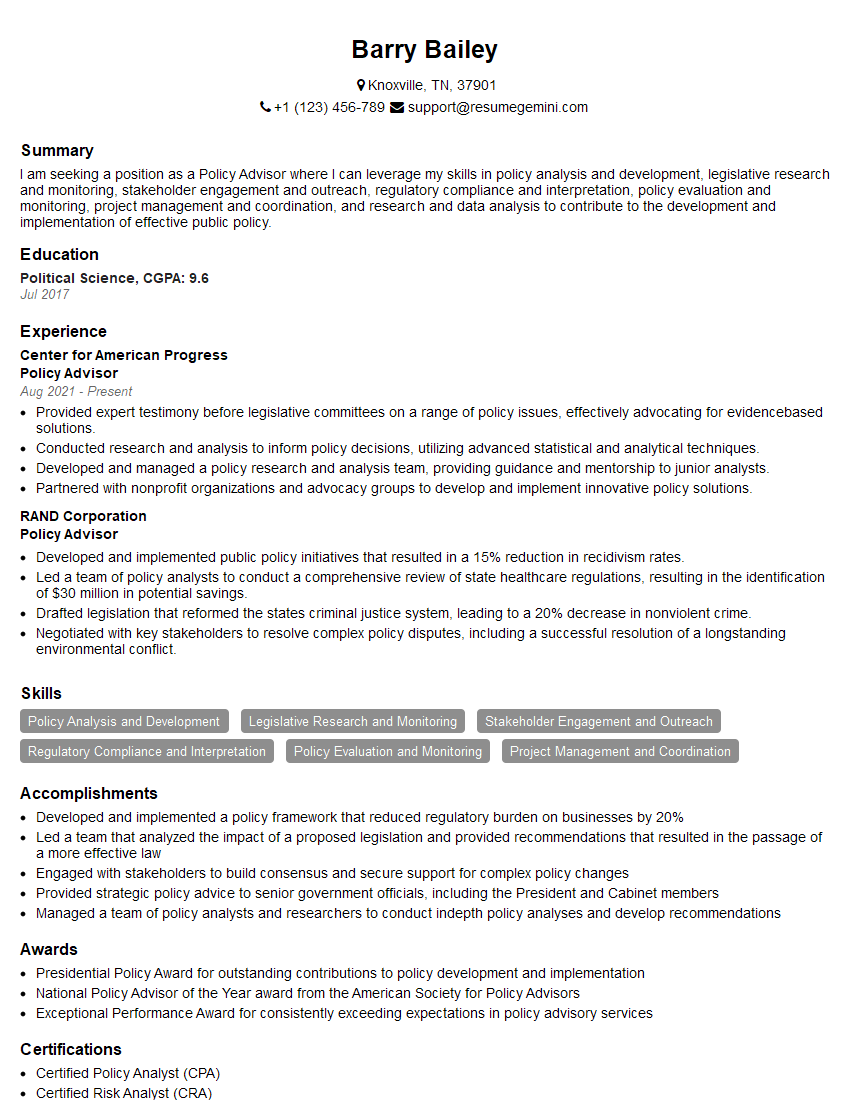
Policy Advisor Resume Sample
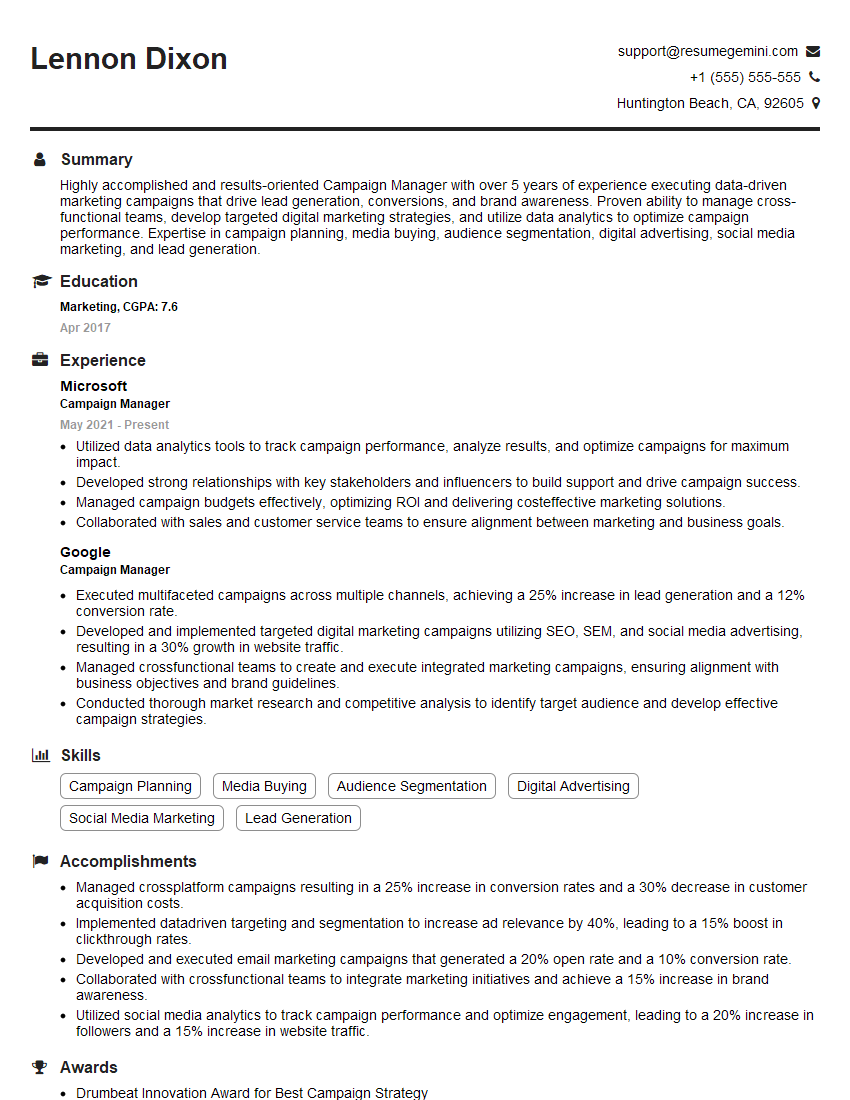
Campaign Manager Resume Sample
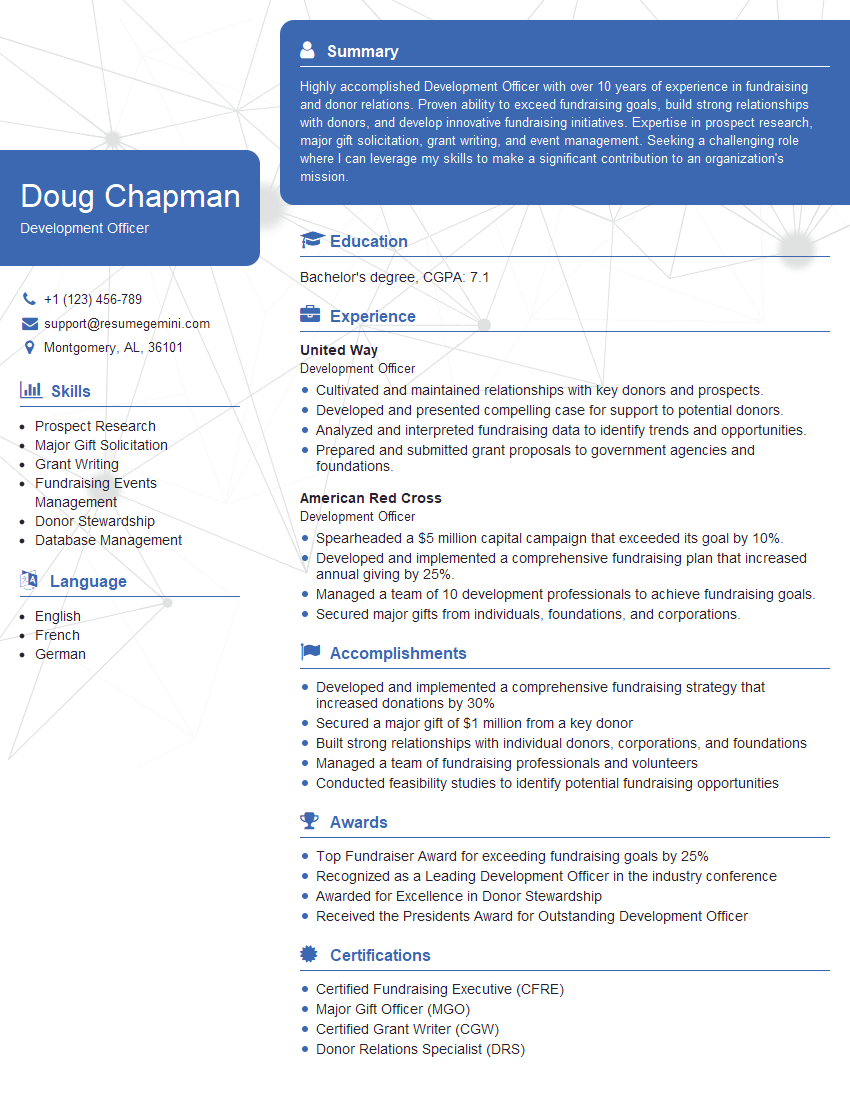
Development Officer Resume Sample
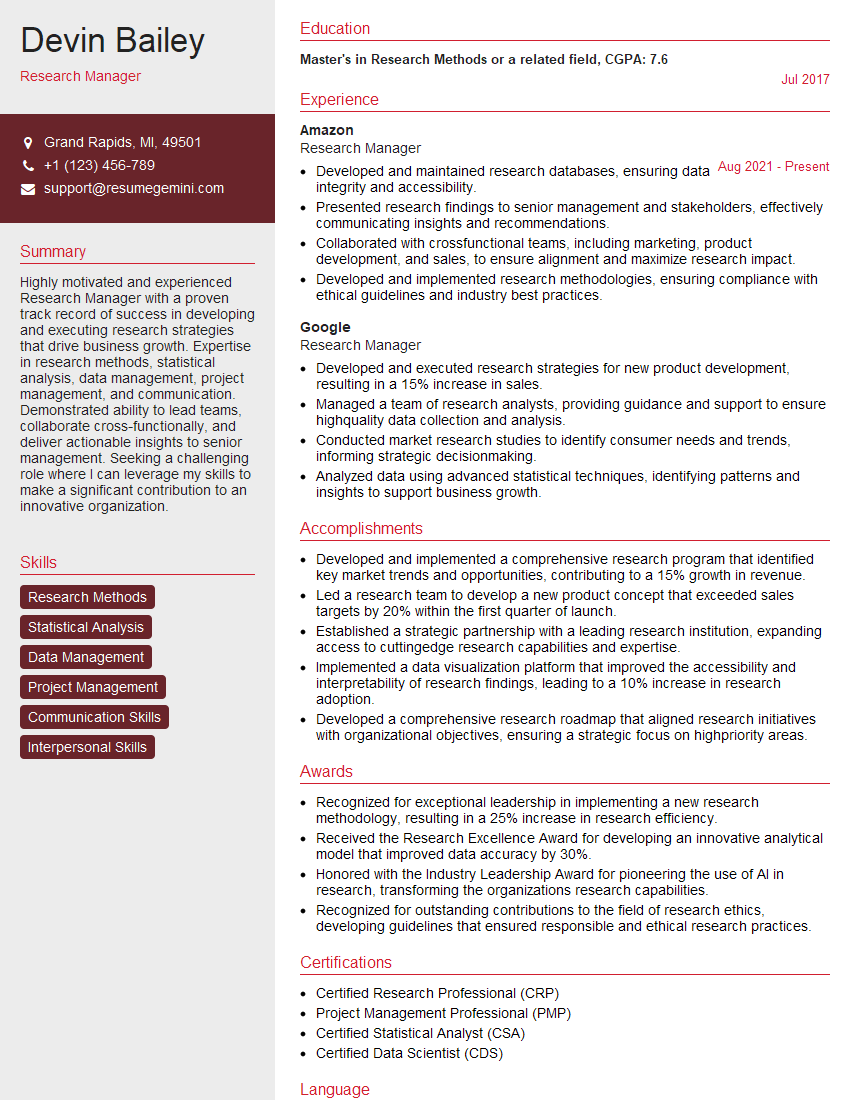
Research Manager Resume Sample
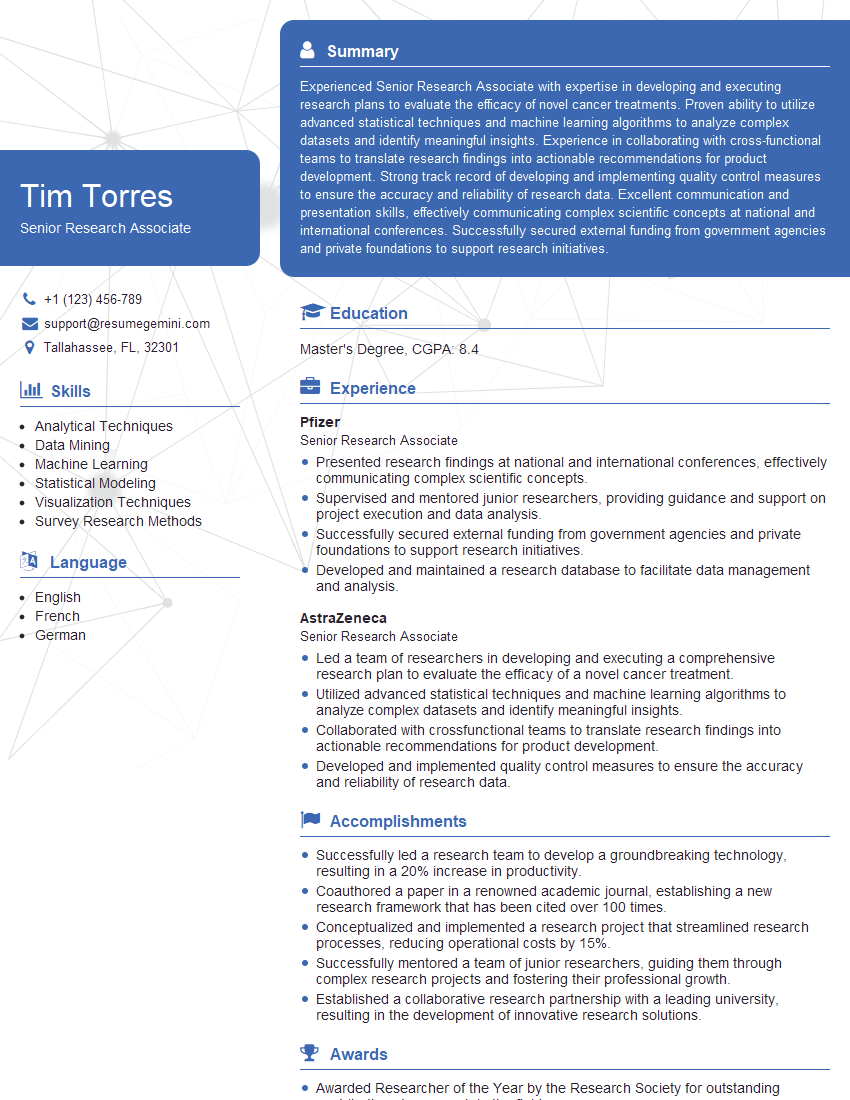
Senior Research Associate Resume Sample
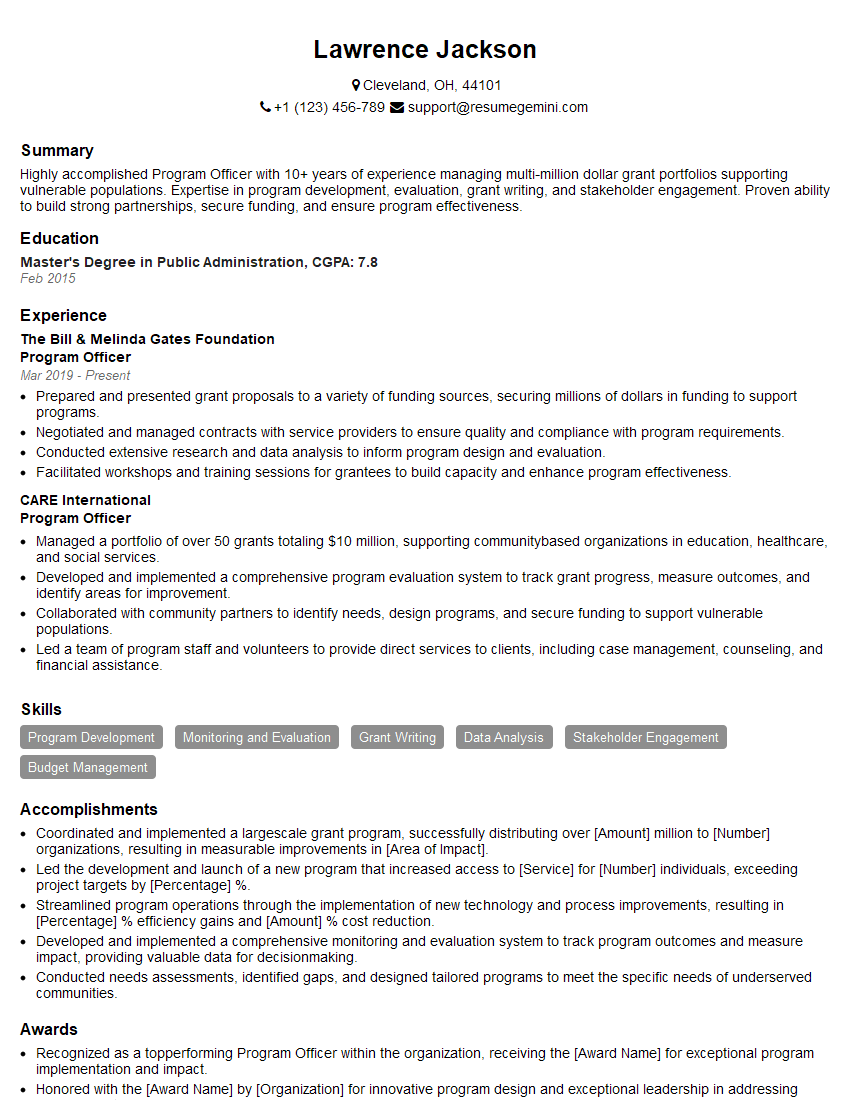
Program Officer Resume Sample
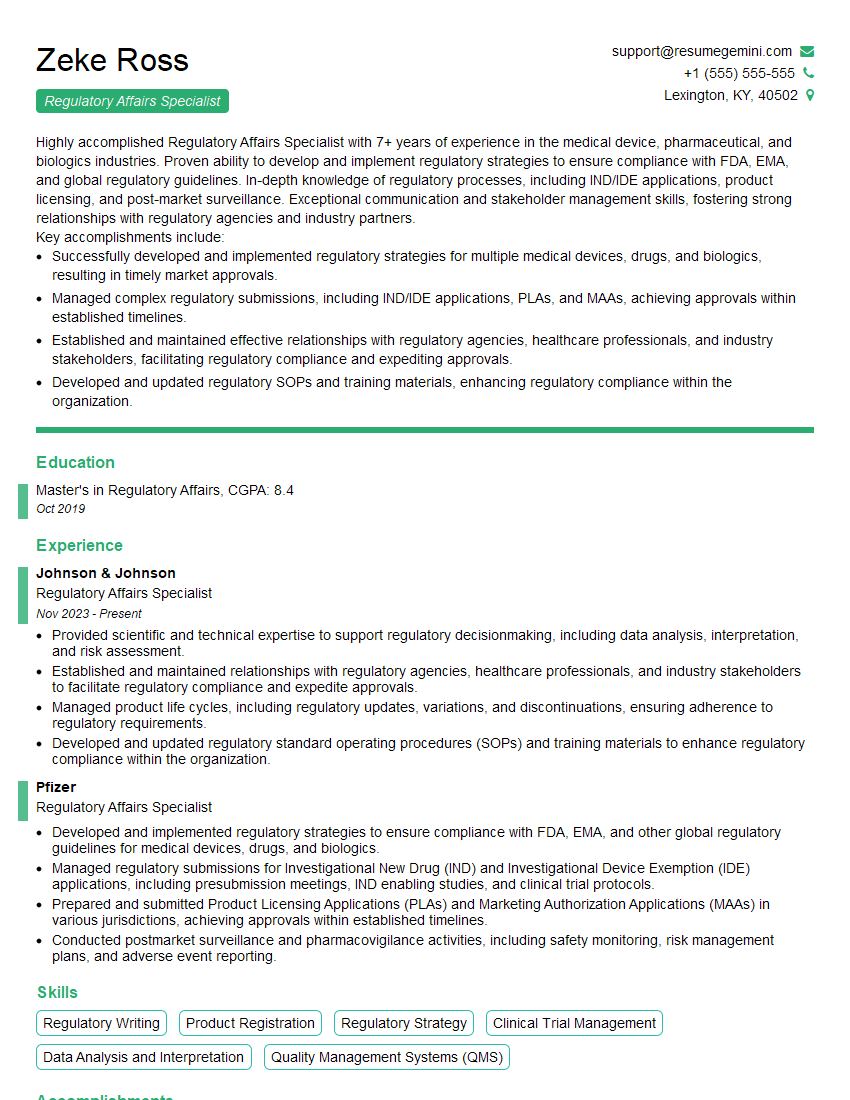
Regulatory Affairs Specialist Resume Sample
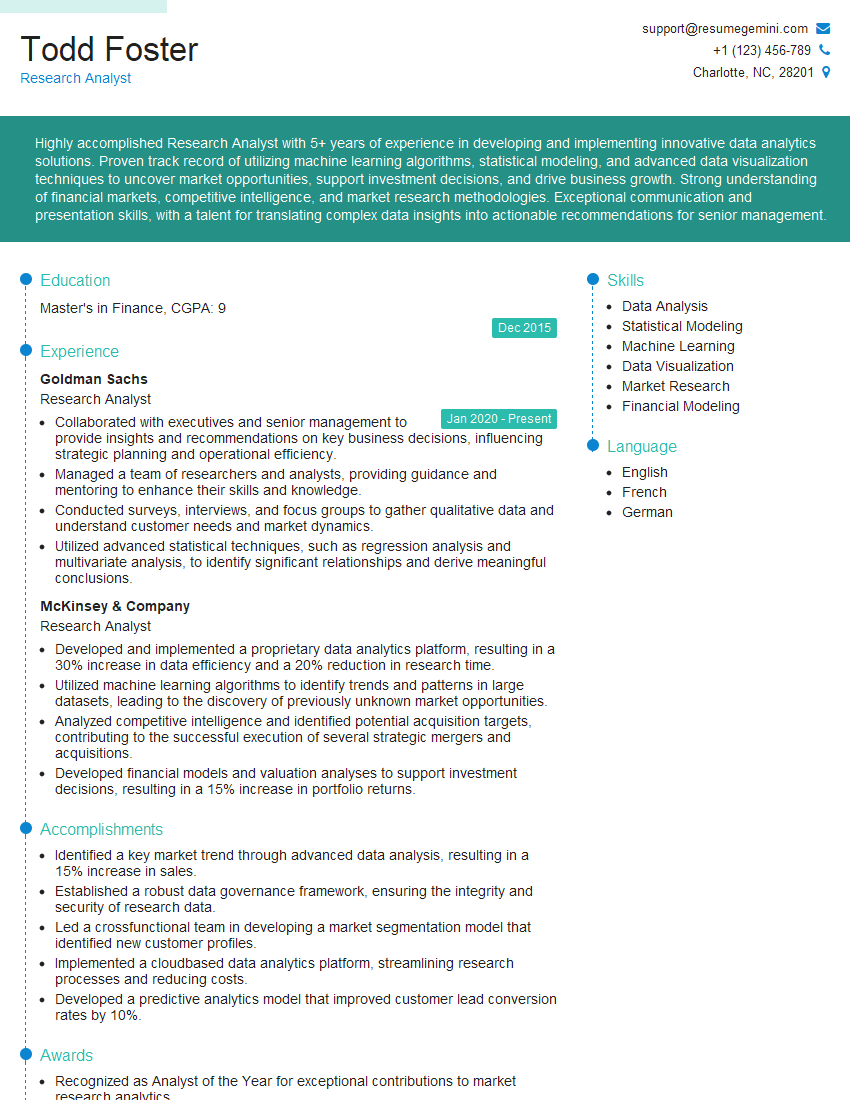
Research Analyst Resume Sample
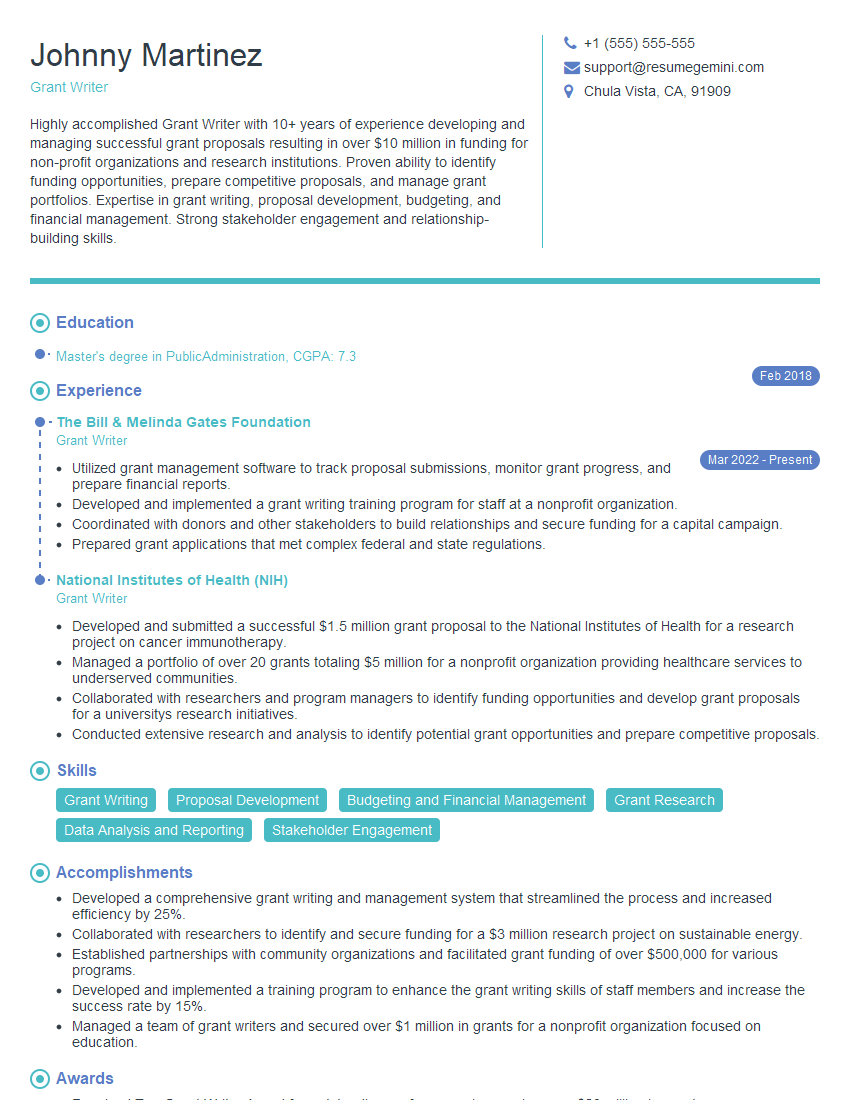
Grant Writer Resume Sample
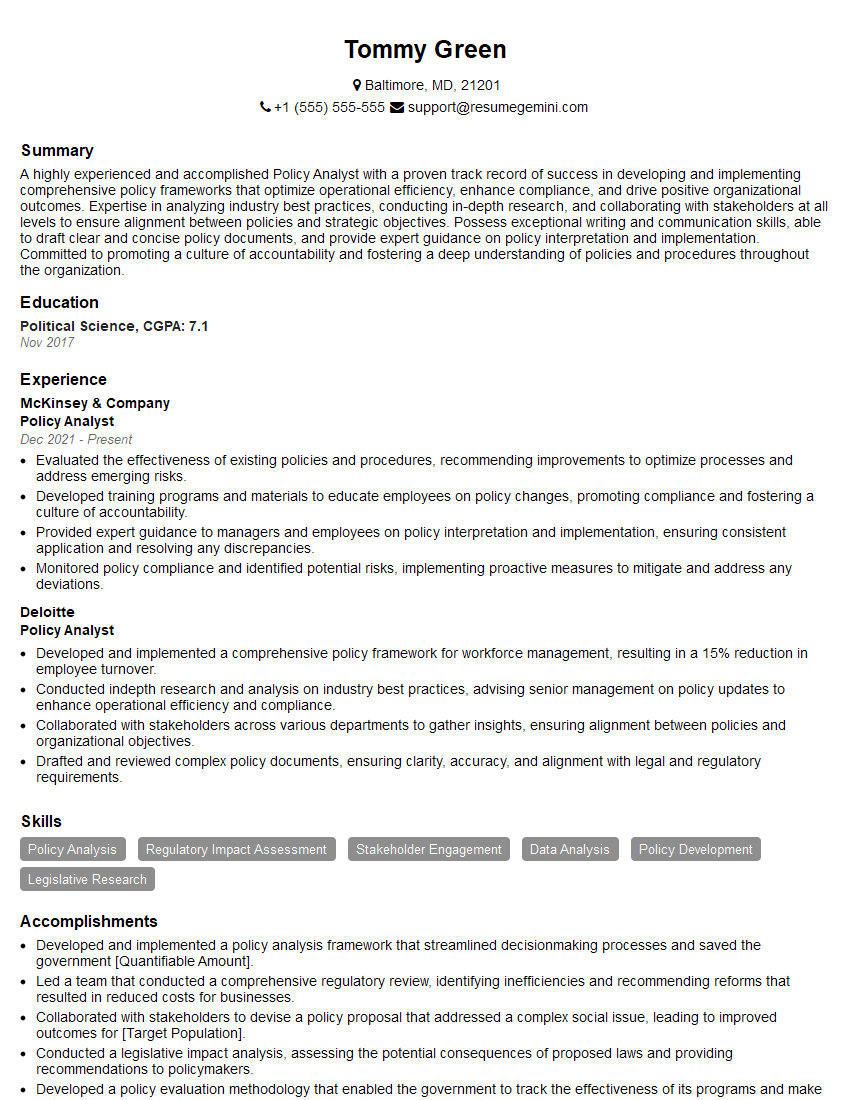
Policy Analyst Resume Sample
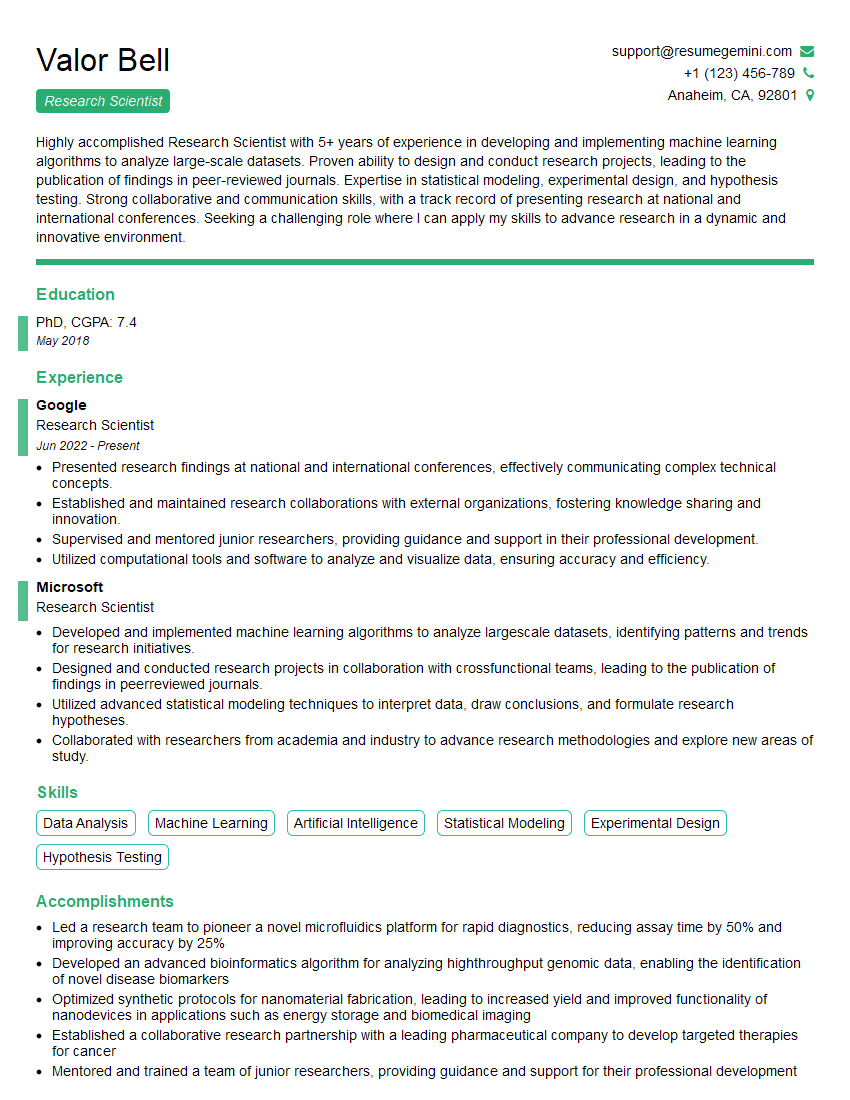
Research Scientist Resume Sample
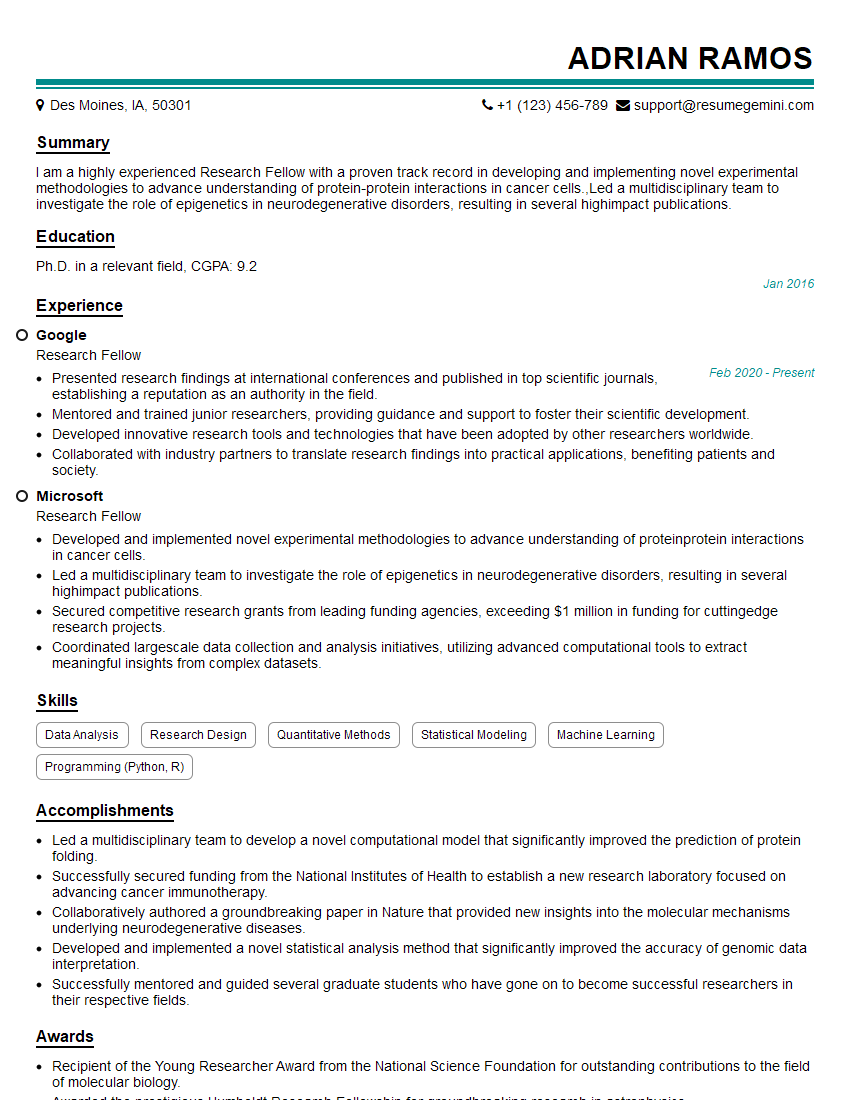
Research Fellow Resume Sample
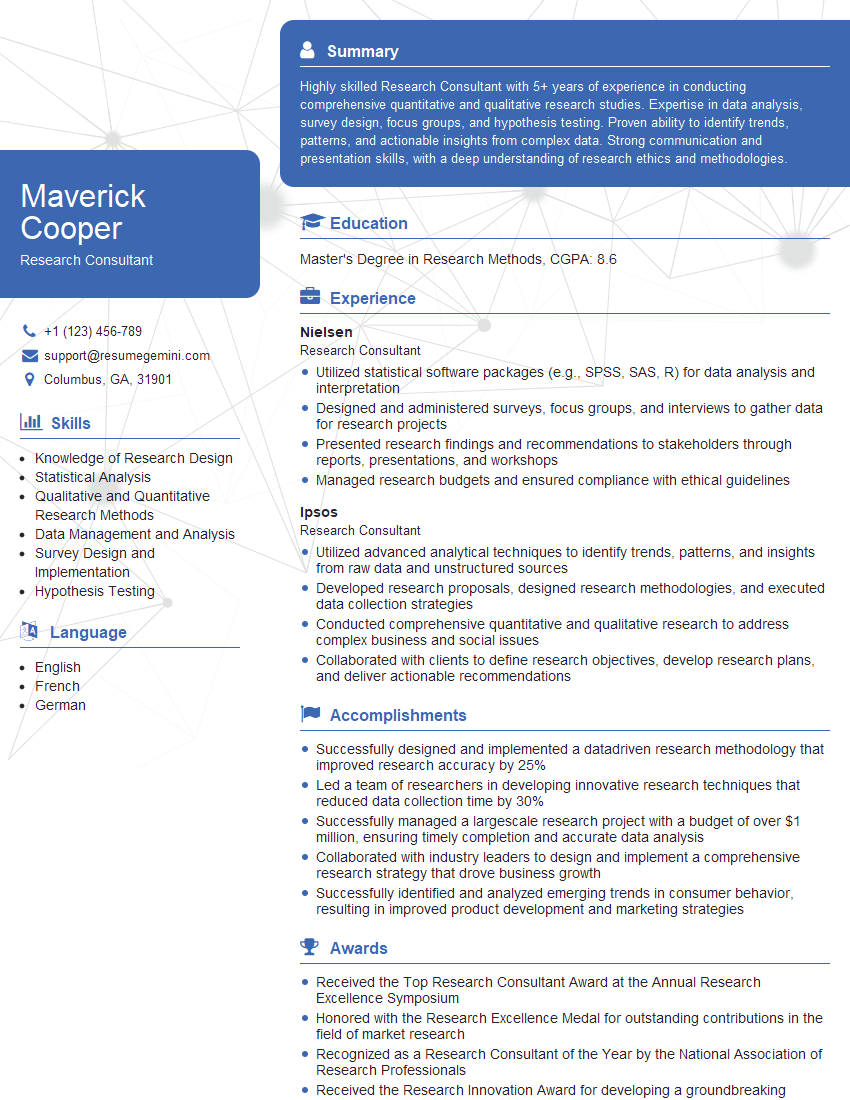
Research Consultant Resume Sample
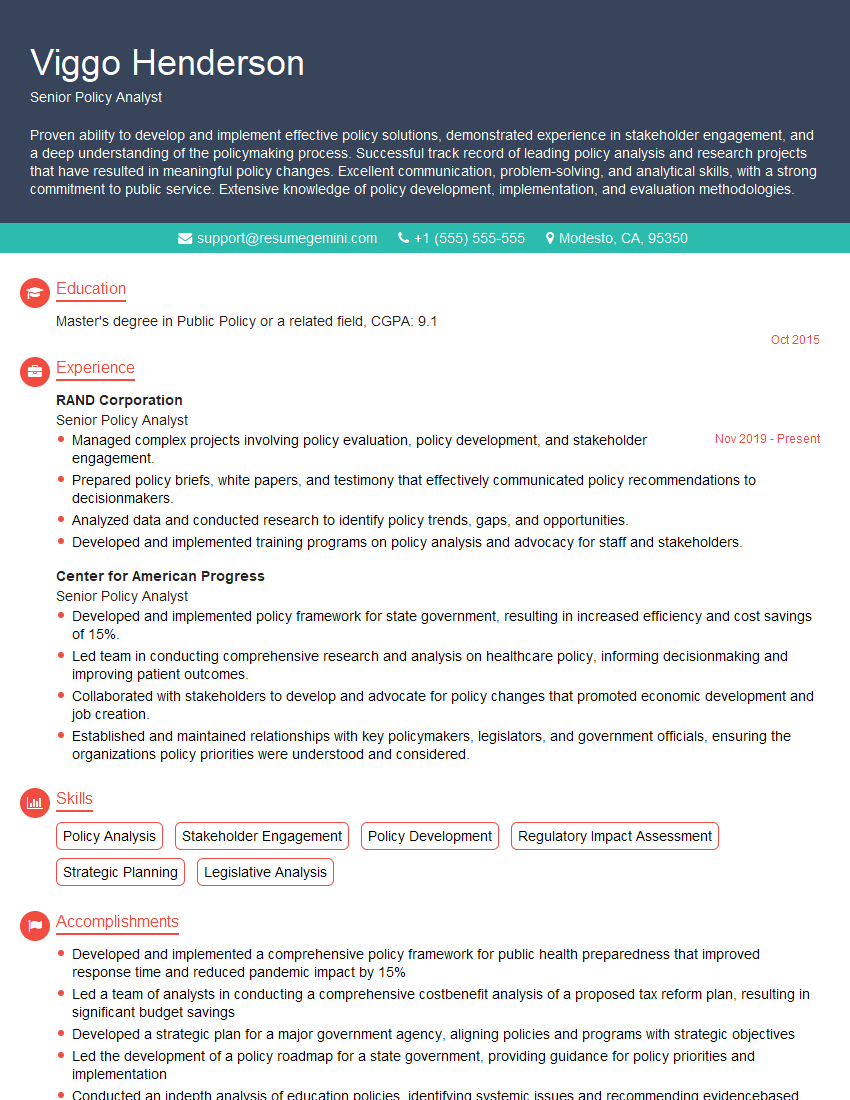
Senior Policy Analyst Resume Sample
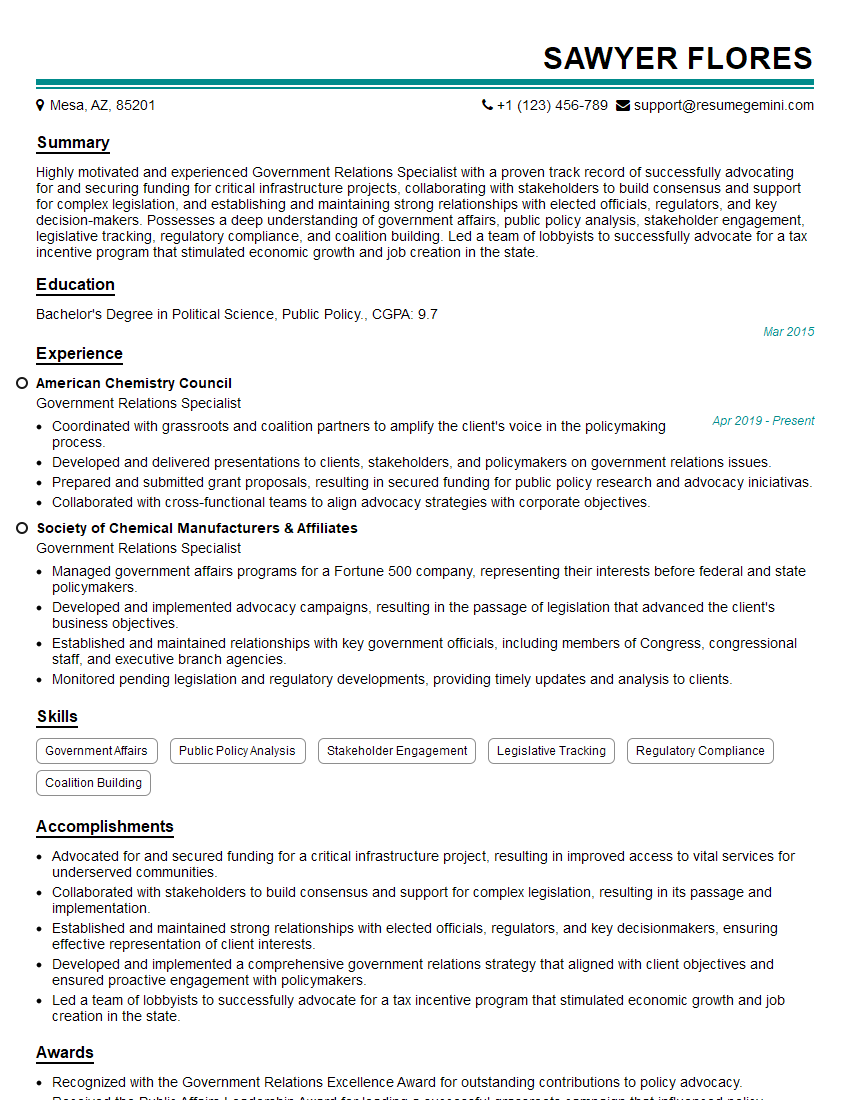
Government Relations Specialist Resume Sample
Explore more articles
Users Rating of Our Blogs
Share Your Experience
We value your feedback! Please rate our content and share your thoughts (optional).
What Readers Say About Our Blog
To the interviewgemini.com Webmaster.
Very helpful and content specific questions to help prepare me for my interview!
Thank you
To the interviewgemini.com Webmaster.
This was kind of a unique content I found around the specialized skills. Very helpful questions and good detailed answers.
Very Helpful blog, thank you Interviewgemini team.