Are you ready to stand out in your next interview? Understanding and preparing for Physically fit for demanding work interview questions is a game-changer. In this blog, we’ve compiled key questions and expert advice to help you showcase your skills with confidence and precision. Let’s get started on your journey to acing the interview.
Questions Asked in Physically fit for demanding work Interview
Q 1. Describe your current fitness routine and how it ensures you meet physical demands.
My fitness routine is designed to build and maintain the strength, endurance, and flexibility needed for demanding physical work. It’s a balanced approach combining cardiovascular training, strength training, and flexibility exercises.
- Cardiovascular Training: I incorporate at least 150 minutes of moderate-intensity cardio per week, such as running, cycling, or swimming. This builds stamina and improves my ability to sustain effort over extended periods. For example, during a particularly busy week at my previous job, this stamina allowed me to consistently maintain peak performance across long shifts without significant fatigue.
- Strength Training: I lift weights two to three times a week, focusing on compound exercises like squats, deadlifts, bench presses, and overhead presses. This builds muscle strength and power, crucial for handling heavy objects or performing strenuous tasks. For instance, I regularly perform deadlifts to maintain the ability to safely lift and move equipment weighing up to 50kg.
- Flexibility and Mobility: I dedicate time to stretching and yoga to maintain flexibility and range of motion. This reduces the risk of injury and improves overall physical function, allowing me to maintain proper posture and agility while performing tasks requiring extensive movement. This is particularly crucial for preventing back strains during repetitive lifting.
This structured routine ensures I can consistently meet the physical demands of my work, minimizing the risk of injury and maximizing my productivity.
Q 2. What is your experience with repetitive movements or prolonged standing/sitting?
I have extensive experience with both repetitive movements and prolonged periods of standing and sitting. My previous role involved significant amounts of repetitive lifting and bending. To mitigate the risks associated with repetitive strain injuries (RSIs), I consistently focus on maintaining proper posture, taking regular breaks to stretch and change positions, and listening to my body’s signals. Similarly, prolonged periods of sitting or standing require conscious effort. When sitting for extended durations, I use ergonomic chairs and ensure my posture is correct. When standing for extended periods, I frequently shift my weight and use anti-fatigue mats to reduce strain on my legs and feet. I believe in proactive management to prevent injuries associated with these common work conditions.
Q 3. How do you manage physical fatigue during extended work periods?
Managing physical fatigue during extended work periods requires a multi-pronged approach. It’s not just about pushing through; it’s about intelligent pacing and recovery.
- Hydration and Nutrition: Staying properly hydrated and consuming a balanced diet rich in nutrients fuels my body and helps maintain energy levels throughout the day. This includes regular water intake and frequent, healthy snacks.
- Strategic Breaks: Taking short, regular breaks to rest and stretch allows my body to recover and prevents burnout. These breaks aren’t just for physical relaxation; they’re crucial for mental clarity too.
- Proper Sleep: Adequate sleep is essential for physical and mental recovery. Getting 7-8 hours of quality sleep per night allows my body to repair and rejuvenate, ensuring I’m ready for the next day’s demands.
- Mindfulness and Stress Management: Chronic stress exacerbates fatigue. Incorporating stress-reduction techniques, like mindfulness or deep breathing exercises, helps manage stress levels and improves overall energy levels.
By actively employing these strategies, I’ve found I can maintain productivity and well-being even during the most demanding work shifts.
Q 4. Describe a time you had to overcome a physical challenge at work.
In my previous role, we were tasked with moving a heavy piece of machinery—significantly heavier than anticipated. My initial approach was to use the standard lifting technique, but it quickly became clear that it wouldn’t be sufficient. I immediately stopped and reassessed the situation.
Instead of forcing it, I gathered my team, and together we devised a safer method using rollers and leverage to move the machinery without straining ourselves. We communicated clearly, ensured everyone understood their roles, and worked together smoothly. This collaborative approach not only avoided injury but also demonstrated the importance of teamwork and problem-solving in demanding physical situations. The success highlighted the importance of adapting to unexpected challenges and prioritizing safe practices above all else.
Q 5. How do you handle injuries or unexpected physical demands on the job?
Handling injuries or unexpected physical demands requires a proactive and cautious approach.
- Immediate Action: If I sustain an injury, I report it immediately to my supervisor and seek appropriate medical attention. Ignoring injuries can worsen the problem and lead to more significant complications.
- Modifying Tasks: If faced with unexpected physical demands exceeding my capabilities, I’ll communicate the limitations and suggest alternative approaches or request assistance. Safety shouldn’t be compromised for the sake of expediency.
- Prevention is Key: I constantly prioritize proper techniques and equipment to prevent injuries. Using appropriate safety gear, and maintaining good posture, even in unexpected situations, reduces the probability of workplace injury significantly.
This measured response ensures both my safety and the successful completion of the task, demonstrating a commitment to responsible and safe work practices.
Q 6. What is your lifting capacity and experience with heavy lifting?
My lifting capacity is approximately 50kg (110 lbs) without assistance. This is based on regular strength training and safe lifting techniques. I have extensive experience with heavy lifting, encompassing various types of lifts—from floor to waist, waist to overhead, and carrying loads over distances. I prioritize proper form and use lifting aids whenever necessary. For heavier loads exceeding my individual capacity, I always utilize appropriate equipment like forklifts or utilize teamwork to safely distribute the weight, ensuring the safe movement of heavy objects in accordance with workplace safety protocols.
Q 7. How do you prioritize safety while performing physically demanding tasks?
Prioritizing safety during physically demanding tasks is paramount. It’s not merely a checklist; it’s a mindset.
- Proper Technique: Using correct lifting techniques, maintaining proper posture, and avoiding awkward movements minimizes the risk of injuries.
- Appropriate Equipment: I always ensure I use the correct equipment for the job, including safety gear like gloves, safety shoes, and harnesses where required. This includes using equipment regularly inspected to ensure peak functionality and safety.
- Risk Assessment: Before undertaking any task, I assess the potential hazards and plan accordingly, including identifying any potential ergonomic hazards or other risk factors that may contribute to workplace injuries.
- Communication: Clear and concise communication with coworkers is vital. This prevents misunderstandings and ensures everyone is working safely and efficiently.
Safety isn’t an optional extra; it’s an integral part of every task. By consistently prioritizing safety, I minimize the risk of accidents and ensure the well-being of myself and those around me. This responsible and proactive approach contributes to a safer and more productive work environment.
Q 8. Describe your experience with working in extreme weather conditions.
I’ve worked extensively in diverse extreme weather conditions, from scorching desert heat exceeding 110°F (43°C) to sub-zero temperatures below -20°F (-29°C). My experience includes working on oil rigs during hurricanes, where safety protocols are paramount, and conducting fieldwork in remote mountainous regions during blizzards. In each instance, acclimatization, proper hydration, and utilizing appropriate protective gear were critical factors. For example, during a particularly intense heatwave, we implemented a strict rotation schedule to prevent heatstroke and utilized cooling vests and frequent breaks in shaded areas. In frigid conditions, layered clothing was crucial, and we monitored each other closely for signs of hypothermia. Successful operation in extreme weather hinges on meticulous planning, adaptability, and unwavering adherence to safety guidelines.
Q 9. How do you maintain your physical fitness outside of work?
Maintaining physical fitness outside of work is a non-negotiable for me. I follow a structured routine combining cardiovascular exercises, strength training, and flexibility work. My weekly schedule typically includes 3 days of weight training focused on compound exercises like squats, deadlifts, and bench presses to build overall strength and endurance. I incorporate 2-3 days of cardio, cycling or trail running, emphasizing endurance over speed. Yoga or Pilates sessions twice a week ensure flexibility and injury prevention. I carefully monitor my diet, focusing on lean protein, complex carbohydrates, and plenty of fruits and vegetables to fuel my body and support my training. This holistic approach ensures I remain physically capable and injury-free, ready to handle demanding work situations.
Q 10. Are you comfortable working at heights or in confined spaces?
Yes, absolutely. I’m fully comfortable and certified to work at heights and in confined spaces. I’ve completed extensive training in fall protection techniques and the safe use of harnesses, lifelines, and other safety equipment. My experience includes working on scaffolding at significant heights during construction projects and performing maintenance in confined spaces within industrial machinery. I understand the potential risks associated with these environments and always prioritize safety protocols, including regular inspections of equipment and adherence to strict safety procedures. Before each task, I meticulously review the specific hazards and the appropriate safety measures.
Q 11. What is your experience with using safety equipment and procedures for physically demanding jobs?
Safety is my top priority. I have extensive experience with a wide range of safety equipment and procedures, including but not limited to harness and fall protection systems, respirators, hard hats, safety glasses, high-visibility clothing, and lockout/tagout procedures. I’m proficient in using various types of lifting equipment, such as cranes and forklifts, and understand the importance of load capacity and safe operating practices. Furthermore, I’m trained in emergency response protocols, including first aid and CPR. My experience working in hazardous environments has instilled in me a strong sense of responsibility and attention to detail when it comes to safety, and I always lead by example, promoting a culture of safety among colleagues.
Q 12. How would you adapt your work style if physical limitations temporarily arose?
If I were to experience temporary physical limitations, I would adapt my work style by prioritizing tasks and seeking assistance where necessary. Open communication with my supervisor and team is key. I would discuss my limitations and collaborate to find suitable workarounds, potentially focusing on tasks that require less physical exertion. This might involve utilizing assistive devices or modifying work procedures to minimize strain. If required, I would take short breaks more frequently to avoid further injury. My focus would remain on contributing effectively while ensuring my safety and recovery.
Q 13. Describe your experience with teamwork in demanding physical situations.
Teamwork is essential in physically demanding environments. I’ve been part of many teams where collaborative effort and clear communication were vital for success. For example, during a large-scale construction project, effective teamwork ensured that heavy materials were lifted and transported safely. We employed clear hand signals and verbal communication to coordinate movements, minimizing the risk of accidents. My approach emphasizes mutual respect, shared responsibility, and clear communication. I actively listen to my colleagues, value their input, and contribute to a positive and supportive team dynamic. A strong team isn’t just about physical strength; it’s about trust, mutual support, and shared goals.
Q 14. How do you stay focused and motivated during physically exhausting tasks?
Staying focused and motivated during physically exhausting tasks requires mental fortitude and strategic planning. I find that breaking down large tasks into smaller, more manageable steps helps maintain momentum. Setting achievable goals, both short-term and long-term, allows me to track my progress and stay motivated. Celebrating milestones, however small, boosts morale. Positive self-talk, maintaining adequate hydration and nutrition, and ensuring sufficient rest are all crucial elements. Working alongside a strong, supportive team can also be a significant factor in maintaining motivation and resilience. When facing fatigue, I prioritize safety and take necessary breaks to recover before continuing.
Q 15. What is your understanding of ergonomics and its importance in preventing injuries?
Ergonomics is the science of designing the workplace to fit the worker, not the other way around. It focuses on creating a work environment that minimizes physical strain and promotes efficiency and safety. This involves considering factors like posture, workstation setup, tool design, and work practices to reduce the risk of musculoskeletal disorders (MSDs) like back pain, carpal tunnel syndrome, and tendonitis.
Its importance in injury prevention is paramount. By adapting the work environment to the individual’s physical capabilities, ergonomics significantly reduces the likelihood of repetitive strain injuries, overuse injuries, and acute injuries caused by awkward postures or forceful movements. For example, an improperly adjusted chair can lead to back pain, while poorly designed tools can cause wrist strain. A proper ergonomic assessment can identify and mitigate these risks before they result in injury.
Career Expert Tips:
- Ace those interviews! Prepare effectively by reviewing the Top 50 Most Common Interview Questions on ResumeGemini.
- Navigate your job search with confidence! Explore a wide range of Career Tips on ResumeGemini. Learn about common challenges and recommendations to overcome them.
- Craft the perfect resume! Master the Art of Resume Writing with ResumeGemini’s guide. Showcase your unique qualifications and achievements effectively.
- Don’t miss out on holiday savings! Build your dream resume with ResumeGemini’s ATS optimized templates.
Q 16. Have you ever experienced a work-related injury? Describe the incident and the recovery process.
Yes, I once suffered a minor back strain while lifting a heavy box improperly. I failed to use proper lifting techniques – bending at the waist instead of the knees and twisting my torso. The resulting pain limited my mobility for several days. My recovery involved rest, ice application, over-the-counter pain relievers, and gentle stretching exercises recommended by a physiotherapist. This incident reinforced the importance of adhering to safe lifting techniques and the significance of seeking professional medical advice when faced with a work-related injury. It taught me the crucial role of preventative measures and proper training.
Q 17. How do you assess your physical capabilities before undertaking a new task?
Before starting a new task, I perform a self-assessment considering several factors. First, I review the task’s physical demands, including the weight to be lifted, the repetitive movements involved, and the required posture. Then, I honestly evaluate my current physical condition – am I well-rested? Do I have any existing injuries or limitations? I also consider environmental factors like temperature and available equipment. If the task seems beyond my capabilities or if I’m unsure, I don’t hesitate to ask for clarification, seek assistance, or suggest modifications to the task to make it safer and more manageable. It’s always better to err on the side of caution.
Q 18. How would you handle a situation where a colleague was injured during a physically demanding task?
My immediate response would be to ensure the colleague’s safety and well-being. This involves providing first aid if necessary, calling emergency services if the injury is severe, and ensuring the injured person remains calm and comfortable. I would then report the incident to the supervisor, documenting all details of the event, including the task being performed, any contributing factors, and the nature of the injury. Finally, I would cooperate fully with any investigation to prevent similar incidents in the future. This might include suggesting improvements to safety procedures or equipment.
Q 19. What strategies do you use to manage stress related to physically demanding work?
Managing stress in physically demanding work is crucial for both physical and mental health. My strategies include:
- Regular exercise outside of work: This helps manage stress hormones and improves physical resilience.
- Prioritizing sleep: Adequate rest is essential for physical recovery and stress management.
- Mindfulness and relaxation techniques: Deep breathing exercises or meditation can help manage anxiety and tension.
- Maintaining a healthy diet: Nourishing my body with balanced meals contributes to both physical and mental well-being.
- Open communication with supervisors and colleagues: Discussing workload and concerns can prevent undue stress.
It’s vital to recognize the signs of burnout and take proactive steps to address them before they escalate into significant health issues.
Q 20. How do you stay hydrated and energized during long shifts?
Staying hydrated and energized during long shifts requires careful planning. I carry a reusable water bottle and refill it regularly throughout the day, aiming to drink consistently rather than waiting until I feel thirsty. I also avoid sugary drinks that can lead to energy crashes. I opt for snacks that provide sustained energy, such as fruits, nuts, or whole-grain crackers, rather than relying on heavily processed foods. Short breaks for a quick snack and hydration are incorporated into my schedule to avoid fatigue.
Q 21. What are your strategies for maintaining good posture and preventing back injuries?
Maintaining good posture and preventing back injuries requires a multi-pronged approach. I focus on maintaining a neutral spine, avoiding prolonged periods of sitting or standing in one position. When lifting heavy objects, I always bend at the knees and hips, keeping my back straight and using my leg muscles. I use ergonomic tools and equipment whenever possible. Regular stretching exercises, particularly those that target the back and core muscles, are integral to my routine. I also ensure my workstation is ergonomically correct, with my monitor at eye level and my keyboard and mouse within comfortable reach. Paying attention to these details has helped me minimize back pain and maintain good physical health.
Q 22. What type of physical training programs are you familiar with?
I’m familiar with a wide range of physical training programs, tailored to different needs and goals. These include:
- Strength and Conditioning Programs: Focusing on building muscular strength, endurance, and power using weight training, bodyweight exercises, and plyometrics. For instance, I’ve designed and implemented programs incorporating Olympic lifts like cleans and snatches to enhance explosive power, crucial for many demanding jobs.
- Cardiovascular Training: Improving heart and lung health through activities like running, swimming, cycling, and HIIT (High-Intensity Interval Training). I understand the importance of varying intensity and duration to avoid plateaus and optimize performance.
- Flexibility and Mobility Training: Enhancing range of motion and preventing injuries through stretching, yoga, and Pilates. This is vital in demanding jobs to maintain optimal body mechanics and prevent strains.
- Functional Fitness Programs: These programs focus on movements that directly translate to real-world tasks, mimicking the demands of the specific job. For example, if the job involves frequent lifting, we’d incorporate exercises like deadlifts and squats to build relevant strength and stability.
My experience encompasses designing personalized programs considering individual physical capabilities, limitations, and specific job requirements. I prioritize a gradual progression of intensity and volume to minimize the risk of injuries.
Q 23. Describe your experience with using specific equipment related to this physical job.
My experience with equipment relevant to physically demanding jobs is extensive. I’ve worked extensively with:
- Lifting equipment: Including forklifts, pallet jacks, and cranes. I understand safe operating procedures, weight limitations, and pre-operation checks to ensure safe and efficient operation. For instance, I’ve been trained and certified in forklift operation, ensuring adherence to all safety regulations.
- Power tools: Such as drills, saws, and grinders. I’m proficient in using these tools safely and effectively, understanding the importance of proper personal protective equipment (PPE) like eye protection and hearing protection.
- Hand tools: Including shovels, hammers, and wrenches. Prolonged use requires proper technique and regular breaks to avoid musculoskeletal injuries. I’ve implemented strategies for efficient work techniques to minimize strain.
Beyond proficiency in using the equipment, I’m equally adept at performing regular safety checks, identifying potential hazards, and reporting malfunctions promptly. Safety is always my paramount concern.
Q 24. What are the signs of heat stroke or other physical emergencies, and how would you respond?
Recognizing signs of heat stroke or other physical emergencies is critical for workplace safety. Signs of heat stroke can include:
- High body temperature (above 103°F or 39.4°C)
- Rapid pulse
- Headache
- Dizziness
- Nausea and vomiting
- Confusion or disorientation
- Loss of consciousness
Other emergencies might include injuries like sprains, strains, or cuts. My response to these situations would follow these steps:
- Assess the situation: Determine the severity of the emergency and the immediate risks.
- Ensure safety: Secure the area and prevent further harm.
- Provide first aid: Administer appropriate first aid based on my training and certification. This includes calling emergency services if necessary.
- Document the incident: Complete an incident report detailing the events, injuries, and actions taken.
- Follow up: Ensure the individual receives appropriate medical attention and support.
I am certified in First Aid and CPR, and I regularly refresh my knowledge to ensure my skills are up to date.
Q 25. Describe your experience with working under pressure in physically demanding situations.
I have significant experience working under pressure in physically demanding situations. For example, during a project with a tight deadline involving heavy lifting and equipment operation, we experienced a critical equipment malfunction. Instead of panicking, I quickly assessed the situation, delegated tasks to my team, and implemented contingency plans to mitigate the delay. We successfully completed the project on time without compromising safety.
This experience highlighted the importance of clear communication, efficient teamwork, and a calm, proactive approach in stressful circumstances. My ability to stay focused, prioritize tasks, and maintain composure under pressure allows me to perform effectively even in challenging environments.
Q 26. How do you balance work and recovery to avoid burnout?
Balancing work and recovery is crucial to prevent burnout. My approach involves:
- Prioritizing Sleep: Ensuring adequate sleep (7-9 hours) is non-negotiable. Sufficient rest is essential for physical and mental recovery.
- Proper Nutrition: Maintaining a balanced diet rich in fruits, vegetables, and lean proteins provides the necessary energy and nutrients for demanding work.
- Hydration: Drinking plenty of water throughout the day is especially important in physically demanding roles.
- Active Recovery: Incorporating light physical activities like walking or stretching on rest days can help with muscle recovery and stress reduction.
- Mental Breaks: Taking short breaks throughout the workday helps to avoid mental fatigue and maintain focus.
- Stress Management Techniques: Practicing relaxation techniques like meditation or deep breathing can help manage stress levels.
I understand that neglecting recovery can lead to decreased performance, increased risk of injuries, and ultimately, burnout. My proactive approach to recovery ensures sustained productivity and overall well-being.
Q 27. How would you handle a disagreement with a colleague regarding safety procedures?
Handling disagreements regarding safety procedures requires a calm and professional approach. My strategy would be:
- Listen actively: Understanding my colleague’s perspective is crucial before responding.
- Clarify the issue: Identify the specific point of disagreement and ensure everyone is on the same page.
- Refer to safety guidelines: Base the discussion on established safety protocols and regulations.
- Collaborate to find a solution: Work together to find a mutually agreeable solution that prioritizes safety.
- Escalate if necessary: If a resolution cannot be reached, involve a supervisor or safety officer to mediate the disagreement.
My priority is always safety, and I believe respectful communication and collaboration are essential in resolving workplace disputes.
Q 28. How would you communicate your physical limitations or needs to your supervisor?
Communicating physical limitations or needs to my supervisor is essential for maintaining both my well-being and work efficiency. I would do this proactively and professionally by:
- Scheduling a meeting: To discuss my concerns in a private and focused setting.
- Clearly stating my limitations: Explaining any physical restrictions or challenges I am experiencing.
- Suggesting solutions: Offering potential solutions or modifications to my work tasks or environment to accommodate my needs.
- Documenting the conversation: Ensuring a record of the discussion and any agreed-upon accommodations.
- Following up: Checking in with my supervisor to ensure the agreed-upon accommodations are effective.
Open communication fosters a supportive work environment and ensures that I can contribute effectively while maintaining my physical health.
Key Topics to Learn for Physically Fit for Demanding Work Interview
- Understanding Physical Demands: Analyze job descriptions to identify specific physical requirements (lifting, carrying, standing, repetitive movements, etc.). Consider the intensity and duration of these demands.
- Demonstrating Physical Capabilities: Prepare examples from your past experiences showcasing your ability to handle physically demanding tasks. Quantify your achievements whenever possible (e.g., “lifted and carried 50lb boxes for 8 hours daily”).
- Injury Prevention and Safety: Discuss your understanding of proper lifting techniques, workplace safety procedures, and the importance of recognizing and reporting potential hazards. Highlight any relevant training or certifications.
- Stamina and Endurance: Be ready to discuss your ability to maintain physical performance over extended periods. Consider how you’ve built and maintained your stamina in previous roles or personal activities.
- Adaptability and Resilience: Employers value candidates who can adapt to changing physical demands and recover quickly from physical exertion. Prepare examples showcasing your resilience and ability to persevere.
- Teamwork and Communication in Physically Demanding Environments: Highlight your ability to work effectively with others in challenging physical conditions, ensuring safety and efficiency.
- Health and Wellness: Briefly address your commitment to maintaining a healthy lifestyle that supports your physical capabilities. This demonstrates responsibility and proactive health management.
Next Steps
Mastering the skills related to physically demanding work is crucial for career advancement in many fields. It demonstrates your commitment to workplace safety, efficiency, and your ability to contribute effectively. Building a strong, ATS-friendly resume is vital to showcasing these skills to potential employers. ResumeGemini can help you create a compelling resume that highlights your capabilities effectively. Examples of resumes tailored to physically demanding work roles are available to guide you through the process.
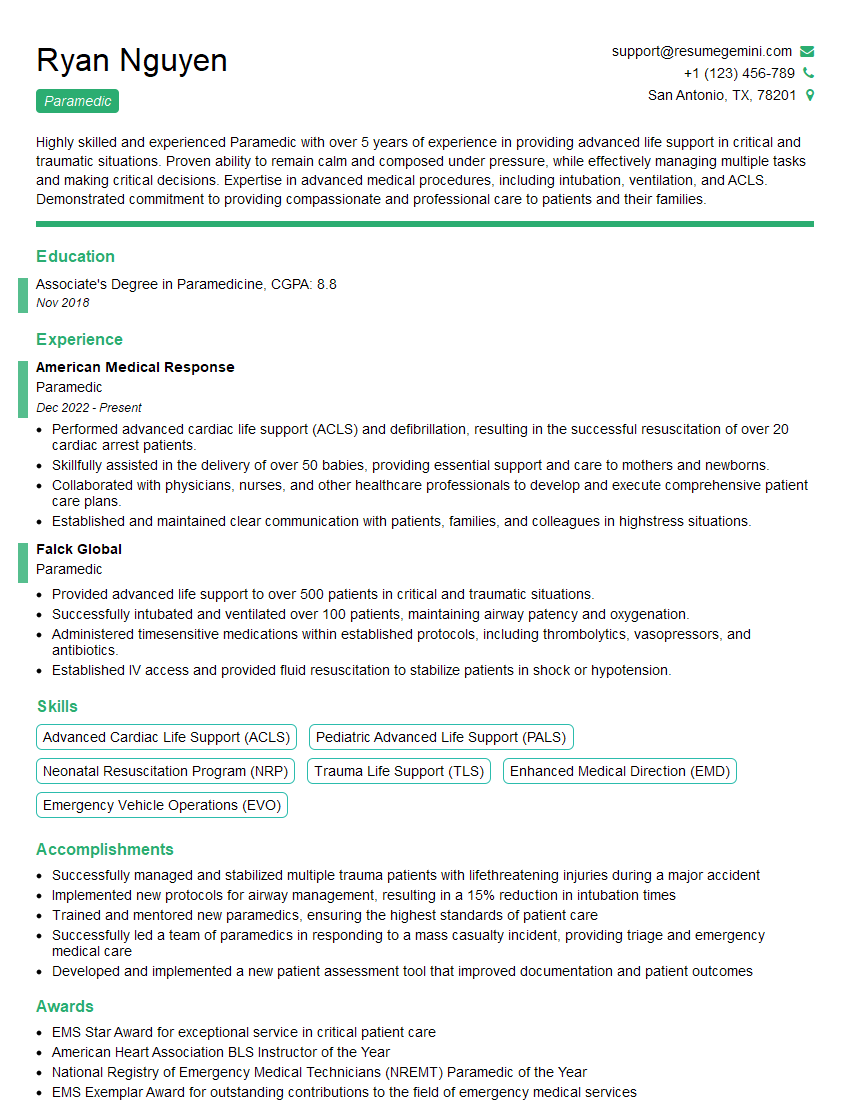
Paramedic Resume Sample
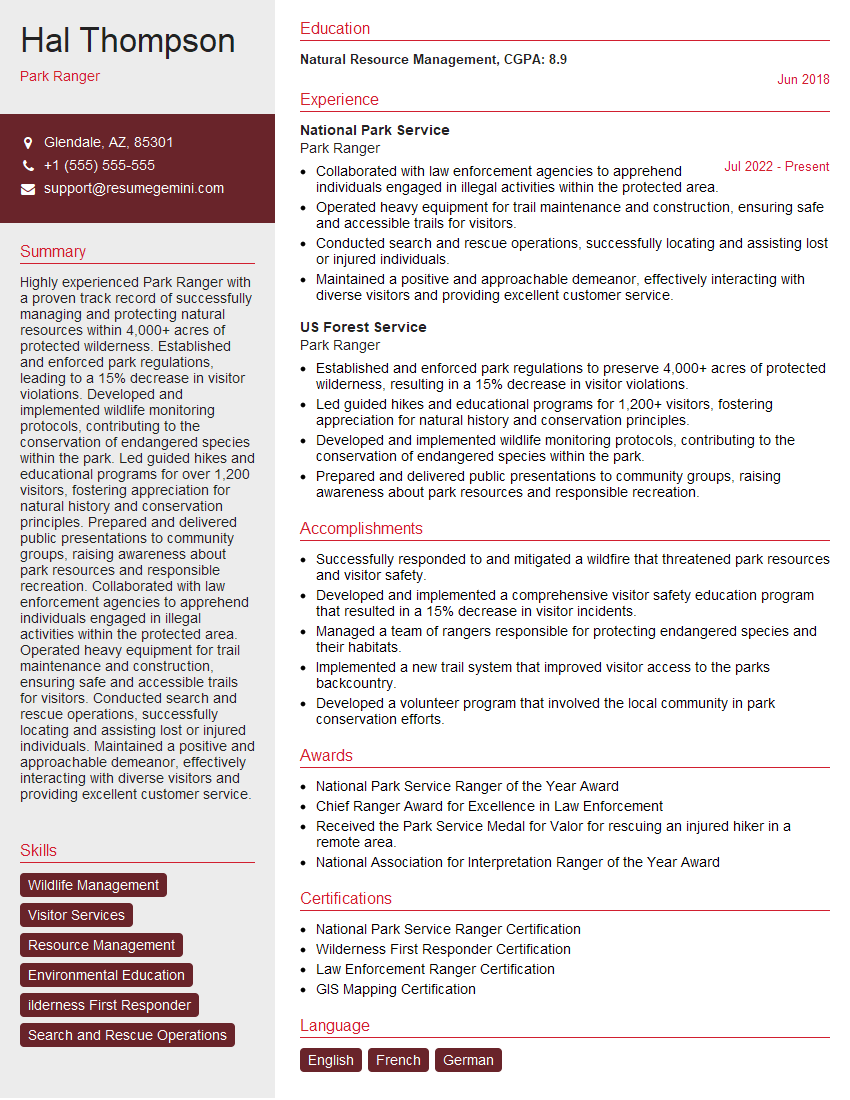
Park Ranger Resume Sample
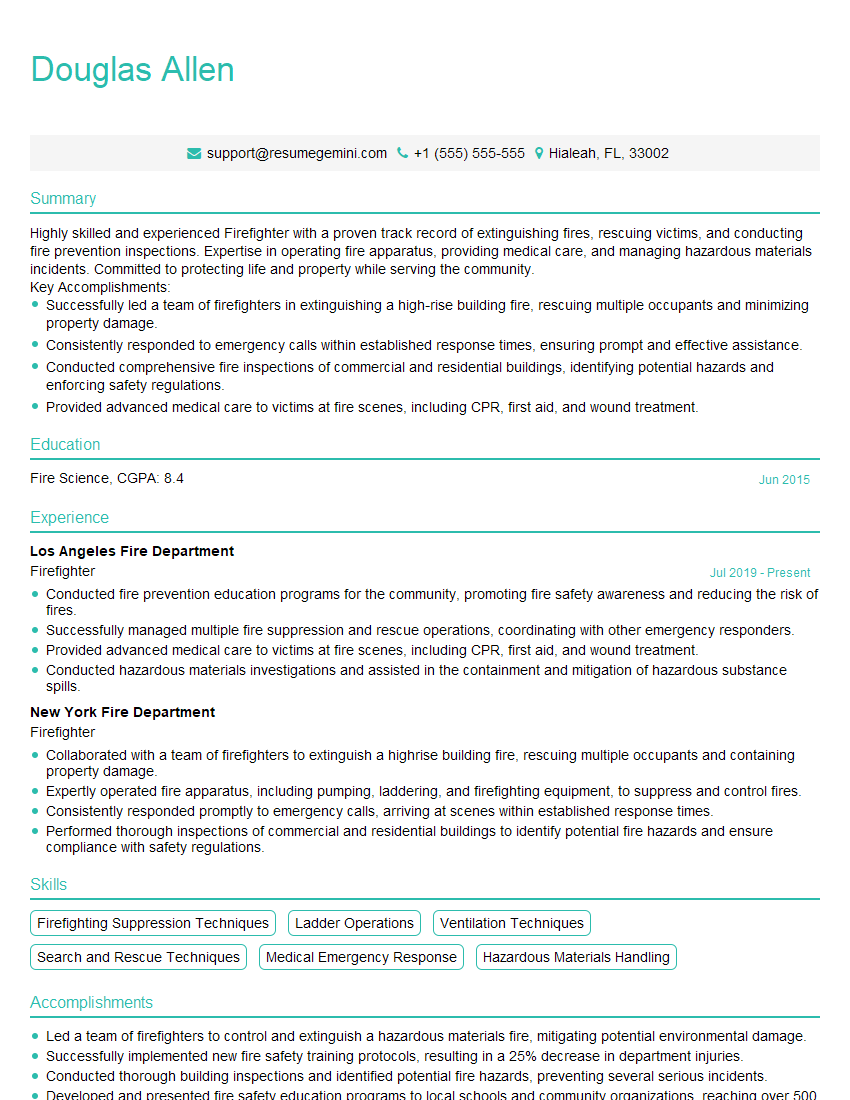
Firefighter Resume Sample
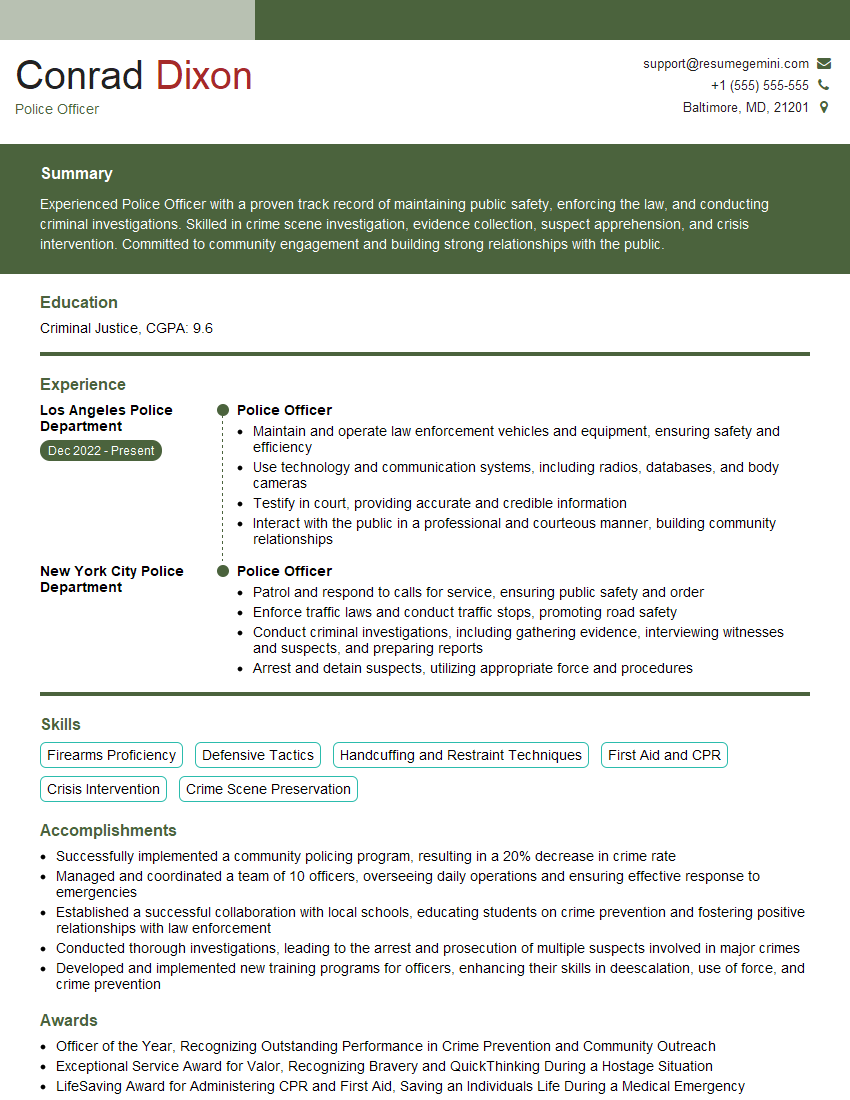
Police Officer Resume Sample
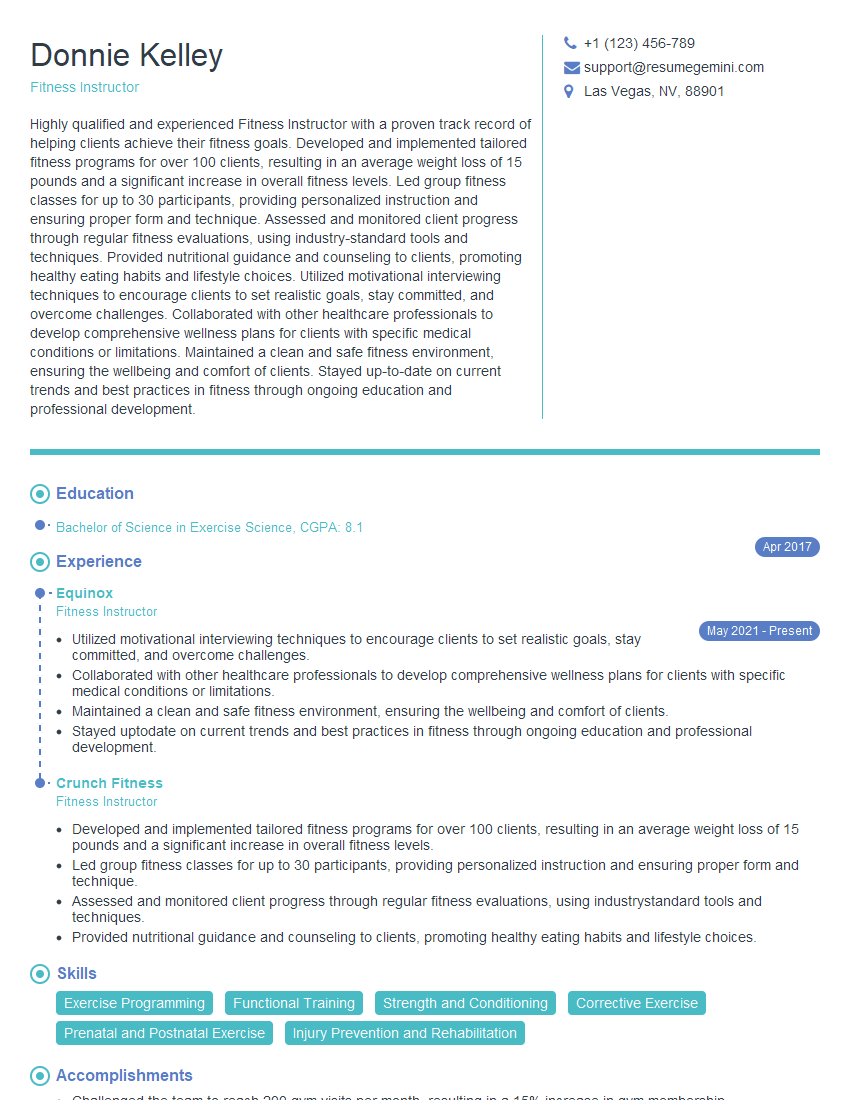
Fitness Instructor Resume Sample
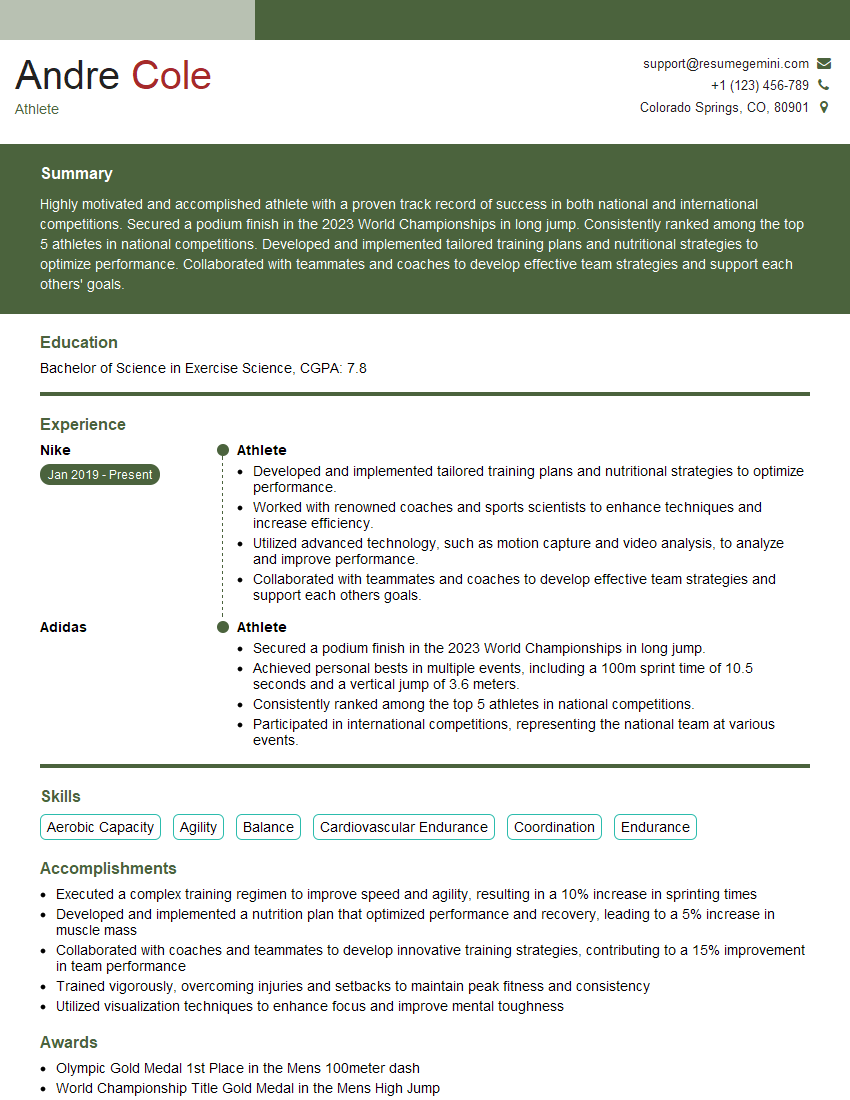
Athlete Resume Sample
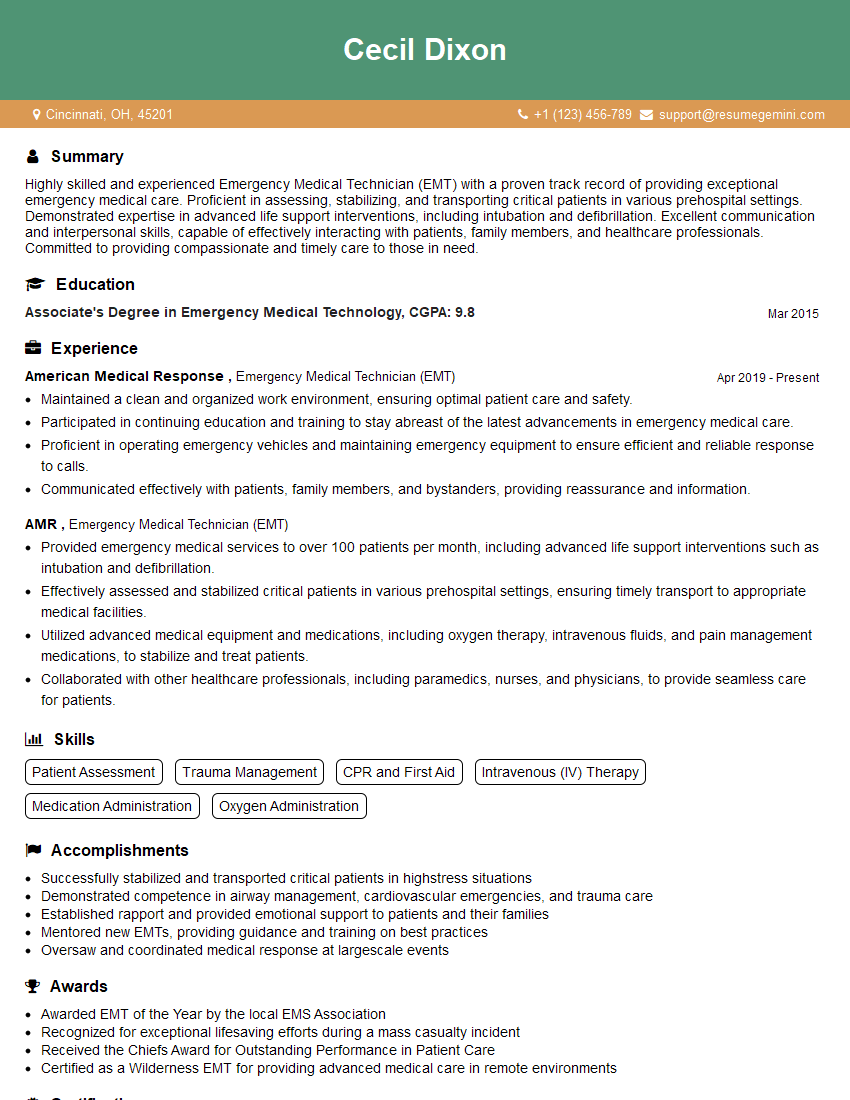
Emergency Medical Technician (EMT) Resume Sample
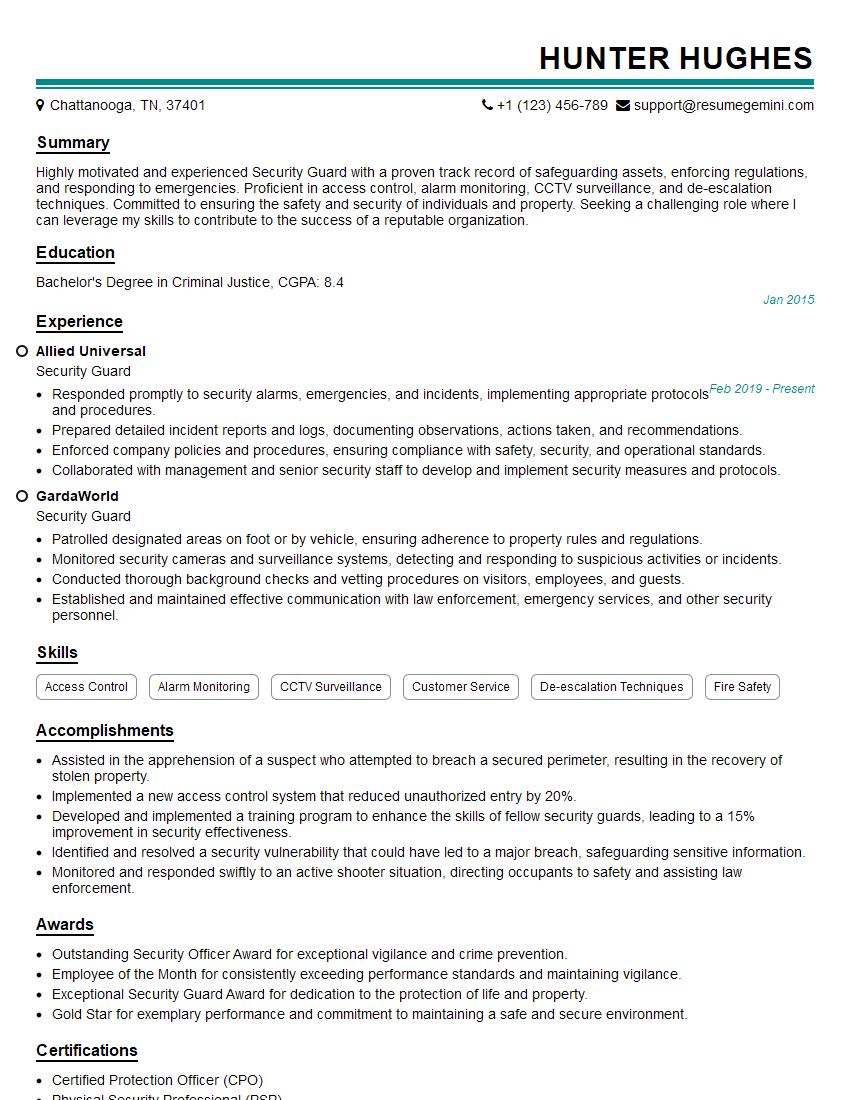
Security Guard Resume Sample
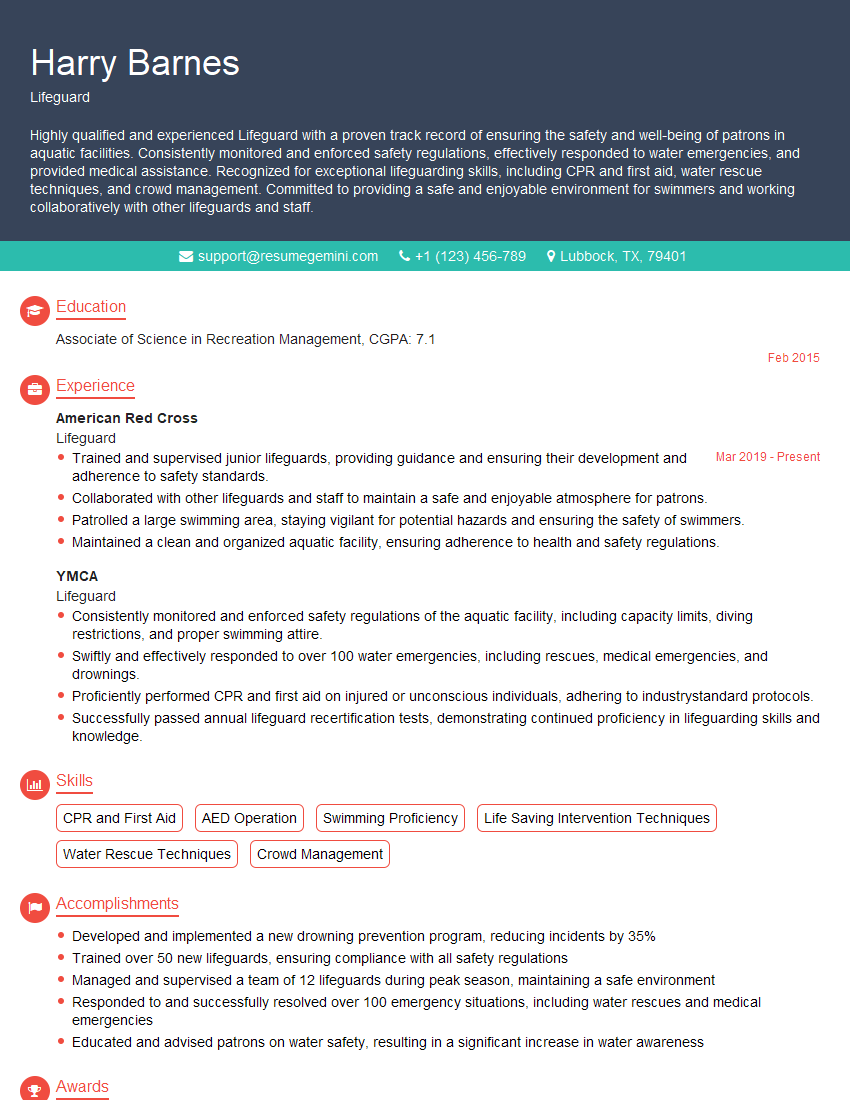
Lifeguard Resume Sample
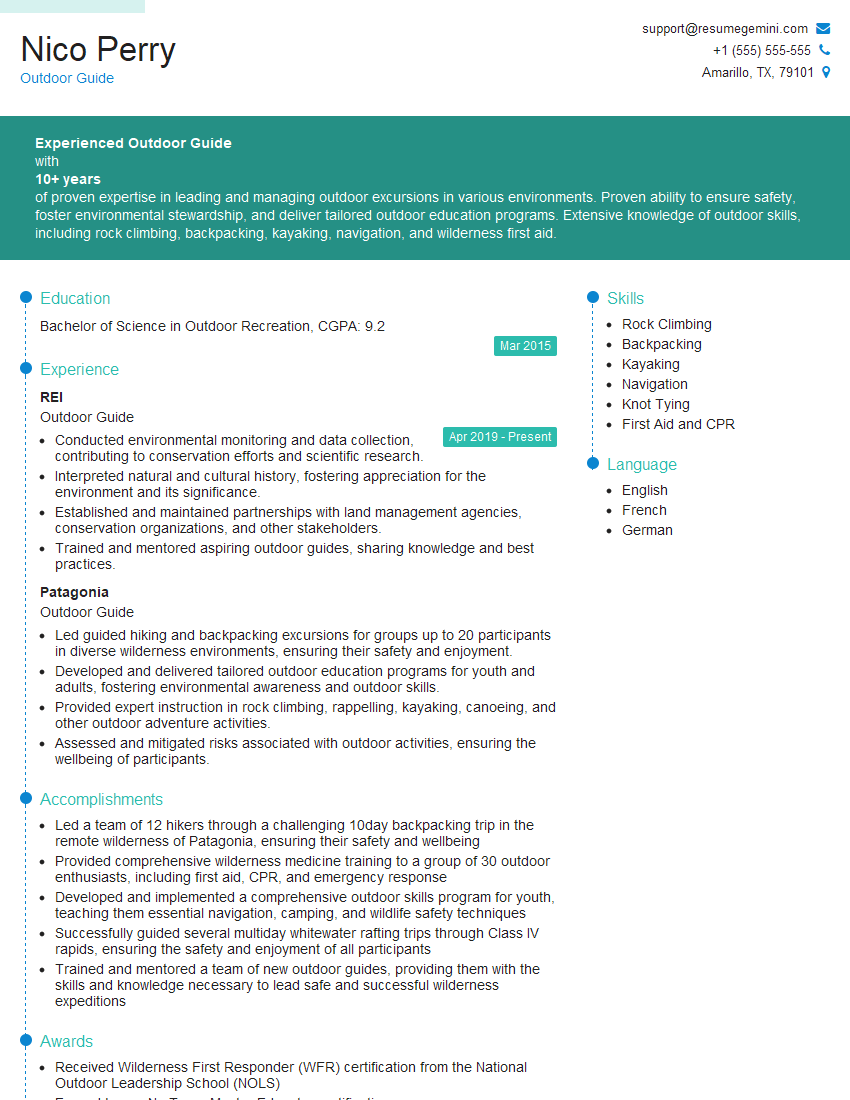
Outdoor Guide Resume Sample
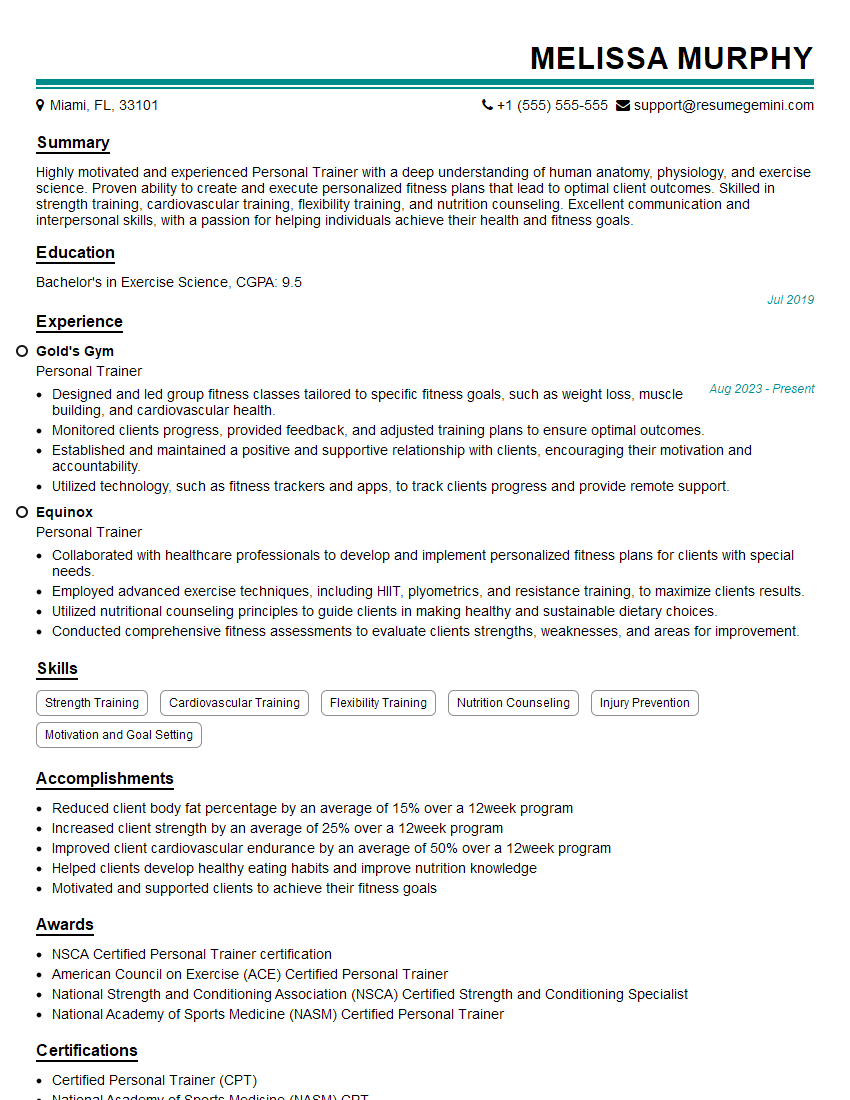
Personal Trainer Resume Sample
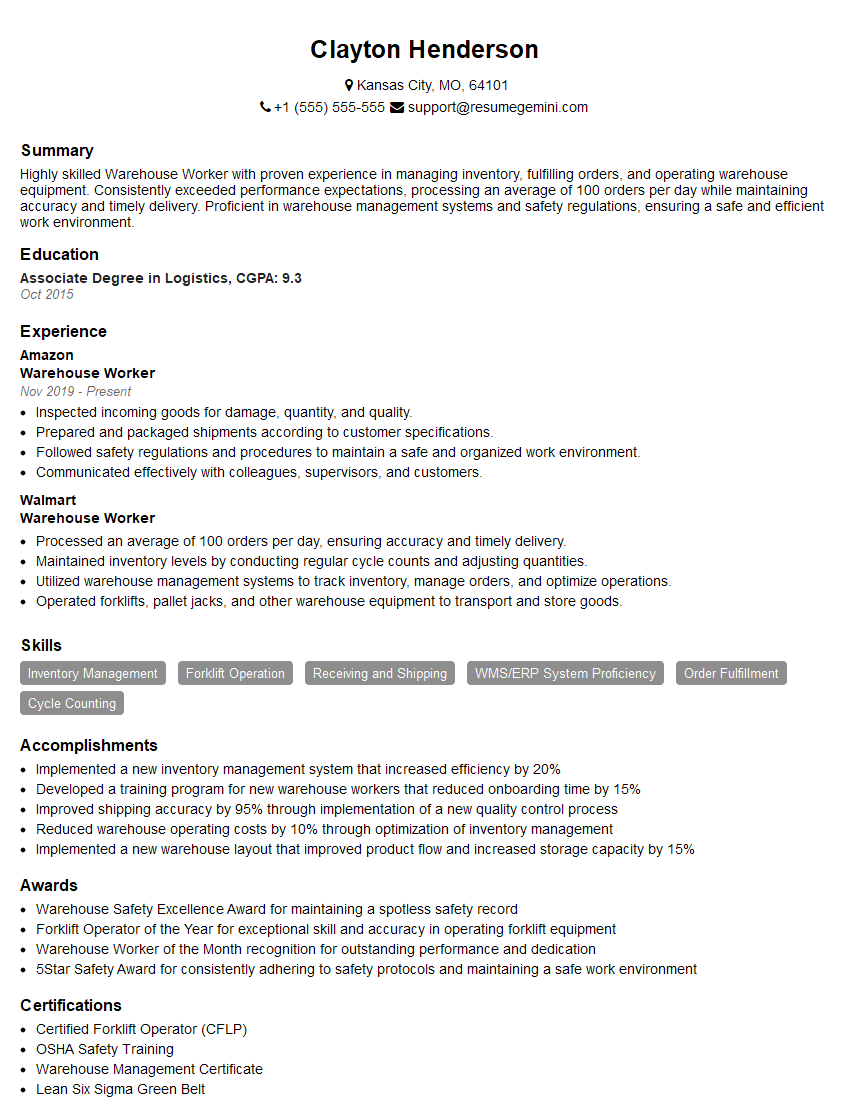
Warehouse Worker Resume Sample
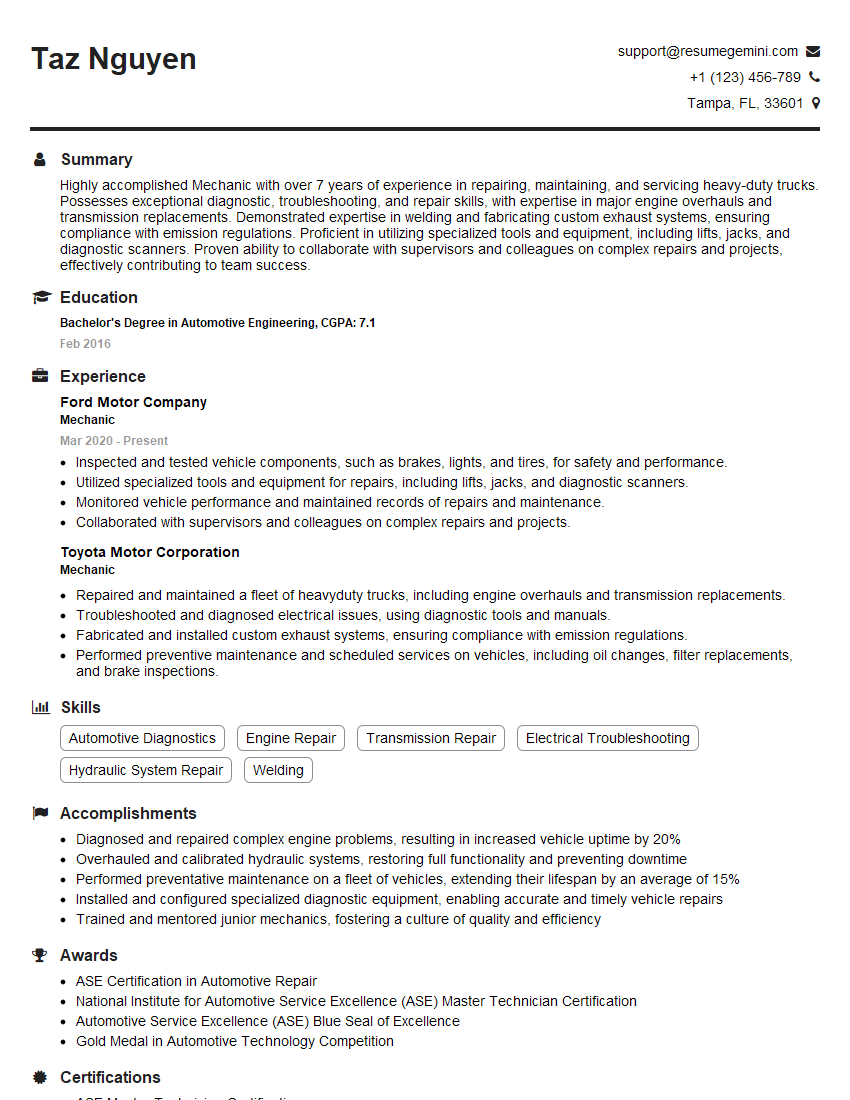
Mechanic Resume Sample
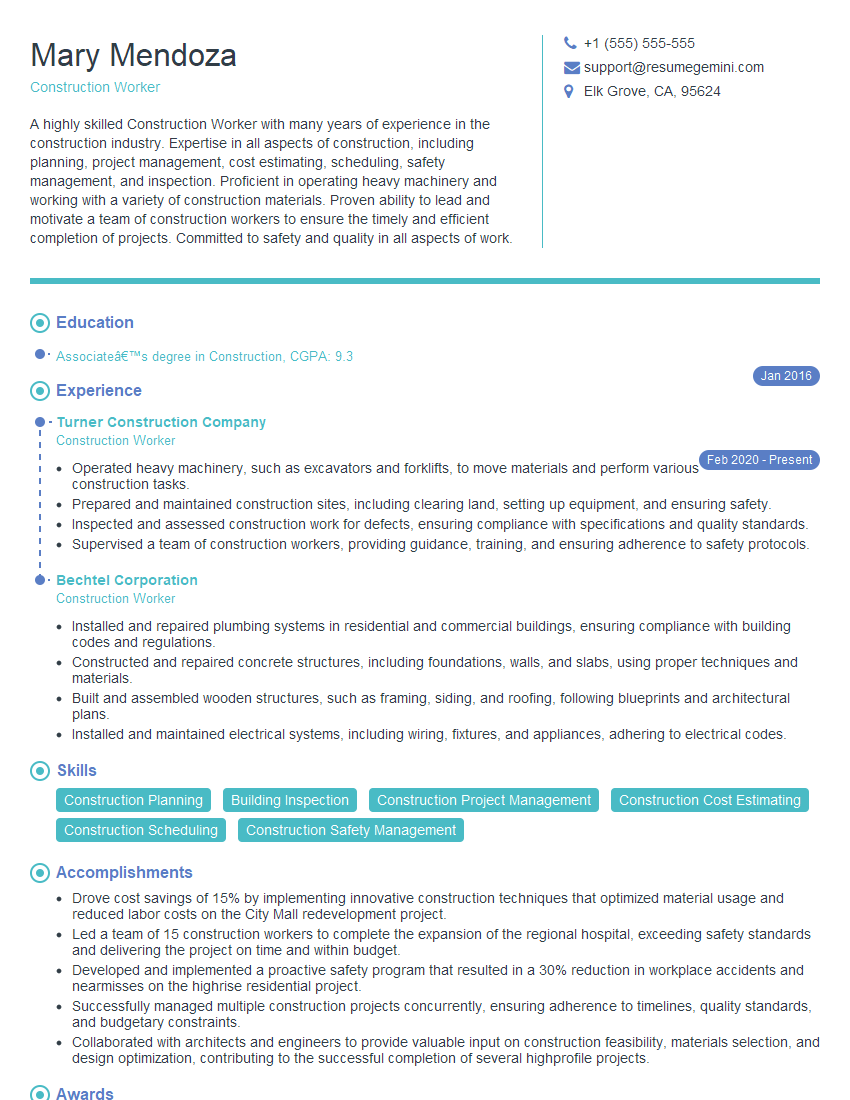
Construction Worker Resume Sample
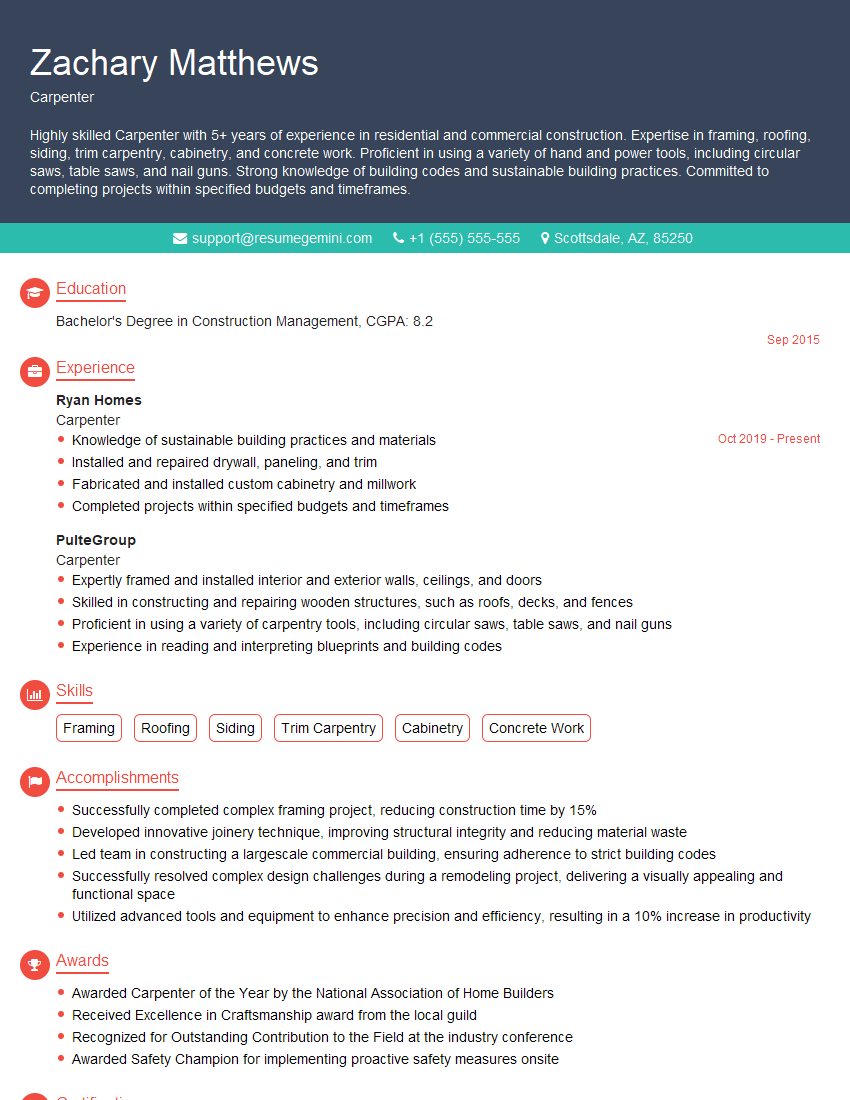
Carpenter Resume Sample
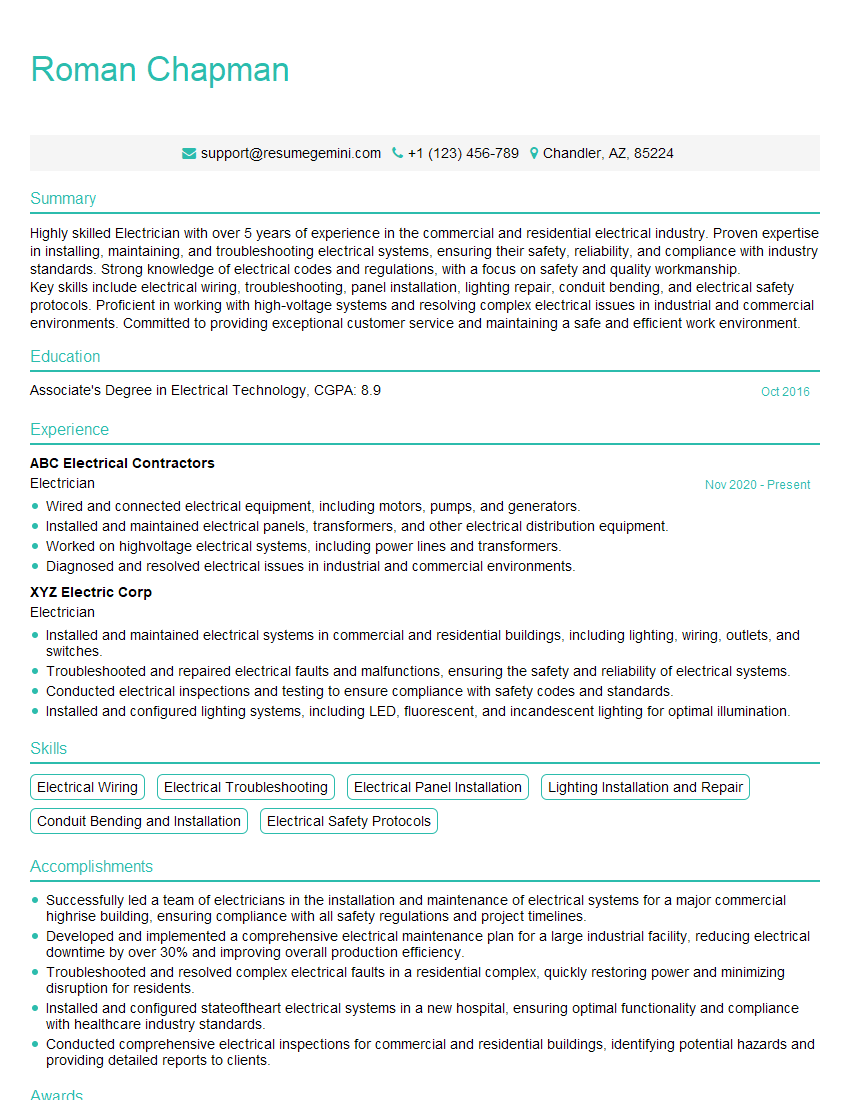
Electrician Resume Sample
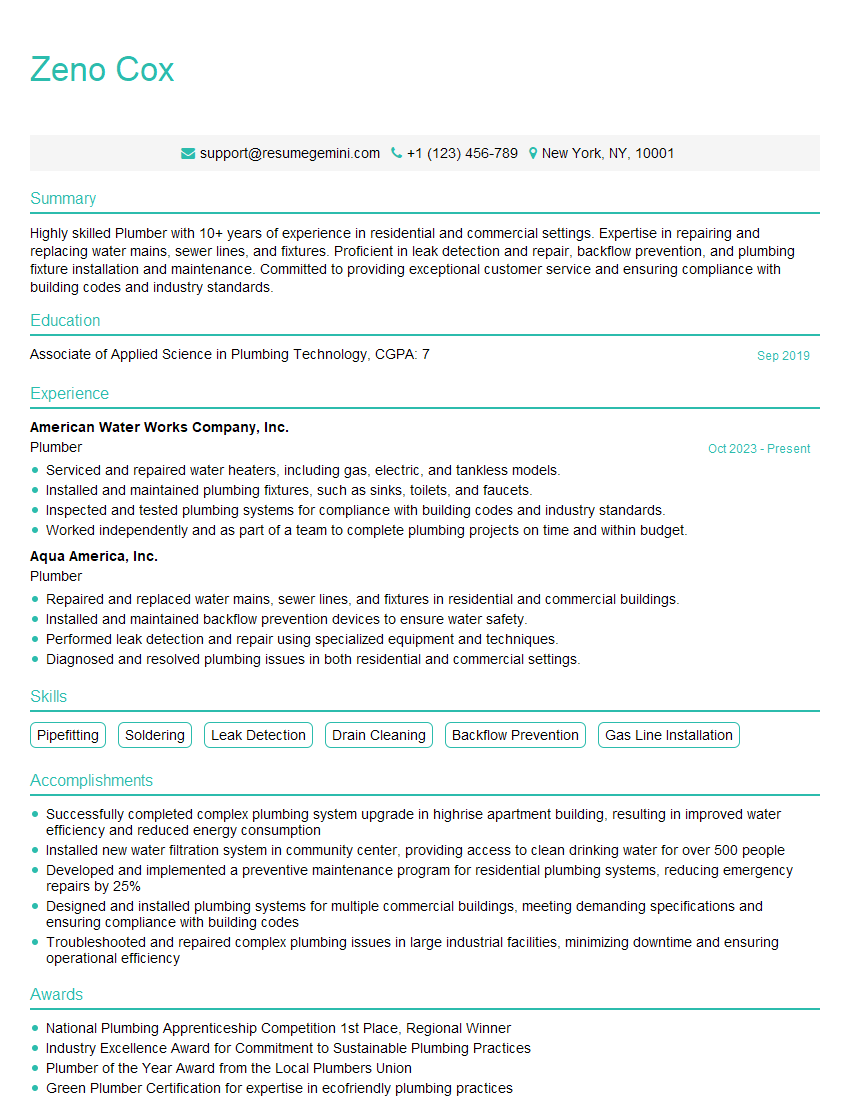
Plumber Resume Sample
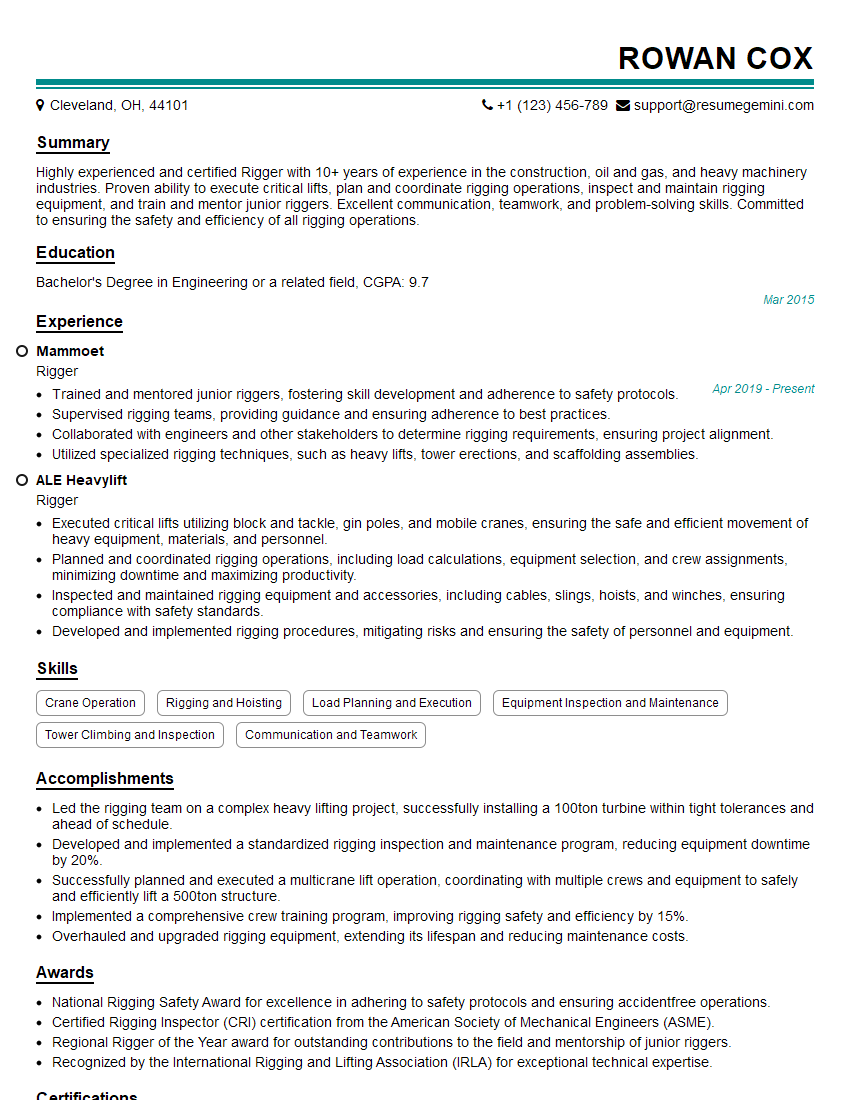
Rigger Resume Sample
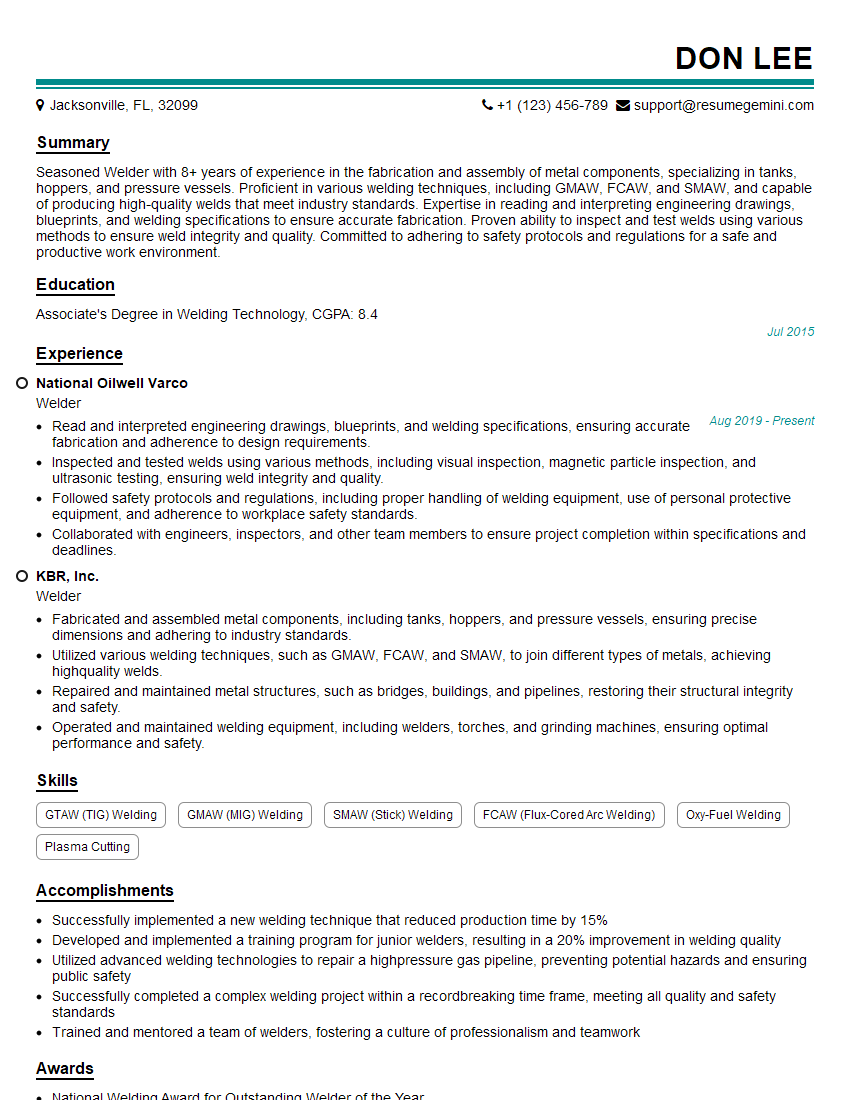
Welder Resume Sample
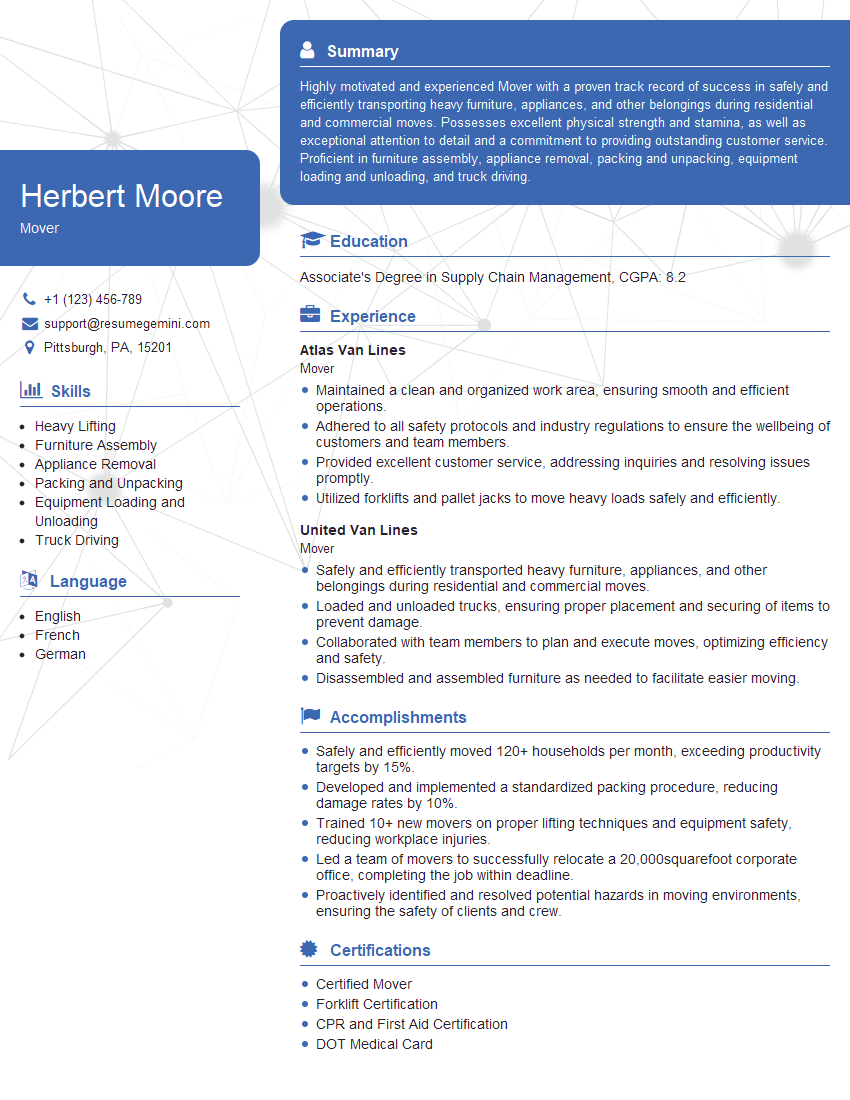
Mover Resume Sample
Explore more articles
Users Rating of Our Blogs
Share Your Experience
We value your feedback! Please rate our content and share your thoughts (optional).
What Readers Say About Our Blog
To the interviewgemini.com Webmaster.
Very helpful and content specific questions to help prepare me for my interview!
Thank you
To the interviewgemini.com Webmaster.
This was kind of a unique content I found around the specialized skills. Very helpful questions and good detailed answers.
Very Helpful blog, thank you Interviewgemini team.