Feeling uncertain about what to expect in your upcoming interview? We’ve got you covered! This blog highlights the most important Goal Setting and Action Planning interview questions and provides actionable advice to help you stand out as the ideal candidate. Let’s pave the way for your success.
Questions Asked in Goal Setting and Action Planning Interview
Q 1. Explain the SMART goals framework. Provide an example.
The SMART goals framework is a powerful tool for setting effective goals. SMART stands for Specific, Measurable, Achievable, Relevant, and Time-bound. Let’s break down each component:
- Specific: Your goal should be clearly defined, leaving no room for ambiguity. Instead of “Improve my fitness,” a SMART goal would be “Run a 5k race in under 30 minutes.”
- Measurable: You need a way to track your progress. For the 5k example, you could measure progress by tracking your weekly running distance and time.
- Achievable: The goal should be challenging yet realistic, given your current capabilities and resources. If you’ve never run before, aiming for a sub-30-minute 5k might be unrealistic initially. A more achievable starting point might be to run a 5k without stopping.
- Relevant: The goal should align with your overall objectives and values. Does running a 5k truly contribute to your larger life goals?
- Time-bound: Set a deadline. For our example, you might set a target date for the race, say, three months from now.
Example: Let’s say I want to improve my public speaking skills. A SMART goal would be: “Deliver a 15-minute presentation on project X to the executive team, incorporating at least three audience engagement techniques, by the end of Q3.”
Q 2. Describe your process for prioritizing tasks within a project.
Prioritizing tasks is crucial for efficient project management. I utilize a combination of methods, adapting my approach based on the project’s complexity and urgency. My process generally involves:
- Identifying all tasks: I start by creating a comprehensive list of every task required to complete the project.
- Estimating effort and duration: For each task, I estimate the time and resources needed for completion. This helps determine task complexity.
- Assessing dependencies: Some tasks are dependent on the completion of others. I identify these dependencies to create a logical workflow.
- Applying prioritization matrices: I often use methods like the Eisenhower Matrix (urgent/important), MoSCoW method (must have/should have/could have/won’t have), or a simple priority ranking (1-5) based on impact and urgency.
- Regular review and adjustment: Priorities can shift. I regularly review the task list and adjust priorities as needed, especially considering new information or unexpected roadblocks.
Think of it like building a house – you wouldn’t start painting before laying the foundation. Similarly, understanding task dependencies is critical in project planning.
Q 3. How do you handle unexpected roadblocks in achieving a goal?
Unexpected roadblocks are inevitable. My approach involves:
- Identify and Assess: First, I clearly define the nature and impact of the roadblock.
- Problem-solving: I brainstorm potential solutions, considering both short-term workarounds and long-term fixes. This often involves seeking input from colleagues or stakeholders.
- Risk mitigation: Once a solution is chosen, I implement it while anticipating potential ripple effects. I document the solution and any changes to the project plan.
- Communication: I keep all stakeholders informed of the roadblock, the proposed solution, and its potential impact on deadlines or deliverables.
- Adaptability: The chosen solution may not always be perfect. I remain flexible and ready to adapt my approach as needed, continuously monitoring progress and making necessary adjustments.
For example, if a key supplier delays a critical component, I might explore alternative suppliers or adjust the project timeline to accommodate the delay. The key is proactive problem-solving and transparent communication.
Q 4. What methods do you use to track progress towards goals?
Tracking progress is essential for staying on track. I employ various methods depending on the project’s nature and complexity:
- Project management software: Tools like Asana, Trello, or Jira allow for task assignment, progress tracking, and visual representation of project timelines.
- Spreadsheets: Simple spreadsheets can effectively track key metrics and milestones.
- Regular check-ins: I schedule regular meetings with team members to review progress, identify challenges, and make adjustments.
- Visual dashboards: Creating visual dashboards (e.g., using data visualization tools) helps illustrate progress towards key goals and identify potential bottlenecks.
- Progress reports: I create regular progress reports, summarizing accomplishments, challenges, and upcoming tasks. These reports provide transparency and accountability.
The best method depends on the project. A simple to-do list might suffice for small projects, while complex projects might necessitate dedicated project management software.
Q 5. Describe a time you failed to meet a goal. What did you learn?
In a previous role, I failed to meet a project deadline due to underestimating the complexity of a specific task. I assumed a certain level of expertise within the team that didn’t exist. This led to delays and impacted the overall project schedule.
Key learnings:
- Thorough needs assessment: I learned the importance of a more rigorous needs assessment before task assignment to clearly define the required expertise and resources.
- Realistic time estimation: My time estimations need to factor in potential unforeseen challenges and account for a safety margin.
- Improved communication: Open communication with the team is critical to identify potential issues early on. Earlier identification allows for timely intervention and prevent larger issues.
- Team skill gap analysis: I implemented a process to identify skill gaps within the team and implement training or seek external support proactively.
This experience reinforced the value of thorough planning, realistic expectations, and proactive communication in project management.
Q 6. How do you delegate tasks effectively to ensure goal achievement?
Effective delegation is crucial for achieving goals. My approach centers on:
- Selecting the right person: I identify individuals with the necessary skills and experience for each task. Considering their workload and capacity is also essential.
- Clear communication: I provide clear instructions, including the task’s objectives, desired outcomes, deadlines, and relevant resources.
- Empowerment and trust: I empower team members to make decisions and take ownership of their tasks. Providing autonomy fosters responsibility and engagement.
- Support and monitoring: While I avoid micromanagement, I provide regular check-ins and support to address any questions or challenges they encounter.
- Recognition and feedback: I acknowledge and appreciate their contributions, providing constructive feedback to help improve future performance.
Delegating effectively isn’t about offloading work; it’s about leveraging the strengths of your team to achieve shared goals more efficiently.
Q 7. How do you measure the success of a goal or project?
Measuring success depends on the specific goal or project. I typically use a combination of quantitative and qualitative metrics:
- Quantitative metrics: These are measurable, numerical data points. Examples include project completion rate, sales figures, website traffic, or cost savings.
- Qualitative metrics: These assess subjective aspects, like customer satisfaction, team morale, or the impact on a particular process.
- Key Performance Indicators (KPIs): These are specific, measurable, and actionable metrics that directly relate to the goal’s success. Identifying KPIs upfront is critical.
- Benchmarking: Comparing results to previous performance or industry standards can provide valuable insights.
- Post-project review: A comprehensive review at the project’s end allows for a critical assessment of the process, achievements, and areas for improvement. This also feeds into future projects.
A balanced approach using both quantitative and qualitative metrics provides a holistic view of success, going beyond simply achieving a numerical target.
Q 8. Explain the difference between strategic and tactical planning.
Strategic and tactical planning are distinct yet interconnected levels of planning that work together to achieve an organization’s overall objectives. Think of it like building a house: strategic planning is designing the blueprint, while tactical planning is the actual construction.
Strategic planning focuses on the long-term vision and overarching goals. It involves defining the organization’s mission, identifying its competitive advantages, and setting ambitious, overarching objectives. For example, a company’s strategic plan might involve expanding into new markets over the next five years. This plan would define the *what* and *why*.
Tactical planning, on the other hand, focuses on the short-term actions and specific steps needed to achieve those strategic goals. It’s more concrete and operational. Using the house analogy, it involves choosing specific materials, hiring contractors, and scheduling tasks. For our example company, tactical planning would include developing marketing campaigns for the new markets, hiring sales representatives, and setting up distribution channels. This plan defines the *how*.
In essence, strategic planning sets the direction, while tactical planning provides the roadmap to get there.
Q 9. How do you facilitate collaborative goal setting within a team?
Facilitating collaborative goal setting requires a structured approach that encourages open communication and shared ownership. I typically employ a multi-stage process:
- Define the Context: Start by clearly outlining the team’s overall objectives and the context within which goals will be set. What are our shared challenges and opportunities?
- Brainstorming Session: Facilitate a brainstorming session where team members freely generate ideas for potential goals. I encourage diverse perspectives and ensure everyone feels comfortable contributing. Techniques like brainwriting (writing ideas individually before sharing) can help.
- Prioritization and Selection: Once a range of potential goals is identified, we prioritize them based on factors like impact, feasibility, and alignment with the overarching strategy (using techniques like MoSCoW analysis – Must have, Should have, Could have, Won’t have). This involves discussion and consensus building.
- SMART Goal Setting: We refine the chosen goals to ensure they are Specific, Measurable, Achievable, Relevant, and Time-bound (SMART). This ensures clarity and allows for effective tracking of progress.
- Action Plan Development: We collaboratively develop action plans for each goal, assigning responsibilities, setting deadlines, and identifying potential roadblocks. This ensures everyone understands their role and contribution.
- Regular Check-ins and Monitoring: Regular progress reviews help keep the team focused, address challenges promptly, and adapt the plan as needed.
By involving the entire team throughout this process, I foster a sense of shared ownership and commitment to the goals, resulting in improved motivation and accountability.
Q 10. Describe your experience using project management methodologies (e.g., Agile, Waterfall).
I have extensive experience utilizing both Agile and Waterfall project management methodologies, adapting my approach based on the project’s specific requirements and context.
Waterfall is a linear, sequential approach where each phase must be completed before the next begins. This is suitable for projects with well-defined requirements and minimal anticipated changes. I’ve successfully used this in projects involving the development of large-scale reports with fixed specifications. The structured approach ensured that all elements were addressed methodically.
Agile, on the other hand, is iterative and flexible, emphasizing collaboration and continuous improvement. This is better suited for projects with evolving requirements or those requiring frequent adaptations. In a recent project involving software development, the Agile methodology enabled us to respond quickly to changing client needs and incorporate feedback throughout the process. We used sprints to deliver incremental features, allowing for continuous testing and refinement.
Ultimately, my experience demonstrates a versatility in adapting my project management approach to align with the unique demands of each project.
Q 11. How do you ensure your action plans align with overarching strategic goals?
Aligning action plans with overarching strategic goals is crucial for success. I achieve this alignment through a systematic process:
- Goal Hierarchy: I ensure that goals are clearly cascaded from the strategic level to the tactical level. Each action item in the action plan should demonstrably contribute to a specific strategic goal.
- Regular Reviews: I conduct regular reviews of action plans to ensure they are still relevant and effective in achieving the intended strategic objectives. This often involves comparing progress against strategic key performance indicators (KPIs).
- Feedback Loops: I establish clear feedback loops to ensure that any adjustments in strategic direction are quickly reflected in the action plans. This might involve updating priorities or reallocating resources.
- Communication and Transparency: Open communication ensures everyone understands the connection between their daily tasks and the larger strategic vision. This fosters a sense of purpose and helps maintain alignment.
By employing these methods, I ensure that efforts remain focused and contribute effectively to the broader organizational goals. For example, if a company’s strategic goal is to increase market share, the action plans might include developing new product features, launching marketing campaigns, and improving customer service.
Q 12. What tools or software do you utilize for goal setting and action planning?
The tools I utilize for goal setting and action planning depend on the project’s scale and complexity, but my favorites include:
- Project Management Software: Tools like Asana, Trello, and Monday.com facilitate collaborative task management, progress tracking, and deadline management.
- Spreadsheet Software: Microsoft Excel or Google Sheets are useful for creating detailed action plans, tracking progress, and visualizing data.
- Mind Mapping Software: Tools like MindManager or XMind help visualize project scope, break down tasks, and identify dependencies.
- Collaboration Platforms: Microsoft Teams, Slack, or Google Workspace are crucial for facilitating communication and collaboration among team members.
My selection is always guided by the need to enhance collaboration, transparency, and efficient progress monitoring.
Q 13. How do you adapt your action plan when faced with changing priorities?
Adaptability is key in action planning. When faced with changing priorities, I follow a structured approach:
- Assessment: I begin by assessing the impact of the change on existing goals and action plans. What has shifted? How significant is the change?
- Reprioritization: I then work with the team to re-prioritize goals based on the updated priorities. This might involve deferring, eliminating, or modifying certain tasks.
- Resource Allocation: We re-allocate resources – time, budget, personnel – to reflect the new priorities. This is a critical step for effective execution of the revised plan.
- Communication: Clear and timely communication with the team is vital to ensure everyone is aware of the changes and their implications. This mitigates confusion and maintains momentum.
- Plan Adjustment: The action plan is formally updated to reflect the changes in priorities, deadlines, and responsibilities.
By following these steps, I ensure a smooth transition and maintain progress towards the revised objectives. For example, if a new urgent project arises, we might temporarily defer some lower-priority tasks to focus on the urgent need.
Q 14. Describe your approach to risk assessment in goal setting.
Risk assessment is a critical component of effective goal setting. I approach it systematically:
- Identify Potential Risks: I begin by brainstorming potential risks that could impede progress toward achieving our goals. This often involves input from the whole team, leveraging their diverse perspectives and experiences. We consider both internal (e.g., lack of resources, skill gaps) and external factors (e.g., market changes, competitor actions).
- Assess Likelihood and Impact: For each identified risk, we assess both the likelihood of it occurring and its potential impact on the project. This is often done qualitatively (high, medium, low) or quantitatively (using probability and impact scores).
- Develop Mitigation Strategies: Based on the likelihood and impact assessment, we develop mitigation strategies to reduce the probability or impact of each risk. This could involve developing contingency plans, allocating additional resources, or implementing risk controls.
- Monitor and Review: We regularly monitor identified risks, assessing their current status and modifying mitigation strategies as necessary. This involves tracking progress, adjusting plans, and proactively addressing emerging risks.
A well-defined risk assessment process allows us to proactively address potential challenges, increasing the chances of success. For example, if a risk is identified that a key supplier may be unreliable, we might develop a contingency plan to find an alternative supplier.
Q 15. How do you communicate progress updates to stakeholders?
Communicating progress updates effectively is crucial for maintaining stakeholder trust and ensuring project success. My approach involves a multi-faceted strategy, tailoring communication to the specific audience and their needs.
- Regular Reporting: I establish a clear communication schedule from the outset, providing updates at pre-determined intervals (e.g., weekly, bi-weekly) via email, project management software, or in-person meetings, depending on the project and stakeholder preferences.
- Clear and Concise Messaging: Updates are structured with a concise summary of progress, highlighting key achievements and challenges. I avoid technical jargon whenever possible, using plain language that everyone can understand. For instance, instead of saying ‘We achieved 90% completion of the alpha phase’, I might say ‘We’ve successfully finished most of the initial testing; just a few minor bugs remain’.
- Visual Aids: I often use charts, graphs, and dashboards to visually represent progress, making complex data easily digestible. For example, a Gantt chart can quickly show task completion status.
- Proactive Communication: I don’t wait for issues to escalate before communicating. If a problem arises, I immediately inform stakeholders, outlining the issue, proposed solutions, and potential impact. Transparency builds confidence.
- Feedback Mechanism: I always include opportunities for stakeholders to provide feedback and ask questions. This ensures alignment and addresses any concerns promptly.
For example, during a recent product launch, I used a weekly email update to keep the executive team informed, supplemented by a monthly dashboard that tracked key metrics like user engagement and conversion rates.
Career Expert Tips:
- Ace those interviews! Prepare effectively by reviewing the Top 50 Most Common Interview Questions on ResumeGemini.
- Navigate your job search with confidence! Explore a wide range of Career Tips on ResumeGemini. Learn about common challenges and recommendations to overcome them.
- Craft the perfect resume! Master the Art of Resume Writing with ResumeGemini’s guide. Showcase your unique qualifications and achievements effectively.
- Don’t miss out on holiday savings! Build your dream resume with ResumeGemini’s ATS optimized templates.
Q 16. How do you handle conflicting priorities among multiple goals?
Conflicting priorities are inevitable, especially in dynamic environments. My approach involves a structured process to prioritize effectively:
- Prioritization Matrix: I use a prioritization matrix (like Eisenhower Matrix or MoSCoW method) to categorize tasks based on urgency and importance. This helps visualize and objectively evaluate competing demands. For instance, the Eisenhower Matrix categorizes tasks as Urgent & Important, Important but Not Urgent, Urgent but Not Important, and Neither Urgent Nor Important.
- Stakeholder Alignment: Open communication with stakeholders is key. I facilitate discussions to understand the rationale behind each goal and identify any underlying dependencies. This collaboration often reveals opportunities to streamline or adjust priorities.
- Resource Allocation: Once priorities are established, I allocate resources (time, budget, personnel) accordingly. This might involve re-assigning team members or adjusting project timelines.
- Trade-off Analysis: In cases where complete alignment isn’t possible, I conduct a trade-off analysis to evaluate the potential impact of delaying or de-prioritizing certain goals. This involves weighing the potential benefits and risks associated with each decision.
- Regular Review: Priorities can shift over time. I conduct regular reviews (e.g., weekly or monthly) to ensure alignment with evolving business needs and readjust priorities as necessary.
Imagine a scenario where a team is working on both a new product launch and a crucial system upgrade. Using a prioritization matrix, we might determine the product launch is more urgent and allocate the majority of resources accordingly, but still allocate sufficient time to address critical aspects of the system upgrade.
Q 17. Explain the importance of contingency planning in goal achievement.
Contingency planning is the art of anticipating potential problems and developing proactive solutions. It’s not about pessimism; it’s about preparedness. A robust contingency plan minimizes disruptions and helps maintain momentum towards goal achievement.
- Risk Identification: This involves brainstorming potential roadblocks, including technical glitches, resource constraints, market changes, or unexpected delays.
- Impact Assessment: For each identified risk, I assess its potential impact on the project timeline, budget, or overall success.
- Mitigation Strategies: I develop specific strategies to mitigate the identified risks. These might involve alternative approaches, backup plans, or contingency budgets.
- Communication Plan: A clear communication plan outlines how to inform stakeholders about potential issues and any necessary adjustments.
- Regular Review and Updates: The contingency plan is a living document that needs to be reviewed and updated regularly to reflect changes in the project environment.
For example, when launching a new website, a contingency plan might include a backup server in case of a primary server failure, a communication strategy to address potential outages, and a plan to redirect traffic if necessary.
Q 18. How do you motivate team members to achieve ambitious goals?
Motivating a team to achieve ambitious goals requires more than just assigning tasks. It’s about fostering a culture of collaboration, recognition, and empowerment.
- Clear Goals and Expectations: Team members need to understand the ‘why’ behind the goals. This involves articulating the bigger picture and how their individual contributions fit into the overall objective. I use clear, measurable, achievable, relevant, and time-bound (SMART) goals.
- Empowerment and Ownership: I delegate responsibility and empower team members to make decisions, fostering a sense of ownership and accountability.
- Recognition and Rewards: I actively acknowledge and celebrate individual and team achievements, both big and small. This can involve verbal praise, public recognition, or performance-based rewards.
- Open Communication and Feedback: I create a safe space for open communication and constructive feedback. Regular check-ins allow me to address concerns and provide support.
- Team Building Activities: Building camaraderie helps foster trust and collaboration. This can include team-building exercises or social events.
For instance, during a particularly challenging project, I implemented a system of weekly ‘wins’ where team members shared their achievements and received positive reinforcement from their colleagues. This boosted morale and improved collaboration.
Q 19. Describe your process for creating a detailed action plan.
Creating a detailed action plan is crucial for translating goals into tangible steps. My process is iterative and involves:
- Define Clear Objectives: The action plan begins with a clear articulation of the goals. These need to be SMART (Specific, Measurable, Achievable, Relevant, Time-bound).
- Break Down into Tasks: Once goals are defined, I break them down into smaller, manageable tasks. This increases clarity and makes progress more visible.
- Assign Responsibilities: Each task is assigned to a specific individual or team, clarifying accountability.
- Set Deadlines: Realistic deadlines are set for each task, keeping in mind dependencies and resource availability.
- Identify Resources: The necessary resources (budget, personnel, tools, etc.) are identified and secured.
- Define Success Metrics: Metrics are defined to measure the success of each task and the overall project.
- Document the Plan: The plan is documented in a clear and accessible format (e.g., Gantt chart, spreadsheet, project management software).
- Regular Monitoring and Review: The action plan is regularly reviewed and updated to reflect progress and address any necessary changes.
For instance, if the goal is to launch a new marketing campaign, the action plan might include tasks such as creating marketing materials, defining target audience, choosing advertising platforms, setting a budget, and tracking campaign performance.
Q 20. How do you identify key performance indicators (KPIs) for a project?
Identifying key performance indicators (KPIs) is crucial for tracking progress and measuring success. KPIs should be aligned with the project’s overall goals and provide quantifiable data.
- Align with Goals: The first step is to clearly define the project goals. KPIs should directly measure progress towards these goals.
- Measurable Metrics: Choose metrics that are easily quantifiable, such as numbers, percentages, or ratios.
- Relevance and Importance: Focus on KPIs that are truly relevant to the project’s success and provide insights into critical areas.
- Feasibility and Data Availability: Ensure the data needed to track the KPIs is readily available and can be collected efficiently.
- Regular Monitoring: KPIs need to be monitored regularly to track progress and identify potential issues.
For a software development project, KPIs might include the number of bugs fixed, the number of lines of code written, the number of user stories completed, or customer satisfaction scores. For a marketing campaign, relevant KPIs could be website traffic, conversion rates, and social media engagement.
Q 21. How do you utilize data to inform your goal setting and action planning?
Data is indispensable for informed goal setting and action planning. It allows for evidence-based decision making, avoiding assumptions and promoting a data-driven approach.
- Baseline Data: Before setting goals, I gather baseline data to understand the current situation and identify areas for improvement. This might involve analyzing historical data, conducting market research, or surveying stakeholders.
- Goal Setting: Baseline data informs the setting of realistic and ambitious goals. For instance, if historical data shows a 10% conversion rate, a goal of 15% might be appropriate.
- Action Planning: Data can help prioritize tasks and allocate resources effectively. For example, if website analytics show a high bounce rate on a particular page, the action plan might include redesigning that page.
- Progress Monitoring: Data is used to track progress towards goals and identify potential issues early on. Regularly reviewing KPIs provides insights into performance and allows for adjustments.
- Post-Project Analysis: After the project concludes, data is analyzed to evaluate overall success, identify areas for improvement, and inform future planning.
For example, if a marketing campaign’s click-through rate is lower than expected, data analysis can reveal the cause, whether it’s targeting issues, ineffective ad copy, or poor landing page design, allowing for timely adjustments.
Q 22. Describe your experience with root cause analysis in relation to goal setbacks.
Root cause analysis is crucial when goals aren’t met. It’s not enough to just acknowledge the setback; we need to understand why it happened. This involves systematically investigating the underlying issues, moving beyond superficial symptoms to identify the root causes. Think of it like diagnosing a car problem – you wouldn’t just replace the tire if the engine is the real culprit.
I typically employ the ‘5 Whys’ technique. This involves repeatedly asking ‘Why?’ until you reach the fundamental cause. For example, if a sales target wasn’t met, I might ask:
- Why didn’t we meet the sales target? (Answer: Insufficient marketing)
- Why was the marketing insufficient? (Answer: Low budget)
- Why was the budget low? (Answer: Unexpected expenses in Q1)
- Why were there unexpected expenses in Q1? (Answer: A key supplier increased prices)
- Why did the supplier increase prices? (Answer: Raw material costs increased due to global events).
The final ‘why’ – the increase in global raw material costs – is likely the root cause. Addressing this, perhaps by diversifying suppliers or negotiating better contracts, is far more effective than simply throwing more money at marketing.
Q 23. How do you ensure accountability in achieving goals?
Accountability is the cornerstone of goal achievement. I use a multi-pronged approach:
- Clearly Defined Roles and Responsibilities: Each team member understands their specific contributions and the metrics by which their success will be measured. This avoids confusion and ensures everyone is pulling their weight.
- Regular Check-ins and Progress Reports: Frequent meetings provide opportunities to track progress, address challenges proactively, and celebrate milestones. This keeps everyone focused and on track.
- Performance Monitoring Tools: Using project management software like Asana or Jira allows for transparent tracking of tasks, deadlines, and overall progress. This data provides objective feedback on individual and team performance.
- Open Communication and Feedback: A culture of open communication, where individuals feel comfortable raising concerns or seeking help, is essential. Regular feedback sessions provide constructive criticism and motivation.
- Incentives and Recognition: Rewarding achievements, both individually and collectively, fosters a sense of accomplishment and encourages continued effort.
For example, in a previous project, we used a Kanban board to visualize progress and identify bottlenecks. This promoted transparency and fostered a sense of shared responsibility.
Q 24. How do you balance short-term and long-term goals?
Balancing short-term and long-term goals is crucial for sustainable success. It’s like climbing a mountain; you need both immediate steps (short-term) to reach the next resting place and a clear vision of the summit (long-term).
I often employ a hierarchical goal-setting approach, breaking down large, long-term objectives into smaller, more manageable short-term goals. These short-term goals act as stepping stones toward the ultimate objective. For instance, if the long-term goal is to launch a new product, short-term goals might include completing market research, finalizing the design, securing funding, and building a prototype. Successfully completing these smaller goals provides momentum and a sense of accomplishment, keeping the team motivated on the path to the larger goal.
Regular review and adjustment are essential. The long-term strategy might require refinement based on progress and changes in the environment. It’s a dynamic process, not a static plan.
Q 25. Explain your understanding of Gantt charts and their application.
Gantt charts are visual project scheduling tools that display tasks against a timeline. They provide a clear overview of project progress, task dependencies, and potential bottlenecks. Each task is represented as a horizontal bar, whose length corresponds to its duration. The chart clearly shows start and end dates for each task and the overall project.
Their application is invaluable for complex projects requiring coordinated efforts. They enhance communication among team members by providing a shared understanding of the project timeline. By visualizing dependencies, Gantt charts help identify potential conflicts and allow for proactive mitigation. For example, if Task B depends on Task A, the chart will immediately highlight any delays in Task A affecting Task B. This allows for adjustments to prevent project delays.
Q 26. How do you create and maintain a project schedule?
Creating and maintaining a project schedule is a multi-step process:
- Define Project Scope: Clearly outline the project’s objectives, deliverables, and key milestones.
- Identify Tasks: Break down the project into smaller, manageable tasks.
- Sequence Tasks: Determine the order in which tasks need to be completed, considering dependencies.
- Estimate Task Durations: Assign realistic timeframes to each task, factoring in potential delays.
- Assign Resources: Allocate appropriate personnel and resources to each task.
- Develop the Schedule: Use a project management tool (like MS Project, Smartsheet, or a Gantt chart) to create the visual schedule.
- Monitor and Update: Regularly review and update the schedule to reflect actual progress and address unforeseen issues.
Regularly monitoring and adjusting the schedule is key. Unforeseen issues are almost inevitable, and flexibility is crucial to keep the project on track. This often involves re-prioritizing tasks and re-allocating resources.
Q 27. How do you use feedback to refine your goal setting and action planning processes?
Feedback is essential for continuous improvement in goal setting and action planning. I use feedback in a cyclical process:
- Seek Feedback Regularly: Actively solicit feedback from team members, stakeholders, and clients at various stages of the project. This can be through formal reviews, informal discussions, or surveys.
- Analyze Feedback Objectively: Examine the feedback for recurring themes, identifying both successes and areas for improvement.
- Refine Goals and Plans: Adjust goals and action plans based on the insights gained from the feedback. This might involve re-prioritizing tasks, refining deadlines, or allocating resources more effectively.
- Document Changes: Keep a record of the changes made and the reasons behind them. This ensures transparency and allows for better understanding of the evolution of the plan.
- Repeat the Cycle: Continuously seek and incorporate feedback throughout the project lifecycle.
For instance, if client feedback reveals a particular feature is underperforming, we can adjust the action plan to prioritize its improvement or even reconsider its inclusion.
Q 28. Describe a situation where you successfully implemented a complex action plan.
In a previous role, I led a team tasked with launching a new software application within a tight deadline. The complexity stemmed from integrating multiple third-party APIs, requiring careful coordination and rigorous testing.
Our action plan involved:
- Detailed Work Breakdown Structure (WBS): We meticulously broke down the project into smaller, manageable tasks, assigning responsibilities and deadlines.
- Agile Methodology: We used sprints to manage the development process, enabling iterative progress and frequent feedback loops.
- Risk Management Plan: We identified potential risks, such as API integration issues or testing delays, and developed mitigation strategies.
- Regular Communication and Collaboration: We held daily stand-up meetings to track progress, identify roadblocks, and coordinate efforts.
- Rigorous Testing: We conducted extensive testing throughout the development lifecycle to ensure stability and functionality.
Despite facing several unexpected challenges, such as API integration delays, we successfully launched the application on time and within budget. This success was attributed to the meticulously crafted action plan, the agile approach, and the team’s commitment to transparency and collaboration.
Key Topics to Learn for Goal Setting and Action Planning Interview
- Defining SMART Goals: Understand the principles of creating Specific, Measurable, Achievable, Relevant, and Time-bound goals. Explore how to apply this framework in various professional contexts.
- Prioritization Techniques: Learn different methods for prioritizing tasks and projects, such as Eisenhower Matrix, MoSCoW method, and value vs. effort analysis. Practice applying these techniques to realistic scenarios.
- Action Planning & Execution: Master the process of breaking down large goals into smaller, manageable action steps. Develop strategies for effective task delegation, resource allocation, and progress tracking.
- Risk Management & Contingency Planning: Identify potential obstacles and develop proactive strategies to mitigate risks. Practice formulating contingency plans to address unforeseen challenges.
- Monitoring & Evaluation: Learn methods for tracking progress, measuring results against goals, and making necessary adjustments to action plans. Understand the importance of regular reviews and feedback loops.
- Communication & Collaboration: Explore effective strategies for communicating goals and action plans to stakeholders. Practice collaborating effectively within a team environment to achieve shared objectives.
- Adaptability & Change Management: Discuss how to adapt action plans in response to changing priorities or unexpected circumstances. Understand the importance of flexibility and resilience in goal achievement.
Next Steps
Mastering Goal Setting and Action Planning is crucial for career advancement. It demonstrates your ability to take initiative, manage your time effectively, and achieve ambitious objectives. To significantly enhance your job prospects, focus on creating an ATS-friendly resume that highlights your skills and accomplishments in these areas. ResumeGemini is a trusted resource for building professional resumes that get noticed. We provide examples of resumes tailored to Goal Setting and Action Planning to help you showcase your expertise effectively. Use these examples as inspiration to craft a compelling narrative highlighting your successes in this critical area.
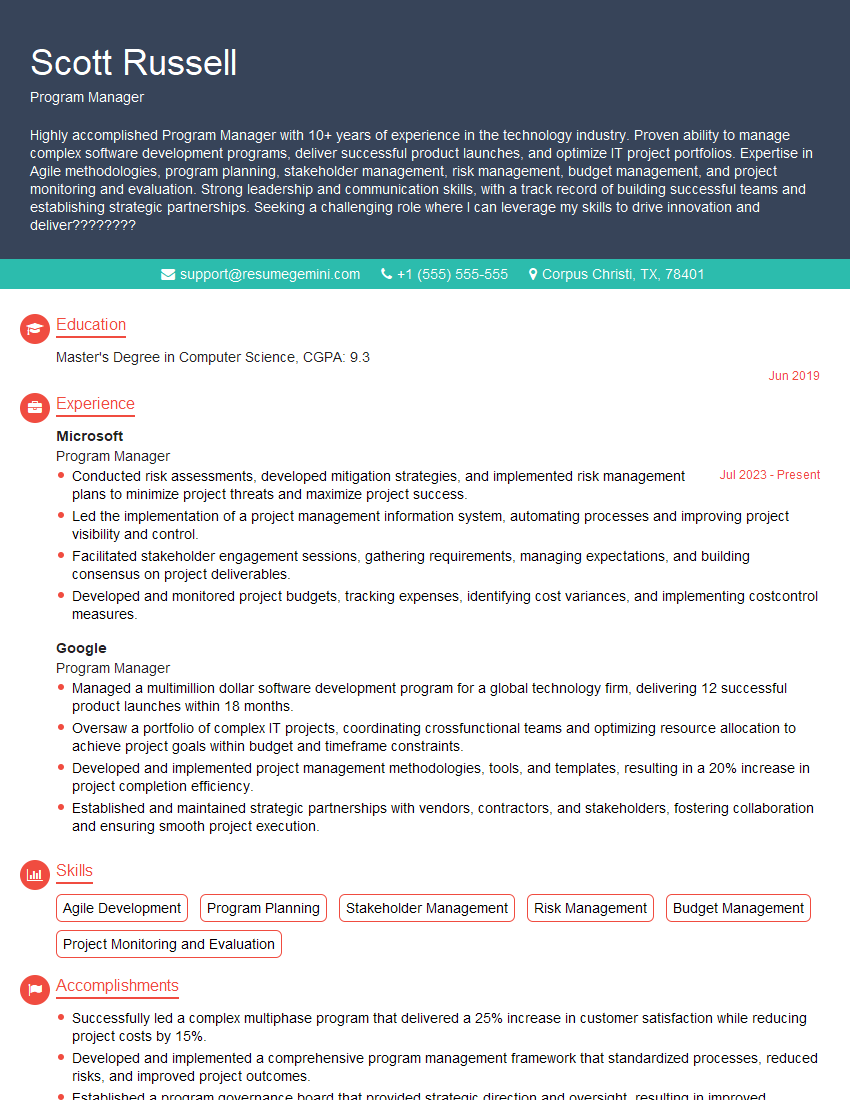
Program Manager Resume Sample
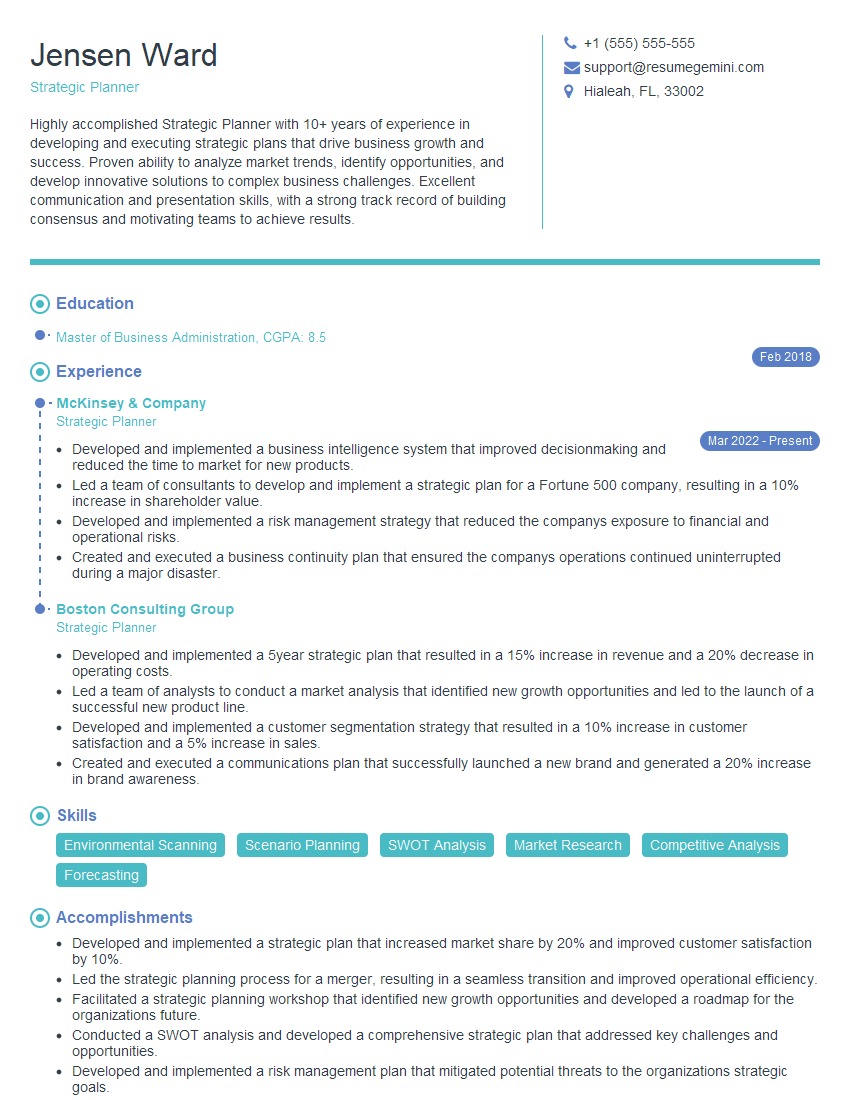
Strategic Planner Resume Sample
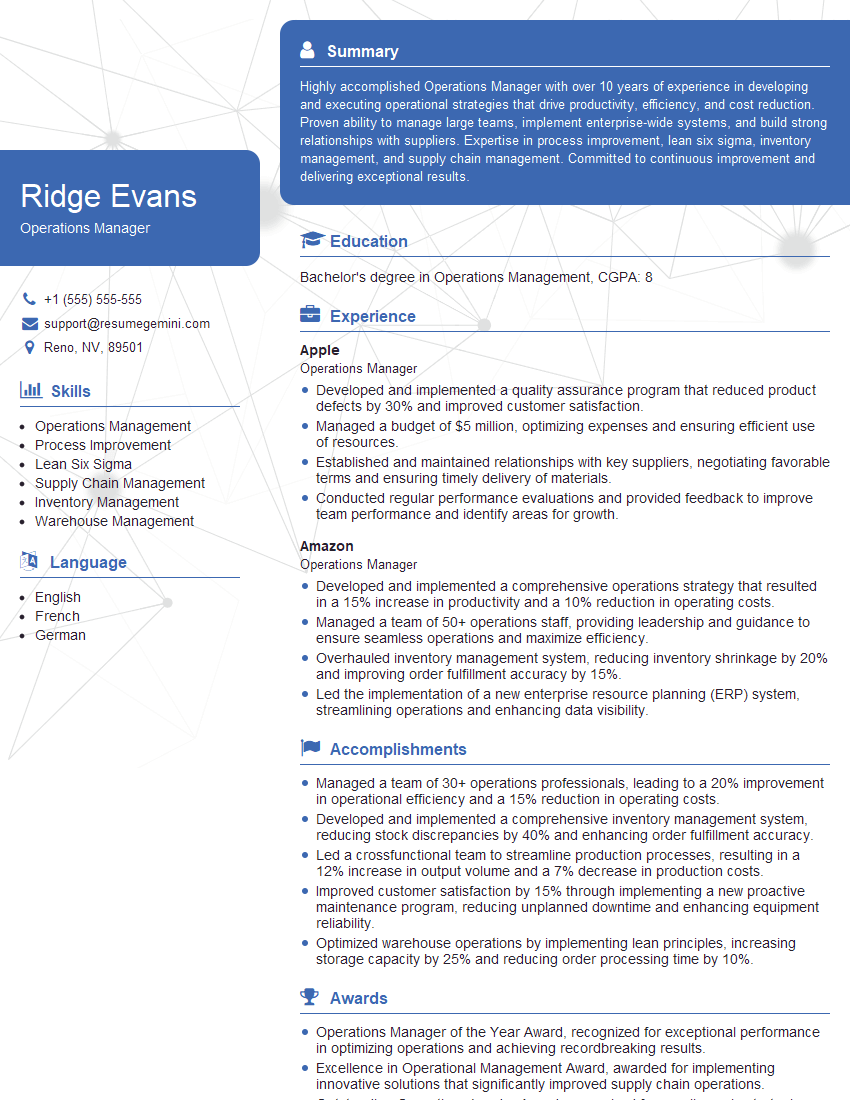
Operations Manager Resume Sample
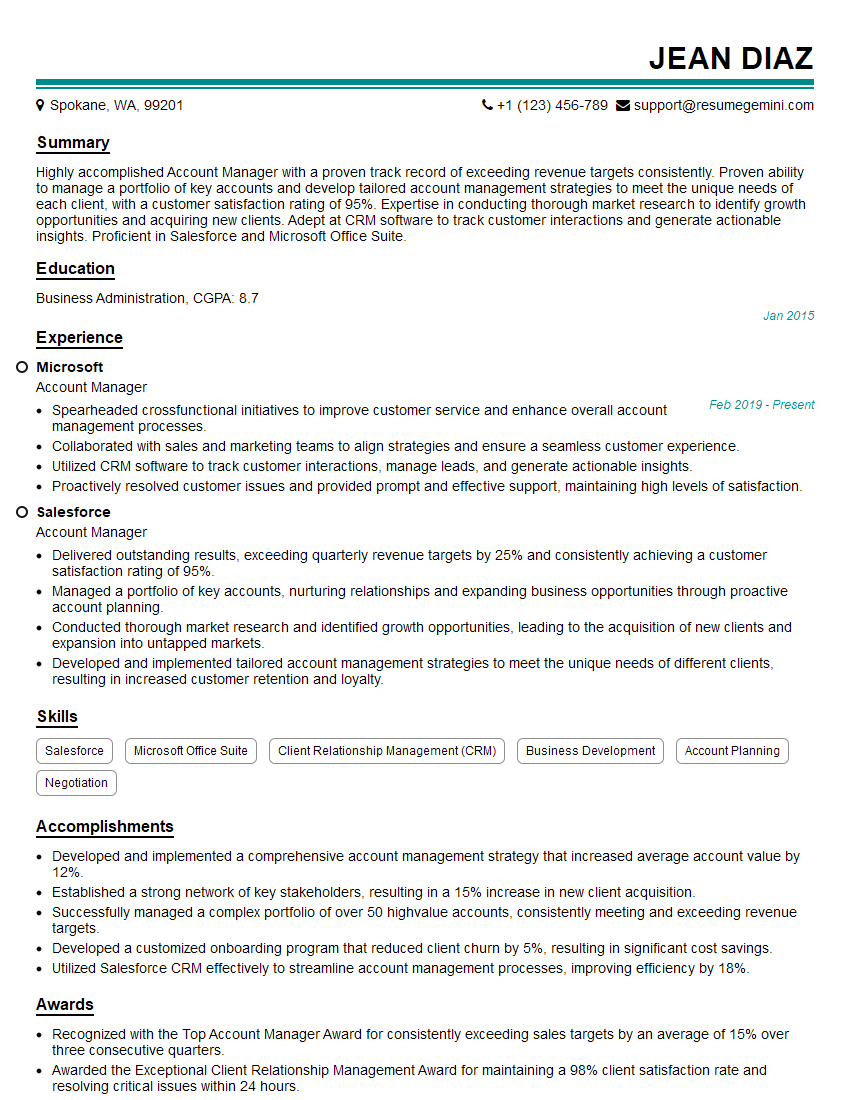
Account Manager Resume Sample
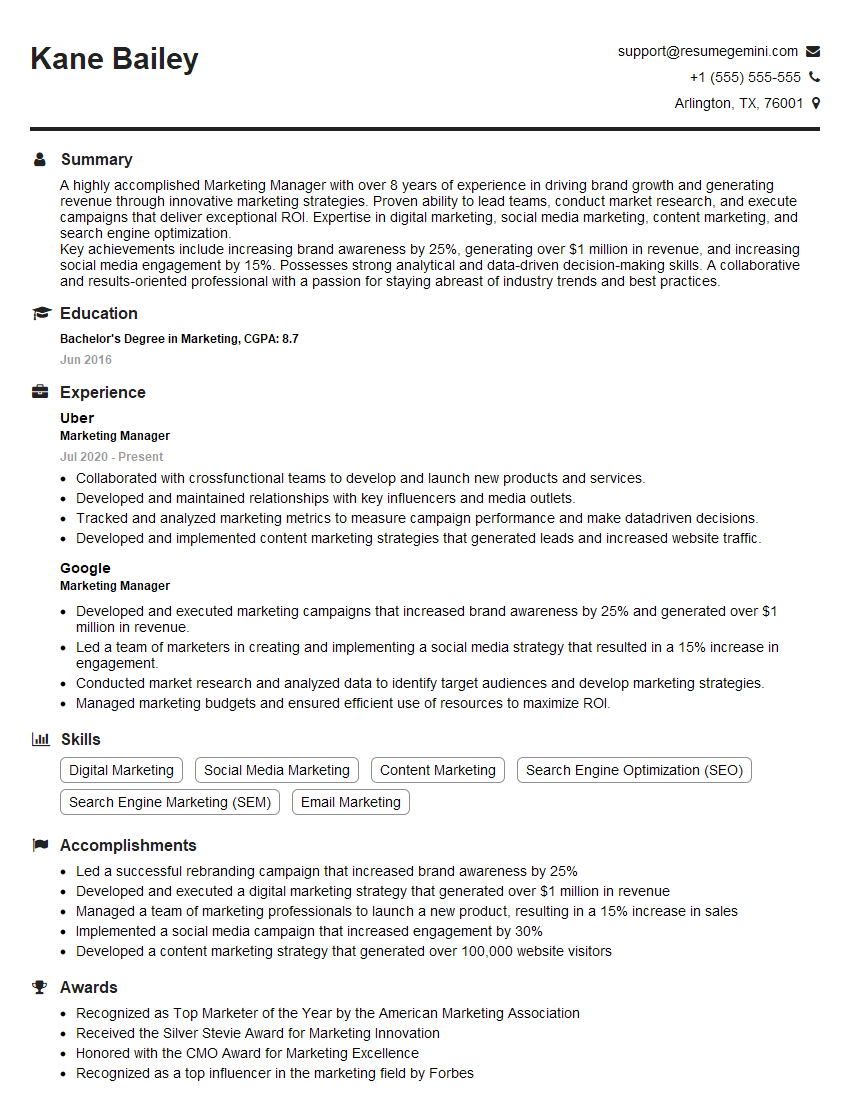
Marketing Manager Resume Sample
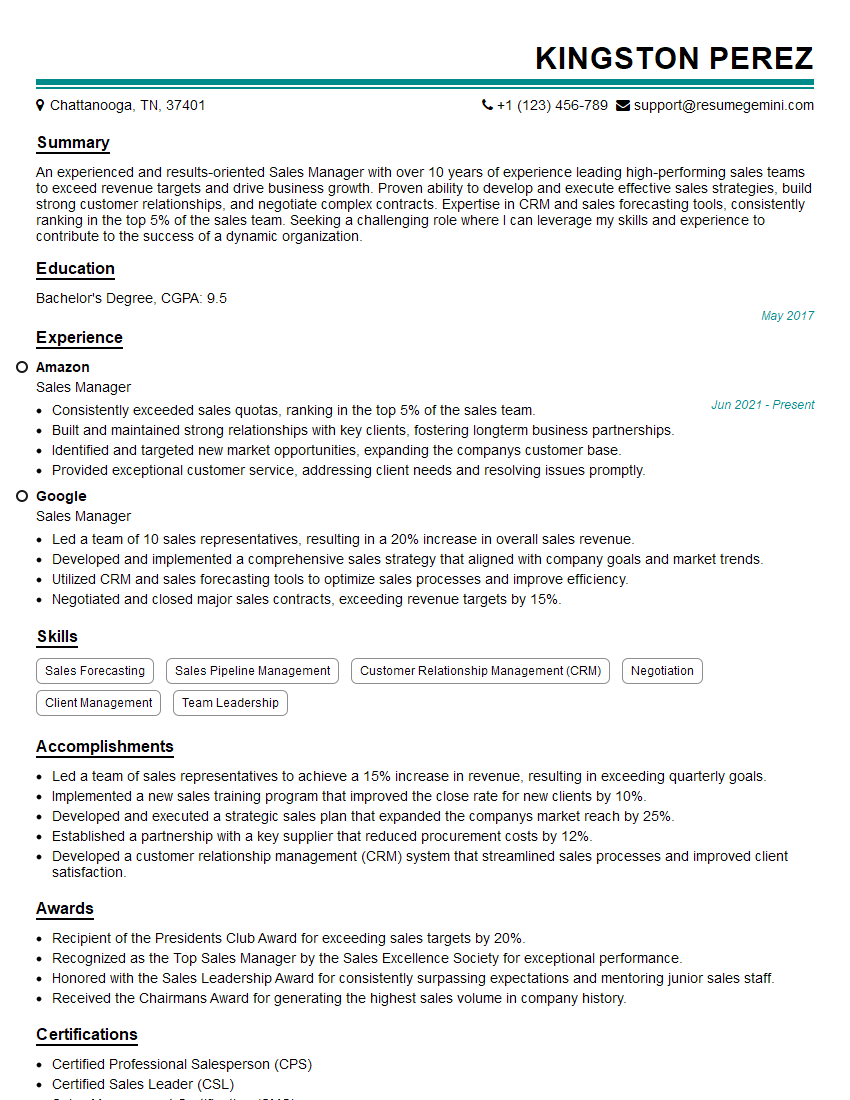
Sales Manager Resume Sample
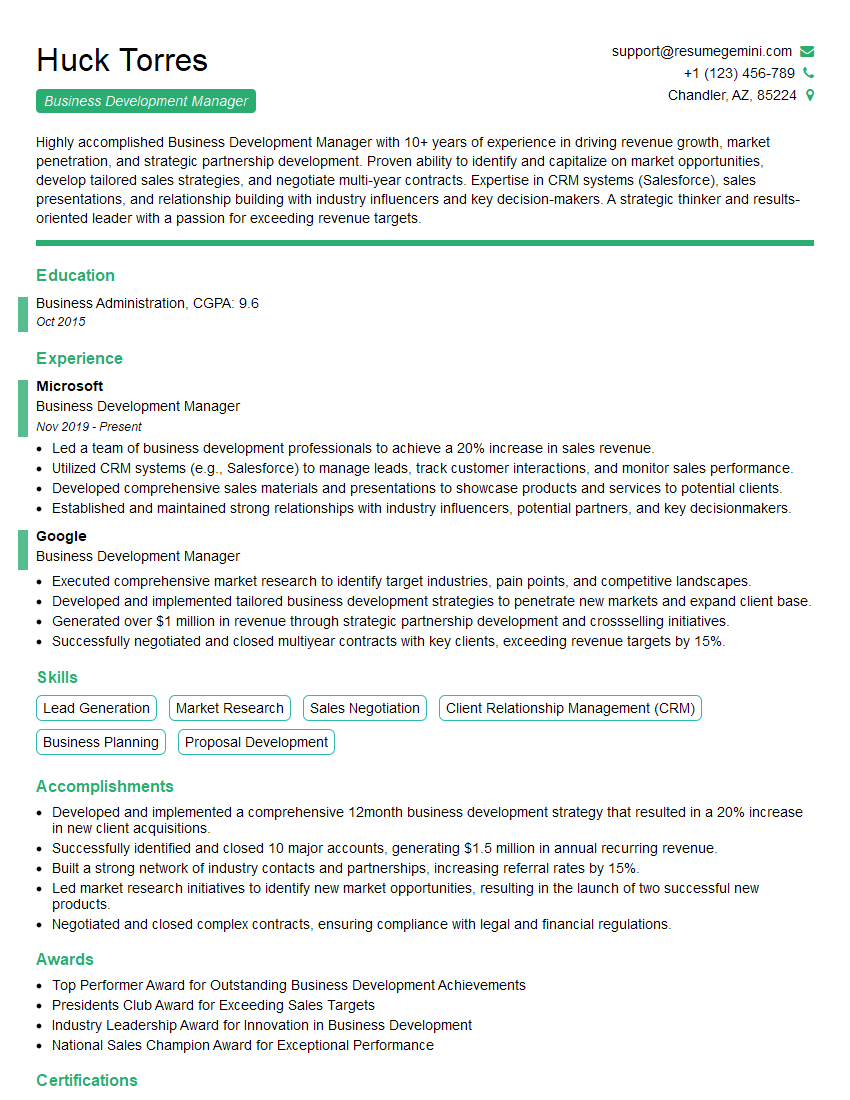
Business Development Manager Resume Sample
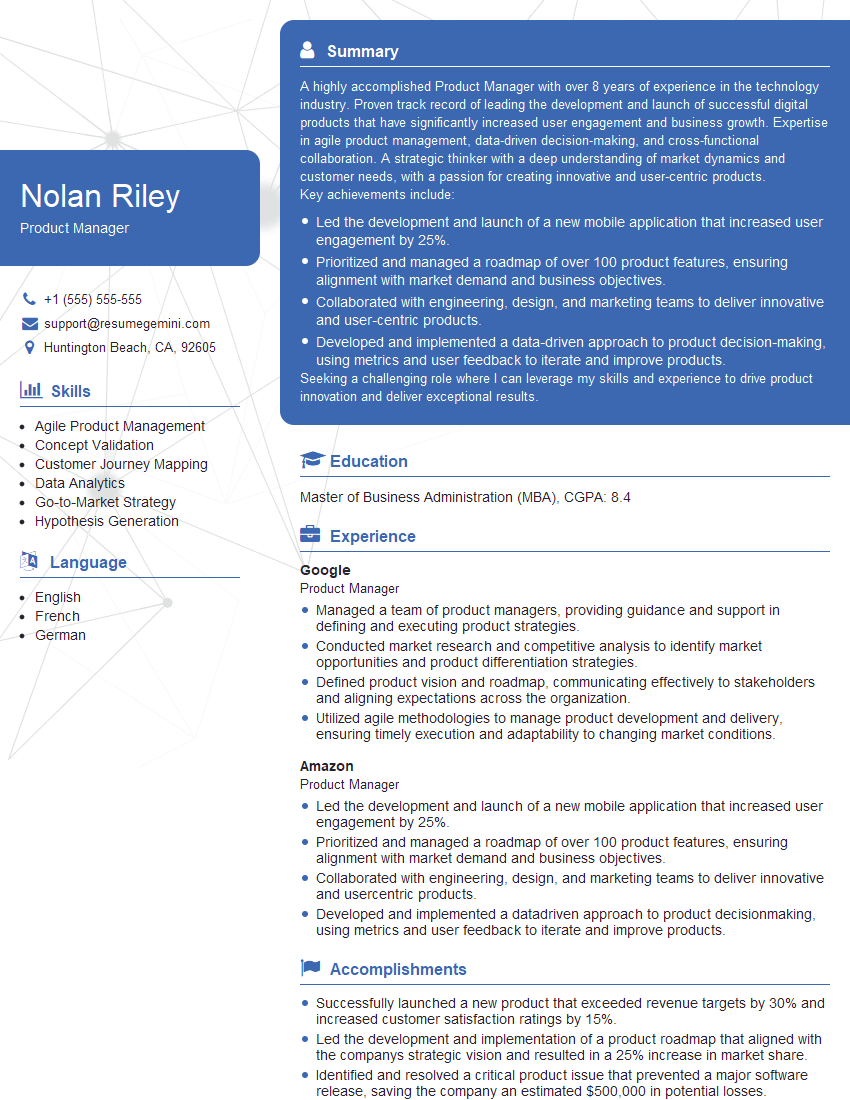
Product Manager Resume Sample
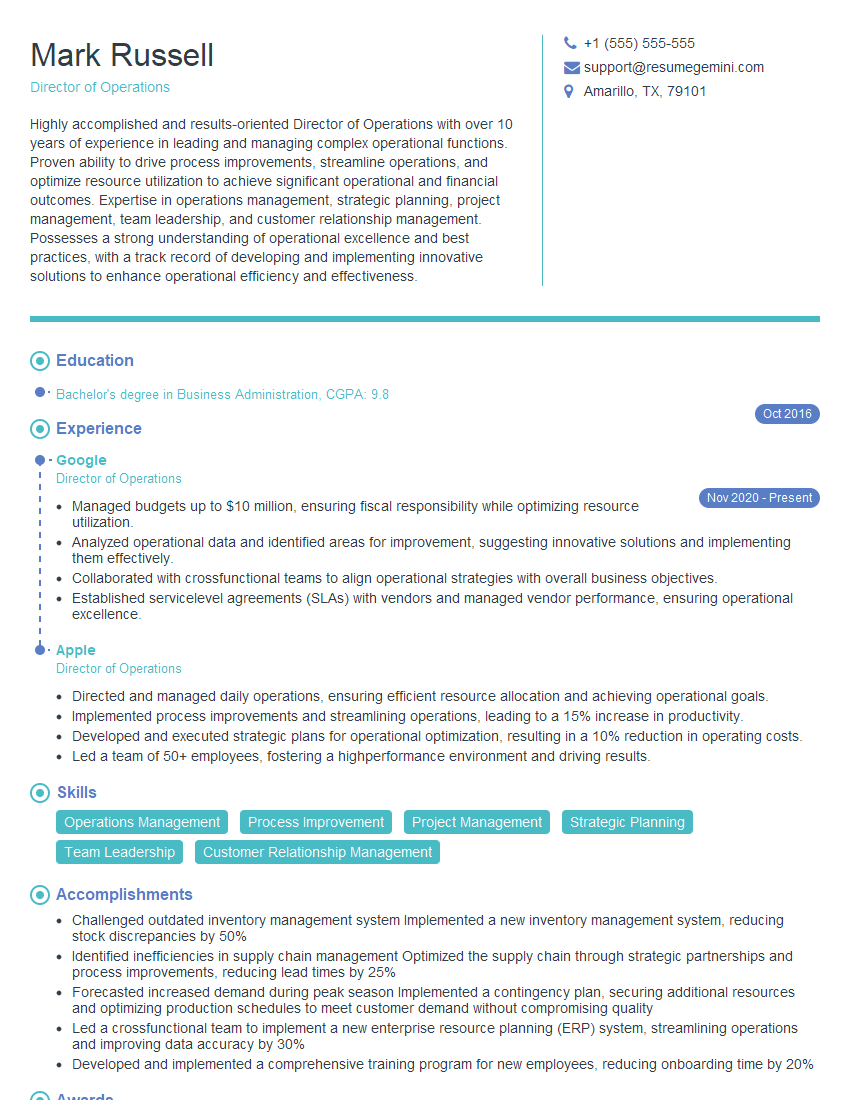
Director of Operations Resume Sample
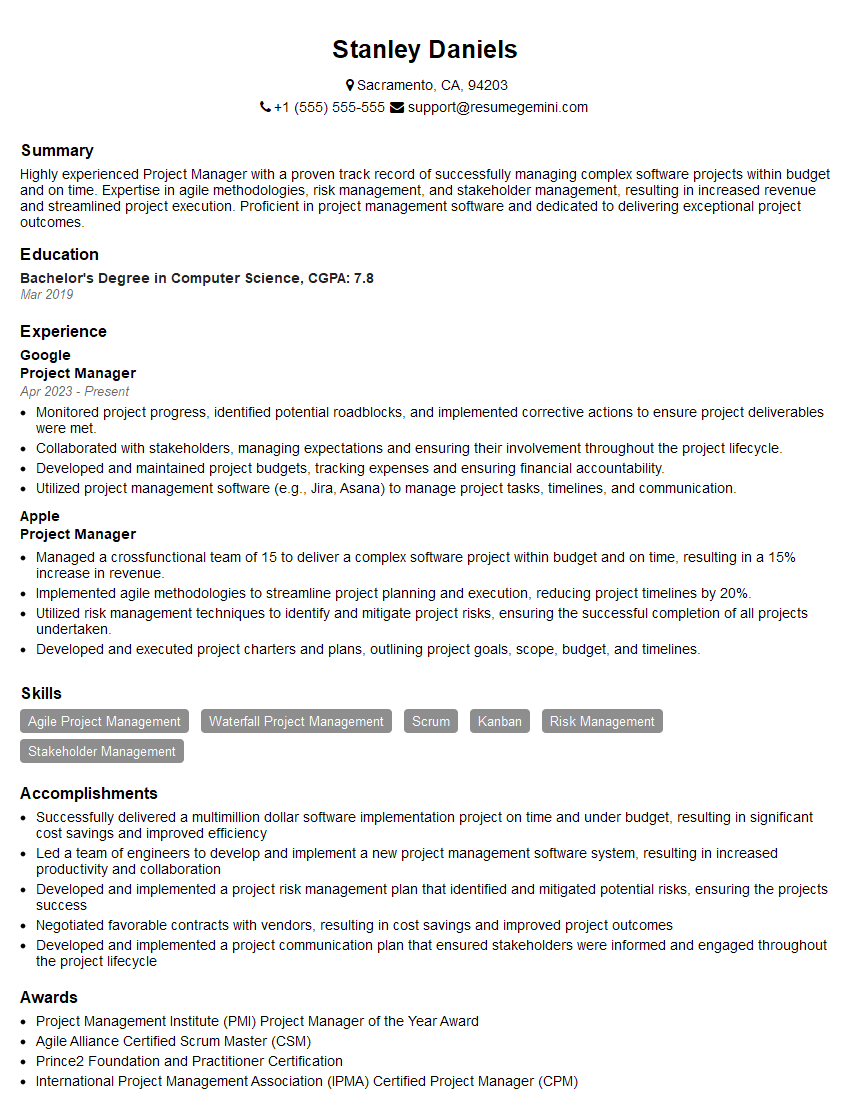
Project Manager Resume Sample
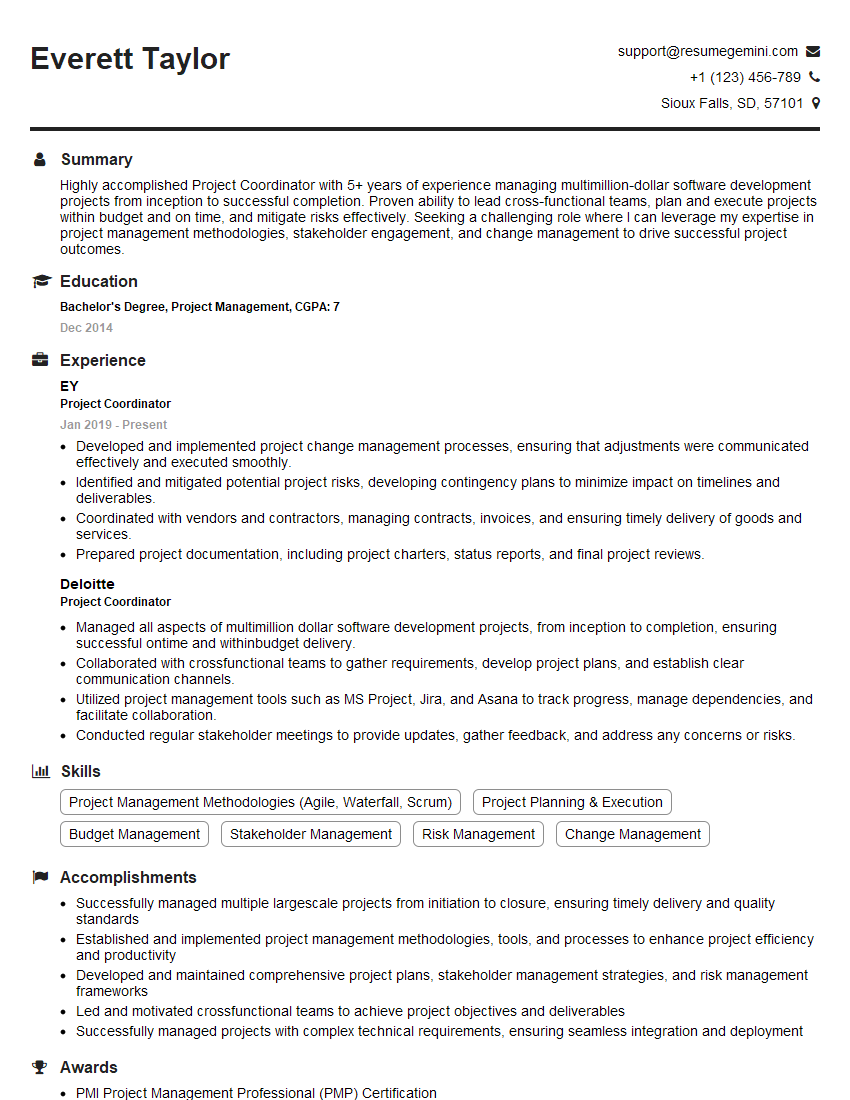
Project Coordinator Resume Sample

Chief of Staff Resume Sample
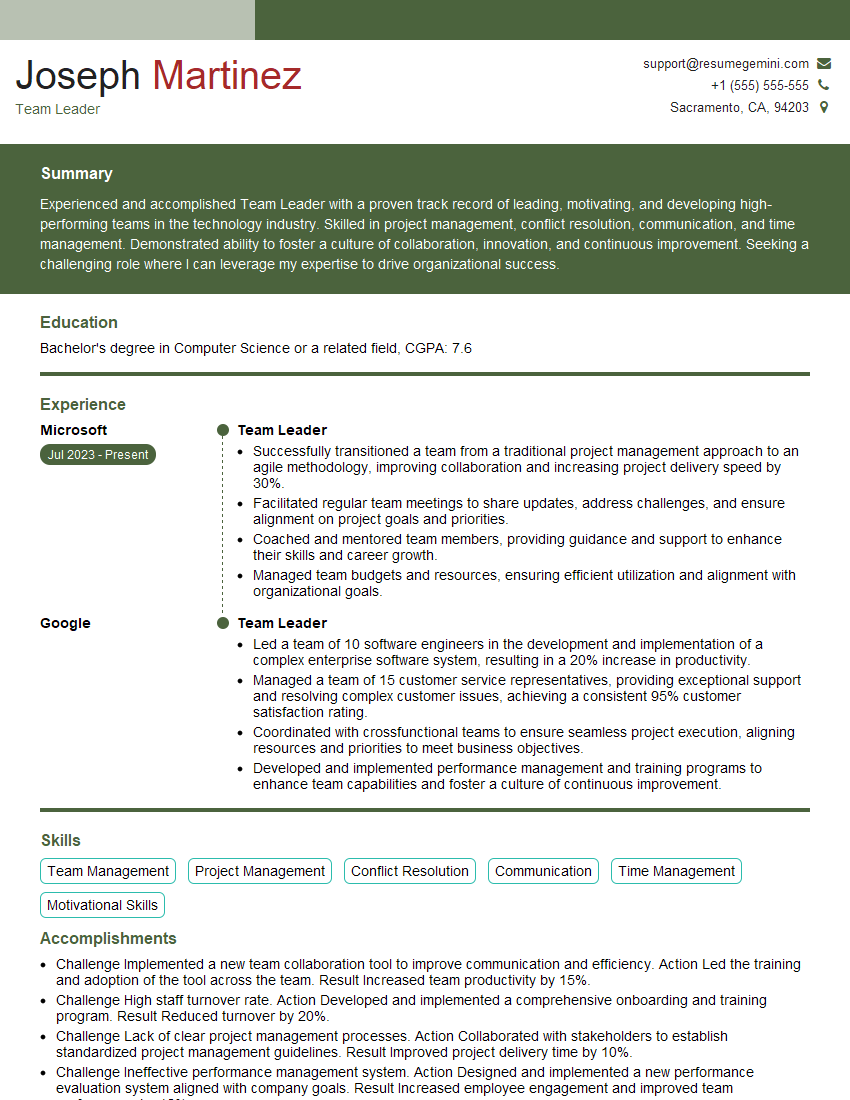
Team Leader Resume Sample
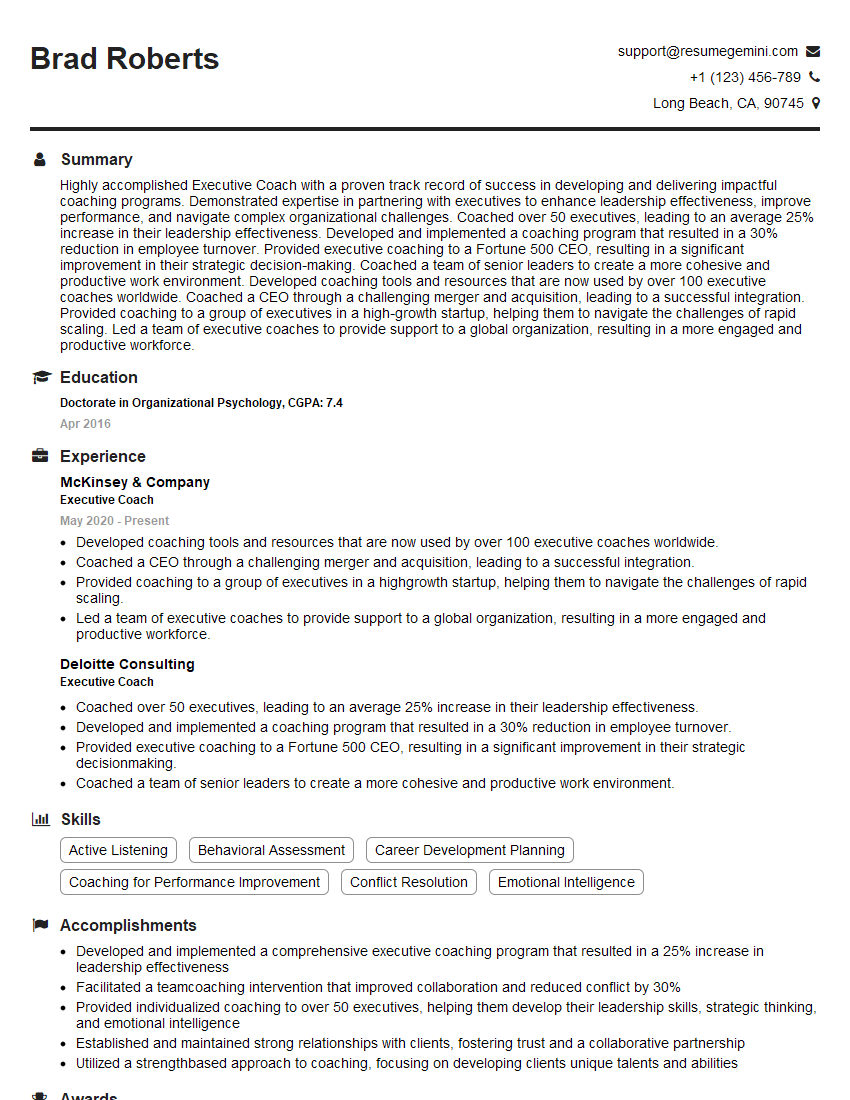
Executive Coach Resume Sample
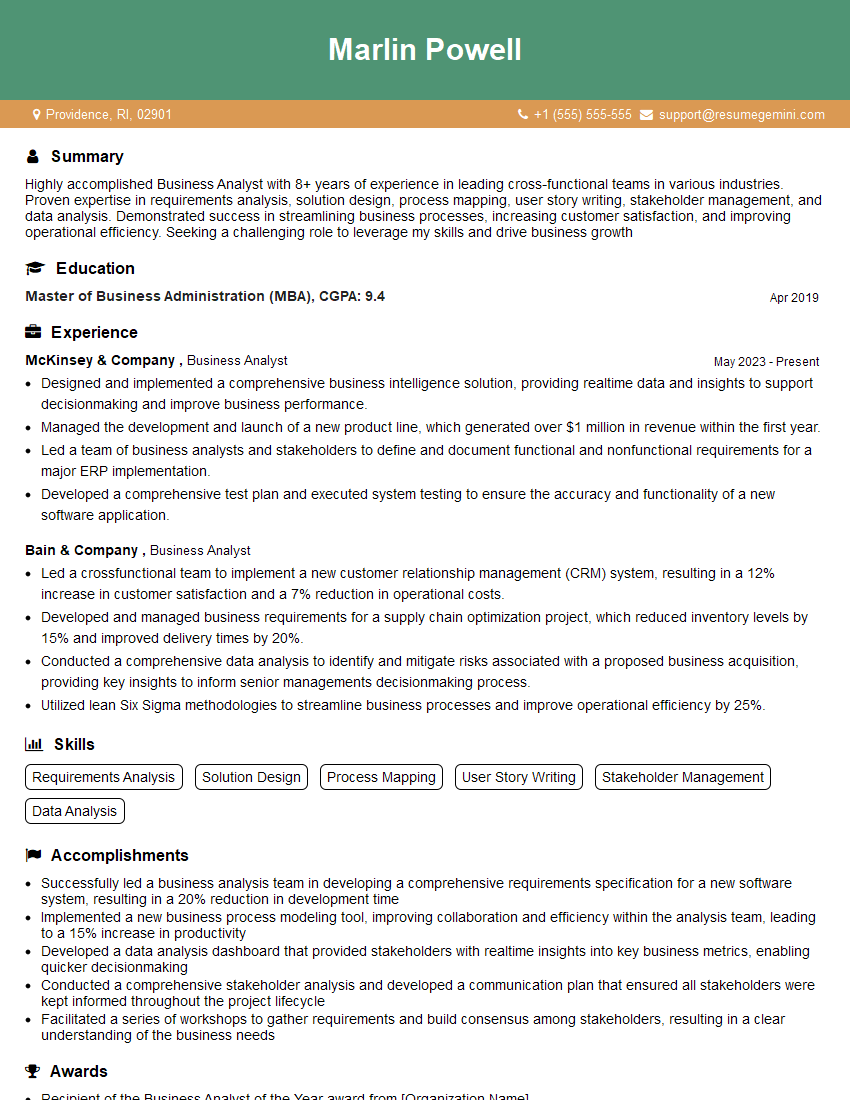
Business Analyst Resume Sample
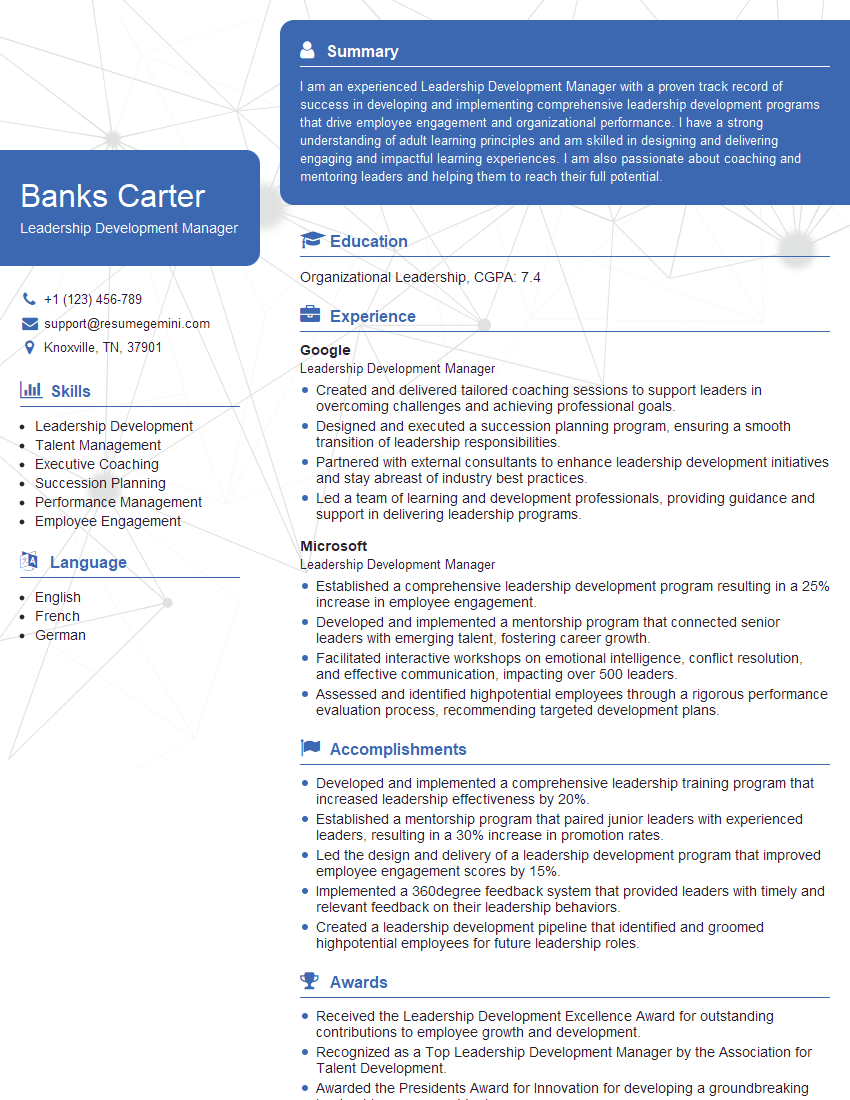
Leadership Development Manager Resume Sample
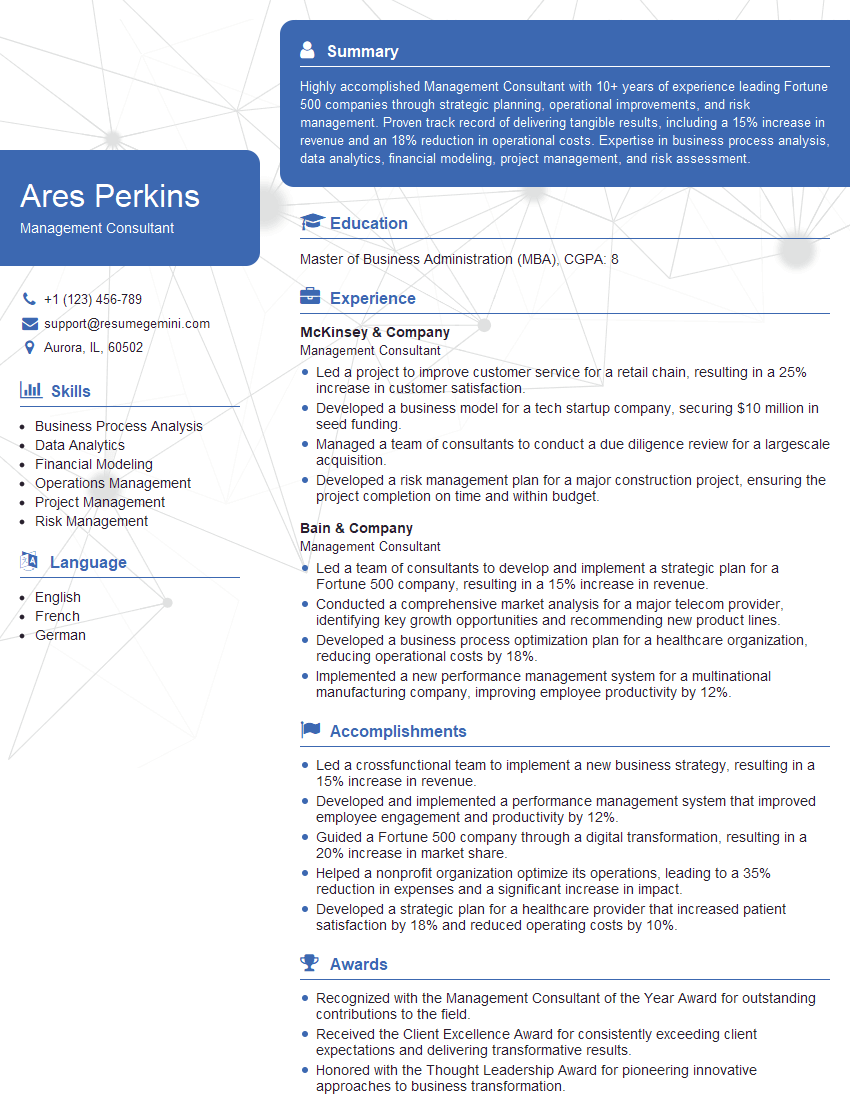
Management Consultant Resume Sample
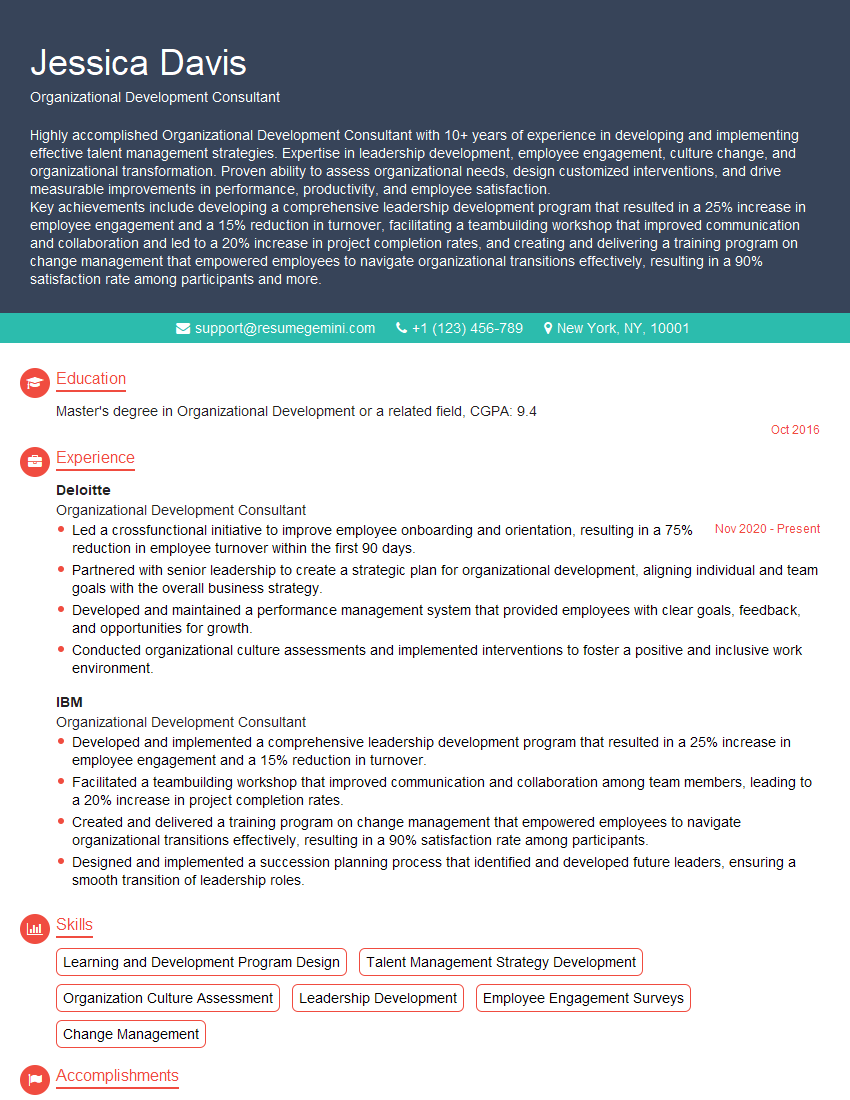
Organizational Development Consultant Resume Sample
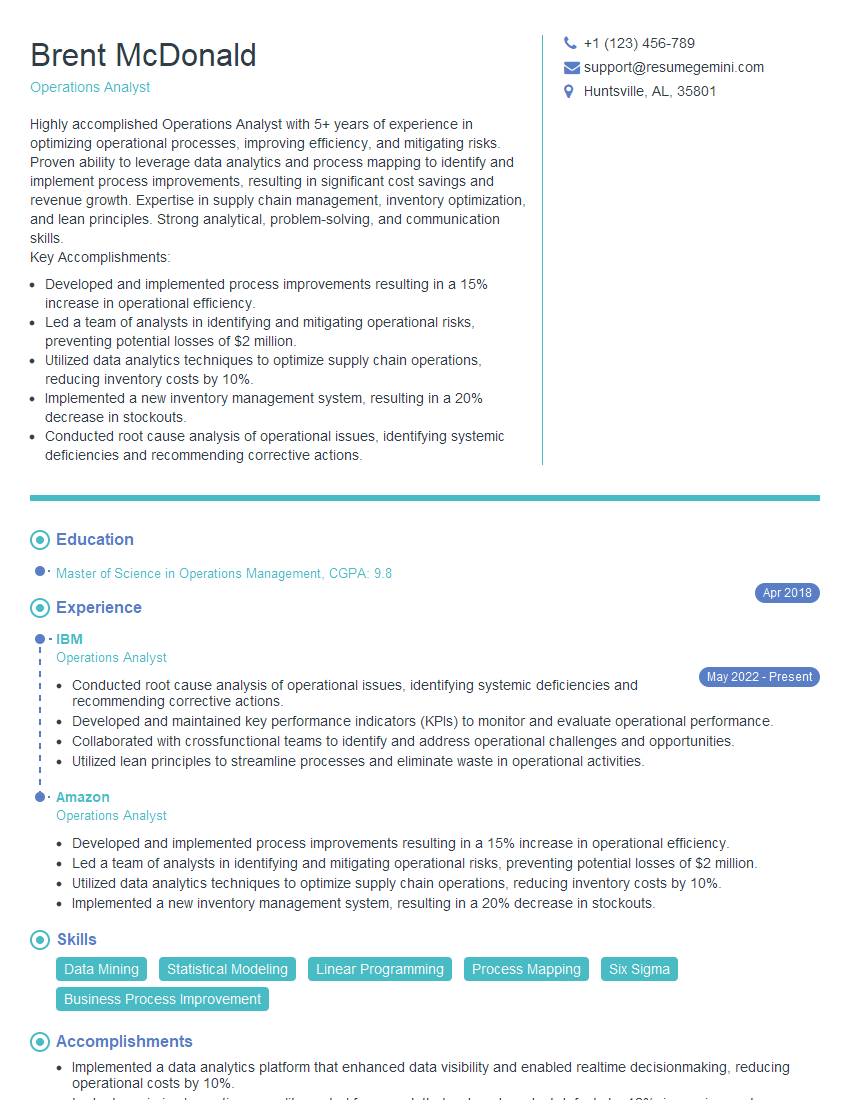
Operations Analyst Resume Sample
- Program Manager
- Strategic Planner
- Operations Manager
- Account Manager
- Marketing Manager
- Sales Manager
- Business Development Manager
- Product Manager
- Director of Operations
- Project Manager
- Project Coordinator
- Chief of Staff
- Team Leader
- Executive Coach
- Business Analyst
- Leadership Development Manager
- Management Consultant
- Organizational Development Consultant
- Operations Analyst
Explore more articles
Users Rating of Our Blogs
Share Your Experience
We value your feedback! Please rate our content and share your thoughts (optional).
What Readers Say About Our Blog
To the interviewgemini.com Webmaster.
Very helpful and content specific questions to help prepare me for my interview!
Thank you
To the interviewgemini.com Webmaster.
This was kind of a unique content I found around the specialized skills. Very helpful questions and good detailed answers.
Very Helpful blog, thank you Interviewgemini team.