Cracking a skill-specific interview, like one for Operate forklifts and other heavy equipment, requires understanding the nuances of the role. In this blog, we present the questions you’re most likely to encounter, along with insights into how to answer them effectively. Let’s ensure you’re ready to make a strong impression.
Questions Asked in Operate forklifts and other heavy equipment Interview
Q 1. What are the different types of forklifts and their applications?
Forklifts come in a variety of types, each designed for specific applications. The choice depends heavily on the type of cargo, the working environment, and operational needs.
- Counterbalance Forklifts: These are the most common type, using counterweights to balance the load. They’re versatile and suitable for various applications, from warehousing to construction sites.
- Reach Trucks: Ideal for narrow aisles in warehouses, reach trucks extend their forks to access pallets deep within racking systems, maximizing storage space. Think of them as the ‘space-saving’ champions of the forklift world.
- Sit-down Rider Forklifts: The operator sits while operating, offering more comfort and control during long shifts. These are common in larger warehouses and distribution centers.
- Stand-up Rider Forklifts: Operators stand while operating, often preferred for shorter tasks or maneuverability in tight spaces. These are great for smaller warehouses or retail settings.
- Order Pickers: Designed for efficient order picking in high-bay warehouses, these forklifts allow operators to pick items at various heights without descending. They are specialized for speed and efficiency.
- Side Loaders: These forklifts load and unload cargo from the side, useful in situations where a traditional forklift can’t easily access the load. Think of loading a container or a truck.
- Rough Terrain Forklifts: Built for uneven and challenging surfaces, these forklifts feature larger tires and more robust frames, making them suited for outdoor construction or lumberyards. Picture them navigating a bumpy construction site with ease.
The choice of forklift is crucial for efficient and safe operation. Selecting the wrong type can lead to accidents, inefficiencies, and damage to both the equipment and the goods being handled.
Q 2. Explain the pre-operational checks you perform on a forklift.
Pre-operational checks are paramount for safe forklift operation. Think of it as a crucial safety briefing before embarking on a journey. These checks should be performed religiously before each and every use.
- Visual Inspection: Check for any visible damage to the forklift, including tires, forks, mast, lights, and body. Look for leaks, cracks, or loose parts.
- Fluid Levels: Verify the levels of engine oil, hydraulic fluid, coolant, and fuel. Low levels indicate potential problems and should be addressed immediately.
- Tires and Wheels: Inspect the tires for proper inflation and any signs of wear or damage. Check the wheels for looseness or damage.
- Brakes: Test the service and parking brakes to ensure they function correctly and effectively.
- Horn and Lights: Verify that the horn and all lights are working correctly, vital for signaling and visibility.
- Steering and Controls: Check the responsiveness of the steering, lift, and tilt controls. Any unusual resistance or sluggishness should be addressed.
- Safety Devices: Ensure that safety devices such as the seat belt, seat switch, and horn are functioning properly.
- Load Capacity: Confirm the load capacity sticker is visible and legible. Overloading is a major cause of accidents.
Documenting these checks through a checklist is highly recommended to maintain a detailed record of forklift maintenance and safety procedures.
Q 3. Describe the safe operating procedures for a forklift.
Safe operation of a forklift requires adherence to strict procedures to ensure both operator and workplace safety. This isn’t just about driving; it’s about responsible material handling.
- Training and Certification: Only trained and certified operators should operate forklifts. This ensures they understand the machine’s capabilities and limitations.
- Speed Limits: Always operate at a safe speed, appropriate for the conditions and load. Avoid sudden stops and starts.
- Load Stability: Ensure the load is properly secured and balanced to prevent tipping. The center of gravity needs careful consideration.
- Load Visibility: Maintain clear visibility of the load and surroundings at all times. Use mirrors and check blind spots.
- Pedestrian Safety: Always yield to pedestrians. Use your horn and lights to warn others of your presence.
- Floor Conditions: Be mindful of floor conditions and avoid operating on uneven or slippery surfaces unless absolutely necessary.
- Load Capacity: Never exceed the forklift’s rated load capacity. This is a critical safety measure.
- Parking: Park the forklift on a level surface, with the forks lowered and the parking brake engaged.
- Emergency Procedures: Familiarize yourself with emergency procedures and know how to shut down the forklift in an emergency situation.
Remember, consistent adherence to safe operating procedures is not just a recommendation; it’s a mandate for preventing accidents and ensuring a safe work environment.
Q 4. How do you load and unload different types of cargo safely?
Loading and unloading cargo safely involves careful planning and execution. The type of cargo dictates the specific techniques.
- Pallet Handling: For pallets, ensure they are stable and properly positioned on the forks. Approach the load slowly and carefully lift, maintaining a stable center of gravity.
- Loose Cargo: For loose cargo, use appropriate handling equipment such as nets or straps to secure the load and prevent shifting or spillage. Smaller items should be loaded in a way that minimizes shifting during transport.
- Oversized Loads: When dealing with oversized or oddly shaped loads, use additional supports or specialized attachments if necessary. This often requires extra caution and might necessitate the assistance of another operator.
- Fragile Cargo: Handle fragile cargo with extreme care. Use cushioning materials to prevent damage during transport. Special fork attachments might also be required.
- Hazardous Materials: When handling hazardous materials, follow all applicable regulations and safety protocols. Often, specialized training and equipment are required.
Before any loading or unloading operation, carefully assess the environment, the cargo type, and potential hazards. Planning ahead is paramount for safe and efficient material handling.
Q 5. What are the weight limits and load capacity considerations for forklifts?
Weight limits and load capacity are critical factors in forklift safety and operation. Exceeding these limits can lead to catastrophic accidents.
Every forklift has a data plate specifying its rated load capacity. This is the maximum weight it can safely lift at a specific center of gravity. This capacity is often dependent on the height of the lift. Lifting a heavy load at maximum height will reduce the permissible weight compared to lifting at a lower height. Factors such as the condition of the forklift, the terrain, and environmental factors (like wind) can also affect the safe operating load. Always check the data plate before lifting and never exceed the specified load capacity.
Understanding the weight distribution within the load is also important. An unevenly distributed load can lead to instability and tipping, even if the total weight is within the capacity. Proper load securing and balancing are crucial to prevent accidents.
Q 6. How do you handle uneven terrain or confined spaces while operating a forklift?
Operating a forklift on uneven terrain or in confined spaces requires extra caution and skill. Improper handling can lead to tipping, collisions, or damage to the forklift and its surroundings.
- Uneven Terrain: On uneven terrain, operate at reduced speed and exercise extra care. Avoid sudden movements and ensure the load is stable.
- Confined Spaces: In confined spaces, maneuver slowly and deliberately. Use mirrors and check blind spots frequently. Be extra cautious of overhead obstructions, particularly when raising or lowering the forks.
- Obstacles: Always be aware of obstacles and potential hazards in your surroundings. Plan your route carefully and avoid sharp turns or sudden movements.
- Turn Radius: Consider the forklift’s turn radius when operating in confined spaces. Avoid sharp turns that might cause the load or the forklift itself to tip.
In these scenarios, experience and skilled operation are essential for preventing accidents. Never attempt to operate a forklift in challenging conditions unless you are properly trained and confident in your abilities.
Q 7. What are the common causes of forklift accidents and how can they be prevented?
Forklift accidents are often preventable. Understanding common causes and implementing preventive measures is vital.
- Operator Error: This is the leading cause of forklift accidents. Examples include speeding, exceeding load capacity, improper load handling, and inadequate training.
- Mechanical Failure: Malfunctioning brakes, steering problems, or hydraulic failures can lead to accidents. Regular maintenance and inspections are crucial to prevent this.
- Unsafe Working Conditions: Poorly lit areas, cluttered aisles, or uneven flooring can increase the risk of accidents.
- Lack of Training: Inadequate training is a major contributing factor. Operators need proper training on safe operating procedures, load handling, and emergency response.
- Lack of Maintenance: Neglecting routine maintenance can lead to mechanical failures and accidents.
Preventive measures include comprehensive operator training, regular maintenance checks, a safe work environment, and strict adherence to safety regulations. Implementing a robust safety program is the best way to minimize forklift accidents. A strong safety culture within the workplace, where safety is prioritized over productivity, makes a significant difference. This includes regular safety meetings and inspections to reinforce safe practices.
Q 8. Explain your understanding of load stability and center of gravity.
Load stability and center of gravity are fundamental concepts in safe forklift operation. The center of gravity (CG) is the point where an object’s weight is evenly distributed. Understanding this is crucial because a load’s stability depends on its CG in relation to the forklift’s support base. If the CG is too high or shifted outside the support base, the load becomes unstable and prone to tipping.
Think of it like this: imagine stacking blocks. If you stack them perfectly centered, they’re stable. But if you start shifting them to one side, they’ll topple. Similarly, a forklift carrying a load with a high CG or improperly positioned is at a much higher risk of tipping.
To ensure load stability:
- Keep the load’s CG as low as possible.
- Distribute the weight evenly across the forks.
- Avoid sharp turns or sudden braking, especially with heavier loads.
- Assess the terrain – uneven surfaces reduce stability.
Regularly checking the load’s securement and ensuring the forks are properly positioned are critical steps to maintain stability and prevent accidents.
Q 9. How do you identify and report potential hazards in the workplace?
Identifying and reporting potential hazards is a proactive approach to safety. My process involves regular, thorough inspections of the work area, paying close attention to details.
- Visual Inspection: I systematically scan the area for things like spills, obstructions (e.g., pallets, debris, cords), uneven surfaces, poor lighting, and damaged equipment.
- Operational Checks: I inspect the forklift itself, checking fluid levels, tire pressure, lights, horn, and overall mechanical condition. Any issues are noted immediately.
- Traffic Flow: I observe pedestrian and vehicle traffic patterns, looking for potential conflicts. Areas with heavy traffic or blind spots require extra caution.
- Reporting: Any identified hazards are immediately reported to my supervisor using the established reporting system. This might involve a written report, verbal notification, or an incident report form, depending on the severity of the hazard.
For example, if I notice a pallet obstructing an aisle, I’d immediately report it to prevent a potential collision. If I see a crack in the forklift’s mast, I’d report it for repair to prevent a potential catastrophic failure. Proactive hazard identification and reporting prevent accidents before they happen.
Q 10. What are the emergency procedures in case of a forklift malfunction?
Forklift malfunctions require swift and decisive action to ensure safety. My procedure follows these steps:
- Immediate Stop: If I notice any malfunction – loss of power, steering failure, brake issues, unusual noises – I immediately bring the forklift to a complete stop in a safe location, away from traffic and hazards.
- Assessment: I assess the situation and the nature of the malfunction. Is it a minor issue that I can safely handle, or does it require immediate professional attention?
- Secure the Area: I use warning devices (e.g., warning lights, cones) to alert others of the malfunction and to secure the immediate area around the forklift, preventing others from approaching.
- Report the Incident: I immediately report the malfunction to my supervisor using the established procedures. I provide details about the malfunction, my location, and any contributing factors.
- Await Assistance: I stay with the forklift, following company safety protocols, and wait for qualified personnel to assess and repair the equipment.
Never attempt to repair a malfunctioning forklift yourself unless you are specifically trained and authorized to do so. Safety is paramount.
Q 11. Describe your experience with different types of attachments for forklifts (e.g., clamps, forks).
My experience encompasses various forklift attachments, each suited for specific tasks. I’m proficient in operating forklifts with:
- Standard Forks: These are the most common and used for palletised loads. I’m experienced in adjusting fork spacing to accommodate various pallet sizes and ensuring secure load placement.
- Clamps: I’ve used various clamp types (e.g., paper roll clamps, bale clamps) for handling materials like paper rolls, bales of materials, or other irregularly shaped items. Proper clamping technique is crucial to prevent damage to the load and the equipment.
- Side Shifters: These attachments allow for lateral movement of the forks, enabling precise placement of loads even in tight spaces. This improves efficiency and reduces the need for multiple maneuvers.
- Rotating Forks: I’ve used these for rotating loads 90 degrees, which is useful when stacking or placing materials in a specific orientation.
Safe operation of these attachments involves understanding their capabilities, limitations, and specific operating procedures. For example, ensuring the correct clamp pressure for different materials prevents damage or slippage. I always consult the operator’s manual before using any attachment and always receive proper training before operating them.
Q 12. How do you maintain a clean and organized work area?
Maintaining a clean and organized work area is a crucial aspect of safety and efficiency. My approach involves:
- Regular Cleaning: I regularly sweep or use a cleaning machine to remove debris, spills, and any obstructions from the aisles and work area. This prevents accidents caused by tripping hazards.
- Organized Storage: Pallets and materials are stored neatly and systematically, ensuring clear access and efficient movement of the forklift and other equipment.
- Proper Disposal: Waste materials are properly disposed of according to company protocols. This includes separating different types of waste and using appropriate disposal containers.
- Preventive Maintenance: I regularly inspect my assigned area for any potential hazards and address them promptly. This could involve reporting a damaged pallet, removing a loose object, or reporting poor lighting.
A clean and organized workplace reduces the risk of accidents, improves efficiency, and creates a safer working environment for everyone.
Q 13. What is your experience with inventory management systems related to forklift operations?
My experience with inventory management systems related to forklift operations includes using warehouse management systems (WMS) to track inventory movements and optimize stock location. I’m familiar with using scanners to update inventory levels after material handling, confirming loads before transport, and validating deliveries.
For example, in a previous role, I used a WMS that provided real-time updates on inventory location and quantity. This system guided me to the correct storage location for new materials and helped me find the needed materials quickly and accurately. The system also helped to manage and track material movements to improve warehouse efficiency.
This integration of forklift operations with inventory management systems streamlines the entire warehouse process, minimizing delays, reducing errors, and enhancing overall productivity.
Q 14. How do you ensure compliance with OSHA regulations for forklift operation?
OSHA compliance is paramount in my work. I ensure compliance through several key practices:
- Pre-Shift Inspections: Before operating the forklift, I conduct a thorough pre-shift inspection to ensure it’s in safe working condition. I check fluid levels, tire pressure, lights, brakes, horn, and any attachments.
- Following Procedures: I strictly adhere to all company safety protocols and OSHA regulations regarding forklift operation. This includes speed limits, load capacity limits, and safe operating procedures for various attachments.
- Training and Certification: I hold the necessary certifications and have undergone regular refresher training to ensure my skills and knowledge are up-to-date and compliant with OSHA standards.
- Reporting: Any incidents, near misses, or safety concerns are promptly reported to my supervisor using the established channels.
- Personal Protective Equipment (PPE): I consistently wear the required PPE, including safety shoes, high-visibility vests, and hearing protection, as necessary.
OSHA compliance isn’t just a set of rules; it’s a commitment to safety. By adhering to these regulations, I ensure a safe working environment for myself and others.
Q 15. Describe your experience with preventative maintenance on forklifts.
Preventative maintenance is crucial for ensuring the longevity and safe operation of forklifts. My experience encompasses a comprehensive approach, focusing on both daily checks and scheduled servicing. Daily checks involve visually inspecting tires, hydraulic fluid levels, lights, and the overall structural integrity of the forklift. I meticulously check for leaks, unusual noises, and any signs of damage. Scheduled maintenance, typically following the manufacturer’s guidelines, includes more in-depth procedures like changing fluids (engine oil, hydraulic oil, coolant), inspecting and replacing worn brake pads, and lubricating moving parts. I’m proficient in using various diagnostic tools to identify potential issues before they escalate into major problems. For instance, I once noticed a slight decrease in hydraulic pressure during a routine check. Further investigation revealed a small leak in a hose, which was promptly replaced, preventing a costly hydraulic system failure.
I maintain detailed records of all maintenance activities, including dates, performed tasks, and any parts replaced. This documentation is vital for tracking the forklift’s history and ensuring compliance with safety regulations. My approach emphasizes a proactive rather than reactive strategy, minimizing downtime and maximizing operational efficiency. I firmly believe that regular preventative maintenance is the most cost-effective way to maintain a reliable and safe fleet of forklifts.
Career Expert Tips:
- Ace those interviews! Prepare effectively by reviewing the Top 50 Most Common Interview Questions on ResumeGemini.
- Navigate your job search with confidence! Explore a wide range of Career Tips on ResumeGemini. Learn about common challenges and recommendations to overcome them.
- Craft the perfect resume! Master the Art of Resume Writing with ResumeGemini’s guide. Showcase your unique qualifications and achievements effectively.
- Don’t miss out on holiday savings! Build your dream resume with ResumeGemini’s ATS optimized templates.
Q 16. How do you handle conflicts or disagreements with coworkers?
Conflict resolution is an essential skill in any team environment. My approach is centered on open communication and a collaborative problem-solving mindset. When disagreements arise, I strive to understand the other person’s perspective before stating my own. I actively listen, ask clarifying questions, and aim to identify the root cause of the conflict. I believe in maintaining a professional and respectful tone, even when discussing challenging issues. If a solution can’t be reached directly, I’m comfortable seeking mediation from a supervisor or team leader, ensuring that all parties involved feel heard and understood. For example, I once had a disagreement with a coworker regarding the most efficient loading procedure. Instead of arguing, we collaboratively tested different methods, analyzed the results, and ultimately agreed on the most effective approach, improving our overall team performance.
Q 17. How do you prioritize tasks and manage your time effectively?
Effective time management is vital, especially in a busy warehouse setting. I utilize a combination of techniques to prioritize tasks and ensure efficiency. I start each day by reviewing my assigned tasks and creating a prioritized list based on urgency and importance. This might involve using a checklist or a digital task management tool. I allocate specific time blocks for different tasks, ensuring that I’m focused on one thing at a time, minimizing distractions. I also learn to anticipate potential delays and build in buffer time to accommodate unexpected events. For instance, if I know a certain task will take longer, I schedule it early in the day to avoid any potential time constraints later on. Furthermore, I proactively communicate with my team and supervisors to ensure transparency and coordination, preventing bottlenecks and unnecessary delays.
Q 18. What is your experience with different types of heavy equipment (e.g., cranes, excavators)?
Beyond forklifts, I possess experience operating various types of heavy equipment, including cranes and excavators. While my primary focus has been on forklifts, I’ve had opportunities to operate cranes during loading and unloading operations, specifically overseeing the lifting and placement of heavy materials. This experience has provided me with a solid understanding of safety protocols and load-bearing capacities for different types of equipment. With excavators, I have limited experience, primarily observing and assisting operators in smaller projects. I understand the principles of operation and the importance of adhering to stringent safety guidelines when operating such powerful machinery. I am always eager to expand my knowledge and skills in this area.
Q 19. Describe your experience working in a fast-paced environment.
I thrive in fast-paced environments. My experience in warehousing and logistics has provided ample opportunity to work under pressure and meet tight deadlines. I remain calm under pressure, prioritize tasks effectively, and maintain a focus on safety and accuracy. My ability to multitask and adapt quickly to changing circumstances allows me to efficiently manage various tasks simultaneously, even during peak operational periods. For instance, during peak shipping seasons, I’ve consistently managed to maintain high levels of productivity while adhering to all safety protocols. I see the energy and efficiency of a fast-paced environment as a challenge rather than a deterrent. It’s where I excel.
Q 20. How do you adapt to changing work conditions or unexpected events?
Adaptability is key in this field. I approach changing work conditions and unexpected events with a flexible and problem-solving mindset. If something unexpected occurs, such as a equipment malfunction, I immediately assess the situation, identify the problem, and implement the appropriate solution, whether that involves minor repairs, reporting the issue to maintenance, or finding a safe alternative approach to complete the task. For instance, I once encountered a sudden power outage during a crucial loading operation. Instead of panicking, I immediately switched to a backup power source, coordinating with my team to ensure the safety of personnel and the continued efficiency of the operation, minimizing any disruption. My approach is always to prioritize safety while finding creative solutions to overcome challenges.
Q 21. Explain your understanding of load-bearing capacities of different equipment.
Understanding load-bearing capacities is paramount for safe and efficient operation of heavy equipment. Each piece of equipment, whether it’s a forklift, crane, or excavator, has specific weight limits that must never be exceeded. These limits are typically specified by the manufacturer and are crucial to preventing accidents and equipment damage. For forklifts, this includes the load capacity of the forks themselves, which varies based on the forklift model and the position of the load. Cranes have different weight limits depending on the boom length and angle, while excavators have limits based on the bucket size and the type of material being handled. I always consult the operator’s manual and any relevant safety guidelines before operating any heavy equipment to ensure that I am always aware of the load-bearing capacity and operating within safe limits. Failure to do so can result in serious accidents and significant damage.
Q 22. What are your strategies for ensuring workplace safety?
Workplace safety is paramount in operating heavy equipment. My strategy is multifaceted and focuses on proactive measures, consistent adherence to regulations, and a commitment to continuous improvement.
- Pre-shift inspections: Before every shift, I meticulously inspect the forklift for any mechanical issues – checking tires, hydraulics, lights, and safety features. Think of it like a pilot performing a pre-flight check; it’s essential for safe operation.
- Following safety protocols: I strictly adhere to all company safety policies and regulations, including speed limits, load capacity limits, and pedestrian safety procedures. This includes wearing appropriate safety gear at all times, such as high-visibility vests and safety shoes.
- Awareness of surroundings: I maintain constant awareness of my surroundings, paying close attention to pedestrians, other equipment, and potential obstacles. This involves using horns and mirrors effectively and slowing down in congested areas. Imagine navigating a busy city street – you need to anticipate others’ movements.
- Communication: Clear and concise communication with coworkers and supervisors is crucial to prevent accidents. I use hand signals and verbal communication when necessary to ensure everyone is aware of my movements.
- Reporting hazards: I promptly report any unsafe conditions or potential hazards to my supervisor, ensuring immediate action is taken to prevent accidents.
My approach is not simply following rules, but truly internalizing a safety-first mindset. I believe that anticipating potential problems is just as important as reacting to them.
Q 23. Describe your experience with using a forklift in a warehouse setting.
My experience in warehouse forklift operation spans five years, encompassing various tasks such as loading, unloading, stacking, and transporting goods. I’ve worked with diverse warehouse layouts, including narrow aisles and high-stacked racking systems. I’m proficient in operating both sit-down and stand-up forklifts, adapting my technique to the specific task and environment.
- Efficient order fulfillment: I’ve consistently met and exceeded targets for order fulfillment, efficiently moving goods within the warehouse and minimizing downtime. This includes optimizing routes and utilizing the forklift’s features to their fullest capacity.
- Inventory management: My experience involves assisting with inventory management by accurately placing and retrieving goods. This includes working closely with inventory control systems and adhering to strict inventory procedures to maintain accuracy and prevent damage.
- Load stability: I’m adept at safely handling diverse loads, ensuring proper weight distribution and secure placement to prevent accidents or damage to goods. Understanding center of gravity is critical here.
- Safety record: Throughout my employment, I’ve maintained a clean safety record, demonstrating my commitment to safe operating practices.
In essence, I’m not just operating a machine; I’m a crucial part of a well-oiled warehouse operation, contributing to smooth and efficient workflows.
Q 24. What is your experience with using a forklift in an outdoor setting?
My experience with outdoor forklift operation includes working on construction sites and in lumber yards. This environment presents unique challenges compared to warehouse settings, requiring greater awareness of uneven terrain, weather conditions, and potentially larger loads.
- Terrain navigation: I’m skilled at navigating uneven terrain, including gravel, mud, and slopes, adjusting my speed and technique accordingly. This requires understanding the forklift’s limitations and operating within its capabilities.
- Weather awareness: I adapt my operating techniques to various weather conditions, such as rain, snow, and strong winds. Reduced visibility and slippery surfaces demand extra caution and slower speeds.
- Load security: Outdoor loads often require additional securing measures to prevent shifting during transport, especially on uneven surfaces. Proper strapping and securing techniques are essential.
- Safety considerations: Outdoor operations necessitate increased awareness of external factors like pedestrian and vehicle traffic, which can be unpredictable.
Outdoor forklift operation demands a higher level of situational awareness and adaptability, skills I’ve honed through experience.
Q 25. Describe a time you had to troubleshoot a problem with a forklift.
During a busy shift, the forklift’s hydraulics suddenly malfunctioned, resulting in a slow and sluggish lift. My initial reaction was to immediately shut down the machine and assess the situation. I checked the hydraulic fluid levels and found them to be low. However, simply refilling the fluid didn’t solve the problem. The lift remained sluggish.
After a careful inspection, I noticed a small leak in one of the hydraulic lines. While I’m not a mechanic, I knew enough to understand this was a serious issue, and I immediately contacted my supervisor to report the problem and request assistance from a qualified mechanic. We followed proper lockout/tagout procedures to prevent accidental operation while the repair was underway. The mechanic identified and repaired the leak. The situation highlighted the importance of regular maintenance and prompt reporting of mechanical issues to prevent further problems and potential accidents.
Q 26. How do you communicate effectively with supervisors and coworkers?
Effective communication is critical in any team environment, especially when operating heavy equipment. I believe in open, honest, and proactive communication. I strive to be clear and concise in my interactions with both my supervisors and coworkers.
- Clear reporting: I keep my supervisor updated on my progress, any challenges encountered, and any potential safety hazards. I use clear and concise language, avoiding jargon.
- Active listening: I actively listen to instructions and feedback, ensuring I understand expectations and incorporating that feedback into my work.
- Teamwork: I collaborate effectively with coworkers, offering assistance when needed and maintaining open communication to coordinate movements and prevent collisions.
- Respectful dialogue: I maintain a respectful and professional demeanor in all communications, resolving conflicts through collaborative discussion.
My communication style is based on mutual respect and a shared commitment to safety and efficiency. Clear communication builds trust and prevents misunderstandings, contributing to a safer and more productive work environment.
Q 27. What are your career goals related to operating forklifts and other heavy equipment?
My career goals involve continued professional development in heavy equipment operation, potentially specializing in specific types of forklifts or equipment, such as reach trucks or container handlers. I’m also interested in gaining certifications to expand my skillset and enhance my career prospects. Ultimately, I aim to become a highly skilled and respected heavy equipment operator, known for my safety record and efficiency.
Long-term, I see myself potentially mentoring newer operators or taking on a supervisory role, sharing my knowledge and experience to contribute to a safe and productive workplace. I’m committed to continuous learning and improvement, adapting to the ever-evolving demands of the industry.
Key Topics to Learn for Operate forklifts and other heavy equipment Interview
- Forklift Operation Fundamentals: Understanding pre-operation checks, safe operating procedures, load capacity limits, and maneuvering techniques in various environments.
- Types of Forklifts and Attachments: Familiarity with different forklift types (e.g., counterbalance, reach truck, order picker) and their appropriate applications. Knowledge of various attachments (e.g., clamps, side-shifters) and their functionalities.
- Safety Regulations and Procedures: Deep understanding of OSHA (or relevant regional) safety regulations for forklift operation, including load stability, pedestrian safety, and emergency procedures. Demonstrating knowledge of pre-shift inspections and reporting procedures.
- Load Handling and Stability: Practical application of load securing techniques, understanding center of gravity, and recognizing potential hazards related to unstable loads. Ability to explain how to assess and manage risks associated with load weight and distribution.
- Maintenance and Troubleshooting: Basic understanding of routine maintenance checks, identification of common mechanical issues, and reporting procedures for malfunctions. Demonstrating proactive problem-solving skills in potential equipment issues.
- Other Heavy Equipment Operation (if applicable): Depending on the specific job description, prepare to discuss experience with other heavy equipment like loaders, excavators, or cranes. Highlighting transferable skills and safety practices across equipment types.
- Warehouse and Logistics Processes: Understanding of warehouse layout, inventory management, and efficient material handling workflows. Demonstrating the ability to integrate forklift operation within a broader logistical context.
Next Steps
Mastering the operation of forklifts and other heavy equipment opens doors to rewarding careers in logistics, warehousing, and construction, offering opportunities for growth and specialization. To maximize your job prospects, create a strong, ATS-friendly resume that effectively showcases your skills and experience. ResumeGemini is a trusted resource that can help you build a professional and impactful resume tailored to the specific requirements of the jobs you’re targeting. Examples of resumes tailored to Operate forklifts and other heavy equipment are available to guide you through the process. Invest time in crafting a compelling resume – it’s your first impression with potential employers!

Crane Operator Resume Sample
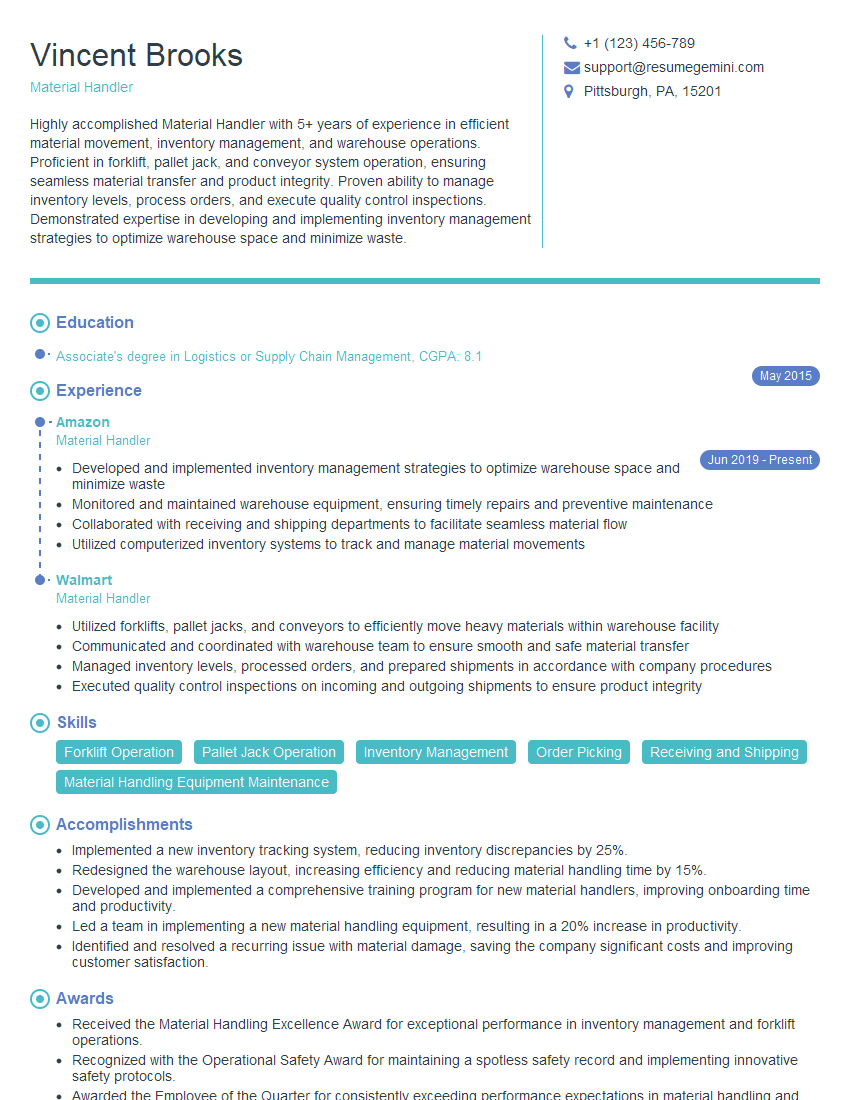
Material Handler Resume Sample
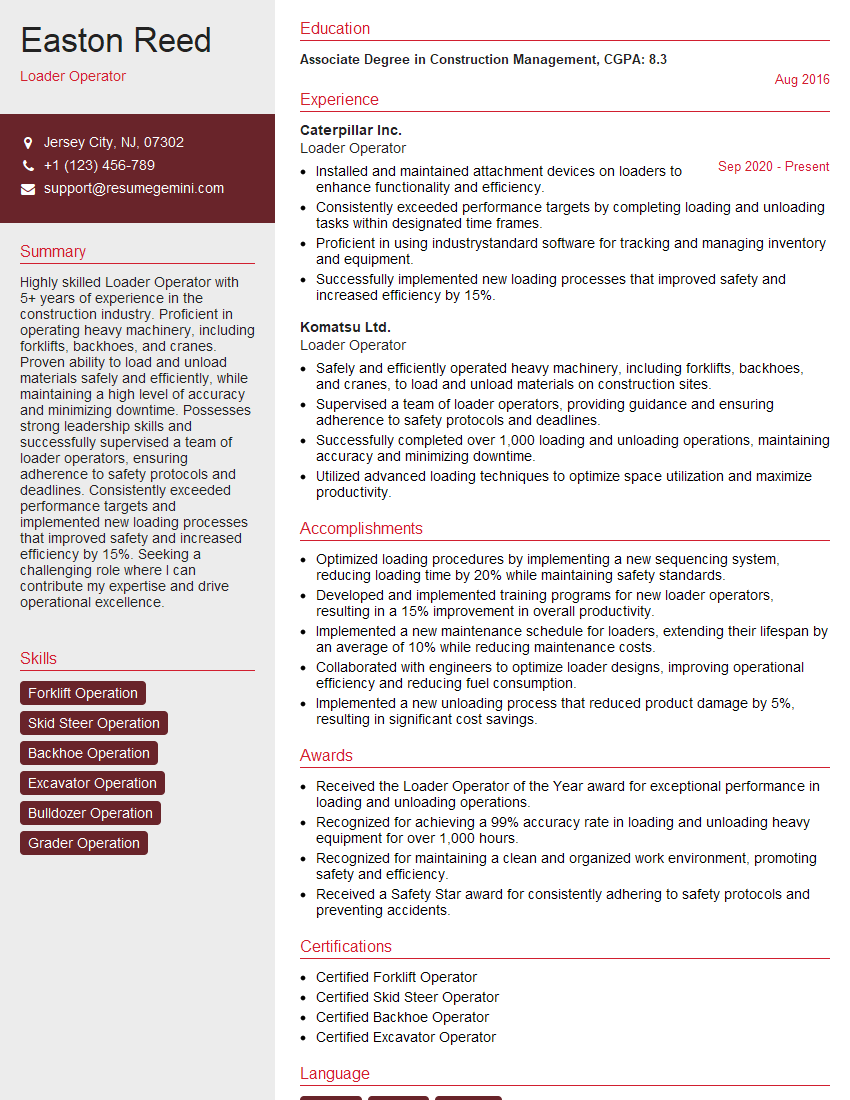
Loader Operator Resume Sample

Heavy Equipment Operator Resume Sample
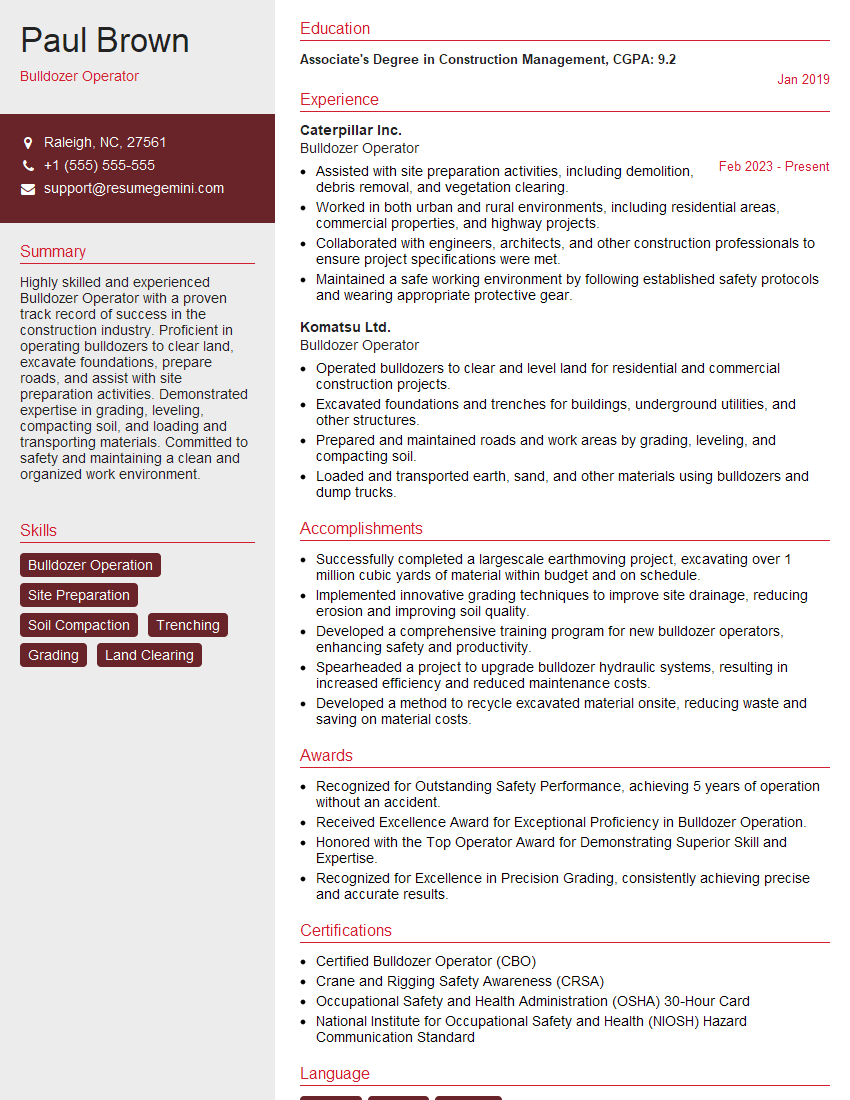
Bulldozer Operator Resume Sample
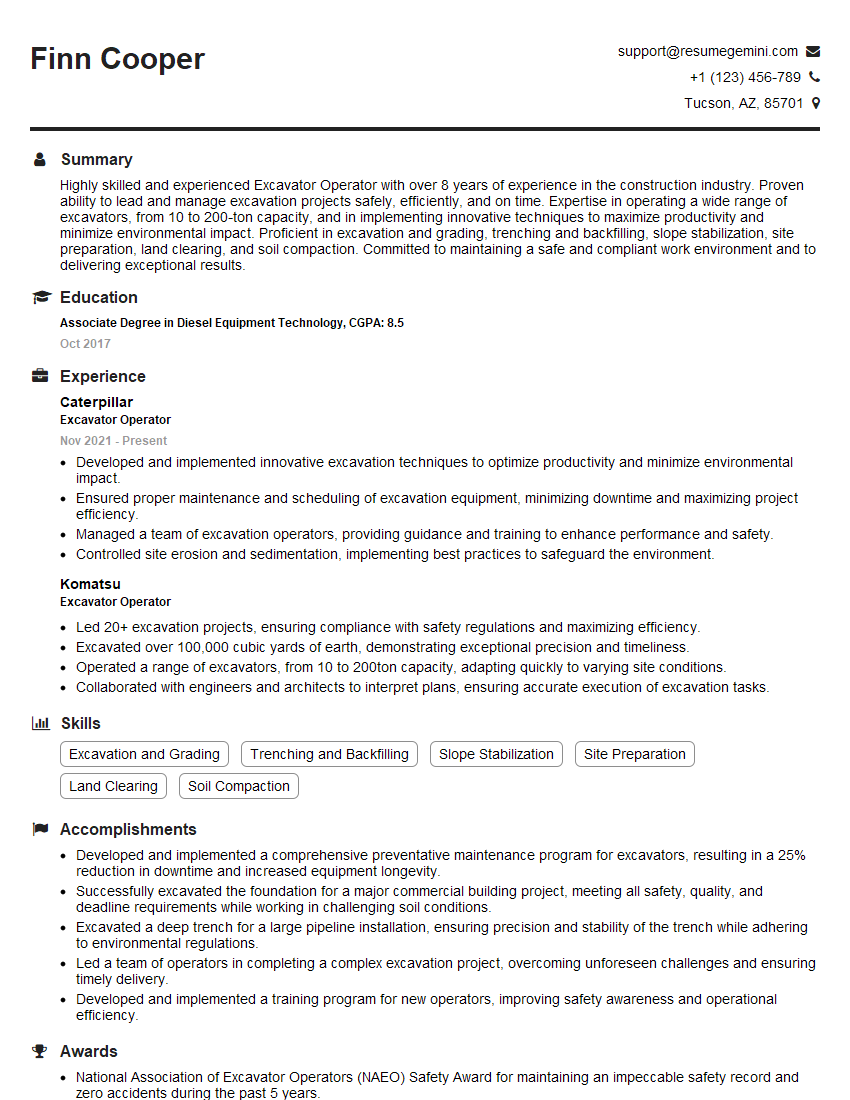
Excavator Operator Resume Sample
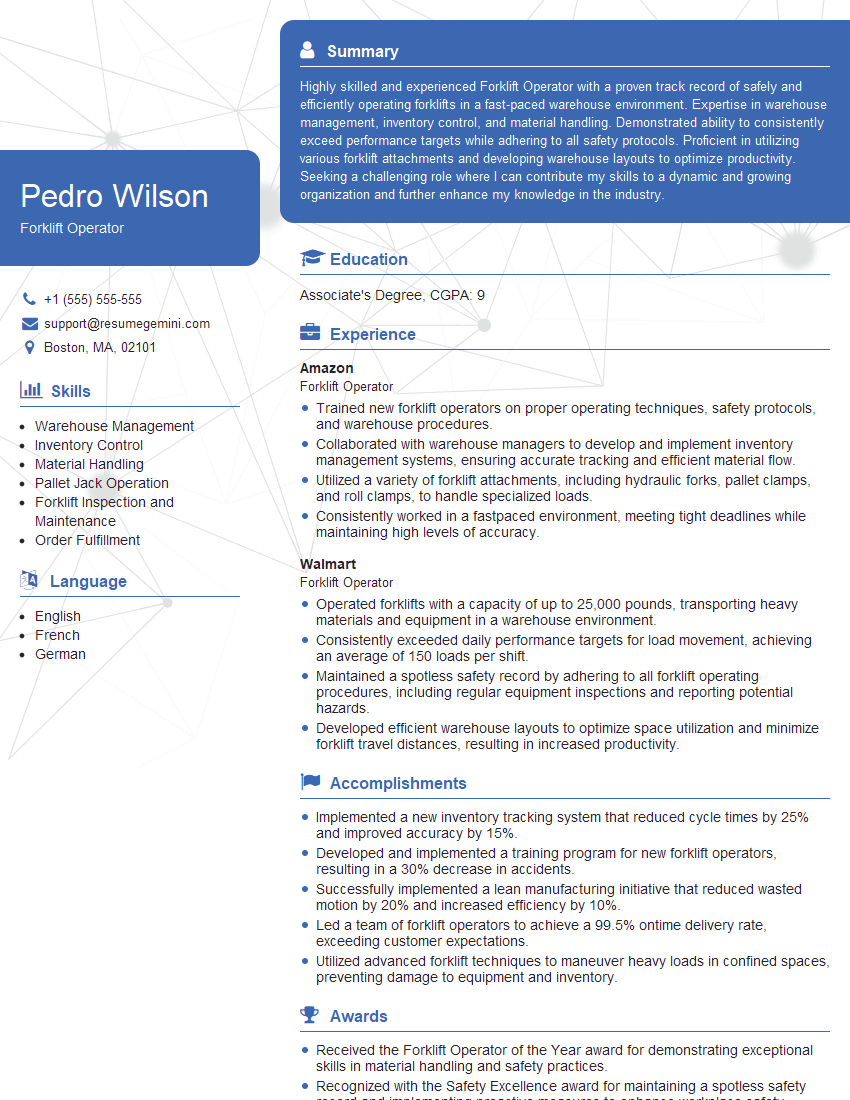
Forklift Operator Resume Sample
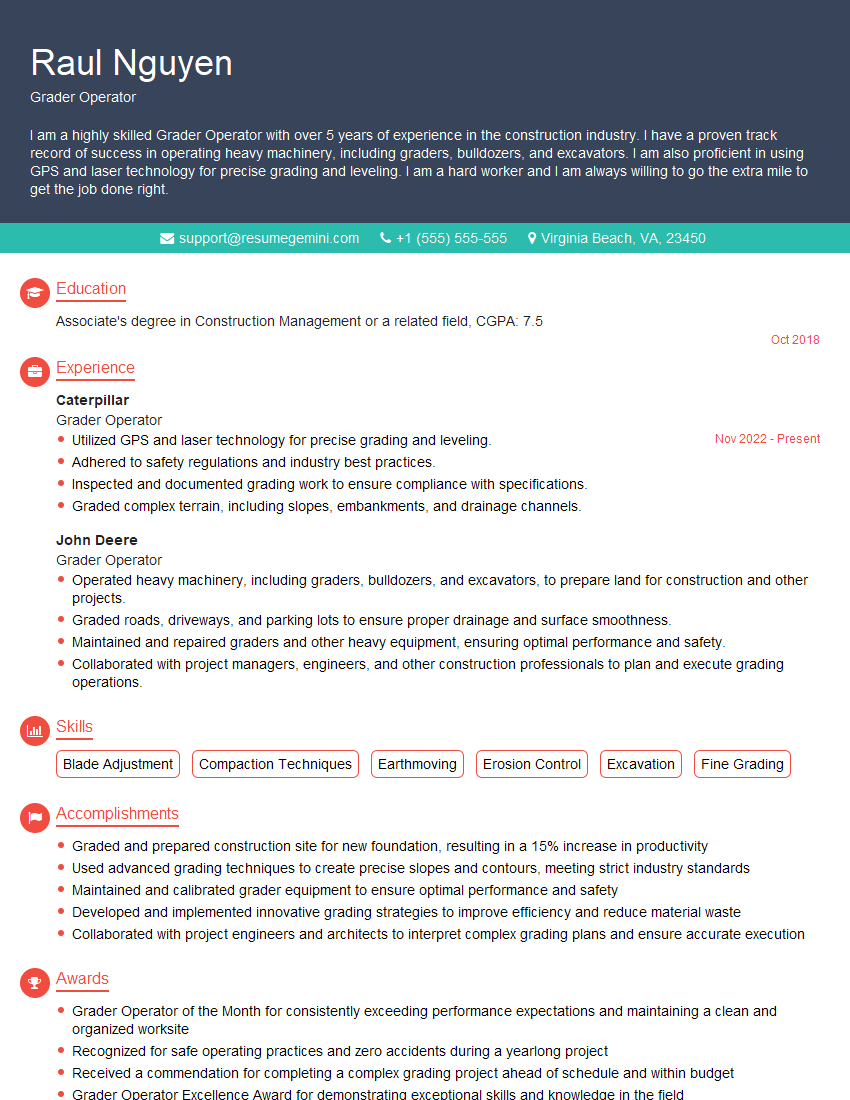
Grader Operator Resume Sample
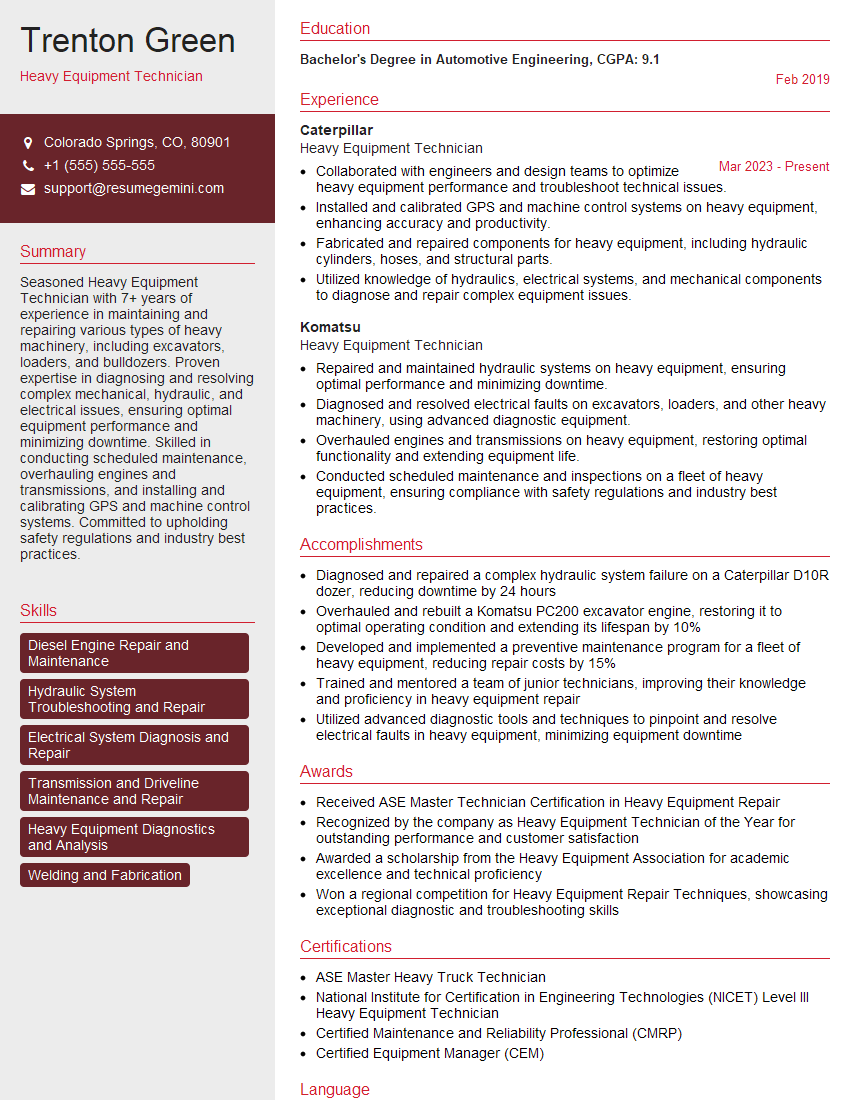
Heavy Equipment Technician Resume Sample
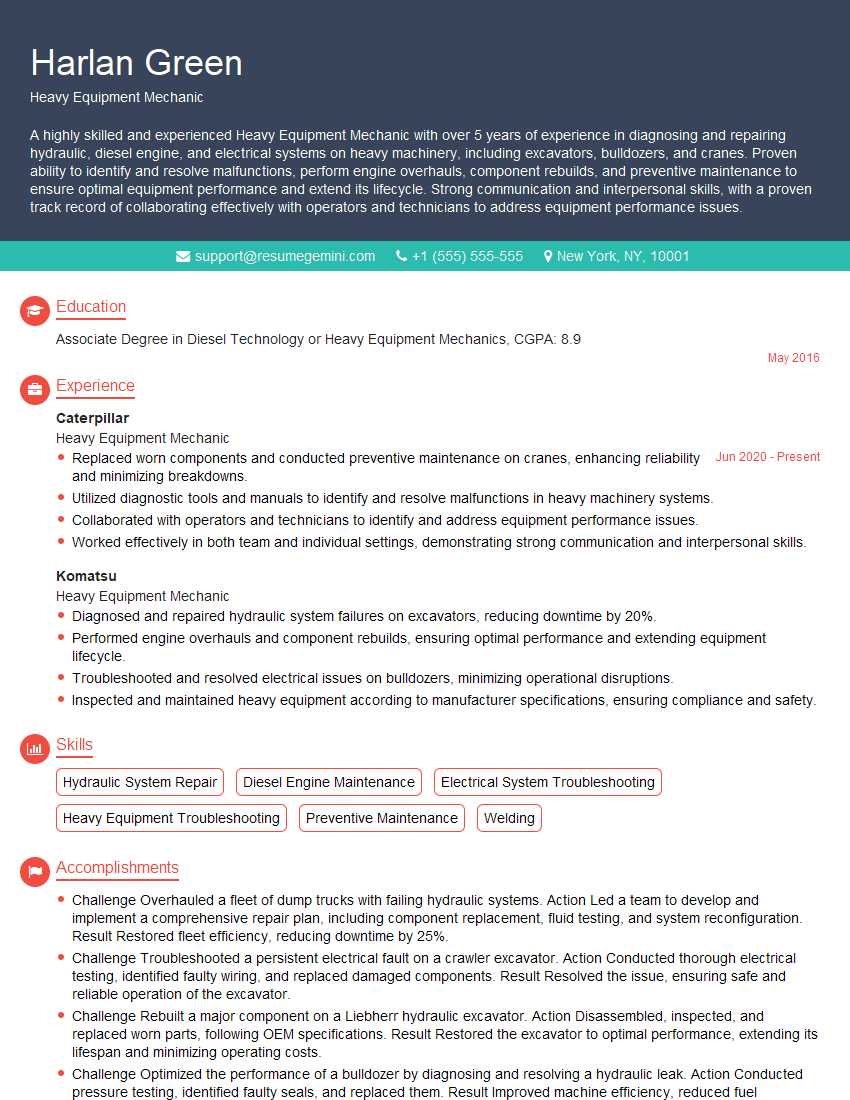
Heavy Equipment Mechanic Resume Sample
Explore more articles
Users Rating of Our Blogs
Share Your Experience
We value your feedback! Please rate our content and share your thoughts (optional).
What Readers Say About Our Blog
To the interviewgemini.com Webmaster.
Very helpful and content specific questions to help prepare me for my interview!
Thank you
To the interviewgemini.com Webmaster.
This was kind of a unique content I found around the specialized skills. Very helpful questions and good detailed answers.
Very Helpful blog, thank you Interviewgemini team.