Interviews are more than just a Q&A session—they’re a chance to prove your worth. This blog dives into essential Monitor and maintain safety systems interview questions and expert tips to help you align your answers with what hiring managers are looking for. Start preparing to shine!
Questions Asked in Monitor and maintain safety systems Interview
Q 1. Describe your experience with different types of safety systems (e.g., fire suppression, lockout/tagout, emergency shutdown).
My experience encompasses a wide range of safety systems, focusing on proactive prevention and reactive mitigation. I’ve worked extensively with fire suppression systems, from designing and implementing sprinkler systems and fire alarm panels in large industrial facilities to conducting regular inspections and maintenance, ensuring compliance with NFPA standards. Lockout/Tagout (LOTO) procedures are another area of expertise; I’ve trained personnel, audited LOTO practices, and developed comprehensive programs to prevent accidental energy releases during maintenance. This includes implementing best practices across various equipment, from simple machinery to complex automated systems. Finally, Emergency Shutdown Systems (ESD) are crucial; I’ve been involved in the design review, testing, and maintenance of ESD systems, understanding the criticality of their functionality in preventing catastrophic events. This has included working with programmable logic controllers (PLCs) and safety instrumented systems (SIS) to ensure reliable and timely shutdown in hazardous situations.
For instance, in one project, I identified a flaw in a fire suppression system’s design that could have resulted in insufficient water pressure to a critical area. Through detailed analysis and simulations, we redesigned the system, improving safety and compliance. Another project involved implementing a new LOTO procedure that streamlined the process, reduced downtime, and improved worker adherence, leading to a significant decrease in near-miss incidents.
Q 2. Explain your understanding of risk assessment methodologies (e.g., HAZOP, FMEA).
Risk assessment methodologies are vital for proactive safety management. I’m proficient in HAZOP (Hazard and Operability Study) and FMEA (Failure Mode and Effects Analysis). HAZOP employs a systematic approach using guide words (e.g., ‘no,’ ‘more,’ ‘less’) to explore potential deviations from intended operation, identifying hazards and recommending mitigating controls. FMEA, on the other hand, focuses on identifying potential failure modes of individual components or systems, evaluating their severity, occurrence, and detectability to prioritize risk reduction efforts.
In a recent project involving a chemical processing plant, we used HAZOP to identify a potential overpressure scenario in a reactor. This led to the installation of a new pressure relief valve, significantly reducing the risk of a catastrophic explosion. In another project, we utilized FMEA to analyze the failure modes of a critical piece of equipment. This allowed us to proactively implement maintenance strategies and backups, minimizing downtime and ensuring continued safe operation. Understanding both HAZOP and FMEA allows for a comprehensive assessment of risks, covering both process and equipment perspectives.
Q 3. How do you ensure compliance with relevant safety regulations and standards (e.g., OSHA, ISO)?
Compliance with relevant safety regulations and standards is paramount. I ensure adherence to OSHA (Occupational Safety and Health Administration) standards, ISO (International Organization for Standardization) guidelines, and other industry-specific regulations. This involves staying updated on the latest revisions and interpretations of these standards. My approach includes regular internal audits, thorough documentation of safety procedures, and providing ongoing training to employees. I utilize a combination of internal audits, external compliance assessments, and industry best practices to ensure we consistently meet or exceed all regulatory requirements.
For example, we implemented a comprehensive training program that covered all aspects of OSHA’s lockout/tagout standard, substantially increasing employee understanding and reducing violations. Similarly, to ensure ISO 9001 compliance, we documented all safety procedures and implemented a robust internal audit system.
Q 4. Describe your experience with developing and implementing safety procedures.
Developing and implementing safety procedures is a critical part of my role. This involves a collaborative approach, working with engineers, operators, and management to create clear, concise, and practical procedures that are easily understood and followed by all personnel. I emphasize user-friendly language, visual aids (flowcharts, diagrams), and hands-on training to ensure effective adoption. Procedures are regularly reviewed and updated to reflect changes in processes, equipment, or regulatory requirements.
For instance, I developed a new safety procedure for handling hazardous chemicals that simplified the process, improved clarity, and reduced the potential for errors. The new procedure included detailed step-by-step instructions, visual aids, and a checklist to ensure complete compliance. This led to a measurable decrease in near-miss incidents related to chemical handling.
Q 5. Explain your experience with safety audits and inspections.
My experience with safety audits and inspections is extensive. I conduct both internal and external audits, utilizing checklists, observation techniques, and interviews to assess compliance with established safety procedures, regulatory requirements, and best practices. I focus not only on identifying deficiencies but also on recommending corrective actions and verifying their implementation. This includes documenting findings, tracking corrective actions, and reporting progress to management.
A recent audit identified a lapse in the regular inspection of fire extinguishers, a critical safety component. The subsequent corrective action plan included implementing a scheduled inspection program, training employees on extinguisher use, and verifying that each extinguisher was fully charged and functional.
Q 6. How do you identify and mitigate safety hazards in a workplace?
Identifying and mitigating safety hazards requires a proactive approach that combines hazard identification, risk assessment, and control implementation. My process starts with a thorough workplace walk-through, observing work practices, identifying potential hazards, and assessing the associated risks. This is followed by implementing appropriate controls, ranging from administrative controls (e.g., training, procedures) to engineering controls (e.g., guarding, automation) and personal protective equipment (PPE). Regular monitoring and reassessment are crucial to ensure the effectiveness of implemented controls.
For example, in one facility, I identified a tripping hazard due to uneven flooring. This was mitigated by repairing the floor, implementing clear signage, and providing additional lighting. This proactive approach prevented potential accidents and improved overall workplace safety.
Q 7. What are your strategies for communicating safety information to workers?
Effective communication is fundamental to a strong safety culture. My strategies involve using a multi-faceted approach to communicate safety information to workers. This includes regular safety meetings, toolbox talks, training programs, posters, and email updates. I utilize clear, concise language, visual aids, and interactive methods (e.g., quizzes, simulations) to reinforce key safety messages. Feedback mechanisms, such as suggestion boxes and safety committees, are essential for fostering a culture of open communication and continuous improvement.
For example, we implemented a ‘safety tip of the week’ program that distributed short, focused safety messages via email and posters. This initiative increased worker awareness of common hazards and resulted in a measurable reduction in minor incidents.
Q 8. Describe your experience with investigating and reporting safety incidents.
Investigating and reporting safety incidents is a critical process for continuous improvement and preventing future occurrences. My approach involves a systematic investigation, aiming to identify root causes, not just symptoms.
Firstly, I secure the scene, ensuring the safety of personnel and preventing further incidents. Then, I gather evidence – witness statements, photos, videos, equipment logs, etc. I use various techniques like fault tree analysis (FTA) or the ‘5 Whys’ to delve into the root cause of the incident.
- Example: During an incident involving a near-miss in a chemical plant, I meticulously documented the sequence of events, interviewed the involved operator, inspected the faulty valve, and cross-referenced its maintenance logs. This revealed a lack of proper training on emergency shutdown procedures as the root cause, which was then addressed via enhanced training.
- Reporting: My reports are detailed and factual, avoiding speculation. They include a chronology of events, findings, root cause analysis, corrective actions taken, and recommendations to prevent recurrence. These reports are distributed to relevant personnel and used for ongoing safety improvements.
Q 9. How do you ensure the effective maintenance and calibration of safety systems?
Effective maintenance and calibration of safety systems are paramount to preventing accidents. This involves a proactive, preventative approach, rather than a reactive one.
- Preventive Maintenance: This includes regular inspections, lubrication, cleaning, and functional testing based on manufacturers’ recommendations and risk assessments. I meticulously maintain a schedule for each system, detailing the tasks, frequency, and responsible personnel.
- Calibration: Calibration ensures the accuracy of safety instruments and is crucial. Calibration procedures are strictly adhered to, using traceable standards and documented in detailed records. I use certified equipment and trained technicians for calibration to maintain accuracy.
- Example: For fire suppression systems, we conduct regular inspections of sprinkler heads, pressure gauges, and control panels. We also perform annual flow tests to ensure proper water pressure and discharge. Similarly, emergency lighting undergoes regular testing to ensure functionality during power outages.
A computerized maintenance management system (CMMS) helps to track maintenance and calibration activities, scheduling tasks and generating alerts for overdue maintenance.
Q 10. How do you manage safety-related documentation and records?
Safety-related documentation and records are vital for demonstrating compliance and facilitating effective safety management. I maintain a well-organized system that ensures easy access and retrieval of information.
- Document Control: We use a version control system to track changes in safety procedures and ensure everyone is using the latest versions. This is especially crucial for procedures that are frequently updated, like emergency response protocols.
- Record Keeping: We maintain comprehensive records including incident reports, inspection reports, training records, calibration certificates, and equipment maintenance logs. This is often supported by a dedicated safety management system software (SMS).
- Archiving: We maintain a secure archive for historical safety data, complying with regulatory requirements for data retention.
The system ensures that information is easily accessible, allowing for efficient investigations, audits, and continuous improvement efforts. A centralized database simplifies searching and reporting, enhancing overall efficiency and accountability.
Q 11. Explain your experience with safety training programs.
I’ve been involved in developing and delivering various safety training programs tailored to different roles and responsibilities. Effective training empowers employees to proactively identify and mitigate safety hazards.
- Needs Assessment: Before designing training, I conduct a thorough needs assessment to identify knowledge gaps and training requirements, ensuring the training directly addresses identified risks.
- Program Development: My training programs use a blend of methods – classroom lectures, hands-on simulations, interactive exercises, and online modules – to cater to various learning styles. These programs cover topics such as hazard identification, risk assessment, safe work procedures, emergency response, and the use of personal protective equipment (PPE).
- Evaluation: Post-training assessments, including both written tests and practical demonstrations, evaluate the effectiveness of the training and identify areas needing further improvement. This feedback loop ensures continuous improvement of the training programs.
Example: I developed a comprehensive training program on the safe handling of hazardous materials, including theoretical knowledge, practical demonstrations, and emergency response procedures. This program significantly improved employee knowledge and reduced incidents related to hazardous materials.
Q 12. Describe your experience with using safety monitoring equipment and software.
My experience includes using a range of safety monitoring equipment and software, from basic sensors to sophisticated integrated systems. This involves understanding their functionalities, limitations, and appropriate applications.
- Equipment: I’m proficient in using various instruments, including gas detectors, temperature sensors, pressure gauges, radiation monitors, and noise level meters. I understand their calibration requirements and limitations.
- Software: I have experience using safety management software (SMS) that facilitates data logging, reporting, and analysis of safety data. This allows for better tracking and management of risks. I’m also familiar with various data analysis tools to interpret safety data and identify trends.
- Data Interpretation: Critical to my role is correctly interpreting data from these monitoring systems. This may involve identifying anomalies that could indicate potential safety hazards and using this data to inform risk management decisions.
Example: Using a building management system (BMS) integrated with fire alarm and CCTV systems, we monitor building conditions and trigger alerts to security personnel in case of fire, intrusion, or other critical incidents.
Q 13. How do you stay current with changes in safety regulations and best practices?
Staying current with changes in safety regulations and best practices is essential to ensure effective safety management. I employ several strategies to achieve this.
- Professional Organizations: I actively participate in relevant professional organizations, attending conferences and webinars to stay updated on the latest developments in safety regulations and best practices. This also allows me to network and share knowledge with other professionals in the field.
- Regulatory Updates: I regularly monitor changes in relevant legislation, guidelines, and standards through government websites and industry publications.
- Industry Publications: I subscribe to industry journals and publications to stay abreast of new technologies and safety innovations.
- Training Courses: I participate in continuing education courses and training programs to expand my knowledge and skills.
This proactive approach allows me to adapt my practices to incorporate the latest standards, ensuring that our safety systems meet or exceed regulatory requirements.
Q 14. What is your experience with lockout/tagout procedures?
Lockout/Tagout (LOTO) procedures are critical for preventing accidental energy release during maintenance or repair activities. My experience involves ensuring that these procedures are properly implemented and adhered to.
- Procedure Implementation: I ensure that LOTO procedures are developed according to industry standards and specific to the equipment being serviced. This involves identifying all energy sources, selecting the appropriate LOTO devices, and training employees on their correct application.
- Training and Audits: I deliver training programs on LOTO procedures and conduct regular audits to ensure compliance. These audits involve observing employees’ LOTO practices and identifying any areas requiring improvement.
- Documentation: I ensure that all LOTO activities are thoroughly documented, including the equipment involved, the energy sources isolated, the individuals involved, and the time the LOTO procedures were initiated and removed.
Example: Before maintenance on a high-voltage electrical panel, we follow a strict LOTO procedure, which involves isolating the power source, applying locks and tags, and verifying the absence of energy before commencing work. A thorough checklist ensures all steps are followed and documented.
Q 15. How do you handle emergencies and safety-critical situations?
Handling emergencies and safety-critical situations requires a calm, systematic approach. My priority is always the immediate safety of personnel and the prevention of further incidents. This involves a multi-step process:
- Assessment: Rapidly assess the situation to understand the nature of the emergency, its severity, and the potential hazards involved. This might involve checking for immediate dangers like fire, leaks, or injured personnel.
- Activation of Emergency Response: Immediately activate the appropriate emergency response plan. This could range from contacting emergency services to initiating facility-specific procedures like shutting down equipment or evacuating personnel. In a chemical plant, for example, I might activate the emergency shutdown system and initiate the spill response protocol.
- Communication: Effective communication is crucial. I would ensure clear and concise communication with emergency responders, personnel, and management to coordinate actions and provide necessary information.
- Containment and Mitigation: Implement measures to contain the incident and mitigate its impact. This might include deploying fire suppression systems, containing spills, or providing first aid.
- Post-Incident Response: After the immediate emergency is under control, I would initiate a thorough investigation to determine the root cause, implement corrective actions to prevent recurrence, and document everything meticulously for future reference. This post-incident review is critical for continuous improvement of our safety systems. For instance, if a near-miss involving faulty equipment occurred, the investigation would lead to equipment replacement or enhanced maintenance procedures.
Career Expert Tips:
- Ace those interviews! Prepare effectively by reviewing the Top 50 Most Common Interview Questions on ResumeGemini.
- Navigate your job search with confidence! Explore a wide range of Career Tips on ResumeGemini. Learn about common challenges and recommendations to overcome them.
- Craft the perfect resume! Master the Art of Resume Writing with ResumeGemini’s guide. Showcase your unique qualifications and achievements effectively.
- Don’t miss out on holiday savings! Build your dream resume with ResumeGemini’s ATS optimized templates.
Q 16. Explain your understanding of personal protective equipment (PPE).
Personal Protective Equipment (PPE) is crucial for protecting workers from hazards in the workplace. It’s a last line of defense, after engineering and administrative controls fail to eliminate or reduce the risk. My understanding encompasses selecting, using, and maintaining the appropriate PPE for various tasks.
- Selection: Choosing the right PPE depends on the identified hazards. This includes evaluating the type and level of risk, considering factors like chemical resistance, impact protection, and heat resistance. For instance, working with corrosive chemicals requires specific gloves and eye protection, while working at heights needs a harness and helmet.
- Use: PPE must be used correctly and consistently. Training employees on proper donning, doffing, and inspection of PPE is vital. It’s not enough to simply provide the equipment; workers must know how to utilize it effectively.
- Maintenance: Regular inspection, cleaning, and replacement of PPE are critical to maintain its effectiveness. Damaged or worn-out PPE should be discarded immediately. We use a detailed inventory and replacement schedule to ensure PPE is always functional and properly maintained.
Think of PPE as a multi-layered safety net – if one layer fails, another should be in place to prevent harm. I ensure that our PPE program is comprehensive and integrated with other safety measures.
Q 17. How do you ensure the effectiveness of safety training programs?
Effective safety training programs are essential for a safe workplace. To ensure effectiveness, I focus on several key areas:
- Needs Assessment: Identifying specific hazards and the knowledge and skills needed to mitigate them is paramount. We tailor training programs to address the specific needs of each role and work area.
- Interactive and Engaging Methods: I favor interactive training methods like simulations, hands-on exercises, and case studies rather than purely lecture-based approaches. This approach helps enhance knowledge retention and practical skills.
- Regular Updates and Refinements: Safety regulations and best practices change. Regularly reviewing and updating training materials is vital to ensure programs remain current and relevant. We incorporate lessons learned from accidents and near-misses to improve our safety training.
- Assessment and Evaluation: Post-training assessments, quizzes, and performance evaluations determine employee competency. This lets us identify areas needing reinforcement and provides feedback for program improvement.
- Documentation: Comprehensive documentation of training records, including attendance, performance, and updates, is critical to demonstrate compliance and track effectiveness. We use a dedicated training management system to track this information and ensure compliance.
Q 18. Describe your experience with conducting safety inspections and audits.
I have extensive experience conducting safety inspections and audits, using a combination of proactive and reactive methods. Proactive inspections involve regularly scheduled checks of equipment, facilities, and processes to identify potential hazards before they lead to incidents. Reactive inspections follow incidents or near misses to understand the root cause and prevent recurrence.
My approach includes:
- Developing Checklists: Using standardized checklists ensures thoroughness and consistency across different areas. These checklists are tailored to specific areas and equipment to address particular hazards.
- Observational Techniques: Direct observation of work practices, equipment operation, and employee behavior provides valuable insight into potential hazards. I look for unsafe acts and unsafe conditions.
- Documentation: Detailed documentation of findings, including photographs and descriptions, is crucial for tracking identified hazards and the subsequent corrective actions. We use a specialized software program for safety audit management.
- Corrective Actions: Once hazards are identified, I work with managers and employees to develop and implement corrective actions. This might involve repairing equipment, modifying procedures, or providing additional training.
- Follow-up: Regular follow-up is essential to verify that corrective actions have been implemented effectively and that hazards have been mitigated.
For instance, in one audit, I identified a lack of proper lockout/tagout procedures for electrical equipment. The corrective action involved retraining all personnel and implementing a stricter enforcement of the protocol, resulting in a significant decrease in near misses involving electrical equipment.
Q 19. How do you identify and address potential safety risks in a given scenario?
Identifying and addressing potential safety risks involves a systematic approach. I use a hazard identification and risk assessment methodology, often employing techniques like Job Safety Analysis (JSA) or HAZOP (Hazard and Operability Study).
The process typically involves:
- Hazard Identification: Identifying potential hazards, such as unsafe conditions (e.g., damaged equipment, inadequate lighting) and unsafe acts (e.g., improper lifting techniques, ignoring safety rules).
- Risk Assessment: Evaluating the likelihood and severity of each hazard. This often involves a matrix considering the probability of the hazard occurring and the potential consequences if it does. A higher probability and higher consequence result in a higher risk rating.
- Risk Control: Implementing appropriate control measures to eliminate or reduce the risk. The hierarchy of controls is usually followed: Elimination, Substitution, Engineering Controls, Administrative Controls, and finally, PPE.
- Monitoring and Review: Regularly monitoring the effectiveness of control measures and reviewing the risk assessment to ensure it remains relevant and accurate. Conditions change, and regular assessments ensure our safety measures adapt accordingly.
For example, if I identify workers routinely using a ladder without proper safety measures, I would implement engineering controls (e.g., installing a scaffold), administrative controls (e.g., creating a safe work procedure), and PPE (e.g., safety harness). The risk assessment would be revisited after these controls were implemented to ensure effectiveness.
Q 20. What is your experience with emergency response plans and procedures?
I have significant experience in developing, implementing, and testing emergency response plans and procedures. This involves understanding the specific hazards of the environment and developing protocols that address them effectively. My experience includes:
- Plan Development: Collaborating with stakeholders to develop comprehensive plans that cover various emergency scenarios, such as fires, chemical spills, medical emergencies, and natural disasters. These plans include clear roles and responsibilities for each team member.
- Training and Drills: Conducting regular training exercises and drills to ensure personnel are familiar with the plans and procedures. Drills are crucial to assess effectiveness and identify any gaps.
- Communication Systems: Ensuring the effectiveness of communication systems during emergencies, including alarm systems, emergency contact lists, and communication protocols. Clear and consistent communication is essential during any crisis.
- Post-Incident Review: Conducting thorough post-incident reviews to evaluate the effectiveness of the emergency response and identify areas for improvement. Every emergency response scenario provides invaluable learning opportunities.
- Documentation: Maintaining comprehensive documentation of the emergency response plans, training records, and post-incident reviews to demonstrate compliance and support continuous improvement.
In a previous role, I led the development of a comprehensive emergency response plan for a chemical processing facility that included specific procedures for various chemical spills and ensured that the plan could seamlessly integrate with local emergency services.
Q 21. Explain your understanding of process safety management (PSM).
Process Safety Management (PSM) is a systematic approach to managing chemical process hazards to prevent catastrophic releases. It’s a proactive, comprehensive framework aimed at minimizing the risk of major accidents. My understanding of PSM encompasses various elements:
- Hazard Identification and Risk Assessment: Systematically identifying potential process hazards and assessing the associated risks using methodologies like HAZOP, PHA (Process Hazard Analysis), or LOPA (Layer of Protection Analysis).
- Process Safety Information: Gathering and managing crucial process information, including process flow diagrams, safety data sheets (SDS), and operating procedures. This information is central to the PSM program’s success.
- Operating Procedures: Developing and implementing clear, concise, and easily understandable operating procedures for all process activities. These must align with the overall risk assessment.
- Training: Providing comprehensive training to all personnel involved in the process to ensure they understand the hazards and how to operate the process safely. This training should include both theoretical knowledge and hands-on practical elements.
- Mechanical Integrity: Implementing a robust program for maintaining the integrity of process equipment to prevent failures. This includes regular inspections, maintenance, and testing.
- Emergency Planning and Response: Developing and implementing emergency plans and procedures to address various process-related emergencies. These plans should be regularly reviewed and updated based on performance and lessons learned.
- Compliance and Auditing: Ensuring compliance with relevant safety regulations and conducting regular audits to evaluate the effectiveness of the PSM system.
PSM isn’t just about following regulations; it’s about creating a safety culture where everyone is committed to preventing incidents. I strive to create an environment where safety is paramount at all levels, fostered through effective communication, collaboration, and continuous improvement.
Q 22. How do you evaluate the effectiveness of existing safety systems?
Evaluating the effectiveness of existing safety systems is a multi-faceted process that goes beyond simply checking if systems are in place. It requires a thorough assessment of their design, implementation, and actual performance in preventing incidents.
My approach involves a three-pronged strategy: Review, Analysis, and Improvement.
- Review: I begin by meticulously reviewing all relevant documentation, including safety procedures, risk assessments, training materials, and maintenance logs. This helps understand the theoretical framework of the system.
- Analysis: Next, I analyze the system’s performance using both quantitative and qualitative data. Quantitative data might include accident rates, near-miss reports, and inspection findings. Qualitative data comes from interviews with employees, observations of workplace practices, and review of incident investigations. For example, a high number of near-miss incidents involving a specific piece of equipment, despite adequate training, might point to a design flaw or need for improved safety devices.
- Improvement: Based on the review and analysis, I identify areas for improvement. This could involve updating procedures, providing additional training, implementing new technologies, or redesigning equipment. The goal is to create a feedback loop where performance data continuously informs system improvements.
For example, in a previous role, we found that while our lockout/tagout procedure was technically sound, employee compliance was low due to a lack of clear visual aids. By implementing simple, color-coded labels and providing refresher training with hands-on practice, we significantly reduced near-miss incidents related to lockout/tagout procedures.
Q 23. What are your skills in using safety-related software or databases?
I’m proficient in several safety-related software and databases, including incident reporting systems, risk management software, and OSHA compliance tracking databases. My experience spans various platforms, from simple spreadsheet-based systems to complex, integrated safety management systems (SMS).
For example, I have extensive experience using Isosceles, a popular SMS platform, to track safety performance indicators, manage corrective actions, and analyze trends in incident data. I’m also comfortable working with databases like SQL to query and extract relevant information for analysis and reporting.
Furthermore, I’m adept at using data visualization tools like Tableau and Power BI to create clear and concise reports on safety performance for various stakeholders, enabling data-driven decision-making.
Q 24. Describe your experience with safety performance indicators (KPIs).
Safety performance indicators (KPIs) are crucial for measuring the effectiveness of safety programs. They provide a quantifiable way to track progress, identify trends, and demonstrate the impact of safety initiatives.
My experience with KPIs includes selecting appropriate metrics, collecting and analyzing data, and presenting findings to management. I understand the importance of using a balanced scorecard approach, incorporating both lagging indicators (e.g., incident rates, lost-time injuries) and leading indicators (e.g., near-miss reporting rates, training completion rates).
For instance, in a previous project, we implemented a new safety training program and monitored several KPIs, including training completion rates, employee engagement scores, and the number of near-miss reports. By tracking these KPIs, we were able to demonstrate the effectiveness of the program and justify continued investment.
I’m also experienced in using KPIs to identify areas needing improvement. For example, a high number of near misses might suggest a need for improved hazard identification or additional training. Analyzing KPIs allows for a proactive approach to safety, preventing incidents rather than simply reacting to them.
Q 25. How would you address a safety issue that is not clearly defined in existing procedures?
When faced with a safety issue not covered by existing procedures, a systematic approach is crucial. I would follow these steps:
- Identify and Assess: Thoroughly investigate the issue, documenting the potential hazards, affected personnel, and the context in which the issue occurred. I would use a hazard identification technique like Job Safety Analysis (JSA) or HAZOP to understand the potential consequences.
- Develop a Temporary Control: Implement temporary control measures to mitigate the risk immediately. This might involve restricting access, providing additional personal protective equipment (PPE), or modifying the work process. The key is to reduce risk while a more permanent solution is developed.
- Consult and Collaborate: Engage relevant stakeholders, including supervisors, safety professionals, and potentially affected workers, to discuss the issue and brainstorm solutions. This collaborative approach ensures diverse perspectives are considered.
- Develop and Implement a Permanent Solution: Based on the consultation, develop a robust and documented procedure to address the issue permanently. This new procedure should be clear, concise, and easy to understand and follow.
- Review and Update: Regularly review the effectiveness of the new procedure and update it as needed based on performance data and feedback.
Imagine a situation where a new piece of machinery is introduced without a defined safety procedure. I would follow these steps to address the gap, potentially involving risk assessments, safety training for operators, development of lockout/tagout procedures and emergency shutdown protocols before authorizing its use.
Q 26. Explain your experience with the implementation of a new safety system or procedure.
I have extensive experience in implementing new safety systems and procedures. My approach is iterative and emphasizes collaboration and communication.
A successful implementation involves these key stages:
- Needs Assessment: Begin with a thorough needs assessment to understand the current safety challenges and determine the best approach for improvement. This might involve gap analysis, surveys, and interviews.
- System Design and Selection: Based on the needs assessment, select the most appropriate safety system or procedure. This might involve researching different options, evaluating their cost-effectiveness, and ensuring they align with regulatory requirements.
- Implementation Planning: Develop a detailed implementation plan outlining timelines, responsibilities, and resource requirements. This plan should include communication strategies to ensure buy-in from all stakeholders.
- Training and Communication: Provide thorough training to all personnel affected by the new system or procedure. Communication is key to ensuring understanding and compliance. I would use a variety of methods, including presentations, hands-on training, and written materials.
- Monitoring and Evaluation: Continuously monitor the effectiveness of the new system or procedure using KPIs and other metrics. Regular reviews and adjustments are crucial to ensure continued success.
For instance, I once led the implementation of a new safety management system (SMS) in a manufacturing facility. This involved selecting the appropriate software, customizing it to our specific needs, training employees, and developing reporting procedures. By meticulously following these steps, we successfully transitioned to a new SMS with improved safety performance.
Q 27. Describe your experience working with cross-functional teams on safety initiatives.
Effective safety initiatives require cross-functional collaboration. My experience involves working with teams across various departments, including operations, engineering, human resources, and management.
I approach cross-functional collaboration by:
- Establishing Clear Goals: Clearly defining objectives and ensuring all team members understand their roles and responsibilities.
- Open Communication: Facilitating open communication channels and creating a culture of mutual respect and trust. I regularly use tools like project management software and regular meetings to facilitate information sharing and ensure everyone is aligned.
- Conflict Resolution: Addressing conflicts promptly and fairly, leveraging different perspectives to find optimal solutions. I strive to foster an environment where diverse viewpoints are valued and can contribute to the improvement of safety.
- Shared Decision-Making: Involving all stakeholders in decision-making processes to ensure buy-in and commitment to the safety initiative.
In a previous role, I collaborated with engineering to design safer machinery, with operations to implement new procedures, and with human resources to develop and deliver safety training. This collaborative approach ensured that the safety initiative was well-supported across the organization and effective in promoting safety.
Q 28. How do you contribute to a positive safety culture within an organization?
Contributing to a positive safety culture involves more than just implementing safety procedures; it requires a holistic approach that promotes safety as a core value within the organization.
My strategies include:
- Leading by Example: Demonstrating commitment to safety through personal actions and decisions. This involves actively following safety procedures and encouraging others to do the same.
- Open Communication: Creating an environment where safety concerns can be raised without fear of retribution. This might involve implementing anonymous reporting systems or conducting regular safety meetings.
- Recognition and Reward: Recognizing and rewarding employees who demonstrate exemplary safety behaviors. This can positively reinforce safety practices and build a culture of accountability.
- Continuous Improvement: Actively seeking ways to improve safety performance. This involves using data to identify areas for improvement, conducting regular safety audits, and implementing corrective actions.
- Training and Education: Providing comprehensive safety training to all employees, emphasizing the importance of safety and the consequences of unsafe actions. This ensures that everyone understands their role in maintaining a safe work environment.
For example, I once implemented a peer-to-peer safety observation program where employees could recognize and reward each other for safe work practices. This fostered a collaborative approach to safety and significantly improved the reporting of near-misses.
Key Topics to Learn for Monitor and Maintain Safety Systems Interview
- Safety System Fundamentals: Understanding the theoretical basis of various safety systems, including their components, functionalities, and limitations. This includes understanding different types of safety systems (e.g., fire suppression, emergency shutdown systems, personal protective equipment).
- Practical Application and Maintenance: Gaining hands-on experience with routine maintenance procedures, troubleshooting common malfunctions, and performing preventative maintenance to ensure optimal system performance and longevity. Consider examples from your own experience.
- Regulatory Compliance and Standards: Familiarize yourself with relevant safety regulations, industry best practices, and standards (e.g., OSHA, ISO) applicable to your field. Be prepared to discuss how you ensure compliance.
- Risk Assessment and Mitigation: Demonstrate your understanding of conducting risk assessments, identifying potential hazards, and implementing effective mitigation strategies to minimize risks within a safety system.
- Data Analysis and Reporting: Learn how to collect, analyze, and interpret data from safety systems to identify trends, predict potential issues, and generate comprehensive reports for management.
- Emergency Response Procedures: Understand and be able to articulate your knowledge of established emergency response procedures, including evacuation plans, communication protocols, and first aid/CPR practices, as applicable to your role.
- Troubleshooting and Problem-Solving: Practice your analytical and problem-solving skills by working through hypothetical scenarios involving safety system failures. Be prepared to detail your approach to diagnosis and resolution.
Next Steps
Mastering the skills required to monitor and maintain safety systems is crucial for career advancement in many high-demand industries. It showcases your commitment to safety, problem-solving abilities, and technical expertise. To maximize your job prospects, creating a strong, ATS-friendly resume is essential. ResumeGemini is a trusted resource to help you build a professional and impactful resume that highlights your skills and experience effectively. We provide examples of resumes tailored specifically to the Monitor and Maintain Safety Systems field to help you get started.
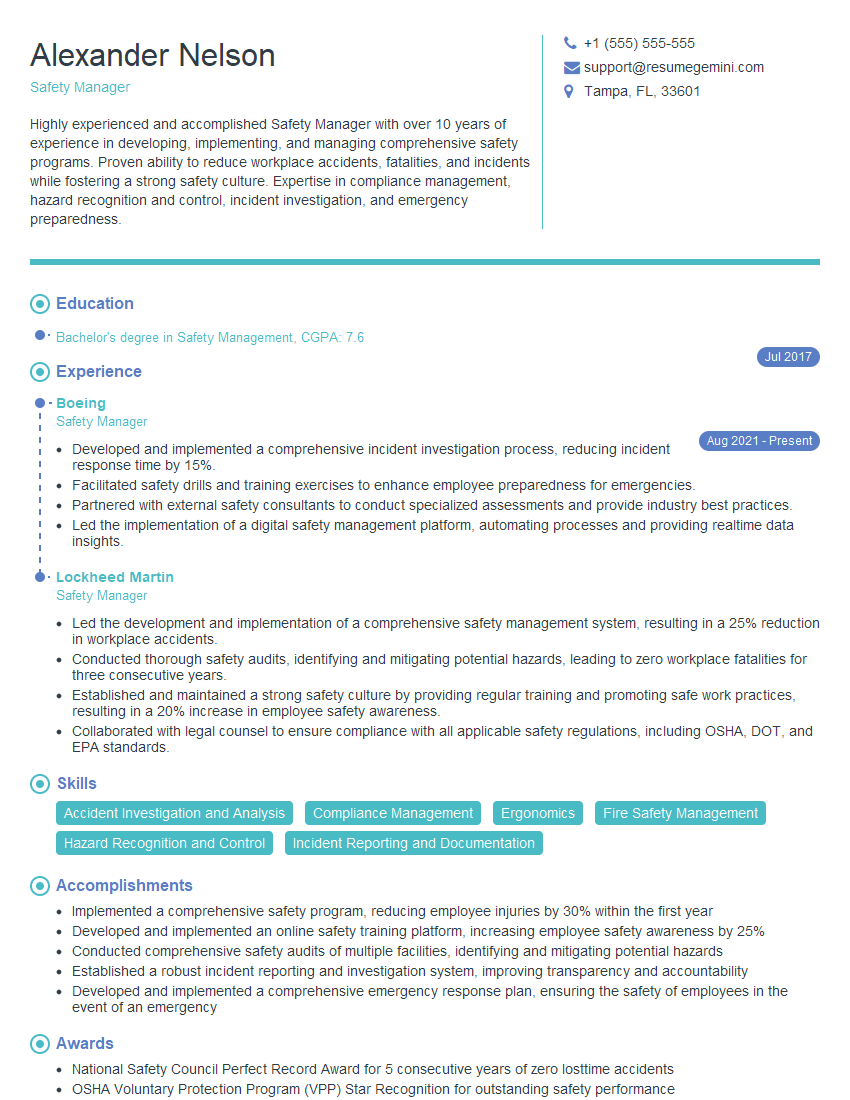
Safety Manager Resume Sample
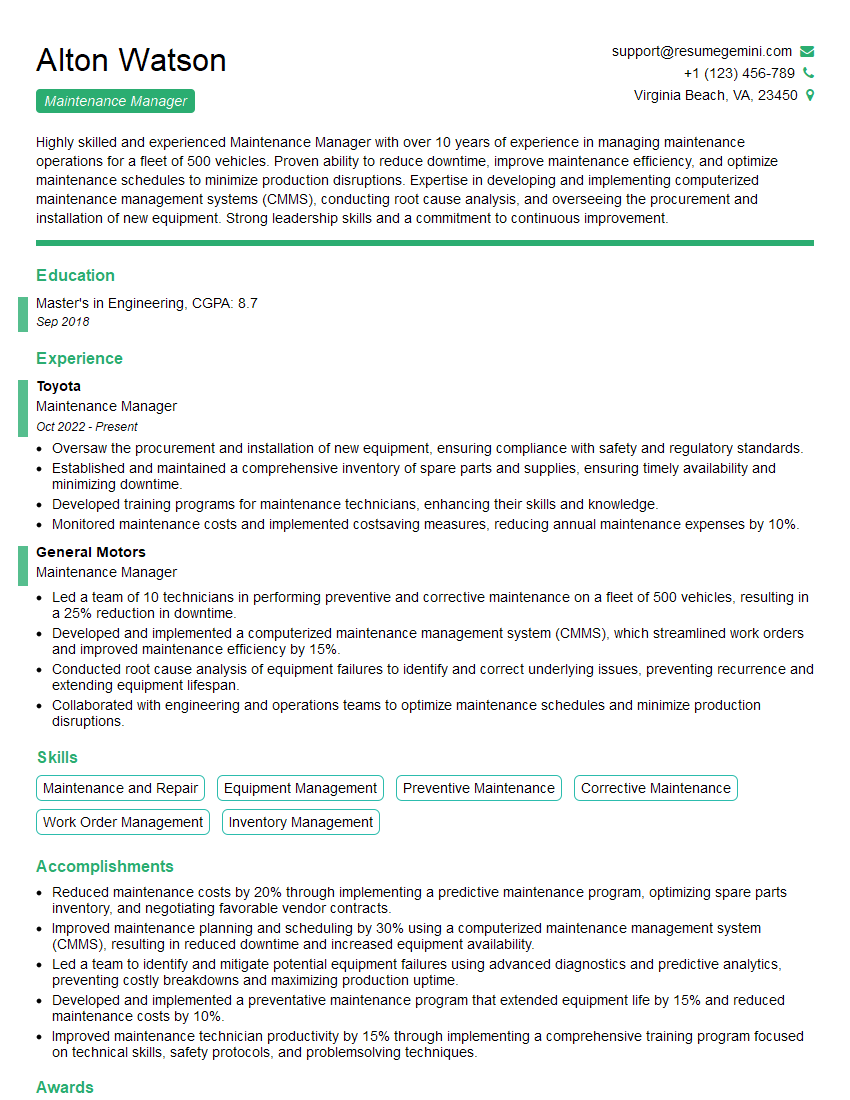
Maintenance Manager Resume Sample
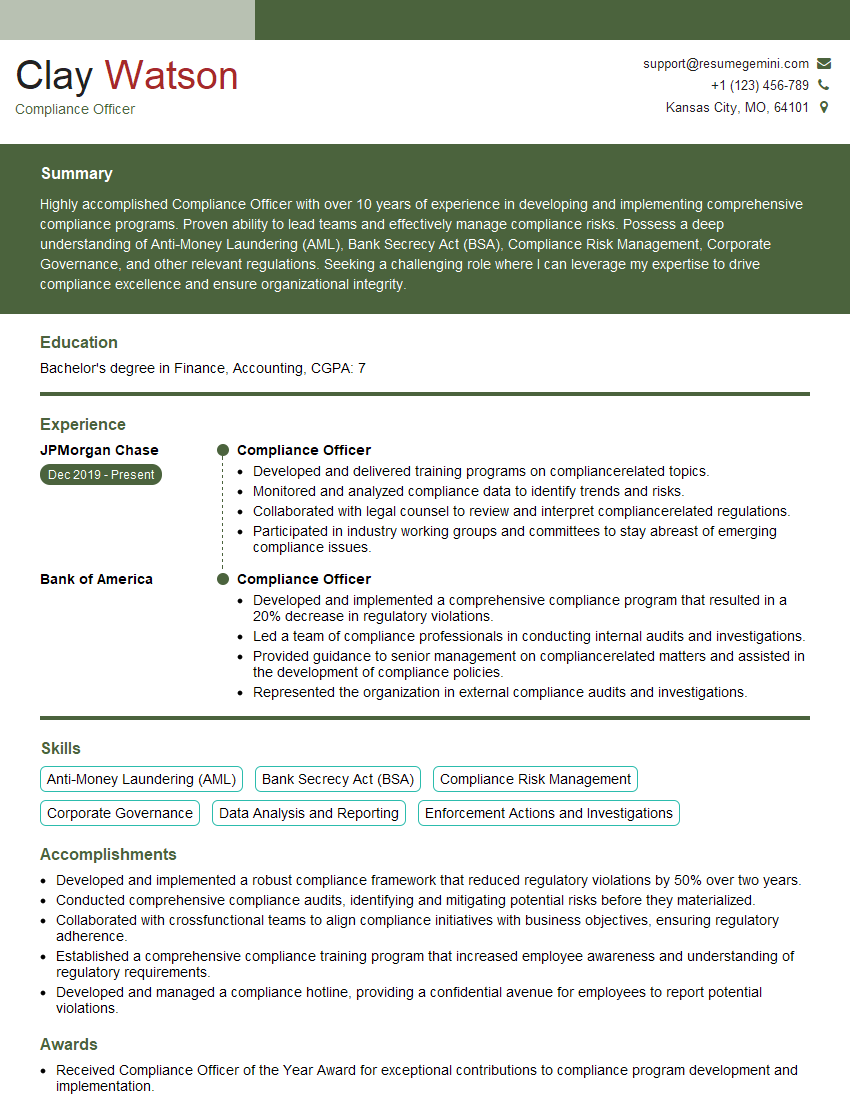
Compliance Officer Resume Sample
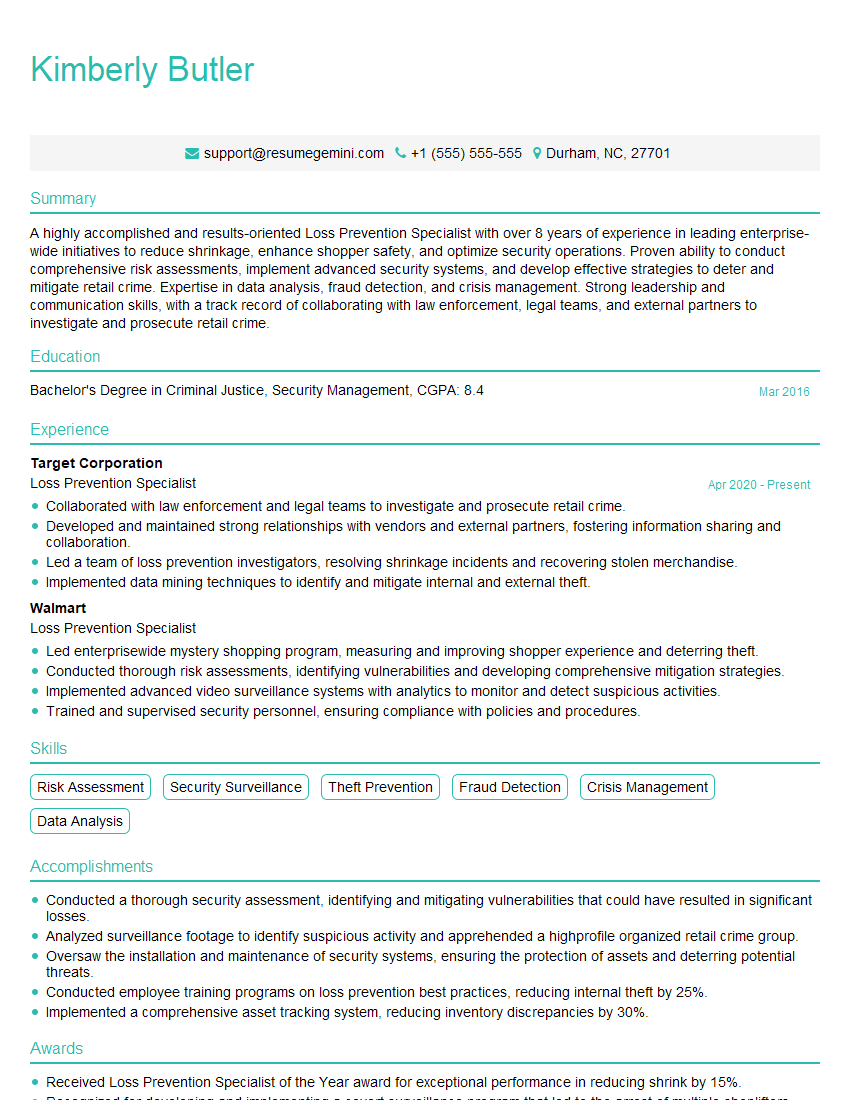
Loss Prevention Specialist Resume Sample
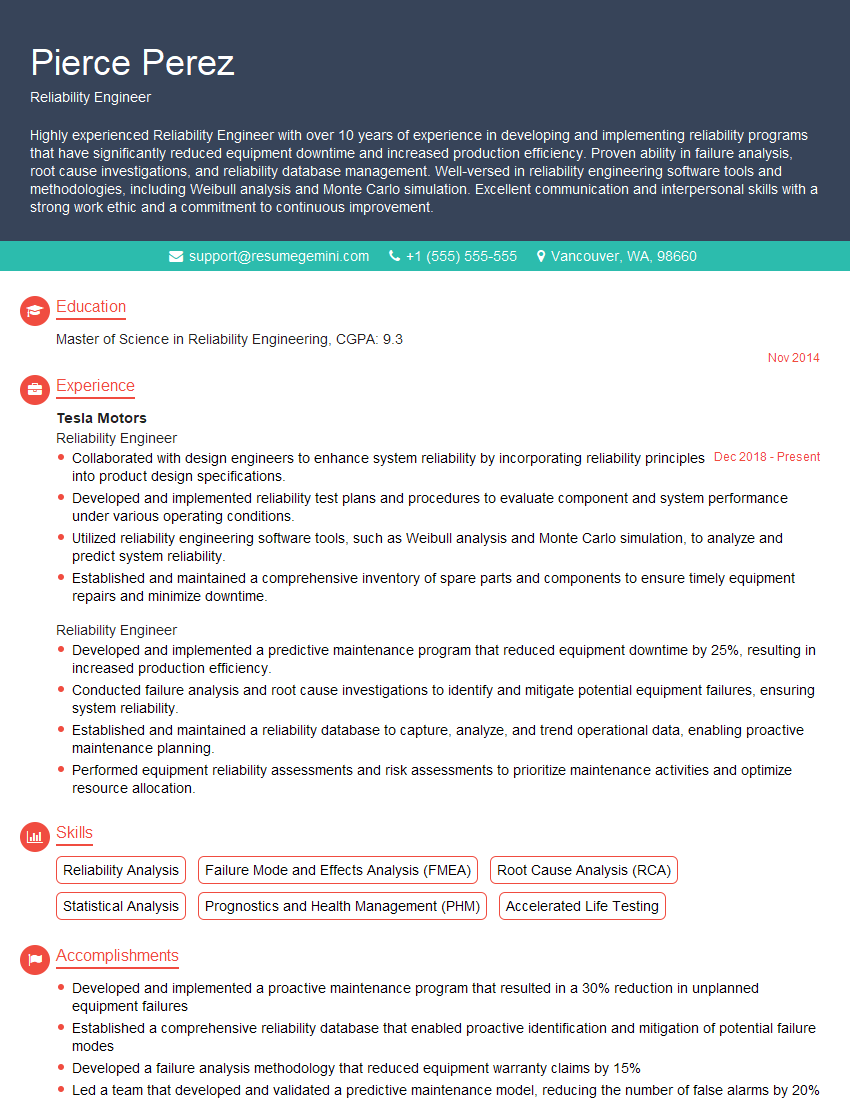
Reliability Engineer Resume Sample
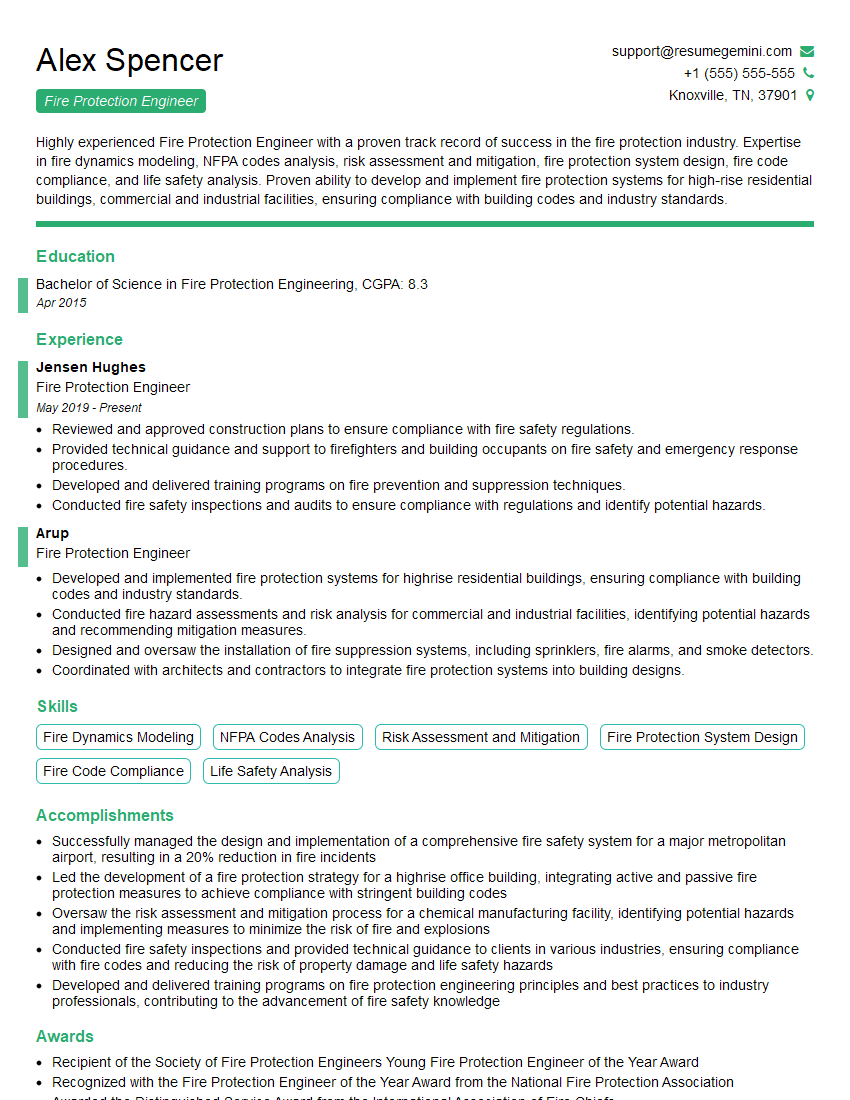
Fire Protection Engineer Resume Sample
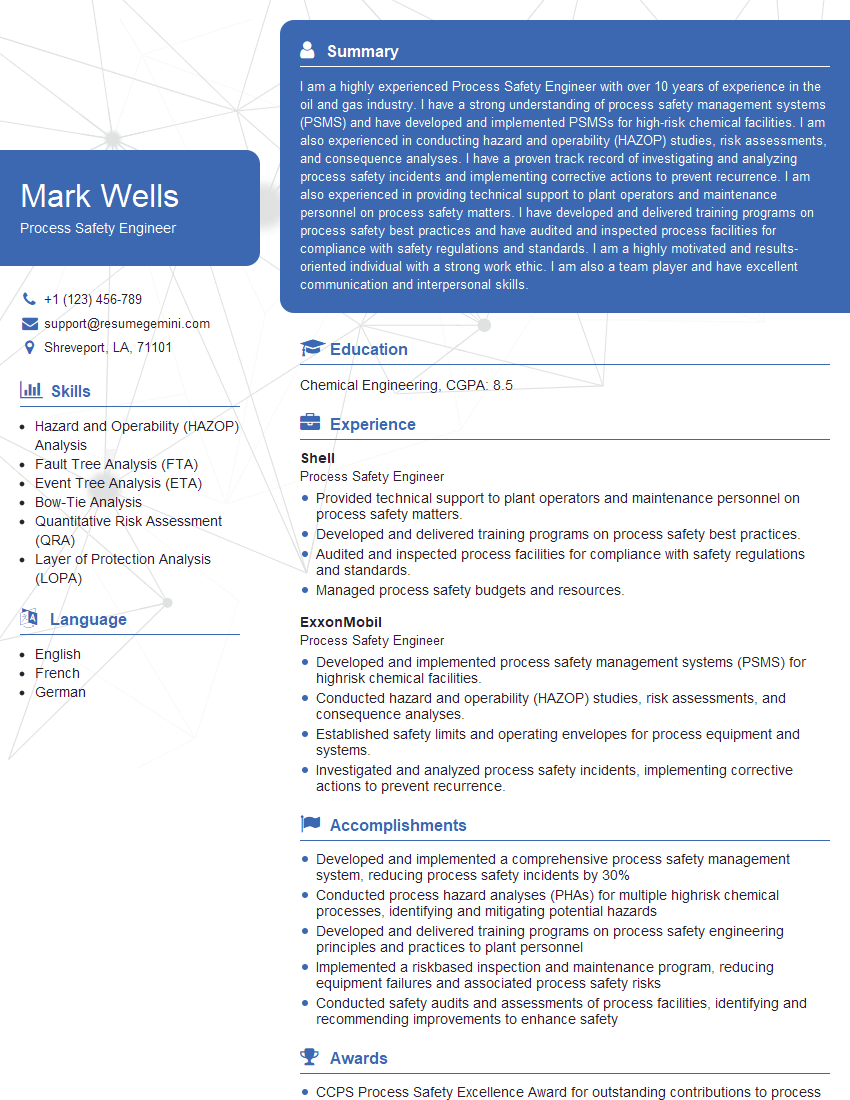
Process Safety Engineer Resume Sample
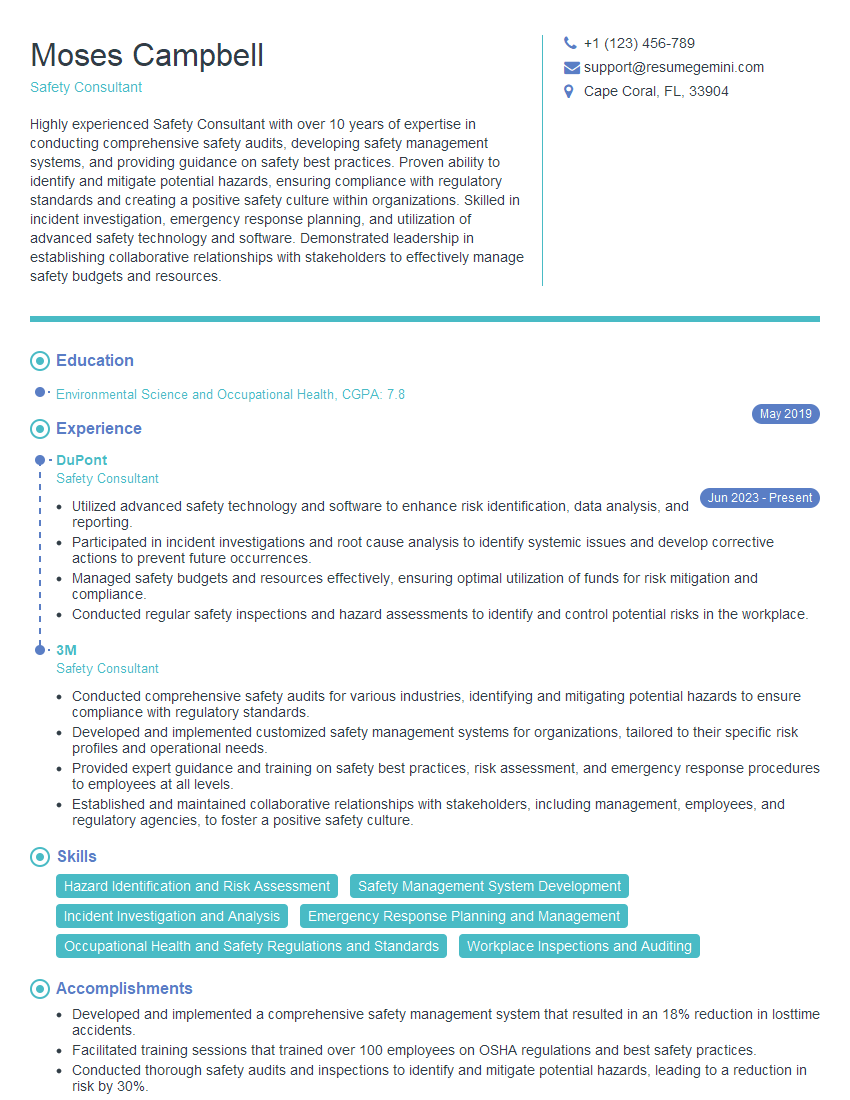
Safety Consultant Resume Sample
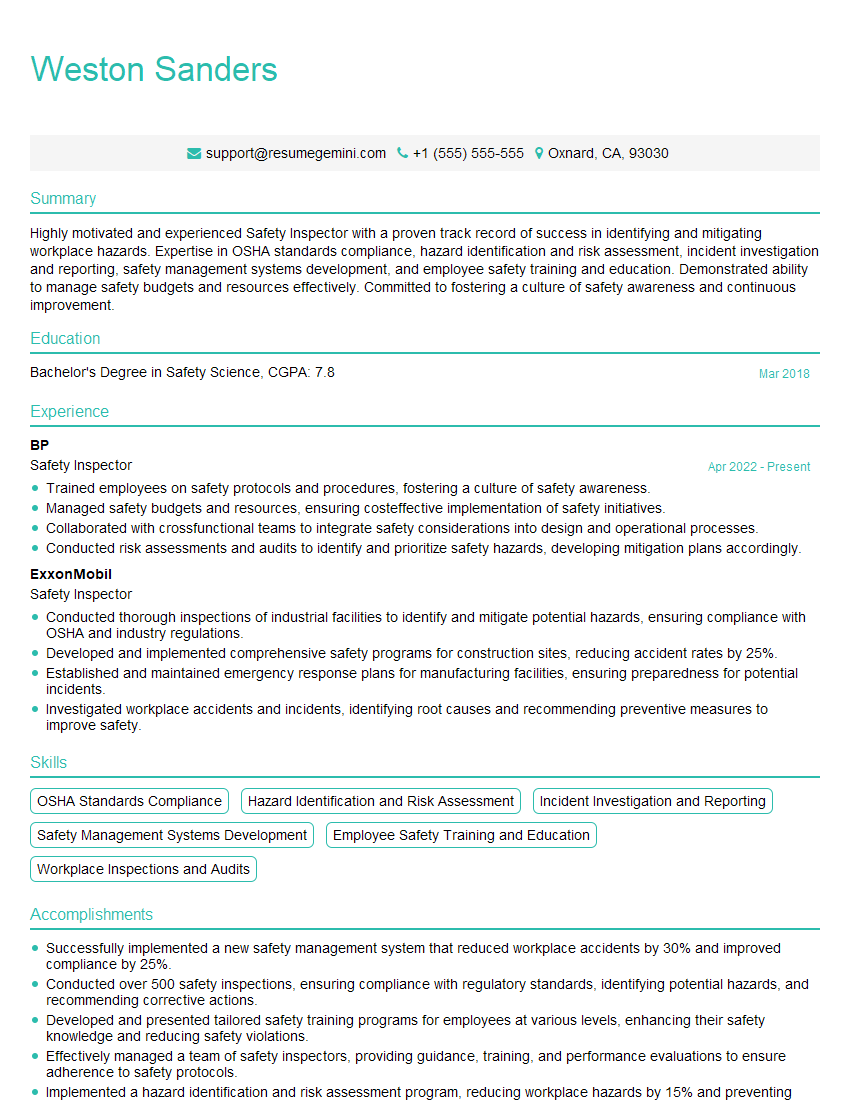
Safety Inspector Resume Sample

Control Systems Engineer Resume Sample
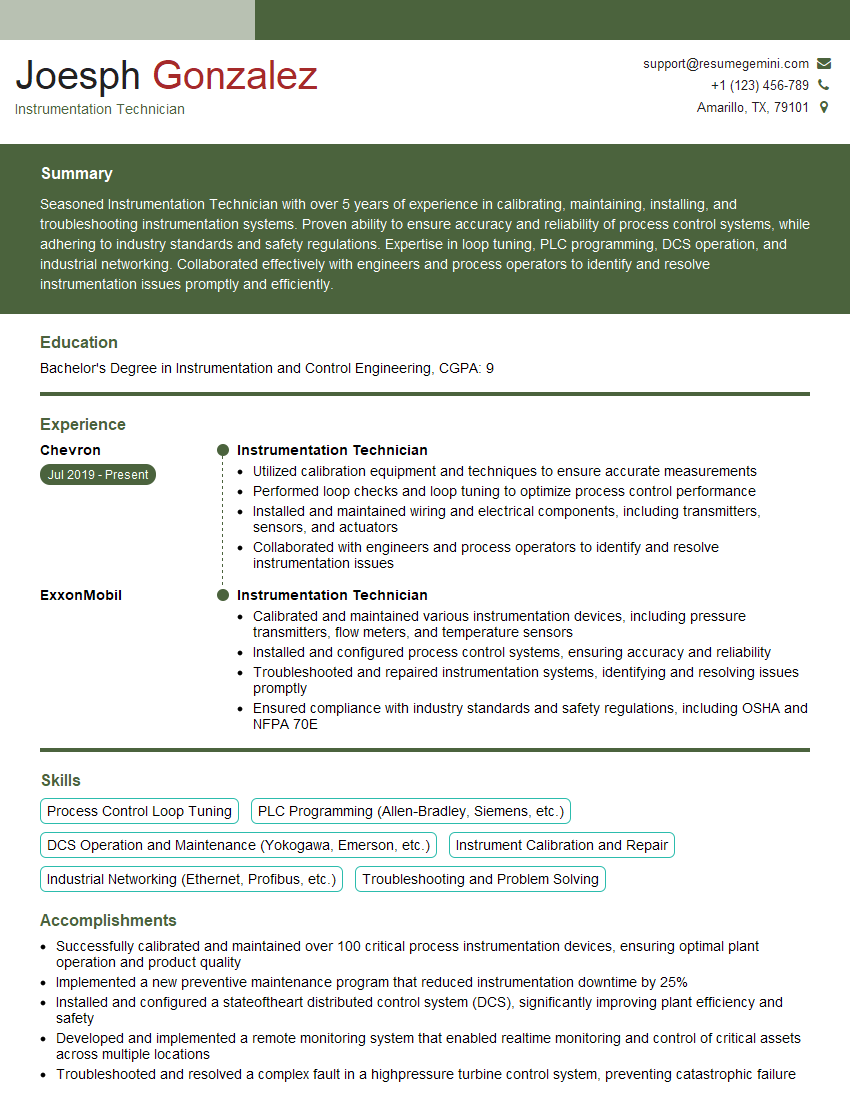
Instrumentation Technician Resume Sample
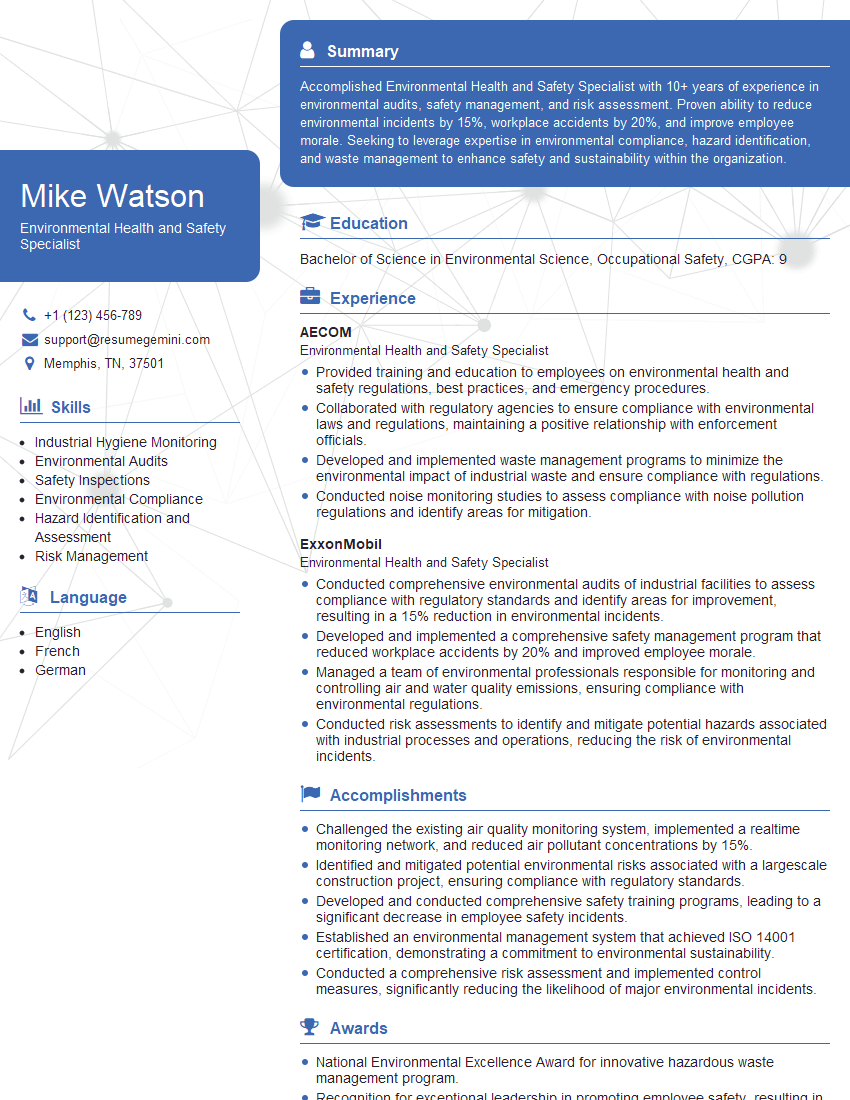
Environmental Health and Safety Specialist Resume Sample
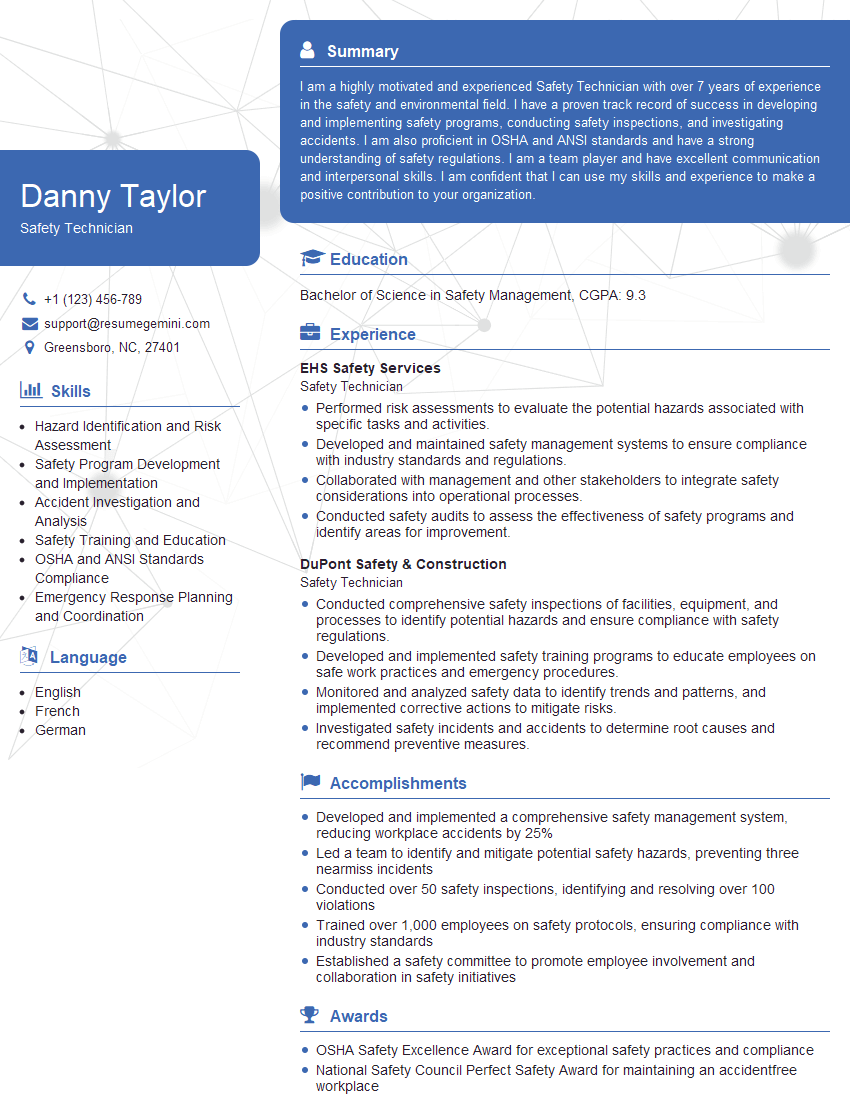
Safety Technician Resume Sample
Explore more articles
Users Rating of Our Blogs
Share Your Experience
We value your feedback! Please rate our content and share your thoughts (optional).
What Readers Say About Our Blog
To the interviewgemini.com Webmaster.
Very helpful and content specific questions to help prepare me for my interview!
Thank you
To the interviewgemini.com Webmaster.
This was kind of a unique content I found around the specialized skills. Very helpful questions and good detailed answers.
Very Helpful blog, thank you Interviewgemini team.