Interviews are more than just a Q&A session—they’re a chance to prove your worth. This blog dives into essential Pediatric Headache interview questions and expert tips to help you align your answers with what hiring managers are looking for. Start preparing to shine!
Questions Asked in Pediatric Headache Interview
Q 1. Describe the diagnostic criteria for migraine in children.
Diagnosing migraine in children can be challenging because they may not be able to articulate their symptoms as clearly as adults. We rely on a combination of the child’s reported symptoms and observations from parents or caregivers. While there isn’t a single, universally accepted set of criteria specifically for children, the International Classification of Headache Disorders (ICHD-3) provides guidelines. Key features include recurrent episodes of headache lasting 2-72 hours, usually unilateral but can be bilateral, with pulsating quality. Associated symptoms like nausea, vomiting, and photophobia (sensitivity to light) or phonophobia (sensitivity to sound) are common. In younger children, migraine may manifest as cyclic vomiting syndrome, where severe nausea and vomiting are the predominant features. It’s crucial to consider the child’s developmental stage when interpreting symptoms.
- Recurrent headaches: The headaches occur repeatedly, not just once or twice.
- Duration: Headaches typically last 2-72 hours.
- Location: Headaches may be on one side (unilateral) or both sides (bilateral).
- Pulsating quality: The pain is throbbing or pulsating in nature.
- Associated symptoms: Nausea, vomiting, and sensitivity to light and/or sound are frequently present.
- Aggravating factors: Certain activities or triggers can worsen the headache.
It’s important to remember that a thorough clinical history, considering the child’s age and developmental level, is paramount in making a diagnosis. Detailed questionnaires completed by parents are also very useful.
Q 2. Differentiate between primary and secondary headaches in children.
The distinction between primary and secondary headaches in children is crucial for appropriate management. Primary headaches, like migraine and tension-type headaches, are the headache itself; there’s no underlying structural or systemic disease causing them. They are diagnosed based on the characteristics of the headache itself. Secondary headaches, on the other hand, are symptoms of an underlying condition, such as an infection, injury, or tumor. They are a *sign* of something else.
Think of it this way: a primary headache is like a primary complaint at a doctor’s visit—it’s the reason for the visit. A secondary headache is like a secondary symptom that signals a different primary problem.
- Primary Headache: The headache is the primary problem; no other identifiable cause is found.
- Secondary Headache: The headache is a symptom of another underlying medical condition (e.g., infection, trauma, tumor).
For example, a child with recurrent headaches that meet the criteria for migraine would have a primary headache disorder. A child with a headache following a head injury would have a secondary headache, and identifying and managing the head injury is critical.
Q 3. What are the red flags indicating a serious underlying cause of headache in a child?
Identifying ‘red flags’ in pediatric headaches is critical because they can indicate potentially serious underlying conditions requiring immediate medical attention. These are warning signs that demand prompt evaluation. They include, but aren’t limited to:
- Sudden onset of severe headache (thunderclap headache): This can be a sign of subarachnoid hemorrhage, a life-threatening condition.
- Headache associated with fever, stiff neck, or altered mental status: Suggests meningitis or encephalitis.
- Focal neurological deficits: Weakness on one side of the body, vision changes, slurred speech, or altered sensation can point to a stroke, brain tumor, or other serious neurological issues.
- Papilledema (swelling of the optic disc): Visible on eye examination, this indicates increased intracranial pressure.
- Headache worsening over time: Progressive worsening headaches should always raise concerns.
- Headache precipitated by Valsalva maneuver (straining): This can be seen in conditions involving increased intracranial pressure.
- Headache with significant weight loss or night sweats: Could suggest malignancy.
- History of trauma: Head injury can cause secondary headaches.
If any of these red flags are present, immediate medical attention is vital. Do not attempt to manage these at home.
Q 4. Explain the various types of headaches commonly seen in children and adolescents.
Children and adolescents experience a variety of headache types. The most common are:
- Migraine: Characterized by recurrent episodes of moderate to severe headache, often unilateral, pulsating, and associated with nausea, vomiting, and photophobia/phonophobia.
- Tension-type headache: Typically described as a mild to moderate, bilateral, pressing or tightening sensation. It’s often less severe than migraine and doesn’t usually have associated symptoms like nausea.
- Cluster headache: These are less common in children but possible. Characterized by severe, unilateral headaches often around the eye, accompanied by autonomic symptoms such as tearing, nasal congestion, and eyelid drooping.
- Medication overuse headache (MOH): This is a secondary headache caused by the overuse of pain relievers. It’s a significant clinical problem and requires specific management.
It’s important to remember that the presentation of these headaches can vary significantly with age and developmental stage. Younger children may exhibit symptoms differently than teenagers.
Q 5. Discuss the role of imaging (e.g., MRI, CT) in the evaluation of pediatric headaches.
Neuroimaging, such as MRI or CT scans, is generally not routinely recommended for the initial evaluation of children with primary headaches like migraine or tension-type headaches. These are typically diagnosed based on clinical history and examination. Imaging is reserved for situations where there are red flags suggesting a serious underlying cause.
Examples of when imaging might be indicated include:
- Sudden onset of severe headache (thunderclap headache)
- Progressive neurological deficits
- Fever, stiff neck, altered mental status
- Papilledema
- Suspicious clinical findings or concerning history
The choice between MRI and CT depends on the clinical scenario. MRI is preferred for better visualization of brain tissue, while CT is faster and readily available for acute situations like trauma.
Q 6. What are the first-line treatment options for migraine in children?
First-line treatment for migraine in children focuses on non-pharmacological approaches and then progresses to medication if needed. Non-pharmacological options include:
- Education and reassurance: Helping the child and family understand migraine and its triggers.
- Lifestyle modifications: Regular sleep schedule, avoiding triggers (e.g., certain foods, stress), regular exercise.
- Acupressure or acupuncture: Some children may benefit from these complementary therapies.
Pharmacological options are used if non-pharmacological approaches are insufficient. These might include:
- Over-the-counter analgesics: Acetaminophen or ibuprofen for mild to moderate headaches (use cautiously and follow age-appropriate dosages).
- Triptans: These medications are specifically for migraine and are generally not first-line in children due to potential side effects, but may be used under the guidance of a specialist in older children with more severe migraines.
- Anti-emetics: Medications to control nausea and vomiting.
Treatment decisions should be individualized based on the child’s age, headache severity, frequency, and response to other therapies.
Q 7. How do you manage medication overuse headache in children?
Medication overuse headache (MOH) in children is a serious complication resulting from frequent use of pain relievers. It’s a vicious cycle—the more medication taken, the more frequent and severe headaches become. Managing MOH requires a gradual withdrawal of the overused medication under close medical supervision. This process must be carefully planned and monitored by a healthcare professional to prevent withdrawal symptoms and ensure the child’s safety and comfort.
Management strategies include:
- Gradual reduction: Slowly decreasing the dose and frequency of the overused medication over several weeks or months, usually under the guidance of a pediatric neurologist.
- Alternative pain management: Using non-pharmacological strategies and alternative medications (if appropriate) to manage headaches during the withdrawal period.
- Prophylactic medication: In some cases, prophylactic medication may be prescribed to prevent headaches during withdrawal.
- Patient and family education: Understanding the cause and consequences of MOH is crucial for adherence to the withdrawal plan.
It’s imperative that MOH be managed by a healthcare professional to minimize discomfort and ensure effective withdrawal without serious complications.
Q 8. Discuss the non-pharmacological approaches to managing pediatric headaches.
Non-pharmacological approaches to managing pediatric headaches are crucial, especially in younger children where medication use should be minimized. These methods focus on lifestyle modifications and behavioral therapies to reduce headache frequency and severity.
Education and Relaxation Techniques: Teaching children and parents about headache triggers, stress management, and relaxation techniques like deep breathing exercises and progressive muscle relaxation is fundamental. We often use age-appropriate analogies, like explaining tension headaches as ‘tight muscles needing a stretch’.
Regular Sleep Schedule: Establishing a consistent sleep-wake cycle is vital. Irregular sleep patterns are a common headache trigger in children. We guide families on creating a bedtime routine and ensuring sufficient sleep duration appropriate for their child’s age.
Hydration and Diet: Encouraging adequate fluid intake and identifying potential dietary triggers like caffeine, processed foods, or artificial sweeteners is essential. Food diaries can be incredibly helpful in this process. We work collaboratively with families to identify and manage these triggers.
Regular Exercise: Promoting regular physical activity, appropriate to the child’s age and abilities, can help manage stress and improve overall health, thus potentially reducing headache frequency. We advise against strenuous exercise during a headache episode.
Stress Management: Identifying and addressing sources of stress, such as school pressures or family conflicts, is critical. This might involve family therapy, school counseling, or other supportive interventions. We teach coping mechanisms for stress like mindfulness or journaling.
Biofeedback and Cognitive Behavioral Therapy (CBT): For children with frequent or severe headaches, biofeedback and CBT can be effective. Biofeedback helps children learn to control physiological responses associated with headaches, while CBT focuses on changing negative thought patterns and behaviors related to pain.
Q 9. What are the common side effects of commonly used headache medications in children?
Commonly used headache medications in children, such as over-the-counter analgesics like ibuprofen or acetaminophen, and in some cases, triptans for migraines, can have side effects. It’s crucial to carefully weigh the benefits against the risks, and these medications should always be used under the guidance of a pediatrician.
Acetaminophen (Tylenol): While generally safe, high doses or prolonged use can cause liver damage. Rarely, allergic reactions can occur.
Ibuprofen (Advil, Motrin): Common side effects include stomach upset, nausea, and in rare cases, gastrointestinal bleeding or allergic reactions. It should be avoided in children with certain kidney conditions.
Triptans (e.g., Sumatriptan): Triptans are generally not first-line treatment for children but may be used for severe migraines. Potential side effects include dizziness, nausea, vomiting, and drowsiness. They are not suitable for all children and have age restrictions.
It’s important to note that the frequency and severity of side effects vary significantly depending on the child, the medication, and the dosage. Careful monitoring and open communication with the family are essential.
Q 10. How do you counsel families about headache management and prevention?
Counseling families about headache management involves a multi-faceted approach, combining education, support, and collaborative decision-making.
Education: We explain the different types of headaches, their causes, and potential triggers. We emphasize the importance of identifying and avoiding triggers specific to the child. We also explain the role of lifestyle modifications and medication, if needed, in a way that families can understand.
Support: Headaches can be distressing for both the child and the family. We provide emotional support and emphasize the importance of open communication within the family. We address any anxieties or concerns the family might have about the child’s headaches.
Collaborative Decision-Making: We work collaboratively with families to develop an individualized headache management plan. This involves shared decision-making regarding treatment options, balancing the benefits and risks of medication with non-pharmacological approaches. We empower families to actively participate in their child’s care.
Follow-up: Regular follow-up appointments are crucial to monitor progress, adjust treatment as needed, and address any new concerns. We provide ongoing support and education to ensure the family feels well-equipped to manage the child’s headaches.
Q 11. Explain the importance of keeping a headache diary in children.
Keeping a headache diary is invaluable in managing pediatric headaches. It provides crucial information to help identify patterns, triggers, and the effectiveness of treatment. The diary helps to move away from subjective descriptions of pain and instead offers objective data.
Tracking Headache Characteristics: The diary should record the date, time, duration, location, and severity of each headache. We use simple scales to measure pain intensity, making it easy for children to understand and participate.
Identifying Triggers: The diary tracks activities, foods, sleep patterns, stress levels, and environmental factors preceding headaches to identify potential triggers. This allows for tailored preventative strategies.
Monitoring Treatment Effectiveness: The diary helps assess how well different treatments are working by tracking headache frequency, severity, and duration before and after interventions.
Facilitating Communication: The diary serves as a tool for communication between the child, parents, and healthcare providers. It provides a clear and concise record of the child’s headache experiences, promoting effective collaboration in treatment planning.
For younger children, visual aids or simple checklists can simplify the diary-keeping process.
Q 12. Describe your approach to managing a child presenting with their first ever severe headache.
A child presenting with their first-ever severe headache requires a thorough and immediate evaluation. This is a crucial situation demanding a cautious and systematic approach.
Detailed History: We gather a comprehensive history, including the headache’s onset, duration, location, character (throbbing, sharp, etc.), associated symptoms (nausea, vomiting, visual disturbances, fever, stiff neck), and any recent illnesses or trauma.
Neurological Examination: A thorough neurological examination is crucial to assess for any neurological deficits, including mental status, cranial nerves, motor strength, reflexes, and coordination.
Imaging Studies: Depending on the clinical presentation, imaging studies such as a CT scan or MRI may be necessary to rule out serious underlying conditions like intracranial hemorrhage, brain tumor, or other structural abnormalities. This is particularly important if there are neurological symptoms or red flags present.
Further Investigations: Depending on findings, additional investigations might include blood tests to rule out infections or other systemic illnesses.
Symptom Management: While awaiting test results, we address the child’s immediate symptoms with appropriate analgesics, and antiemetics as needed for nausea and vomiting.
Referral if Necessary: In certain circumstances, particularly if there are neurological findings or concerning imaging results, prompt referral to a pediatric neurologist is necessary for specialized evaluation and management.
The key is to remain vigilant and thorough. A first-ever severe headache is not something to take lightly.
Q 13. How do you differentiate between tension-type headaches, migraines, and cluster headaches in children?
Differentiating between tension-type headaches, migraines, and cluster headaches in children can be challenging as symptoms can overlap. Careful history-taking and clinical examination are essential.
Tension-Type Headaches: These are typically bilateral, pressing or tightening in quality, mild or moderate intensity, and not worsened by routine physical activity. They lack associated symptoms like nausea or vomiting.
Migraines: Migraines are typically unilateral, pulsating in quality, moderate or severe intensity, and aggravated by routine physical activity. They are often associated with nausea, vomiting, photophobia (sensitivity to light), and phonophobia (sensitivity to sound). Children may experience abdominal pain as a prominent feature.
Cluster Headaches: These are relatively rare in children. They are characterized by severe, unilateral periorbital pain (around the eye), often associated with autonomic symptoms like tearing, nasal congestion, and eyelid drooping. They occur in clusters, with multiple headaches happening within a short period.
It’s crucial to note that symptom presentation can vary significantly in children, and diagnosis is often based on a combination of clinical features and the exclusion of other potential causes. Diagnostic criteria for adults may not always perfectly apply to children.
Q 14. What are the challenges in diagnosing headaches in very young children?
Diagnosing headaches in very young children presents unique challenges because they may not be able to verbally express their symptoms accurately. Their communication skills limit their ability to describe the location, quality, and intensity of their pain.
Reliance on Behavioral Cues: We rely heavily on observing behavioral changes, such as rubbing their head, irritability, fussiness, changes in appetite, sleep disturbances, or changes in activity level, to infer headache pain.
Parental Reporting: Accurate and detailed parental reporting is crucial, as parents are the primary observers of the child’s behavior. We actively work to gather thorough information from parents about the timing, frequency, duration and any accompanying signs or symptoms.
Difficulty in Differentiating from Other Conditions: Many conditions in young children can mimic headaches, including ear infections, sinus infections, dental issues, and even vision problems. A thorough examination to rule out other possible causes is essential.
Limited Use of Diagnostic Tools: Traditional diagnostic tools like headache diaries are not easily applicable to very young children. Alternative methods of tracking headaches, like keeping a daily log of the child’s behavior and interactions, may be necessary.
The diagnostic process for young children often involves careful observation, detailed history-taking, and a focus on ruling out other possible causes. Early identification and management are crucial.
Q 15. How do you approach the management of headaches in children with chronic illnesses?
Managing headaches in children with chronic illnesses requires a multifaceted approach, carefully considering the interplay between the underlying condition and the headache itself. We must first accurately diagnose the type of headache (migraine, tension-type, etc.) and then assess the severity and impact on the child’s daily life. This assessment includes considering the child’s symptoms, their response to previous treatments, and any potential interactions with their chronic illness medications.
For example, a child with cystic fibrosis might experience headaches exacerbated by dehydration or electrolyte imbalances related to their condition. Treatment in this case might involve optimizing their hydration and electrolyte management alongside any headache-specific medication. Similarly, a child with cancer undergoing chemotherapy might experience headaches related to the treatment itself. Managing these headaches requires close collaboration with the oncologist to ensure safe and effective pain management while minimizing interference with the cancer treatment plan.
The approach is always individualized. We start with conservative measures, such as regular sleep, hydration, and stress management techniques, adjusting them based on the child’s specific needs and their chronic illness. If these fail, we may proceed to pharmacologic interventions, choosing medications carefully to avoid adverse interactions with their existing medications and to account for potential side effects given their existing health conditions. Regular monitoring of both the headache and the chronic illness is crucial to ensure treatment efficacy and safety.
Career Expert Tips:
- Ace those interviews! Prepare effectively by reviewing the Top 50 Most Common Interview Questions on ResumeGemini.
- Navigate your job search with confidence! Explore a wide range of Career Tips on ResumeGemini. Learn about common challenges and recommendations to overcome them.
- Craft the perfect resume! Master the Art of Resume Writing with ResumeGemini’s guide. Showcase your unique qualifications and achievements effectively.
- Don’t miss out on holiday savings! Build your dream resume with ResumeGemini’s ATS optimized templates.
Q 16. Discuss the role of prophylactic medications in pediatric headache management.
Prophylactic medications play a crucial role in preventing frequent or severe headaches in children, especially those with chronic migraine. These medications aim to reduce the frequency, intensity, and duration of headache episodes. The choice of medication depends on several factors, including the child’s age, headache type, and presence of any other medical conditions. Commonly used prophylactic medications include beta-blockers (like propranolol), anticonvulsants (like topiramate or valproate), and tricyclic antidepressants (like amitriptyline).
It’s essential to note that prophylactic medication isn’t always necessary, and we carefully weigh the benefits against the potential side effects in each child. We often start with non-pharmacological interventions first, and only consider prophylactic medication if these are insufficient. For instance, if a child experiences migraines multiple times a month significantly impacting their school and social life, prophylactic medication might be considered. However, if a child has infrequent tension-type headaches well-managed with simple analgesics, prophylactic medication would likely be unnecessary.
Regular monitoring is crucial when using prophylactic medications. We closely observe for any side effects and adjust the dosage or medication as needed. The decision to discontinue prophylactic medications is also individualized, considering the child’s response to treatment and the risk of recurrence.
Q 17. Explain the use of biofeedback and other complementary therapies in pediatric headache treatment.
Biofeedback and other complementary therapies can be valuable adjuncts in pediatric headache management, particularly for chronic headaches. Biofeedback involves teaching children to recognize and control physiological responses associated with headaches, such as muscle tension, heart rate, and skin temperature. This empowers them to actively manage their headaches, reducing the reliance on medications.
Other complementary therapies like relaxation techniques (progressive muscle relaxation, deep breathing exercises), cognitive behavioral therapy (CBT), and mindfulness meditation can also be beneficial. CBT helps children understand the relationship between thoughts, feelings, and behaviors, teaching them coping mechanisms to manage headache triggers and related stress. Mindfulness practices enhance self-awareness and stress reduction, which are crucial in preventing headache episodes. These therapies are often integrated into a comprehensive treatment plan, alongside medication and other medical interventions, to provide a holistic approach.
For example, a child with tension-type headaches might benefit from learning progressive muscle relaxation techniques to alleviate muscle tension, a common trigger for this type of headache. A child with migraine might find mindfulness practices helpful in managing stress and anxiety, reducing the frequency of migraine attacks. The choice of complementary therapy depends on the child’s specific needs, preferences, and the type of headache they experience.
Q 18. What are the potential long-term consequences of untreated headaches in children?
Untreated headaches in children can have several potential long-term consequences, impacting their physical, emotional, and academic well-being. Chronic headaches can lead to significant school absenteeism, affecting their academic performance and social development. The persistent pain and associated symptoms can disrupt sleep, leading to fatigue, irritability, and difficulty concentrating.
Furthermore, untreated headaches can lead to the development of chronic pain conditions, impacting their quality of life into adulthood. The emotional burden of chronic pain can manifest as anxiety, depression, and social isolation. The constant pain and limitations it imposes can affect their self-esteem and overall psychological development. In rare cases, severe or persistent headaches could be indicative of an underlying neurological condition, making timely diagnosis and treatment crucial.
For example, a child with chronic migraine that goes untreated might develop medication overuse headaches, leading to a vicious cycle of pain and medication dependency. The chronic pain can also impact their participation in social activities, affecting their overall social and emotional development. It’s essential to address headaches proactively to prevent these long-term consequences.
Q 19. How do you address the emotional and psychological impact of chronic headaches on children and their families?
Addressing the emotional and psychological impact of chronic headaches in children and their families is paramount. Chronic headaches can significantly impact a child’s mood, behavior, and social interactions, causing anxiety, depression, and irritability. Families also experience considerable stress, dealing with the child’s pain, missed school days, and the disruption to their routines. Therefore, a comprehensive approach involves both the child and their family.
We employ several strategies to address this impact. We provide education about the child’s condition, helping the family understand the causes, triggers, and management strategies. Psychological support, often in the form of CBT or family therapy, is essential. These therapies help children develop coping mechanisms to manage their pain and emotional distress, while supporting the family in navigating the challenges of living with a chronic condition.
For example, we might recommend family therapy sessions to help parents and siblings understand the child’s experience and develop strategies for supporting them. We could also refer the child to a child psychologist specializing in chronic pain management to address their emotional well-being and help develop coping skills. Open communication and a collaborative approach involving the child, family, and healthcare professionals are essential for successful management.
Q 20. Describe your experience with specific headache diagnostic tools, such as neuro-ophthalmological exams.
Neuro-ophthalmological exams are crucial in the diagnostic workup of certain types of headaches, particularly those potentially related to neurological conditions. I have extensive experience performing and interpreting these exams, looking for signs of raised intracranial pressure, optic neuritis, or other neurological abnormalities. This exam involves assessing visual acuity, visual fields, pupillary responses, extraocular movements, and fundoscopy (examination of the retina and optic nerve).
For example, papilledema (swelling of the optic disc) on fundoscopy could indicate raised intracranial pressure, requiring further investigation. Abnormal pupillary responses or deficits in extraocular movements might suggest neurological involvement. The findings from these exams help us determine whether the headaches are primary (like migraine or tension-type) or secondary to an underlying neurological condition. This is especially critical for children with new-onset headaches, severe headaches, or headaches accompanied by neurological symptoms.
Beyond neuro-ophthalmological exams, I utilize other diagnostic tools, including detailed headache history, neurological examination, and in certain cases, neuroimaging studies (MRI or CT scan) to reach a comprehensive diagnosis. The selection of diagnostic tests is guided by the child’s specific symptoms, age, and clinical presentation.
Q 21. Outline your knowledge of the potential genetic and familial factors in pediatric headaches.
Genetic and familial factors play a significant role in the development of pediatric headaches, particularly migraine. A family history of migraine is a strong risk factor for a child developing migraine. While the exact genetic mechanisms are still being explored, several genes have been identified that are associated with an increased risk of migraine. These genes influence various processes involved in pain perception, neurotransmission, and vascular regulation.
Familial factors extend beyond genetics. Learned behaviors, coping mechanisms, and family dynamics can also influence a child’s response to headache pain. For example, a child who witnesses a parent experiencing frequent migraines and using frequent analgesics might develop similar headache patterns and coping behaviors. Similarly, a high-stress family environment can act as a trigger or exacerbate existing headaches in children.
Understanding these genetic and familial factors is crucial for personalized management. A detailed family history of headache disorders helps assess the risk of migraine development in children and guides treatment strategies. In families with a strong migraine history, early intervention, education about triggers, and proactive management can reduce the burden of headache disorders on both the child and their family.
Q 22. Explain your approach to managing headaches related to concussion or traumatic brain injury in children.
Managing headaches in children following concussion or traumatic brain injury (TBI) requires a multi-faceted approach prioritizing careful assessment and individualized management. It’s crucial to distinguish between headaches directly caused by the injury and those that are coincidental or develop later.
- Initial Assessment: A thorough neurological exam is essential, looking for signs of increased intracranial pressure (ICP), such as vomiting, altered consciousness, or focal neurological deficits. Imaging (CT or MRI) might be necessary to rule out structural abnormalities.
- Pain Management: For mild headaches, over-the-counter analgesics like acetaminophen or ibuprofen can be used. In more severe cases, stronger medications may be needed under strict medical supervision. The choice of medication and dosage is carefully tailored to the child’s age, weight, and overall health. We avoid medications that could interfere with concussion recovery, such as NSAIDs in the early stages.
- Cognitive and Physical Rest: Gradual return to school and physical activity is critical, guided by neuropsychological assessment and symptom monitoring. Overexertion can worsen headaches and prolong recovery.
- Referral: Referral to other specialists like neuropsychology, physical therapy, and occupational therapy may be necessary for comprehensive rehabilitation.
- Follow-up: Regular follow-up appointments are crucial to monitor symptom progression, assess treatment effectiveness, and adjust the management plan as needed. A gradual increase in activity is often beneficial, but we must be cautious to avoid setbacks. For example, if a child experiences a worsening of headaches during a soccer practice, we adjust the plan to incorporate more rest and gradual reintroduction to activity.
Q 23. Describe your experience in communicating complex medical information to children and their families regarding headaches.
Communicating complex medical information to children and their families about headaches requires empathy, patience, and clear, age-appropriate language. I use a variety of techniques depending on the child’s age and developmental level.
- Age-Appropriate Language: I avoid jargon and use simple terms. For younger children, I use analogies and visual aids like drawings or diagrams to explain concepts. For teenagers, I can be more direct and involve them in decision-making about their treatment.
- Active Listening: I ensure the child and family feel heard and understood by actively listening to their concerns and answering their questions honestly. I encourage questions throughout the explanation process.
- Written Materials: I provide written summaries of the diagnosis, treatment plan, and potential side effects of medications. This allows families to review the information at their own pace and ask further questions later.
- Family Involvement: I involve the family in the decision-making process, providing them with the necessary information and support to make informed choices about their child’s care. For example, if a family struggles with the medication schedule, we brainstorm ways to make it easier, such as setting reminders or using pill organizers.
- Repetition and Reinforcement: I often repeat key information and reinforce it in different ways to ensure comprehension. I always check for understanding at each step.
Q 24. How do you integrate the findings from multiple specialists to form a complete diagnosis and treatment plan?
Integrating findings from multiple specialists is crucial for a complete diagnosis and treatment plan in complex pediatric headache cases. I use a collaborative approach focused on open communication and shared decision-making.
- Information Gathering: I obtain comprehensive reports and findings from all involved specialists, including neurologists, ophthalmologists, psychologists, and other relevant professionals.
- Joint Consultations: When appropriate, I schedule joint consultations with other specialists to discuss the case and ensure a shared understanding of the patient’s condition. This allows for a holistic perspective.
- Synthesis of Information: I synthesize the information received from all sources, integrating it into a cohesive understanding of the child’s medical history, current symptoms, and potential underlying causes. I use tools like clinical pathways and decision support systems to help with this integration process.
- Shared Treatment Plan: I collaborate with other specialists to develop a comprehensive and integrated treatment plan that addresses all aspects of the patient’s condition, creating a shared decision-making model.
- Communication & Coordination: I maintain open communication with all involved specialists and regularly update them on the patient’s progress. Regular meetings among the treatment team are key to ensure everyone is on the same page.
Q 25. What are your strategies for assessing adherence to treatment regimens and identifying barriers to compliance?
Assessing adherence to treatment and identifying barriers to compliance is essential for effective headache management. I utilize several strategies:
- Medication Diaries and Charts: I ask patients and families to maintain detailed medication diaries or use electronic apps for medication tracking. This helps identify missed doses or potential problems with adherence.
- Regular Follow-up Appointments: Regular visits allow for direct assessment of symptom improvement, medication side effects, and discussion of any challenges with the treatment regimen.
- Patient and Family Education: Thorough education about the condition, treatment goals, and potential side effects is crucial for fostering compliance. This helps to empower them in the care process.
- Open Communication: Creating an open and supportive environment where patients and families feel comfortable sharing concerns or challenges with the treatment plan. This promotes an active partnership in management.
- Addressing Barriers: Identifying and addressing potential barriers to compliance, such as financial constraints, lack of transportation, or cognitive difficulties, are crucial steps. For example, we may explore social services for support, find more affordable medication options, or modify treatment schedules to accommodate practical limitations.
Q 26. How do you prioritize and manage multiple patients with acute and chronic headache conditions within a busy clinic?
Managing multiple patients with acute and chronic headache conditions in a busy clinic requires efficient prioritization and organization. I utilize several strategies:
- Triaging System: I use a clear triage system to prioritize patients based on the urgency of their condition and the severity of their symptoms. Patients with acute, severe headaches or concerning neurological symptoms are seen first.
- Time Management Techniques: Efficient time management techniques, including scheduling appointments appropriately and utilizing electronic health records effectively, are crucial for managing a high patient volume. This also includes delegating tasks appropriately to the clinic staff.
- Teamwork: Collaboration with other healthcare professionals, such as nurses and physician assistants, is essential for sharing the workload and providing comprehensive care.
- Streamlined Processes: I utilize streamlined processes for documentation, ordering tests, and communicating with patients and families. This minimizes administrative time and allows me to focus on patient care.
- Efficient Appointment Scheduling: Strategic appointment scheduling considering appointment duration based on patient complexity and needs prevents unnecessary delays and ensures proper time allocation. This also includes incorporating telehealth appointments when appropriate.
Q 27. Describe a time you had a challenging pediatric headache case. What was the challenge, and how did you approach it?
One challenging case involved a 10-year-old girl with persistent, severe headaches unresponsive to standard treatments. Initial evaluations showed no obvious neurological abnormalities. The challenge was differentiating between migraine, tension headaches, and other potential causes.
My approach involved a systematic investigation. We performed detailed neurological exams, reviewed her medication history thoroughly, explored potential triggers (stress, diet, sleep), and looked for possible underlying conditions through blood tests and imaging. We also referred her to a psychologist to address possible psychological factors contributing to the headaches. After several months of investigations, we discovered she was experiencing significant anxiety related to school pressures, which we believe triggered her headaches. With integrated management including therapy, stress reduction techniques, and appropriate medication adjustments, her headaches significantly reduced. This case highlighted the importance of considering psychological factors and the need for a multidisciplinary approach in complex pediatric headache cases.
Q 28. What are your professional development goals related to pediatric headache management?
My professional development goals focus on enhancing my expertise in pediatric headache management and staying at the forefront of advancements in the field.
- Advanced Training: I plan to pursue advanced training in headache medicine and neurology to deepen my understanding of the complex pathophysiology and treatment options.
- Research Involvement: I am actively seeking opportunities to participate in research studies investigating new diagnostic and treatment strategies for pediatric headaches. This includes collaborating with other researchers and presenting my work at national conferences.
- Staying Current with Literature: I regularly review peer-reviewed journals, participate in professional development courses and workshops to remain updated with the latest evidence-based practices in pediatric headache management. I also follow influential journals in the field and participate in relevant online forums.
- Mentorship and Collaboration: I am committed to mentoring other healthcare professionals interested in pediatric headache care and collaborating with colleagues to share best practices and improve patient outcomes.
Key Topics to Learn for Pediatric Headache Interview
- Epidemiology and Prevalence: Understanding the frequency and distribution of different headache types in children, including migraine, tension-type headache, and cluster headache.
- Diagnostic Criteria and Classification: Mastering the ICHD-3 criteria for diagnosing pediatric headaches and differentiating between various headache subtypes. Practical application: Analyzing case studies to apply diagnostic criteria.
- Pathophysiology of Pediatric Headaches: Exploring the underlying mechanisms of pediatric headache disorders, focusing on neurobiological, genetic, and environmental factors. This includes understanding the role of neurotransmitters and pain pathways.
- Clinical Presentation and Evaluation: Recognizing the unique symptoms and presentation of headaches in children, including associated symptoms like nausea, vomiting, photophobia, and phonophobia. Practical application: Developing differential diagnoses based on patient history and physical examination.
- Treatment Approaches: Familiarizing yourself with both pharmacological and non-pharmacological management strategies for pediatric headaches, considering age-appropriate options and potential side effects. This includes acute and preventative treatments.
- Special Considerations in Pediatric Headache Management: Understanding the unique challenges in treating headaches in children, including developmental considerations, communication barriers, and parental involvement.
- Red Flags and Referral Criteria: Identifying warning signs that may indicate serious underlying neurological conditions requiring urgent referral.
- Psychosocial Impact of Pediatric Headaches: Understanding the impact of chronic headaches on a child’s quality of life, school performance, and family dynamics.
- Research in Pediatric Headaches: Staying updated on the latest research and advancements in the field of pediatric headache management. This may include new diagnostic tools, treatment modalities, and ongoing studies.
Next Steps
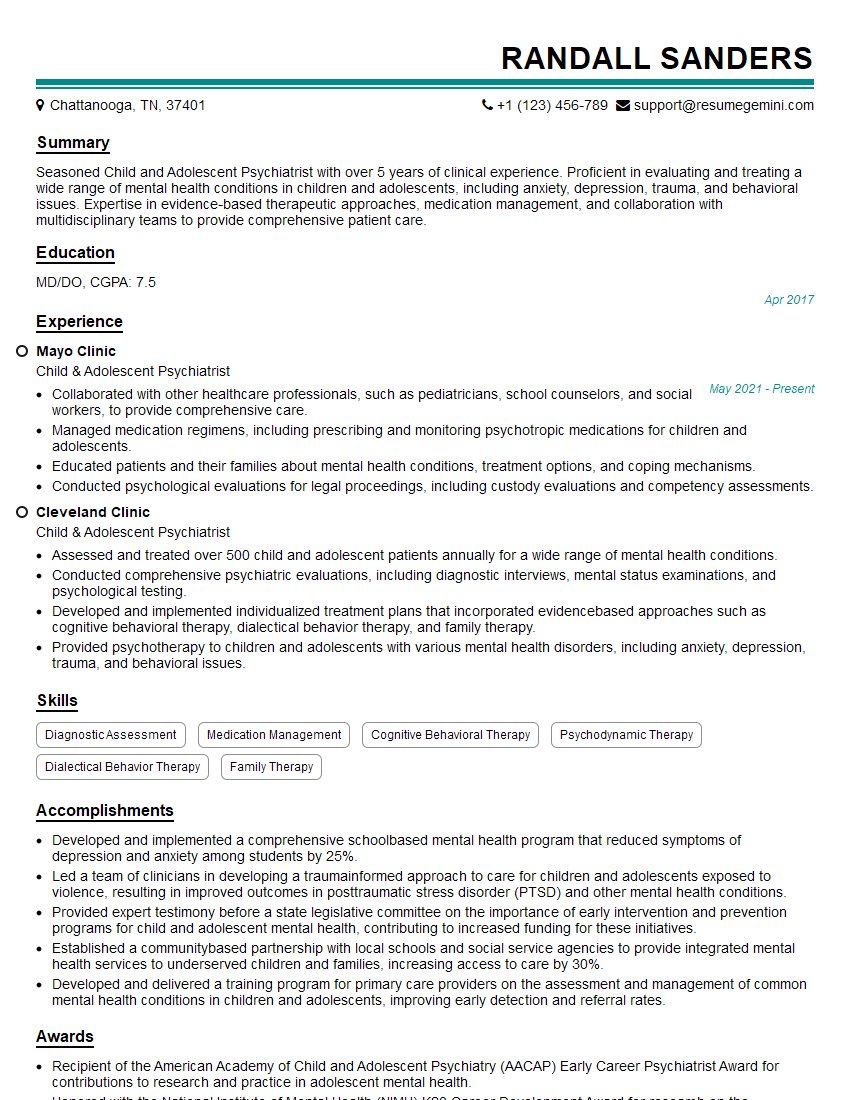
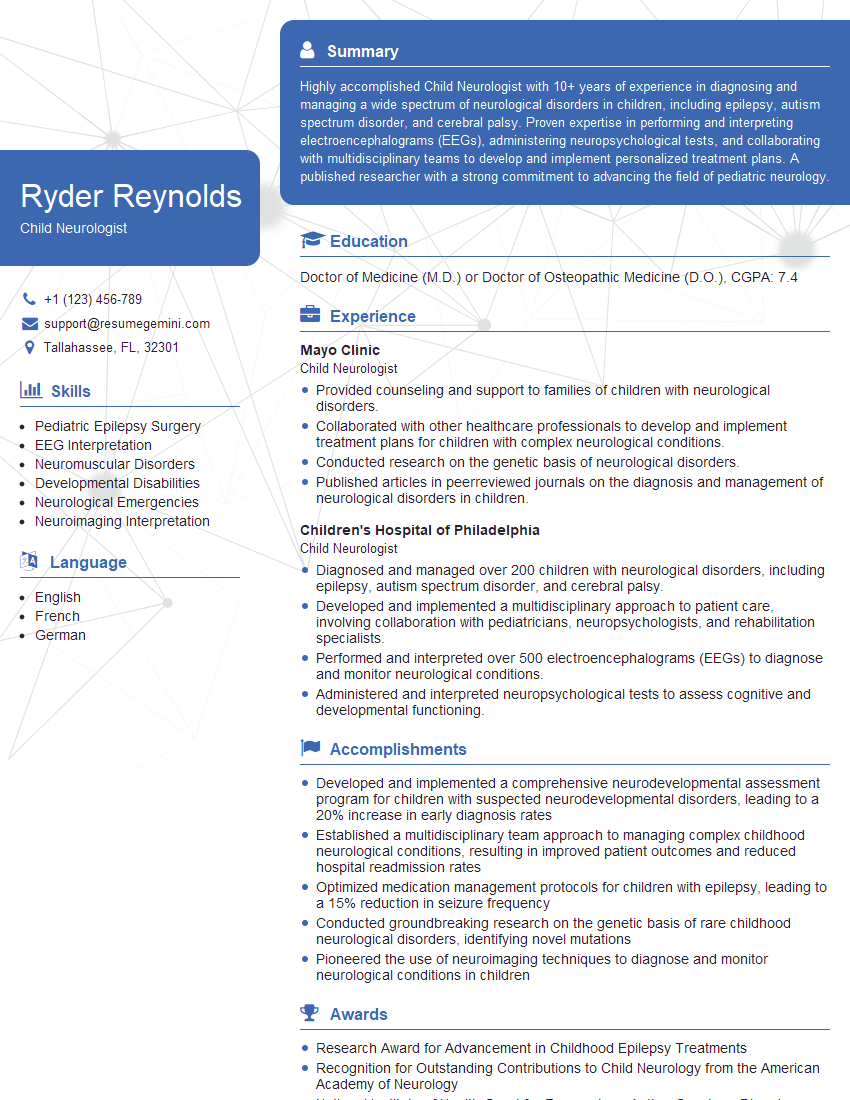
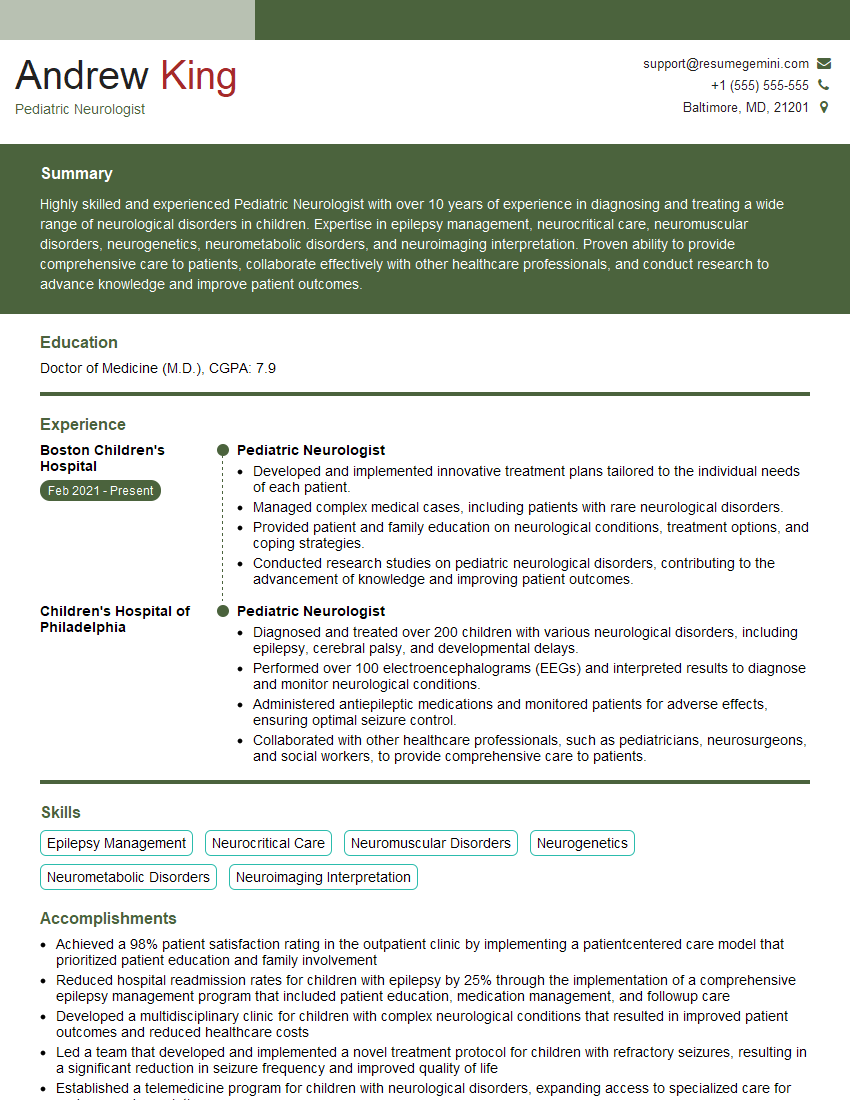
Mastering Pediatric Headache is crucial for career advancement in neurology, pediatrics, and related specialties. A strong understanding of these concepts demonstrates expertise and enhances your candidacy for prestigious positions. To significantly improve your job prospects, create a compelling and ATS-friendly resume that highlights your skills and experience. ResumeGemini is a trusted resource to help you build a professional and effective resume, ensuring your application stands out. Examples of resumes tailored specifically to Pediatric Headache are available to guide your resume creation.
Explore more articles
Users Rating of Our Blogs
Share Your Experience
We value your feedback! Please rate our content and share your thoughts (optional).
What Readers Say About Our Blog
To the interviewgemini.com Webmaster.
Very helpful and content specific questions to help prepare me for my interview!
Thank you
To the interviewgemini.com Webmaster.
This was kind of a unique content I found around the specialized skills. Very helpful questions and good detailed answers.
Very Helpful blog, thank you Interviewgemini team.