Unlock your full potential by mastering the most common Train and supervise new operators interview questions. This blog offers a deep dive into the critical topics, ensuring you’re not only prepared to answer but to excel. With these insights, you’ll approach your interview with clarity and confidence.
Questions Asked in Train and supervise new operators Interview
Q 1. Describe your experience developing training programs for new operators.
Developing effective training programs for new operators is a multi-stage process that I approach systematically. It begins with a thorough needs assessment to identify specific knowledge and skill gaps. I then design a curriculum that incorporates various learning methods – lectures, demonstrations, hands-on practice, simulations, and role-playing – to cater to different learning styles. For example, when training operators for a complex machinery, I might start with classroom instruction on safety protocols and theoretical aspects, followed by simulated exercises in a controlled environment before progressing to actual machine operation under supervision.
The curriculum is structured to build progressively, starting with fundamental concepts and moving towards advanced tasks. Regular assessments are incorporated throughout the program to track progress and identify areas needing further attention. Finally, the program is meticulously documented, including training materials, assessment tools, and evaluation metrics, ensuring consistency and replicability.
For instance, in my previous role at a manufacturing plant, I developed a training program for new assembly line operators that reduced onboarding time by 15% and improved initial production efficiency by 10%. This was achieved by implementing a blended learning approach incorporating online modules, classroom sessions, and on-the-job training, tailored to the specific demands of the assembly process.
Q 2. What methods do you use to assess operator competency?
Assessing operator competency requires a multifaceted approach that goes beyond simple written tests. I utilize a combination of methods to gain a comprehensive understanding of an operator’s skills and abilities.
- Practical Demonstrations: This involves observing operators performing tasks under real-world or simulated conditions. This allows for direct assessment of their proficiency and problem-solving skills.
- Written Exams: These assess theoretical knowledge and understanding of safety procedures, operational guidelines, and troubleshooting techniques.
- Simulations: Software-based simulations provide a safe environment to test an operator’s response to various scenarios, including emergencies.
- Performance Reviews: Regular performance reviews, coupled with feedback from supervisors and peers, provide valuable insights into an operator’s overall performance and areas for improvement.
- Checklists and Observation Forms: Standardized checklists and observation forms ensure consistency and objectivity in evaluating operator performance.
For example, when assessing the competency of a forklift operator, I would observe them navigating a warehouse environment, executing loading and unloading tasks, and responding to simulated emergencies, in addition to conducting a written test on safety regulations and operating procedures.
Q 3. How do you handle operator performance issues?
Addressing operator performance issues requires a structured and supportive approach. My first step is to identify the root cause of the problem through open communication with the operator and careful review of their performance data. This might involve analyzing error reports, reviewing observation notes, and conducting informal interviews.
Once the root cause is identified, I work collaboratively with the operator to develop a performance improvement plan. This plan outlines specific goals, timelines, and strategies for improvement. It might involve additional training, mentoring, or adjustments to work processes. Regular check-ins and feedback sessions are crucial to monitor progress and offer ongoing support. If the problem persists despite these interventions, I would then follow company disciplinary procedures.
For instance, if an operator consistently misses safety protocols, I’d first investigate whether there’s a lack of understanding of the protocols, a lack of proper training, or a problem with the work environment leading to shortcuts. The improvement plan would then focus on retraining, clarifying expectations, or improving working conditions to mitigate the risks.
Q 4. Explain your approach to creating a positive training environment.
Creating a positive training environment is crucial for effective learning and skill development. I foster a learning culture based on respect, trust, and open communication. This involves establishing clear expectations, providing regular feedback, and celebrating successes.
- Supportive Atmosphere: A safe space where operators feel comfortable asking questions and making mistakes without fear of judgment.
- Positive Reinforcement: Recognizing and rewarding efforts and achievements, both big and small.
- Collaborative Learning: Encouraging peer-to-peer learning and knowledge sharing.
- Clear Communication: Ensuring that training objectives, expectations, and feedback are clearly communicated.
- Accessibility: Making sure training materials and resources are easily accessible and understandable.
For example, I might incorporate team-based activities and group discussions into training sessions to encourage collaboration and peer learning. I would also provide regular positive feedback and celebrate the successes of individual operators as well as the entire training group.
Q 5. What are some common challenges in training new operators, and how do you address them?
Training new operators presents various challenges. Some common ones include:
- Varying Learning Styles and Abilities: Operators learn at different paces and have different learning preferences. Addressing this requires using diverse training methods and providing individualized support.
- Lack of Prior Experience: New operators may lack the foundational knowledge and skills needed to perform their jobs effectively. This necessitates comprehensive training programs that build a strong base.
- Maintaining Engagement: Keeping trainees engaged and motivated throughout the training process is essential. This can be achieved by incorporating interactive elements, real-world examples, and opportunities for practical application.
- Time Constraints: Balancing the need for thorough training with operational needs and time constraints requires careful planning and efficient training delivery methods.
I address these challenges by employing a blended learning approach, using a variety of methods to cater to different learning styles. I provide individualized support to those who need it, and I incorporate regular assessments and feedback to track progress and adjust the training as needed. I also prioritize efficient training delivery to minimize disruption to operations. For instance, implementing online modules allows operators to learn at their own pace outside of formal training sessions.
Q 6. How do you track and measure the effectiveness of your training programs?
Tracking and measuring training effectiveness is crucial to demonstrate ROI and identify areas for improvement. I use a combination of quantitative and qualitative methods.
- Pre- and Post-Training Assessments: Comparing scores on pre- and post-training assessments helps gauge the improvement in knowledge and skills.
- Performance Metrics: Tracking key performance indicators (KPIs) like error rates, production output, and safety incidents, both before and after training, provides concrete evidence of its impact.
- Operator Feedback: Collecting feedback from operators on their training experience helps identify areas for improvement.
- Supervisor Feedback: Gathering feedback from supervisors on operator performance after training provides a broader perspective on effectiveness.
- Training Completion Rates: Monitoring the completion rates of different training modules helps identify areas where trainees may be struggling.
For example, I might track the number of errors made by operators during the first month after training compared to the average error rate before training, or I could collect feedback through surveys and focus groups to assess the overall effectiveness and satisfaction with the training.
Q 7. Describe your experience with different training delivery methods (e.g., classroom, on-the-job, online).
I have extensive experience using various training delivery methods, each with its own strengths and weaknesses. My approach is to leverage the best methods for each specific training need.
- Classroom Training: Ideal for delivering theoretical knowledge, group discussions, and interactive exercises. However, it can be less efficient for hands-on skills training.
- On-the-Job Training (OJT): The most effective method for developing practical skills under real-world conditions, but it requires close supervision and can be time-consuming.
- Online Training: Flexible and cost-effective, particularly for delivering information or basic training modules. However, it may lack the interaction and immediate feedback of classroom or OJT.
- Blended Learning: Combining different methods often yields the best results, catering to various learning styles and ensuring both theoretical understanding and practical skills development. For instance, a combination of online modules, classroom sessions, and OJT is ideal for most operational training programs.
In my previous role, I successfully transitioned a primarily classroom-based training program to a blended learning approach incorporating online modules and on-the-job coaching. This significantly reduced training time and improved knowledge retention among new employees. The online modules provided flexibility for trainees while the on-the-job element reinforced theoretical knowledge in a practical setting.
Q 8. How do you adapt your training style to different learning styles?
Adapting my training style to different learning styles is crucial for effective operator training. I believe in a multifaceted approach that caters to visual, auditory, and kinesthetic learners. For visual learners, I use diagrams, charts, videos, and presentations. For auditory learners, I incorporate lectures, discussions, and audio-based tutorials. And for kinesthetic learners, hands-on practice, simulations, and role-playing are key.
For example, when teaching the operation of a complex machine, I’d provide a detailed diagram for visual learners, explain the process verbally for auditory learners, and then allow them to practice the operation themselves for kinesthetic learners. I also regularly assess individual learning preferences through observation and informal feedback, adjusting my methods accordingly. This ensures everyone feels comfortable and understands the material.
Furthermore, I use a variety of teaching methods within a single training session to cater to a diverse group. This might involve a short lecture followed by a group discussion, then individual practice on a simulator, concluding with a quick quiz to reinforce learning.
Q 9. How do you ensure compliance with safety regulations during operator training?
Safety is paramount in operator training. I begin by ensuring all trainees understand and acknowledge the company’s safety policies and procedures. This includes detailed reviews of safety manuals and potentially mandatory safety training modules. I use real-world scenarios and case studies to illustrate potential hazards and the consequences of non-compliance.
During hands-on training, I enforce strict adherence to safety protocols. This involves constant supervision, regular checks on the proper use of Personal Protective Equipment (PPE), and immediate correction of any unsafe behavior. We conduct regular safety briefings before each practical session and debrief after, discussing both successes and areas for improvement in safety practices. Trainees are required to pass safety quizzes and demonstrate competency before operating any equipment independently.
Furthermore, I integrate safety into every aspect of the training, making it an integral part of the learning process rather than a separate module. For example, safety checks are integrated into the operating procedure for each machine, and the consequences of overlooking those checks are discussed extensively.
Q 10. How do you provide feedback to operators during training and beyond?
Providing constructive feedback is essential for operator growth. During training, I provide both immediate and delayed feedback. Immediate feedback focuses on correcting mistakes in real-time, ensuring trainees understand the correct procedure immediately. For example, if a trainee makes an error during a simulation, I’ll immediately point out the mistake and guide them toward the correct action.
Delayed feedback, on the other hand, comes after a training session or a specific task. This feedback is more comprehensive and addresses both strengths and weaknesses. I often use a structured feedback form that assesses specific skills and knowledge areas. This feedback is documented and shared with the trainee for future reference.
Beyond initial training, regular performance reviews and check-ins maintain a feedback loop. These reviews allow for continuous improvement and address any challenges the operator might be facing in the workplace. I encourage open communication, creating a safe environment for operators to ask questions and seek clarification.
Q 11. What is your process for creating and updating training materials?
Creating and updating training materials is an iterative process that involves several steps. I begin by conducting a thorough needs analysis to identify the specific knowledge and skills required for the role. This may involve reviewing job descriptions, consulting with experienced operators, and observing current workplace practices.
Once the needs are identified, I develop training materials, including manuals, presentations, videos, and simulations. These materials are designed to be clear, concise, and engaging. I prioritize visual aids and practical examples to improve understanding and retention.
Regular updates are vital. I review and update the training materials at least annually, or more frequently if there are changes in equipment, procedures, or regulations. Feedback from operators and supervisors is crucial in this process; this helps to identify areas that need clarification or improvement. The feedback loop ensures that the training materials remain relevant and effective.
Q 12. How do you evaluate the effectiveness of training materials?
Evaluating the effectiveness of training materials is crucial to ensure their continued relevance and value. I employ a multi-pronged approach. This includes regular post-training assessments, using tests, quizzes, and practical evaluations to measure the knowledge and skill acquisition of the trainees. The results of these assessments provide quantitative data on the effectiveness of the training.
Qualitative feedback is equally important. I conduct regular surveys and interviews with operators, supervisors, and management to gather opinions and suggestions. This feedback allows me to assess the trainees’ satisfaction with the training materials and pinpoint areas where improvement is needed. Observations of operator performance in the workplace also provide valuable insights.
Analyzing the data collected from both quantitative and qualitative methods allows me to make data-driven decisions regarding updates and revisions to the training materials. For example, if the post-training assessments show a low score on a specific topic, I can revise that section of the training to enhance clarity and comprehension.
Q 13. Describe your experience using training technologies (e.g., LMS, simulations).
I have extensive experience using various training technologies, including Learning Management Systems (LMS) and simulations. LMS platforms, such as Moodle or Blackboard, allow for the efficient delivery and tracking of online training materials. They offer a convenient platform for distributing learning resources, administering quizzes, and tracking progress. This enables me to monitor individual learner progress and identify areas requiring further attention.
Simulations provide an invaluable tool for hands-on training without the risks associated with real-world equipment. I have used simulations to train operators on various machines and processes, allowing them to practice in a safe and controlled environment. These simulations often include realistic scenarios, requiring problem-solving skills and decision-making under pressure. For example, we use a crane simulator to teach safe operation techniques without the risks associated with real-world crane operation. The feedback loop within the simulator itself adds another layer of immediate learning.
Q 14. How do you maintain training records and documentation?
Maintaining accurate and up-to-date training records is essential for compliance and accountability. I use a combination of digital and physical methods. All training records are stored securely and systematically. Digital records, such as those maintained within an LMS, include learner profiles, course completion certificates, assessment scores, and feedback forms. This ensures that all the training data is readily accessible.
Physical records, such as signed training completion certificates, are kept in secure physical files, following company guidelines for document retention policies. A robust filing system, whether digital or physical, ensures easy retrieval of information when needed. The training records provide a valuable audit trail, demonstrating compliance with regulatory requirements and showcasing the effectiveness of training programs.
Q 15. How do you ensure consistent application of training across different teams or shifts?
Consistency in training across teams and shifts is crucial for maintaining operational standards. I achieve this through a standardized training program, delivered using a multi-faceted approach. This includes:
- Centralized Training Materials: All training materials – manuals, presentations, videos – are stored in a central, easily accessible repository. This ensures everyone uses the same up-to-date information.
- Standardized Curriculum: A detailed curriculum outlines the learning objectives, methods, and assessment criteria for each training module. This eliminates variations in content and delivery across teams.
- Regular Trainer Calibration: Trainers from different teams regularly meet to discuss best practices, address inconsistencies, and ensure everyone is delivering the training consistently. We might use role-playing exercises to assess consistency in teaching techniques.
- Post-Training Assessments: Standardized written and practical tests are used to evaluate the effectiveness of the training and identify any areas needing improvement. This data is analyzed to further refine the training program.
- Observation and Feedback: Supervisors regularly observe operators on the floor, ensuring they apply the trained skills correctly. Constructive feedback is given promptly.
For example, if we’re training operators on a new machine, every team will receive the same hands-on training, covering the same safety procedures and operational steps, using identical visual aids and checklists. This ensures uniform understanding and performance.
Career Expert Tips:
- Ace those interviews! Prepare effectively by reviewing the Top 50 Most Common Interview Questions on ResumeGemini.
- Navigate your job search with confidence! Explore a wide range of Career Tips on ResumeGemini. Learn about common challenges and recommendations to overcome them.
- Craft the perfect resume! Master the Art of Resume Writing with ResumeGemini’s guide. Showcase your unique qualifications and achievements effectively.
- Don’t miss out on holiday savings! Build your dream resume with ResumeGemini’s ATS optimized templates.
Q 16. How do you identify training needs for operators?
Identifying training needs is an ongoing process involving several key strategies:
- Performance Reviews: Regular performance reviews highlight areas where operators excel and where they need improvement. This provides a direct insight into skill gaps.
- Incident Reports and Near Misses: Analyzing incident reports and near misses reveals operational weaknesses and identifies skills needing reinforcement. For example, repeated errors in a specific task indicate a training deficiency.
- Operator Feedback: Operators themselves are a valuable source of information. Regular feedback sessions can uncover challenges, areas of confusion, or requests for advanced training.
- Technology Monitoring: Analyzing machine data and production metrics can identify areas where operator skill directly impacts performance. For instance, consistently low production output from a specific operator might indicate the need for retraining.
- Industry Best Practices: Keeping abreast of industry best practices and new technologies helps proactively identify training needs. This ensures our operators are equipped with the latest knowledge and skills.
For instance, if we notice a significant increase in machine malfunctions after a process change, we would immediately identify the need for supplemental training on the modified process to address the performance gap.
Q 17. What is your approach to mentoring and coaching operators?
My approach to mentoring and coaching is centered around building a supportive and constructive relationship with each operator. It goes beyond just providing instructions and involves:
- Individualized Coaching: I tailor my coaching approach to the specific needs and learning style of each operator. Some learn best through hands-on demonstrations, while others benefit from detailed explanations and written instructions.
- Regular Check-ins: Frequent check-ins allow me to monitor progress, provide timely feedback, and address any challenges promptly. This ongoing support is crucial for successful skill development.
- Goal Setting: We collaboratively set realistic, achievable goals that build on the operator’s existing skills. This fosters a sense of accomplishment and encourages continued learning.
- Positive Reinforcement: Recognizing and rewarding achievements, however small, encourages motivation and reinforces positive behaviors. A simple ‘well done’ can go a long way.
- Constructive Feedback: Feedback focuses on specific behaviors and provides actionable suggestions for improvement, avoiding criticism.
For example, if an operator is struggling with a specific task, I might observe them performing it, identify the exact point of difficulty, and then provide personalized guidance and practice until they feel confident.
Q 18. How do you foster a culture of continuous learning among operators?
Fostering a culture of continuous learning requires creating an environment where learning is valued, accessible, and encouraged. My strategies include:
- Accessibility to Resources: Providing easy access to training materials, online courses, and industry publications ensures operators can continuously update their knowledge.
- Incentivizing Learning: Offering rewards or recognition for participation in training programs or achieving certifications motivates operators to pursue continuous learning.
- Knowledge Sharing: Encouraging operators to share their expertise and experiences with their colleagues creates a collaborative learning environment.
- Regular Training Updates: Continuously updating training programs to reflect new technologies and best practices ensures operators remain current in their skills.
- Feedback Mechanisms: Establishing feedback mechanisms – like suggestion boxes or regular meetings – encourages operators to identify training needs and contribute to program improvement.
For example, we might organize workshops where experienced operators can share their problem-solving techniques with newer colleagues, promoting peer-to-peer learning.
Q 19. How do you handle situations where operators struggle to master certain skills?
When operators struggle with specific skills, a systematic approach is vital. This involves:
- Identifying Root Cause: First, I determine the reason for the difficulty. Is it a lack of understanding, insufficient practice, a learning disability, or something else?
- Adjusting Training Methods: If the training material or method isn’t effective, I adapt it. This might involve using different teaching techniques, providing more examples, or breaking down complex tasks into smaller, manageable steps.
- Providing Additional Support: This might include one-on-one coaching, mentorship from a more experienced operator, or access to specialized training resources.
- Utilizing Technology: Simulation software or interactive training tools can provide a safe and supportive environment for practice and skill development.
- Addressing Underlying Issues: If there are underlying issues like lack of confidence or motivation, addressing those is crucial. Positive reinforcement and encouragement are key here.
For example, if an operator struggles with a complex software program, I might pair them with a mentor and create a tailored training plan focused on specific functionalities.
Q 20. How do you ensure operators understand and adhere to company procedures?
Ensuring adherence to company procedures is paramount for safety, efficiency, and compliance. My approach involves:
- Clear and Concise Procedures: Procedures must be clear, concise, and easily understandable. Using visuals and flowcharts can significantly improve comprehension.
- Comprehensive Training: Thorough training on all relevant procedures is essential. This includes both classroom instruction and practical application.
- Regular Reviews: Regularly reviewing and updating procedures ensures they remain relevant and effective. Operators should be involved in this review process.
- Accessible Resources: Procedures should be readily accessible to operators, perhaps through a digital repository or readily available printed copies.
- Consequences for Non-Compliance: A clear understanding of the consequences of non-compliance reinforces the importance of adherence. This isn’t about punishment but about maintaining safety and consistency.
- Feedback and Improvement: Operators should be encouraged to provide feedback on the clarity and effectiveness of procedures, fostering continuous improvement.
For example, we might use regular quizzes or scenario-based exercises to test operators’ understanding and application of safety protocols.
Q 21. What are some key performance indicators (KPIs) you use to evaluate operator performance?
Key Performance Indicators (KPIs) are crucial for evaluating operator performance and identifying areas for improvement. Some key KPIs I use include:
- Production Output: Measuring the quantity of units produced per hour or shift provides a direct measure of efficiency.
- Quality Metrics: Tracking the number of defects or errors helps assess the accuracy and precision of the operator’s work.
- Safety Record: Monitoring safety incidents, near misses, and adherence to safety protocols assesses the operator’s commitment to safety.
- Downtime Reduction: Measuring the amount of downtime caused by operator error indicates efficiency and problem-solving skills.
- Training Completion Rates: Tracking completion rates for training programs indicates engagement with ongoing development.
- Compliance Rates: Measuring adherence to company procedures and regulations provides an indication of responsible work habits.
- Customer Feedback (if applicable): Direct customer feedback can provide valuable insight into operator performance and impact on the customer experience.
By combining these KPIs, I can create a holistic picture of an operator’s performance and identify areas needing support or further development.
Q 22. Describe your experience in conducting performance reviews for operators.
Performance reviews for operators are crucial for identifying strengths, weaknesses, and areas for improvement. My approach is multifaceted, combining quantitative data (like production output and error rates) with qualitative observations from on-the-job performance and feedback from peers and supervisors.
I begin by setting clear expectations and performance goals at the start of the review period, ensuring the operator understands what constitutes success. During the review, I use a structured format, focusing on specific examples of their performance. For instance, if an operator consistently met production targets but had a high error rate in a specific task, we’d discuss the root cause, perhaps a need for more training or a process improvement.
The review is a two-way conversation; I encourage operators to share their perspectives and challenges. I then collaboratively create a development plan outlining specific goals and strategies for improvement, including additional training, mentoring opportunities, or adjustments to their work assignments. The plan is regularly reviewed to track progress and make adjustments as needed. Finally, I document all aspects of the review, providing a clear record of performance and the agreed-upon development plan.
Q 23. How do you ensure operators feel supported and engaged in their training?
Creating a supportive and engaging training environment is paramount. I believe in fostering a culture of continuous learning where operators feel valued and empowered. This begins with clear communication – explaining the ‘why’ behind the training, how it benefits both the individual and the company. I also prioritize building rapport with each operator, understanding their individual learning styles and preferences.
To enhance engagement, I use a variety of training methods, including hands-on practice, simulations, interactive workshops, and on-the-job training. Regular feedback, both positive and constructive, is vital. I celebrate successes and provide support when challenges arise. I also encourage peer-to-peer learning and mentorship programs where more experienced operators guide newer ones. Creating a safe space where operators feel comfortable asking questions and admitting mistakes is critical for fostering a positive learning environment. I also incorporate gamification elements where appropriate, to make the learning process more enjoyable and motivating.
Q 24. How do you deal with resistance to training from operators?
Resistance to training can stem from various factors, such as fear of change, lack of understanding, or perceived irrelevance. My approach involves active listening and empathy. I start by understanding the root cause of the resistance. Is it a fear of failure? A lack of confidence? Or simply a lack of time?
Once I understand the underlying issue, I tailor my approach accordingly. This might involve addressing their concerns directly, providing reassurance and demonstrating the practical benefits of the training. In some cases, involving the operator in the design or delivery of the training can increase buy-in. I also emphasize the importance of continuous learning for career advancement and personal growth. If resistance persists despite these efforts, I might involve their supervisor or HR to offer further support and address any organizational barriers that might be contributing to the issue. Ultimately, my goal is to build trust and create a collaborative relationship where the operator feels heard and understood.
Q 25. How do you incorporate feedback from operators into your training programs?
Operator feedback is invaluable for improving training programs. I actively solicit feedback throughout the training process through various means—post-training surveys, informal discussions, and observation during practical sessions. The feedback is then analyzed to identify areas for improvement. For instance, if operators consistently find a particular module confusing or irrelevant, it can be redesigned to be more clear and focused.
I use a systematic process to incorporate this feedback. I categorize the feedback (e.g., content, delivery, relevance) and prioritize changes based on frequency and impact. Regular reviews of the training program, incorporating the feedback, ensure it remains current, effective, and relevant to the operator’s needs. This iterative approach allows for continuous improvement and ensures the training reflects best practices and directly addresses the needs of the operators.
Q 26. Describe your experience in designing training for different levels of operator expertise (e.g., entry-level, advanced).
Designing training for different expertise levels requires a differentiated approach. For entry-level operators, the focus is on foundational skills and knowledge. This might involve structured classroom instruction, hands-on practice with basic tasks, and clear explanations of safety procedures. The training materials need to be simple, concise, and easy to understand.
For advanced operators, the training shifts to more complex tasks, problem-solving scenarios, and advanced techniques. This might involve simulations, case studies, and mentoring by senior staff. The materials are more sophisticated, challenging them to think critically and creatively. I often use a competency-based approach, focusing on developing specific skills and knowledge required for higher-level roles. Regular assessments and evaluations are vital at all levels to track progress and ensure mastery of the required skills. The key is to adapt the content, delivery, and assessment methods to match the operator’s existing knowledge and experience.
Q 27. How do you stay updated on best practices in operator training and development?
Staying updated on best practices in operator training is an ongoing process. I actively participate in industry conferences, workshops, and webinars. I also subscribe to relevant professional journals and online resources, keeping abreast of the latest research, techniques, and technologies. I frequently review and update our training materials to reflect new industry standards, best practices, and technological advancements.
Networking with other training professionals through professional organizations and online communities provides valuable insights and perspectives. By actively seeking and incorporating new information, I ensure our training programs are cutting-edge, effective, and prepare operators for the ever-evolving demands of the industry. This continuous learning approach ensures our training remains relevant and effective, keeping our operators at the forefront of their field.
Key Topics to Learn for Train and Supervise New Operators Interview
- Needs Assessment and Training Plan Development: Identifying operator skill gaps, designing effective training programs, and selecting appropriate training methods (on-the-job, classroom, online).
- Effective Training Delivery: Utilizing various teaching techniques, adapting to different learning styles, providing constructive feedback, and fostering a positive learning environment.
- Performance Monitoring and Evaluation: Establishing clear performance expectations, tracking progress, providing regular feedback, conducting performance reviews, and identifying areas for improvement.
- Safety and Compliance Training: Ensuring operators understand and adhere to safety protocols, regulatory requirements, and company policies. This includes demonstrating practical application of safety procedures.
- Mentorship and Coaching: Building rapport with new operators, providing ongoing support and guidance, addressing challenges, and fostering professional development.
- Problem-Solving and Troubleshooting: Equipping operators with the skills to identify, analyze, and resolve operational issues independently. This includes role-playing scenarios and practical exercises.
- Documentation and Record Keeping: Maintaining accurate training records, documenting performance evaluations, and adhering to company reporting procedures.
- Teamwork and Collaboration: Promoting effective communication and collaboration between new operators and experienced team members. This includes conflict resolution techniques.
Next Steps
Mastering the art of training and supervising new operators is crucial for career advancement in many industries. It demonstrates leadership potential, communication skills, and a commitment to team success. To significantly increase your chances of landing your dream job, crafting an ATS-friendly resume is paramount. ResumeGemini is a trusted resource that can help you build a professional and impactful resume tailored to highlight your skills and experience in this area. We provide examples of resumes specifically designed for candidates applying for Train and Supervise New Operators roles; utilize these as inspiration to create your own compelling application.
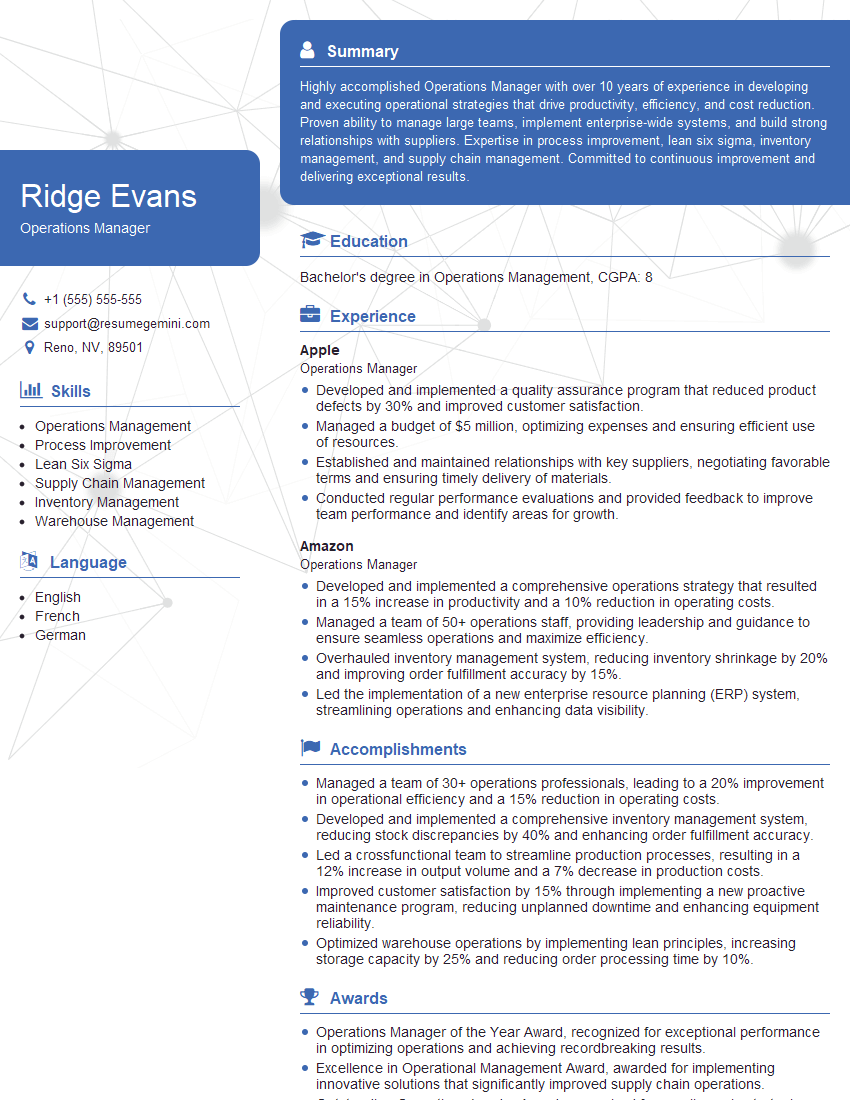
Operations Manager Resume Sample
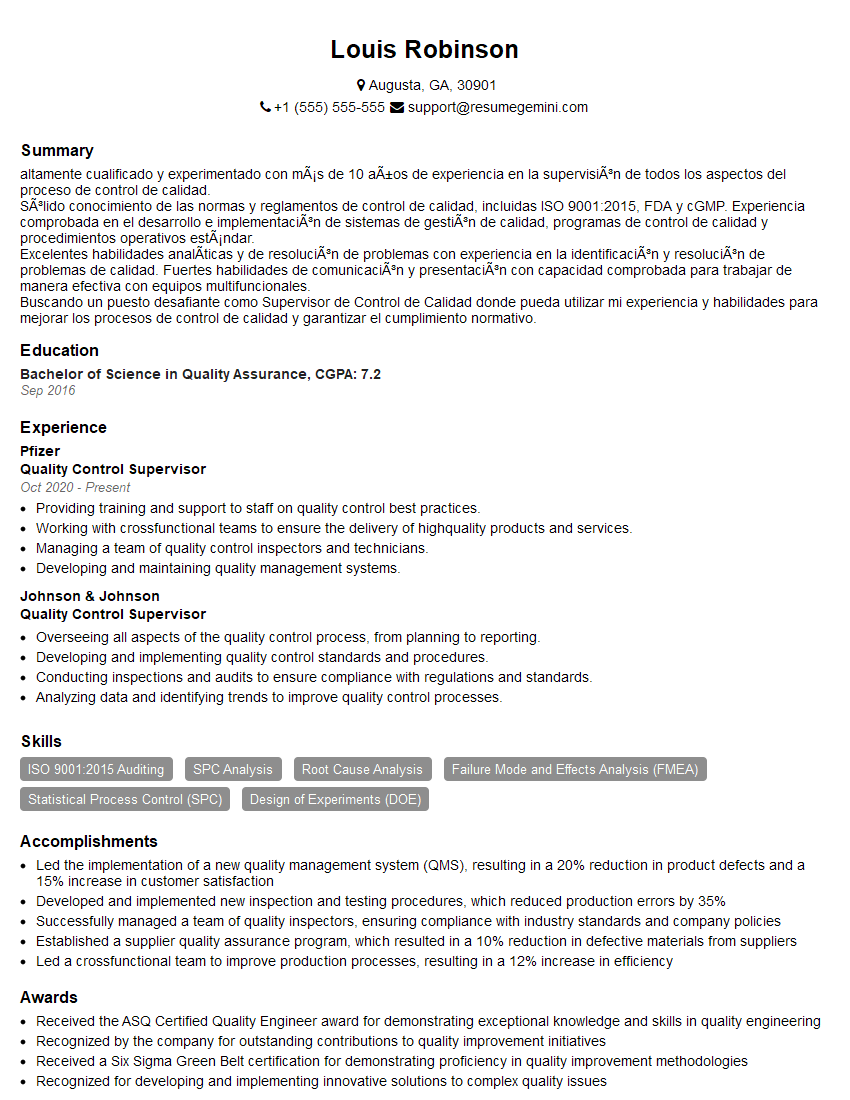
Quality Control Supervisor Resume Sample
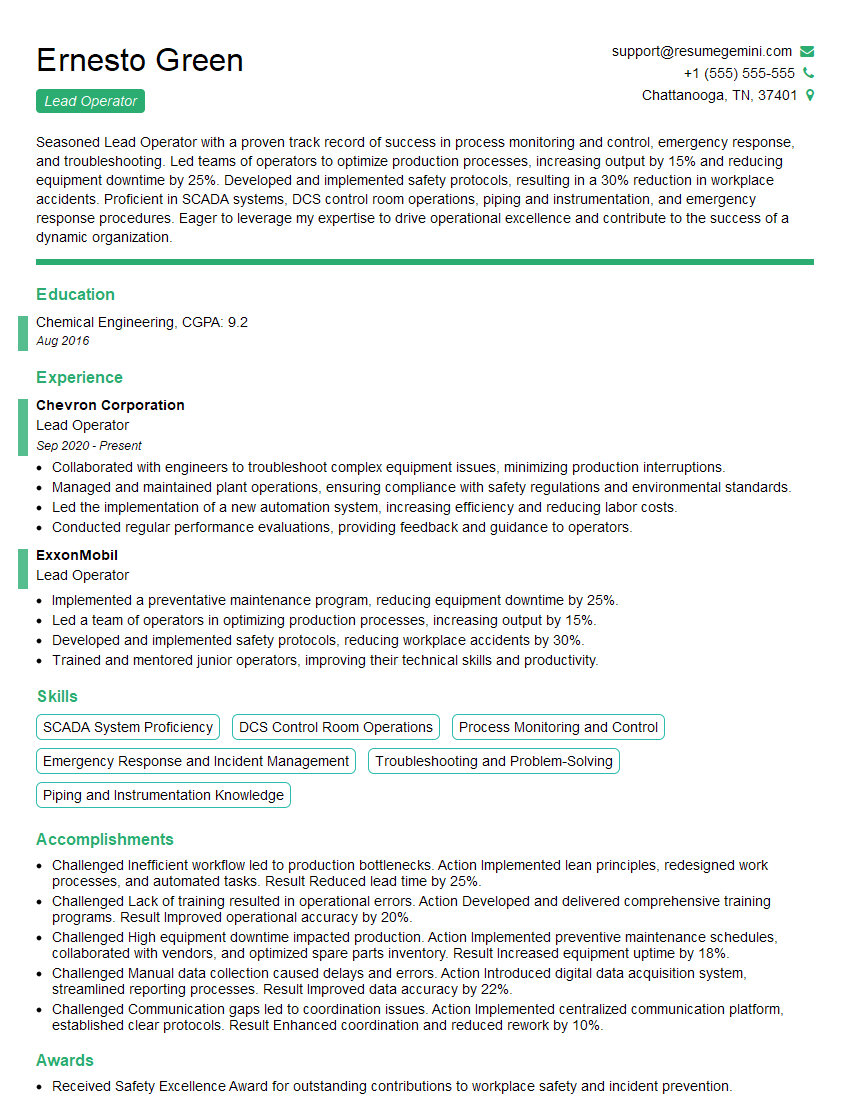
Lead Operator Resume Sample
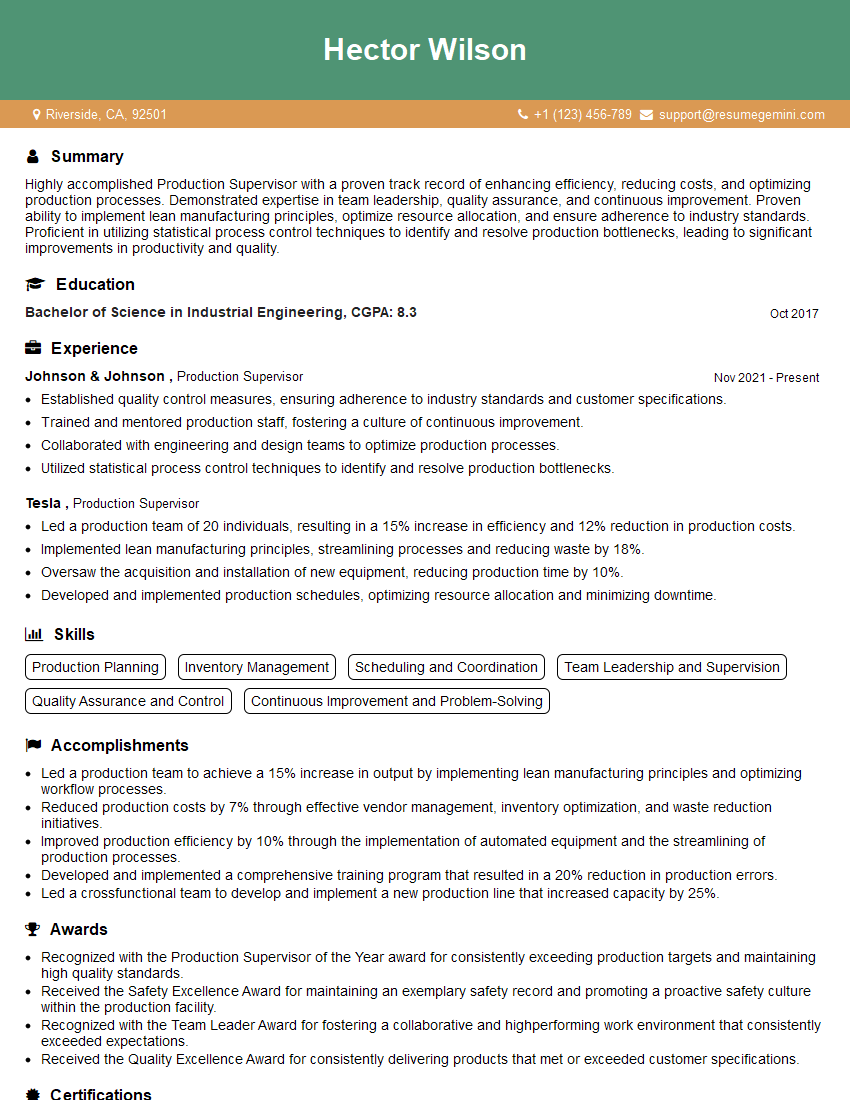
Production Supervisor Resume Sample
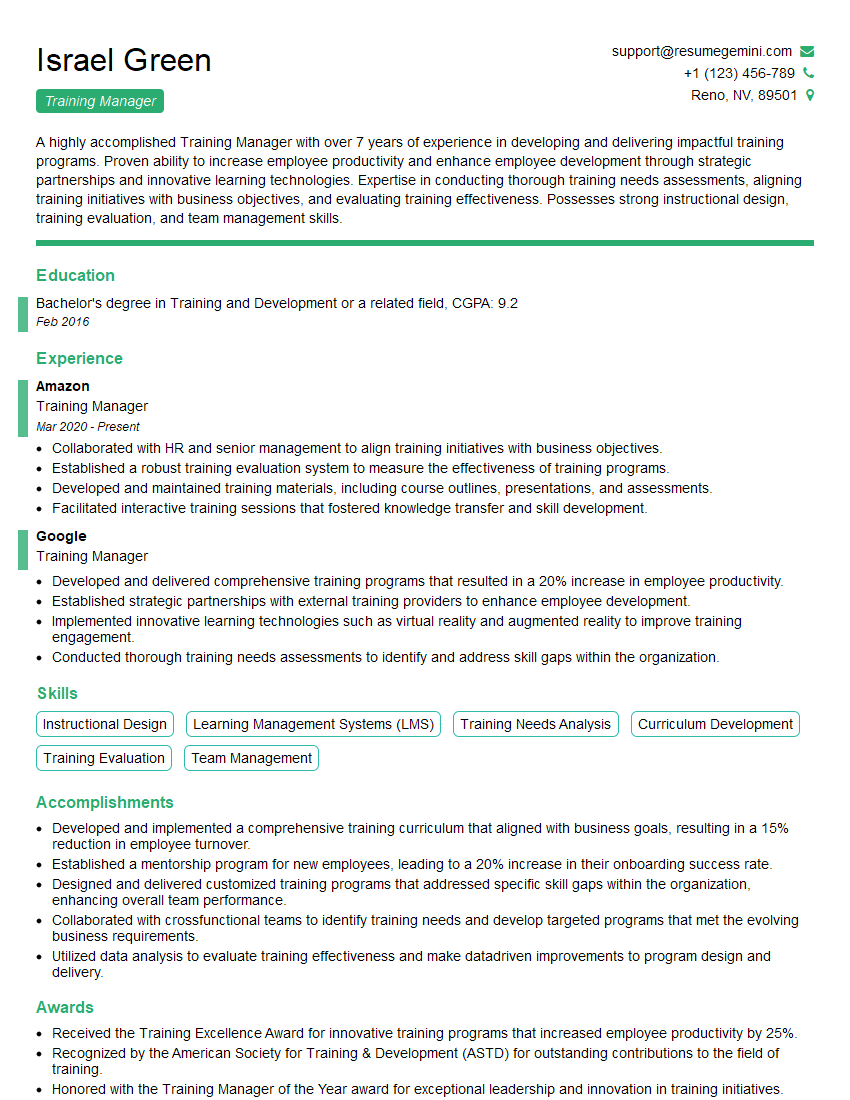
Training Manager Resume Sample
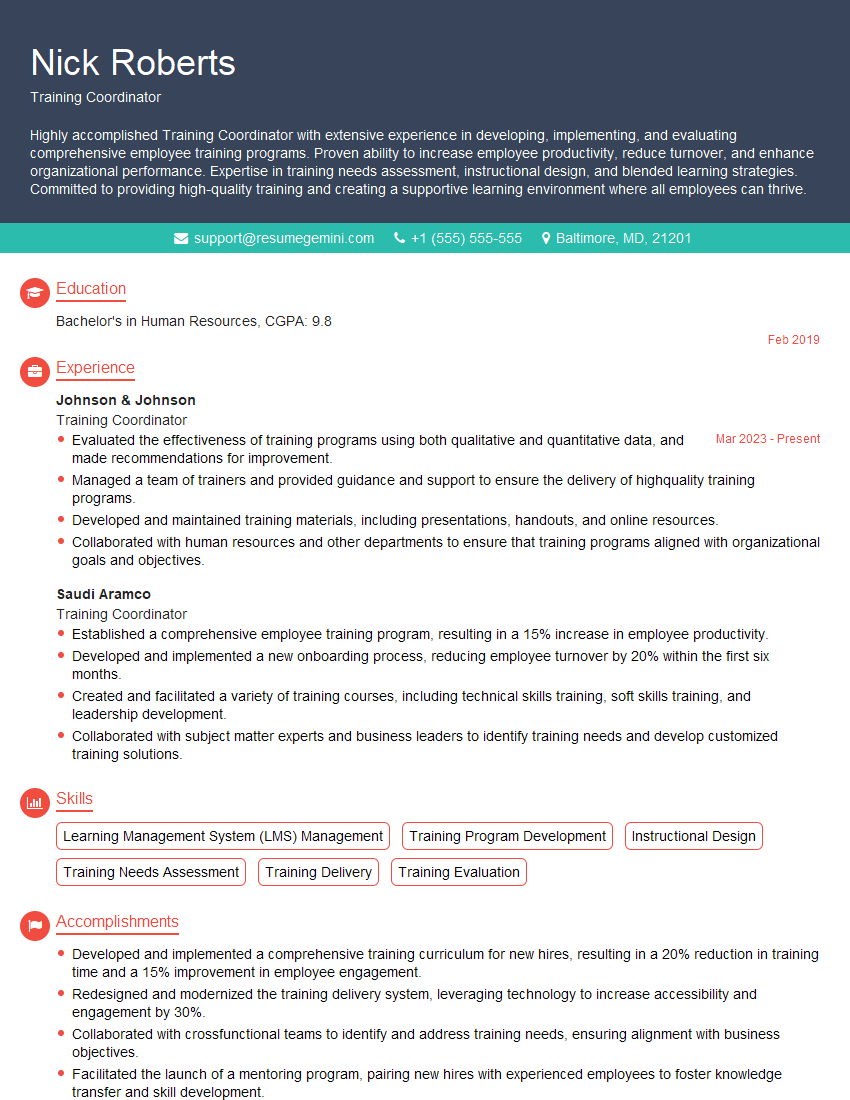
Training Coordinator Resume Sample
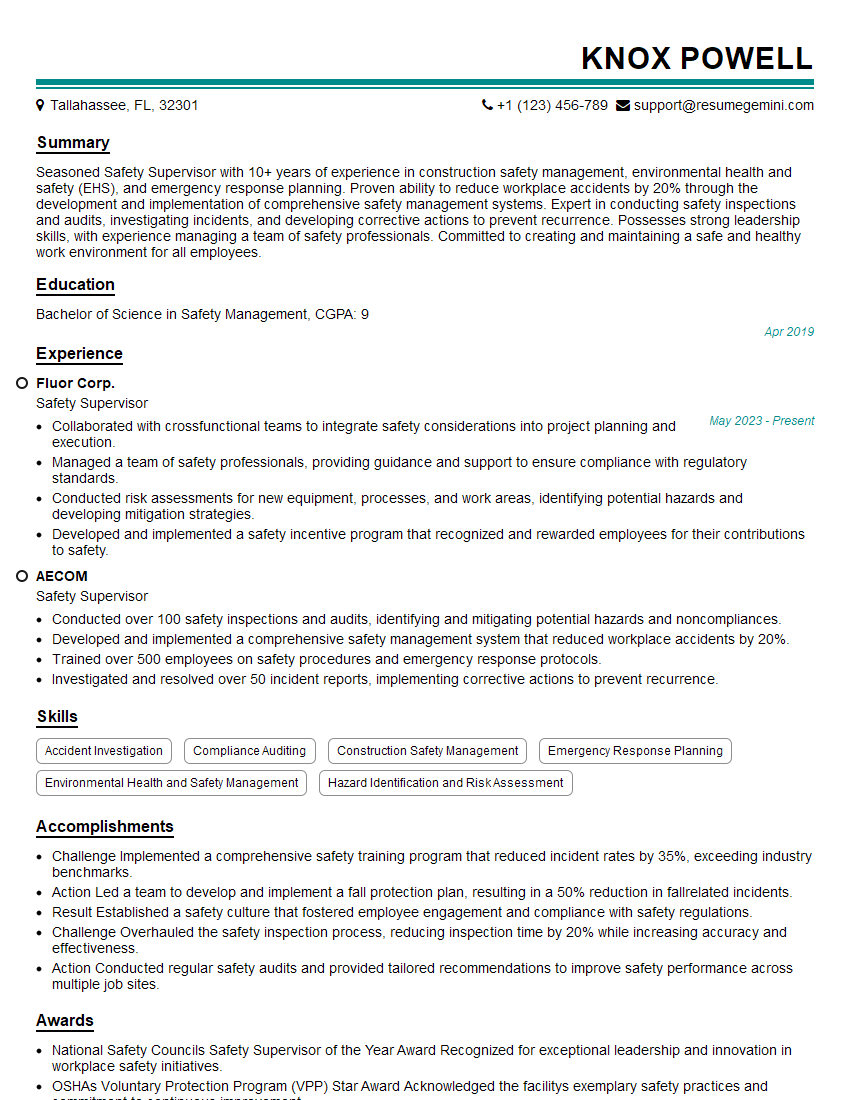
Safety Supervisor Resume Sample

Curriculum Developer Resume Sample
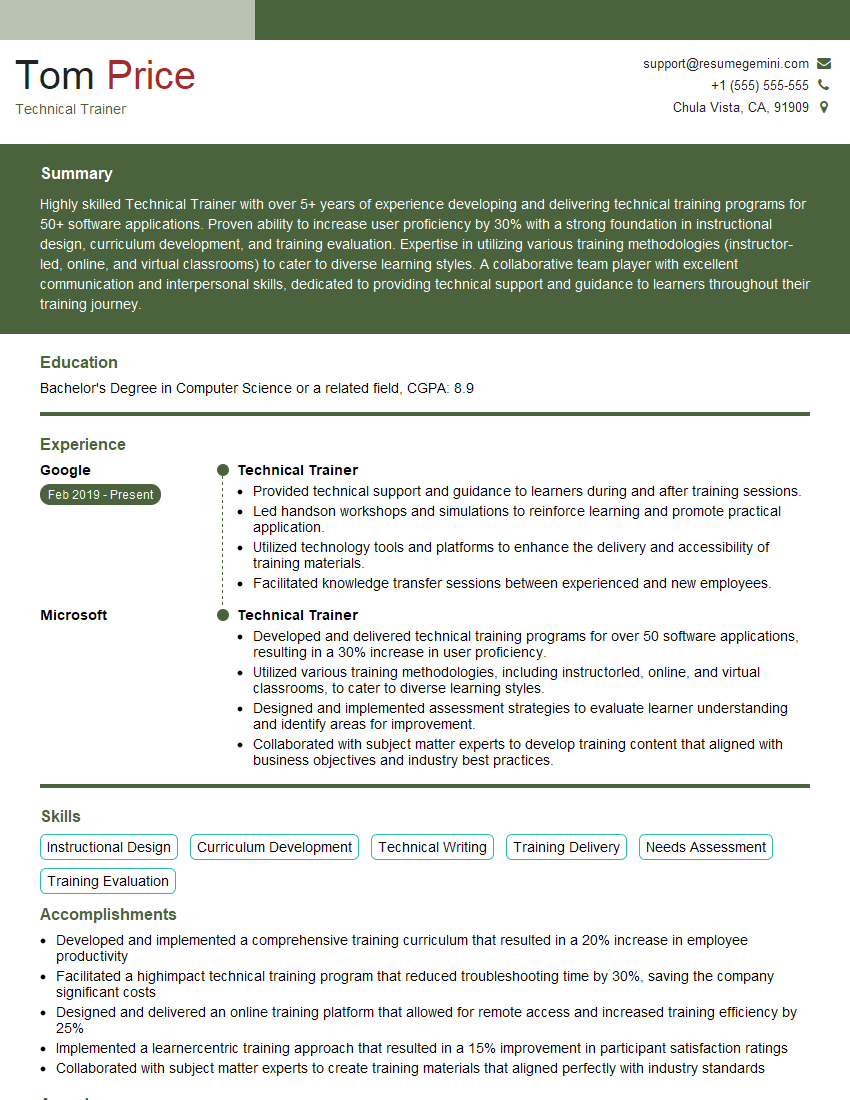
Technical Trainer Resume Sample
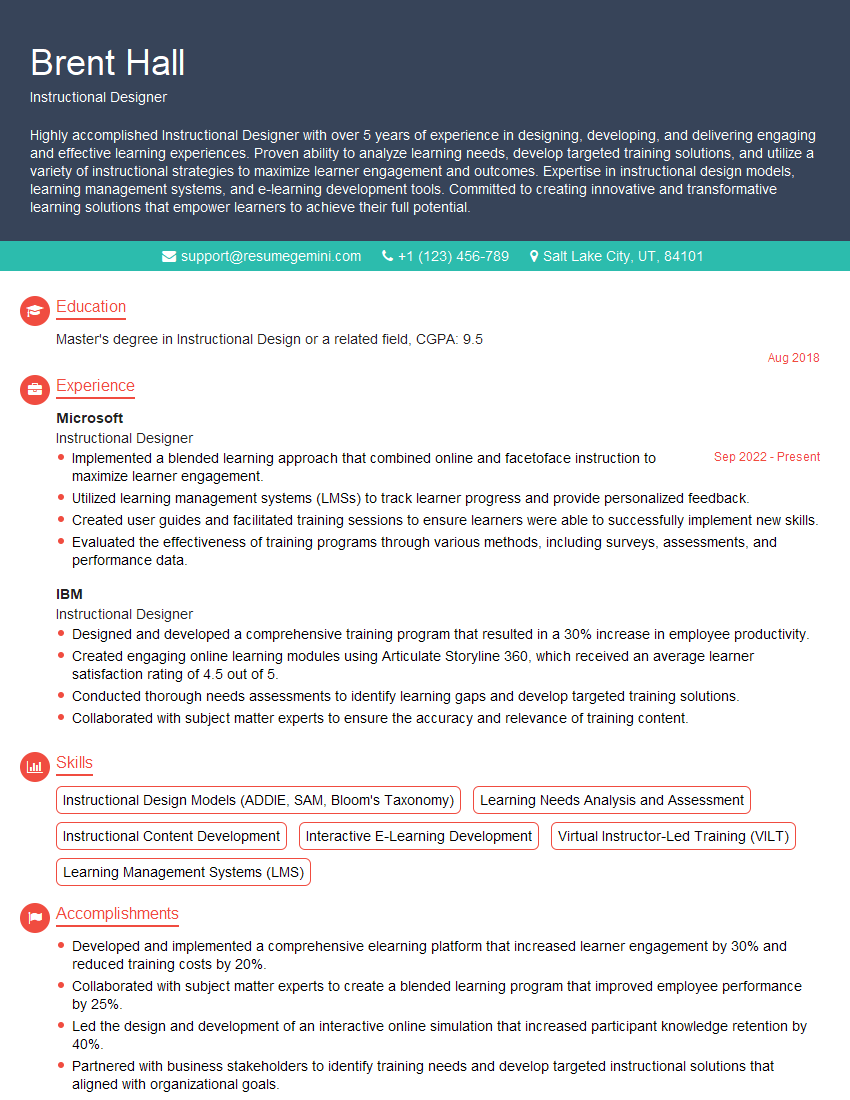
Instructional Designer Resume Sample
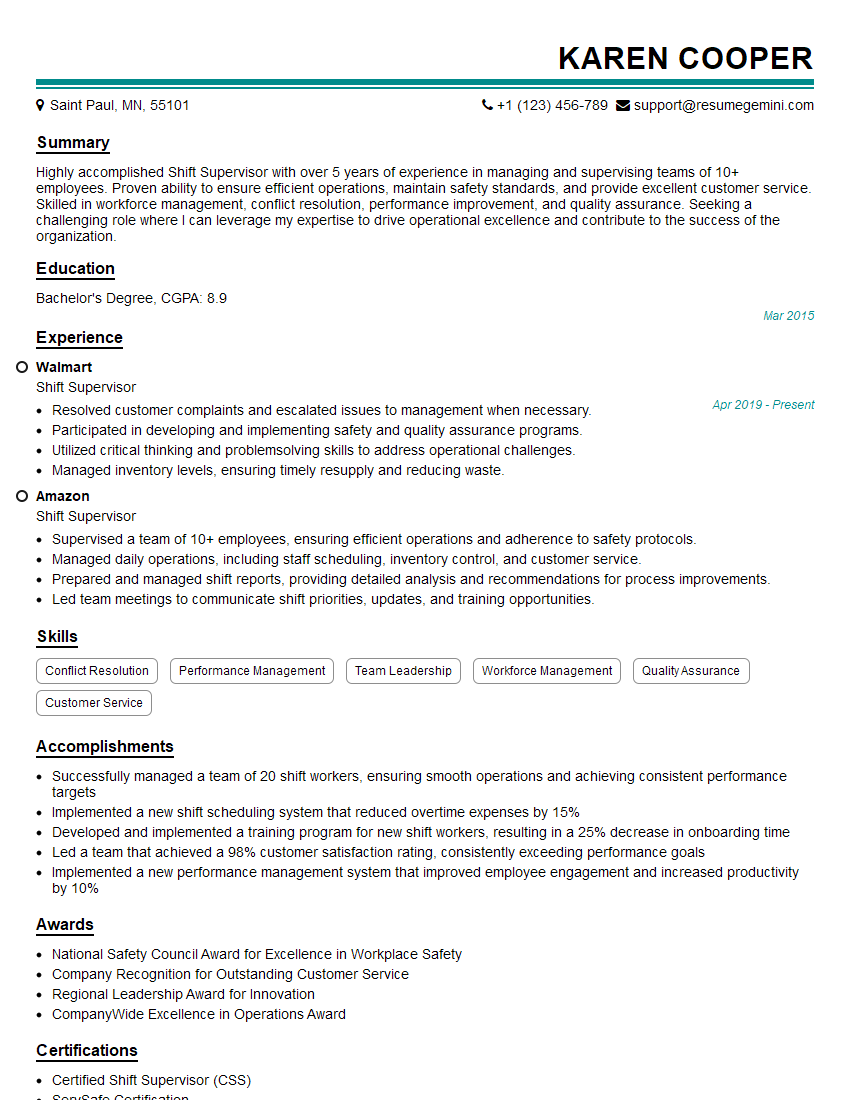
Shift Supervisor Resume Sample
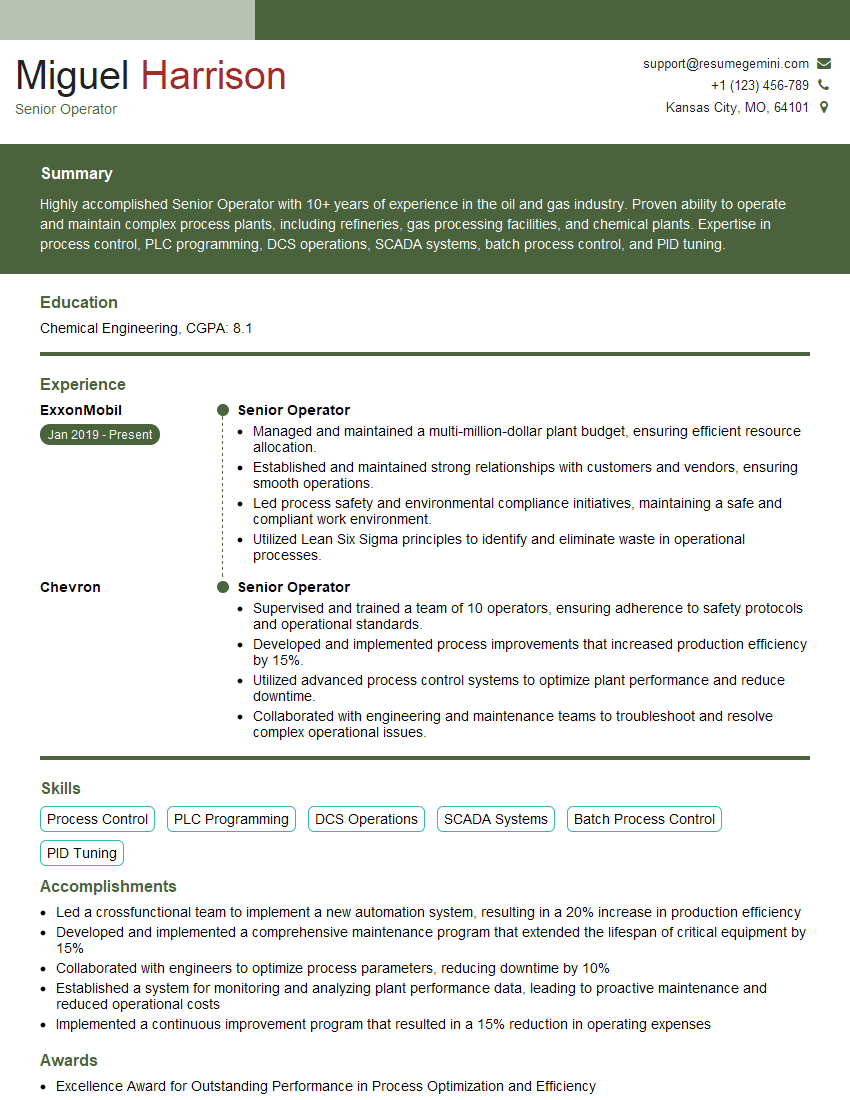
Senior Operator Resume Sample
Explore more articles
Users Rating of Our Blogs
Share Your Experience
We value your feedback! Please rate our content and share your thoughts (optional).
What Readers Say About Our Blog
To the interviewgemini.com Webmaster.
Very helpful and content specific questions to help prepare me for my interview!
Thank you
To the interviewgemini.com Webmaster.
This was kind of a unique content I found around the specialized skills. Very helpful questions and good detailed answers.
Very Helpful blog, thank you Interviewgemini team.