Cracking a skill-specific interview, like one for Excellent Physical Condition and Fitness, requires understanding the nuances of the role. In this blog, we present the questions you’re most likely to encounter, along with insights into how to answer them effectively. Let’s ensure you’re ready to make a strong impression.
Questions Asked in Excellent Physical Condition and Fitness Interview
Q 1. Explain the principles of overload and progression in training.
The principles of overload and progression are fundamental to effective training. Overload simply means consistently challenging your body beyond its current capabilities. This forces your body to adapt and improve. Think of it like this: if you always lift the same weight, your muscles won’t get stronger. Progression builds upon overload. It’s the gradual increase in the intensity, duration, or frequency of your workouts over time. This prevents plateaus and ensures continued improvement.
- Overload Examples: Increasing weight lifted, adding reps or sets, increasing running distance or speed, increasing the resistance on a cycling machine.
- Progression Examples: Gradually increasing the weight lifted by 2.5 lbs every few weeks, adding an extra set to your workouts every month, progressively extending your running distance.
Properly applying overload and progression is crucial. Too much overload too quickly leads to injury; too little and you won’t see results. A well-designed program carefully balances both principles to maximize gains and minimize risk.
Q 2. Describe different training methods for improving cardiovascular fitness.
Several training methods effectively improve cardiovascular fitness. These methods vary in intensity and duration, catering to different fitness levels and goals.
- Continuous Training: This involves sustained exercise at a moderate intensity for a prolonged period, such as a 30-minute jog at a steady pace. It improves aerobic capacity and endurance.
- Interval Training: This alternates periods of high-intensity exercise with periods of rest or low-intensity exercise. HIIT is a form of interval training (discussed further in the next question). Interval training improves both aerobic and anaerobic fitness.
- Circuit Training: This involves performing a series of exercises, one after another, with minimal rest between them. It combines cardiovascular and strength training, improving both fitness components.
- Fartlek Training: This Swedish term means ‘speed play’ and involves varying the intensity of your workout spontaneously. It’s good for improving speed and endurance in a fun way.
The choice of method depends on the individual’s fitness level, goals, and preferences. For example, a beginner might start with continuous training, gradually progressing to interval or circuit training as their fitness improves.
Q 3. What are the benefits and risks of high-intensity interval training (HIIT)?
High-Intensity Interval Training (HIIT) involves short bursts of intense exercise followed by brief recovery periods. It’s incredibly efficient, providing significant cardiovascular benefits in a short amount of time.
Benefits:
- Improved Cardiovascular Fitness: HIIT significantly improves both aerobic and anaerobic capacity.
- Increased Fat Burning: HIIT boosts metabolism and can lead to greater fat loss compared to steady-state cardio.
- Time Efficiency: Workouts are typically short (15-30 minutes), making it ideal for busy schedules.
- Improved Insulin Sensitivity: HIIT can improve how your body uses insulin, benefiting individuals with or at risk of developing type 2 diabetes.
Risks:
- Increased Risk of Injury: The high intensity can place significant stress on the body, increasing the risk of muscle strains or other injuries, especially for beginners.
- Overtraining: Improper planning or excessive HIIT can lead to overtraining, resulting in fatigue, decreased performance, and potentially injury.
- Not Suitable for Everyone: Individuals with certain health conditions, such as heart disease, should consult their physician before starting HIIT.
To minimize risks, proper warm-up and cool-down are crucial. Beginners should start slowly, gradually increasing intensity and duration as their fitness improves. Proper technique is paramount to prevent injury.
Q 4. How would you design a workout program for a client with hypertension?
Designing a workout program for a client with hypertension requires careful consideration. The program should focus on improving cardiovascular health without significantly increasing blood pressure.
Key Considerations:
- Aerobic Exercise: Moderate-intensity continuous exercise, such as brisk walking, cycling, or swimming, is generally recommended. Avoid high-intensity activities that could spike blood pressure.
- Strength Training: Strength training is beneficial but should be performed with lighter weights and more repetitions. Focus on proper form to avoid straining.
- Flexibility and Balance Exercises: Yoga and Pilates can help improve flexibility, balance, and reduce stress, which are all beneficial for managing hypertension.
- Gradual Progression: Begin with shorter durations and lower intensities, gradually increasing as tolerated. Regular monitoring of blood pressure is essential.
- Medical Clearance: Always consult with a physician before starting any exercise program, especially for individuals with hypertension.
Sample Program (After Medical Clearance):
- Monday: 30 minutes brisk walking
- Tuesday: Strength training (light weights, 12-15 reps per exercise)
- Wednesday: Rest or light activity
- Thursday: 30 minutes cycling
- Friday: Yoga or Pilates
- Saturday & Sunday: Rest or active recovery (light walking)
This is a sample program and should be adjusted based on the individual’s current fitness level, progress, and medical advice.
Q 5. How would you assess a client’s current fitness level?
Assessing a client’s fitness level involves a combination of methods to gain a holistic understanding of their capabilities.
- Resting Heart Rate and Blood Pressure: Provides a baseline measure of cardiovascular health.
- Body Composition Assessment: Methods like skinfold calipers, bioelectrical impedance analysis (BIA), or underwater weighing help determine body fat percentage and lean muscle mass.
- Cardiovascular Fitness Tests: These can include a graded exercise test (GXT) on a treadmill or cycle ergometer, measuring heart rate and oxygen consumption during exercise to assess aerobic capacity.
- Muscular Strength and Endurance Tests: Measuring the maximal weight lifted (1RM) or the number of repetitions performed at a given weight assess strength and endurance respectively. Push-ups, sit-ups, and various weightlifting exercises can be used.
- Flexibility Tests: Measuring joint range of motion using tests such as sit-and-reach or shoulder flexibility tests.
- Health History Questionnaire: Gathering information about pre-existing medical conditions, current activity levels, and medications.
Combining these assessments provides a comprehensive picture of the client’s fitness level, guiding the development of a safe and effective training program tailored to their individual needs and capabilities.
Q 6. What are the key components of a balanced fitness program?
A balanced fitness program incorporates several key components to promote overall health and well-being.
- Cardiorespiratory Fitness: Activities like running, swimming, or cycling improve heart and lung health.
- Muscular Strength Training: Lifting weights or using resistance bands builds muscle mass and increases metabolic rate.
- Muscular Endurance Training: Performing exercises for extended periods improves the ability of muscles to work for sustained periods.
- Flexibility Training: Stretching and activities like yoga increase range of motion and improve posture.
- Balance Training: Activities that challenge balance, like Tai Chi or Pilates, improve coordination and prevent falls.
- Nutrition: A balanced diet provides the necessary fuel for exercise and recovery.
- Rest and Recovery: Adequate sleep and rest allow the body to repair and rebuild muscle tissue.
The optimal balance between these components will vary depending on individual goals and preferences. For example, an athlete may prioritize cardiorespiratory and strength training, while an older adult may focus more on balance and flexibility.
Q 7. Explain the difference between muscular strength and muscular endurance.
Muscular strength refers to the maximal force a muscle or muscle group can exert in a single effort. Think of lifting the heaviest weight you possibly can once. Muscular endurance is the ability of a muscle or muscle group to repeatedly exert force over a prolonged period. Think of doing many repetitions with a lighter weight.
Examples:
- Strength: A one-repetition maximum (1RM) bench press indicates muscular strength.
- Endurance: Performing 20 repetitions of bicep curls with a moderate weight demonstrates muscular endurance.
Both strength and endurance are important aspects of fitness, and a balanced program should incorporate training for both. Strength training typically involves fewer repetitions with heavier weights, while endurance training involves more repetitions with lighter weights.
Q 8. What are the common signs and symptoms of overtraining?
Overtraining, a state of excessive physical exertion without adequate rest, manifests in various ways. It’s not simply feeling tired; it’s a significant disruption to your body’s ability to recover and perform optimally.
- Persistent Fatigue: This goes beyond normal tiredness after a workout. It’s a deep, lingering exhaustion that doesn’t improve with sleep.
- Decreased Performance: You notice a decline in your strength, speed, and endurance, even though you’re training harder. Your best lifts are getting lighter, your run times are slower.
- Increased Resting Heart Rate: Your heart beats faster even when you’re at rest, indicating your body is working harder to recover.
- Loss of Motivation and Mood Swings: The joy of exercise diminishes, replaced by irritability, anxiety, or depression.
- Muscle Soreness and Stiffness: While some muscle soreness is normal, persistent, excessive soreness that doesn’t improve with rest is a red flag.
- Sleep Disturbances: Insomnia, difficulty falling asleep, or waking up frequently during the night are common symptoms.
- Weakened Immune System: You might experience more frequent colds or illnesses.
- Loss of Appetite or Increased Appetite: Both can be indicators of hormonal imbalances caused by overtraining.
Think of it like this: your body is a car. If you constantly push the gas pedal without giving it a chance to cool down and refuel, the engine will eventually overheat and break down. Overtraining is that engine overheating.
Q 9. How would you adapt a workout program for a client with a knee injury?
Adapting a workout program for a client with a knee injury requires careful consideration and prioritizes injury prevention. We’ll need to identify the specific nature of the injury (e.g., meniscus tear, ligament sprain, arthritis) before designing a safe and effective program. This often involves collaboration with a physical therapist.
Generally, we’d focus on:
- Reduced Impact Activities: Instead of running, we might opt for swimming, cycling, or elliptical training. These minimize stress on the knee joint.
- Strengthening Supporting Muscles: Exercises targeting the hip and core are crucial for stabilizing the knee. Examples include glute bridges, planks, and side planks.
- Range of Motion Exercises: Gentle stretches and mobility work help maintain joint flexibility and prevent stiffness.
- Modified Exercises: Traditional exercises like squats might be modified. Instead of full squats, we could use partial squats or seated knee extensions to reduce stress on the knee.
- Proper Form and Technique: Correct form is paramount to avoid further injury. We’ll ensure the client understands the proper technique before beginning any exercise.
- Gradual Progression: We start with low intensity and gradually increase the intensity and duration as the knee tolerates it. Listen to your body, and don’t push through pain.
- Cross-Training: To avoid overstressing the knee, we might incorporate activities that don’t put direct pressure on it, helping to maintain overall fitness.
For instance, if a client has patellar tendinitis (inflammation of the tendon connecting the kneecap to the shinbone), we would avoid high-impact activities and focus on strengthening the quadriceps and hamstrings to support the patella.
Q 10. What are the benefits of incorporating flexibility training into a fitness program?
Flexibility training, often overlooked, is a crucial component of a comprehensive fitness program. It offers several significant benefits:
- Improved Range of Motion: Flexibility allows for greater freedom of movement, enhancing daily activities and athletic performance. Imagine the difference between a stiff back and a flexible one when bending to pick something up.
- Injury Prevention: Increased flexibility reduces the risk of muscle strains, tears, and joint injuries by allowing muscles and tendons to lengthen and stretch properly.
- Enhanced Performance: Greater range of motion leads to improved power, speed, and agility in sports and other physical activities.
- Reduced Muscle Soreness: Flexibility exercises improve blood flow to muscles, reducing post-workout soreness and promoting faster recovery.
- Improved Posture: Flexibility helps to maintain good posture, reducing back pain and other musculoskeletal issues.
- Stress Reduction: Stretching can have a calming effect on the mind and body, reducing stress and promoting relaxation.
- Increased Blood Flow: Stretching improves circulation, delivering more oxygen and nutrients to muscles and tissues.
In short, flexibility is the foundation upon which we build strength and endurance, enhancing overall well-being and preventing future injuries.
Q 11. Describe different types of stretching techniques.
Several stretching techniques exist, each with its own benefits and applications. Choosing the right technique depends on the client’s goals and physical condition.
- Static Stretching: Holding a stretch in a comfortable position for a prolonged period (typically 15-30 seconds). This is effective for increasing flexibility and improving range of motion. Example: holding a hamstring stretch.
- Dynamic Stretching: Involves controlled movements that take joints through their full range of motion. This is ideal for warming up before a workout. Example: arm circles, leg swings.
- Ballistic Stretching: Utilizes bouncing or jerky movements to push the limits of flexibility. This technique is generally not recommended, especially for beginners, due to the increased risk of injury.
- Proprioceptive Neuromuscular Facilitation (PNF): Advanced stretching technique that involves contracting and relaxing muscles in a specific sequence to improve flexibility. Often performed with a partner.
- Myofascial Release: Focuses on releasing tension in the fascia, the connective tissue surrounding muscles. This often involves using tools like foam rollers or massage balls.
It’s important to always stretch within your comfortable range of motion. You should never feel sharp pain while stretching. A gentle, sustained stretch should be the goal.
Q 12. Explain the role of proper nutrition in achieving fitness goals.
Proper nutrition is not merely a supplement to a fitness program; it’s the cornerstone. Your body needs the right fuel to build muscle, repair tissues, and sustain energy levels during workouts and throughout the day. Think of it like this: you can’t build a house without bricks and mortar.
Key aspects of nutrition for fitness include:
- Sufficient Calorie Intake: Meeting your daily caloric needs based on your activity level and goals is essential. If you’re aiming to lose weight, you’ll need a caloric deficit; to gain muscle, a caloric surplus.
- Macronutrient Balance: The ratio of carbohydrates, proteins, and fats should be tailored to individual needs and goals. Protein is crucial for muscle growth and repair, carbohydrates provide energy, and fats support hormone production.
- Micronutrient Intake: Vitamins and minerals play essential roles in various bodily functions, supporting optimal health and performance. Dietary diversity is key to ensuring adequate intake.
- Hydration: Drinking enough water is vital for optimal physical function. Dehydration can lead to fatigue, decreased performance, and even health issues.
- Timing of Nutrition: Consuming nutrients at appropriate times (pre- and post-workout) can enhance performance and recovery.
For example, a client training for a marathon will need a higher carbohydrate intake to fuel their long runs, while a client focusing on strength training will need more protein to support muscle growth.
Q 13. How would you motivate a client who is struggling to adhere to their fitness program?
Motivating a struggling client requires empathy, understanding, and a personalized approach. It’s about addressing the root cause of their lack of adherence, not just applying pressure.
My strategy would involve:
- Identifying Barriers: Open communication is key. I’d ask the client about the challenges they’re facing, whether it’s time constraints, lack of motivation, or feeling overwhelmed. Understanding their perspective is crucial.
- Setting Realistic Goals: Ambitious goals are great, but unrealistic ones set clients up for failure. We’d work together to establish achievable milestones and celebrate small victories along the way. This builds confidence and momentum.
- Finding Enjoyable Activities: Fitness shouldn’t feel like a chore. We’d explore different activities to find ones the client genuinely enjoys, making exercise a positive experience, not a burden.
- Building a Support System: Encouraging the client to find a workout buddy or join a fitness community can foster accountability and provide social support.
- Tracking Progress: Monitoring progress, whether it’s weight loss, increased strength, or improved endurance, can help maintain motivation and show the client the positive results of their efforts.
- Adjusting the Plan: A fitness program is not static. We would regularly evaluate the program and adjust it based on the client’s progress and feedback.
- Positive Reinforcement: Focusing on the client’s successes and offering encouragement is crucial. I’d create a positive and supportive environment.
Remember, motivation isn’t always linear. There will be ups and downs. The key is to provide ongoing support and adapt strategies as needed.
Q 14. How do you ensure client safety during fitness sessions?
Client safety is my top priority. It underpins everything I do. Ensuring safety involves a multi-faceted approach:
- Thorough Health Assessment: Before beginning any training program, I conduct a comprehensive health screening to identify potential risks or limitations. This includes reviewing medical history, discussing any pre-existing conditions, and performing relevant fitness assessments.
- Proper Warm-up and Cool-down: I always incorporate a dynamic warm-up before each session to prepare the body for exercise and a static cool-down to promote recovery and reduce the risk of muscle soreness and injury.
- Correct Exercise Technique: I carefully demonstrate and supervise each exercise to ensure proper form and technique. Incorrect form can greatly increase the risk of injury.
- Appropriate Exercise Selection: The choice of exercises is tailored to the client’s fitness level, experience, and any existing limitations or injuries. We progress gradually, avoiding sudden increases in intensity or volume.
- Safe Training Environment: I ensure the training environment is clean, well-lit, and free of hazards. Equipment is regularly checked for proper function and safety.
- Emergency Procedures: I’m trained in first aid and CPR, and have a plan in place for handling any emergencies that might arise during a session.
- Open Communication: I encourage clients to communicate any discomfort, pain, or dizziness they experience immediately. I listen attentively to their feedback and respond appropriately.
Ultimately, a safe and effective fitness experience is built on trust, clear communication, and careful attention to detail. My role extends beyond simply designing a workout; it involves safeguarding my client’s well-being.
Q 15. What are the basic principles of exercise programming?
Exercise programming hinges on several core principles, all designed to achieve specific fitness goals safely and effectively. These include:
- Specificity: Training must be specific to the desired outcome. Want to improve marathon running? Your program needs to emphasize endurance training, not just strength training.
- Progressive Overload: Gradually increasing the demands placed on the body over time. This could involve increasing weight, reps, sets, or intensity. Think adding 2.5 lbs to your barbell each week or increasing your running distance by a mile.
- Individualization: Every client is unique, with different needs, goals, and limitations. A successful program considers age, fitness level, health status, and preferences.
- Variation: Avoid plateaus by regularly changing the exercises, training methods, or intensity. This keeps the body challenged and prevents boredom.
- Recovery: Adequate rest and recovery are crucial for muscle growth and injury prevention. Overtraining can negate all progress. This includes sufficient sleep, nutrition, and planned rest days.
- Periodization (discussed further in the next answer): This involves structuring training into distinct phases to optimize performance.
For example, a program for a beginner might focus on building a foundation of strength and endurance through bodyweight exercises and light cardio, whereas an experienced athlete’s program might incorporate advanced techniques like plyometrics and high-intensity interval training (HIIT).
Career Expert Tips:
- Ace those interviews! Prepare effectively by reviewing the Top 50 Most Common Interview Questions on ResumeGemini.
- Navigate your job search with confidence! Explore a wide range of Career Tips on ResumeGemini. Learn about common challenges and recommendations to overcome them.
- Craft the perfect resume! Master the Art of Resume Writing with ResumeGemini’s guide. Showcase your unique qualifications and achievements effectively.
- Don’t miss out on holiday savings! Build your dream resume with ResumeGemini’s ATS optimized templates.
Q 16. How would you explain the concept of periodization to a client?
Imagine training for a marathon. You wouldn’t run 26.2 miles on day one, would you? Periodization is like creating a training plan with different phases to prepare you for that race. It’s all about strategic planning to avoid overtraining and maximize performance.
We typically divide periodization into macrocycles (the entire training year), mesocycles (several weeks focusing on a specific goal, like increasing strength), and microcycles (weekly or daily plans). Each phase has different priorities. For instance, a strength mesocycle might focus on heavy lifting, while a subsequent endurance mesocycle might prioritize longer, slower runs. We gradually increase the training load (volume and intensity) across mesocycles. Then we incorporate periods of planned rest or reduced intensity to allow the body to recover and adapt. This prevents burnout and injuries.
For example, a client aiming for a 5k race might have:
- Macrocycle: 12 months leading up to the race.
- Mesocycles: 8 weeks of base training (building endurance), 4 weeks of strength training (improving power), 4 weeks of race-specific training (speed work, tempo runs), 2 weeks of tapering (reducing volume and intensity before the race).
- Microcycles: Weekly plans detailing specific workouts, rest days, and nutrition guidelines.
This structured approach ensures the client reaches peak performance at the right time while minimizing the risk of injuries or setbacks.
Q 17. What is your experience with designing workout plans for different age groups?
My experience spans diverse age groups, requiring adapting programs to their specific physiological needs and limitations. I’ve worked with:
- Children and Adolescents: Programs focus on fundamental movement skills, fun activities, and age-appropriate exercise intensity. Emphasis on proper form and injury prevention is crucial. I always prioritize building a positive relationship with young athletes and their parents.
- Adults: This group encompasses a wide range of fitness levels and goals. I tailor plans based on individual needs, considering factors like occupation, lifestyle, and pre-existing conditions. The focus might be on weight loss, strength building, improved cardiovascular health, or a combination.
- Older Adults: As people age, flexibility, balance, and bone density become increasingly important. Exercise programs incorporate low-impact activities, resistance training (to combat age-related muscle loss), and functional exercises to enhance daily living activities. I always consult with healthcare providers if there are health concerns.
For each age group, I prioritize safety, proper form, and motivational strategies to ensure adherence to the exercise plan.
Q 18. What is your experience working with clients with special needs?
I have extensive experience working with clients with various special needs, always adhering to a client-centered approach. My work includes:
- Individuals with disabilities: I work closely with physical therapists and other healthcare professionals to develop individualized programs that address specific limitations and promote functional fitness. Adaptations may involve modified exercises, assistive devices, or alternative training methods.
- Clients with chronic conditions: I collaborate with physicians to ensure exercise plans are safe and effective for clients with conditions like diabetes, heart disease, or arthritis. We closely monitor their progress and adjust the program accordingly.
- Clients with mental health concerns: Exercise can be incredibly beneficial for mental well-being. I create programs that are motivating, manageable, and stress-reducing, while also being mindful of any potential limitations.
My approach prioritizes understanding each client’s unique capabilities and limitations, fostering a safe and supportive environment, and celebrating every milestone achieved.
Q 19. How would you handle a client complaint?
Handling client complaints involves active listening, empathy, and a commitment to finding a resolution. My approach involves:
- Active Listening: Let the client fully express their concerns without interruption. Show empathy and validate their feelings.
- Understanding the Issue: Ask clarifying questions to fully understand the nature of the complaint. Is it related to the workout plan, the training style, communication, or something else?
- Offer Solutions: Propose solutions based on the issue. This may involve modifying the workout plan, altering training methods, improving communication, or offering alternative options.
- Follow Up: After implementing a solution, follow up with the client to ensure their satisfaction and address any remaining concerns. Document the entire process.
- Learn and Improve: Use every complaint as an opportunity to learn and improve your services. Feedback, even negative, is invaluable for growth.
It’s crucial to remember that the goal is to maintain a positive client-trainer relationship. Even negative feedback can be turned into a positive experience with the right approach.
Q 20. Describe your experience with different types of fitness equipment.
My experience encompasses a wide variety of fitness equipment, ranging from basic to advanced. I’m proficient in using and programming workouts with:
- Free Weights: Barbells, dumbbells, kettlebells – for building strength and power.
- Resistance Machines: Machines offering targeted muscle isolation and controlled movements.
- Cardio Equipment: Treadmills, elliptical trainers, stationary bikes, rowing machines – for improving cardiovascular health.
- Functional Training Tools: Suspension trainers, stability balls, resistance bands – enhancing balance, coordination, and functional strength.
- Bodyweight Training: Utilizing body weight for effective strength and conditioning.
I understand the benefits and limitations of each type of equipment and can integrate them effectively into personalized exercise programs. I am also adept at ensuring safe and proper use of all equipment.
Q 21. What is your knowledge of exercise physiology?
My knowledge of exercise physiology is extensive, forming the foundation of my training expertise. I understand the body’s responses to exercise at the cellular and systemic levels, including:
- Energy Systems: How the body produces energy during different intensities of exercise (aerobic vs. anaerobic).
- Muscle Physiology: The processes of muscle contraction, hypertrophy (muscle growth), and adaptation to training.
- Cardiovascular Responses: How the heart and lungs adapt to exercise, improving cardiovascular fitness.
- Metabolic Adaptations: Changes in metabolism due to training, including fat burning and glucose utilization.
- Hormonal Responses: The role of hormones like testosterone, growth hormone, and cortisol in muscle growth and recovery.
- Exercise Prescription: The science of designing exercise programs based on individual needs and goals, considering factors like age, health status, and training experience. This includes understanding the principles of training volume, intensity, frequency, and rest.
This deep understanding allows me to create scientifically-sound and effective exercise programs that optimize results and minimize risks. I am always staying updated on current research and best practices in exercise physiology.
Q 22. How do you stay updated on the latest fitness trends and research?
Staying current in the dynamic field of fitness requires a multi-pronged approach. I dedicate time each week to reviewing peer-reviewed research articles published in journals like the Journal of Strength and Conditioning Research and the American Journal of Sports Medicine. These provide evidence-based insights into training methodologies, nutrition, and injury prevention.
Beyond academic journals, I actively participate in professional development opportunities such as continuing education courses and workshops offered by organizations like the National Strength and Conditioning Association (NSCA) and the American College of Sports Medicine (ACSM). These courses often cover the latest trends and best practices, directly applicable to my work with clients.
Finally, I leverage reputable online resources, carefully vetting information for accuracy and scientific backing. This includes following leading experts in the field on social media (while critically evaluating the content), and subscribing to reputable fitness and health newsletters. This ensures I am constantly exposed to new research and innovative training techniques, allowing me to adapt my approach and offer my clients the most up-to-date and effective strategies.
Q 23. Explain the importance of proper warm-up and cool-down routines.
Proper warm-up and cool-down routines are crucial for optimizing performance, reducing injury risk, and enhancing recovery. Think of it like preparing your car engine before a long drive and letting it cool down afterward; you’ll get better performance and longevity.
A dynamic warm-up, lasting 5-10 minutes, prepares the body for exercise by increasing blood flow and muscle temperature. This typically includes activities like light cardio (e.g., jogging, jumping jacks), dynamic stretches (e.g., arm circles, leg swings), and mobility drills that mimic the movements of the upcoming workout. For example, before a weight training session focusing on squats, I’d include bodyweight squats and hip mobility exercises in the warm-up.
A cool-down, also 5-10 minutes, gradually reduces heart rate and allows the body to transition back to a resting state. This often incorporates static stretches, holding each stretch for 20-30 seconds. For instance, after the same weight training session, static stretches targeting the quads, hamstrings, and hip flexors would be included. This helps improve flexibility and reduces post-exercise muscle soreness.
Q 24. Describe your approach to creating a positive and supportive training environment.
Creating a positive and supportive training environment is paramount for client success and adherence. My approach is built on three pillars: communication, personalization, and encouragement.
Firstly, open and honest communication is key. I start by conducting thorough initial consultations to understand each client’s goals, limitations, and preferences. I then work collaboratively with them, setting realistic expectations and adjusting the program as needed based on their progress and feedback. Regular check-ins are crucial to monitor progress and address any concerns.
Secondly, I tailor programs to individual needs, recognizing that a ‘one-size-fits-all’ approach is ineffective. I consider factors such as age, fitness level, experience, and any existing health conditions when designing workout plans. This ensures the program is both challenging and safe.
Finally, positive reinforcement and encouragement are vital. I celebrate milestones with clients, acknowledging their effort and progress. I focus on building their confidence and promoting a sense of self-efficacy, empowering them to achieve their goals. I foster a supportive atmosphere where clients feel comfortable asking questions and sharing their challenges. I create a community with my clients, which often increases their intrinsic motivation to stick with their fitness plans.
Q 25. How would you handle a client experiencing muscle soreness?
Muscle soreness, or delayed-onset muscle soreness (DOMS), is a common experience after strenuous exercise. My approach focuses on managing the discomfort and promoting recovery.
First, I’d assess the severity of the soreness. Mild soreness is normal and usually resolves within a few days. However, severe or persistent soreness might indicate an injury, requiring further evaluation.
For mild DOMS, I recommend strategies like light activity, such as a leisurely walk or gentle stretching, to promote blood flow. Proper hydration is also crucial. Over-the-counter pain relievers like ibuprofen can help manage discomfort. I might also suggest active recovery methods like foam rolling or self-massage to reduce muscle tension and promote healing. If the soreness is severe or persistent, I advise the client to consult a physician or physical therapist for further evaluation.
Q 26. What are your strategies for injury prevention?
Injury prevention is a cornerstone of my training philosophy. My strategies are multifaceted and focus on proper technique, progressive overload, and individual risk assessment.
Proper technique is paramount. I ensure clients understand and execute exercises correctly, minimizing the risk of strain or injury. I use visual cues and hands-on adjustments when necessary, constantly emphasizing quality over quantity of repetitions. I always prioritize correct form over increasing weight or reps.
Progressive overload, gradually increasing the intensity or volume of training over time, is crucial for building strength and endurance without overwhelming the body. This involves gradually increasing weight, repetitions, sets, or intensity in a controlled manner, to allow the body time to adapt.
Finally, I conduct thorough risk assessments for each client, considering their medical history, physical limitations, and training experience. This helps me tailor a program that minimizes their risk profile. If a client presents with pre-existing conditions like knee pain, for example, I’ll adapt their exercises to address it using alternative modifications or substitutions. Regular monitoring for signs of overtraining or fatigue is key, with appropriate rest and recovery integrated into the plan.
Q 27. How would you assess a client’s progress towards their fitness goals?
Assessing client progress involves a combination of objective and subjective measures. I utilize a variety of methods to gain a holistic understanding of their improvements.
Objective Measures: These include tracking measurable data such as weight, body composition (using tools like DEXA scans or bioelectrical impedance analysis), strength improvements (using 1-rep max testing for major lifts), cardiovascular fitness (using tests like the VO2 max test), and flexibility (using goniometry).
Subjective Measures: These involve gathering qualitative data through regular check-ins and client feedback. I ask about their perceived exertion during workouts, their recovery between sessions, and their overall feelings about the program. Open communication helps me adjust the program to optimize both their results and their enjoyment of the fitness journey.
By combining objective and subjective data, I build a comprehensive picture of their progress, making adjustments to the program to maintain motivation and maximize results. Visual progress tracking with charts or photos can also be very motivating for clients. This data-driven approach allows for program personalization and adaptation, ensuring the client stays engaged and on track.
Q 28. Describe your experience with different fitness assessment tools.
My experience encompasses a range of fitness assessment tools. The selection of tools depends on the client’s goals and individual needs.
Anthropometric Measurements: I routinely use measurements like height, weight, body mass index (BMI), and waist circumference to assess body composition and track changes over time. These are simple yet effective measures.
Body Composition Analysis: I’ve utilized various methods, including bioelectrical impedance analysis (BIA) and DEXA scans, to provide a more detailed assessment of body fat percentage and lean muscle mass. DEXA scans are more accurate but also more expensive.
Strength Assessment: I use one-repetition maximum (1RM) testing for key exercises like squats, bench press, and deadlifts to gauge strength levels and track progress. I also incorporate submaximal testing when appropriate for clients unable to perform a 1RM safely.
Cardiovascular Fitness Assessment: I’ve experience with various tests such as the Bruce protocol treadmill test or the Rockport walk test to evaluate cardiovascular endurance. The choice of test depends on the client’s fitness level and available equipment.
Flexibility and Mobility Assessment: I use goniometry to measure joint range of motion, providing objective data for tracking improvements in flexibility. I also conduct functional movement screens to assess overall mobility and identify potential movement compensations which might lead to injury.
Key Topics to Learn for Excellent Physical Condition and Fitness Interview
- Understanding Fitness Assessments: Learn the various methods used to assess physical fitness (e.g., VO2 max, body composition analysis) and their practical implications for different roles.
- Training Principles and Program Design: Understand the principles of training (e.g., overload, specificity, progression) and how to design effective training programs tailored to individual needs and goals. This includes practical application in various settings (e.g., team sports, individual training).
- Nutrition and Recovery: Explore the crucial role of nutrition in supporting fitness goals, and the importance of proper recovery strategies for optimal performance and injury prevention. Consider the application of these principles in different contexts.
- Injury Prevention and Rehabilitation: Discuss common injuries associated with physical activity and methods for prevention. Understand basic rehabilitation principles and the role of physical therapy.
- Exercise Physiology: Grasp the physiological responses to exercise, including cardiovascular, respiratory, and muscular adaptations. Consider how these adaptations are relevant to performance enhancement and overall health.
- Biomechanics and Movement Analysis: Understand the principles of biomechanics and how they apply to efficient and injury-free movement. Consider practical applications in assessing and correcting movement patterns.
- Health and Wellness Programming: Explore the design and implementation of comprehensive health and wellness programs, considering various populations and their specific needs.
Next Steps
Mastering the principles of excellent physical condition and fitness is crucial for career advancement in many fields, from athletic coaching and personal training to healthcare and corporate wellness. A strong understanding of these concepts will significantly enhance your interview performance and demonstrate your expertise. To increase your chances of landing your dream job, focus on creating a highly effective, ATS-friendly resume. ResumeGemini is a trusted resource that can help you build a professional resume that showcases your skills and experience effectively. ResumeGemini provides examples of resumes tailored to roles emphasizing excellent physical condition and fitness, helping you present your qualifications in the best possible light.
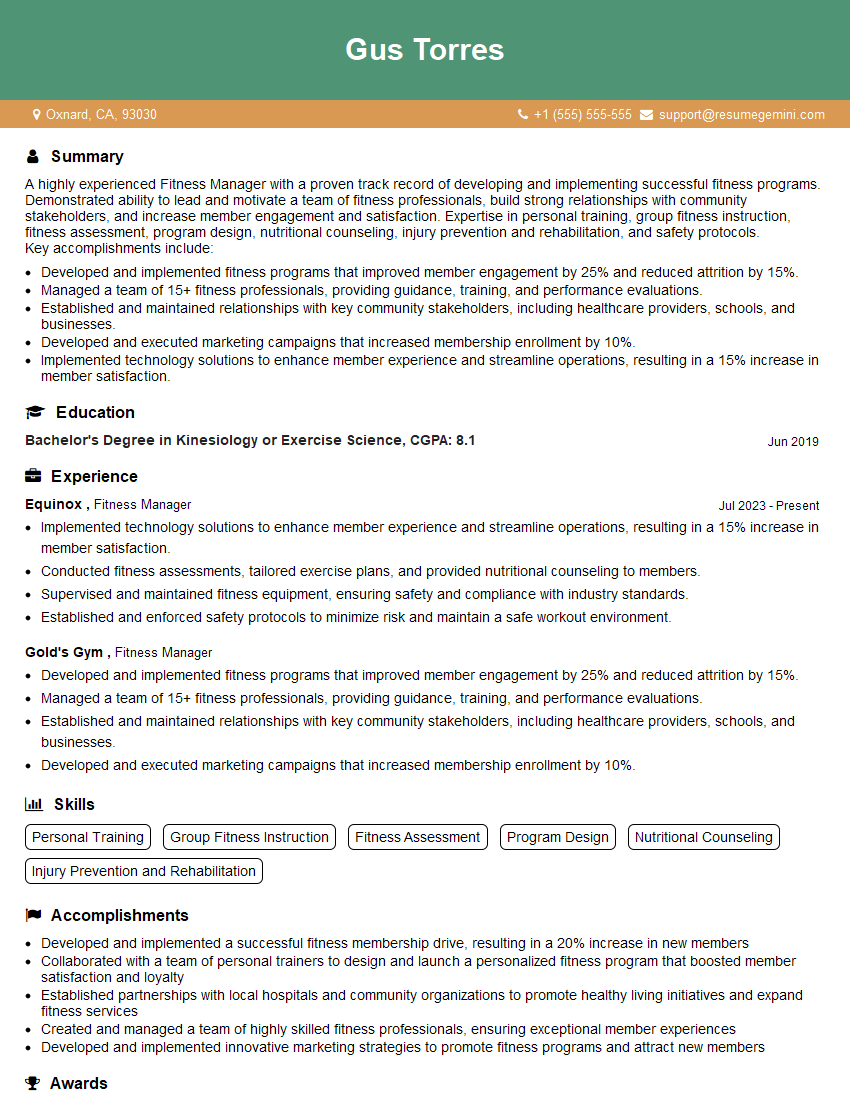
Fitness Manager Resume Sample
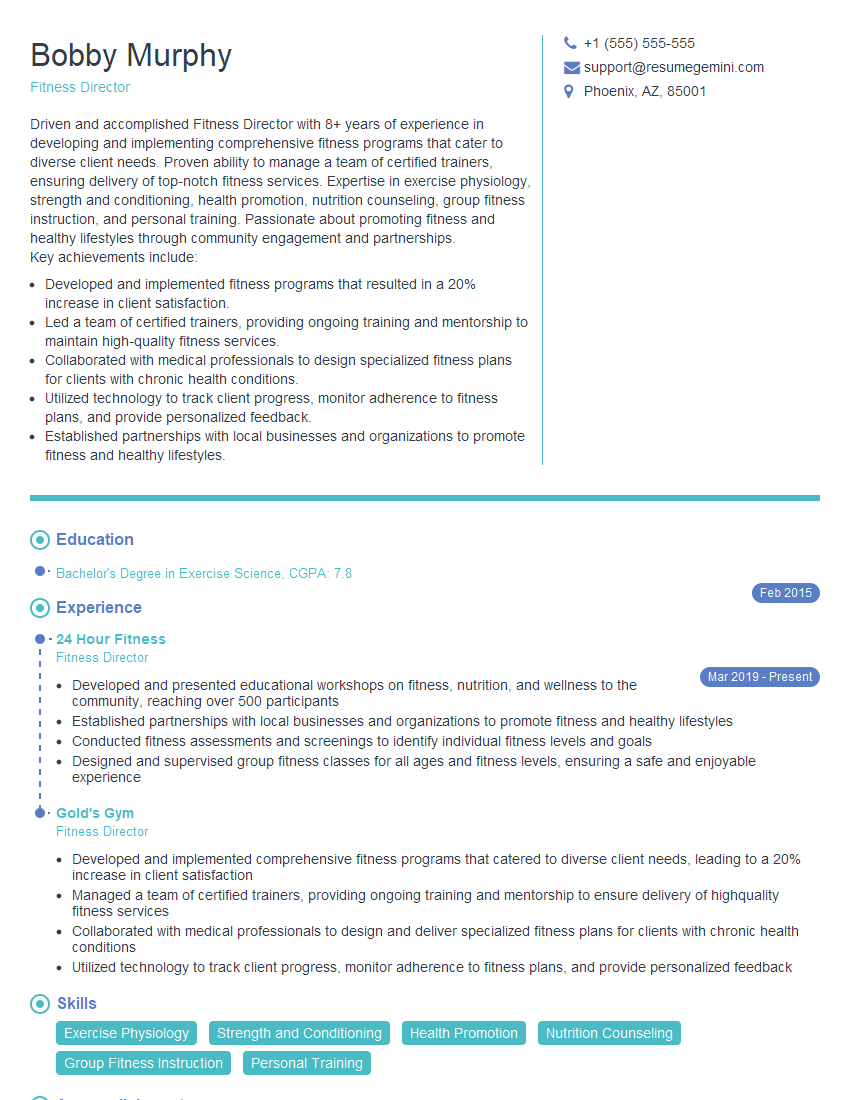
Fitness Director Resume Sample

Wellness Coach Resume Sample
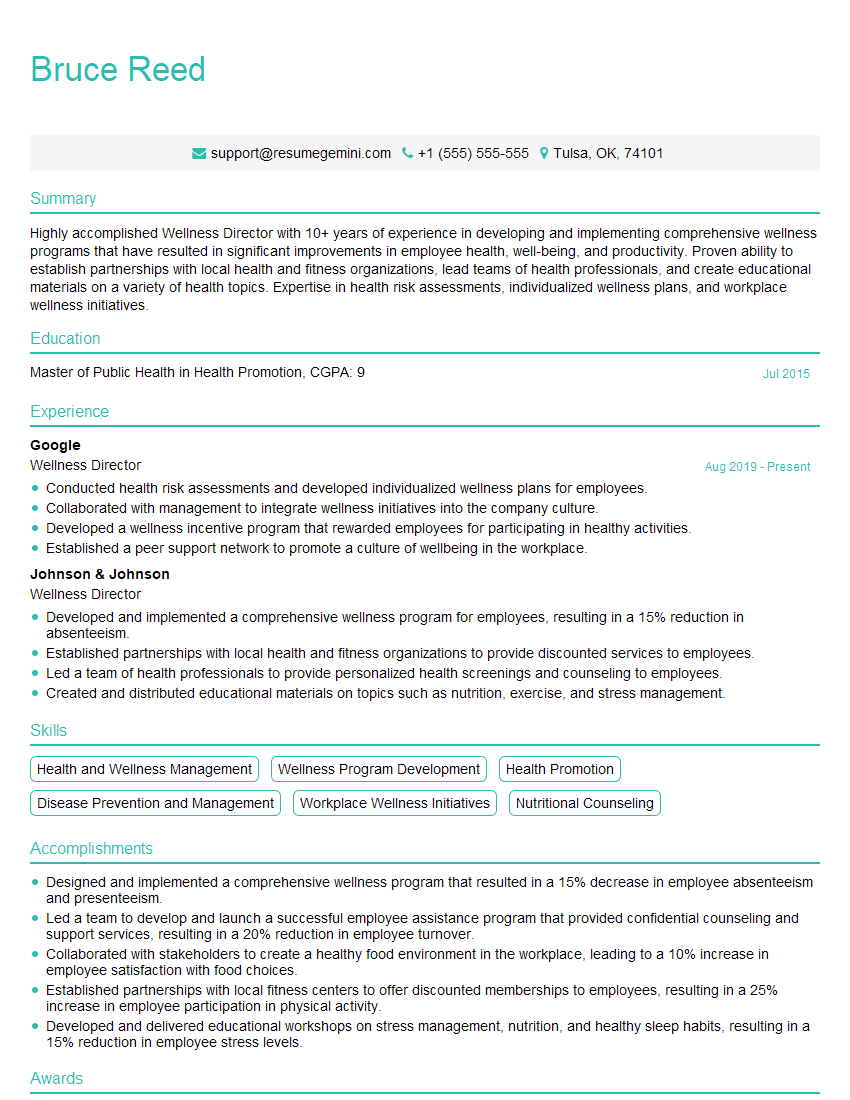
Wellness Director Resume Sample
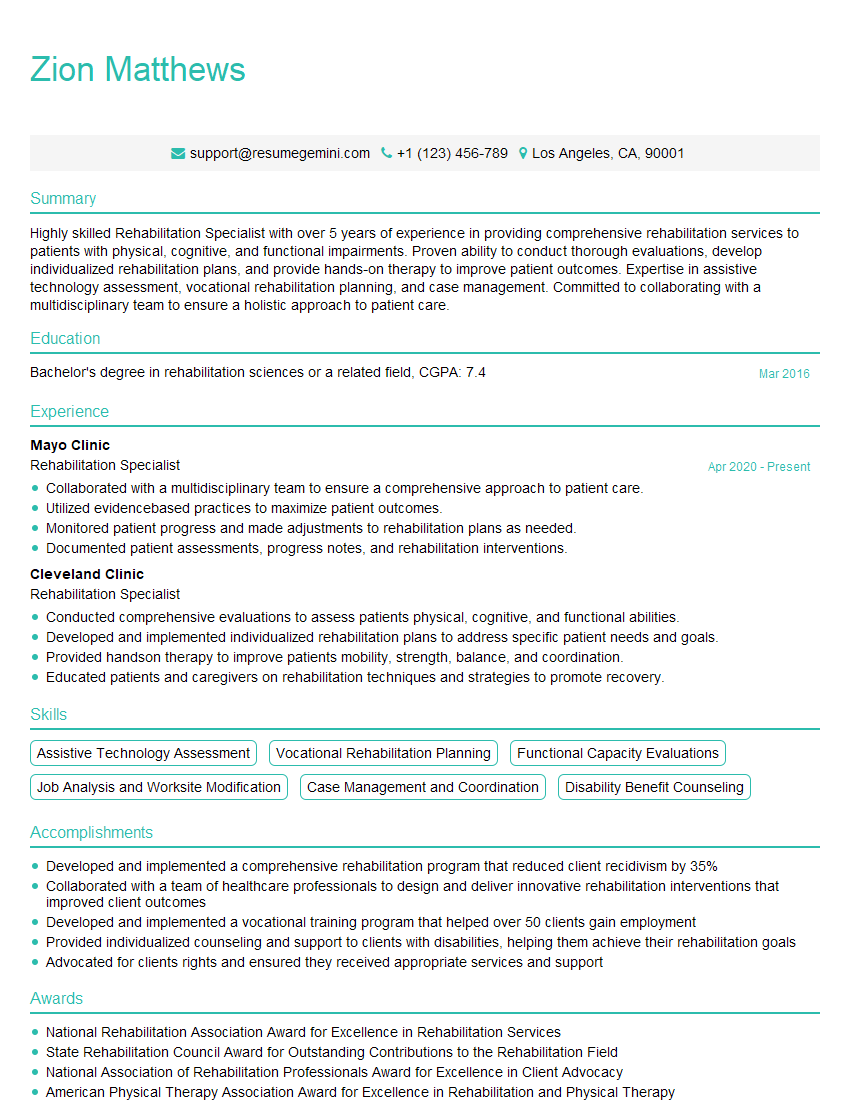
Rehabilitation Specialist Resume Sample
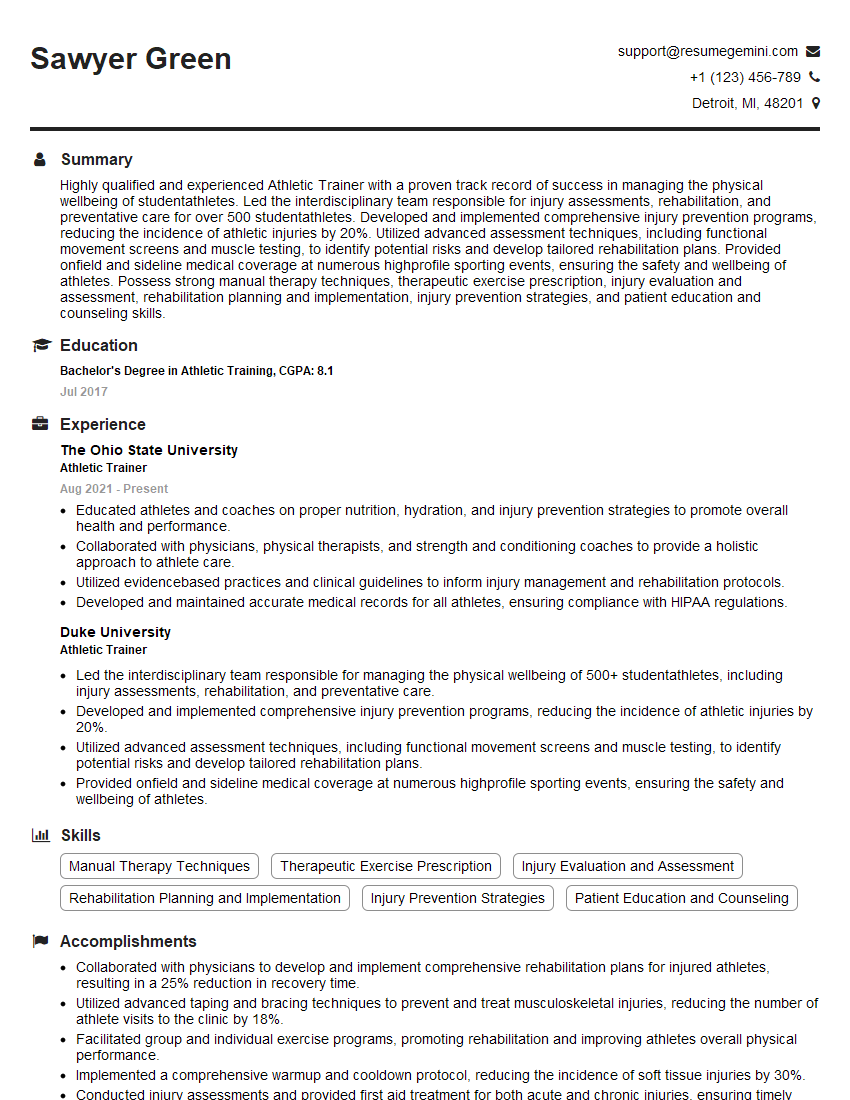
Athletic Trainer Resume Sample
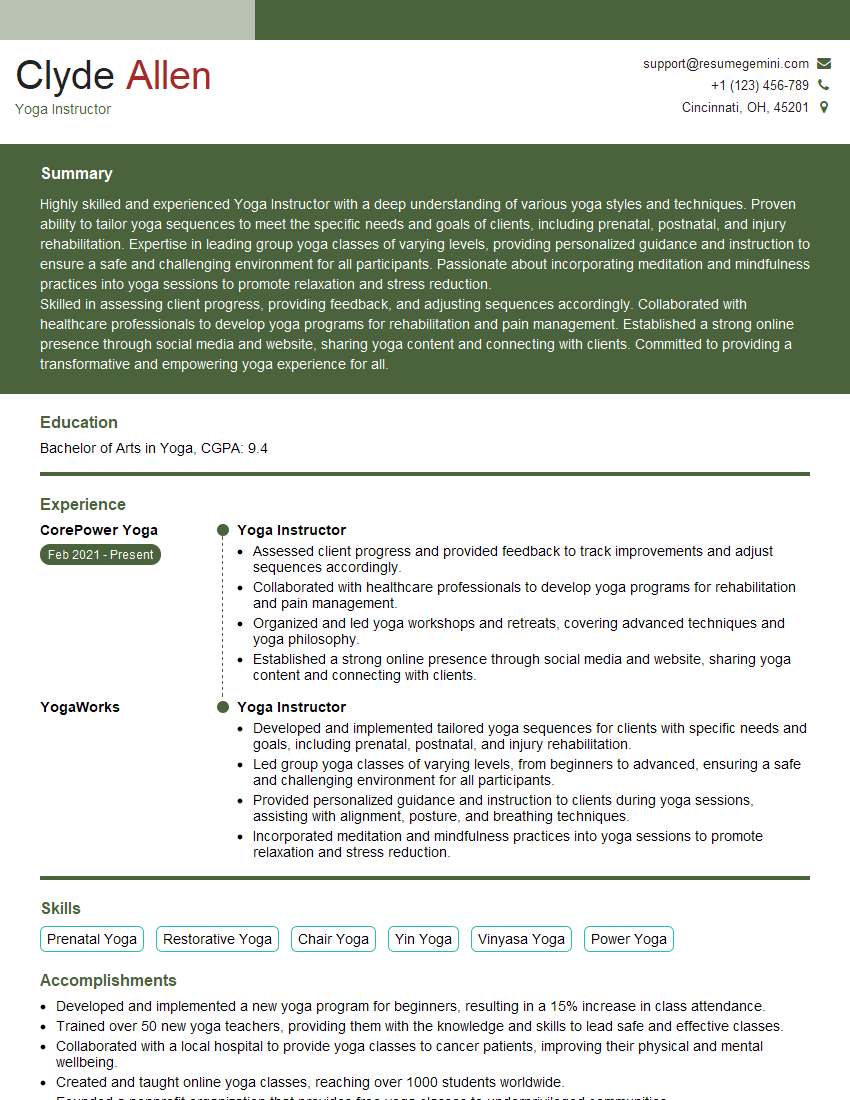
Yoga Instructor Resume Sample
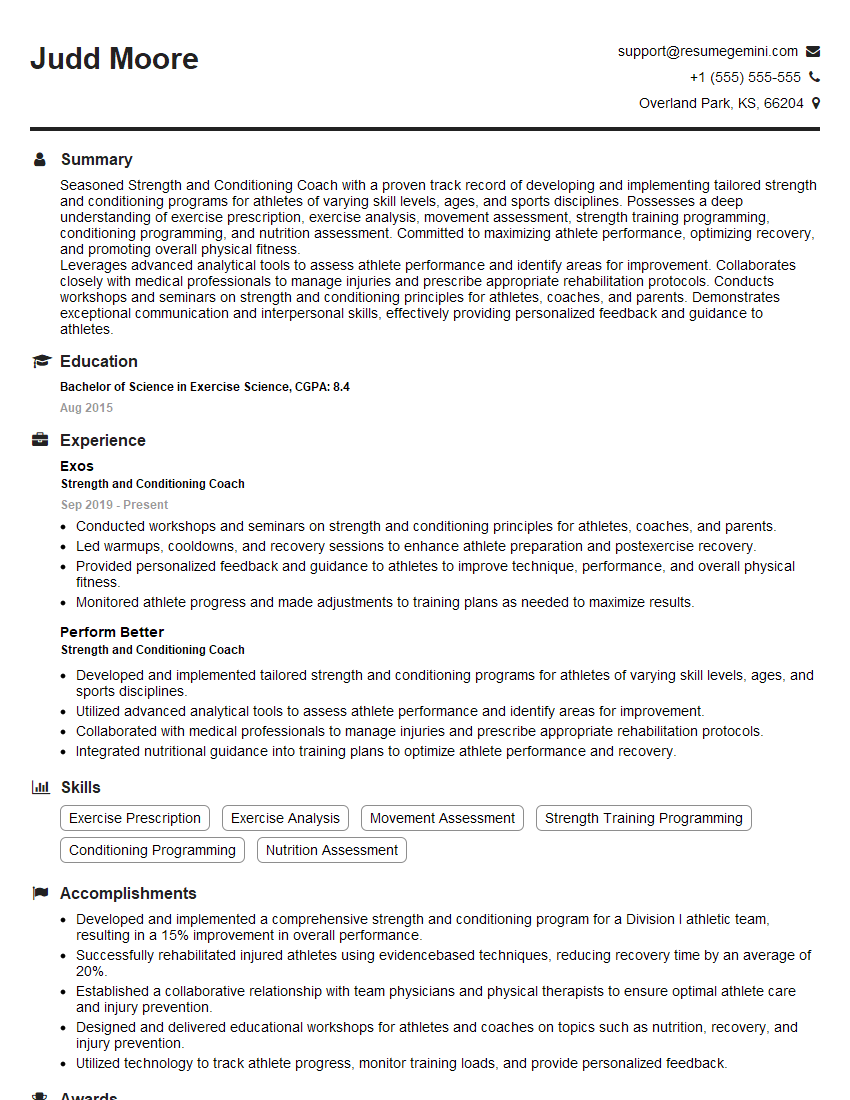
Strength and Conditioning Coach Resume Sample
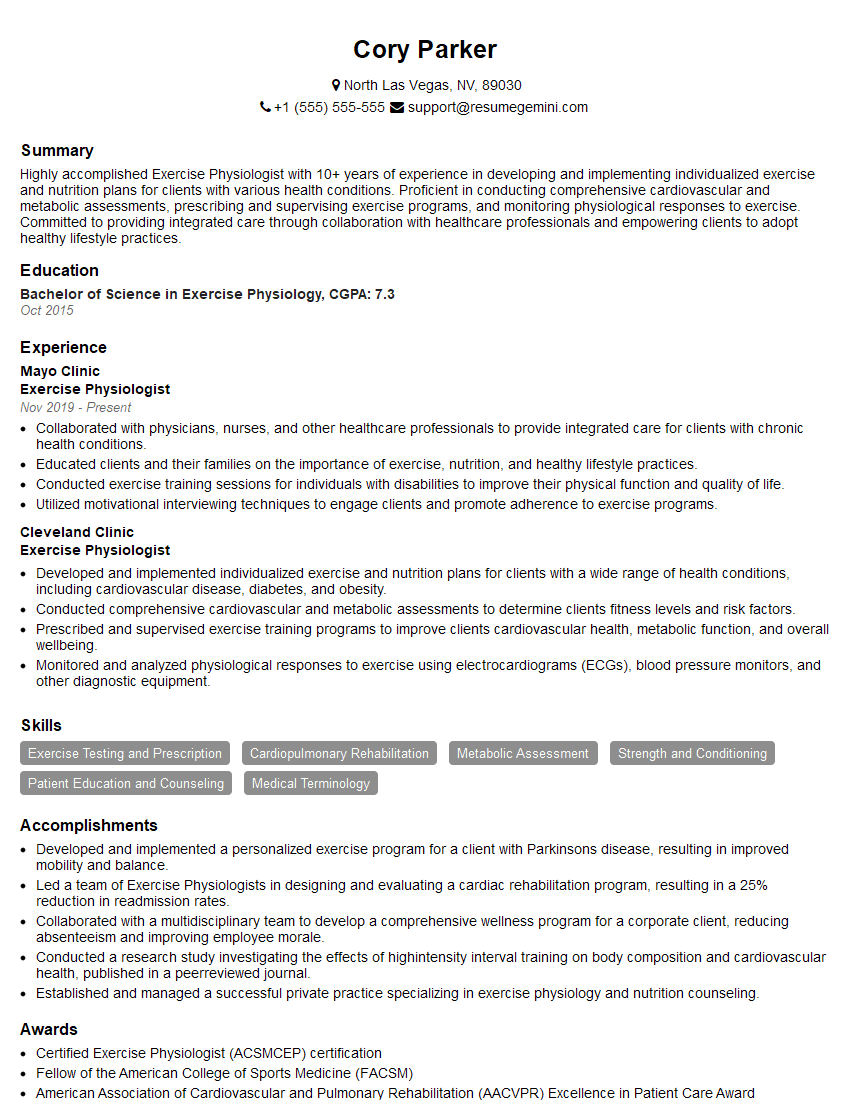
Exercise Physiologist Resume Sample
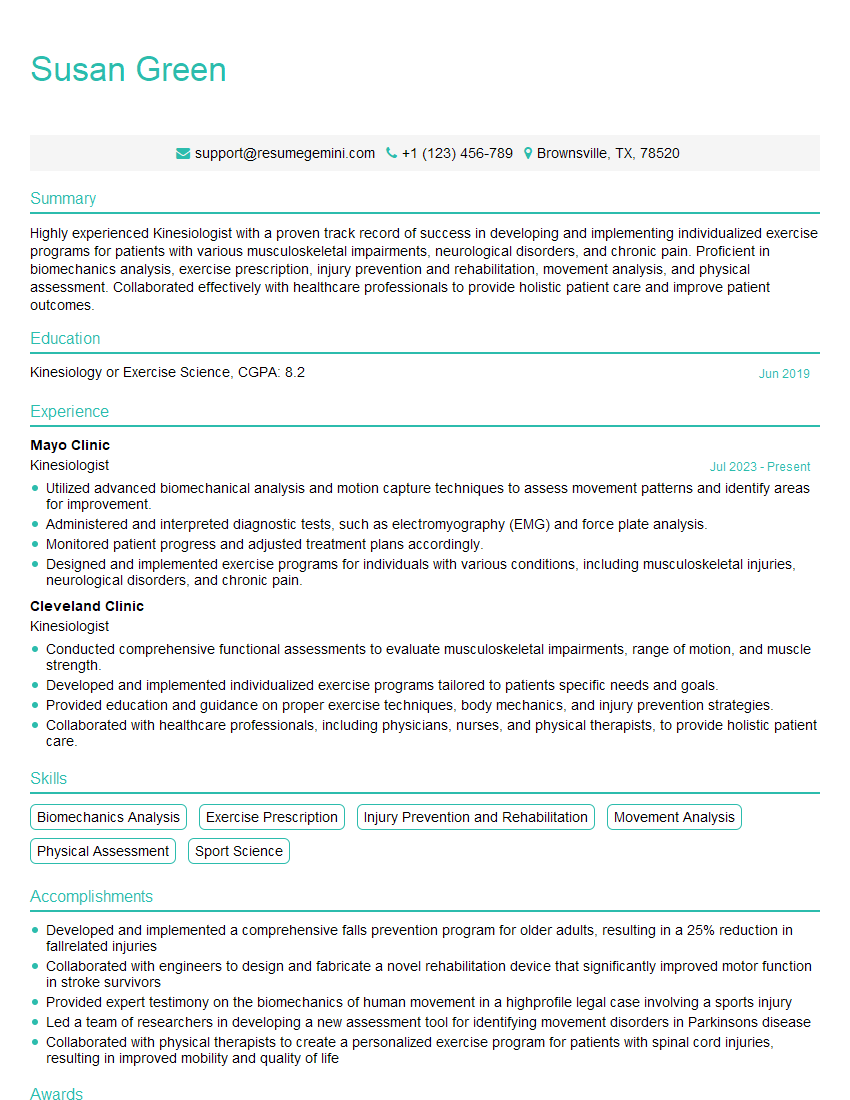
Kinesiologist Resume Sample
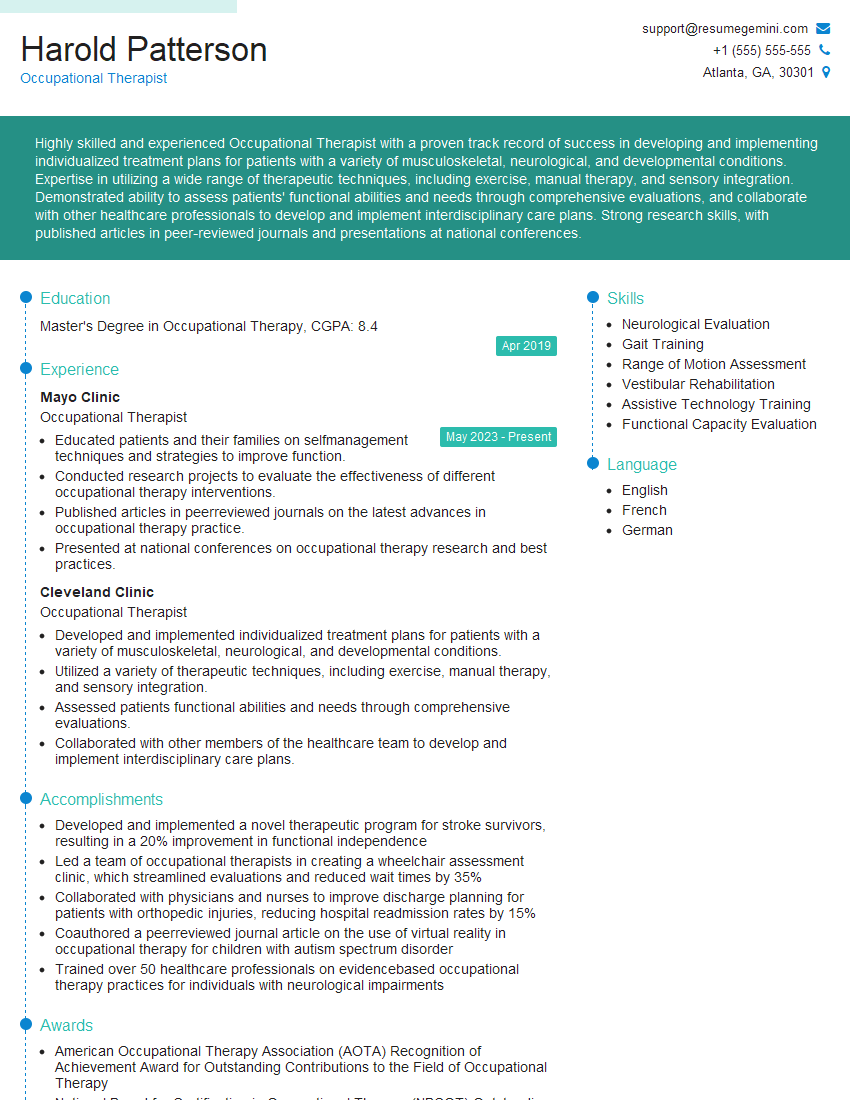
Occupational Therapist Resume Sample
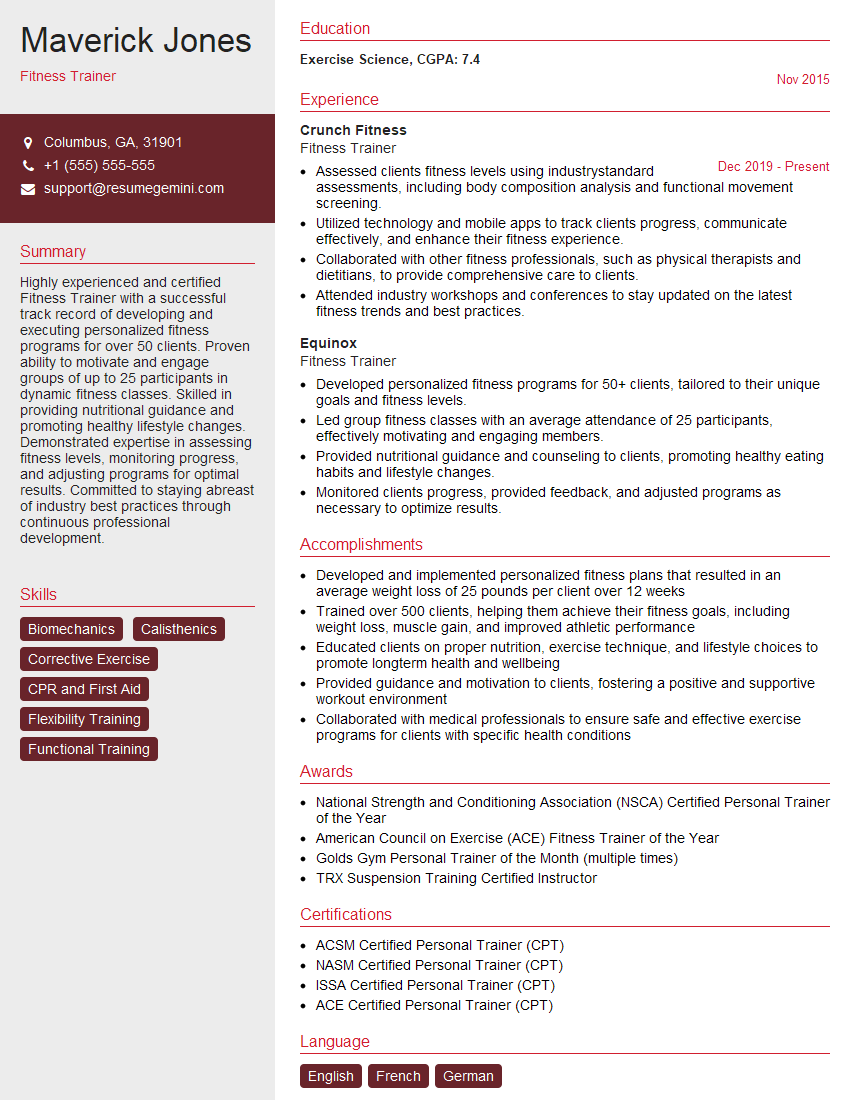
Fitness Trainer Resume Sample
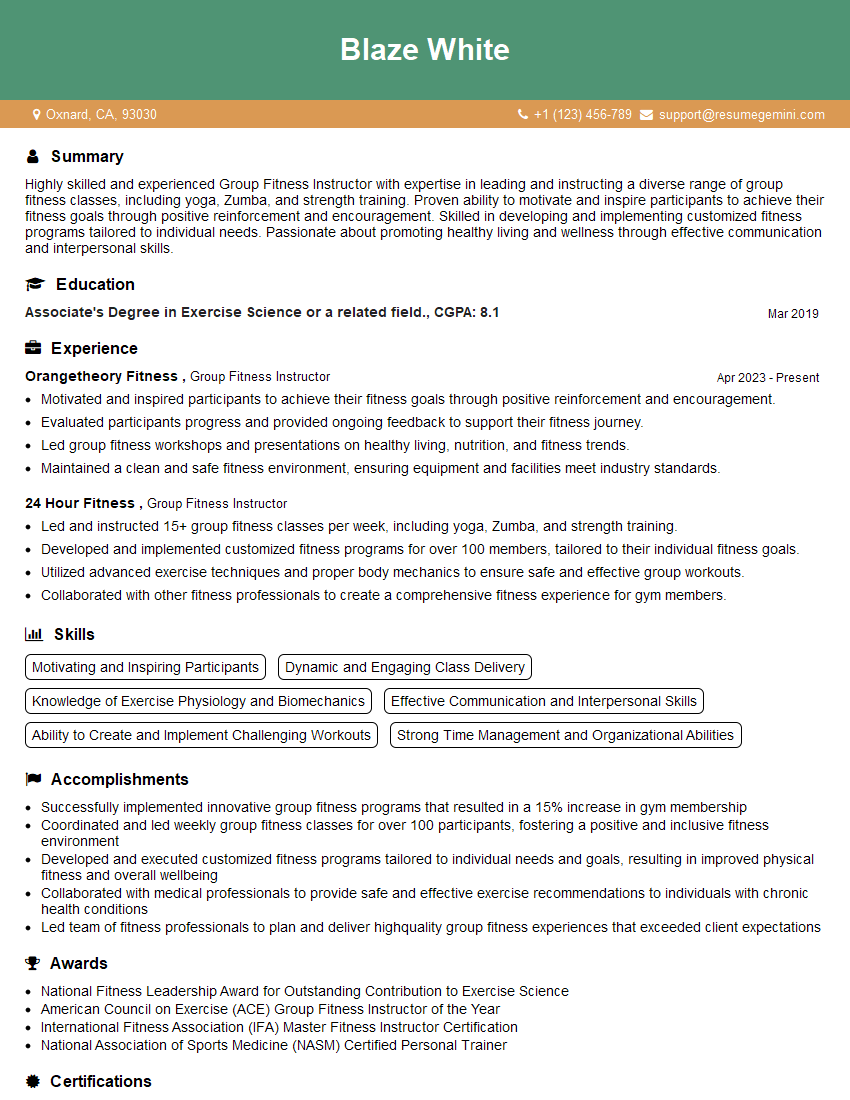
Group Fitness Instructor Resume Sample
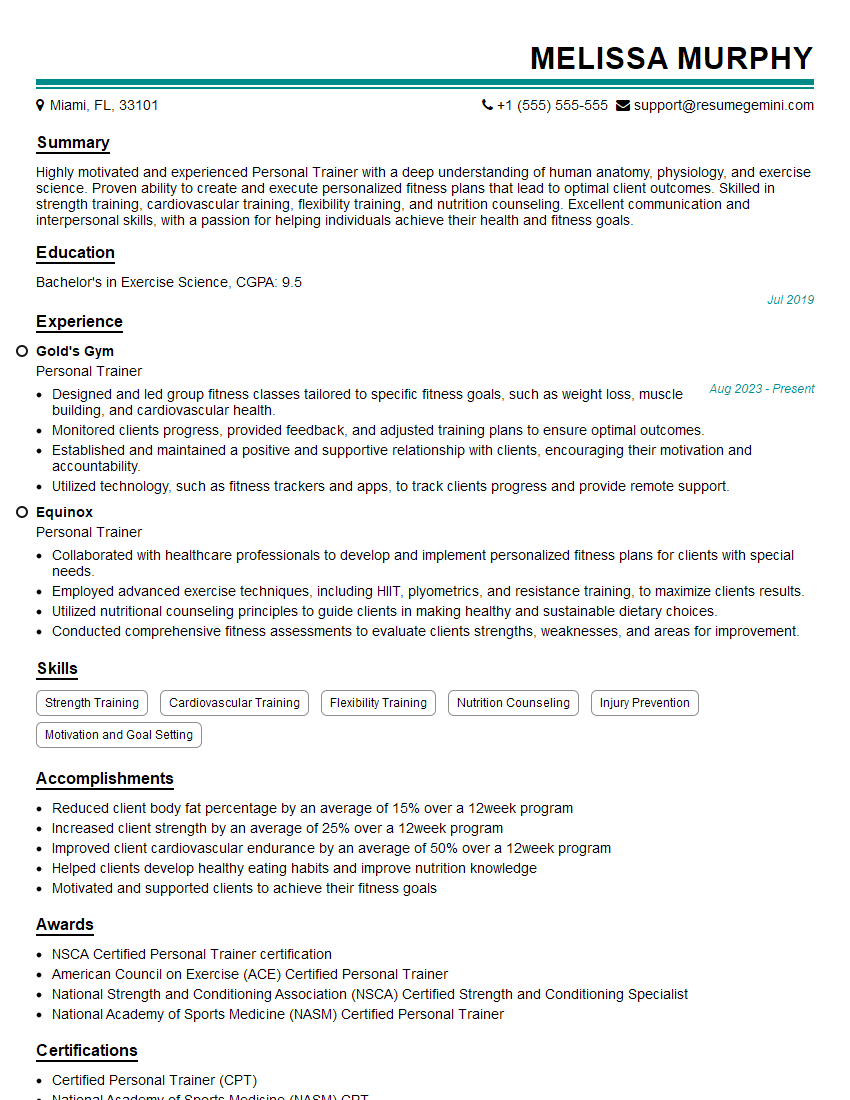
Personal Trainer Resume Sample
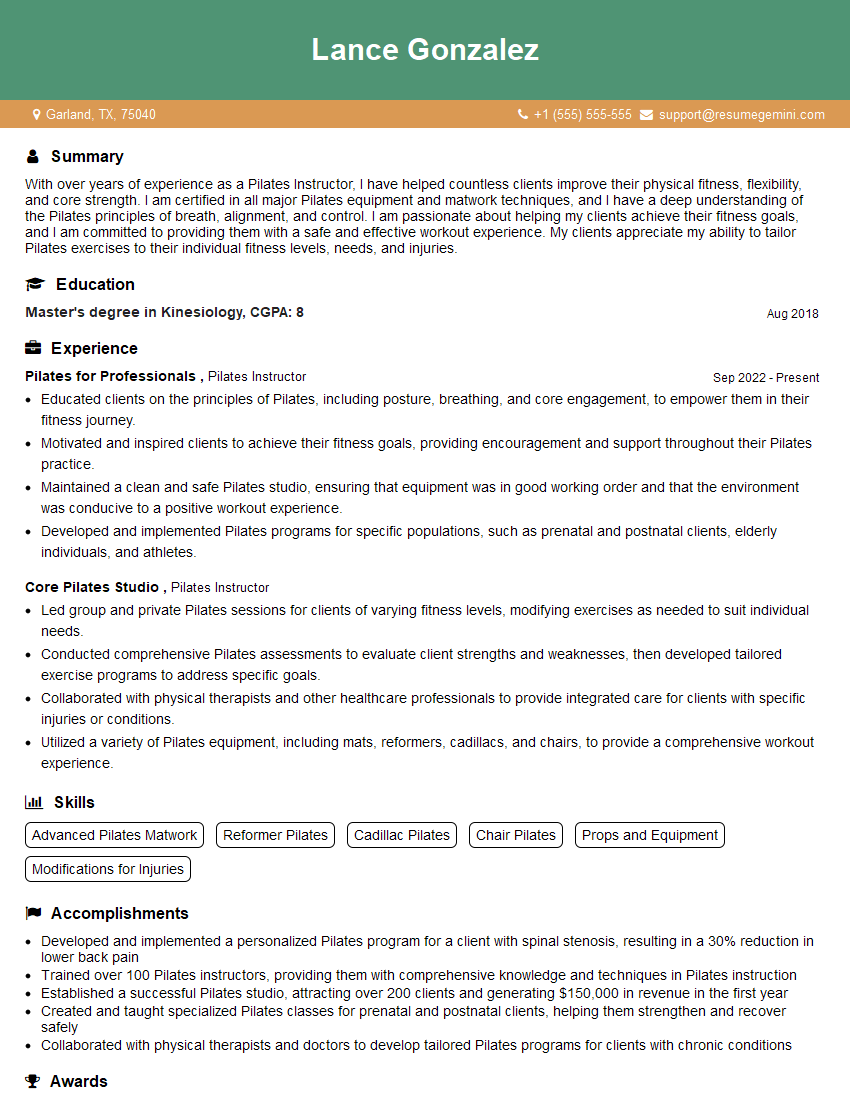
Pilates Instructor Resume Sample
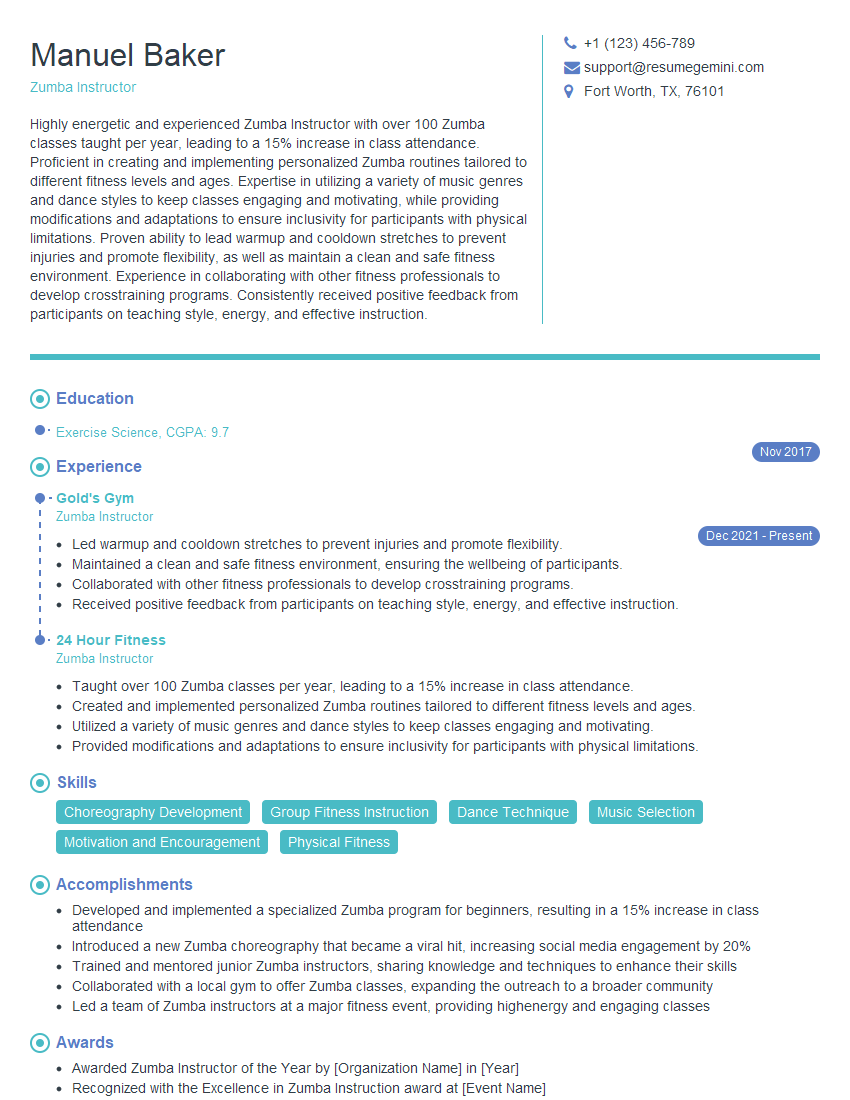
Zumba Instructor Resume Sample
- Fitness Manager
- Fitness Director
- Wellness Coach
- Wellness Director
- Rehabilitation Specialist
- Athletic Trainer
- Yoga Instructor
- Strength and Conditioning Coach
- Exercise Physiologist
- Kinesiologist
- Occupational Therapist
- Fitness Trainer
- Group Fitness Instructor
- Personal Trainer
- Pilates Instructor
- Zumba Instructor
Explore more articles
Users Rating of Our Blogs
Share Your Experience
We value your feedback! Please rate our content and share your thoughts (optional).
What Readers Say About Our Blog
To the interviewgemini.com Webmaster.
Very helpful and content specific questions to help prepare me for my interview!
Thank you
To the interviewgemini.com Webmaster.
This was kind of a unique content I found around the specialized skills. Very helpful questions and good detailed answers.
Very Helpful blog, thank you Interviewgemini team.