Preparation is the key to success in any interview. In this post, we’ll explore crucial Resolve customer inquiries and complaints interview questions and equip you with strategies to craft impactful answers. Whether you’re a beginner or a pro, these tips will elevate your preparation.
Questions Asked in Resolve customer inquiries and complaints Interview
Q 1. Describe your experience handling difficult customer interactions.
Handling difficult customer interactions requires a blend of empathy, active listening, and problem-solving skills. I approach these situations by first actively listening to the customer’s concerns without interruption, ensuring they feel heard and understood. This often de-escalates tension immediately. Then, I validate their feelings, even if I don’t agree with their perspective. For example, I might say something like, “I understand your frustration with this situation; it’s certainly not what you expected.” Finally, I collaboratively work towards a solution, keeping the customer informed every step of the way. I always aim to find a resolution that meets their needs, even if it involves making exceptions or going above and beyond my typical responsibilities. One instance involved a customer who was extremely upset about a delayed shipment. By actively listening to their concerns about an important event being affected, offering sincere apologies, and then proactively contacting shipping to expedite their package, I was able to not only resolve the issue but also turn a negative experience into a positive one, resulting in a loyal customer.
Q 2. How do you prioritize multiple customer inquiries simultaneously?
Prioritizing multiple customer inquiries demands a systematic approach. I typically employ a triage system based on urgency and impact. I use a combination of tools: my CRM system to see a holistic view of open tickets, and a prioritized to-do list. Urgent issues, such as critical system failures affecting many users or customers experiencing significant financial loss, take precedence. I use time management techniques like the Eisenhower Matrix (urgent/important) to categorize tasks and allocate time effectively. For example, I might address a critical system outage immediately, while a less urgent request can be handled later in the day. This organized approach minimizes wait times and ensures that I address the most impactful issues first, while keeping all customers informed about expected response times.
Q 3. Explain your approach to resolving a customer complaint involving a technical issue.
My approach to resolving a customer complaint involving a technical issue follows a structured process. First, I gather all necessary information from the customer – their system specifications, error messages, steps taken so far, etc. I then replicate the problem if possible. Next, I systematically troubleshoot the issue, starting with the most likely causes and gradually moving towards more complex solutions. I might consult documentation, internal knowledge bases, or even reach out to colleagues for assistance. Throughout this process, I maintain clear communication with the customer, keeping them updated on my progress and explaining any technical details in plain language. Once the issue is resolved, I provide clear instructions to prevent future occurrences. For instance, if a customer was experiencing connectivity problems, I might guide them through troubleshooting steps, like checking their internet connection, restarting their router, or checking firewall settings. I would also document the solution within our CRM system to ensure future cases are handled efficiently.
Q 4. What metrics do you use to track the effectiveness of your customer service efforts?
To measure the effectiveness of my customer service, I track several key metrics:
- Customer Satisfaction (CSAT): Measured through surveys or feedback forms, this indicates how satisfied customers are with the service received.
- First Call Resolution (FCR): The percentage of issues resolved on the first contact. A higher FCR shows efficiency and effectiveness.
- Average Handling Time (AHT): The average time spent resolving each customer issue. Lower AHT suggests improved efficiency.
- Net Promoter Score (NPS): A metric indicating the likelihood of a customer recommending the service to others. High NPS reflects loyalty and positive brand perception.
- Ticket Resolution Time: The time it takes to resolve a customer ticket from its creation. This metric provides insights into response times and efficiency.
Q 5. How do you handle situations where you cannot immediately resolve a customer’s issue?
When I can’t immediately resolve a customer’s issue, my priority is to ensure transparency and manage expectations. I begin by acknowledging the situation and explaining why an immediate resolution isn’t possible. For instance, I might say, “I understand this is frustrating, and I apologize that I can’t resolve this right away. The issue requires further investigation, and I’ll need to involve our engineering team.” I then provide a realistic timeframe for a follow-up, outlining the next steps I’ll take. I ensure they have a clear contact method for updates and keep them informed of my progress. Using the CRM system to log the issue and set reminders, I follow up promptly as promised, even if I don’t have a complete resolution yet. This proactive approach demonstrates care and competence, even when facing complex challenges.
Q 6. Describe a time you had to de-escalate a tense situation with a customer.
I once had a customer who was extremely angry about a billing discrepancy. They were raising their voice and using aggressive language. Instead of reacting defensively, I listened empathetically, validating their frustration. I acknowledged their anger with phrases like, “I understand your frustration; this is certainly not the experience we want you to have.” I then carefully explained the billing process, demonstrating transparency and understanding. By calmly and patiently presenting the facts and offering a clear and fair resolution, I successfully de-escalated the situation. This involved reviewing their account, identifying the error, and issuing a credit. My calm and patient response diffused the tension and transformed the angry customer into a satisfied one. The key was to show empathy, avoid getting defensive, and to actively work towards a solution they felt was fair.
Q 7. What is your experience with CRM systems (e.g., Salesforce, Zendesk)?
I have extensive experience using CRM systems, including Salesforce and Zendesk. My proficiency encompasses all aspects, from data entry and ticket management to reporting and analysis. In Salesforce, I’m adept at navigating accounts, contacts, cases, and utilizing custom fields to tailor the system to our specific customer service needs. In Zendesk, I’m skilled in creating and managing tickets, using macros for efficient responses, and leveraging reporting dashboards to track key metrics. I understand the importance of utilizing these systems to ensure efficiency, maintain customer records effectively, and streamline the overall customer service workflow. My experience includes configuring custom dashboards and reports to gain critical insights into customer interactions and service performance.
Q 8. How do you identify the root cause of recurring customer complaints?
Identifying the root cause of recurring customer complaints requires a systematic approach. It’s not enough to address the immediate issue; we need to understand the underlying problem to prevent it from happening again. My process involves several key steps:
- Data Aggregation: I start by gathering all relevant data on the recurring complaint. This includes customer feedback from various channels (emails, calls, surveys), support tickets, and internal reports. I look for patterns and common threads.
- Trend Analysis: Once I have sufficient data, I analyze it to identify trends. Are the complaints related to a specific product feature, a particular time of day, a certain demographic of customers, or a specific process within the company? This helps pinpoint potential areas of concern.
- Root Cause Analysis (RCA): I then employ a root cause analysis technique, such as the 5 Whys, to drill down to the fundamental cause. For example, if customers complain about slow website loading times, I wouldn’t stop at identifying the slow speed itself. I’d ask ‘Why is the website slow?’ repeatedly until I uncover the root cause – perhaps a poorly optimized database or insufficient server capacity.
- Validation: Once I’ve identified a potential root cause, I validate it by checking if this explanation fits the observed data and talking to relevant teams (e.g., engineering, product) to ensure my findings are accurate.
- Solution Implementation: Finally, I work with the appropriate teams to implement a solution to address the root cause. This could involve software updates, process improvements, or staff training.
For example, if numerous customers complained about difficulty navigating our website’s checkout process, a trend analysis might reveal that most complaints originated from users on mobile devices. The 5 Whys could then reveal the root cause: the mobile version of the checkout page wasn’t optimized for smaller screens.
Q 9. How do you balance customer satisfaction with company policies and procedures?
Balancing customer satisfaction with company policies and procedures is a crucial aspect of my role. It’s about finding a fair and equitable solution that respects both the customer’s needs and the company’s rules. I approach this challenge by:
- Understanding the Policy’s Purpose: First, I thoroughly understand the reason behind the policy. Often, policies are in place to protect the company, its customers, or both, from risks or abuse. Understanding this context helps me explain the policy to the customer in a way that’s empathetic and clear.
- Empathetic Communication: I always approach the customer with empathy and try to understand their perspective. Even if I can’t grant their specific request due to policy limitations, showing understanding goes a long way.
- Exploring Alternatives: I actively look for alternative solutions that align with company policy while still addressing the customer’s needs. Perhaps there’s a different approach that still achieves a similar outcome.
- Escalation: In situations where I cannot find a solution within policy guidelines and the customer’s needs are significant, I escalate the issue to a supervisor. They might have the authority to make exceptions or suggest alternative approaches that I might not be aware of.
- Transparency and Clear Communication: Regardless of the outcome, I ensure transparent and clear communication with the customer. Explaining the reasoning behind decisions, even if unfavorable, builds trust and helps the customer understand the company’s position.
For instance, if a customer wants a refund outside the return window, I’d first explain the return policy, then explore if there are extenuating circumstances (e.g., a damaged product) that might warrant an exception, or perhaps offer a different form of compensation like a discount on their next purchase.
Q 10. What is your experience with different communication channels (email, phone, chat)?
I’m proficient in using various communication channels, each with its own strengths and weaknesses. My experience includes:
- Email: I utilize email for detailed inquiries, formal complaints, and providing written documentation of resolutions. It allows for a well-documented record and the opportunity to craft thoughtful responses.
- Phone: Phone calls provide immediate interaction, allowing me to build rapport with the customer, clarify misunderstandings, and offer more personalized support. It’s particularly effective for resolving complex or sensitive issues.
- Chat: Live chat is ideal for quick questions, providing immediate assistance and reducing customer wait times. It’s efficient for resolving simple issues and guiding customers through processes.
I tailor my communication style to the chosen channel. For example, I use a more formal tone in emails and a more conversational, empathetic tone during phone calls or chats.
Q 11. Describe your process for documenting customer interactions and resolutions.
My process for documenting customer interactions and resolutions is meticulous. This is critical for tracking issues, improving our service, and maintaining compliance. I utilize a customer relationship management (CRM) system to:
- Record all Interactions: Every interaction, regardless of the channel, is documented, including the customer’s name, contact information, the nature of the inquiry or complaint, and the steps taken to resolve it.
- Detailed Notes: I take detailed notes, including specific quotes from the customer and the solutions offered. I avoid vague descriptions and use precise language.
- Resolution Status: The status of the issue (e.g., open, pending, resolved) is clearly marked. If the issue is resolved, I record the specific solution and any follow-up actions.
- Attachments: If relevant, I attach supporting documents like screenshots, order confirmations, or email exchanges.
- Internal Collaboration: The CRM system facilitates internal collaboration by allowing other team members to access the interaction history and understand the context of the issue.
Accurate documentation is crucial for troubleshooting recurring problems and providing consistency in service delivery. It also safeguards against misunderstandings and protects both the customer and the company.
Q 12. How familiar are you with different customer service methodologies (e.g., active listening, empathy)?
I’m highly familiar with various customer service methodologies, believing that active listening and empathy are cornerstones of excellent service. Here’s how I apply them:
- Active Listening: This involves paying close attention to what the customer is saying, both verbally and nonverbally. I ask clarifying questions to ensure I understand their needs completely. I avoid interrupting and focus on understanding their perspective before offering solutions.
- Empathy: I strive to understand and share the customer’s feelings. Even if I can’t immediately solve their problem, showing empathy makes them feel heard and valued. I use phrases like, ‘I understand your frustration,’ or ‘I can see why this is upsetting.’
- Mirroring and Paraphrasing: I use techniques like mirroring (repeating the customer’s words to confirm understanding) and paraphrasing (summarizing their concerns in my own words) to demonstrate active listening and build rapport.
- Emotional Intelligence: I use emotional intelligence to recognize and manage my own emotions and respond appropriately to the customer’s emotional state. This ensures I remain calm and professional even during stressful situations.
These techniques ensure that the customer feels understood and respected, leading to greater satisfaction, even if the outcome isn’t exactly what they initially hoped for.
Q 13. How do you handle customer inquiries that fall outside your area of expertise?
When I encounter inquiries outside my area of expertise, I don’t hesitate to transfer the customer to the appropriate team or individual. However, I always ensure a smooth and informative handoff. My process involves:
- Gather Information: Before transferring the call or forwarding an email, I gather as much information as possible from the customer to ensure the appropriate team has the context they need.
- Inform the Customer: I inform the customer that I’m transferring them to a specialist who can better assist them. I explain why the transfer is necessary and provide a timeframe for when they should expect a response.
- Provide Contact Information: I always provide the contact information of the person or team receiving the inquiry. This ensures the customer knows where to reach out if they don’t receive a response within a reasonable timeframe.
- Follow-Up (if needed): Depending on the situation, I might follow up with both the customer and the appropriate team to ensure the issue is resolved. This ensures continuity of service and customer satisfaction.
This approach ensures that customers still receive excellent service, even if their inquiry falls outside of my direct area of expertise. It emphasizes teamwork and seamless customer support.
Q 14. Describe a time you went above and beyond to resolve a customer issue.
One time, a customer experienced a severe technical glitch with our flagship software just before a critical deadline. They were understandably panicked and extremely upset. The glitch fell outside my immediate technical expertise, but I understood the urgency and the emotional distress it caused.
Instead of simply transferring them to the technical team and hoping for the best, I took the initiative to stay on the line with them. I empathized with their situation and reassured them that we would do everything possible to help. I documented the issue thoroughly, then escalated it to the lead engineer immediately.
I then provided the customer with frequent updates, ensuring they weren’t left in the dark. The technical team worked diligently, and within a few hours, they found a workaround solution that allowed the customer to complete their project. Following this, I contacted the development team to report the bug and to emphasize the urgent need for a permanent fix. The customer was incredibly grateful for my responsiveness, empathy, and proactive approach, even sending a thank-you email expressing their appreciation for going the extra mile.
Q 15. What is your understanding of customer service level agreements (SLAs)?
Customer Service Level Agreements, or SLAs, are formal contracts between a service provider and a customer that define the expected level of service. They outline specific metrics, targets, and responsibilities to ensure service quality. Think of it as a promise – the provider promises a certain level of performance, and the customer expects that performance in return.
For example, an SLA might specify a response time of 2 hours for all high-priority support tickets, a resolution time of 24 hours for urgent issues, and a 99.9% uptime guarantee for a service. These metrics are tracked and measured to ensure the provider is meeting its obligations. Penalties for non-compliance might be included, such as credits or discounts.
- Key components of an SLA typically include:
- Service definitions: What specific services are covered?
- Metrics: How will performance be measured (e.g., response time, resolution time, uptime)?
- Targets: What are the expected levels for each metric?
- Responsibilities: What are the roles and responsibilities of both the provider and the customer?
- Reporting: How will performance be reported and monitored?
- Escalation procedures: What steps will be taken if targets aren’t met?
Understanding SLAs is crucial for effective customer service management because they set clear expectations, improve accountability, and enhance customer satisfaction.
Career Expert Tips:
- Ace those interviews! Prepare effectively by reviewing the Top 50 Most Common Interview Questions on ResumeGemini.
- Navigate your job search with confidence! Explore a wide range of Career Tips on ResumeGemini. Learn about common challenges and recommendations to overcome them.
- Craft the perfect resume! Master the Art of Resume Writing with ResumeGemini’s guide. Showcase your unique qualifications and achievements effectively.
- Don’t miss out on holiday savings! Build your dream resume with ResumeGemini’s ATS optimized templates.
Q 16. How do you measure your personal success in a customer service role?
I measure my success in a customer service role by focusing on three key areas: customer satisfaction, efficiency, and continuous improvement.
- Customer Satisfaction: This is paramount. I measure it through things like customer feedback surveys, positive reviews, and low repeat contact rates. A happy, resolved customer is my ultimate measure of success. For example, receiving a thank-you email from a customer whose issue I resolved quickly and effectively is a great indicator.
- Efficiency: I track my average handling time for resolving tickets, my first-call resolution rate (how many issues I solve on the first contact), and my overall productivity. Efficiently resolving multiple issues without sacrificing quality demonstrates success. If I can consistently solve problems quickly and accurately, that shows I’m optimizing my time and resources.
- Continuous Improvement: I actively look for ways to improve my skills, knowledge, and processes. This could involve seeking feedback, participating in training, or identifying trends in customer issues to proactively develop solutions. For instance, if I notice a recurring problem, I might propose a process improvement to prevent similar issues in the future.
By consistently focusing on these three areas, I can ensure I’m not only meeting customer expectations but also enhancing my effectiveness and professionalism.
Q 17. How do you handle angry or abusive customers?
Handling angry or abusive customers requires a calm, empathetic, and professional approach. The goal is to de-escalate the situation and find a resolution.
My approach involves:
- Active Listening: I let the customer vent their frustration without interruption (unless it becomes threatening). I listen carefully to understand their concerns.
- Empathy and Validation: I acknowledge their feelings, even if I don’t agree with their perspective. Phrases like, “I understand your frustration,” or, “I can see why you’re upset,” can be very effective.
- Remain Calm and Professional: I never engage in arguments or become defensive. Maintaining a calm tone can help de-escalate the situation.
- Take Ownership: If the company is at fault, I apologize sincerely and take responsibility for finding a solution. If it is not the company’s fault I carefully explain the reason while empathizing with their frustration.
- Offer Solutions: I clearly explain the steps I’ll take to resolve their issue. I set realistic expectations and keep them updated on progress.
- Document Everything: Thorough documentation of the interaction is crucial, especially if the behavior was abusive.
If the situation becomes truly abusive or threatening, I would involve my supervisor or security personnel as appropriate. It is crucial to prioritize both my safety and the safety of others.
Q 18. How do you stay calm and professional under pressure?
Staying calm and professional under pressure is a skill developed through practice and self-awareness. Here’s my approach:
- Deep Breathing Exercises: Taking slow, deep breaths helps regulate my heart rate and calm my nerves.
- Positive Self-Talk: I remind myself of my skills and experience. I focus on what I *can* control, rather than what I can’t.
- Prioritization: I focus on the most urgent task first and break down complex problems into smaller, manageable steps.
- Time Management: Effective time management techniques help me avoid feeling overwhelmed. I use tools like to-do lists and prioritize tasks based on urgency and importance.
- Preparation: Being well-prepared for common scenarios reduces stress and increases confidence. This includes knowing company policies, products, and procedures.
- Seeking Support: If needed, I don’t hesitate to ask for help from colleagues or supervisors. Teamwork is key, especially under pressure.
By consistently practicing these techniques, I’ve built my resilience and ability to handle high-pressure situations effectively.
Q 19. What are your strengths and weaknesses in a customer service role?
My strengths in customer service include my empathy, problem-solving skills, and communication abilities. I am able to connect with customers on an emotional level, understanding their frustrations and concerns. I’m adept at quickly diagnosing problems and developing effective solutions. My communication is clear, concise, and tailored to the individual customer. I also adapt quickly to changing situations and priorities.
A potential weakness is my tendency to take on too much responsibility. Sometimes, I might try to handle too many issues simultaneously, potentially impacting the quality of my work. To mitigate this, I’m actively working on improving my time management and prioritization skills. I utilize project management techniques and to-do lists to help stay organized and focused.
Q 20. Explain your experience using ticketing systems for managing customer requests.
I have extensive experience using ticketing systems to manage customer requests. I’m proficient in several systems, including [Mention Specific Systems, e.g., Zendesk, ServiceNow, Jira Service Desk].
My experience encompasses:
- Ticket Creation and Assignment: I efficiently create and categorize tickets, ensuring they’re assigned to the appropriate team or individual.
- Prioritization and Triage: I prioritize tickets based on urgency and severity, ensuring critical issues are addressed promptly.
- Communication and Updates: I consistently update customers on the progress of their tickets, keeping them informed throughout the resolution process.
- Resolution and Closure: I resolve tickets effectively and efficiently, ensuring proper closure with documentation of the solution.
- Reporting and Analytics: I utilize the system’s reporting capabilities to track key metrics, identify trends, and improve service efficiency. For example, I can analyze average resolution times to identify bottlenecks and implement improvements.
- Workflow Automation: I am familiar with automating routine tasks to improve efficiency, reducing repetitive actions and freeing up time to focus on complex issues.
Ticketing systems are essential for effective customer service management, providing a centralized and organized system for tracking, managing, and reporting on customer inquiries.
Q 21. How do you adapt your communication style to different customer personalities?
Adapting my communication style to different customer personalities is crucial for effective customer service. I employ a flexible approach based on observation and active listening.
For example:
- Direct and Concise: For customers who prefer efficiency, I get straight to the point, providing clear and concise information.
- Detailed and Empathetic: For customers who appreciate detailed explanations and reassurance, I provide thorough information and show empathy for their situation.
- Informal and Friendly: For customers who are more casual and approachable, I use a more relaxed and informal tone.
- Formal and Respectful: For customers who prefer a formal approach, I maintain a professional and respectful demeanor, using formal language.
- Visual Aids: For customers who are visual learners, I might use diagrams, screenshots, or videos to explain things more effectively.
By carefully observing a customer’s communication style—their tone, word choice, and body language (if applicable)—I can tailor my communication to enhance understanding and build rapport. Ultimately, my goal is to create a positive and productive interaction, regardless of the customer’s personality.
Q 22. Describe your experience with customer feedback surveys and analysis.
My experience with customer feedback surveys and analysis is extensive. I’ve worked with various survey platforms, from simple online questionnaires to more sophisticated tools with branching logic and advanced analytics capabilities. My process typically involves:
- Designing effective surveys: This includes crafting clear, concise questions that avoid bias and accurately capture customer sentiment. I focus on using a mix of question types – multiple choice, Likert scales, and open-ended questions – to gather both quantitative and qualitative data.
- Data collection and management: I ensure surveys are distributed effectively through various channels (email, in-app prompts, website pop-ups) and then manage the collected data, cleaning and organizing it for analysis.
- Data analysis and interpretation: I utilize statistical methods to identify trends and patterns in the data. For example, I might calculate Net Promoter Scores (NPS) to gauge customer loyalty or perform sentiment analysis on open-ended responses to understand the underlying reasons behind customer satisfaction or dissatisfaction. I then translate these findings into actionable insights.
- Reporting and recommendations: I prepare clear and concise reports that communicate the key findings to stakeholders, including specific recommendations for improvement based on the analysis. For instance, identifying a recurring complaint about a specific product feature would lead to a recommendation to address that issue through a product update or improved customer support documentation.
For example, in my previous role, we used customer feedback to redesign our online ordering system, resulting in a significant reduction in customer service calls and a marked improvement in customer satisfaction scores.
Q 23. How do you identify and prevent future customer issues?
Identifying and preventing future customer issues is a proactive process that combines data analysis with a deep understanding of customer needs and pain points. My approach involves:
- Analyzing customer feedback: As mentioned earlier, thoroughly analyzing customer surveys, reviews, and support tickets is crucial for identifying recurring issues or potential problem areas.
- Monitoring key metrics: Tracking metrics such as customer churn rate, average resolution time, and customer satisfaction scores provides early warning signs of potential problems.
- Proactive communication: Regularly communicating with customers through newsletters, announcements, or in-app messages allows for addressing potential issues before they escalate. For example, proactively informing customers about planned system maintenance can prevent frustration and negative feedback.
- Root cause analysis: When issues arise, conducting a thorough root cause analysis helps to understand the underlying causes and prevent similar incidents from happening again. This often involves collaborating with other departments, such as product development or engineering.
- Implementing preventative measures: Based on the analysis and root cause identification, I work on implementing preventative measures, which could involve improving processes, updating documentation, or providing additional training to staff.
For instance, if we see a spike in complaints about a specific feature, we might initiate a product enhancement project to address the problem, or enhance our FAQs to better address customer questions upfront.
Q 24. What is your approach to continuous learning in customer service?
Continuous learning is essential in customer service, as customer expectations and technology are constantly evolving. My approach to continuous learning includes:
- Staying current with industry trends: I regularly read industry publications, attend webinars and conferences, and network with other customer service professionals to stay abreast of best practices and emerging technologies.
- Seeking feedback and mentorship: I actively seek feedback from supervisors and colleagues to identify areas for improvement and receive guidance on my performance.
- Utilizing online resources: I leverage various online resources, such as online courses and tutorials, to enhance my skills in specific areas, such as conflict resolution or advanced communication techniques.
- Developing expertise in new technologies: I actively seek opportunities to learn and utilize new customer service technologies, such as CRM systems, AI-powered chatbots, or social media management tools.
For example, I recently completed a course on emotional intelligence, which has significantly enhanced my ability to effectively handle difficult customer interactions.
Q 25. How do you handle sensitive customer information?
Handling sensitive customer information requires strict adherence to privacy policies and security protocols. My approach involves:
- Understanding and complying with privacy regulations: I am familiar with relevant regulations such as GDPR, CCPA, and HIPAA (depending on the industry) and ensure all my actions are in compliance.
- Protecting data through secure systems: I only access customer information through authorized channels and utilize secure systems to protect data from unauthorized access.
- Minimizing data collection: I only collect the minimum amount of necessary data and avoid collecting sensitive information unless absolutely required.
- Following data security protocols: I adhere to company protocols for password management, data encryption, and access control.
- Reporting data breaches: I am trained to promptly report any suspected data breaches to the appropriate authorities and management.
I treat every piece of customer information with the utmost confidentiality and understand the potential consequences of mishandling sensitive data. I would never share or discuss customer information outside of authorized channels.
Q 26. How familiar are you with compliance regulations related to customer data?
I am very familiar with compliance regulations related to customer data. My understanding encompasses various regulations, including but not limited to:
- GDPR (General Data Protection Regulation): I understand the principles of data minimization, purpose limitation, and the rights of data subjects (access, rectification, erasure).
- CCPA (California Consumer Privacy Act): I am aware of the rights California residents have regarding their personal information, including the right to know, delete, and opt-out of the sale of their data.
- HIPAA (Health Insurance Portability and Accountability Act): I understand the strict regulations around protecting Protected Health Information (PHI) if relevant to the role.
I regularly review updates to these and other relevant regulations to ensure my knowledge remains current. Compliance is not just a set of rules; it’s a fundamental aspect of building and maintaining trust with customers.
Q 27. Describe your experience with customer service performance evaluations.
My experience with customer service performance evaluations is based on a holistic approach that combines quantitative and qualitative measures. I’ve participated in both giving and receiving evaluations, and I appreciate the value of constructive feedback for improvement. Ideally, an evaluation should include:
- Metrics-based assessment: This includes objective measures such as average resolution time, customer satisfaction scores, and first-call resolution rates. These provide a quantitative snapshot of performance.
- Qualitative feedback: This includes peer reviews, supervisor assessments, and customer feedback that provides insights into soft skills like communication, empathy, and problem-solving.
- Self-assessment: A critical part of a successful evaluation is the employee’s self-assessment, where they identify their strengths and areas for improvement.
- Goal setting: The evaluation process should include setting clear, measurable, achievable, relevant, and time-bound (SMART) goals for future performance improvement.
I view performance evaluations as a tool for growth and development, not simply a judgment of past performance. Constructive criticism helps to identify areas for improvement and to enhance my overall effectiveness.
Q 28. What are your salary expectations for this role?
My salary expectations for this role are in the range of [Insert Salary Range Here]. This range is based on my experience, skills, and the market rate for similar positions in this region. I am, however, flexible and open to discussing this further based on the specifics of the role and the comprehensive compensation package offered.
Key Topics to Learn for Resolve Customer Inquiries and Complaints Interview
- Active Listening and Empathetic Communication: Mastering the art of truly understanding customer concerns and responding with compassion and professionalism.
- Problem Identification and Diagnosis: Developing skills to quickly pinpoint the root cause of customer issues, even with limited information.
- Solution Implementation and Troubleshooting: Effectively guiding customers through solutions, utilizing troubleshooting techniques, and escalating issues when necessary.
- De-escalation Techniques: Learning strategies to calmly and effectively manage frustrated or angry customers, diffusing tense situations.
- Documentation and Record Keeping: Understanding the importance of meticulously documenting customer interactions and resolutions for future reference and performance tracking.
- Product Knowledge and Company Policies: Demonstrating a thorough understanding of the products or services offered and adhering to company policies and procedures.
- Technological Proficiency: Utilizing relevant software, CRM systems, and other tools effectively to manage customer inquiries and complaints.
- Communication Channels: Successfully managing customer interactions across various channels such as phone, email, chat, and social media.
- Performance Metrics and Analysis: Understanding key performance indicators (KPIs) and how to use data to improve customer service effectiveness.
Next Steps
Mastering the art of resolving customer inquiries and complaints is crucial for career advancement in any customer-facing role. It demonstrates valuable skills in communication, problem-solving, and conflict resolution – highly sought-after qualities in today’s competitive job market. To significantly improve your job prospects, focus on creating an ATS-friendly resume that highlights these key skills. ResumeGemini is a trusted resource for building professional and impactful resumes. Utilize ResumeGemini’s tools to craft a compelling narrative that showcases your abilities. Examples of resumes tailored to resolving customer inquiries and complaints are available to help guide you.
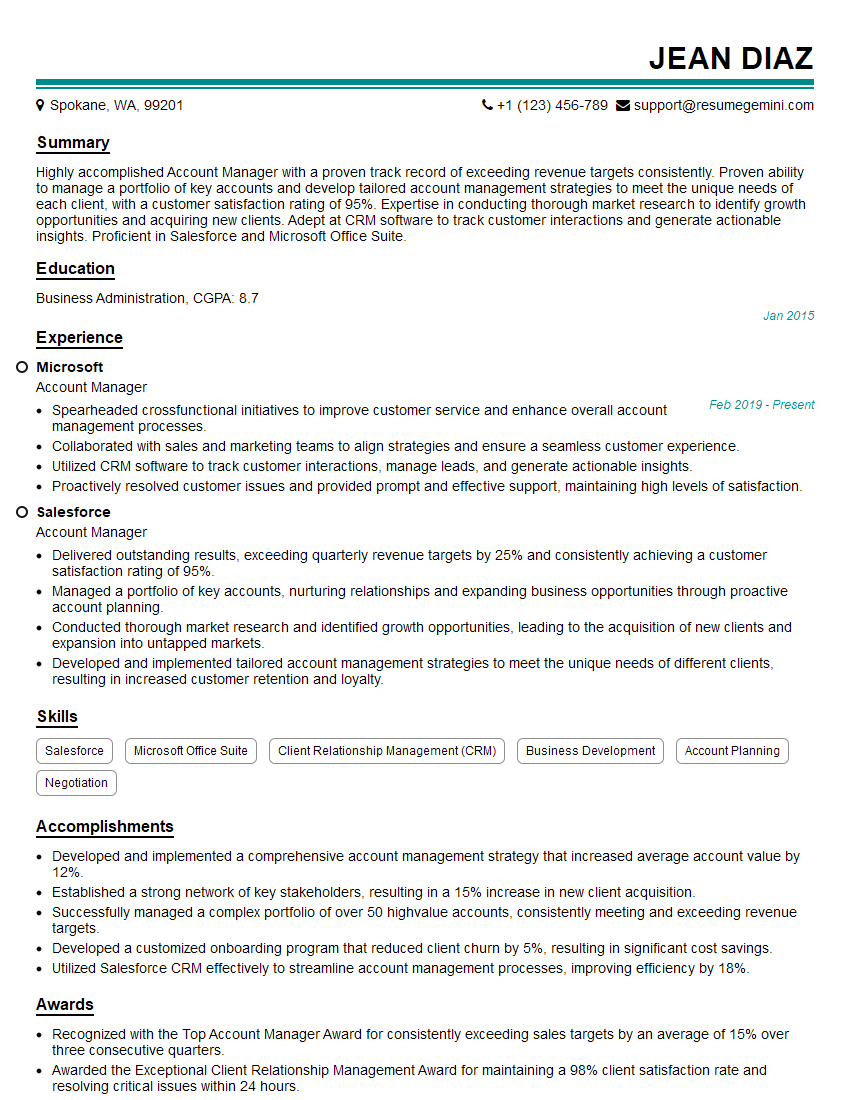
Account Manager Resume Sample

Customer Service Manager Resume Sample
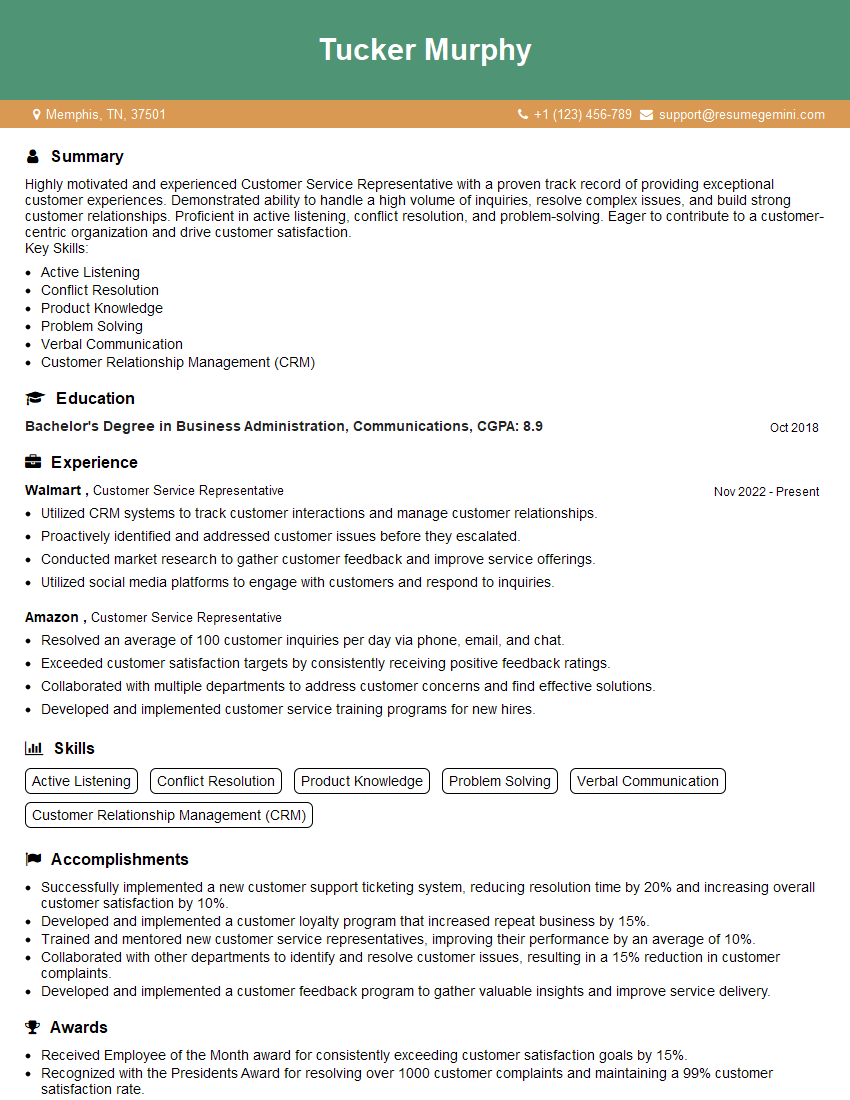
Customer Service Representative Resume Sample
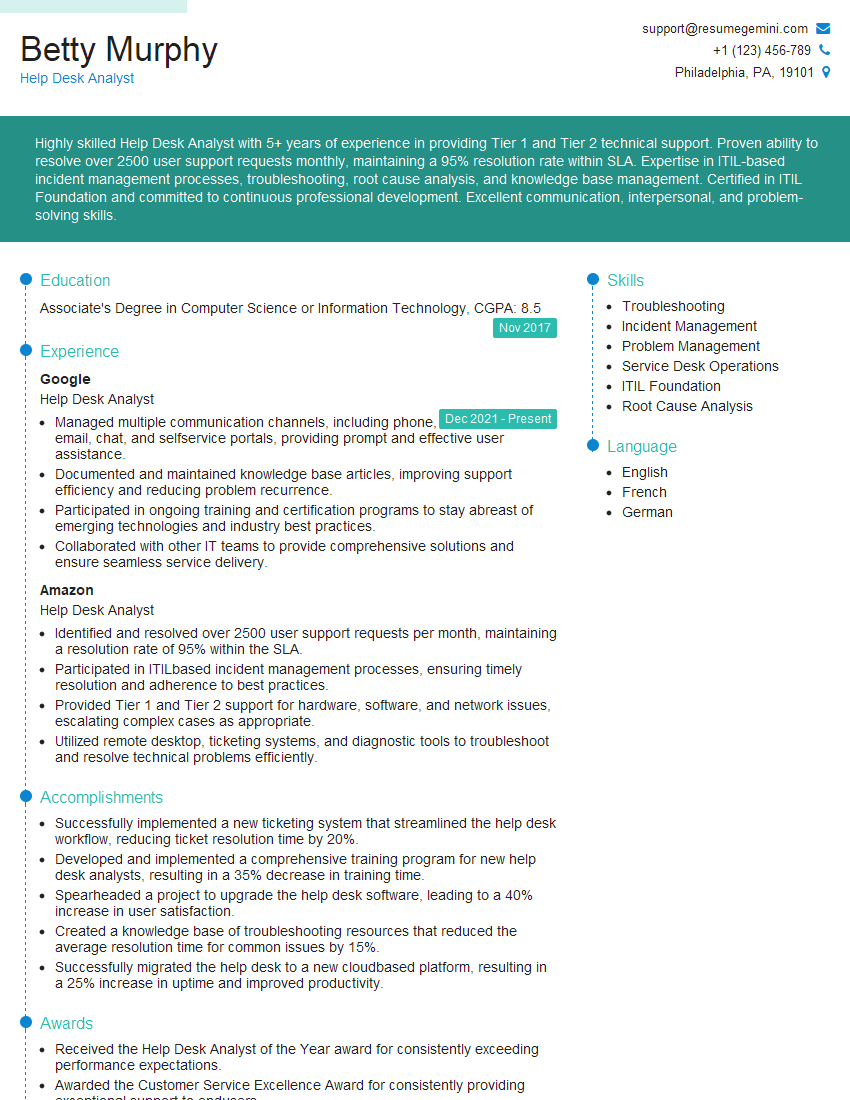
Help Desk Analyst Resume Sample
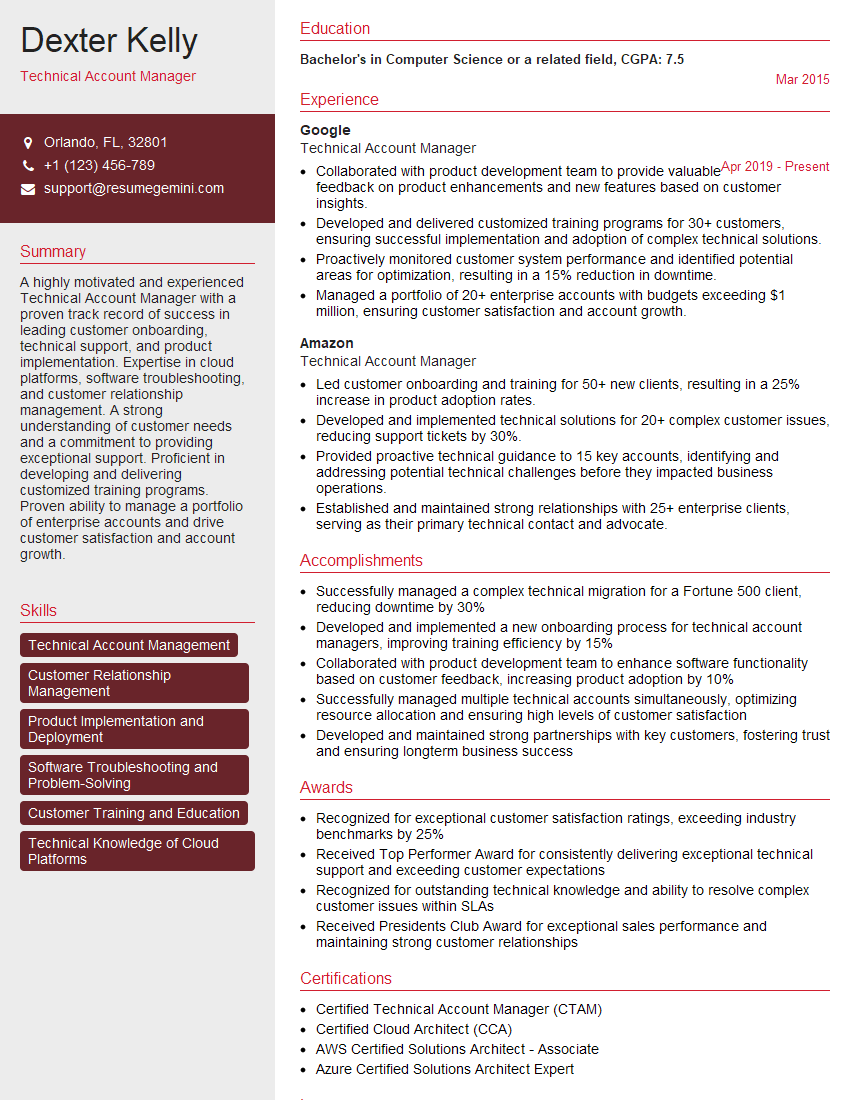
Technical Account Manager Resume Sample
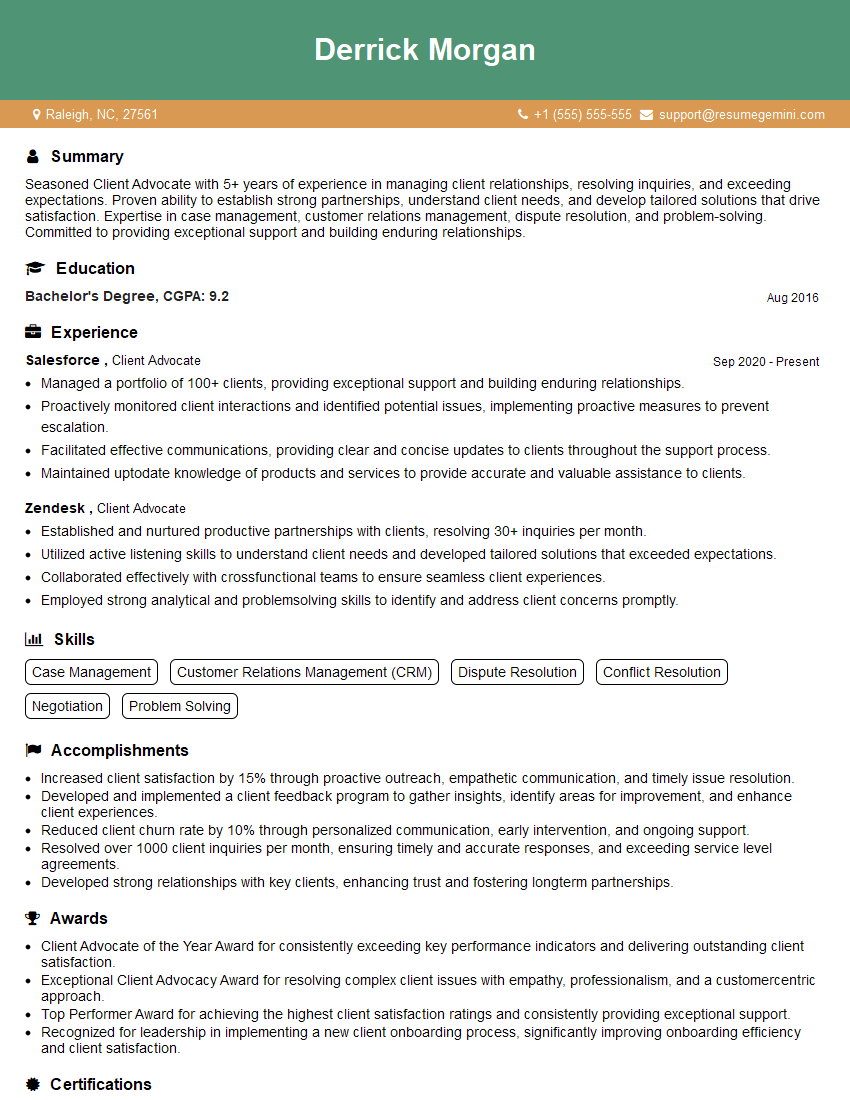
Client Advocate Resume Sample
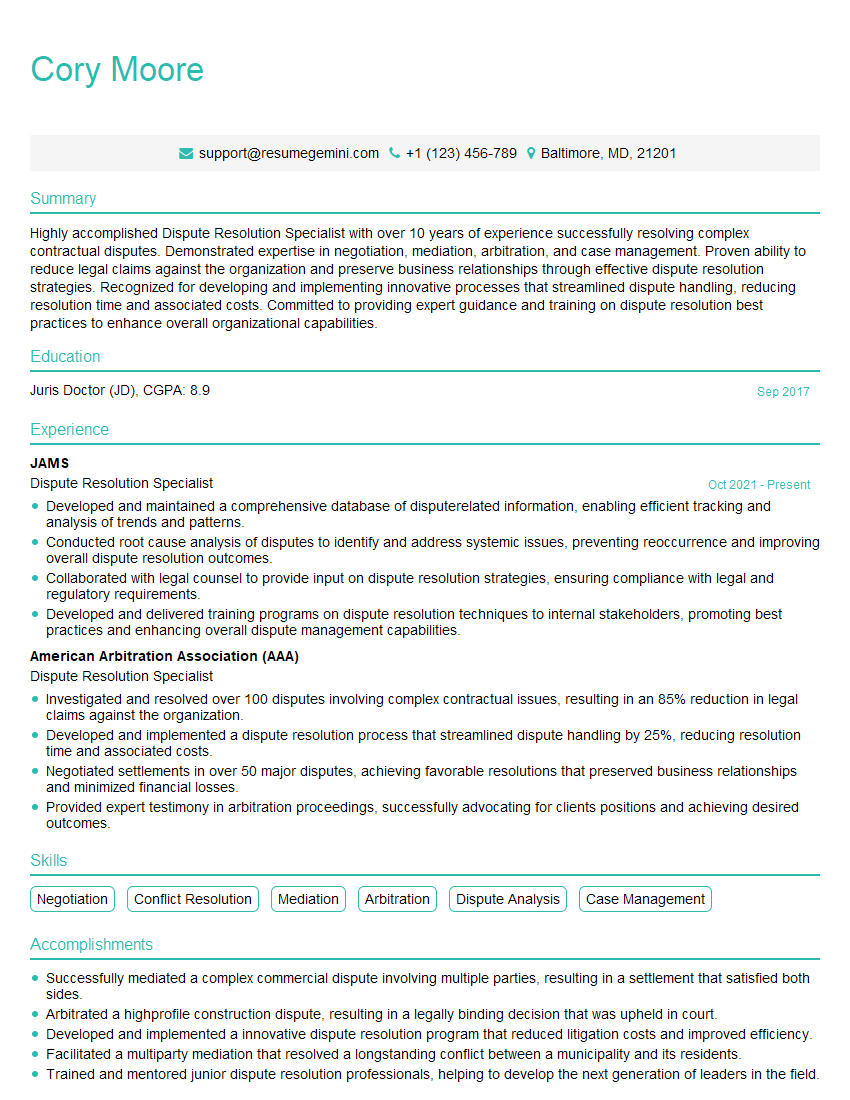
Dispute Resolution Specialist Resume Sample
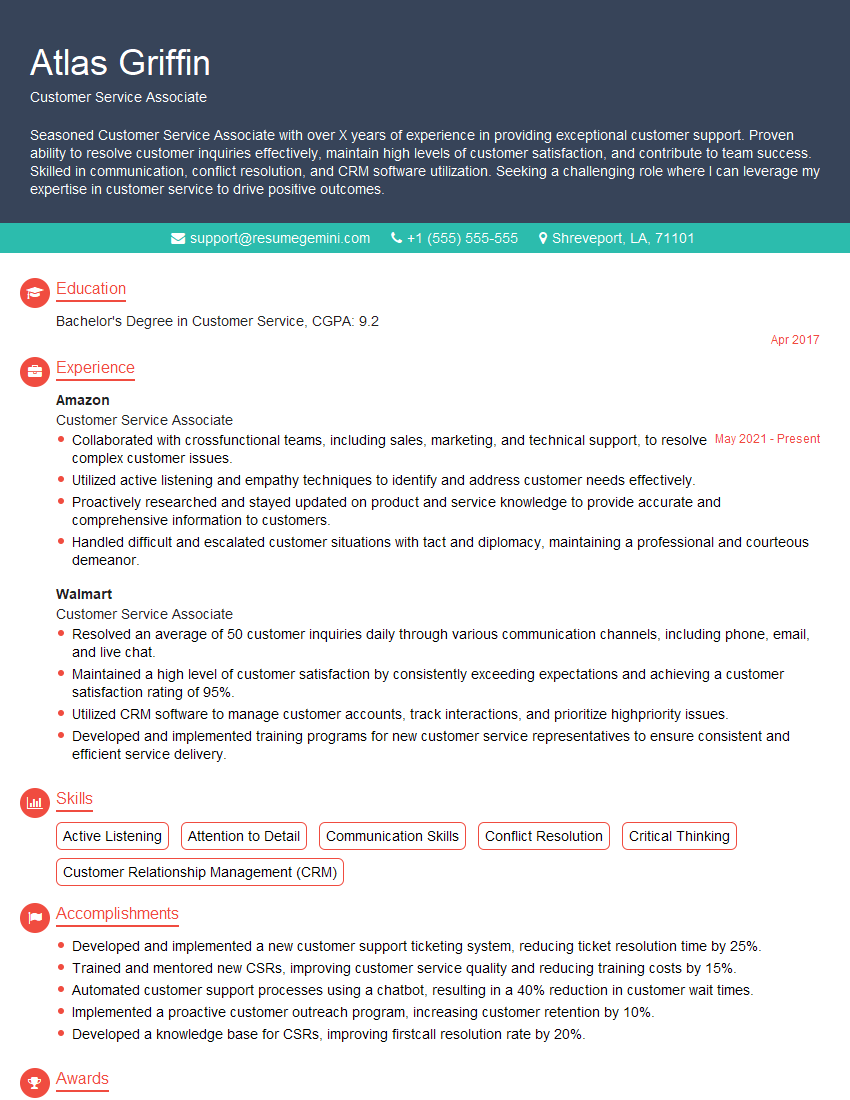
Customer Service Associate Resume Sample

Call Center Agent Resume Sample
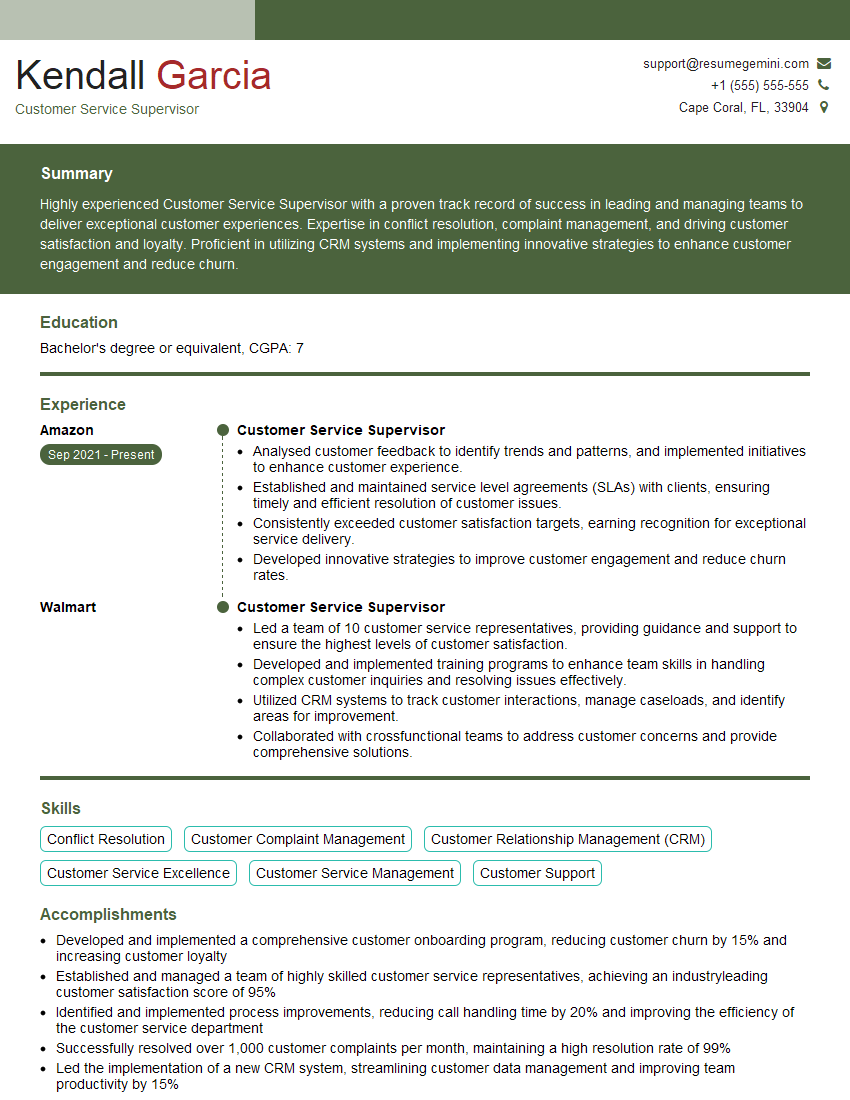
Customer Service Supervisor Resume Sample
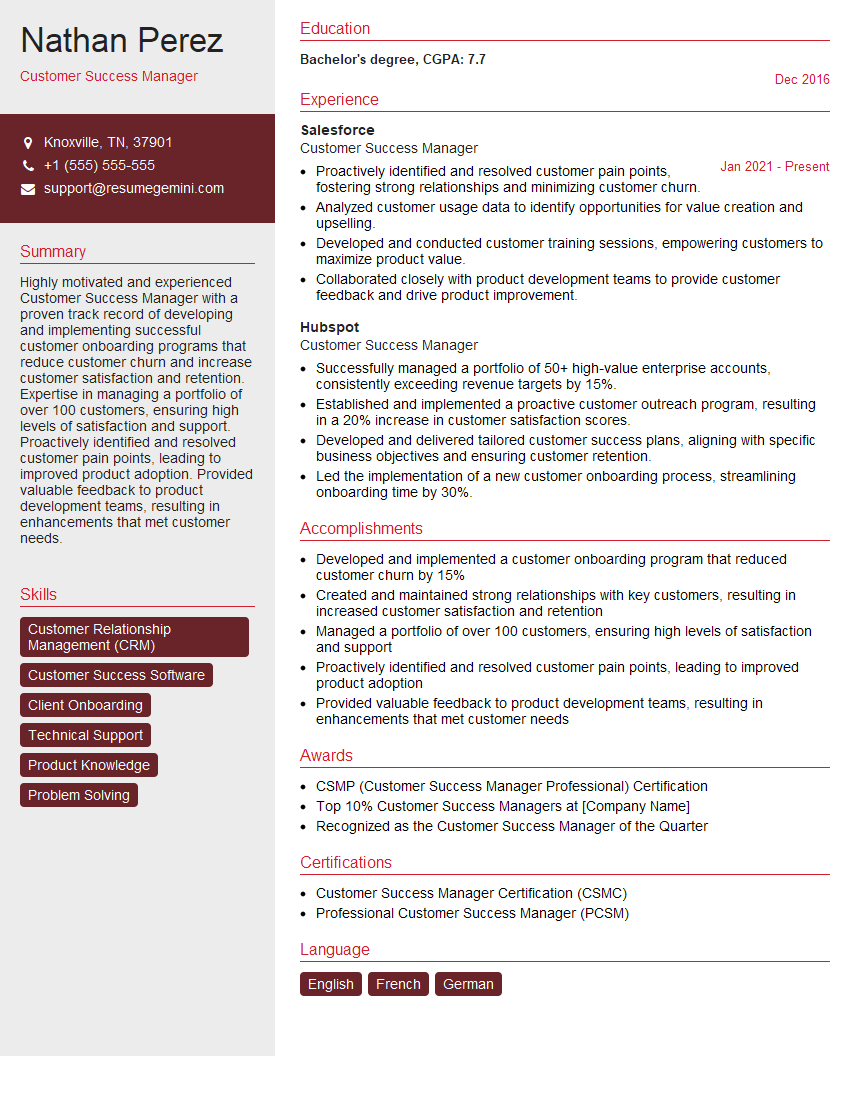
Customer Success Manager Resume Sample
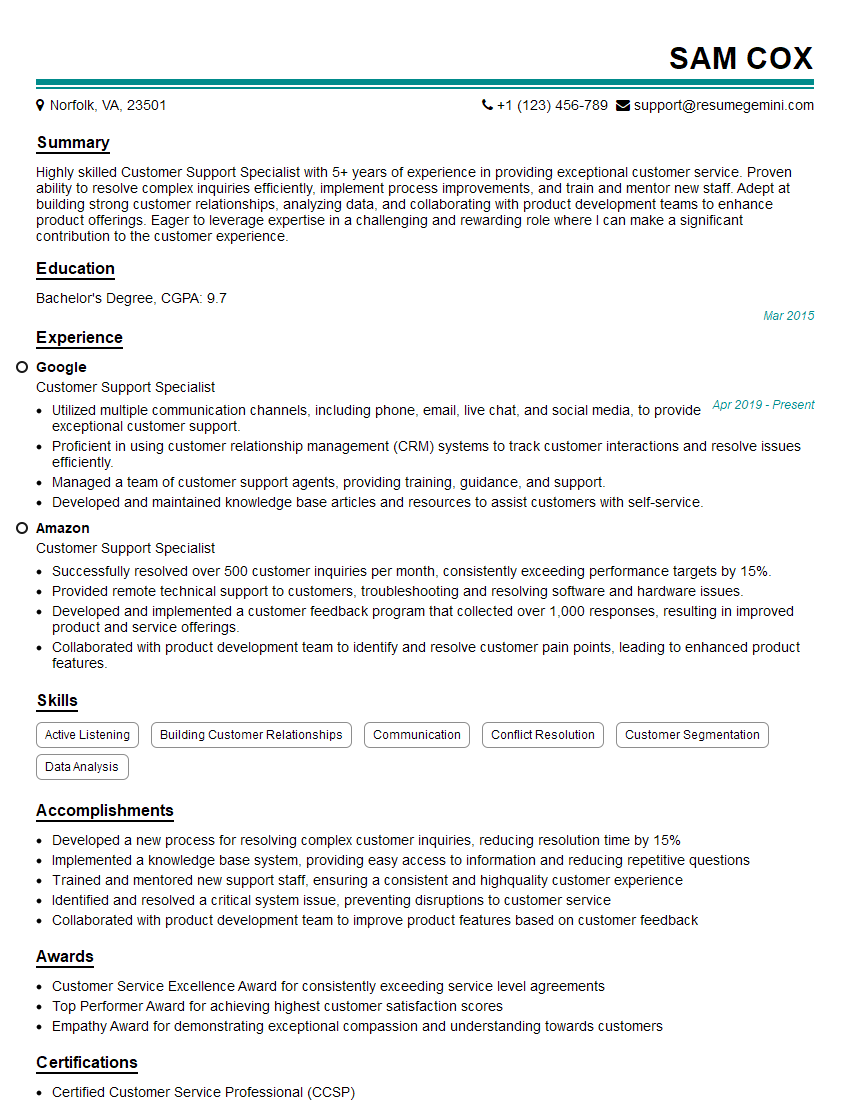
Customer Support Specialist Resume Sample
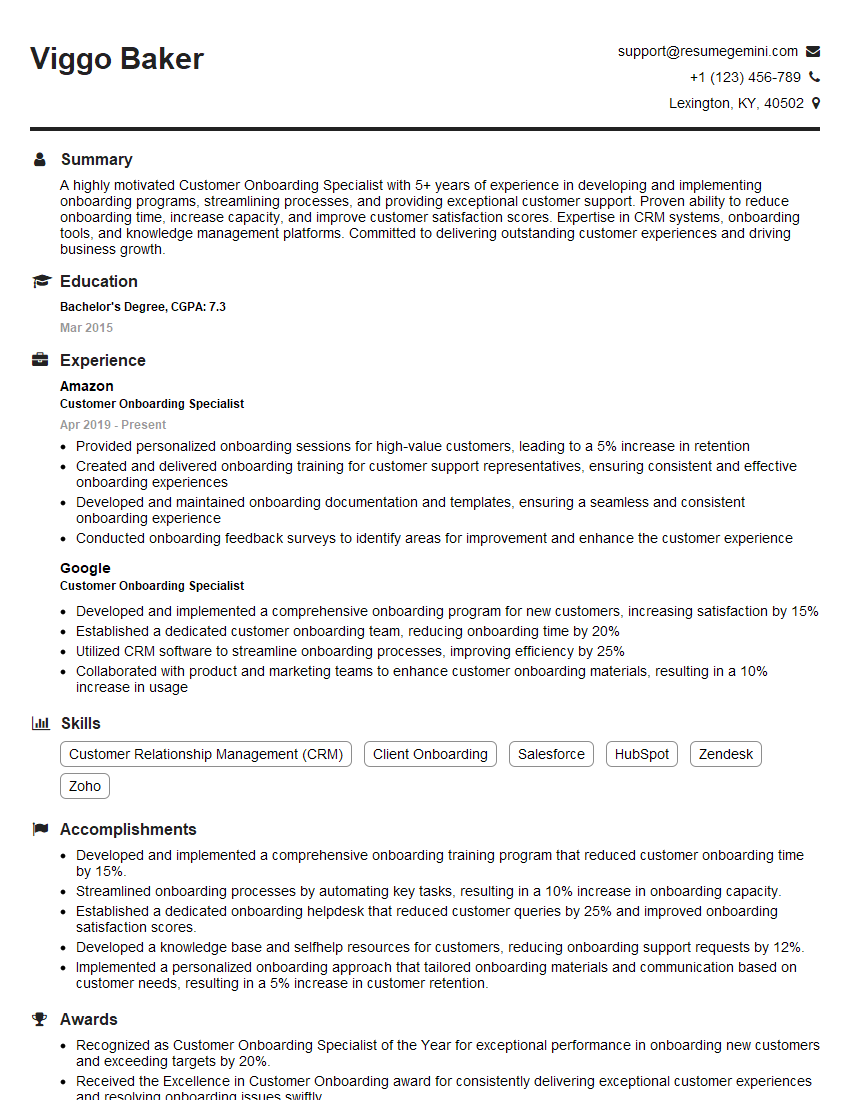
Customer Onboarding Specialist Resume Sample
- Account Manager
- Customer Service Manager
- Customer Service Representative
- Help Desk Analyst
- Technical Account Manager
- Client Advocate
- Dispute Resolution Specialist
- Customer Service Associate
- Call Center Agent
- Customer Service Supervisor
- Customer Success Manager
- Customer Support Specialist
- Customer Onboarding Specialist
Explore more articles
Users Rating of Our Blogs
Share Your Experience
We value your feedback! Please rate our content and share your thoughts (optional).
What Readers Say About Our Blog
To the interviewgemini.com Webmaster.
Very helpful and content specific questions to help prepare me for my interview!
Thank you
To the interviewgemini.com Webmaster.
This was kind of a unique content I found around the specialized skills. Very helpful questions and good detailed answers.
Very Helpful blog, thank you Interviewgemini team.