Interviews are more than just a Q&A session—they’re a chance to prove your worth. This blog dives into essential Pediatric Neurorehabilitation interview questions and expert tips to help you align your answers with what hiring managers are looking for. Start preparing to shine!
Questions Asked in Pediatric Neurorehabilitation Interview
Q 1. Explain the difference between spasticity and rigidity in children.
Both spasticity and rigidity are types of hypertonia, or increased muscle tone, but they differ significantly in their characteristics. Think of it like this: spasticity is like a spring, while rigidity is like a stiff board.
Spasticity is velocity-dependent; it increases with the speed of movement. Imagine trying to quickly bend a child’s arm – the resistance is much greater than if you move it slowly. It’s often associated with a clasp-knife phenomenon, where resistance is initially strong, then suddenly gives way. This is common in cerebral palsy.
Rigidity, on the other hand, is velocity-independent; the resistance to movement is constant regardless of speed. It’s like trying to bend a stiff board – the resistance is the same whether you move it quickly or slowly. This is often seen in conditions like Parkinson’s disease, although less common in children.
Clinically, we differentiate them through careful physical examination, observing the resistance to passive movement and the presence of the clasp-knife phenomenon in spasticity.
Q 2. Describe your experience with Constraint-Induced Movement Therapy (CIMT).
Constraint-Induced Movement Therapy (CIMT) is a powerful technique I frequently utilize. It’s based on the principle of forcing the use of an affected limb by restraining the unaffected limb. For example, if a child has weakness in their right arm due to a stroke, we’ll constrain their left arm (using a sling or mitt) for a significant portion of their waking hours, forcing them to use their right arm for all activities.
My experience includes working with children across a range of ages and diagnoses, including cerebral palsy and stroke. We carefully tailor the intensity and duration of CIMT based on the child’s individual capabilities, tolerance, and specific goals. For example, we might start with short sessions focused on simple tasks, gradually increasing the duration and complexity as the child progresses. We consistently monitor for fatigue and pain, modifying the treatment accordingly. The process also involves intensive home practice programs to maximize the benefits of therapy.
I’ve seen remarkable improvements in functional skills such as reaching, grasping, and fine motor abilities after employing CIMT. The key is a strong therapeutic alliance with the child and family, providing them with the necessary education and support for successful home practice. It’s not a quick fix, but the results are frequently transformational.
Q 3. How do you assess the developmental milestones of a child with cerebral palsy?
Assessing developmental milestones in children with cerebral palsy requires a multi-faceted approach. We can’t simply rely on standardized tests, as they may not be fully appropriate for children with neurological impairments.
My assessment incorporates several elements:
- Standardized developmental assessments: Tools like the Bayley Scales of Infant and Toddler Development or the Alberta Infant Motor Scale provide a structured framework to assess motor, cognitive, and language skills. However, I always interpret these scores cautiously, understanding that they may not fully capture a child’s capabilities.
- Observation of functional skills: I observe the child’s abilities in daily activities, including sitting, crawling, walking, feeding, and dressing. This provides a more holistic understanding of their abilities within their natural environment.
- Parent and caregiver report: Parents and caregivers offer invaluable insights into the child’s developmental trajectory, noting strengths and challenges that may not be evident in a formal assessment setting.
- Neurological examination: This includes assessing muscle tone, reflexes, and range of motion to understand the underlying neurological impairments affecting the child’s development.
The overall assessment provides a comprehensive picture of the child’s abilities and challenges, forming the foundation for developing a personalized rehabilitation plan.
Q 4. What are the common causes of acquired brain injury in children?
Acquired brain injury (ABI) in children is a devastating event with several potential causes. Unlike conditions like cerebral palsy, which are congenital, ABIs occur after birth.
Common causes include:
- Traumatic brain injury (TBI): This is the most frequent cause, resulting from accidents like falls, motor vehicle collisions, sports injuries, or child abuse. The severity of the injury varies greatly, from mild concussion to severe diffuse axonal injury.
- Infection: Encephalitis (brain inflammation) or meningitis (inflammation of the brain and spinal cord) can cause significant neurological damage. Prompt diagnosis and treatment are crucial.
- Stroke: Although less common in children, strokes can occur due to various causes, leading to focal neurological deficits.
- Near-drowning: Lack of oxygen to the brain can result in significant brain damage.
- Anoxic brain injury: This occurs when the brain is deprived of oxygen, often due to cardiac arrest or severe respiratory problems.
The consequences of ABI vary significantly depending on the cause, severity, and location of the brain injury. Our approach to rehabilitation must be tailored to each child’s unique needs.
Q 5. Explain your approach to managing a child’s pain during neurorehabilitation.
Pain management is a critical aspect of pediatric neurorehabilitation. Ignoring pain can hinder a child’s participation in therapy, leading to frustration and slower progress. My approach is multi-faceted and child-centered.
It begins with a thorough assessment of the child’s pain, using age-appropriate tools and considering both their verbal and non-verbal cues. We use validated pain scales, and for younger children, behavioral observation is vital. Then, I develop a comprehensive plan that often involves:
- Pharmacological interventions: We may use analgesics, anti-inflammatory drugs, or other medications as prescribed by a pain specialist, always considering the child’s age, weight, and other medical conditions.
- Non-pharmacological methods: These include physical modalities such as heat or cold therapy, massage, positioning techniques, and relaxation strategies. We teach children and families coping mechanisms like deep breathing exercises.
- Distraction techniques: During therapy, we use age-appropriate distraction techniques to minimize pain perception. This might include playing games, watching videos, or engaging in other enjoyable activities.
Regular pain assessments and adjustments to the plan are vital. It’s crucial to work collaboratively with the child, family, and pain management specialists to achieve the best possible pain control and ensure successful participation in rehabilitation.
Q 6. Describe different types of assistive devices used in pediatric neurorehabilitation.
Assistive devices are invaluable tools in pediatric neurorehabilitation, promoting independence and participation. The type of device depends entirely on the child’s specific needs and goals.
Examples include:
- Orthotics: These include braces, splints, and ankle-foot orthoses (AFOs) to support limbs, improve posture, and enhance movement. They can range from simple wrist splints to complex custom-made devices.
- Prosthetics: For children with limb loss, prosthetics replace missing limbs and restore function.
- Wheelchairs: Manual or powered wheelchairs provide mobility for children with significant mobility impairments. The choice depends on the child’s age, physical abilities, and functional needs.
- Adaptive equipment: These are tools that modify everyday activities, making them more accessible. Examples include adaptive eating utensils, switch-activated toys, and communication devices.
- Mobility aids: Walkers, crutches, and canes assist with ambulation.
The selection and fitting of assistive devices require careful consideration of the child’s individual needs and physical capabilities. We work closely with occupational therapists, physical therapists, and other specialists to ensure that the devices are appropriate and properly fitted.
Q 7. How do you adapt treatment plans for children with different cognitive abilities?
Adapting treatment plans for children with varying cognitive abilities is paramount. A rigid, one-size-fits-all approach is ineffective and can be frustrating for both the child and the therapist.
My approach emphasizes:
- Individualized goal setting: Goals must be realistic and achievable based on the child’s cognitive capacity. We may focus on simpler, more concrete goals for children with significant cognitive impairments.
- Modified communication strategies: I adapt my communication to suit the child’s comprehension level, using simple language, visual aids, and gestures when necessary. For non-verbal children, augmentative and alternative communication (AAC) strategies are utilized.
- Task simplification: Complex tasks are broken down into smaller, manageable steps to improve success and reduce frustration. Positive reinforcement is essential.
- Sensory considerations: Children with cognitive impairments may have heightened or diminished sensory sensitivities. We adjust the therapeutic environment to minimize distractions and create a comfortable and engaging experience.
- Collaboration with other professionals: I collaborate with psychologists, speech therapists, and special education teachers to develop a cohesive, holistic approach that addresses all aspects of the child’s development.
The key is to create a therapeutic environment that is engaging, supportive, and tailored to meet the child’s individual cognitive and learning needs.
Q 8. What are the ethical considerations in pediatric neurorehabilitation?
Ethical considerations in pediatric neurorehabilitation are paramount, given the vulnerability of the child and the long-term implications of interventions. These considerations revolve around several key areas:
- Beneficence and Non-Maleficence: We must always act in the best interests of the child, minimizing harm and maximizing benefits. This includes careful consideration of risks and benefits of each intervention, ensuring that the potential benefits outweigh the risks.
- Respect for Autonomy: As the child matures, their voice and wishes must be increasingly respected in decision-making. For younger children, this involves actively involving the parents and guardians in the process, ensuring they understand the treatment options and their implications. We must navigate carefully when parental wishes conflict with the child’s best interests.
- Justice and Equity: Access to high-quality neurorehabilitation should be equitable, regardless of socioeconomic status, ethnicity, or geographic location. We must advocate for policies and programs that promote fairness and eliminate disparities in access to care.
- Informed Consent: Parents/guardians must provide informed consent for all interventions, understanding the procedure, risks, benefits, and alternatives. This requires clear, concise communication that avoids technical jargon.
- Confidentiality: Maintaining the confidentiality of the child and family’s medical information is essential, adhering to all relevant privacy regulations.
For example, a decision regarding a risky but potentially beneficial surgery requires a careful weighing of potential benefits (improved function) against risks (complications). Open communication with the family, acknowledging their anxieties and concerns, is crucial in making an ethically sound decision.
Q 9. How do you collaborate with families and other healthcare professionals?
Collaboration is the cornerstone of effective pediatric neurorehabilitation. I work closely with a multidisciplinary team, including:
- Families: Families are the central figures in a child’s life and their active participation is vital. I establish strong, trusting relationships with them, regularly updating them on progress, involving them in goal setting, and providing education and support. I see them as partners in the rehabilitation process, not just recipients of care. This often involves home programs tailored to their ability and resources.
- Physicians: Close communication with the child’s physician, neurologist, or surgeon is essential to coordinate care, manage medications, and address any medical concerns. Regular communication is paramount to ensure a holistic treatment approach.
- Other Therapists: I collaborate with occupational therapists, speech-language pathologists, physical therapists, and others depending on the child’s needs. We hold regular team meetings, share progress reports, and coordinate treatment plans to ensure a cohesive and comprehensive approach. For instance, a child with cerebral palsy might require coordinated input from a physical therapist for mobility, an occupational therapist for adaptive techniques, and a speech-language pathologist for feeding issues.
- Educators: Working with teachers and school support staff is critical to integrating rehabilitation goals into the child’s daily school environment. This might involve developing individualized education programs (IEPs) and modifying the learning environment to support the child’s needs.
For instance, in the case of a child with a traumatic brain injury, I might collaborate with the school to develop strategies for supporting their attention and cognitive skills in the classroom. This might involve modifications to classroom seating, breaks throughout the day, and specialized educational resources.
Q 10. Describe your experience with Botox injections for spasticity management.
Botox injections are a valuable tool in managing spasticity in children with neurological disorders such as cerebral palsy. My experience involves:
- Assessment: A thorough assessment is performed to identify the muscles causing spasticity and to determine the appropriate dosage and injection sites. This includes assessing the child’s range of motion, muscle tone, and functional limitations.
- Injection Technique: The injections are administered using a very fine needle, targeting specific muscles. The procedure is relatively quick and generally well-tolerated by children, though we utilize age-appropriate distraction techniques.
- Post-Injection Monitoring: Following the injections, I monitor the child for any adverse effects such as pain, swelling, or bruising. I also assess the effectiveness of the treatment in reducing spasticity and improving function over several weeks.
- Re-assessment and Follow-up: The effects of Botox are temporary, typically lasting several months. Regular follow-up appointments are scheduled to monitor the child’s progress and determine the need for further injections.
I’ve seen significant improvements in children’s mobility, comfort, and ability to participate in daily activities after Botox injections. For example, a child with spastic legs might be able to walk more easily, improving their quality of life significantly.
Q 11. Explain the principles of Bobath therapy.
Bobath therapy, also known as the Neurodevelopmental Treatment (NDT) approach, focuses on improving motor control and function in children with neurological impairments by addressing abnormal postural reflexes and movement patterns. The core principles are:
- Normal Movement Patterns: Therapists help children to learn and use normal movement patterns, promoting efficient and functional movements.
- Handling Techniques: Specific handling techniques are used to facilitate normal movements, inhibit abnormal reflexes, and improve postural control. These techniques are carefully guided and adapt to the child’s responses.
- Inhibition of Abnormal Reflexes: Abnormal reflexes can interfere with normal movement. Bobath therapists work to inhibit these reflexes, allowing for more controlled and efficient movements.
- Facilitation of Normal Movement: Therapists use various techniques to facilitate normal movement patterns, such as key points of control and carefully guided movements.
- Individualized Treatment Plans: Treatment is tailored to each child’s specific needs and abilities, with goals based on functional outcomes.
For instance, a child with cerebral palsy might have difficulty with sitting balance. A Bobath therapist would use handling techniques to inhibit abnormal muscle tone, facilitating proper postural alignment and strengthening the muscles needed for sitting independently.
Q 12. How do you assess a child’s swallowing difficulties?
Assessing a child’s swallowing difficulties, or dysphagia, is a multi-step process requiring a comprehensive evaluation. This involves:
- History Taking: A detailed history, including the onset of difficulties, associated symptoms (e.g., coughing, choking, vomiting), and medical history is crucial.
- Clinical Observation: Observation of the child’s feeding behavior, including posture, oral motor skills, and swallowing patterns is key. We assess their ability to suck, chew, and swallow different consistencies.
- Oral Motor Examination: A thorough examination of the oral cavity assesses the strength, range of motion, and coordination of the muscles involved in swallowing.
- Videofluoroscopic Swallow Study (VFSS): VFSS, also known as a modified barium swallow, is a dynamic imaging technique that allows visualization of the swallow mechanism. It is often considered the gold standard for assessing dysphagia.
- Fiberoptic Endoscopic Evaluation of Swallowing (FEES): FEES allows direct visualization of the pharynx and larynx during swallowing, providing valuable information about the swallowing process.
For example, a child who frequently coughs or chokes during feeding, displays poor oral motor control, and has difficulty managing different food consistencies may require a VFSS to pinpoint the underlying cause of their dysphagia.
Q 13. Describe your experience with feeding interventions for children with neurological disorders.
My experience with feeding interventions for children with neurological disorders involves a holistic approach that considers the child’s medical condition, developmental stage, and overall health. Interventions are highly individualized and may include:
- Positioning: Proper positioning is crucial to support the child’s body and optimize swallowing. This might involve specialized seating or positioning devices.
- Adaptive Feeding Equipment: Specialized feeding equipment such as adapted spoons, cups, or bottles may be necessary to facilitate feeding.
- Dietary Modifications: Changes in food consistency (pureed, minced, soft) or textures may be necessary to improve swallowing safety and efficiency.
- Oral Motor Exercises: Targeted exercises to improve oral motor skills, such as lip, tongue, and jaw strength and coordination.
- Sensory Integration Techniques: Strategies to address sensory sensitivities that may impact feeding behavior. For example, a child sensitive to certain textures might need gradual desensitization.
- Behavioral Interventions: Behavioral strategies may be incorporated to address mealtime behaviors such as food refusal or picky eating.
For example, a child with cerebral palsy who experiences difficulties with chewing and swallowing might benefit from a combination of dietary modifications (pureed foods), adaptive feeding equipment (specialized spoon), and oral motor exercises to improve jaw strength and tongue control.
Q 14. Explain the role of sensory integration therapy in pediatric neurorehabilitation.
Sensory integration therapy plays a vital role in pediatric neurorehabilitation, particularly for children with sensory processing disorders or neurological conditions that affect sensory processing. The goal is to help children organize and interpret sensory input efficiently, leading to improved motor planning, coordination, and participation in daily activities.
- Assessment: A thorough assessment evaluates the child’s sensory processing abilities across different sensory systems (tactile, proprioceptive, vestibular, auditory, visual).
- Intervention Strategies: Interventions are tailored to the child’s specific sensory needs and may include activities that provide controlled sensory input. This might involve weighted blankets for proprioceptive input, swings for vestibular input, or textured materials for tactile input.
- Adaptive Techniques: Adaptive strategies and modifications are implemented to support the child’s participation in activities of daily living (ADLs), school, and play.
- Environmental Modifications: Modifying the child’s environment to reduce overwhelming sensory stimuli and enhance the environment’s support for their needs.
For example, a child with autism who struggles with tactile defensiveness might benefit from activities using textured materials to improve their tolerance of different textures. This gradual exposure, combined with strategies for managing sensory overload during daily activities, can significantly improve their participation and quality of life.
Q 15. How do you address behavioral challenges in children undergoing neurorehabilitation?
Addressing behavioral challenges in children undergoing neurorehabilitation requires a multifaceted approach that considers the child’s developmental stage, the underlying neurological condition, and the impact of the rehabilitation process itself. It’s crucial to remember that challenging behaviors are often a form of communication, reflecting frustration, pain, or unmet needs.
- Behavioral Assessment: A thorough assessment is the first step. This involves observing the child in various settings, interviewing parents and caregivers, and using standardized behavioral rating scales to identify specific problematic behaviors and their triggers.
- Positive Reinforcement Strategies: We utilize positive reinforcement techniques, rewarding desired behaviors with praise, tangible rewards, or preferred activities. This is far more effective than solely focusing on punishment.
- Environmental Modifications: Altering the child’s environment can significantly reduce challenging behaviors. This may involve creating a calming space, minimizing distractions, and structuring activities to avoid overwhelming the child.
- Collaboration with Family: Consistent strategies at home and in therapy are essential. We work closely with families to teach them behavior management techniques and ensure a unified approach.
- Addressing Underlying Medical Issues: Sometimes, behavioral challenges are secondary to pain, medication side effects, or other medical issues. Addressing these underlying problems is crucial.
- Referral to Specialists: In some cases, referral to other specialists, such as occupational therapists, psychologists, or psychiatrists, may be necessary to address complex behavioral issues or co-occurring conditions like anxiety or ADHD.
For example, a child with cerebral palsy who experiences frustration during therapy sessions might exhibit tantrums. By identifying the triggers (e.g., difficulty with a specific task), we can modify the task, provide more frequent breaks, and use positive reinforcement to encourage persistence and cooperation.
Career Expert Tips:
- Ace those interviews! Prepare effectively by reviewing the Top 50 Most Common Interview Questions on ResumeGemini.
- Navigate your job search with confidence! Explore a wide range of Career Tips on ResumeGemini. Learn about common challenges and recommendations to overcome them.
- Craft the perfect resume! Master the Art of Resume Writing with ResumeGemini’s guide. Showcase your unique qualifications and achievements effectively.
- Don’t miss out on holiday savings! Build your dream resume with ResumeGemini’s ATS optimized templates.
Q 16. What are the long-term goals of pediatric neurorehabilitation?
The long-term goals of pediatric neurorehabilitation are multifaceted and highly individualized, depending on the child’s specific condition and needs. However, some overarching goals include:
- Optimizing Functional Independence: This encompasses maximizing the child’s ability to perform daily activities, such as eating, dressing, toileting, and mobility, as independently as possible.
- Improving Participation in Life Activities: We aim to help children participate fully in school, social activities, and family life, minimizing limitations imposed by their neurological condition.
- Enhancing Quality of Life: Neurorehabilitation strives to improve the child’s overall well-being, reducing pain, improving sleep, and promoting positive self-esteem and emotional regulation.
- Preventing Secondary Complications: We focus on preventing complications such as contractures, pressure sores, and secondary impairments resulting from neurological conditions.
- Supporting Family Well-being: We recognize that families play a crucial role in the child’s rehabilitation and provide support and education to empower them to be active participants in their child’s care.
- Transition Planning: As children age, we work towards seamless transition to adult services, ensuring continuity of care and support.
For instance, a child with spina bifida might have long-term goals focusing on wheelchair mobility, bowel and bladder management, and academic success. A child with traumatic brain injury may have goals focusing on cognitive rehabilitation, speech therapy, and social reintegration.
Q 17. Describe your experience using evidence-based practice in your work.
Evidence-based practice is the cornerstone of my work. This means integrating the best available research evidence with clinical expertise and patient values to make informed decisions about the most effective interventions. I consistently stay updated on the latest research in pediatric neurorehabilitation through journals such as Developmental Medicine & Child Neurology and Pediatric Physical Therapy, attending professional conferences, and participating in continuing education courses.
For example, when treating a child with spasticity, I wouldn’t just rely on my experience but would consult recent randomized controlled trials comparing different botulinum toxin injection techniques or constraint-induced movement therapy. I then tailor the treatment plan based on the child’s specific condition, preferences, and family circumstances, ensuring the intervention is feasible and acceptable to all involved. This collaborative approach, integrating evidence with individual needs, ensures the highest quality of care.
Q 18. How do you measure the effectiveness of your interventions?
Measuring the effectiveness of interventions is crucial and involves a variety of methods. We use a combination of quantitative and qualitative measures to provide a comprehensive picture of the child’s progress.
- Functional Assessments: Standardized assessments, such as the Gross Motor Function Measure (GMFM) or the Pediatric Evaluation of Disability Inventory (PEDI), are used to objectively measure changes in motor skills and functional abilities over time.
- Outcome Measures: We track specific outcomes relevant to the child’s goals, such as walking speed, range of motion, or communication skills, using various scales and tools.
- Qualitative Data: We gather qualitative data through observations, interviews with parents and caregivers, and the child’s self-report (if developmentally appropriate) to gain insights into the child’s experience and the impact of the intervention on their quality of life.
- Progress Monitoring: We regularly monitor progress, adjusting the treatment plan as needed to ensure it remains effective and addresses any emerging challenges.
For instance, if we are working on improving a child’s hand function, we might use the Box and Blocks test to measure the number of blocks they can pick up and place in a minute. Alongside this quantitative measure, we also observe their hand posture, coordination, and the overall efficiency of the movement to better understand their progress.
Q 19. How do you adapt your communication style for children with different communication needs?
Adapting my communication style is essential for effective interaction with children with diverse communication needs. I use a variety of strategies depending on the child’s abilities and preferences.
- Augmentative and Alternative Communication (AAC): For children who have difficulty with verbal communication, I utilize AAC systems, such as picture exchange systems (PECS), speech-generating devices (SGDs), or sign language. This allows the child to participate actively in therapy sessions and express their needs and preferences.
- Visual Aids: Using visual supports, such as pictures, schedules, and social stories, can significantly enhance understanding and reduce anxiety, particularly for children with autism spectrum disorder or cognitive impairments.
- Nonverbal Communication: I utilize nonverbal cues, such as facial expressions, gestures, and body language, to enhance communication and build rapport.
- Simple Language: I use clear, concise, and age-appropriate language, avoiding jargon and complex sentence structures.
- Patience and Empathy: I prioritize patience, empathy, and a child-centered approach to create a safe and supportive environment for communication.
For example, when working with a non-speaking child, I might use a PECS system to help them request breaks or express their preferences during a therapy session. This ensures their active participation and empowers them to communicate their needs effectively.
Q 20. Explain your experience with different types of orthotics and prosthetics.
My experience encompasses a range of orthotics and prosthetics used in pediatric neurorehabilitation. The selection and fitting process is highly individualized, taking into consideration the child’s specific needs, the nature of their impairment, and their developmental stage.
- Orthotics: I have experience with various types of orthotics, including ankle-foot orthoses (AFOs) to support foot and ankle function, knee-ankle-foot orthoses (KAFOs) for support of the knee, ankle, and foot, and upper limb orthoses to improve hand function or stabilize the arm and shoulder. I am familiar with both custom-fabricated and prefabricated devices.
- Prosthetics: My experience includes working with children who require prosthetic limbs due to limb deficiencies or amputations. This involves collaboration with prosthetists to select the appropriate prosthesis type, considering age, activity level, and the child’s preferences. This may include body-powered or myoelectric prostheses.
- Adaptive Equipment: I am proficient in adapting equipment and assistive technology to enhance a child’s independence, such as specialized wheelchairs, adaptive eating utensils, or communication devices.
- Serial Casting: In cases of contractures, I have experience with serial casting, a method of gradually stretching and improving joint range of motion.
For example, a child with cerebral palsy might benefit from AFOs to improve gait and stability, while a child with a limb difference might require a prosthetic limb to improve function and participate more fully in activities.
Q 21. Describe your knowledge of the different stages of motor development.
Understanding the stages of motor development is fundamental in pediatric neurorehabilitation. This knowledge guides assessment and intervention strategies, allowing for the development of age-appropriate goals and tailored interventions.
The stages are not rigid and can vary slightly, but a general understanding includes:
- Infancy (0-12 months): This stage focuses on reflexive movements, head control, rolling, sitting, crawling, and eventually walking. Developmental milestones are closely monitored.
- Toddlerhood (1-3 years): Refined motor skills emerge, including walking independently, running, jumping, climbing, and improved hand-eye coordination. This stage is characterized by increased exploration and play.
- Preschool (3-5 years): Motor skills become more coordinated and complex, encompassing running, hopping, skipping, throwing, catching, and drawing. Fine motor skills such as writing and dressing improve significantly.
- School Age (6-12 years): Motor skills continue to develop, with increased proficiency in sports, recreational activities, and writing. This stage involves refined hand-eye coordination and improved balance.
- Adolescence (13-18 years): Motor skills reach near-adult levels, with greater strength, endurance, and coordination. This period focuses on the development of specialized motor skills related to chosen activities and sports.
Knowing these stages helps us create realistic and achievable goals. For instance, while working with a child with delayed motor development, we wouldn’t expect them to be running before mastering sitting and crawling. Our interventions would focus on building foundational skills sequentially, respecting the natural progression of motor development.
Q 22. Explain your understanding of the impact of neurological disorders on child development.
Neurological disorders significantly impact child development, affecting various domains depending on the specific condition and its severity. Imagine a developing brain as a complex orchestra; each area has a specific role, and when one section is disrupted, the entire harmony is affected. Conditions like cerebral palsy, autism spectrum disorder, traumatic brain injury, and stroke can disrupt the finely tuned processes of motor skill acquisition, language development, cognitive function, social-emotional regulation, and adaptive behavior.
For example, a child with cerebral palsy might experience delays in reaching milestones like walking or grasping objects due to motor impairments. A child with autism might struggle with social interaction and communication, while a child with a traumatic brain injury might show cognitive deficits like memory problems or difficulty with attention. The impact is deeply personal and varies significantly, depending on the child’s age at onset, the type and severity of the disorder, and the individual’s inherent resilience.
- Motor development: Delayed gross motor skills (walking, running), fine motor skills (writing, drawing), and coordination.
- Cognitive development: Difficulties with attention, memory, executive function (planning, problem-solving), and learning.
- Language development: Speech delays, articulation problems, receptive and expressive language difficulties.
- Social-emotional development: Challenges with social interaction, emotional regulation, and behavior.
Understanding this multifaceted impact is crucial for designing effective and individualized neurorehabilitation programs.
Q 23. How do you involve parents and caregivers in the rehabilitation process?
Parents and caregivers are the cornerstone of successful pediatric neurorehabilitation. Their involvement is not just beneficial; it’s essential. We approach this through a collaborative partnership model, where parents are active participants, not just passive observers. This begins with thorough education about the child’s condition, prognosis, and treatment plan. We empower them with knowledge and tools to support their child’s progress at home and in the community.
We use various strategies to foster this collaboration:
- Regular communication: Frequent meetings, phone calls, and email updates to keep parents informed.
- Shared decision-making: Involving parents in setting realistic and achievable goals for therapy.
- Home program development: Tailoring exercises and activities that can be easily integrated into the child’s daily routine.
- Training and education: Providing parents with the necessary skills and knowledge to implement therapeutic interventions at home.
- Support groups: Connecting parents with other families facing similar challenges.
For example, we might teach parents specific techniques for handling a child’s spasticity or strategies for facilitating communication with a child who has autism. This ongoing support and collaborative approach ensures that the therapy’s effects extend beyond the clinic setting and are deeply embedded in the child’s everyday life.
Q 24. How do you manage challenging behaviors, such as aggression or self-harm?
Managing challenging behaviors like aggression or self-harm requires a multi-pronged approach that focuses on understanding the underlying cause. These behaviors are often not intentional; rather, they are frequently a manifestation of frustration, pain, unmet needs, or communication difficulties. We start by conducting a thorough assessment to identify triggers and patterns.
Our strategies include:
- Functional behavior assessment (FBA): This involves carefully observing the child’s behavior to determine the antecedent events (what triggers the behavior), the behavior itself, and the consequences (what happens after the behavior). This helps us understand the function of the behavior.
- Positive behavior support (PBS): This focuses on teaching replacement behaviors—appropriate ways for the child to communicate their needs or cope with challenging situations. We might teach them alternative communication methods or strategies for self-regulation.
- Environmental modifications: Adjusting the child’s environment to minimize triggers and maximize opportunities for success. This could involve creating a calming space or removing potentially dangerous objects.
- Medication management (when necessary): In some cases, medication may be necessary to manage severe behavioral problems. This is always done in close collaboration with a psychiatrist or other relevant specialists.
- Collaboration with other professionals: We work closely with psychologists, psychiatrists, occupational therapists, and educators to create a holistic treatment plan.
For example, if a child becomes aggressive when frustrated during a task, we might teach them to use a communication board to express their feelings or take a break when needed. We also collaborate with the child’s teacher to modify classroom expectations and provide additional support.
Q 25. What are some common complications associated with pediatric neurorehabilitation?
Pediatric neurorehabilitation can present several potential complications. These complications can be directly related to the underlying neurological condition or arise as secondary effects of the rehabilitation process itself. It’s crucial to anticipate and proactively manage these to optimize outcomes.
- Contractures and muscle spasticity: These can limit range of motion and functional abilities, requiring regular stretching, splinting, or even surgical intervention.
- Pain: Chronic pain can significantly impact a child’s participation in therapy and overall well-being. Pain management strategies are critical.
- Fatigue: Therapy can be physically and mentally demanding, leading to fatigue. Pacing and careful activity planning are important.
- Secondary orthopedic issues: Musculoskeletal problems can develop due to muscle imbalance or abnormal posture. Early identification and intervention are vital.
- Delayed developmental milestones: While rehabilitation aims to improve function, some developmental delays might persist, requiring ongoing support.
- Emotional and behavioral problems: Frustration, anxiety, and depression can occur, necessitating psychological support.
Regular monitoring, proactive interventions, and a strong emphasis on family support can help minimize these complications and improve the child’s overall quality of life.
Q 26. How do you prioritize treatment goals based on a child’s individual needs?
Prioritizing treatment goals is crucial in pediatric neurorehabilitation because resources and time are finite. We adopt a holistic, individualized approach that considers the child’s unique needs, strengths, and aspirations. The process involves a collaborative discussion with the child, family, and the interdisciplinary team.
We use a framework that combines several factors:
- Developmental stage: Addressing age-appropriate milestones and focusing on skills essential for the child’s current development.
- Functional limitations: Prioritizing areas that most significantly impact the child’s independence and participation in daily life. For example, improving mobility to enable independent toileting might take precedence over fine motor skills.
- Family priorities: Understanding the family’s goals and values helps align therapy with their aspirations for the child.
- Child’s preferences: Involving the child (age-appropriately) in goal setting enhances motivation and compliance.
- Evidence-based practice: Selecting interventions supported by research and clinical experience.
We use a hierarchical approach, focusing on foundational skills before moving to more complex ones. For example, improving trunk control is essential before focusing on upper extremity function in a child with cerebral palsy. Regular reassessment allows for adjustments to the plan as the child progresses.
Q 27. Describe your experience working with children with traumatic brain injury.
I have extensive experience working with children who have sustained traumatic brain injuries (TBIs). TBIs can present a wide spectrum of challenges, from mild cognitive impairments to severe physical disabilities, depending on the severity and location of the injury. My approach emphasizes a comprehensive assessment to fully understand the extent of the injury and the child’s individual needs.
Our treatment plan is individualized and addresses various aspects of recovery:
- Cognitive rehabilitation: Addressing problems with attention, memory, executive functions, and problem-solving through targeted exercises and strategies.
- Physical therapy: Improving motor skills, balance, and coordination, addressing any physical deficits resulting from the injury.
- Occupational therapy: Improving daily living skills, such as dressing, eating, and writing, and adapting the environment to support independence.
- Speech-language therapy: Addressing any communication or swallowing difficulties.
- Behavioral management: Addressing potential emotional and behavioral changes resulting from the injury.
- Family education and support: Providing education and support to families to help them understand and manage the child’s recovery.
I have worked with children across the age spectrum, from toddlers to adolescents, and have seen firsthand the remarkable resilience and capacity for recovery these children demonstrate with appropriate and timely intervention.
Q 28. What is your experience with using technology in pediatric neurorehabilitation?
Technology has revolutionized pediatric neurorehabilitation, offering innovative tools to enhance therapy and improve outcomes. I have extensive experience integrating various technologies into my practice.
Examples of technologies I utilize include:
- Virtual reality (VR): VR provides engaging and motivating environments for practicing motor skills, cognitive tasks, and social interactions. For example, a child can practice walking in a virtual park or perform cognitive exercises in a fun, immersive game.
- Robotics: Robotic devices assist with repetitive movements and provide biofeedback, improving motor control and strength. Examples include robotic exoskeletons for gait training.
- Assistive technology: This includes adaptive equipment to support daily living skills and enhance participation, such as specialized keyboards, communication devices, or adaptive feeding utensils.
- Telehealth: Telehealth allows for remote monitoring, therapy sessions, and family education, increasing access to care and minimizing disruptions to the child’s routine.
- Computerized cognitive training programs: These programs provide targeted exercises to improve attention, memory, and other cognitive skills.
The use of technology is always tailored to the individual child’s needs and abilities and integrated seamlessly into a comprehensive treatment plan. It complements, rather than replaces, traditional therapeutic interventions.
Key Topics to Learn for Pediatric Neurorehabilitation Interview
- Developmental Milestones & Neurodevelopmental Delays: Understanding typical developmental trajectories and recognizing deviations indicative of neurological conditions. Practical application: Case study analysis involving delayed motor skills or speech development.
- Common Neurological Conditions in Children: Cerebral palsy, autism spectrum disorder, traumatic brain injury, spina bifida. Practical application: Differentiating between various conditions based on clinical presentation and implications for treatment.
- Assessment and Evaluation Techniques: Standardized assessments (e.g., Bayley Scales, Peabody Developmental Motor Scales), observational assessments, functional assessments. Practical application: Choosing appropriate assessment tools based on the child’s age and suspected diagnosis.
- Therapeutic Interventions: Physical therapy, occupational therapy, speech therapy, assistive technology, pharmacological interventions. Practical application: Developing an individualized treatment plan based on a child’s specific needs and goals.
- Family-Centered Care: Incorporating family perspectives and involvement in the rehabilitation process. Practical application: Effective communication strategies with families and collaboration on treatment decisions.
- Ethical Considerations: Informed consent, confidentiality, cultural sensitivity. Practical application: Navigating ethical dilemmas related to treatment choices and prognosis.
- Neurorehabilitation Technologies and Advancements: Robotic-assisted therapy, virtual reality therapy, brain-computer interfaces. Practical application: Understanding the potential benefits and limitations of emerging technologies.
- Research and Evidence-Based Practice: Staying current with the latest research in pediatric neurorehabilitation and applying evidence-based practices. Practical application: Critically evaluating research findings and adapting them to clinical practice.
Next Steps
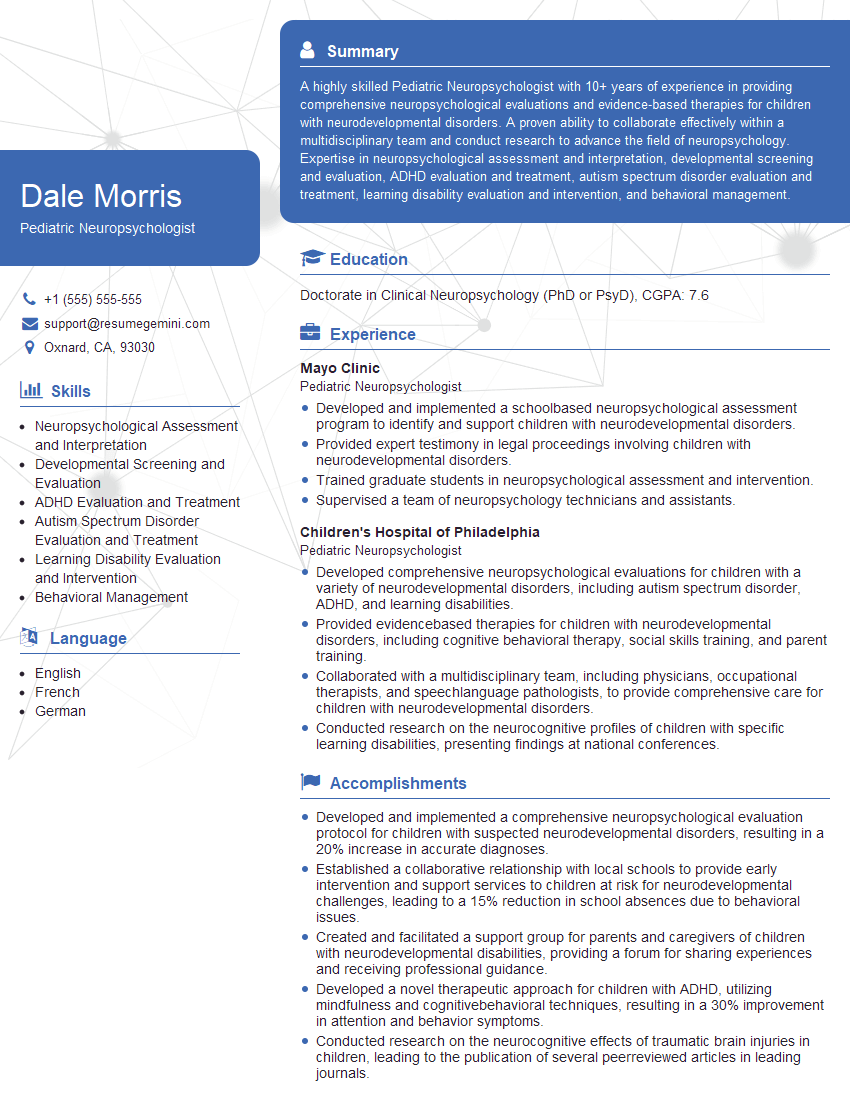
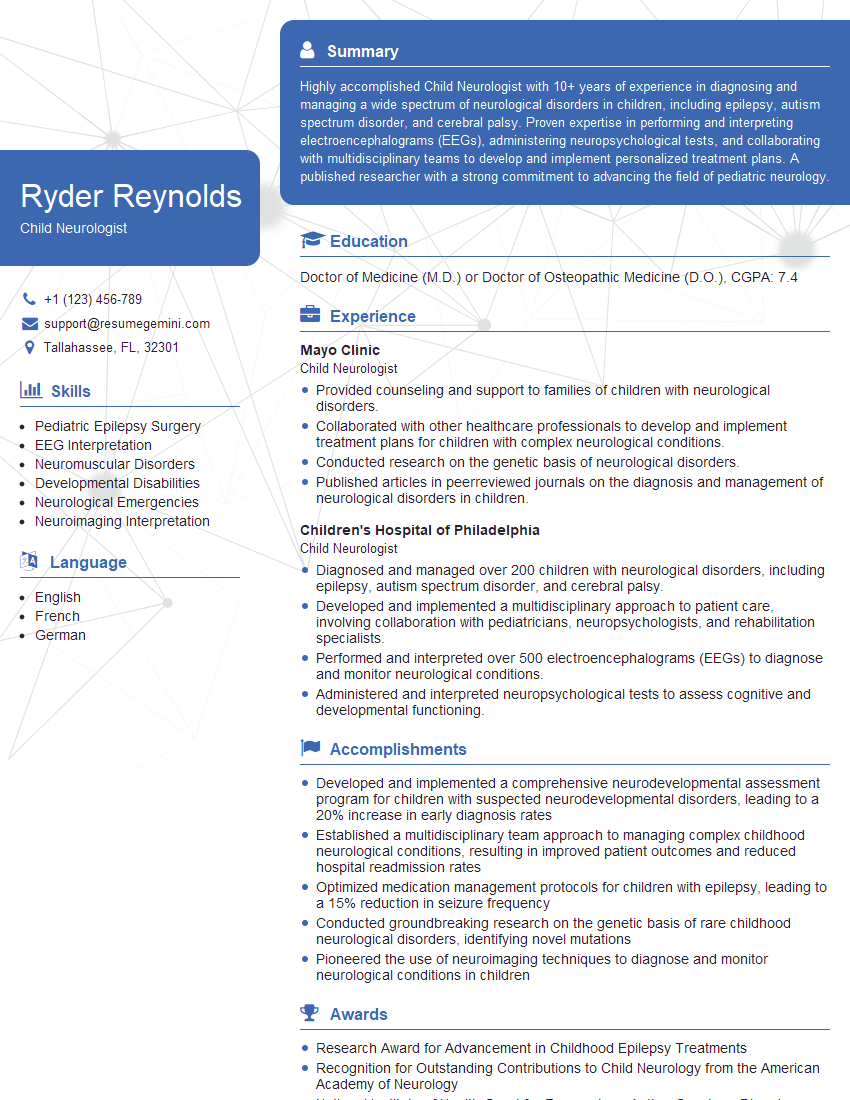
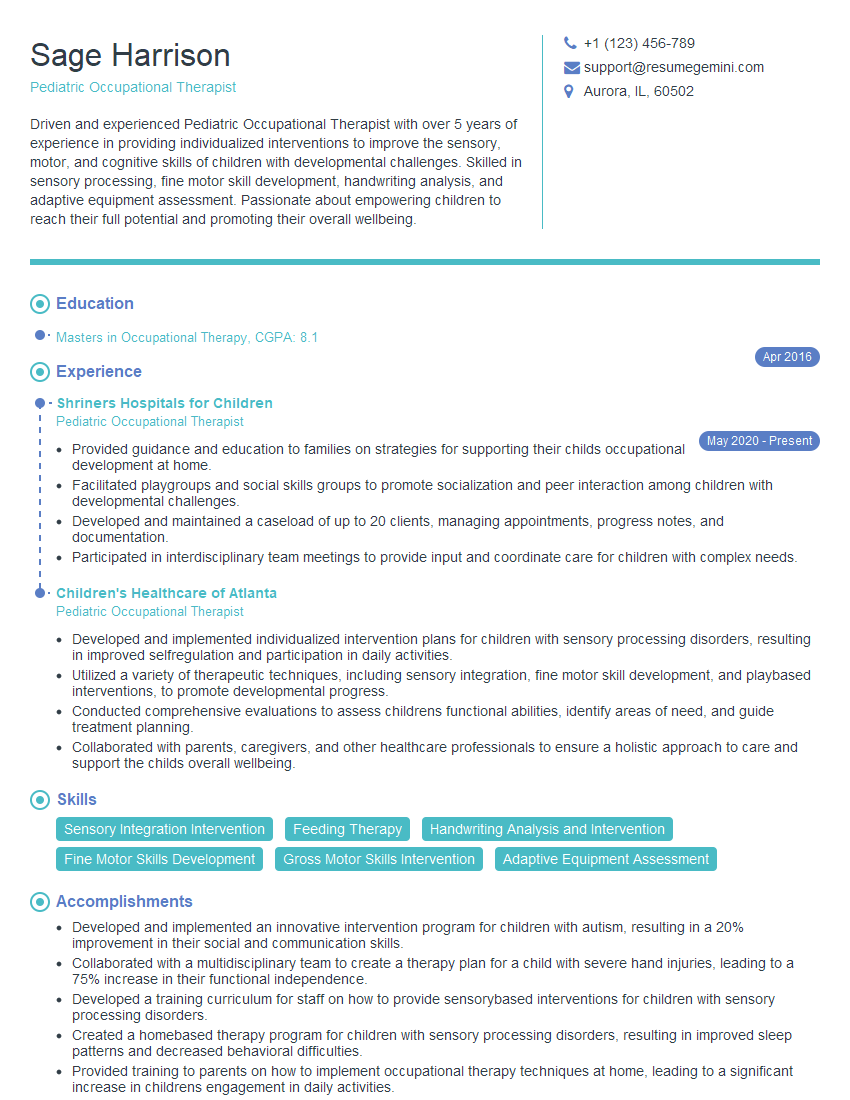
Mastering Pediatric Neurorehabilitation opens doors to a rewarding career with significant impact on young lives. A strong resume is crucial for showcasing your skills and experience to potential employers. To maximize your job prospects, focus on creating an ATS-friendly resume that highlights your qualifications effectively. ResumeGemini is a trusted resource to help you build a professional and impactful resume tailored to the specific demands of the Pediatric Neurorehabilitation field. Examples of resumes specifically designed for this area are available to guide you.
Explore more articles
Users Rating of Our Blogs
Share Your Experience
We value your feedback! Please rate our content and share your thoughts (optional).
What Readers Say About Our Blog
To the interviewgemini.com Webmaster.
Very helpful and content specific questions to help prepare me for my interview!
Thank you
To the interviewgemini.com Webmaster.
This was kind of a unique content I found around the specialized skills. Very helpful questions and good detailed answers.
Very Helpful blog, thank you Interviewgemini team.