Preparation is the key to success in any interview. In this post, we’ll explore crucial Ability to Work in Extreme Temperatures and Conditions interview questions and equip you with strategies to craft impactful answers. Whether you’re a beginner or a pro, these tips will elevate your preparation.
Questions Asked in Ability to Work in Extreme Temperatures and Conditions Interview
Q 1. Describe your experience working in extreme temperatures (specify high or low).
My experience spans both high and low temperature extremes. In high-heat environments, such as working on oil rigs in the Middle East, I’ve consistently faced temperatures exceeding 115°F (46°C) for extended periods. This involved meticulous hydration strategies and frequent rest breaks. In low-temperature scenarios, while conducting research in the Arctic, I’ve endured temperatures as low as -30°F (-34°C), necessitating specific layering techniques and careful monitoring for signs of hypothermia. Both experiences underscored the importance of proactive safety measures and robust risk assessment procedures.
Q 2. What safety precautions do you take when working in extreme heat?
Working in extreme heat demands a multifaceted approach to safety. My strategy always begins with hydration. I drink plenty of water throughout the day, even before feeling thirsty, avoiding sugary drinks. I also focus on scheduling: taking frequent breaks in shaded or air-conditioned areas, avoiding the hottest parts of the day if possible. Appropriate clothing is crucial – light-colored, loose-fitting, and breathable fabrics. Regularly monitoring my body temperature and others’ is essential, using methods like measuring skin temperature or checking for excessive sweating. Furthermore, I ensure access to cooling measures, like fans or cooling towels. Finally, I always emphasize the importance of acclimatization – gradually increasing exposure to the heat over several days to allow the body to adjust.
Q 3. How do you recognize and respond to heat exhaustion or heat stroke?
Heat exhaustion and heat stroke are serious conditions requiring immediate attention. Heat exhaustion presents with symptoms like heavy sweating, weakness, dizziness, headache, nausea, and muscle cramps. Heat stroke, a far more dangerous condition, involves a rapid rise in body temperature, confusion, seizures, loss of consciousness, and even organ damage. My response includes immediate cooling measures – moving the individual to a cool, shaded area, applying cool water or ice packs to the neck, armpits, and groin, and providing sips of water if they’re conscious. For heat stroke, immediate medical attention is paramount; I would call emergency services immediately. Early recognition and rapid intervention are key to preventing severe complications.
Q 4. What are the potential risks of working in extreme cold?
Extreme cold poses several significant risks. Hypothermia, a life-threatening drop in body temperature, is a major concern. Frostbite, the freezing of body tissues, can cause permanent damage. Cold stress generally can lead to reduced dexterity, impaired judgment, and increased risk of accidents. Exposure to extreme cold can also exacerbate pre-existing health conditions, such as heart disease or respiratory problems. In addition, the environment itself can pose dangers, such as slippery surfaces, reduced visibility, and the possibility of getting lost.
Q 5. Explain your understanding of hypothermia and its prevention.
Hypothermia occurs when the body loses heat faster than it can produce it, resulting in a dangerously low body temperature. Symptoms include shivering, confusion, drowsiness, slurred speech, and loss of coordination. Prevention is crucial. This involves wearing appropriate clothing in layers – a base layer to wick moisture, insulation, and a windproof outer layer. Staying dry is essential; wet clothing dramatically increases heat loss. Regular breaks in sheltered areas are necessary to prevent excessive exposure. Consuming high-energy foods and staying hydrated also help maintain body temperature. Monitoring for signs of hypothermia in oneself and others is vital; immediate medical attention should be sought if symptoms appear.
Q 6. How do you protect yourself from frostbite?
Protecting oneself from frostbite involves minimizing skin exposure to cold, wind, and moisture. This means wearing waterproof, insulated gloves, hats, and boots, ensuring they are properly fitted to prevent gaps that let in cold air. Keeping extremities dry and warm is vital. Regularly checking skin for signs of frostbite – numbness, tingling, discoloration, or pain – is important. If frostbite is suspected, gently warming the affected area (never with direct heat) and seeking medical attention are necessary. Prevention is key: addressing cold-weather conditions promptly is crucial.
Q 7. Describe your experience with personal protective equipment (PPE) in extreme conditions.
My experience with PPE in extreme conditions emphasizes the vital role it plays in protecting from hazards. In high-heat environments, this includes specialized cooling vests, heat-resistant gloves and clothing, and eye protection from sun glare. In the Arctic, this includes multiple layers of thermal clothing, insulated boots and gloves, waterproof outerwear, and goggles to protect against snow blindness. The selection of PPE is highly context-dependent, always considering the specific hazards present, and its proper use is emphasized through regular training and adherence to safety protocols. Regular maintenance and inspection of PPE are crucial to ensure its effectiveness. For example, ensuring that insulation in cold weather gear hasn’t degraded is paramount.
Q 8. How do you manage hydration in extreme heat?
Managing hydration in extreme heat is paramount to preventing heatstroke and maintaining performance. It’s not just about drinking water when you’re thirsty; it’s about proactive hydration.
- Before work: Start your day well-hydrated. Drink plenty of water or an electrolyte-rich beverage the night before and in the morning before starting your work.
- During work: Drink water frequently, even if you don’t feel thirsty. Aim for small sips every 15-20 minutes, rather than large gulps infrequently. Electrolyte drinks can be beneficial to replenish salts lost through sweat. Avoid sugary drinks, as they can dehydrate you further.
- After work: Continue hydrating even after finishing your shift to replenish fluids lost throughout the day. Monitor your urine color; pale yellow indicates adequate hydration.
For instance, during my time working on a pipeline project in the Arizona desert, we scheduled regular water breaks every hour, with electrolyte solutions provided. This proactive approach significantly reduced heat-related illnesses within the team.
Q 9. How do you maintain energy levels during prolonged exposure to extreme temperatures?
Maintaining energy levels in extreme temperatures requires a multi-pronged approach focused on nutrition, hydration, and rest.
- Proper Diet: Consume a balanced diet rich in complex carbohydrates for sustained energy, lean protein for muscle repair, and healthy fats for satiety. Avoid heavy, greasy foods that can slow your metabolism and increase your body temperature.
- Strategic Snacking: Pack energy-boosting snacks like trail mix, fruit, or energy bars for quick energy boosts during breaks. These provide readily available glucose without causing a significant digestive burden.
- Hydration is Key: Adequate hydration is crucial, as even mild dehydration can lead to fatigue and decreased performance (as discussed in the previous question).
- Rest and Recovery: Take regular breaks in shaded or air-conditioned areas to allow your body to cool down and recover. Prioritize sleep to help your body repair and restore energy levels.
In my experience working in Arctic conditions, we relied heavily on high-calorie, easily digestible foods like pemmican and energy bars to combat the energy depletion associated with cold weather.
Q 10. What strategies do you employ to stay alert and focused in extreme conditions?
Staying alert and focused in extreme conditions necessitates a combination of physical and mental strategies.
- Regular Breaks: Short, frequent breaks are more effective than fewer, longer ones. This allows for both physical and mental rest.
- Hydration and Nutrition: Maintain adequate hydration and consume nutrient-rich foods to support brain function and alertness.
- Environmental Control: If possible, utilize climate-controlled environments during breaks, use cooling vests or other protective gear.
- Buddy System: Working with a partner allows for mutual monitoring for signs of fatigue or impairment. Regular check-ins can increase awareness and safety.
- Mental Strategies: Engage in mindfulness techniques or simple mental exercises to reduce stress and maintain focus. Avoid prolonged periods of monotonous tasks which can increase fatigue.
During a wildfire suppression effort, maintaining situational awareness was vital. We used a buddy system, frequent short breaks in shaded areas, and hydration strategies to stay focused amidst the intense heat and smoke.
Q 11. How do you adapt your work schedule to extreme temperature changes?
Adapting work schedules to extreme temperatures involves understanding the peak times of heat or cold and adjusting work accordingly.
- Shift Adjustments: In extreme heat, shifting work to early mornings or late evenings, when temperatures are cooler, can drastically improve safety and productivity.
- Reduced Work Hours: During the hottest or coldest parts of the day, reducing the duration of work periods can prevent exhaustion and heat/cold-related illnesses.
- Increased Breaks: More frequent and longer breaks in shaded or climate-controlled areas are essential for maintaining physical comfort and performance.
- Rotating Shifts: Allowing for rotation of work shifts can distribute the burden of working in the most extreme conditions among a team.
- Weather Monitoring: Closely monitoring weather forecasts enables proactive planning and adjustments to the work schedule to accommodate extreme weather events.
On a construction site in the southern US, we adjusted our schedule to start work before sunrise, taking extended breaks during the midday heat, and finishing before the late afternoon temperatures soared.
Q 12. Describe your experience using specialized tools or equipment designed for extreme environments.
My experience includes utilizing a variety of specialized tools and equipment designed for extreme environments.
- Cooling Vests: These vests use phase-change materials or evaporative cooling to regulate body temperature in extreme heat. I’ve found them incredibly effective during strenuous work in desert environments.
- Heating Pads and Insulated Clothing: For cold weather operations, heated undergarments and layered insulated clothing systems provide crucial protection against hypothermia. This includes using different materials with varying levels of insulation depending on the temperature.
- Specialized Headgear: Hard hats with built-in ventilation for hot conditions or insulated headgear with ear protection for cold conditions are essential for maintaining comfort and preventing injury.
- Sunscreen and Protective Eyewear: Protection from the sun’s harmful UV rays is crucial in any environment, and specialized sunscreen and UV-protective eyewear is often necessary.
- Heat Stress Monitors: Using devices that monitor core body temperature and other vital signs provides real-time feedback to help prevent heat-related illnesses.
During a high-altitude research project, we relied heavily on oxygen tanks, specialized high-altitude clothing, and portable weather monitoring equipment to ensure safety and maintain efficiency in the challenging conditions.
Q 13. Have you ever experienced a heat-related or cold-related emergency? How did you respond?
Yes, I have experienced both heat and cold-related emergencies.
During a desert survey, a colleague suffered from heat exhaustion. My response involved:
- Immediate removal from the sun: We moved him to a shaded area.
- Cooling measures: We applied cool, wet cloths to his skin and used a fan to increase air circulation.
- Hydration: We offered him water or an electrolyte solution (but avoided forcing him to drink if he was nauseous).
- Medical assistance: We immediately called for emergency medical services.
In another instance, during a winter expedition, a team member showed early signs of hypothermia. We acted quickly by:
- Getting him into shelter: Moving him to a warmer, sheltered environment was crucial.
- Adding layers of warm clothing: We provided additional insulation and warm blankets.
- Providing warm fluids: We offered warm, non-caffeinated drinks.
- Monitoring vital signs: We continuously monitored his body temperature and responsiveness.
In both instances, early recognition and prompt response were critical in preventing more severe consequences.
Q 14. What are the common signs of dehydration and what are your mitigation strategies?
Dehydration manifests in various ways. Common signs include:
- Thirst: While a common symptom, it’s often a late indicator.
- Dark urine: Concentrated urine suggests low fluid levels.
- Fatigue and weakness: Dehydration reduces blood volume, impacting energy levels.
- Headache and dizziness: Reduced blood flow to the brain can cause these symptoms.
- Muscle cramps: Electrolyte imbalances, often associated with dehydration, contribute to cramps.
- Dry mouth and skin: These are visible indicators of dehydration.
My mitigation strategies involve:
- Proactive hydration: Drinking water consistently throughout the day, regardless of thirst.
- Electrolyte replenishment: Using electrolyte drinks to restore lost salts.
- Monitoring urine output: Pale yellow urine is a good indicator of adequate hydration.
- Reducing exposure to heat: Working in cooler environments or adjusting work hours to minimize exposure.
- Seeking medical attention: When symptoms like dizziness, severe headache, or muscle cramps are present.
For example, I once noticed a colleague exhibiting symptoms of dehydration while working outdoors on a hot day. By providing electrolytes, facilitating rest and encouraging more frequent water intake, we were able to prevent a more serious situation.
Q 15. Explain your understanding of acclimatization to extreme temperatures.
Acclimatization to extreme temperatures is the physiological adaptation our bodies undergo to better tolerate harsh conditions. It’s not just about getting used to it; it’s about our internal systems adjusting to maintain homeostasis – a stable internal environment. This process involves several key physiological changes.
- Heat Acclimatization: Repeated exposure to heat leads to increased sweat rate, earlier onset of sweating, reduced heart rate, and lower core body temperature during exercise. This reduces the strain on the cardiovascular system.
- Cold Acclimatization: Exposure to cold improves shivering thermogenesis (heat production through shivering), better peripheral blood flow regulation, and increased insulation through subcutaneous fat. It’s like your body learns to ‘bundle up’ more efficiently from the inside out.
For instance, I worked on a project in the Sahara Desert. Initially, the team experienced significant heat exhaustion. However, after a week of gradual exposure and hydration strategies, our sweat rates improved significantly, and heat-related illnesses became rare. This demonstrates the effectiveness of acclimatization.
Career Expert Tips:
- Ace those interviews! Prepare effectively by reviewing the Top 50 Most Common Interview Questions on ResumeGemini.
- Navigate your job search with confidence! Explore a wide range of Career Tips on ResumeGemini. Learn about common challenges and recommendations to overcome them.
- Craft the perfect resume! Master the Art of Resume Writing with ResumeGemini’s guide. Showcase your unique qualifications and achievements effectively.
- Don’t miss out on holiday savings! Build your dream resume with ResumeGemini’s ATS optimized templates.
Q 16. How do you ensure the safety of your team members in extreme environments?
Ensuring team safety in extreme environments is paramount. My approach is multifaceted and prioritizes prevention over reaction.
- Thorough Risk Assessment: Before any deployment, we conduct comprehensive risk assessments identifying potential hazards specific to the environment (e.g., heatstroke, hypothermia, avalanches, wildlife). This informs our safety protocols.
- Proper Training and Equipment: Team members undergo rigorous training in extreme environment survival skills, including first aid, emergency procedures, and the use of specialized equipment. Providing them with top-quality, well-maintained equipment is crucial.
- Strict Adherence to Protocols: Clear communication and strict adherence to established safety protocols are non-negotiable. This includes hydration schedules, rest periods, buddy systems, and emergency signal procedures.
- Continuous Monitoring: We implement continuous health monitoring, especially core body temperature, hydration levels, and any signs of distress. This allows for early intervention to prevent emergencies.
In a recent Arctic expedition, our meticulous planning, coupled with constant monitoring of team members’ conditions, allowed us to safely navigate a sudden blizzard and prevent any serious incidents. This highlighted the importance of proactive safety management.
Q 17. Describe your experience with emergency communication systems in remote locations.
Emergency communication in remote locations demands redundancy and reliability. My experience encompasses a range of systems.
- Satellite Phones: These offer reliable communication, even in areas with no terrestrial network coverage. We always carry multiple satellite phones to ensure backup.
- High-Frequency (HF) Radios: These are effective for longer-range communication, though signal strength can be affected by weather conditions. We use these in conjunction with satellite phones.
- Personal Locator Beacons (PLBs): These devices transmit an emergency signal to rescue services, pinpointing our location. Each team member carries one.
- Pre-Planned Communication Schedules: We establish pre-planned communication schedules to ensure regular check-ins and to prevent unnecessary communication that might drain battery power.
During a project in the Amazon rainforest, a sudden flash flood severed our primary communication line. Our HF radio and satellite phone backup systems proved vital in alerting our base camp and coordinating rescue efforts.
Q 18. How do you stay motivated in challenging extreme conditions?
Maintaining motivation in extreme conditions requires a combination of mental fortitude and strategic approaches.
- Clear Objectives and Goals: Having a defined purpose and clear objectives helps maintain focus and drive, even when faced with discomfort.
- Teamwork and Camaraderie: Strong team bonds and mutual support are crucial in boosting morale and providing encouragement. We celebrate small victories and support each other during challenging times.
- Positive Self-Talk and Visualization: Positive self-talk and visualization techniques help me focus on the task at hand, despite the adversity.
- Regular Breaks and Downtime: Ensuring adequate rest and relaxation time prevents burnout and helps maintain mental resilience. We incorporate small breaks into our schedule, allowing for reflection and re-energizing.
While working on a high-altitude research project in the Himalayas, the challenging conditions tested our limits. However, our team’s shared determination and mutual support helped us persevere and successfully complete our mission. The sense of accomplishment after overcoming adversity significantly boosted our motivation.
Q 19. What are some effective strategies for preventing accidents when working in extreme temperatures?
Preventing accidents in extreme temperatures requires a layered approach focusing on both environmental factors and human behavior.
- Proper Training: Thorough training in safe work practices, including hazard recognition and risk mitigation, is critical.
- Environmental Controls: Implementing measures to control the environment, such as using climate-controlled shelters, reducing exposure time, and using appropriate personal protective equipment (PPE) are essential.
- Fatigue Management: Addressing fatigue through adequate rest, appropriate work schedules, and proper hydration helps prevent errors.
- Regular Equipment Checks: Regular inspection and maintenance of equipment ensures its proper functioning and prevents failures that could lead to accidents.
- Emergency Response Plan: A well-defined emergency response plan helps guide swift and effective action in the event of an accident.
During a desert operation, we implemented strict hydration protocols and regular breaks in shaded areas. This prevented heat exhaustion and dehydration, keeping our team safe and productive.
Q 20. How do you handle the psychological challenges of working in extreme environments?
Working in extreme environments presents significant psychological challenges. Addressing these is crucial for maintaining team well-being and mission success.
- Pre-Deployment Psychological Screening: Evaluating team members’ mental fitness before deployment can identify those who might be more susceptible to psychological stress.
- Open Communication: Creating an environment where team members feel comfortable expressing their concerns and fears is crucial.
- Stress Management Techniques: Training in stress management techniques, such as mindfulness and relaxation exercises, can equip individuals with coping mechanisms.
- Post-Deployment Debriefing: Conducting thorough debriefings after the mission allows team members to process their experiences and address any lingering psychological effects.
- Access to Mental Health Support: Providing access to mental health professionals is important for addressing any ongoing psychological issues.
On a recent Antarctic expedition, we implemented daily check-ins with team members to discuss mental well-being and ensure that any challenges were addressed proactively. This supportive approach prevented serious mental health issues during the challenging deployment.
Q 21. What are your preferred methods for staying warm or cool in extreme conditions?
My methods for staying warm or cool in extreme conditions are based on a combination of protective clothing, technological aids, and behavioral strategies.
- Layering Clothing: In cold conditions, layering clothing allows for adjusting insulation based on activity level. This includes base layers, mid-layers, and outer shell layers. In hot conditions, lightweight, breathable clothing that wicks away sweat is preferred.
- Appropriate Footwear: Proper footwear is crucial for both temperature regulation and foot protection. Insulated boots are essential in cold conditions, while breathable shoes are preferred in hot environments.
- Protective Gear: This includes hats, gloves, scarves (in cold conditions) and sun protection (in hot conditions). Eye protection is always crucial in harsh environments.
- Technology: In cold conditions, heated clothing or hand/foot warmers can greatly improve comfort. In hot conditions, portable fans or cooling vests can provide relief.
- Hydration and Nutrition: In both cold and hot conditions, maintaining proper hydration and consuming appropriate nutrients are crucial for maintaining body temperature and overall well-being.
For example, during a high-altitude climb in the Andes, the use of layered clothing, along with proper hydration, allowed me to maintain body temperature even during extreme fluctuations.
Q 22. How do you assess the level of risk associated with specific extreme temperature situations?
Assessing risk in extreme temperature situations involves a multi-faceted approach. We need to consider the specific temperature (both air and radiant heat), duration of exposure, the physical demands of the task, the acclimatization status of the workers, and the availability of mitigating measures. For example, working in 40°C (104°F) heat for eight hours while performing strenuous physical labor presents a significantly higher risk than working in the same temperature for two hours with frequent rest breaks in the shade.
My assessment process typically involves:
- Reviewing weather forecasts: Accurate predictions of temperature, humidity, wind, and precipitation are crucial.
- Job hazard analysis (JHA): This outlines potential hazards associated with the specific task, including heat stress, cold stress, and weather-related incidents.
- Worker health and fitness assessment: Consider pre-existing health conditions, age, and level of physical fitness. Those with cardiovascular issues or dehydration are at a higher risk.
- Reviewing previous incidents: Past experiences, both our own and those of others in similar environments, offer valuable insights and allow us to identify potential recurring hazards.
- Calculating heat index or wind chill: These indices combine temperature and other factors to give a more realistic picture of the perceived temperature and its impact on the human body. For example, a heat index of 45°C is far more dangerous than a simple air temperature of 40°C.
Based on this assessment, we can then determine the appropriate risk mitigation strategies and personal protective equipment (PPE) needed, which might range from simple hydration breaks to full-body cooling systems.
Q 23. Describe your experience working with emergency response protocols in extreme environments.
My experience with emergency response protocols in extreme environments is extensive. I’ve participated in numerous drills and real-world incidents involving heat stroke, hypothermia, and weather-related emergencies. Our protocols typically follow a standardized procedure:
- Immediate action: Quickly move the affected individual to a safer environment (shade, shelter, etc.).
- Initial assessment: Check vital signs (pulse, breathing, consciousness) and look for symptoms of heat stroke or hypothermia.
- First aid: Provide appropriate first aid, including cooling measures for heat stroke and warming measures for hypothermia. This often includes administering oral rehydration solutions or oxygen.
- Emergency services: Contact emergency medical services (EMS) immediately, relaying detailed information about the situation and the victim’s condition.
- Post-incident review: After the emergency, we conduct a thorough review to identify areas for improvement in our protocols and training.
One particular incident involved a team member suffering from heat stroke during a desert operation. Our swift response, involving immediate cooling, rehydration, and contacting emergency medical services, ensured he received prompt treatment and recovered fully. Our post-incident review resulted in stricter adherence to hydration schedules and additional rest periods during particularly hot periods.
Q 24. What are the legal regulations and safety standards relevant to working in extreme temperatures in your area of expertise?
Legal regulations and safety standards governing work in extreme temperatures vary by jurisdiction but generally center around minimizing worker risks. In many regions, there are regulations regarding:
- Maximum allowable exposure times: These limits specify the maximum duration workers can be exposed to specific temperatures before requiring rest or reassignment.
- Mandatory rest breaks: Regulations mandate frequent rest breaks in shaded or air-conditioned areas to prevent heat stress.
- Personal protective equipment (PPE): Employers must provide suitable PPE, such as heat-resistant clothing, sunscreen, and eye protection.
- Access to water and electrolytes: Workers must have access to ample quantities of cool water and electrolyte drinks to combat dehydration.
- Employee training: Comprehensive training on heat safety and emergency response procedures is mandated.
- Monitoring and record-keeping: Employers must monitor environmental conditions and maintain detailed records of worker exposure.
Specific regulations are often found in occupational health and safety acts and related guidelines issued by government agencies. It is crucial to stay updated on all relevant laws and standards within the specific geographical location of the operation.
Q 25. How do you conduct risk assessments before undertaking work in extreme temperatures?
Conducting a thorough risk assessment before working in extreme temperatures is paramount. The process typically involves:
- Identifying hazards: This involves listing all potential hazards associated with the work, including extreme heat, cold, storms, and potential equipment malfunctions.
- Assessing risks: Evaluating the likelihood and severity of each hazard. Factors such as temperature, duration of exposure, and the physical demands of the work are considered.
- Determining control measures: Identifying and implementing practical methods to mitigate the risks. This could involve changing work schedules, providing suitable PPE, setting up cooling or heating stations, and implementing emergency response procedures.
- Implementing controls: Putting the control measures in place and verifying their effectiveness.
- Monitoring and review: Regularly monitoring the effectiveness of the controls and making adjustments as needed. This may include reviewing weather forecasts and modifying the work schedule or procedures if conditions change.
Using a standardized risk assessment form is beneficial for consistency and documentation. The outcome guides the development of a comprehensive safety plan.
Q 26. What are your methods for monitoring environmental conditions while working outdoors?
Monitoring environmental conditions while working outdoors is crucial for worker safety. We use a combination of methods:
- Weather stations: Portable or fixed weather stations provide real-time data on temperature, humidity, wind speed, and precipitation.
- Wet-bulb globe temperature (WBGT) meters: These specialized instruments measure the combined effect of temperature, humidity, radiation, and wind speed to provide a more comprehensive assessment of heat stress.
- Personal monitoring devices: Workers may wear devices that track their core body temperature and other physiological parameters. This allows for immediate detection of early signs of heat stress or cold stress.
- Visual observation: Regular observation of the sky for signs of approaching storms is essential. Changes in cloud cover, wind direction, and temperature can indicate a potential shift in conditions.
The data collected from these methods is used to adjust work schedules, implement preventative measures, and alert workers to changing environmental conditions. Regular communication between workers and supervisors is vital to ensure everyone is aware of the conditions and any potential risks.
Q 27. How do you adapt your work procedures to accommodate changing weather conditions?
Adapting work procedures to changing weather conditions requires flexibility and a proactive approach. Our strategy includes:
- Flexible scheduling: We might shorten work shifts or reschedule tasks if conditions deteriorate. This is especially important in situations of extreme heat or inclement weather.
- Task prioritization: Certain tasks might be deemed more critical and undertaken when conditions are favorable. Less critical work might be postponed.
- Modifying work methods: We may adjust the work approach to minimize exposure to extreme conditions. For example, working during cooler parts of the day or taking more frequent breaks.
- Enhanced PPE: As conditions worsen, we might introduce additional PPE to protect workers. This might involve switching to rain gear, extra layers of clothing, or using specialized sun protection.
- Communication and coordination: Maintaining constant communication between workers and supervisors allows for prompt adjustments to the work plan based on evolving conditions.
Regular weather updates and briefings ensure everyone remains informed and prepared for any changes in the work environment.
Q 28. Describe a time you had to make a quick decision to ensure the safety of yourself and your team in extreme conditions.
During a wildfire fighting operation, unexpectedly high winds shifted the direction of the fire, putting my team in immediate danger. We were on a steep slope, and the flames were rapidly approaching. I quickly assessed the situation: immediate evacuation was crucial. I ordered the team to immediately retreat down the slope, utilizing established escape routes and abandoning some equipment if needed.
My decision focused on prioritizing the safety of the team above all else. We were able to execute the evacuation swiftly and safely, avoiding serious injury. This incident reinforced the importance of constant situational awareness, proactive risk management, and having a clear and concise emergency escape plan that prioritizes personnel safety. The post-incident review resulted in implementing even more stringent weather monitoring protocols and stricter communication procedures during fire fighting operations.
Key Topics to Learn for Ability to Work in Extreme Temperatures and Conditions Interview
- Physiological Effects of Extreme Temperatures: Understanding heatstroke, hypothermia, dehydration, and their prevention.
- Personal Protective Equipment (PPE): Knowledge of appropriate clothing, gear, and safety equipment for various temperature extremes (e.g., specialized clothing, sun protection, cold weather gear).
- Safety Procedures and Protocols: Familiarity with emergency procedures, buddy systems, and communication protocols in extreme conditions.
- Environmental Awareness: Recognizing potential hazards associated with extreme temperatures, such as sun exposure, frostbite, heat exhaustion, and appropriate response strategies.
- Hydration and Nutrition: Understanding the importance of proper hydration and nutrition for maintaining performance and preventing heat-related illnesses in extreme temperatures.
- Acclimatization and Training: Discussing the process of acclimatizing to different climates and the importance of relevant training programs.
- Practical Application: Describe scenarios where you have successfully worked in extreme temperatures and how you ensured your safety and the safety of your team.
- Problem-solving approaches: Discuss your problem-solving skills in relation to unexpected challenges in extreme environments (e.g., equipment failure, sudden weather changes).
Next Steps
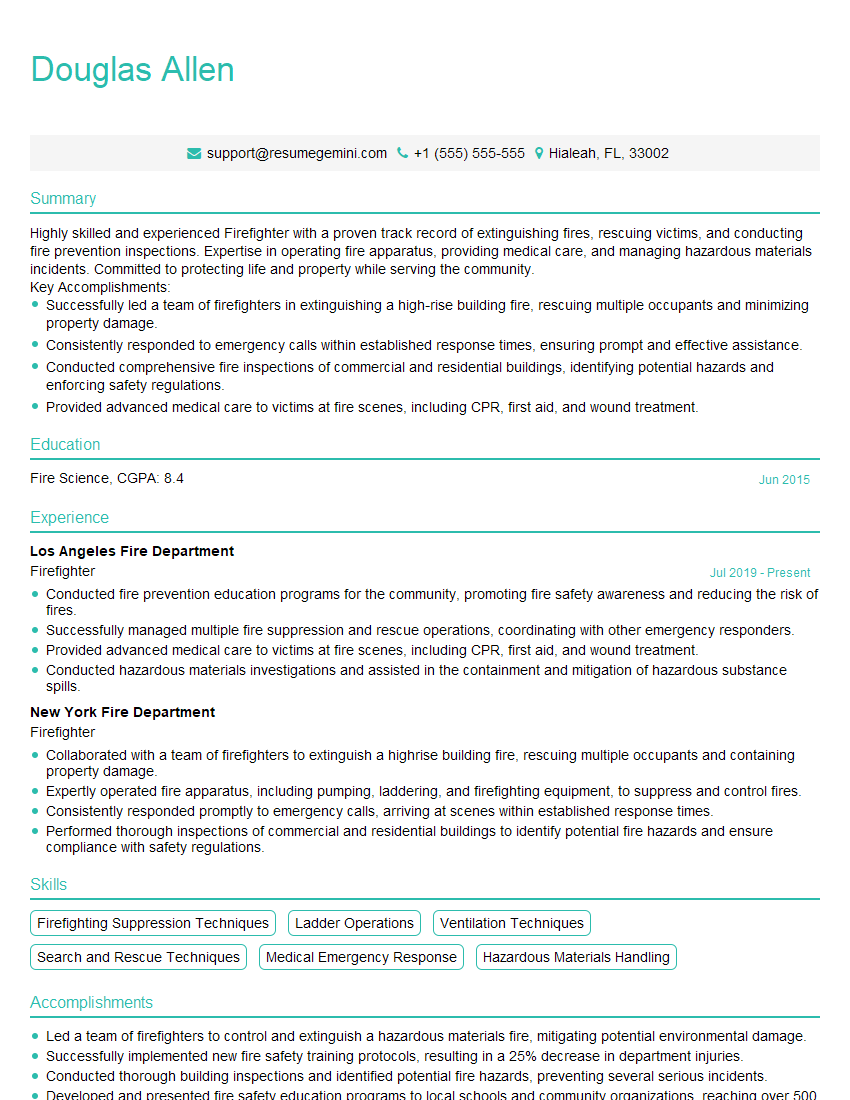
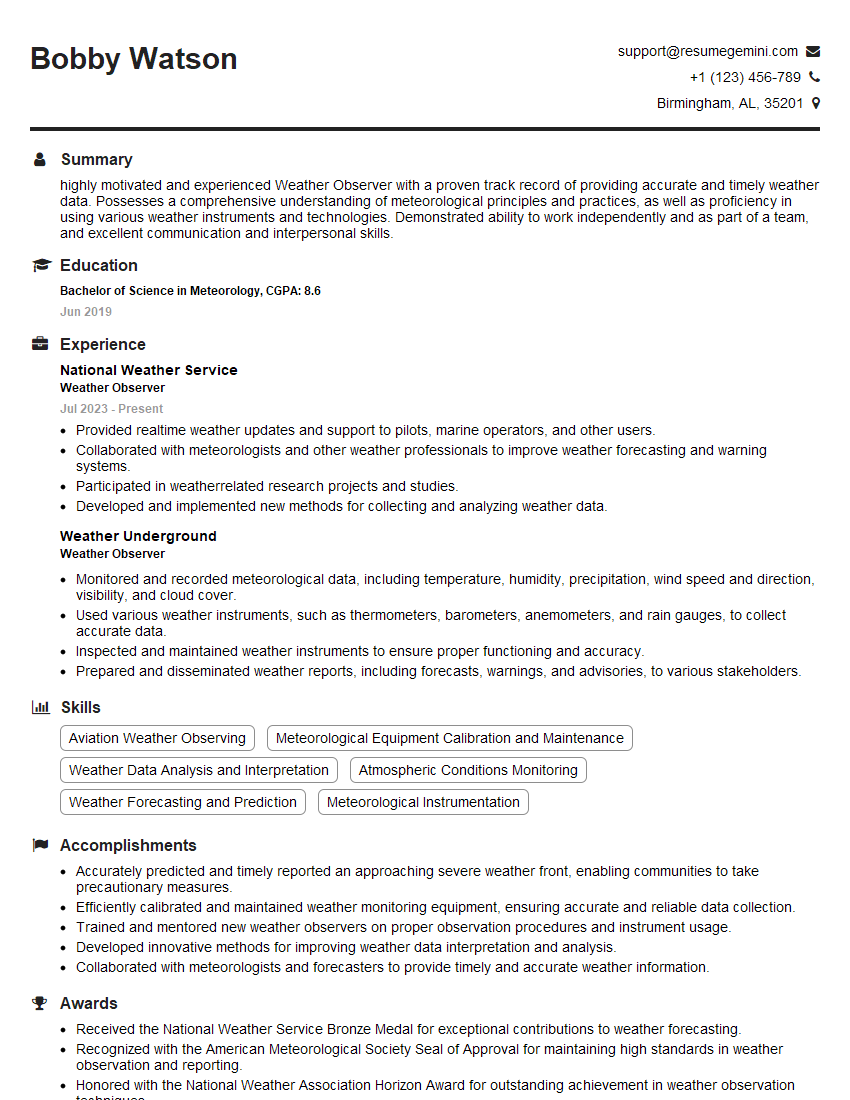
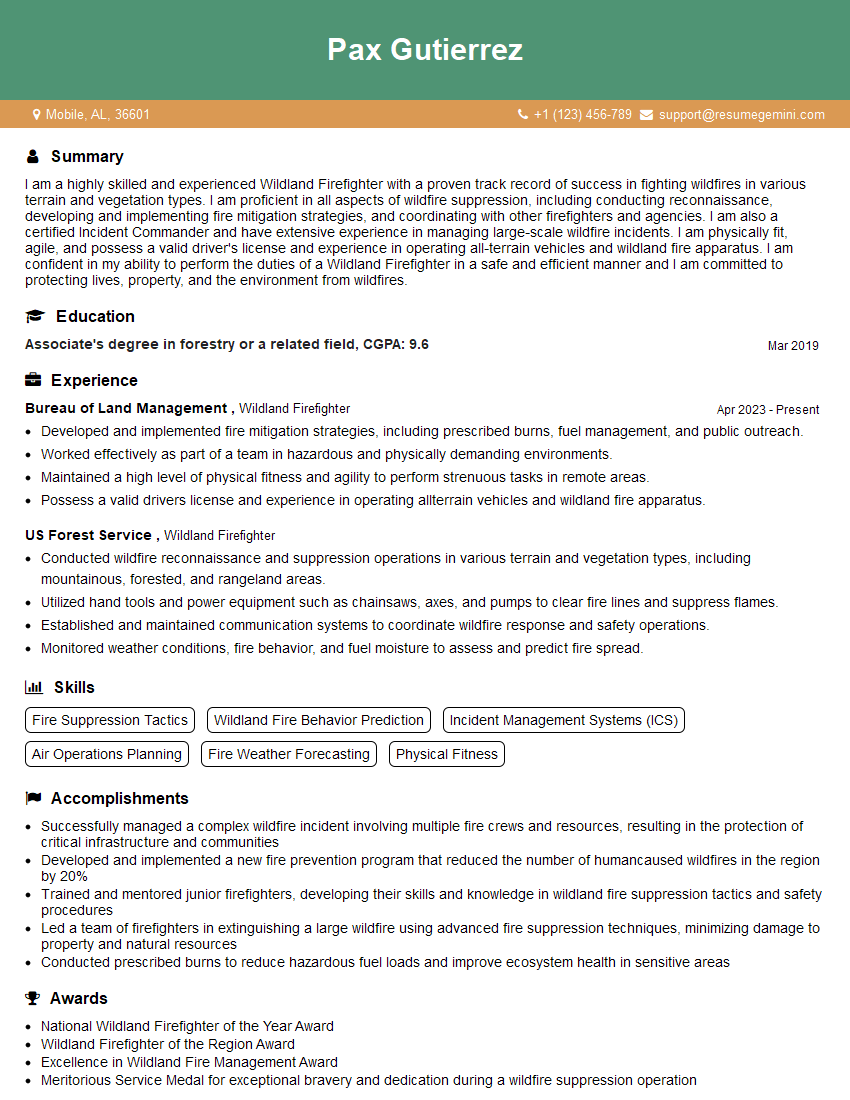
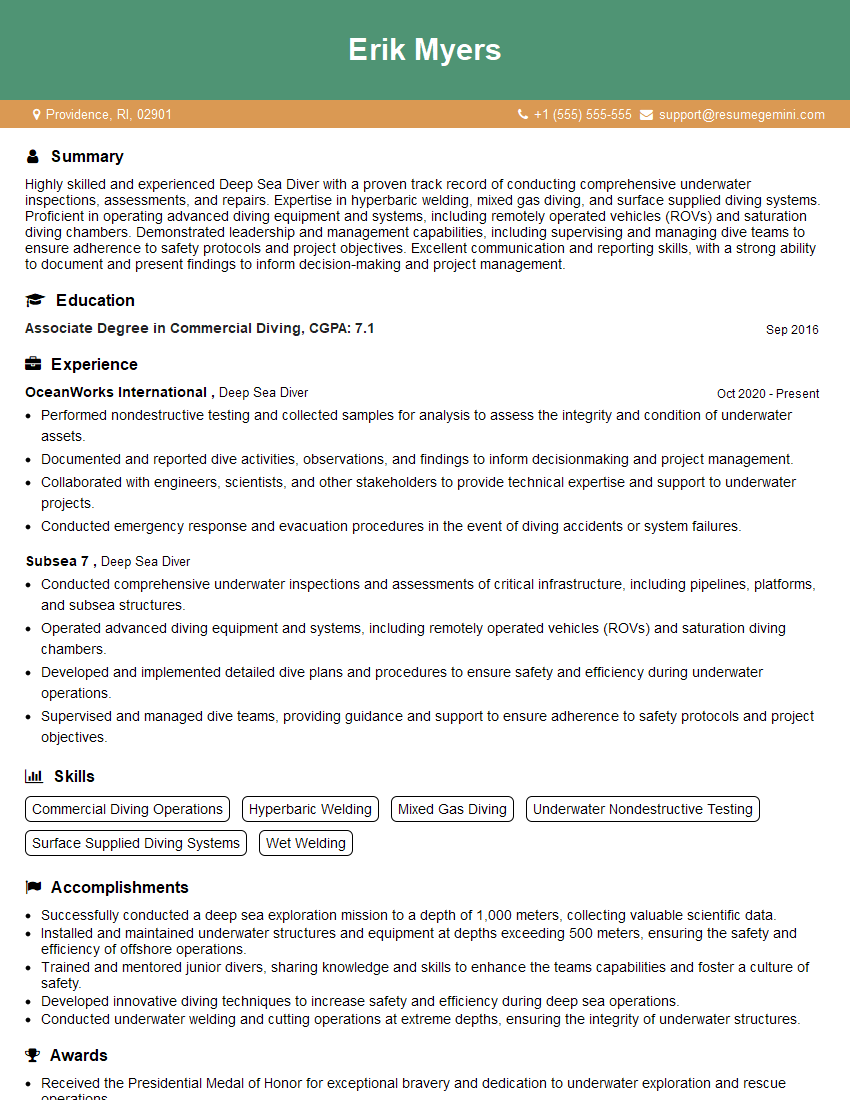
Mastering the ability to work in extreme temperatures and conditions significantly enhances your career prospects in various industries, opening doors to diverse and challenging roles. A strong resume is crucial to showcasing this valuable skill set to potential employers. Creating an ATS-friendly resume is essential for maximizing your job search success. ResumeGemini is a trusted resource to help you build a professional and impactful resume that highlights your capabilities. We provide examples of resumes tailored to emphasize experience in working under extreme temperatures and conditions; review these examples to refine your own application materials and present yourself as the ideal candidate.
Explore more articles
Users Rating of Our Blogs
Share Your Experience
We value your feedback! Please rate our content and share your thoughts (optional).
What Readers Say About Our Blog
To the interviewgemini.com Webmaster.
Very helpful and content specific questions to help prepare me for my interview!
Thank you
To the interviewgemini.com Webmaster.
This was kind of a unique content I found around the specialized skills. Very helpful questions and good detailed answers.
Very Helpful blog, thank you Interviewgemini team.