Every successful interview starts with knowing what to expect. In this blog, we’ll take you through the top Negotiate and secure vendor contracts interview questions, breaking them down with expert tips to help you deliver impactful answers. Step into your next interview fully prepared and ready to succeed.
Questions Asked in Negotiate and secure vendor contracts Interview
Q 1. Describe your experience negotiating complex vendor contracts.
Negotiating complex vendor contracts requires a strategic approach combining legal acumen, business understanding, and strong communication skills. My experience encompasses a wide range of contracts, from multi-million dollar IT outsourcing agreements to smaller, specialized service contracts. I’ve consistently focused on achieving win-win outcomes by thoroughly understanding the vendor’s needs and aligning them with our organization’s objectives.
For instance, in negotiating a recent software licensing agreement, we initially faced a significant price discrepancy. Instead of simply rejecting the offer, I explored the vendor’s pricing model and identified potential areas for negotiation. By highlighting the long-term value of our partnership and offering a phased implementation, we secured a more favorable pricing structure while assuring the vendor of a substantial, long-term revenue stream. This resulted in a 15% reduction in initial licensing fees and a more flexible payment schedule.
Another example involves a contract for a large-scale construction project. I worked closely with the legal team and project managers to identify and address potential risks, such as unforeseen delays and material cost increases. By incorporating clearly defined clauses for change management, payment milestones, and dispute resolution, we mitigated potential liabilities and ensured the project’s success.
Q 2. What strategies do you employ to identify and mitigate risks in vendor contracts?
Risk mitigation in vendor contracts is paramount. My strategy involves a multi-faceted approach that begins with a thorough due diligence process. This includes comprehensive background checks on the vendor, evaluating their financial stability and past performance, and verifying their insurance coverage. I then utilize a risk assessment matrix to identify potential problem areas within the contract, categorizing them by likelihood and impact.
Specific strategies for mitigation include:
- Clearly defined service level agreements (SLAs): These quantify the vendor’s obligations, setting clear expectations and penalties for non-compliance. For example, an SLA might specify a 99.9% uptime guarantee for a cloud service provider, with financial penalties for any downtime exceeding that threshold.
- Insurance and indemnification clauses: These transfer liability for potential damages or losses to the vendor. For a construction project, this might include liability insurance to cover potential injuries or property damage.
- Termination clauses: Clearly outlining the conditions under which the contract can be terminated, protecting the client’s interests in case of vendor breach or unsatisfactory performance. A typical clause might outline specific performance metrics that trigger termination.
- Dispute resolution mechanisms: Defining a clear process for resolving disputes, such as mediation or arbitration, avoids costly litigation.
By proactively identifying and mitigating these risks, we significantly reduce the likelihood of future conflicts and protect our organization’s interests.
Q 3. Explain your process for evaluating vendor proposals and selecting the best option.
Evaluating vendor proposals is a structured process that ensures a fair and objective comparison. I typically use a weighted scoring system, assigning points to different criteria based on their relative importance to our needs. This allows for a quantitative assessment of various proposals, eliminating subjective biases. Key criteria include:
- Cost and pricing: A detailed breakdown of all costs, including any hidden fees or recurring charges.
- Technical capabilities: Assessment of the vendor’s technology, infrastructure, and expertise to deliver the required services.
- Experience and reputation: Reviewing the vendor’s track record, client testimonials, and industry recognition.
- Compliance and security: Ensuring the vendor adheres to relevant regulations and has robust security measures in place.
- Service level agreements (SLAs): Evaluation of the vendor’s commitment to service quality and performance.
Once the proposals are scored, a shortlist of the top contenders is created. These vendors then undergo further due diligence, including site visits or reference checks, to validate their capabilities and confirm their suitability for the project. The final selection is based on a comprehensive assessment of all factors, balancing cost, performance, and risk.
Q 4. How do you handle contract disputes or disagreements with vendors?
Contract disputes are handled professionally and strategically, prioritizing a collaborative approach whenever possible. The first step is always to clearly define the issue and understand the vendor’s perspective. Open communication and a willingness to find common ground are crucial. We leverage the dispute resolution mechanisms outlined in the contract, often starting with informal discussions and escalating to mediation or arbitration if necessary. Documentation is meticulously maintained throughout the process, recording all communications and agreements.
For example, in a situation where a vendor missed a critical deadline, we first initiated a discussion to understand the reasons for the delay. After gathering all relevant information, we worked collaboratively with the vendor to develop a revised timeline and mitigation plan to minimize the impact on our project. The key here was maintaining a professional dialogue and focusing on a mutually agreeable solution, preventing the need for more formal dispute resolution.
Q 5. What key performance indicators (KPIs) do you track to measure vendor performance?
Tracking key performance indicators (KPIs) is critical for monitoring vendor performance and ensuring accountability. The specific KPIs used vary depending on the type of contract and services provided. However, some common metrics include:
- On-time delivery: Percentage of deliverables completed on or before the scheduled deadlines.
- Quality of service: Metrics such as customer satisfaction scores, error rates, or defect rates.
- Cost efficiency: Tracking actual costs against the budget to identify potential overruns.
- Compliance with SLAs: Measuring the vendor’s adherence to the agreed-upon service levels.
- Response time: The time it takes for the vendor to respond to service requests or inquiries.
These KPIs are regularly reviewed, and performance reports are shared with the vendor to promote transparency and foster continuous improvement. Significant deviations from the target metrics trigger further investigation and corrective actions.
Q 6. Describe your experience using contract management software.
I have extensive experience using contract management software, including platforms such as [mention specific software names, e.g., Agiloft, ContractPodAi, Icertis]. These tools streamline the entire contract lifecycle, from creation and negotiation to execution and renewal. They provide centralized repositories for all contracts, ensuring easy access and version control. This eliminates the risk of using outdated or incorrect versions of contracts.
The software’s features I find most beneficial are:
- Automated workflows: Streamlining contract approval processes, reducing bottlenecks and delays.
- Centralized repository: Ensuring easy access and version control of all contracts.
- Automated reminders: Prompting timely actions such as renewals or performance reviews.
- Reporting and analytics: Providing insights into contract performance, risk, and compliance.
By leveraging contract management software, we significantly improve efficiency, reduce risks, and enhance compliance.
Q 7. How do you ensure compliance with relevant regulations and laws in vendor contracts?
Ensuring compliance with relevant regulations and laws is a critical aspect of vendor contract management. This involves a thorough understanding of applicable laws, such as data privacy regulations (GDPR, CCPA), industry-specific compliance requirements (HIPAA, SOX), and local labor laws. This due diligence is conducted before the contract is finalized.
Specific actions to ensure compliance include:
- Due diligence on vendor compliance: Verifying that the vendor has implemented appropriate measures to comply with relevant regulations. This might involve requesting certifications or audit reports.
- Inclusion of compliance clauses in the contract: Specifically outlining the vendor’s obligations regarding data privacy, security, and other relevant regulations.
- Regular audits and monitoring: Conducting periodic audits to verify that the vendor continues to adhere to the contract’s compliance requirements.
- Data breach notification procedures: Establishing clear procedures for notification in case of a data breach or security incident.
By incorporating these measures, we ensure that our organization remains compliant and mitigates potential risks associated with non-compliance.
Q 8. How do you balance the need for strong contract terms with building positive vendor relationships?
Balancing strong contract terms with positive vendor relationships is a delicate act, akin to walking a tightrope. You need to protect your organization’s interests through robust legal protections, while simultaneously fostering a collaborative and trusting partnership with the vendor. This involves clear communication, mutual respect, and a focus on shared goals.
My approach involves:
- Collaborative Negotiation: Instead of approaching negotiations as an adversarial process, I aim for a collaborative discussion. This involves actively listening to the vendor’s concerns and finding mutually beneficial solutions. For example, instead of simply demanding a lower price, I might explore ways to increase efficiency or reduce project scope to achieve cost savings.
- Transparent Communication: Openly communicating your organization’s needs and expectations from the start builds trust. Clearly explaining the rationale behind certain contractual clauses helps vendors understand the context and reduces the likelihood of misinterpretations or resentment.
- Fair and Reasonable Terms: While protecting your organization’s interests, it’s crucial to ensure that the contract terms are fair and reasonable for the vendor. Unrealistic or overly aggressive demands can damage the relationship and lead to future problems.
- Long-Term Perspective: I always consider the long-term implications of the contract. Building a strong relationship with a reliable vendor is often more valuable than extracting short-term gains through overly harsh contract terms.
Q 9. What is your approach to negotiating pricing and payment terms with vendors?
Negotiating pricing and payment terms requires a strategic approach. I begin by thoroughly understanding the market value of the goods or services, analyzing proposals from multiple vendors, and comparing their offerings. Then, I leverage this information to negotiate favorable terms.
My approach includes:
- Market Research: I conduct thorough market research to understand prevailing prices and payment terms for similar goods or services. This helps me establish a reasonable benchmark for negotiations.
- Value-Based Negotiation: I focus on the value the vendor provides rather than simply haggling over price. If a vendor offers superior quality or faster turnaround times, I’m willing to pay a premium.
- Payment Term Optimization: I negotiate payment terms that balance cash flow needs with the vendor’s requirements. This could involve staggered payments, milestones, or performance-based payments.
- Incentives and Penalties: I often incorporate incentives for early completion or exceeding performance expectations and penalties for delays or substandard work. This ensures the vendor is motivated to meet agreed-upon deliverables.
For example, I once negotiated a lower price for software development by proposing a phased payment plan tied to the delivery of key milestones. This reduced our upfront risk while incentivizing the vendor to complete the project on time and to the agreed specifications.
Q 10. How do you manage the contract lifecycle, from initiation to termination?
Managing the contract lifecycle involves a structured approach encompassing all stages, from initiation to termination. Think of it as a well-orchestrated project with specific phases.
My process includes:
- Initiation: Defining requirements, identifying potential vendors, and issuing requests for proposals (RFPs).
- Negotiation: Discussing and finalizing contract terms with selected vendors.
- Execution: Formally signing the contract and initiating the project or service delivery.
- Monitoring and Evaluation: Regularly monitoring performance against contractual obligations and addressing any issues promptly. This includes tracking deliverables, payments, and vendor compliance.
- Renewal/Termination: Managing contract renewals or terminations according to the contract terms and relevant circumstances.
I utilize contract management software to track key dates, milestones, and performance metrics, ensuring timely and effective management throughout the lifecycle.
Q 11. Explain your understanding of different contract types (e.g., fixed-price, time and materials).
Understanding different contract types is crucial for selecting the most appropriate one for each situation. The choice depends on the project’s nature, risk tolerance, and the level of detail known upfront.
- Fixed-Price Contracts: These define a fixed price for a clearly defined scope of work. The risk lies primarily with the vendor, as they are responsible for managing costs and completing the project within the budget. This is suitable for projects with clearly defined requirements and low uncertainty.
- Time and Materials (T&M) Contracts: These charge for labor and materials used, making them suitable for projects with evolving requirements or uncertain scope. The risk is shared, with the buyer carrying the risk of cost overruns if the project extends significantly.
- Cost-Plus Contracts: These reimburse the vendor for their actual costs plus a predetermined fee or percentage. This is appropriate for complex projects with high uncertainty, where the scope is difficult to define upfront. The risk is primarily with the buyer.
Choosing the right contract type is critical. For instance, a fixed-price contract is ideal for building a website with pre-defined features, while a T&M contract is better suited for software development with evolving specifications.
Q 12. Describe your experience in conducting due diligence on potential vendors.
Vendor due diligence is a critical step to mitigate risk and ensure a successful partnership. It’s like performing a background check before hiring a key employee.
My approach involves:
- Financial Stability Assessment: Evaluating the vendor’s financial health, including credit history and revenue streams. This helps assess their ability to fulfill the contract.
- Experience and References: Reviewing the vendor’s track record, including case studies, client testimonials, and references. This provides insights into their past performance and reliability.
- Technical Capabilities: Evaluating the vendor’s technical expertise and infrastructure to ensure they possess the necessary skills and resources to deliver the goods or services.
- Legal and Compliance: Reviewing the vendor’s legal compliance, including licenses, permits, and insurance. This helps mitigate legal risks.
- Security Assessment: For vendors handling sensitive data, conducting a thorough security assessment to ensure compliance with relevant regulations and best practices.
I always prepare a detailed due diligence checklist and document all findings. This helps minimize the chances of unforeseen problems later on.
Q 13. How do you ensure that contracts are properly documented and executed?
Proper documentation and execution of contracts are paramount to avoid disputes and ensure legal enforceability. It’s like creating a solid foundation for a building.
My approach focuses on:
- Clear and Concise Language: Using precise language to avoid ambiguities and misinterpretations. All terms and conditions should be unambiguous.
- Complete Documentation: Ensuring all essential details are included, such as scope of work, payment terms, timelines, and termination clauses.
- Review by Legal Counsel: Having all contracts reviewed by legal counsel to ensure compliance with applicable laws and regulations and to protect the organization’s interests.
- Version Control: Maintaining a clear record of all contract revisions and approvals to avoid confusion and disputes.
- Secure Execution: Ensuring proper execution of the contract with authorized signatures and secure storage of the final document.
I always maintain a centralized repository for all contracts and related documentation to ensure easy access and efficient management.
Q 14. What are some common pitfalls to avoid when negotiating vendor contracts?
Avoiding pitfalls during vendor contract negotiations requires careful planning and attention to detail. Ignoring these can lead to costly mistakes and damaged relationships.
Common pitfalls to avoid:
- Poorly Defined Scope of Work: Ambiguous or incomplete descriptions of deliverables can lead to disputes over what is included in the contract.
- Unrealistic Timelines: Setting unrealistic deadlines puts pressure on both parties and can negatively impact quality and performance.
- Incomplete Risk Allocation: Failing to clearly define responsibilities and liabilities for different risks can create problems if unforeseen issues arise.
- Ignoring Intellectual Property Rights: Failing to clearly address ownership of intellectual property can lead to disputes and legal battles.
- Lack of Exit Strategy: Not including clear termination clauses can make it difficult to end the contract if necessary.
- Overlooking Contract Management: Failing to establish a process for monitoring contract performance and addressing issues can result in delays, cost overruns, and poor quality.
By diligently addressing these potential issues and working collaboratively with vendors, you can create contracts that protect your organization while building strong, mutually beneficial relationships.
Q 15. How do you measure the success of your vendor contract negotiations?
Measuring the success of vendor contract negotiations isn’t solely about securing the lowest price. It’s a holistic assessment encompassing cost, risk mitigation, and alignment with business objectives. I use a multi-faceted approach:
- Cost Savings/Value for Money: Did we achieve the desired cost reductions or obtain a better return on investment (ROI) compared to previous contracts or market benchmarks? This involves comparing the total cost of ownership (TCO) across different proposals.
- Risk Mitigation: Did the contract effectively address potential risks, such as service disruptions, intellectual property infringement, or liability issues? Stronger clauses on indemnification, service level guarantees, and dispute resolution mechanisms are key indicators of success here.
- Alignment with Business Objectives: Does the contract support our strategic goals and operational needs? For example, does it provide the scalability, flexibility, and technological capabilities required for future growth?
- Vendor Relationship: Did we establish a collaborative and trusting relationship with the vendor, fostering open communication and efficient problem-solving? This is crucial for long-term success.
- Key Performance Indicators (KPIs): The contract should clearly define KPIs that can be tracked and measured to assess the vendor’s performance against agreed-upon metrics. Regular monitoring and performance reviews are essential.
For instance, in a recent negotiation for cloud services, success was measured by a 15% reduction in annual costs, a guaranteed 99.99% uptime, robust data security clauses, and a streamlined escalation process for resolving issues. We also established quarterly performance reviews based on pre-defined KPIs.
Career Expert Tips:
- Ace those interviews! Prepare effectively by reviewing the Top 50 Most Common Interview Questions on ResumeGemini.
- Navigate your job search with confidence! Explore a wide range of Career Tips on ResumeGemini. Learn about common challenges and recommendations to overcome them.
- Craft the perfect resume! Master the Art of Resume Writing with ResumeGemini’s guide. Showcase your unique qualifications and achievements effectively.
- Don’t miss out on holiday savings! Build your dream resume with ResumeGemini’s ATS optimized templates.
Q 16. How do you handle situations where vendors fail to meet their contractual obligations?
When a vendor fails to meet its contractual obligations, a structured approach is vital. My strategy involves:
- Communication and Documentation: I immediately document the breach, specifying the nature of the failure and the impact on our business. I then initiate communication with the vendor’s designated contact person, clearly outlining the breach and referencing the relevant contract clauses.
- Performance Improvement Plan: I collaborate with the vendor to develop a performance improvement plan (PIP) that outlines specific steps to rectify the situation within a defined timeframe. This involves setting clear expectations, deadlines, and accountability measures.
- Escalation: If the PIP is unsuccessful, I escalate the issue to higher management within the vendor’s organization. This often involves engaging senior contacts or legal counsel.
- Remedies and Dispute Resolution: If the vendor continues to fail to meet its obligations, I explore the available remedies outlined in the contract, such as penalties, termination clauses, or alternative dispute resolution mechanisms like mediation or arbitration.
- Legal Action: As a last resort, if all other avenues fail, I may initiate legal action to protect our interests.
For example, when a software vendor failed to deliver a critical feature on time, we documented the delay, initiated a PIP with specific milestones, and secured a credit on future invoices for the delay. This prevented more significant disruption.
Q 17. Describe your experience negotiating Service Level Agreements (SLAs).
Negotiating Service Level Agreements (SLAs) requires a deep understanding of both the business needs and the vendor’s capabilities. My approach involves:
- Clearly Defining Requirements: I begin by meticulously defining our service requirements, including availability, performance, security, and support metrics. This involves collaborating with various stakeholders to ensure that the SLA aligns with overall business objectives.
- Realistic Expectations: I ensure that the proposed SLA targets are realistic and achievable by the vendor. An overly demanding SLA may be rejected or lead to poor performance. This often necessitates a discussion with the vendor about their capabilities and limitations.
- Metrics and Measurement: We jointly establish clear, measurable, achievable, relevant, and time-bound (SMART) metrics to track vendor performance. These metrics should be readily available and transparent, using tools like monitoring dashboards.
- Consequences of Non-Compliance: The SLA must include consequences for the vendor’s failure to meet the agreed-upon service levels. This might involve service credits, penalties, or termination of the contract.
- Review and Updates: The SLA shouldn’t be a static document. Regular review and updates are essential to ensure that it continues to meet evolving business needs and incorporate lessons learned.
In one project, we negotiated an SLA for network infrastructure that included a 99.9% uptime guarantee with specific penalties for downtime exceeding agreed limits. This resulted in significantly improved network reliability.
Q 18. What is your experience with Request for Proposals (RFPs) and Request for Information (RFIs)?
Request for Proposals (RFPs) and Request for Information (RFIs) are crucial for identifying and selecting vendors. My experience includes:
- RFI Development: I’ve developed RFIs to gather preliminary information from potential vendors, assessing their capabilities and qualifications before investing time in detailed RFP responses. This helps to narrow down the vendor pool.
- RFP Development: I’ve crafted RFPs that clearly outline our requirements, evaluation criteria, and submission guidelines. This ensures that vendor responses are consistent and comparable, facilitating a fair evaluation.
- Vendor Evaluation: I’ve led vendor evaluation committees, analyzing proposals based on pre-defined criteria such as price, technical capabilities, experience, and references. This often involves scoring vendors based on a weighted scoring system.
- Negotiation: Following the evaluation, I’ve negotiated contracts with shortlisted vendors, leveraging the RFP responses as a basis for discussion.
For example, in selecting a new CRM provider, we used an RFI to pre-qualify vendors based on their experience with similar clients. This significantly reduced the number of full RFPs we needed to review, saving time and resources.
Q 19. How do you prioritize different contract clauses based on risk and importance?
Prioritizing contract clauses involves assessing the potential risks and the importance of each clause to the business. I use a risk-based approach:
- Identify Key Risks: I first identify the potential risks associated with the vendor relationship, such as service disruptions, data breaches, intellectual property infringement, or financial losses.
- Assess Impact: For each risk, I assess its potential impact on the business, considering factors like financial implications, operational disruptions, and reputational damage.
- Prioritize Clauses: I prioritize contract clauses that address the highest-impact risks. This typically includes clauses related to service level guarantees, data security, intellectual property rights, termination rights, liability limitations, and dispute resolution.
- Negotiation Strategy: My negotiation strategy reflects this prioritization. I focus on securing strong protections for the most critical clauses, while being more flexible on less critical aspects of the contract.
For instance, in a contract for a data processing vendor, data security and confidentiality clauses receive top priority, followed by service availability and dispute resolution mechanisms. Less critical clauses, like payment terms, can be negotiated with more flexibility.
Q 20. Describe a time you had to renegotiate a vendor contract. What was the outcome?
In one instance, we had to renegotiate a contract with a marketing agency after their initial performance fell significantly short of expectations. The initial contract lacked specific performance metrics and clear accountability mechanisms.
The Renegotiation: We initiated discussions with the agency, highlighting the performance shortcomings and referencing the contract’s shortcomings. We presented data demonstrating the underperformance and its impact on our business goals. The renegotiation focused on:
- Adding Specific KPIs: We introduced clear and measurable KPIs for website traffic, lead generation, and conversion rates.
- Performance Incentives: We incorporated performance-based incentives to reward the agency for meeting or exceeding the newly established KPIs.
- Improved Reporting: We established more frequent and detailed reporting requirements to monitor progress closely.
- Dispute Resolution: We strengthened the contract’s dispute resolution mechanism to streamline the process for addressing future performance issues.
The Outcome: The renegotiated contract resulted in significantly improved performance from the agency. By setting clear expectations, performance incentives, and a robust reporting and dispute resolution mechanism, we achieved a more satisfactory outcome and a stronger working relationship.
Q 21. How do you build and maintain strong relationships with key vendors?
Building and maintaining strong relationships with key vendors is crucial for long-term success. My approach involves:
- Open Communication: I foster open and honest communication, ensuring that both parties understand each other’s perspectives and expectations. Regular meetings and transparent communication are key.
- Mutual Respect: I treat vendors as partners, recognizing their expertise and valuing their contributions. This fosters trust and collaboration.
- Collaboration: I actively collaborate with vendors on problem-solving and innovation, seeking ways to improve processes and outcomes. This creates a sense of shared ownership and mutual benefit.
- Regular Performance Reviews: I conduct regular performance reviews, providing constructive feedback and acknowledging successes. This helps identify areas for improvement and reinforces strong performance.
- Fair and Equitable Practices: I ensure fair and equitable treatment in all interactions, respecting vendor needs and addressing concerns promptly. This builds trust and avoids conflict.
For example, with one of our long-term technology partners, we hold quarterly business reviews, sharing our strategic plans and seeking their input on potential technology solutions. This collaborative approach has resulted in innovative solutions and cost savings.
Q 22. How familiar are you with different contract law principles?
My familiarity with contract law principles is extensive. I understand key concepts like offer and acceptance, consideration, capacity, legality, and the Statute of Frauds. I’m well-versed in different types of contracts, including service agreements, supply contracts, and non-disclosure agreements (NDAs). I also understand the nuances of breach of contract, remedies, and dispute resolution mechanisms, such as arbitration and litigation. For example, I’ve successfully negotiated clauses to mitigate risk related to intellectual property rights in software licensing agreements, and I’ve crafted force majeure clauses to protect against unforeseen circumstances like pandemics or natural disasters. Understanding these principles is crucial for crafting robust and protective contracts that minimize legal risks for the organization.
Q 23. How do you stay up-to-date on best practices in vendor contract negotiation?
Staying current on best practices in vendor contract negotiation is an ongoing process. I regularly subscribe to legal and business publications focusing on contract law and procurement. I actively participate in industry conferences and webinars, and I’m a member of professional organizations like the Association for Contract Management (ACM). Networking with other contract professionals helps share knowledge and best practices. I also leverage online resources and legal databases to research specific areas of contract law or to review model contracts. For example, recently I discovered a new best practice regarding data privacy clauses in cloud service agreements, reflecting changes in GDPR regulations. Continuous learning ensures my negotiation strategies remain effective and legally sound.
Q 24. What is your experience with international vendor contracts?
I have significant experience with international vendor contracts, having negotiated and managed contracts with vendors based in Europe, Asia, and South America. This experience has honed my understanding of cross-border legal issues, including differences in contract law, currency fluctuations, and international payment mechanisms. I’m familiar with various international trade regulations and the complexities of navigating different legal jurisdictions. For example, I successfully negotiated a contract with a European vendor involving data transfer agreements that fully complied with GDPR regulations. This required careful consideration of data sovereignty and the implementation of appropriate security measures. Dealing with varying cultural norms and communication styles is also a crucial aspect that I have consistently addressed.
Q 25. Describe your experience with managing multiple vendor contracts simultaneously.
Managing multiple vendor contracts simultaneously requires a structured and organized approach. I utilize contract management software to track key dates, milestones, and performance metrics for each contract. I establish clear communication channels with each vendor and maintain regular performance reviews. I prioritize contracts based on criticality and risk, ensuring that high-risk contracts receive more attention. This approach ensures that all contracts are managed efficiently and effectively. For example, in my previous role, I managed over 50 active vendor contracts spanning various departments. My systematic approach helped avoid any conflicts and ensured consistent compliance and performance across all agreements.
Q 26. How do you handle confidential information related to vendor contracts?
Confidentiality is paramount when dealing with vendor contracts. I adhere strictly to company policies regarding the handling of sensitive information. This includes using secure storage for contracts and related documents, employing strong password protection, and limiting access to authorized personnel only. I always ensure that NDAs are in place whenever necessary and that all communications regarding confidential information are conducted through secure channels. I’ve consistently adhered to data privacy regulations such as GDPR and CCPA, which are critical when dealing with customer data. Protecting confidential information is not just a best practice; it’s a legal and ethical obligation.
Q 27. How do you ensure that contracts align with the organization’s strategic goals?
Aligning contracts with organizational strategic goals is a fundamental aspect of my approach. Before initiating contract negotiations, I thoroughly review the organization’s strategic plan to understand its priorities and objectives. This ensures that the contracts support the company’s overall goals. I also carefully analyze the vendor’s capabilities and ensure they align with our strategic needs. For example, if the organization is focused on expanding into new markets, I’ll ensure the contracts with our vendors support this goal, perhaps through provisions for scalability or international operations. This proactive approach ensures that our vendor relationships contribute to, rather than detract from, our strategic success.
Q 28. What are your salary expectations for this role?
My salary expectations are commensurate with my experience and skills in this field, and I am open to discussing a competitive compensation package that reflects the value I bring to your organization. I’m confident my expertise in contract negotiation and management will significantly benefit your team.
Key Topics to Learn for Negotiate and Secure Vendor Contracts Interview
- Contract Lifecycle Management: Understanding the stages from initiation to termination, including planning, negotiation, execution, and monitoring.
- Negotiation Strategies and Tactics: Mastering techniques like win-win negotiation, identifying leverage points, and handling objections effectively. Practical application: Role-playing negotiation scenarios to practice different strategies.
- Risk Management in Vendor Contracts: Identifying and mitigating potential risks related to performance, payment, intellectual property, and confidentiality. Practical application: Analyzing sample contracts to identify potential risk areas.
- Legal and Compliance Aspects: Understanding relevant laws and regulations, ensuring contracts are legally sound and compliant with internal policies. Practical application: Researching industry-specific regulations and their impact on contract terms.
- Vendor Selection and Due Diligence: Developing a robust process for selecting reliable and qualified vendors, including background checks and performance evaluations. Practical application: Creating a structured vendor selection checklist.
- Contract Performance Monitoring and Evaluation: Establishing key performance indicators (KPIs) and mechanisms for tracking vendor performance, addressing issues promptly, and ensuring contract compliance. Practical application: Developing a vendor performance reporting system.
- Cost Optimization and Value Analysis: Developing strategies for negotiating favorable pricing and terms, ensuring optimal value for the organization. Practical application: Analyzing cost structures and identifying opportunities for savings.
- Communication and Relationship Management: Building and maintaining positive relationships with vendors throughout the contract lifecycle. Practical application: Developing effective communication plans for managing vendor relationships.
Next Steps
Mastering the art of negotiating and securing vendor contracts is crucial for career advancement in procurement, supply chain management, and many other business fields. It demonstrates strong business acumen, negotiation skills, and a commitment to risk mitigation. To increase your job prospects, it’s vital to create an ATS-friendly resume that highlights your relevant skills and experience. We strongly encourage you to use ResumeGemini to build a professional and impactful resume that showcases your capabilities in this critical area. ResumeGemini provides examples of resumes tailored to Negotiate and secure vendor contracts, helping you craft a compelling document that catches the eye of recruiters.
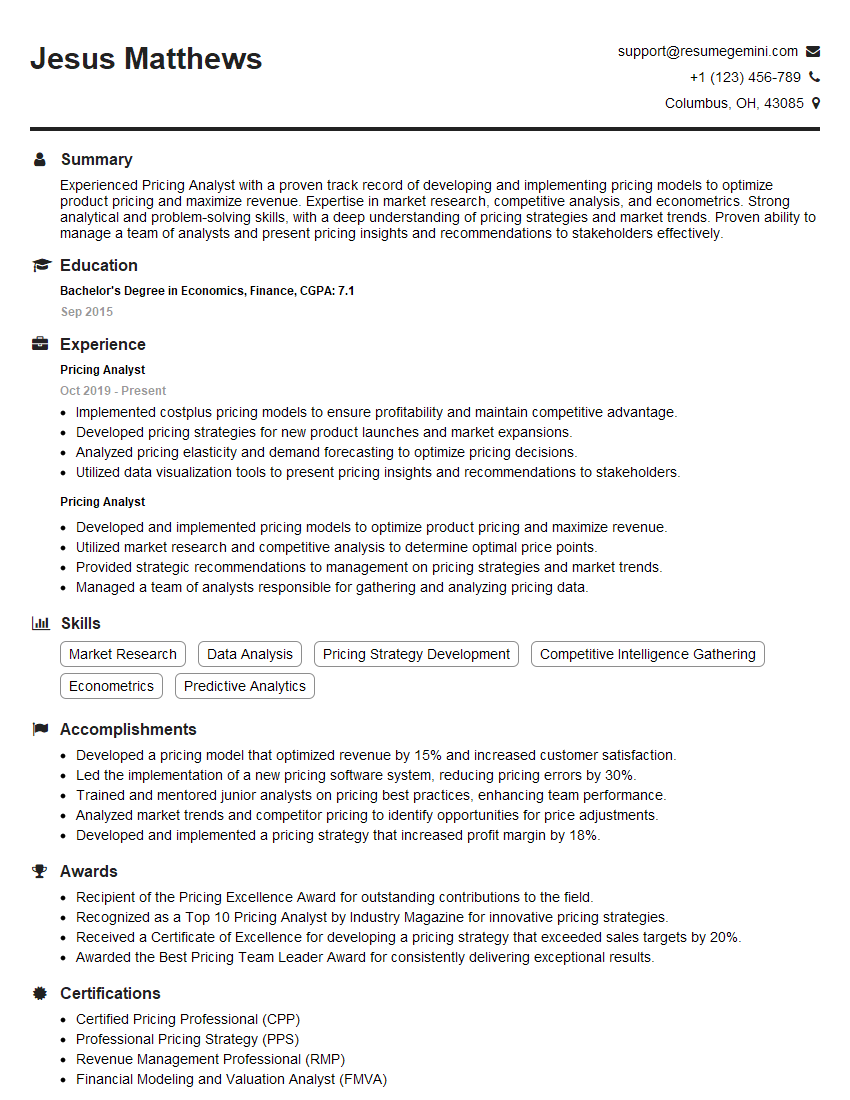
Pricing Analyst Resume Sample
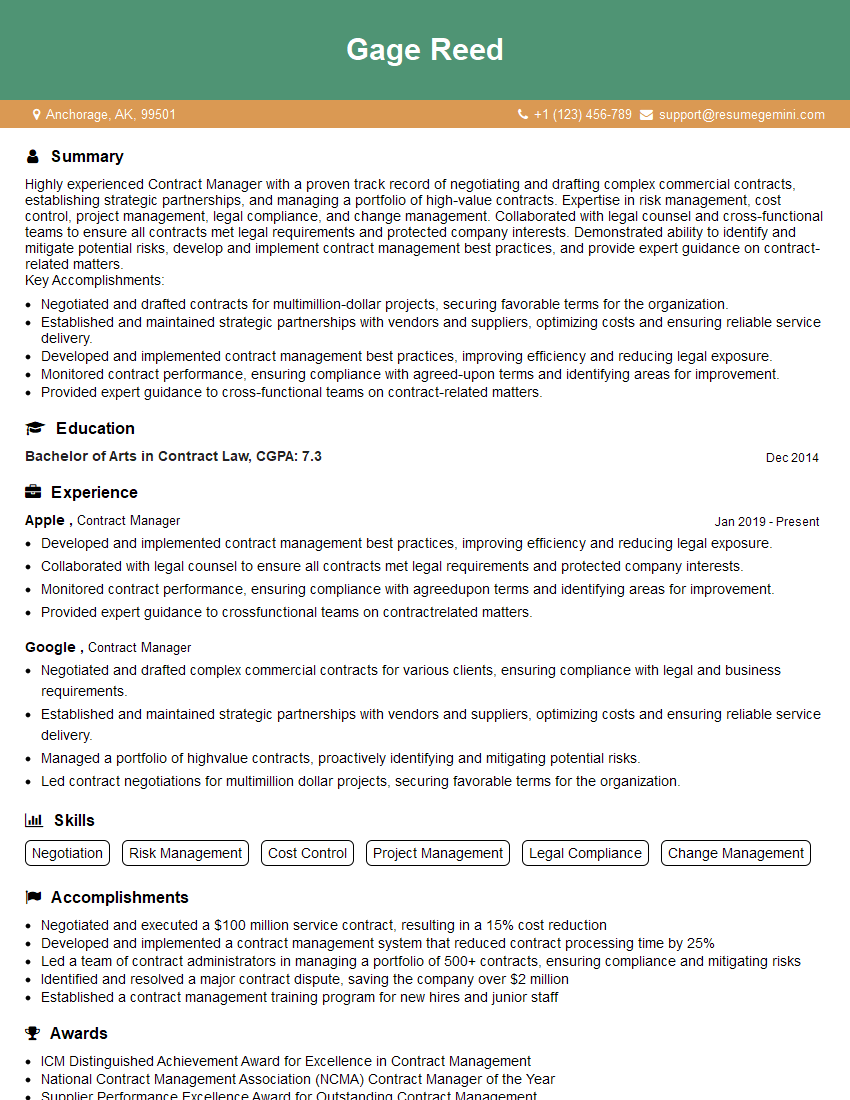
Contract Manager Resume Sample

Procurement Manager Resume Sample
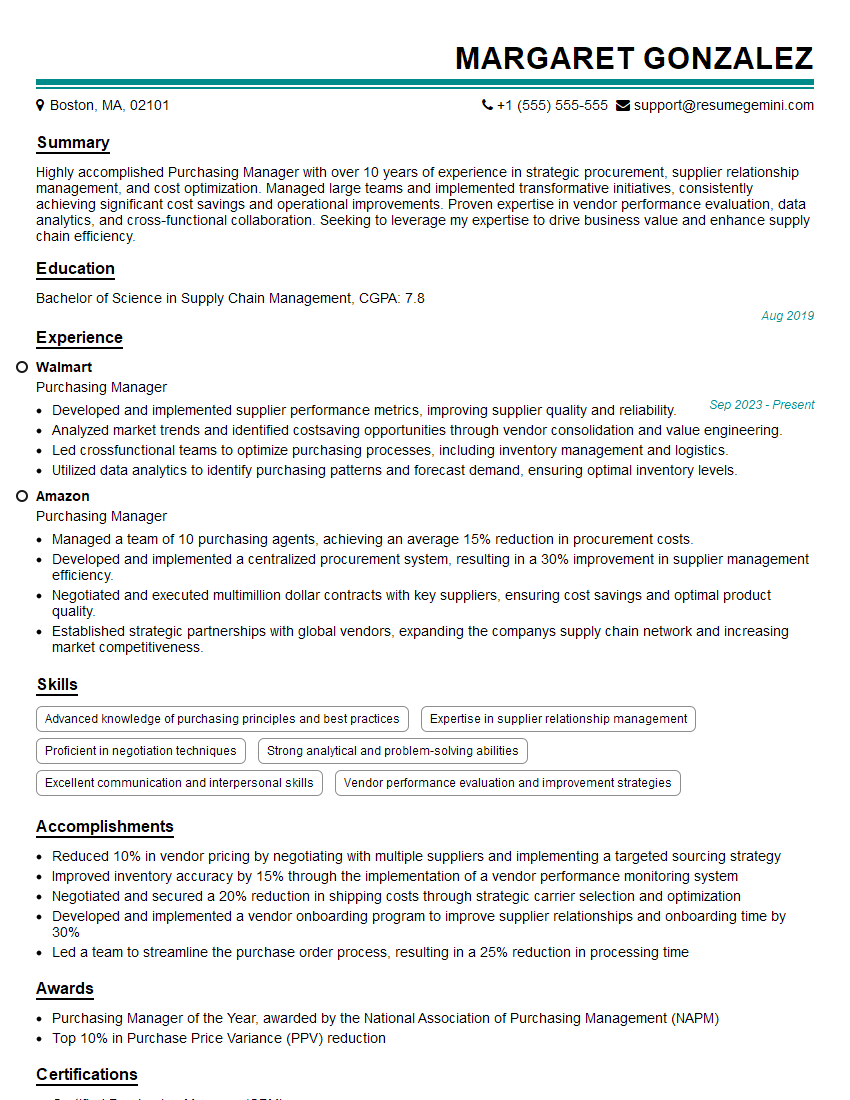
Purchasing Manager Resume Sample

Sourcing Specialist Resume Sample
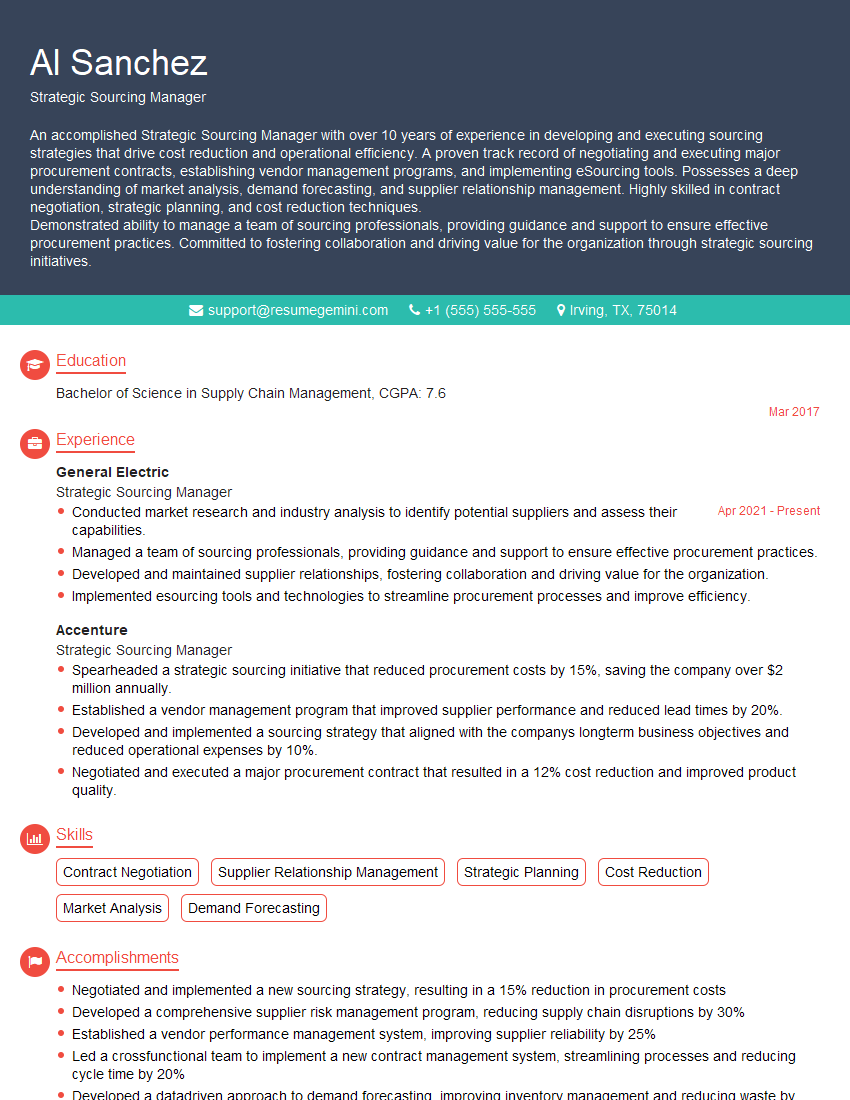
Strategic Sourcing Manager Resume Sample
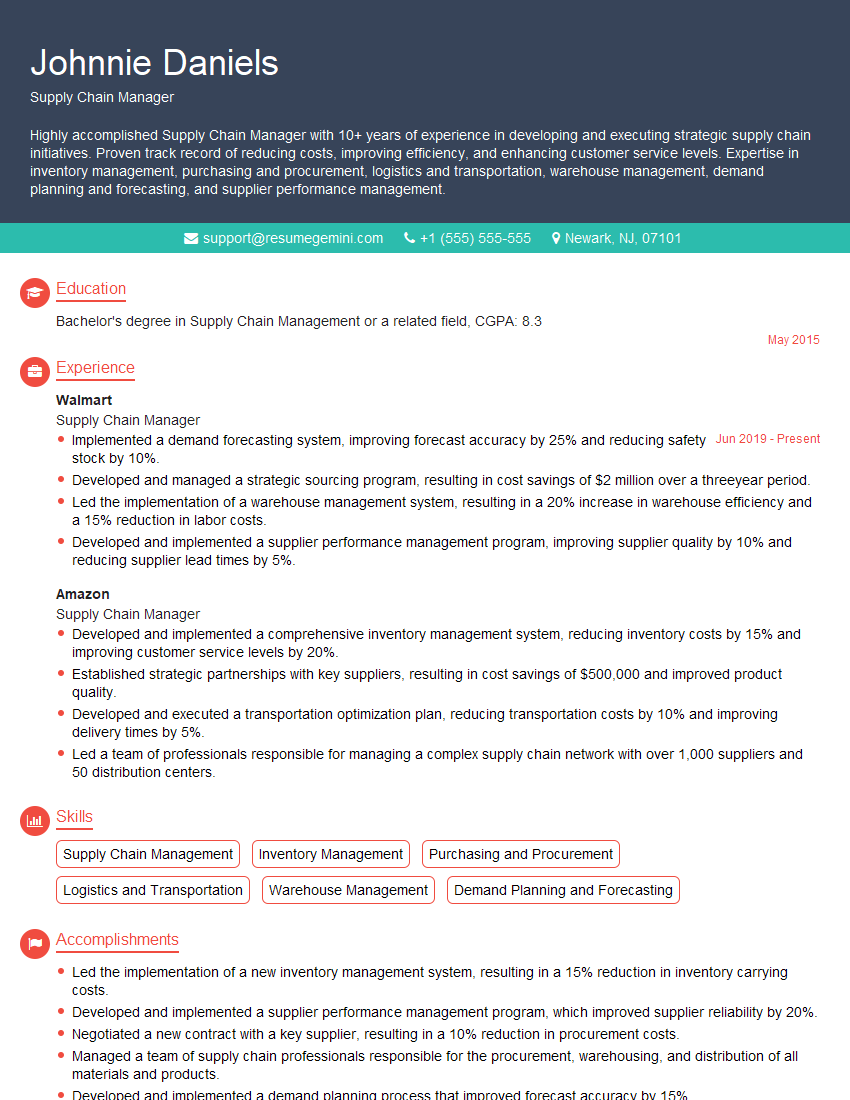
Supply Chain Manager Resume Sample
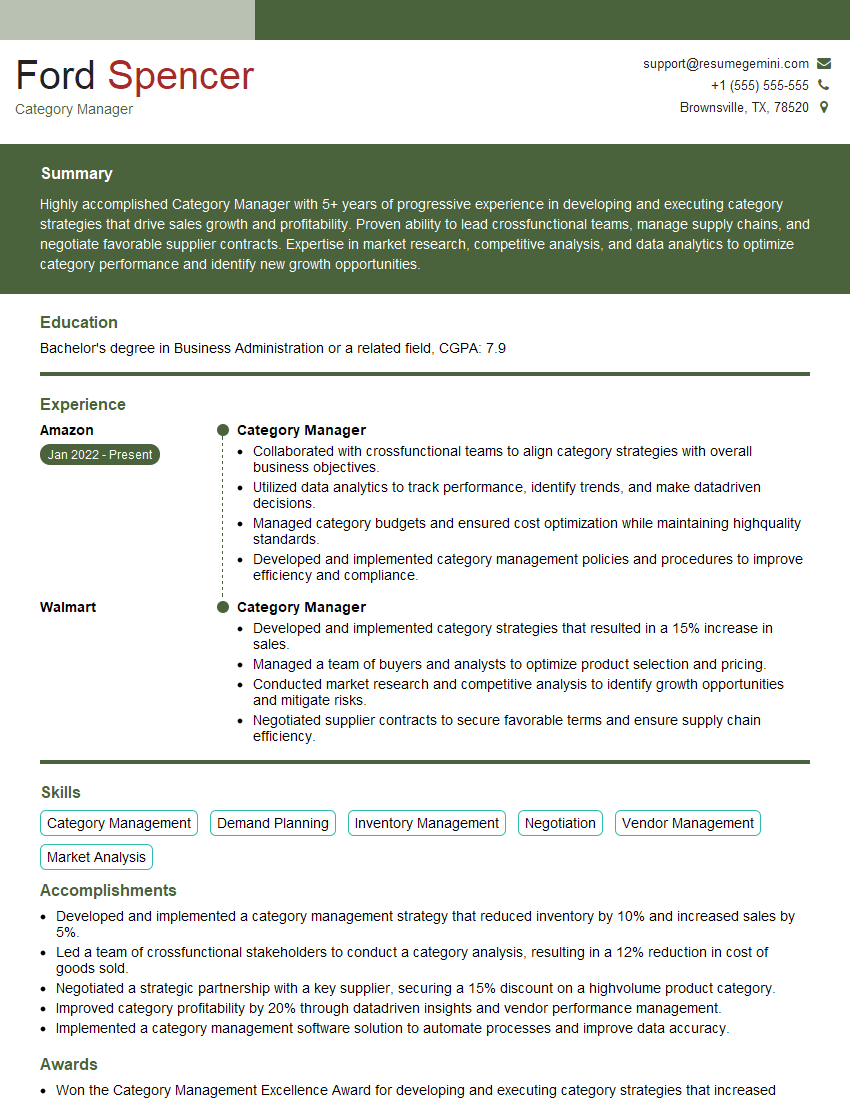
Category Manager Resume Sample
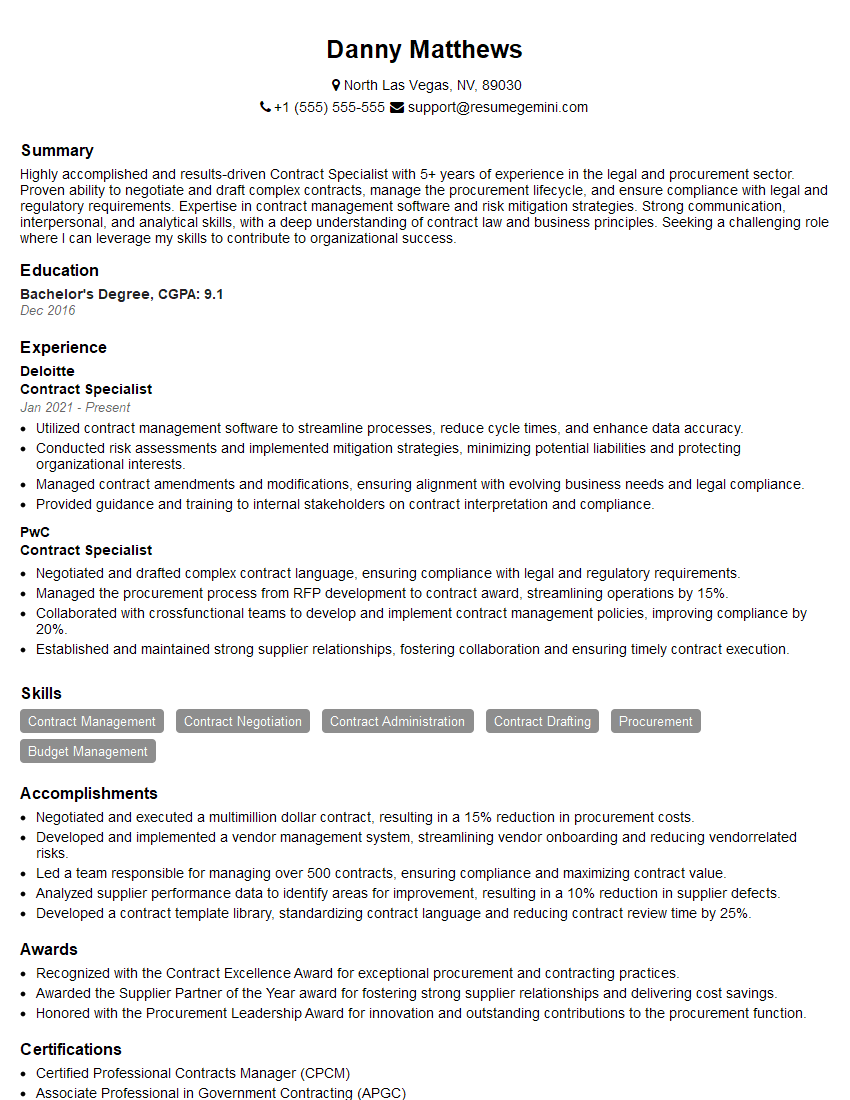
Contract Specialist Resume Sample
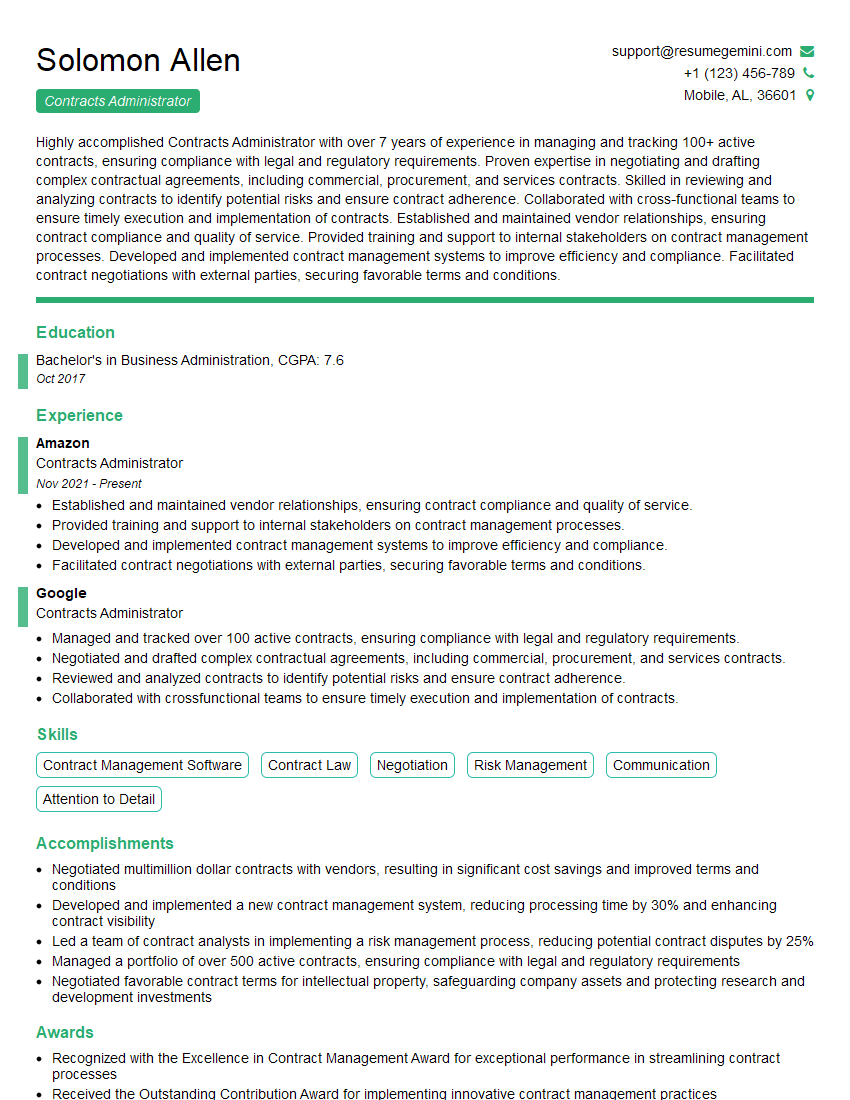
Contracts Administrator Resume Sample
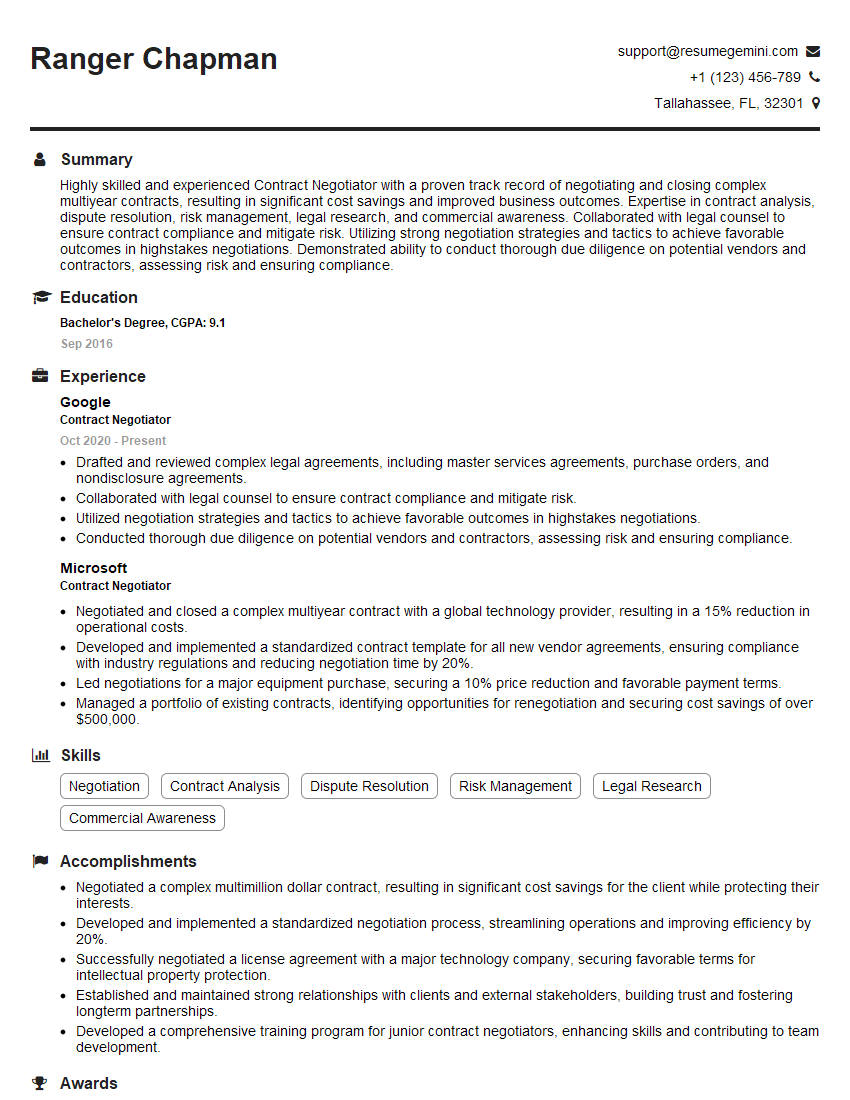
Contract Negotiator Resume Sample
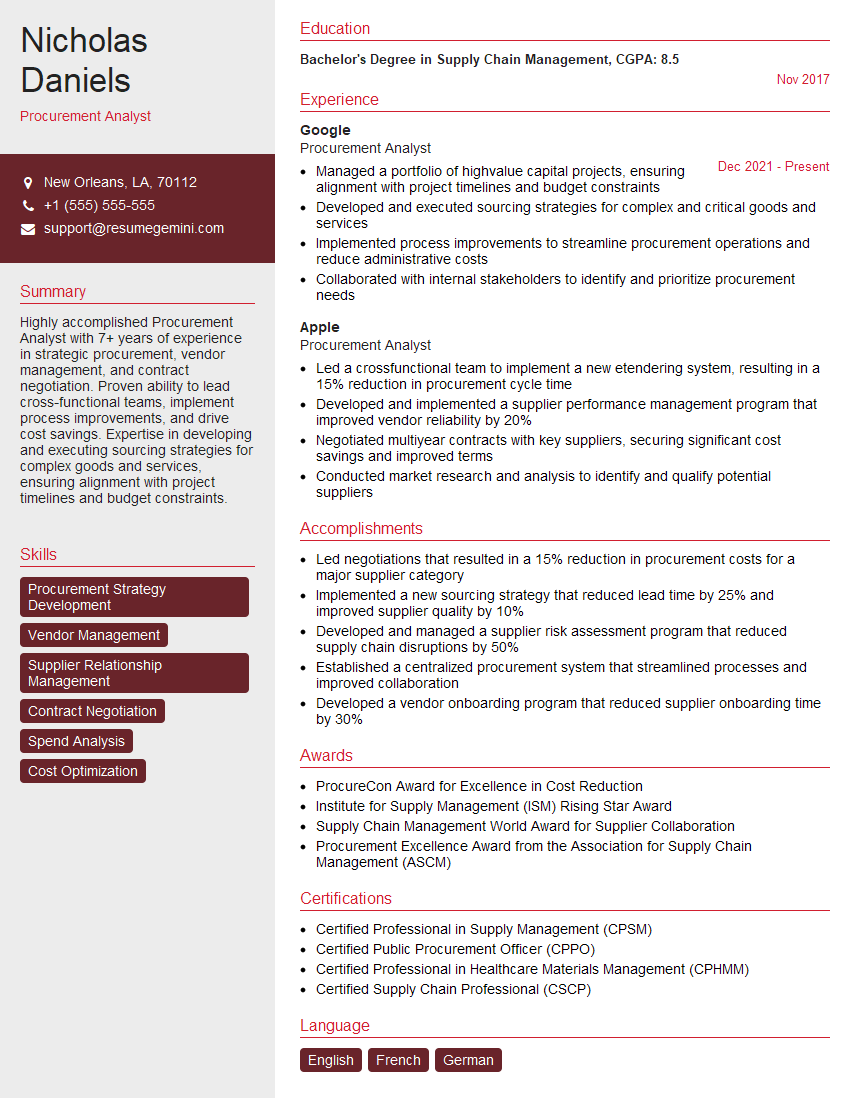
Procurement Analyst Resume Sample
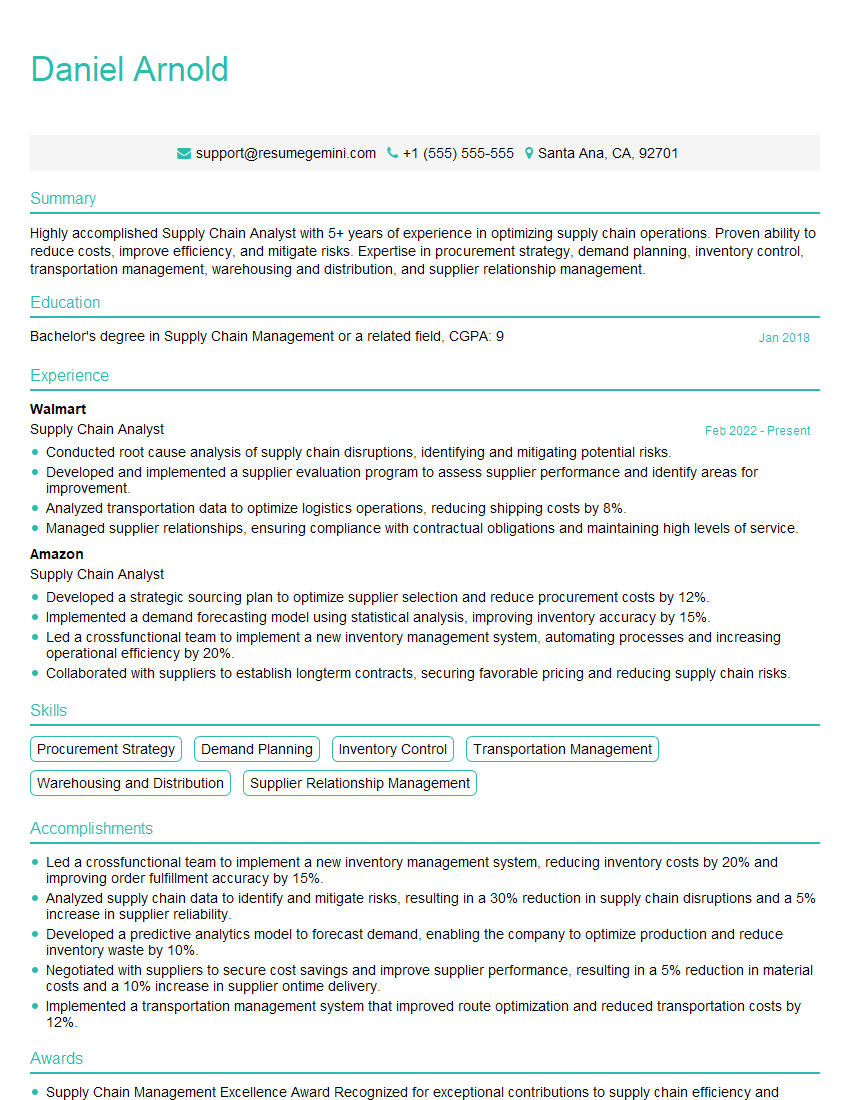
Supply Chain Analyst Resume Sample
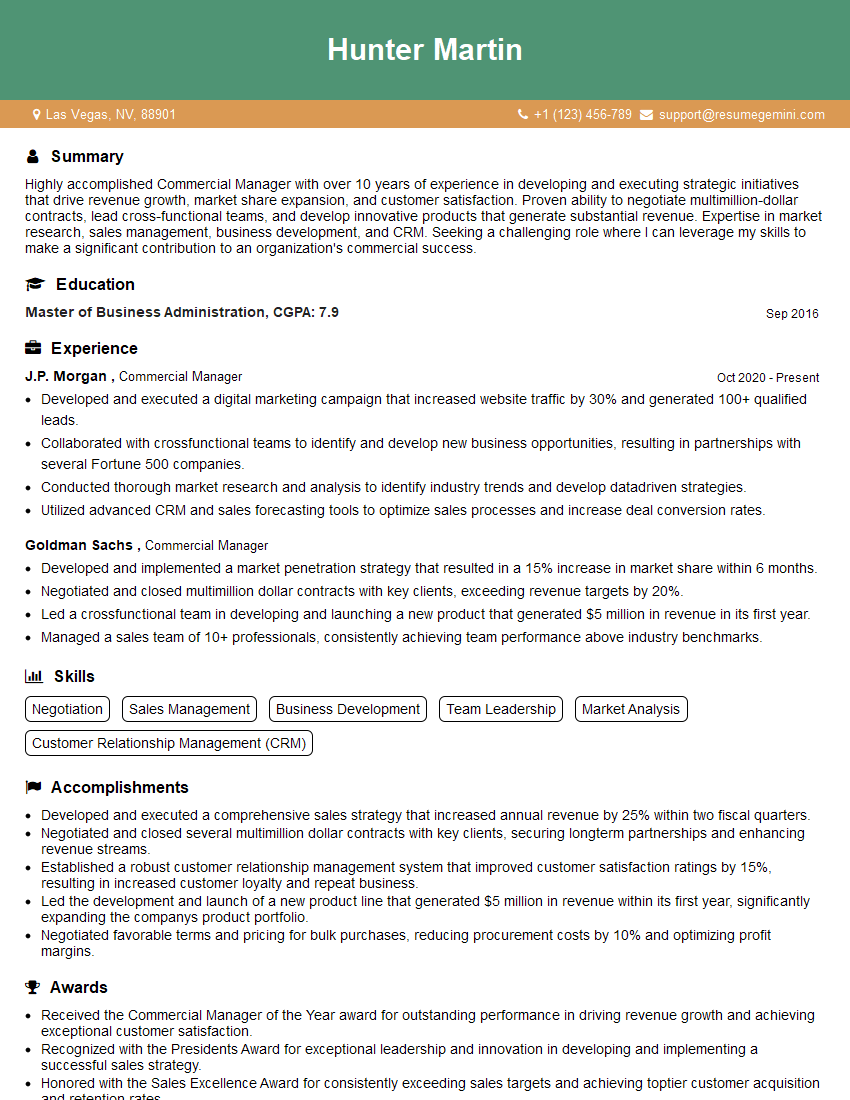
Commercial Manager Resume Sample
Explore more articles
Users Rating of Our Blogs
Share Your Experience
We value your feedback! Please rate our content and share your thoughts (optional).
What Readers Say About Our Blog
To the interviewgemini.com Webmaster.
Very helpful and content specific questions to help prepare me for my interview!
Thank you
To the interviewgemini.com Webmaster.
This was kind of a unique content I found around the specialized skills. Very helpful questions and good detailed answers.
Very Helpful blog, thank you Interviewgemini team.