Every successful interview starts with knowing what to expect. In this blog, we’ll take you through the top Traumatic Brain Injury (TBI) Management interview questions, breaking them down with expert tips to help you deliver impactful answers. Step into your next interview fully prepared and ready to succeed.
Questions Asked in Traumatic Brain Injury (TBI) Management Interview
Q 1. Explain the Glasgow Coma Scale (GCS) and its clinical significance in TBI assessment.
The Glasgow Coma Scale (GCS) is a neurological scale used to assess the severity of a traumatic brain injury (TBI). It’s a quick, practical, and widely used tool that helps clinicians objectively measure the level of consciousness. The GCS assesses three aspects: eye opening, verbal response, and motor response. Each aspect is scored individually, and the three scores are summed to obtain a total GCS score ranging from 3 (deep coma) to 15 (fully alert).
Clinical Significance: The GCS score is crucial in the initial assessment of TBI patients. It helps predict prognosis, guide treatment decisions (e.g., the need for immediate surgery or intensive care), and monitor changes in a patient’s neurological status over time. For example, a decreasing GCS score indicates neurological deterioration, requiring immediate intervention. A higher GCS score generally suggests a milder injury and better chances of recovery, while a lower score signifies a more severe injury and a higher likelihood of long-term disability. The GCS isn’t a perfect predictor, but it provides vital information for effective management.
- Eye Opening: Spontaneous (4 points), To speech (3), To pain (2), None (1).
- Verbal Response: Oriented (5), Confused (4), Inappropriate words (3), Incomprehensible sounds (2), None (1).
- Motor Response: Obeys commands (6), Localizes to pain (5), Withdraws from pain (4), Flexion to pain (3), Extension to pain (2), None (1).
Q 2. Describe the different types of TBI (e.g., concussion, contusion, diffuse axonal injury).
Traumatic brain injuries are broadly categorized based on the mechanism of injury and the extent of brain damage. Here are some key types:
- Concussion: This is a mild TBI characterized by a brief disruption of brain function. Symptoms can include headache, dizziness, confusion, and memory problems. It’s often caused by a blow to the head or body that causes the brain to shake within the skull. Unlike other TBI types, there is typically no structural damage visible on brain imaging.
- Contusion: A contusion is a bruise on the brain caused by direct impact. It involves bleeding and tissue damage within a specific area of the brain. The severity depends on the size and location of the contusion. Imaging studies like CT scans will clearly show contusions.
- Diffuse Axonal Injury (DAI): This is a widespread shearing injury to the brain’s white matter tracts, which carry nerve signals between different brain regions. It’s commonly caused by rapid acceleration-deceleration forces, such as in high-speed car accidents. DAI can be difficult to detect on initial imaging, but MRI may show subtle changes later. It frequently results in significant cognitive and physical disabilities.
- Hematoma (Epidural, Subdural, Intracerebral): These involve bleeding within the skull. Epidural hematomas occur between the skull and dura mater (outer brain covering), subdural hematomas are between the dura and arachnoid mater (middle brain covering), and intracerebral hematomas are within the brain tissue itself. Each type has different clinical presentations and management strategies.
Understanding the specific type of TBI is critical because it influences the prognosis and the tailored rehabilitation plan. For instance, a patient with a concussion might need rest and symptom management, while someone with a DAI requires comprehensive and long-term rehabilitation.
Q 3. What are the common cognitive impairments seen in patients with TBI?
Cognitive impairments are common after TBI and can significantly impact a person’s quality of life. These impairments can vary widely in severity and type, depending on the injury’s severity and location. Some common cognitive impairments include:
- Memory problems: Difficulty remembering recent events (anterograde amnesia), past events (retrograde amnesia), or both. This can affect both short-term and long-term memory.
- Attention deficits: Problems concentrating, focusing, and sustaining attention for extended periods. This can make it challenging to follow conversations, read, or complete tasks.
- Executive dysfunction: Difficulties with planning, organizing, problem-solving, and decision-making. This can impair a person’s ability to manage daily life and work effectively.
- Processing speed deficits: Slower cognitive processing speed, which can make simple tasks seem more difficult.
- Language difficulties: Problems with verbal expression (aphasia) or understanding language (receptive aphasia).
- Visuospatial impairments: Challenges with visual perception, spatial awareness, and visual-motor coordination.
It’s important to remember that the cognitive impairments can be subtle or profound, and they can affect different aspects of cognition differentially in different people. A comprehensive neuropsychological assessment is crucial to understand the individual’s cognitive strengths and weaknesses to tailor a specific rehabilitation program.
Q 4. How do you assess for post-traumatic amnesia (PTA) in a TBI patient?
Post-traumatic amnesia (PTA) refers to the period after a TBI where the patient has impaired ability to form new memories. Assessing PTA involves determining the duration of this memory loss. It’s crucial for assessing TBI severity and predicting recovery. There isn’t one single test for PTA, but the assessment involves several steps:
- Review of medical records: This includes charting the patient’s responsiveness and ability to recall events during their hospital stay. It also looks for the moment when they consistently begin to recall and retain new information.
- Interviews with family and friends: They can provide valuable information about the patient’s behavior and recall immediately following the injury.
- Neuropsychological testing: Tests like the Galveston Orientation and Amnesia Test (GOAT) are specifically designed to assess orientation and memory after a TBI. These tests help pin down the exact point the patient starts to consistently recall events from that day forward.
- Direct questioning of the patient: As the patient recovers, they are asked about events occurring after the injury to identify the point at which their memory becomes reliable.
The duration of PTA is a significant prognostic indicator. A longer PTA indicates a more severe TBI and a potentially longer and more challenging recovery process.
Q 5. Explain the Rancho Los Amigos Levels of Cognitive Functioning scale.
The Rancho Los Amigos Levels of Cognitive Functioning (LCF) scale is an observational tool used to describe the patient’s cognitive and behavioral recovery after a TBI. It provides an eight-level framework, progressing from a coma state to more independent functioning. Each level describes the patient’s responses to stimuli, communication abilities, and cognitive abilities.
Clinical Significance: The LCF scale provides a standardized way to document and track progress over time. It is widely used by healthcare professionals involved in TBI rehabilitation and assists in planning treatment strategies based on the patient’s current level of functioning. For example, a patient at Level III might need significant environmental support and behavioral management, while a patient at Level VIII might benefit from cognitive rehabilitation targeting specific impairments.
The eight levels generally outline the progression from a state of unresponsive wakefulness to completely independent functioning. The details of each level are quite specific and often involve descriptions of behaviors to help clinicians accurately place the patient. Examples include response to stimuli, attention span, communication ability, and memory functions.
Q 6. Describe your experience with cognitive rehabilitation strategies for TBI patients.
My experience with cognitive rehabilitation for TBI patients is extensive. I’ve worked with individuals across a spectrum of injury severity. We employ a comprehensive approach that includes a thorough neuropsychological assessment to determine specific cognitive deficits. This assessment drives the development of a personalized rehabilitation plan. My approach incorporates various evidence-based strategies:
- Cognitive retraining: Techniques aimed at improving specific cognitive functions like attention, memory, and executive functions. This can involve exercises and computer-based programs that progressively challenge the patient’s abilities.
- Strategy training: Teaching compensatory strategies to help patients manage their cognitive deficits in daily life. For example, using memory aids or organizational techniques to compensate for memory problems. I’ve seen dramatic improvements in patients’ daily function with these strategies.
- Metacognitive training: Focusing on self-awareness and monitoring of one’s own cognitive processes to improve performance and self-regulation. This empowerment greatly enhances the patient’s independence.
- Functional tasks: Working with patients on real-world tasks to help them apply their learned cognitive skills in meaningful situations. This might involve practicing everyday activities like cooking or managing finances.
I believe a strong therapeutic alliance is vital for successful cognitive rehabilitation. We work collaboratively with the patient and their family, setting realistic goals, and celebrating successes. One particular patient I recall struggled immensely with attention after a severe TBI. Through tailored attention retraining and strategy training, they eventually returned to their work, albeit with some modifications. This was a testament to the power of individualized cognitive rehabilitation.
Q 7. What are the common physical therapy interventions used for TBI rehabilitation?
Physical therapy plays a crucial role in TBI rehabilitation, addressing physical impairments such as motor deficits, balance problems, and spasticity. Interventions are tailored to the individual patient’s needs and capabilities.
- Range of motion exercises: To prevent contractures (muscle shortening) and maintain joint mobility.
- Strength training: To improve muscle strength and endurance, facilitating mobility and functional independence.
- Balance and coordination training: To improve stability and reduce fall risk, using activities such as gait training and balance exercises.
- Mobility training: To improve ambulation and transfers (e.g., moving from bed to chair), potentially with the use of assistive devices.
- Spasticity management: Techniques to reduce muscle stiffness and improve motor control, including stretching, splinting, and medication management.
- Adaptive equipment training: Teaching patients how to use adaptive devices like walkers or wheelchairs to maximize their independence.
In my experience, a holistic approach, integrating physical therapy with other therapies like occupational therapy and speech therapy, yields the best outcomes. For example, a patient with hemiparesis (weakness on one side of the body) might receive strength training to improve motor function, balance training to enhance stability, and occupational therapy to improve fine motor skills and daily living activities. The combined approach leads to better functional recovery and improved quality of life.
Q 8. How do you address emotional and behavioral issues in patients with TBI?
Addressing emotional and behavioral issues in TBI patients requires a multifaceted approach, understanding that these challenges are often direct consequences of the brain injury itself. It’s not simply a matter of ‘bad behavior,’ but rather a disruption in brain function affecting mood regulation, impulse control, and social cognition.
My approach involves a thorough assessment using standardized scales like the Beck Depression Inventory or the Aggression Scale. This helps quantify the severity and type of issues. Then, I tailor interventions based on the individual’s needs, incorporating several strategies:
- Cognitive Behavioral Therapy (CBT): This helps patients identify and change negative thought patterns and behaviors that contribute to emotional distress. For example, a patient struggling with irritability might learn to identify triggers and develop coping mechanisms.
- Medication Management: In some cases, medication, like antidepressants or mood stabilizers, may be necessary to manage symptoms. Careful monitoring and adjustment are essential, always considering potential side effects.
- Social Skills Training: TBI can impair social cognition, leading to difficulties in social interactions. Structured training can help improve communication, empathy, and social problem-solving skills. Role-playing scenarios are often very effective.
- Family Therapy: Often, family members need support in managing the patient’s behavior at home. Family therapy provides a platform for education, coping strategies, and improving communication within the family unit.
For instance, I worked with a patient who exhibited outbursts of anger after his TBI. Through CBT, we identified his triggers (loud noises, crowded environments), and we developed coping strategies, such as taking deep breaths and removing himself from the situation. Combined with medication management and family support, his anger episodes significantly reduced.
Q 9. Describe your experience with medication management in TBI patients.
Medication management in TBI patients is a crucial aspect of care, but it requires a nuanced approach. It’s not a one-size-fits-all solution, and the choice of medication depends heavily on the specific symptoms and the patient’s overall health.
My experience involves careful consideration of several factors:
- Symptom-Specific Treatment: Different medications target different symptoms. For example, antidepressants for depression, anti-anxiety medications for anxiety, anticonvulsants for seizures (which are more common after TBI), and stimulants for fatigue or cognitive slowing.
- Careful Monitoring: Regular monitoring of medication effectiveness, side effects, and interactions with other medications is paramount. Blood tests and regular clinical assessments are crucial.
- Dosage Adjustment: Doses may need to be adjusted based on individual responses and potential side effects. This is an iterative process, requiring patience and close collaboration with the patient and their family.
- Patient Education: Thorough education of the patient and their family about medication is crucial, addressing potential side effects and the importance of adherence. This includes strategies for remembering to take medication and managing side effects.
I remember a patient who struggled with severe agitation after their TBI. We started with a low dose of an antipsychotic medication, carefully monitoring for side effects and adjusting the dose over several weeks until we found an effective and well-tolerated dosage that significantly improved their agitation and allowed for participation in therapy.
Q 10. What are the different types of assistive technology used for TBI patients?
Assistive technology plays a significant role in improving the quality of life for TBI patients, helping them regain independence and participate more fully in daily life. The specific technology used depends on the individual’s cognitive, physical, and communication needs.
Here are some examples:
- Communication Devices: Augmentative and alternative communication (AAC) devices, such as speech-generating devices or picture exchange systems (PECS), can help individuals who have difficulty with verbal communication.
- Cognitive Aids: These tools can help manage memory, attention, and executive function challenges. Examples include reminder apps, calendars with visual cues, and task management software.
- Mobility Aids: Wheelchairs, walkers, and other mobility devices can help individuals regain mobility and independence.
- Adaptive Equipment: This encompasses tools designed to make everyday tasks easier, such as weighted utensils for tremor, adaptive clothing, or specialized grips for writing.
- Assistive Technology for Computer Access: Specialized keyboards, eye-tracking software, and voice recognition systems can help patients interact with computers, which are increasingly used for daily life and cognitive rehabilitation activities.
It’s vital to assess the patient’s needs and match them with the appropriate technology. Training and support are also crucial to ensure that the technology is used effectively. For example, a patient with memory problems might benefit from a medication reminder app, while a patient with limited mobility might need a specialized reacher tool to improve independence in daily living.
Q 11. How do you collaborate with a multidisciplinary team in TBI management?
Collaboration within a multidisciplinary team is essential for effective TBI management. A siloed approach is ineffective; a holistic perspective is crucial. The team usually includes:
- Neurologist/ Neurosurgeon: Provides medical oversight, managing any ongoing medical issues.
- Rehabilitation Physician: Oversees the rehabilitation process, coordinating care between different specialists.
- Physical Therapist (PT): Addresses physical impairments, improving strength, balance, and mobility.
- Occupational Therapist (OT): Focuses on improving functional skills needed for daily living, such as dressing, eating, and using adaptive equipment.
- Speech-Language Pathologist (SLP): Addresses communication and swallowing difficulties.
- Neuropsychologist: Assesses cognitive abilities and develops strategies for managing cognitive impairments.
- Social Worker: Addresses social and emotional needs, providing support to both the patient and family.
- Case Manager: Coordinates care, ensuring smooth transitions between different care settings.
Effective collaboration involves regular team meetings, shared documentation, and clear communication. I actively participate in team meetings, sharing my assessment findings and contributing to the development of an individualized rehabilitation plan. For example, I might share insights from cognitive testing with the OT and SLP to help tailor their interventions. This collaborative approach ensures that all aspects of the patient’s needs are addressed comprehensively.
Q 12. Describe your experience with family education and support in TBI cases.
Family education and support are integral to successful TBI recovery. Families often experience significant emotional stress, requiring considerable education and practical support to understand the patient’s condition and manage their care effectively.
My approach involves:
- Providing Information: I provide clear and concise explanations about the patient’s injury, its impact, and the expected recovery trajectory. I use readily understandable language and avoid medical jargon.
- Educating on Behavioral Changes: I educate families about potential behavioral changes and coping strategies for managing challenging behaviors. This might include techniques for de-escalating agitated behaviors.
- Offering Resources: I connect families with support groups, respite care services, and other resources that can provide emotional and practical support.
- Building Communication: I encourage open communication between the patient, family members, and the healthcare team to enhance understanding and coordination.
- Addressing Emotional Needs: I acknowledge and validate the emotional distress families often experience, and provide a safe space for them to discuss their concerns and feelings.
In one case, a family was struggling to understand their loved one’s sudden irritability. Through family education sessions, we discussed the neurological basis of this behavior and provided strategies for managing it, significantly reducing the family’s stress and improving their interaction with the patient.
Q 13. Explain the importance of early intervention in TBI recovery.
Early intervention in TBI recovery is crucial because the brain has a remarkable capacity for plasticity, particularly in the immediate aftermath of an injury. The sooner interventions begin, the greater the potential for maximizing functional recovery and minimizing long-term disabilities. Early intervention can significantly impact various aspects of recovery:
- Preventing Secondary Injuries: Early identification and management of complications, such as intracranial pressure increase or infections, can significantly improve outcomes.
- Promoting Brain Healing: Early interventions, like medication, therapy, and rest, can facilitate brain healing and reduce inflammation.
- Maximizing Neuroplasticity: The brain’s ability to reorganize and adapt is highest soon after injury. Early therapy takes advantage of this ‘window of opportunity’.
- Improving Functional Outcomes: Early intervention can lead to quicker improvements in physical function, cognition, and emotional well-being.
- Preventing Long-Term Disabilities: Addressing challenges early can prevent these problems from becoming entrenched and chronic.
Think of it as starting rehabilitation as soon as possible, like starting physical therapy after a broken leg. The sooner you begin, the quicker and more effective the healing will be. Early intervention in TBI is equally, if not more, important given the complexity of brain injury.
Q 14. What are some common challenges faced in long-term TBI rehabilitation?
Long-term TBI rehabilitation presents several challenges. While some individuals may experience significant recovery in the first few months, others face ongoing challenges that require long-term management and support.
Common challenges include:
- Cognitive Impairments: Memory loss, attention deficits, and executive dysfunction can persist for years, affecting daily life and independence.
- Physical Disabilities: Motor impairments, weakness, and balance problems can limit mobility and require ongoing physical therapy.
- Emotional and Behavioral Difficulties: Depression, anxiety, irritability, and aggression are common long-term issues.
- Social Isolation: Difficulties with communication and social interaction can lead to isolation and decreased quality of life.
- Financial Burden: Long-term care can place significant financial strain on patients and their families.
- Caregiver Burden: Families providing long-term care can experience emotional and physical exhaustion.
- Relapse and Setbacks: Individuals can experience fluctuations in their condition, with periods of improvement and setbacks.
Addressing these challenges requires ongoing monitoring, adapting treatment plans, and providing comprehensive support to both the patient and their family. This may involve long-term medication management, regular therapy sessions, and ongoing family support. The goal is to help the individual maintain their highest level of independence and quality of life, despite the ongoing challenges.
Q 15. How do you monitor a TBI patient’s progress and adjust treatment plans?
Monitoring a TBI patient’s progress is a multifaceted process requiring continuous assessment and adjustment of the treatment plan. We utilize a combination of objective and subjective measures. Objectively, we track vital signs (heart rate, blood pressure, respiratory rate, oxygen saturation), Glasgow Coma Scale (GCS) scores, and neurological exams to gauge changes in brain function. Imaging studies like CT scans and MRIs help us monitor for intracranial bleeding, swelling, or other structural changes. Subjectively, we assess the patient’s cognitive function through standardized tests like the Montreal Cognitive Assessment (MoCA) or the Trail Making Test. We also observe their behavioral changes, level of alertness, and ability to participate in therapy. Changes in any of these areas trigger an adjustment to the treatment plan. For instance, if a patient’s GCS score worsens, indicating a decline in brain function, we might increase the intensity of supportive care, such as intracranial pressure monitoring or the administration of medications to reduce swelling. If cognitive tests show improvement, we can progressively increase the complexity of rehabilitation therapies. This iterative process ensures the treatment plan is tailored to the patient’s evolving needs.
Career Expert Tips:
- Ace those interviews! Prepare effectively by reviewing the Top 50 Most Common Interview Questions on ResumeGemini.
- Navigate your job search with confidence! Explore a wide range of Career Tips on ResumeGemini. Learn about common challenges and recommendations to overcome them.
- Craft the perfect resume! Master the Art of Resume Writing with ResumeGemini’s guide. Showcase your unique qualifications and achievements effectively.
- Don’t miss out on holiday savings! Build your dream resume with ResumeGemini’s ATS optimized templates.
Q 16. What are the ethical considerations in managing patients with TBI?
Ethical considerations in TBI management are paramount. We must balance the patient’s autonomy with their best interests, especially when decision-making capacity is impaired. This requires careful consideration of advance directives, surrogate decision-makers, and open communication with the family. Confidentiality is also critical; sharing patient information requires informed consent. Resource allocation poses another ethical challenge; we must ensure equitable access to high-quality care, irrespective of socioeconomic status or insurance coverage. Furthermore, we must consider the long-term consequences of treatment decisions and strive to provide holistic care that addresses the physical, cognitive, emotional, and social needs of the patient and their family. For example, a difficult ethical decision might involve determining the appropriateness and timing of aggressive life-sustaining interventions when the probability of a meaningful recovery is low. We engage in thorough discussions with families, utilizing ethical frameworks to navigate these complex situations.
Q 17. How do you differentiate between TBI and other neurological conditions with similar symptoms?
Differentiating TBI from other neurological conditions with similar symptoms requires a thorough clinical evaluation. The history of the injury, specifically a mechanism of injury consistent with head trauma, is crucial. Neuroimaging (CT and MRI scans) plays a vital role in identifying intracranial lesions characteristic of TBI, such as contusions, hematomas, or diffuse axonal injury. These findings are generally absent in other conditions. Conditions like stroke, tumors, or infections can mimic TBI symptoms, but their underlying pathophysiology is different. Detailed neurological examination focusing on specific deficits like focal weakness, sensory changes, or cranial nerve palsies helps pinpoint the cause. For example, a patient presenting with sudden onset weakness on one side of the body might suggest a stroke rather than TBI. Electroencephalography (EEG) and other specialized tests can further assist in the differential diagnosis. A multidisciplinary approach involving neurologists, neurosurgeons, and other specialists is often necessary to reach an accurate diagnosis.
Q 18. Describe your experience with specific TBI assessment tools.
My experience encompasses a wide range of TBI assessment tools. I routinely use the Glasgow Coma Scale (GCS) for initial severity assessment, providing a quick measure of consciousness level. The GCS, however, does not reflect the full extent of neurological deficits. I also utilize the Rancho Los Amigos Levels of Cognitive Functioning scale to assess the patient’s level of awareness and cognitive abilities throughout their recovery. For more detailed cognitive evaluation, the Montreal Cognitive Assessment (MoCA) and other neuropsychological tests help identify specific cognitive impairments such as memory problems, attention deficits, or executive dysfunction. Furthermore, functional assessments, such as the Functional Independence Measure (FIM), help determine the patient’s ability to perform activities of daily living. The choice of assessment tool depends on the patient’s condition and the stage of recovery. For example, in the acute phase, the GCS and Rancho Los Amigos Scale are most important, while later in recovery, the MoCA and FIM become more critical in planning rehabilitation.
Q 19. Explain your understanding of secondary injury in TBI.
Secondary injury in TBI refers to the damage that occurs after the initial traumatic event. It’s a cascade of pathological processes that worsen the primary injury. These processes include cerebral edema (swelling), intracranial hypertension (increased pressure within the skull), hypoxia (lack of oxygen), ischemia (reduced blood flow), and inflammation. These processes can cause further neuronal damage and increase the severity of the patient’s outcome. For example, cerebral edema can lead to herniation of brain tissue, a life-threatening condition. Early identification and aggressive management of secondary injury are critical to improving patient outcomes. This involves managing intracranial pressure, ensuring adequate oxygenation and perfusion, controlling inflammation, and preventing infections. Think of it like this: the initial impact is like the initial crack in a windshield; secondary injury is the spiderweb cracks that spread across the glass due to vibrations and instability.
Q 20. How do you manage a patient experiencing seizures post-TBI?
Managing seizures post-TBI requires a multi-pronged approach. First, we need to identify the type and frequency of seizures through EEG monitoring and clinical observation. Then, we establish anti-epileptic drug (AED) therapy, carefully selecting the medication based on the patient’s individual needs and potential interactions with other medications. AEDs like levetiracetam, valproate, or lamotrigine are commonly used. The dose is often adjusted based on the patient’s response and serum drug levels. If seizures are refractory to medication, we may consider surgical intervention or other advanced therapies. Close monitoring for adverse effects of the AEDs is also crucial. In addition to medication, we focus on addressing underlying causes, such as brain swelling or lesions. Patient education and support for the patient and their family are equally important in improving compliance and managing the emotional impact of seizures.
Q 21. What are some common complications following TBI?
Common complications following TBI can be broadly categorized into physical, cognitive, and emotional problems. Physical complications include motor impairments such as weakness or paralysis, sensory deficits like vision or hearing loss, and dysphagia (difficulty swallowing). Cognitive complications can range from mild memory problems and attention deficits to severe cognitive impairments affecting executive function, language skills, and decision-making abilities. Emotional and behavioral complications are frequent and can include depression, anxiety, irritability, aggression, and post-traumatic stress disorder (PTSD). Other complications include infections, hydrocephalus (build-up of fluid in the brain), seizures, and sleep disturbances. The severity and combination of complications vary widely depending on the severity of the initial injury and individual patient factors. Management of these complications often requires a multidisciplinary team approach involving neurologists, neurosurgeons, physical therapists, occupational therapists, speech therapists, and psychologists, ensuring comprehensive and holistic care.
Q 22. Describe your experience with discharge planning for TBI patients.
Discharge planning for TBI patients is a multifaceted process requiring meticulous coordination among healthcare professionals, family members, and the patient themselves. It begins long before the actual discharge date, ideally starting during the acute phase of recovery. My approach centers around a holistic assessment of the patient’s physical, cognitive, and psychosocial needs.
This involves frequent collaboration with the interdisciplinary team—physicians, nurses, therapists (physical, occupational, speech), social workers, and case managers—to establish realistic goals and a tailored plan. We thoroughly evaluate the patient’s functional abilities, including their ability to perform activities of daily living (ADLs) such as dressing, bathing, and eating, as well as their cognitive capacity for independent decision-making and medication management.
For instance, a patient with significant cognitive deficits might require ongoing support at home, including home health services and caregiver training. Conversely, a patient with milder impairments may benefit from outpatient therapy and community-based support groups. The plan always prioritizes safety and maximizes the patient’s potential for independent living and community reintegration. We also develop a comprehensive communication plan to ensure consistent messaging between healthcare providers, caregivers, and the patient, creating a smooth transition from the inpatient setting.
Crucially, the discharge plan is regularly reviewed and adjusted based on the patient’s progress and any unforeseen challenges. This iterative process ensures the plan remains relevant and effective throughout the patient’s rehabilitation journey. We use tools like the FIM (Functional Independence Measure) and the Rancho Los Amigos Levels of Cognitive Functioning scale to track progress and inform treatment and discharge planning decisions.
Q 23. How do you adapt your treatment plan to meet the unique needs of diverse TBI patient populations?
Treating TBI patients requires a highly individualized approach because the severity, location, and type of injury greatly influence the patient’s needs. My treatment plans are tailored to address the diverse spectrum of physical, cognitive, and emotional challenges presented by each individual.
For example, a young adult with a moderate TBI might require intensive physical therapy to regain motor skills, cognitive rehabilitation to address memory and attention deficits, and psychosocial support to manage emotional lability and reintegrate into social settings. In contrast, an older adult with a mild TBI might benefit from strategies to improve balance and reduce fall risk, memory aids, and driving assessment and retraining.
The process starts with a thorough assessment that incorporates the patient’s age, pre-injury functional status, cultural background, and personal preferences. For example, cultural sensitivity is essential, as it influences communication styles, family dynamics, and health beliefs. We use culturally appropriate tools and collaborate with interpreters or culturally competent professionals when needed. The treatment plan is collaboratively developed with the patient and their family, promoting their active participation and buy-in. Regular review and modification ensure the plan addresses the evolving needs of the patient during their recovery.
Q 24. Describe your understanding of the impact of TBI on social participation.
TBI can profoundly impact social participation, affecting individuals’ ability to engage in meaningful relationships, work, and community activities. The extent of the impact depends on the severity of the injury and the presence of associated cognitive, physical, and emotional impairments.
Cognitive impairments like memory loss, attention deficits, and executive dysfunction can hinder social interactions, leading to difficulties understanding social cues, initiating conversations, or remembering social events. Physical impairments, such as weakness, paralysis, or balance problems, may limit mobility and participation in social activities. Furthermore, emotional consequences such as irritability, depression, anxiety, and personality changes can strain relationships and make social interactions challenging.
For instance, a patient with difficulty with impulse control might struggle to maintain friendships due to unpredictable behavior. Someone experiencing chronic pain might withdraw from social activities due to discomfort. Addressing these challenges requires a comprehensive approach incorporating cognitive remediation, physical therapy, psychosocial interventions, and social skills training. Support groups and vocational rehabilitation can also play a vital role in helping patients rebuild their social networks and reintegrate into the community.
Q 25. Explain your knowledge of different types of TBI imaging techniques (e.g., CT, MRI).
Neuroimaging plays a crucial role in diagnosing and managing TBI. Computed tomography (CT) and magnetic resonance imaging (MRI) are the primary imaging modalities used.
CT scans provide rapid, high-resolution images of brain structures, allowing for quick identification of acute intracranial hemorrhages (bleeding), skull fractures, and edema (swelling). Their speed makes them ideal for initial evaluation in emergency settings. However, CT scans have limitations in detecting subtle lesions or early changes in brain tissue.
MRI offers superior soft tissue contrast, allowing for detailed visualization of brain parenchyma (brain tissue), white matter tracts, and subtle injuries that might be missed on CT scans. MRI is particularly useful for detecting diffuse axonal injury (DAI), a common and often severe type of TBI that may not be readily apparent on CT. Different MRI sequences (e.g., diffusion-weighted imaging, fluid-attenuated inversion recovery) can highlight specific types of brain damage. In summary, CT and MRI provide complementary information, and their combined use enhances the accuracy of TBI diagnosis and guides management decisions.
Q 26. How do you assess and address swallowing difficulties in patients with TBI?
Dysphagia, or swallowing difficulties, is a common and potentially life-threatening complication of TBI. Assessment involves a comprehensive evaluation by a speech-language pathologist (SLP) to identify the nature and severity of the swallowing impairment. This typically involves a clinical bedside swallowing examination, which observes the patient’s oral, pharyngeal, and esophageal phases of swallowing.
The SLP may use various tools and techniques, including videofluoroscopic swallowing studies (VFSS) and fiberoptic endoscopic evaluation of swallowing (FEES), to visualize the swallowing process and identify any anatomical or physiological abnormalities. Based on the assessment, the SLP develops a tailored treatment plan that may include strategies such as dietary modifications (e.g., thickened liquids, pureed foods), postural adjustments (e.g., chin-tuck posture), compensatory swallowing techniques, and oral-motor exercises. In severe cases, non-oral feeding methods (e.g., nasogastric tube, gastrostomy tube) may be required to ensure adequate nutrition and hydration.
For example, a patient with reduced tongue movement might benefit from exercises to improve tongue strength and coordination. A patient with aspiration risk (food entering the airway) might require thickened liquids and close monitoring during meals. Close collaboration between the SLP, nursing staff, and the patient’s family is essential to ensure effective implementation of the treatment plan and prevent complications.
Q 27. Describe your experience with the management of spasticity in TBI patients.
Spasticity, characterized by increased muscle tone and resistance to passive movement, is a frequent complication of TBI. Management involves a multidisciplinary approach, combining pharmacological and non-pharmacological interventions.
Pharmacological management typically involves medications such as baclofen, tizanidine, and botulinum toxin injections. Baclofen, for example, works by reducing the release of excitatory neurotransmitters in the spinal cord. Botulinum toxin injections provide localized muscle relaxation by blocking nerve impulses to the affected muscles. The choice of medication and dosage depend on the severity and location of spasticity, as well as the patient’s overall medical status. Non-pharmacological interventions include physical therapy, occupational therapy, and serial casting. Physical therapy focuses on stretching, strengthening exercises, and functional mobility training to improve range of motion and reduce contractures (shortening of muscles).
Occupational therapy helps patients adapt their environment and activities to minimize the impact of spasticity on daily functioning. Serial casting can be used to improve joint range of motion by gradually stretching the affected muscles over time. Regular assessment and adjustment of the treatment plan are crucial to optimize outcomes and minimize side effects. For instance, we would carefully monitor for medication side effects like drowsiness or weakness and adjust the dosage or consider alternative treatment options as needed.
Q 28. What is your approach to addressing sleep disturbances in TBI patients?
Sleep disturbances are common after TBI, manifesting as insomnia, excessive daytime sleepiness, or sleep-disordered breathing. Addressing sleep problems requires a thorough assessment to identify the underlying causes. This often involves reviewing the patient’s sleep history, conducting a sleep diary, and potentially using polysomnography (sleep study) to identify specific sleep disorders.
Management strategies are tailored to the identified cause. For example, insomnia might be treated with cognitive behavioral therapy for insomnia (CBT-I), sleep hygiene education, or, in some cases, medication. Excessive daytime sleepiness might be addressed by improving sleep quality, managing pain, and addressing other medical conditions contributing to sleepiness. Sleep-disordered breathing, such as sleep apnea, may require the use of continuous positive airway pressure (CPAP) therapy.
A holistic approach is important, considering factors such as pain management, medication side effects, and emotional distress. For instance, anxiety or depression can significantly impact sleep, so addressing these issues through therapy or medication may be necessary. Regular monitoring of sleep quality and adjustment of the treatment plan based on the patient’s response are essential for successful management of sleep disturbances in TBI patients.
Key Topics to Learn for Traumatic Brain Injury (TBI) Management Interview
- Acute TBI Management: Understanding initial assessment, stabilization, and emergent interventions. Consider practical applications like airway management and intracranial pressure monitoring.
- Neurological Assessment & Monitoring: Mastering the Glasgow Coma Scale (GCS), and other relevant scales. Practice applying these assessments to hypothetical case studies and explaining your reasoning.
- Rehabilitation Strategies: Explore various therapeutic approaches, including physical, occupational, and speech therapies. Think about how to tailor a rehabilitation plan to individual patient needs and progress.
- Pharmacological Interventions: Familiarize yourself with common medications used in TBI management and their potential side effects. Be prepared to discuss drug selection and dosage adjustments based on patient response.
- Cognitive & Behavioral Management: Understand the impact of TBI on cognitive function and behavior. Explore strategies for managing common challenges such as memory loss, impulsivity, and emotional lability.
- Long-Term Care & Outcomes: Discuss the long-term implications of TBI and the importance of ongoing support. Consider the roles of various healthcare professionals in long-term management.
- Ethical Considerations: Explore ethical dilemmas in TBI care, such as end-of-life decisions and informed consent.
- Research & Evidence-Based Practice: Demonstrate familiarity with current research and evidence-based guidelines for TBI management. Be prepared to discuss the limitations of certain treatments and the importance of ongoing research.
Next Steps
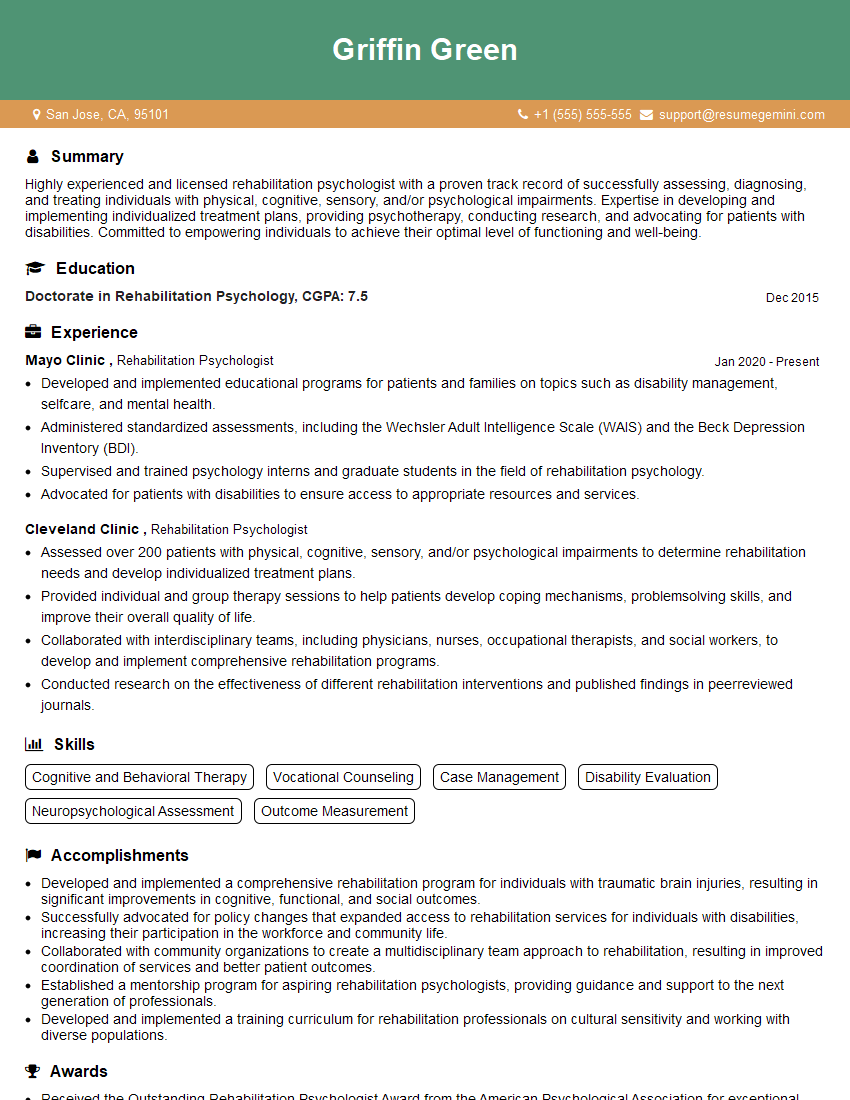
Mastering Traumatic Brain Injury (TBI) Management is crucial for career advancement in the healthcare field. A strong understanding of these concepts will significantly enhance your interview performance and open doors to exciting opportunities. To maximize your job prospects, it’s essential to create a resume that effectively showcases your skills and experience to Applicant Tracking Systems (ATS). ResumeGemini is a trusted resource to help you build a professional, ATS-friendly resume that highlights your expertise in TBI management. Examples of resumes tailored to Traumatic Brain Injury (TBI) Management are provided to guide you.
Explore more articles
Users Rating of Our Blogs
Share Your Experience
We value your feedback! Please rate our content and share your thoughts (optional).
What Readers Say About Our Blog
To the interviewgemini.com Webmaster.
Very helpful and content specific questions to help prepare me for my interview!
Thank you
To the interviewgemini.com Webmaster.
This was kind of a unique content I found around the specialized skills. Very helpful questions and good detailed answers.
Very Helpful blog, thank you Interviewgemini team.