The thought of an interview can be nerve-wracking, but the right preparation can make all the difference. Explore this comprehensive guide to Develop and implement safety and training programs interview questions and gain the confidence you need to showcase your abilities and secure the role.
Questions Asked in Develop and implement safety and training programs Interview
Q 1. Describe your experience in developing safety training programs.
Developing effective safety training programs requires a deep understanding of both the organization’s specific hazards and the principles of adult learning. My experience spans diverse industries, including manufacturing, construction, and healthcare. I’ve designed and implemented programs ranging from basic hazard awareness to specialized training on operating heavy machinery or handling hazardous materials. For example, in a manufacturing setting, I developed a comprehensive program addressing lockout/tagout procedures, incorporating interactive modules, hands-on simulations, and regular refresher courses. In a healthcare setting, I created a program focusing on infection control and patient safety, incorporating scenario-based training and regular competency assessments.
- Needs Assessment: I always begin with a thorough needs assessment to identify specific safety gaps and tailor the training accordingly.
- Curriculum Design: I design engaging curricula using various learning methods, including videos, interactive exercises, and case studies.
- Delivery and Evaluation: I implement training using diverse methods (online, in-person, blended) and consistently evaluate effectiveness using feedback surveys, observations, and performance metrics.
Q 2. How do you identify training needs within an organization?
Identifying training needs is crucial for the success of any safety program. I use a multi-pronged approach:
- Incident Analysis: Reviewing accident reports, near misses, and incident investigations provides valuable insights into areas needing immediate attention. For example, a series of minor cuts in a factory might indicate a need for better training on knife safety.
- Regulatory Compliance Audits: Checking compliance with relevant OSHA, ISO, or industry-specific regulations identifies training gaps. A change in regulations will necessitate updating training materials.
- Job Hazard Analysis (JHA): I conduct JHAs for various roles to identify potential hazards and training requirements specific to each job. This is crucial for tailoring training to the specific risks faced by each employee group.
- Employee Surveys and Interviews: Gathering feedback from employees through surveys and interviews helps to identify areas of concern, perceived risks, and their confidence levels in current safety procedures. This offers a valuable perspective often missed in other methods.
- Observation and Workplace Walkthroughs: Observing employees in their work environment identifies unsafe practices, highlighting areas where training could improve behavior and reinforce best practices.
Combining these methods provides a holistic understanding of the organization’s training needs and allows for the creation of a comprehensive and effective safety program.
Q 3. What methods do you use to assess the effectiveness of safety training programs?
Assessing training effectiveness is just as important as developing the training itself. My approach includes:
- Pre- and Post-Training Assessments: Measuring knowledge and understanding before and after training reveals the impact of the program. A significant improvement indicates successful knowledge transfer.
- Observations of Workplace Behavior: Observing employees in their work environment after training identifies any changes in their safety practices. Are they applying the learned skills correctly?
- Performance Metrics: Tracking key performance indicators (KPIs) such as accident rates, near misses, and lost-time injuries (LTIs) demonstrates the effectiveness of the program in reducing risks. A decrease in these metrics signifies the program’s positive impact.
- Employee Feedback Surveys: Collecting feedback through surveys helps to identify areas of improvement in the training program. What aspects were useful? What could be improved? This continuous feedback loop is vital for ongoing improvement.
- Return on Investment (ROI): Calculating the ROI of the safety training program by comparing training costs to reductions in accidents and related costs (medical expenses, lost productivity, etc.) provides a strong justification for continued investment.
Employing a combination of these methods allows for a comprehensive evaluation that goes beyond just measuring knowledge gain and assesses the real-world impact of the training.
Q 4. Explain your process for developing a safety training curriculum.
Developing a safety training curriculum is a systematic process. My approach involves these key steps:
- Needs Analysis: This involves identifying specific training needs based on hazard assessments, incident analysis, regulatory requirements, and employee feedback (as detailed in question 2).
- Learning Objectives: Define clear, measurable, achievable, relevant, and time-bound (SMART) learning objectives. For example, “Upon completion of this training, participants will be able to demonstrate proper lockout/tagout procedures on 90% of test equipment within 10 minutes.”
- Content Development: Create engaging and relevant content using a variety of methods, such as videos, interactive modules, presentations, role-playing, and hands-on simulations. Consider diverse learning styles.
- Curriculum Design: Organize the content into logical modules or units, considering the flow of information and the complexity of the material. Break down complex topics into smaller, manageable chunks.
- Assessment Development: Design appropriate assessments to measure learning and achievement of objectives. Include pre-tests, post-tests, quizzes, practical demonstrations, and scenario-based assessments.
- Pilot Testing: Test the curriculum with a small group before full implementation to identify any flaws or areas for improvement. Gather feedback to refine the curriculum.
- Documentation: Thoroughly document the curriculum, including learning objectives, content outlines, assessments, and any supporting materials.
This structured process ensures that the curriculum is effective, engaging, and aligned with the organization’s specific needs and regulatory requirements.
Q 5. How do you ensure that safety training programs comply with all relevant regulations?
Compliance with all relevant regulations is paramount. My approach involves:
- Regular Updates: I stay abreast of changes in legislation and regulatory requirements through subscriptions to relevant publications, attending industry conferences and workshops, and networking with regulatory bodies. This ensures that training programs are always up-to-date.
- Reference to Standards: Training materials explicitly reference and incorporate relevant regulations (e.g., OSHA, ISO, industry-specific standards). This clear linkage demonstrates compliance.
- Legal Review: I work closely with legal counsel to ensure that training materials and programs are legally sound and compliant. This step minimizes legal risks and ensures adherence to all regulations.
- Record Keeping: I maintain detailed records of training conducted, including participant attendance, assessment results, and any updates or revisions made to training materials. This ensures a clear audit trail.
- Internal Audits: Regular internal audits ensure that the training program remains compliant and that procedures are consistently followed.
This proactive approach ensures that the organization not only meets but exceeds compliance requirements and minimizes the risk of penalties or liabilities.
Q 6. What strategies do you use to engage and motivate trainees in safety training?
Engaging trainees is crucial for effective learning and retention. I utilize various strategies:
- Interactive Methods: I incorporate interactive elements like games, simulations, role-playing, and group discussions to increase trainee participation and enhance learning.
- Storytelling and Real-World Examples: I use real-life case studies and anecdotes to make the training more relatable and memorable. Sharing relatable stories helps trainees connect with the material.
- Positive Reinforcement: I use positive reinforcement techniques such as praise and recognition to encourage participation and motivate learners. Celebrating successes keeps everyone engaged.
- Gamification: Incorporating game mechanics like points, badges, and leaderboards can increase motivation and engagement, especially in online training.
- Varied Learning Methods: I utilize a variety of methods (visual aids, audio, hands-on activities) to cater to diverse learning styles and keep trainees interested.
- Feedback and Open Communication: Encouraging questions, comments, and feedback creates a more interactive and supportive learning environment. Open dialogue is key for making trainees comfortable.
By combining these techniques, I create a positive and engaging learning experience that promotes knowledge retention and behavior change.
Q 7. Describe your experience with different training delivery methods (e.g., online, in-person).
My experience encompasses various training delivery methods:
- In-Person Training: This method allows for direct interaction, hands-on activities, and immediate feedback. It’s ideal for practical skills training and when direct interaction is crucial, for example, demonstrating proper use of equipment.
- Online Training: Online training offers flexibility and scalability, allowing for wider reach and cost savings. I have experience using learning management systems (LMS) such as Moodle and Canvas to deliver engaging online courses with interactive modules, assessments, and tracking mechanisms. This method is effective when training needs to be accessible to a geographically dispersed workforce.
- Blended Learning: Combining online and in-person training offers the best of both worlds. For instance, providing online modules for pre-training and then conducting hands-on sessions in person allows for a comprehensive approach. This balances flexibility with direct engagement.
- Microlearning: Delivering short, focused training modules on specific topics allows for more convenient and effective learning. This is particularly useful for refresher training or addressing specific skill gaps. Short, digestible chunks are easier to retain.
I select the most appropriate method based on the training objectives, target audience, budget, and logistical constraints.
Q 8. How do you handle resistance to safety training within an organization?
Resistance to safety training is common, stemming from various sources like perceived time constraints, lack of perceived relevance, or even fear of highlighting shortcomings. Addressing this requires a multi-pronged approach.
- Understanding the Root Cause: I begin by actively listening to concerns and understanding why employees are resistant. Open dialogue is key. For example, if the resistance is due to time constraints, I’d work with management to schedule training efficiently, perhaps integrating it into existing workflows or offering shorter, modular sessions.
- Demonstrating Value: Highlighting the direct benefits of safety training is crucial. This can be done by showcasing past success stories, linking training to improved productivity and reduced accidents, and emphasizing the positive impact on employee well-being. For instance, I might present data demonstrating reduced workplace injuries following previous training programs.
- Making it Engaging: Dry, monotonous training rarely inspires participation. I focus on interactive methods like simulations, gamification, and hands-on activities to make the learning experience more engaging and memorable. Interactive modules and scenarios resonate much better than passive lectures.
- Leadership Buy-in: Strong leadership support is essential. If leadership actively champions safety training and participates in it, it sends a powerful message, encouraging employee buy-in. A visible commitment from management significantly diminishes resistance.
- Positive Reinforcement: Recognizing and rewarding employees who actively participate and demonstrate improved safety practices reinforces the importance of training and motivates others.
Q 9. What are some common challenges in implementing safety training programs?
Implementing safety training programs presents several challenges. These often include:
- Limited Resources: Budget constraints can restrict the scope and quality of training materials, instructor availability, and technological support.
- Time Constraints: Balancing training with daily operational demands can be difficult. Employees may feel they lack the time to attend training sessions.
- Maintaining Engagement: Keeping employees engaged throughout the training is vital, particularly for longer programs or topics that might seem less interesting.
- Measuring Effectiveness: Demonstrating the ROI of safety training requires robust data collection and analysis methodologies.
- Keeping Training Current: Regulatory changes and evolving workplace hazards require continual updating of training materials.
- Language and Cultural Barriers: In diverse workforces, ensuring training materials are accessible and culturally sensitive is essential.
For instance, in a previous role, we encountered challenges in keeping training materials updated to reflect evolving safety regulations in the chemical industry. We addressed this by implementing a system of regular reviews and updates, ensuring compliance and relevance.
Q 10. How do you measure the return on investment (ROI) of safety training programs?
Measuring the ROI of safety training is crucial to justify investment. It goes beyond simply tracking the number of training hours. I focus on a comprehensive approach:
- Reduction in Incident Rates: A primary indicator is the decrease in workplace accidents, near misses, and injuries. This is often quantified as a reduction in the incident rate or lost-time injury frequency rate (LTIFR).
- Improved Productivity: Safer work environments typically translate to higher productivity levels as employees feel more secure and confident.
- Reduced Workers’ Compensation Costs: Fewer accidents lead to lower costs associated with workers’ compensation claims and medical expenses.
- Increased Employee Morale: Investing in safety demonstrates care for employees, leading to higher job satisfaction and lower turnover.
- Compliance Costs Reduction: Effective safety training reduces the likelihood of non-compliance fines and penalties.
For example, in a previous project, we demonstrated a 20% reduction in LTIFR after implementing a new safety training program, translating to a significant cost saving in workers’ compensation claims.
Q 11. Explain your experience with developing and implementing emergency response plans.
My experience with emergency response plans involves a systematic approach. I’ve developed and implemented plans for various settings, considering unique hazards and operational needs.
- Hazard Identification and Risk Assessment: This is the foundation. We identify potential hazards (fires, chemical spills, equipment malfunctions) and assess their likelihood and potential impact.
- Emergency Response Teams: We establish well-trained teams with clearly defined roles and responsibilities. Regular drills are conducted to ensure proficiency.
- Communication Protocols: Effective communication is vital during emergencies. We outline protocols for alerting personnel, contacting emergency services, and keeping employees informed.
- Evacuation Procedures: Clear evacuation routes and assembly points must be established and regularly practiced. This includes consideration of accessibility for individuals with disabilities.
- Post-Incident Procedures: Plans for post-incident investigation, recovery, and reporting are essential to learn from any event and prevent recurrence.
For instance, in a manufacturing facility, I developed a comprehensive plan addressing chemical spill risks, including emergency shutdowns, containment procedures, and employee evacuation protocols.
Q 12. How do you ensure the ongoing relevance and effectiveness of safety training programs?
Ensuring the ongoing relevance and effectiveness of safety training requires continuous improvement. This is achieved through:
- Regular Reviews and Updates: Training materials should be reviewed annually, or more frequently if necessary, to reflect changes in regulations, technology, and workplace hazards. For example, if new machinery is introduced, the training must be updated to reflect the associated safety procedures.
- Feedback Mechanisms: Gathering feedback from employees is vital to identify areas for improvement and address any concerns. Surveys, focus groups, and informal feedback sessions can provide valuable insights.
- Data Analysis: Analyzing accident data, near-miss reports, and other relevant data can reveal trends and areas needing attention in the training.
- Technology Integration: Leveraging technology like online learning platforms and simulation software can enhance engagement and provide more flexible training options.
- Refresher Training: Regular refresher training, particularly for crucial safety procedures, ensures knowledge retention and reinforces safe practices.
Q 13. Describe your experience with conducting safety audits and inspections.
Safety audits and inspections are crucial for identifying hazards and assessing compliance. My approach involves a systematic process:
- Planning and Preparation: I start by defining the scope of the audit, identifying key areas to assess, and assembling a skilled audit team.
- On-site Inspection: We conduct a thorough on-site inspection, using checklists and observation techniques to identify potential hazards, compliance gaps, and areas needing improvement.
- Documentation: Detailed records of findings, including photographs and measurements, are maintained. This documentation serves as evidence for corrective actions.
- Reporting and Recommendations: A comprehensive report is prepared summarizing findings, highlighting areas of concern, and providing specific recommendations for corrective actions.
- Follow-up: We follow up to ensure that identified issues are addressed and corrective actions are implemented effectively. This often includes another inspection to verify compliance.
For instance, in a construction site audit, I identified inadequately secured scaffolding, resulting in immediate corrective action and further training on scaffolding safety for all construction workers.
Q 14. How do you use data to improve safety training programs?
Data plays a critical role in improving safety training programs. I leverage data to:
- Identify Trends and Patterns: Analyzing accident reports, near-miss data, and other safety metrics helps identify common causes of incidents. This informs the content and focus of training, allowing for targeted interventions.
- Measure Effectiveness: Data on training completion rates, employee feedback, and post-training performance helps assess the effectiveness of the program and identify areas for improvement.
- Track Progress: Monitoring key safety metrics before, during, and after training implementation allows us to track progress and measure the impact of the training.
- Personalize Training: Data on individual employee performance and learning styles can inform personalized training approaches, enhancing the effectiveness of the program.
- Demonstrate ROI: Data on reduced accident rates, improved productivity, and cost savings provides concrete evidence of the return on investment in safety training.
For example, by analyzing accident data, we identified a recurring issue with improper equipment usage. This led to the development of a targeted training module focusing on that specific equipment, resulting in a significant reduction in related incidents.
Q 15. What is your experience with different learning management systems (LMS)?
My experience with Learning Management Systems (LMS) spans several platforms, including Moodle, Canvas, and TalentLMS. I’m proficient in utilizing their features for course creation, content delivery, assessment, and tracking learner progress. For instance, in a previous role, I used Moodle to develop a comprehensive safety training program for over 200 employees. This involved creating modules, uploading various media like videos and presentations, designing quizzes and assessments, and setting up automated reminders for training completion. I understand the importance of choosing the right LMS based on the specific needs of the organization and the learners, considering factors such as scalability, user-friendliness, and integration with other systems.
Beyond basic functionality, I’m adept at leveraging advanced LMS features such as creating personalized learning paths, integrating gamification elements to enhance engagement, and generating comprehensive reports to track training effectiveness. For example, in one project, I used Canvas’s branching scenario feature to simulate real-world safety situations, allowing learners to make decisions and receive immediate feedback based on their choices. This interactive approach significantly improved knowledge retention.
Career Expert Tips:
- Ace those interviews! Prepare effectively by reviewing the Top 50 Most Common Interview Questions on ResumeGemini.
- Navigate your job search with confidence! Explore a wide range of Career Tips on ResumeGemini. Learn about common challenges and recommendations to overcome them.
- Craft the perfect resume! Master the Art of Resume Writing with ResumeGemini’s guide. Showcase your unique qualifications and achievements effectively.
- Don’t miss out on holiday savings! Build your dream resume with ResumeGemini’s ATS optimized templates.
Q 16. How do you create engaging and effective training materials?
Creating engaging and effective training materials involves understanding adult learning principles and employing a variety of instructional design techniques. I focus on making the content relevant, practical, and relatable to the learners’ experiences. I often start by conducting a needs assessment to identify the knowledge gaps and learning objectives. Then, I employ a multi-modal approach, combining various media like videos, interactive simulations, real-life case studies, and engaging visuals.
For example, instead of a lengthy text-heavy presentation on lockout/tagout procedures, I would create a short, animated video demonstrating the steps, followed by an interactive simulation where learners practice the procedure virtually. This approach is more effective at maintaining learner engagement and improving knowledge retention than traditional lecture-based methods. Furthermore, I incorporate regular knowledge checks and quizzes throughout the training to reinforce learning and provide immediate feedback.
Q 17. Describe your experience with developing and delivering safety presentations.
I have extensive experience in developing and delivering safety presentations, ranging from short, focused sessions on specific hazards to multi-day workshops covering comprehensive safety management systems. My presentations are always audience-centric, adapting the content and delivery style to the specific knowledge and experience levels of the participants. I use a blend of storytelling, real-world examples, interactive activities, and visual aids to ensure the information is easily understood and remembered.
For example, when presenting on hazard communication, I would begin by sharing a real-life incident highlighting the consequences of inadequate hazard communication. I then move into explaining the regulations and best practices, utilizing clear visuals like safety data sheets (SDS) and labels. I would then involve the audience in a practical exercise where they identify hazards in a simulated work environment. This approach transforms a potentially dry topic into an engaging and impactful learning experience.
Q 18. How do you incorporate adult learning principles into safety training?
Adult learning principles, such as self-direction, experience-based learning, and relevance, are crucial in effective safety training. I incorporate these principles by:
- Focusing on relevance: Connecting training content to the learners’ jobs and experiences. Instead of abstract concepts, I use real-life examples and case studies from their workplace.
- Encouraging active participation: Employing interactive activities like group discussions, simulations, and problem-solving exercises.
- Providing opportunities for self-directed learning: Offering various resources and allowing learners to choose the learning pathways that suit them best.
- Respecting learners’ prior knowledge and experience: Building upon their existing knowledge base instead of treating them as blank slates.
- Providing immediate and constructive feedback: Allowing learners to assess their understanding and improve their skills continuously.
For example, when training on fire safety, instead of simply lecturing on fire extinguisher usage, I would conduct a practical session where learners get to handle and use fire extinguishers under controlled conditions, reinforcing learning through experience.
Q 19. How do you adapt safety training programs to meet the needs of diverse learners?
Adapting safety training to meet the needs of diverse learners requires a multifaceted approach. I ensure accessibility by offering training materials in multiple formats (e.g., audio, video, text), considering different learning styles, and providing support for learners with disabilities. I also incorporate culturally sensitive content and communication styles, being mindful of language barriers and diverse backgrounds.
Specifically, I might use visual aids for visual learners, provide hands-on activities for kinesthetic learners, and offer opportunities for group discussions for auditory learners. For learners with language barriers, I provide translated materials and employ interpreters if necessary. A robust LMS allows for personalization and tailoring content to individual needs, further enhancing inclusivity.
Q 20. What is your experience with developing safety training for specific hazards?
My experience includes developing safety training programs for various specific hazards, including lockout/tagout procedures, working at heights, chemical handling, and machine guarding. I follow a structured approach, starting with a thorough hazard assessment to identify potential risks and their associated control measures. This is followed by designing training programs that address the specific risks, incorporating relevant regulations, and demonstrating best practices for hazard mitigation.
For example, in developing training for working at heights, I would include modules on fall protection equipment, safe work procedures, rescue plans, and emergency response. The training would incorporate practical demonstrations and simulations to ensure learners understand and can apply the procedures effectively.
Q 21. How do you use technology to enhance safety training programs?
Technology significantly enhances safety training programs. I utilize various tools and technologies to make training more effective and engaging. These include:
- eLearning platforms (LMS): For delivering online courses, tracking progress, and providing feedback.
- Virtual reality (VR) and augmented reality (AR): To simulate real-world scenarios and provide immersive learning experiences.
- Interactive simulations: To allow learners to practice safety procedures in a risk-free environment.
- Microlearning modules: To deliver bite-sized chunks of information that are easily digestible and retainable.
- Mobile learning apps: To allow access to training materials anytime, anywhere.
- Video conferencing: For conducting live training sessions and providing remote support.
For instance, I’ve used VR to simulate working at heights, allowing trainees to experience the challenges and safety procedures in a safe and controlled environment. This significantly improved their understanding and confidence compared to traditional methods.
Q 22. What is your experience with safety performance measurement and analysis?
Safety performance measurement and analysis is crucial for identifying areas needing improvement and demonstrating the effectiveness of safety initiatives. It involves collecting data on various safety metrics, analyzing trends, and using the insights to drive proactive changes.
In my experience, I’ve utilized several key metrics, including:
- Incident rates: This includes tracking the number of recordable injuries, illnesses, and near misses per employee or per hours worked. For example, I’ve implemented a system using a custom database to track these metrics, comparing them to industry benchmarks to identify areas needing attention.
- Leading indicators: These predict future incidents rather than reacting to past events. Examples include the number of safety observations conducted, the completion rate of safety training, and the number of hazard reports submitted. I’ve used these to proactively address potential risks before they escalate into incidents.
- Lagging indicators: These reflect past safety performance. Incident rates fall under this category, as do lost-time injury rates and days away from work.
The analysis goes beyond simply calculating rates; it involves identifying root causes, understanding contributing factors, and prioritizing improvement efforts. For instance, a high rate of near misses might point to inadequate training or insufficient risk assessment in a specific area. Data visualization tools like dashboards are used to effectively communicate findings and track progress.
Q 23. Explain your understanding of different safety management systems (SMS).
Safety Management Systems (SMS) are holistic frameworks for managing safety risks within an organization. They are not a one-size-fits-all solution, but rather adaptable to different industries and contexts. Common elements include:
- Safety Policy: A formal statement of commitment to safety, communicated at all levels.
- Risk Management: A systematic process of identifying, assessing, and controlling hazards. This often includes hazard identification through methods like Job Safety Analyses (JSAs) and risk assessments based on likelihood and severity.
- Safety Training: Comprehensive programs tailored to job roles and risks.
- Incident Reporting and Investigation: Clear procedures for reporting incidents, followed by thorough investigations to determine root causes and preventative measures. This often involves techniques such as root cause analysis using the 5 Whys or fault tree analysis.
- Safety Audits and Inspections: Regular checks to ensure compliance and identify potential hazards. I have experience conducting both planned and unannounced audits, providing detailed reports and recommendations for improvement.
- Continuous Improvement: A commitment to using data and feedback to constantly refine safety processes. Implementing this often requires regular review meetings and performance reporting.
I’ve worked with various SMS models, including those based on ISO 45001 and the aviation industry’s SMS framework. Each has its strengths, but the core principles remain consistent—proactive hazard identification, risk mitigation, and continuous improvement.
Q 24. How do you stay up-to-date on the latest safety regulations and best practices?
Staying current on safety regulations and best practices requires a multi-faceted approach:
- Professional Organizations: Membership in organizations like the American Society of Safety Professionals (ASSP) provides access to publications, conferences, and networking opportunities.
- Regulatory Agencies: Regularly reviewing updates from agencies such as OSHA (Occupational Safety and Health Administration) ensures compliance with current standards. This is particularly crucial in high-risk industries with rapidly evolving technology.
- Industry Publications and Journals: Staying informed on the latest research and advancements through industry-specific publications allows me to stay at the forefront of safety practices.
- Conferences and Workshops: Attending conferences and workshops facilitates professional development and networking with other safety professionals, leading to shared knowledge and best practices.
- Online Resources: Utilizing reputable online resources such as government websites and industry publications provides access to updated information and educational materials.
I actively participate in these activities to ensure my knowledge is current and relevant to the ever-changing safety landscape.
Q 25. Describe your experience with incident investigation and root cause analysis.
Incident investigation and root cause analysis are critical for preventing future occurrences. My approach is systematic and thorough, aiming to understand not just what happened but *why* it happened. I typically follow these steps:
- Secure the Scene (if applicable): Prioritize safety and preserve evidence.
- Gather Information: Collect data from eyewitnesses, records, and physical evidence.
- Analyze the Data: Use techniques like the 5 Whys, fault tree analysis, or fishbone diagrams to identify root causes. I have extensive experience with all these techniques, often employing several in combination.
- Develop Corrective Actions: Identify specific actions to eliminate the root causes and prevent recurrence. This often involves procedural changes, equipment upgrades, or additional training.
- Implement and Monitor Corrective Actions: Ensure actions are effectively implemented and monitor their effectiveness.
For example, I investigated an incident involving a forklift collision. By using the 5 Whys, we discovered that the root cause wasn’t just driver error, but a lack of regular forklift maintenance resulting in faulty brakes. This led to a comprehensive maintenance program and improved driver training.
Q 26. How do you use behavior-based safety (BBS) principles in training?
Behavior-Based Safety (BBS) focuses on changing behaviors to improve safety performance. In training, this involves:
- Observing and Feedback: Providing regular positive and constructive feedback on safe behaviors. I’ve used observation checklists to track safe and at-risk behaviors.
- Reinforcement: Rewarding positive behaviors and addressing unsafe actions promptly but supportively. A positive reinforcement system is more effective than punishment alone.
- Peer-to-Peer Recognition: Encouraging employees to identify and reinforce safe behaviors among their colleagues, creating a peer-based safety culture.
- Goal Setting: Setting realistic safety goals and tracking progress regularly. This can improve employee engagement and increase a sense of ownership in safety.
- Training on Safe Behaviors: Providing training on specific behaviors crucial to safety within the work environment. This might include detailed training on PPE, proper lifting techniques, or safe equipment operation.
For instance, in a warehouse setting, I’ve implemented a BBS program focusing on safe forklift operation. We observed operators, provided feedback, recognized safe practices, and addressed unsafe ones promptly and constructively. The result was a significant reduction in near misses and accidents.
Q 27. Describe your experience with developing and implementing a safety culture.
Developing and implementing a safety culture is a long-term commitment that requires consistent effort and engagement at all levels. My experience includes:
- Leadership Commitment: Ensuring that safety is a top priority for leadership, visible through words and actions. This includes active participation in safety meetings, leading by example, and making resources readily available.
- Communication and Engagement: Creating open channels of communication to encourage reporting of near misses and hazards, ensuring that everyone feels comfortable raising safety concerns.
- Employee Empowerment: Giving employees the authority and resources to stop unsafe work. This requires clear procedures and training on how to address safety concerns effectively.
- Training and Education: Providing comprehensive safety training that goes beyond basic compliance, focusing on developing a safety mindset.
- Recognition and Rewards: Recognizing and rewarding safe behaviors to foster a positive safety culture. This could be through team awards, bonuses, or individual recognition.
- Regular Safety Meetings: Holding frequent safety meetings to review performance, discuss near misses, share best practices, and improve communication.
I’ve successfully implemented safety culture changes in various settings, focusing on creating a shared understanding of risk, promoting open communication, and ensuring all employees take ownership of their safety and the safety of their colleagues.
Q 28. How do you incorporate feedback and evaluation into safety training programs?
Incorporating feedback and evaluation is essential for continuous improvement of safety training programs. My methods include:
- Pre- and Post-Training Assessments: Measuring knowledge and understanding before and after training to gauge effectiveness. This helps identify gaps in learning and areas for improvement.
- Trainee Feedback: Gathering feedback from participants through surveys or focus groups to assess training satisfaction, identify areas for improvement in delivery or content, and ensure relevance to the participants’ job roles.
- Observation and Performance Evaluation: Observing trainees’ performance on the job to see how well the training translates to practical application. This could be through direct observation, spot checks, and reviewing safety records.
- Incident Data Analysis: Analyzing incident data to see if training has positively impacted safety performance. If training is not proving effective, adjustments are required.
- Regular Program Reviews: Reviewing training programs regularly and making adjustments based on feedback, data, and changes in the regulatory landscape.
By consistently gathering and analyzing feedback, I can ensure that training remains relevant, effective, and aligned with organizational safety goals.
Key Topics to Learn for Develop and Implement Safety and Training Programs Interview
- Needs Assessment and Program Design: Understanding how to identify training needs through gap analysis, stakeholder consultation, and performance data. Designing programs that address these needs effectively and efficiently.
- Learning Objectives and Curriculum Development: Defining clear, measurable, achievable, relevant, and time-bound (SMART) learning objectives. Creating engaging and effective training materials, including presentations, workshops, and online modules.
- Instructional Strategies and Delivery Methods: Selecting appropriate training methods based on learning styles and program objectives. Mastering techniques for effective presentation, facilitation, and adult learning principles.
- Safety Regulations and Compliance: Demonstrating a thorough understanding of relevant safety regulations and industry best practices. Designing programs that ensure compliance and mitigate risks.
- Training Evaluation and Improvement: Implementing methods to assess the effectiveness of training programs, such as pre- and post-tests, observation, and feedback surveys. Utilizing evaluation data to continuously improve program design and delivery.
- Technology Integration in Safety Training: Utilizing technology (e.g., simulations, virtual reality, e-learning platforms) to enhance training effectiveness and engagement.
- Budgeting and Resource Management: Developing and managing budgets for training programs. Effectively allocating resources (time, personnel, materials) to maximize impact.
- Communication and Collaboration: Effectively communicating program goals and expectations to stakeholders. Collaborating with cross-functional teams to ensure program success.
- Problem-Solving and Troubleshooting: Identifying and resolving challenges that may arise during program development and implementation. Adapting programs to meet evolving needs and circumstances.
Next Steps
Mastering the development and implementation of safety and training programs is crucial for career advancement in many industries. It demonstrates your commitment to safety, your ability to manage projects, and your skill in training and developing others. To maximize your job prospects, focus on creating an ATS-friendly resume that highlights your relevant skills and experience. ResumeGemini is a trusted resource that can help you build a professional and impactful resume. Examples of resumes tailored to “Develop and implement safety and training programs” roles are available to guide you. Take advantage of these resources to present yourself effectively to potential employers.
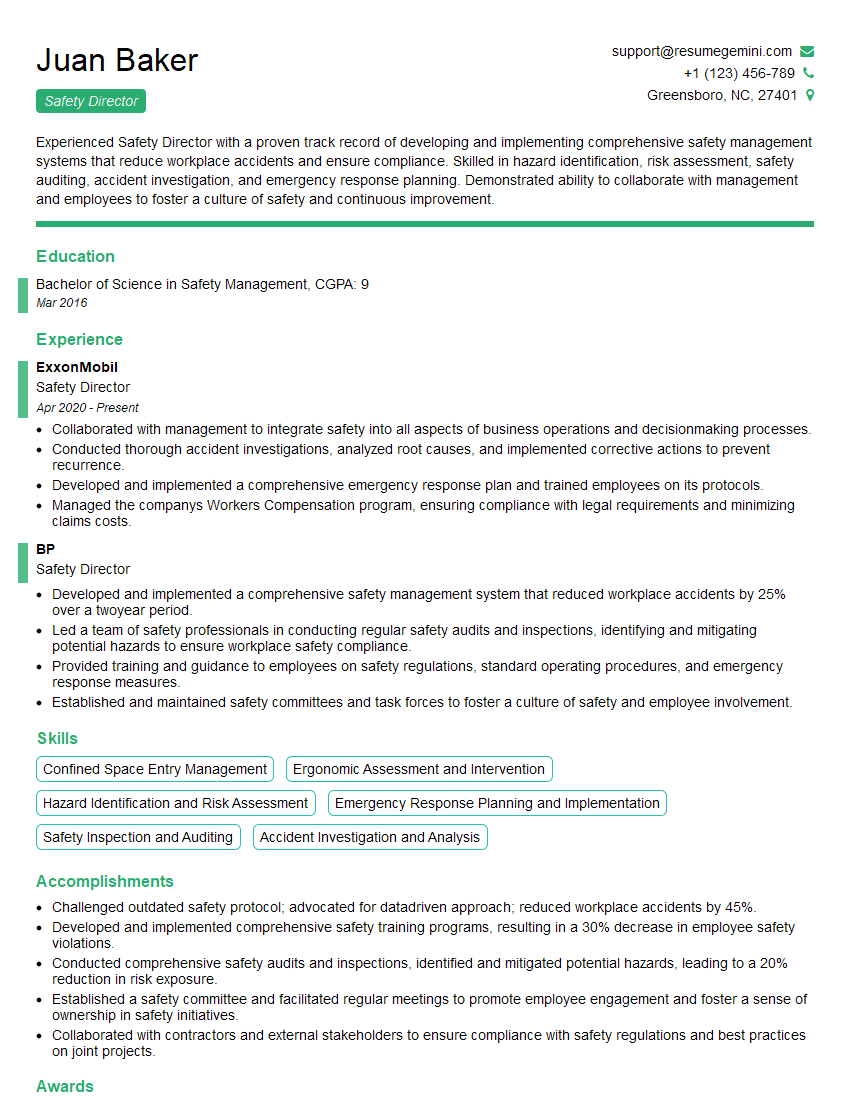
Safety Director Resume Sample
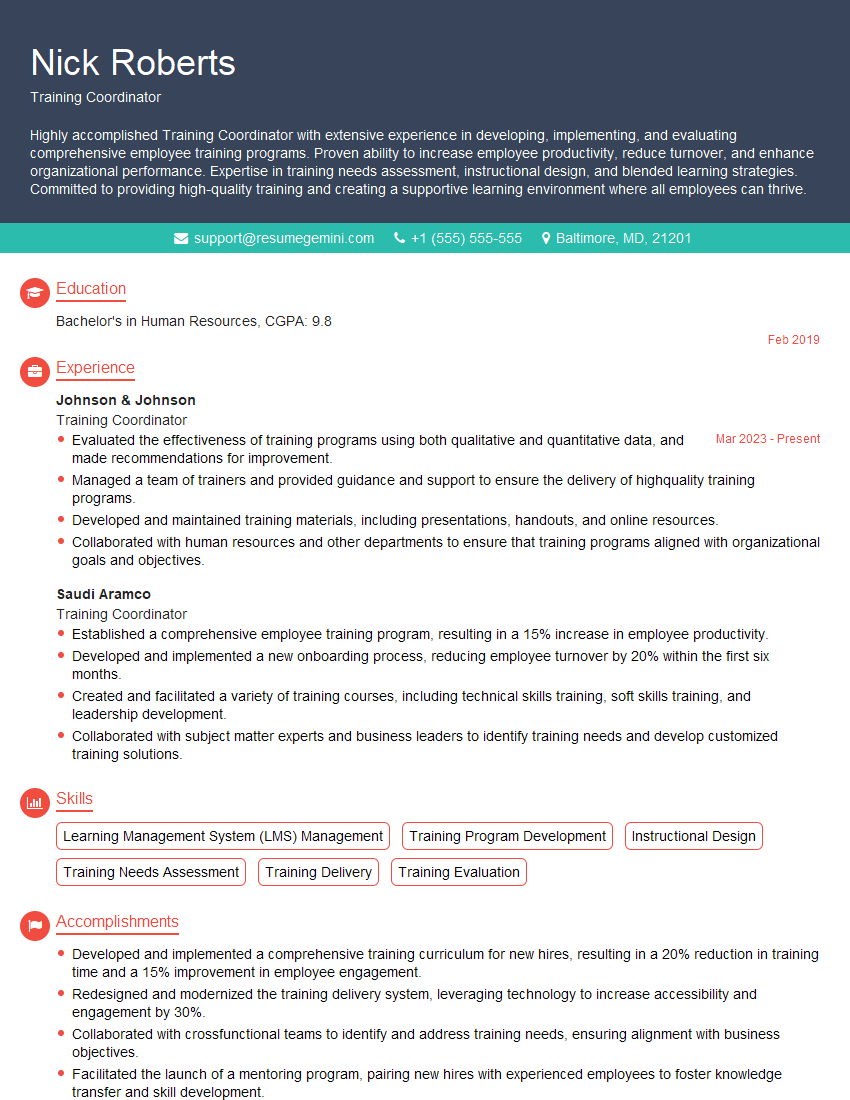
Training Coordinator Resume Sample
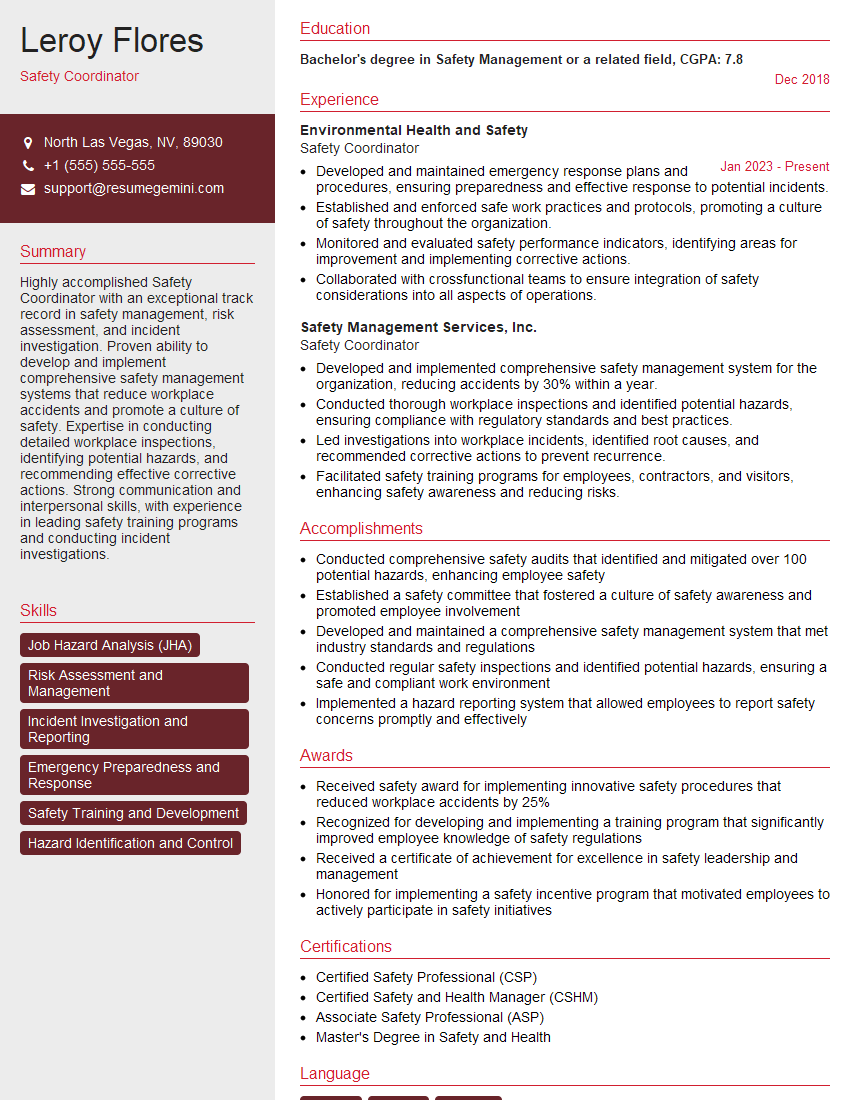
Safety Coordinator Resume Sample
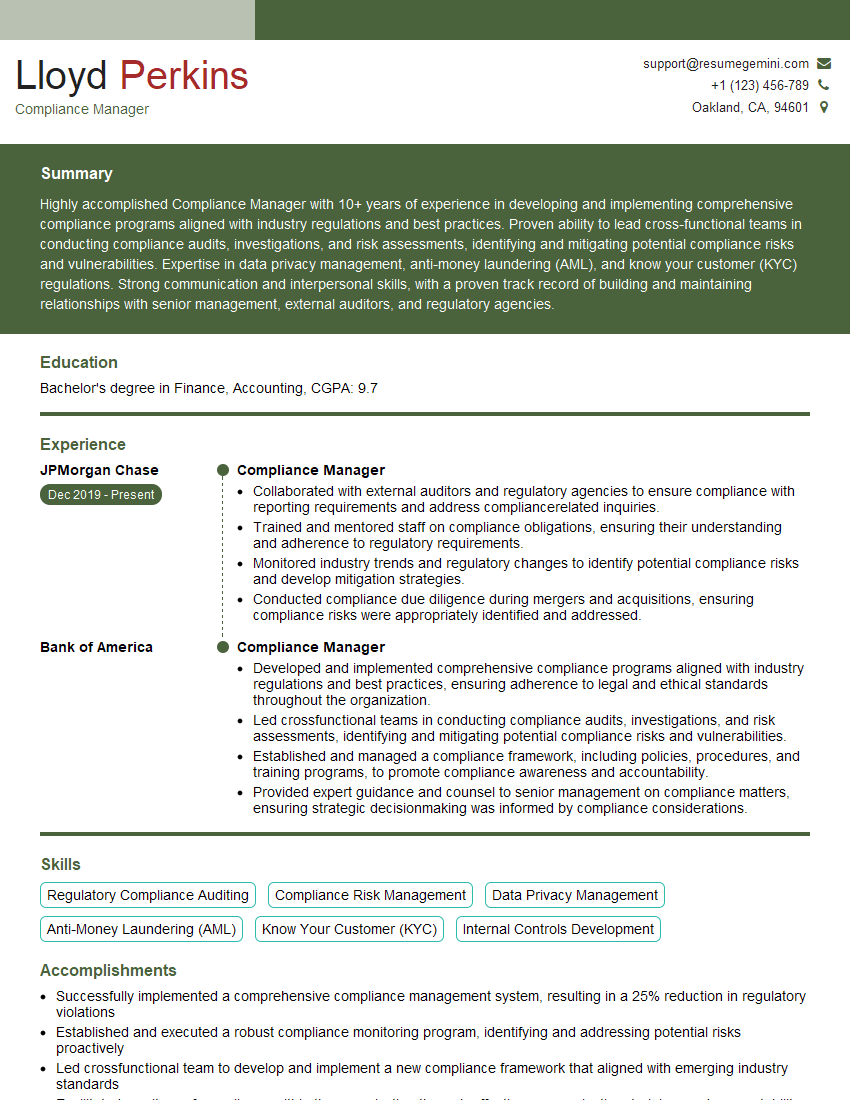
Compliance Manager Resume Sample

Compliance Officer Resume Sample

Training Specialist Resume Sample

Risk Management Specialist Resume Sample
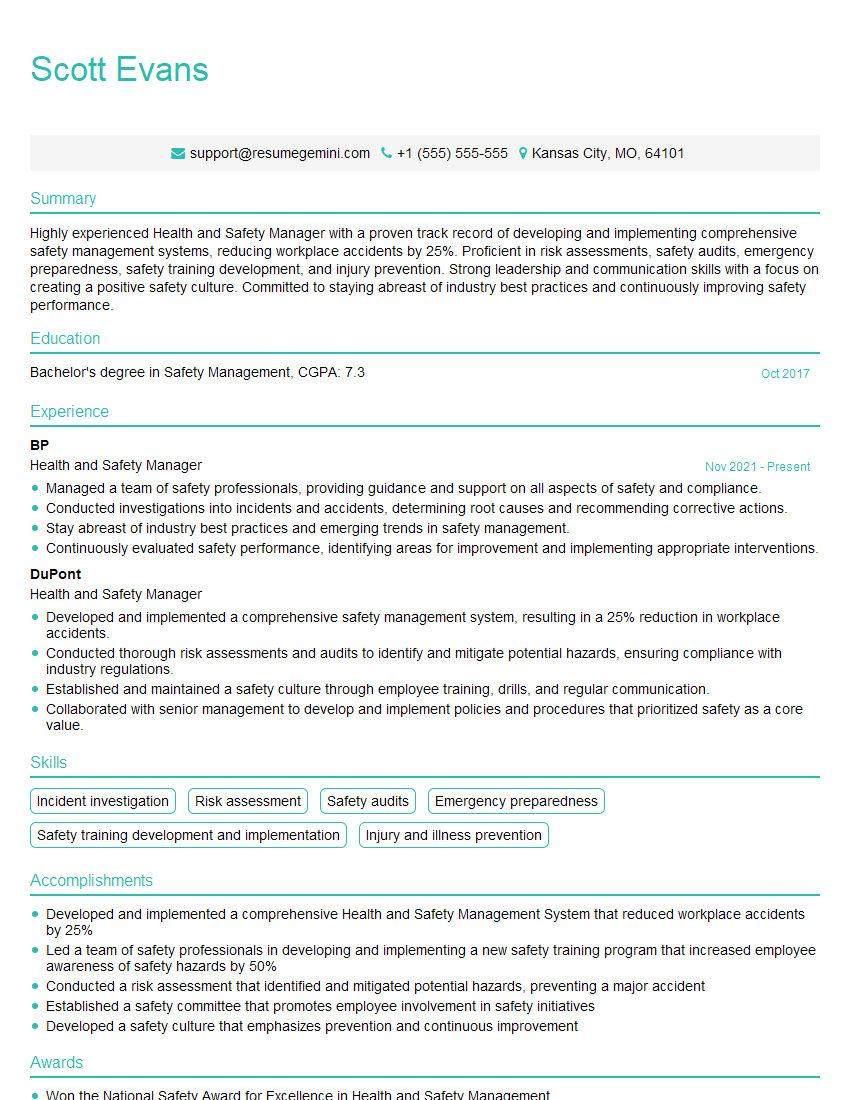
Health and Safety Manager Resume Sample
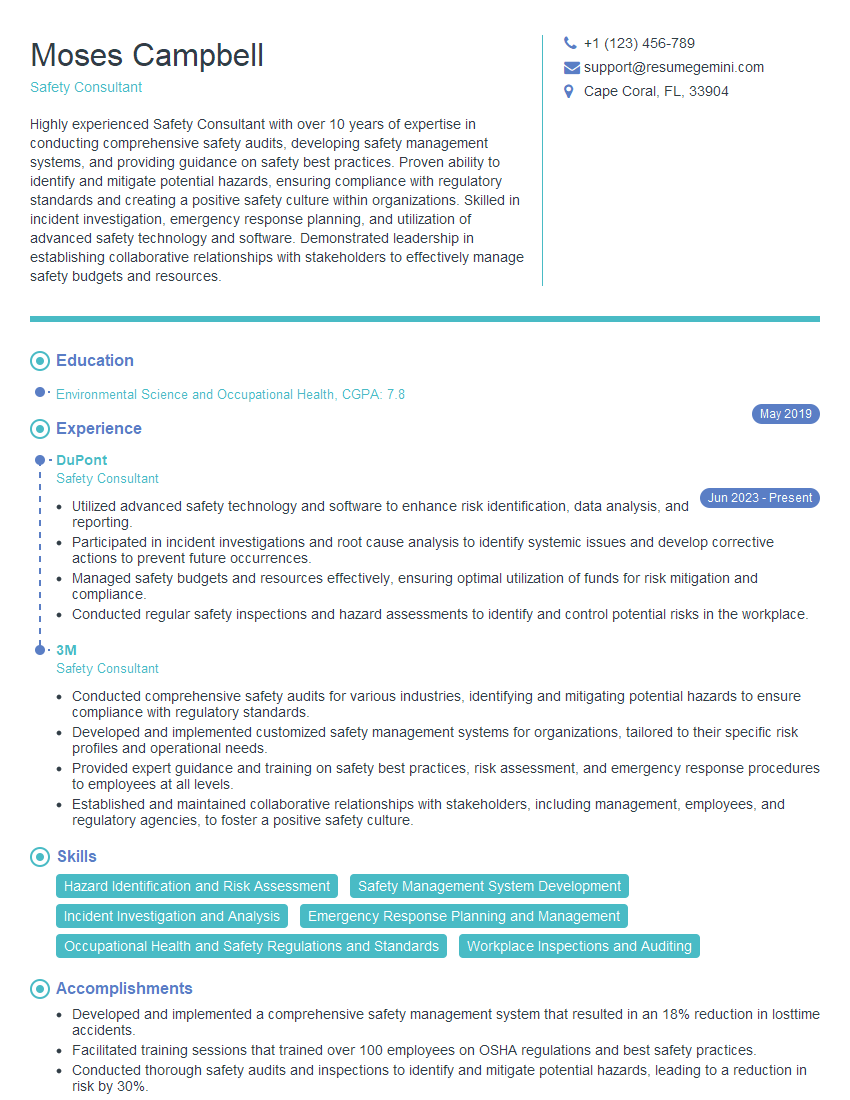
Safety Consultant Resume Sample

Safety Engineer Resume Sample
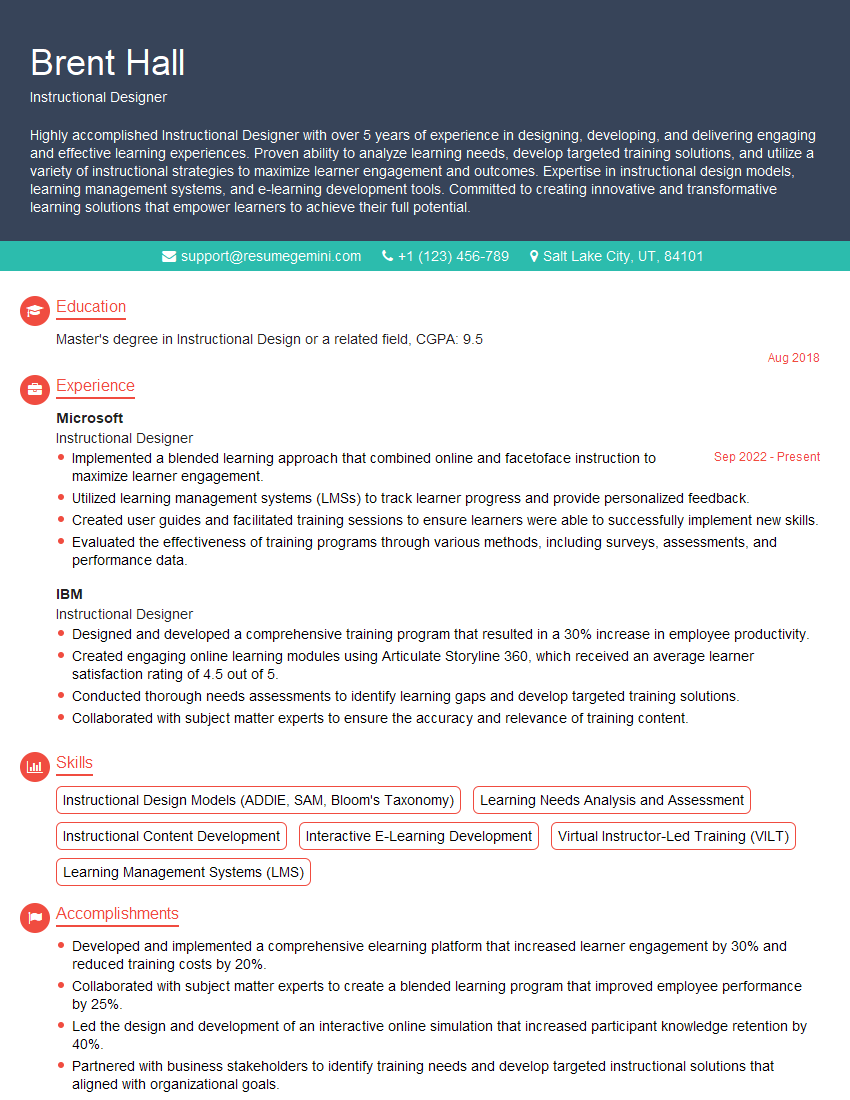
Instructional Designer Resume Sample

Industrial Hygienist Resume Sample
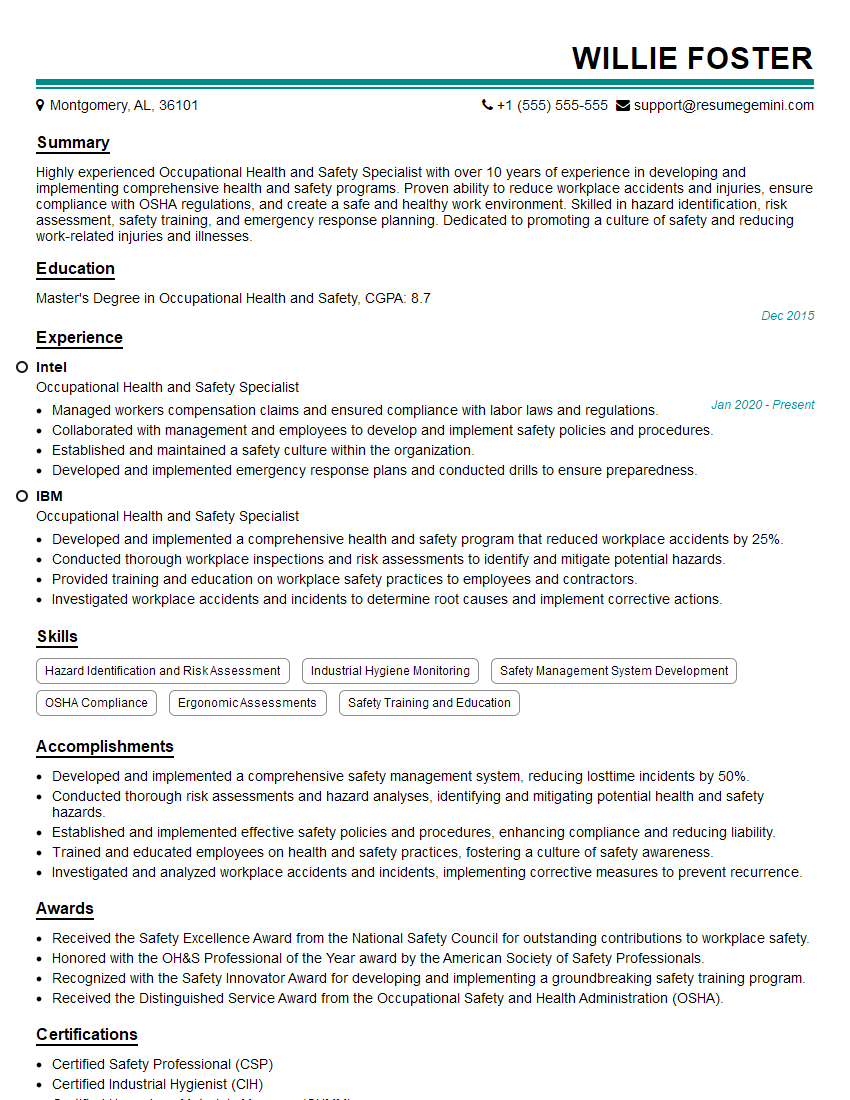
Occupational Health and Safety Specialist Resume Sample

Safety Officer Resume Sample

Learning and Development Specialist Resume Sample
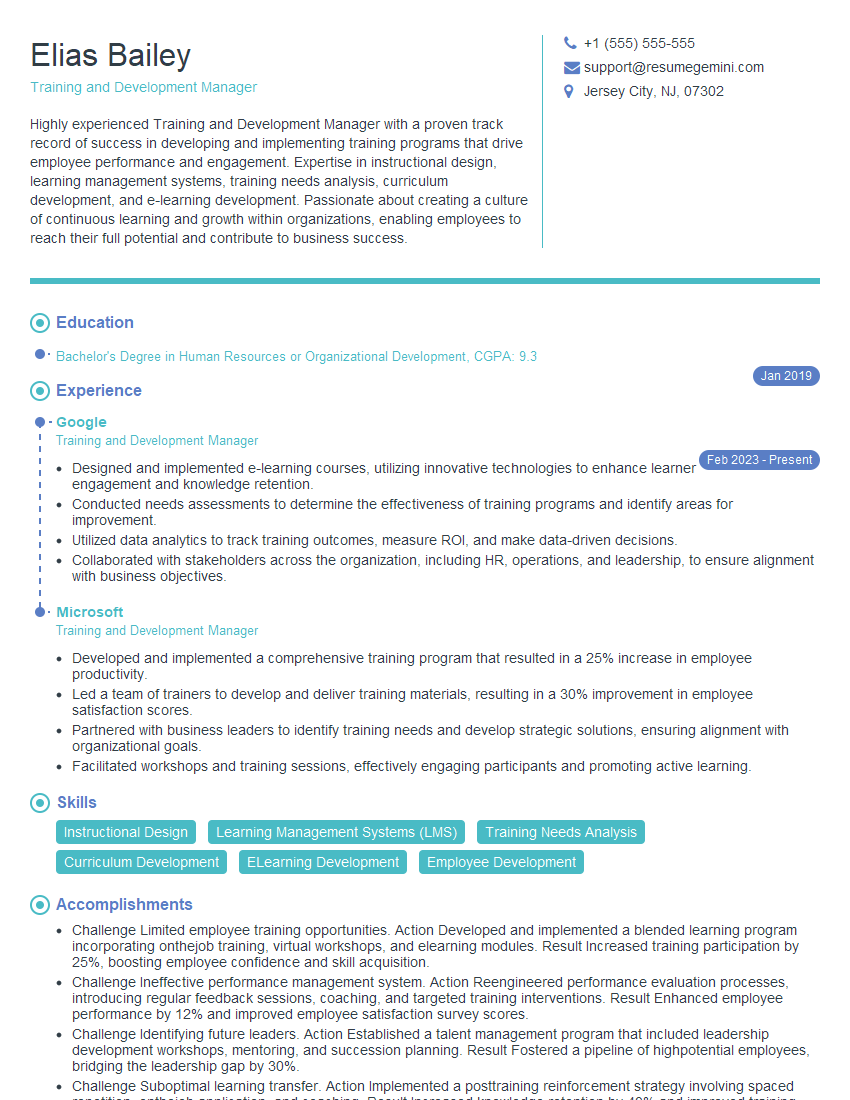
Training and Development Manager Resume Sample

Learning and Development Manager Resume Sample
- Safety Director
- Training Coordinator
- Safety Coordinator
- Compliance Manager
- Compliance Officer
- Training Specialist
- Risk Management Specialist
- Health and Safety Manager
- Safety Consultant
- Safety Engineer
- Instructional Designer
- Industrial Hygienist
- Occupational Health and Safety Specialist
- Safety Officer
- Learning and Development Specialist
- Training and Development Manager
- Learning and Development Manager
Explore more articles
Users Rating of Our Blogs
Share Your Experience
We value your feedback! Please rate our content and share your thoughts (optional).
What Readers Say About Our Blog
To the interviewgemini.com Webmaster.
Very helpful and content specific questions to help prepare me for my interview!
Thank you
To the interviewgemini.com Webmaster.
This was kind of a unique content I found around the specialized skills. Very helpful questions and good detailed answers.
Very Helpful blog, thank you Interviewgemini team.