Cracking a skill-specific interview, like one for Developmental Screening and Evaluation, requires understanding the nuances of the role. In this blog, we present the questions you’re most likely to encounter, along with insights into how to answer them effectively. Let’s ensure you’re ready to make a strong impression.
Questions Asked in Developmental Screening and Evaluation Interview
Q 1. Describe the differences between screening and diagnostic assessments in child development.
Developmental screening and diagnostic assessments serve distinct purposes in evaluating a child’s development. Screening is a brief, preliminary process used to identify children who may have developmental delays or disabilities. Think of it like a quick health check-up; it flags potential issues needing further investigation. Diagnostic assessments, on the other hand, are more in-depth evaluations used to confirm or rule out a specific diagnosis. They delve deeper into the child’s abilities and challenges, providing a comprehensive understanding of their developmental profile. A screening test might raise a red flag, but a diagnostic assessment provides the detailed map to understand the terrain.
Example: A developmental screening tool might show a child is lagging in language skills. This would prompt a referral for a comprehensive diagnostic assessment, perhaps involving speech-language therapy evaluations, to determine the specific nature and severity of the language delay, and to develop an appropriate intervention plan. Screening casts a wide net, while diagnosis pinpoints the problem.
Q 2. What are the key developmental milestones for children aged 2-5 years?
Children aged 2-5 years experience rapid developmental leaps across several domains. Key milestones include:
- Gross Motor Skills: Running, jumping, climbing stairs with alternating feet, kicking a ball, balancing on one foot (briefly).
- Fine Motor Skills: Drawing shapes (circles, squares), using scissors, buttoning clothes, turning pages in a book, copying simple shapes.
- Language Development: Speaking in sentences, using pronouns correctly, following simple instructions, engaging in pretend play with language (e.g., talking to dolls).
- Cognitive Development: Solving simple puzzles, recognizing colors and shapes, understanding basic concepts like size and quantity, recalling parts of a story.
- Social-Emotional Development: Playing cooperatively with other children, expressing a wide range of emotions appropriately, showing empathy for others, following rules and routines.
It’s important to remember that these are guidelines, and children develop at their own pace. Variations within the normal range are expected. However, significant delays across multiple domains warrant further assessment.
Q 3. Explain your experience administering the Bayley Scales of Infant and Toddler Development.
I have extensive experience administering the Bayley Scales of Infant and Toddler Development (Bayley-III), a standardized measure of developmental functioning in infants and toddlers aged 1 to 42 months. The assessment involves administering both cognitive and motor scales, as well as assessing language, socioemotional and adaptive behavior. My experience includes selecting the appropriate subtests based on the child’s age and developmental level, establishing rapport with the child and caregiver to ensure accurate assessment, careful scoring of responses according to standardized procedures, and generating comprehensive reports that summarize the child’s developmental strengths and weaknesses. I’ve worked with diverse populations and am adept at adapting the testing environment to suit individual needs, for example, using alternative methods for children with physical limitations.
For instance, I recall one assessment where a child with limited fine motor skills struggled with some tasks requiring dexterity. Instead of abandoning the assessment, I adapted by allowing the child to use alternative methods or focusing on the child’s understanding of concepts rather than their execution. The results highlighted areas needing support and helped guide early intervention strategies.
Q 4. How do you interpret results from the Denver Developmental Screening Test II?
The Denver Developmental Screening Test II (DDST-II) is a screening tool, not a diagnostic test. It assesses four developmental areas: gross motor, fine motor-adaptive, language, and personal-social. Results are plotted on a graph showing the child’s performance relative to age norms. A child’s performance is categorized as “normal,” “suspect,” or “untestable”.
Interpretation: A child falling in the “suspect” or “untestable” range doesn’t automatically mean a developmental delay. It simply indicates a need for further evaluation. It’s crucial to consider the overall developmental profile, clinical observations, and parental concerns when interpreting DDST-II results. Further assessments, by specialists, are needed to confirm any delays and pinpoint intervention strategies.
For example, a “suspect” score in language development might be followed by a full speech-language assessment to identify specific language challenges.
Q 5. What are the limitations of standardized developmental screening tools?
Standardized developmental screening tools, while valuable, have limitations:
- Limited Scope: They assess a narrow range of developmental domains and may miss subtle or atypical presentations of delays.
- Cultural Bias: Norms are often based on specific populations, which can lead to misinterpretations when assessing children from diverse cultural backgrounds.
- Standardized Environment Limitations: The standardized testing environment may not accurately reflect a child’s typical behaviour.
- Observer Bias: The scoring process can be subjective, leading to variability in results across different assessors.
- False Positives/Negatives: The tests can produce both false positive (identifying a delay where none exists) and false negative (missing a delay) results.
Therefore, it’s crucial to use screening tools judiciously, considering them as one piece of information within a broader assessment process that incorporates parental reports, clinical observations, and other relevant data.
Q 6. How do you adapt assessment methods for children with diverse needs (e.g., language barriers, disabilities)?
Adapting assessments for children with diverse needs is crucial for obtaining accurate and meaningful results. My approach involves:
- Language Barriers: Using interpreters or bilingual assessment materials. Observing nonverbal cues and behaviour can also provide valuable insights. I’d also consider using non-verbal assessment tools alongside verbal tools.
- Disabilities: Modifying the testing environment to accommodate physical limitations. Adjusting the presentation format (visual, auditory, tactile) to match the child’s strengths. Using alternative assessment methods that are appropriate to the child’s capabilities.
- Cultural Differences: Ensuring the assessment process is culturally sensitive and relevant to the child’s background. Choosing assessment tools and strategies that account for cultural variations in communication styles and behavior.
Example: When assessing a child with autism, I might use structured play tasks to assess communication and social interaction, rather than relying solely on verbal responses. For a child with a visual impairment, I would use tactile materials and auditory cues.
Q 7. Describe your approach to collaborating with parents and caregivers during the assessment process.
Collaboration with parents and caregivers is essential for a successful developmental assessment. I establish a strong therapeutic alliance by actively listening to their concerns, sharing information in a clear and accessible manner, and respecting their perspectives. I view parents as active partners in the assessment process—their insights into the child’s behaviour, routines, and developmental history are invaluable. I involve them in the process as much as they are comfortable with, using language that’s easy to understand.
I explain the assessment purpose and procedures in detail, answering their questions, and addressing any concerns they may have. Following the assessment, I present the findings in a clear and understandable manner, highlighting both strengths and areas for potential support. We collaborate to develop an appropriate intervention plan that aligns with family values and goals.
For example, if the assessment reveals a speech delay, I might involve the parents in implementing strategies at home, providing them with resources and guidance on how to support their child’s language development. I’m a firm believer that shared decision-making promotes better outcomes.
Q 8. How do you integrate information from multiple sources (e.g., parent reports, teacher observations, standardized tests) to form a comprehensive developmental profile?
Integrating information from various sources to create a comprehensive developmental profile is crucial for accurate assessment. Think of it like assembling a puzzle – each piece (parent report, teacher observation, test score) contributes to the complete picture. I use a triangulation approach, comparing and contrasting data from different sources to identify patterns and discrepancies.
Parent Reports: Provide invaluable insights into a child’s behavior, developmental milestones achieved at home, and any concerns the parents have. I carefully consider the context of the information provided, such as the parent’s cultural background and expectations.
Teacher Observations: Offer a different perspective, showing how the child functions in a social and academic setting. Teachers can observe social interactions, attention span, and academic performance, aspects often less visible at home.
Standardized Tests: These provide objective data on specific developmental domains, such as language, motor skills, or cognitive abilities. However, I am mindful that standardized tests offer a snapshot in time and may not fully capture the child’s unique strengths and challenges. I always interpret the scores within the context of the other information gathered.
By carefully analyzing the convergence and divergence of information from these three sources, I can construct a holistic profile. For instance, if a parent reports delayed speech, a teacher notes difficulty following instructions, and standardized testing confirms expressive language deficits, a clear picture of a potential language delay emerges. Discrepancies, however, necessitate further investigation. If a parent reports significant concerns about a child’s development, but standardized testing doesn’t show significant delays, I’d delve deeper, potentially utilizing additional assessment measures or seeking further information from other professionals.
Q 9. Explain your experience with specific developmental delays (e.g., speech, motor, cognitive).
My experience encompasses a broad range of developmental delays. I have worked extensively with children exhibiting:
Speech Delays: I’ve assessed children with articulation disorders, expressive and receptive language delays, and fluency problems (stuttering). I utilize standardized assessments like the CELF-5 (Clinical Evaluation of Language Fundamentals) and informal measures such as language sampling to comprehensively evaluate their communication skills. Interventions might include speech therapy referrals and parent training in communication strategies.
Motor Delays: This includes both fine motor (e.g., difficulties with handwriting, buttoning clothes) and gross motor (e.g., problems with balance, coordination, running) delays. Assessment tools like the Peabody Developmental Motor Scales (PDMS-2) are helpful. Interventions may range from occupational therapy to physical therapy, focusing on improving motor skills and adaptive behaviors.
Cognitive Delays: I have experience assessing children with intellectual disabilities, learning disabilities, and other cognitive impairments using tools like the Wechsler Intelligence Scale for Children (WISC-V). Interventions are highly individualized and may incorporate educational strategies, adaptive technology, and assistive devices to support their learning and development.
Each case is unique and requires a tailored approach that considers the child’s specific strengths and weaknesses, as well as the child’s overall developmental context. The collaborative involvement of parents, teachers, and other professionals is fundamental to successful intervention.
Q 10. Describe a situation where you had to modify an assessment to accommodate a child’s individual needs.
I once assessed a child with autism spectrum disorder who experienced significant sensory sensitivities. The standardized assessment we initially selected was visually and auditorily demanding, causing the child considerable distress and hindering accurate evaluation. To accommodate his needs, we modified the assessment in several ways:
Reduced Stimuli: We conducted the assessment in a quiet room with minimal distractions, dimming the lights to reduce visual overload.
Altered Presentation: Instead of presenting visual stimuli on a screen, we used concrete objects and hands-on activities whenever possible.
Flexible Scheduling: We took frequent breaks to allow the child to regain composure and prevent sensory overload. We shortened the testing sessions to increase the likelihood of engagement.
Alternative Response Modes: In some instances, we permitted nonverbal responses, such as pointing or using a communication board, instead of verbal answers.
Documenting these modifications in the report was crucial for transparency and to provide a valid interpretation of the assessment results, contextualizing their significance. This experience highlighted the importance of flexibility and individualized approaches in assessment, ensuring the child’s well-being and providing the most accurate picture possible of their abilities.
Q 11. How do you communicate assessment results effectively to parents and professionals?
Effective communication is essential. I use a multi-faceted approach:
Clear and Simple Language: I avoid jargon and use plain language, tailoring my communication to the audience (parents versus professionals). I ensure they fully understand the assessment results and their implications.
Visual Aids: Graphs, charts, and developmental profiles can help parents and professionals visualize the child’s strengths and areas needing support.
Collaborative Discussion: I encourage questions and facilitate a discussion to address any concerns. The goal is to work together to develop an effective intervention plan.
Written Report: A concise and comprehensive written report summarizes the findings, recommendations, and any needed follow-up steps. This serves as a valuable record for future reference.
Follow-up: I ensure follow-up communication to provide support, answer additional questions, and monitor progress.
By using a combination of these approaches, I ensure that assessment results are not only understood but also empower parents and professionals to support the child’s optimal development.
Q 12. What are the ethical considerations in conducting developmental screenings and evaluations?
Ethical considerations are paramount. They include:
Competence: I only conduct assessments within my area of expertise and utilize validated and reliable assessment tools. I am continuously updating my knowledge and skills.
Informed Consent: Obtaining informed consent from parents or guardians is essential before commencing any assessment. This involves explaining the purpose, procedures, and potential benefits and risks.
Cultural Sensitivity: I am aware of and sensitive to cultural differences that may influence the assessment process. This includes considering cultural beliefs, values, and communication styles.
Confidentiality: Maintaining confidentiality of assessment information is paramount, adhering to all relevant privacy regulations.
Avoiding Bias: I actively work to minimize any personal biases that could influence my assessment or interpretation of the results.
Beneficence and Non-Maleficence: I strive to do good and avoid harm in all aspects of the assessment process, ensuring the well-being of the child is the priority.
Adherence to these ethical principles ensures that assessments are conducted fairly, responsibly, and in the best interest of the child.
Q 13. How do you ensure confidentiality and privacy during the assessment process?
Confidentiality and privacy are maintained through several measures:
Secure Storage: All assessment records are stored securely, both electronically and physically, according to HIPAA and other relevant regulations. Access is limited to authorized personnel only.
Password Protection: Electronic records are password-protected and encrypted to prevent unauthorized access.
Limited Sharing of Information: I only share information with individuals who have a legitimate need to know, such as parents, teachers, and other relevant professionals involved in the child’s care, always with appropriate consent.
Anonymisation: When presenting data for research or educational purposes, I anonymize the data to protect the child’s identity.
Compliance with Regulations: I strictly adhere to all relevant laws and regulations regarding the confidentiality and privacy of children’s information.
These measures ensure that the child’s sensitive information is protected and their privacy is respected at all times.
Q 14. What are some common biases that can influence developmental assessments?
Several biases can influence developmental assessments. Awareness of these biases is crucial for accurate and fair evaluations:
Cultural Bias: Assessment tools may not be culturally appropriate or sensitive to the child’s background, leading to inaccurate results. This is especially important considering differences in language, communication styles, and cultural values.
Gender Bias: Expectations and stereotypes about gender roles can inadvertently affect how a child’s behavior or performance is interpreted.
Observer Bias: The assessor’s own preconceptions, expectations, and personal biases can influence their observations and interpretations of the child’s behavior and responses.
Rater Bias: Different raters might score the same behavior differently, leading to inconsistencies in the assessment results. Using standardized scoring procedures and inter-rater reliability checks is important to mitigate this.
Confirmation Bias: If the assessor already has a preconceived notion about a child’s development, they may interpret the results in a way that confirms their existing belief. It’s crucial to maintain objectivity.
Minimizing bias requires careful selection of assessment tools, ongoing training to recognize and address personal biases, and utilizing multiple assessment sources to triangulate findings and gain a balanced perspective.
Q 15. What are the different types of play-based assessments, and when are they appropriate?
Play-based assessments are invaluable tools for evaluating a child’s developmental progress in a natural and engaging way. They leverage a child’s natural inclination to play to gather information about their cognitive, social-emotional, and physical skills. Different types exist, tailored to specific age ranges and developmental areas.
Structured Play Assessments: These involve specific tasks or activities designed to elicit particular behaviors or skills. For example, the Bayley Scales of Infant and Toddler Development use structured play tasks to assess cognitive, language, and motor development in infants and toddlers. They’re appropriate for younger children (birth to 42 months) who may not be able to follow more complex instructions.
Semi-structured Play Assessments: These provide a more flexible approach, allowing for spontaneous interaction and observation within a defined play context. The therapist might provide a range of toys and observe the child’s play style, problem-solving strategies, and social interactions. This approach is often useful for children aged 2 to 6 years, providing a balance between structured assessment and natural observation.
Unstructured Play Observation: This involves observing a child’s free play to assess their developmental skills indirectly. The observer notes the child’s choice of toys, play themes, social interactions, and play skills. It is particularly useful for children with suspected social-emotional delays or those who struggle with structured tasks. It can be used across various age groups, providing valuable insight into a child’s creativity, imagination and social abilities.
The appropriateness of each type depends on the child’s age, developmental level, and the specific questions the assessment aims to answer. For instance, a highly structured assessment might be better suited for diagnosing specific delays in a younger child, while unstructured observation might be more appropriate for assessing social skills in an older child.
Career Expert Tips:
- Ace those interviews! Prepare effectively by reviewing the Top 50 Most Common Interview Questions on ResumeGemini.
- Navigate your job search with confidence! Explore a wide range of Career Tips on ResumeGemini. Learn about common challenges and recommendations to overcome them.
- Craft the perfect resume! Master the Art of Resume Writing with ResumeGemini’s guide. Showcase your unique qualifications and achievements effectively.
- Don’t miss out on holiday savings! Build your dream resume with ResumeGemini’s ATS optimized templates.
Q 16. How do you incorporate cultural considerations into your assessment practices?
Cultural considerations are paramount in developmental assessment. Ignoring cultural nuances can lead to misinterpretations of a child’s behavior and inaccurate diagnoses. My approach involves several key strategies:
Understanding Cultural Norms: I familiarize myself with the child’s cultural background, including communication styles, family structures, and parenting practices. For example, some cultures might emphasize group play more than individual play, affecting how a child interacts during an assessment. This understanding prevents misinterpreting cultural differences as developmental delays.
Using Culturally Relevant Materials: I select assessment materials and activities that are relevant and appealing to the child’s culture. This ensures the child feels comfortable and engaged, leading to more accurate results. If possible, I use toys and stories from their cultural context. For example, I’ve successfully used storybooks in different languages with my assessments.
Adapting Assessment Procedures: When necessary, I adapt assessment procedures to better suit the child’s cultural background. This might involve adjusting the language used, the way instructions are given, or the type of interaction expected. For example, with a child from a culture that values quiet observation, I’d be conscious not to force interaction if they are initially hesitant.
Collaborating with Families and Community: I actively involve the family and community in the assessment process. This includes seeking their input on the child’s developmental milestones, cultural norms, and perspectives on the child’s abilities. This collaboration ensures a more comprehensive and culturally sensitive assessment.
Essentially, culturally sensitive assessments are about creating an inclusive environment that allows the child to demonstrate their true abilities, free from the biases of unfamiliar cultural contexts.
Q 17. Describe your familiarity with evidence-based interventions for developmental delays.
My familiarity with evidence-based interventions for developmental delays is extensive. Interventions are chosen based on the specific diagnosis and the child’s individual needs. I’m well-versed in a range of approaches, including:
Applied Behavior Analysis (ABA): A highly effective method for children with autism spectrum disorder, focusing on shaping positive behaviors and reducing challenging behaviors through positive reinforcement and structured learning.
Speech-language therapy: Addresses communication difficulties, including articulation, language comprehension, and fluency. Techniques vary depending on the specific challenge. For example, I often utilize picture cards and play-based approaches for younger children.
Occupational therapy: Improves fine and gross motor skills, sensory processing, and daily living skills. It often incorporates adaptive equipment and strategies for children with cerebral palsy or developmental coordination disorder.
Physical therapy: Focuses on improving motor skills, strength, and mobility. This is often implemented for children with mobility challenges. For example, I’ve worked with children using techniques such as therapeutic exercises and assistive devices.
Early intervention programs: These provide comprehensive services to young children (birth to 3 years) with developmental delays, addressing various developmental areas simultaneously. It commonly incorporates a family-centered approach.
The selection of interventions always considers the latest research and best practices. I regularly review current literature and attend professional development workshops to stay abreast of new evidence-based methods. Interventions are carefully tailored to each child’s unique profile and learning style, and progress is meticulously monitored and adjusted to optimize effectiveness.
Q 18. How do you develop an individualized education program (IEP) or intervention plan based on assessment results?
Developing an Individualized Education Program (IEP) or intervention plan is a collaborative process that follows a structured approach. It begins with a thorough assessment to identify the child’s strengths and areas needing support.
Assessment Review: We thoroughly examine all assessment data, including standardized test results, observations, and parent/teacher input. This helps to pinpoint specific developmental needs and challenges.
Goal Setting: Based on the assessment results, we collaboratively define measurable, achievable, relevant, and time-bound (SMART) goals. These goals should address specific areas of delay, focusing on functional skills and meaningful improvements.
Intervention Strategies: We collaboratively select evidence-based strategies and interventions to help the child achieve those goals. This involves considering the child’s strengths, preferences, and learning style. The chosen strategies might include specific therapies, educational techniques, or behavioral approaches.
Implementation and Monitoring: The chosen interventions are implemented consistently. The child’s progress towards the goals is regularly tracked through ongoing observation, data collection, and assessments.
Review and Modification: The IEP or intervention plan is reviewed periodically (at least annually) to evaluate progress and make any necessary adjustments. If progress isn’t as expected, we revisit the plan, adjusting goals or intervention strategies as needed. This iterative process ensures the plan remains relevant and effective.
Involving parents and educators throughout the process is vital. Their insights and feedback are essential for creating a plan that is truly individualized and effective.
Q 19. What is your experience with different developmental frameworks (e.g., Piaget, Vygotsky)?
My understanding of developmental frameworks like Piaget’s and Vygotsky’s theories is fundamental to my practice. These frameworks provide valuable lenses through which to understand child development and inform assessment and intervention strategies.
Piaget’s Theory: Focuses on cognitive development, outlining distinct stages (sensorimotor, preoperational, concrete operational, formal operational). Understanding these stages helps me interpret a child’s behavior in relation to their expected cognitive abilities. For example, if a preschooler struggles with conservation tasks (understanding that quantity remains the same despite changes in appearance), it aligns with the limitations of the preoperational stage.
Vygotsky’s Sociocultural Theory: Emphasizes the role of social interaction and cultural context in development. The concept of the Zone of Proximal Development (ZPD) is particularly relevant; it highlights the gap between what a child can do independently and what they can achieve with support. This informs my assessment by focusing not only on the child’s current abilities but also on their potential for growth with scaffolding and guidance. For example, during an assessment, I might provide hints or support to see how effectively a child can progress with assistance.
While both theories provide valuable insights, I don’t rigidly adhere to either. Instead, I integrate their principles into a holistic understanding of the child’s development, recognizing that development is complex and influenced by multiple factors. I find this nuanced approach yields the most effective assessments and intervention plans.
Q 20. How do you monitor progress and make adjustments to intervention plans?
Progress monitoring is an ongoing process, not a one-time event. It’s crucial for ensuring the effectiveness of interventions and making timely adjustments as needed.
Regular Data Collection: I collect data regularly, using a variety of methods including standardized assessments, observations, parent/teacher reports, and portfolio reviews. The frequency of data collection depends on the child’s needs and the intervention goals. Some interventions may require daily data, others weekly.
Data Analysis: The collected data is analyzed to determine whether the child is making progress towards their goals. This may involve calculating percentages of correct responses, charting progress over time, or qualitatively analyzing behavioral changes.
Intervention Adjustments: If the data show that a child isn’t making sufficient progress, we collaboratively adjust the intervention plan. This might involve modifying the goals, changing the intervention strategies, increasing the intensity of the intervention, or introducing new approaches.
Communication: Regular communication with parents and other professionals is essential to share progress updates, discuss concerns, and collaboratively make decisions regarding intervention adjustments. I might use graphs or visual aids to explain data and illustrate progress clearly.
The goal is to create a dynamic and responsive intervention plan that is constantly refined to optimize the child’s progress. This approach ensures that children receive the most effective support possible, maximizing their potential for growth and development.
Q 21. Describe your experience with different types of developmental disorders (e.g., autism spectrum disorder, ADHD, cerebral palsy).
My experience encompasses a broad range of developmental disorders. I’m proficient in assessing and supporting children with:
Autism Spectrum Disorder (ASD): I utilize evidence-based assessments to identify the specific challenges faced by children with ASD, such as social communication deficits, repetitive behaviors, and sensory sensitivities. Interventions often involve ABA, speech-language therapy, and occupational therapy.
Attention-Deficit/Hyperactivity Disorder (ADHD): I assess for inattention, hyperactivity, and impulsivity, using standardized measures and behavioral observations. Interventions frequently incorporate behavioral strategies, medication management (in collaboration with a physician), and educational accommodations.
Cerebral Palsy (CP): I assess the impact of CP on motor skills, communication, and cognitive development. Interventions often include physical therapy, occupational therapy, and assistive technology to maximize functional abilities and independence.
Other Developmental Disorders: My experience extends to other developmental disorders such as Down syndrome, developmental coordination disorder, and various learning disabilities. Assessment and intervention strategies are tailored to the specific needs of each child, incorporating evidence-based approaches and individualized support.
In each case, a multidisciplinary approach is often most effective, involving collaboration with physicians, therapists, educators, and families. A holistic approach ensures the child receives comprehensive support tailored to their unique needs and challenges.
Q 22. What are your strategies for addressing parental concerns and anxieties about developmental screenings?
Addressing parental concerns about developmental screenings is crucial for establishing trust and ensuring successful interventions. My strategy involves a multi-faceted approach beginning with active listening and empathetic communication. I create a safe space where parents feel comfortable expressing their anxieties without judgment. I explain the screening process in clear, simple terms, avoiding jargon. I emphasize that screenings are not diagnostic tests but rather tools to identify potential areas needing further attention.
I often use analogies to help parents understand. For example, I might compare a developmental screening to a routine check-up for their child’s physical health – a preventative measure. I explain that early identification allows for early intervention, maximizing the chances of positive outcomes. I provide parents with information about the specific tools I use, such as the Ages & Stages Questionnaires (ASQ), explaining the scoring and what each score signifies. Finally, I always offer resources and support networks – connecting them with relevant organizations or specialists if necessary. This collaborative approach ensures that parents feel empowered and informed throughout the process.
Q 23. What are the legal and regulatory requirements for developmental screenings in your area?
Legal and regulatory requirements for developmental screenings vary significantly by location. In my area, we adhere to state guidelines that mandate screenings at specific age intervals (e.g., 9 months, 18 months, 3 years) for children enrolled in early intervention programs. These regulations often specify the assessment tools that are considered acceptable and require documentation of screening results. We are required to maintain patient confidentiality according to HIPAA regulations (Health Insurance Portability and Accountability Act) and adhere to ethical guidelines established by professional organizations, such as the American Academy of Pediatrics (AAP). We also follow strict procedures for obtaining informed consent from parents before conducting any screenings or evaluations. Any referral for further evaluation or intervention must be carefully documented and communicated to the appropriate agencies.
Q 24. Explain your experience using technology in developmental screenings and evaluations.
Technology has significantly enhanced the efficiency and accessibility of developmental screenings and evaluations. I have extensive experience using digital platforms that offer standardized assessments, such as online questionnaires and interactive games for children. These platforms allow for remote screening, expanding access to families in rural or underserved communities. They also provide automated scoring and reporting features, reducing administrative burdens and improving data analysis. For instance, I’ve utilized platforms that provide immediate feedback on a child’s performance, facilitating quicker identification of potential developmental delays. However, it’s crucial to consider the limitations of technology. Direct observation and interaction remain vital components of a comprehensive evaluation; technology should supplement, not replace, the human element.
Q 25. How do you ensure the validity and reliability of your assessment procedures?
Ensuring the validity and reliability of assessment procedures is paramount. I utilize standardized, well-established tools like the ASQ or the Bayley Scales of Infant and Toddler Development, which have undergone rigorous psychometric testing to demonstrate their validity and reliability. This means they have been shown to accurately measure what they intend to measure (validity) and produce consistent results over time and across different assessors (reliability). I also follow strict standardized administration protocols to maintain consistency and minimize bias. Regular calibration sessions with colleagues ensure consistent interpretation of scores and promote inter-rater reliability. Furthermore, I meticulously document the entire evaluation process, including observations, interactions, and scoring, to maintain transparency and accountability. Regular review of my practice helps identify areas where improvements in consistency and accuracy are needed.
Q 26. How do you stay updated on current research and best practices in developmental screening and evaluation?
Staying current in this rapidly evolving field requires a multifaceted approach. I actively participate in professional development opportunities, including conferences and workshops, to learn about the latest research and best practices. I regularly review peer-reviewed journals and publications focusing on developmental milestones, assessment techniques, and intervention strategies. I’m also a member of relevant professional organizations such as the American Academy of Pediatrics (AAP) and the Division for Early Childhood (DEC), which provide access to continuing education resources and networking opportunities with experts in the field. By consistently seeking out new knowledge, I can better serve my clients and ensure the highest quality of care.
Q 27. Describe a challenging case and how you successfully addressed it.
One challenging case involved a child who presented with significant communication delays but also exhibited exceptional non-verbal skills. Initial screenings suggested a severe delay, causing significant parental anxiety. However, upon closer observation and engagement, I recognized the child’s strong use of gestures and facial expressions to communicate effectively. Instead of solely relying on standardized tests, I incorporated play-based assessments and naturalistic observations to understand the child’s communication strengths and weaknesses within their natural environment. This holistic approach revealed that the child wasn’t simply delayed but had a unique communication style that required specialized support focusing on augmentative and alternative communication (AAC) strategies. We collaboratively developed an intervention plan tailored to the child’s specific needs, resulting in significant progress and reduced parental anxiety. The success highlights the importance of personalized assessments that move beyond standardized scores to consider the individual child’s unique profile.
Q 28. What are your career goals related to developmental screening and evaluation?
My career goals center around advancing the field of developmental screening and evaluation. I aim to contribute to research that improves the accuracy and effectiveness of assessment tools, particularly focusing on culturally sensitive and equitable practices. I’m interested in developing and implementing innovative interventions that leverage technology to improve access to timely and high-quality services for children and families. My long-term goal is to become a leader in this field, mentoring and training future professionals to ensure the best possible outcomes for children with developmental differences.
Key Topics to Learn for Developmental Screening and Evaluation Interview
- Developmental Milestones: Understanding typical developmental trajectories across various domains (cognitive, motor, social-emotional, language) and age ranges. Consider the impact of cultural and individual variations.
- Screening Tools and Instruments: Familiarize yourself with common screening tools like the Ages & Stages Questionnaires (ASQ), Denver Developmental Screening Test (DDST), and others. Practice administering and interpreting results, understanding their limitations and strengths.
- Diagnostic Assessments: Learn about formal diagnostic evaluations used to identify developmental delays or disabilities. This includes understanding the processes involved in administering, scoring, and interpreting these assessments.
- Ethical Considerations: Understand ethical guidelines related to confidentiality, informed consent, cultural sensitivity, and appropriate referral practices.
- Interpreting Assessment Results: Practice analyzing assessment data to identify areas of strength and weakness, formulate appropriate interventions, and communicate findings effectively to families and other professionals.
- Intervention Strategies: Explore evidence-based intervention strategies for various developmental delays and disabilities. Be prepared to discuss the rationale behind specific interventions and their potential impact.
- Collaboration and Communication: Developmental screening and evaluation often involves teamwork. Be prepared to discuss effective communication strategies with families, educators, and other professionals in a multidisciplinary setting.
- Case Study Analysis: Practice analyzing hypothetical case studies involving children with varying developmental needs. This strengthens your ability to apply theoretical knowledge to real-world scenarios.
Next Steps
Mastering Developmental Screening and Evaluation is crucial for career advancement in fields like early childhood intervention, pediatrics, and special education. A strong understanding of these concepts significantly enhances your value to potential employers. To stand out, create a resume that’s ATS-friendly and showcases your skills effectively. ResumeGemini is a trusted resource to help you build a professional and compelling resume that highlights your qualifications for roles in Developmental Screening and Evaluation. Examples of resumes tailored to this field are available through ResumeGemini to help guide your creation.
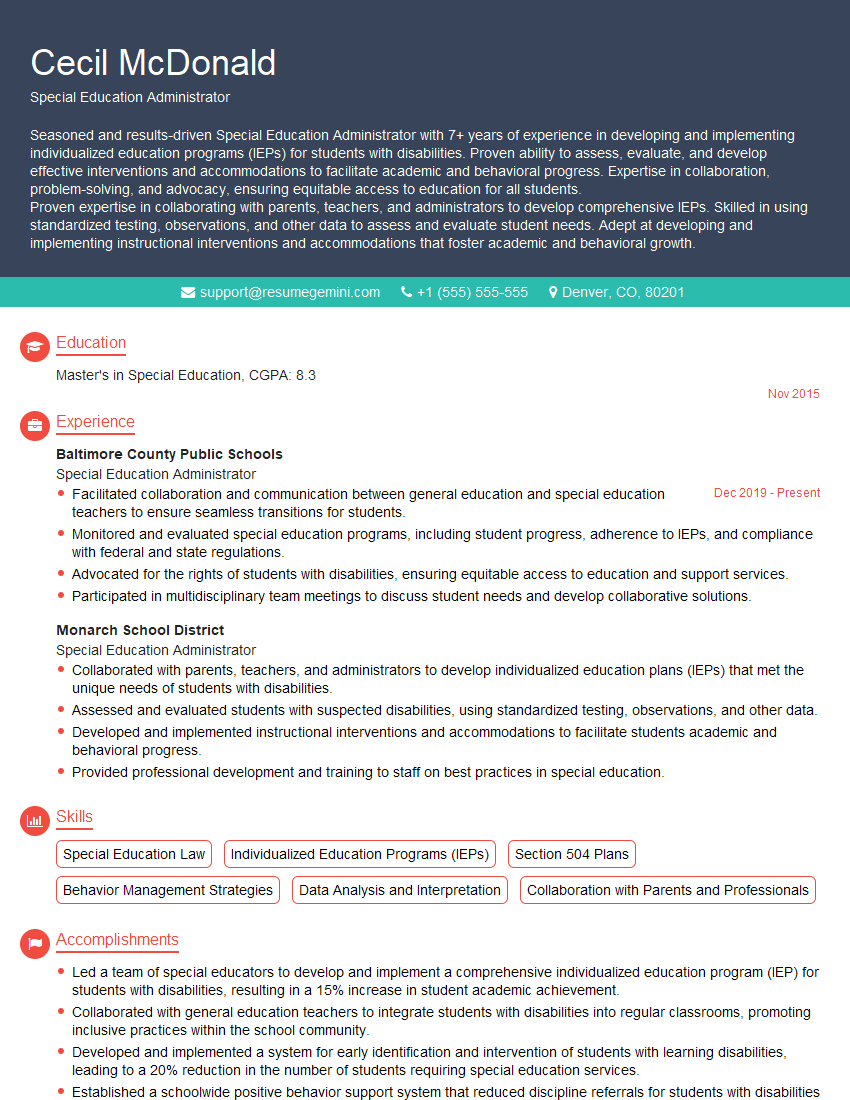
Special Education Administrator Resume Sample
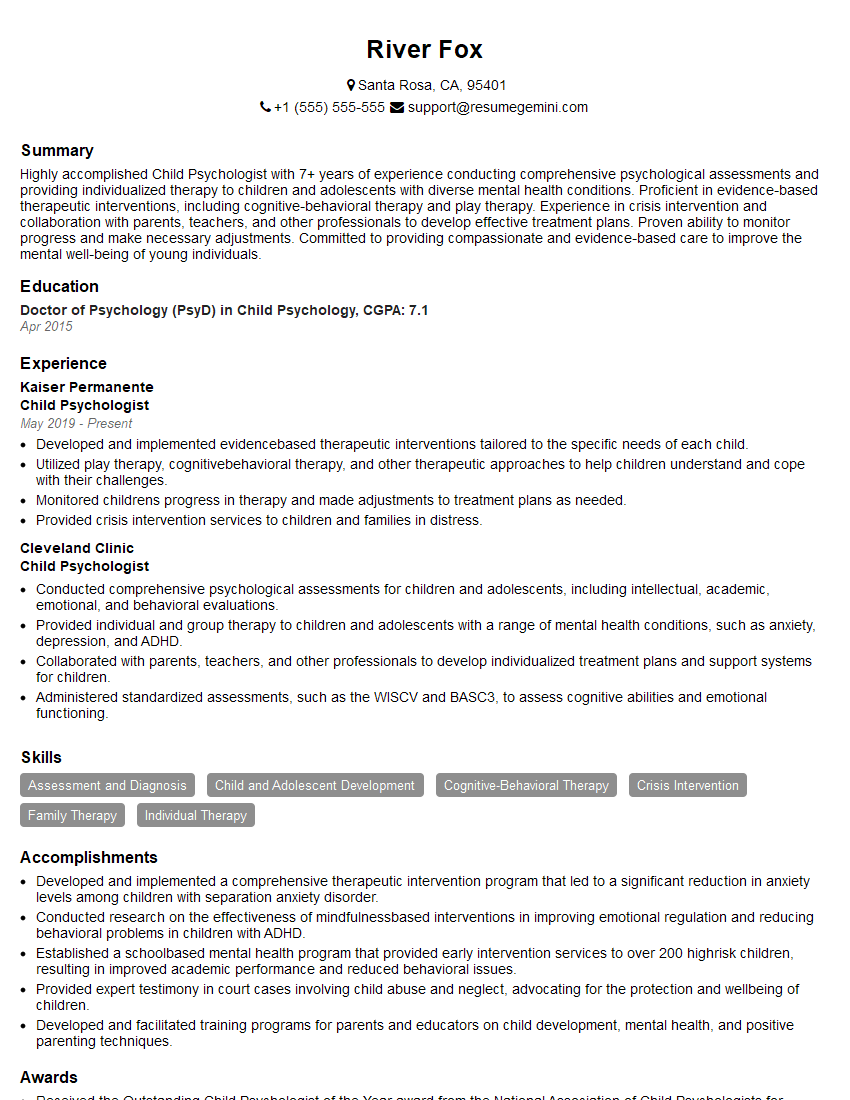
Child Psychologist Resume Sample
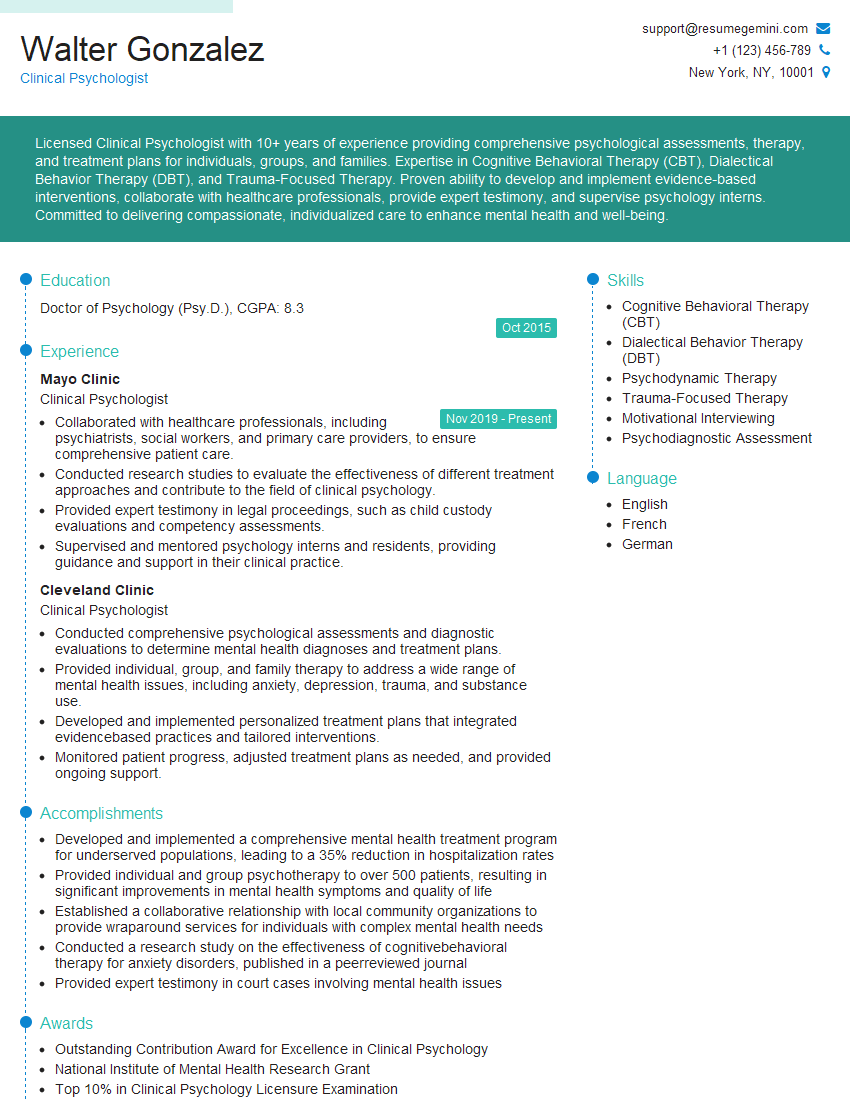
Clinical Psychologist Resume Sample
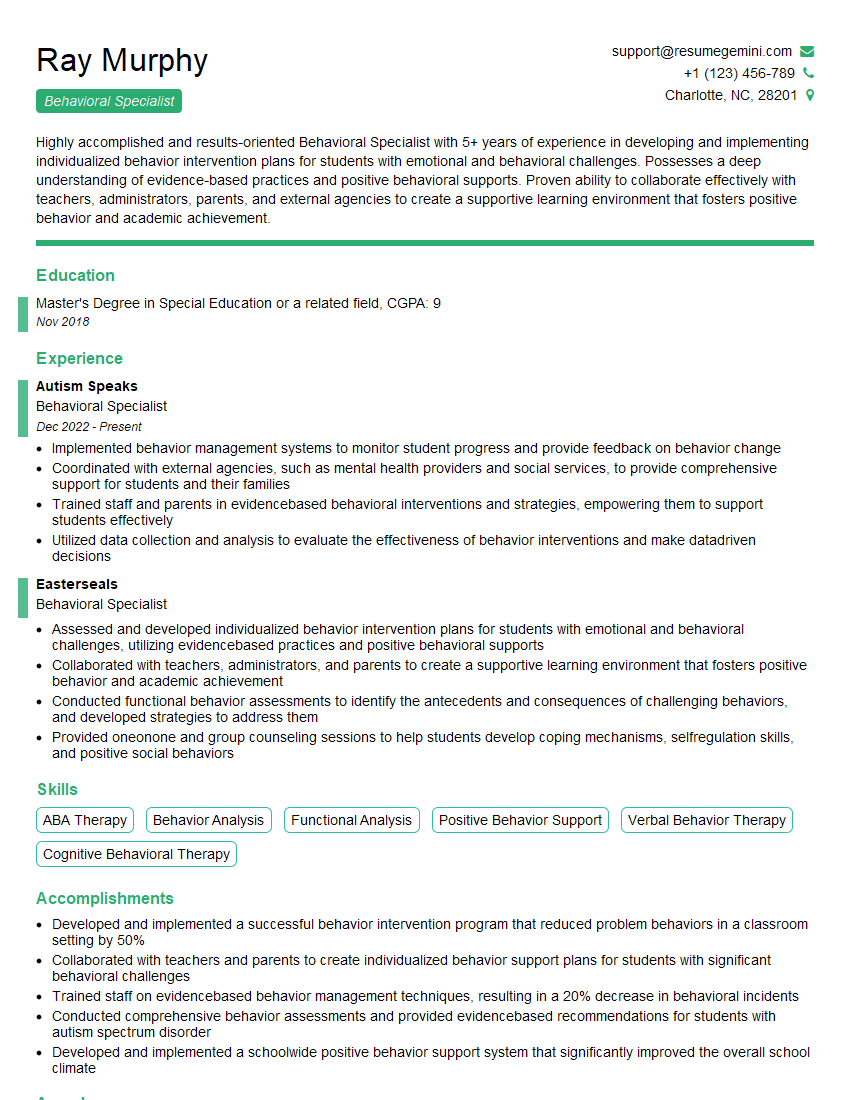
Behavioral Specialist Resume Sample
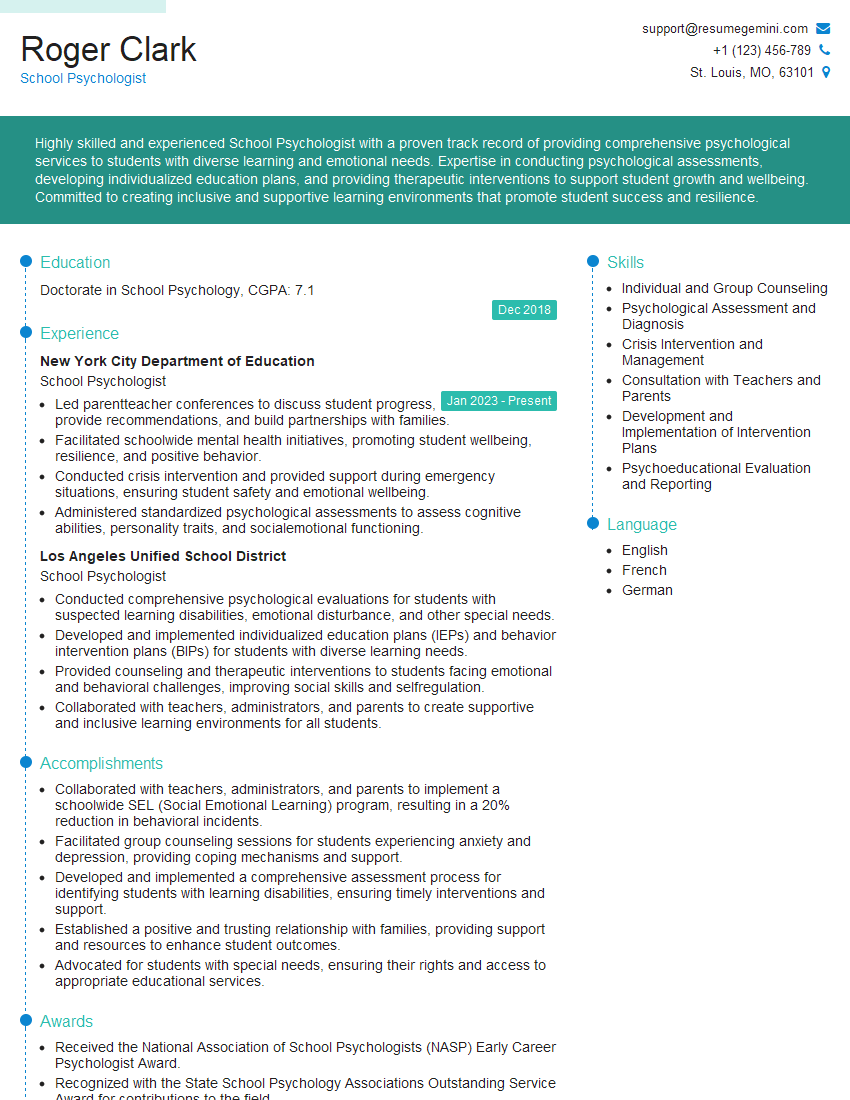
School Psychologist Resume Sample
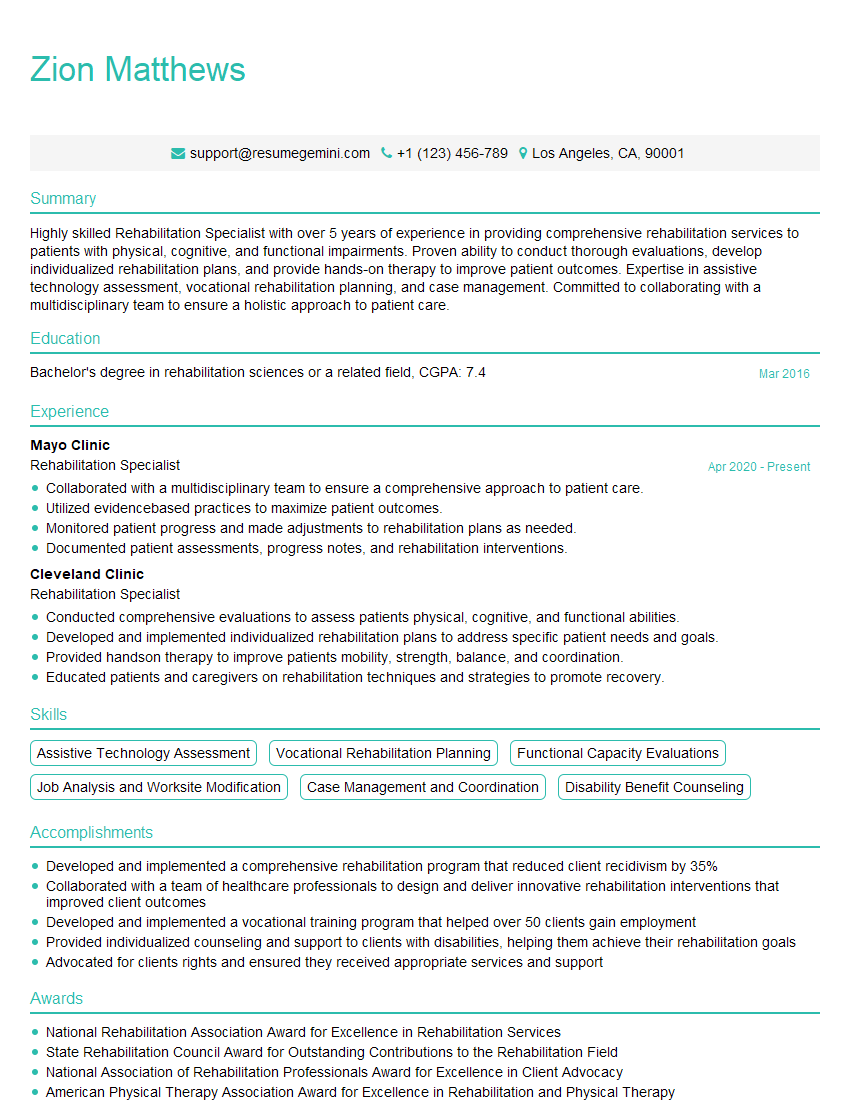
Rehabilitation Specialist Resume Sample
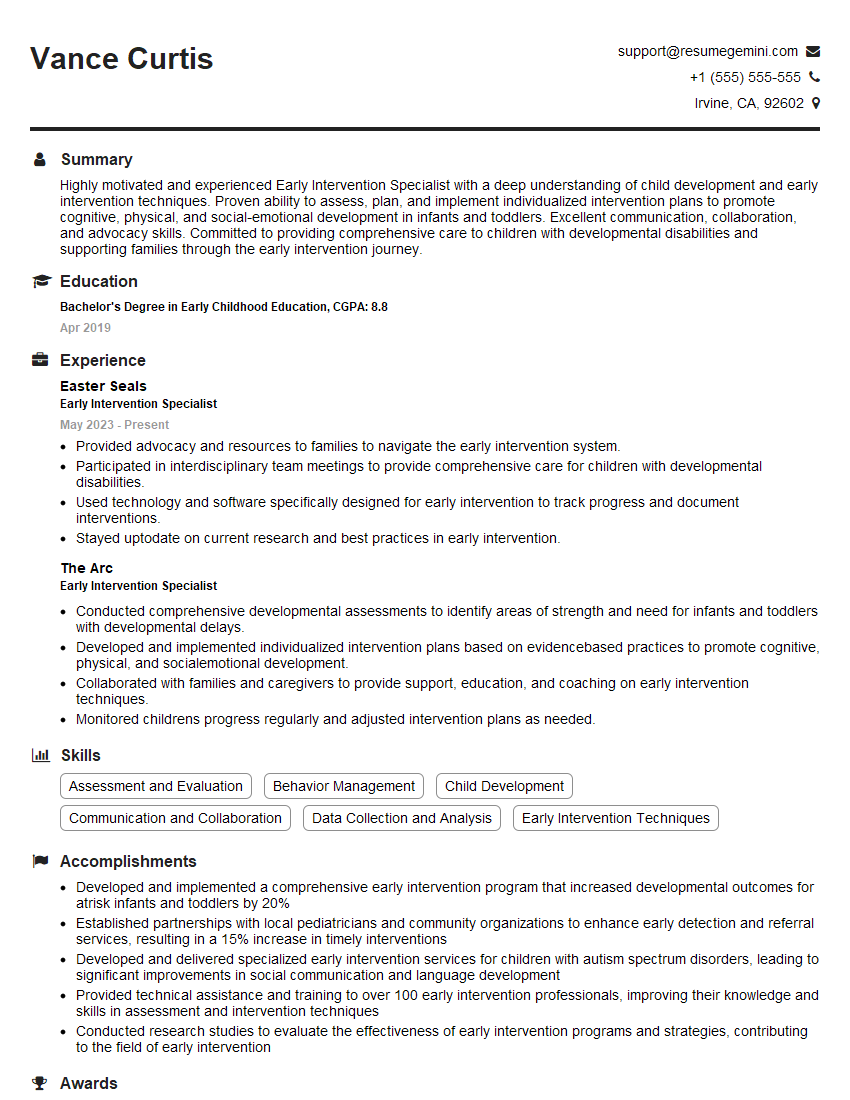
Early Intervention Specialist Resume Sample
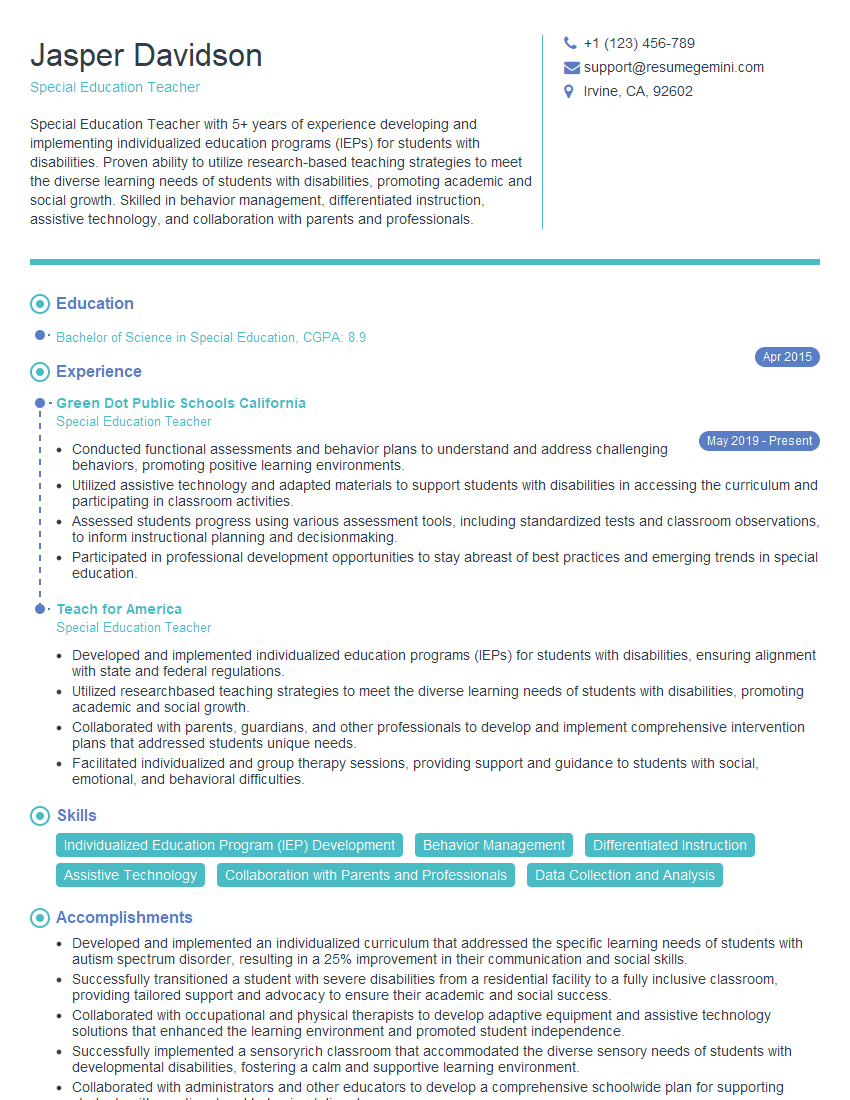
Special Education Teacher Resume Sample
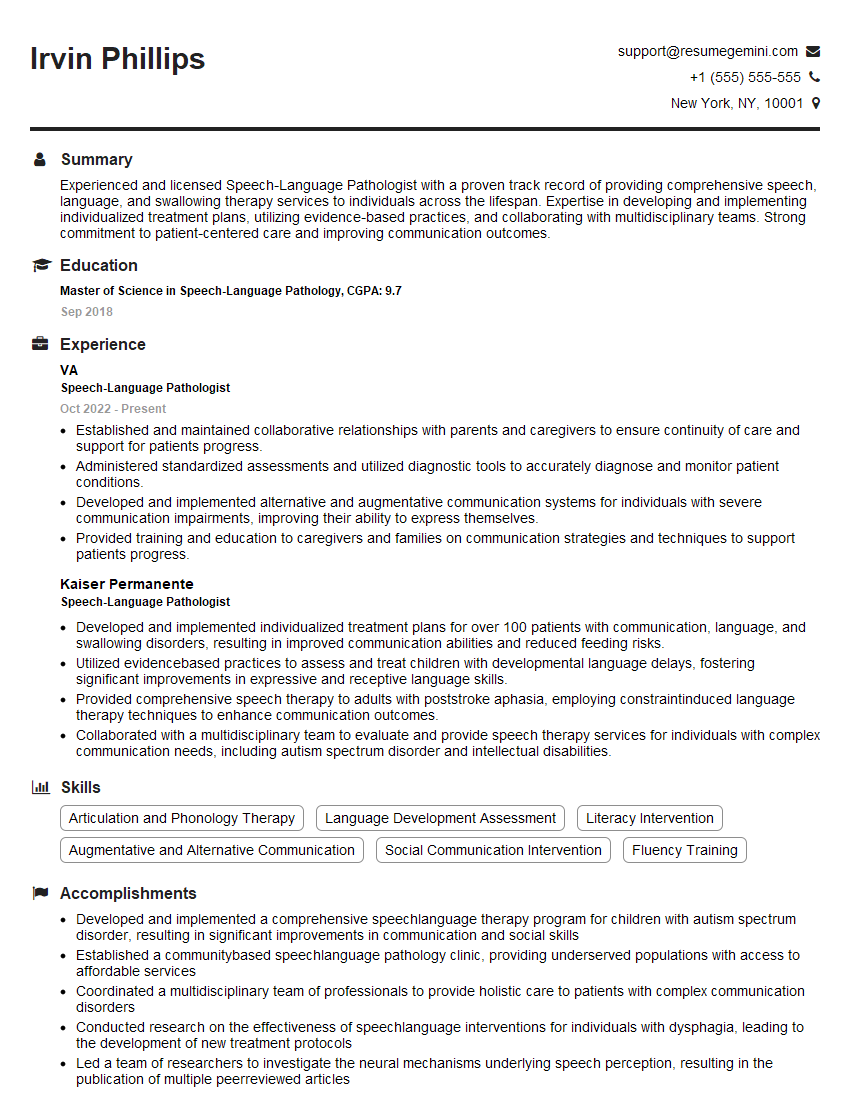
Speech-Language Pathologist Resume Sample
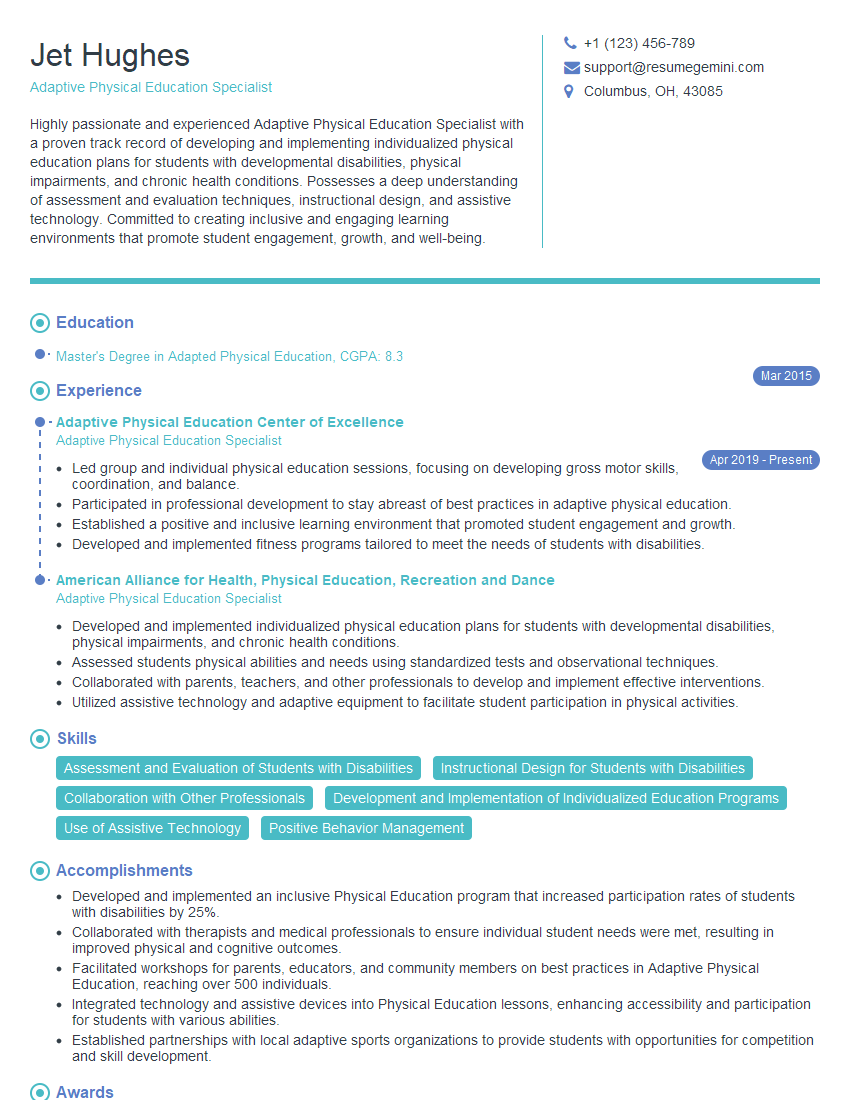
Adaptive Physical Education Specialist Resume Sample
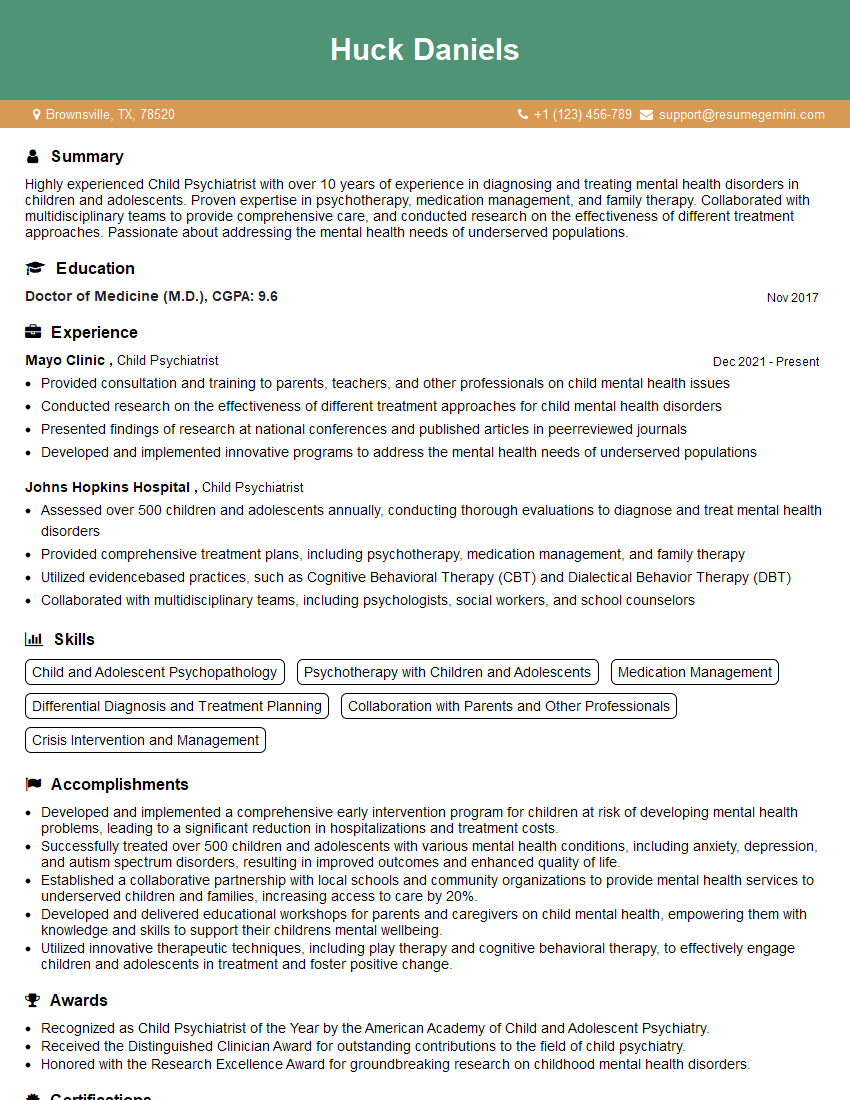
Child Psychiatrist Resume Sample
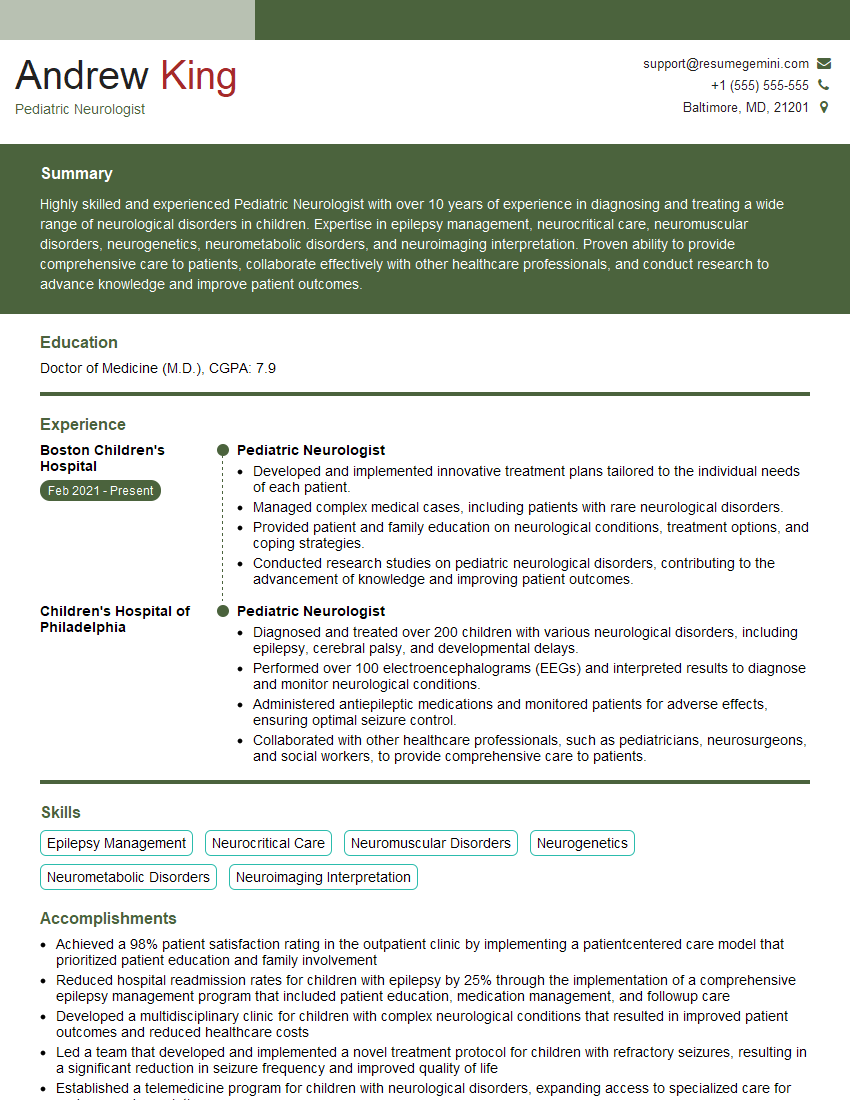
Pediatric Neurologist Resume Sample
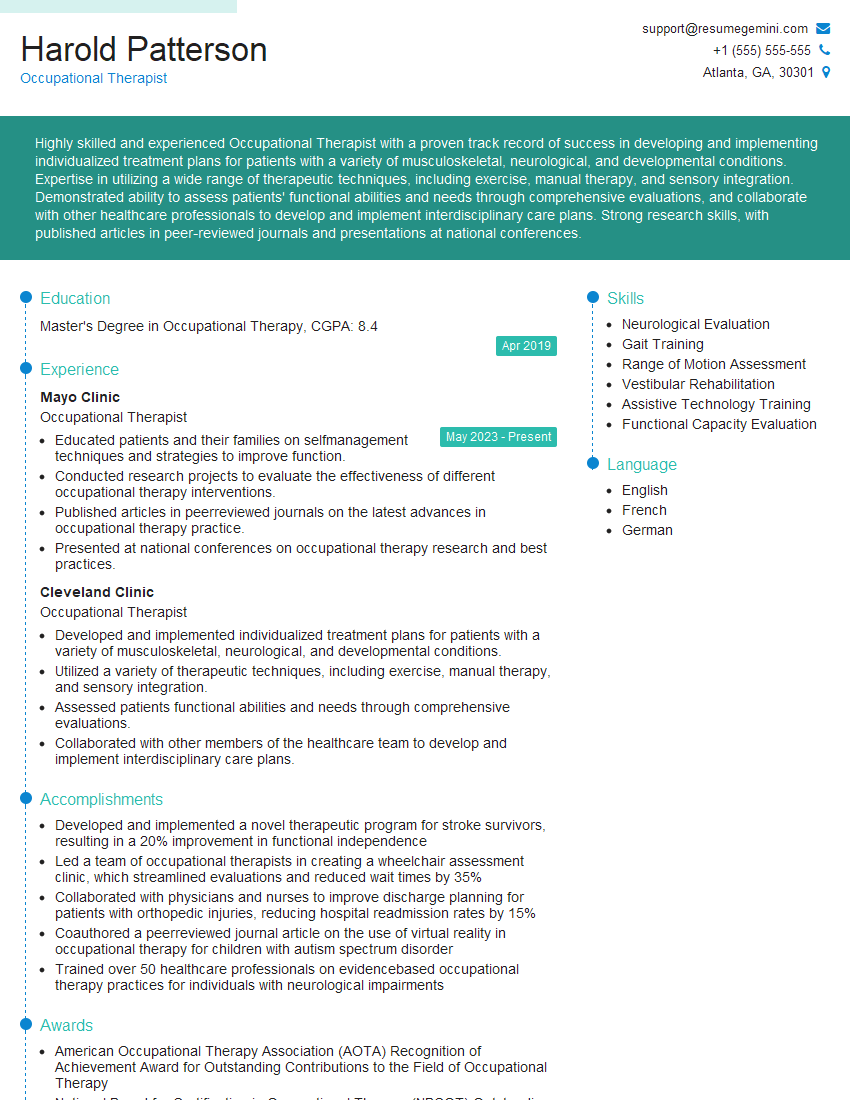
Occupational Therapist Resume Sample
- Special Education Administrator
- Child Psychologist
- Clinical Psychologist
- Behavioral Specialist
- School Psychologist
- Rehabilitation Specialist
- Early Intervention Specialist
- Special Education Teacher
- Speech-Language Pathologist
- Adaptive Physical Education Specialist
- Child Psychiatrist
- Pediatric Neurologist
- Occupational Therapist
Explore more articles
Users Rating of Our Blogs
Share Your Experience
We value your feedback! Please rate our content and share your thoughts (optional).
What Readers Say About Our Blog
To the interviewgemini.com Webmaster.
Very helpful and content specific questions to help prepare me for my interview!
Thank you
To the interviewgemini.com Webmaster.
This was kind of a unique content I found around the specialized skills. Very helpful questions and good detailed answers.
Very Helpful blog, thank you Interviewgemini team.