Every successful interview starts with knowing what to expect. In this blog, we’ll take you through the top Ability to work independently and as part of a multidisciplinary team interview questions, breaking them down with expert tips to help you deliver impactful answers. Step into your next interview fully prepared and ready to succeed.
Questions Asked in Ability to work independently and as part of a multidisciplinary team Interview
Q 1. Describe a situation where you successfully completed a project independently.
Successfully completing projects independently requires strong self-management and organizational skills. One project that stands out involved developing a new data analysis pipeline for a client. I was given broad parameters and a deadline, and was responsible for every stage, from initial design and data acquisition to final report generation.
My approach involved breaking the project down into manageable tasks: data cleaning, feature engineering, model selection, and visualization. I meticulously tracked my progress using a project management tool, which allowed me to identify potential bottlenecks early on. I proactively sought out relevant resources and documentation, and utilized version control (Git) to manage my code effectively. Through this systematic approach, I delivered the project ahead of schedule and within budget, exceeding the client’s expectations for data accuracy and insights.
Q 2. How do you manage your time when working on multiple projects simultaneously?
Managing multiple projects effectively necessitates a robust time management strategy. My approach revolves around prioritization, planning, and consistent monitoring. I utilize a combination of tools such as task management software (e.g., Asana or Trello) and a personal calendar.
Firstly, I prioritize tasks based on urgency and importance using methods such as the Eisenhower Matrix (urgent/important). Then, I create a detailed schedule allocating specific time blocks to each project. Regularly reviewing my schedule and adjusting as needed is crucial. Furthermore, I communicate proactively with stakeholders to ensure alignment and to avoid any unexpected delays or conflicts. For example, I might dedicate Monday mornings to Project A, Tuesday afternoons to Project B, and allocate specific blocks of time for tasks such as email management to prevent interruptions.
Q 3. Explain your experience working within a multidisciplinary team.
My experience working in multidisciplinary teams has been extensive and rewarding. I’ve participated in several projects involving engineers, designers, marketers, and product managers. In one instance, we collaborated on the development of a new mobile application. My role focused on data analysis and algorithm development, but my success was deeply intertwined with the contributions of my colleagues.
Effective communication was vital. We regularly held team meetings, utilizing various communication channels (e.g., Slack, email) for efficient updates and information sharing. We used Agile methodologies, fostering collaboration and flexibility. The diverse perspectives and skillsets of each member were crucial in overcoming challenges and creating a superior product. This collaboration highlighted the power of different viewpoints in generating creative solutions and achieving a common goal.
Q 4. Describe a time you had to resolve a conflict within a team.
Conflict resolution is an inevitable aspect of teamwork. In one project, a disagreement arose between the design and engineering teams regarding the feasibility of a specific feature. The designers wanted a highly complex visual element, which the engineers felt was impractical to implement within the given timeline and technical constraints.
To resolve the conflict, I facilitated a meeting where each team presented their perspectives and concerns openly. We discussed potential alternatives and compromises, using data and evidence to support our arguments. Ultimately, we reached a consensus by adopting a simplified design that retained the core functionality while adhering to the project’s technical limitations. This experience highlighted the importance of active listening, empathetic communication, and a collaborative problem-solving approach.
Q 5. How do you handle disagreements with colleagues?
Disagreements with colleagues are opportunities for growth and improvement. My approach focuses on respectful communication and constructive dialogue. I start by actively listening to understand their perspective, even if I don’t initially agree. Then, I articulate my viewpoint clearly and concisely, focusing on the issue at hand rather than resorting to personal attacks.
If a resolution isn’t immediately apparent, I advocate for finding a compromise or escalating the issue to a manager if necessary. For example, if differing opinions arise regarding the best statistical method for a particular analysis, I’d suggest we compare different methods using a set of evaluation metrics to objectively choose the most suitable approach.
Q 6. How do you contribute to a positive team environment?
Contributing to a positive team environment involves fostering collaboration, open communication, and mutual respect. I actively participate in team-building activities, offering support and encouragement to my colleagues. I celebrate successes and acknowledge individual contributions.
I strive to be a reliable and responsible team member, meeting deadlines and fulfilling my commitments. I believe in creating an inclusive environment where everyone feels comfortable sharing their ideas and concerns. I proactively identify and address potential issues that might negatively affect team morale or productivity, helping to build a strong sense of camaraderie.
Q 7. Describe your approach to problem-solving in a team setting.
My approach to problem-solving in a team setting emphasizes collaboration and a structured process. I typically begin by clearly defining the problem and its scope. Next, I encourage brainstorming sessions, where team members contribute diverse perspectives and potential solutions.
We evaluate these solutions using established criteria, such as feasibility, cost-effectiveness, and potential impact. We often use data analysis to assess the viability of different approaches. After choosing a solution, we collaboratively develop an action plan with clearly defined roles and responsibilities, ensuring everyone understands their contribution and the overall project timeline. Regular progress checks and open communication throughout the process ensure that we can quickly address any unexpected obstacles.
Q 8. How do you adapt your communication style to different team members?
Adapting communication style is crucial for effective teamwork. It’s about understanding your audience and tailoring your message to resonate with them. I believe in a flexible approach, considering factors like personality, communication preferences, and technical expertise.
- For detail-oriented individuals: I use precise language, provide comprehensive explanations, and back up claims with data or evidence. I might send detailed email updates or create well-structured reports.
- For those who prefer concise communication: I focus on key takeaways, use bullet points or summaries, and prioritize brevity. I might utilize quick chats or short, direct emails.
- For less technically proficient colleagues: I avoid jargon, use clear and simple language, and offer analogies or examples to clarify complex concepts. Visual aids can also be highly effective.
Essentially, it’s about being mindful and adjusting my approach to ensure everyone feels understood and informed.
Q 9. How do you ensure effective communication within a team?
Effective team communication hinges on several key elements: clarity, transparency, active listening, and regular feedback. It’s not just about *sending* information, but ensuring everyone is on the same page and feels heard.
- Establish clear communication channels: Determine the best way to communicate for various tasks (e.g., email for formal updates, instant messaging for quick questions, regular team meetings for progress discussions).
- Promote open dialogue: Foster a culture where team members feel comfortable sharing their thoughts and concerns, even if it means addressing potentially sensitive topics. Regular check-ins are invaluable.
- Use visual aids: Diagrams, charts, and presentations can be powerful tools for conveying complex information quickly and clearly, leaving less room for misinterpretations.
- Document everything: Maintaining a clear record of decisions, tasks, and responsibilities reduces ambiguity and prevents confusion.
Think of it like a well-oiled machine: each part needs to communicate efficiently with others for optimal performance. Regular calibration and adjustments ensure the communication system remains effective.
Q 10. Give an example of a time you had to delegate tasks within a team.
In a previous project involving the development of a new software application, I was the project lead. We had a tight deadline and a large scope of work. I delegated tasks based on individual strengths and expertise.
For example, I assigned the front-end development to a team member with extensive experience in UI/UX design, while the back-end development was assigned to another with a strong background in database management. I also assigned testing responsibilities to a dedicated QA specialist. Before delegating, I held a meeting to clearly outline expectations, timelines, and deliverables for each task, ensuring everyone understood their role and responsibilities. I provided regular updates and support to each team member and checked in regularly to monitor progress and address any roadblocks.
This approach allowed us to leverage the team’s diverse skill sets effectively, resulting in successful and timely completion of the project.
Q 11. How do you handle criticism from colleagues?
I view criticism as an opportunity for growth and improvement. My approach involves active listening, seeking clarification, and then considering the feedback constructively.
- Listen attentively: I avoid interrupting and focus on understanding the colleague’s perspective, even if I disagree initially.
- Seek clarification: If anything is unclear, I ask clarifying questions to ensure I fully grasp the concerns being raised.
- Evaluate objectively: I reflect on the feedback to identify any areas where I could improve my performance or approach.
- Express gratitude: Even if I disagree with the criticism, I express appreciation for the feedback and for their willingness to share their concerns.
Essentially, I aim to turn potential negativity into a positive learning experience.
Q 12. How do you provide constructive feedback to team members?
Providing constructive feedback is about helping others grow and improve. I focus on being specific, actionable, and focused on behavior rather than personality.
- Be specific: Instead of saying “your work is sloppy,” I would say “in the last report, the data on page 3 was inconsistent with the figures in the appendix. Let’s discuss how to improve data accuracy next time.”
- Focus on behavior: I address specific actions or behaviors rather than making general judgments about the individual’s character or personality.
- Offer solutions: Whenever possible, I offer suggestions or resources to help the team member improve. This could include recommending training materials, offering mentorship, or suggesting alternative approaches.
- Create a safe space: I make sure to have the conversation in a private and respectful environment, fostering open dialogue and mutual respect.
The goal is not to criticize but to provide guidance and facilitate improvement.
Q 13. Describe a time you had to overcome a significant challenge while working independently.
During my time working on an independent research project, I encountered a significant challenge when a key data source became unavailable unexpectedly. This threatened the entire project timeline.
To overcome this, I first systematically assessed the impact of the data loss. Then, I explored alternative data sources and, where necessary, adapted my research methodology. This involved spending considerable time searching for alternative datasets, verifying their reliability, and reformatting the data to fit my existing analysis framework. I also prioritized tasks based on impact, focusing on those critical to the core research questions. Through diligent work and resourcefulness, I was able to complete the project successfully, albeit with a slightly revised timeline and methodology. This taught me the value of adaptability, resourcefulness, and proactive problem-solving when working independently.
Q 14. How do you prioritize tasks when working on multiple projects simultaneously?
Prioritizing tasks when juggling multiple projects is a skill honed through experience and the use of effective tools. I employ a combination of strategies including:
- Prioritization Matrix: I use a matrix (like Eisenhower’s Urgent/Important) to categorize tasks based on urgency and importance. This helps me focus on high-impact tasks first.
- Time Blocking: I allocate specific time blocks for each project, ensuring dedicated focus on each without multitasking excessively. This helps prevent context-switching overhead.
- Project Management Software: I leverage tools like Trello or Asana to track deadlines, assign tasks, and monitor progress across multiple projects simultaneously. The visual representation assists in effective prioritization.
- Regular Review and Adjustment: I regularly review my task list and prioritize as needed based on changing deadlines and priorities. Flexibility is key.
It’s a bit like conducting an orchestra—each instrument (project) has its part, and the conductor (me) needs to ensure harmonious and timely execution of each piece.
Q 15. How do you stay organized when working independently?
Independent work requires a structured approach. I utilize a combination of tools and techniques to maintain organization. My process begins with clearly defining project goals and breaking them down into smaller, manageable tasks. I use task management software like Asana or Trello to create detailed to-do lists, assigning deadlines and priorities to each task. This allows me to visually track progress and ensure nothing slips through the cracks. I also schedule dedicated work blocks in my day, minimizing distractions and maximizing focus. Regular review of my progress helps me identify any roadblocks early and adjust my schedule accordingly. For example, if I’m working on a complex data analysis project, I might break it down into phases: data cleaning, exploratory analysis, model building, and report writing. Each phase would have its own set of tasks and deadlines within the overall project timeline.
Career Expert Tips:
- Ace those interviews! Prepare effectively by reviewing the Top 50 Most Common Interview Questions on ResumeGemini.
- Navigate your job search with confidence! Explore a wide range of Career Tips on ResumeGemini. Learn about common challenges and recommendations to overcome them.
- Craft the perfect resume! Master the Art of Resume Writing with ResumeGemini’s guide. Showcase your unique qualifications and achievements effectively.
- Don’t miss out on holiday savings! Build your dream resume with ResumeGemini’s ATS optimized templates.
Q 16. How do you leverage the strengths of team members to achieve common goals?
Leveraging team strengths is crucial for achieving common goals. My approach involves first understanding each team member’s skills and experience. I facilitate open communication to identify individual strengths and areas where team members excel. Then, I strategically assign tasks that align with those strengths. For instance, if a team member is highly skilled in data visualization, I’ll entrust them with creating compelling charts and graphs for our report. Furthermore, I encourage collaboration and knowledge sharing, creating an environment where team members can learn from one another and contribute their unique perspectives. This often involves regular team meetings and brainstorming sessions to discuss challenges, share insights, and collectively find solutions. This collaborative approach fosters a sense of shared ownership and responsibility, ensuring that everyone feels valued and contributing meaningfully.
Q 17. How do you identify and address potential conflicts before they escalate?
Proactive conflict resolution is essential for a productive team environment. I believe in addressing potential conflicts before they escalate by fostering open communication and clear expectations from the outset. This involves clearly defining roles and responsibilities, ensuring everyone understands their contributions and the overall project goals. Regular check-ins with team members allow me to identify any emerging tensions or disagreements early on. If a conflict arises, I facilitate a structured discussion, encouraging team members to express their concerns and perspectives in a respectful manner. I act as a neutral mediator, focusing on finding mutually agreeable solutions rather than assigning blame. For example, if two team members have differing approaches to a problem, I might encourage them to collaborate on a combined solution, capitalizing on their diverse perspectives.
Q 18. How do you ensure everyone’s perspective is considered in team decision-making?
Ensuring all perspectives are considered is paramount for effective team decision-making. I employ several strategies to achieve this. First, I create a safe and inclusive environment where everyone feels comfortable sharing their ideas, regardless of seniority or background. I utilize various methods to gather input, such as brainstorming sessions, surveys, or round-robin discussions, ensuring that each team member has an opportunity to contribute. When making decisions, I actively seek out diverse viewpoints, challenging assumptions and encouraging critical thinking. I document all perspectives considered and the rationale behind the final decision, ensuring transparency and accountability. Finally, I ensure that all team members understand and buy into the final decision, even if it doesn’t perfectly align with their individual preferences. This approach fosters a sense of shared ownership and commitment to the outcome.
Q 19. Describe a time you mentored or coached a team member.
In a previous role, I mentored a junior data analyst who was struggling to grasp advanced statistical concepts. I began by assessing their current understanding and identifying their specific areas of weakness. We scheduled regular one-on-one meetings where I provided tailored instruction, explaining complex concepts using simple analogies and real-world examples relevant to their work. I also assigned them increasingly challenging tasks, providing guidance and feedback at each step. I encouraged them to ask questions and actively participate in team discussions, fostering their confidence and critical thinking skills. Through consistent support and constructive feedback, they gradually improved their understanding and eventually became a highly proficient member of the team. Their success was a testament to the value of individualized mentoring and tailored support.
Q 20. How do you handle pressure and deadlines when working independently?
Managing pressure and deadlines while working independently requires discipline and effective time management. I prioritize tasks based on urgency and importance, focusing on the most critical items first. I break down large tasks into smaller, manageable steps, setting realistic deadlines for each. I utilize time-blocking techniques, scheduling specific time slots for focused work and incorporating short breaks to maintain productivity and avoid burnout. I also regularly review my progress against deadlines, adjusting my schedule as needed to stay on track. If I anticipate potential delays, I proactively communicate them to relevant stakeholders. For example, if I’m working on a tight deadline for a report, I might break the project down into sections and set individual deadlines for each section. Regular self-checks help to identify and address challenges promptly.
Q 21. Describe your preferred method for collaborating on documents or projects.
My preferred method for collaborating on documents and projects involves using cloud-based collaborative tools such as Google Docs or Microsoft SharePoint. These platforms allow for real-time co-authoring, enabling multiple team members to work on a document simultaneously. Version control features ensure that everyone is working on the latest version and that changes are tracked. I also utilize project management software like Asana or Trello to coordinate tasks, deadlines, and communication within the team. For larger projects, I might create a shared online workspace, which can include documents, spreadsheets, presentations, and communication threads, ensuring easy access and visibility for all team members. Before initiating a collaborative effort, I clearly outline the project scope, roles, and expectations to minimize confusion and ensure a streamlined workflow.
Q 22. How do you handle situations where team members have conflicting priorities?
Conflicting priorities in a team are inevitable. The key is proactive communication and collaborative problem-solving. My approach involves several steps:
Identify and Clarify: I begin by having an open discussion with each team member to understand their individual priorities and the rationale behind them. This involves active listening and clarifying any misunderstandings.
Prioritization Framework: We then collectively apply a prioritization framework, such as MoSCoW (Must have, Should have, Could have, Won’t have), to objectively rank the tasks based on their impact on the project goals. This provides a shared understanding and a transparent decision-making process.
Negotiation and Compromise: Sometimes, compromises are necessary. This requires effective negotiation skills, where I aim to find solutions that satisfy, as much as possible, everyone’s concerns. This often involves identifying alternative solutions or re-scoping tasks to align with the revised priorities.
Documentation and Follow-up: Once decisions are made, I document the agreed-upon priorities and timelines clearly. Regular follow-up meetings help ensure everyone stays on track and address any emerging conflicts promptly.
For example, in a previous project involving website development, the design team prioritized visual appeal, while the development team prioritized functionality. Using the MoSCoW method, we identified critical features that needed to be implemented first, then prioritized design elements that enhanced user experience without compromising functionality. This collaborative approach ensured a successful launch.
Q 23. How do you maintain motivation when working on a long-term independent project?
Maintaining motivation on a long-term independent project can be challenging. I employ several strategies to stay engaged and productive:
Clear Goals and Milestones: I break down the project into smaller, manageable tasks with clear deadlines. This allows me to celebrate small wins along the way, maintaining a sense of accomplishment and momentum.
Regular Self-Assessment: I schedule regular check-ins to review progress, identify roadblocks, and adjust my approach as needed. This prevents feeling overwhelmed and keeps me focused.
Seek Feedback: Even working independently, I actively seek feedback from mentors or colleagues on my work. This helps validate my approach and identify areas for improvement.
Maintain a Healthy Work-Life Balance: I ensure I take regular breaks, maintain a healthy lifestyle, and engage in activities outside of work to prevent burnout. This allows me to return to the project refreshed and focused.
Continuous Learning: I actively seek opportunities to learn new skills or knowledge related to the project. This keeps the work interesting and helps me approach challenges with fresh perspectives.
For instance, during my independent research project on machine learning algorithms, I divided the project into phases: data collection, algorithm selection, model training, and evaluation. Each phase had its own set of smaller tasks and deadlines. This structured approach kept me motivated and on track.
Q 24. Describe a time you had to adapt your work style to meet the needs of a project or team.
Adaptability is crucial in any collaborative environment. In a previous project developing a mobile application, the initial design was highly complex. User testing revealed that the interface was overwhelming and user-unfriendly. The team’s initial preference was to stick to the original design, as a considerable amount of effort had already been invested.
However, I advocated for a more user-centric approach. I proposed conducting further user research to identify specific pain points. Then, I presented alternative design options, which included simplifying the navigation, reducing the number of features in the initial release, and using a more intuitive visual design.
My proposal involved adjusting my work style from a purely technical role to one that involved significant user interaction and design collaboration. This required me to learn new design software and collaborative techniques, and to work more closely with the design team. The result was a successful application launch with much improved user engagement metrics and positive feedback. This experience highlighted the importance of flexibility and collaboration in achieving a shared project goal.
Q 25. How do you measure your own success when working independently?
Measuring success while working independently requires a clear definition of success aligned with project objectives. I use a multi-faceted approach:
Completion of Milestones: I track my progress against pre-defined milestones. Achieving these milestones serves as an objective measure of success.
Quality of Work: I meticulously review my work against defined quality standards. This includes thorough testing and validation to ensure the output meets the required specifications.
Time Management: I monitor my time efficiency, tracking how effectively I manage my time and resources. This helps identify areas for improvement.
Self-Reflection: I regularly reflect on my work process and identify areas where I can improve my approach. This fosters continuous learning and improvement.
For instance, when developing a standalone software application, I set milestones for each feature development. I also evaluated the software using unit tests and performance benchmarks. Meeting these milestones and achieving the required quality standards indicated project success.
Q 26. How do you contribute to team morale and motivation?
Contributing to team morale involves fostering a positive and collaborative work environment. My approach includes:
Positive Communication: I actively promote open and respectful communication, encouraging team members to share their ideas and concerns without hesitation.
Recognition and Appreciation: I acknowledge and appreciate the contributions of each team member, recognizing their individual strengths and efforts.
Collaboration and Support: I actively participate in team activities and offer support and assistance to colleagues whenever needed.
Problem-Solving: I actively participate in finding solutions to challenges, creating a sense of shared responsibility and accomplishment.
Team Building: I encourage team-building activities to promote camaraderie and strengthen relationships among team members.
In one project, I noticed a team member was struggling with a particular task. I offered my support and worked with them collaboratively, which not only helped them overcome their challenge but also strengthened our team bond and improved overall morale.
Q 27. How do you ensure that all team members are informed and up-to-date on project progress?
Keeping all team members informed on project progress is vital for successful collaboration. My strategies include:
Regular Team Meetings: I conduct regular meetings to discuss progress, identify roadblocks, and ensure everyone is aligned on project goals.
Project Management Tools: I utilize project management software (e.g., Jira, Asana) to track tasks, deadlines, and progress visually. This provides a central hub for information sharing.
Clear Communication Channels: I establish clear communication channels, such as email or instant messaging, for quick updates and queries.
Progress Reports: I provide regular progress reports, summarizing key achievements, challenges faced, and upcoming tasks. This keeps everyone informed and promotes transparency.
Documentation: I maintain thorough documentation, including meeting minutes and project updates, to ensure everyone has access to the same information.
For instance, in a software development project, using a project management tool like Jira allowed the team to track progress in real-time, reducing ambiguity and fostering efficient collaboration.
Q 28. Describe a time you had to compromise or negotiate to reach a team consensus.
Compromise and negotiation are essential skills for achieving team consensus. In a past project involving the design of a new product, there were conflicting opinions regarding the product’s features. One faction advocated for a feature-rich product, while another preferred a simpler, more streamlined design.
To achieve consensus, I facilitated a series of discussions where we explored the pros and cons of each approach. I encouraged everyone to clearly articulate their perspectives and concerns. We then brainstormed alternative solutions that incorporated aspects from both proposals. For instance, we decided to release a minimal viable product (MVP) with core features first, then add more features based on user feedback. This compromise satisfied both factions and allowed us to launch the product successfully. This approach showed the importance of active listening, creative problem-solving, and finding solutions that address the concerns of all stakeholders.
Key Topics to Learn for Ability to work independently and as part of a multidisciplinary team Interview
- Self-Management & Time Management: Understanding how to prioritize tasks, set realistic deadlines, and manage your workload effectively when working alone. This includes proactive planning and effective organization skills.
- Proactive Communication: Knowing when and how to seek guidance, provide updates, and collaborate effectively, even when working remotely or independently. This encompasses both verbal and written communication.
- Problem-Solving Independently: Demonstrating the ability to analyze problems, identify solutions, and implement them without constant supervision. This includes troubleshooting common issues and resourcefulness in finding answers.
- Collaboration & Teamwork: Articulating your experience in contributing to team goals, respecting diverse perspectives, and effectively working with individuals from different backgrounds and skill sets within a multidisciplinary environment. This includes active listening and conflict resolution.
- Adaptability & Flexibility: Showcasing your ability to adjust to changing priorities, embrace new challenges, and contribute positively in dynamic team settings. This includes demonstrating resilience in the face of setbacks.
- Giving and Receiving Constructive Feedback: Highlighting your capacity to both provide and receive feedback gracefully, using it to improve individual and team performance. This includes demonstrating self-awareness and a willingness to learn.
- Conflict Resolution: Demonstrating your ability to navigate disagreements constructively, finding common ground, and maintaining positive working relationships within a team.
Next Steps
Mastering the ability to work independently and as part of a multidisciplinary team is crucial for career advancement. It showcases your versatility and adaptability, making you a valuable asset to any organization. To significantly boost your job prospects, creating a strong, ATS-friendly resume is essential. ResumeGemini can help you craft a professional resume that highlights these critical skills. We offer examples of resumes tailored to showcase your ability to work independently and as part of a multidisciplinary team, demonstrating your capabilities effectively to potential employers. Take advantage of these resources to elevate your job search and land your dream role.

Operations Manager Resume Sample
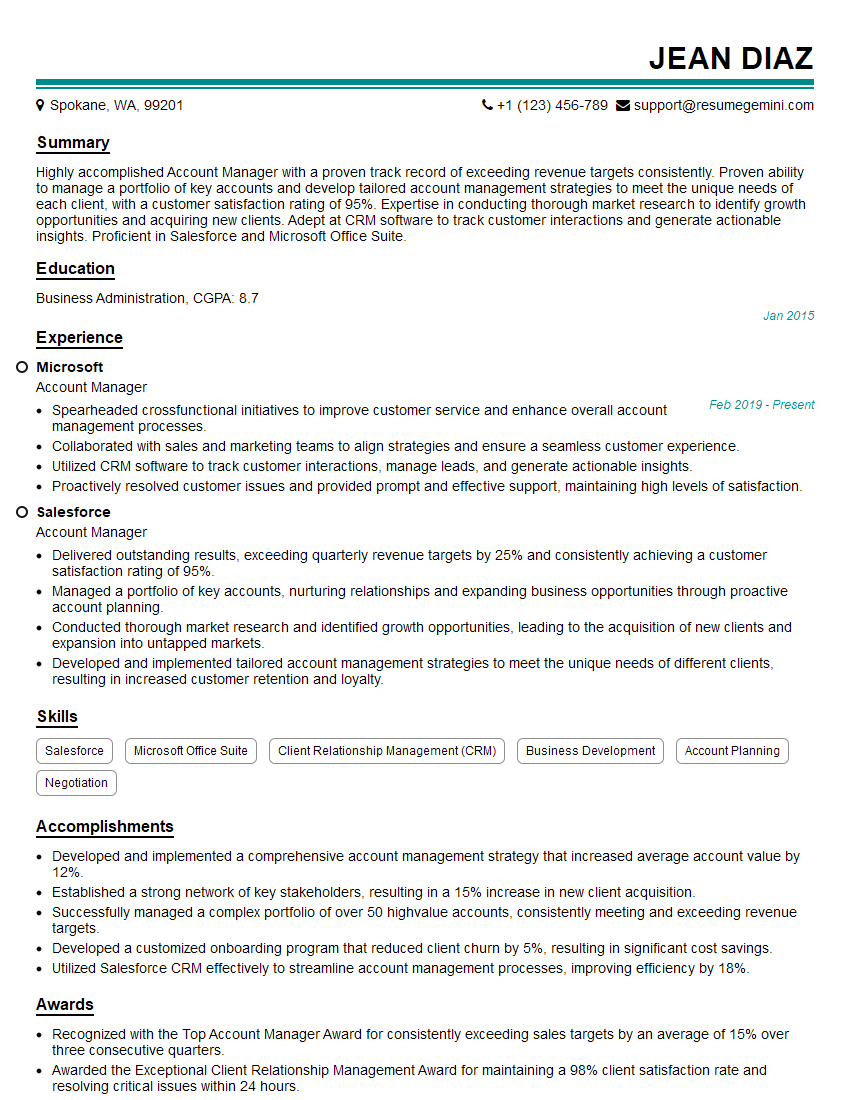
Account Manager Resume Sample
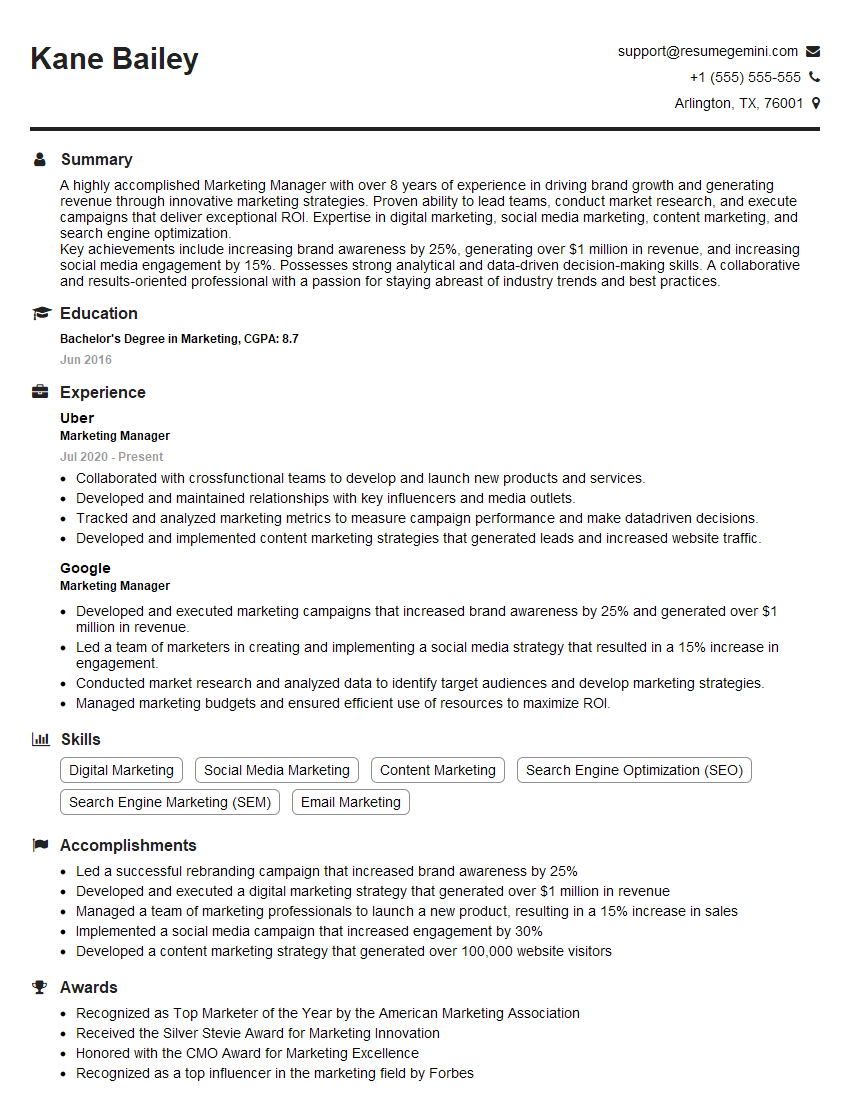
Marketing Manager Resume Sample
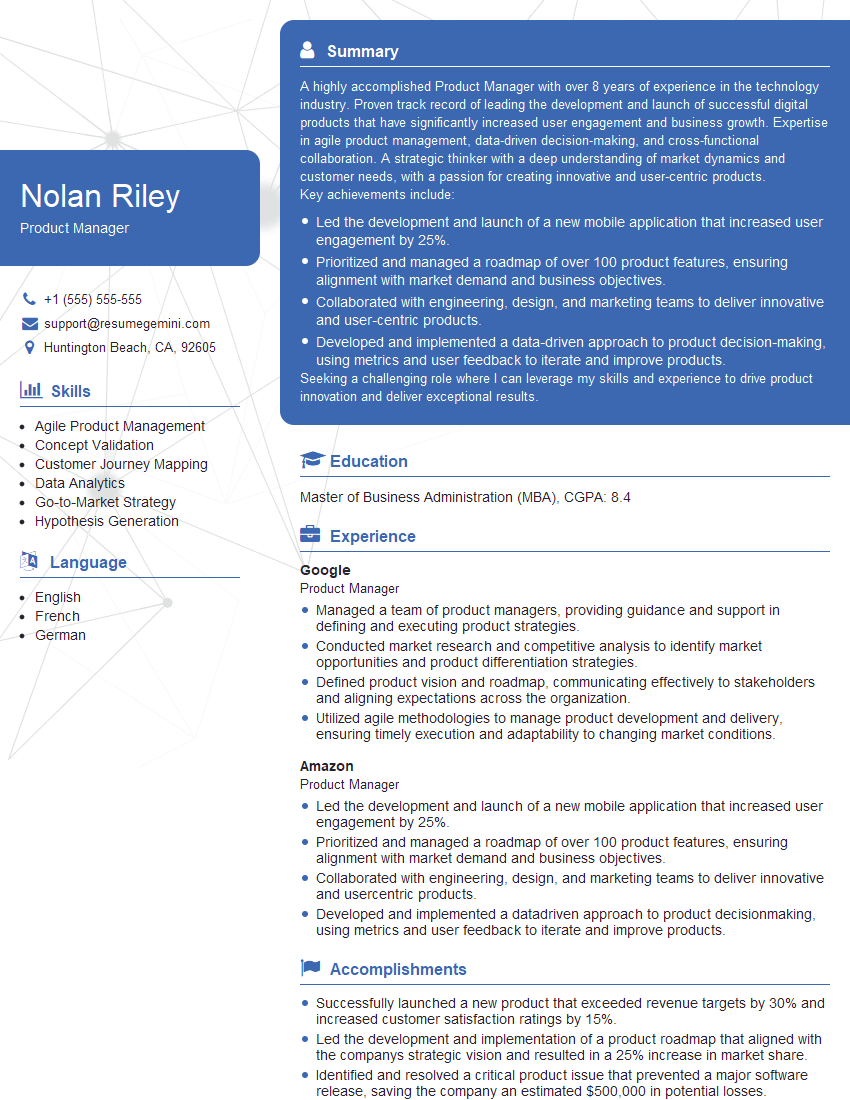
Product Manager Resume Sample
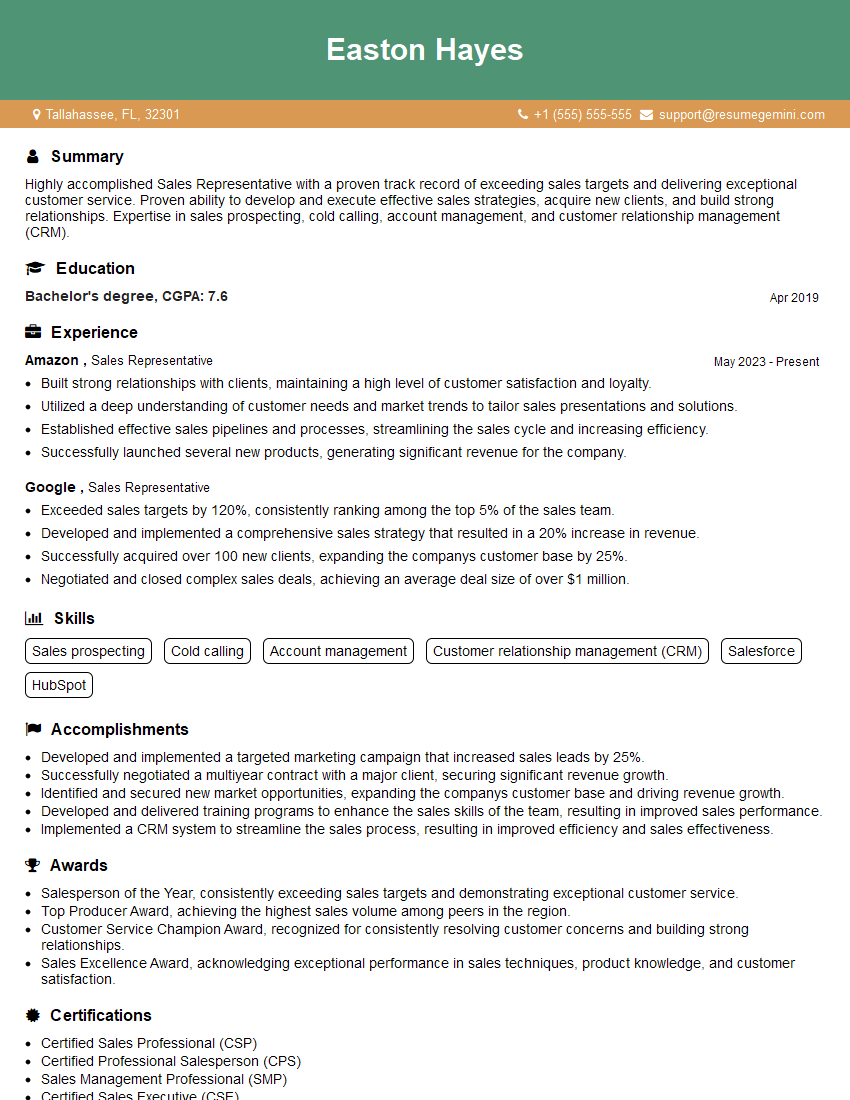
Sales Representative Resume Sample
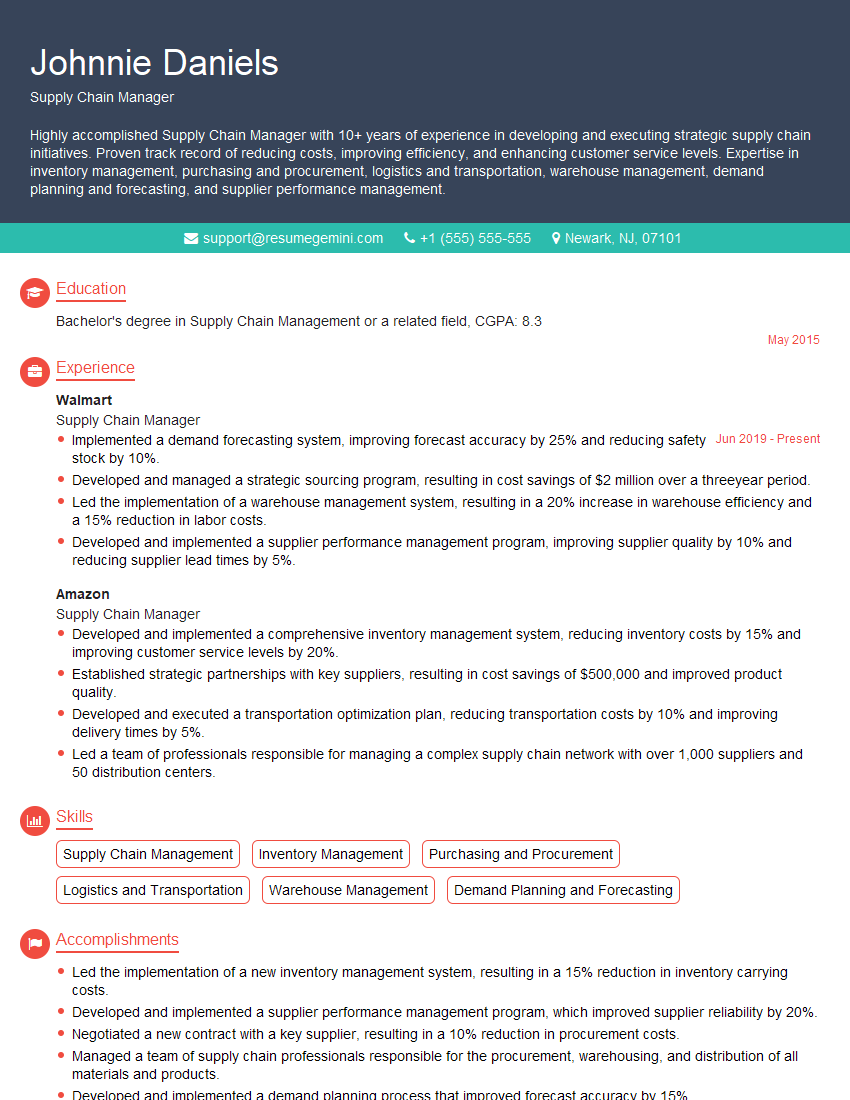
Supply Chain Manager Resume Sample
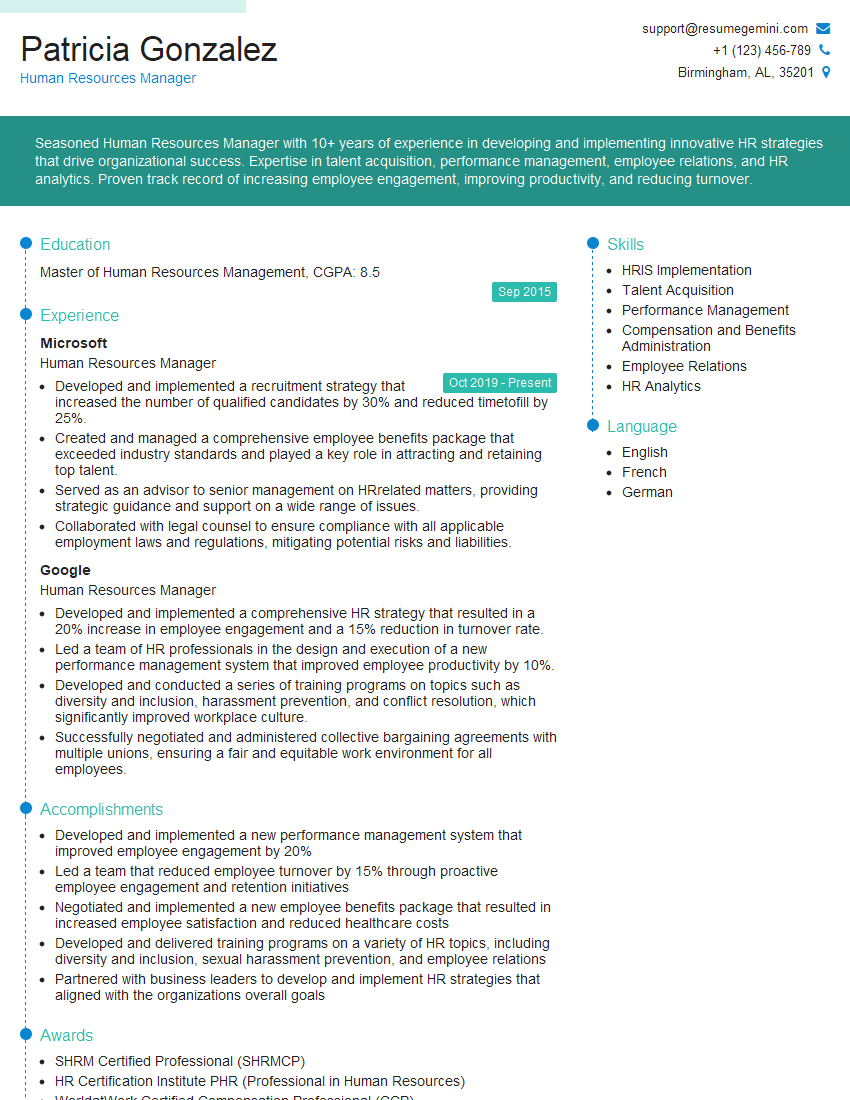
Human Resources Manager Resume Sample
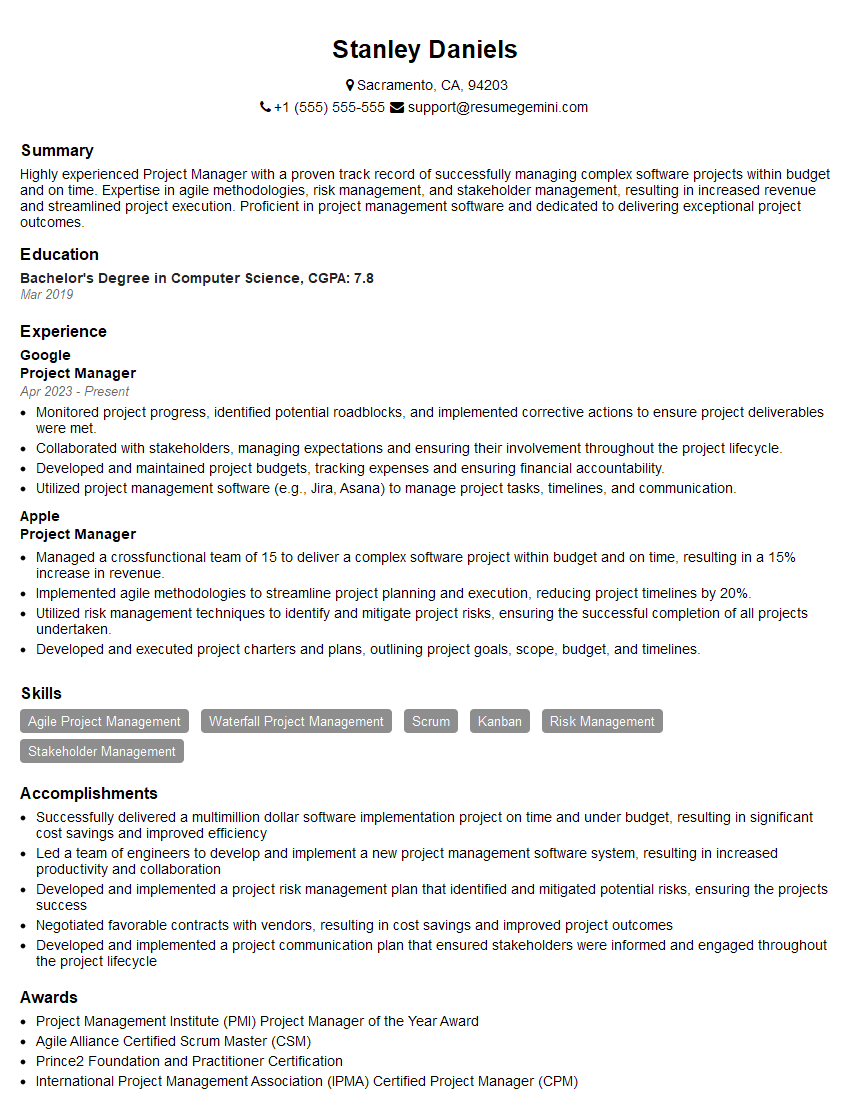
Project Manager Resume Sample
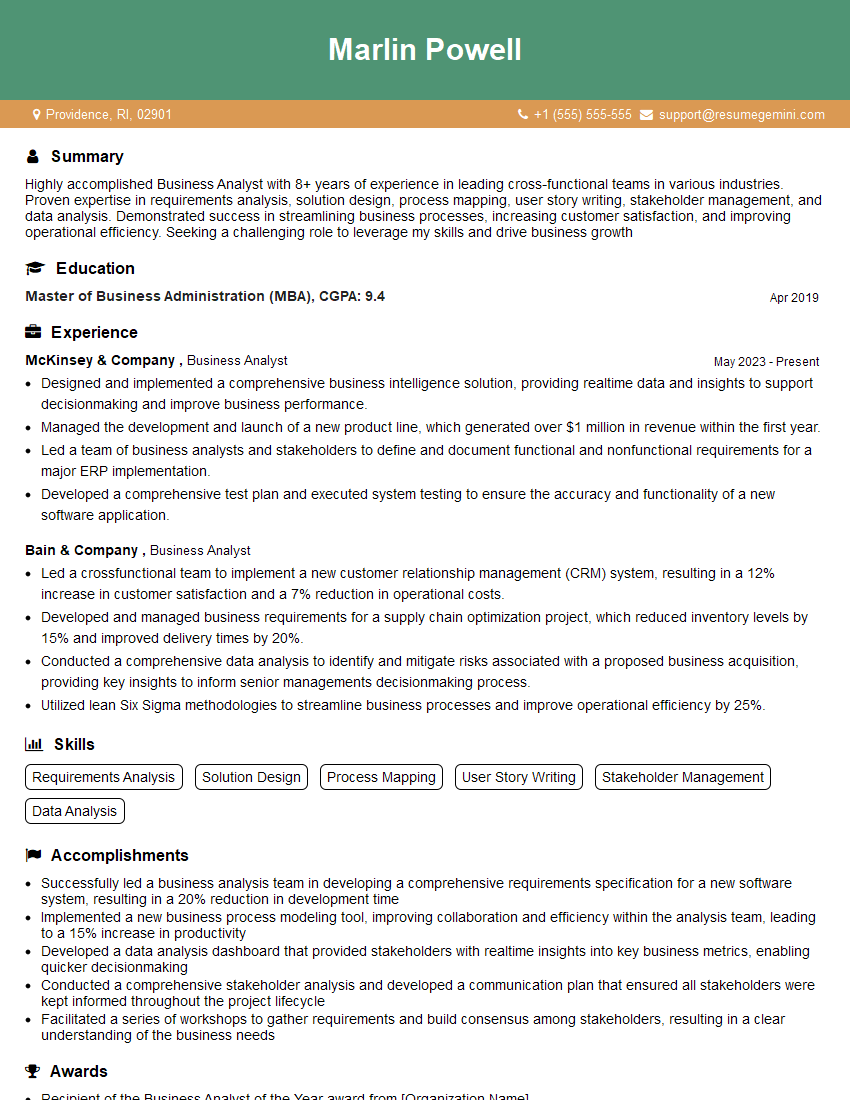
Business Analyst Resume Sample
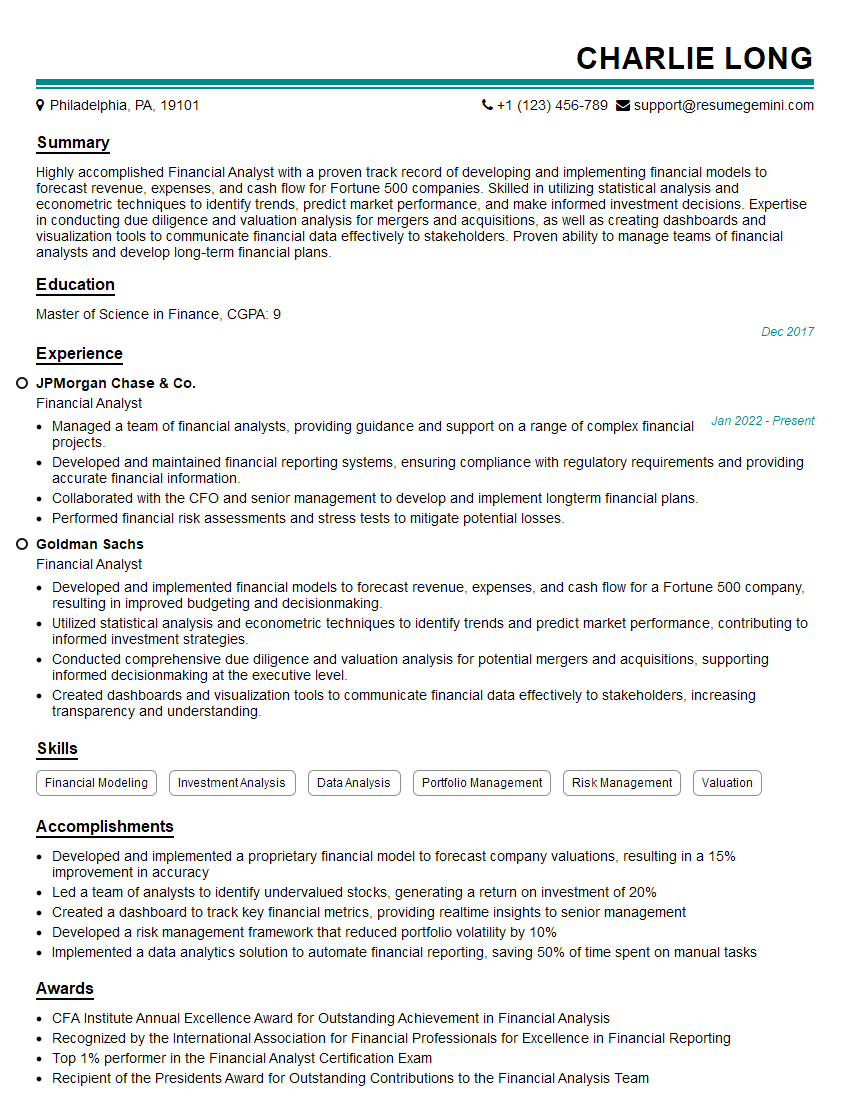
Financial Analyst Resume Sample
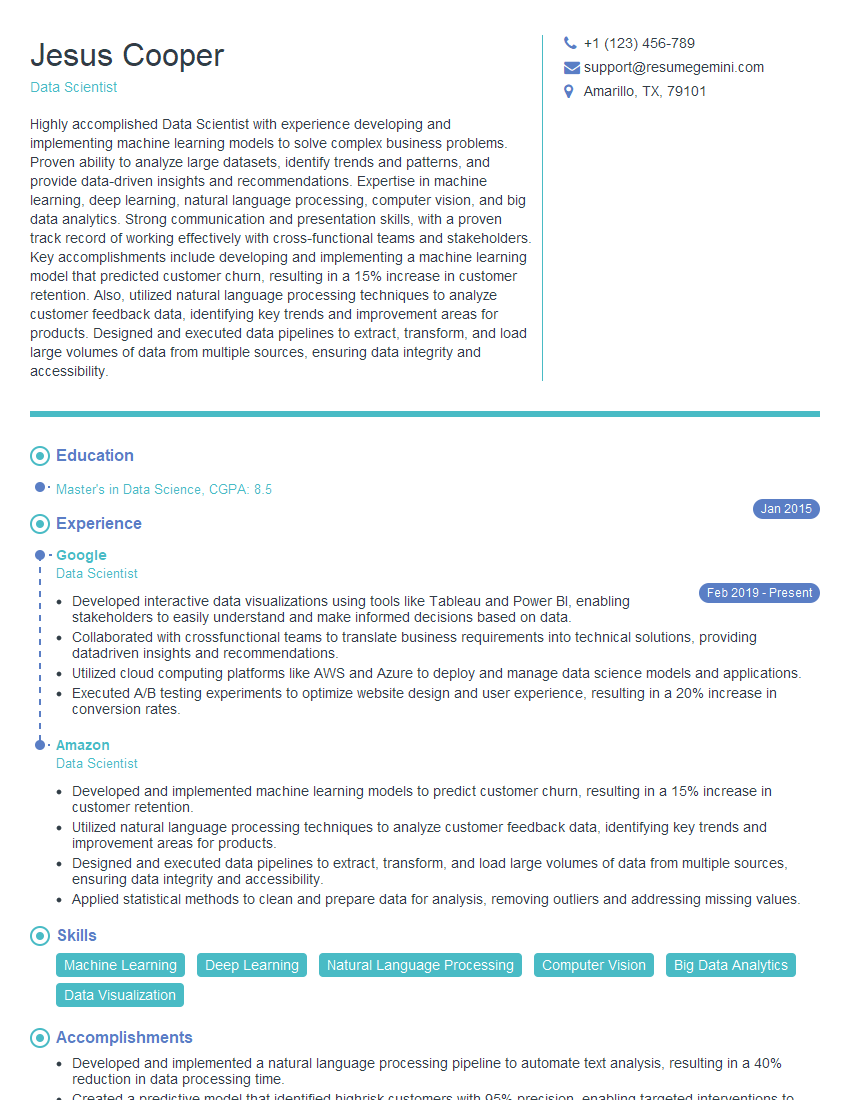
Data Scientist Resume Sample
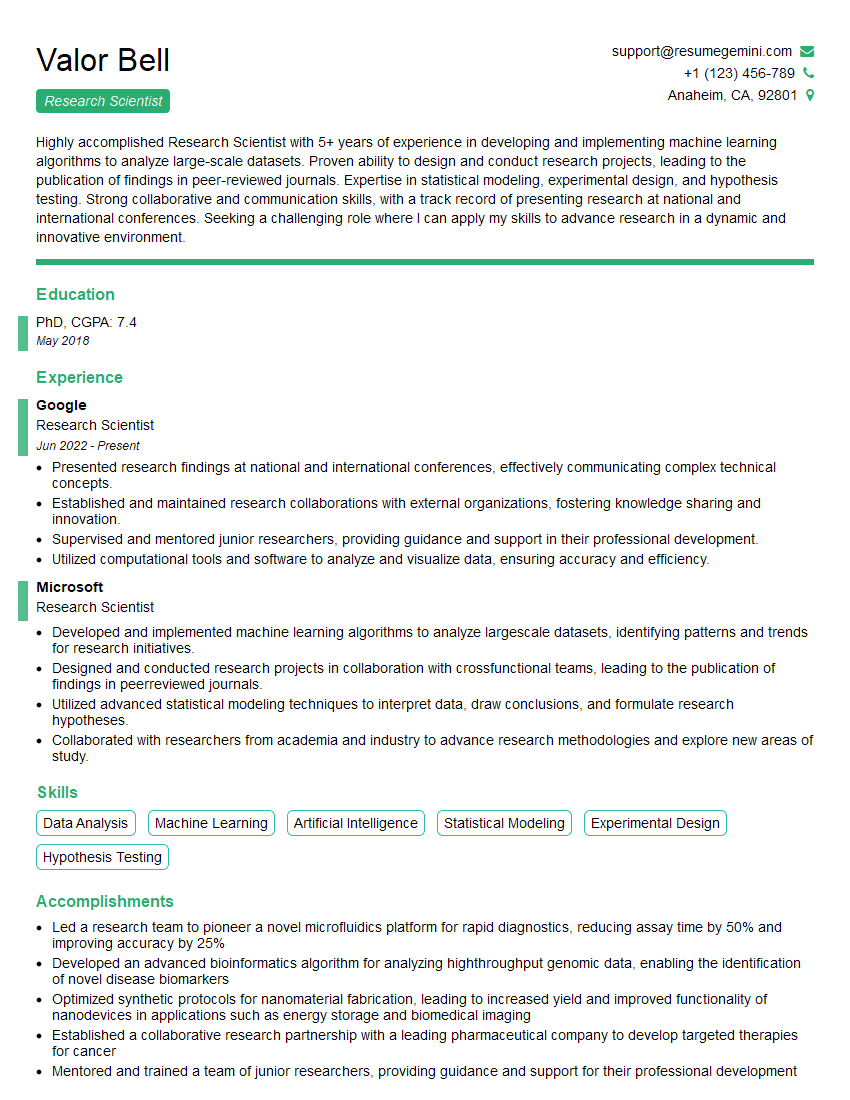
Research Scientist Resume Sample
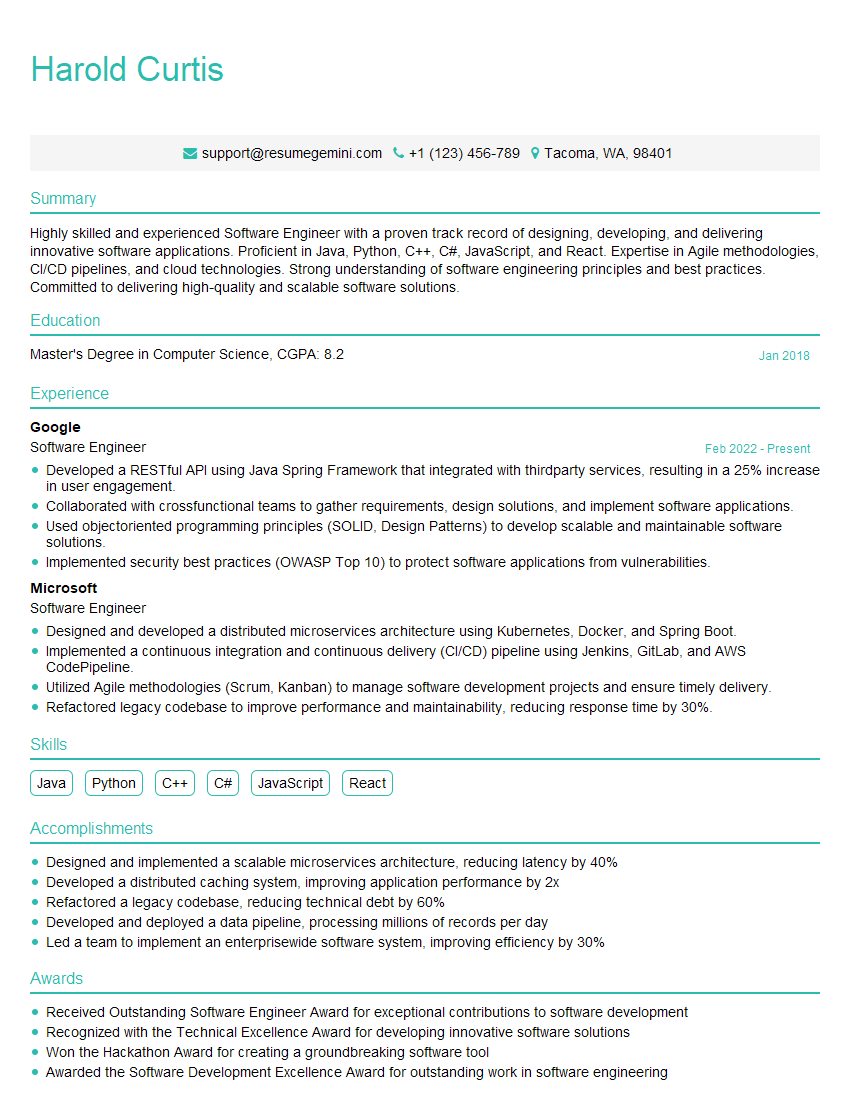
Software Engineer Resume Sample
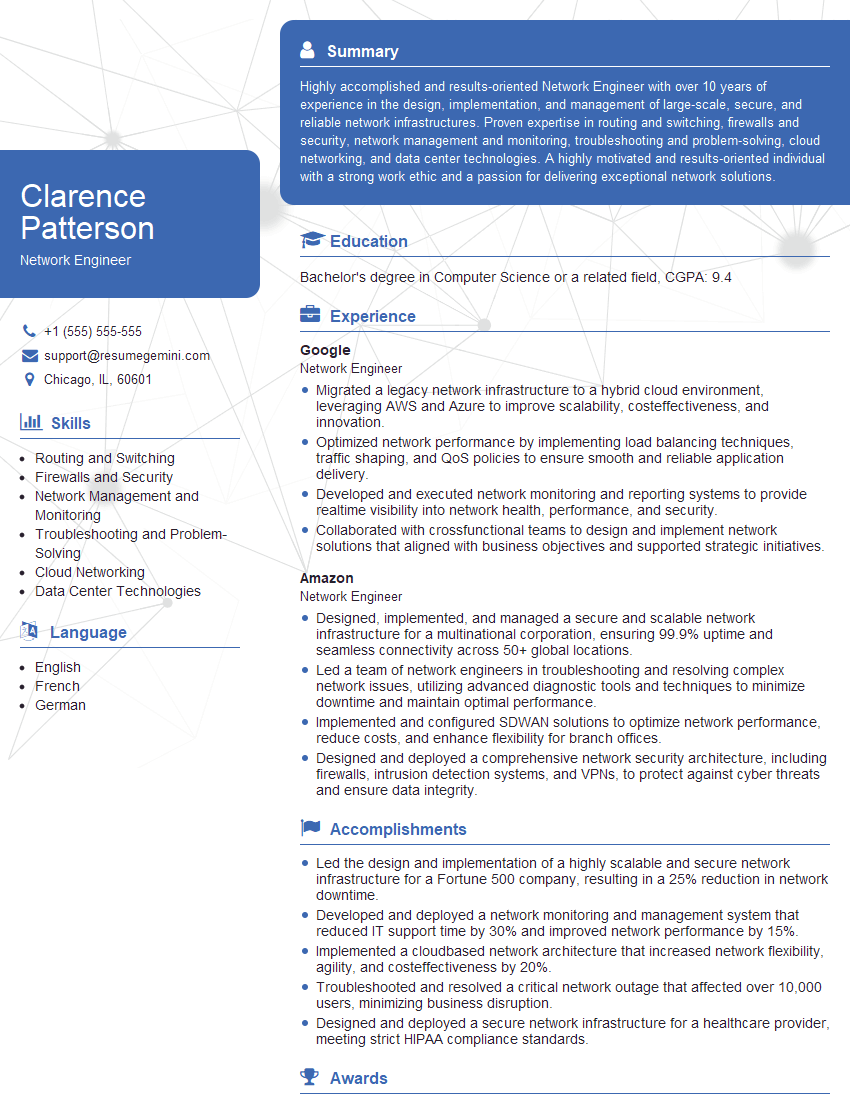
Network Engineer Resume Sample
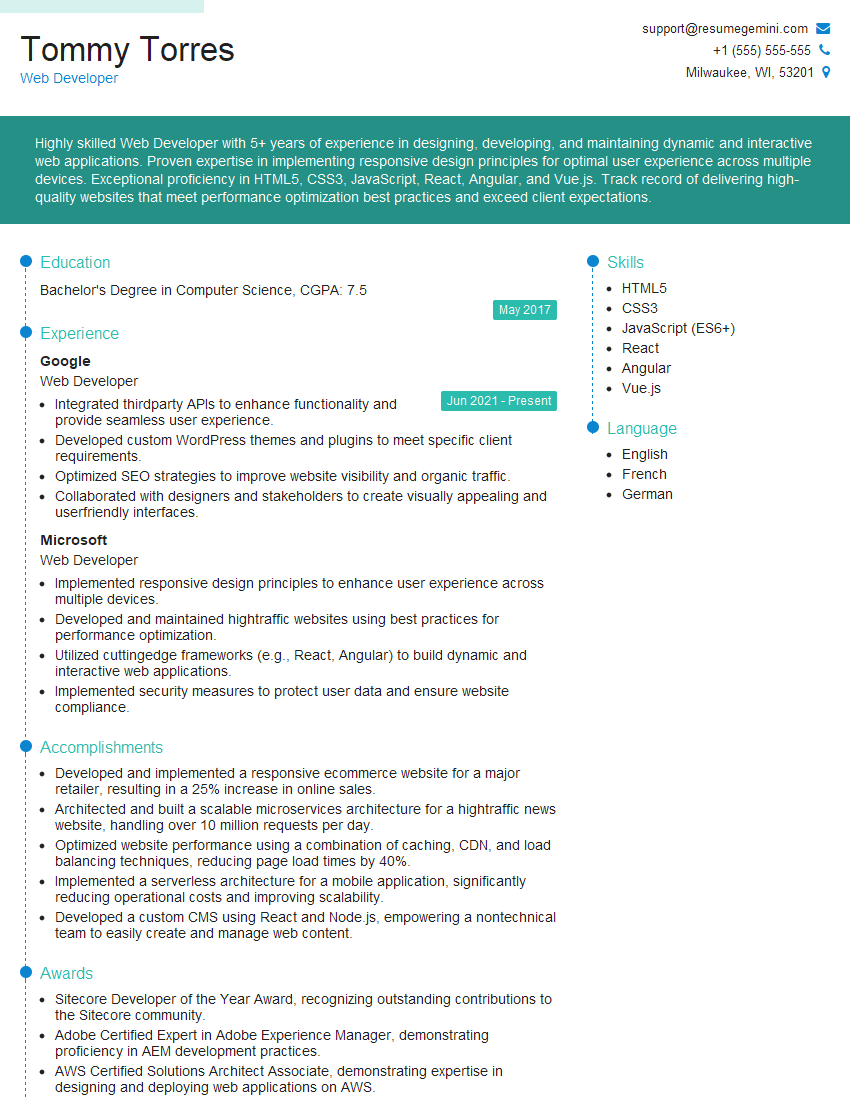
Web Developer Resume Sample
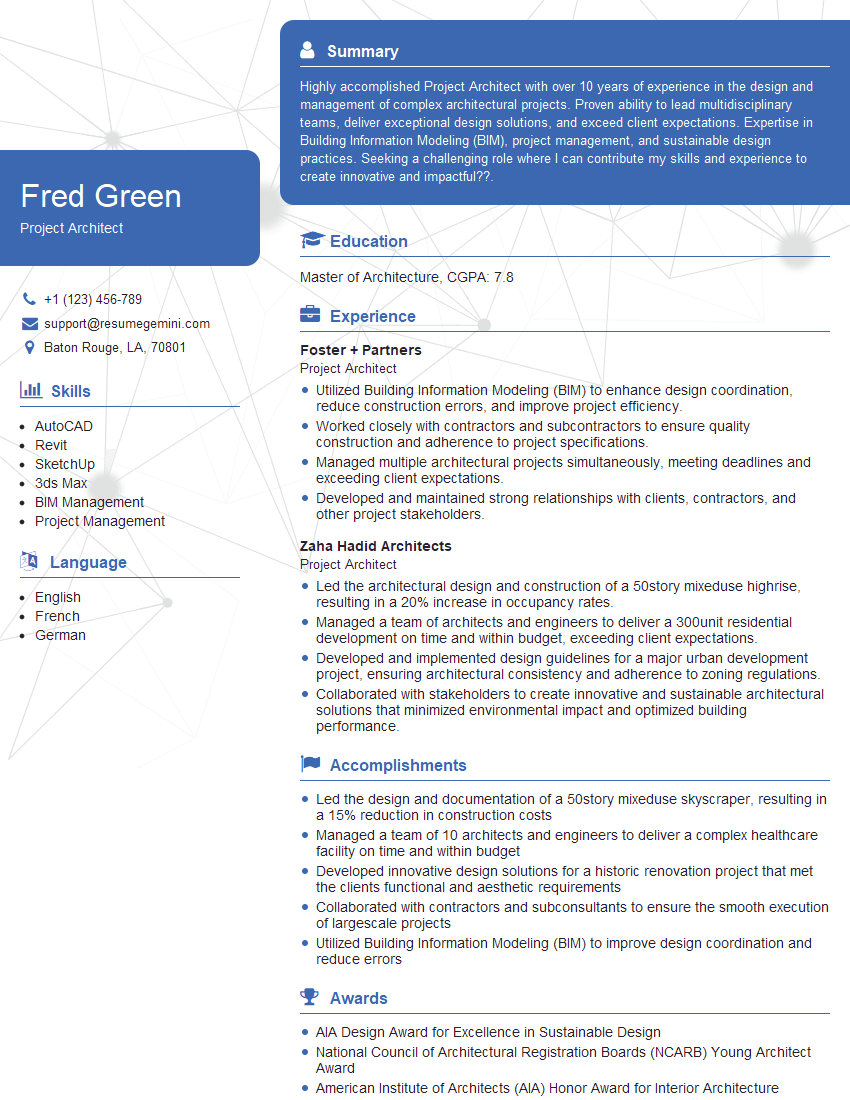
Project Architect Resume Sample
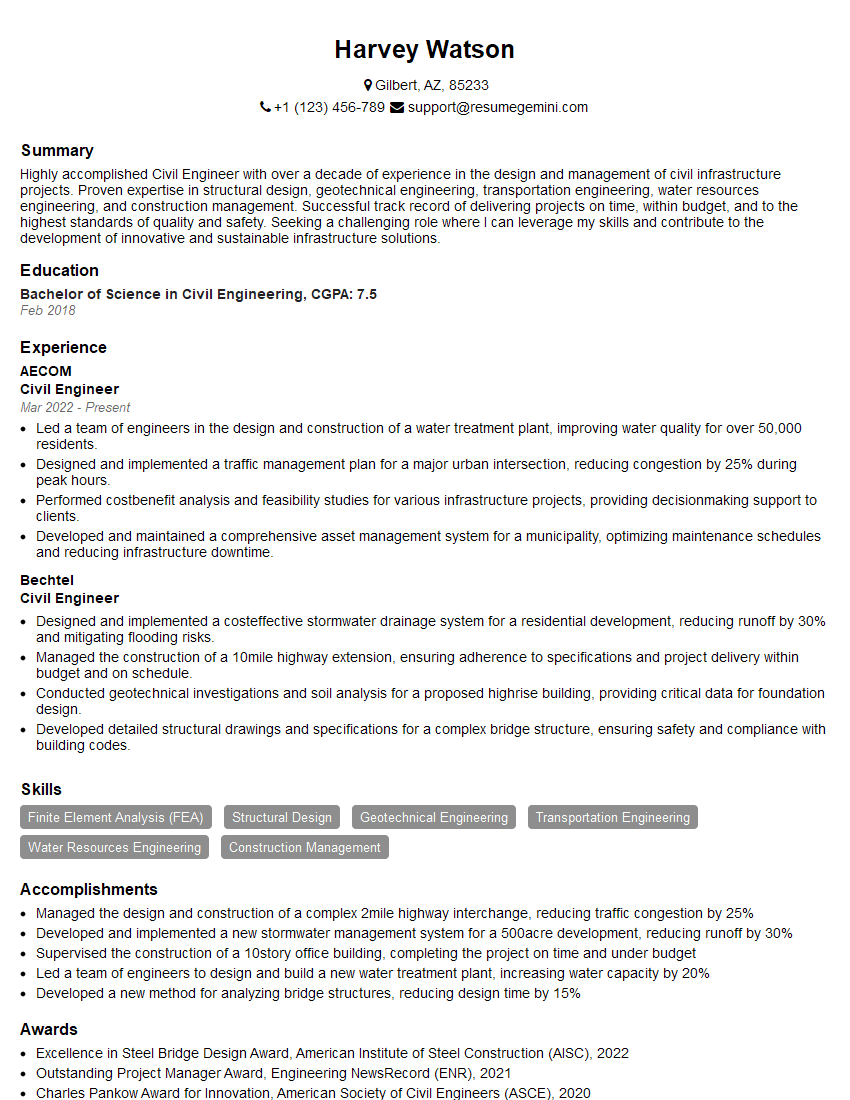
Civil Engineer Resume Sample
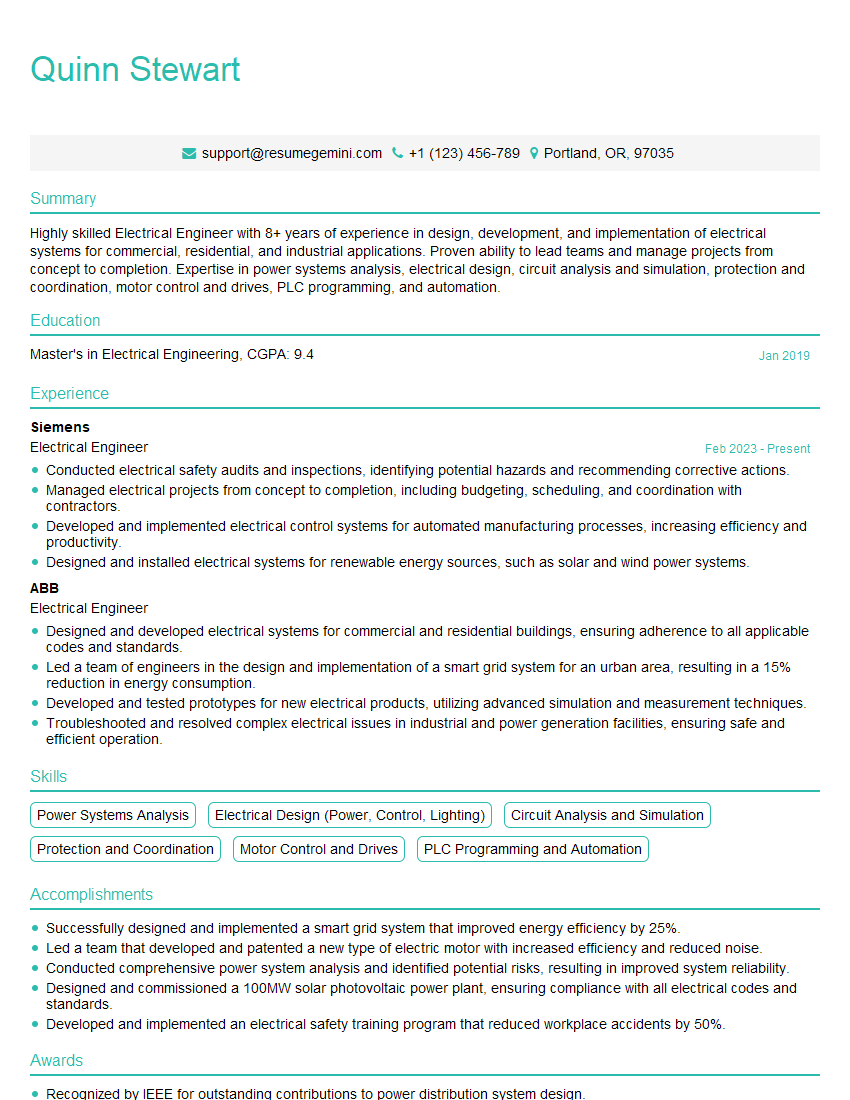
Electrical Engineer Resume Sample
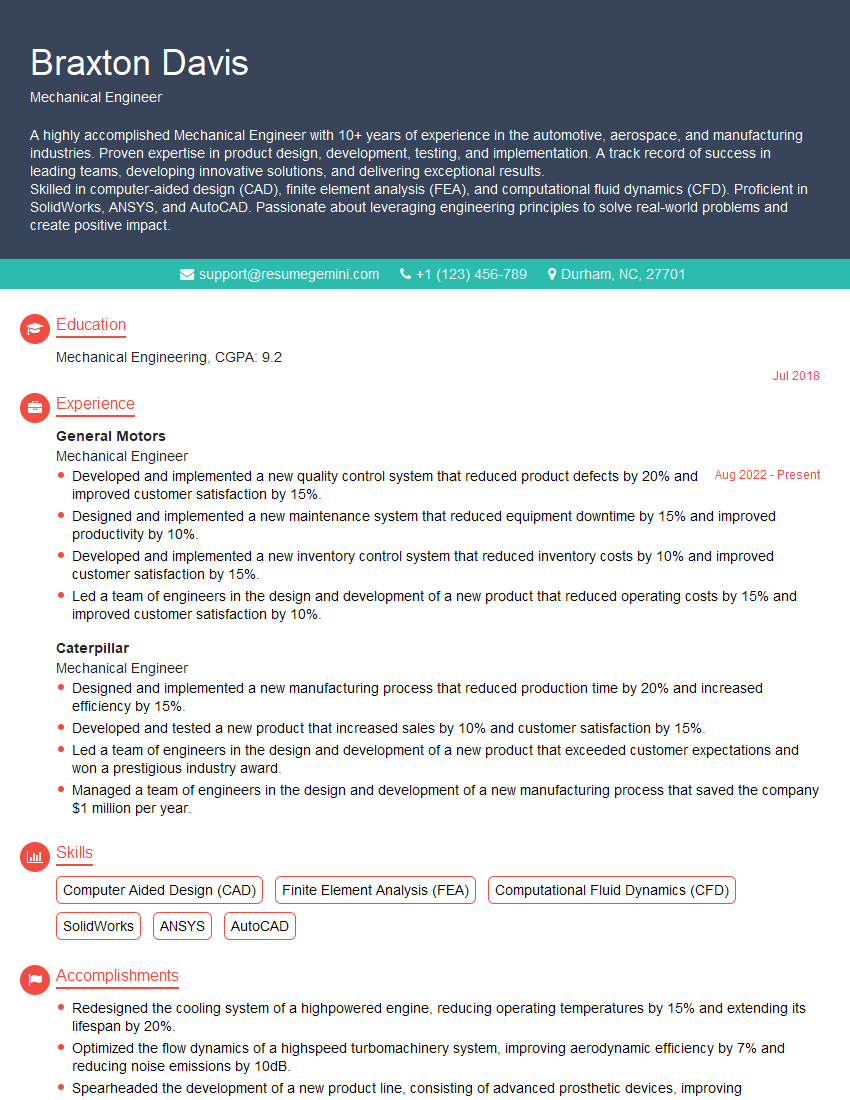
Mechanical Engineer Resume Sample

Technical Writer Resume Sample
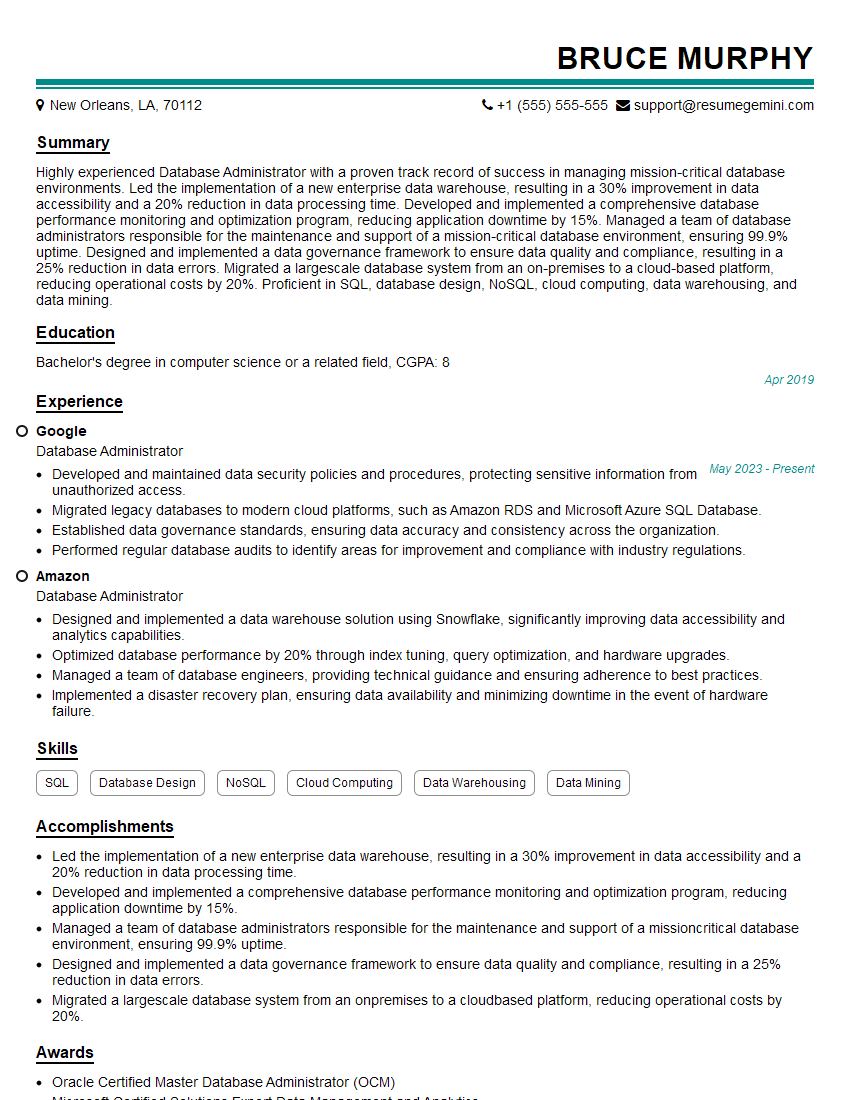
Database Administrator Resume Sample
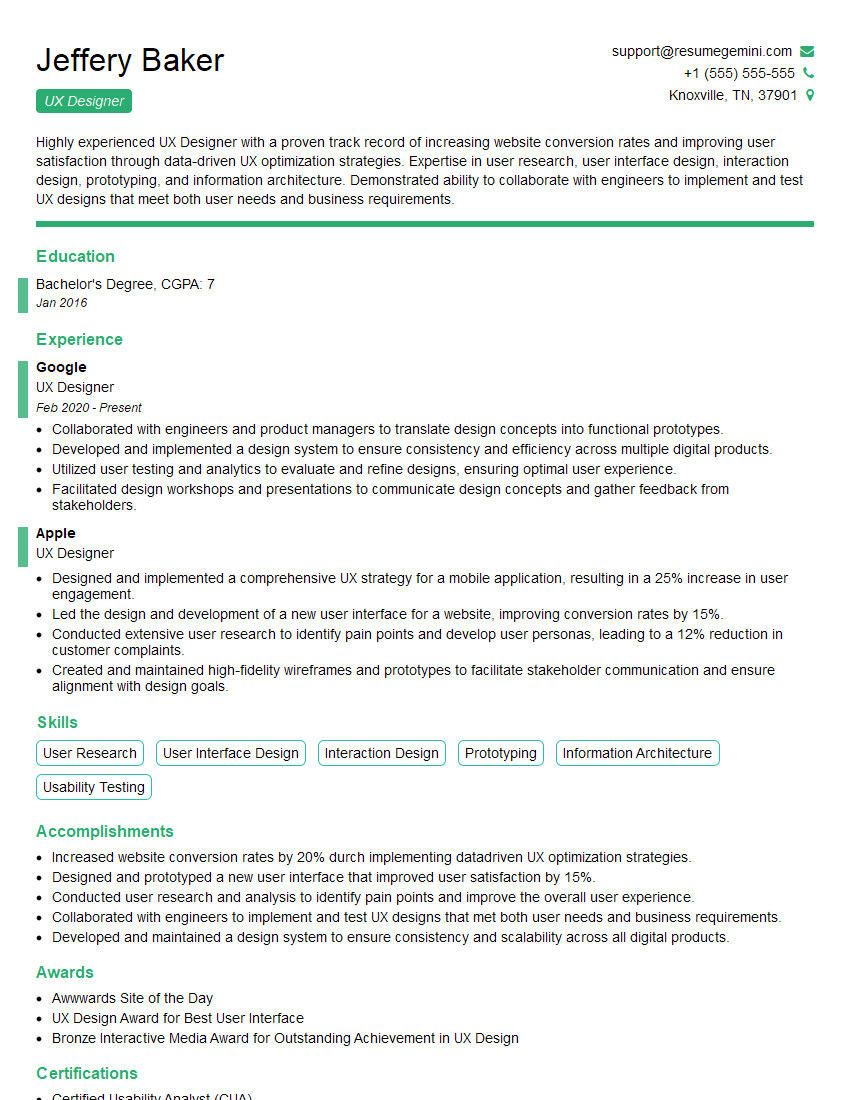
UX Designer Resume Sample
- Operations Manager
- Account Manager
- Marketing Manager
- Product Manager
- Sales Representative
- Supply Chain Manager
- Human Resources Manager
- Project Manager
- Business Analyst
- Financial Analyst
- Data Scientist
- Research Scientist
- Software Engineer
- Network Engineer
- Web Developer
- Project Architect
- Civil Engineer
- Electrical Engineer
- Mechanical Engineer
- Technical Writer
- Database Administrator
- UX Designer
Explore more articles
Users Rating of Our Blogs
Share Your Experience
We value your feedback! Please rate our content and share your thoughts (optional).
What Readers Say About Our Blog
To the interviewgemini.com Webmaster.
Very helpful and content specific questions to help prepare me for my interview!
Thank you
To the interviewgemini.com Webmaster.
This was kind of a unique content I found around the specialized skills. Very helpful questions and good detailed answers.
Very Helpful blog, thank you Interviewgemini team.