The thought of an interview can be nerve-wracking, but the right preparation can make all the difference. Explore this comprehensive guide to Communication and Coordination with Clients and Team interview questions and gain the confidence you need to showcase your abilities and secure the role.
Questions Asked in Communication and Coordination with Clients and Team Interview
Q 1. Describe your experience managing client expectations.
Managing client expectations is crucial for successful project delivery and maintaining positive client relationships. It’s about setting realistic goals, clearly communicating timelines and deliverables, and proactively addressing potential issues before they escalate. I achieve this through a multi-step process: First, I conduct a thorough needs analysis at the project outset, ensuring complete understanding of client requirements. Second, I translate these needs into a clear, concise project plan with well-defined milestones and deliverables, presented in a format the client can easily understand. Third, I maintain regular communication, providing updates on progress, addressing concerns promptly, and proactively alerting the client to potential delays or challenges. Finally, I always follow up after project completion to solicit feedback and gather insights for future projects. Think of it as a continuous feedback loop – setting expectations, delivering on them, and adjusting as needed.
For example, in a recent web development project, I initially presented a tentative timeline that, while ambitious, was ultimately unrealistic considering the scope. By proactively communicating this potential issue and outlining alternative approaches, I gained the client’s trust and secured their agreement to a revised, more realistic timeline, ultimately leading to a smoother and more successful project.
Q 2. How do you prioritize competing demands from multiple clients?
Prioritizing competing demands from multiple clients requires a structured approach. I use a combination of techniques, including project prioritization matrices and time management methodologies. I start by assigning each client request a priority level based on factors like urgency, impact on overall project goals, and client importance. This often involves using a weighted scoring system, where each factor receives a score, and the total score determines the priority. I then create a detailed schedule, allocating resources efficiently to ensure high-priority tasks are tackled first. Effective communication is key – transparently explaining priorities to clients helps manage expectations and avoid potential misunderstandings.
For instance, if one client requires an urgent bug fix while another needs a less critical feature added, I’d prioritize the bug fix due to its immediate impact on the client’s operations. I would then communicate this to the second client, providing them with a revised timeline for their feature request, thus ensuring all clients are kept informed and engaged.
Q 3. Explain your approach to resolving client conflicts.
Resolving client conflicts requires empathy, active listening, and a collaborative approach. My strategy involves: 1) Identifying the root cause of the conflict; 2) Bringing all parties together in a neutral environment to discuss the issue openly and honestly; 3) Actively listening to each perspective without interrupting or judging; 4) Facilitating a discussion to identify common ground and mutually acceptable solutions; 5) Documenting the agreed-upon solution and outlining the steps needed to implement it. I strive to transform conflicts into opportunities to strengthen client relationships.
In one case, two clients had conflicting requirements for a shared software feature. By facilitating a direct conversation, I guided them toward a compromise that met both needs, demonstrating that even seemingly irreconcilable differences can be resolved through open communication and collaborative problem-solving.
Q 4. How do you handle difficult or demanding clients?
Handling difficult or demanding clients requires patience, professionalism, and a focus on building rapport. I approach such situations with empathy, understanding that their demanding nature may stem from legitimate concerns or past negative experiences. I prioritize active listening, validating their concerns and ensuring they feel heard. I then clearly communicate expectations, setting boundaries while remaining respectful and professional. I also utilize de-escalation techniques, focusing on finding common ground and collaboratively working toward solutions.
For example, with a particularly demanding client who was constantly requesting updates, I implemented a regular, scheduled update system, providing concise reports that addressed their concerns. This proactive approach significantly reduced their frustration and improved the overall working relationship. It’s about finding the right balance between being responsive and managing expectations.
Q 5. Describe a time you had to negotiate with a client.
In a recent project, the client requested additional features beyond the initial scope of the project, which would require more time and resources. I negotiated this by presenting a detailed breakdown of the additional costs and timelines involved. We collaboratively reviewed and adjusted the project scope to prioritize the most critical features and agreed on a phased implementation plan. This allowed us to meet the client’s needs while managing the project’s resources effectively. Successful negotiation involves clear communication, mutual understanding, and a willingness to find creative solutions that benefit all parties involved.
Q 6. How do you ensure consistent communication with clients and team members?
Consistent communication is paramount. I leverage a multi-channel approach, employing regular meetings (both in-person and virtual), email updates, project management software (such as Asana or Jira), and instant messaging (such as Slack) for quick queries. For clients, I tailor the communication frequency and method to their preferences, ensuring they receive timely and relevant updates without feeling overwhelmed. With the team, consistent communication is facilitated through daily stand-up meetings, weekly progress reports, and collaborative documentation in shared project spaces. Transparency and open communication foster trust and efficiency.
Q 7. What tools or techniques do you use to facilitate team collaboration?
To facilitate team collaboration, I utilize a variety of tools and techniques. Project management software like Asana or Jira are indispensable for task assignment, progress tracking, and communication. We also utilize collaborative document editing tools like Google Docs or Microsoft Office 365 for real-time teamwork on documents and presentations. Regular team meetings, both formal and informal, foster open communication and problem-solving. Visual communication tools, like Kanban boards, help visualize workflows and project progress. Finally, encouraging open communication and feedback throughout the project ensures team members feel valued and engaged. The right tools are only effective if complemented by a culture of collaboration.
Q 8. How do you track progress on multiple projects simultaneously?
Tracking progress on multiple projects simultaneously requires a structured approach and the right tools. I rely on a combination of project management software and personal organizational strategies. Think of it like conducting an orchestra – each project is a different instrument, and I need to ensure each section plays its part harmoniously.
- Prioritization: I use a system like Eisenhower Matrix (Urgent/Important) to prioritize tasks across all projects, ensuring that time-sensitive and critical tasks get immediate attention.
- Time Blocking: I allocate specific time blocks in my day for focused work on each project. This prevents multitasking and improves concentration.
- Regular Check-ins: Daily or weekly check-ins with team members on individual project progress are crucial. This keeps everyone on track and allows for early identification of potential roadblocks.
- Visual Management: Tools like Kanban boards (physical or digital) give a clear overview of the workflow and progress for each project. This visual representation helps me identify bottlenecks quickly.
For instance, I might dedicate Monday mornings to project A, Wednesday afternoons to project B, and so on. This structured approach ensures that each project receives the necessary attention, preventing one from overshadowing the others.
Q 9. Describe your experience using project management software.
I have extensive experience using various project management software, including Asana, Trello, Jira, and Monday.com. My choice of software depends on the project’s complexity and the team’s familiarity with specific platforms. Each platform offers unique strengths. For example, Jira is excellent for agile development projects, while Asana works well for managing tasks across multiple teams.
Beyond basic task management, I leverage the reporting features to monitor progress, identify delays, and track resource allocation. I find the ability to create custom dashboards and reports invaluable in presenting concise updates to both clients and the team. This also allows for proactive issue identification and resolution.
For instance, in a recent project using Asana, I created custom fields to track client feedback, enabling efficient follow-up and demonstrating transparency throughout the project lifecycle.
Q 10. How do you identify and mitigate potential communication barriers?
Identifying and mitigating communication barriers is crucial for project success. It involves proactively understanding potential issues and implementing strategies to address them. I often use a ‘communication audit’ approach to systematically uncover these barriers.
- Identify Potential Barriers: This involves considering factors like language differences, cultural nuances, time zone discrepancies, differing communication styles (e.g., some prefer email, others instant messaging), and technological limitations.
- Choose the Right Medium: Selecting the appropriate communication channel is key. A complex technical issue might warrant a video call, while a quick update can be an email.
- Active Listening and Clarification: I always prioritize active listening and encourage team members and clients to ask clarifying questions. This ensures everyone is on the same page.
- Regular Check-ins and Feedback Sessions: Regular meetings help maintain open lines of communication and allow for early detection of misunderstandings.
- Documentation: Thorough documentation of decisions, agreements, and action items minimizes ambiguity and ensures everyone has access to the same information.
For example, when working with a client with limited English proficiency, I ensured all communication included visual aids and simple language, and we scheduled regular video calls for more in-depth discussions.
Q 11. How do you ensure that all stakeholders are kept informed?
Keeping all stakeholders informed requires a multi-faceted approach that combines regular updates, tailored communication, and transparent documentation. I view this as building trust and fostering collaboration.
- Centralized Communication Hub: Establishing a central location for project-related information, such as a shared document repository or project management software, ensures everyone has access to the same information.
- Regular Updates: I schedule regular updates, tailored to the stakeholder’s level of interest and technical understanding. This could include weekly email summaries for clients or daily stand-up meetings with the team.
- Targeted Communication: I customize communication depending on the audience. Technical updates are delivered to the technical team, while business updates are shared with management.
- Feedback Mechanisms: Establishing mechanisms for stakeholders to provide feedback – such as surveys, feedback forms, or dedicated meeting time – ensures their voices are heard.
For example, I might send a weekly email to clients summarizing progress, while simultaneously using a project management tool to provide more detailed updates to the team.
Q 12. Explain your approach to providing regular updates to clients.
Providing regular updates to clients is about building trust and managing expectations. My approach involves proactive communication, tailored reporting, and responsiveness to inquiries.
- Regular Reporting Cadence: I establish a clear reporting cadence with the client at the project’s outset. This could be weekly, bi-weekly, or monthly reports, depending on the project’s complexity and client preference.
- Tailored Reporting: Reports are customized to the client’s needs and level of technical expertise. They avoid jargon and clearly highlight key milestones, achievements, and potential roadblocks.
- Proactive Communication: I proactively communicate both good news and bad news, ensuring transparency and allowing for early mitigation of potential problems.
- Multiple Communication Channels: I use multiple communication channels as needed, such as email, video calls, and project management software updates, to suit the client’s preferences and the nature of the update.
For instance, I might provide a concise weekly email summary to a busy executive, while offering a more detailed monthly report with supporting data to a project manager.
Q 13. How do you handle feedback from clients and team members?
Handling feedback from clients and team members effectively is vital for project success and team morale. My approach is based on active listening, constructive dialogue, and decisive action.
- Active Listening: I actively listen to feedback without interrupting, seeking to understand the perspective before responding.
- Constructive Dialogue: I encourage open and honest discussion, asking clarifying questions to ensure I fully grasp the concerns and suggestions.
- Documentation and Follow-up: All feedback is documented, and I follow up with concrete action plans to address concerns or implement suggestions.
- Transparency and Accountability: I maintain transparency in how feedback is addressed and communicate the outcomes to all relevant stakeholders.
For instance, if a team member suggests a process improvement, I would thoroughly investigate the feasibility, document the feedback, and then either implement the change or provide a well-reasoned explanation for why it’s not possible at the current time.
Q 14. Describe a time you had to adapt your communication style to a particular client.
In a recent project with a high-level executive client, I had to adapt my communication style significantly. They valued brevity and highly prioritized results. My usual detailed reports were perceived as too verbose.
Initially, I tried my usual detailed reporting approach, which was met with frustration and requests for more concise updates. Recognizing the need to adapt, I shifted to a more results-oriented approach. I focused on presenting key performance indicators (KPIs), highlighting accomplishments and setbacks using clear, concise language and visual aids (charts, graphs) in my reports. I also began utilizing shorter, more frequent email updates to provide timely status reports instead of longer, less frequent comprehensive reports. This change drastically improved the client’s satisfaction and strengthened our working relationship.
Q 15. How do you build and maintain strong client relationships?
Building and maintaining strong client relationships is the cornerstone of any successful business. It’s about consistently exceeding expectations and fostering a sense of trust and partnership. This involves proactive communication, active listening, and a genuine desire to understand their needs.
- Proactive Communication: I initiate regular check-ins, not just when there’s a problem. This could be a weekly email update, a monthly call, or even a quick message to acknowledge their input. For example, after delivering a project milestone, I follow up with a short email asking if they have any immediate feedback or questions.
- Active Listening: I prioritize listening carefully to understand their concerns, even if they’re not directly related to the project. I ask clarifying questions to ensure I fully grasp their perspective. For example, if a client expresses frustration about an unrelated internal issue, I acknowledge their feelings and offer support in a way that’s relevant to my role.
- Meeting Expectations and Exceeding Them: Delivering projects on time and within budget is crucial. However, going the extra mile – perhaps by offering an unexpected improvement or anticipating a future need – truly solidifies the relationship. For example, offering suggestions for optimization after the project delivery demonstrates a commitment to their ongoing success.
- Transparency and Honesty: Open and honest communication is key, even when delivering bad news. I always aim to provide clients with realistic expectations and proactively address any potential issues.
By consistently applying these strategies, I cultivate long-term partnerships built on mutual respect and trust.
Career Expert Tips:
- Ace those interviews! Prepare effectively by reviewing the Top 50 Most Common Interview Questions on ResumeGemini.
- Navigate your job search with confidence! Explore a wide range of Career Tips on ResumeGemini. Learn about common challenges and recommendations to overcome them.
- Craft the perfect resume! Master the Art of Resume Writing with ResumeGemini’s guide. Showcase your unique qualifications and achievements effectively.
- Don’t miss out on holiday savings! Build your dream resume with ResumeGemini’s ATS optimized templates.
Q 16. How do you motivate and support your team members?
Motivating and supporting my team involves creating a positive and collaborative work environment where everyone feels valued and empowered. This requires understanding individual strengths, providing constructive feedback, and offering opportunities for growth.
- Recognition and Appreciation: I regularly acknowledge individual and team accomplishments, both big and small. This can be through verbal praise, written feedback, or even small gestures of appreciation.
- Empowerment and Autonomy: I delegate tasks strategically, giving team members ownership and the freedom to take initiative. I trust their judgment and provide support as needed.
- Constructive Feedback: I provide regular, constructive feedback focusing on both strengths and areas for improvement. This feedback is always delivered in a supportive and encouraging manner. I use the sandwich method, starting with positive feedback, then addressing the improvement area, and ending with another positive comment.
- Mentorship and Development: I invest in the professional development of my team members by providing opportunities for training, mentoring, and skill enhancement.
- Open Communication: I foster open communication by encouraging regular team meetings, brainstorming sessions, and informal conversations. I ensure my team has access to me when they need guidance or support.
By fostering a culture of trust, support, and empowerment, I create a team that is motivated, engaged, and high-performing.
Q 17. How do you resolve conflicts within your team?
Conflict is inevitable in any team, but it’s how we handle it that determines the outcome. My approach focuses on addressing the issue directly, facilitating a productive conversation, and fostering a collaborative solution.
- Identify the Root Cause: I start by actively listening to all parties involved to understand the perspectives and identify the underlying cause of the conflict. It’s crucial to separate the issue from the personalities involved.
- Facilitate Open Dialogue: I create a safe space for everyone to express their concerns without interruption. I guide the conversation to focus on solutions rather than blame.
- Find Common Ground: I help the team identify areas of agreement and work towards a solution that addresses everyone’s needs. This often involves compromise and negotiation.
- Document Agreement: Once a solution is reached, I ensure it’s clearly documented and understood by all parties. This minimizes the risk of future misunderstandings.
- Follow Up: I follow up with the team after the conflict is resolved to ensure the solution is effective and to address any lingering concerns.
By employing a structured and empathetic approach, I transform conflicts into opportunities for growth and improved team dynamics.
Q 18. Describe your experience delegating tasks effectively.
Effective delegation is about assigning tasks based on individual strengths and skill sets, providing clear instructions and expectations, and empowering individuals to take ownership. I use a structured approach to ensure tasks are completed efficiently and effectively.
- Assess Team Member Capabilities: Before delegating, I carefully assess each team member’s skills and experience to ensure the task aligns with their capabilities. This ensures they feel challenged yet confident in their ability to succeed.
- Provide Clear Instructions and Expectations: I provide clear, concise instructions, outlining the desired outcome, deadlines, and any specific requirements. I use SMART goals (Specific, Measurable, Achievable, Relevant, Time-bound).
- Empowerment and Support: I empower team members by giving them the autonomy to make decisions and solve problems independently. However, I also provide ongoing support and guidance as needed. Regular check-ins help keep the project on track.
- Monitor Progress: I regularly monitor progress and provide feedback to ensure the task is on track. I don’t micromanage, but I provide support and address any roadblocks.
- Recognize and Reward: I recognize and reward team members for successful task completion. This reinforces positive behavior and encourages future contributions.
For example, in a recent project, I delegated specific modules to team members based on their expertise in those areas, resulting in a faster and higher-quality delivery. The team felt a sense of ownership and success, and the overall productivity increased significantly.
Q 19. How do you measure the success of your communication and coordination efforts?
Measuring the success of communication and coordination efforts requires a multifaceted approach that goes beyond simple project completion. I use a combination of qualitative and quantitative metrics to assess effectiveness.
- Project Completion Metrics: On-time and within-budget project delivery is a key indicator. This includes tracking milestones and deadlines.
- Client Satisfaction: Client feedback surveys and regular check-ins provide valuable insights into client satisfaction levels. This can be measured through formal feedback mechanisms or informal conversations.
- Team Morale and Productivity: Team morale surveys and observation can reveal the overall effectiveness of communication and collaboration within the team. High morale and productivity are excellent signs.
- Communication Efficiency: Tracking response times to emails and other communication channels helps gauge the efficiency of communication. Shorter response times usually indicate better communication flow.
- Conflict Resolution Rate: Monitoring the rate at which conflicts are resolved effectively contributes to assessing communication effectiveness. Fewer conflicts and quick resolutions highlight successful communication and coordination.
By considering these factors holistically, I gain a comprehensive understanding of the effectiveness of my communication and coordination strategies.
Q 20. How do you handle situations where communication breaks down?
When communication breaks down, it’s crucial to address the issue swiftly and proactively. My approach involves identifying the root cause, restoring communication, and preventing future breakdowns.
- Identify the Breakdown: Pinpoint where and why communication failed. Was it a lack of clarity, misinformation, or a breakdown in the communication channels?
- Acknowledge the Problem: Openly acknowledge the communication breakdown to all involved parties. Avoid placing blame; focus on finding a solution.
- Clarify Information: If the breakdown was due to misunderstanding, re-communicate the necessary information clearly and concisely using multiple channels if necessary (email, phone call, in-person meeting).
- Re-establish Communication Channels: Ensure everyone is using the appropriate communication channels and that everyone understands the protocols. This could include setting up regular meetings or utilizing project management tools.
- Implement Preventative Measures: Review communication processes to identify potential weaknesses and implement improvements to avoid future breakdowns. This may involve developing clearer communication guidelines or training for the team.
For example, if a project deadline is missed due to a lack of communication between team members, I would address the issue by holding a meeting to review the project plan, clarify roles and responsibilities, and establish a new communication plan with regular check-ins.
Q 21. Describe your experience with crisis communication.
Crisis communication requires a calm, decisive, and transparent approach. My experience has taught me the importance of swift action, accurate information, and consistent messaging.
- Assess the Situation: Quickly gather information to understand the nature and scope of the crisis.
- Develop a Communication Plan: Create a clear communication plan outlining key messages, target audiences, and communication channels. This should include designated spokespeople and communication protocols.
- Communicate Quickly and Accurately: Share accurate information with all stakeholders as quickly as possible. Transparency builds trust, even during difficult times.
- Maintain Consistent Messaging: Ensure consistent messaging across all channels to avoid confusion and maintain credibility.
- Monitor the Situation: Continuously monitor the situation and adapt the communication strategy as needed. This might involve tracking media coverage or social media sentiment.
- Empathy and Support: Show empathy and support for those affected by the crisis. This is crucial for maintaining relationships and rebuilding trust.
In a past role, we faced a significant product recall. By quickly establishing a clear communication plan and consistently sharing accurate information with customers, retailers, and the media, we minimized the negative impact of the crisis and maintained our reputation.
Q 22. How do you utilize different communication channels effectively?
Effective communication relies on choosing the right channel for the message. I tailor my approach based on urgency, message complexity, and recipient preferences.
- Email: Ideal for formal communication, detailed updates, or information requiring a record. For example, I use email to send project summaries or formal proposals to clients.
- Instant Messaging (Slack, Teams): Best for quick questions, real-time collaboration, and informal updates. I frequently use this for quick check-ins with team members or to address client queries needing immediate attention.
- Phone Calls: Excellent for complex discussions, sensitive issues, or situations needing immediate clarification. I utilize phone calls to discuss critical project milestones or address client concerns requiring a more personal touch.
- Video Conferencing (Zoom, Google Meet): Suitable for team meetings, client presentations, and collaborative brainstorming sessions. This allows for visual communication and stronger relationship-building, especially crucial for initial client meetings or project reviews.
- Project Management Software (Asana, Trello): I use these to track progress, assign tasks, share files, and maintain a central repository for all project-related communication, ensuring transparency and accountability.
By strategically selecting the appropriate channel, I ensure efficient and effective communication, reducing misunderstandings and improving productivity.
Q 23. Explain your process for managing client onboarding.
My client onboarding process is designed to be smooth and efficient, establishing a strong foundation for a successful working relationship. It involves:
- Pre-onboarding Communication: Before the official start, I send a welcome email outlining the next steps and collecting necessary information. This prepares the client for what to expect.
- Kick-off Meeting: A virtual or in-person meeting where I formally introduce the team, review the project scope, define roles and responsibilities, and establish clear communication channels.
- Initial Documentation Review: I review and clarify any contracts, agreements, or project requirements, ensuring everyone is on the same page.
- Training and Support: Depending on the project, I provide training or support to the client on any necessary systems or processes.
- Regular Check-ins: Throughout the onboarding period, I schedule regular check-in calls to address any questions or concerns and track progress. This proactive approach ensures a seamless transition and early identification of potential issues.
This structured approach not only ensures a smooth start but also builds trust and establishes open communication with the client from day one.
Q 24. How do you maintain confidentiality with client information?
Confidentiality is paramount. I adhere to strict data privacy policies and utilize secure communication channels. This includes:
- Data Encryption: Using secure platforms that encrypt sensitive data both in transit and at rest.
- Access Control: Limiting access to client information to only authorized personnel on a need-to-know basis.
- Secure File Storage: Utilizing cloud storage services with robust security measures or encrypted local storage.
- Confidentiality Agreements: Ensuring all team members sign Non-Disclosure Agreements (NDAs) to protect client information.
- Password Management: Employing strong, unique passwords and utilizing password managers.
Moreover, I am always mindful of where and how I discuss client information, and I avoid discussing sensitive topics in public areas or on unsecured communication platforms. Client confidentiality is a non-negotiable aspect of my professional ethics.
Q 25. How do you adapt your communication style to different audiences?
Adapting my communication style is crucial for effective interaction. I consider the audience’s technical expertise, communication preferences, and cultural background.
- Technical vs. Non-technical Audiences: I adjust the level of technical detail in my communication, avoiding jargon when speaking to non-technical clients, while employing precise terminology when collaborating with technical teams.
- Communication Preferences: I pay attention to how clients prefer to receive information (email, phone, etc.) and tailor my approach accordingly. Some clients prefer concise updates, while others prefer more detailed reports.
- Cultural Sensitivity: I am mindful of cultural differences in communication styles, such as directness, formality, and non-verbal cues. For example, I might adjust my tone and approach when communicating with clients from different cultural backgrounds.
By actively listening and observing, I can adjust my language, tone, and approach to ensure clarity, understanding, and a positive communication experience for everyone.
Q 26. How do you proactively identify and address potential problems?
Proactive problem identification involves anticipating potential challenges and taking steps to mitigate them before they escalate. My approach includes:
- Regular Monitoring: I consistently monitor project progress, keeping an eye on deadlines, resources, and client feedback.
- Risk Assessment: I regularly assess potential risks and develop contingency plans. This might involve brainstorming potential roadblocks and outlining solutions in advance.
- Open Communication: I encourage open communication among team members and clients, making it easier to identify and address problems early on. This could involve daily stand-up meetings or regular progress reports.
- Data Analysis: Leveraging data to identify trends and patterns that might indicate emerging problems. For example, analyzing client feedback to understand satisfaction levels and areas for improvement.
- Proactive Reporting: I proactively report potential problems to stakeholders, giving them the chance to offer solutions and preventing problems from becoming crises.
This proactive approach saves time, resources, and minimizes negative impacts on project timelines and client satisfaction.
Q 27. Describe your experience with cross-functional team collaboration.
I have extensive experience collaborating with cross-functional teams, including designers, developers, marketers, and sales professionals. Effective collaboration requires:
- Clear Roles and Responsibilities: Defining clear roles and responsibilities from the outset prevents overlap and ensures accountability.
- Shared Communication Platforms: Utilizing shared communication tools (e.g., project management software, instant messaging) to foster transparency and efficient information sharing.
- Regular Meetings: Scheduling regular meetings to align on progress, address challenges, and ensure everyone is working towards common goals.
- Active Listening and Respectful Communication: Encouraging active listening and respectful communication among team members from different departments to avoid misunderstandings and build a cohesive team dynamic.
- Conflict Resolution: Developing strategies for resolving conflicts that may arise due to differing perspectives or priorities. This involves mediating discussions, finding common ground, and facilitating compromise.
In a recent project, I successfully coordinated a cross-functional team to launch a new product on time and within budget, despite initial challenges in aligning design and development timelines. Open communication and proactive problem-solving were key to our success.
Q 28. How do you ensure alignment between client goals and team objectives?
Aligning client goals with team objectives is crucial for project success. I achieve this through:
- Clear Definition of Client Goals: During the initial project scoping phase, I work closely with the client to clearly define their objectives, ensuring a shared understanding of desired outcomes.
- Translation into Measurable Objectives: I translate those goals into specific, measurable, achievable, relevant, and time-bound (SMART) objectives that the team can work towards. This translates qualitative goals into quantitative metrics that are easy to track and measure.
- Regular Progress Reviews: Regular progress reviews with the client allow us to compare actual results against defined objectives. This enables adjustments to the project plan or strategy to maintain alignment throughout the process.
- Open and Honest Communication: Open and honest communication helps ensure everyone is informed of progress, challenges, and potential deviations from the plan. This enables proactive adjustments and maintains alignment.
- Collaborative Problem-Solving: If discrepancies arise between client goals and team objectives, I facilitate collaborative problem-solving sessions with the client and team to find mutually agreeable solutions.
By maintaining a continuous feedback loop and fostering collaborative problem-solving, I ensure that both client and team objectives are achieved effectively.
Key Topics to Learn for Communication and Coordination with Clients and Team Interview
- Active Listening and Empathetic Communication: Understanding client needs and team perspectives through attentive listening and demonstrating empathy. Practical application: Role-playing scenarios to practice active listening and responding appropriately to diverse communication styles.
- Effective Written and Verbal Communication: Crafting clear, concise, and professional communication in various formats (emails, reports, presentations). Practical application: Developing a communication plan for a hypothetical project, outlining key messages and target audience.
- Conflict Resolution and Negotiation: Identifying and addressing disagreements constructively, finding mutually beneficial solutions. Practical application: Analyzing case studies of communication breakdowns and proposing solutions based on negotiation and compromise.
- Project Management and Collaboration Tools: Utilizing project management software and collaborative platforms (e.g., Trello, Asana, Slack) to streamline communication and workflow. Practical application: Describing your experience using such tools and the benefits they provide in a team setting.
- Stakeholder Management: Identifying and managing expectations of various stakeholders (clients, team members, management). Practical application: Developing a stakeholder map for a hypothetical project, outlining communication strategies for each group.
- Nonverbal Communication Awareness: Understanding the impact of body language and tone on communication effectiveness. Practical application: Self-reflection on your own nonverbal communication and how it contributes to successful interactions.
- Feedback Mechanisms and Continuous Improvement: Establishing regular feedback loops with clients and team members to enhance communication and processes. Practical application: Describing a process for gathering and incorporating feedback to improve team performance.
Next Steps
Mastering communication and coordination skills is crucial for career advancement in any field. Strong communication builds trust, enhances collaboration, and leads to successful project delivery. This translates to increased responsibility, higher earning potential, and greater job satisfaction. To increase your chances of landing your dream job, create a resume that stands out to Applicant Tracking Systems (ATS). ResumeGemini is a trusted resource that can help you build a professional and ATS-friendly resume. We provide examples of resumes tailored to Communication and Coordination with Clients and Team roles to help guide you. Take the next step towards your career success – build your best resume with ResumeGemini.
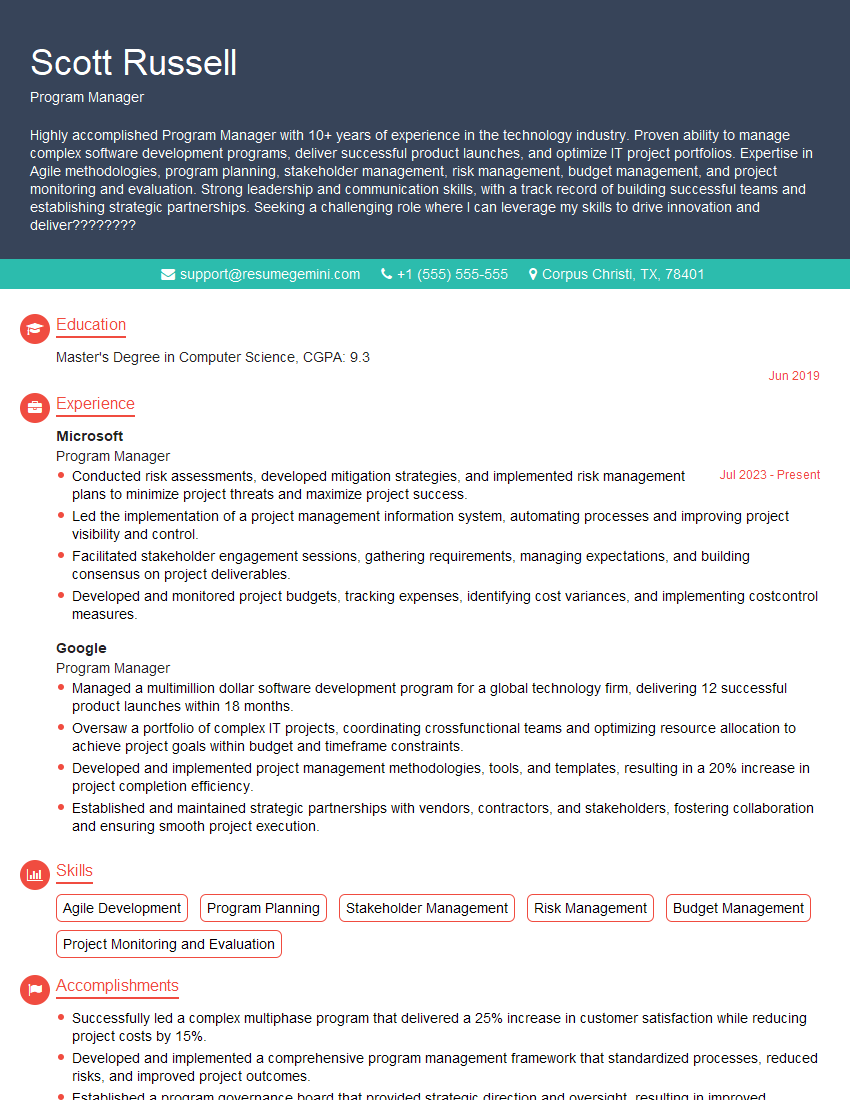
Program Manager Resume Sample
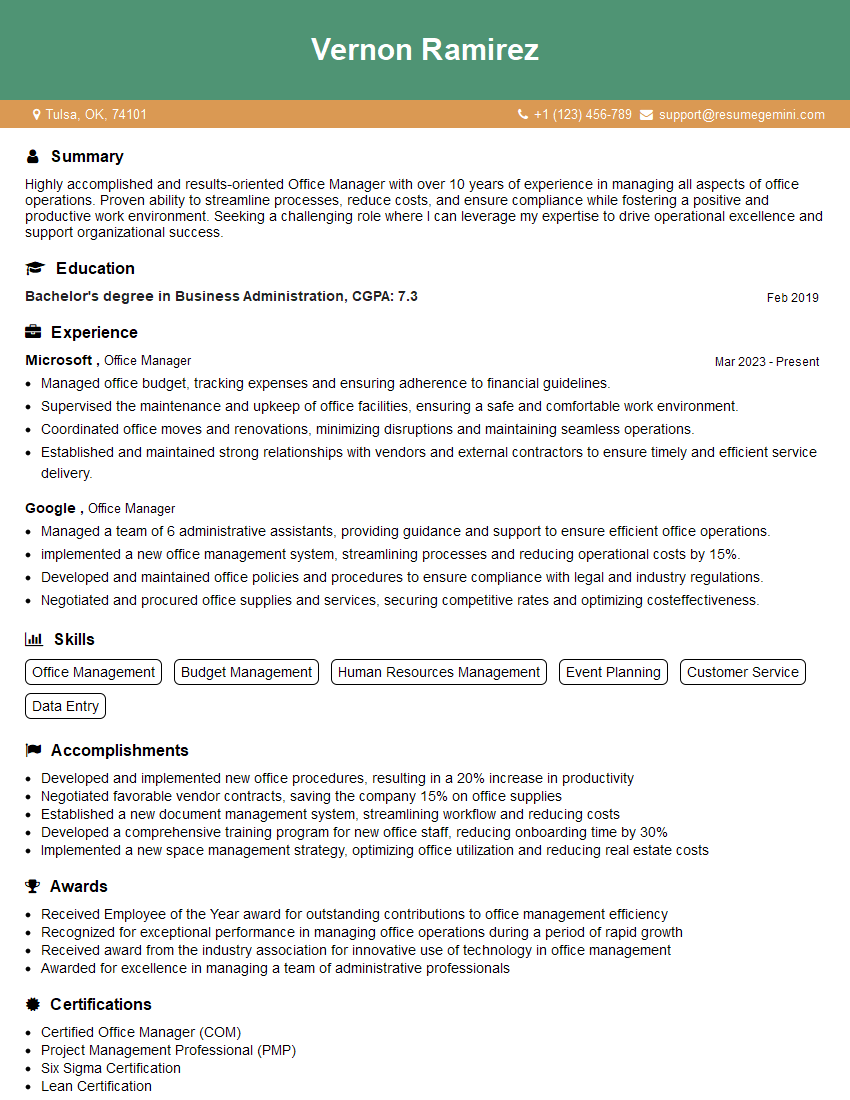
Office Manager Resume Sample

Operations Manager Resume Sample
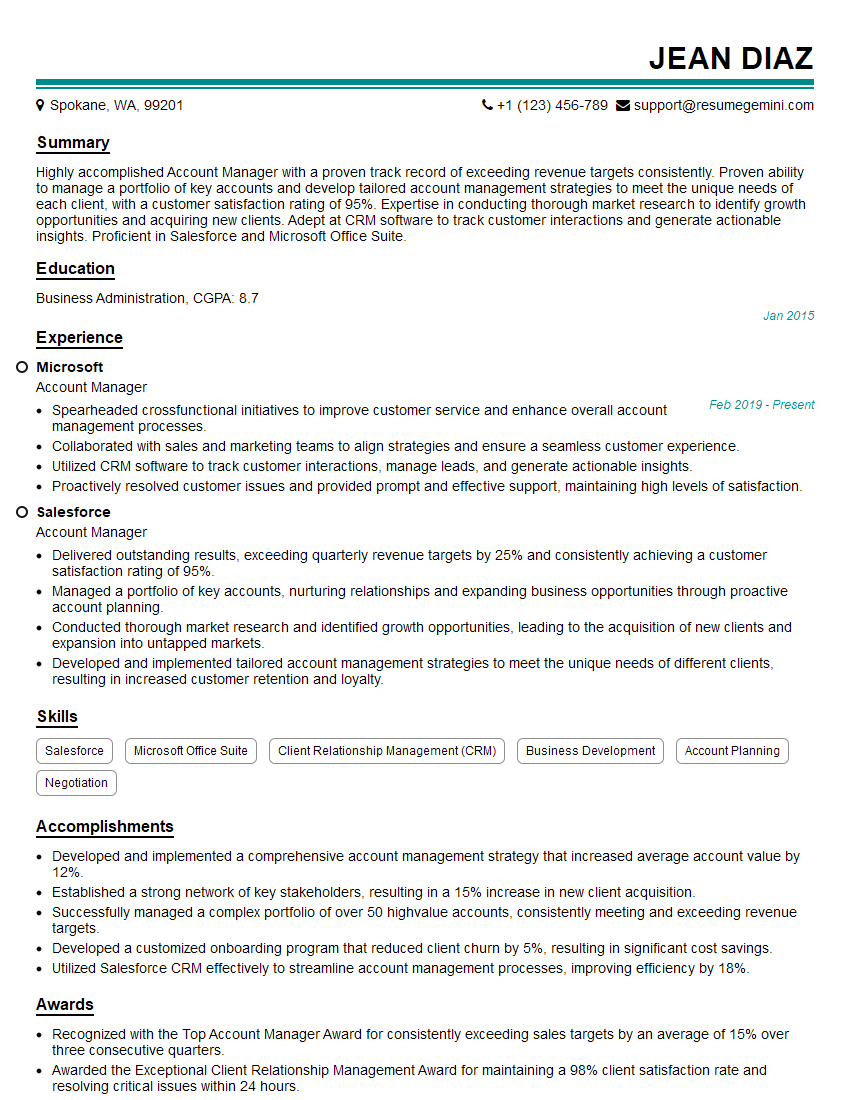
Account Manager Resume Sample
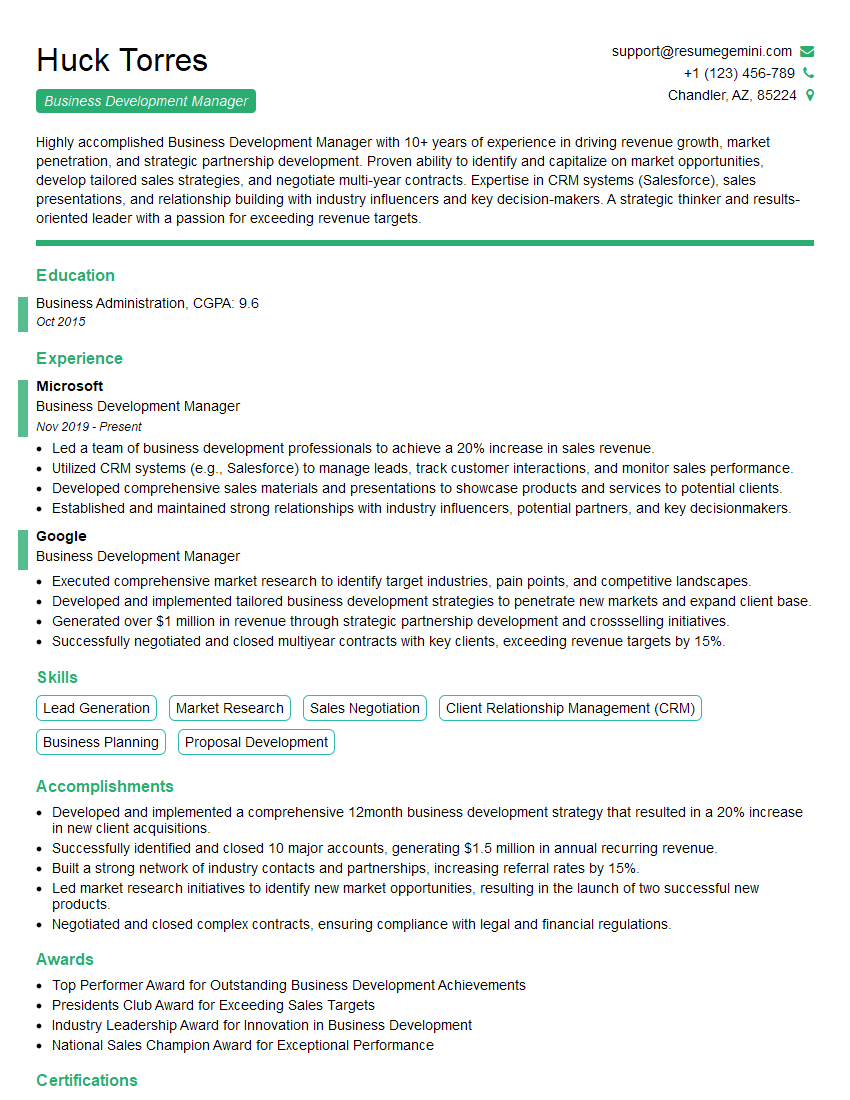
Business Development Manager Resume Sample
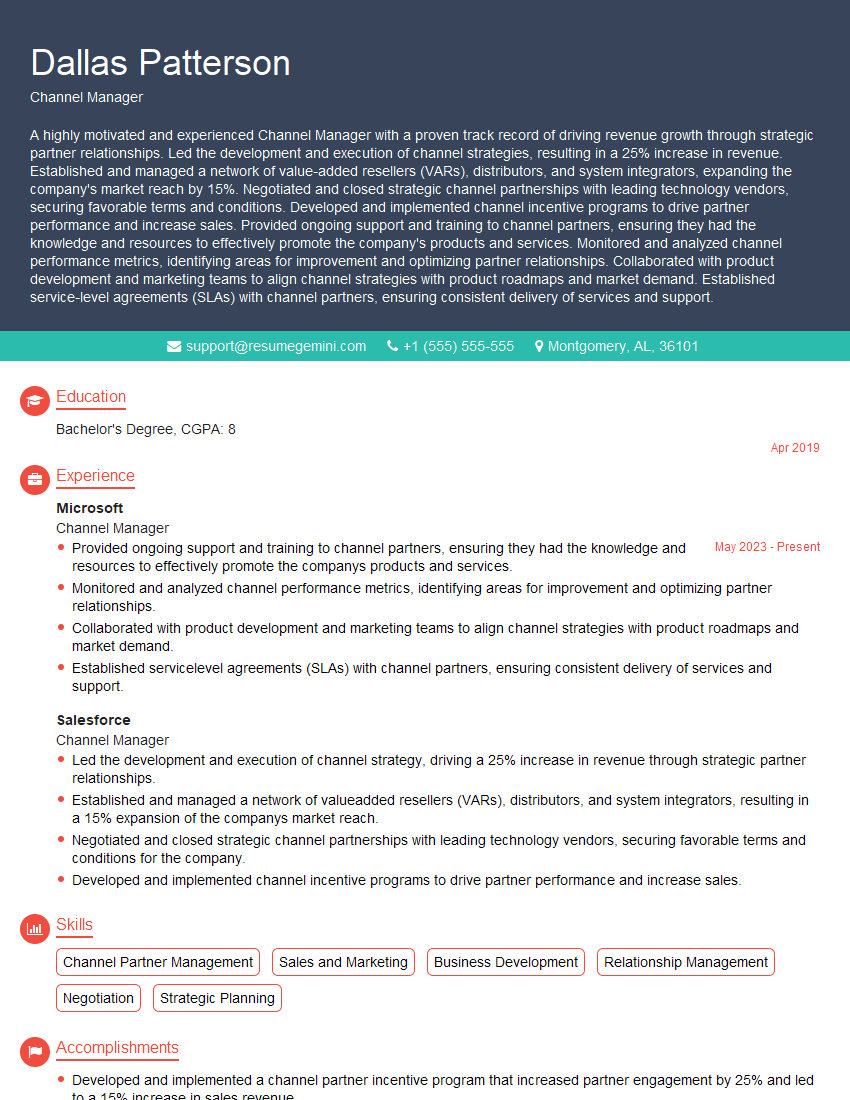
Channel Manager Resume Sample
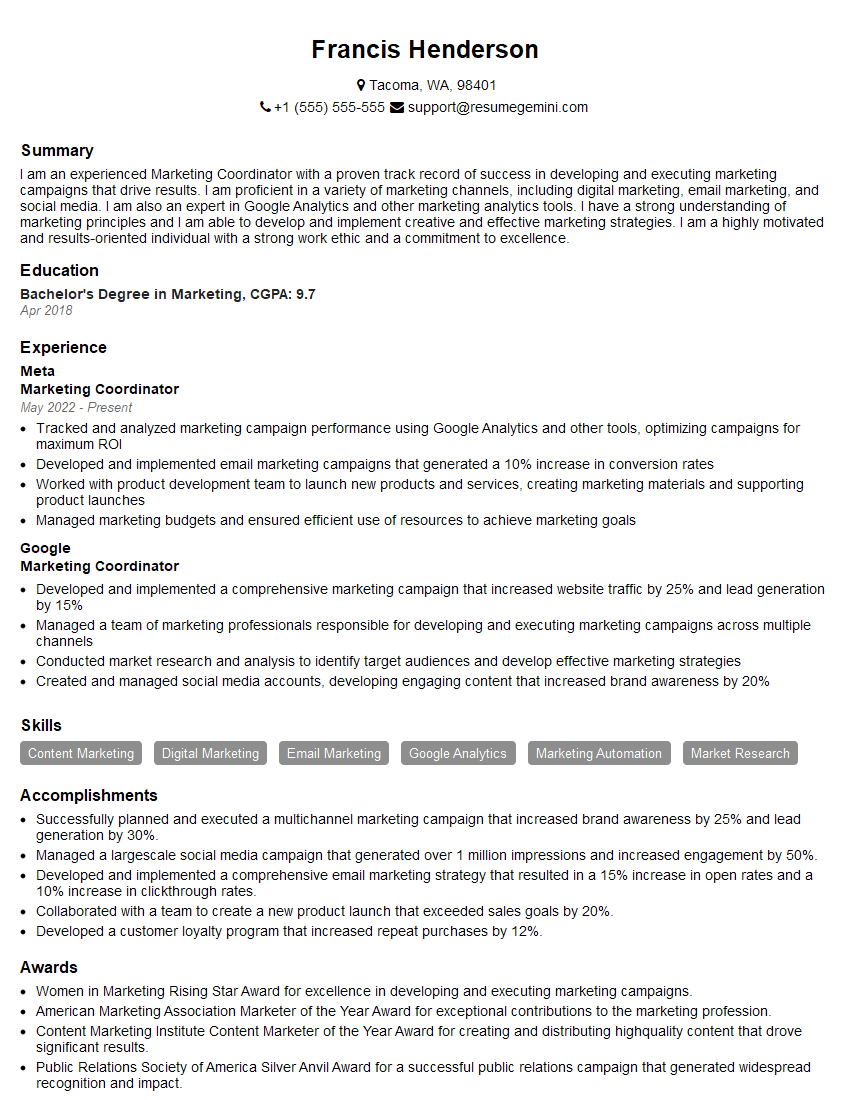
Marketing Coordinator Resume Sample
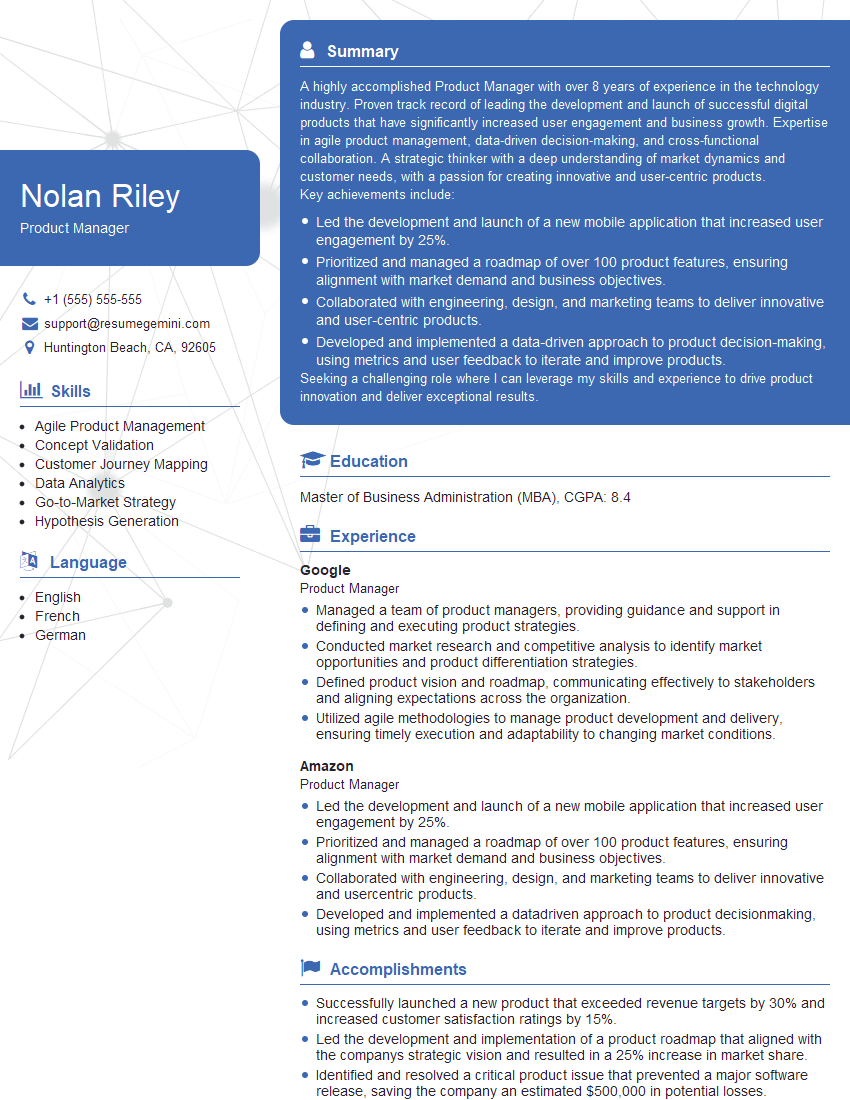
Product Manager Resume Sample
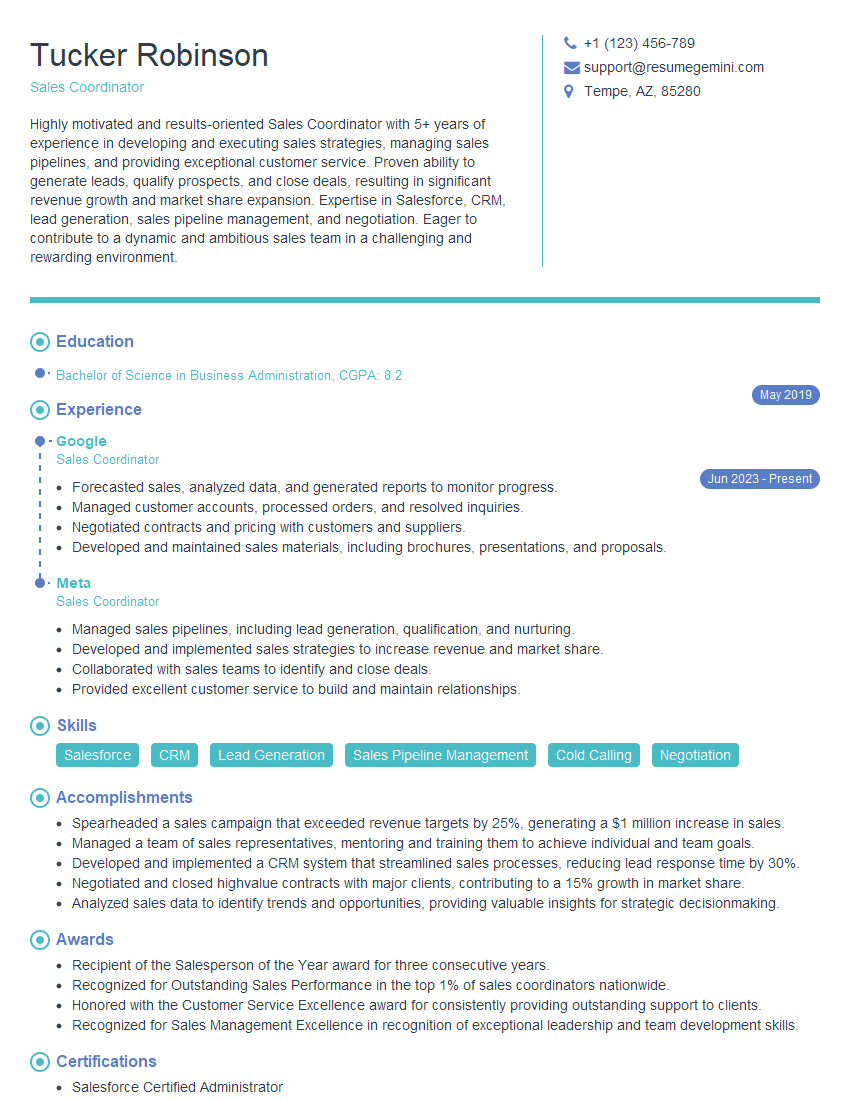
Sales Coordinator Resume Sample

Communications Manager Resume Sample
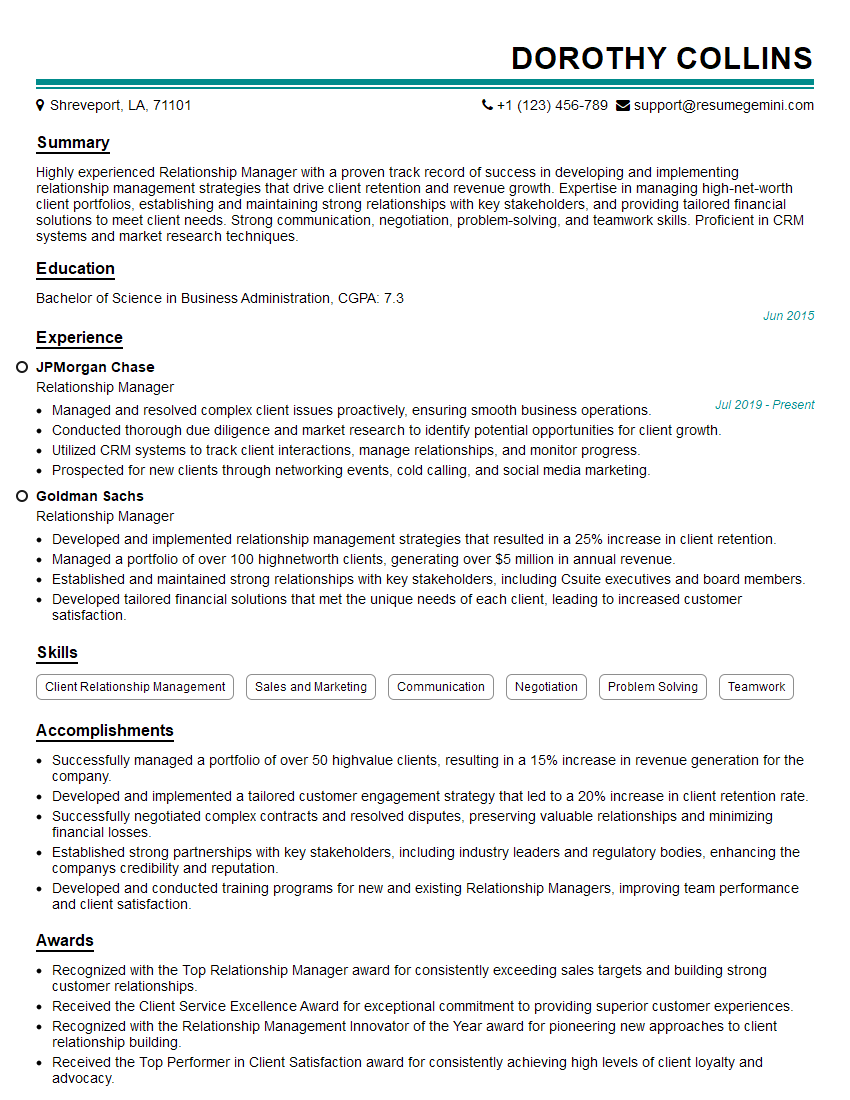
Relationship Manager Resume Sample
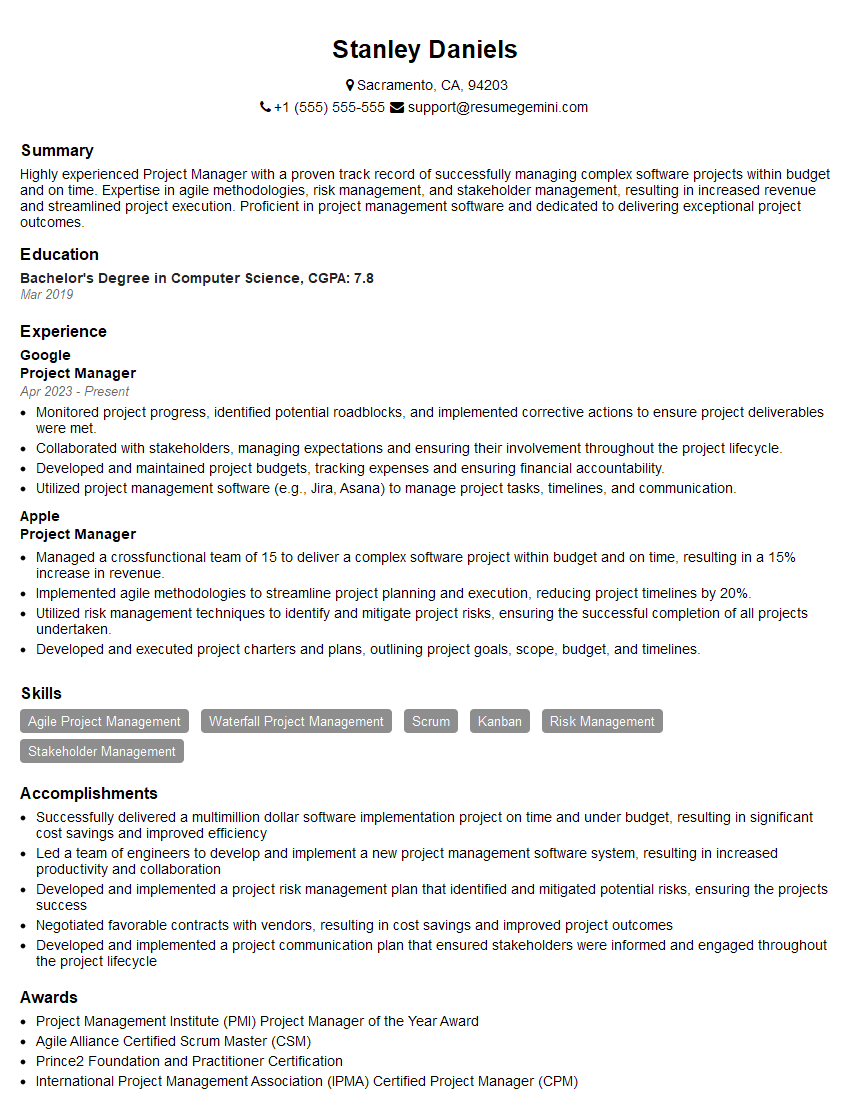
Project Manager Resume Sample
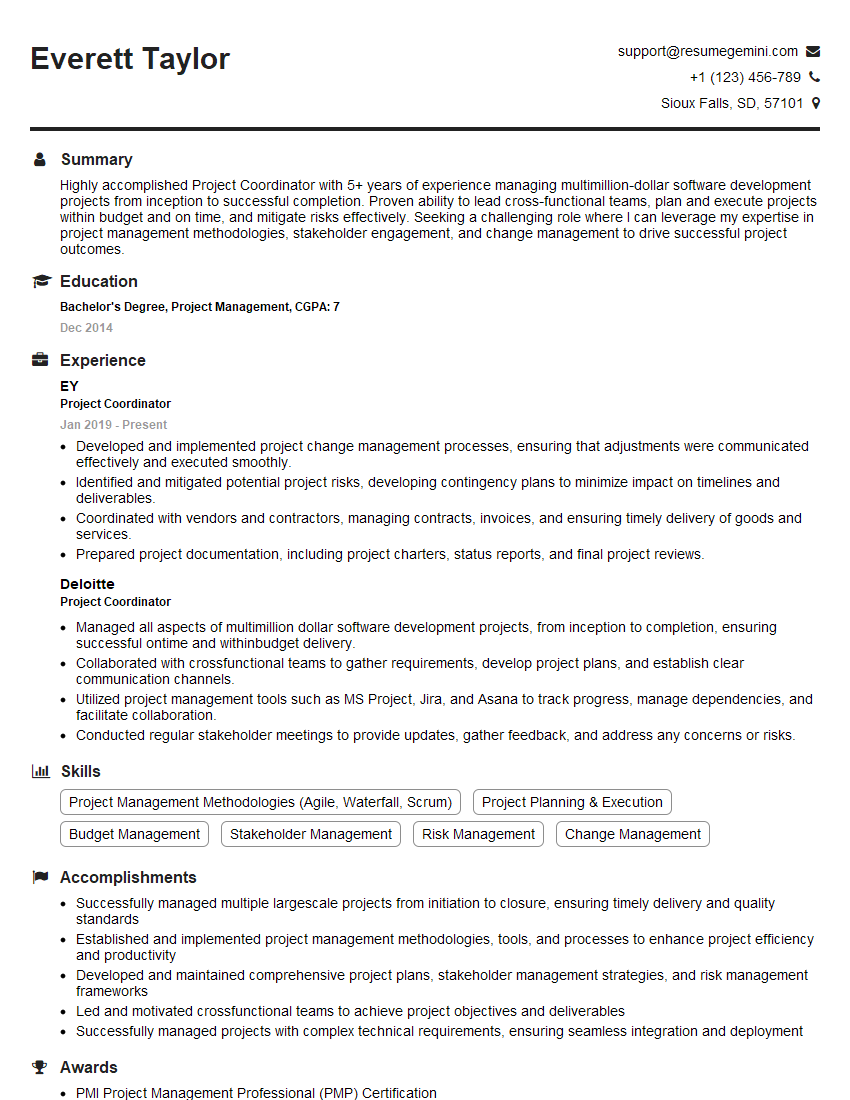
Project Coordinator Resume Sample
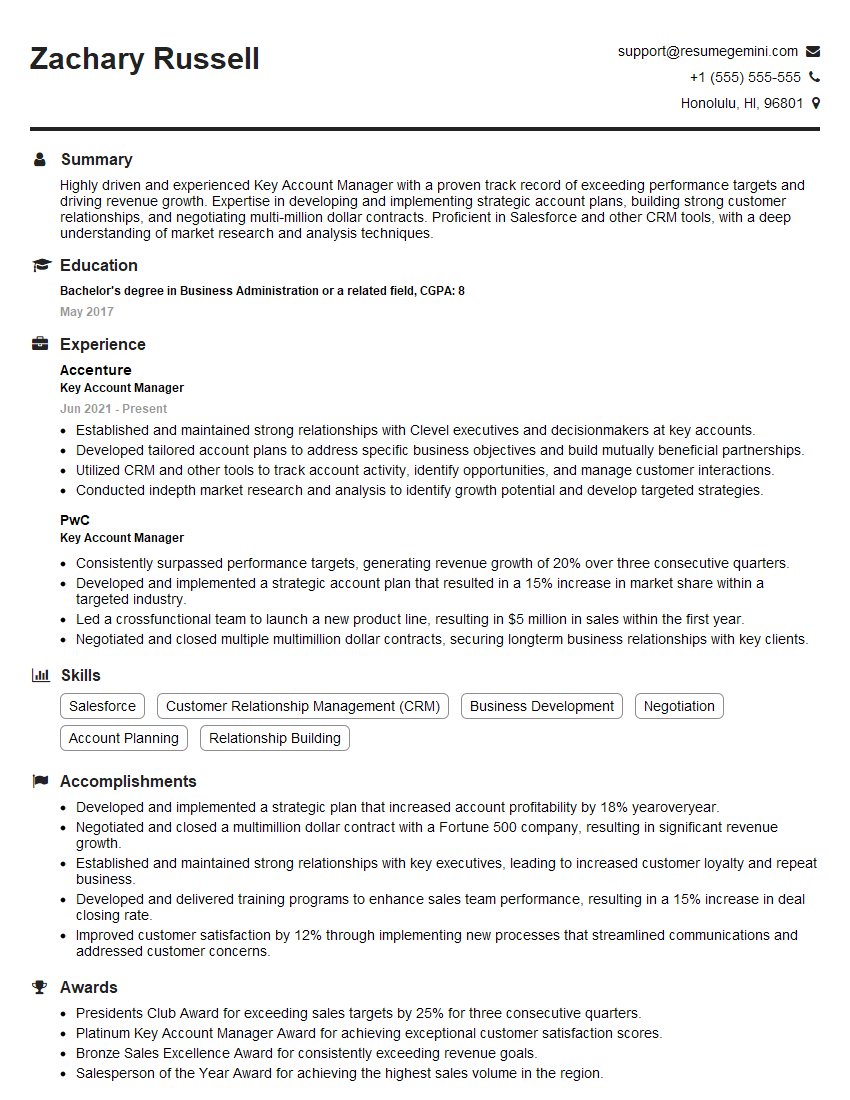
Key Account Manager Resume Sample
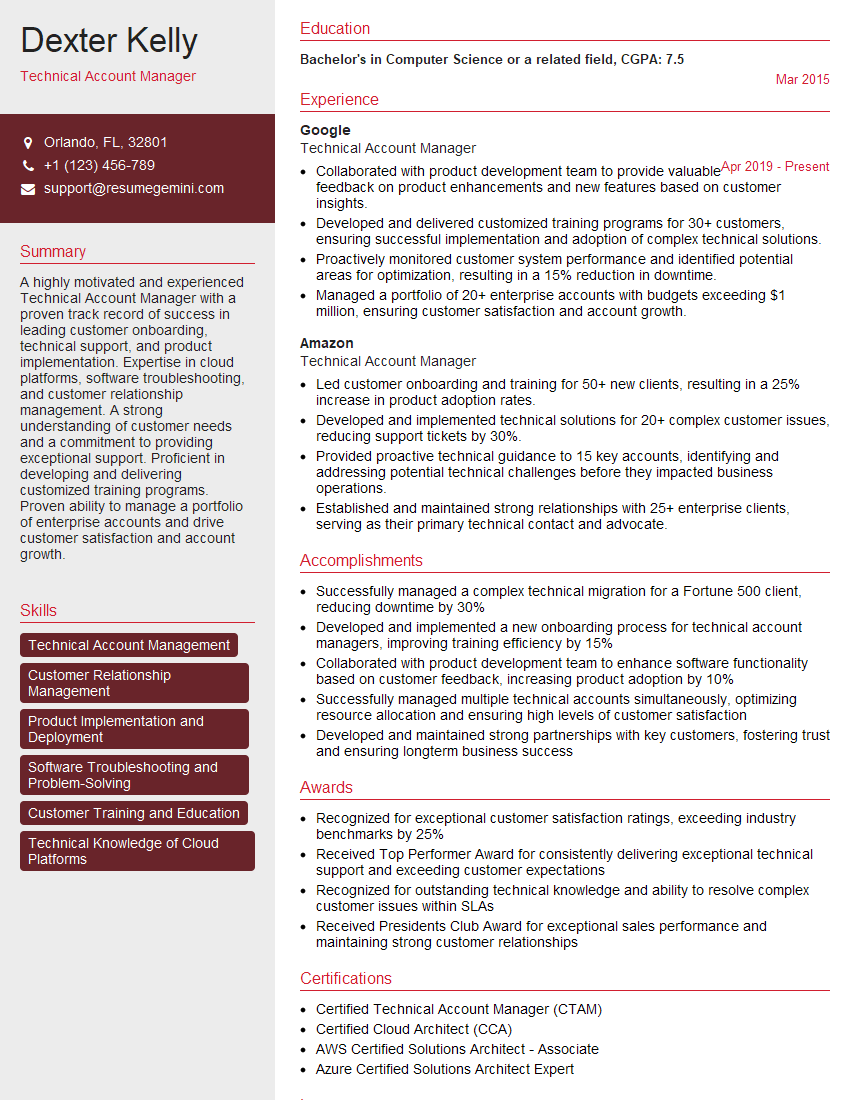
Technical Account Manager Resume Sample
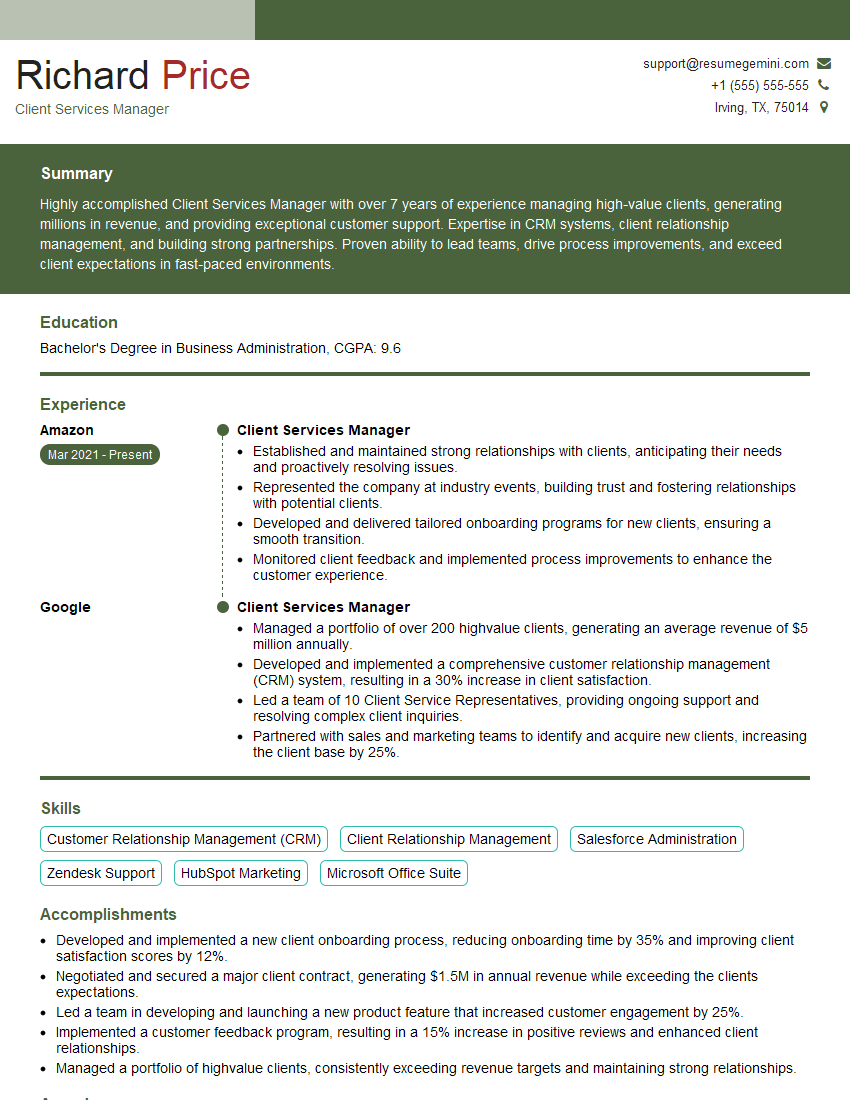
Client Services Manager Resume Sample
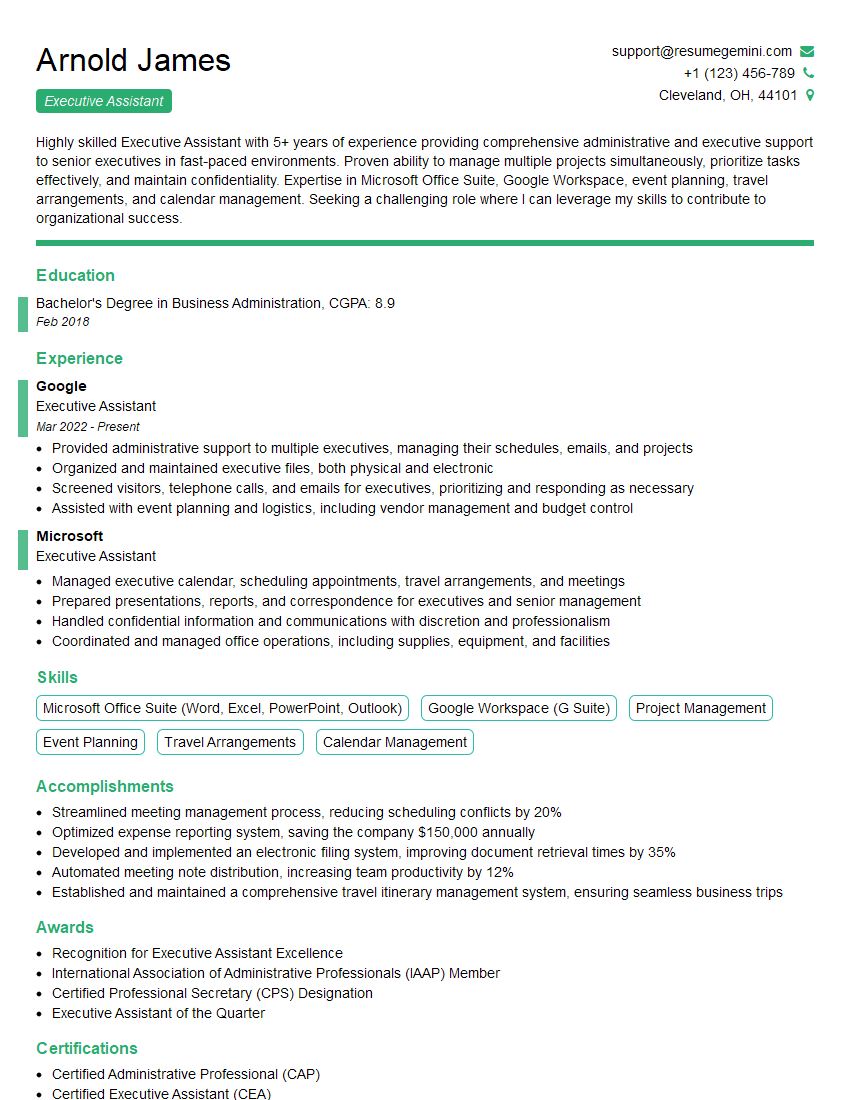
Executive Assistant Resume Sample
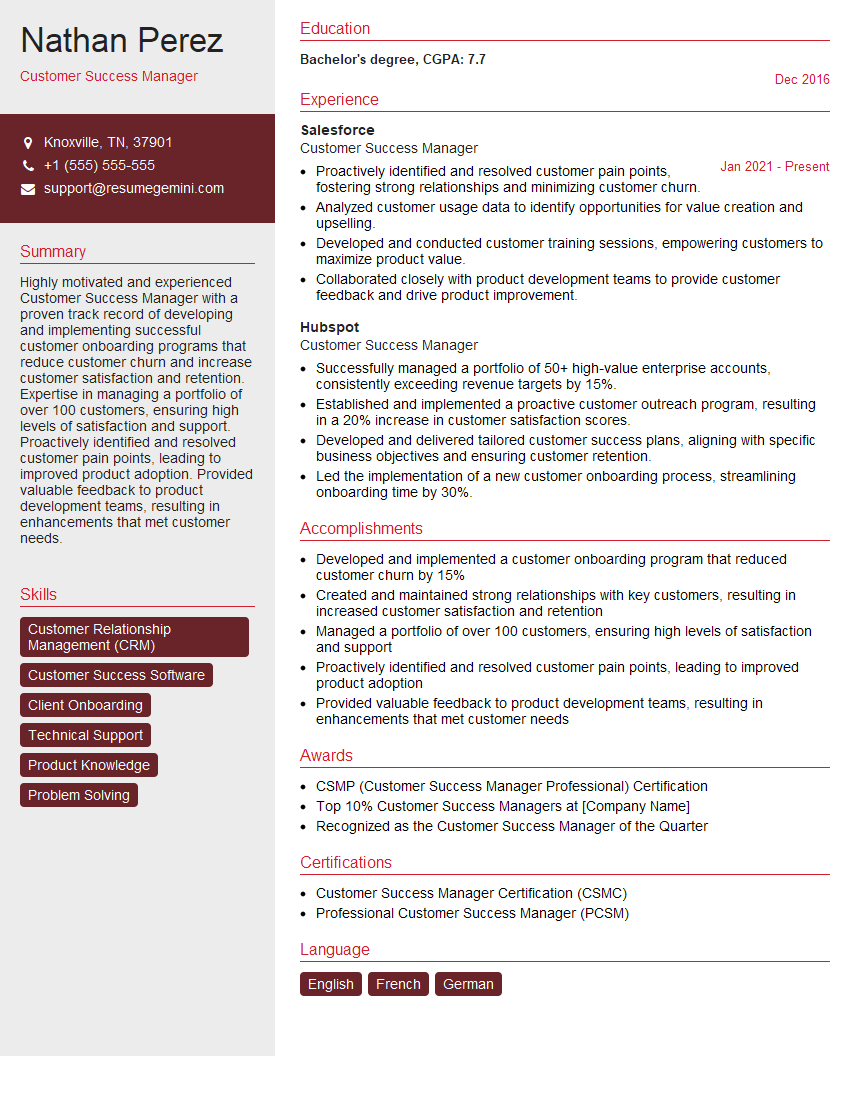
Customer Success Manager Resume Sample
- Program Manager
- Office Manager
- Operations Manager
- Account Manager
- Business Development Manager
- Channel Manager
- Marketing Coordinator
- Product Manager
- Sales Coordinator
- Communications Manager
- Relationship Manager
- Project Manager
- Project Coordinator
- Key Account Manager
- Technical Account Manager
- Client Services Manager
- Executive Assistant
- Customer Success Manager
Explore more articles
Users Rating of Our Blogs
Share Your Experience
We value your feedback! Please rate our content and share your thoughts (optional).
What Readers Say About Our Blog
To the interviewgemini.com Webmaster.
Very helpful and content specific questions to help prepare me for my interview!
Thank you
To the interviewgemini.com Webmaster.
This was kind of a unique content I found around the specialized skills. Very helpful questions and good detailed answers.
Very Helpful blog, thank you Interviewgemini team.