Unlock your full potential by mastering the most common Expertise in diagnosing and treating neurodevelopmental disorders interview questions. This blog offers a deep dive into the critical topics, ensuring you’re not only prepared to answer but to excel. With these insights, you’ll approach your interview with clarity and confidence.
Questions Asked in Expertise in diagnosing and treating neurodevelopmental disorders Interview
Q 1. Describe the diagnostic criteria for Autism Spectrum Disorder (ASD) according to the DSM-5.
The Diagnostic and Statistical Manual of Mental Disorders, Fifth Edition (DSM-5) defines Autism Spectrum Disorder (ASD) based on persistent deficits in social communication and social interaction across multiple contexts, and the presence of restricted, repetitive patterns of behavior, interests, or activities. Let’s break this down:
- Persistent Deficits in Social Communication and Social Interaction: This includes difficulties with social-emotional reciprocity (e.g., back-and-forth conversation, sharing emotions), nonverbal communicative behaviors used for social interaction (e.g., eye contact, body language), and developing, maintaining, and understanding relationships. For example, a child might struggle to initiate conversations, understand others’ perspectives, or engage in cooperative play.
- Restricted, Repetitive Patterns of Behavior, Interests, or Activities: This involves stereotyped or repetitive motor movements, use of objects, or speech (e.g., hand flapping, lining up toys, echolalia); insistence on sameness, inflexible adherence to routines, or ritualized patterns of verbal or nonverbal behavior; highly restricted, fixated interests that are abnormal in intensity or focus; and hyper- or hyporeactivity to sensory input or unusual interest in sensory aspects of the environment (e.g., indifference to pain/temperature, fascination with lights or sounds).
The DSM-5 emphasizes a spectrum, meaning the severity of symptoms varies greatly among individuals. Diagnosis requires a comprehensive assessment by a qualified professional, considering developmental history, behavioral observations, and standardized assessments.
Q 2. What are the key differential diagnoses to consider when assessing a child with suspected ADHD?
Differentiating ADHD from other conditions is crucial for accurate diagnosis and effective treatment. Several disorders share symptoms with ADHD, making differential diagnosis challenging. Key considerations include:
- Specific Learning Disabilities (SLDs): Children with SLDs may exhibit inattention and impulsivity due to frustration with academic tasks, but typically lack the hyperactivity characteristic of ADHD. Careful assessment of academic performance and cognitive skills is necessary.
- Oppositional Defiant Disorder (ODD) and Conduct Disorder (CD): ODD and CD involve defiant, argumentative, and aggressive behaviors. While some overlap exists with ADHD, the core features differ. ADHD primarily involves inattention and hyperactivity/impulsivity, while ODD/CD focus on oppositional and antisocial behaviors.
- Anxiety Disorders: Anxiety can manifest as inattention and restlessness. However, anxiety is often associated with worry, fear, and avoidance behaviors, which are less prominent in ADHD.
- Depression: Depressed children may show decreased attention and motivation, mimicking inattentive ADHD. However, depression is characterized by low mood, loss of interest, and feelings of hopelessness, which are less central to ADHD.
- Autism Spectrum Disorder (ASD): Some children with ASD might exhibit inattention and hyperactivity, particularly in younger years. However, the social communication deficits and restricted, repetitive behaviors are key differentiators of ASD.
A thorough clinical interview, behavioral observations, and standardized assessments (e.g., Conner’s Rating Scales, WISC-V) are crucial for distinguishing ADHD from these differential diagnoses. It’s often a process of elimination, focusing on the constellation of symptoms and their developmental trajectory.
Q 3. Explain the different types of learning disabilities and their common characteristics.
Learning disabilities encompass a range of neurodevelopmental disorders affecting the acquisition and processing of information. Common types include:
- Dyslexia: Primarily affects reading skills, involving difficulties with word recognition, decoding, and spelling. Imagine trying to read a sentence where the letters are all scrambled—that’s a common struggle for individuals with dyslexia.
- Dysgraphia: Impacts writing abilities, including handwriting, spelling, and organizing written expression. Someone with dysgraphia might find it difficult to form letters clearly or struggle to structure their thoughts on paper.
- Dyscalculia: Affects mathematical abilities, encompassing number sense, calculation, and problem-solving. They might struggle to understand basic mathematical concepts or solve simple arithmetic problems.
- Auditory Processing Disorder (APD): Affects the brain’s ability to process auditory information, such as sounds, speech, and language. They might miss parts of conversations or have difficulty distinguishing similar-sounding words.
- Visual Processing Disorder (VPD): Impacts the brain’s ability to interpret visual information, affecting tasks like reading, writing, and spatial reasoning. They may struggle to visually organize information or have difficulty copying from the board.
These learning disabilities often co-occur, and their characteristics vary greatly in severity and presentation. Accurate diagnosis involves educational evaluations, cognitive assessments, and observation of academic performance. Interventions typically focus on providing specialized instruction and support to address individual learning needs.
Q 4. Discuss the role of genetic factors in neurodevelopmental disorders.
Genetic factors play a significant role in the etiology of neurodevelopmental disorders. While no single gene typically causes these disorders, research indicates a complex interplay of multiple genes and environmental influences. For example:
- ASD: Hundreds of genes have been linked to ASD, suggesting that genetic susceptibility is complex and varies greatly among individuals. Some genes are associated with increased risk for specific aspects of ASD, such as social communication deficits or repetitive behaviors.
- ADHD: Studies have identified numerous candidate genes involved in dopamine and norepinephrine neurotransmitter systems, which are implicated in attention and impulse control. Genetic variations in these pathways may increase the risk of ADHD.
- Intellectual Disability: Genetic factors are prominent in many forms of intellectual disability, ranging from single-gene mutations (e.g., Fragile X syndrome) to chromosomal abnormalities (e.g., Down syndrome).
However, it’s crucial to emphasize that genetic predisposition does not determine the outcome. Environmental factors, including prenatal exposures, nutrition, and social interactions, also significantly influence the development and expression of neurodevelopmental disorders. Genetic testing can help identify specific genetic conditions but does not provide a complete picture of the individual’s overall developmental trajectory.
Q 5. Describe various assessment tools used to evaluate cognitive abilities in children with neurodevelopmental disorders.
Evaluating cognitive abilities in children with neurodevelopmental disorders requires a multifaceted approach using standardized assessment tools. Common instruments include:
- Wechsler Intelligence Scale for Children (WISC-V): A comprehensive measure of cognitive abilities, providing IQ scores and subtest scores for verbal comprehension, perceptual reasoning, working memory, processing speed, and overall cognitive functioning. It helps pinpoint specific cognitive strengths and weaknesses.
- Stanford-Binet Intelligence Scales: Another widely used intelligence test that provides an overall IQ score and assesses different cognitive domains. Useful for comparing to WISC results and providing broader cognitive profile.
- Developmental Neuropsychological Assessments: Focus on specific cognitive processes (e.g., attention, memory, executive function) to understand the underlying neurocognitive basis of difficulties.
- Bayley Scales of Infant and Toddler Development: Assess developmental progress in infants and toddlers, focusing on motor skills, cognitive abilities, language development, and adaptive behavior. Early detection of delays is critical.
- Adaptive Behavior Scales: Measure daily living skills, social skills, and communication skills. Important for assessing functional abilities and participation in daily life.
The choice of assessment tools depends on the child’s age, suspected diagnosis, and clinical questions. Interpretation of assessment results requires expertise and should consider the child’s developmental history and contextual factors.
Q 6. How do you differentiate between developmental delays and intellectual disability?
Developmental delays and intellectual disability (ID) are often confused, but they represent distinct concepts. A developmental delay indicates a lag in the acquisition of developmental milestones compared to same-aged peers. This lag can be in one or more areas (e.g., motor skills, language, cognitive abilities) and may resolve over time with appropriate interventions. Think of it as a temporary delay in development that could potentially catch up.
Intellectual disability, on the other hand, is characterized by significant limitations in both intellectual functioning (IQ below 70) and adaptive behavior (conceptual, social, and practical skills) originating before the age of 18. This is a more pervasive and long-lasting condition that doesn’t necessarily improve with intervention alone. It implies a persistent difference in cognitive functioning that impacts daily life across multiple domains.
Consider a child who’s slow to walk compared to their peers. That’s a developmental delay—they might eventually catch up. A child with Down syndrome, however, typically has intellectual disability with limitations in both intelligence and adaptive functioning.
In summary, developmental delay is a temporary lag, potentially resolving with intervention, while intellectual disability is a more profound and persistent limitation in intellectual and adaptive functioning.
Q 7. What are the common behavioral interventions used for children with ASD?
Behavioral interventions for children with ASD are crucial for improving adaptive skills, reducing challenging behaviors, and enhancing social interaction. Common approaches include:
- Applied Behavior Analysis (ABA): A highly structured, evidence-based approach that uses principles of learning to modify behaviors. ABA involves identifying target behaviors, breaking down complex skills into smaller steps, using reinforcement to increase desired behaviors, and using consequence strategies to decrease challenging behaviors. Think of it as teaching new skills and replacing unwanted behaviors using reward and consequence systems.
- Discrete Trial Training (DTT): A component of ABA, DTT involves breaking down skills into discrete trials with clear antecedents, responses, and consequences. For instance, consistently teaching a child to request items using a picture card until they can independently use the picture card to communicate effectively.
- Pivotal Response Training (PRT): A naturalistic approach that focuses on improving motivation, self-regulation, and social communication within natural environments. PRT often involves incorporating play and child-led activities to increase engagement.
- Social Skills Training (SST): Teaches social skills through structured lessons, role-playing, and social stories. SST helps children learn appropriate social behaviors in various contexts and improve their social interactions with others.
- Speech and Language Therapy: Addresses difficulties with communication, receptive and expressive language, and speech articulation. Speech and Language Therapists teach communication strategies.
The specific interventions used depend on the child’s individual needs, strengths, and challenges. A multidisciplinary team approach, involving parents, educators, and therapists, is often essential for successful implementation and generalization of behavioral interventions.
Q 8. Describe your approach to managing challenging behaviors in children with neurodevelopmental disorders.
Managing challenging behaviors in children with neurodevelopmental disorders requires a multifaceted approach that focuses on understanding the underlying causes of the behavior and implementing strategies to modify it. It’s crucial to remember that challenging behaviors are often a form of communication, indicating unmet needs or difficulties processing information.
My approach begins with a thorough assessment to identify the triggers and functions of the behavior. This involves careful observation, parent interviews, and potentially utilizing standardized behavioral assessments. We then develop a behavior support plan (BSP) that includes positive behavior interventions and supports (PBIS). This plan outlines specific, measurable, achievable, relevant, and time-bound (SMART) goals and strategies.
- Functional Behavior Assessment (FBA): This helps us determine the ‘why’ behind the behavior – what purpose it serves for the child (e.g., escaping a task, gaining attention).
- Positive Reinforcement: We focus on rewarding desired behaviors, not just punishing undesired ones. This might involve a token economy, praise, or access to preferred activities.
- Antecedent Modification: We work to change the environment or situation that triggers the challenging behavior. For example, if a child becomes overwhelmed in noisy environments, we might try to create quieter spaces or teach coping mechanisms.
- Skill Building: We often address underlying deficits in social skills, communication, or self-regulation through tailored interventions such as social skills training or cognitive behavioral therapy (CBT).
- Collaboration: Close collaboration with parents, educators, and other professionals is essential for consistency and generalization of learned skills across settings.
For example, a child with autism spectrum disorder (ASD) who engages in self-injurious behavior might be found to be doing so to escape a demanding task. The BSP would then focus on teaching the child alternative coping mechanisms for frustration, breaking down tasks into smaller, more manageable steps, and reinforcing calm behavior.
Q 9. How do you collaborate with families and other professionals in the treatment of neurodevelopmental disorders?
Collaboration is the cornerstone of effective treatment for neurodevelopmental disorders. I believe in a truly collaborative model, where I act as a facilitator, bringing together the expertise and perspectives of various professionals and the family.
This involves regular communication and meetings with parents, educators, therapists (e.g., occupational therapists, speech-language pathologists, psychologists), and any other relevant professionals. We work together to develop a comprehensive treatment plan that addresses all aspects of the child’s needs. The family is central to this process. They are the primary caregivers and possess invaluable insight into the child’s strengths, challenges, and responses to different interventions. I involve parents actively in goal setting, treatment implementation, and monitoring progress. Regular feedback loops ensure that everyone is on the same page and the plan is adapted as needed.
For instance, if a child is diagnosed with ADHD and is struggling in school, I would collaborate with the school psychologist and teachers to implement strategies in the classroom, such as preferential seating, breaking down tasks, and providing regular breaks. I might also recommend accommodations in the classroom and work with the parents to ensure consistency at home. This shared understanding and collaborative approach ensures a unified and effective support system for the child.
Q 10. Explain the importance of early intervention for children with neurodevelopmental disorders.
Early intervention is critical for children with neurodevelopmental disorders because the brain’s plasticity is highest during early childhood. This means that interventions implemented early can have a more significant and lasting impact on a child’s development. The earlier we identify and address developmental delays or challenges, the better the chances of improving outcomes and reducing the long-term effects of the disorder.
Early intervention provides opportunities to build foundational skills, including language development, social skills, and adaptive behaviors. This can help children catch up to their peers and increase their independence and quality of life. Early intervention services are tailored to the individual child’s needs and may include therapies such as occupational therapy, speech therapy, and behavioral therapy. Furthermore, early identification can prevent secondary problems from arising, such as social isolation and low self-esteem, which can often be exacerbated without early intervention.
For example, a child diagnosed with autism spectrum disorder early in life may benefit from early intensive behavioral intervention (EIBI), which can significantly improve their communication, social interaction, and adaptive behaviors. This intervention’s impact on the child’s overall development is often far greater than if it were started later in childhood.
Q 11. What are some evidence-based therapeutic approaches for ADHD?
Evidence-based therapeutic approaches for ADHD focus on improving attention, impulse control, and hyperactivity. These approaches often involve a combination of behavioral therapies and, in some cases, medication.
- Behavioral Therapy: This involves teaching strategies for self-management and behavior modification. Examples include:
- Parent Training: Educating parents on effective strategies to manage their child’s behavior at home.
- Cognitive Behavioral Therapy (CBT): Helping the child identify and change negative thought patterns and behaviors that contribute to their difficulties.
- Behavioral Interventions: Using reinforcement and consequence strategies to shape desired behaviors (e.g., reward systems, time-outs).
- Medication: Stimulant medications, such as methylphenidate (Ritalin) and amphetamine (Adderall), are often prescribed to reduce core ADHD symptoms. Non-stimulant medications are also available.
- Educational Interventions: Collaborating with schools to implement accommodations and modifications in the classroom, such as preferential seating, frequent breaks, and individualized instruction.
The best approach for a particular child will depend on their specific symptoms, age, and other individual factors. A comprehensive approach combining behavioral therapy, medication (if appropriate), and educational interventions is often most effective.
Q 12. Discuss the role of medication in the treatment of neurodevelopmental disorders.
Medication plays a significant role in the treatment of some neurodevelopmental disorders, but it’s always part of a broader, holistic treatment plan. Medication is not a cure, but it can help manage symptoms and improve functioning. The decision to use medication is made on a case-by-case basis, considering the child’s specific needs, the severity of their symptoms, and the potential risks and benefits of medication.
For example, stimulant medications are commonly used to treat ADHD to improve focus and reduce hyperactivity and impulsivity. Antidepressants may be used to treat comorbid conditions like anxiety or depression. Atypical antipsychotics may be used in some cases of autism to address challenging behaviors, although this is generally approached cautiously and with careful monitoring.
It’s crucial that medication is prescribed and monitored by a qualified psychiatrist or physician specializing in child and adolescent psychiatry. Regular monitoring of side effects and medication efficacy is essential. The use of medication should always be accompanied by other interventions, such as behavioral therapy, to address underlying issues and promote long-term improvement.
Q 13. How do you assess the impact of neurodevelopmental disorders on a child’s adaptive functioning?
Assessing the impact of neurodevelopmental disorders on a child’s adaptive functioning requires a comprehensive approach that examines their ability to perform everyday tasks and activities across various domains. This involves evaluating their skills in areas such as:
- Conceptual Skills: Language, reading, writing, math, reasoning, knowledge, and memory.
- Social Skills: Interpersonal skills, social responsibility, self-esteem, and social problem-solving.
- Practical Skills: Activities of daily living (ADLs), such as personal care, occupational skills, and leisure and recreational activities.
Standardized assessments, such as the Vineland Adaptive Behavior Scales or the Adaptive Behavior Assessment System, are often used to quantify adaptive functioning. However, it’s equally important to gather information from parents, teachers, and the child themselves through interviews and observations. This provides a more nuanced understanding of the child’s strengths and challenges in real-world settings.
For example, a child with intellectual disability might have difficulties with independent living skills like cooking and cleaning. A child with autism spectrum disorder may struggle with social communication and interaction, affecting their ability to form friendships and participate in social activities. Understanding a child’s adaptive functioning helps us tailor interventions to improve their skills and independence, leading to a better quality of life.
Q 14. What are the ethical considerations in diagnosing and treating neurodevelopmental disorders?
Ethical considerations in diagnosing and treating neurodevelopmental disorders are paramount. These considerations center around:
- Accurate Diagnosis: Ensuring a diagnosis is based on a comprehensive assessment that considers multiple factors, avoiding premature or biased conclusions. Overdiagnosis or misdiagnosis can lead to unnecessary treatment and stigmatization.
- Informed Consent: Obtaining informed consent from parents or legal guardians before initiating any assessment or treatment. This involves explaining the procedures, potential risks and benefits, and alternative options in a clear and understandable manner.
- Cultural Sensitivity: Recognizing that cultural factors can influence behavior and understanding, ensuring that assessments and interventions are culturally appropriate and avoid perpetuating biases.
- Confidentiality: Maintaining the confidentiality of all information gathered during the assessment and treatment process, while balancing the need to share relevant information with other professionals involved in the child’s care, with appropriate consent.
- Beneficence and Non-maleficence: Acting in the best interests of the child, while avoiding any harm. This involves carefully weighing the potential benefits and risks of any intervention, ensuring that the intervention is truly necessary and justified.
- Equity and Access: Promoting equitable access to high-quality assessment and treatment services for all children, regardless of their background or socioeconomic status.
Ethical practice requires ongoing reflection and a commitment to providing the most appropriate and compassionate care to each individual child. This involves regularly evaluating the effectiveness of interventions and making adjustments as needed, always prioritizing the child’s well-being.
Q 15. Describe your experience with specific neurodevelopmental disorders (e.g., Tourette’s Syndrome, Cerebral Palsy).
My experience with neurodevelopmental disorders spans over 15 years, encompassing a wide range of conditions. I’ve extensively worked with children and adolescents diagnosed with Tourette Syndrome, focusing on both the motor and phonic tics. This involved utilizing comprehensive behavioral interventions like Habit Reversal Training (HRT) and competing response training. For example, I helped a young patient manage their tic of throat clearing by teaching them to substitute a silent throat-clearing motion. In Cerebral Palsy cases, my focus has been on optimizing motor function through physical therapy recommendations, adaptive strategies, and collaborating closely with occupational therapists to enhance daily living skills. One patient with significant spasticity benefited greatly from a tailored program involving Botox injections and intensive physiotherapy, leading to noticeable improvements in mobility and independence.
Beyond these two conditions, my practice has included experience with Autism Spectrum Disorder (ASD), Attention-Deficit/Hyperactivity Disorder (ADHD), and Developmental Coordination Disorder (DCD), each requiring nuanced and individualized therapeutic approaches. I’ve also worked extensively with children with learning disabilities like dyslexia and dysgraphia, emphasizing tailored educational strategies.
Career Expert Tips:
- Ace those interviews! Prepare effectively by reviewing the Top 50 Most Common Interview Questions on ResumeGemini.
- Navigate your job search with confidence! Explore a wide range of Career Tips on ResumeGemini. Learn about common challenges and recommendations to overcome them.
- Craft the perfect resume! Master the Art of Resume Writing with ResumeGemini’s guide. Showcase your unique qualifications and achievements effectively.
- Don’t miss out on holiday savings! Build your dream resume with ResumeGemini’s ATS optimized templates.
Q 16. Explain your understanding of the impact of social and environmental factors on neurodevelopment.
Social and environmental factors play a crucial, often underestimated, role in neurodevelopment. Think of it like a seed – the genetics are the seed itself, but the soil (environment) and the sunlight and water (social factors) determine if it thrives or struggles. Prenatal exposure to toxins, malnutrition, or infections can significantly affect brain development, potentially leading to neurodevelopmental delays or disorders. Similarly, the quality of early childhood experiences, access to stimulating environments, and the presence of nurturing caregivers are vital for healthy brain development. A child’s social interactions and peer relationships also have a massive impact, influencing their social-emotional skills and cognitive development. A stressful or neglectful environment can negatively affect brain development, even among children without a genetic predisposition to neurodevelopmental conditions. Conversely, a supportive and enriching environment can foster resilience and optimal development, even in children with identified risk factors.
For instance, children from low-income families may experience greater stress and limited access to resources, which can impact their neurodevelopment. Equally, social isolation, bullying, or trauma can significantly affect a child’s emotional regulation and cognitive functions. Understanding these factors is crucial for developing holistic treatment plans.
Q 17. How do you adapt your assessment and treatment approaches to diverse populations?
Adapting my approach to diverse populations is paramount. This means considering cultural background, linguistic differences, socioeconomic status, and individual learning styles. When assessing a child from a different cultural background, I ensure the assessment tools are culturally sensitive and avoid biases. For instance, I might use interpreters or culturally relevant assessment materials and avoid interpreting behaviors solely through a Western lens. Similarly, I might tailor interventions to meet the family’s cultural beliefs and practices. For families with limited resources, I collaborate with community organizations to provide access to support services.
For example, if working with a child who is a recent immigrant, I’d prioritize language support and culturally appropriate assessment tools. I’d also consult with community leaders and cultural advisors to understand family dynamics and ensure that my recommendations are respectful and easily implemented within their cultural context. My goal is always to create a collaborative and empowering environment where families feel understood and respected.
Q 18. Describe your experience using specific assessment tools, (e.g., ADOS, ADI-R, WISC).
I have extensive experience using various assessment tools, including the Autism Diagnostic Observation Schedule (ADOS), the Autism Diagnostic Interview-Revised (ADI-R), and the Wechsler Intelligence Scale for Children (WISC). The ADOS is a standardized observation instrument used to assess autistic traits, while the ADI-R is a structured parent interview providing detailed information about developmental history. The WISC is a comprehensive test assessing children’s cognitive abilities, including verbal comprehension, perceptual reasoning, processing speed, and working memory. The choice of tools depends on the child’s age, suspected diagnosis, and referral questions. For example, I use the ADOS to make a comprehensive assessment of a child suspected to have Autism Spectrum Disorder, whereas the WISC might be used to understand cognitive strengths and weaknesses when considering a learning disability.
Interpreting the results from these tools requires clinical judgment and careful consideration of the child’s overall presentation. I always emphasize a holistic approach; assessment scores are just one piece of the puzzle.
Q 19. What are the common comorbidities associated with neurodevelopmental disorders?
Neurodevelopmental disorders frequently present with comorbidities. For instance, children with ADHD often experience anxiety or depression. Similarly, children with ASD can have gastrointestinal issues, sleep disorders, or sensory processing difficulties. Children with Tourette Syndrome may also experience obsessive-compulsive disorder (OCD). These comorbidities require comprehensive assessment and tailored treatment plans that address all aspects of the child’s challenges. It’s crucial to consider the interplay between the primary diagnosis and co-occurring conditions when creating a treatment plan. For example, a child with both ADHD and anxiety might require medication management for the ADHD as well as behavioral therapy to manage the anxiety. Ignoring comorbidities can lead to ineffective interventions and poorer outcomes.
Q 20. How do you manage the emotional and behavioral challenges experienced by families of children with neurodevelopmental disorders?
Supporting families is a critical part of my practice. Families of children with neurodevelopmental disorders often face significant emotional and behavioral challenges. These include stress, anxiety, guilt, and feelings of isolation. I approach this by creating a safe, empathetic space for families to express their concerns and experiences. I offer psychoeducation, providing families with a thorough understanding of their child’s diagnosis, prognosis, and available interventions. I provide strategies for managing challenging behaviors and improving family dynamics. I may also connect them with support groups or other community resources, fostering a sense of belonging and reducing feelings of isolation. Empathy and active listening are essential, because they let the families know they are heard and understood.
For example, I might provide a family with practical strategies for managing meltdowns, such as creating a calming corner or establishing visual schedules. I would also encourage them to take time for self-care, recognizing that supporting a child with a neurodevelopmental disorder can be extremely demanding.
Q 21. Describe your familiarity with different educational interventions for children with learning disabilities.
My familiarity with educational interventions for children with learning disabilities is extensive. This includes evidence-based approaches such as structured literacy for dyslexia, which focuses on explicit and systematic instruction in phonics, fluency, vocabulary, and comprehension. For dysgraphia, interventions often include occupational therapy to improve fine motor skills and handwriting, as well as assistive technology like speech-to-text software. For children with ADHD, strategies often involve creating structured learning environments, utilizing visual aids, providing frequent breaks, and incorporating movement into learning activities. Collaborating closely with educators and school psychologists is crucial in implementing these interventions effectively within the educational setting. A multidisciplinary approach, combining educational interventions with therapeutic support, is typically the most effective strategy for optimizing a child’s learning experience and achieving academic success.
Q 22. What are the long-term implications of untreated neurodevelopmental disorders?
Untreated neurodevelopmental disorders can have profound and lasting consequences, significantly impacting a person’s life trajectory. The severity of these implications varies greatly depending on the specific disorder, its severity, and the individual’s resilience and access to support.
Educational Challenges: Difficulties with learning, attention, and social interaction can lead to academic struggles, increased risk of dropping out of school, and limited future educational and career opportunities.
Social and Emotional Difficulties: Untreated conditions often result in difficulties forming and maintaining relationships, increased social isolation, low self-esteem, and a heightened risk of anxiety and depression.
Occupational Limitations: Challenges with executive functioning, communication, and social skills can significantly impair an individual’s ability to find and maintain employment, leading to financial insecurity and dependence on others.
Mental Health Issues: Individuals with untreated neurodevelopmental disorders have a higher risk of developing co-occurring mental health conditions such as anxiety, depression, obsessive-compulsive disorder (OCD), and attention-deficit/hyperactivity disorder (ADHD), further complicating their lives.
Increased Risk of Substance Abuse: Difficulties with emotional regulation and social adaptation can increase the likelihood of substance abuse as a coping mechanism.
Physical Health Concerns: In some cases, untreated neurodevelopmental disorders are associated with increased risks of certain physical health problems.
Early intervention and appropriate support services are crucial to mitigate these long-term implications and empower individuals to lead fulfilling lives.
Q 23. How do you utilize technology to support the assessment and treatment of neurodevelopmental disorders?
Technology plays a vital role in both the assessment and treatment of neurodevelopmental disorders. It offers innovative tools to enhance accuracy, efficiency, and personalization of care.
Assessment: We utilize computerized neuropsychological tests for objective measures of cognitive abilities, adaptive behavior assessments through interactive apps, and telehealth platforms for remote assessments, particularly beneficial for individuals in geographically isolated areas or with mobility challenges. Eye-tracking technology can also provide valuable insights into attention and cognitive processing.
Treatment: Technology supports treatment through various avenues: virtual reality (VR) therapy offers immersive environments for practicing social skills or managing sensory sensitivities. Augmentative and alternative communication (AAC) apps provide individuals with communication challenges a means of expressing themselves. Digital platforms facilitate remote therapy sessions, reducing barriers to access and improving consistency of care. Personalized learning apps cater to individual learning styles and paces, improving educational outcomes.
For example, I recently used a specific app to assess a child’s executive functioning skills. The app’s games provided objective data on planning, working memory, and inhibitory control, which informed my treatment recommendations. The data also allowed me to track progress over time, providing a clear measure of the efficacy of interventions.
Q 24. Describe a challenging case you encountered and how you approached it.
One particularly challenging case involved a young adolescent diagnosed with both autism spectrum disorder (ASD) and obsessive-compulsive disorder (OCD). His rigid routines and intense anxieties made it difficult for him to participate in school or social activities. His OCD symptoms were significantly impacting his quality of life.
My approach involved a multi-pronged strategy:
Collaboration: I worked closely with his parents, teachers, and a therapist specializing in OCD to develop a coordinated care plan.
Cognitive Behavioral Therapy (CBT): We implemented CBT techniques, including exposure and response prevention, to help him gradually confront his anxieties and reduce compulsive behaviors.
Social Skills Training: We incorporated social skills training, using role-playing and social stories, to improve his interactions with peers and adults.
Medication Management: In collaboration with a psychiatrist, we explored medication options to manage his OCD symptoms.
Environmental Modifications: We worked with the school to create a supportive and predictable learning environment.
The progress was gradual, but through consistent effort and collaborative teamwork, we saw a significant reduction in his anxiety and compulsive behaviors, resulting in improved academic performance and increased social participation.
Q 25. What are your professional development goals related to neurodevelopmental disorders?
My professional development goals focus on enhancing my expertise in the assessment and treatment of neurodevelopmental disorders, particularly in utilizing emerging technologies and fostering collaborative care models. I plan to continue my education in evidence-based interventions for specific disorders such as ADHD and ASD. Furthermore, I aim to enhance my skills in providing culturally sensitive and trauma-informed care, recognizing that individual experiences and backgrounds significantly impact the presentation and management of these disorders. I intend to further develop my knowledge of incorporating telehealth and assistive technologies into clinical practice to improve accessibility and effectiveness of care. Finally, I aim to actively engage in research and disseminate knowledge through presentations and publications.
Q 26. Explain your understanding of different communication styles and how you adapt accordingly.
Understanding and adapting to different communication styles is paramount in working with individuals with neurodevelopmental disorders and their families. Communication styles vary widely, influenced by factors such as age, cultural background, cognitive abilities, and the specific neurodevelopmental condition.
Direct and Concise Communication: For individuals with processing difficulties, it’s crucial to use clear, concise language, avoiding jargon and complex sentence structures. Visual aids such as diagrams and pictures can greatly enhance comprehension.
Patience and Active Listening: It’s essential to be patient and allow sufficient time for individuals to process information and respond. Active listening involves paying close attention, asking clarifying questions, and summarizing to ensure mutual understanding.
Non-Verbal Communication: Observing non-verbal cues such as body language and facial expressions is equally important, as these cues may provide valuable information about an individual’s emotional state and understanding.
Visual Supports: Visual schedules, social stories, and picture exchange systems (PECS) can aid communication and understanding, especially for individuals with autism or communication difficulties.
Collaboration and Shared Decision-Making: I prioritize collaborative communication with families and individuals to establish shared goals and preferences, ensuring that treatment plans are tailored to their specific needs and values.
Adapting my communication style to meet individual needs helps build trust, rapport, and a collaborative therapeutic relationship.
Q 27. What are some strategies for promoting social skills in children with neurodevelopmental disorders?
Promoting social skills in children with neurodevelopmental disorders requires a multifaceted approach that considers the individual’s strengths and challenges. Strategies should be tailored to the specific needs and developmental level of the child.
Social Skills Training: Structured programs focusing on specific skills such as initiating conversations, taking turns, understanding social cues, and managing emotions are highly effective. Role-playing, video modeling, and group activities can facilitate skill acquisition.
Social Stories: These are personalized narratives describing social situations, outlining appropriate behavior, and providing examples of successful interactions. They are particularly useful for children with autism.
Peer Interaction Opportunities: Creating opportunities for interaction with typically developing peers in structured and supportive environments helps children learn by observation and imitation.
Positive Reinforcement: Encouraging and rewarding appropriate social behaviors helps reinforce positive interactions and builds self-confidence.
Parent and Teacher Training: Educating caregivers and teachers about strategies for promoting social skills in the home and school settings is essential for consistency and generalization of skills.
Technology-Assisted Interventions: Apps and video games that simulate social situations and provide feedback can be valuable supplementary tools.
A combination of these strategies, tailored to the individual’s needs, can yield significant improvements in social functioning and quality of life.
Q 28. Describe your familiarity with various assistive technologies that may benefit children with neurodevelopmental disorders.
Assistive technologies are invaluable tools that can significantly improve the lives of children with neurodevelopmental disorders by enhancing their communication, learning, and daily living skills. My familiarity extends to a wide range of technologies:
Augmentative and Alternative Communication (AAC) Devices: These include speech-generating devices (SGDs), picture exchange systems (PECS), and communication boards, enabling children with limited verbal communication to express themselves.
Adaptive Learning Software: Personalized learning software caters to individual learning styles and needs, providing adaptive support in areas such as reading, math, and writing.
Assistive Listening Devices: These devices help children with hearing impairments process auditory information more effectively.
Sensory Integration Tools: Weighted blankets, sensory swings, and other sensory tools can help regulate sensory input and reduce sensory overload.
Adaptive Computer Access: Specialized keyboards, mice, and other input devices can help children with fine motor challenges access computers and other technology.
Organizational Tools: Visual schedules, planners, and timers help children organize their time and tasks, reducing anxiety and improving independence.
The selection of appropriate assistive technology depends on the child’s specific needs and abilities, and the goal is always to promote independence, enhance participation, and improve overall quality of life.
Key Topics to Learn for Expertise in diagnosing and treating neurodevelopmental disorders Interview
- Developmental Milestones and Red Flags: Understanding typical developmental trajectories across various domains (motor, cognitive, language, social-emotional) and recognizing deviations that warrant further investigation.
- Diagnostic Assessment Techniques: Proficiency in administering and interpreting standardized assessments (e.g., cognitive tests, adaptive behavior scales), observational methods, and utilizing diagnostic criteria from DSM-5 and ICD-11.
- Differential Diagnosis: Ability to differentiate between various neurodevelopmental disorders (e.g., ASD, ADHD, intellectual disability, specific learning disorders) and other conditions that may present with overlapping symptoms.
- Evidence-Based Interventions: Knowledge of current best practices in treating neurodevelopmental disorders, including behavioral therapies (e.g., ABA, CBT), educational interventions, medication management, and family-centered approaches.
- Communication and Collaboration: Skills in effectively communicating complex information to families, educators, and other professionals, fostering collaborative partnerships to develop and implement individualized treatment plans.
- Ethical Considerations: Understanding and adhering to ethical guidelines in the assessment and treatment of neurodevelopmental disorders, including issues of confidentiality, informed consent, and cultural sensitivity.
- Case Study Analysis: Ability to critically analyze case presentations, formulate differential diagnoses, and develop appropriate intervention strategies. Practice interpreting complex clinical data and applying theoretical knowledge to real-world scenarios.
- Data-Driven Decision Making: Demonstrate the ability to track progress, analyze treatment outcomes, and adjust interventions based on data to achieve optimal results.
Next Steps
Mastering expertise in diagnosing and treating neurodevelopmental disorders is crucial for a fulfilling and impactful career. It opens doors to diverse opportunities, allowing you to make a significant difference in the lives of children and families. To maximize your job prospects, it’s essential to create an ATS-friendly resume that effectively showcases your skills and experience. ResumeGemini is a trusted resource to help you build a professional and compelling resume that stands out to potential employers. Examples of resumes tailored to expertise in diagnosing and treating neurodevelopmental disorders are available through ResumeGemini, allowing you to craft a document perfectly suited to highlight your qualifications.
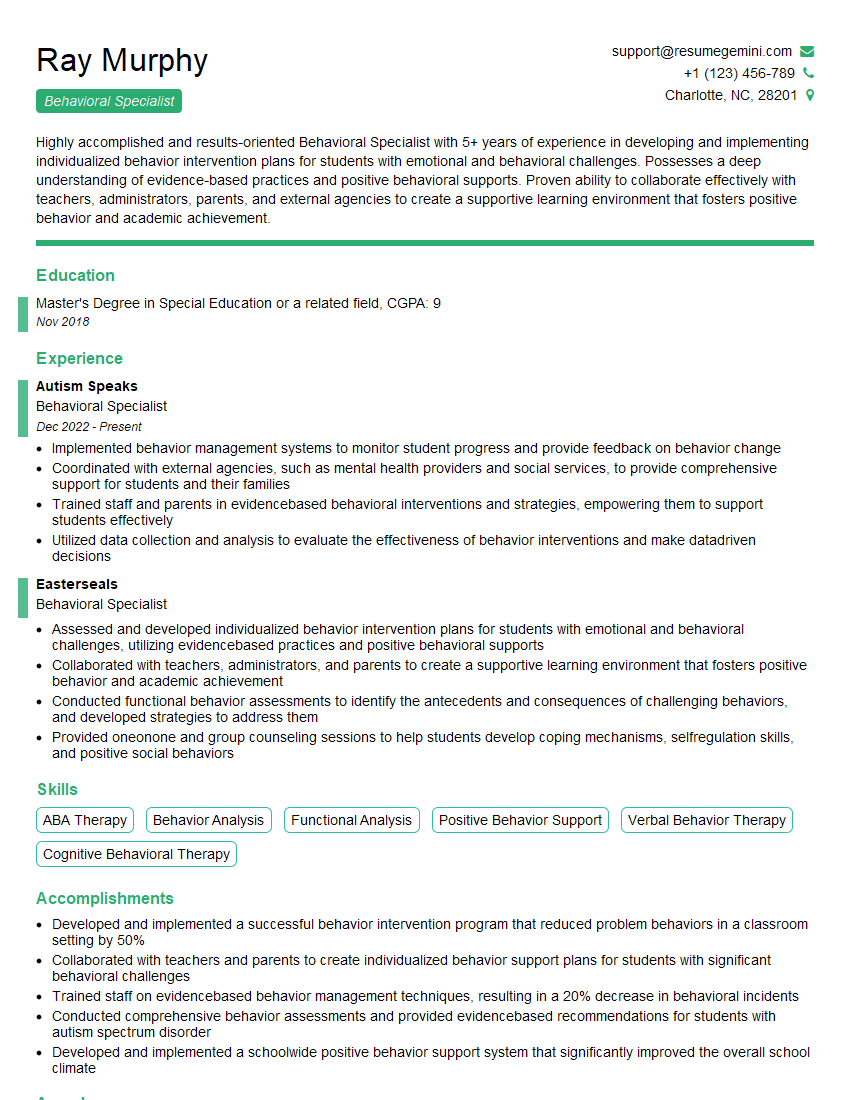
Behavioral Specialist Resume Sample
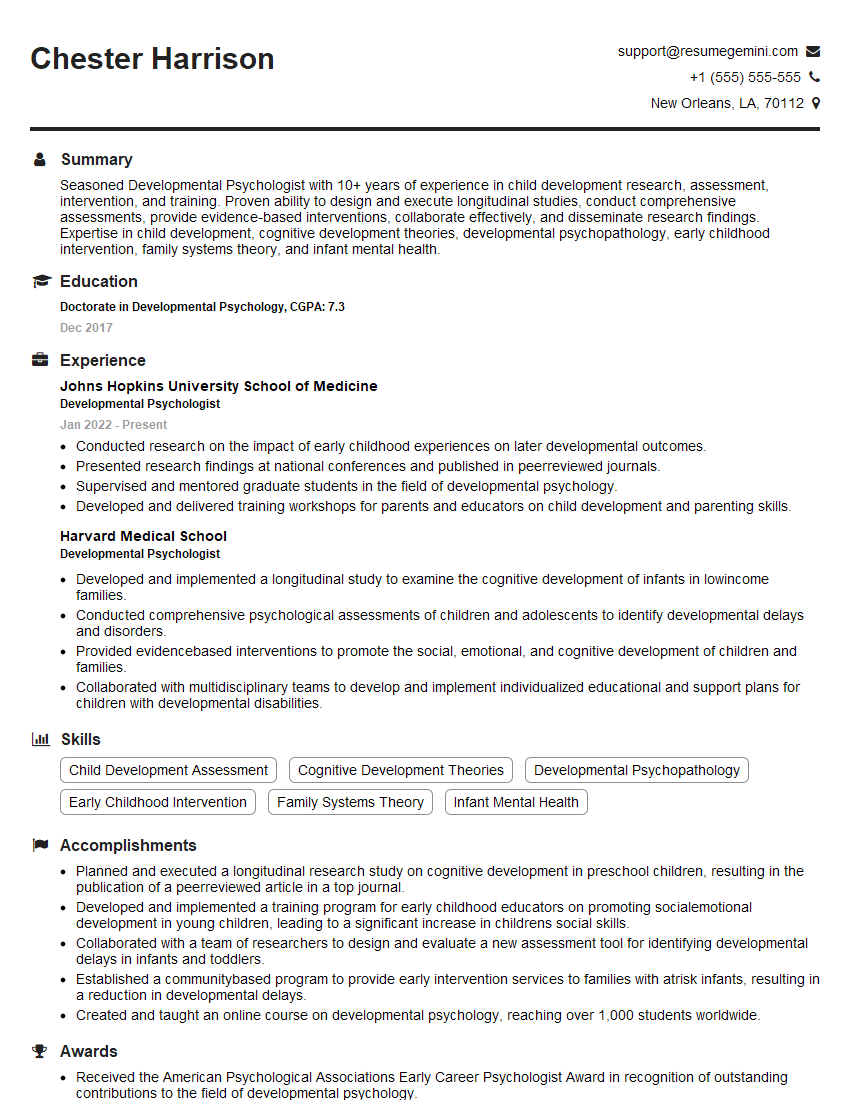
Developmental Psychologist Resume Sample
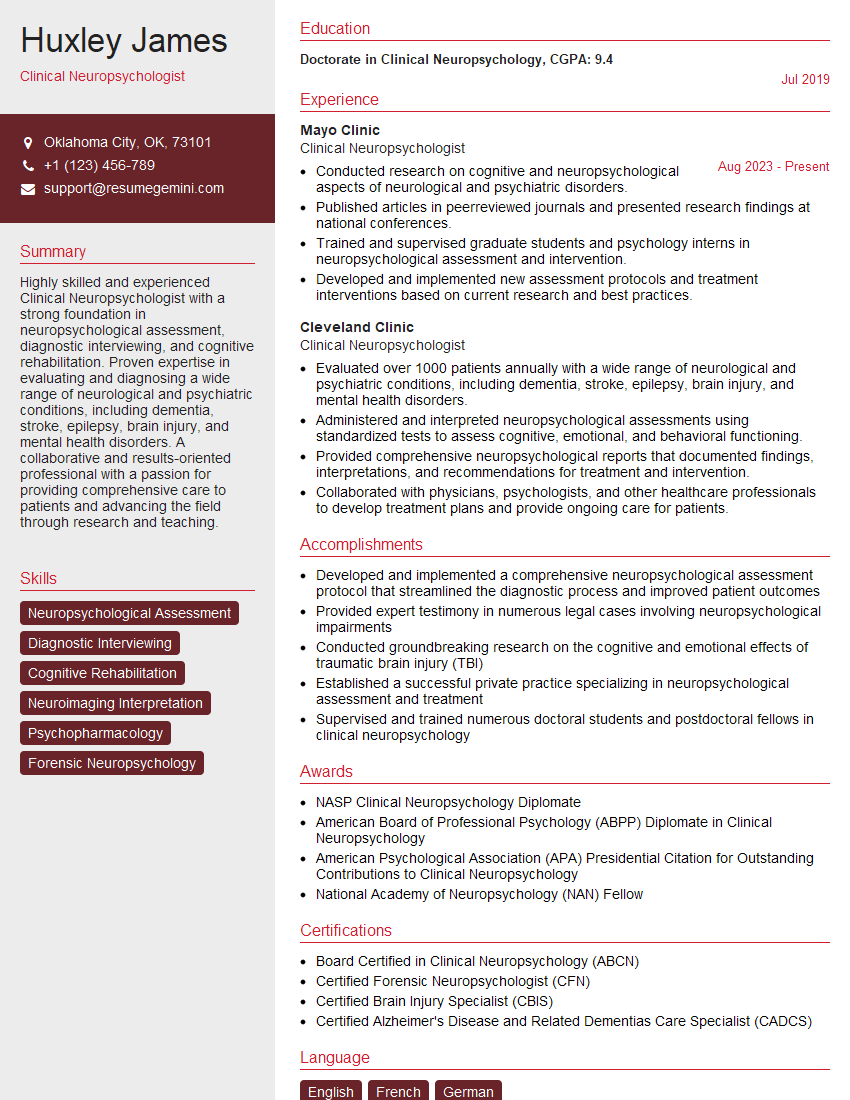
Clinical Neuropsychologist Resume Sample
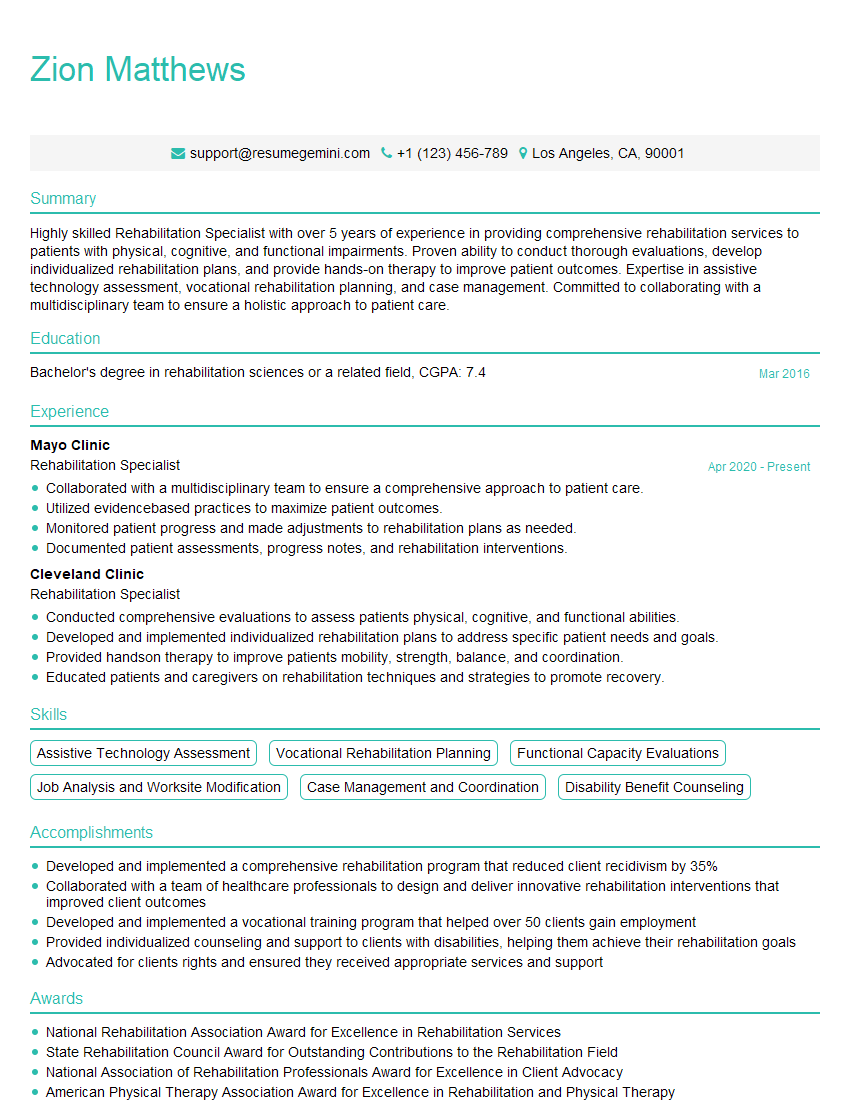
Rehabilitation Specialist Resume Sample
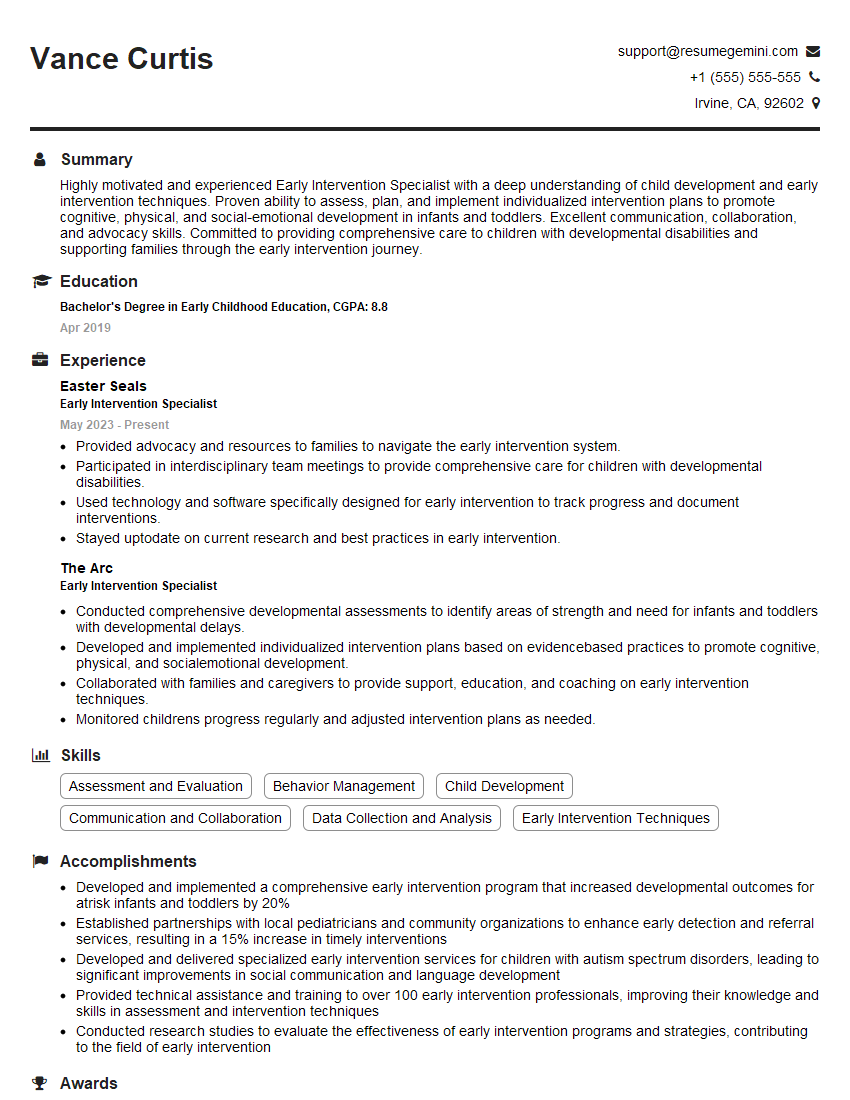
Early Intervention Specialist Resume Sample
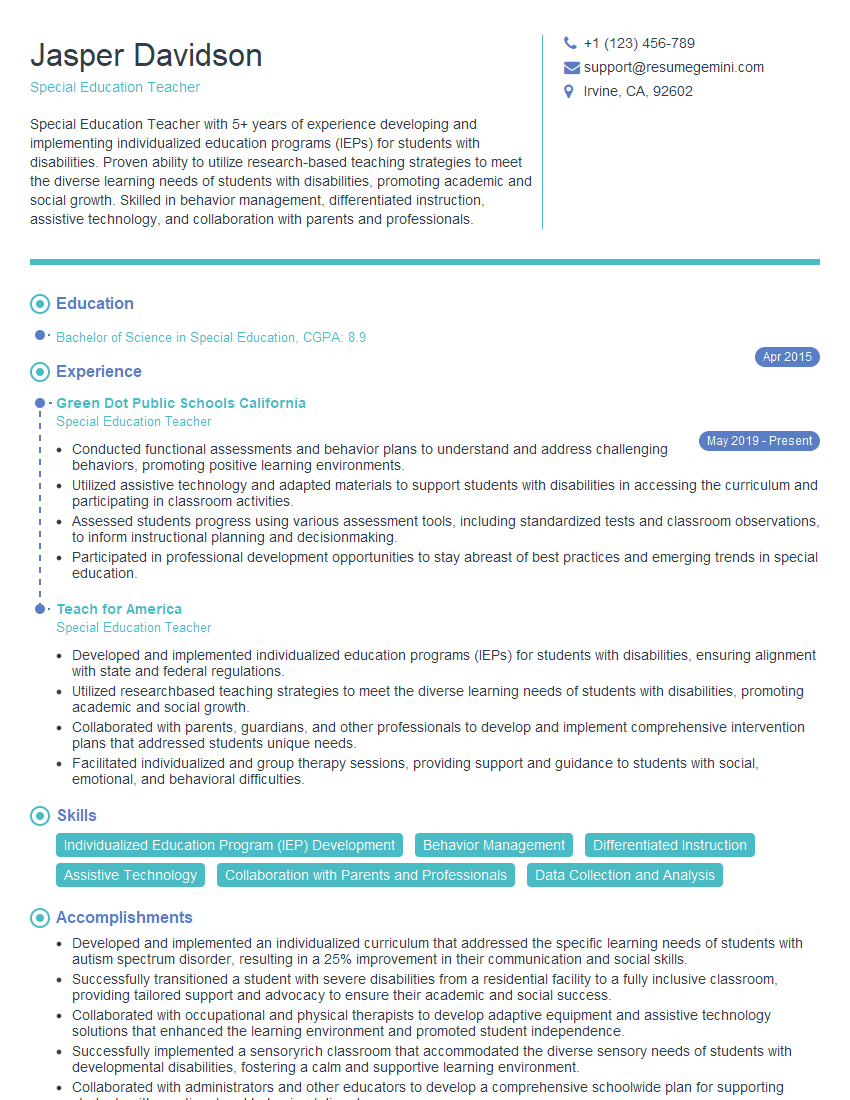
Special Education Teacher Resume Sample
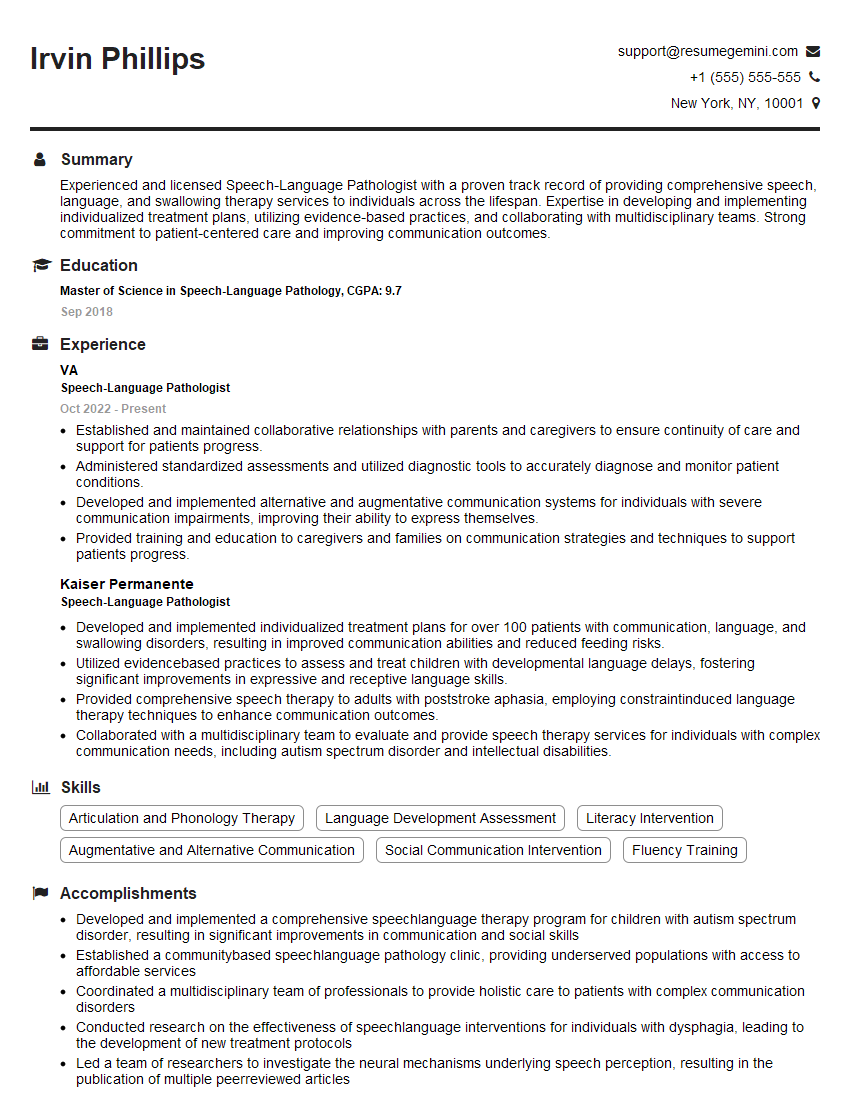
Speech-Language Pathologist Resume Sample
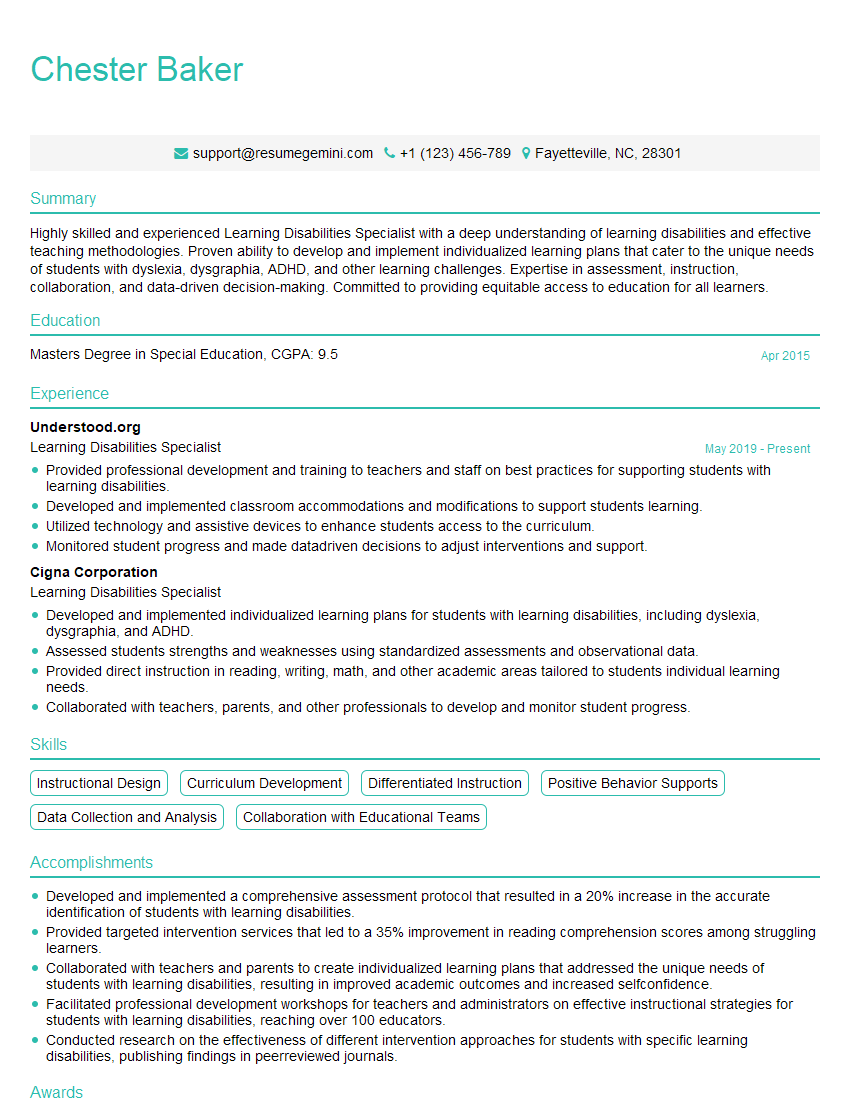
Learning Disabilities Specialist Resume Sample
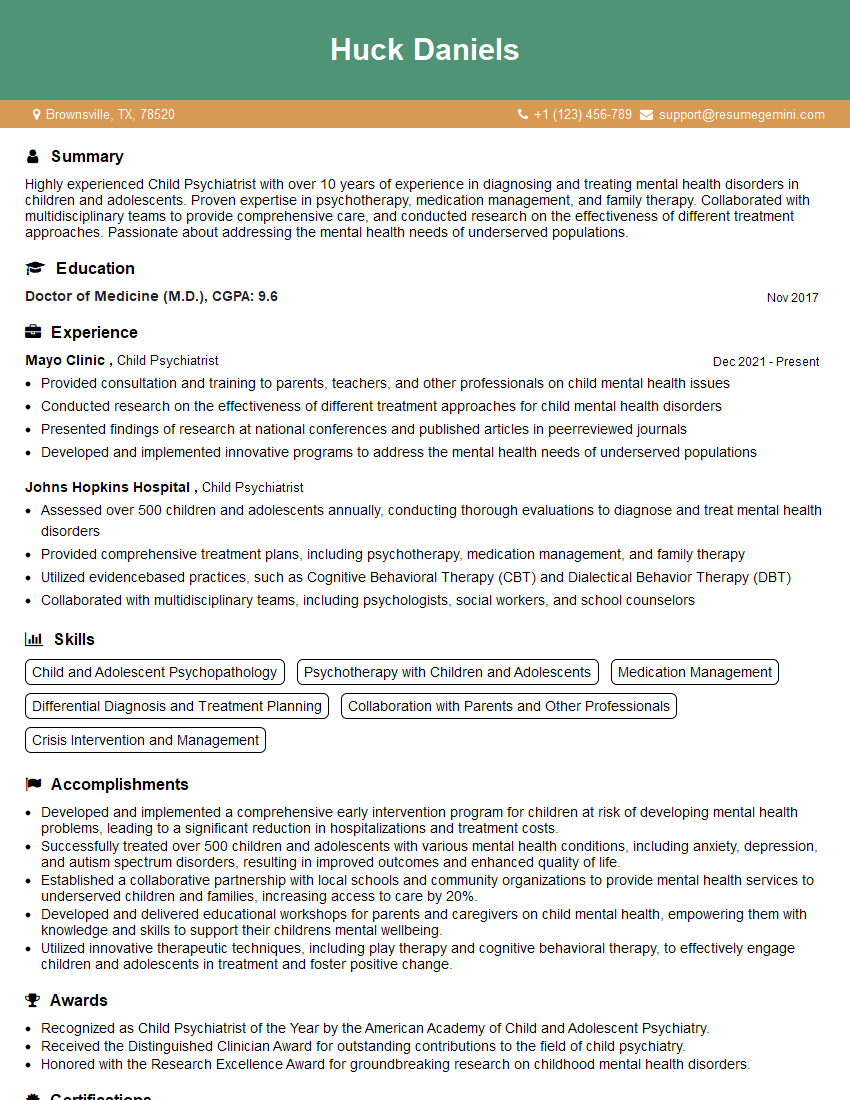
Child Psychiatrist Resume Sample
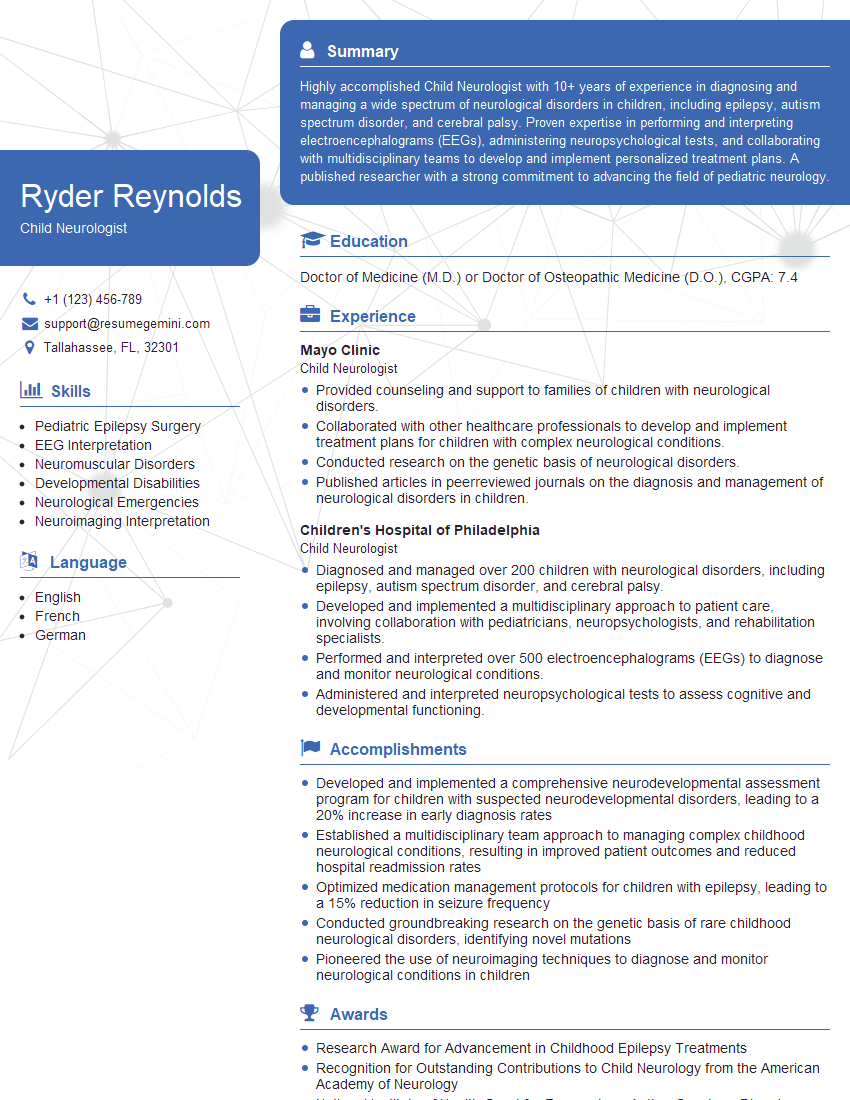
Child Neurologist Resume Sample
Explore more articles
Users Rating of Our Blogs
Share Your Experience
We value your feedback! Please rate our content and share your thoughts (optional).
What Readers Say About Our Blog
To the interviewgemini.com Webmaster.
Very helpful and content specific questions to help prepare me for my interview!
Thank you
To the interviewgemini.com Webmaster.
This was kind of a unique content I found around the specialized skills. Very helpful questions and good detailed answers.
Very Helpful blog, thank you Interviewgemini team.