Unlock your full potential by mastering the most common Green Building Practices and Materials interview questions. This blog offers a deep dive into the critical topics, ensuring you’re not only prepared to answer but to excel. With these insights, you’ll approach your interview with clarity and confidence.
Questions Asked in Green Building Practices and Materials Interview
Q 1. What are the key principles of sustainable building design?
Sustainable building design prioritizes minimizing the negative environmental impact of the built environment throughout its entire lifecycle, from material sourcing to demolition. Key principles revolve around:
- Energy Efficiency: Reducing energy consumption through passive design strategies (optimal building orientation, natural ventilation), high-performance building envelope, and renewable energy sources.
- Water Conservation: Implementing low-flow fixtures, rainwater harvesting, and greywater recycling systems to minimize water usage.
- Material Selection: Prioritizing sustainably sourced, recycled, and locally produced materials with low embodied carbon and minimal environmental impact.
- Indoor Environmental Quality: Ensuring healthy indoor air quality through proper ventilation, the use of low-VOC (Volatile Organic Compound) materials, and effective moisture control.
- Waste Reduction: Minimizing construction waste through careful planning, material reuse, and recycling programs.
- Site Selection and Development: Choosing appropriate building sites that minimize environmental disruption, utilize existing infrastructure, and incorporate green spaces.
- Durability and Longevity: Designing buildings to last longer, requiring less frequent renovations and reducing the overall environmental impact over time. This includes employing resilient materials and construction techniques.
For instance, consider a project where we oriented the building to maximize solar gain in winter and minimize it in summer, thereby reducing the heating and cooling load. We also selected locally sourced timber for structural elements, minimizing transportation emissions. This holistic approach ensures a genuinely sustainable building.
Q 2. Explain the difference between LEED, Passive House, and Net Zero building certifications.
LEED, Passive House, and Net Zero are distinct green building certifications, each with its own focus and criteria:
- LEED (Leadership in Energy and Environmental Design): A points-based system covering a broad range of sustainability aspects, including energy efficiency, water conservation, material selection, and indoor environmental quality. It offers various certification levels (Certified, Silver, Gold, Platinum) based on the achieved points. LEED provides flexibility in achieving sustainability goals.
- Passive House: A performance-based standard focusing primarily on energy efficiency. It emphasizes airtight construction, high levels of insulation, and optimized ventilation to minimize energy needs. Certification requires stringent performance testing to meet specific energy targets.
- Net Zero: A holistic approach aiming for zero net energy consumption over a year. This involves generating as much renewable energy on-site (e.g., solar panels) as the building consumes. Net Zero buildings can incorporate aspects of both LEED and Passive House, but the primary goal is energy neutrality.
Think of it this way: LEED is a comprehensive checklist, Passive House is a rigorous energy performance standard, and Net Zero is an overall energy balance target. A building can achieve multiple certifications – for example, a building could be both LEED Platinum and Net Zero.
Q 3. Describe your experience with life-cycle assessment (LCA) of building materials.
Life Cycle Assessment (LCA) is crucial for evaluating the environmental impacts of building materials from cradle to grave. My experience involves conducting LCAs using various software tools (like SimaPro or Gabi) and databases to analyze material extraction, manufacturing, transportation, installation, use, maintenance, and end-of-life stages.
For example, I recently conducted an LCA comparing the environmental impact of using locally sourced reclaimed wood versus newly manufactured steel for a building’s structural frame. The LCA considered factors like energy consumption during manufacturing, transportation distances, and embodied carbon. The results guided the material selection decision, highlighting the lower environmental impact of the reclaimed wood in this specific context. The LCA report helped quantify and communicate these impacts to the project stakeholders.
In another project, I used LCA to demonstrate the environmental advantages of incorporating recycled content into concrete. This helped justify the slightly higher initial cost of the material based on its reduced overall environmental footprint.
Q 4. How do you select sustainable building materials considering embodied carbon?
Selecting sustainable building materials, considering embodied carbon, requires a multi-faceted approach:
- Embodied Carbon Assessment: First, we determine the embodied carbon of candidate materials using Environmental Product Declarations (EPDs) or LCA data. EPDs provide standardized information on a product’s life-cycle environmental impacts.
- Material Selection Criteria: We prioritize materials with low embodied carbon, high recycled content, and sustainable sourcing practices. This might involve selecting rapidly renewable materials like bamboo or prioritizing materials with proven durability to extend the building’s lifespan.
- Local Sourcing: Prioritizing locally sourced materials significantly reduces transportation emissions, a major component of embodied carbon.
- Material Optimization: We use design strategies to minimize material quantities needed, such as optimizing structural designs or using efficient construction methods.
- End-of-Life Considerations: We consider the material’s end-of-life options – recyclability, reuse potential, or biodegradability – to minimize waste and environmental impact at the end of the building’s life.
For instance, in a recent project, we compared the embodied carbon of different concrete mixes. A mix with a higher percentage of recycled aggregates showed significantly lower embodied carbon than a conventional mix, leading to its selection despite a slightly higher initial cost.
Q 5. What are some strategies for improving building envelope performance?
Improving building envelope performance is vital for energy efficiency. Strategies include:
- High-Performance Insulation: Utilizing high R-value insulation materials in walls, roofs, and floors minimizes heat transfer, reducing heating and cooling loads. Examples include spray foam insulation, mineral wool, or cellulose insulation.
- Airtight Construction: Minimizing air leakage through careful detailing, sealing of joints and penetrations, and the use of air barriers significantly improves energy efficiency and indoor air quality.
- High-Performance Windows: Installing windows with low U-values (heat transfer coefficient) and high solar heat gain coefficient (SHGC) optimizes daylighting and minimizes energy loss.
- Thermal Bridging Mitigation: Designing to avoid thermal bridges (areas of increased heat transfer) through continuous insulation and careful detailing of connections between different building elements.
- Shading Devices: Employing shading devices like overhangs, awnings, or exterior shading screens can significantly reduce solar heat gain in summer.
For example, in a recent project, we employed a continuous insulation system on the exterior walls, eliminating thermal bridges and significantly improving the building’s thermal performance compared to a conventional construction method.
Q 6. Explain how to reduce water consumption in building design.
Reducing water consumption in building design requires a holistic approach:
- Low-Flow Fixtures: Installing low-flow toilets, showerheads, and faucets significantly reduces water usage without compromising functionality. Look for WaterSense labeled products.
- Water-Efficient Appliances: Specifying water-efficient washing machines and dishwashers reduces overall water consumption.
- Rainwater Harvesting: Collecting and storing rainwater for non-potable uses such as irrigation or toilet flushing reduces reliance on municipal water supplies.
- Greywater Recycling: Treating and reusing greywater (from showers, sinks, and laundry) for irrigation or toilet flushing further minimizes water consumption.
- Landscape Design: Selecting drought-tolerant landscaping reduces the need for irrigation.
- Leak Detection and Repair: Implementing a regular leak detection and repair program minimizes water waste due to leaks in pipes or fixtures.
In a recent project, we integrated a rainwater harvesting system to supply water for irrigation, reducing the building’s reliance on municipal water and minimizing its environmental impact.
Q 7. How do you approach indoor air quality (IAQ) in a green building project?
Achieving good indoor air quality (IAQ) in a green building requires a proactive approach:
- Ventilation: Providing sufficient fresh air through mechanical ventilation systems with heat recovery or natural ventilation strategies is essential to dilute pollutants and maintain comfortable indoor conditions.
- Material Selection: Specifying low-VOC emitting paints, adhesives, sealants, and other building materials minimizes indoor air pollution from chemical off-gassing.
- Moisture Control: Implementing effective moisture control measures to prevent mold and mildew growth is crucial for IAQ. This might include proper air sealing, vapor barriers, and ventilation in attics and crawl spaces.
- Indoor Air Quality Monitoring: Monitoring IAQ parameters such as carbon dioxide levels, particulate matter, and volatile organic compounds helps to ensure the building meets health standards.
- Source Control: Addressing potential sources of indoor air pollution, such as radon or combustion appliances, is vital. This might involve radon mitigation systems or proper venting of combustion equipment.
For instance, in one project, we used a comprehensive IAQ management plan that started with specifying low-VOC materials and continued with post-construction IAQ monitoring. This allowed us to address any potential issues and ensure a healthy indoor environment for building occupants.
Q 8. What are some strategies for integrating renewable energy into building designs?
Integrating renewable energy into building designs is crucial for achieving sustainable construction. This involves strategically incorporating systems that harness naturally occurring resources like sunlight, wind, and geothermal heat to reduce reliance on fossil fuels.
Photovoltaic (PV) Systems: These solar panels convert sunlight directly into electricity. Rooftop installations are common, but building-integrated photovoltaics (BIPV) are becoming increasingly popular, where solar cells are integrated into building materials like roofing tiles or facades. For example, a recent project I worked on incorporated BIPV into a new office building’s south-facing wall, significantly reducing its energy demands.
Solar Thermal Systems: These systems use sunlight to heat water or air. They can be used for space heating, domestic hot water, or even pool heating. A well-designed system can dramatically lower a building’s reliance on gas or electric water heaters. I once worked on a project where a solar thermal system provided 70% of a large apartment building’s hot water needs.
Wind Turbines: For buildings in windy locations, small-scale wind turbines can be a viable option. However, their effectiveness depends heavily on consistent wind speeds and appropriate site conditions. It’s vital to conduct a thorough wind resource assessment before integrating wind turbines.
Geothermal Energy: Geothermal heat pumps utilize the relatively stable temperature of the earth to heat and cool buildings. This is particularly efficient in climates with significant temperature fluctuations. In a past project, we used ground-source heat pumps to create a highly energy-efficient school building.
Successful integration requires careful consideration of factors such as building orientation, climate, available space, and cost-effectiveness. A comprehensive energy audit and feasibility study are essential before implementing any renewable energy system.
Q 9. Describe your experience with building commissioning and retro-commissioning (Cx/RCx).
Building commissioning (Cx) and retro-commissioning (RCx) are critical processes for ensuring that buildings perform as designed and operate efficiently. Cx is the process of verifying that building systems are designed, installed, and operated correctly before building occupancy. RCx focuses on improving the efficiency of existing buildings.
My experience encompasses both. In Cx, I’ve led teams in developing commissioning plans, conducting functional performance tests, and verifying that systems meet the required energy performance targets. We use sophisticated tools to monitor various parameters, from air quality to lighting levels. For example, we might verify that the HVAC system maintains the specified temperature and humidity levels within the defined tolerances. We also develop and review operation and maintenance (O&M) manuals to make sure building staff can maintain efficiency post-occupancy.
In RCx, I’ve led projects identifying operational inefficiencies and making cost-effective improvements in existing buildings. This often involves using energy-monitoring systems to identify areas for optimization. One notable RCx project I managed resulted in a 25% reduction in energy consumption in a large office building. This was achieved by identifying and rectifying issues with the HVAC control system, optimizing lighting schedules, and conducting thorough maintenance.
Q 10. What are the benefits and challenges of using recycled building materials?
Using recycled building materials presents both significant benefits and challenges. The advantages are primarily environmental: reduced landfill waste, conservation of natural resources, and lower embodied carbon compared to virgin materials.
Benefits: Reduced environmental impact, lower embodied energy (the energy used to produce and transport a material), potential cost savings (depending on the material and availability), and contribution to a circular economy. For instance, using recycled steel reduces the energy needed to create new steel, significantly cutting down on CO2 emissions.
Challenges: Recycled materials may have inconsistent quality compared to virgin materials. Sourcing reliable suppliers and verifying material properties can be difficult. The availability of certain recycled materials might be limited depending on location and the waste management infrastructure. Finally, public perception and building codes may sometimes lag behind the advances in recycled material technology, requiring extra effort in education and advocacy.
Overcoming these challenges requires careful material sourcing, robust quality control, and collaboration with engineers and architects. Life cycle assessment (LCA) should always be performed to understand the overall environmental impact, factoring in transportation, production, and end-of-life management.
Q 11. How do you assess the environmental impact of demolition and construction waste?
Assessing the environmental impact of demolition and construction waste involves a multi-faceted approach focused on minimizing waste generation and maximizing resource recovery. We utilize several techniques:
Waste Audits: A detailed analysis of waste streams generated during demolition and construction, quantifying the volume and type of materials produced.
Material Flow Analysis (MFA): Tracking the flow of materials throughout the project lifecycle, from extraction to disposal, to identify opportunities for reduction and reuse.
Life Cycle Assessment (LCA): Evaluating the environmental impacts associated with each stage of the material’s life, from extraction to disposal, considering factors like greenhouse gas emissions, water consumption, and resource depletion.
Waste Diversion Strategies: Implementing strategies to divert waste from landfills through recycling, reuse, or repurposing. Examples include using crushed concrete as aggregate in new concrete mixes or donating salvaged materials to reuse organizations.
The goal is to minimize the volume of waste sent to landfills, reduce greenhouse gas emissions, and conserve resources. Detailed documentation and reporting are critical to demonstrating environmental responsibility and compliance with regulations.
Q 12. Explain your understanding of building energy modeling (e.g., EnergyPlus).
Building energy modeling (BEM) uses software like EnergyPlus to simulate the energy performance of buildings. It’s a crucial tool for optimizing building design and achieving energy efficiency targets.
My understanding of EnergyPlus includes creating detailed building models, defining material properties, specifying HVAC systems, and simulating various scenarios to predict energy consumption, including heating, cooling, lighting, and plug loads. The software uses sophisticated algorithms to model complex interactions between building components and the external climate.
We use BEM to evaluate different design options, such as varying window sizes, insulation levels, or HVAC system types. This allows us to identify cost-effective strategies to optimize energy performance before construction even begins. The results are used to inform design decisions, make informed choices about building materials and systems, and verify that the building meets energy codes and sustainability targets. The output data includes energy consumption profiles, peak demand, and even cost estimates for various energy scenarios, making it invaluable during the planning and design phases of a project.
Q 13. What are some strategies to improve daylighting and reduce reliance on artificial lighting?
Improving daylighting and reducing reliance on artificial lighting are key strategies for energy efficiency. This involves thoughtful building design and the use of appropriate materials and technologies.
Building Orientation and Design: Optimizing building orientation to maximize natural light penetration, using large windows and strategically placed openings. We often use daylighting simulations to determine optimal window placements and sizes.
Light Shelves and Reflectors: Using light shelves to redirect sunlight deeper into the building and employing reflective surfaces on walls and ceilings to distribute natural light more effectively.
Light Color and Quality: Employing high-efficiency lighting systems that use light with appropriate color temperatures and CRI (Color Rendering Index) to reduce energy consumption while ensuring suitable lighting quality.
Daylight Harvesting Systems: Integrating automated lighting control systems that dim or switch off artificial lights based on the availability of daylight.
High-Performance Glazing: Using glazing that maximizes daylight transmission while minimizing heat gain in warmer climates and heat loss in colder climates.
Careful planning and implementation are essential for effective daylighting. A holistic approach considering building design, materials selection, and lighting controls is crucial for achieving significant energy savings.
Q 14. How do you ensure the long-term operational sustainability of green building projects?
Ensuring the long-term operational sustainability of green building projects requires a comprehensive strategy that extends beyond construction. It’s about creating a building that remains efficient and environmentally responsible over its entire lifespan.
Comprehensive O&M Plan: Developing a detailed operation and maintenance (O&M) plan that outlines procedures for maintaining building systems, including regular inspections, preventative maintenance, and timely repairs. This plan should be tailored to the specific building systems and technologies used.
Staff Training and Education: Providing adequate training to building operators and maintenance personnel on the proper operation and maintenance of building systems. This includes understanding the technologies used, identifying potential problems, and implementing efficient operating procedures.
Performance Monitoring and Evaluation: Implementing systems for monitoring building performance, such as energy consumption, water usage, and indoor environmental quality, to identify areas for improvement and ensure the building is operating efficiently. Regular benchmarking against similar buildings can be highly useful.
Green Building Certification and Ongoing Verification: Achieving and maintaining green building certifications, such as LEED, BREEAM, or others, which often require ongoing verification of building performance.
Tenant Engagement: Educating and engaging tenants on sustainable practices, such as waste reduction, energy conservation, and water saving techniques. This fosters a sense of shared responsibility in maintaining the building’s sustainability.
By addressing these aspects, we can move beyond the initial construction phase and into a long-term focus on efficient and responsible building operation, thereby realizing the full potential of a truly sustainable building.
Q 15. Describe your experience with sustainable site development practices.
Sustainable site development prioritizes minimizing the environmental impact of a building’s location and construction. It involves careful consideration of the existing site conditions, including soil, topography, hydrology, and existing vegetation, to optimize resource use and protect natural habitats.
My experience encompasses conducting thorough site assessments to identify opportunities for minimizing land disturbance, preserving natural features like trees and wetlands, and incorporating permeable paving to manage stormwater runoff. For example, on a recent project, we implemented a bio-swale system – a vegetated channel designed to filter stormwater before it enters the municipal drainage system – significantly reducing the project’s water footprint. We also prioritized using locally sourced materials to reduce transportation emissions and support the local economy. In another instance, we carefully planned building placement to maximize solar access and minimize shadowing on adjacent properties. This holistic approach ensures the building integrates seamlessly with its surroundings.
Career Expert Tips:
- Ace those interviews! Prepare effectively by reviewing the Top 50 Most Common Interview Questions on ResumeGemini.
- Navigate your job search with confidence! Explore a wide range of Career Tips on ResumeGemini. Learn about common challenges and recommendations to overcome them.
- Craft the perfect resume! Master the Art of Resume Writing with ResumeGemini’s guide. Showcase your unique qualifications and achievements effectively.
- Don’t miss out on holiday savings! Build your dream resume with ResumeGemini’s ATS optimized templates.
Q 16. Explain your understanding of green building codes and standards.
Green building codes and standards provide a framework for designing and constructing environmentally responsible buildings. They establish minimum requirements for energy efficiency, water conservation, material selection, and indoor environmental quality. Familiar examples include LEED (Leadership in Energy and Environmental Design), BREEAM (Building Research Establishment Environmental Assessment Method), and Green Globes. These standards utilize a points-based system, rewarding projects that exceed minimum requirements in various categories.
My understanding goes beyond simply meeting the minimum requirements. I leverage these standards as a benchmark, striving to exceed them wherever possible. This involves staying updated on the latest revisions and incorporating innovative technologies and strategies to optimize performance. For instance, I’m experienced in implementing strategies that align with the WELL Building Standard, which focuses on occupant wellbeing, encompassing aspects like air quality, daylighting, and thermal comfort. Understanding these codes allows me to anticipate potential challenges and devise solutions proactively.
Q 17. How do you incorporate user needs and preferences in designing sustainable spaces?
Incorporating user needs and preferences is crucial in creating truly sustainable spaces. A sustainable building that isn’t comfortable or functional won’t be used effectively, negating many of the environmental benefits. This requires a collaborative, user-centered design process.
I achieve this through a combination of techniques: conducting thorough stakeholder interviews and surveys, using participatory design workshops, and creating virtual models for visualization and feedback. For instance, when designing a school, we hosted a workshop with teachers, students, and parents to understand their specific needs regarding daylighting, acoustics, and accessibility. Their feedback directly influenced the final design, resulting in a space that was both environmentally responsible and highly functional. Considering user preferences – such as preferred lighting levels or natural ventilation options – leads to increased user satisfaction and a healthier, more productive environment.
Q 18. What are the key performance indicators (KPIs) for measuring the success of green building projects?
Key Performance Indicators (KPIs) for green building projects vary depending on the specific goals, but some common metrics include:
- Energy use intensity (EUI): Measures energy consumption per square foot, indicating energy efficiency.
- Water use intensity (WUI): Measures water consumption per square foot, reflecting water conservation efforts.
- Carbon emissions: Quantifies greenhouse gas emissions during the building’s lifecycle.
- Indoor environmental quality (IEQ): Assesses aspects like air quality, thermal comfort, and daylighting.
- Waste diversion rate: Tracks the percentage of construction waste diverted from landfills.
- LEED or other green building certification scores: Provides a standardized measure of environmental performance.
Monitoring these KPIs throughout the project lifecycle allows for continuous improvement and verification of the building’s performance against its sustainability goals. Regular post-occupancy evaluations are essential to track long-term performance and identify areas for optimization.
Q 19. How do you manage the trade-offs between cost, performance, and sustainability?
Balancing cost, performance, and sustainability often requires careful decision-making and innovative solutions. It’s not about compromise but about finding synergies. For example, investing in high-performance insulation may initially increase upfront costs, but it leads to significant energy savings over the building’s lifetime, reducing operational costs and environmental impact.
My approach involves a life-cycle cost analysis (LCCA), which considers all costs associated with a building from design to demolition. This allows for informed decision-making by comparing the initial cost of sustainable options with their long-term benefits. For example, selecting durable, locally-sourced materials might have a slightly higher initial cost, but their longer lifespan and reduced transportation emissions offset this over time. Furthermore, exploring financing options such as green bonds and tax incentives can make sustainable choices more financially viable.
Q 20. What software or tools are you proficient in for green building design and analysis?
I’m proficient in several software tools vital for green building design and analysis. These include:
- Autodesk Revit: For Building Information Modeling (BIM), allowing for integrated design and analysis.
- EnergyPlus: For detailed energy modeling and simulation to optimize building energy performance.
- IES VE: For daylighting and solar analysis, helping to maximize natural light and minimize energy consumption for lighting.
- Green Building Studio: A web-based platform for LEED project management and simulation.
- SketchUp: For creating 3D models and visualizations for presentations and client collaboration.
My expertise extends to using these tools to integrate sustainability considerations throughout the design process, from initial concept to construction documentation. This ensures the design meets performance goals and regulatory requirements.
Q 21. Describe your experience with sustainable landscaping and water management.
Sustainable landscaping and water management are integral parts of green building. They focus on minimizing water consumption, protecting natural habitats, and creating aesthetically pleasing landscapes.
My experience involves designing and implementing rainwater harvesting systems, utilizing drought-tolerant native plants, and incorporating permeable pavements to manage stormwater runoff. For example, on one project, we installed a rainwater harvesting system that collects rainwater from rooftops and directs it to irrigate the landscaping, significantly reducing reliance on municipal water. We also used native plants that require less irrigation and maintenance, minimizing the need for fertilizers and pesticides. Creating bioswales and rain gardens not only helps manage stormwater but also enhances the site’s biodiversity. This holistic approach minimizes environmental impact and enhances the beauty and functionality of the landscape.
Q 22. How do you ensure effective communication and collaboration among stakeholders in green building projects?
Effective communication and collaboration are paramount in green building projects, involving diverse stakeholders with often conflicting priorities. Think of it like orchestrating a complex symphony – each instrument (stakeholder) needs to play its part harmoniously to create a beautiful outcome.
- Regular Meetings & Open Communication Channels: Establishing a clear communication plan from the outset is crucial. This includes regular meetings, using collaborative platforms like project management software (e.g., Asana, Trello), and ensuring transparent information sharing regarding project updates, budget, and potential challenges.
- BIM (Building Information Modeling): Implementing BIM allows all stakeholders to access and collaborate on a single, centralized 3D model of the building. This enhances visualization and improves coordination between architects, engineers, contractors, and other specialists, minimizing design conflicts and potential rework.
- Stakeholder Workshops & Engagement Sessions: Early and frequent stakeholder workshops provide opportunities for open dialogue, addressing concerns and achieving consensus on critical decisions related to sustainability features, material selections, and construction methodologies. It’s about building trust and shared ownership.
- Conflict Resolution Mechanisms: Having a predetermined process for addressing disagreements is vital. This could include a structured mediation process, involving a neutral third party to facilitate discussion and help find mutually beneficial solutions.
For instance, on a recent project, we utilized daily stand-up meetings to quickly identify and resolve any emerging issues, preventing minor problems from escalating into major setbacks.
Q 23. What are the current trends in green building materials and technology?
The green building materials and technology landscape is rapidly evolving. We’re moving beyond simply reducing environmental impact to actively enhancing building performance and promoting occupant well-being.
- Bio-based Materials: Increased use of materials derived from renewable resources, such as bamboo, hempcrete, mycelium composites, and timber, is gaining momentum. These offer lower embodied carbon compared to traditional materials like concrete and steel.
- Recycled and Reclaimed Materials: The construction industry is embracing circularity, reusing and repurposing materials from demolition projects. This reduces waste and minimizes the environmental footprint of new constructions. Examples include using reclaimed wood for flooring or recycled steel for structural elements.
- Smart Building Technologies: Integration of smart building technologies such as IoT (Internet of Things) sensors, AI-powered energy management systems, and automated building controls is enhancing energy efficiency and reducing operational costs. These systems can optimize lighting, heating, cooling, and ventilation based on real-time occupancy and environmental conditions.
- Prefabrication and Modular Construction: Off-site manufacturing and modular construction methods are becoming increasingly popular, leading to reduced waste, improved construction speed, and enhanced quality control. Prefabricated components are often manufactured in a controlled environment, minimizing material waste.
- Passive Design Strategies: The focus on optimizing building design to minimize energy consumption through natural ventilation, daylighting, and thermal mass continues to be paramount. This includes using shading devices and strategically oriented windows to reduce the need for mechanical systems.
Q 24. What are some examples of innovative green building solutions you have encountered?
I’ve encountered many innovative green building solutions. One particularly memorable project incorporated a living wall system on the building’s exterior. This vertical garden not only provided aesthetic appeal but also improved air quality, reduced the urban heat island effect, and enhanced biodiversity in the immediate surroundings. It was a truly integrated approach to sustainability.
Another example involved the use of a geothermal heat pump system for heating and cooling. This technology harnesses the stable temperature of the earth to significantly reduce energy consumption compared to conventional HVAC systems. It resulted in substantial energy savings and minimized the building’s carbon footprint.
Furthermore, a project I worked on utilized rainwater harvesting for toilet flushing and irrigation. This reduced reliance on municipal water supplies, conserving a precious resource and minimizing the building’s impact on local water systems.
Q 25. How do you stay up-to-date with the latest advancements in green building practices?
Staying current in this dynamic field requires a multi-faceted approach.
- Professional Development Courses & Conferences: Regular participation in conferences, workshops, and continuing education courses offered by organizations like the USGBC (U.S. Green Building Council) and other industry bodies keeps me abreast of the latest advancements and best practices.
- Industry Publications & Journals: I subscribe to leading industry publications and journals, such as Building Green and Green Building Advisor, to stay updated on research, new technologies, and policy changes.
- Networking with Industry Professionals: Active participation in professional organizations and networking events provides opportunities to learn from colleagues’ experiences and share knowledge.
- Online Resources & Databases: I regularly consult online databases and resources such as the EPA’s website and the Green Building Information Gateway for technical specifications, case studies, and research data.
Continuous learning is crucial; the field is always evolving, and staying informed ensures we’re always applying the most effective and sustainable solutions.
Q 26. Describe a challenging green building project and how you overcame the obstacles.
One particularly challenging project involved retrofitting a historic building to meet LEED Platinum certification standards. Balancing the need to preserve historical integrity with the demands of modern green building practices presented numerous hurdles. The existing structure had limited space for new mechanical systems, and using energy-efficient alternatives while maintaining the building’s aesthetic appeal was complex.
We overcame these obstacles through a combination of strategies:
- Thorough Historical Assessment: A detailed historical assessment informed decisions regarding material selection and construction techniques, ensuring minimal disruption to the building’s original character.
- Innovative Technological Solutions: We explored and implemented innovative technologies, like high-efficiency HVAC systems with minimal footprint, and smart building controls that optimized energy use without compromising the building’s historic features.
- Creative Design Solutions: The design team employed creative solutions such as utilizing existing architectural features to enhance natural daylighting and ventilation.
- Close Collaboration: Close collaboration between the architects, engineers, contractors, and historical preservationists was essential in navigating the project’s complexities.
Ultimately, through meticulous planning, creativity, and collaborative teamwork, we successfully achieved LEED Platinum certification while preserving the building’s historic charm. This project reinforced the importance of integrating historical preservation with sustainable practices.
Q 27. How do you handle conflicts between sustainability goals and budget constraints?
Balancing sustainability goals with budget constraints is a common challenge. It requires a strategic approach that prioritizes cost-effective solutions that deliver the greatest environmental benefits.
- Life-Cycle Cost Analysis (LCCA): Conducting an LCCA allows us to compare the initial costs and long-term operational costs of different material and system options. This helps identify solutions with high upfront investment but potentially significant long-term cost savings through reduced energy consumption and maintenance.
- Prioritization of Sustainability Goals: Clearly defining and prioritizing sustainability goals allows us to focus on the most impactful interventions. This helps streamline the decision-making process and allocate resources efficiently. For example, focusing on energy efficiency first, as it often delivers the greatest environmental and economic returns.
- Value Engineering: Value engineering is a systematic approach to identifying cost-saving opportunities without compromising the project’s overall quality and performance. It involves creative problem-solving and exploring alternative solutions that meet sustainability objectives within budget limitations.
- Phased Implementation: A phased approach to implementing green building strategies can help manage costs by spreading expenses over time. This allows for gradual incorporation of sustainable features as budget permits.
- Incentives and Rebates: Exploring available government incentives, tax credits, and rebates for green building features can help offset initial costs and make sustainable options more financially viable.
It’s often about finding the sweet spot – making smart choices that combine economic feasibility with significant environmental benefits. The key is strategic planning and collaboration to identify the most impactful and cost-effective solutions.
Key Topics to Learn for Green Building Practices and Materials Interview
- Sustainable Site Planning & Design: Understanding principles of minimizing environmental impact through site selection, orientation, and landscaping. Consider practical applications like stormwater management and erosion control.
- Energy Efficiency: Mastering concepts like building envelope design, HVAC systems, and renewable energy integration. Be prepared to discuss case studies showcasing energy-efficient building strategies.
- Water Conservation: Explore low-flow fixtures, rainwater harvesting, and greywater recycling systems. Understand the practical challenges and solutions related to water efficiency in building design.
- Material Selection & Embodied Carbon: Learn to evaluate the environmental impact of building materials throughout their lifecycle, focusing on embodied carbon reduction and sustainable sourcing. Be ready to discuss Life Cycle Assessments (LCAs).
- Indoor Environmental Quality (IEQ): Understand the importance of healthy indoor air quality, thermal comfort, and daylighting. Discuss strategies for minimizing volatile organic compounds (VOCs) and maximizing natural ventilation.
- Green Building Certifications (LEED, etc.): Familiarize yourself with leading green building rating systems and their respective requirements. Understand how these certifications impact design choices and material selection.
- Waste Management & Recycling: Discuss strategies for minimizing construction waste, promoting recycling, and implementing sustainable demolition practices.
- Lifecycle Cost Analysis: Understand how to evaluate the long-term economic benefits of green building practices, considering both initial costs and operational savings.
- Building Codes & Regulations: Familiarize yourself with relevant green building codes and regulations at local, regional, and national levels.
Next Steps
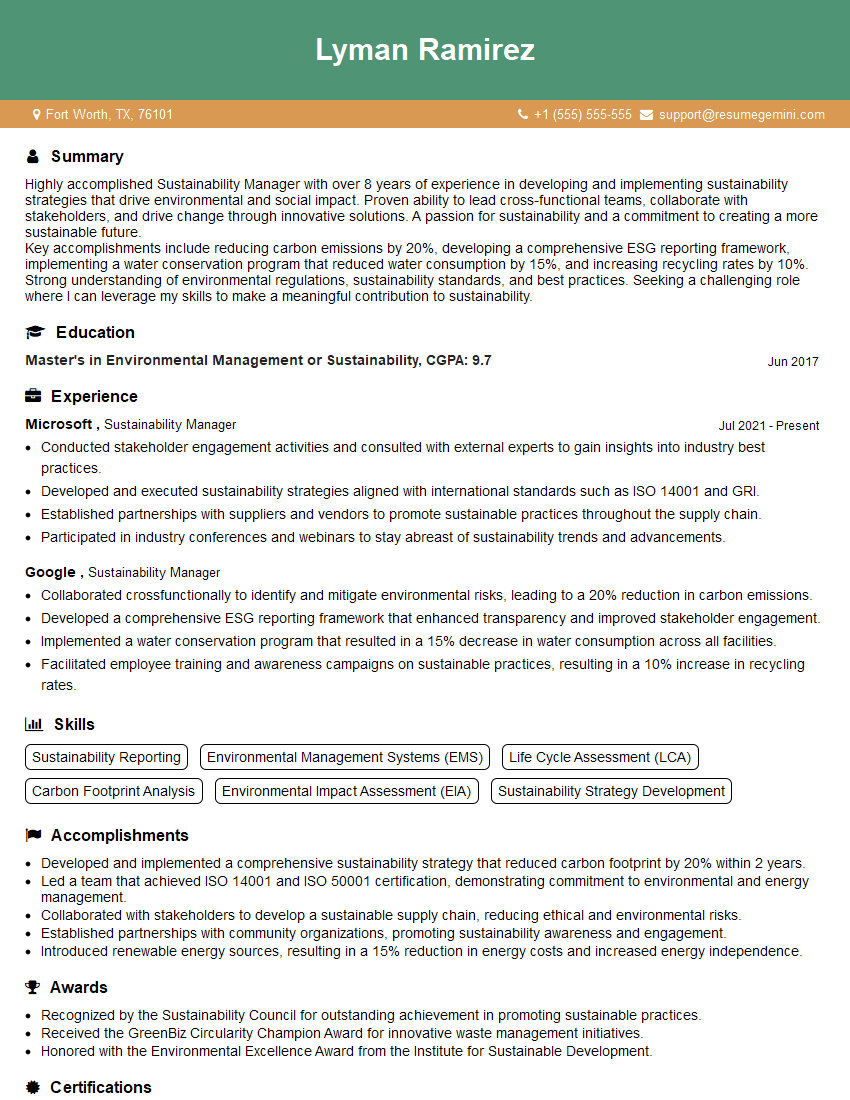
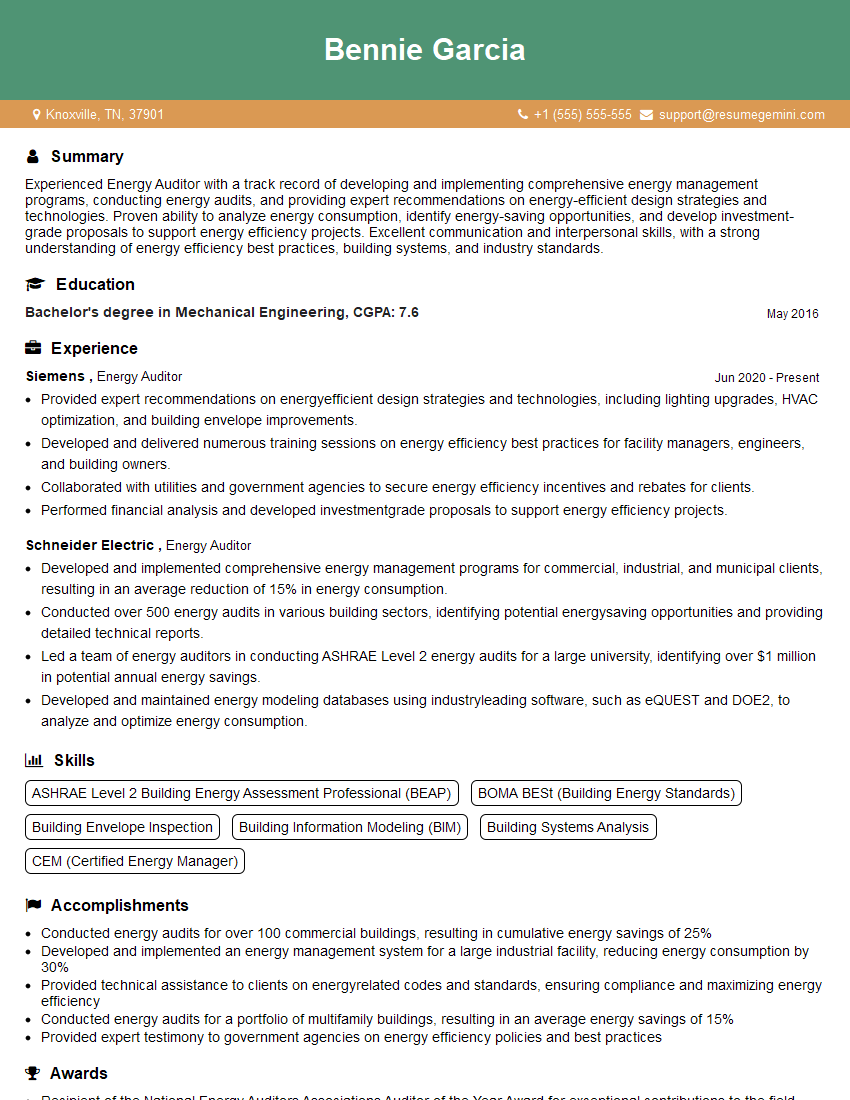
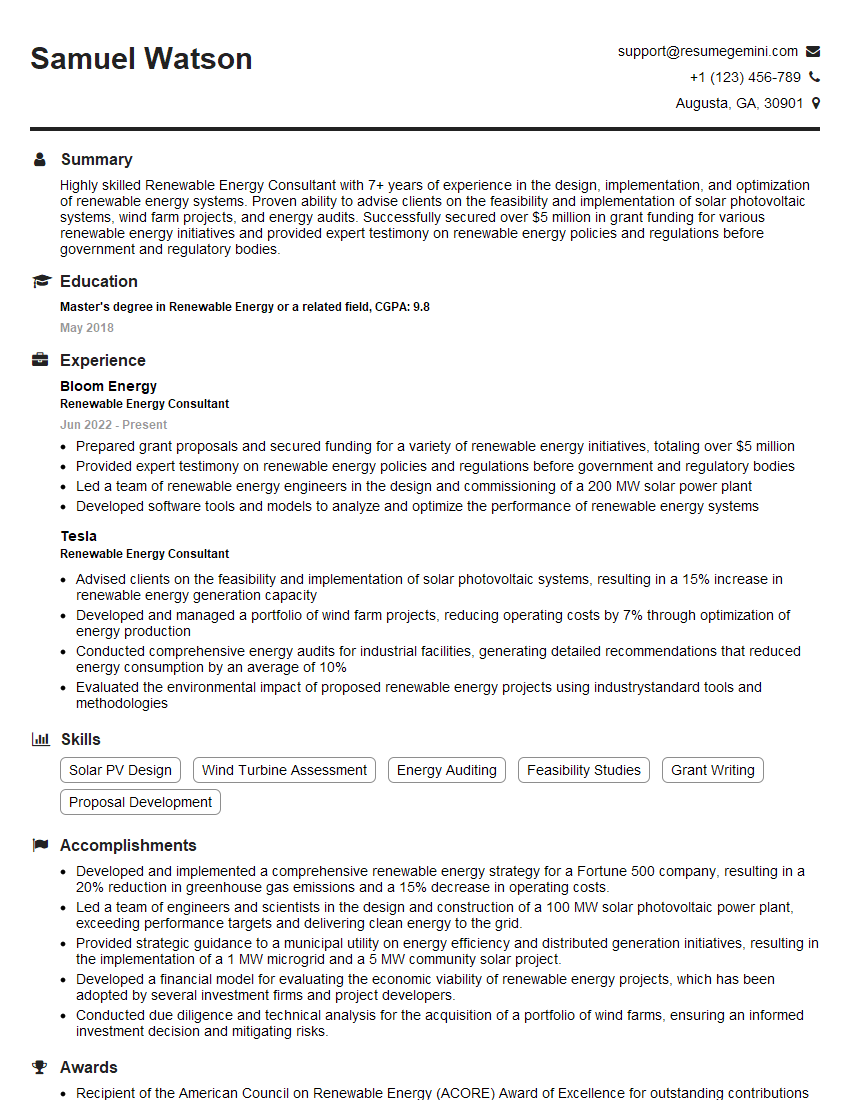
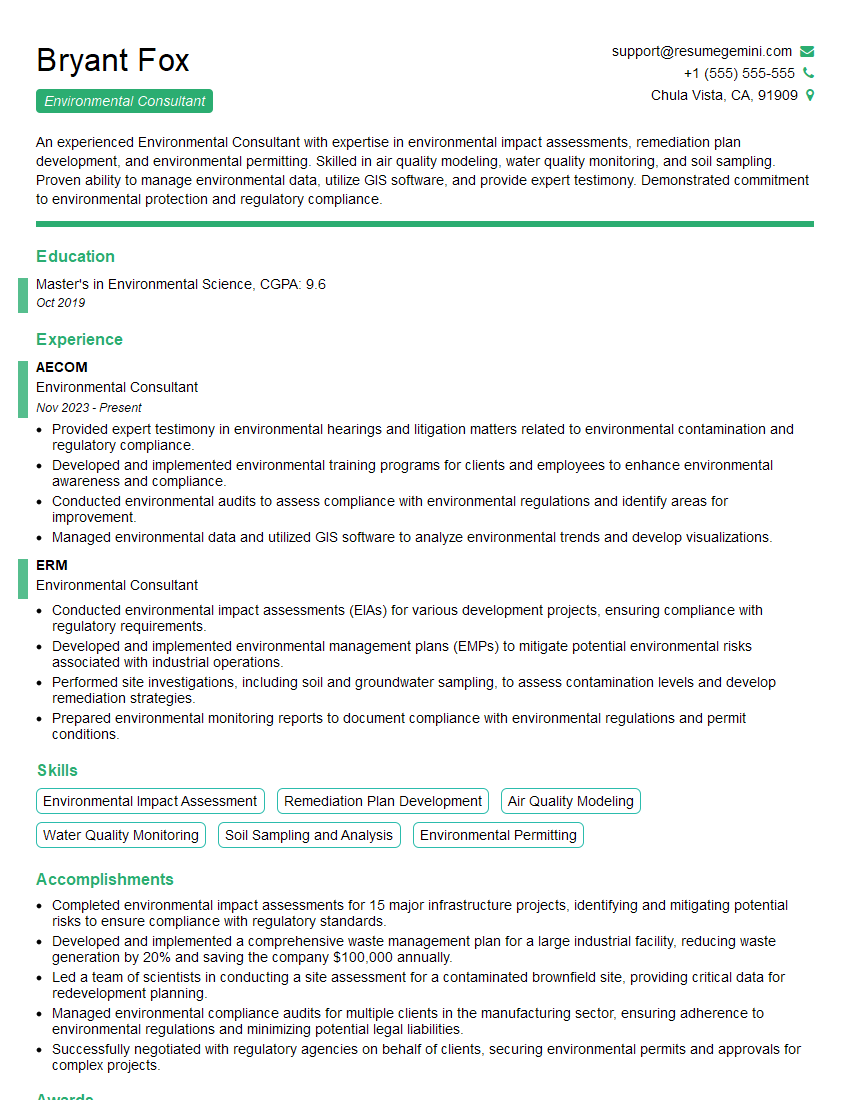
Mastering Green Building Practices and Materials is crucial for career advancement in a rapidly evolving industry. Demonstrating your expertise through a strong resume is key to unlocking exciting opportunities. Creating an ATS-friendly resume is essential for getting your application noticed by recruiters. We highly recommend using ResumeGemini to build a professional and impactful resume that highlights your skills and experience effectively. ResumeGemini provides examples of resumes tailored to Green Building Practices and Materials to help you craft a winning application.
Explore more articles
Users Rating of Our Blogs
Share Your Experience
We value your feedback! Please rate our content and share your thoughts (optional).
What Readers Say About Our Blog
To the interviewgemini.com Webmaster.
Very helpful and content specific questions to help prepare me for my interview!
Thank you
To the interviewgemini.com Webmaster.
This was kind of a unique content I found around the specialized skills. Very helpful questions and good detailed answers.
Very Helpful blog, thank you Interviewgemini team.