Interviews are opportunities to demonstrate your expertise, and this guide is here to help you shine. Explore the essential Neuromuscular Examination interview questions that employers frequently ask, paired with strategies for crafting responses that set you apart from the competition.
Questions Asked in Neuromuscular Examination Interview
Q 1. Describe the process of performing a nerve conduction study (NCS).
A nerve conduction study (NCS) is a neurophysiological test that assesses the function of peripheral nerves. It measures how quickly electrical signals travel along nerves. The process involves placing surface electrodes on the skin over the nerve being tested. These electrodes deliver small electrical stimuli to the nerve and record the resulting electrical response.
- Stimulation: A small electrical stimulus is delivered to a peripheral nerve, usually using surface electrodes. This stimulus activates the nerve fibers.
- Recording: Surface electrodes placed over the nerve at different points record the electrical response. This response is a compound muscle action potential (CMAP) for motor nerves, or a sensory nerve action potential (SNAP) for sensory nerves.
- Measurements: The speed of conduction (nerve conduction velocity or NCV) and the amplitude of the response are measured. These parameters help determine if the nerve is functioning normally.
- Different Nerve Segments: NCS often involves stimulating the nerve at multiple points along its course to assess different segments. This helps pinpoint the location of any abnormality.
For example, to test the median nerve, we might stimulate at the wrist and record at the wrist and elbow. The difference in the time taken for the signal to travel between those points gives us the NCV.
Q 2. Explain the difference between sensory and motor nerve conduction studies.
Sensory and motor nerve conduction studies differ in what they assess and how they are performed. Both utilize electrical stimulation and recording, but they target different types of nerve fibers and measure different responses.
- Sensory NCS: These studies assess the function of sensory nerves. A stimulus is applied to a sensory nerve, and the resulting sensory nerve action potential (SNAP) is recorded. SNAPs are smaller in amplitude compared to CMAPs and represent the combined activity of many sensory nerve fibers. The focus is on the speed and amplitude of the sensory signal.
- Motor NCS: These studies assess the function of motor nerves. A stimulus is applied to a motor nerve, resulting in muscle contraction. The electrical activity of the muscle is measured as a compound muscle action potential (CMAP). The CMAP reflects the synchronized activity of many muscle fibers innervated by the stimulated motor nerve. We assess the CMAP amplitude and the NCV.
Think of it like this: sensory NCS tests how well you feel a pinprick, while motor NCS tests how well you can move your finger in response to the pinprick.
Q 3. What are the common artifacts encountered during EMG/NCS and how are they mitigated?
Several artifacts can interfere with EMG/NCS recordings. These can be due to technical issues or patient-related factors. Accurate interpretation requires recognizing and mitigating these artifacts.
- Movement artifact: Muscle movement during the recording produces large electrical signals that obscure the nerve signal. Mitigation: Careful patient instruction, proper electrode placement, and sometimes even sedation for very restless patients.
- Electrode displacement: Loose or poorly placed electrodes can lead to signal dropout or attenuation. Mitigation: Proper skin preparation, secure electrode attachment, and monitoring electrode placement during the test.
- Electrical interference: Nearby electrical equipment (e.g., EKG machines) can introduce noise into the recording. Mitigation: Shielding the equipment, grounding the recording system, and avoiding nearby electrical devices.
- Volume conducted potentials: Electrical activity from nearby nerves or muscles can be recorded, even though not directly stimulated. Mitigation: Careful electrode placement, appropriate filtering techniques, and understanding of the anatomy of the area being tested.
Experience in performing EMG/NCS and understanding the typical characteristics of different signals and artifacts are crucial to accurate interpretation.
Q 4. Interpret a given EMG tracing showing signs of myopathy.
I cannot interpret an EMG tracing without actually seeing the tracing. However, I can describe the characteristics of an EMG indicative of myopathy (muscle disease). Myopathic EMG patterns show:
- Short, small-amplitude, polyphasic motor unit potentials (MUPs): This indicates early recruitment of smaller motor units and inefficient muscle fibre activation. The polyphasic nature refers to the multiple phases observed on the MUP waveform, caused by asynchronous activation of muscle fibres within a single motor unit.
- Increased insertional activity: Increased electrical activity upon insertion of the needle into the muscle. This reflects increased irritability of muscle fibres.
- Early recruitment of motor units: A reduced number of motor unit potentials recorded with minimal effort.
- Absence of fibrillation potentials and positive sharp waves: These are more characteristic of neuropathic conditions.
A classic example is Duchenne muscular dystrophy where the EMG will reflect progressive muscle fiber degeneration.
Q 5. Interpret a given NCS tracing showing signs of axonopathy.
Similarly, I need to see the actual NCS tracing to interpret it. However, I can outline findings suggestive of axonopathy (damage to the nerve axons). Axonopathy on NCS typically shows:
- Reduced amplitude of CMAPs and/or SNAPs: Fewer functioning axons result in smaller compound action potentials.
- Normal or slightly slowed NCV: Myelin remains relatively intact, while the problem is within the axons themselves.
- Prolonged distal latency: The signal takes longer to reach the recording site due to the reduced number of functioning axons.
This pattern is seen in various conditions, such as diabetic neuropathy or chronic alcohol abuse which lead to gradual nerve fiber loss.
Q 6. Differentiate between axonal and demyelinating neuropathies based on NCS findings.
NCS findings can help distinguish between axonal and demyelinating neuropathies. The key is the relationship between amplitude, conduction velocity, and distal latency.
- Axonal Neuropathy: Shows reduced CMAP/SNAP amplitudes, with relatively preserved NCV (or mildly slowed). Distal latency can be prolonged. This reflects damage to the nerve axons themselves, reducing the number of functioning fibers, but leaving myelin relatively intact.
- Demyelinating Neuropathy: Shows slowed NCV, often with relatively preserved CMAP/SNAP amplitudes (at least initially). This highlights the myelin sheath damage which impedes the rapid propagation of the nerve impulse.
Guillain-Barré syndrome is an example of demyelinating neuropathy. The early stages might reveal slowed NCV with normal amplitude. Chronic inflammatory demyelinating polyneuropathy (CIDP) can show similar findings but is a chronic progressive condition.
Q 7. Explain the clinical significance of F-waves and H-reflexes.
F-waves and H-reflexes are special types of responses recorded during NCS that provide additional information about nerve function.
- F-waves: These are late responses recorded after a supramaximal stimulus to a motor nerve. They represent antidromic conduction (backward propagation) of impulses along the motor nerve and back to the spinal cord, where they are reflected back to the muscle. They help assess the entire length of the nerve fiber, including the terminal portion in the spinal cord. Prolonged F-wave latency suggests distal nerve involvement.
- H-reflexes: These are monosynaptic reflexes recorded in response to stimulation of a sensory nerve that activates motor neurons in the spinal cord. They are analogous to the stretch reflex (e.g., knee-jerk reflex). They provide information about the integrity of the sensory nerve and the neuromuscular junction. An increase in H-reflex latency is suggestive of a problem in the sensory nerve or the spinal cord.
Both F-waves and H-reflexes are useful in evaluating conditions affecting the nerve roots and distal nerve segments.
Q 8. Describe the procedure for performing needle EMG.
Needle electromyography (EMG) is a diagnostic procedure used to assess the electrical activity of muscles and the nerves that supply them. It involves inserting a fine needle electrode into a muscle to record its electrical activity both at rest and during contraction. This allows us to detect abnormalities in muscle fibers and motor units (the nerve and muscle fibers it innervates).
- Preparation: The skin is cleaned and sterilized at the insertion site. The patient may receive a local anesthetic to minimize discomfort.
- Insertion: A sterile needle electrode is carefully inserted into the muscle. The insertion itself can cause a brief, sharp pain.
- Resting Activity: The EMG machine records the electrical activity of the muscle at rest. Normally, there should be minimal to no activity. Abnormal findings include spontaneous activity like fibrillations (spontaneous contractions of single muscle fibers) and positive sharp waves (bursts of electrical activity).
- Muscle Contraction: The patient is then asked to gently contract the muscle. The EMG machine records the pattern of motor unit action potentials (MUAPs). These are the electrical signals produced by the motor units. Changes in MUAP characteristics (amplitude, duration, shape) can indicate nerve or muscle disease.
- Analysis: The EMG signals are analyzed by the physician to identify any abnormalities. These findings are combined with the information gathered from the nerve conduction studies (NCS) to provide a comprehensive diagnosis.
Example: Imagine a patient presenting with muscle weakness. Needle EMG might reveal increased numbers of small, polyphasic MUAPs, suggesting reinnervation of muscle fibers after nerve damage (as seen in conditions like previous nerve injury).
Q 9. What are the characteristic EMG findings in amyotrophic lateral sclerosis (ALS)?
Amyotrophic lateral sclerosis (ALS) is a progressive neurodegenerative disease affecting both upper and lower motor neurons. The characteristic EMG findings reflect this dual involvement.
- Lower Motor Neuron Signs: These are seen in the muscles innervated by the affected lower motor neurons. They include fibrillations, positive sharp waves (at rest), and reduced recruitment of motor units (during contraction). MUAPs will often be smaller in amplitude and duration.
- Upper Motor Neuron Signs: These reflect damage to the upper motor neurons. EMG may show increased MUAP amplitude and duration, signifying the compensatory effort of remaining motor units taking on increased work. There may be less efficient recruitment of motor units.
Essentially, the EMG in ALS shows a combination of denervation (lower motor neuron) and reinnervation (upper motor neuron) patterns, making it a key diagnostic tool. The presence of both types of findings is crucial to distinguishing ALS from other diseases affecting only one type of motor neuron.
Q 10. What are the characteristic EMG findings in myasthenia gravis?
Myasthenia gravis (MG) is an autoimmune disorder characterized by fluctuating weakness and fatigability of muscles. The EMG findings in MG are often subtle during routine needle EMG but are better highlighted with repetitive nerve stimulation (RNS).
While needle EMG in MG may sometimes show small, low-amplitude MUAPs, the hallmark is the decreased amplitude of the compound muscle action potential (CMAP) during repetitive nerve stimulation (discussed in the next question). The reduction in CMAP amplitude reflects the progressive depletion of neurotransmitter (acetylcholine) at the neuromuscular junction. This is often seen in muscles such as the facial muscles, extraocular muscles or hand muscles.
Q 11. How do you differentiate between radiculopathy and peripheral neuropathy?
Differentiating radiculopathy (nerve root compression) from peripheral neuropathy (damage to peripheral nerves outside the spinal cord) relies on a combined assessment of clinical examination, nerve conduction studies (NCS), and needle EMG.
- NCS: In radiculopathy, NCS will usually show slowing of conduction velocity in the affected nerve root, typically affecting only one nerve. In peripheral neuropathy, it may show diffuse slowing of conduction velocity or abnormalities in multiple nerves, depending on the type and distribution of the neuropathy.
- Needle EMG: In radiculopathy, needle EMG might show denervation changes (fibrillations, positive sharp waves) in the muscles innervated by the affected nerve root. Peripheral neuropathy may show more widespread denervation changes, or may show axonal loss/degeneration or demyelination patterns, depending on the type of neuropathy.
- Distribution: Radiculopathy tends to affect muscles in a specific dermatomal or myotomal distribution, while peripheral neuropathy can have more variable distributions depending on the affected nerves.
Example: A patient with low back pain and weakness in their right leg might have NCS showing slowing of conduction velocity in the L5 nerve root, and EMG showing denervation in the muscles innervated by L5. This strongly suggests L5 radiculopathy, whereas widespread slowing of conduction velocity in the legs would be more suggestive of peripheral neuropathy.
Q 12. Explain the significance of repetitive nerve stimulation in myasthenia gravis.
Repetitive nerve stimulation (RNS) is a crucial part of the EMG/NCS assessment in suspected myasthenia gravis (MG). It involves stimulating a peripheral nerve repeatedly at a set frequency (usually 2-3 Hz) and recording the resulting compound muscle action potential (CMAP) from the corresponding muscle.
In MG, there’s a progressive reduction in the amplitude of the CMAP with repeated stimulation. This is called decremental response and it is the hallmark of the disease. This reflects the progressive depletion of acetylcholine at the neuromuscular junction with repetitive nerve stimulation; after a period of rest, the amplitude of CMAP may recover, reflecting the gradual replenishment of acetylcholine. A normal response shows no significant change in CMAP amplitude, or a slight increase (incremental response).
RNS is more sensitive in detecting MG than routine needle EMG and helps differentiate MG from other neuromuscular disorders.
Q 13. What are the limitations of EMG/NCS?
While EMG/NCS is a powerful diagnostic tool, it does have limitations:
- Subjectivity: Interpretation of EMG findings can be subjective and requires expertise. There is often a range of normal findings, making interpretation challenging.
- Not all conditions detectable: EMG/NCS may be normal in some conditions that are clinically suggestive of neuromuscular disorders.
- Technical limitations: The quality of EMG/NCS recordings can be affected by technical factors like electrode placement and patient cooperation.
- Focal vs. Diffuse Disease: Needle EMG is more helpful in detecting localized problems. Diffuse diseases like polyneuropathies may show more subtle or less localized findings. It’s less sensitive to early stages of disease.
- False negatives/positives: There can be false-negative results, especially in early disease, and false-positive results in conditions causing similar changes to the muscle’s electrical activity.
It’s important to integrate EMG/NCS findings with the patient’s clinical presentation and other investigations for a definitive diagnosis. It is not a stand alone diagnostic tool.
Q 14. How do you assess muscle strength using a manual muscle test?
Manual muscle testing (MMT) is a clinical assessment method used to evaluate the strength of individual muscles or muscle groups. It involves applying resistance to the patient’s voluntary movement. The strength is graded on a scale of 0 to 5:
- 0: No muscle contraction
- 1: Trace contraction (muscle flicker visible or palpable)
- 2: Active movement with gravity eliminated
- 3: Active movement against gravity
- 4: Active movement against gravity and some resistance
- 5: Active movement against gravity and full resistance
Procedure: The examiner stabilizes the patient’s joint and asks the patient to perform a specific muscle action, providing gradually increasing resistance. Careful observation of movement quality, any pain, and any muscle tremors is essential.
Example: To test the strength of the biceps brachii, the examiner would ask the patient to flex their elbow while providing resistance against the flexion. If the patient can perform the movement against gravity but not against resistance, the strength would be graded as 3.
MMT helps identify muscle weakness, guides rehabilitation planning, and tracks progress in neuromuscular disorders.
Q 15. Describe the grading scale for manual muscle testing.
Manual muscle testing (MMT) uses a standardized grading scale to assess muscle strength. It’s a crucial part of the neuromuscular exam, helping us pinpoint the location and severity of weakness. The scale typically ranges from 0 to 5:
- 0: No muscle contraction detected.
- 1: Trace contraction; a flicker or slight movement is palpable but no joint movement occurs.
- 2: Active movement possible, but only with gravity eliminated (patient can move the limb when it’s supported).
- 3: Active movement against gravity only (patient can move the limb against the force of gravity, but not against added resistance).
- 4: Active movement against gravity and some resistance (patient can move the limb against gravity and some resistance applied by the examiner, but the movement is weaker than normal).
- 5: Active movement against full resistance (normal muscle strength).
For instance, a patient with a grade 3/5 strength in their biceps would be able to lift their forearm against gravity but not when I apply resistance. A grade 0/5 indicates complete paralysis.
Career Expert Tips:
- Ace those interviews! Prepare effectively by reviewing the Top 50 Most Common Interview Questions on ResumeGemini.
- Navigate your job search with confidence! Explore a wide range of Career Tips on ResumeGemini. Learn about common challenges and recommendations to overcome them.
- Craft the perfect resume! Master the Art of Resume Writing with ResumeGemini’s guide. Showcase your unique qualifications and achievements effectively.
- Don’t miss out on holiday savings! Build your dream resume with ResumeGemini’s ATS optimized templates.
Q 16. How would you assess deep tendon reflexes?
Assessing deep tendon reflexes (DTRs) involves using a reflex hammer to tap the tendon of a muscle. This elicits a stretch reflex, and we grade the response based on its briskness. It’s important to use a consistent approach and compare the reflexes on both sides of the body.
The grading scale is usually:
- 0: Absent reflex.
- 1+: Hyporeflexia (decreased reflex).
- 2+: Normal reflex.
- 3+: Hyperreflexia (brisk reflex; slightly exaggerated).
- 4+: Hyperreflexia with clonus (rhythmic oscillations of the muscle following a single tap – this signifies significant hyperactivity).
For example, when assessing the patellar reflex (knee jerk), I would position the patient with their legs dangling freely and tap the patellar tendon just below the patella. A normal response would be a brisk contraction of the quadriceps causing extension of the knee. An absent reflex might indicate a peripheral nerve or spinal cord issue, while hyperreflexia can suggest upper motor neuron pathology.
Q 17. What are the different types of reflexes and their clinical significance?
Several types of reflexes offer valuable clinical insights. Beyond deep tendon reflexes, we consider:
- Superficial reflexes: These involve stimulating the skin or mucous membranes, like the abdominal reflexes (elicited by stroking the abdomen) or plantar reflex (stroking the sole of the foot). Absent abdominal reflexes can indicate upper motor neuron lesions, while a positive Babinski sign (dorsiflexion of the great toe with fanning of other toes in response to plantar stimulation) is a classic sign of upper motor neuron pathology.
- Primitive reflexes: Normally present in infants but absent in adults. Their reappearance in adults suggests neurological damage, e.g., the sucking reflex or grasp reflex.
- Pathological reflexes: These are reflexes that are not normally present and indicate underlying neurological disease. An example is the Hoffmann’s sign (flicking the distal phalanx of the middle finger causing involuntary flexion of the thumb).
The clinical significance lies in their ability to localize neurological lesions. Changes in reflexes help us differentiate between upper and lower motor neuron disorders, peripheral neuropathies, and central nervous system pathology.
Q 18. Explain the different patterns of muscle weakness seen in various neuromuscular disorders.
Muscle weakness patterns are crucial in diagnosing neuromuscular disorders. The distribution and type of weakness help differentiate between various conditions. Here are some examples:
- Myopathy (muscle disease): Proximal muscle weakness (affecting muscles closer to the body’s core, like shoulders and hips) is often prominent. For example, patients might struggle with climbing stairs or rising from a chair (difficulty with proximal movements). Weakness is usually symmetrical.
- Neuropathy (nerve disease): Distal muscle weakness (affecting muscles further from the body’s core, like hands and feet) is common. This might manifest as foot drop or difficulty with fine motor skills. It can be symmetrical or asymmetrical depending on the type of neuropathy.
- Amyotrophic Lateral Sclerosis (ALS): Presents with both upper and lower motor neuron signs. Weakness begins asymmetrically and progresses, affecting both proximal and distal muscles, often leading to significant atrophy.
- Myasthenia Gravis: Characterized by fluctuating weakness that worsens with repeated use (fatigue) and improves with rest. Weakness is typically proximal and often affects the eye muscles (ptosis and diplopia).
Understanding these patterns necessitates a thorough clinical evaluation combining MMT, reflex assessment, and a detailed history.
Q 19. How do you assess for sensory deficits?
Assessing sensory deficits involves systematically testing different sensory modalities. The examination follows a dermatomal pattern, meaning we test different areas of the skin corresponding to specific nerve roots. We should always compare the responses bilaterally.
The process includes:
- Light touch: Using a cotton wisp to assess light touch sensation.
- Pain: Using a safety pin to test sharp/dull sensation.
- Temperature: Using test tubes filled with hot and cold water.
- Vibration: Using a tuning fork on bony prominences.
- Proprioception: Assessing the awareness of joint position by passively moving the patient’s limb and asking them to replicate the position.
A patient with diabetic neuropathy might have reduced sensation to light touch and vibration in their feet, for example.
Q 20. What are the different types of sensory testing and their interpretation?
Sensory testing types are categorized based on the sensation being evaluated, as mentioned above. The interpretation depends on the specific findings.
For example:
- Loss of light touch and pain: Suggests a lesion in the peripheral nerve or dorsal root.
- Loss of proprioception and vibration: Suggests a lesion affecting the posterior columns of the spinal cord.
- Loss of temperature sensation: Often associated with lesions affecting the spinothalamic tracts.
- Asymmetrical sensory loss: Implies a lesion affecting a specific peripheral nerve or nerve root.
- Dermatomal sensory loss: Points to a lesion affecting a specific spinal nerve root.
Careful documentation and mapping of sensory changes are crucial for effective diagnosis and management.
Q 21. Describe the different types of muscle fiber types and their role in neuromuscular function.
Skeletal muscle fibers are broadly classified into two main types: Type I and Type II. They differ in their contractile properties and metabolic characteristics, contributing to the overall neuromuscular function.
- Type I (slow-twitch): These fibers are slower to contract but are resistant to fatigue. They rely on oxidative metabolism (using oxygen) for energy production. They are crucial for sustained activities like posture maintenance.
- Type II (fast-twitch): These fibers contract rapidly but fatigue more quickly. They are further subdivided into Type IIa (fast-oxidative-glycolytic) and Type IIb (fast-glycolytic). Type IIa fibers have more oxidative capacity than Type IIb. Type II fibers are vital for powerful, short bursts of activity.
The proportion of Type I and Type II fibers varies across different muscles and individuals. This variation impacts performance in activities requiring endurance versus power. Muscle fiber type composition can be altered with specific training programs (endurance vs. strength training).
Q 22. How do you differentiate between upper and lower motor neuron lesions?
Differentiating between upper and lower motor neuron lesions is crucial in localizing neurological deficits. Upper motor neuron (UMN) lesions affect the descending motor pathways in the brain and spinal cord, while lower motor neuron (LMN) lesions involve the motor neurons themselves in the anterior horn of the spinal cord or brainstem and their axons in the peripheral nerves.
- UMN Lesions: Present with spasticity (increased muscle tone with velocity-dependent resistance to passive movement), hyperreflexia (exaggerated reflexes), clonus (rhythmic involuntary muscle contractions), extensor plantar response (Babinski sign), and weakness that affects groups of muscles.
- LMN Lesions: Characterized by flaccidity (decreased muscle tone), hyporeflexia or areflexia (decreased or absent reflexes), muscle atrophy (wasting), fasciculations (involuntary muscle twitching), and weakness that affects individual muscles or small groups of muscles in a specific myotome.
Example: A stroke (UMN lesion) might cause weakness in the right arm and leg, with increased tone, hyperreflexia, and a positive Babinski sign on the right. A spinal cord injury affecting the anterior horn cells (LMN lesion) might result in weakness, atrophy, and areflexia in specific muscles innervated by the affected segment.
Q 23. Explain the pathophysiology of Guillain-Barre syndrome and its presentation on EMG/NCS.
Guillain-Barré syndrome (GBS) is an acute inflammatory demyelinating polyneuropathy. The pathophysiology involves an autoimmune attack on the myelin sheath surrounding peripheral nerves. This attack leads to impaired nerve conduction and subsequent muscle weakness.
Electrodiagnostic findings on electromyography (EMG) and nerve conduction studies (NCS) typically show:
- Slowed nerve conduction velocities (NCVs): This reflects the demyelination process, causing signals to travel more slowly along the nerves.
- Prolonged distal latencies: It takes longer for the signal to reach the end of the nerve.
- Conduction blocks: The signal completely fails to propagate across a segment of the nerve.
- Temporal dispersion: The signal arrives at the recording electrode over a prolonged period, indicating demyelination.
Early in the disease, EMG findings may be normal or show only mild changes. As the disease progresses, the electrodiagnostic abnormalities become more pronounced.
It’s important to note that the EMG/NCS findings help to confirm the diagnosis of GBS and differentiate it from other neuromuscular disorders.
Q 24. What are the common causes of carpal tunnel syndrome?
Carpal tunnel syndrome (CTS) is a common condition caused by compression of the median nerve as it passes through the carpal tunnel in the wrist.
Common causes include:
- Repetitive movements: Jobs requiring repetitive wrist flexion and extension (e.g., assembly line work).
- Wrist injuries or trauma: Fractures or sprains can lead to inflammation and swelling, narrowing the carpal tunnel.
- Underlying medical conditions: Rheumatoid arthritis, diabetes, hypothyroidism, and pregnancy can increase the risk of CTS.
- Fluid retention: Fluid retention due to pregnancy or other conditions can increase pressure within the carpal tunnel.
- Anatomical variations: Some individuals have naturally smaller carpal tunnels.
Often, the exact cause remains unclear, and it may be a combination of factors that contribute to the development of CTS.
Q 25. How would you approach a patient presenting with weakness and atrophy of the hand?
A patient presenting with weakness and atrophy of the hand requires a thorough and systematic approach. This is a common presentation for several neuromuscular conditions.
- Detailed History: Inquire about the onset, duration, progression, associated symptoms (pain, numbness, tingling), family history of neuromuscular disorders, occupational exposures, and any recent illnesses or trauma.
- Physical Examination: Assess muscle strength (manual muscle testing), muscle bulk (looking for atrophy), reflexes (deep tendon reflexes), sensory examination (light touch, pinprick, temperature), and range of motion of the wrist and hand.
- Electrodiagnostic Studies: EMG and NCS are crucial for differentiating between axonal and demyelinating neuropathies, myopathies, and other neuromuscular disorders. Specific studies would include those assessing the median, ulnar, and radial nerves.
- Imaging Studies: Consider MRI of the hand and wrist to rule out anatomical causes like bone spurs or tumors compressing nerves.
- Blood Tests: May include inflammatory markers (ESR, CRP), muscle enzymes (CK), thyroid function tests, and glucose levels to exclude systemic diseases.
The diagnostic approach is guided by the findings from the history, physical examination, and electrodiagnostic tests. The differential diagnosis might include CTS, ulnar neuropathy at the elbow, cervical radiculopathy, muscular dystrophy, amyotrophic lateral sclerosis (ALS), and other conditions.
Q 26. Describe the clinical presentation and electrodiagnostic findings in polyneuropathy.
Polyneuropathy refers to the involvement of multiple peripheral nerves. The clinical presentation is variable depending on the type of polyneuropathy (e.g., axonal, demyelinating).
Clinical Presentation:
- Symmetrical weakness and sensory loss: Usually begins distally (hands and feet) and progresses proximally (towards the trunk).
- Distal muscle atrophy: Often noticeable in the hands and feet.
- Sensory symptoms: Numbness, tingling, burning, or pain, often described as stocking-glove distribution.
- Autonomic dysfunction: May include orthostatic hypotension, constipation, urinary retention, and gastrointestinal problems.
Electrodiagnostic Findings: EMG and NCS help determine the type and severity of polyneuropathy.
- Axonal polyneuropathy: Shows decreased amplitude of nerve conduction studies with relatively normal conduction velocities. EMG reveals denervation changes (fibrillations, positive sharp waves).
- Demyelinating polyneuropathy: Presents with slowed nerve conduction velocities and prolonged distal latencies, with conduction blocks often seen. EMG findings show relatively normal muscle responses unless significant axonal loss is present.
Examples of polyneuropathies include diabetic neuropathy, alcoholic neuropathy, and GBS (as discussed earlier).
Q 27. What is the role of imaging studies (MRI, CT) in neuromuscular disorders?
Imaging studies, such as MRI and CT scans, play a supporting role in the investigation of neuromuscular disorders. They primarily help to visualize the structures that can affect nerves or muscles, not directly assessing nerve conduction or muscle function.
- MRI: Provides excellent soft tissue detail and is often used to image the spinal cord, muscles, and nerve roots to identify abnormalities like tumors, herniated discs, spinal stenosis, and inflammatory processes. MRI is particularly helpful in evaluating conditions affecting the spine or affecting nerve roots causing radiculopathies.
- CT: Mainly used to image bone and is helpful in identifying fractures, bony abnormalities, and calcifications that might compress nerves. CT myelography (injection of contrast into the spinal canal) is sometimes used to better visualize the spinal canal and nerve roots.
However, MRI and CT scans are not the primary diagnostic tools for neuromuscular diseases. EMG/NCS remain the gold standard for evaluating nerve and muscle function.
Q 28. Discuss the ethical considerations in performing neuromuscular examinations.
Ethical considerations in performing neuromuscular examinations center around patient autonomy, beneficence, non-maleficence, and justice. These principles guide the clinical practice and ensure ethical conduct.
- Informed Consent: Patients must be fully informed about the procedures, their purpose, risks, benefits, and alternatives before providing their consent. This includes explaining the nature of the examination, its potential discomfort, and the implications of the findings.
- Patient Privacy and Confidentiality: All information obtained during the examination must be kept confidential and shared only with authorized individuals involved in the patient’s care. Following HIPAA guidelines is crucial.
- Professional Boundaries: Maintaining appropriate professional boundaries throughout the examination is paramount. Physicians must ensure they act in the best interests of the patient, avoiding any actions that could be perceived as exploitative or inappropriate.
- Competence: Neuromuscular examinations require specialized knowledge and skills. Physicians should only undertake examinations if they are adequately trained and competent to perform them. Referrals to specialists are crucial when necessary.
- Equity and Access: Equitable access to quality neuromuscular examination services should be ensured for all patients regardless of their socioeconomic status, race, ethnicity, or other factors.
Adherence to these ethical principles ensures that the examination process is safe, respectful, and beneficial to the patient.
Key Topics to Learn for Neuromuscular Examination Interview
- Cranial Nerve Examination: Understanding the assessment of cranial nerves relevant to neuromuscular function (e.g., III, IV, VI, VII, XII) – including both theoretical knowledge of their pathways and practical application in identifying deficits.
- Muscle Strength Testing: Mastering the Medical Research Council (MRC) scale and its application in various clinical scenarios. Practice differentiating between true weakness and other causes of reduced movement.
- Reflex Testing: Deep tendon reflexes (DTRs) – understanding normal variations, grading systems, and the significance of hyporeflexia and hyperreflexia. Including superficial reflexes and their clinical relevance.
- Sensory Examination: Differentiating between different sensory modalities (light touch, pain, temperature, proprioception) and their corresponding pathways. Understanding how sensory deficits can pinpoint neurological lesions.
- Coordination and Gait Assessment: Performing and interpreting tests such as finger-to-nose, heel-to-shin, and gait analysis. Understanding the neurological basis of ataxia and other coordination disorders.
- Electromyography (EMG) and Nerve Conduction Studies (NCS): Fundamental understanding of the principles, interpretation of basic findings, and their role in differentiating various neuromuscular disorders. Focus on practical application and limitations.
- Common Neuromuscular Disorders: Familiarize yourself with the clinical presentation, diagnostic features, and management of common disorders such as Myasthenia Gravis, Guillain-Barré Syndrome, and Muscular Dystrophy. Focus on differential diagnosis.
- Case Study Approach: Practice analyzing clinical scenarios and applying your knowledge to reach a diagnosis and develop a management plan. This will demonstrate problem-solving skills crucial for the interview.
Next Steps
Mastering the Neuromuscular Examination is crucial for advancing your career in neurology, physiatry, or related fields. A strong understanding of these principles is highly sought after by employers. To maximize your job prospects, creating a compelling and ATS-friendly resume is essential. ResumeGemini is a trusted resource to help you build a professional resume that highlights your skills and experience effectively. Examples of resumes tailored to Neuromuscular Examination are available to help guide your resume creation process.
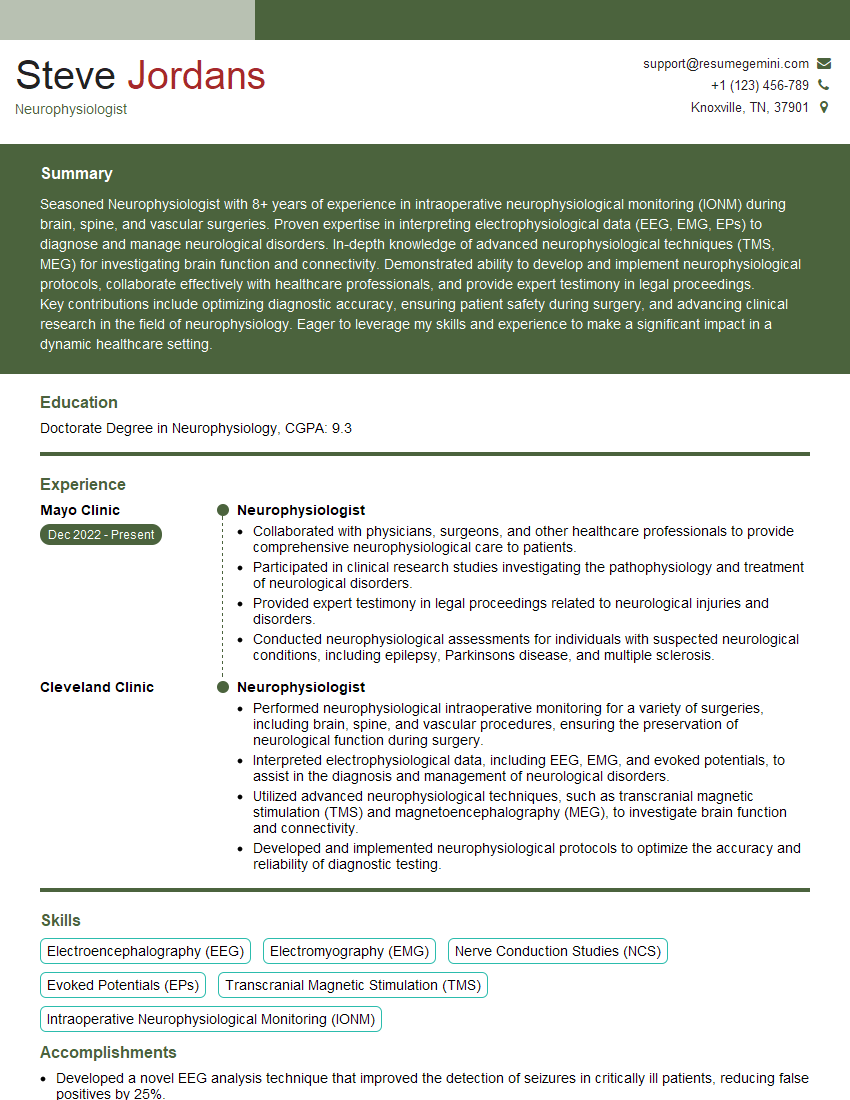
Neurophysiologist Resume Sample
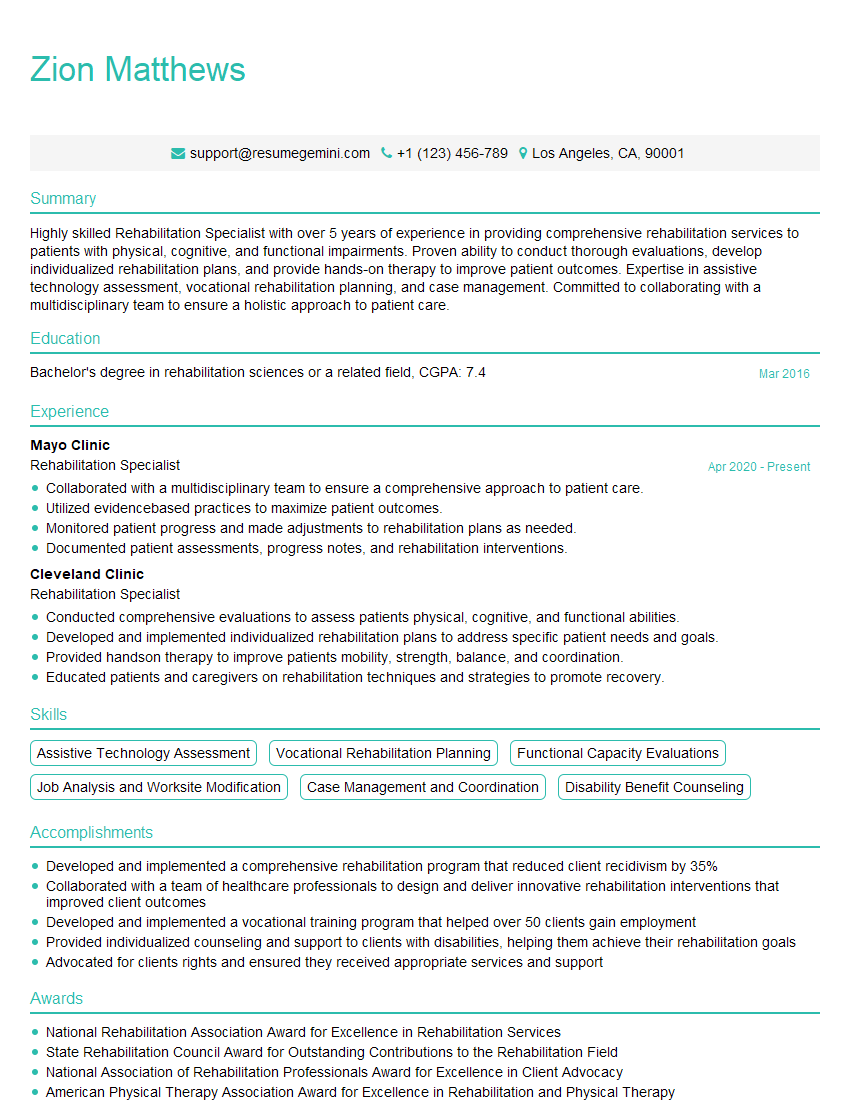
Rehabilitation Specialist Resume Sample

Athletic Trainer Resume Sample
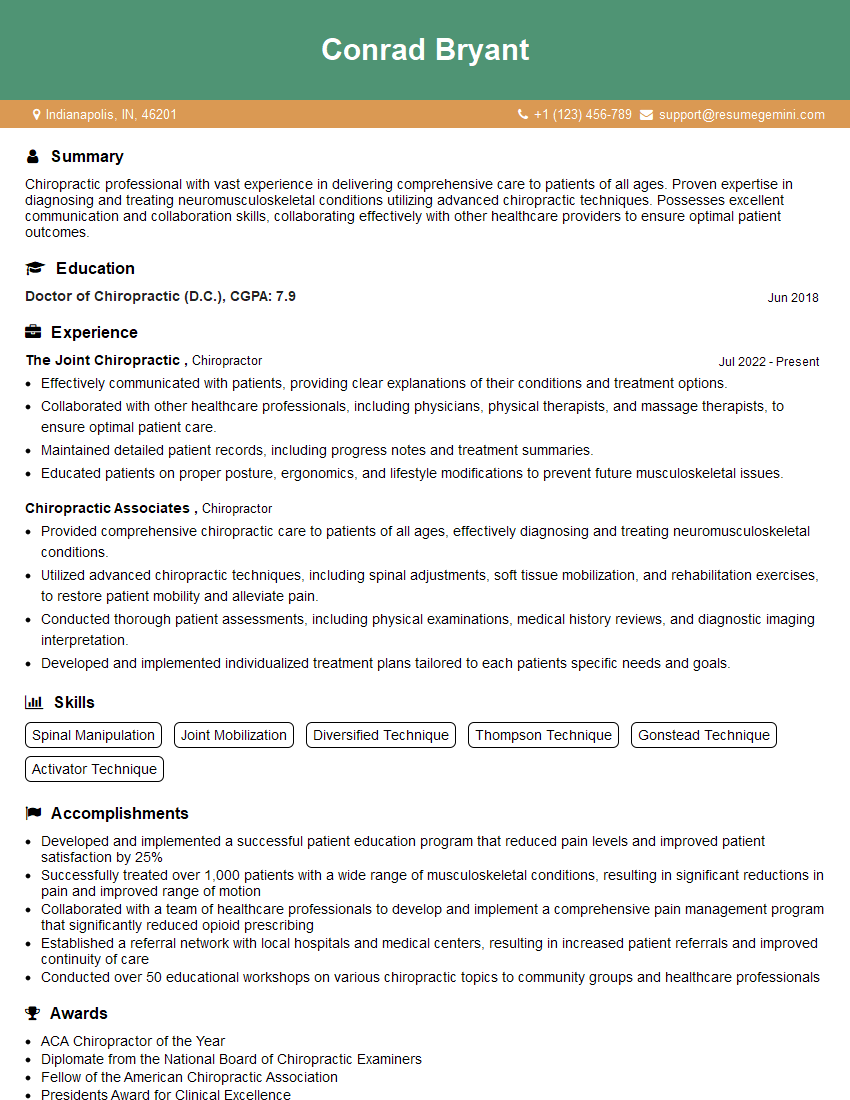
Chiropractor Resume Sample
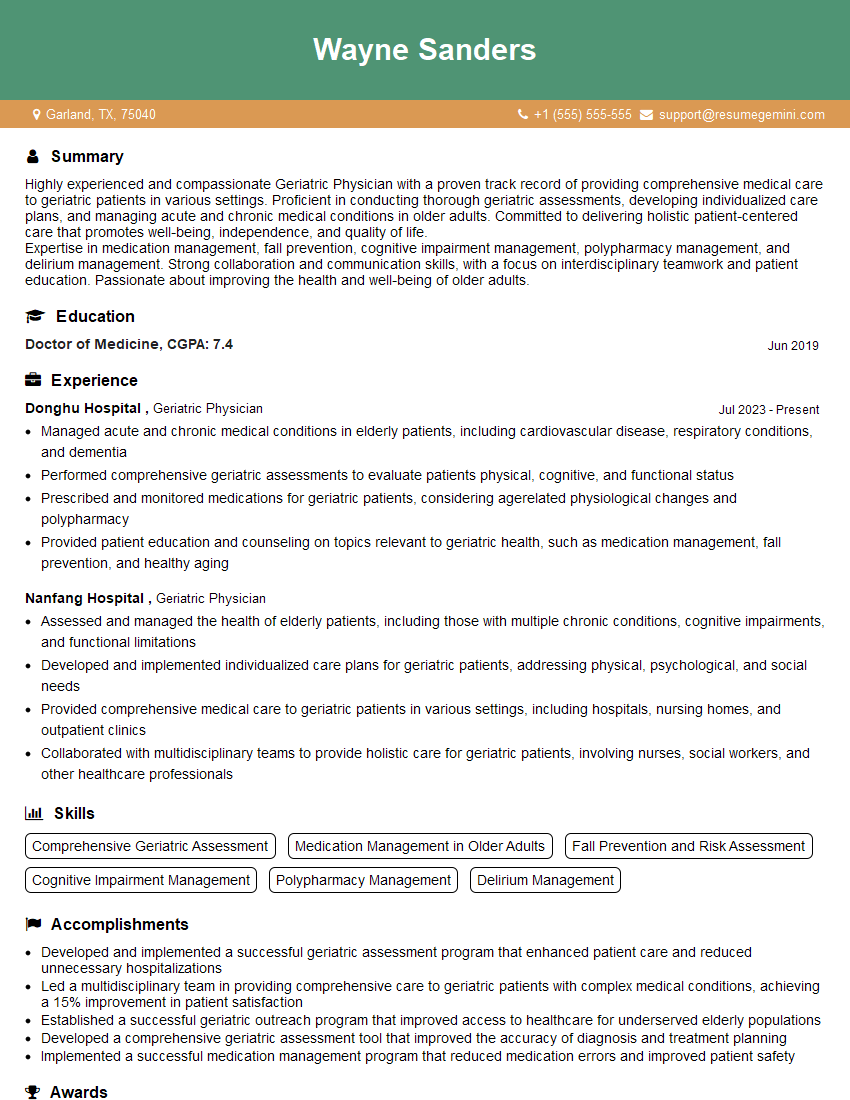
Geriatric Physician Resume Sample

Physician Assistant Resume Sample
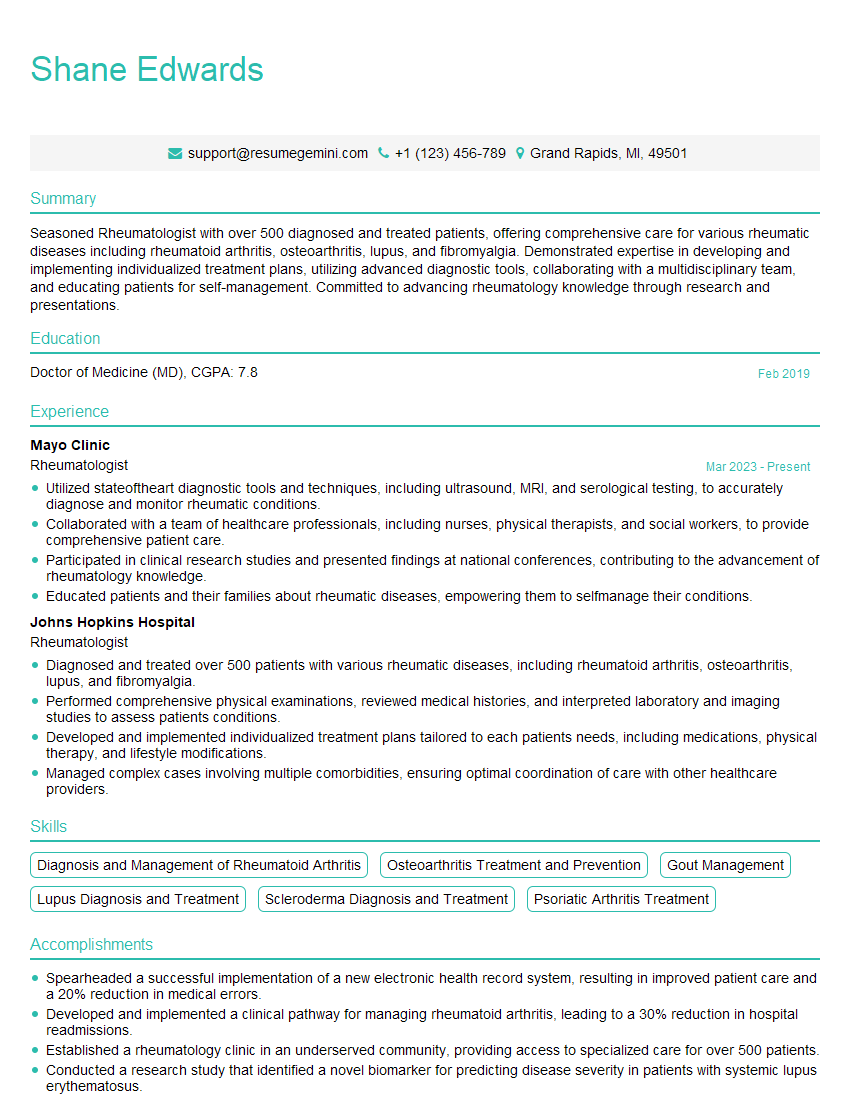
Rheumatologist Resume Sample
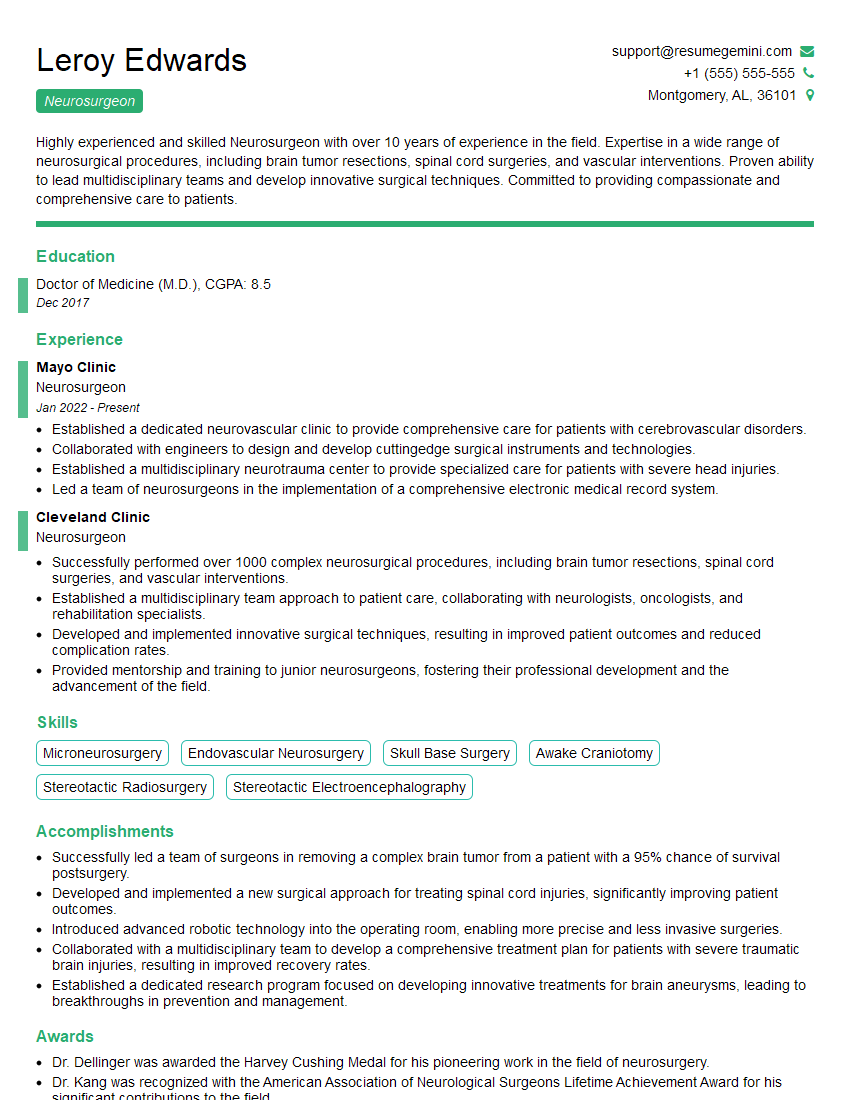
Neurosurgeon Resume Sample
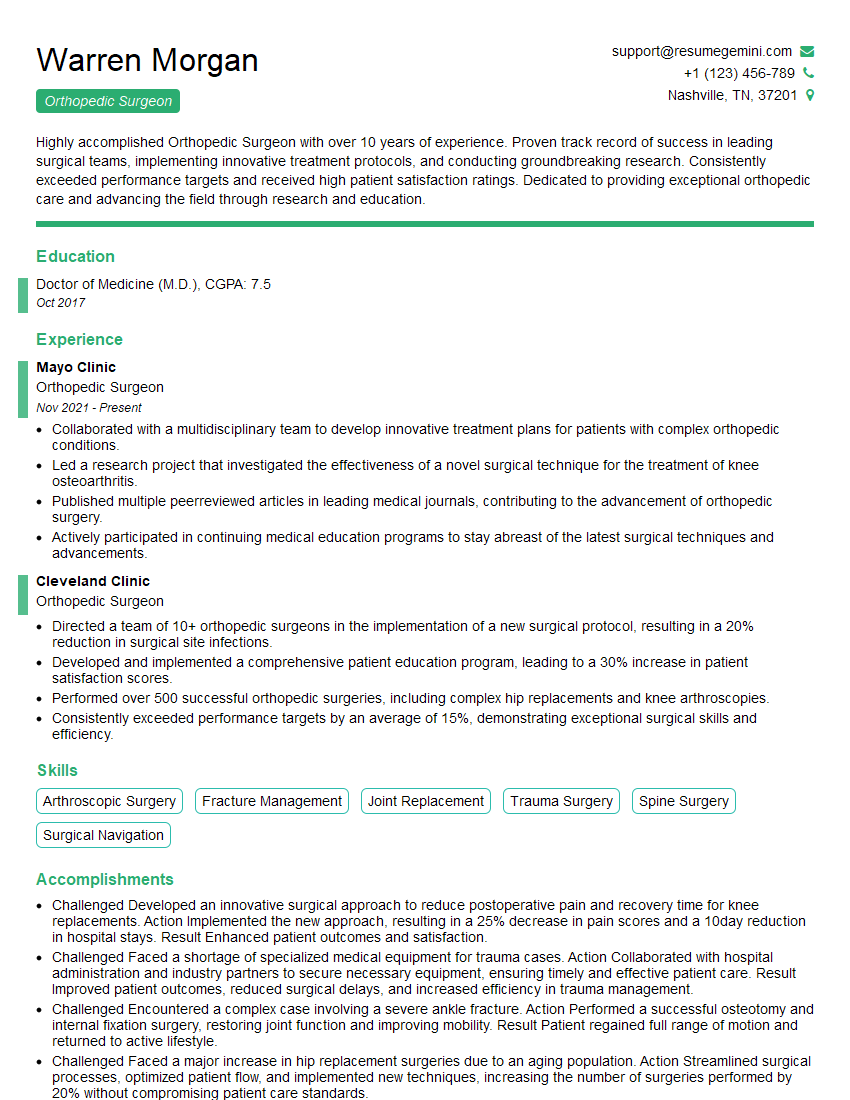
Orthopedic Surgeon Resume Sample
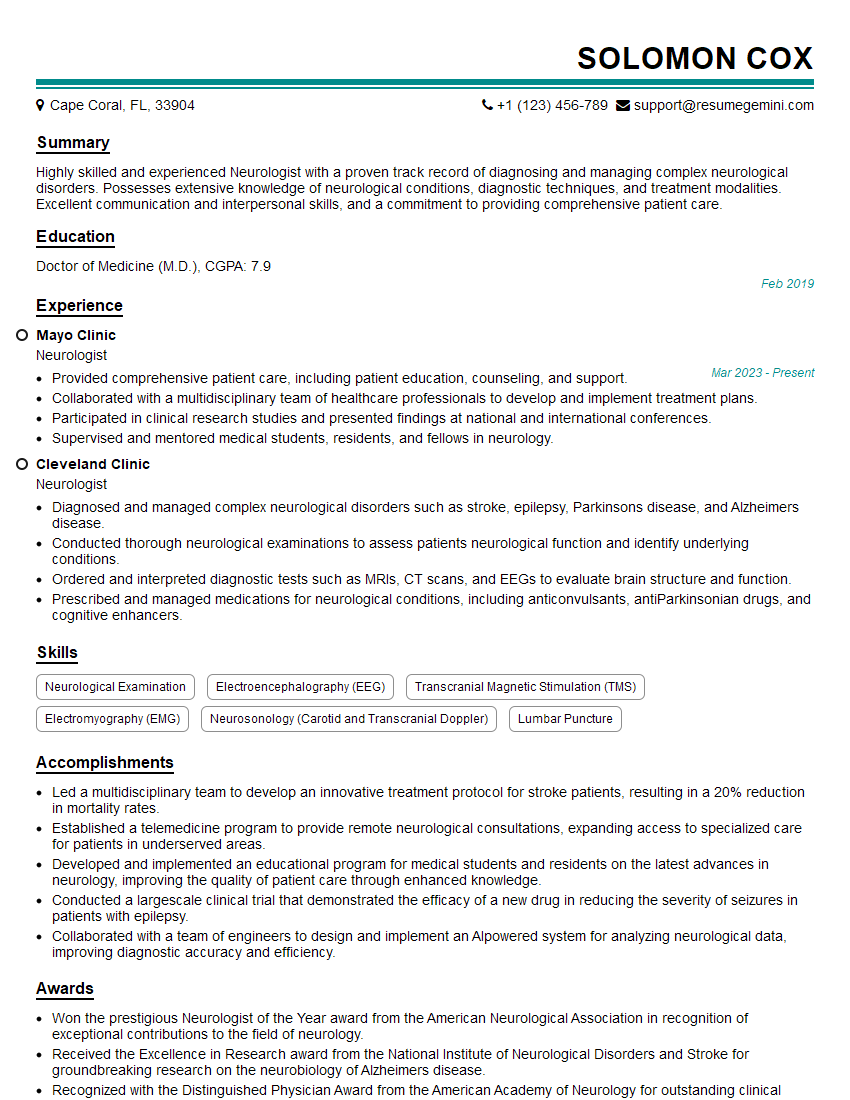
Neurologist Resume Sample
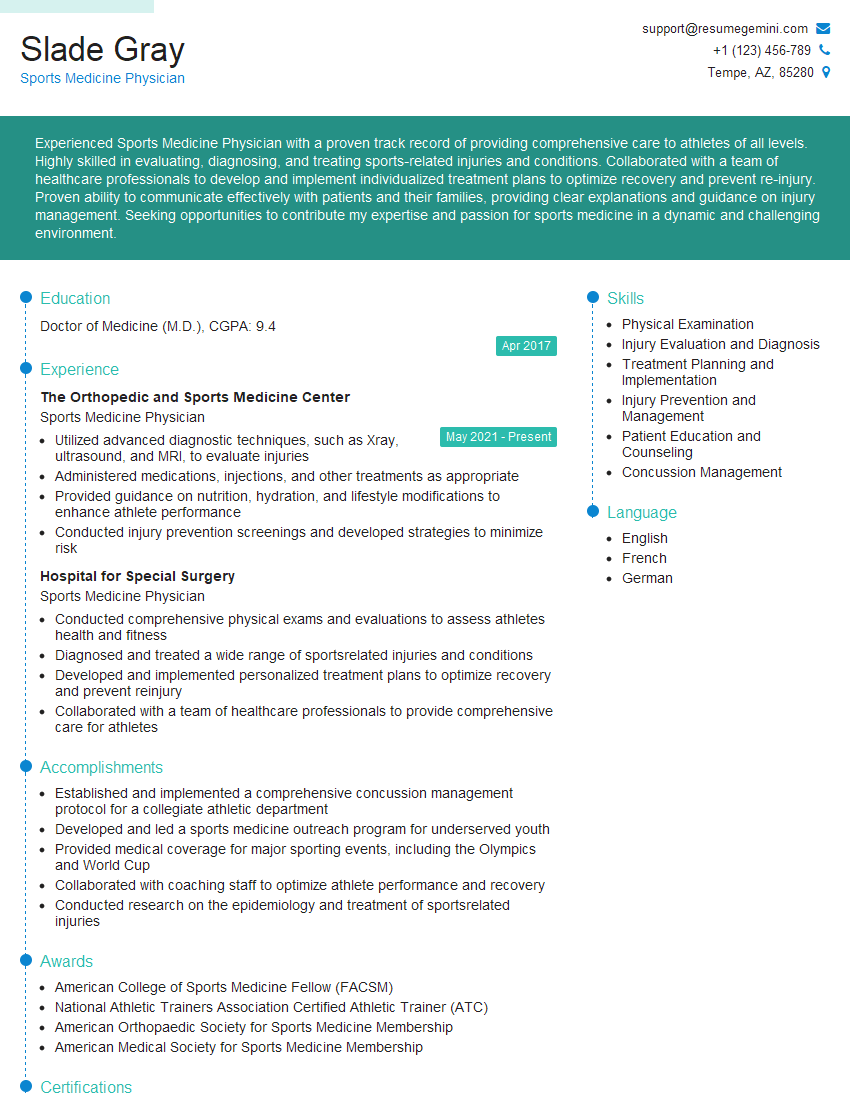
Sports Medicine Physician Resume Sample

Neurodiagnostic Technologist Resume Sample
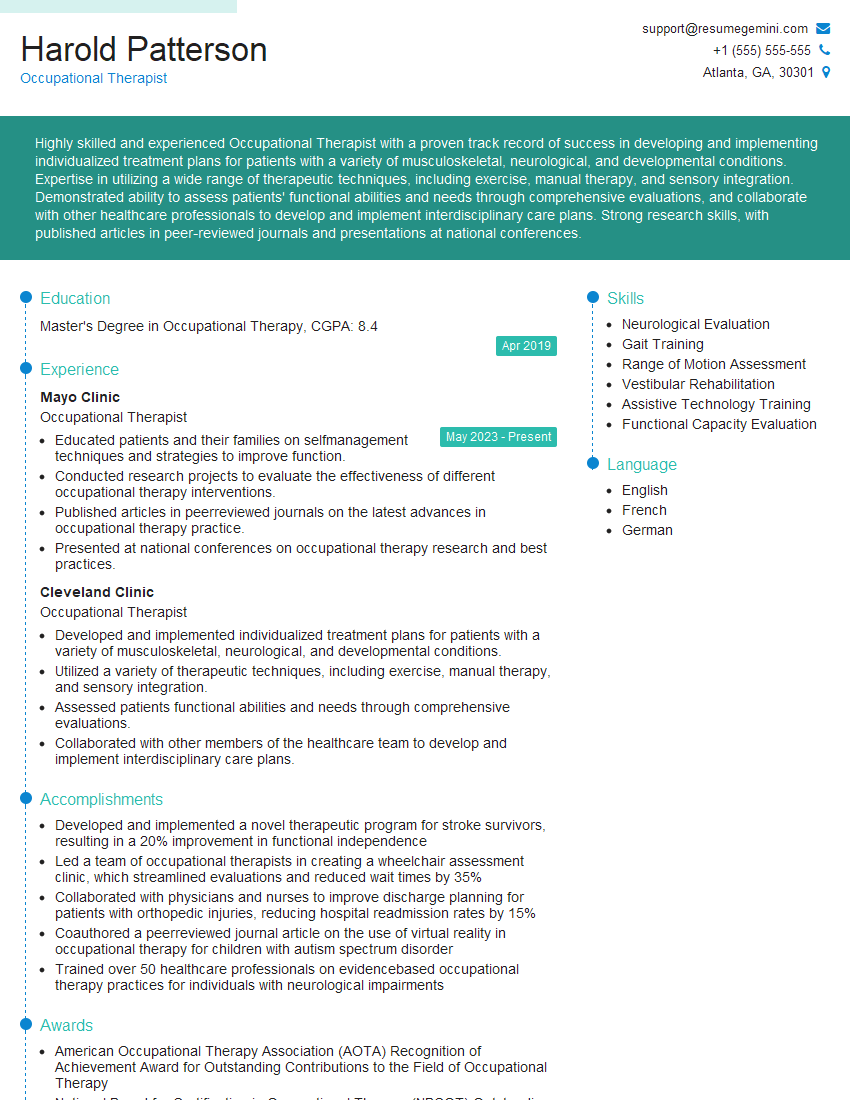
Occupational Therapist Resume Sample
Explore more articles
Users Rating of Our Blogs
Share Your Experience
We value your feedback! Please rate our content and share your thoughts (optional).
What Readers Say About Our Blog
To the interviewgemini.com Webmaster.
Very helpful and content specific questions to help prepare me for my interview!
Thank you
To the interviewgemini.com Webmaster.
This was kind of a unique content I found around the specialized skills. Very helpful questions and good detailed answers.
Very Helpful blog, thank you Interviewgemini team.