Every successful interview starts with knowing what to expect. In this blog, we’ll take you through the top Net-Zero Energy and Passive House Principles interview questions, breaking them down with expert tips to help you deliver impactful answers. Step into your next interview fully prepared and ready to succeed.
Questions Asked in Net-Zero Energy and Passive House Principles Interview
Q 1. Explain the difference between Net-Zero Energy and Passive House standards.
While both Net-Zero Energy and Passive House aim for highly energy-efficient buildings, they differ in their focus. Passive House is a rigorous, performance-based standard that emphasizes minimizing energy needs through exceptional building envelope design, airtightness, and high-performance windows. It sets strict limits on energy consumption for heating, cooling, and ventilation. Think of it as a highly detailed recipe for energy efficiency. Net-Zero Energy, on the other hand, focuses on balancing energy consumption with on-site renewable energy generation. A building can be Net-Zero even if it’s not a Passive House, as long as it produces as much renewable energy as it consumes over a year. It’s like achieving a balanced budget – you might spend more in some areas, but overall, income and expenditure are equal. A Passive House is *more likely* to be Net-Zero because its incredibly low energy demand makes the renewable energy generation goal more achievable, but it’s not a requirement.
Q 2. Describe the key components of a Passive House building envelope.
The Passive House building envelope is the key to its superior performance. It consists of several critical components working in concert:
- High-Performance Insulation: Thick layers of continuous insulation, often exceeding 200mm in walls, are crucial. Materials like mineral wool, cellulose, or rigid foam are commonly used. This minimizes heat transfer between the interior and exterior.
- High-Performance Windows: Triple-glazed, low-E windows with warm-edge spacers significantly reduce heat loss. The framing system also needs to be well-insulated to minimize thermal bridging.
- Airtight Construction: An airtight building envelope is paramount. This prevents air leakage, which causes energy loss and discomfort. Careful attention to detail during construction, including sealing all penetrations and joints, is essential. Airtightness testing using a blower door is standard practice.
- Continuous Exterior Insulation: This creates a thermal break, preventing cold bridges that can significantly reduce the building’s overall performance.
- Properly designed foundation and roof assemblies: These need to incorporate the same high insulation levels as walls.
Think of it as a well-sealed thermos, minimizing heat transfer and maximizing energy efficiency.
Q 3. What are the typical U-values and airtightness levels for a Passive House?
Passive House standards require exceptionally low U-values and airtightness levels. U-values represent the rate of heat transfer through a building component (lower is better). Typical Passive House U-values are:
- Walls: 0.10-0.15 W/m²K
- Windows: 0.8 W/m²K or less
- Roof: 0.10-0.15 W/m²K
Airtightness is measured using the air leakage rate, often expressed as 50 Pa air changes per hour (ACH50). Passive House standards typically aim for an ACH50 of 0.6 or less. This is significantly lower than conventional buildings, indicating minimal air leakage.
Q 4. How does thermal bridging impact building performance in a Passive House?
Thermal bridging occurs when there are continuous paths of high thermal conductivity through the building envelope, bypassing the insulation. This leads to significant heat loss in winter and heat gain in summer, reducing the overall efficiency of the Passive House. Common causes include:
- Metal framing members: Steel or aluminum studs conduct heat much faster than wood.
- Concrete components: Concrete has relatively high thermal conductivity.
- Inadequate insulation around penetrations: Pipes, wiring, and other services can create thermal bridges if not properly insulated.
Minimizing thermal bridging is critical for achieving Passive House performance. Strategies include using thermally broken framing, adding insulation around penetrations, and employing continuous insulation systems.
Q 5. Explain the role of thermal mass in a Net-Zero Energy building.
Thermal mass refers to the ability of building materials to store and release heat. In a Net-Zero Energy building, thermal mass plays a crucial role in moderating indoor temperatures. Materials with high thermal mass, such as concrete, brick, or stone, absorb heat during the day and release it slowly at night, reducing the need for heating or cooling. This effect is particularly beneficial in climates with significant diurnal temperature swings. Imagine a large stone patio – it’s warm to touch even after the sun sets because it retains the day’s heat. The same principle applies to buildings with substantial thermal mass.
By strategically incorporating thermal mass, you can reduce reliance on mechanical systems for temperature regulation, thereby lowering energy consumption and reducing operational costs, making it easier to achieve Net-Zero status.
Q 6. Describe different renewable energy sources suitable for Net-Zero buildings.
Various renewable energy sources are suitable for Net-Zero buildings. The best choice depends on factors like location, climate, and building characteristics. Popular options include:
- Photovoltaic (PV) panels: Solar panels convert sunlight into electricity, often the primary renewable energy source for Net-Zero buildings. Roof-mounted or integrated into the building facade, they generate electricity to offset energy consumption.
- Solar thermal collectors: These systems collect solar heat for domestic hot water heating, reducing reliance on traditional water heaters.
- Wind turbines: In areas with consistent winds, small-scale wind turbines can generate electricity. However, their suitability is often site-specific due to noise and aesthetic considerations.
- Geothermal heat pumps: These utilize the constant temperature of the earth to provide both heating and cooling. They are highly efficient but can have high upfront installation costs.
- Biomass boilers: Using sustainably sourced wood pellets or chips, these can provide heating, but require appropriate storage and handling.
Often a combination of these renewable sources is used to create a robust and resilient Net-Zero energy system.
Q 7. How do you calculate the energy needs of a building for Net-Zero design?
Calculating the energy needs of a building for Net-Zero design requires a comprehensive approach. The process typically involves:
- Detailed energy modeling: Software tools like EnergyPlus or PHPP (Passive House Planning Package) are used to simulate the building’s energy performance under various climate conditions. These models consider factors like building geometry, insulation levels, window performance, and equipment efficiency.
- Load calculations: This determines the heating, cooling, ventilation, hot water, and lighting loads of the building. This involves considering factors such as occupancy, climate data, and the building’s thermal characteristics.
- Renewable energy assessment: This evaluates the potential for on-site renewable energy generation. Factors such as solar irradiance, wind speed, and available space are considered. Shading analysis, for example, is crucial for solar PV system design.
- Energy balance: The energy model, load calculations, and renewable energy assessment results are integrated to determine the net energy consumption. The goal is to achieve a net-zero energy balance over a year.
Accurate energy modeling and a thorough understanding of the building’s energy use are critical to achieving a truly Net-Zero design. This iterative process often requires refinements and adjustments to the building design and renewable energy system to ensure optimal performance.
Q 8. What software or tools do you use for energy modeling and simulation?
Energy modeling and simulation are crucial for designing Net-Zero Energy and Passive House buildings. I utilize several software tools depending on the project’s complexity and specific needs. For whole-building energy simulations, I frequently employ EnergyPlus, a powerful open-source program known for its accuracy and detailed modeling capabilities. Its input files can be somewhat complex, requiring a good understanding of building physics, but the results are incredibly valuable. For quicker initial assessments and design explorations, I also use PHPP (Passive House Planning Package), specifically designed for Passive House projects. PHPP offers a streamlined workflow, making it excellent for early-stage design and compliance checks. Finally, I often integrate DesignBuilder, which offers a user-friendly interface for creating 3D models and running simulations with EnergyPlus. This workflow allows me to visualize the building and easily make changes before committing to detailed EnergyPlus modeling.
For smaller projects or specific component analyses, I may also use simpler tools like WUFI (Water and Heat Transfer in porous materials) for detailed moisture analysis in building envelopes or specialized software for HVAC system design.
Q 9. What are some common challenges in achieving Net-Zero Energy certification?
Achieving Net-Zero Energy certification presents numerous challenges. One major hurdle is achieving the required high levels of energy efficiency. This demands meticulous attention to detail in every aspect of design and construction, from airtight building envelopes to high-performance windows and insulation. Another common challenge is the unpredictable nature of renewable energy generation. Solar photovoltaic (PV) systems, while crucial for Net-Zero, are susceptible to weather variations, impacting overall energy production. Careful sizing and system design are therefore essential. Balancing energy efficiency with cost-effectiveness is also a significant challenge. High-performance materials and systems can be more expensive upfront, requiring careful financial planning and potentially creative financing solutions. Finally, ensuring consistent quality throughout the construction process is crucial. Even minor deviations from the design can significantly compromise energy performance. This necessitates diligent quality control and on-site monitoring.
For example, a project I worked on experienced delays due to unexpected issues with the air sealing of the building envelope, requiring costly rework to meet the required airtightness levels. Proper planning and thorough quality control are essential to overcome these challenges.
Q 10. How do you ensure airtightness during construction of a Passive House?
Airtightness is paramount in Passive House construction, preventing uncontrolled air leakage that significantly impacts energy efficiency. We achieve this through a multi-layered approach. The process begins with careful design, specifying airtight building materials and detailing connections with precision. This includes using airtight tapes and sealants at all seams and penetrations, such as around windows, doors, and electrical outlets. During construction, we meticulously monitor the airtightness using a blower door test. This involves creating a pressure difference between the inside and outside of the building and measuring the airflow rate. This allows us to identify and seal any air leaks. The target is typically below 0.6 air changes per hour at 50 Pascals (ACH50), a significantly lower leakage rate than conventional buildings. Furthermore, we often employ specialized airtightness consultants who bring extensive expertise in this critical area. Training and education for the construction crew are also crucial to ensure everyone understands the importance of airtightness and the correct installation techniques.
A recent project demonstrated the importance of meticulous attention to detail. Initial blower door tests revealed several small leaks, which were painstakingly identified and sealed. Subsequent tests showed a significant improvement, demonstrating the effectiveness of our systematic approach.
Q 11. Explain the importance of proper ventilation in a Passive House.
Proper ventilation in a Passive House is crucial, despite the high level of airtightness. While minimizing air leakage is important for energy efficiency, it’s equally essential to provide fresh air and remove moisture and stale air to maintain indoor air quality and prevent mold growth. This is achieved using a mechanically-controlled ventilation system, most commonly a heat recovery ventilator (HRV) or energy recovery ventilator (ERV). These systems continuously supply fresh, filtered outside air while simultaneously exhausting stale indoor air. The key is that HRVs/ERVs recover a significant portion of the heat (or both heat and moisture in the case of ERVs) from the outgoing stale air, transferring it to the incoming fresh air. This significantly reduces the energy needed to heat or cool the incoming fresh air, maintaining thermal comfort while ensuring healthy indoor air quality. Without this type of balanced ventilation system, moisture could accumulate, leading to mold and other health issues.
Imagine a perfectly sealed container: you need a way to exchange air to keep it habitable. An HRV or ERV acts like a sophisticated air exchanger, minimizing energy loss during the process.
Q 12. Discuss different HVAC systems suitable for Passive House buildings.
Passive House buildings typically utilize highly efficient HVAC systems designed to minimize energy consumption. Common choices include:
- Heat Recovery Ventilators (HRVs) or Energy Recovery Ventilators (ERVs): As discussed earlier, these systems provide crucial ventilation while minimizing energy loss.
- Radiant heating and cooling systems: These systems use embedded tubing in floors, walls, or ceilings to gently heat or cool spaces, offering excellent comfort and efficiency.
- Air source heat pumps: These highly efficient systems can provide both heating and cooling using electricity and are well-suited for Passive House projects. In colder climates, ground source heat pumps (geothermal) can offer even higher efficiency.
- Mini-split heat pumps: These compact and flexible systems are suitable for smaller Passive House buildings or individual zones, providing effective heating and cooling with high efficiency.
The choice of HVAC system depends on factors such as climate, building size, and budget. Careful system design and sizing are essential to ensure optimal performance and meet the stringent energy requirements of Passive House standards. A well-designed system will work seamlessly with the airtight building envelope to provide a comfortable and energy-efficient living environment.
Q 13. What are the benefits of using a heat recovery ventilator (HRV)?
Heat recovery ventilators (HRVs) are indispensable in Passive House design due to their ability to significantly reduce energy consumption associated with ventilation. Instead of simply exhausting stale air and bringing in fresh air, HRVs cleverly recover a substantial portion of the heat from the outgoing air and transfer it to the incoming air. This means less energy is needed to heat the fresh air in winter, saving significant energy and reducing operational costs. Furthermore, HRVs contribute to improved indoor air quality by continuously supplying fresh, filtered air, removing moisture, and preventing the buildup of pollutants. In essence, HRVs help maintain healthy indoor conditions while drastically minimizing energy waste.
Think of it like this: an HRV is like a counter-flow heat exchanger. Imagine two tubes running parallel, but in opposite directions. Warm, stale air runs through one, and cold, fresh air runs through the other. The heat transfers between the tubes, warming the incoming fresh air and pre-heating it before it enters the building.
Q 14. How do you assess the embodied carbon of building materials?
Assessing the embodied carbon of building materials is crucial for reducing the overall environmental impact of a building. Embodied carbon refers to the greenhouse gas emissions associated with the entire lifecycle of a material, from extraction of raw materials to manufacturing, transportation, and installation. We assess embodied carbon using several methods. One common approach involves using Environmental Product Declarations (EPDs). EPDs provide standardized data on the environmental impact of building materials, including embodied carbon. These declarations are usually available from manufacturers and provide valuable information for making informed material choices. We also utilize specialized software tools, such as Athena Impact Estimator and Tally, which can integrate EPD data and calculate the total embodied carbon of a building based on its material quantities. These tools allow for comparisons between different material options to identify those with lower embodied carbon footprints. Furthermore, using material selection databases and carbon calculators and reviewing Life Cycle Assessment (LCA) studies enables us to make better-informed choices. Finally, collaborating with material suppliers, and requesting detailed data on their product carbon footprint, further enhances our ability to pinpoint low-carbon alternatives.
For instance, in a recent project, by carefully analyzing EPDs, we were able to replace a high-embodied-carbon concrete with a low-embodied carbon alternative, significantly reducing the overall carbon footprint of the building without compromising performance.
Q 15. What strategies can minimize embodied carbon in Net-Zero building projects?
Minimizing embodied carbon in Net-Zero buildings requires a holistic approach, focusing on material selection, construction methods, and design optimization. Embodied carbon refers to the greenhouse gas emissions associated with the manufacturing, transportation, and installation of building materials. Think of it as the carbon footprint of the building’s ‘ingredients’.
Material Selection: Prioritizing low-carbon materials like recycled steel, reclaimed wood, and sustainably harvested timber significantly reduces embodied carbon. For example, using cross-laminated timber (CLT) instead of concrete for structural elements drastically cuts emissions. We should also consider the embodied carbon of different insulation materials – mineral wool often has a lower carbon footprint compared to certain foams.
Design Optimization: Efficient design minimizes material usage. For instance, well-planned layouts reduce the need for extensive structural supports, lowering the amount of concrete or steel required. Prefabrication and modular construction can also reduce waste and transportation emissions.
Construction Waste Management: Implementing strict waste management protocols on site minimizes landfill waste and associated emissions. This involves careful planning, efficient material handling, and recycling programs. For example, we can utilize on-site composting for organic waste.
Transportation: Sourcing materials locally reduces transportation distances and associated emissions. This is often a significant factor that’s easily overlooked.
Carbon Offsetting: While we strive to minimize embodied carbon, sometimes it’s unavoidable. Investing in reputable carbon offsetting projects can help compensate for the remaining emissions.
Career Expert Tips:
- Ace those interviews! Prepare effectively by reviewing the Top 50 Most Common Interview Questions on ResumeGemini.
- Navigate your job search with confidence! Explore a wide range of Career Tips on ResumeGemini. Learn about common challenges and recommendations to overcome them.
- Craft the perfect resume! Master the Art of Resume Writing with ResumeGemini’s guide. Showcase your unique qualifications and achievements effectively.
- Don’t miss out on holiday savings! Build your dream resume with ResumeGemini’s ATS optimized templates.
Q 16. Explain the concept of life-cycle cost analysis for sustainable buildings.
Life-cycle cost analysis (LCCA) is a crucial tool for evaluating the total cost of a building over its entire lifespan, from design and construction to operation, maintenance, and eventual demolition. It helps in making informed decisions by comparing different design options, material choices, and technologies based on their long-term economic viability, not just initial costs. Think of it as a comprehensive financial picture of the building’s life, extending far beyond the initial investment.
A typical LCCA considers factors like:
- Initial construction costs
- Operational costs (energy, water, maintenance)
- Replacement costs (equipment, materials)
- End-of-life demolition and disposal costs
- Potential revenue streams (e.g., from renewable energy generation)
By incorporating environmental factors such as carbon emissions, LCCA can guide the selection of sustainable strategies that offer both long-term financial and environmental benefits. For example, an initial investment in high-efficiency windows might seem high, but the LCCA might demonstrate significant long-term savings on heating and cooling costs and energy-related emissions.
Q 17. How do you address moisture management in high-performance buildings?
Moisture management is paramount in high-performance buildings to prevent mold growth, structural damage, and health issues. These buildings are incredibly airtight, so it’s critical to control the movement of moisture, both from within the building and from the outside environment. Imagine trying to keep a perfectly sealed container dry – you need a well-thought-out system.
Continuous air barrier: A continuous, airtight barrier prevents moisture from infiltrating the building’s envelope. This is crucial for avoiding thermal bridging and condensation.
Proper ventilation: Balanced mechanical ventilation with heat recovery (MVHR) systems introduce fresh air while removing moisture-laden air. This prevents moisture buildup from occupants’ activities like showering and cooking.
Hygroscopic materials: Using materials that can absorb and release moisture, such as certain types of wood or clay plasters, helps regulate humidity levels.
Proper drainage: Ensuring appropriate grading, flashing, and gutters prevents rainwater from penetrating the building envelope.
Vapor control layer: Strategically placed vapor control layers prevent moisture from diffusing into the building’s thermal insulation. This prevents the formation of mold and mildew.
These strategies work together to create a building envelope that is both airtight and breathable, effectively managing moisture and maintaining a healthy indoor environment.
Q 18. What are the key performance indicators (KPIs) for evaluating a Net-Zero building?
Key Performance Indicators (KPIs) for evaluating a Net-Zero building extend beyond simply achieving net-zero energy consumption. We need a holistic approach, incorporating energy performance, environmental impact, and occupant comfort.
Energy Use Intensity (EUI): Measures energy consumption per square foot, demonstrating the efficiency of the building’s design and operation. A lower EUI indicates better performance.
Net-Zero Energy Certification: Achieving certification from recognized organizations validates the building’s actual energy performance over a specific period, often a full year.
Embodied Carbon: Quantifies the greenhouse gas emissions associated with the building’s construction materials and processes.
Water Consumption: Tracks water usage for various purposes, reflecting the building’s water efficiency.
Indoor Environmental Quality (IEQ): Monitors parameters like air quality, thermal comfort, and daylighting to ensure a healthy and productive environment for occupants. This often involves measuring CO2 levels, humidity, and temperature.
Renewable Energy Production: Tracks the amount of renewable energy generated on-site, often through solar PV panels or other means.
By tracking these KPIs, we can assess the building’s overall performance against its intended targets and identify areas for improvement.
Q 19. Describe your experience with building codes and regulations related to sustainable construction.
My experience with building codes and regulations concerning sustainable construction is extensive. I’m familiar with various codes, including those related to energy efficiency, water conservation, and material sustainability. These codes are constantly evolving, reflecting advancements in technology and growing awareness of environmental impact.
I regularly consult codes like ASHRAE 90.1, IECC, and local building ordinances to ensure projects meet or exceed the minimum requirements. Understanding these codes is crucial for navigating the approval process and ensuring compliance. For instance, I’ve worked on projects where we had to demonstrate compliance with stringent energy modeling requirements, ensuring the building’s predicted performance met the code’s energy efficiency targets. Beyond compliance, I often explore opportunities to exceed code requirements, designing for even higher levels of sustainability.
Keeping up-to-date with the latest code changes and best practices is essential, as the regulations and technologies are constantly changing to reflect the latest scientific understanding and technological developments.
Q 20. How do you incorporate daylighting strategies into building design?
Daylighting strategies are crucial for reducing energy consumption and improving occupant well-being. Effective daylighting significantly reduces the need for artificial lighting, lowering energy bills and reducing the building’s carbon footprint. Furthermore, access to natural light has proven benefits for occupant health and productivity.
Orientation: Optimizing building orientation to maximize solar gain in winter and minimize it in summer is a fundamental strategy. This involves careful consideration of the sun’s path throughout the year.
Window placement and size: Strategic placement and sizing of windows allow ample daylight penetration while minimizing unwanted solar heat gain. High-performance glazing materials help control solar heat gain while maximizing visible light transmission.
Light shelves and reflectors: These architectural elements redirect daylight deeper into the building, reducing the reliance on artificial lighting in interior spaces. Think of them as strategically placed mirrors for natural light.
Atria and light wells: These design features bring natural light into deeper parts of the building, improving natural light distribution.
Light dimming and controls: Integrating automated lighting control systems that respond to available daylight further optimizes energy use.
A well-designed daylighting strategy integrates these elements to create a bright, energy-efficient, and comfortable interior environment. For instance, I’ve worked on a project where we incorporated light shelves and strategically placed windows to achieve over 70% daylight autonomy, significantly reducing the need for electric lighting.
Q 21. Explain your understanding of building automation systems (BAS) and their role in Net-Zero buildings.
Building Automation Systems (BAS) are essential for optimizing the performance of Net-Zero buildings. A BAS is essentially the building’s nervous system, monitoring and controlling various systems to ensure efficient operation and energy optimization. It’s like a sophisticated central control system, allowing for real-time adjustments to maximize performance and minimize energy waste.
In a Net-Zero building, a BAS plays a critical role in:
Energy monitoring and management: Real-time data on energy consumption from different systems allows for immediate identification and correction of inefficiencies.
HVAC control: Optimizing heating, ventilation, and air conditioning systems based on occupancy, weather conditions, and energy demand.
Lighting control: Integrating daylight harvesting strategies to reduce reliance on artificial lighting.
Renewable energy integration: Managing the flow of renewable energy generated on-site (e.g., solar PV) and integrating it with the building’s energy needs.
Fault detection and diagnostics: Identifying and reporting system malfunctions early, preventing costly repairs and downtime.
A well-designed BAS is crucial for achieving and maintaining Net-Zero performance, ensuring the building operates efficiently and sustainably throughout its lifespan. For example, I’ve used BAS to integrate predictive modeling and real-time feedback to optimize HVAC schedules based on weather forecasts and occupancy patterns, leading to significant energy savings.
Q 22. How would you approach the design of a Net-Zero single-family home in your region?
Designing a Net-Zero single-family home requires a holistic approach, integrating passive and active strategies from the outset. In my region (assuming a temperate climate), I’d prioritize maximizing passive solar gain through optimal south-facing orientation and window placement. This involves careful consideration of window-to-wall ratios, using high-performance glazing with low U-values to minimize heat loss in winter and solar heat gain in summer.
Next, I’d focus on building envelope optimization. This includes employing high-performance insulation (e.g., dense-packed cellulose, spray foam) in walls, roofs, and foundations, ensuring airtight construction with meticulous attention to air sealing details. We’d aim for an airtightness level of less than 0.6 ACH50 (Air Changes per Hour at 50 Pascals) – a key Passive House standard.
Passive strategies are complemented by active systems. A high-efficiency heat pump would provide both heating and cooling, minimizing energy consumption. Photovoltaic (PV) panels would generate renewable electricity to offset energy use, striving for net-zero energy consumption over the course of a year. Efficient appliances, LED lighting, and smart home technology will further reduce energy demand.
Finally, water conservation measures such as low-flow fixtures and rainwater harvesting would also be incorporated. The design would be simulated using software like EnergyPlus or WUFI to verify energy performance and fine-tune the design before construction.
Q 23. How do you manage risks related to energy performance in a construction project?
Managing risks in energy performance requires a proactive, multi-layered approach. It starts with a thorough pre-construction phase:
- Detailed Design & Simulation: Using building simulation software to model the building’s energy performance early in the design process allows for identifying and mitigating potential issues before construction begins. This helps us test various design options and optimize for energy efficiency.
- Material Selection & Verification: Specifying high-performance materials and ensuring they meet the specified requirements is crucial. Third-party testing of materials can offer additional assurance of their stated performance.
- Contractor Selection & Training: Choosing experienced and skilled contractors with a proven track record in sustainable construction is essential. Training contractors on proper installation techniques for airtightness and insulation is critical to avoid performance gaps.
- Quality Control & Inspections: Regular on-site inspections and quality control checks throughout the construction process are vital to ensure that the design specifications are adhered to. This includes thermal imaging to identify any thermal bridges or air leakage.
- Commissioning: A thorough commissioning process, involving testing and verification of all building systems, is critical to ensure that they are performing as designed and expected.
Furthermore, including contingency plans in the budget to address unexpected issues (e.g., material delays, unforeseen site conditions) is key to managing potential risks and ensuring project success.
Q 24. What is your experience with different building simulation software (e.g., EnergyPlus, WUFI)?
I have extensive experience with several building simulation software packages. EnergyPlus is my primary tool for whole-building energy modeling, allowing for detailed simulations of heating, cooling, and lighting loads. Its open-source nature and comprehensive capabilities make it a valuable tool for analyzing various design scenarios and optimizing energy performance.
WUFI, on the other hand, is essential for analyzing hygrothermal performance—how moisture behaves within the building envelope. This is particularly critical for ensuring durability and preventing issues like mold growth. I have used WUFI to simulate the moisture transport in walls and roofs, helping select appropriate materials and construction details for optimal performance in different climates. I’ve also utilized other software like TRNSYS for specific system simulations and SketchUp for 3D modeling and visualization, which improves communication with the project team.
Q 25. Describe your experience with commissioning and testing of building systems.
Commissioning and testing are integral parts of ensuring a building’s energy performance meets expectations. My experience involves a multi-stage process starting with pre-commissioning planning, where we develop a detailed plan outlining the testing and verification procedures.
During construction, we conduct in-progress inspections and testing of individual systems (e.g., HVAC, air sealing). Final commissioning involves rigorous testing of the entire building’s performance after construction, using tools such as blower door testing for airtightness, thermal imaging for identifying thermal bridges and air leakage, and performance testing of HVAC systems.
We meticulously document all testing results, comparing them to design specifications and identifying any discrepancies. Any necessary adjustments or corrections are made before project completion. This rigorous process guarantees the building meets its intended energy performance targets.
Q 26. How do you stay updated on the latest trends and advancements in Net-Zero and Passive House technologies?
Staying updated is critical in this rapidly evolving field. I actively participate in industry conferences and workshops like the Passive House conferences, attend webinars, and follow leading journals and online resources dedicated to Net-Zero and Passive House technologies.
I engage with professional organizations like the Passive House Institute US (PHIUS) and other relevant bodies, and maintain close connections with researchers and industry experts. This ensures I remain abreast of the latest advancements in materials, technologies, and best practices. Regularly reviewing updated building codes and standards also plays a vital role in maintaining my expertise.
Q 27. Explain your approach to collaborating with architects, engineers, and contractors on sustainable projects.
Collaboration is key to success in sustainable building projects. My approach is based on open communication, transparency, and a shared vision. I work closely with architects from the initial design stages, incorporating energy-efficient design principles into the overall aesthetics. Early involvement of engineers is crucial to ensure the structural design complements the energy efficiency goals.
With contractors, I foster a collaborative relationship, emphasizing the importance of meticulous installation and quality control. Regular meetings, clear communication of design intent, and on-site guidance ensure that the construction process aligns with the energy performance targets. I leverage collaborative tools like BIM (Building Information Modeling) software to enhance communication and coordination among all stakeholders.
Q 28. Describe a challenging project you worked on and how you overcame the challenges related to energy performance.
One challenging project involved retrofitting an existing 1950s home to meet Passive House standards. The existing structure had significant thermal bridging, air leakage, and outdated systems.
The initial challenge was balancing the need for energy efficiency with the desire to preserve the home’s historical character. We carefully evaluated various insulation options, selecting exterior insulation and careful detailing to minimize disruption to the original facade. We employed advanced air sealing techniques to significantly reduce air leakage, targeting a Passive House level of airtightness.
Another hurdle was integrating high-efficiency systems within the existing space constraints. Careful planning and creative solutions were needed to accommodate a heat pump system and other necessary equipment without compromising the home’s living space. The project ultimately demonstrated that achieving significant energy performance improvements in existing buildings is possible with careful planning, innovative solutions, and meticulous craftsmanship. The final result was a comfortable, energy-efficient home that exceeded the client’s expectations.
Key Topics to Learn for Net-Zero Energy and Passive House Principles Interview
- Net-Zero Energy Building Design Principles: Understanding the balance between energy consumption and renewable energy generation. Explore concepts like energy modeling and performance simulation.
- Passive House Standards and Certification: Familiarize yourself with the Passive House Planning Package (PHPP) and its application in designing highly energy-efficient buildings. Understand the key performance metrics (e.g., airtightness, thermal bridging).
- Building Envelope Optimization: Learn about high-performance insulation, window selection, and air sealing techniques crucial for minimizing energy loss. Consider practical applications like selecting appropriate materials and detailing construction methods.
- Renewable Energy Integration: Explore various renewable energy systems (photovoltaic, solar thermal, wind) and their integration into Net-Zero Energy buildings. Understand the sizing and performance of these systems and their impact on overall building energy balance.
- HVAC System Design and Optimization: Understand the role of efficient HVAC systems in achieving Net-Zero energy goals. Explore heat pumps, ventilation strategies, and energy recovery systems.
- Building Codes and Regulations: Familiarize yourself with relevant building codes and regulations related to energy efficiency and passive house design. Understanding compliance requirements is crucial.
- Life Cycle Assessment (LCA): Gain insight into the environmental impact of building materials and construction processes. Explore how LCA can inform sustainable design choices.
- Problem-solving in Net-Zero Design: Practice identifying and resolving potential challenges in achieving Net-Zero energy targets, such as unexpected energy loads or system failures. Consider case studies to illustrate practical solutions.
Next Steps
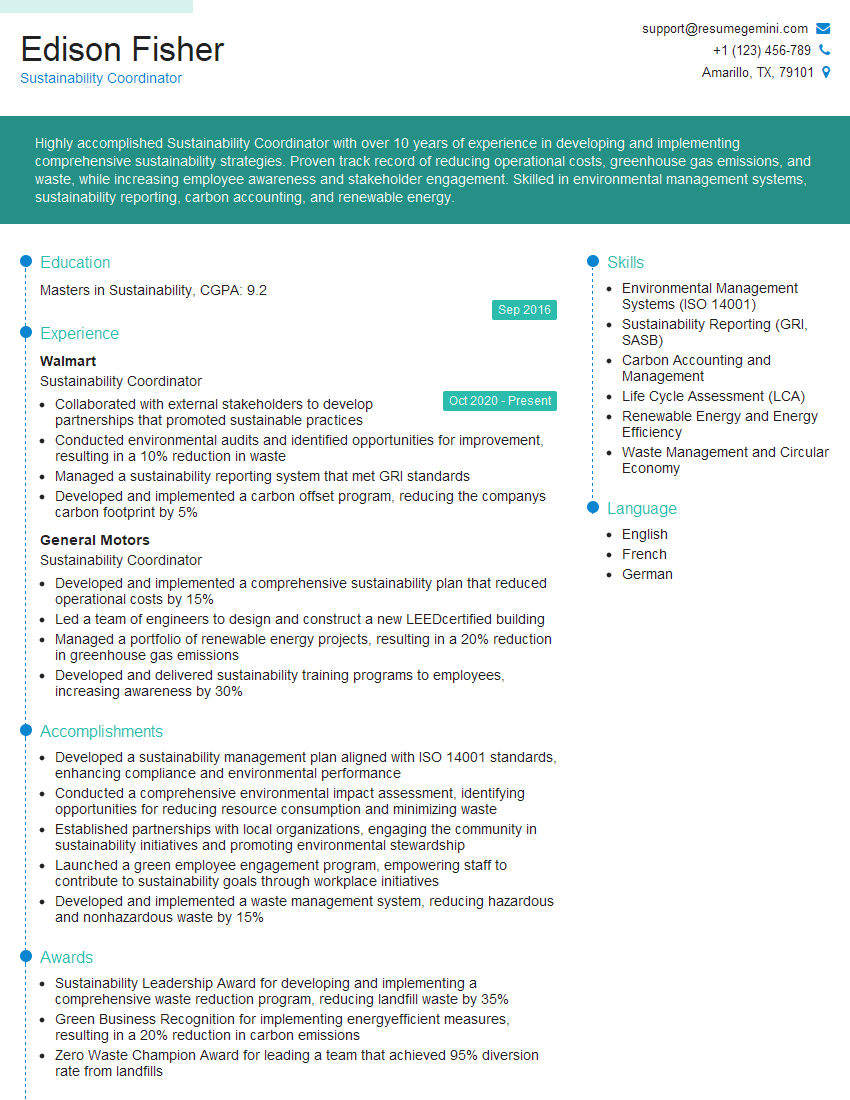
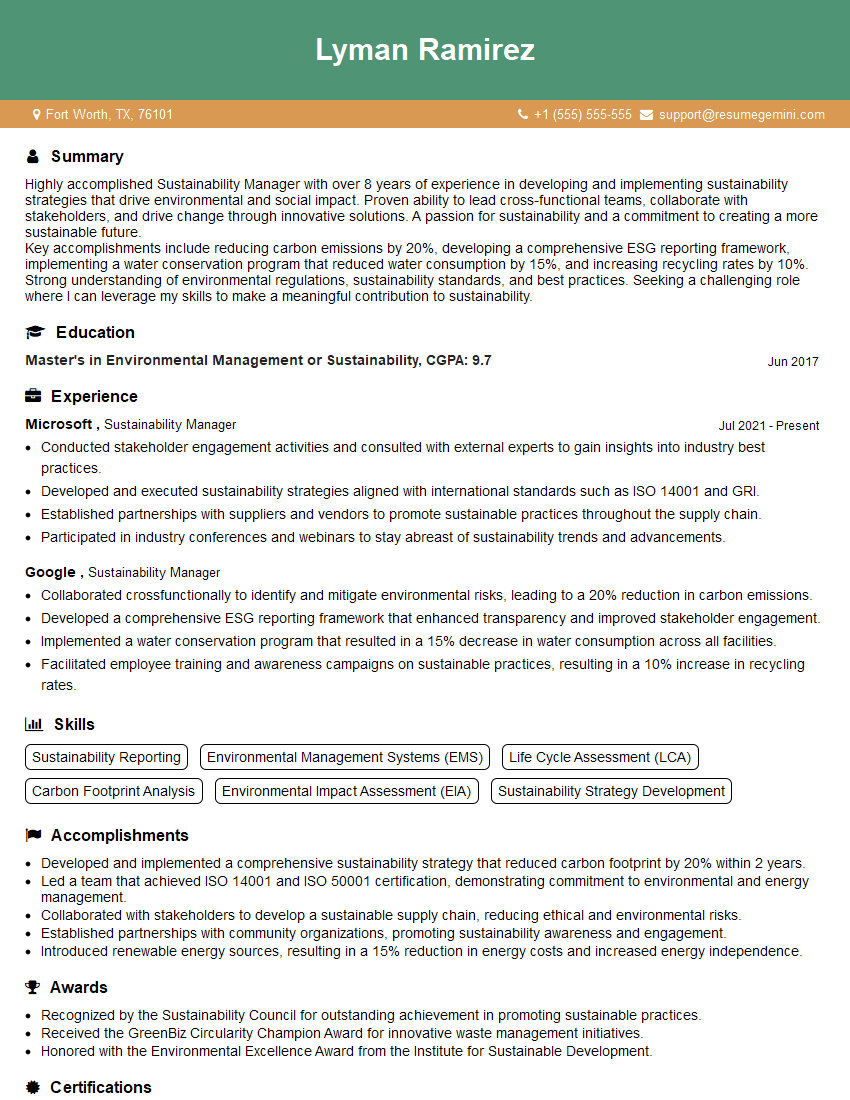
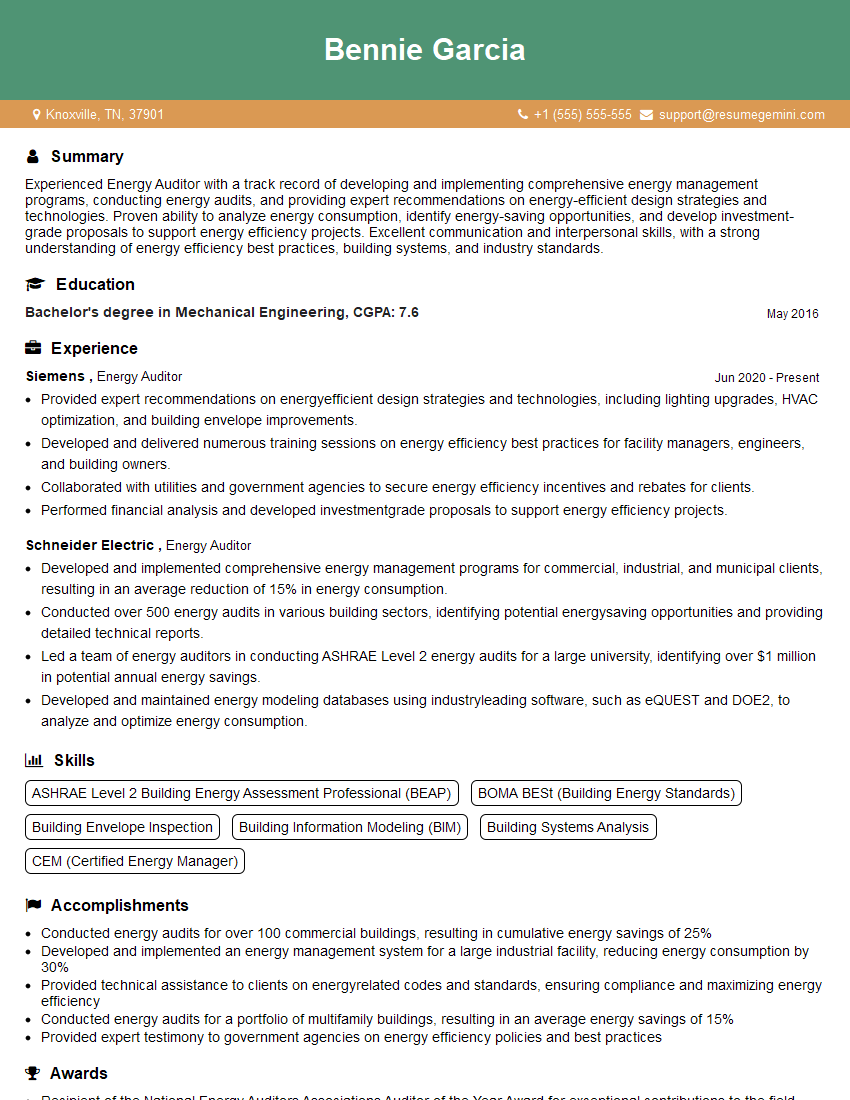
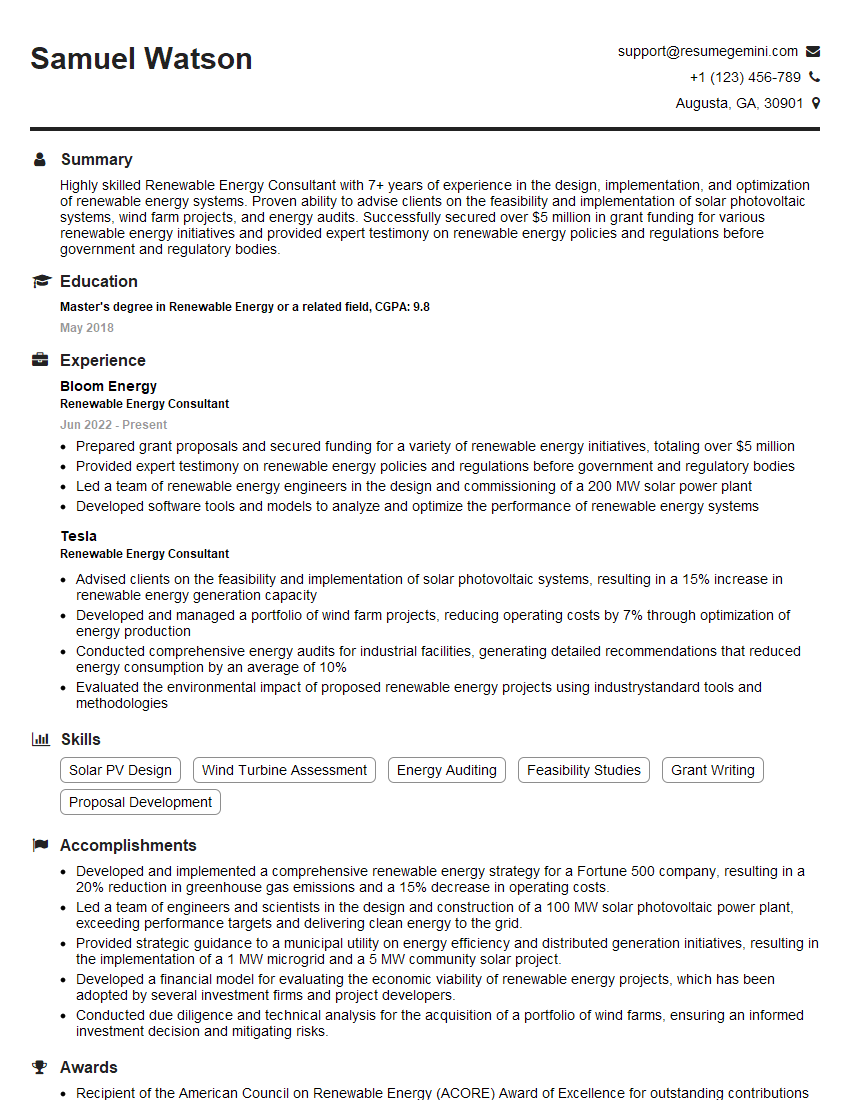
Mastering Net-Zero Energy and Passive House Principles significantly enhances your career prospects in the rapidly growing field of sustainable building design. Demonstrating this expertise through a strong resume is key to securing interviews and advancing your career. Creating an ATS-friendly resume is crucial for maximizing your job search success. We strongly recommend using ResumeGemini to build a professional and impactful resume that highlights your skills and experience effectively. ResumeGemini provides examples of resumes tailored to Net-Zero Energy and Passive House Principles to guide you in creating your own compelling application materials.
Explore more articles
Users Rating of Our Blogs
Share Your Experience
We value your feedback! Please rate our content and share your thoughts (optional).
What Readers Say About Our Blog
To the interviewgemini.com Webmaster.
Very helpful and content specific questions to help prepare me for my interview!
Thank you
To the interviewgemini.com Webmaster.
This was kind of a unique content I found around the specialized skills. Very helpful questions and good detailed answers.
Very Helpful blog, thank you Interviewgemini team.