Interviews are more than just a Q&A session—they’re a chance to prove your worth. This blog dives into essential Neuro-Rehabilitation interview questions and expert tips to help you align your answers with what hiring managers are looking for. Start preparing to shine!
Questions Asked in Neuro-Rehabilitation Interview
Q 1. Explain the difference between spasticity and rigidity.
Spasticity and rigidity are both types of hypertonia, meaning increased muscle tone, but they differ significantly in their characteristics. Think of it like this: spasticity is like a spring, while rigidity is like a board.
Spasticity is velocity-dependent; it increases with the speed of movement. You’ll feel increased resistance when passively moving a spastic limb quickly, but less resistance with slow movement. It’s often accompanied by clasp-knife phenomenon, where resistance suddenly gives way as you continue to move the limb. A classic example is the leg extending involuntarily with quick passive movement after a stroke.
Rigidity, on the other hand, is velocity-independent. Resistance to passive movement remains consistent regardless of the speed. It’s often described as ‘lead-pipe’ rigidity (uniform resistance throughout the range of motion) or ‘cogwheel’ rigidity (a jerky resistance with intermittent release). Parkinson’s disease is a prime example of a condition characterized by rigidity.
In clinical practice, differentiating between them is crucial for diagnosis and treatment planning. Spasticity might be managed with medications like baclofen or botulinum toxin, while rigidity may require different approaches, such as levodopa for Parkinson’s disease.
Q 2. Describe the Bobath approach to stroke rehabilitation.
The Bobath approach, also known as Neurodevelopmental Treatment (NDT), is a hands-on rehabilitation technique used extensively in stroke recovery. It focuses on inhibiting abnormal movement patterns and facilitating normal movement through handling and positioning. Instead of focusing on isolated muscle strengthening, the Bobath approach emphasizes facilitating normal movement patterns and functional activities.
The therapist uses specific handling techniques to guide the patient towards improved posture and movement. For example, if a patient shows excessive shoulder adduction after a stroke, the therapist might use manual cues to help the patient achieve shoulder abduction and prevent the abnormal posture. This is done with careful consideration of the underlying neurological impairments.
Key principles include:
- Normalizing muscle tone: Reducing spasticity or hypotonia through skilled handling.
- Improving postural control: Developing a stable base of support and alignment.
- Facilitating functional movement: Integrating motor skills into activities of daily living (ADLs).
- Promoting active participation: Encouraging patient involvement in the treatment process.
The Bobath approach is highly individualized and requires skilled therapists who understand the intricacies of neurological impairments. It’s often used in conjunction with other therapies, leading to a holistic approach to stroke rehabilitation.
Q 3. What are the common assessment tools used in evaluating motor function post-stroke?
Several assessment tools are used to evaluate motor function post-stroke, each offering unique insights. The choice depends on the specific needs and stage of recovery.
- Fugl-Meyer Assessment (FMA): A widely used, standardized measure assessing motor function, balance, and sensory abilities. It provides a detailed score for upper and lower extremities and is excellent for tracking progress over time.
- Modified Barthel Index (MBI): Focuses on ADLs, measuring independence in areas like dressing, bathing, and toileting. It’s useful for assessing functional recovery and discharge planning.
- Chedoke-McMaster Stroke Assessment (CMSA): Another comprehensive assessment tool covering motor function, strength, range of motion, and other aspects of functional abilities.
- Motor Assessment Scale (MAS): A simple and reliable scale assessing the degree of spasticity in each joint. It uses a numerical scale reflecting the resistance to passive movement.
- Wolf Motor Function Test (WMFT): This assesses motor skills through performance of various timed tasks.
These tools, used in combination with clinical observation, provide a comprehensive picture of a patient’s motor recovery and guide intervention strategies.
Q 4. How would you manage a patient experiencing dysphagia after a brain injury?
Managing dysphagia (difficulty swallowing) after brain injury requires a multidisciplinary approach. The first step is a thorough assessment by a speech-language pathologist (SLP) to identify the cause and severity of the dysphagia.
Assessment involves a clinical examination of oral motor function, including oral-pharyngeal examination, to look at the anatomy of the oral cavity, tongue, and pharyngeal muscles. Swallowing studies, such as videofluoroscopic swallow study (VFSS) or fiberoptic endoscopic evaluation of swallowing (FEES), may be conducted to visualize the swallowing process.
Management strategies depend on the findings and may include:
- Dietary modifications: Changing the consistency of food and liquids (e.g., pureed, thickened) to improve swallowing safety.
- Swallowing exercises: Techniques to improve oral motor strength and coordination, such as tongue exercises and range of motion exercises.
- Postural adjustments: Positioning the patient to optimize swallowing (e.g., chin tuck). This can improve airway protection
- Compensatory strategies: Techniques to manage swallowing difficulties, such as pacing the intake of food and taking smaller bites.
- Pharmacological interventions: In some cases, medications may be used to manage symptoms like excessive saliva or muscle spasms.
- Surgical interventions: In severe cases, surgery may be considered to correct anatomical abnormalities.
Close collaboration between the SLP, medical team, and dietician is crucial for successful management of dysphagia, ensuring adequate nutrition and minimizing the risk of aspiration pneumonia.
Q 5. Explain the principles of constraint-induced movement therapy.
Constraint-induced movement therapy (CIMT) is a rehabilitation technique that uses constraint of the less-affected limb to force the use of the affected limb. The idea is to “re-train” the brain to use the impaired limb by essentially blocking use of the good one, forcing more use of the affected limb. Imagine learning to write with your non-dominant hand while the dominant one is in a cast: you’d be forced to use your non-dominant hand.
Principles of CIMT include:
- Constraint of the unaffected limb: This is usually achieved using a mitt or sling.
- Massed practice of affected limb: Intensive, repetitive use of the affected limb during structured exercises.
- Shaping of behavior: Gradually increasing the complexity of tasks.
- Transfer of training: Integrating skills learned in therapy into daily activities.
CIMT is most effective when it is intensive, repetitive, and functional, involving tasks that are meaningful to the patient. Its success depends on patient motivation, cognitive capabilities and the severity of the impairment. CIMT is often combined with other therapies, including occupational therapy and physical therapy to provide a comprehensive approach to motor recovery after stroke or other neurological injury.
Q 6. Describe your experience with functional electrical stimulation (FES).
Functional electrical stimulation (FES) uses electrical impulses to stimulate muscles, thereby improving strength, range of motion, and function. I have extensive experience using FES in various neurological conditions, particularly after stroke.
In my practice, we use FES for both upper and lower extremities. For instance, FES can be applied to the wrist and hand to improve grasp and release, aiding in activities such as eating and grooming. In lower extremities, FES can help with walking by stimulating the muscles involved in dorsiflexion and plantarflexion. This can be very helpful in cases where a patient has significant weakness or paralysis post-stroke.
The use of FES often involves using an external stimulator device that is placed near the target muscles. The intensity and frequency of stimulation are carefully adjusted based on the patient’s response and the goals of treatment. It is important to note that FES is not a stand-alone treatment, but rather is integrated as a component of a comprehensive rehabilitation program, frequently combined with physical therapy and occupational therapy.
A key aspect of using FES effectively is careful patient education and monitoring to prevent muscle fatigue and skin irritation. Furthermore, proper electrode placement is critical to ensure successful stimulation of the desired muscles.
Q 7. What are the different types of aphasia, and how would you differentiate them?
Aphasia is a language disorder affecting the ability to communicate. There are various types, primarily categorized based on the affected language areas in the brain. Understanding the different types is essential for effective communication and targeted therapy.
Some common types include:
- Broca’s aphasia (expressive aphasia): Patients struggle to produce fluent speech, often speaking in short, fragmented phrases. Their comprehension is usually relatively preserved. Imagine trying to speak when your mouth is full of cotton—they understand, but speaking is difficult.
- Wernicke’s aphasia (receptive aphasia): Patients have difficulty understanding spoken and written language. They may produce fluent speech, but it’s often nonsensical or “word salad.” They don’t understand what is being said to them, even though their speech is fluid.
- Global aphasia: A severe form affecting both expressive and receptive language skills. Communication is significantly impaired.
- Conduction aphasia: Relatively rare, characterized by difficulty repeating words and phrases, even though comprehension and spontaneous speech are relatively preserved. They understand you, can talk, but can’t repeat what you said.
- Anomic aphasia: The primary difficulty is finding the right words, leading to frequent pauses and circumlocutions (talking around the word). Comprehension and fluency are relatively preserved, but finding the specific word is challenging.
Differentiating between these types requires a comprehensive assessment by a speech-language pathologist. This involves evaluating fluency, comprehension, repetition, naming abilities, and reading and writing skills. The assessment helps determine the specific type and severity of aphasia, allowing for the development of a personalized treatment plan.
Q 8. How do you assess cognitive function in patients with traumatic brain injury (TBI)?
Assessing cognitive function in patients with traumatic brain injury (TBI) is a multifaceted process requiring a comprehensive approach. We utilize a combination of standardized neuropsychological tests and observational measures tailored to the individual’s specific presentation and suspected deficits.
Standardized Tests: These provide objective measures of various cognitive domains. Examples include the Montreal Cognitive Assessment (MoCA), which screens for mild cognitive impairment, and the Repeatable Battery for the Assessment of Neuropsychological Status (RBANS), which offers a broader assessment across multiple cognitive areas like memory, attention, and language. Specific tests might also target executive functions (e.g., planning, problem-solving) or visuospatial skills, depending on the patient’s profile.
Observational Measures: Direct observation during interactions, functional tasks (e.g., dressing, grooming), and structured interviews are crucial. This allows us to assess real-world cognitive performance, which may not always be captured by standardized tests. We look for signs of disorientation, confusion, difficulty with problem-solving, changes in personality, and impairments in daily living skills. For example, a patient struggling to follow a simple two-step instruction might indicate difficulties with attention and working memory.
Adaptive Assessments: We adapt the assessment process based on the patient’s level of alertness and responsiveness. This might involve using simpler tasks initially and progressively increasing the complexity as the patient’s cognitive status improves.
Q 9. Explain the role of family and caregivers in neuro-rehabilitation.
Family and caregivers play a pivotal role in neuro-rehabilitation, acting as essential partners in the recovery journey. Their involvement significantly impacts the patient’s outcomes and overall well-being.
- Providing support and encouragement: Emotional support is critical during the rehabilitation process, often a long and arduous one. Family members can provide encouragement, motivation, and a sense of hope.
- Assisting with rehabilitation exercises: Caregivers can actively participate in exercises prescribed by the therapist, reinforcing learned skills at home and promoting generalization of therapy gains.
- Monitoring progress and reporting changes: Families provide valuable insights into the patient’s progress and any challenges encountered outside the therapeutic setting. This helps us adapt the treatment plan to best meet the individual’s needs.
- Advocating for the patient’s needs: Families play a vital role in advocating for appropriate resources, support systems, and access to ongoing care.
- Learning coping strategies: We often educate family members on coping mechanisms for managing the challenges associated with caring for a person with a brain injury.
For instance, I recently worked with a patient who struggled with memory deficits. By involving his wife in the therapy sessions, she learned strategies to support him at home, such as using visual reminders and consistent routines. Her active participation greatly improved his ability to manage his daily life independently.
Q 10. What are the ethical considerations in neuro-rehabilitation?
Ethical considerations in neuro-rehabilitation are paramount. They guide our practice to ensure patient autonomy, beneficence, and justice.
- Informed consent: Patients, or their legal guardians, must provide informed consent before any intervention. This means fully understanding the risks, benefits, and alternatives involved in the treatment process.
- Patient autonomy: We must respect the patient’s right to make decisions about their care, even if those decisions differ from our recommendations. This includes respecting their values, preferences, and goals.
- Beneficence: Our actions should always aim to benefit the patient and promote their well-being. This involves weighing the potential benefits of treatment against potential risks and harms.
- Non-maleficence: We must avoid causing harm to the patient, whether through actions or omissions. This requires careful consideration of the potential side effects of any treatment or intervention.
- Justice: We must ensure equitable access to neuro-rehabilitation services, regardless of the patient’s socioeconomic status, race, or other factors.
- Confidentiality: Patient information must be kept strictly confidential and shared only with authorized individuals.
A challenging ethical dilemma can arise when a patient lacks the capacity to make informed decisions. In such cases, we work with the family and other stakeholders to make decisions in the patient’s best interests, always prioritizing their well-being and values.
Q 11. Describe your experience with using assistive technology in neuro-rehabilitation.
Assistive technology (AT) is an integral part of my neuro-rehabilitation practice. I have extensive experience utilizing various AT devices to improve patients’ functional independence and quality of life.
Examples of AT I regularly employ include:
- Adaptive eating utensils: For patients with motor impairments, weighted utensils or those with ergonomic handles can improve feeding skills.
- Communication devices: Augmentative and alternative communication (AAC) devices, such as speech-generating devices or picture exchange systems (PECS), assist patients with aphasia or other communication difficulties.
- Mobility aids: Wheelchairs, walkers, and other mobility devices enhance mobility and independence for patients with mobility impairments.
- Computer-based cognitive rehabilitation software: Programs designed to improve attention, memory, and executive functions are frequently incorporated into treatment.
- Environmental control systems: These allow patients with limited motor control to operate lights, appliances, and other aspects of their environment.
For example, I helped a patient with severe hemiparesis regain some independence by using a customized adaptive keyboard and mouse that allowed him to operate a computer despite his limited hand function. This enabled him to resume his work as a writer, significantly impacting his self-esteem and overall well-being.
Q 12. How do you adapt your treatment plan based on a patient’s individual needs and goals?
Personalization is fundamental to effective neuro-rehabilitation. A standardized approach does not cater to the unique needs and goals of each individual. Our treatment plans are designed collaboratively, considering the patient’s current abilities, limitations, and aspirations.
The process involves:
- Comprehensive assessment: We conduct a thorough evaluation of the patient’s physical, cognitive, and emotional status.
- Goal setting: We work collaboratively with the patient and their family to establish realistic, achievable goals aligned with their values and preferences. These might range from improving mobility to enhancing communication skills or returning to work.
- Treatment plan development: Based on the assessment and goal-setting process, we tailor a comprehensive treatment plan that includes specific interventions and strategies to address individual needs.
- Regular monitoring and adjustment: We continuously monitor the patient’s progress and make necessary adjustments to the treatment plan to optimize outcomes.
- Family and caregiver involvement: We involve family and caregivers throughout the process to ensure consistency and support.
For instance, one patient’s primary goal was returning to work as a teacher. We tailored our therapy to focus on improving their cognitive skills necessary for lesson planning, communication, and classroom management. The plan evolved as his abilities progressed, focusing on more complex tasks.
Q 13. What is your experience with virtual reality in neuro-rehabilitation?
Virtual reality (VR) offers exciting possibilities in neuro-rehabilitation, providing engaging and immersive environments for therapy. My experience with VR has been positive, particularly in addressing motor deficits and cognitive impairments.
Applications of VR in my practice include:
- Motor rehabilitation: VR games and simulations provide repetitive, motivating exercises for improving motor skills, balance, and coordination. The immersive nature of VR can enhance engagement and motivation compared to traditional therapies.
- Cognitive rehabilitation: VR environments can be designed to target specific cognitive skills, such as attention, memory, and executive functions. The interactive nature of VR can make these exercises more enjoyable and effective.
- Visual neglect rehabilitation: VR environments can be tailored to address visual neglect, a common consequence of brain injury, by stimulating the neglected visual field.
For example, I used a VR system with a patient who had significant difficulty with balance. The VR game required them to navigate a virtual environment while maintaining balance, leading to significant improvements in their postural control.
However, it’s crucial to note that VR is a tool, and its effectiveness depends on careful selection of appropriate software, integration with traditional therapy approaches, and individualized treatment planning. Accessibility and cost remain considerations in its widespread adoption.
Q 14. How would you manage a patient with hemiparesis and visual neglect?
Managing a patient with hemiparesis (weakness on one side of the body) and visual neglect (inability to attend to one side of the visual field) requires a holistic and multidisciplinary approach.
Key strategies would include:
- Motor rehabilitation: We would address hemiparesis using various techniques, including strengthening exercises, range-of-motion exercises, and functional training. This aims to improve muscle strength, coordination, and functional mobility.
- Visual neglect rehabilitation: Interventions would focus on improving awareness of the neglected visual field. Strategies include visual scanning exercises, prism adaptation, and environmental modifications (e.g., arranging objects strategically).
- Occupational therapy: OT would address activities of daily living (ADLs), adapting tasks and the environment to compensate for both hemiparesis and neglect. This might involve training in one-handed techniques or using adaptive equipment.
- Cognitive rehabilitation: Cognitive strategies would be employed to improve attention and awareness. This may involve training to use compensatory strategies such as turning the head to scan the neglected visual field.
- Adaptive equipment: We would use assistive devices to promote independence, such as adapted utensils, clothing fasteners, and mobility aids.
- Family and caregiver education: Family and caregivers would be educated about the conditions, coping strategies, and ways to support the patient at home.
For example, for a patient with right hemiparesis and left visual neglect, we would adapt their feeding by placing food on the right side of their plate and providing verbal cues to encourage scanning the left side of the plate. We might also use visual cues on the left side to increase their awareness of this neglected side of space.
Q 15. What are the common complications associated with spinal cord injury, and how are they managed?
Spinal cord injury (SCI) can lead to a range of debilitating complications. These complications often impact multiple body systems and require a holistic approach to management.
- Motor and Sensory Deficits: These are the most immediate and obvious complications, ranging from weakness and paralysis (paresis or plegia) to loss of sensation. Management focuses on maximizing residual function through physiotherapy, occupational therapy, and adaptive strategies like assistive devices (wheelchairs, braces).
- Spasticity: Increased muscle tone and stiffness can lead to pain, contractures (muscle shortening), and difficulty with movement. Management includes medication (baclofen, tizanidine), botulinum toxin injections, physical therapy, and splinting.
- Pain: Chronic pain is incredibly common after SCI, ranging from neuropathic pain (nerve damage) to musculoskeletal pain. Management involves a multimodal approach, including medication (analgesics, anticonvulsants, antidepressants), physical therapy, and psychological support.
- Autonomic Dysreflexia: A life-threatening condition characterized by a sudden surge in blood pressure. (See detailed answer in question 7 for management).
- Bowel and Bladder Dysfunction: SCI frequently disrupts bladder and bowel control, leading to incontinence or retention. Management strategies include bowel and bladder training programs, medication, catheterization, and sometimes surgery.
- Respiratory Complications: SCI can affect respiratory function, particularly in high-level injuries. This necessitates pulmonary rehabilitation, including breathing exercises and airway clearance techniques.
- Pressure Sores: Immobility increases the risk of pressure sores (decubitus ulcers), which can be severe and difficult to heal. Prevention is key, involving regular skin checks, repositioning, and specialized mattresses.
- Depression and Anxiety: The significant life changes associated with SCI can lead to mental health challenges. Therapy, support groups, and medication are crucial for managing these.
The management of these complications requires a collaborative effort between the patient, their family, and a multidisciplinary team of healthcare professionals, including physicians, nurses, physiotherapists, occupational therapists, and psychologists.
Career Expert Tips:
- Ace those interviews! Prepare effectively by reviewing the Top 50 Most Common Interview Questions on ResumeGemini.
- Navigate your job search with confidence! Explore a wide range of Career Tips on ResumeGemini. Learn about common challenges and recommendations to overcome them.
- Craft the perfect resume! Master the Art of Resume Writing with ResumeGemini’s guide. Showcase your unique qualifications and achievements effectively.
- Don’t miss out on holiday savings! Build your dream resume with ResumeGemini’s ATS optimized templates.
Q 16. Explain the role of exercise in improving cardiovascular health in patients with neurological conditions.
Exercise plays a vital role in improving cardiovascular health in patients with neurological conditions. Many neurological conditions lead to reduced mobility and increased risk of cardiovascular issues. Regular exercise helps mitigate these risks.
- Improved Cardiovascular Function: Exercise strengthens the heart muscle, improves blood flow, and lowers blood pressure and resting heart rate. This is especially important for individuals with limited mobility, who are at higher risk for cardiovascular disease.
- Weight Management: Exercise helps in maintaining a healthy weight, reducing the burden on the cardiovascular system.
- Increased Endurance: Gradual increases in exercise intensity build endurance and improve overall physical functioning.
- Improved Blood Lipid Profile: Exercise can positively influence cholesterol and triglyceride levels, decreasing the risk of atherosclerosis.
- Enhanced Blood Sugar Control: Exercise improves insulin sensitivity and helps in managing blood sugar levels, particularly beneficial for individuals with diabetes, a common comorbidity in neurological conditions.
The type and intensity of exercise should be tailored to the individual’s capabilities and condition, guided by a qualified healthcare professional. A gradual progression is crucial to avoid overexertion and injury. Examples include aerobic exercises like walking, swimming, or cycling, and resistance training to maintain or improve muscle strength. It’s also important to monitor heart rate and blood pressure during and after exercise sessions.
Q 17. How do you incorporate evidence-based practice into your clinical decision-making?
Evidence-based practice (EBP) is the cornerstone of my clinical decision-making. It ensures that my interventions are effective, safe, and aligned with the best available research. I use a systematic approach that integrates:
- Best Research Evidence: I regularly review peer-reviewed journals, clinical practice guidelines, and systematic reviews to stay updated on the latest research findings related to neurological rehabilitation.
- Clinical Expertise: My years of experience allow me to critically assess patient-specific factors and apply the most appropriate evidence-based interventions. I consider individual patient preferences, their response to treatment, and potential comorbidities.
- Patient Values and Preferences: I actively involve my patients in shared decision-making, ensuring their values and preferences are integrated into the treatment plan. This collaborative approach leads to better adherence and outcomes.
For example, when deciding on a treatment strategy for spasticity, I’d consult relevant clinical guidelines, review studies on different management techniques (e.g., botulinum toxin, baclofen pump), assess the patient’s individual needs and preferences, and then collaboratively design a tailored program. This approach maximizes the effectiveness and minimizes the side effects of the intervention.
Q 18. Describe your experience with working in an interdisciplinary team.
I have extensive experience working within interdisciplinary teams. I believe that a collaborative approach is crucial for providing optimal care for patients with neurological conditions. In my previous role at [Previous Institution Name], I worked closely with:
- Physicians: Neurologists, physiatrists, and other specialists contributed their expertise in diagnosis and medical management.
- Nurses: Provided essential daily care and monitoring, sharing crucial observations.
- Physiotherapists: Worked alongside them to design and implement movement therapies tailored to each patient’s needs.
- Occupational Therapists: Collaborated on adaptive strategies for daily living activities, improving independence and quality of life.
- Speech-Language Pathologists: In cases of dysphagia (swallowing difficulties) or communication challenges, I coordinated care with SLPs to address these needs.
- Psychologists and Social Workers: These professionals played a vital role in addressing the mental and emotional well-being of patients and families.
Effective communication, mutual respect, and shared goals are essential within an interdisciplinary team. Regular team meetings ensure everyone is informed and coordinated, leading to more efficient and patient-centered care. For example, in a recent case involving a patient with a traumatic brain injury, the team collaborated to create a comprehensive rehabilitation plan focusing on cognitive, motor, and communication improvements, involving family in the process and ensuring consistent messaging throughout therapy.
Q 19. What are the different types of neurological conditions you are experienced in treating?
My clinical experience encompasses a broad spectrum of neurological conditions. I’ve worked with patients experiencing:
- Spinal Cord Injuries (SCI): Managing various levels of SCI, from cervical to lumbar, focusing on motor recovery, pain management, and maximizing independence.
- Traumatic Brain Injuries (TBI): Addressing cognitive impairments, motor deficits, communication difficulties, and emotional disturbances associated with TBI.
- Stroke: Facilitating motor recovery, improving speech and swallowing functions, and managing cognitive deficits after stroke.
- Multiple Sclerosis (MS): Developing strategies to manage fatigue, spasticity, and cognitive changes associated with MS.
- Parkinson’s Disease: Implementing exercise programs to improve motor function, balance, and gait in patients with Parkinson’s.
- Cerebral Palsy: Working with children and adults with cerebral palsy to enhance motor skills, improve mobility, and increase independence.
My approach involves a thorough assessment of each patient’s individual needs and developing a personalized treatment plan based on the latest evidence-based practices. I have consistently demonstrated the ability to adapt my approach depending on the diagnosis, the severity of the symptoms, and the unique circumstances of each patient.
Q 20. How do you assess and manage pain in patients with neurological conditions?
Assessing and managing pain in patients with neurological conditions requires a comprehensive and individualized approach. The experience of pain is complex and can be influenced by both physical and psychological factors.
- Comprehensive Assessment: This involves thoroughly evaluating the location, character, intensity, and duration of the pain. I use validated pain scales (e.g., visual analog scale, numerical rating scale) and explore potential contributing factors, including neuropathic pain, musculoskeletal pain, or psychological factors.
- Multimodal Pain Management: Rather than relying on a single modality, I often incorporate several strategies:
- Pharmacological Interventions: Analgesics, anticonvulsants, antidepressants, and opioids (used cautiously and judiciously) are used to target the underlying pain mechanisms.
- Non-Pharmacological Interventions: Physical therapy, including range-of-motion exercises, stretching, and strengthening, can be very effective in managing pain. Other strategies include heat/cold therapy, transcutaneous electrical nerve stimulation (TENS), and relaxation techniques.
- Psychological Interventions: Cognitive behavioral therapy (CBT), mindfulness-based stress reduction (MBSR), and other psychotherapeutic interventions can address emotional factors that contribute to pain.
- Regular Monitoring and Evaluation: I consistently monitor the patient’s response to treatment and adjust the plan accordingly. The goal is to achieve optimal pain relief while minimizing adverse effects.
It is important to remember that pain management is an ongoing process requiring patience, perseverance, and a collaborative approach between the patient, their family, and healthcare providers.
Q 21. What are the signs and symptoms of autonomic dysreflexia?
Autonomic dysreflexia (AD) is a potentially life-threatening condition that can occur in individuals with spinal cord injuries above the T6 level. It’s characterized by a sudden, uncontrolled elevation in blood pressure.
- Signs and Symptoms: AD typically presents with a cluster of symptoms, including:
- Severely elevated blood pressure: Often exceeding 200/100 mmHg
- Severe headache: Often described as throbbing or pounding
- Bradycardia (slow heart rate): Paradoxically, the heart rate may slow down.
- Diaphoresis (excessive sweating): Above the level of the injury.
- Flushing of the skin: Above the level of the injury.
- Nasal congestion.
- Anxiety and restlessness.
- Blurred vision.
Management: Immediate action is critical to prevent complications. The steps are:
- Place the patient in an upright seated position: This helps to lower blood pressure.
- Check for and remove any potential triggering factors: Common triggers include a full bladder, impacted bowel, tight clothing, pressure sores, or even skin irritation.
- Empty the bladder: If the patient can’t urinate spontaneously, catheterization may be necessary.
- Check for and remove any impaction or fecal material: Manual disimpaction may be needed.
- Loosen tight clothing: Removing any constrictive clothing around the waist and lower extremities can help.
- Monitor blood pressure continuously: Regularly check blood pressure to assess the effectiveness of the interventions.
- Administer antihypertensive medications: If blood pressure remains elevated despite other interventions, medications such as nifedipine may be administered under medical supervision.
- Seek immediate medical attention: AD is a medical emergency and requires prompt intervention by healthcare professionals.
Ongoing education and training for patients and caregivers are crucial in recognizing and managing AD effectively. Early detection and prompt intervention are critical to prevent serious complications like stroke or seizure.
Q 22. How do you monitor patient progress and adjust treatment accordingly?
Monitoring patient progress in neuro-rehabilitation is a dynamic process that involves a multi-faceted approach. It’s not simply about measuring improvements in specific tests; it’s about holistically assessing the patient’s functional abilities, their participation in daily activities, and their overall well-being.
- Functional Assessments: We utilize standardized scales like the Fugl-Meyer Assessment for stroke patients or the Functional Independence Measure (FIM) to objectively measure improvements in motor skills, balance, and daily living activities. These assessments are conducted at regular intervals, allowing for tracking of progress over time.
- Observational Data: Daily observations are crucial. We note changes in patient movement patterns, speech clarity, cognitive function, and emotional state. For example, if a patient shows increased fatigue during therapy, we might adjust the intensity or duration of sessions.
- Patient Reported Outcomes (PROs): The patient’s perspective is paramount. We use questionnaires to assess pain levels, quality of life, and their satisfaction with the therapy. This provides invaluable insights that objective measures might miss.
- Treatment Adjustment: Based on the data gathered, we regularly adapt the treatment plan. If a patient isn’t progressing as expected in a particular area, we may adjust the techniques, increase the intensity, introduce new modalities, or consult with other specialists like occupational therapists or speech therapists for collaborative care.
For example, if a patient’s progress plateaus on a specific motor task, we might analyze the task breakdown, modify the environment, introduce assistive devices, or change the therapeutic approach to address specific movement impairments. This iterative process is key to maximizing the patient’s recovery potential.
Q 23. Describe your experience with documentation and reporting in neuro-rehabilitation.
Comprehensive documentation is essential in neuro-rehabilitation, both for legal reasons and to ensure continuity of care. My documentation practices adhere to strict clinical guidelines and involve several key components.
- Initial Assessment: This detailed report outlines the patient’s medical history, neurological status, functional abilities, and treatment goals. It serves as the foundation for the entire treatment plan.
- Progress Notes: Daily or weekly progress notes document the patient’s performance during therapy sessions, highlighting any improvements, challenges, or changes in their condition. These notes detail the interventions used and the patient’s response.
- Treatment Plans: A formal treatment plan outlines specific goals, the chosen interventions, and the frequency and duration of therapy sessions. This serves as a roadmap for the rehabilitation process.
- Discharge Summaries: Upon discharge, a comprehensive summary is prepared, summarizing the patient’s progress, the interventions received, the functional outcome achieved, and recommendations for continued care at home.
- Electronic Health Records (EHR): I am proficient in utilizing EHR systems to ensure secure and efficient documentation. This aids in streamlining communication between healthcare professionals.
Accuracy and clarity are paramount in all documentation. Vague or incomplete entries can lead to misinterpretations and hinder the continuity of care. For instance, precise measurements of range of motion or strength levels must be documented, using standardized scales where applicable.
Q 24. How would you manage a patient who is experiencing depression after a neurological event?
Depression is a common and serious complication following neurological events like stroke or traumatic brain injury. Managing this requires a multidisciplinary approach, focusing on both the physical and emotional well-being of the patient.
- Assessment: A thorough assessment is crucial, using standardized depression scales like the PHQ-9 or the Beck Depression Inventory. It is vital to understand the severity of the depression and its impact on the rehabilitation process.
- Collaboration: Close collaboration with psychiatrists or psychologists is essential. They can provide medication management, therapy (like cognitive behavioral therapy or CBT), or other specialized interventions.
- Supportive Therapy: As a neuro-rehabilitation specialist, I can incorporate strategies into therapy sessions that promote a sense of accomplishment and self-efficacy. This includes setting achievable goals, providing positive reinforcement, and celebrating even small victories.
- Family and Social Support: Engaging the patient’s family and support network is crucial. Educating them about depression and its management can help them provide emotional support and encourage adherence to treatment.
- Lifestyle Adjustments: Promoting healthy lifestyle choices—regular exercise, healthy diet, and sufficient sleep—can also contribute significantly to improving mood and overall well-being. We can tailor exercise plans to be feasible given the patient’s physical capabilities.
For example, I might work with a patient to gradually increase their independence in daily activities, which can boost their self-esteem and reduce feelings of helplessness. It’s vital to approach this with empathy and sensitivity, understanding that the recovery journey can be challenging, both physically and emotionally.
Q 25. What are the common challenges faced in neuro-rehabilitation, and how do you overcome them?
Neuro-rehabilitation presents many challenges. These can include:
- Patient Variability: Each patient’s recovery trajectory is unique, requiring personalized treatment plans. Some patients progress rapidly, while others experience plateaus or setbacks.
- Complexity of Neurological Conditions: The multifaceted nature of neurological disorders makes diagnosis and treatment complex. Often, patients exhibit a range of impairments affecting motor, sensory, cognitive, and emotional functions.
- Limited Resources: Access to specialized therapies, equipment, and rehabilitation facilities can be limited, particularly in certain geographical areas.
- Patient Motivation and Adherence: Maintaining patient motivation and adherence to the treatment plan can be challenging, especially in the face of fatigue, pain, or frustration.
- Measuring Outcomes: Accurately measuring the effectiveness of interventions can be difficult, as recovery is a complex process involving many factors.
Overcoming these challenges requires:
- Evidence-Based Practices: Staying up-to-date with current research and utilizing evidence-based interventions to maximize efficacy.
- Teamwork and Collaboration: Working closely with other healthcare professionals (physicians, nurses, occupational therapists, speech therapists, psychologists) to provide holistic care.
- Patient-Centered Care: Tailoring treatments to the individual’s needs, goals, and preferences, promoting active participation and ownership of the recovery process.
- Creative Problem-Solving: Adapting treatments and using innovative strategies to overcome obstacles and address individual challenges.
- Continuous Evaluation and Adjustment: Regularly monitoring patient progress and adjusting treatment plans accordingly to ensure optimal outcomes.
Q 26. Explain your understanding of the recovery process following a stroke.
Stroke recovery is a complex and individualized process that unfolds over time. It’s not a linear progression; rather, it involves periods of rapid improvement followed by plateaus, and sometimes setbacks. The recovery journey is highly dependent on several factors including the size and location of the brain injury, the patient’s overall health, and their commitment to rehabilitation.
- Spontaneous Recovery: In the initial weeks and months after a stroke, the brain undergoes significant spontaneous recovery, meaning some functions may return without formal therapy. This is partly due to the brain’s natural plasticity—its ability to reorganize and adapt.
- Neuroplasticity and Rehabilitation: Rehabilitation plays a vital role in harnessing the brain’s plasticity. Targeted therapies like physical therapy, occupational therapy, and speech therapy help stimulate the brain and promote functional improvements. The repetition of specific movements and tasks strengthens neural pathways and helps compensate for lost function.
- Stages of Recovery: Recovery typically involves several phases, each with distinct characteristics. While timelines vary greatly, the early stage involves regaining basic motor skills, later stages focus on improving functional abilities and independence in daily living.
- Compensation Strategies: As some functions may not fully return, patients may need to learn compensatory strategies to adapt to their limitations. For example, using assistive devices or learning alternative ways to perform tasks.
- Long-Term Outcomes: Stroke recovery can be a long-term process, lasting months or even years. While substantial progress may be made in the early stages, ongoing rehabilitation and support may be needed for maintaining functional abilities and preventing complications.
It’s important to remember that recovery is not solely about regaining lost function; it’s also about adapting and thriving with any residual impairments. We work closely with patients to set realistic goals and empower them to participate fully in their recovery journey.
Q 27. What strategies would you employ to promote patient engagement and adherence to treatment plans?
Promoting patient engagement and adherence to treatment plans is paramount for successful neuro-rehabilitation. This involves creating a supportive and collaborative therapeutic relationship, understanding the patient’s individual needs and preferences, and tailoring the treatment to their specific circumstances.
- Goal Setting: Working collaboratively with patients to set realistic, achievable, and meaningful goals, ensuring they feel ownership and control over their treatment plan.
- Education and Empowerment: Educating patients about their condition, the treatment process, and their role in recovery, empowering them to actively participate in decision-making.
- Personalized Treatment: Designing treatment plans that are tailored to the patient’s individual needs, preferences, and learning styles. This might involve incorporating activities they find enjoyable or adjusting therapy sessions to fit their schedules.
- Positive Reinforcement: Providing regular positive reinforcement and encouragement, celebrating successes, no matter how small, to maintain motivation and boost morale.
- Family and Support System Involvement: Involving family members or support systems in the treatment process, providing them with education and guidance, fostering a collaborative approach to care.
- Regular Communication and Feedback: Maintaining open communication with patients, regularly reviewing progress, addressing concerns, and soliciting feedback to ensure the treatment remains effective and relevant.
- Use of Technology: Incorporating technology such as virtual reality or gamified exercises to enhance engagement and make therapy more enjoyable.
For example, a patient who enjoys gardening might find it motivating to practice upper extremity exercises through gardening activities. Understanding and incorporating individual preferences can make a significant difference in adherence and overall treatment success.
Key Topics to Learn for Neuro-Rehabilitation Interview
- Neurological Assessment: Understanding standardized assessments (e.g., Fugl-Meyer Assessment, Barthel Index) and their application in evaluating functional limitations and recovery progress. Consider the practical challenges in administering these assessments and interpreting results in diverse patient populations.
- Therapeutic Interventions: Explore various therapeutic modalities including motor learning principles (e.g., task-oriented training, constraint-induced movement therapy), neuroplasticity, and the application of assistive devices. Be prepared to discuss the rationale behind treatment choices and how you would adapt your approach based on individual patient needs and responses.
- Rehabilitation Technologies: Familiarize yourself with emerging technologies used in neuro-rehabilitation, such as virtual reality, robotics, and brain-computer interfaces. Understand their potential benefits and limitations in enhancing patient outcomes.
- Neuroanatomy and Physiology: A strong foundational understanding of the nervous system is crucial. Be ready to discuss relevant anatomical structures and physiological processes affected by neurological conditions, relating this knowledge to functional implications and rehabilitation strategies.
- Evidence-Based Practice: Demonstrate your understanding of the importance of research in guiding clinical decision-making. Be prepared to discuss relevant research methodologies and critically evaluate the evidence supporting different therapeutic interventions.
- Interprofessional Collaboration: Neuro-rehabilitation is a team effort. Discuss your experience (or understanding) of working effectively with other healthcare professionals (physicians, nurses, occupational therapists, speech therapists) to deliver holistic patient care.
- Ethical Considerations: Be prepared to discuss ethical dilemmas you might encounter in neuro-rehabilitation, such as patient autonomy, informed consent, and end-of-life care.
Next Steps
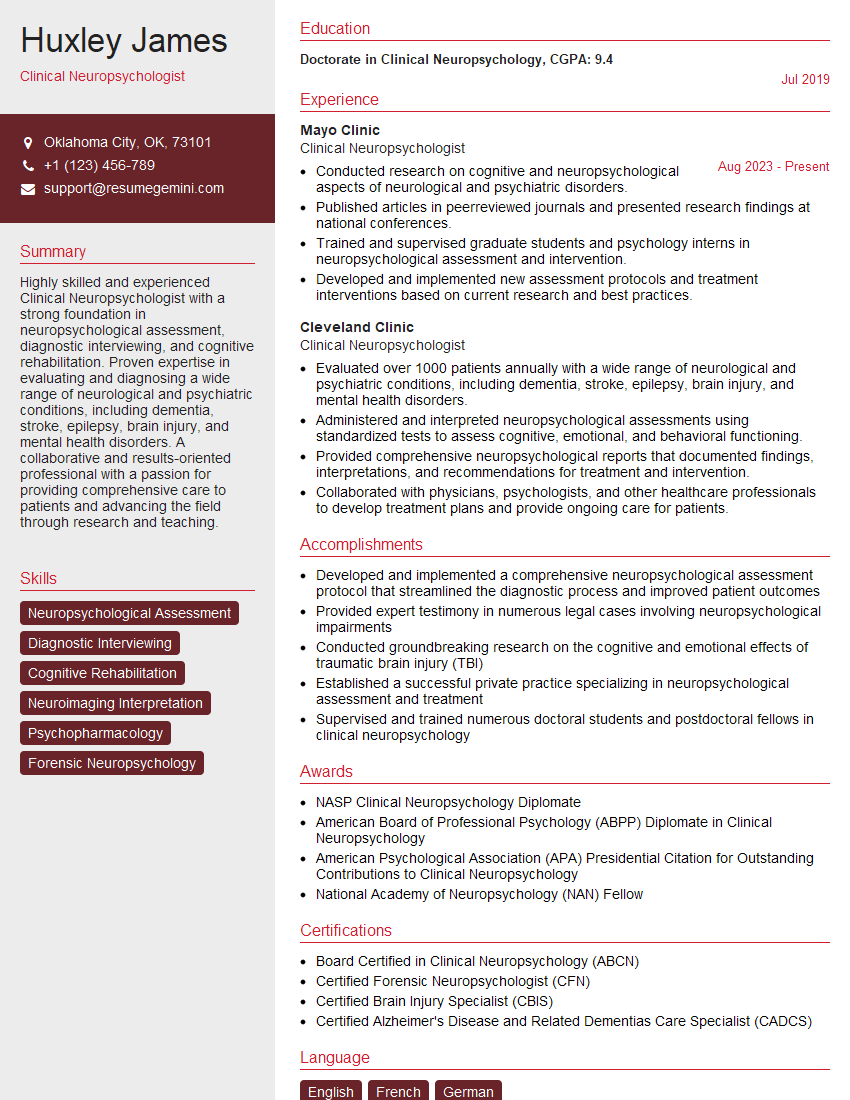
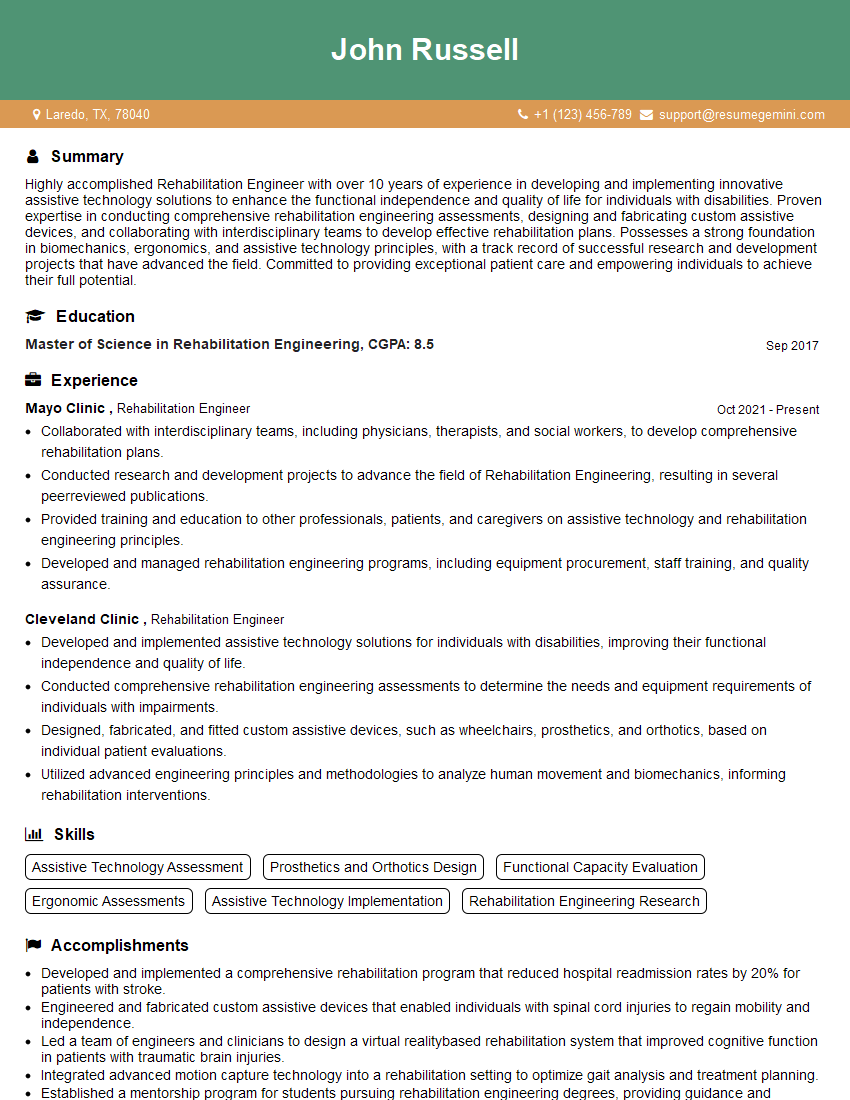
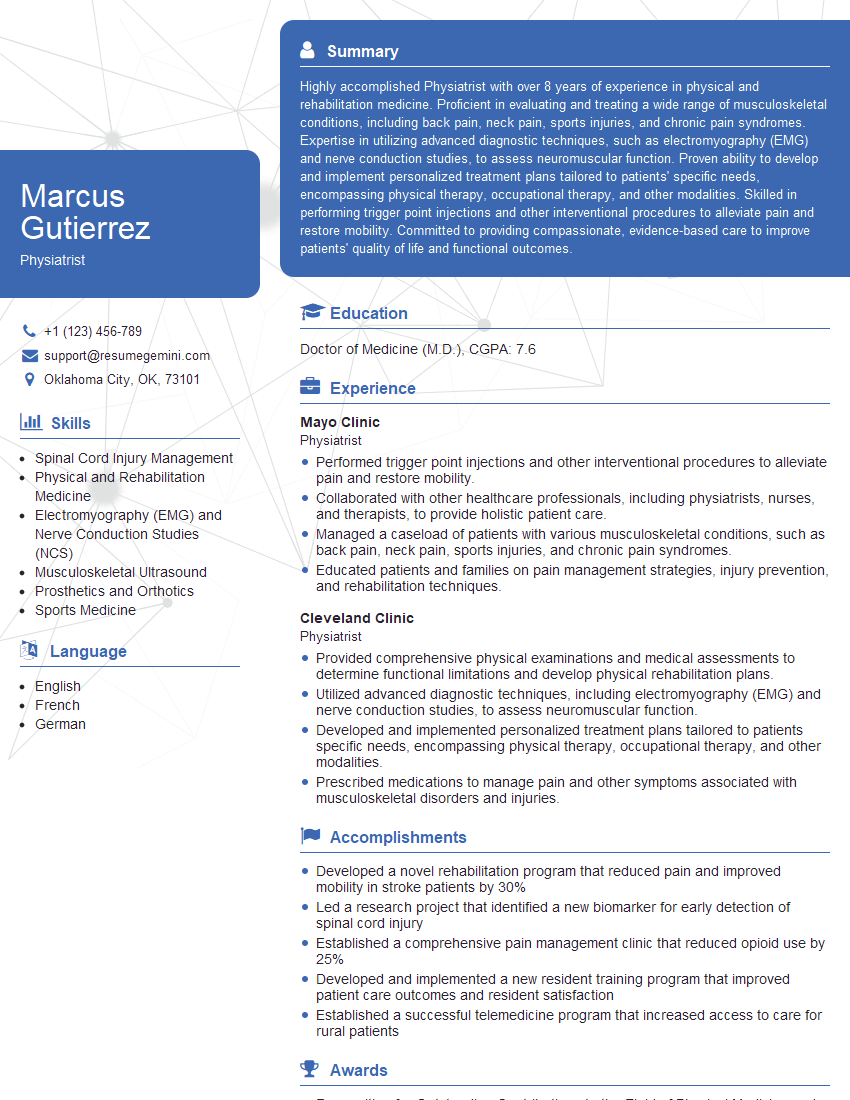
Mastering neuro-rehabilitation principles is essential for a rewarding and impactful career. It opens doors to diverse specializations and advanced roles within this dynamic field. To maximize your job prospects, creating a strong, ATS-friendly resume is paramount. ResumeGemini is a trusted resource to help you build a professional and compelling resume that highlights your skills and experience effectively. ResumeGemini provides examples of resumes tailored to Neuro-Rehabilitation to guide you in crafting your own standout application.

Explore more articles
Users Rating of Our Blogs
Share Your Experience
We value your feedback! Please rate our content and share your thoughts (optional).
What Readers Say About Our Blog
To the interviewgemini.com Webmaster.
Very helpful and content specific questions to help prepare me for my interview!
Thank you
To the interviewgemini.com Webmaster.
This was kind of a unique content I found around the specialized skills. Very helpful questions and good detailed answers.
Very Helpful blog, thank you Interviewgemini team.