Are you ready to stand out in your next interview? Understanding and preparing for Social Policy Analysis and Advocacy interview questions is a game-changer. In this blog, we’ve compiled key questions and expert advice to help you showcase your skills with confidence and precision. Let’s get started on your journey to acing the interview.
Questions Asked in Social Policy Analysis and Advocacy Interview
Q 1. Explain the policy cycle and its key stages.
The policy cycle is a cyclical process describing the stages involved in creating, implementing, and evaluating public policies. Think of it like a continuous feedback loop, constantly refining and improving policies based on experience.
- Agenda Setting: This initial phase identifies problems needing policy attention. It involves raising awareness, building consensus, and framing the issue in a way that resonates with policymakers and the public. For example, rising childhood obesity rates might push healthy eating initiatives onto the policy agenda.
- Policy Formulation: This stage involves developing potential solutions to the identified problem. Various stakeholders – government agencies, experts, interest groups – participate in crafting policy options. This might involve researching successful interventions from other countries or conducting cost-benefit analyses.
- Policy Adoption: This is the formal approval of a policy by the relevant legislative or executive body. This requires navigating political processes, building coalitions, and overcoming opposition. The successful passage of a new law is a clear marker of this stage.
- Policy Implementation: This crucial stage involves putting the policy into action. It requires establishing administrative structures, allocating resources, and coordinating actions across different government agencies and levels. Effective implementation often relies on clear guidelines, adequate funding, and skilled personnel.
- Policy Evaluation: This final (but cyclical) stage assesses the policy’s impact, effectiveness, and efficiency. Evaluation methods can be quantitative (e.g., measuring changes in relevant statistics) or qualitative (e.g., gathering feedback from beneficiaries). Findings from evaluation inform future policy adjustments or even the creation of entirely new policies.
Q 2. Describe your experience with qualitative and quantitative research methods in policy analysis.
My experience encompasses both qualitative and quantitative research methods within policy analysis. I’ve used quantitative methods, such as statistical analysis of crime rates to evaluate the effectiveness of law enforcement strategies, and regression analysis to determine the impact of welfare programs on poverty reduction. These approaches provide numerical data for objective measurement.
Simultaneously, I have extensive experience with qualitative approaches, including conducting in-depth interviews with individuals affected by social policies, analyzing focus group discussions to understand community perceptions of a particular program, and carrying out case studies to examine specific policy implementations in detail. Qualitative methods offer valuable insights into the lived experiences and perspectives of those directly impacted by policies, enriching the understanding gained through quantitative data.
Q 3. How do you assess the effectiveness of a social policy program?
Assessing the effectiveness of a social policy program requires a multi-faceted approach, combining rigorous methodology with an understanding of the social context. I typically employ a mixed-methods strategy.
- Defining clear objectives and measurable outcomes: What specific goals does the policy aim to achieve? What indicators will be used to measure success? For instance, if a program aims to reduce homelessness, measurable outcomes could include the number of individuals housed and the length of time they remain housed.
- Collecting data using appropriate methods: This involves employing quantitative methods like statistical analysis of program data, comparing outcomes with control groups, and utilizing qualitative methods like interviews and focus groups to understand participants’ perspectives and experiences.
- Analyzing data and comparing results with baseline data: This allows for a quantitative assessment of the policy’s impact on its intended target population. This often involves utilizing statistical tests to determine the significance of any observed changes.
- Considering unintended consequences: Policies can have both intended and unintended consequences. A thorough assessment will examine both positive and negative outcomes. For example, an affordable housing program might lead to increased property values in the surrounding area, benefiting some while disadvantaging others.
- Disseminating findings and making recommendations: The findings should be clearly communicated to policymakers and stakeholders, including recommendations for improvements or adjustments to the policy based on the evaluation.
Q 4. What are the key ethical considerations in social policy advocacy?
Ethical considerations are paramount in social policy advocacy. Advocacy involves influencing policy decisions, and it’s crucial to ensure this influence is conducted responsibly and ethically.
- Transparency and honesty: Advocates should be transparent about their funding sources, potential conflicts of interest, and the methods they use. Deception or misinformation undermines trust and weakens the advocacy process.
- Respect for diverse perspectives: Effective advocacy involves understanding and engaging with diverse perspectives, even those that conflict with one’s own. Dismissing dissenting views or resorting to inflammatory rhetoric is unethical and counterproductive.
- Protecting vulnerable populations: Advocates should prioritize the needs and rights of vulnerable populations, ensuring that policy proposals do not disproportionately harm or marginalize them. This includes actively working to address potential biases in policy designs.
- Data integrity and responsible research: Any research used to support policy advocacy should be conducted rigorously and ethically, with a commitment to data integrity and accuracy. Misrepresenting data or selectively presenting evidence is a serious ethical breach.
- Accountability and responsibility: Advocates should be accountable for their actions and their impact. This involves being open to criticism, engaging in constructive dialogue, and taking responsibility for any negative consequences resulting from their advocacy efforts.
Q 5. How do you identify and analyze stakeholders involved in a policy issue?
Identifying and analyzing stakeholders is crucial for effective policy analysis and advocacy. Stakeholders are individuals or groups who have an interest in or are affected by a particular policy.
My approach involves a systematic process:
- Defining the policy issue: Clearly defining the scope of the issue helps identify relevant stakeholders. For instance, a policy on universal preschool will involve different stakeholders than a policy on minimum wage.
- Identifying potential stakeholders: Brainstorming sessions, literature reviews, and preliminary interviews can help identify potential stakeholders. This could include government agencies, community organizations, businesses, individuals affected by the policy, and experts in the relevant field.
- Mapping stakeholder relationships: Visualizing the relationships among stakeholders, using tools such as power-interest grids, helps understand alliances, conflicts, and potential influencers. This helps strategize how to engage different groups.
- Analyzing stakeholder interests and perspectives: This involves understanding their positions on the issue, their potential influence on policy decisions, and their likely response to different policy proposals. This requires gathering information through interviews, surveys, and document analysis.
- Engaging with stakeholders: Effective engagement builds trust, facilitates collaboration, and ensures the policy reflects the needs and concerns of all affected parties. This may involve holding public forums, creating opportunities for dialogue, and responding to feedback received from stakeholders.
Q 6. Describe your experience with policy analysis frameworks (e.g., Cost-Benefit Analysis).
I have extensive experience applying various policy analysis frameworks, including Cost-Benefit Analysis (CBA). CBA is a systematic approach to evaluating the economic costs and benefits of a policy. It involves quantifying, as far as possible, both the positive and negative impacts of a policy in monetary terms.
In practice, I use CBA to compare different policy options, determining which yields the greatest net benefit to society. For example, when evaluating a proposal for a new public transportation system, CBA would involve estimating the costs of construction, operation, and maintenance, while also considering benefits such as reduced traffic congestion, improved air quality, and increased economic activity. The results will be expressed as a net present value, allowing comparisons between different options.
Beyond CBA, I’ve also utilized other frameworks such as Regulatory Impact Analysis (RIA) which evaluates the impact of proposed regulations on businesses and the economy; and frameworks focusing on equity and social impact assessments, which prioritize the distributional effects of policies across different population groups.
Q 7. How do you translate complex research findings into accessible policy recommendations?
Translating complex research findings into accessible policy recommendations requires clear communication and careful consideration of the audience. My approach involves several key steps:
- Summarizing key findings in plain language: Avoid jargon and technical terms. Use clear, concise language that can be understood by policymakers and the public.
- Using visuals: Charts, graphs, and infographics can effectively communicate complex data in a visually appealing and easily digestible format. A well-designed infographic can convey key findings at a glance.
- Focusing on policy relevance: Highlight the implications of the findings for policy decisions. Make it clear how the research supports specific policy recommendations.
- Presenting recommendations clearly and concisely: Structure recommendations in a clear and logical manner. Use bullet points or numbered lists to make them easy to understand and remember.
- Tailoring the message to the audience: Adapt the language, tone, and format of the report to suit the needs and interests of the intended audience (e.g., policymakers, community groups, the general public). A technical report for researchers will differ greatly from a brief summary for policymakers.
- Building consensus and addressing concerns: Policy recommendations should consider diverse stakeholder perspectives and address potential concerns. Transparency and open communication are vital to building consensus and ensuring the recommendations are effectively implemented.
Q 8. Discuss your experience with budget analysis and resource allocation.
Budget analysis and resource allocation are crucial for effective social policy. It involves meticulously examining existing budgets, identifying funding gaps, and proposing efficient resource allocation strategies to maximize the impact of social programs. My experience includes working with government agencies and non-profits to analyze budget data, forecast future needs, and develop cost-effective solutions.
For example, in a recent project analyzing a state’s education budget, I used regression analysis to demonstrate a correlation between increased funding for early childhood education and reduced high school dropout rates. This data was instrumental in securing additional funding for early childhood programs. I also developed a cost-benefit analysis comparing different intervention models, allowing decision-makers to make data-driven choices about where to allocate scarce resources. This involved comparing the cost per student for different program approaches, such as universal preschool versus targeted interventions, and evaluating their respective impacts on student outcomes.
Q 9. How do you build consensus and collaborate with diverse stakeholders in policy advocacy?
Building consensus among diverse stakeholders is paramount in policy advocacy. It requires active listening, empathy, and a willingness to compromise. I employ a multi-step approach: First, I engage in thorough stakeholder mapping, identifying all key players and their respective interests. Next, I facilitate collaborative workshops and meetings, providing a platform for open dialogue and identifying common ground. I leverage data and evidence to support my arguments, and I frame discussions around shared values and goals. Finally, I build coalitions and partnerships, empowering stakeholders to actively participate in the advocacy process.
For instance, when advocating for increased funding for affordable housing, I brought together community leaders, housing developers, government officials, and residents. By focusing on the shared goal of creating thriving communities, I was able to bridge initial disagreements about program design and secure funding from diverse sources.
Q 10. Explain your understanding of different policy instruments (e.g., regulations, incentives).
Policy instruments are the tools used to achieve policy goals. They range from regulations and incentives to information campaigns and public service announcements. Regulations are legally binding rules that mandate or prohibit certain actions (e.g., environmental protection regulations). Incentives, on the other hand, encourage desired behaviors through rewards or penalties (e.g., tax credits for renewable energy). Information campaigns aim to educate the public and raise awareness (e.g., public health campaigns on smoking cessation). The choice of instrument depends on the policy goal, target audience, and available resources. Often a combination of instruments is most effective.
For example, to reduce carbon emissions, a government might employ a combination of carbon tax (an incentive), regulations on industrial emissions, and public awareness campaigns highlighting the benefits of sustainable practices. The effectiveness of each instrument needs to be carefully monitored and adjusted as needed.
Q 11. How do you prioritize competing policy goals?
Prioritizing competing policy goals is a complex challenge. I employ a multi-criteria decision analysis (MCDA) framework that involves: 1) Identifying all relevant goals; 2) Assigning weights to each goal based on its relative importance; 3) Evaluating each policy option against each goal; and 4) Aggregating the results to determine the optimal policy option. This framework allows for a transparent and data-driven approach to prioritizing competing objectives.
For instance, when considering policies to improve public health, we might weigh factors such as cost-effectiveness, impact on health equity, and potential unintended consequences. MCDA helps ensure that all relevant considerations are factored into the decision-making process.
Q 12. Describe your experience with data visualization and presentation of policy findings.
Effective data visualization is essential for communicating policy findings. I utilize various tools, including charts, graphs, and maps, to present complex data in a clear and accessible manner. My experience includes using software like Tableau and R to create compelling visuals and interactive dashboards that allow policymakers and the public to easily understand the data. I adapt my presentation style to the audience, ensuring that the information is both informative and engaging.
For example, when presenting findings from a study on income inequality, I used a combination of bar charts to show income distribution, maps to illustrate geographical disparities, and narrative storytelling to bring the data to life. This approach ensured that policymakers and the public grasped the key findings and their implications.
Q 13. How do you evaluate the impact of a policy change?
Evaluating the impact of policy changes requires a rigorous and systematic approach. This often involves a combination of quantitative and qualitative methods, including impact evaluations, cost-benefit analyses, and case studies. I utilize statistical techniques such as regression analysis to assess the causal link between the policy and its intended outcome. I also employ qualitative methods, such as interviews and focus groups, to understand the lived experiences of those affected by the policy.
For example, to evaluate the impact of a job training program, I might compare the employment rates and earnings of participants with those of a control group who did not receive the training. This would involve analyzing pre- and post-intervention data, and controlling for other factors that might influence employment outcomes. Qualitative data could provide valuable insights into the participants’ experiences with the program.
Q 14. How do you handle criticism of your policy recommendations?
Handling criticism of policy recommendations requires intellectual humility and a commitment to evidence-based decision-making. I view criticism as an opportunity for learning and improvement. My approach involves carefully considering the criticisms, engaging in respectful dialogue with critics, and providing evidence-based responses to address their concerns. I am open to revising my recommendations if new evidence suggests a different course of action. Transparency and accountability are essential in this process.
For example, if a recommendation to increase taxes to fund social programs is criticized for being economically regressive, I would acknowledge the concern and present data demonstrating how the program would mitigate negative impacts on low-income households or offset any regressive effects with targeted support programs. The goal is to reach a shared understanding based on facts and a constructive discussion.
Q 15. What are some common challenges in implementing social policies?
Implementing social policies is rarely a smooth process. Many hurdles arise from the complex interplay of political will, bureaucratic processes, and the inherent challenges of addressing societal problems.
- Funding limitations: Securing adequate and sustained funding is a major challenge. Many well-intentioned policies fail due to insufficient resources to implement them effectively. For example, a program aimed at reducing homelessness might lack the funding for sufficient shelter beds or supportive services.
- Bureaucratic inertia: Government agencies can be slow to adapt and implement new policies. Existing structures and procedures may hinder the effective delivery of programs. This can lead to delays and inefficiencies, as seen in instances where new welfare reforms struggle to overcome entrenched bureaucratic processes.
- Political opposition: Policies often face opposition from various stakeholders, including political parties, lobby groups, and the public. This can lead to policy changes or even complete abandonment. The Affordable Care Act in the US, for example, faced considerable political opposition leading to ongoing debates and modifications.
- Implementation challenges: Even with sufficient funding and political support, effective implementation can be challenging. This might involve training staff, building partnerships with community organizations, and ensuring accessibility to those who need the services. A national literacy program could face difficulties if teachers lack adequate training or resources.
- Unintended consequences: Policies can have unexpected and negative consequences. Careful evaluation and adaptation are crucial to mitigate these risks. For instance, a policy aimed at encouraging homeownership might unintentionally lead to increased housing prices and reduced affordability for lower-income groups.
Career Expert Tips:
- Ace those interviews! Prepare effectively by reviewing the Top 50 Most Common Interview Questions on ResumeGemini.
- Navigate your job search with confidence! Explore a wide range of Career Tips on ResumeGemini. Learn about common challenges and recommendations to overcome them.
- Craft the perfect resume! Master the Art of Resume Writing with ResumeGemini’s guide. Showcase your unique qualifications and achievements effectively.
- Don’t miss out on holiday savings! Build your dream resume with ResumeGemini’s ATS optimized templates.
Q 16. How do you stay informed about current social policy issues and trends?
Staying abreast of current social policy issues and trends requires a multi-pronged approach. I regularly engage with a diverse range of information sources to ensure a comprehensive understanding.
- Academic journals and research publications: I subscribe to leading journals in social policy and regularly search for relevant research papers through databases like JSTOR and Scopus. This helps me stay updated on the latest research findings and theoretical advancements.
- Government reports and policy documents: Government websites and think tanks provide invaluable insights into policy proposals, legislation, and evaluations. I meticulously track policy developments at local, national, and international levels.
- News media and online platforms: Reputable news organizations and online platforms offer valuable coverage of current events and policy debates, although critical appraisal for bias is essential.
- Networking and professional organizations: I actively participate in professional networks and attend conferences, workshops, and seminars to engage with colleagues, share insights, and learn from experts in the field. This allows for the exchange of ideas and insights on current issues.
- Policy briefs and reports from think tanks: Many reputable think tanks produce detailed analyses and policy recommendations on a wide range of social policy issues. I regularly review these reports to understand different perspectives and evidence bases.
Q 17. Describe your understanding of different political systems and their influence on policymaking.
My understanding of different political systems is crucial for effective policy advocacy. Political systems significantly shape the policymaking process, influencing everything from agenda-setting to implementation.
- Presidential systems (e.g., USA): These systems often feature a strong executive branch with significant power to shape the policy agenda. Policymaking can be more centralized but also susceptible to political gridlock.
- Parliamentary systems (e.g., UK, Canada): Executive power is more closely tied to the legislative branch, fostering greater collaboration but potentially leading to rapid policy shifts with changes in government.
- Federal systems (e.g., USA, Canada): Power is divided between national and regional governments, leading to complex negotiations and potential inconsistencies in policy implementation across jurisdictions. For example, differing approaches to healthcare policy across Canadian provinces.
- Unitary systems (e.g., UK, France): Policymaking is typically more centralized, making it potentially easier to implement nationwide programs but also more susceptible to regional inequalities.
Understanding these different structures helps in tailoring advocacy strategies to specific contexts. For instance, lobbying efforts in a presidential system might prioritize engaging with the executive branch, while in a parliamentary system, engagement with multiple parties and parliamentary committees may be more effective.
Q 18. How do you engage with the media to promote policy advocacy?
Engaging with the media is a crucial aspect of policy advocacy. It allows us to reach a wider audience and shape public opinion on important social issues.
- Press releases: Well-crafted press releases announcing new research findings or policy recommendations can attract media attention.
- Media kits: Providing journalists with easily accessible information, including fact sheets and background information, facilitates accurate reporting.
- Op-eds and opinion pieces: Contributing op-eds to newspapers and online publications allows for direct communication of policy perspectives and counterarguments to prevailing narratives.
- Interviews: Participating in radio and television interviews allows for direct engagement with the public and the opportunity to explain complex policy issues in a clear and accessible manner.
- Social media: Utilizing social media platforms can help to disseminate information quickly and engage with a broader audience. However, thoughtful consideration is given to platform suitability for specific messages and audiences.
It’s important to build relationships with journalists and establish credibility as a reliable source of information. Transparency, accuracy, and a willingness to engage constructively with opposing views are essential for effective media engagement.
Q 19. Describe your experience with policy advocacy campaigns.
I have been involved in several policy advocacy campaigns throughout my career. One example involved advocating for increased funding for early childhood education programs in my state. We used a multi-pronged approach:
- Research and data analysis: We compiled data demonstrating the significant long-term economic and social benefits of early childhood education. This included studies on improved academic outcomes, reduced crime rates, and increased workforce participation.
- Grassroots mobilization: We organized community meetings, rallies, and public awareness campaigns to build public support for increased funding. This included engaging parents, teachers, and community leaders.
- Lobbying and political engagement: We worked closely with state legislators and government officials to advocate for policy changes and secure budget allocations. This involved providing policymakers with detailed information on the cost-effectiveness of the programs and their social impact.
- Media engagement: We disseminated press releases and secured media coverage to highlight our campaign and raise awareness among the public and policymakers.
This campaign ultimately resulted in a significant increase in funding for early childhood education in our state, demonstrating the effectiveness of a well-coordinated and evidence-based advocacy effort.
Q 20. How do you use evidence to inform your policy arguments?
Evidence plays a crucial role in informing my policy arguments. Using strong evidence not only strengthens the credibility of my arguments but also increases the likelihood of policy change.
- Quantitative data: Statistics, surveys, and econometric analyses are used to demonstrate the magnitude and impact of social problems and the effectiveness of potential policy interventions. For example, using crime statistics to show the effectiveness of a community policing program.
- Qualitative data: Interviews, case studies, and focus groups provide rich insights into the lived experiences of affected populations and inform a nuanced understanding of the issues. For example, interviews with families impacted by poverty to understand their needs and challenges.
- Cost-benefit analysis: This type of analysis helps to demonstrate the economic efficiency of policy interventions by comparing costs and benefits. This can be crucial in securing funding for programs.
- Systematic reviews and meta-analyses: These methods synthesize findings from multiple studies to provide a more comprehensive understanding of a topic and draw strong conclusions. For instance, a meta-analysis examining the impact of different welfare programs on poverty reduction.
I also critically assess the quality and limitations of the evidence, considering factors like sampling methods, data collection techniques, and potential biases. This ensures a balanced and responsible approach to using evidence in policy advocacy.
Q 21. What are some key limitations of policy analysis?
While policy analysis is a powerful tool, it is essential to acknowledge its limitations. These limitations can affect the accuracy and usefulness of the analysis.
- Value judgments: Policy analysis often involves subjective judgments about the desirability of different outcomes. There’s no single objective measure of “good” social policy. Different values will naturally lead to differing policy conclusions.
- Data limitations: Access to reliable and comprehensive data can be challenging, and existing data may not fully capture the complexities of social problems. For instance, measuring the effectiveness of an anti-discrimination program can be complicated by the difficulties in documenting incidents of discrimination.
- Uncertainty and prediction: Predicting the future impacts of policies is inherently uncertain. Unforeseen circumstances and unintended consequences can significantly affect the outcome. The impact of changes to environmental regulations on an industry, for instance, can be difficult to accurately predict.
- Political considerations: Policy analysis is often conducted within a political context that can influence the framing of problems and the choice of solutions. For example, policy proposals might be framed to appeal to particular political ideologies and voter preferences.
- Oversimplification: The complexities of social problems are often reduced to manageable models and frameworks, leading to oversimplification and potentially overlooking important nuances.
By acknowledging these limitations, policy analysts can provide more nuanced and comprehensive analyses that better inform policy decisions. Recognizing limitations leads to more robust and transparent analyses.
Q 22. How do you address power imbalances in policy advocacy?
Addressing power imbalances in policy advocacy is crucial for ensuring equitable outcomes. It requires a multifaceted approach that acknowledges the systemic nature of these imbalances. Think of it like trying to level a playing field that’s inherently tilted – you can’t just ignore the tilt; you need to actively work to correct it.
Building Coalitions: Partnering with marginalized communities and grassroots organizations amplifies their voices and empowers them to participate directly in policy discussions. For example, working with a local community group fighting for affordable housing ensures their lived experiences inform the policy solutions.
Framing the Narrative: Centering the experiences of those most affected by policy decisions is vital. Rather than speaking *for* them, we should utilize their narratives to humanize the issues and build empathy amongst policymakers. A powerful story of a single mother struggling to afford childcare can resonate more than statistics alone.
Data-Driven Advocacy: Using robust research and data analysis to demonstrate the impact of inequities provides a strong evidence base for policy change. For example, highlighting disparities in access to healthcare based on socioeconomic status can compel policy revisions.
Resource Mobilization: Ensuring equitable access to resources, such as funding, technical assistance, and legal expertise, is vital for effective advocacy. This might include securing grants for community organizations or providing pro bono legal support.
Challenging Existing Systems: Advocacy must often challenge deeply ingrained systems and power structures. This might involve lobbying for legislative changes or advocating for institutional reforms that promote equity and inclusion.
Q 23. Discuss your experience with working with government agencies.
My experience working with government agencies has been extensive and multifaceted. I’ve collaborated with agencies at various levels – local, state, and federal – on a range of policy initiatives. This involved navigating bureaucratic processes, understanding agency priorities, and building productive working relationships with government officials.
For example, in my work on criminal justice reform, I collaborated closely with a state Department of Corrections to develop a pilot program for reentry services. This required understanding their budget constraints, operational realities, and data collection processes. It also involved building trust and rapport with staff to ensure the program’s successful implementation.
In another instance, I worked with a local health department on a public health campaign to address disparities in vaccination rates. This involved coordinating with their communication department to develop targeted messaging and working with their community outreach team to ensure effective distribution of resources.
These experiences have taught me the importance of strategic communication, patience, and the ability to find common ground even within sometimes adversarial environments. Understanding the internal dynamics of government agencies is crucial for effective policy advocacy.
Q 24. How do you measure the success of a policy advocacy effort?
Measuring the success of policy advocacy requires a multi-pronged approach that goes beyond simply passing a bill or securing funding. It’s about understanding the impact on the lives of the people we are advocating for. Imagine it like evaluating the success of a medical treatment; you wouldn’t just check if the treatment was administered; you’d also assess its effectiveness.
Policy Changes: Did the advocacy effort lead to changes in laws, regulations, or policies? This is a key indicator, but it needs to be coupled with other measurements.
Program Implementation: Was the new policy or program implemented effectively? Were resources allocated appropriately, and are there mechanisms for ongoing monitoring and evaluation?
Impact Assessment: Did the policy or program achieve its intended outcomes? Quantitative data (e.g., changes in poverty rates, crime rates, or healthcare access) and qualitative data (e.g., testimonials, focus group findings) are vital for a complete picture.
Long-Term Sustainability: Are there mechanisms in place to ensure the policy or program’s continued effectiveness over time? How are potential challenges being addressed?
Public Awareness and Support: Did the advocacy effort increase public awareness of the issue and garner broader support for the policy change?
Utilizing a combination of these metrics provides a comprehensive evaluation of the success of a policy advocacy effort, allowing for ongoing learning and refinement of strategies.
Q 25. Describe your understanding of the role of evidence-based policymaking.
Evidence-based policymaking is the process of using credible research findings and data to inform the development and implementation of policies. It’s about making decisions based on facts, not just opinions or ideologies. Think of it as building a house – you wouldn’t build it without blueprints and proper construction techniques; similarly, effective policies should be built upon a strong foundation of evidence.
This involves systematically reviewing existing research, conducting new studies if needed, and using data analysis to understand the potential impact of different policy options. Strong evidence-based policymaking enhances the likelihood of achieving policy goals, reducing unintended consequences, and promoting accountability and transparency.
However, it’s crucial to acknowledge the limitations of evidence. Data can be imperfect, and context matters. A policy that works in one setting may not work in another. Therefore, a balanced approach that considers both evidence and contextual factors is essential. This involves engaging with stakeholders to understand diverse perspectives and the potential implications of policies on various groups.
Q 26. How do you manage competing demands and deadlines in a fast-paced policy environment?
Managing competing demands and deadlines in a fast-paced policy environment requires a highly organized and strategic approach. It’s like juggling multiple balls – you need to prioritize effectively to prevent any from dropping.
Prioritization: Employing a prioritization matrix to identify tasks based on urgency and importance is crucial. This might involve using a simple tool like assigning high, medium, and low priority levels to each task.
Time Management: Utilizing time-blocking techniques to schedule dedicated time for specific tasks can enhance focus and productivity. Setting realistic deadlines and regularly reviewing progress helps ensure everything stays on track.
Delegation: If possible, delegate tasks to others who possess the necessary skills and expertise. This frees up time to focus on higher-priority activities.
Communication: Maintaining open communication with stakeholders and team members is vital for managing expectations and ensuring everyone is on the same page. Regular updates and check-ins prevent misunderstandings and delays.
Flexibility: Being adaptable and prepared to adjust plans as unforeseen circumstances arise is essential in a dynamic environment. Maintaining a flexible mindset helps navigate unexpected challenges effectively.
Q 27. Explain your experience with writing policy briefs or reports.
I have extensive experience writing policy briefs and reports, tailoring them to specific audiences and purposes. This involves concisely summarizing complex issues, presenting evidence clearly, and formulating policy recommendations. Think of it as translating complex academic research into easily digestible information for policymakers and the public.
For instance, I’ve authored several policy briefs on affordable housing, summarizing relevant research findings on housing affordability, homelessness, and the impact of different policy interventions. These briefs presented evidence-based policy recommendations to address the housing crisis in specific regions.
My reports have often involved in-depth analysis of policy issues, synthesizing findings from multiple sources, and providing detailed recommendations. One such report assessed the effectiveness of job training programs for formerly incarcerated individuals, which involved a comprehensive literature review, statistical analysis, and stakeholder interviews. The structure of these reports incorporated executive summaries, detailed findings, conclusions, and recommendations, all crafted for maximum clarity and impact.
In all my writing, I focus on clarity, conciseness, and evidence-based arguments, ensuring that the information presented is readily accessible and persuasive for its intended audience.
Q 28. Describe your familiarity with relevant legislation and regulations.
My familiarity with relevant legislation and regulations is extensive and spans various policy areas, including social welfare, healthcare, criminal justice, and education. I regularly consult and analyze legislation such as the Affordable Care Act, the Fair Housing Act, and various state and local laws impacting social services. I understand the nuances of regulatory frameworks and how they impact policy implementation.
My knowledge extends to interpreting complex legal language and understanding the implications of various legislative provisions. For example, I’ve analyzed the implications of specific provisions in the Affordable Care Act on access to healthcare for low-income populations. I’m also familiar with the regulatory processes involved in rulemaking and policy development, including public comment periods and regulatory impact assessments.
I stay updated on legislative developments through regular monitoring of legislative databases, participation in relevant professional organizations, and engagement with legal experts. This ensures my advocacy efforts are informed by the current legal landscape and align with existing regulations.
Key Topics to Learn for Social Policy Analysis and Advocacy Interview
- Policy Frameworks and Theories: Understand different theoretical perspectives (e.g., welfare state models, social capital theory) and their application to analyzing existing and proposed policies.
- Qualitative and Quantitative Research Methods: Demonstrate familiarity with data collection and analysis techniques relevant to social policy evaluation, including statistical analysis and qualitative methods like interviews and case studies. Be prepared to discuss the strengths and limitations of different approaches.
- Policy Analysis Techniques: Master skills in cost-benefit analysis, impact assessment, and program evaluation. Be ready to discuss how these techniques inform policy recommendations.
- Advocacy Strategies and Techniques: Understand the principles of effective advocacy, including coalition building, lobbying, public awareness campaigns, and working with diverse stakeholders.
- Social Justice and Equity: Demonstrate a strong understanding of social justice principles and how they shape policy analysis and advocacy efforts, particularly concerning marginalized communities.
- Policy Implementation and Evaluation: Discuss the challenges of translating policy into practice and the importance of rigorous evaluation to measure effectiveness and identify areas for improvement.
- Ethical Considerations in Policy Analysis: Be prepared to discuss ethical dilemmas and biases that may arise during the policy analysis process and how to mitigate them.
- Data Visualization and Communication: Show your ability to clearly and effectively communicate complex policy information through data visualization and compelling narratives.
Next Steps
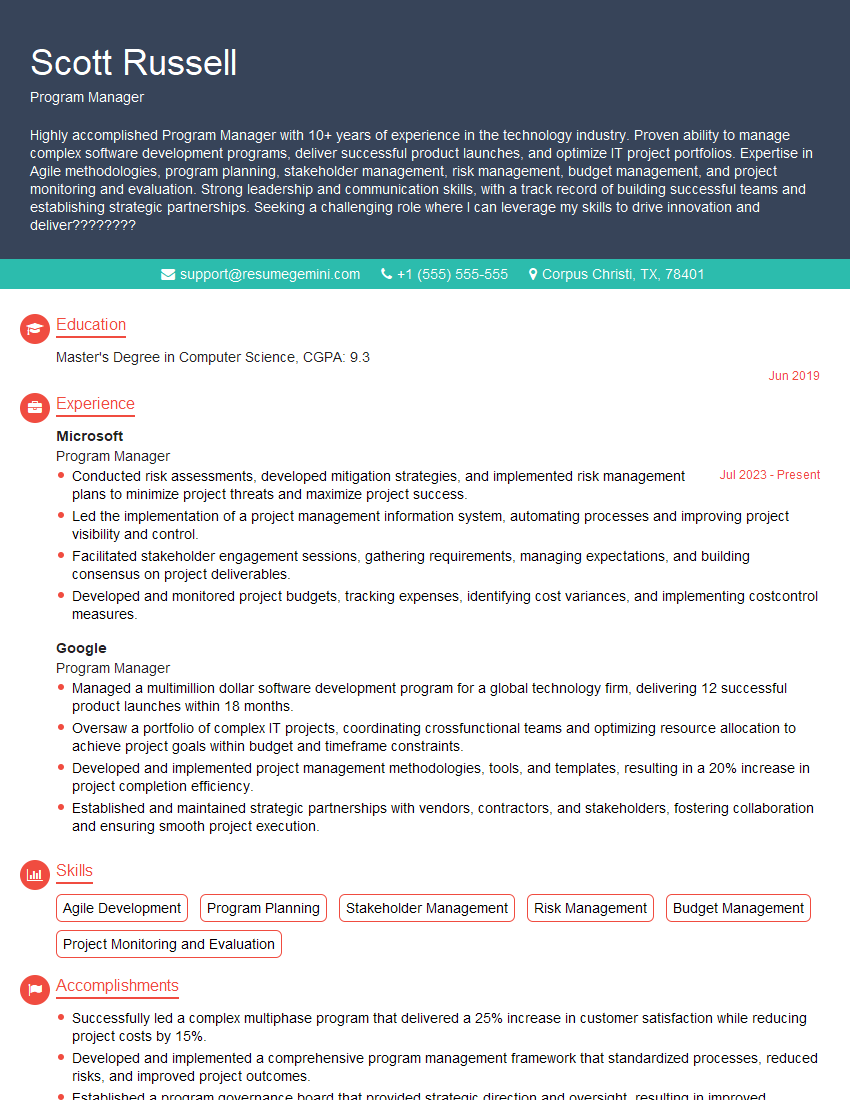
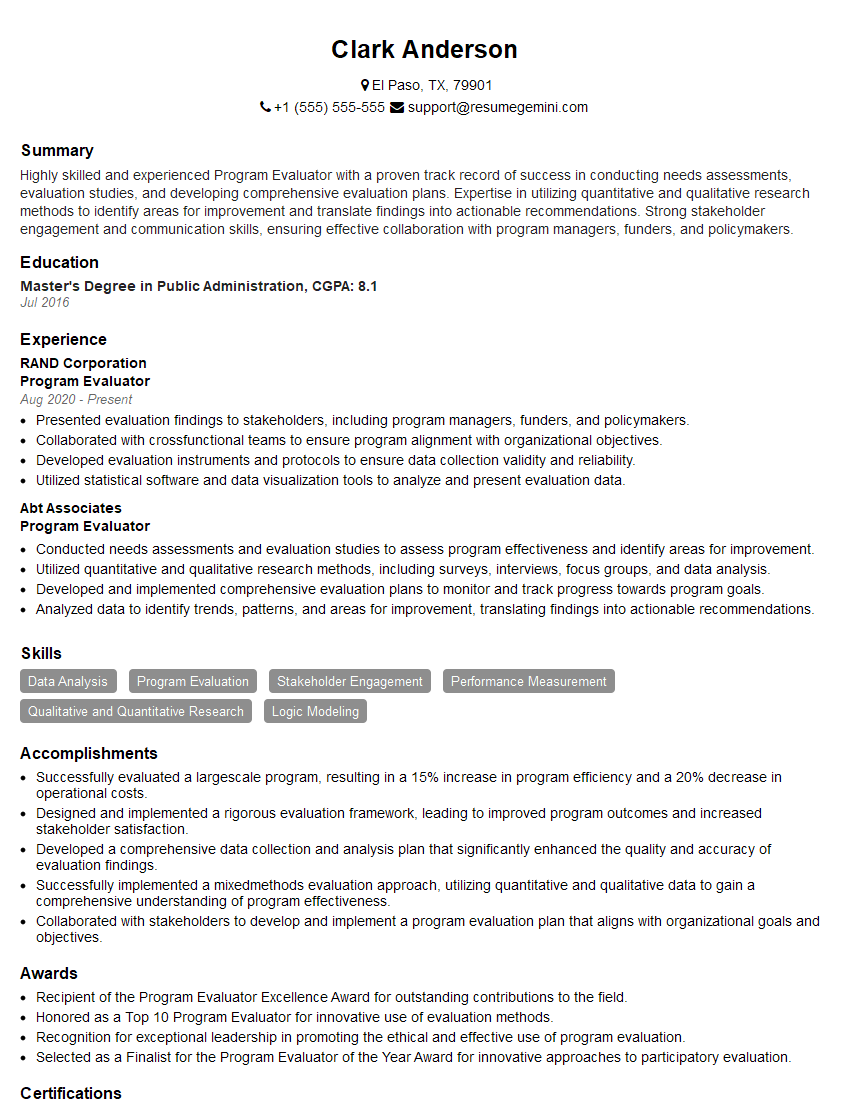
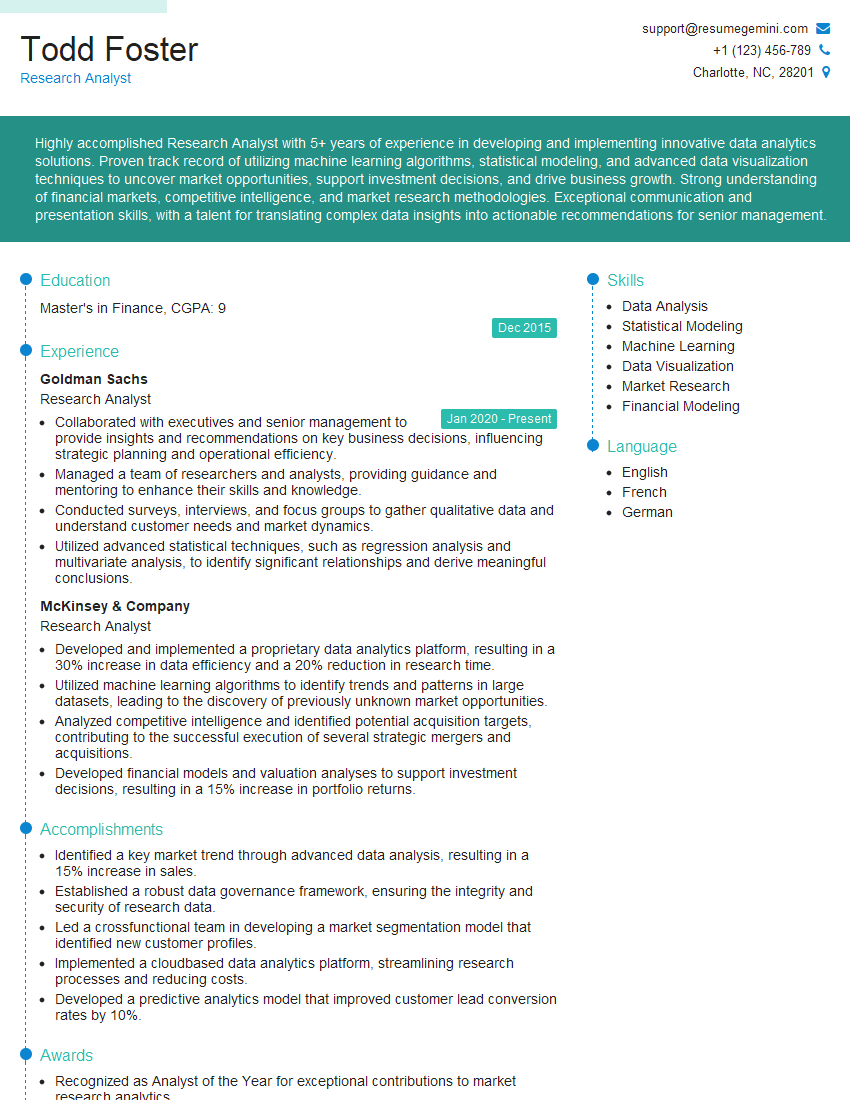
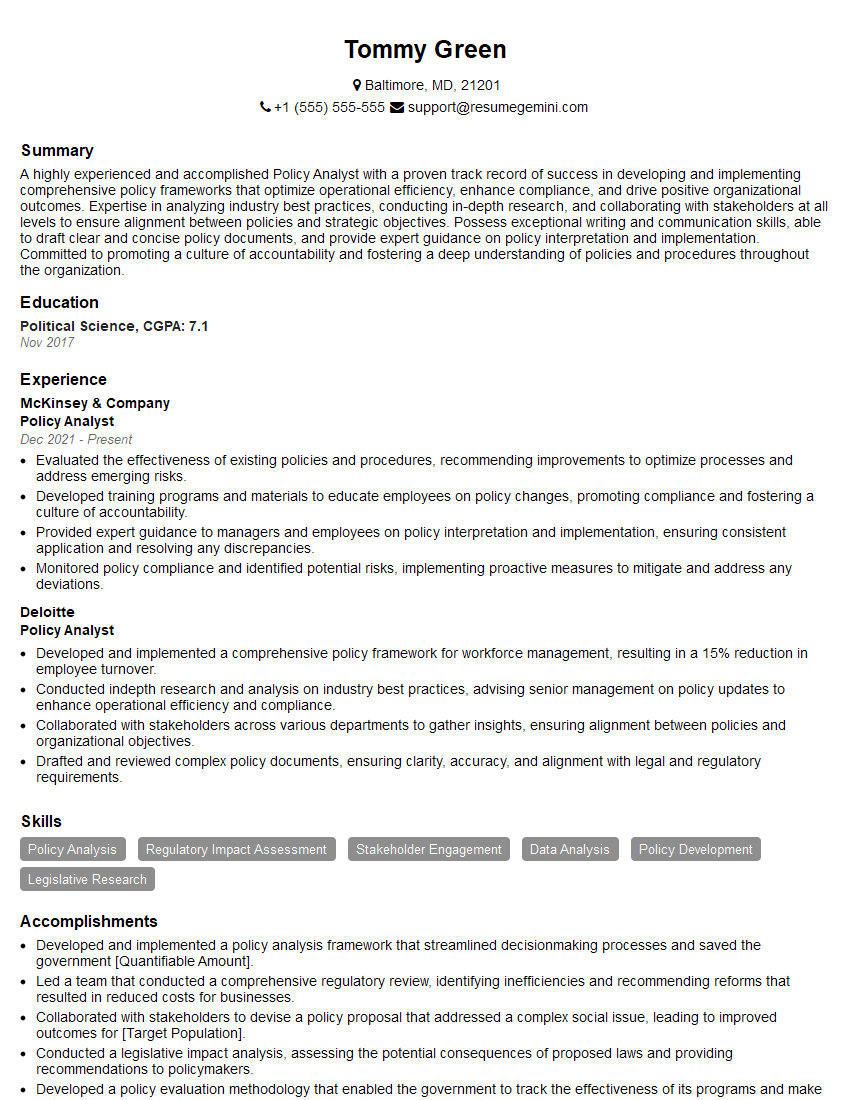
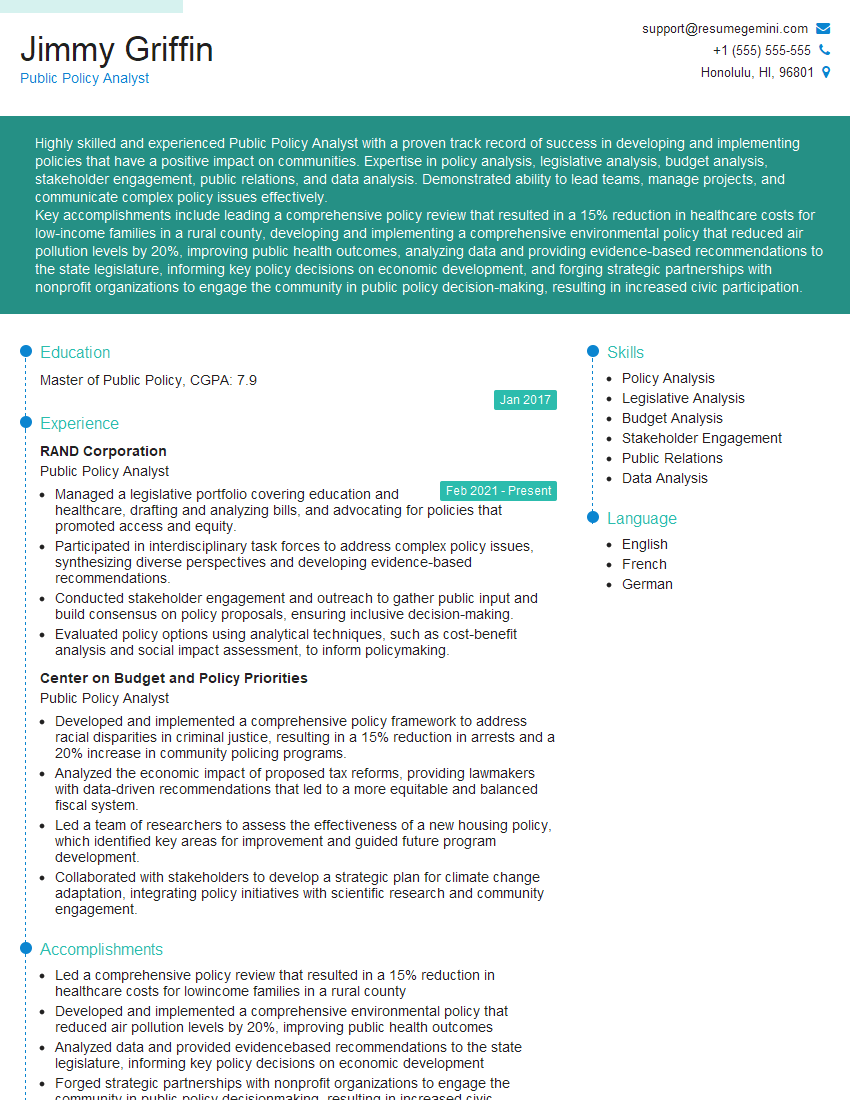
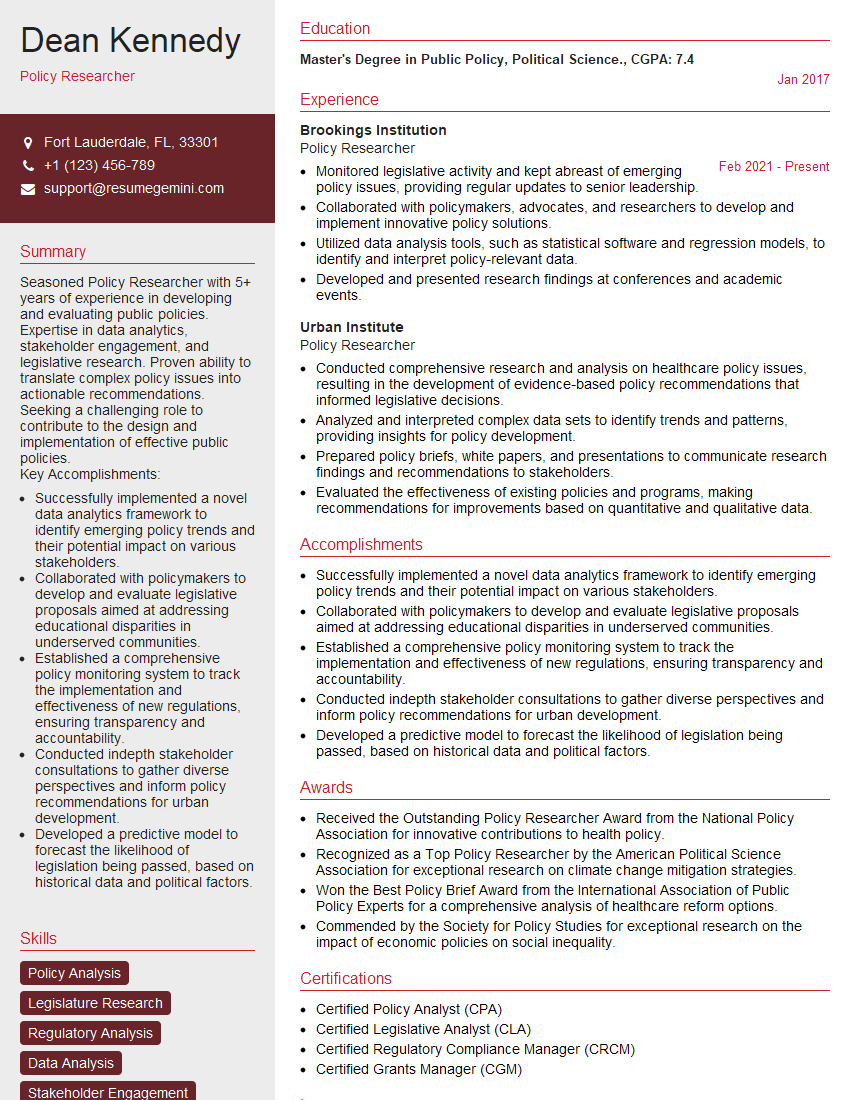
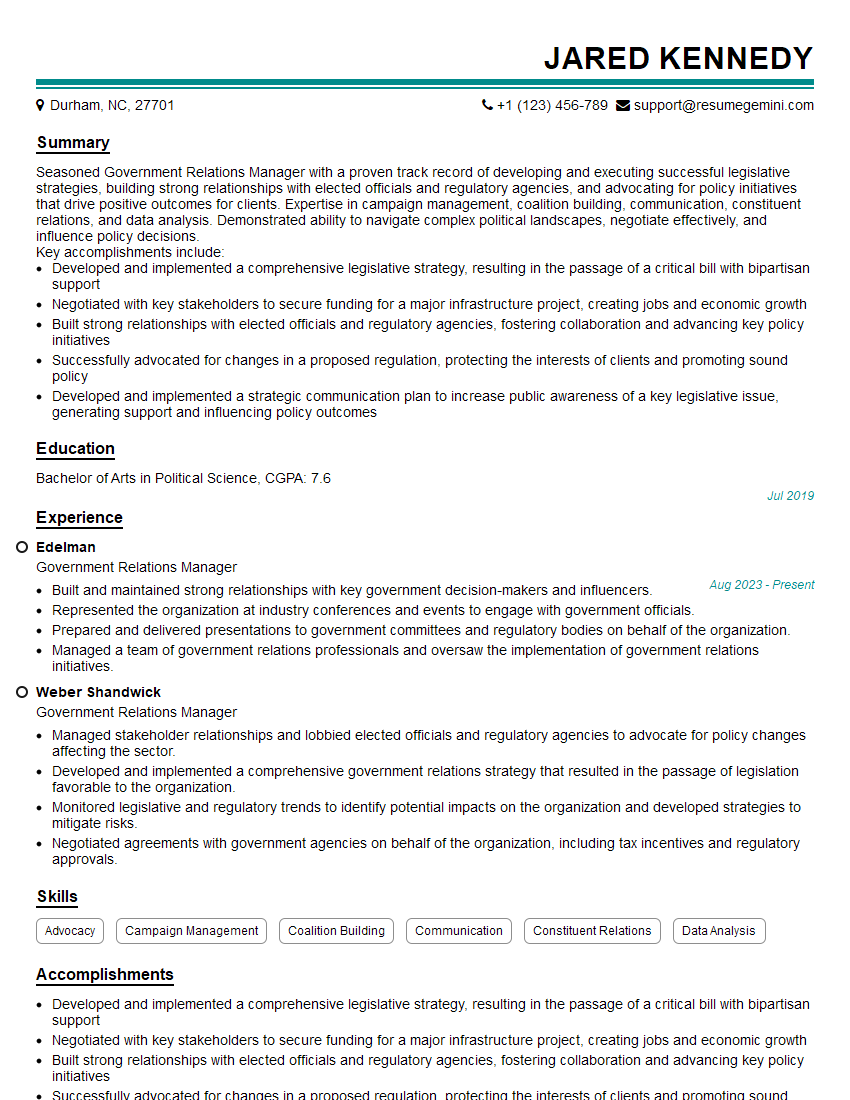
Mastering Social Policy Analysis and Advocacy opens doors to impactful careers where you can directly contribute to positive social change. To maximize your job prospects, a strong, ATS-friendly resume is essential. ResumeGemini is a trusted resource that can help you craft a compelling resume that showcases your skills and experience effectively. We provide examples of resumes tailored specifically to Social Policy Analysis and Advocacy to help you get started. Take the next step towards your dream career – build your best resume with ResumeGemini.

Explore more articles
Users Rating of Our Blogs
Share Your Experience
We value your feedback! Please rate our content and share your thoughts (optional).
What Readers Say About Our Blog
To the interviewgemini.com Webmaster.
Very helpful and content specific questions to help prepare me for my interview!
Thank you
To the interviewgemini.com Webmaster.
This was kind of a unique content I found around the specialized skills. Very helpful questions and good detailed answers.
Very Helpful blog, thank you Interviewgemini team.