Are you ready to stand out in your next interview? Understanding and preparing for Steam Trap Inspection interview questions is a game-changer. In this blog, we’ve compiled key questions and expert advice to help you showcase your skills with confidence and precision. Let’s get started on your journey to acing the interview.
Questions Asked in Steam Trap Inspection Interview
Q 1. Explain the different types of steam traps and their applications.
Steam traps are crucial components in steam systems, automatically releasing condensate (water formed from steam) while preventing the escape of valuable steam. Different types cater to various applications and pressure conditions. Here are some common types:
- Thermostatic Traps: These rely on the temperature difference between steam and condensate. A common example is the bimetallic trap, using a bimetallic strip that bends and closes the valve as condensate cools. They are simple, inexpensive, and suitable for low-pressure applications. However, they can be slow to respond and are sensitive to dirt and scale.
- Thermodynamic Traps: These utilize the difference in energy between steam and condensate. A thermodynamic trap, for instance, uses the kinetic energy of flashing steam to open and close the valve. They are more responsive than thermostatic traps and less sensitive to dirt, making them a good choice for medium-pressure applications. However, they can be more expensive.
- Mechanical Traps: These use the physical properties of condensate (e.g., its higher density) to operate. A float and thermostatic trap, for example, uses a float to detect condensate level and control valve operation. They are robust and suitable for various applications. They are often used in high-pressure applications or those handling large volumes of condensate.
- Inverted Bucket Traps: These use a bucket that is filled by condensate. When full, the bucket’s weight closes the valve. Once the condensate is discharged, the bucket lightens, and the valve opens. Simple, reliable, and suitable for medium-pressure applications.
Application Examples: A thermostatic trap might be ideal for a small heating coil, while a thermodynamic trap would be better suited for a larger process heating system. A mechanical float and thermostatic trap is commonly found in large industrial applications where reliability is critical.
Q 2. Describe the common causes of steam trap failure.
Steam trap failures stem from several common causes, often related to the buildup of contaminants or mechanical wear and tear. Here are some key culprits:
- Scale and Dirt Buildup: Over time, minerals and impurities in the condensate can accumulate, interfering with the trap’s internal mechanisms and hindering proper operation.
- Erosion and Corrosion: The constant flow of high-pressure steam and condensate can lead to erosion and corrosion of internal components, reducing their effectiveness and lifespan.
- Freezing: In cold climates, if condensate freezes, it can damage or block the trap’s internal parts.
- Mechanical Wear: Moving parts wear out over time due to repeated operation. This can lead to leakage of steam or failure to properly close the valve.
- Improper Installation:Incorrect installation, such as incorrect orientation or inadequate support, can cause malfunction or premature failure.
Think of it like a faucet: if you leave it running too long, it’ll eventually leak or wear out. Similarly, steam traps suffer from constant use and exposure to harsh conditions.
Q 3. How do you identify a malfunctioning steam trap?
Identifying a malfunctioning steam trap requires a combination of visual inspection and some simple tests. Look for:
- Visible Steam Leaks: Obvious steam escaping from the trap is a clear indication of failure.
- Excessive Condensate: A constantly dripping trap may indicate the valve is stuck open.
- Loud Noise: Unusual sounds, such as gurgling or hammering, often point towards internal problems.
- Trap Surface Temperature: An excessively hot trap may indicate continuous steam flow, whereas an unusually cold one may suggest a clogged trap.
- Touch Test: A careful touch (after allowing time to cool) can reveal excessively hot or cold surfaces indicating potential issues.
These observations are initial clues to further testing. For instance, a steam trap constantly emitting steam wastes energy and money, while one stuck closed can lead to water hammer in the system.
Q 4. What are the different methods for testing steam traps?
Testing steam traps ensures proper functionality and prevents costly downtime and energy losses. Several methods exist:
- Ultrasonic Testing: This non-invasive method uses ultrasonic sensors to detect the presence of steam or condensate, identifying leaks and malfunctioning traps. This is a quick and efficient way to locate problems without disrupting the system.
- Thermal Imaging: Infrared cameras reveal temperature variations, allowing technicians to pinpoint steam leaks and identify traps that are not functioning correctly. It’s a visual and efficient approach.
- Pressure Testing: This involves isolating the trap and applying pressure to check for leaks. While more disruptive than non-invasive methods, this gives precise verification. It’s usually done on individual traps that show potential issues after an initial assessment.
- Temperature Difference Monitoring: This method involves checking the difference in temperature between the inlet and outlet of the steam trap. A small temperature difference signifies proper function, while a large difference may suggest inefficiency or complete failure. It’s a simple, yet effective, way to monitor system health.
The choice of method depends on factors like accessibility, the size of the system, and available resources. Often, a combination of techniques provides the most comprehensive assessment.
Q 5. Explain the importance of regular steam trap maintenance.
Regular steam trap maintenance is essential for optimal system efficiency, cost savings, and safety. Neglecting maintenance leads to significant problems. Here’s why it’s vital:
- Energy Savings: Faulty traps waste valuable steam, leading to increased energy consumption and higher operating costs. Regular maintenance helps you avoid this.
- Improved System Efficiency: Well-maintained traps ensure proper condensate removal, maintaining optimal system performance.
- Reduced Downtime: Preventive maintenance identifies and addresses potential problems before they cause major disruptions and costly repairs.
- Safety: Faulty traps can lead to water hammer, a phenomenon that can damage pipes and equipment, posing safety risks. Regular maintenance prevents these problems.
- Extended Trap Lifespan: Regular cleaning and checks increase the life expectancy of your steam traps, saving on replacement costs.
Think of it like servicing your car regularly – it’s an investment that pays off in the long run. Preventative maintenance is far cheaper than emergency repairs.
Q 6. What are the consequences of a faulty steam trap?
A faulty steam trap has multiple negative consequences, impacting efficiency, safety, and the bottom line:
- Energy Waste: The most significant consequence is the loss of valuable steam, resulting in increased energy costs. This can be substantial in large industrial settings.
- Reduced Process Efficiency: Inefficient condensate removal leads to decreased process efficiency, affecting production rates and product quality.
- Equipment Damage: Water hammer, caused by the accumulation of condensate, can severely damage pipes, valves, and other equipment.
- Increased Maintenance Costs: The cumulative cost of repairs and replacements due to neglected maintenance far exceeds the cost of preventive measures.
- Safety Hazards: Water hammer and steam leaks pose serious safety risks to personnel.
Ignoring a faulty steam trap can have a domino effect, leading to a series of escalating problems that are much more expensive and time-consuming to fix than the initial issue. A timely intervention is always less costly and safer.
Q 7. Describe the process of replacing a steam trap.
Replacing a steam trap involves a series of steps that should always prioritize safety. Here’s a general outline:
- Isolate the Trap: Shut off the steam supply to the trap and allow the system to cool down completely. This is critical for safety, preventing burns.
- Drain the Line: Open any drain valves to remove any remaining condensate or steam from the line.
- Disconnect the Trap: Carefully disconnect the inlet and outlet piping from the trap, ensuring proper valve isolation. Note the position of the trap and take photographs to aid reinstallation.
- Remove the Old Trap: Remove the old, faulty trap from its mounting. Note any gasket materials or unique components for accurate replacement.
- Install the New Trap: Carefully install the new steam trap, ensuring proper orientation and alignment. Use new gaskets to ensure a leak-proof seal.
- Reconnect the Piping: Reconnect the inlet and outlet piping to the new trap.
- Test the Trap: After reconnecting, open the steam supply valves and test the functionality of the new steam trap using one of the methods discussed earlier. Ensure correct operation to avoid repeat problems.
- Inspect for Leaks: Thoroughly inspect all connections for leaks. If leaks are present, tighten fittings or replace gaskets as needed.
Always consult the manufacturer’s instructions for specific guidance and safety precautions. Failure to follow the correct procedure can lead to system damage or personnel injury. If you are not confident in carrying out this procedure yourself, engaging a qualified engineer is essential.
Q 8. How do you determine the appropriate type of steam trap for a specific application?
Selecting the right steam trap is crucial for efficient steam system operation. The process involves considering several factors. First, identify the application’s pressure and temperature conditions. Different traps are designed to handle varying ranges. For instance, a high-pressure application requires a trap rated for that pressure, while a low-pressure application might utilize a different type. Second, determine the type of condensate load. Is it continuous, intermittent, or flash steam? Thermostatic traps are suitable for continuous loads, while thermodynamic traps excel in handling flash steam. Third, consider the potential for contaminants like dirt or chemicals in the steam; this might influence the choice towards a trap with self-cleaning capabilities. Finally, the cost and maintenance requirements of each type should be evaluated. For example, a simple thermostatic trap might be less expensive initially but require more frequent maintenance than a more robust, but pricier, thermodynamic trap. Ignoring any of these factors can lead to inefficient steam usage, energy waste, and premature equipment failure.
Example: A process requiring a large volume of condensate at relatively low pressure might benefit from a float and thermostatic trap. Conversely, a high-pressure superheated steam line might necessitate a thermodynamic trap due to its ability to handle flash steam effectively.
Q 9. What safety precautions should be taken when inspecting steam traps?
Safety is paramount when inspecting steam traps. Remember, you’re dealing with high-temperature and high-pressure steam. Always ensure the system is properly isolated and depressurized before commencing any inspection. This means locking out and tagging out the relevant valves to prevent accidental activation. Wear appropriate personal protective equipment (PPE), including heat-resistant gloves, safety glasses, and closed-toe shoes. Be mindful of potential scalding from trapped condensate or steam release. If you encounter any leaks or suspect a malfunction, immediately report it to your supervisor and do not attempt repairs without proper training and authorization. Regular inspections, even when no issues are apparent, are crucial for proactive maintenance.
Q 10. How do you interpret steam trap testing results?
Interpreting steam trap test results requires understanding the different testing methods. Simple methods like the temperature difference check across the trap can reveal whether the trap is properly discharging condensate. A significant temperature difference suggests possible malfunction. More advanced methods like acoustic testing use sound waves to detect internal trap components’ operation, while ultrasonic testing can pinpoint leaks or blockages. Thermal imaging can visualize heat signatures, helping to identify trapped condensate or steam leaks. Each testing method produces specific data which needs to be analyzed within the context of the specific trap type and application. For instance, a slightly elevated temperature difference might be acceptable for a thermodynamic trap, but a large difference suggests a problem. It’s vital to document all test results and compare them to the manufacturer’s specifications and established benchmarks for that type of trap.
Q 11. What are the key performance indicators (KPIs) for steam trap performance?
Key Performance Indicators (KPIs) for steam trap performance revolve around efficiency, reliability, and safety. They include condensate discharge rate (how much condensate is removed efficiently), steam loss (minimizing uncontrolled steam escaping), trap failure rate (number of failures over time), and maintenance frequency (frequency of repairs or replacements). These KPIs can be tracked using a combination of manual inspections, automated monitoring systems, and data logging devices. Monitoring these KPIs allows for proactive maintenance and early detection of potential problems. For example, a consistently high steam loss rate suggests a malfunctioning trap, warranting immediate attention. Tracking trap failure rate over time can help identify problematic trap types or locations in the system, guiding maintenance strategies. Well-defined KPIs contribute to energy conservation, improved operational efficiency, and a safer working environment.
Q 12. Explain the concept of steam trap sizing.
Steam trap sizing is a critical aspect of steam system design. Improper sizing can lead to inefficient operation and premature failure. The process involves calculating the expected condensate load—the volume of condensate generated by the process equipment—which is then used to select a trap with a sufficient capacity. Factors considered include the steam pressure, temperature, the type of equipment (e.g., heat exchanger, process vessel), and the duration of steam usage. Undersized traps struggle to handle the condensate load, leading to water hammer, inefficient heat transfer, and potential damage to equipment. Oversized traps may result in excessive steam loss, leading to increased energy consumption and operational costs. Sizing calculations usually involve using manufacturer’s data and steam tables to determine the required trap capacity in terms of condensate flow rate. Software tools are often available to streamline this process, incorporating factors like pressure drop and condensate subcooling.
Q 13. How do you troubleshoot a steam trap that is leaking?
A leaking steam trap wastes energy and creates a safety hazard. Troubleshooting involves systematically identifying the cause of the leak. Is it a continuous leak or an intermittent one? The location of the leak is also important; it might be from the trap body, valve seat, or connections. Inspect the trap for visible damage or corrosion. If the leak is continuous, this could indicate a faulty valve or a worn-out sealing element. An intermittent leak might point towards problems with the trap’s internal mechanism. Consider the trap’s operating pressure and temperature and compare it to its rated capacity. Pressure testing the trap (after proper isolation) can help identify weak points. It might be necessary to disassemble the trap for a thorough examination and to determine whether parts need replacement or the whole trap needs replacement. A thorough inspection and diagnosis are needed to determine whether repair or replacement is the more cost-effective solution.
Q 14. How do you troubleshoot a steam trap that is not trapping?
A steam trap that’s not trapping indicates a failure to remove condensate efficiently. This can lead to water hammer, reduced heat transfer, and equipment damage. First, check the upstream and downstream pressures to verify if the trap is receiving sufficient pressure to operate correctly. A clogged trap inlet strainer or a blockage within the trap itself can prevent condensate from entering or exiting. Inspect the trap for any visual signs of blockage. Also, examine the trap’s operating mechanism; it could be stuck or malfunctioning, either mechanically or due to thermal issues. An incorrect installation or piping configuration may also be at fault. Testing the trap using various methods (mentioned earlier) will help pinpoint the exact issue. Again, documentation of all steps taken and observations is vital. If the problem remains unresolved after visual inspection and simple tests, more sophisticated testing methods may be required to diagnose and resolve the failure. Remember always to isolate the system before attempting any repairs or maintenance.
Q 15. What are the common causes of steam hammer?
Steam hammer, that rhythmic banging sound emanating from steam traps, is a clear indicator of a problem. It’s essentially the uncontrolled release of steam in short bursts, creating a hammering effect. This is caused by several factors, often interlinked:
- Trapped Air: Air in the system can accumulate in the trap, preventing proper condensate drainage and leading to cyclical venting of steam.
- Faulty Trap: A malfunctioning steam trap, whether due to internal component failure (like a worn-out valve or piston) or a build-up of scale and debris, will fail to differentiate between steam and condensate, resulting in steam escaping.
- Incorrect Trap Sizing: A trap that’s too small for the load can’t handle the condensate flow efficiently, leading to waterlogging and intermittent steam release.
- Excessive Condensate Load: An unexpectedly high condensate load can overwhelm the trap, causing steam to momentarily escape.
- Water Hammer in the Piping: While not directly a steam trap issue, rapid changes in water flow can create water hammer, which might be mistaken for steam hammer. This is often caused by problems in the piping system, such as restrictions, changes in direction, or excessive pressure fluctuations.
Imagine a leaky faucet; it’s a similar principle – uncontrolled release of a fluid (steam instead of water) causing noise and waste.
Career Expert Tips:
- Ace those interviews! Prepare effectively by reviewing the Top 50 Most Common Interview Questions on ResumeGemini.
- Navigate your job search with confidence! Explore a wide range of Career Tips on ResumeGemini. Learn about common challenges and recommendations to overcome them.
- Craft the perfect resume! Master the Art of Resume Writing with ResumeGemini’s guide. Showcase your unique qualifications and achievements effectively.
- Don’t miss out on holiday savings! Build your dream resume with ResumeGemini’s ATS optimized templates.
Q 16. How do you prevent steam hammer?
Preventing steam hammer requires a proactive approach involving regular maintenance and careful system design:
- Proper Installation: Ensure traps are installed correctly, vertically for most types, to avoid air pockets and promote efficient drainage.
- Regular Inspection and Testing: Implement a routine inspection program including both visual and thermal checks to identify leaking traps early.
- Effective Condensate Removal: Optimize the condensate system to ensure efficient removal of condensate, reducing the load on the traps.
- Correct Trap Selection and Sizing: Choose traps appropriate for the application and steam load. Oversizing is not always better, as it can exacerbate some issues.
- Proper Air Venting: Incorporate effective air vents in the steam system to prevent air accumulation.
- Regular Cleaning and Maintenance: Remove scale and debris that can build up inside the traps, impeding their function.
- Steam Trap Monitoring System: The most efficient way is to use a system that monitors the performance of individual traps constantly, alerting you to any issue immediately.
Think of preventative maintenance like regularly servicing your car – small steps to prevent larger, more costly problems later.
Q 17. What is the role of insulation in steam trap efficiency?
Insulation plays a crucial role in optimizing steam trap efficiency and reducing energy waste. By minimizing heat loss from the condensate lines and steam piping, insulation keeps the condensate hotter for longer. This is important because hotter condensate remains in a liquid state and will drain through the trap more easily, reducing the likelihood of steam escaping. Conversely, heat loss can cause the condensate to cool, possibly leading to incomplete drainage and steam venting.
Imagine leaving a cup of hot coffee uncovered – it cools quickly. Similarly, heat loss from poorly insulated pipes can lead to inefficient steam trap operation, leading to increased energy consumption and wasted steam.
Q 18. What are the benefits of using a steam trap monitoring system?
Steam trap monitoring systems offer significant benefits, leading to substantial cost savings and improved operational efficiency. Here are some key advantages:
- Early Leak Detection: They identify failing traps quickly, preventing major energy loss and costly repairs.
- Reduced Energy Consumption: By promptly identifying and fixing faulty traps, energy waste is significantly minimized.
- Improved Process Efficiency: Maintaining optimal steam pressure and temperature leads to improved efficiency of steam-driven equipment.
- Predictive Maintenance: The data collected helps anticipate potential issues and plan maintenance proactively, reducing downtime.
- Enhanced Safety: Leaks can cause safety hazards; monitoring systems help prevent these.
- Data-Driven Decision Making: Real-time data enables informed decisions regarding maintenance and process optimization.
Think of them as a ‘health check’ for your steam traps, providing early warnings of potential problems before they escalate.
Q 19. Describe the different types of steam trap monitoring systems.
Various steam trap monitoring systems exist, each with its strengths and weaknesses:
- Thermal Imaging Cameras: These cameras detect temperature differences indicating potential leaks or inefficient traps. This is a good method for large-scale inspections.
- Acoustic Monitoring: This system uses microphones to detect the characteristic sounds of leaking traps, including the tell-tale ‘hammering’ noise.
- Ultrasonic Monitoring: Similar to acoustic monitoring, but operates at higher frequencies, allowing for more accurate detection of small leaks in noisy environments.
- Wireless Monitoring Systems: These systems use sensors attached to individual traps that transmit data wirelessly to a central monitoring station, offering real-time information on the performance of each trap.
- Data Loggers: These devices record data over time, enabling analysis of trap performance trends and identifying patterns.
The choice of system depends on factors like budget, plant size, and desired level of detail.
Q 20. How do you calculate the return on investment (ROI) of steam trap maintenance?
Calculating the ROI of steam trap maintenance involves comparing the costs of maintenance with the savings achieved. It’s a straightforward process:
- Calculate Annual Energy Loss due to Faulty Traps: Estimate the amount of steam lost due to malfunctioning traps based on previous inspection reports, or by using specialized software. This is often expressed in terms of dollars per year.
- Estimate Annual Maintenance Costs: This includes labor, parts, and any external services used for inspection, repair, or replacement of steam traps.
- Calculate the Net Savings: Subtract the annual maintenance costs from the annual savings in energy costs. This is the net annual benefit of proactive steam trap maintenance.
- Determine the Payback Period: Divide the initial investment (if any, like purchasing a monitoring system) by the net annual savings to determine the time it takes to recoup the investment.
- Calculate ROI: Once the payback period is established, you can calculate ROI using this formula:
ROI = (Net Annual Savings / Initial Investment) x 100%
A high ROI demonstrates that proactive steam trap maintenance is financially beneficial.
Q 21. What are some common energy-saving strategies related to steam traps?
Numerous energy-saving strategies focus on optimizing steam trap performance:
- Regular Steam Trap Testing and Maintenance: The cornerstone of energy savings, early detection and repair drastically reduce energy waste.
- Proper Insulation: Minimizing heat loss through proper insulation is vital for efficient condensate drainage and reduces wasted steam.
- Improved Condensate Return System: Efficient condensate return systems reduce energy loss associated with draining and reheating condensate.
- Optimize Steam System Design: Avoiding unnecessary piping and ensuring proper system pressure contributes to energy efficiency.
- Implement Steam Trap Monitoring: Real-time monitoring prevents prolonged leakages which consume large amounts of energy.
- Regular Training for Personnel: Ensuring personnel understands the importance of efficient steam trap management is crucial.
By implementing these strategies, you can create a more efficient and cost-effective steam system.
Q 22. What are the environmental impacts of inefficient steam traps?
Inefficient steam traps significantly impact the environment by wasting energy and releasing greenhouse gases. Think of a steam trap as a valve that releases condensate (water formed from steam) while keeping the steam inside the system. If it malfunctions, it can lead to several environmental problems:
- Increased energy consumption: A faulty trap can continuously vent steam, resulting in wasted energy from the boiler. This increased energy demand often leads to burning more fossil fuels, contributing to higher greenhouse gas emissions (CO2, methane, etc.).
- Water wastage: Steam traps that leak or fail to close properly can release large amounts of condensate, wasting water resources. This is particularly problematic in water-scarce regions.
- Air pollution: The increased energy consumption from inefficient steam traps contributes to air pollution, impacting air quality and potentially human health. The combustion of fossil fuels in the boiler releases pollutants into the atmosphere.
For example, a single leaking steam trap in a large industrial plant can waste thousands of dollars worth of energy annually and significantly increase its carbon footprint. Regular inspections and maintenance are crucial to minimizing these environmental impacts.
Q 23. How do you document your steam trap inspection findings?
Documenting steam trap inspection findings is critical for effective maintenance and compliance. My documentation process involves a combination of visual inspection reports, data logging, and photographic evidence. I use a standardized format to ensure consistency and clarity. This typically includes:
- Trap identification: Unique identifier (e.g., tag number, location) of each trap inspected.
- Inspection date and time: Ensures a clear audit trail.
- Trap type and manufacturer: Crucial for understanding the trap’s operation and potential issues.
- Inspection method: Specifies the techniques used (e.g., thermal imaging, acoustic detection, ultrasonic testing).
- Test results: Detailed observations and measurements, including temperature differences, acoustic readings, or pressure readings.
- Trap condition: Assessment of the trap’s functionality—functioning correctly, leaking, stuck open, stuck closed, etc.
- Recommendations: Suggested actions, such as repair, replacement, or further investigation.
- Photographs and diagrams: Visual evidence supporting the findings.
All this information is compiled into a detailed report, often using specialized software (discussed below), and stored securely for future reference. This allows for trend analysis, predictive maintenance, and efficient management of the steam system.
Q 24. What software or tools do you use for steam trap inspection and management?
For steam trap inspection and management, I utilize a combination of software and tools. Software solutions often allow for automated data collection and analysis, generating reports and assisting with predictive maintenance scheduling. For example, some platforms allow you to input trap data, inspection findings, and generate reports visualizing the overall health of your steam system. I also utilize various hardware tools depending on the specific application:
- Thermal imaging cameras: Detect temperature differences indicating steam leaks.
- Ultrasonic leak detectors: Identify hissing sounds associated with leaking steam traps.
- Acoustic emission sensors: Listen for specific sounds indicating trap malfunction.
- Pressure gauges and thermometers: Measure pressure and temperature differentials.
The choice of software and tools depends on the size and complexity of the steam system, the budget, and the level of detail required. In smaller plants, simpler methods might suffice, while large industrial complexes require comprehensive software solutions capable of managing thousands of traps.
Q 25. Describe your experience with different types of steam trap manufacturers.
Throughout my career, I’ve worked extensively with a wide range of steam trap manufacturers, including Spirax Sarco, TLV, Armstrong, and many others. Each manufacturer has its own design philosophy, strengths, and weaknesses. For example:
- Spirax Sarco is known for its robust and reliable designs, often favored in demanding industrial applications.
- TLV focuses on innovative technologies, such as their unique thermodynamic steam traps, offering high efficiency.
- Armstrong offers a diverse product line covering a broad spectrum of applications and budgets.
My experience extends beyond simply identifying manufacturers; I understand their different operating principles (thermostatic, thermodynamic, mechanical), their maintenance requirements, and their common failure modes. This knowledge allows me to provide targeted and effective solutions for maintaining efficient steam systems regardless of the manufacturer.
Q 26. Explain your understanding of steam trap capacity and its impact on system performance.
Steam trap capacity refers to its ability to handle the flow rate of condensate under specific operating conditions. Undersizing a steam trap can lead to condensate buildup, resulting in reduced efficiency and potential damage to equipment. Conversely, oversizing can lead to steam loss. The right capacity ensures the efficient removal of condensate without losing precious steam.
For example, if a steam trap is undersized for a particular heating coil, the condensate won’t be drained efficiently. This can lead to water hammer (a damaging surge of pressure), reduced heating efficiency, and potential corrosion. If over-sized, steam will be wasted along with the condensate. Careful calculation of the condensate load and selection of an appropriately sized trap are essential for optimal system performance. Factors like operating pressure, temperature, and the type of equipment being drained will influence the required capacity.
Q 27. How do you handle emergency situations related to steam trap failures?
Emergency situations relating to steam trap failures can range from minor leaks to significant steam releases. My approach to such situations is systematic and prioritizes safety:
- Immediate isolation: The first step is to isolate the affected steam trap from the system, minimizing further steam loss and preventing potential damage to downstream equipment. This often involves closing valves strategically upstream and downstream of the failed trap.
- Safety assessment: Assess the potential hazards, including scalding, burns, and damage to surrounding equipment. If it is unsafe to proceed, I will call for assistance immediately.
- Damage control: Implement measures to contain any steam leaks and prevent further escalation of the problem, which might include using temporary patching methods.
- Repair or replacement: Once the situation is safe, prioritize identifying the root cause of the failure and implement appropriate actions (repair or replacement of the steam trap).
- Documentation: Thoroughly document the incident, including the cause of the failure, the steps taken to address the issue, and the preventative measures implemented to prevent recurrence.
Regular preventive maintenance is the best way to avoid such emergencies. Early detection of problems through scheduled inspections can prevent major failures and ensures the safe and continuous operation of the steam system.
Q 28. Describe your experience working with various types of steam systems.
My experience encompasses a wide variety of steam systems, from small-scale applications in commercial buildings to large-scale industrial processes. I’ve worked with diverse applications, including:
- Heating systems: Providing heat for process applications, space heating, and domestic hot water.
- Process systems: Used in various industries, including food processing, pharmaceuticals, and chemicals, where precise temperature control is crucial.
- Power generation: Though less directly involved in the trap itself, an understanding of steam conditions and processes is vital in larger power plants
The design and operating conditions of steam systems vary significantly depending on the application. For instance, a low-pressure heating system will have different requirements than a high-pressure process system. My expertise lies in understanding these differences and applying appropriate maintenance strategies to each individual system.
Key Topics to Learn for Steam Trap Inspection Interview
- Types of Steam Traps: Understanding the various types (thermodynamic, mechanical, thermostatic) and their operating principles is fundamental. Consider their strengths and weaknesses in different applications.
- Inspection Methods: Master the practical techniques for inspecting steam traps, including visual inspections, acoustic listening, and thermal imaging. Be prepared to discuss the advantages and limitations of each method.
- Identifying Malfunctions: Learn to recognize the signs of a malfunctioning steam trap, such as excessive noise, water hammer, or steam leaks. Practice diagnosing common problems and explaining your troubleshooting process.
- Maintenance and Repair: Familiarize yourself with routine maintenance procedures and common repair techniques. Be ready to discuss preventative maintenance strategies and their impact on efficiency.
- Energy Efficiency and Cost Savings: Understand how efficient steam trap operation contributes to reducing energy consumption and overall operational costs. Be able to quantify these benefits.
- Safety Procedures: Demonstrate a thorough understanding of safety protocols associated with steam systems and trap inspection. This includes proper PPE usage and awareness of potential hazards.
- Instrumentation and Data Analysis: Explore the use of instrumentation (e.g., pressure gauges, temperature sensors) in steam trap inspection and how to interpret the collected data to make informed decisions.
- Troubleshooting Complex Scenarios: Prepare to discuss your approach to diagnosing and resolving complex steam trap issues involving multiple factors or unusual symptoms.
Next Steps
Mastering steam trap inspection opens doors to rewarding careers in industrial maintenance, energy management, and process engineering. Your expertise in ensuring efficient and safe steam systems will be highly valued. To maximize your job prospects, create a strong, ATS-friendly resume that highlights your skills and experience. ResumeGemini is a trusted resource to help you build a professional resume that showcases your qualifications effectively. Examples of resumes tailored to Steam Trap Inspection are available to guide you.

Operations Manager Resume Sample
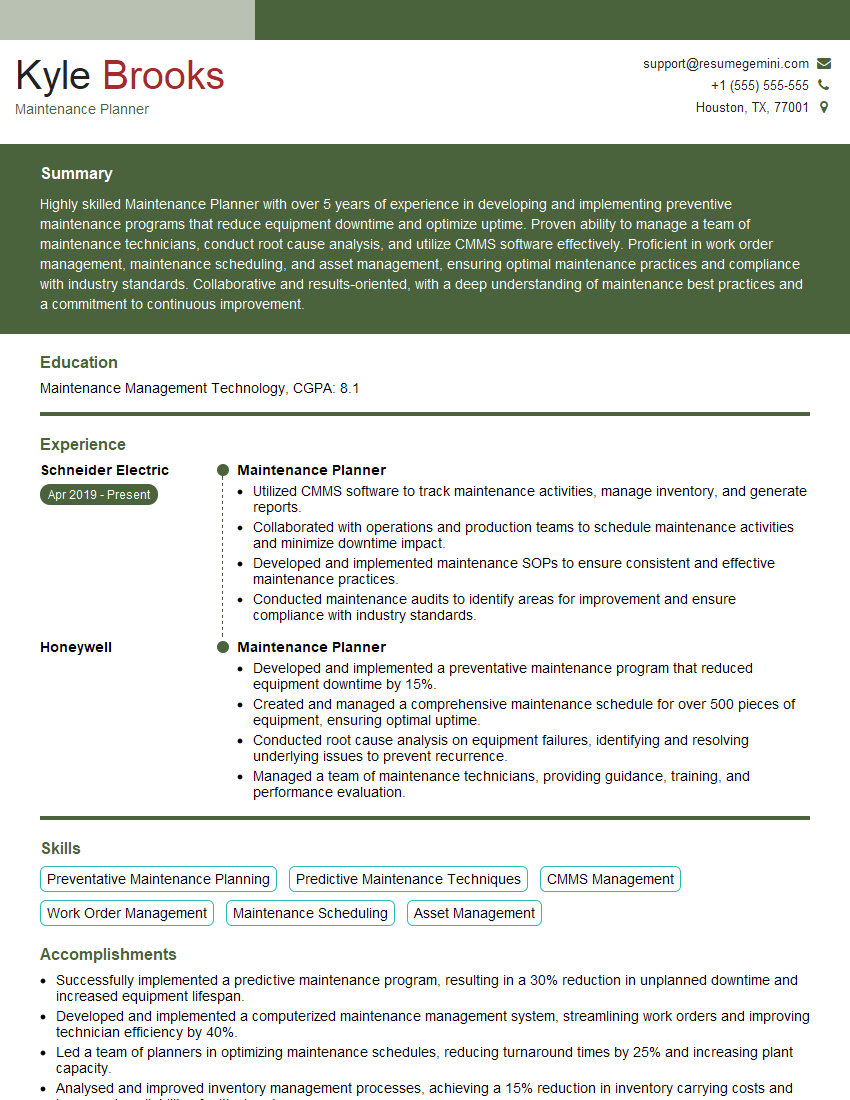
Maintenance Planner Resume Sample

Maintenance Supervisor Resume Sample

Project Engineer Resume Sample

Reliability Engineer Resume Sample
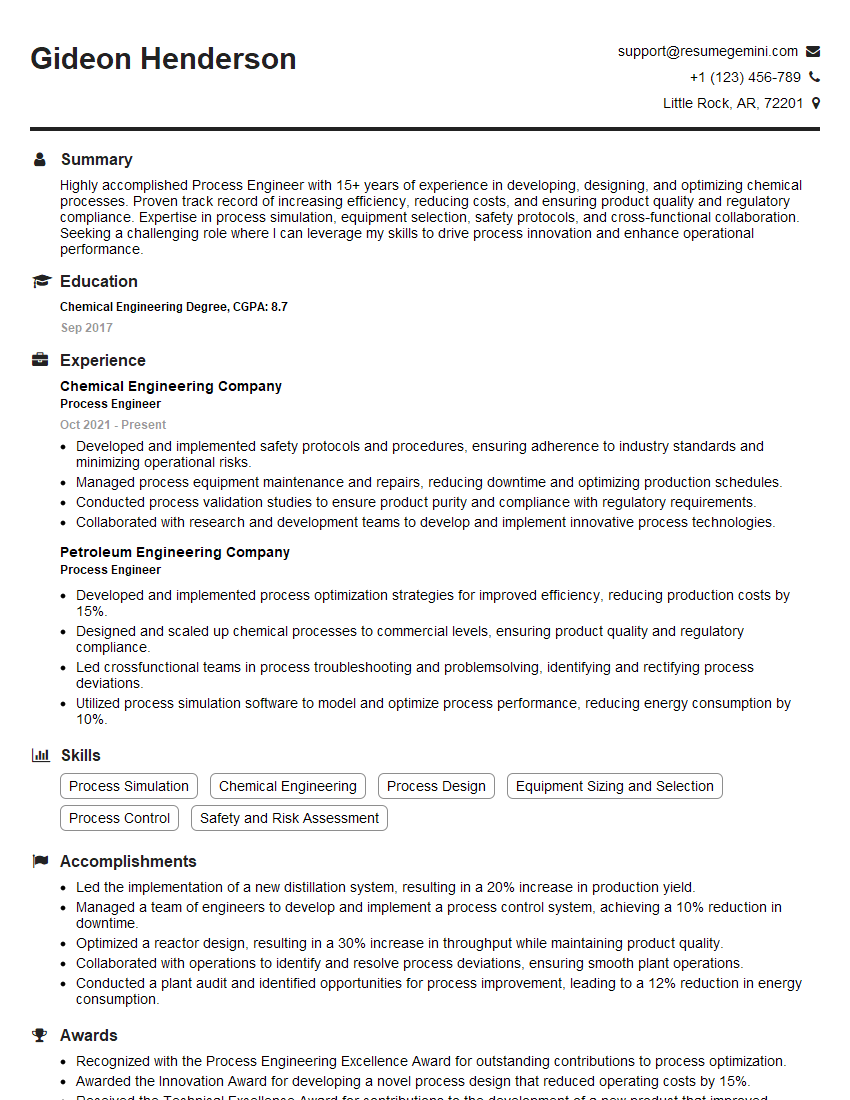
Process Engineer Resume Sample
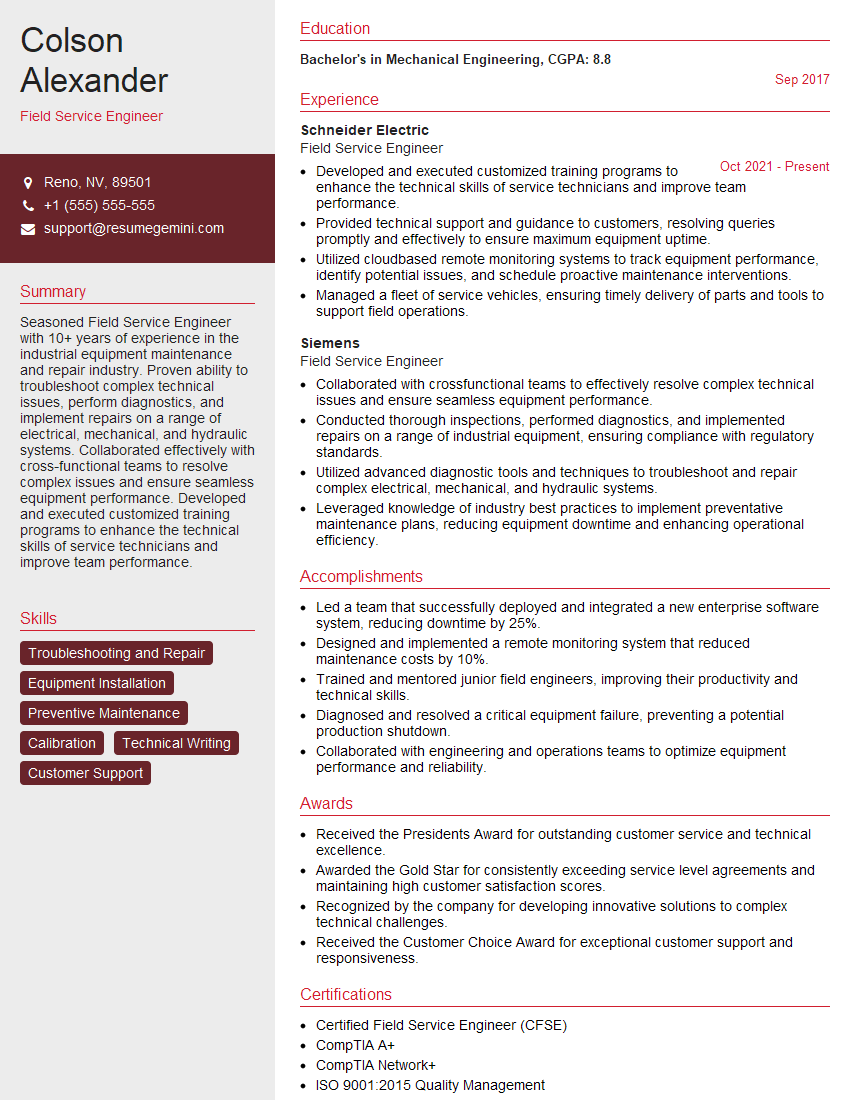
Field Service Engineer Resume Sample

Commissioning Engineer Resume Sample
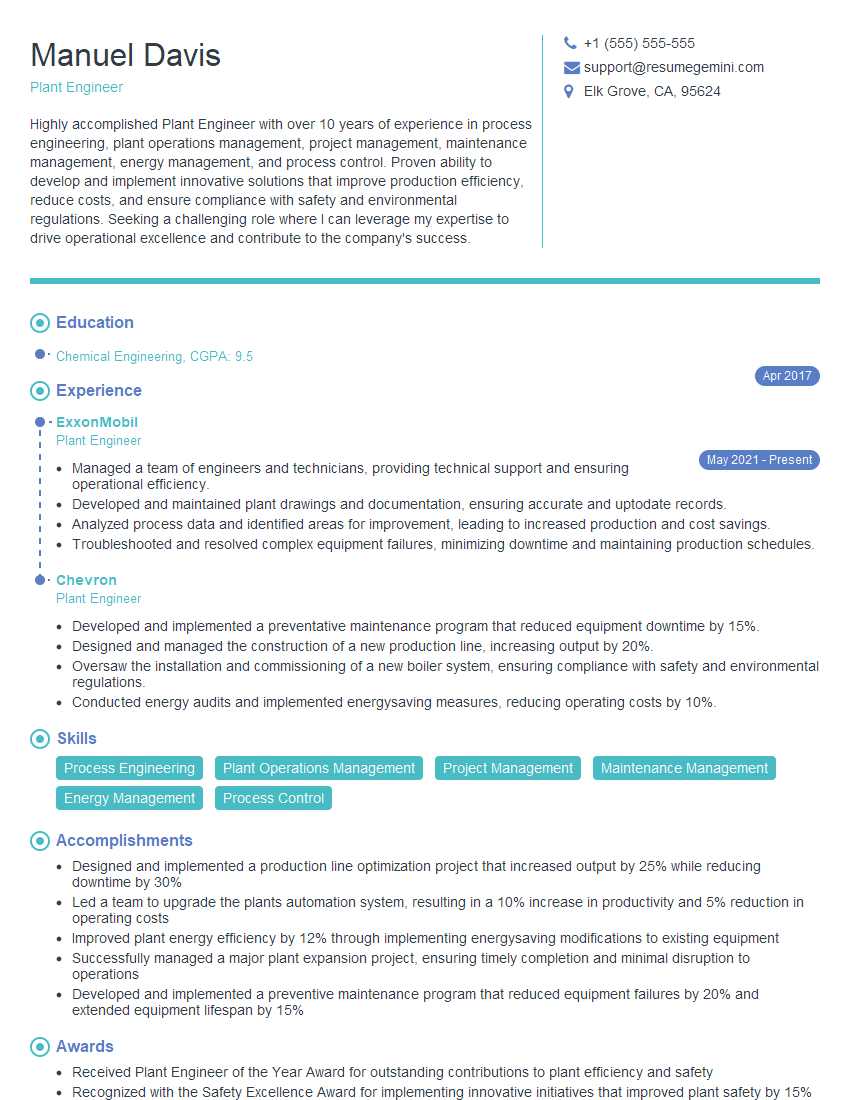
Plant Engineer Resume Sample

Technical Supervisor Resume Sample

Energy Manager Resume Sample
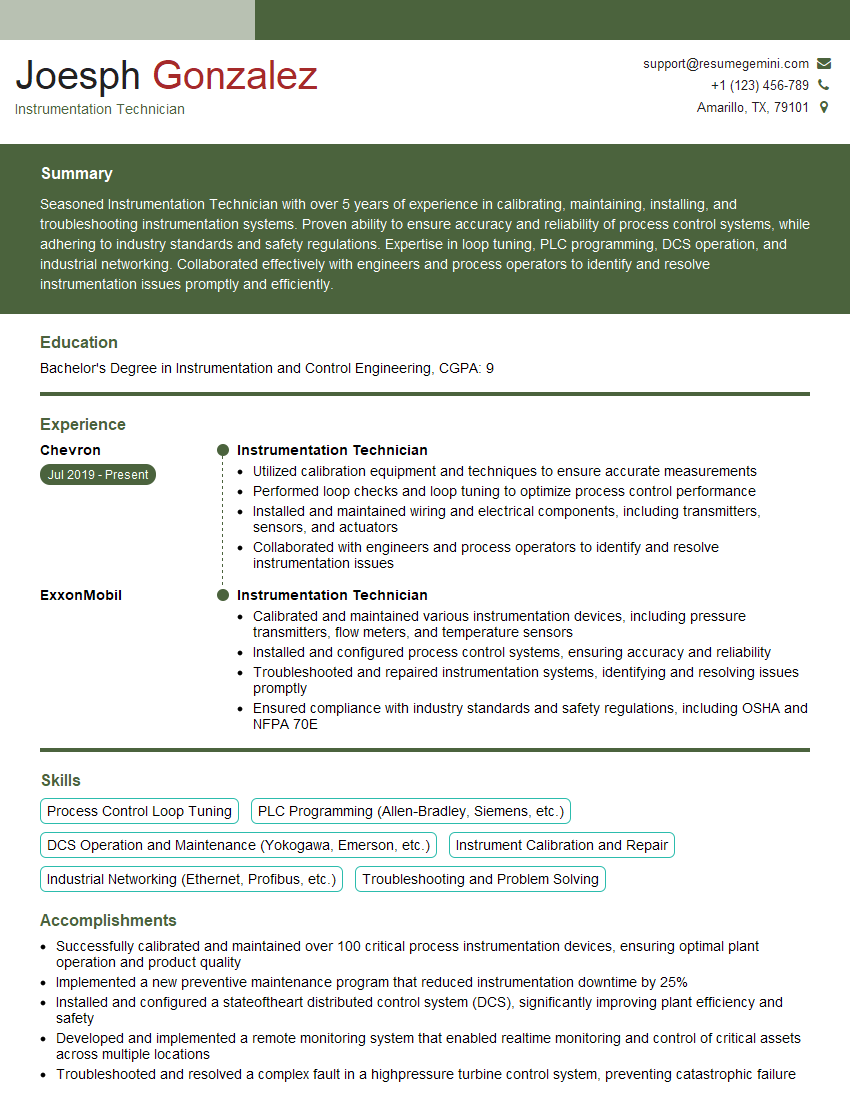
Instrumentation Technician Resume Sample
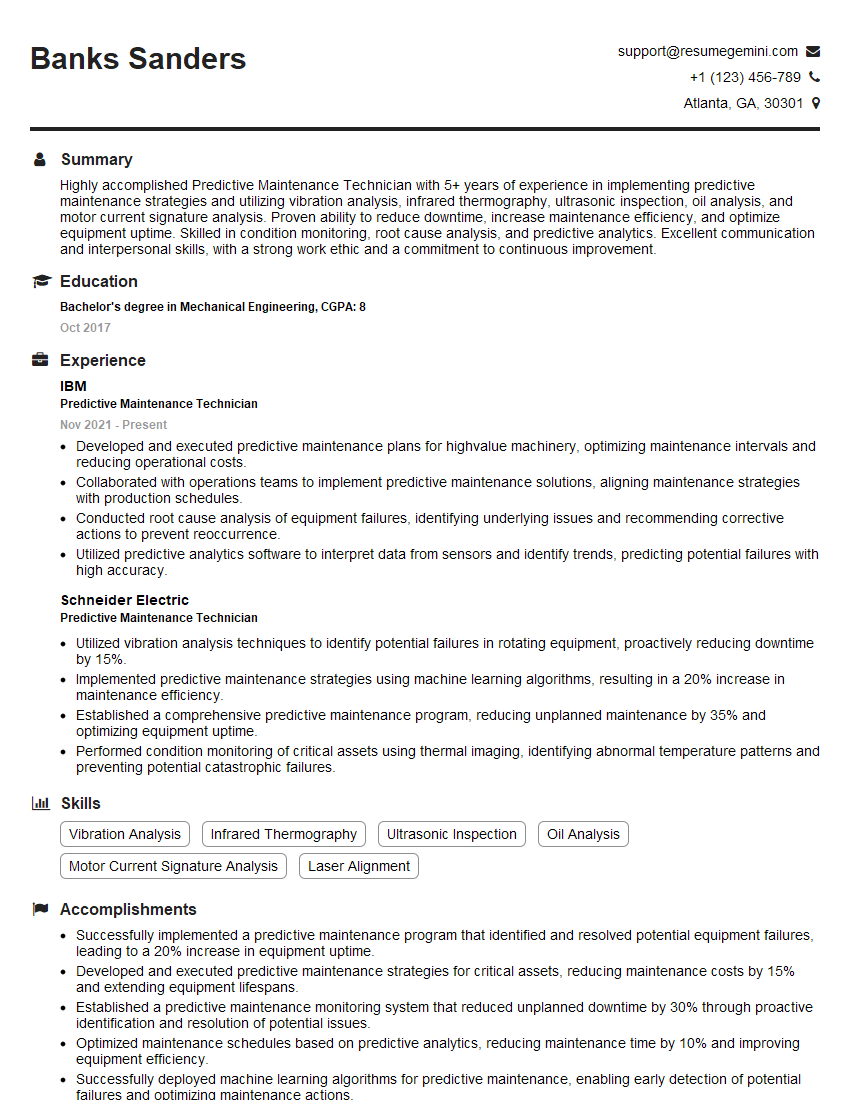
Predictive Maintenance Technician Resume Sample
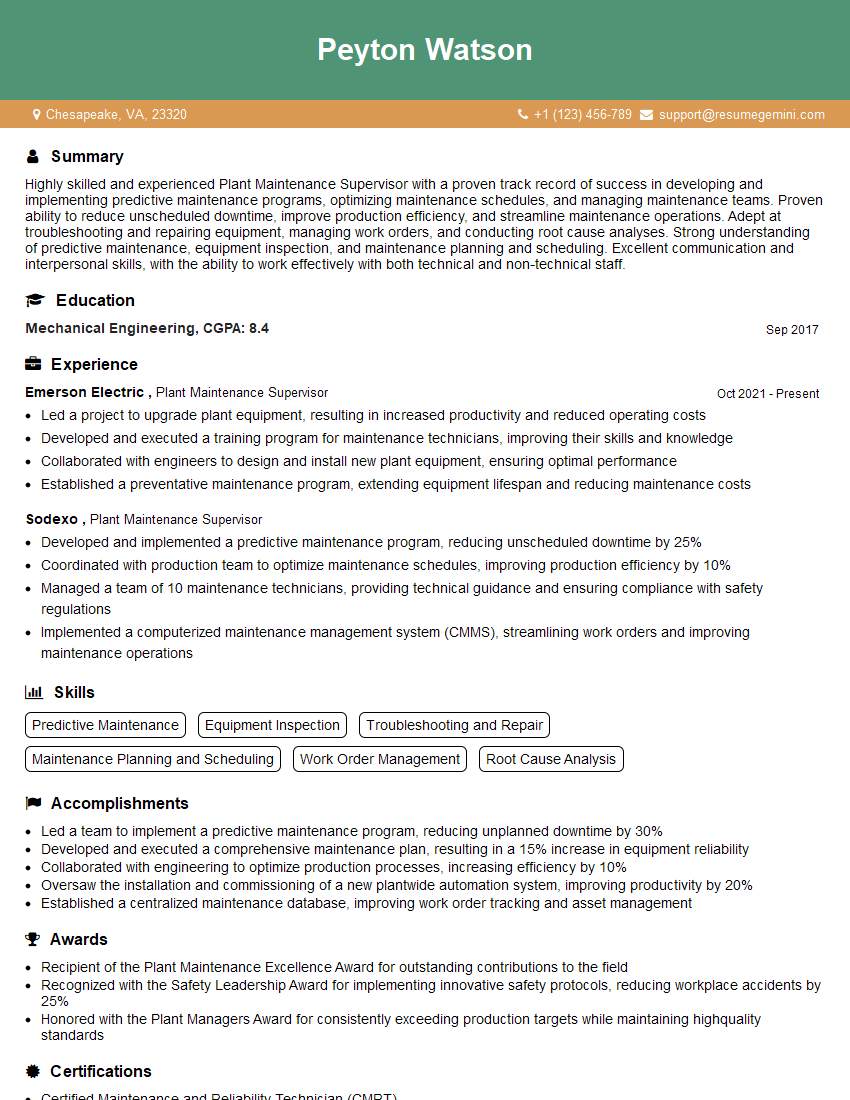
Plant Maintenance Supervisor Resume Sample

Control Systems Technician Resume Sample

Industrial Mechanic Resume Sample
- Operations Manager
- Maintenance Planner
- Maintenance Supervisor
- Project Engineer
- Reliability Engineer
- Process Engineer
- Field Service Engineer
- Commissioning Engineer
- Plant Engineer
- Technical Supervisor
- Energy Manager
- Instrumentation Technician
- Predictive Maintenance Technician
- Plant Maintenance Supervisor
- Control Systems Technician
- Industrial Mechanic
Explore more articles
Users Rating of Our Blogs
Share Your Experience
We value your feedback! Please rate our content and share your thoughts (optional).
What Readers Say About Our Blog
To the interviewgemini.com Webmaster.
Very helpful and content specific questions to help prepare me for my interview!
Thank you
To the interviewgemini.com Webmaster.
This was kind of a unique content I found around the specialized skills. Very helpful questions and good detailed answers.
Very Helpful blog, thank you Interviewgemini team.