Cracking a skill-specific interview, like one for Program Evaluation and Research, requires understanding the nuances of the role. In this blog, we present the questions you’re most likely to encounter, along with insights into how to answer them effectively. Let’s ensure you’re ready to make a strong impression.
Questions Asked in Program Evaluation and Research Interview
Q 1. Explain the difference between formative and summative evaluation.
Formative and summative evaluations are two crucial types of program evaluation, differing primarily in their timing and purpose. Think of building a house: formative evaluation is like checking the foundation and walls during construction, while summative evaluation is the final inspection after the house is complete.
Formative evaluation occurs during the program’s implementation. Its goal is to improve the program while it’s still running. It involves collecting data to identify strengths and weaknesses, allowing for adjustments to enhance effectiveness. For instance, a formative evaluation of a new literacy program might involve observing classroom sessions, interviewing teachers and students mid-year, and analyzing early student work to adapt teaching strategies.
Summative evaluation, on the other hand, happens after the program has concluded. Its purpose is to determine the overall effectiveness of the program and its impact. This often involves comparing pre- and post-program outcomes and assessing whether the program achieved its stated goals. For example, a summative evaluation of the literacy program would analyze standardized test scores at the end of the year, survey parents about their children’s reading abilities, and compare outcomes with similar programs or control groups.
Q 2. Describe the various methods for collecting qualitative data in program evaluation.
Qualitative data in program evaluation explores the ‘why’ behind the numbers, providing rich insights into participants’ experiences, perspectives, and meanings. Several methods are commonly employed:
- Interviews: Structured, semi-structured, or unstructured interviews allow in-depth exploration of individual experiences and perspectives. For example, interviewing program participants about their satisfaction and perceived impact.
- Focus Groups: Facilitated group discussions provide opportunities to gather diverse perspectives and identify common themes. Useful for understanding group dynamics and shared experiences.
- Observations: Systematic observation of program activities and participant interactions provides firsthand data on program implementation and processes. Example: observing a community health program to understand how services are delivered and interactions between staff and participants.
- Document Review: Analyzing program documents such as reports, meeting minutes, and participant feedback forms provides insights into program activities and outcomes. Example: reviewing case files of participants in a mental health program to track progress and identify challenges.
- Case Studies: In-depth exploration of individual cases or a small number of cases provides rich detailed information. Example: studying the experience of a few families participating in a poverty reduction program.
Q 3. What are the key components of a logic model and how are they used in evaluation?
A logic model visually depicts the relationships between a program’s inputs, activities, outputs, outcomes, and overall impact. It’s a crucial tool for planning, implementing, and evaluating programs. Think of it as a roadmap guiding you through the entire program lifecycle.
- Inputs: Resources invested in the program (e.g., funding, staff, materials).
- Activities: Actions undertaken to deliver the program (e.g., workshops, training, counseling sessions).
- Outputs: Direct products of activities (e.g., number of participants trained, number of sessions conducted).
- Outcomes: Short-term, intermediate, and long-term changes resulting from the program (e.g., improved knowledge, changed attitudes, behavior changes).
- Impact: The ultimate effect of the program on the larger context (e.g., reduced poverty rates, improved community health).
In evaluation, the logic model serves as a framework for identifying indicators and collecting data to assess the program’s progress and effectiveness at each stage. By comparing actual results with planned outcomes, evaluators can identify areas of strength and weakness, and recommend improvements.
Q 4. How do you ensure the ethical considerations in conducting program evaluation research?
Ethical considerations are paramount in program evaluation. Protecting participants’ rights and ensuring the integrity of the research are essential. Key principles include:
- Informed Consent: Participants must be fully informed about the study’s purpose, procedures, risks, and benefits before agreeing to participate. They should be free to withdraw at any time.
- Confidentiality and Anonymity: Protecting the identity and privacy of participants is crucial. Data should be stored securely and analyzed anonymously whenever possible.
- Beneficence and Non-maleficence: The evaluation should maximize benefits and minimize harm to participants. Researchers should consider the potential impact of the study on participants’ well-being.
- Justice and Equity: The evaluation should be conducted fairly and equitably, ensuring that all participants are treated with respect and dignity.
- Institutional Review Board (IRB) Approval: Most institutions require IRB review and approval of evaluation research protocols to ensure ethical conduct.
For example, when conducting interviews with vulnerable populations, it’s crucial to obtain informed consent in a culturally sensitive way and ensure confidentiality through the use of pseudonyms and secure data storage.
Q 5. Compare and contrast quantitative and qualitative data analysis techniques.
Quantitative and qualitative data analysis techniques differ significantly in their approaches and goals. Quantitative analysis focuses on numbers and statistical analysis to identify patterns and relationships, while qualitative analysis explores the meanings and interpretations behind the data.
Quantitative Analysis: Uses statistical methods such as descriptive statistics (means, standard deviations), inferential statistics (t-tests, ANOVA, regression analysis), to analyze numerical data. It emphasizes objective measurements and generalizability. Examples include analyzing pre- and post-test scores to measure program impact or conducting a survey to assess participant satisfaction and calculate response rates.
Qualitative Analysis: Uses methods such as thematic analysis, content analysis, and grounded theory to analyze textual or visual data, such as interview transcripts, field notes, and documents. It emphasizes understanding context, meaning, and interpretation. Examples include identifying recurring themes in interview data or analyzing the narratives of program participants to understand their lived experiences.
Often, a mixed-methods approach, combining both quantitative and qualitative methods, provides a more comprehensive understanding of the program.
Q 6. Explain the concept of program theory and its importance in evaluation.
Program theory explains how a program is expected to work and why it’s expected to produce the intended outcomes. It’s a crucial component of evaluation because it provides a framework for understanding the causal relationships between program activities and outcomes. Think of it as the ‘recipe’ for the program’s success.
A well-developed program theory articulates the program’s underlying assumptions, mechanisms of change, and expected outcomes. For example, a program theory for a job training program might posit that providing participants with job-specific skills and networking opportunities will increase their employment prospects. Evaluating the program involves assessing whether these hypothesized mechanisms are actually functioning as intended and whether they are contributing to the desired outcomes.
The importance of program theory in evaluation lies in its ability to guide data collection and analysis, enabling evaluators to assess not just whether the program achieved its goals, but also how it achieved them (or failed to). This provides valuable insights for improving program effectiveness and informing future program design.
Q 7. Describe different sampling methods and their suitability for different evaluation contexts.
Sampling methods are crucial for selecting a representative subset of the population for study, balancing cost-effectiveness and representativeness. The choice of method depends on the evaluation context and research questions.
- Probability Sampling: Every member of the population has a known chance of being selected. This enhances generalizability. Examples include:
- Simple Random Sampling: Each member has an equal chance.
- Stratified Random Sampling: Population divided into strata (e.g., age groups), and random samples drawn from each.
- Cluster Sampling: Sampling units are clusters (e.g., schools, communities).
- Non-probability Sampling: The probability of selection is unknown. Generalizability is limited but useful for exploring specific contexts or hard-to-reach populations. Examples include:
- Convenience Sampling: Selecting readily available participants.
- Purposive Sampling: Selecting participants based on specific characteristics.
- Snowball Sampling: Participants refer others.
For instance, evaluating a nationwide health program might use stratified random sampling to ensure representation across different demographics, while evaluating a new classroom teaching method might use convenience sampling by focusing on a single classroom. The choice depends on the research questions and resources available.
Q 8. How do you handle missing data in program evaluation?
Missing data is a common challenge in program evaluation, potentially biasing results if not handled appropriately. The best approach depends on the nature and extent of the missing data, as well as the evaluation design.
- Missing Completely at Random (MCAR): If data is missing completely at random, simple methods like listwise deletion (removing cases with any missing data) might be acceptable, although it reduces sample size and power. However, this assumption is rarely met in practice.
- Missing at Random (MAR): If the missingness is related to observed variables, we can use imputation techniques. Multiple imputation, which creates several plausible datasets and analyzes them separately before combining results, is a robust method for handling MAR data. For example, if income is missing more frequently for participants in a low-income area, we can use multiple imputation leveraging information from other variables such as location and education level.
- Missing Not at Random (MNAR): This is the most challenging scenario. Missingness is directly related to the unobserved data itself, meaning that the missing values aren’t random. We might use techniques like maximum likelihood estimation or specialized models explicitly designed for non-ignorable missing data, but it requires careful consideration and often strong assumptions.
Before selecting a method, I always explore patterns in missing data to understand the mechanism. Visualization, descriptive statistics, and potentially missing data diagnostics are key steps in this process.
Q 9. What are the challenges of evaluating complex programs with multiple outcomes?
Evaluating complex programs with multiple outcomes presents several challenges. The interwoven nature of program components can make it difficult to isolate the impact of specific interventions. Moreover, multiple outcomes might show conflicting results, making it challenging to draw a singular, easily understood conclusion.
- Causality: Establishing causal links between the program and each outcome becomes more complex as the number of interacting variables increases. Sophisticated statistical methods like structural equation modeling (SEM) or causal inference techniques are often necessary to tease out these relationships.
- Data Collection: Gathering comprehensive data to capture all relevant outcomes can be costly and time-consuming. Decisions about which data to prioritize and how to balance depth and breadth are crucial.
- Data Analysis: Analyzing multiple outcomes simultaneously requires careful consideration of potential correlations and interactions between variables. Multivariate statistical techniques are needed, and the interpretation of results can be challenging. For instance, one outcome might show a positive impact, while another shows no change or even a negative one.
- Synthesis and Reporting: Summarizing and communicating findings about multiple outcomes in a clear and meaningful way for stakeholders is critical. Well-designed visualizations and careful articulation of the limitations are key to transparent reporting.
For instance, evaluating a comprehensive youth development program with outcomes like improved academic performance, reduced delinquency, and increased social-emotional skills requires a robust evaluation design considering all these inter-related challenges.
Q 10. How do you determine the appropriate evaluation design for a given program?
Selecting the appropriate evaluation design depends on several factors, including the program’s goals, resources available, and the nature of the program itself. The design should allow for drawing valid inferences about the program’s impact.
- Experimental Designs (e.g., Randomized Controlled Trials): These are considered the gold standard for establishing causality. Participants are randomly assigned to treatment and control groups, allowing for stronger causal inferences. However, they can be costly and may not be feasible in all settings.
- Quasi-experimental Designs (e.g., Regression Discontinuity, Propensity Score Matching): These designs are used when random assignment isn’t possible. They attempt to statistically control for confounding variables, offering a compromise between rigor and feasibility.
- Non-experimental Designs (e.g., Pre-post, Correlational): These designs lack random assignment and are suitable for exploratory evaluations or when ethical concerns preclude randomization. However, causal inferences are weaker, and confounding factors need to be addressed carefully.
I typically start by clarifying the evaluation questions, defining key outcomes, and understanding the program’s context. This helps to determine the most appropriate design that best balances rigor, feasibility, and ethical considerations.
Q 11. Describe your experience with different statistical software packages (e.g., SPSS, R, SAS).
I have extensive experience with several statistical software packages, including SPSS, R, and SAS. My proficiency extends beyond basic data manipulation and analysis to advanced statistical modeling and visualization.
- SPSS: I use SPSS for its user-friendly interface, especially when working with large datasets and conducting common statistical tests like t-tests, ANOVAs, and regressions. It’s excellent for straightforward analyses and producing reports.
- R: R is my preferred choice for more complex analyses, data visualization, and custom programming. Its open-source nature and extensive libraries provide unmatched flexibility. I frequently use packages like
ggplot2for high-quality graphics,lme4for multilevel modeling, andmicefor multiple imputation. - SAS: I’ve utilized SAS primarily for handling very large datasets and advanced statistical procedures. Its strength lies in its efficiency for data management and complex analyses in corporate settings.
My selection of software depends on the project’s specific requirements. I’m comfortable transitioning between these packages depending on which one is most suited to the task at hand. I’m also proficient in exporting data between different formats for seamless workflow across packages.
Q 12. How do you ensure the validity and reliability of your evaluation findings?
Ensuring the validity and reliability of evaluation findings is paramount. This involves careful attention to both the evaluation design and the data analysis process.
- Validity: This refers to the accuracy of the evaluation’s findings. Internal validity focuses on whether the observed effects are truly due to the program and not other factors. External validity refers to the generalizability of the findings to other settings and populations. To enhance validity, I use rigorous research designs, carefully control for confounding variables, and employ appropriate statistical methods.
- Reliability: This refers to the consistency and stability of the evaluation’s results. Reliable measures consistently produce similar results under similar conditions. To ensure reliability, I use well-validated instruments, standardized procedures for data collection, and robust statistical methods. Inter-rater reliability checks are employed when applicable, for example, in qualitative data analysis involving multiple coders.
Throughout the process, I meticulously document all methods and procedures, ensuring transparency and replicability. This includes detailed descriptions of the sampling methods, data collection tools, and analytic techniques. Peer review and critical self-reflection are also crucial steps in strengthening the validity and reliability of the findings.
Q 13. How do you communicate evaluation findings to diverse stakeholders?
Communicating evaluation findings effectively to diverse stakeholders requires tailoring the message to their specific needs and understanding. I use multiple approaches to ensure the findings are accessible and impactful.
- Audience-Specific Reporting: I prepare different versions of reports—a technical report for researchers, a concise summary for decision-makers, and infographics or presentations for the general public. The language, level of detail, and visual aids vary accordingly.
- Interactive Presentations: I often use visual aids like graphs, charts, and infographics to present key findings in an engaging way. Interactive presentations and discussions are also valuable to address questions and foster understanding.
- Collaboration and Feedback: I actively involve stakeholders in the dissemination process through feedback sessions and collaborative report writing. This builds ownership and ensures that the evaluation results are relevant and useful.
For instance, when evaluating a community health program, I might provide a technical report detailing the statistical analyses to public health officials, a concise summary of key findings to the program funders, and easily digestible infographics for community members.
Q 14. How do you address stakeholder concerns and manage expectations during the evaluation process?
Managing stakeholder expectations and addressing concerns is crucial for a successful evaluation. Open communication, transparency, and proactive engagement are key strategies.
- Establish Clear Expectations: At the outset, I work with stakeholders to define the scope, goals, and timelines of the evaluation. This helps to align expectations and prevent misunderstandings later on.
- Regular Communication: I maintain regular communication throughout the evaluation process, providing updates on progress, addressing questions, and sharing preliminary findings. This builds trust and keeps stakeholders informed.
- Transparency and Honesty: I am transparent about the limitations of the evaluation, potential biases, and the uncertainties involved. Honesty about any challenges encountered enhances credibility.
- Constructive Feedback Mechanisms: I create opportunities for stakeholders to provide feedback, raising any concerns they might have. This feedback is actively used to refine the evaluation process and address any misunderstandings.
For example, if stakeholders express concerns about a specific data collection method, I carefully explain the rationale behind the choice, address their concerns, and potentially offer alternative solutions or adjustments.
Q 15. Explain the concept of effect size and its interpretation.
Effect size quantifies the magnitude of the difference or relationship between variables in a study. It tells us not just *if* a program worked, but *how much* it worked. Unlike statistical significance (which can be affected by sample size), effect size focuses on the practical importance of the findings. A large effect size indicates a substantial impact, while a small effect size suggests a more modest or negligible impact, regardless of statistical significance.
Effect sizes are often expressed using standardized metrics, such as Cohen’s d for comparing means between two groups or Pearson’s r for measuring correlations. For instance, a Cohen’s d of 0.8 is generally considered a large effect size, meaning a substantial difference between the treatment and control groups. An r of 0.5 represents a moderate correlation. The interpretation of effect size depends on the context of the study and the field of research. What might be a large effect size in one area might be considered small in another.
Example: Imagine a program aimed at improving reading scores. If the program results in a Cohen’s d of 0.2, the improvement is statistically significant but the effect size is small, suggesting the program’s impact on reading scores is modest. In contrast, a Cohen’s d of 1.0 would represent a large effect size, indicating a substantial improvement in reading scores.
Career Expert Tips:
- Ace those interviews! Prepare effectively by reviewing the Top 50 Most Common Interview Questions on ResumeGemini.
- Navigate your job search with confidence! Explore a wide range of Career Tips on ResumeGemini. Learn about common challenges and recommendations to overcome them.
- Craft the perfect resume! Master the Art of Resume Writing with ResumeGemini’s guide. Showcase your unique qualifications and achievements effectively.
- Don’t miss out on holiday savings! Build your dream resume with ResumeGemini’s ATS optimized templates.
Q 16. What are some common threats to internal and external validity in program evaluation?
Threats to validity undermine the confidence we can have in the results of a program evaluation. Internal validity refers to the confidence we have that the program itself caused the observed changes, while external validity concerns the generalizability of the findings to other settings and populations.
- Threats to Internal Validity:
- History: Unrelated events occurring during the program implementation might influence the outcomes (e.g., a major news event impacting participants’ behavior).
- Maturation: Natural changes in participants over time (e.g., aging, learning) can be mistaken for program effects.
- Testing: Repeated testing can influence subsequent scores (e.g., practice effects).
- Instrumentation: Changes in measurement tools or procedures can affect outcomes.
- Regression to the Mean: Extreme scores tend to regress toward the average over time, creating an illusion of program effectiveness.
- Selection Bias: Differences between groups before the program starts can confound the results.
- Attrition: Differential dropout rates between groups can bias findings.
- Threats to External Validity:
- Sample characteristics: The sample might not be representative of the broader population.
- Setting: The program’s setting might not be typical of other settings where it might be implemented.
- Time: The program’s effects might not be consistent over time.
- Interaction effects: The program’s effectiveness might depend on specific contexts or participant characteristics.
Addressing these threats requires careful study design, including random assignment, control groups, and rigorous data collection methods.
Q 17. How do you use cost-benefit analysis in program evaluation?
Cost-benefit analysis (CBA) is a crucial part of program evaluation, helping to determine if the benefits of a program outweigh its costs. It involves systematically identifying and quantifying both the costs and benefits associated with a program, often expressed in monetary terms. This allows decision-makers to assess the program’s economic efficiency and make informed choices about resource allocation.
Steps involved in conducting a CBA:
- Identify all costs: This includes direct costs (e.g., personnel, materials, facilities) and indirect costs (e.g., opportunity costs, administrative overhead).
- Identify all benefits: This can include tangible benefits (e.g., increased productivity, reduced hospitalizations) and intangible benefits (e.g., improved quality of life, increased social cohesion), which may need to be monetized using appropriate valuation techniques.
- Quantify costs and benefits: Assign monetary values to all costs and benefits using relevant data and methods. This often requires research and data gathering.
- Discount future costs and benefits: Future costs and benefits are discounted to reflect their present value. This accounts for the time value of money.
- Calculate the net present value (NPV): The NPV is the sum of discounted benefits minus discounted costs. A positive NPV suggests the program is economically worthwhile.
- Conduct sensitivity analysis: Explore the impact of uncertainties in cost and benefit estimates on the overall results.
Example: A CBA of a job training program would consider the costs of instructors, materials, and administrative support, against the increased earnings of participants, reduced unemployment benefits paid, and increased tax revenue generated.
Q 18. Describe your experience using different data visualization techniques.
Data visualization is essential for communicating evaluation findings effectively. I have extensive experience using various techniques, tailored to the specific data and audience. Some examples include:
- Bar charts and histograms: For comparing frequencies or distributions of categorical or numerical data. These are excellent for showing the proportions of participants in different groups or the distribution of scores on a test.
- Line graphs: For displaying trends over time. These are particularly useful for showing changes in outcomes over the course of a program.
- Scatter plots: For showing the relationship between two continuous variables. This can be used to visualize the correlation between program participation and outcomes.
- Pie charts: For showing proportions of a whole. This is effective for showing the breakdown of participants based on demographic characteristics.
- Maps: For geographically displaying data. This is valuable for visualizing program reach or impact across different regions.
- Interactive dashboards: For creating dynamic visualizations that allow users to explore data interactively. Tools like Tableau or Power BI are used extensively for this purpose.
My choice of visualization method depends on the type of data, the key findings to emphasize, and the audience’s level of statistical sophistication. For instance, a simpler chart is preferable for a lay audience while more complex visualizations might be suitable for a technical audience.
Q 19. What are the key elements of a strong evaluation report?
A strong evaluation report should be clear, concise, and credible, effectively communicating the evaluation’s findings and their implications. Key elements include:
- Executive Summary: A brief overview of the evaluation’s purpose, methods, key findings, and conclusions.
- Introduction: Contextualizes the program, the evaluation’s purpose, and its scope.
- Methodology: A detailed description of the evaluation design, data collection methods, and data analysis techniques, ensuring transparency and replicability.
- Findings: Presentation of the results using tables, figures, and narrative descriptions, focusing on the key findings and their significance.
- Conclusions and Recommendations: A summary of the overall findings, interpretation of their implications, and concrete recommendations for program improvement or future actions.
- Appendices: Contains supplementary materials, such as detailed data tables, questionnaires, and interview transcripts.
- References: A list of all cited sources.
The report should be written in plain language, avoiding jargon wherever possible, and should be tailored to the intended audience. Clear visual aids, such as charts and graphs, help enhance understanding and engagement.
Q 20. How do you incorporate feedback from stakeholders into the evaluation process?
Stakeholder engagement is critical for a successful evaluation. I actively incorporate feedback throughout the process, ensuring the evaluation is relevant, credible, and useful to all stakeholders. My approach typically involves:
- Initial consultation: Meeting with stakeholders early in the process to define the evaluation questions, identify key data sources, and agree upon the evaluation’s scope and methods.
- Ongoing communication: Regular updates to stakeholders regarding the evaluation’s progress, challenges, and preliminary findings.
- Feedback mechanisms: Providing opportunities for stakeholders to provide feedback on the evaluation design, data collection instruments, and analysis plans. This can be done through interviews, focus groups, surveys, or online feedback forms.
- Presentation of findings: Presenting the evaluation findings to stakeholders, ensuring that the information is presented clearly and understandably. This often involves interactive presentations and discussions.
- Response to feedback: Incorporating stakeholder feedback into the final report and recommendations, acknowledging any limitations or concerns raised.
This iterative approach ensures the evaluation remains aligned with stakeholder needs and priorities, improving the likelihood that the results will be used to inform decision-making and improve program effectiveness.
Q 21. Explain your understanding of different types of program evaluations (e.g., needs assessment, process evaluation, outcome evaluation).
Program evaluation encompasses various types of evaluations, each serving a specific purpose. Understanding these different types is crucial for selecting appropriate methods and generating meaningful results.
- Needs Assessment: This determines the extent and nature of a problem or need that a program aims to address. It involves gathering data on the prevalence, severity, and impact of the problem, as well as identifying potential target populations. This informs program design and resource allocation.
- Process Evaluation: This examines how a program is implemented. It assesses the fidelity of implementation (whether the program was delivered as intended), the reach of the program (how many people participated and how often), and the barriers to implementation (factors that hinder program delivery). Process evaluations help identify areas for improvement in program delivery and implementation.
- Outcome Evaluation: This evaluates the program’s impact on the intended outcomes or goals. It assesses changes in outcomes among participants compared to a control group or baseline data. Outcome evaluations provide evidence of program effectiveness.
- Impact Evaluation: This goes a step further than outcome evaluation to assess broader, long-term effects of the program on individuals and communities, often including unintended consequences. For instance, evaluating the long-term effects of a training program may include tracking income and employment status over several years.
- Cost-Effectiveness Analysis: A type of evaluation that compares different programs or interventions designed to achieve the same goal, measuring the cost per unit of outcome achieved. This allows decision-makers to choose the most efficient approach.
Often, a comprehensive evaluation will incorporate elements from multiple types, providing a holistic picture of the program’s design, implementation, and impact.
Q 22. Describe a situation where you had to deal with conflicting stakeholder perspectives in an evaluation.
Addressing conflicting stakeholder perspectives is a common challenge in program evaluation. It often arises because different groups have different interests and priorities regarding the program. For instance, in an evaluation of a community health program, local residents might prioritize accessibility and cultural relevance, while funders might focus on cost-effectiveness and measurable outcomes. Program staff might emphasize program participation rates and anecdotal successes.
My approach involves proactive stakeholder engagement from the outset. This includes holding early meetings to identify key stakeholders and understand their perspectives, expectations, and potential concerns. I create a clear communication plan, using diverse methods such as surveys, interviews, focus groups, and town hall meetings, to gather diverse viewpoints. I then facilitate discussions to identify common ground and areas of disagreement. A crucial step is to establish shared evaluation goals and criteria as early as possible, prioritizing transparency and clear communication throughout the process. When irreconcilable differences arise, I document these openly and explain how they were addressed in the final report, ensuring all perspectives are represented, even if they lead to varying interpretations of the findings.
In one particular evaluation of a job training program, employers emphasized the need for practical skills, while trainees valued the soft skills development and support services. By incorporating both perspectives into the evaluation design, using a mixed-methods approach with both quantitative skills assessments and qualitative feedback on program support, we were able to provide a comprehensive understanding of the program’s impact that satisfied all stakeholders.
Q 23. How do you ensure the sustainability of program impacts after the evaluation is completed?
Ensuring the sustainability of program impacts is crucial. It’s about creating lasting change, not just short-term gains. This requires a multi-faceted approach that considers the program’s context and the factors that contribute to its success.
First, the evaluation needs to identify the factors driving program impact. Are there specific program features, partnerships, or community supports that are particularly effective? Understanding these mechanisms is key to maintaining impact. Secondly, embedding the program within existing organizational structures and systems is essential. This includes integrating program activities into standard procedures and ensuring adequate resource allocation. Thirdly, building local capacity and ownership is vital. Train staff, empower community leaders, and develop mentoring programs to ensure sustainability beyond the initial project period. Finally, advocating for policy changes that support the program’s continued operation is essential. This might involve presenting the evaluation findings to policymakers and building coalitions to support continued funding and implementation.
For example, in evaluating a school-based literacy program, we identified teacher training as a crucial factor. To ensure sustainability, we worked with the school district to integrate the training into their ongoing professional development program and secure funding for future training cycles. We also developed resources for teachers to use independently and facilitated a network for teachers to share best practices.
Q 24. What are some limitations of using randomized controlled trials (RCTs) in program evaluation?
Randomized Controlled Trials (RCTs), while considered the gold standard in many research fields, have limitations in program evaluation. One key limitation is the difficulty in achieving true randomization in real-world settings. Programs often operate within existing systems, and it may be impossible to randomly assign individuals to treatment and control groups without compromising ethical or practical considerations.
Furthermore, RCTs can be expensive and time-consuming, potentially requiring large sample sizes. Attrition (participants dropping out) is another challenge, and it can bias results. Lastly, RCTs may not be suitable for evaluating complex interventions with multiple components or when the program’s impact is spread over a long period. RCTs primarily focus on establishing causal relationships, but they may not fully capture the richness of contextual factors and unintended consequences that are important in program evaluations.
For example, it would be ethically problematic to randomly deny access to a drug rehabilitation program to a control group. In such situations, quasi-experimental designs or other non-experimental approaches become more appropriate. It’s important to select the most appropriate evaluation design based on the specific program and research question.
Q 25. How do you measure unintended consequences of a program?
Measuring unintended consequences is crucial for a comprehensive evaluation. These are often overlooked but can be just as important as intended outcomes. For example, a program designed to improve school attendance might inadvertently lead to increased stress on families who now have less time for other responsibilities.
Methods for measuring unintended consequences include: using qualitative data gathering (interviews, focus groups) to explore participants’ experiences and observations; reviewing administrative data such as police records or hospital admissions to identify trends; incorporating pre- and post-program surveys that address a broader range of potential impacts beyond the core program goals. Careful attention to triangulation (using multiple data sources) is essential to validate findings.
In the school attendance example, we might conduct interviews with parents and teachers to explore the perceived impact of the program on family life and stress levels. We might also compare changes in rates of child welfare calls or other indicators of family well-being before and after the program’s implementation.
Q 26. What is your experience with mixed-methods research designs?
I have extensive experience with mixed-methods research designs, which combine quantitative and qualitative approaches. This approach is particularly valuable in program evaluation because it allows for a more comprehensive understanding of the program’s impact than either approach alone. Quantitative methods, like surveys and statistical analysis, provide numerical data on program outcomes. Qualitative methods, like interviews and observations, provide rich contextual information and insights into the ‘why’ behind the numbers.
For example, in evaluating a community development program, I might use quantitative data to measure changes in employment rates or income levels and then use qualitative interviews to understand the factors that contributed to these changes—such as the quality of training provided or the effectiveness of job placement services. The integration of both provides a much richer and nuanced picture. I am proficient in various mixed-methods designs, including convergent parallel design (collecting both types of data simultaneously), explanatory sequential design (qualitative data informs quantitative analysis), and exploratory sequential design (quantitative findings lead to qualitative investigation).
Q 27. Describe your experience using different data management techniques.
Effective data management is crucial for rigorous program evaluation. I utilize a variety of techniques to ensure data quality, integrity, and security. This includes using structured data entry forms, developing detailed codebooks for variables, and employing database software (e.g., SPSS, STATA, R) for data storage and analysis. I am well-versed in data cleaning techniques, handling missing data, and employing appropriate statistical methods to address any data limitations.
To ensure data security and confidentiality, I follow strict protocols, including anonymization or pseudonymization of data, secure storage of electronic data, and adherence to relevant ethical guidelines (e.g., IRB procedures). For large datasets, I leverage data management software to automate tasks and reduce errors. I am also experienced in using version control systems for data and code to track changes and facilitate collaboration. Data visualization is another key aspect of my approach – creating clear and informative graphs and tables to communicate findings effectively.
Q 28. How do you ensure the generalizability of your evaluation findings?
Generalizability refers to the extent to which evaluation findings can be applied to other settings or populations. Achieving high generalizability requires careful consideration of the evaluation design and context.
To enhance generalizability, I focus on selecting a representative sample. This might involve using stratified sampling techniques to ensure the inclusion of diverse subgroups. I also carefully document the program context, including characteristics of the participants, program implementation details, and the broader social and political environment. This allows others to assess whether the findings are applicable to their own settings. Rigorous data collection methods and analysis techniques, coupled with transparent reporting of limitations, further enhance generalizability.
For instance, if evaluating a literacy program in a specific school district, it’s important to acknowledge that the findings might not be directly generalizable to other districts with different demographics, resources, or program implementations. However, by providing a detailed description of the context and documenting the factors contributing to program success or failure, the findings can still offer valuable insights and inform program development elsewhere.
Key Topics to Learn for Program Evaluation and Research Interview
- Program Theory & Logic Models: Understanding how programs are designed to achieve their goals, and how to visually represent those relationships. Practical application: Critically evaluating a program’s logic model to identify potential weaknesses or areas for improvement.
- Research Designs: Familiarity with various research designs (e.g., experimental, quasi-experimental, qualitative) and their strengths and weaknesses. Practical application: Selecting the most appropriate research design for a given evaluation question.
- Data Collection Methods: Proficiency in various data collection methods (e.g., surveys, interviews, focus groups, administrative data). Practical application: Designing a data collection plan that aligns with the research question and resources available.
- Quantitative & Qualitative Data Analysis: Competence in analyzing both quantitative (statistical) and qualitative (thematic) data. Practical application: Interpreting findings from both quantitative and qualitative data to draw comprehensive conclusions.
- Evaluation Frameworks: Understanding different evaluation frameworks (e.g., goal-oriented, participatory, utilization-focused). Practical application: Selecting and applying an appropriate evaluation framework to guide the evaluation process.
- Reporting & Dissemination: Ability to clearly and effectively communicate evaluation findings to stakeholders. Practical application: Developing a compelling report that summarizes key findings and recommendations.
- Ethical Considerations: Understanding and applying ethical principles in program evaluation research. Practical application: Ensuring informed consent and protecting the privacy of participants.
- Stakeholder Engagement: Effectively engaging with diverse stakeholders throughout the evaluation process. Practical application: Facilitating collaborative discussions and building consensus among stakeholders with varying perspectives.
Next Steps
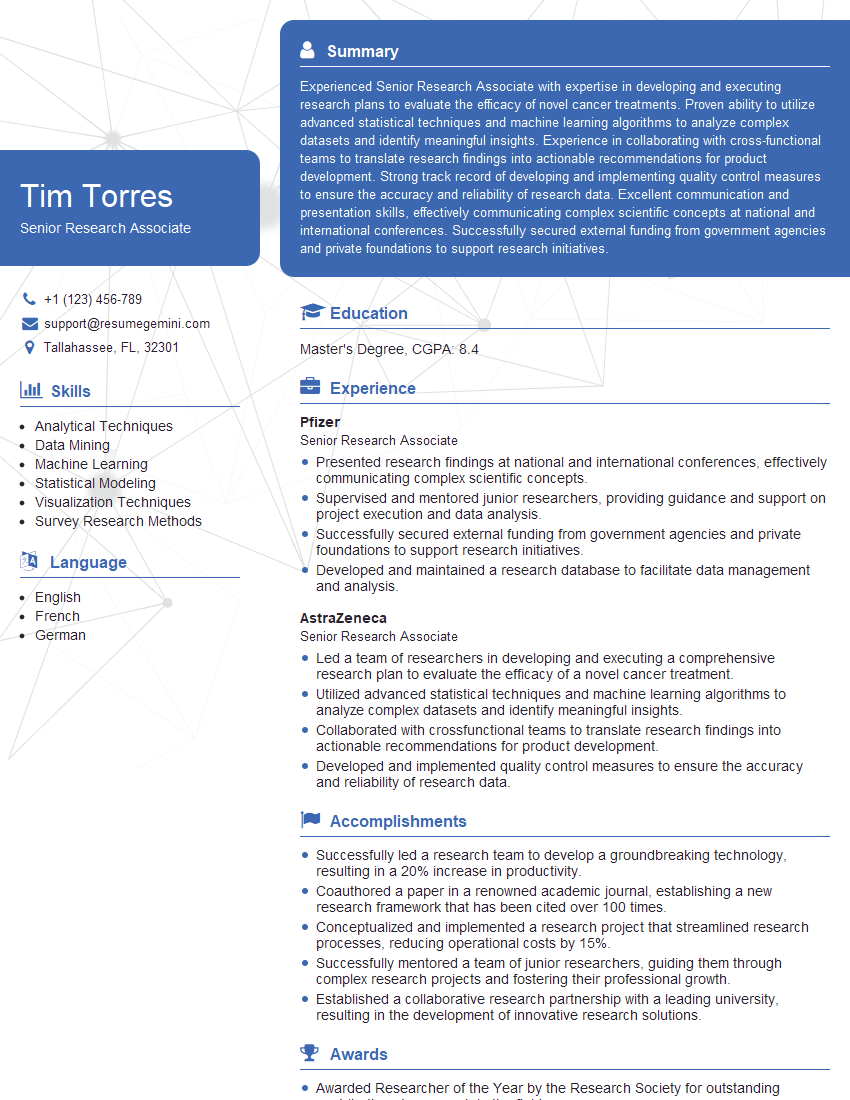
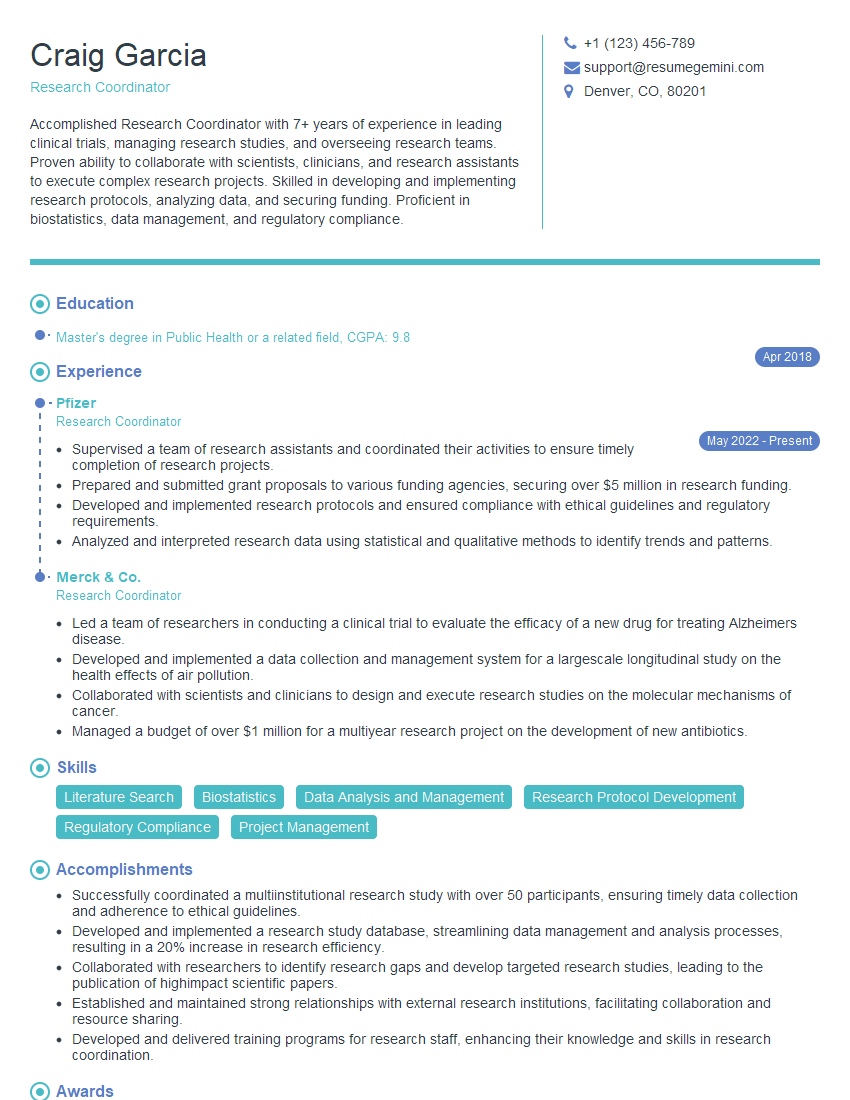
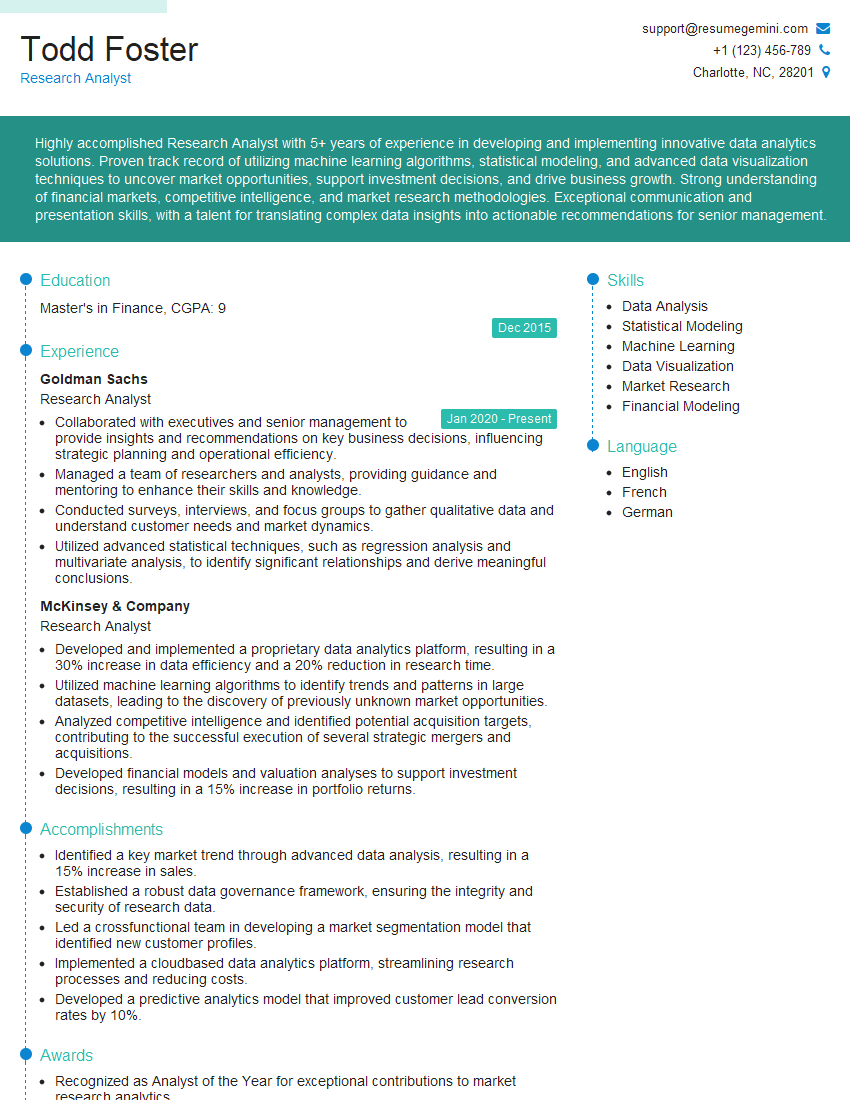
Mastering Program Evaluation and Research is crucial for career advancement in many sectors, opening doors to impactful roles where you can contribute to evidence-based decision-making. To maximize your job prospects, it’s vital to create a compelling and ATS-friendly resume that showcases your skills and experience. ResumeGemini is a trusted resource to help you build a professional and effective resume that stands out. We offer examples of resumes tailored specifically to Program Evaluation and Research roles to help guide you. Take the next step in your career journey today!


Explore more articles
Users Rating of Our Blogs
Share Your Experience
We value your feedback! Please rate our content and share your thoughts (optional).
What Readers Say About Our Blog
To the interviewgemini.com Webmaster.
Very helpful and content specific questions to help prepare me for my interview!
Thank you
To the interviewgemini.com Webmaster.
This was kind of a unique content I found around the specialized skills. Very helpful questions and good detailed answers.
Very Helpful blog, thank you Interviewgemini team.