The right preparation can turn an interview into an opportunity to showcase your expertise. This guide to Family and Couple Therapy interview questions is your ultimate resource, providing key insights and tips to help you ace your responses and stand out as a top candidate.
Questions Asked in Family and Couple Therapy Interview
Q 1. Explain your preferred theoretical approach to family therapy.
My preferred theoretical approach to family therapy is informed by a combination of Systemic and Narrative therapies. I find that these approaches complement each other beautifully in helping families understand and change their patterns of interaction.
Systemic therapy emphasizes the interconnectedness of family members and how each individual’s behavior impacts the entire system. Think of a family like a mobile – if one part moves, the whole thing shifts. We explore the roles each family member plays, the unspoken rules governing their interactions, and the boundaries within the family. For example, a seemingly rebellious teenager might be acting out because of unresolved conflict between their parents, a situation often unseen by the family.
Narrative therapy focuses on the stories families tell themselves about their lives and relationships. These stories can be limiting, perpetuating negative patterns. We work together to identify and challenge these dominant narratives, helping families construct more empowering and hopeful alternatives. Imagine a family constantly arguing about finances. The narrative might be “We’re always broke and will never get ahead.” Narrative therapy would help them explore other stories, such as “We’re resourceful and are working towards financial stability.”
By integrating these approaches, I help families understand their systemic dynamics and collaboratively rewrite their narratives, leading to healthier and more fulfilling relationships.
Q 2. Describe your experience working with high-conflict couples.
Working with high-conflict couples requires a delicate balance of empathy and firm guidance. I utilize techniques like emotionally focused therapy (EFT) to help couples understand and regulate their intense emotions. EFT helps partners identify underlying emotional needs and vulnerabilities driving their conflicts. It’s not just about resolving the argument, but addressing the deeper issues fueling it.
For instance, repeated arguments about household chores might stem from a feeling of unappreciated effort or resentment over unequal division of labor. EFT would help us delve into these underlying emotional needs and find ways for the couple to express and validate each other’s feelings more effectively.
Another crucial aspect is setting clear boundaries and establishing respectful communication protocols. This might involve teaching couples techniques like active listening and “I” statements, helping them communicate their needs and perspectives without resorting to personal attacks or blame. This structured approach helps to de-escalate conflicts and create a safer space for dialogue and resolution.
Finally, I often encourage couples to explore individual therapy in addition to conjoint sessions to address personal emotional patterns that might be contributing to the conflict. This multifaceted approach is often vital in resolving deeply entrenched conflict in a high-conflict relationship.
Q 3. How do you assess family dynamics in the initial session?
My initial session focuses on building rapport and gathering information about the family’s presenting problem and their overall functioning. This involves a multi-pronged assessment:
- Presenting Problem: Clearly defining the reason for seeking therapy, understanding the family’s perspective on the issue and its impact on their lives.
- Family Structure: Mapping the family structure – including members’ ages, relationships, living arrangements, and significant absences.
- Family History: Gathering information about family history of mental illness, trauma, substance abuse, or other significant events. This information provides important context.
- Communication Patterns: Observing the family’s communication style – how they interact with each other, their nonverbal cues, and the emotional tone of their interactions.
- Family Rules and Boundaries: Identifying explicit and implicit rules and boundaries governing family members’ behavior and relationships.
- Individual Functioning: Assessing the individual well-being of each family member, understanding their unique perspectives and contributions to the family system.
The initial session is not just about gathering data; it’s about establishing a collaborative therapeutic relationship with the family, creating a safe space where they feel comfortable sharing their experiences.
Q 4. What techniques do you use to manage resistance in family therapy?
Resistance in family therapy can manifest in various ways – from passive resistance like lateness or missed sessions to active resistance through arguments or refusal to participate. My approach to managing resistance is grounded in empathy and collaboration.
I start by understanding the source of the resistance. Often, resistance stems from fear, mistrust, or a lack of understanding about the therapy process. I address this by actively listening to the family’s concerns, validating their feelings, and collaboratively setting goals.
Techniques I employ include:
- Reframing: Helping the family reinterpret their resistance as a sign of their commitment to the family system, even if it’s expressed through conflict.
- Joining: Building a strong therapeutic alliance by demonstrating empathy, understanding, and respect for the family’s perspective.
- Circular questioning: Asking questions that highlight the interconnectedness of family members’ behaviors and experiences. This encourages reflection and consideration of multiple perspectives.
- Paradoxical directives: Suggesting that the family continue their problematic behaviors, often leading to a reduction in resistance due to their realization of the absurdity.
The key is to approach resistance not as an obstacle but as an opportunity for deeper understanding and engagement. By creating a safe and collaborative therapeutic environment, I help families overcome their resistance and work towards positive change.
Q 5. How do you address infidelity in couples therapy?
Addressing infidelity in couples therapy is a sensitive and complex process. It requires a nuanced approach, prioritizing the emotional needs of both partners while focusing on rebuilding trust and fostering open communication. I typically avoid placing blame and instead focus on the underlying issues that led to the infidelity.
My approach involves:
- Understanding the individual experiences: Creating a safe space for both partners to express their feelings – anger, hurt, betrayal, confusion, etc. – without judgment.
- Exploring the relational dynamics: Identifying patterns of communication, unmet needs, and relational problems that might have contributed to the infidelity.
- Focusing on emotional repair: Helping the betrayed partner process their emotions and navigate the pain of betrayal. This could involve techniques from EFT to help the couple reconnect emotionally.
- Forgiveness, but not forgetting: Encouraging both partners to find a path towards forgiveness, acknowledging the past without ignoring its impact. It’s important to emphasize that forgiveness is not condoning the behavior but rather releasing the pain to move forward.
- Rebuilding trust: Helping the couple establish new trust-building behaviors, including increased transparency, commitment, and improved communication. This is a long-term process that requires consistent effort and vigilance.
Ultimately, whether the couple chooses to stay together or separate is their decision. My role is to support them through this difficult process and help them make informed choices aligned with their individual needs and values.
Q 6. Explain your approach to working with families experiencing trauma.
Working with families experiencing trauma requires a trauma-informed approach that prioritizes safety, respect, and empowerment. It’s crucial to understand that trauma significantly impacts the family system, affecting individual members and their relationships. My approach integrates several key principles:
- Safety and Stabilization: Creating a safe and supportive therapeutic environment where family members feel comfortable sharing their experiences without judgment or pressure. This may involve grounding techniques and stress management strategies.
- Trauma Education: Educating the family about the impact of trauma on the individual and the family system, helping them understand their reactions and behaviors in a non-pathologizing manner.
- Trauma Processing: Utilizing evidence-based trauma interventions, such as EMDR (Eye Movement Desensitization and Reprocessing) or narrative therapy, to help family members process traumatic experiences and their impact on the family system. This process needs to be approached gently and at the individual’s pace.
- Strengthening Family Resilience: Helping families develop coping strategies, improve communication, build stronger bonds, and enhance their overall resilience to stress and adversity. This could involve family rituals, creating positive family narratives, or focusing on strengths.
Working with trauma survivors requires patience, sensitivity, and a deep understanding of the lasting impact of trauma. My role is to empower families to reclaim their narratives and build a healthier, more resilient future. It’s crucial to work collaboratively with other professionals, such as psychiatrists or social workers, when appropriate to ensure comprehensive care.
Q 7. Describe your understanding of systemic family therapy.
Systemic family therapy views the family as a complex system where each member’s behavior influences and is influenced by others. It operates on the principle that problems aren’t solely attributed to individuals but rather arise from dysfunctional patterns within the family system as a whole. The family is seen as a unit, and any change in one part affects the entire system.
Key concepts in systemic family therapy include:
- Circular causality: Recognizing that problems are not linear (A causes B) but rather circular (A influences B, which influences C, which influences A). For example, a child’s disruptive behavior might be a response to parental conflict, which in turn exacerbates the child’s behavior creating a cycle.
- Homeostasis: Families tend to maintain equilibrium, even if that equilibrium is dysfunctional. They unconsciously resist change even if that change would improve the system’s overall functioning.
- Boundaries: Healthy boundaries are essential for individual autonomy and family well-being. Blurred or rigid boundaries can disrupt the system’s functioning.
- Subsystems: Families have various subsystems (parental, sibling, etc.) that interact and influence each other. Dysfunction in one subsystem can affect other subsystems within the family.
Systemic family therapists work collaboratively with the family to identify these patterns, understand their impact, and help the family develop more adaptive ways of interacting and functioning. It’s about changing the system, not just the individual.
Q 8. How do you incorporate cultural sensitivity into your practice?
Cultural sensitivity is paramount in family and couples therapy. It means understanding and respecting the diverse cultural backgrounds, values, beliefs, and communication styles of my clients. I don’t approach every family with a one-size-fits-all approach. Instead, I actively seek to understand their unique cultural context.
- Assessment: I begin by asking open-ended questions about their cultural background, family traditions, and any relevant historical experiences. This helps me avoid making assumptions and understand their perspectives.
- Adaptation: I adapt my therapeutic techniques to align with their cultural preferences. For example, some cultures value direct communication, while others prefer a more indirect approach. Understanding this nuance is critical.
- Collaboration: I work collaboratively with my clients to ensure that the therapeutic process respects their values. This may involve incorporating culturally relevant practices or resources into the treatment plan.
- Self-Reflection: I regularly engage in self-reflection to examine my own biases and assumptions, ensuring I’m not imposing my worldview on my clients. This ongoing process is vital for effective cultural competence.
For example, working with a family from a collectivist culture might necessitate focusing on family harmony and interdependence, rather than solely on individual needs, as might be common in individualistic cultures.
Q 9. How do you maintain ethical boundaries with clients?
Maintaining ethical boundaries is crucial to protect the well-being and trust of my clients. This involves adhering strictly to professional codes of conduct and prioritizing the client’s best interests.
- Confidentiality: I explain confidentiality limits clearly at the outset, making sure they understand what information will be kept private and when exceptions might apply (e.g., mandated reporting of child abuse).
- Dual Relationships: I avoid any dual relationships, such as social interactions or business dealings outside of the therapeutic context. This prevents conflicts of interest and maintains professional distance.
- Professional Boundaries: I maintain professional boundaries in all interactions, including communication outside of therapy sessions. This means responding to emails promptly during business hours but not engaging in casual conversations.
- Supervision and Consultation: I regularly seek supervision and consultation to discuss complex cases or potential ethical dilemmas and ensure my practice remains ethical and sound.
- Informed Consent: I ensure clients provide informed consent for all aspects of treatment, including the use of specific techniques and the sharing of information.
For instance, if a client offers me a gift, I would gently decline it, explaining that maintaining professional boundaries is essential for the effectiveness of our therapeutic relationship.
Q 10. Describe your experience with different family structures (e.g., blended families, single-parent families).
I have extensive experience working with diverse family structures. Each type presents unique challenges and opportunities.
- Blended Families: These families often face challenges related to step-parenting, differing parenting styles, and the integration of children from previous relationships. My approach involves facilitating communication between step-parents and biological parents, helping children adjust to the new family dynamics, and establishing clear family rules and boundaries.
- Single-Parent Families: These families often face greater financial strain and less time for parenting. My work centers on empowering the single parent, providing support and coping strategies, and helping them develop strong relationships with their children.
- Same-Sex Parent Families: I approach these families with an affirming and non-judgmental stance, focusing on their unique needs and strengths. This may involve addressing any societal stigma or discrimination they experience.
- Grandparent-headed families: I understand the unique challenges and joys of grandparent raising grandchildren, offering support and resources in navigating legal, financial, and emotional aspects of caregiving.
In each case, I tailor my therapeutic interventions to the specific needs and circumstances of the family, focusing on building strengths, improving communication, and fostering resilience.
Q 11. How do you handle ethical dilemmas in your practice?
Ethical dilemmas are inevitable in family therapy. My approach involves a structured decision-making process.
- Identify the Dilemma: Clearly define the ethical conflict, considering all perspectives involved.
- Consult Ethical Codes and Guidelines: Review relevant professional codes of ethics to guide my decision-making process.
- Seek Consultation: Discuss the dilemma with supervisors or colleagues to gain different perspectives.
- Consider Possible Courses of Action: Explore various options, weighing their potential consequences for all stakeholders.
- Document Thoroughly: Maintain detailed records of the dilemma, my decision-making process, and the rationale behind my chosen course of action.
For example, if I suspect a client is at risk of harming themselves or others, I would need to balance confidentiality with the duty to protect. This situation requires careful consideration and potentially involving external agencies.
Q 12. Explain your crisis intervention skills related to family issues.
Crisis intervention in family therapy focuses on stabilizing the situation and helping the family develop immediate coping strategies. My approach combines assessment and action.
- Assessment: I rapidly assess the nature and severity of the crisis, identifying immediate risks and needs.
- Safety Planning: I work with the family to develop a safety plan that addresses immediate threats and reduces risks of further harm.
- Emotional Regulation: I help family members regulate their emotions through grounding techniques, breathing exercises, or other coping skills.
- Problem-Solving: I assist the family in identifying practical solutions to address the crisis and prevent recurrence.
- Referral: If necessary, I refer the family to other resources, such as emergency services, shelters, or support groups.
Imagine a family experiencing a sudden loss. I would prioritize their emotional well-being, offering immediate support, while helping them develop strategies for navigating grief and loss as a family unit.
Q 13. How do you assess risk factors for domestic violence within families?
Assessing risk for domestic violence requires a careful and sensitive approach. I use a combination of methods.
- Direct Questioning: I ask direct, but sensitive, questions about violence or abuse, ensuring the client feels safe and comfortable sharing information.
- Observational Assessment: I observe the family’s interactions, paying attention to communication patterns, power dynamics, and any signs of fear or intimidation.
- Risk Factor Assessment Tools: I may use validated risk assessment tools to systematically evaluate the presence of risk factors.
- Collateral Information: In situations where appropriate, I may obtain information from other sources (with client consent) such as doctors or social workers, if the client has given permission.
Common risk factors include a history of violence, substance abuse, controlling behaviors, threats of violence, or a history of escalating conflicts.
Q 14. How do you facilitate communication and conflict resolution in couples therapy?
Facilitating communication and conflict resolution in couples therapy involves teaching skills and strategies that enhance understanding and cooperation.
- Active Listening: I teach couples how to actively listen to each other, reflecting back what they hear to ensure understanding.
- Empathy Building: I help couples develop empathy by encouraging them to understand each other’s perspectives and feelings.
- Conflict Resolution Skills: I teach techniques such as compromise, negotiation, and assertive communication to manage disagreements constructively.
- Communication Patterns: I help couples identify unhealthy communication patterns, such as criticism, defensiveness, contempt, and stonewalling (the four horsemen of the apocalypse in Gottman Method Couples Therapy), and replace them with more positive and effective interactions.
- Emotional Expression: I create a safe space for couples to express their emotions without fear of judgment or retribution.
For example, I might use role-playing to help couples practice healthy communication skills or assign homework to encourage them to apply what they’ve learned in their daily lives.
Q 15. Describe your experience with co-occurring disorders in family therapy.
Co-occurring disorders, also known as dual diagnoses, involve the presence of two or more disorders simultaneously. In family therapy, this often means working with families where one or more members struggle with both a mental health condition (like depression or anxiety) and a substance use disorder. My experience involves utilizing a biopsychosocial approach, understanding that these conditions are interwoven and influence each other within the family system.
For example, I’ve worked with families where a parent’s depression contributed to their substance abuse, impacting the children’s emotional well-being and creating a cycle of dysfunction. Treating only the substance abuse without addressing the underlying depression would be insufficient. My approach involves collaborative treatment planning with other professionals like psychiatrists and substance abuse counselors, incorporating family systems therapy to address relational dynamics, and educating the family about the interconnectedness of these disorders.
Career Expert Tips:
- Ace those interviews! Prepare effectively by reviewing the Top 50 Most Common Interview Questions on ResumeGemini.
- Navigate your job search with confidence! Explore a wide range of Career Tips on ResumeGemini. Learn about common challenges and recommendations to overcome them.
- Craft the perfect resume! Master the Art of Resume Writing with ResumeGemini’s guide. Showcase your unique qualifications and achievements effectively.
- Don’t miss out on holiday savings! Build your dream resume with ResumeGemini’s ATS optimized templates.
Q 16. How do you work with families who have members with substance abuse issues?
Working with families grappling with substance abuse requires a multifaceted approach. It’s crucial to establish a therapeutic alliance built on trust and empathy, acknowledging the difficult situations families face. I often employ strategies like:
- Family Systems Therapy: Exploring how substance abuse impacts family roles, communication patterns, and boundaries. We often identify enabling behaviors and work to establish healthier boundaries.
- Motivational Interviewing: Helping family members understand the impact of the substance abuse and motivating them towards change. This is crucial, especially with the individual struggling with addiction.
- Cognitive Behavioral Therapy (CBT) principles: Addressing negative thought patterns and maladaptive behaviors contributing to substance use.
- Relapse Prevention Planning: Developing strategies to anticipate and cope with potential triggers and relapse situations. This involves the entire family in understanding potential risks and protective factors.
For instance, in one case, we helped a family identify how their attempts to “rescue” the addicted member were inadvertently enabling the continued substance abuse. By shifting focus to healthier coping mechanisms and improved communication, the family was able to support the addicted member’s recovery more effectively.
Q 17. What are your strategies for working with adolescents in family therapy?
Working with adolescents in family therapy requires sensitivity and understanding of their developmental stage. Adolescents often feel misunderstood or unheard, which can significantly impact their engagement in therapy. My strategies include:
- Creating a safe and supportive environment: Where adolescents feel comfortable expressing their feelings and concerns without judgment.
- Utilizing appropriate communication techniques: I adapt my language and approach to resonate with adolescents, acknowledging their perspectives and autonomy.
- Involving adolescents in the therapy process: I actively seek their input on goals and treatment plans, empowering them to take ownership of their healing.
- Focusing on strengths and resilience: Highlighting their positive attributes and encouraging their capacity for growth and change.
For example, I might use creative activities like drawing or role-playing to help adolescents express complex emotions. I always prioritize building a strong therapeutic alliance with the adolescent to ensure their active participation and positive engagement in the family system’s therapeutic process.
Q 18. Describe your approach to termination and referral in family therapy.
Termination in family therapy is a gradual process, not an abrupt ending. It involves reviewing progress, consolidating gains, and preparing the family for continued growth beyond therapy. It’s important to discuss the reasons for ending therapy, whether it’s goal attainment or other factors. Referral is often part of the termination process. If the family needs ongoing support for specific issues (like substance abuse or individual mental health concerns), I would refer them to appropriate specialists.
For example, I might refer a family member to an individual therapist, a support group, or a specialized clinic based on their individual needs. The goal is to ensure a smooth transition to the next phase of their care and maintain the positive progress made during therapy. The termination phase is a collaborative process, with the family and I working together to ensure the best possible outcome.
Q 19. How do you maintain client confidentiality in family therapy sessions?
Maintaining client confidentiality is paramount in family therapy. I adhere strictly to ethical guidelines and legal regulations. This includes obtaining informed consent from all family members before starting therapy, explaining the limits of confidentiality (e.g., mandated reporting for child abuse or harm to self or others), and discussing how information will be shared within the therapy context. I make sure that all family members understand the confidentiality parameters and their rights. All records are kept securely, with access limited to authorized personnel.
In situations requiring disclosure (e.g., suspected child abuse), I will carefully weigh my ethical and legal obligations, consulting with supervisors and legal counsel when necessary. Transparency and open communication are essential to build trust and ensure that everyone feels safe and comfortable sharing information.
Q 20. How do you utilize assessment tools in family therapy?
Assessment tools in family therapy are valuable for gathering comprehensive information about the family’s dynamics, strengths, and challenges. I utilize a variety of methods, including:
- Clinical Interviews: Structured and unstructured interviews with individual family members and the family as a whole.
- Genograms: Visual representations of the family’s history, relationships, and patterns of interaction.
- Standardized questionnaires: Measuring specific aspects of family functioning, such as communication styles, conflict resolution, and levels of stress.
- Observations: Observing family interactions during therapy sessions to identify patterns and dynamics.
The choice of assessment tools depends on the specific needs of the family and the presenting problems. Assessment is an ongoing process, informing treatment planning and evaluating progress over time. For example, the use of a genogram can reveal recurring patterns of dysfunction across generations.
Q 21. Describe your approach to case management in family therapy.
Case management in family therapy involves coordinating services and resources to support the family’s overall well-being. This goes beyond the therapy sessions themselves. My approach to case management involves:
- Needs assessment: Identifying the family’s needs beyond therapy, such as financial assistance, housing support, or access to community resources.
- Resource linkage: Connecting families with appropriate community agencies, support groups, and professionals.
- Collaboration with other professionals: Working collaboratively with other professionals, such as psychiatrists, social workers, and educators, to provide comprehensive care.
- Advocacy: Advocating for the family’s needs and helping them navigate complex systems.
For instance, if a family is struggling with financial instability affecting their ability to attend therapy, I would help them locate financial assistance programs or explore ways to adjust therapy scheduling. Effective case management ensures that families receive the support they need to address their challenges and achieve their goals.
Q 22. How do you manage your own emotional responses during difficult therapy sessions?
Managing my own emotional responses during challenging therapy sessions is crucial for effective practice and my own well-being. It’s a continuous process that involves self-awareness, self-regulation, and seeking support when needed. I use several strategies. First, I practice mindfulness, paying close attention to my emotional state without judgment. This allows me to identify when I’m becoming overwhelmed. Second, I utilize countertransference awareness, recognizing that my emotional reactions might be triggered by the client’s situation, allowing me to separate my feelings from the therapeutic process. Third, I maintain a strong self-care routine, including regular exercise, healthy eating, and sufficient sleep, to build emotional resilience. Lastly, and importantly, I engage in regular supervision and consultation with experienced colleagues to process complex cases and gain valuable perspectives on my emotional responses. For instance, if a family’s intense conflict triggers my own anxieties, I might use mindfulness techniques to ground myself, then address the family’s dynamic within the session using a structured approach, perhaps introducing a family sculpting exercise to externalize and clarify emotional patterns.
Q 23. How do you develop a therapeutic alliance with families?
Building a strong therapeutic alliance with families is foundational to successful family therapy. It’s about establishing trust, respect, and collaboration. I start by creating a safe and welcoming environment, ensuring all family members feel heard and valued. I actively listen to their narratives, validating their experiences and perspectives, even if they differ. I emphasize empathy and understanding, trying to grasp each individual’s unique experience within the family system. I also clearly explain the process and goals of therapy, ensuring transparency and shared understanding. I strive for collaboration, working with the family to identify goals and develop strategies rather than imposing my own ideas. For example, if a family is struggling with communication, I might collaboratively create a family communication contract, outlining agreed-upon rules and strategies for improved interaction.
Q 24. How do you handle disagreements or differing opinions among family members?
Disagreements and differing opinions are common in family therapy. Instead of trying to mediate or impose solutions, I view these differences as opportunities for growth and understanding. My approach emphasizes facilitation rather than arbitration. I help family members articulate their perspectives clearly and respectfully, fostering active listening and empathy between them. I use techniques like reframing, helping family members to see their perspectives in a new light and identify common goals. I might also utilize role-playing or family sculpting to help members understand each other’s experiences. For instance, if siblings are constantly arguing over chores, I would facilitate a discussion about the reasons for their conflict, helping them to understand their perspectives and negotiate a fair system of responsibility. The key is to move beyond simply resolving the immediate conflict towards building better communication skills and problem-solving abilities.
Q 25. Explain your understanding of genograms and their use in family therapy.
Genograms are visual representations of a family’s history across several generations. They depict family structure, relationships, and significant events. They are invaluable tools in family therapy because they provide a visual map of the family system, revealing patterns of behavior, communication styles, and relational dynamics that might contribute to current problems. A genogram typically includes information about family members’ names, dates of birth and death, marriages, divorces, significant illnesses, and key life events. The relationships between family members are often depicted with specific symbols, illustrating the quality of the relationship (close, distant, conflictual). For example, a genogram might reveal a pattern of early childhood trauma or unresolved grief passed down through generations, which could provide insights into the family’s current dynamics. By identifying these patterns, we can collaboratively develop strategies for addressing them.
Q 26. What strategies do you employ for working with families from diverse cultural backgrounds?
Working with families from diverse cultural backgrounds requires cultural sensitivity, humility, and ongoing learning. It’s vital to recognize that cultural values, beliefs, and communication styles profoundly impact family structures and dynamics. Therefore, I begin by assessing the family’s cultural context, asking questions about their background, traditions, and values without making assumptions. I also actively listen for cultural nuances in their communication. I seek to understand how their cultural background influences their understanding of family roles, hierarchies, and problem-solving approaches. I may need to adapt my therapeutic approach, incorporating cultural considerations into the therapeutic process. For example, if working with a family where the eldest member holds significant authority, I would adapt my approach to respect and involve this individual in decision-making in a culturally sensitive way. It is critical to avoid imposing Western therapeutic frameworks that may not align with their cultural perspectives, and to actively seek consultation from professionals with expertise in culturally relevant approaches.
Q 27. How do you address power imbalances within families?
Addressing power imbalances is a crucial aspect of family therapy. Power imbalances can manifest in various ways, such as parental control over children, spousal dominance, or generational hierarchies. My approach involves recognizing and acknowledging these power dynamics without judgment. I empower individuals with less power by actively involving them in the therapeutic process, ensuring they have a voice and their perspectives are heard and validated. I encourage open communication and assertiveness training, providing skills to individuals to express their needs and boundaries effectively. I aim to foster a more equitable distribution of power within the family system, allowing members to express their needs without fear of reprisal or dominance from other family members. For example, if a parent is controlling a child’s decision-making, I would facilitate a dialogue to encourage the child to express their thoughts and feelings while teaching the parent to respect their child’s autonomy. It’s also critical to examine the impact of societal structures and inequalities that may perpetuate these power imbalances within the family unit.
Q 28. How do you ensure the safety and well-being of clients during therapy sessions?
Ensuring client safety and well-being is paramount. My ethical practice includes adhering to strict confidentiality guidelines, establishing clear boundaries, and creating a safe and supportive therapeutic environment. I conduct thorough assessments to identify any potential risks to client safety. If I suspect abuse or neglect, I have a legal and ethical obligation to report it to the appropriate authorities. I’ll also collaborate with other professionals, like social workers or medical professionals, when necessary to ensure comprehensive care. Throughout therapy, I continually assess the clients’ emotional and psychological well-being. If a session becomes emotionally overwhelming, I’ll adapt the approach or provide strategies for self-regulation. I also clearly communicate with the clients throughout the process, making sure they feel comfortable expressing any concerns. For instance, if a client expresses suicidal ideation, I’d immediately take action to address this, prioritizing their safety and potentially involving a crisis intervention team.
Key Topics to Learn for Family and Couple Therapy Interview
- Systems Theory: Understanding family dynamics as interconnected systems, including boundaries, roles, and hierarchies. Practical application: Analyzing family communication patterns and identifying dysfunctional interactional cycles.
- Attachment Theory: Exploring the impact of early childhood attachments on adult relationships and relational patterns. Practical application: Assessing attachment styles within couples and families and their influence on conflict resolution.
- Communication Patterns: Identifying and addressing ineffective communication styles (e.g., blaming, criticism, defensiveness). Practical application: Teaching couples and families healthier communication techniques, such as active listening and assertive communication.
- Trauma-Informed Therapy: Understanding the impact of trauma on individuals and families and integrating trauma-sensitive approaches into treatment. Practical application: Recognizing signs of trauma and adapting therapeutic interventions accordingly.
- Evidence-Based Interventions: Familiarity with various evidence-based treatments for specific issues (e.g., Gottman Method Couple Therapy, Emotionally Focused Therapy). Practical application: Selecting appropriate interventions based on client needs and presenting a rationale for treatment choices.
- Ethical Considerations: Understanding ethical dilemmas specific to family and couple therapy, including confidentiality, informed consent, and cultural sensitivity. Practical application: Applying ethical principles to complex clinical situations and navigating potential conflicts of interest.
- Assessment and Diagnosis: Proficiency in conducting thorough assessments and applying relevant diagnostic criteria (e.g., DSM-5). Practical application: Accurately assessing family and couple dynamics and formulating appropriate diagnoses.
Next Steps
Mastering Family and Couple Therapy opens doors to a fulfilling and impactful career, allowing you to help individuals and families build stronger, healthier relationships. To maximize your job prospects, creating a strong, ATS-friendly resume is crucial. ResumeGemini is a trusted resource that can help you build a professional and impactful resume tailored to highlight your skills and experience in this field. Examples of resumes tailored to Family and Couple Therapy are available to guide your resume-building process.
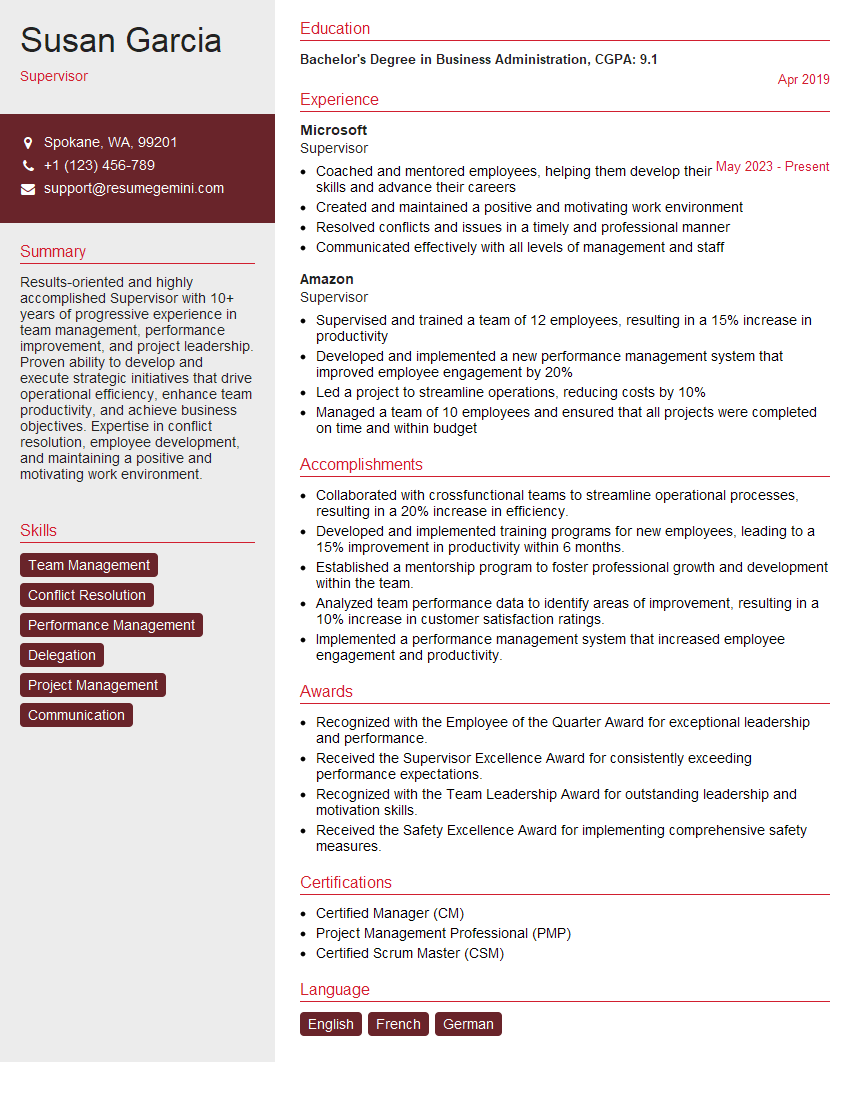
Supervisor Resume Sample
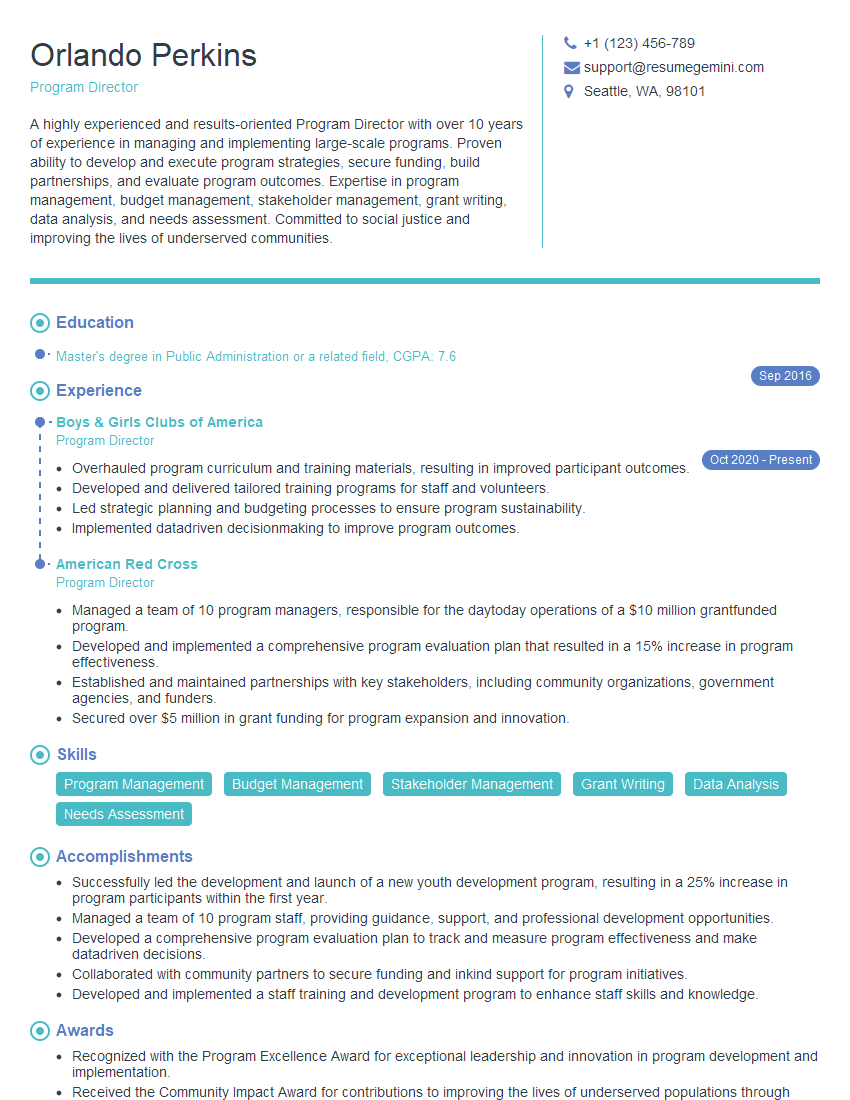
Program Director Resume Sample
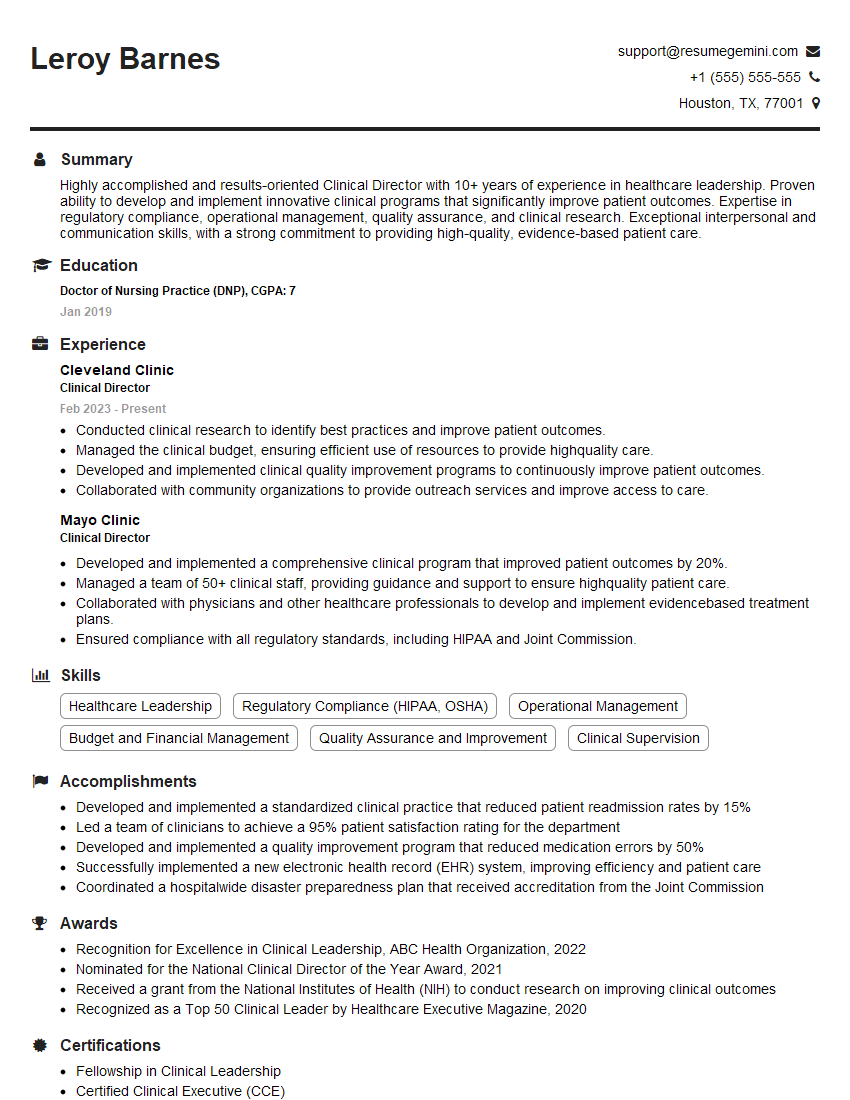
Clinical Director Resume Sample
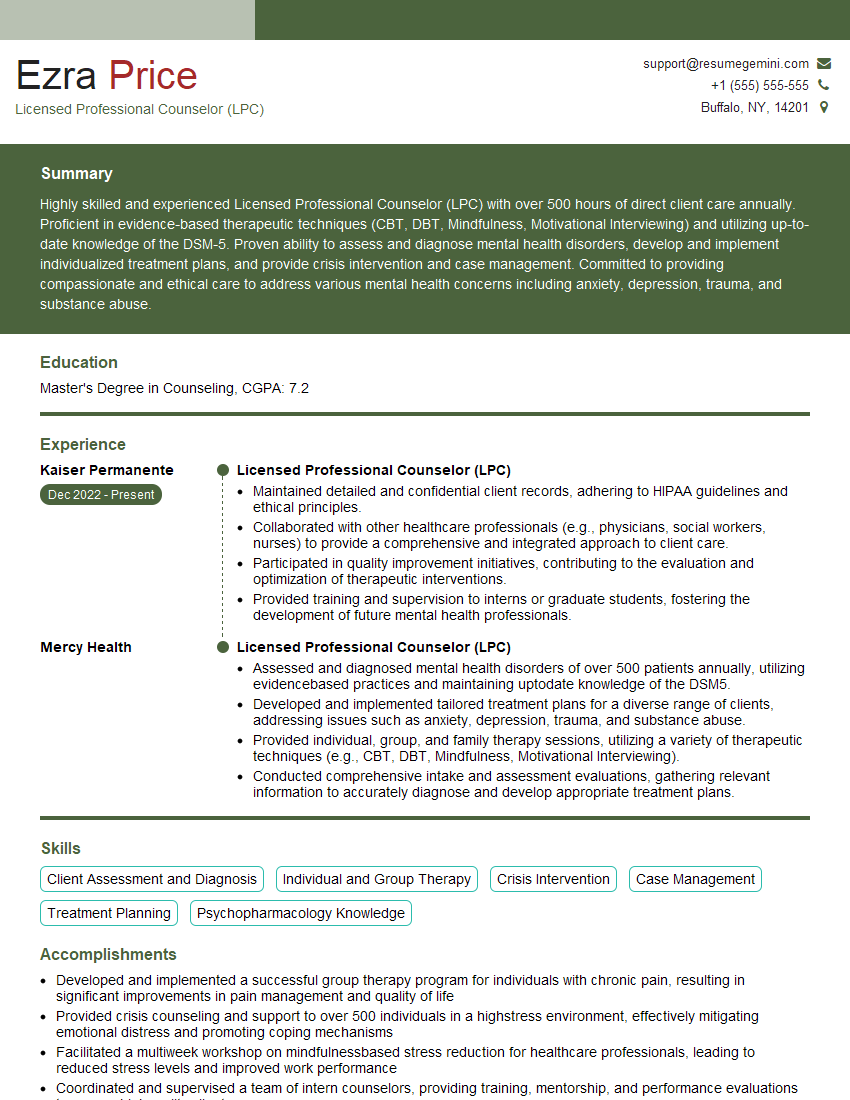
Licensed Professional Counselor (LPC) Resume Sample
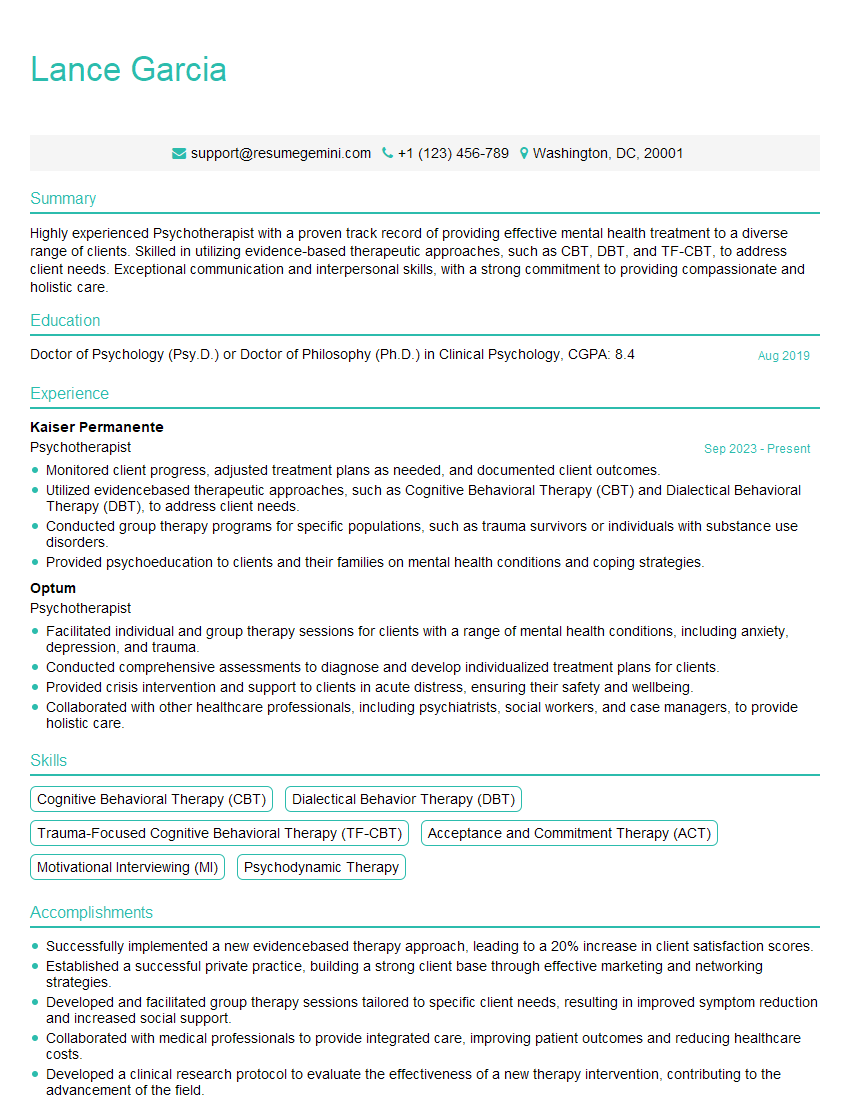
Psychotherapist Resume Sample
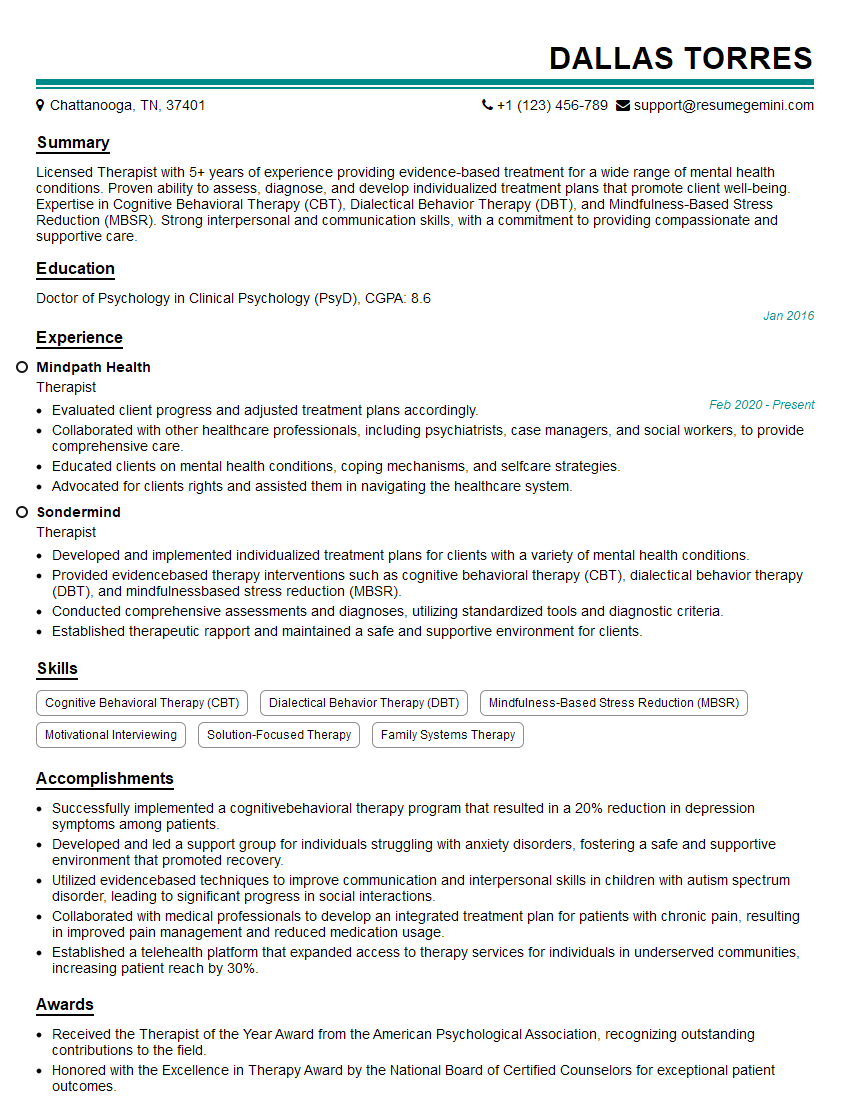
Therapist Resume Sample
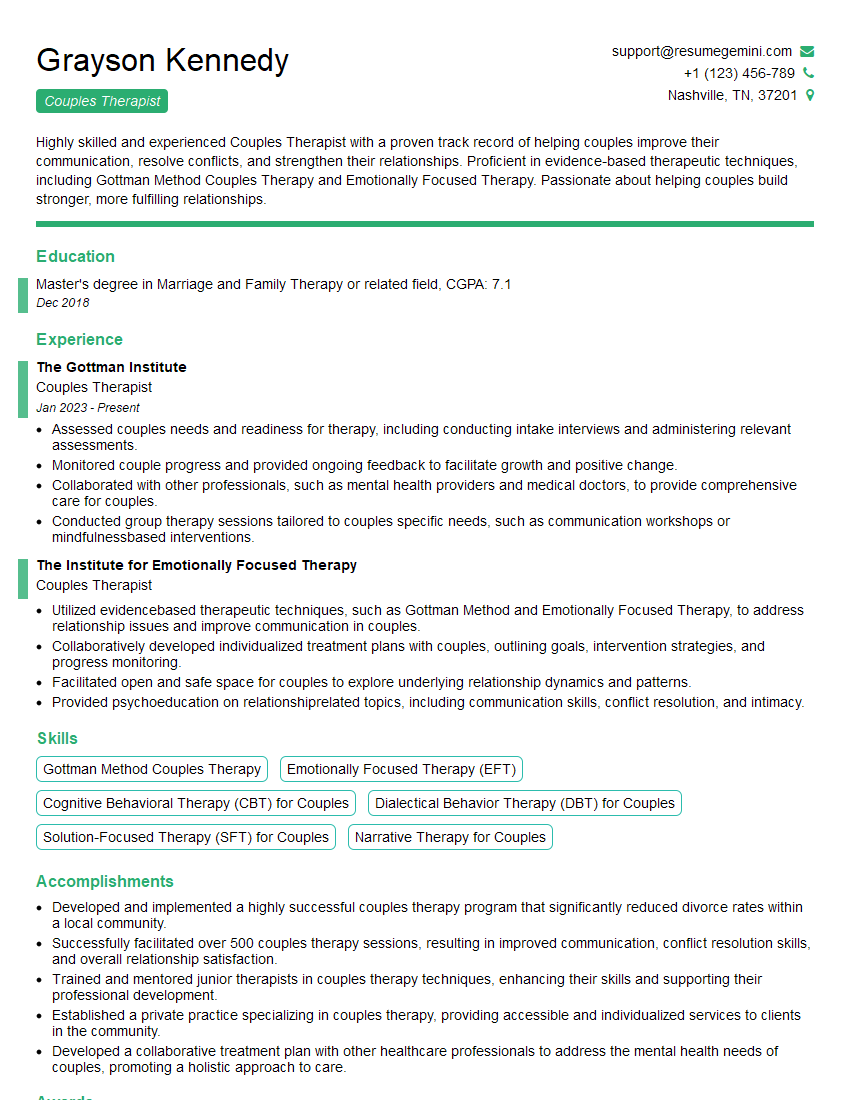
Couples Therapist Resume Sample
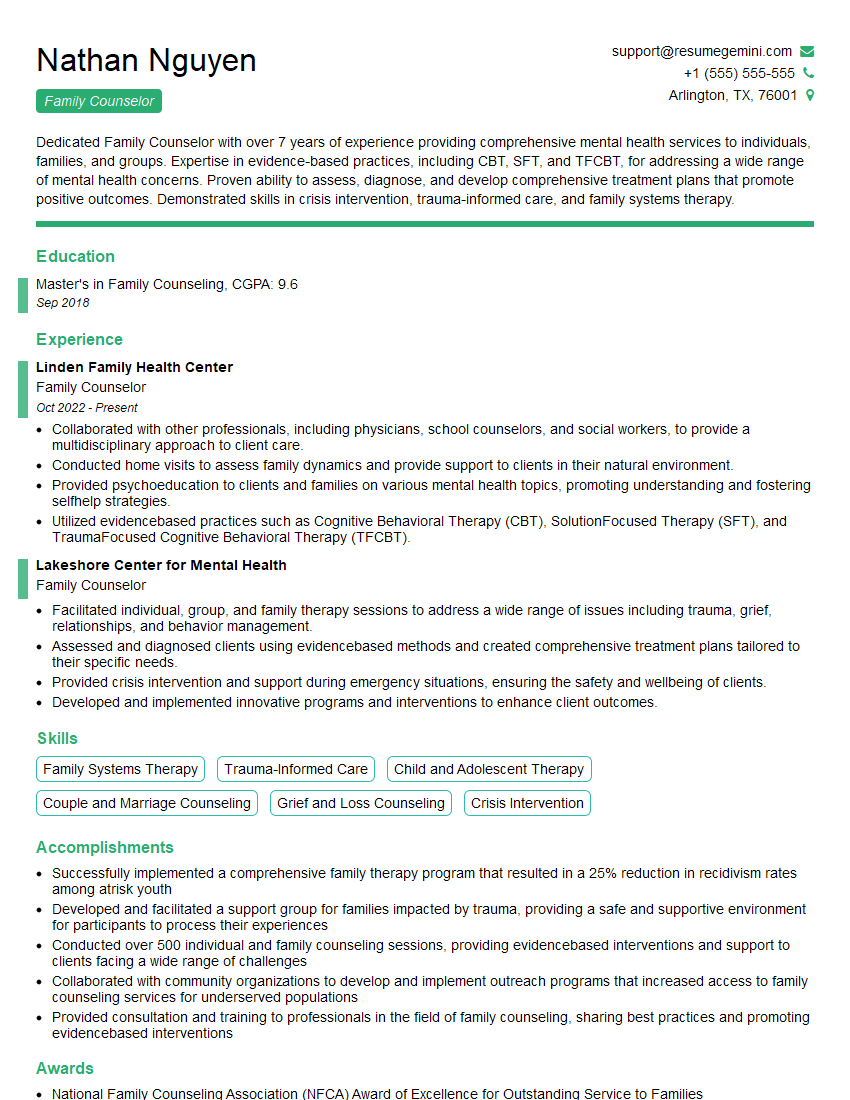
Family Counselor Resume Sample
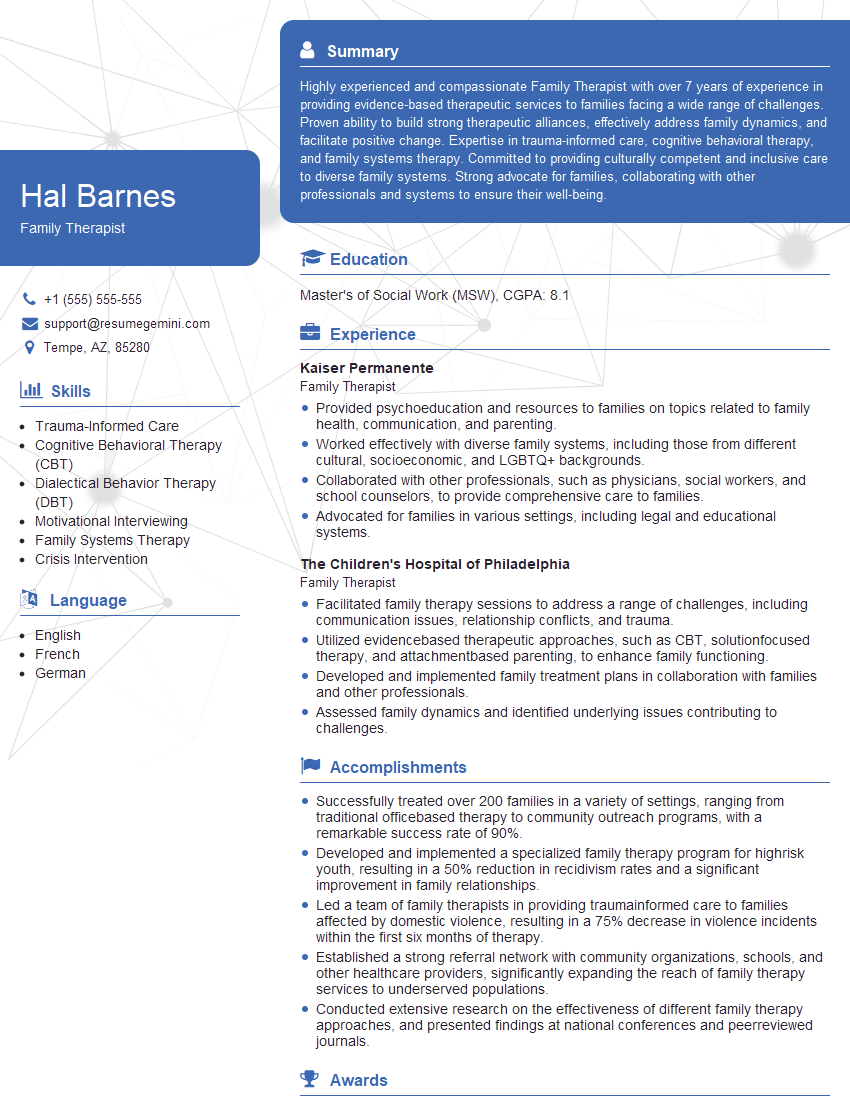
Family Therapist Resume Sample
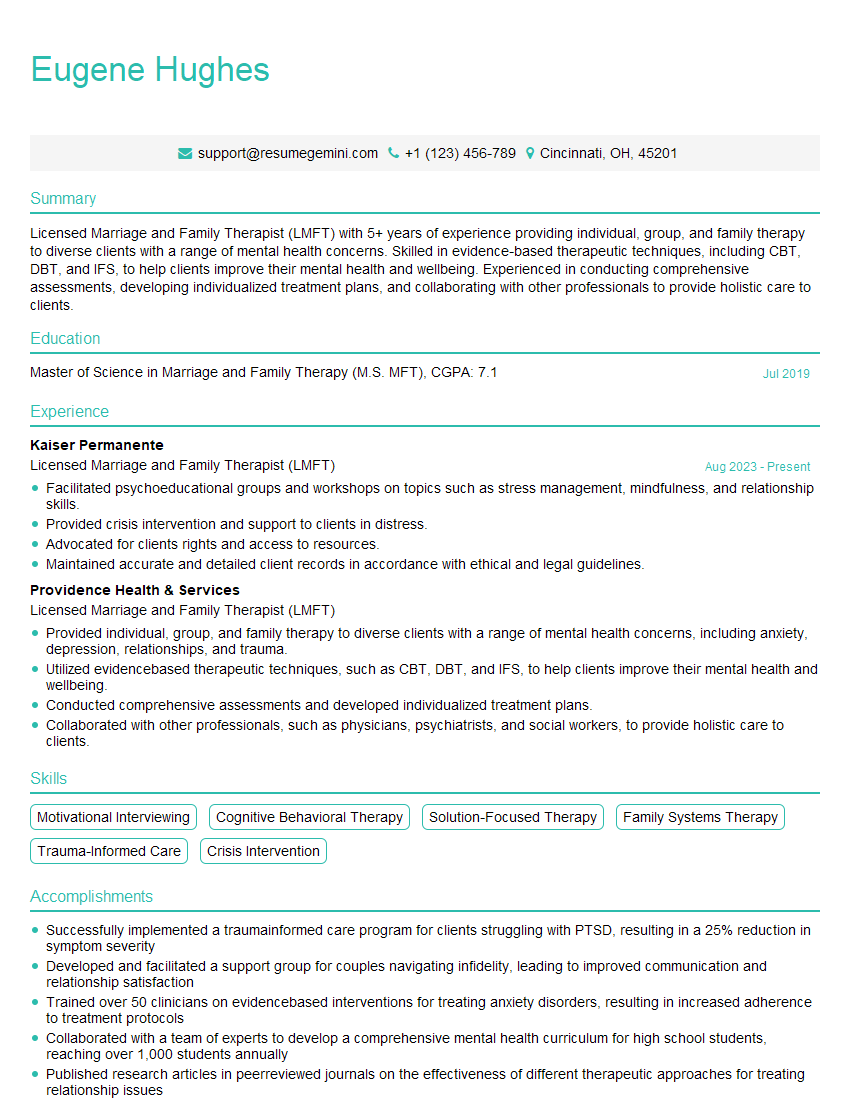
Licensed Marriage and Family Therapist (LMFT) Resume Sample
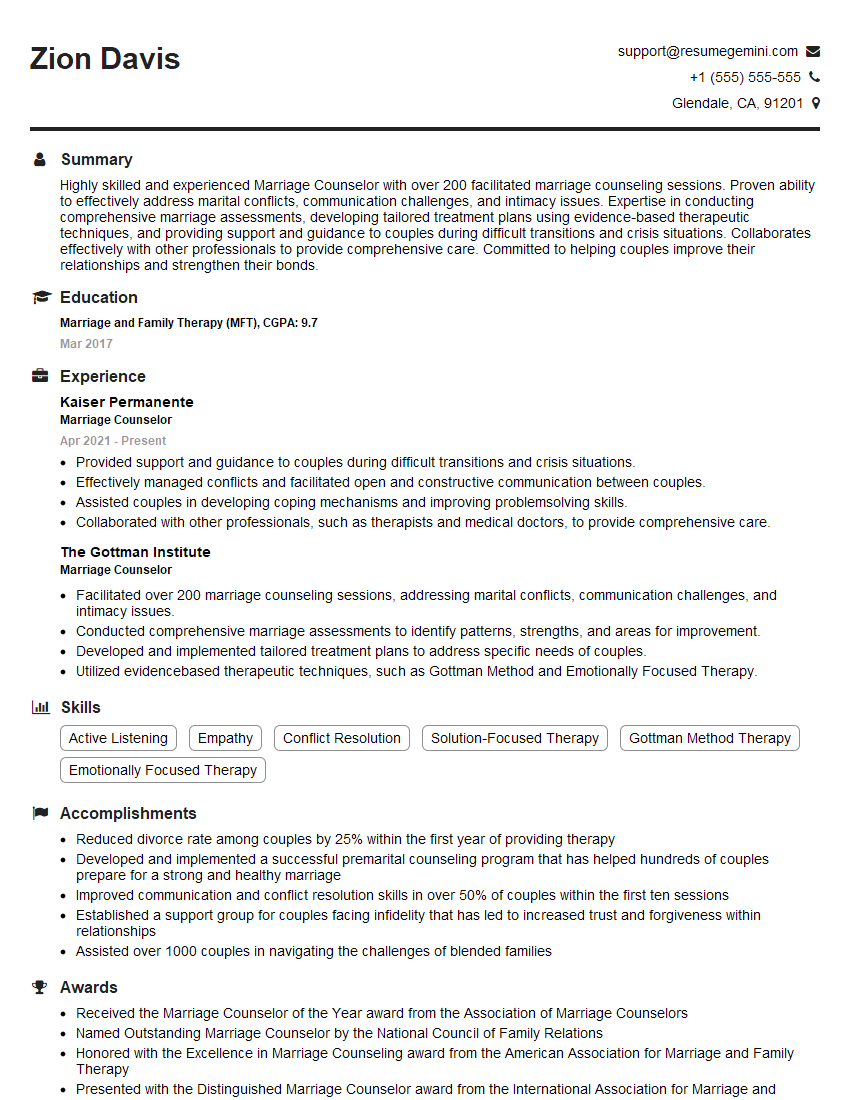
Marriage Counselor Resume Sample
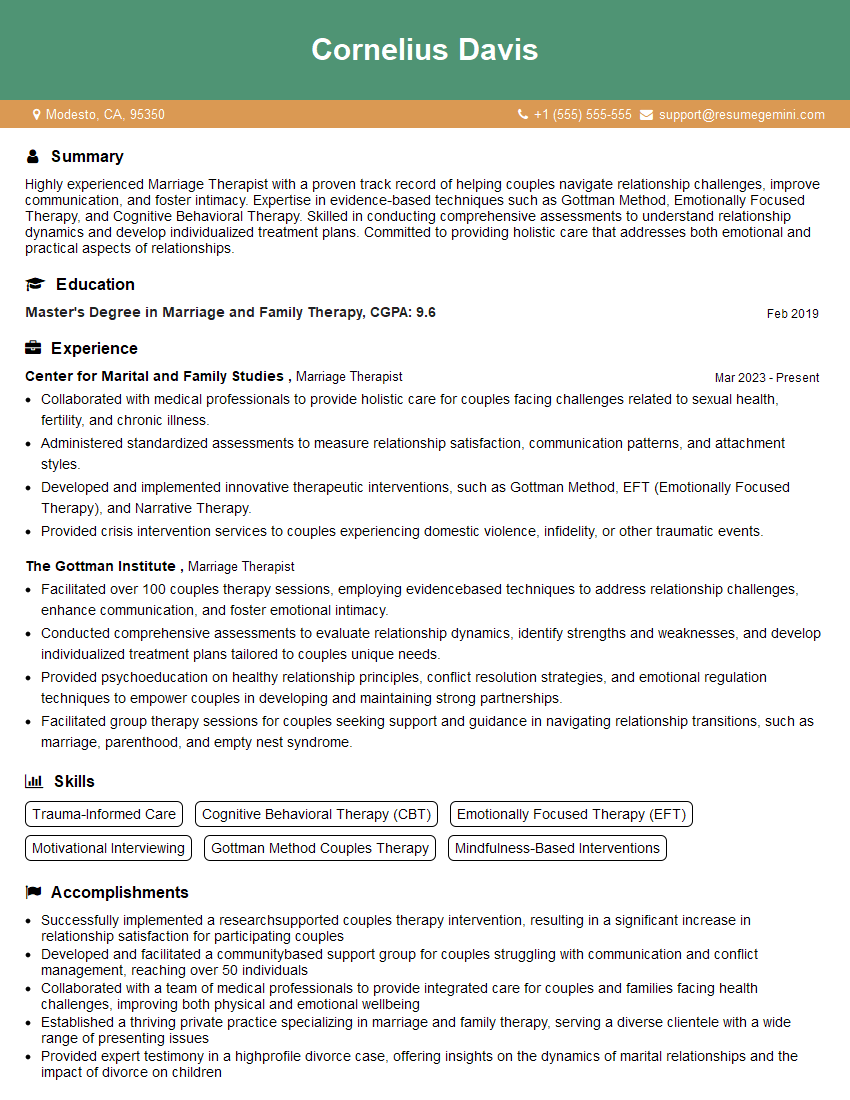
Marriage Therapist Resume Sample
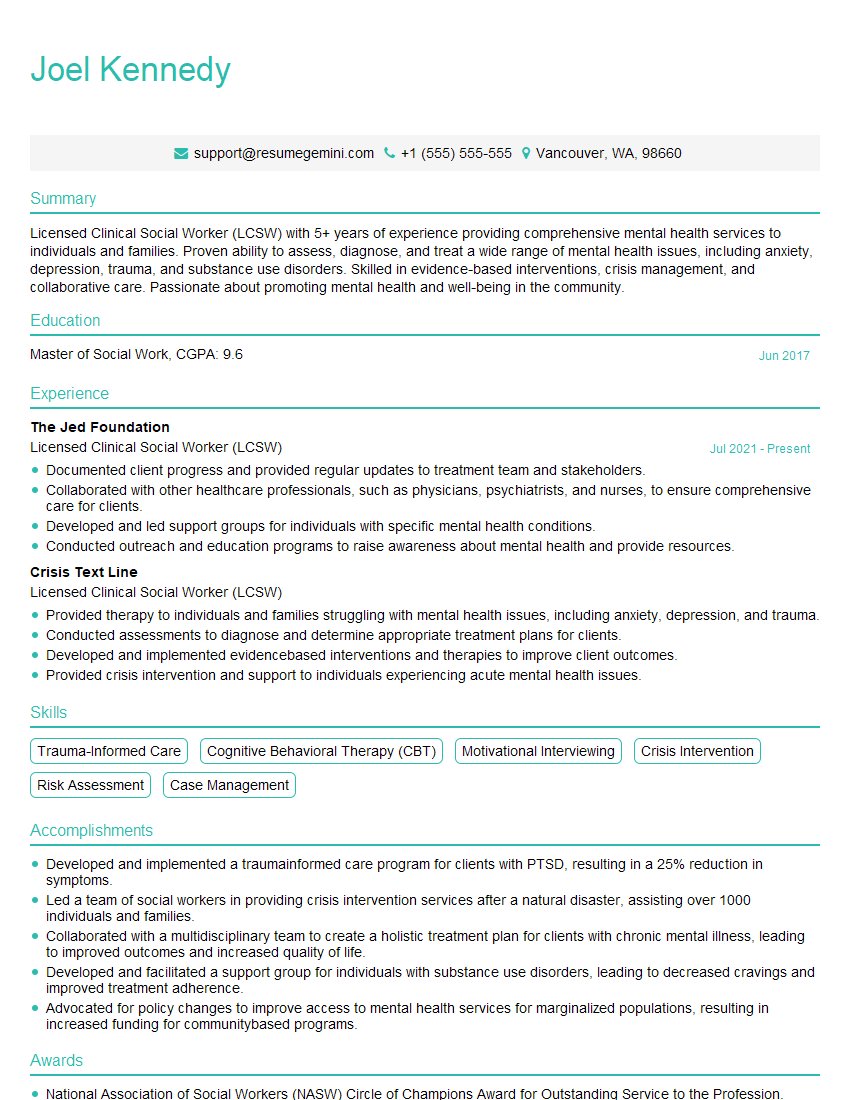
Licensed Clinical Social Worker (LCSW) Resume Sample
Explore more articles
Users Rating of Our Blogs
Share Your Experience
We value your feedback! Please rate our content and share your thoughts (optional).
What Readers Say About Our Blog
To the interviewgemini.com Webmaster.
Very helpful and content specific questions to help prepare me for my interview!
Thank you
To the interviewgemini.com Webmaster.
This was kind of a unique content I found around the specialized skills. Very helpful questions and good detailed answers.
Very Helpful blog, thank you Interviewgemini team.