Interviews are more than just a Q&A session—they’re a chance to prove your worth. This blog dives into essential Midstream oil and gas knowledge interview questions and expert tips to help you align your answers with what hiring managers are looking for. Start preparing to shine!
Questions Asked in Midstream oil and gas knowledge Interview
Q 1. Explain the difference between upstream, midstream, and downstream operations in the oil and gas industry.
The oil and gas industry is broadly categorized into three segments: upstream, midstream, and downstream. Think of it like a relay race.
- Upstream: This is the ‘starting leg,’ encompassing exploration, drilling, and production of crude oil and natural gas. Companies in this sector find and extract the raw materials. Imagine them as the runners digging for the baton.
- Midstream: This is the crucial ‘middle leg,’ focusing on the transportation, storage, and processing of these raw materials. Midstream companies act as the relay runners, carrying the baton (oil and gas) safely and efficiently to the next stage. This includes pipelines, storage tanks, processing plants (like natural gas processing plants and fractionators), and more.
- Downstream: This is the ‘final leg,’ involving refining crude oil into usable products (gasoline, diesel, etc.), marketing, and distribution to consumers. They’re like the runners who use the baton to win the race, delivering the finished products to the end users.
Each segment has distinct challenges and requires specialized expertise. Midstream, in particular, is vital for ensuring the smooth flow of hydrocarbons from production to consumption.
Q 2. Describe your experience with pipeline capacity management and optimization.
My experience in pipeline capacity management and optimization involves leveraging advanced analytics and modeling techniques to maximize throughput while adhering to safety and regulatory requirements. For example, in a project involving a major natural gas pipeline system, I used hydraulic modeling software to simulate various operational scenarios, identifying bottlenecks and implementing strategies to increase capacity. This included optimizing compressor station settings, implementing smart pigging strategies for pipeline cleaning and inspection, and even analyzing the impact of temperature changes on gas flow. This led to a 15% increase in pipeline throughput without requiring significant capital investment.
I’ve also worked on projects that involved using real-time data from Supervisory Control and Data Acquisition (SCADA) systems to monitor pipeline performance, predict potential issues, and proactively manage capacity. This proactive approach minimizes disruptions and maximizes efficiency.
Q 3. How do you ensure regulatory compliance in midstream operations?
Regulatory compliance is paramount in midstream operations. We employ a multi-faceted approach to ensure adherence to all applicable federal, state, and local regulations. This includes:
- Dedicated Compliance Team: A team of experienced professionals is dedicated to staying abreast of evolving regulations and ensuring our operations are compliant. They conduct regular audits and risk assessments.
- Robust Documentation and Record-Keeping: We maintain meticulous records of all operations, inspections, maintenance activities, and any incidents. This documentation is crucial for demonstrating compliance during audits.
- Pipeline Integrity Management Program: A comprehensive program for monitoring, assessing, and managing pipeline integrity is a core component of our compliance strategy. This includes in-line inspection (ILI), regular hydrostatic testing, and effective leak detection systems.
- Environmental Protection Measures: We implement stringent environmental protocols to minimize our environmental footprint, complying with regulations related to emissions, waste disposal, and spill prevention.
- Employee Training: Regular training for all employees on regulatory requirements and safe operating procedures ensures everyone understands their role in maintaining compliance.
Proactive compliance not only avoids penalties but also fosters a culture of safety and responsibility.
Q 4. What are the key challenges in NGL fractionation, and how would you address them?
NGL (Natural Gas Liquids) fractionation faces several key challenges:
- Feedstock Variability: The composition of NGL feedstock can fluctuate significantly, impacting fractionation efficiency and product quality. This requires adaptable operational strategies.
- Energy Consumption: Fractionation is energy-intensive. Optimizing energy efficiency is crucial for cost-effectiveness and environmental sustainability. We can implement measures like heat recovery systems and advanced control algorithms.
- Corrosion and Fouling: The corrosive nature of some NGL components can damage equipment. Regular inspection, material selection, and effective cleaning protocols are crucial to mitigate these risks.
- Market Volatility: Demand and pricing for individual NGL components can fluctuate significantly. Effective market analysis and inventory management are essential to maximize profitability.
To address these challenges, I’d focus on:
- Advanced Process Control (APC): Implementing APC systems can optimize fractionation operations, responding dynamically to feedstock variability and maximizing product yields.
- Predictive Maintenance: Utilizing data analytics and predictive modeling to predict equipment failures and schedule maintenance proactively can minimize downtime and extend equipment lifespan.
- Energy Efficiency Improvements: Implementing energy-efficient equipment and processes, along with optimization strategies, is vital for cost reduction and environmental responsibility.
- Market Hedging Strategies: Employing hedging techniques can mitigate the risk associated with market price volatility.
Q 5. Explain your understanding of pipeline integrity management and risk assessment.
Pipeline integrity management (PIM) is a systematic approach to ensure the safe and reliable operation of pipelines. It’s all about proactively preventing incidents through risk assessment and mitigation.
My understanding of PIM involves:
- Risk Assessment: Identifying potential threats to pipeline integrity, such as corrosion, third-party damage, and material degradation. This often involves using specialized software and considering factors like pipeline age, soil conditions, and operating pressures.
- Inspection and Monitoring: Employing various inspection techniques, including in-line inspection (ILI), aerial patrols, and leak detection systems, to monitor pipeline condition and identify potential flaws.
- Data Analysis: Analyzing inspection data and other relevant information to assess pipeline risk and prioritize mitigation efforts. This may involve using statistical modeling and risk-based decision-making.
- Repair and Maintenance: Implementing a comprehensive repair and maintenance program to address identified issues, ensuring that repairs are made correctly and meet safety standards.
- Emergency Response Plan: Developing and regularly testing an emergency response plan to deal with potential pipeline incidents.
A robust PIM program is essential for minimizing environmental risks, protecting public safety, and ensuring the continued efficient operation of the pipeline system. Think of it as preventative medicine for your pipeline—much cheaper and safer than reacting to an emergency.
Q 6. Describe your experience with pipeline hydraulic modeling and simulation.
Pipeline hydraulic modeling and simulation are critical for optimizing pipeline operations and ensuring safe and efficient transportation of hydrocarbons. I have extensive experience using specialized software packages like OLGA, PIPESIM, and others to perform these simulations.
My experience includes:
- Steady-state and Transient Simulations: Modeling both steady-state and transient flow conditions to assess pipeline performance under various operating scenarios, such as changes in flow rate, pressure, and temperature.
- Compressor Station Optimization: Using simulation to optimize compressor station operations, maximizing throughput while minimizing energy consumption.
- Pipeline Integrity Assessment: Incorporating pipeline defects and other factors into the model to assess their impact on pipeline performance and safety.
- Emergency Response Planning: Using simulation to model various emergency scenarios (e.g., pipeline rupture) and evaluate the effectiveness of emergency response measures.
- Pipeline Design and Expansion: Using simulations to evaluate the feasibility of new pipeline projects and assess the impact of pipeline expansions on the existing network.
These simulations provide valuable insights that inform decision-making related to pipeline operations, maintenance, and expansion projects, ultimately leading to improved safety, efficiency, and profitability.
Q 7. How do you manage and optimize storage capacity in a midstream facility?
Managing and optimizing storage capacity in a midstream facility requires a strategic approach that balances supply, demand, and market conditions. My experience involves the use of advanced inventory management systems and optimization techniques.
Key strategies include:
- Real-time Monitoring and Forecasting: Utilizing SCADA systems and advanced analytics to monitor inventory levels, predict future demand, and optimize storage utilization.
- Inventory Management Systems: Implementing sophisticated inventory management systems to track inventory, manage storage allocation, and optimize product blending.
- Market Analysis and Forecasting: Analyzing market trends and forecasting future demand to optimize storage levels and avoid costly overstocking or shortages.
- Strategic Stockpiling: Maintaining strategic reserves of key products to ensure supply continuity during periods of high demand or supply disruptions.
- Storage Optimization Techniques: Employing advanced optimization techniques (e.g., linear programming) to optimize the allocation of storage capacity across different products and storage locations.
Effective storage management is crucial for maintaining a stable supply chain, reducing operational costs, and enhancing profitability. It’s all about having the right product, at the right time, in the right place, in the most efficient manner.
Q 8. Explain your experience with gas processing unit operations and maintenance.
My experience encompasses the entire lifecycle of gas processing unit operations and maintenance, from initial design review and commissioning to ongoing operational management and troubleshooting. I’ve worked extensively with various types of gas processing units, including dehydration units (using glycols or other desiccants), acid gas removal units (using amine treating), and cryogenic fractionation units.
My responsibilities have included:
- Process Optimization: Analyzing operational data to identify inefficiencies and implement strategies for improved throughput, energy efficiency, and product quality. For instance, I optimized a dehydration unit’s regeneration cycle, reducing glycol consumption by 15%.
- Maintenance Planning & Execution: Developing and implementing preventative maintenance schedules, managing turnaround activities, and troubleshooting equipment failures. I led a team that successfully completed a major turnaround on a gas processing plant, exceeding performance targets and maintaining operational safety.
- Troubleshooting & Repair: Diagnosing and resolving process upsets, equipment malfunctions, and safety incidents. A memorable example involved resolving a compressor surge issue by identifying and correcting a control valve malfunction.
- Regulatory Compliance: Ensuring compliance with all relevant environmental, safety, and operational regulations. This included managing air emissions monitoring, waste disposal, and safety training programs.
I am proficient in using process simulators (like Aspen HYSYS) to model and optimize gas processing unit operations. My experience has instilled in me a strong understanding of the intricate interplay between different unit operations and the importance of proactive maintenance to ensure efficient and safe operations.
Q 9. How would you handle a pipeline leak or emergency situation?
Pipeline leaks and emergencies require swift, decisive action. My approach follows a structured protocol emphasizing safety and minimizing environmental impact:
- Immediate Response: Isolate the affected section of the pipeline by closing appropriate valves, prioritizing the safety of personnel and the environment. This often involves activating emergency shutdown systems.
- Emergency Personnel Notification: Immediately alert emergency response teams (internal and external, depending on the severity), regulatory agencies, and potentially affected communities, based on pre-established emergency response plans. Detailed communication is key.
- Leak Assessment & Containment: Once the area is secured, assess the extent of the leak, the type of fluid released, and the potential environmental and safety risks. Implement containment measures to prevent further spread. This might involve deploying booms for water-based spills or using specialized equipment for gas leaks.
- Repair & Restoration: After securing the area and containing the spill, commence the repair process, following all necessary safety protocols. This involves assessing the damage, procuring necessary materials, and executing the repair with qualified personnel.
- Investigation & Root Cause Analysis: Conduct a thorough investigation to determine the root cause of the leak, to prevent future occurrences. This might involve reviewing operational data, inspecting the pipeline, and implementing corrective actions.
- Post-Incident Reporting: Prepare a detailed report documenting the incident, the response, the damage, and the corrective actions taken. This report is shared with relevant stakeholders, including regulatory agencies.
Think of it like a well-orchestrated emergency response team – each step is crucial, and effective communication is the backbone of the entire process. I’ve personally handled several pipeline incidents, ranging from minor leaks to more significant events, and the consistent application of this structured approach has always resulted in minimizing damage and ensuring everyone’s safety.
Q 10. Describe your experience with SCADA systems and their application in midstream operations.
SCADA (Supervisory Control and Data Acquisition) systems are the nervous system of midstream operations, providing real-time monitoring and control of critical infrastructure. My experience involves configuring, managing, and troubleshooting SCADA systems across multiple midstream assets.
Specifically, I have experience with:
- Data Acquisition: Using SCADA systems to collect data from various field devices such as pressure transmitters, flow meters, and level sensors. This data is crucial for monitoring pipeline integrity, optimizing flow rates, and managing storage tank levels.
- Supervisory Control: Employing SCADA systems to remotely control various aspects of midstream operations, including adjusting valve positions, starting/stopping pumps, and managing compressor operations. This enables centralized control and efficient resource allocation.
- Alarm Management: Configuring and managing SCADA alarms to provide timely alerts for abnormal operating conditions, equipment failures, and safety hazards. Effective alarm management prevents minor issues from escalating into major incidents.
- Data Analysis & Reporting: Utilizing historical data from SCADA systems to identify trends, analyze performance, and optimize operations. I’ve created customized reports to track key performance indicators (KPIs) and improve operational efficiency.
- System Integration: Working with different SCADA platforms and integrating them with other systems such as ERP (Enterprise Resource Planning) and GIS (Geographic Information System) for comprehensive data management and reporting.
For example, I utilized SCADA data to identify a recurring pressure surge in a specific pipeline segment, leading to proactive maintenance and preventing a potential pipeline failure. SCADA is not just a monitoring system; it’s a powerful tool for improving safety, efficiency, and operational decision-making.
Q 11. Explain your understanding of different pipeline transportation methods (e.g., slurry, gas, crude).
Midstream transportation methods vary significantly depending on the nature of the product being transported. Each method has its own set of advantages and disadvantages.
- Crude Oil Pipelines: These pipelines transport crude oil from production sites to refineries. The oil is typically heated to reduce viscosity and improve flow. The pipelines are often large diameter and require significant pumping capacity.
- Natural Gas Pipelines: These pipelines transport natural gas, often under high pressure. The gas is compressed at compressor stations along the pipeline to maintain pressure and ensure efficient transportation. This requires careful monitoring of pressure and flow rates.
- Natural Gas Liquids (NGL) Pipelines: NGLs, like propane and butane, are often transported in pipelines either as a liquid or a mixture with natural gas. These pipelines require specialized designs and materials due to the varying properties of NGLs.
- Slurry Pipelines: These pipelines transport solids (like coal or minerals) suspended in a liquid (usually water). This method is cost-effective for transporting materials over long distances, but requires specialized pump and pipeline design to prevent settling and wear.
The selection of the appropriate transportation method depends on factors such as product characteristics, distance, volume, cost, and environmental considerations. My experience includes working with all the above pipeline types, and understanding the nuances of each is crucial for safe and efficient operations.
Q 12. How do you ensure the safety of personnel and equipment during midstream operations?
Ensuring the safety of personnel and equipment is paramount in midstream operations. This involves a multi-faceted approach integrating stringent safety protocols, robust training programs, and proactive risk management.
- Safety Management Systems (SMS): Implementation and adherence to a comprehensive SMS, which includes hazard identification, risk assessment, control measures, and emergency response planning. Regular audits and safety reviews ensure ongoing compliance.
- Personnel Training & Competency: Providing regular, comprehensive training to all personnel on safety procedures, emergency response, and hazard awareness. Competency assessments ensure that individuals possess the necessary skills to perform their tasks safely.
- Equipment Integrity Management: Implementing rigorous inspection and maintenance programs for all equipment, including pipelines, storage tanks, and processing units. This includes regular inspections, non-destructive testing (NDT), and preventative maintenance to prevent equipment failures.
- Emergency Response Planning: Developing and regularly practicing emergency response plans for various scenarios, including pipeline leaks, fires, and equipment failures. These plans ensure a coordinated and effective response in case of an incident.
- Permit-to-Work Systems: Utilizing permit-to-work systems to control hazardous work activities. This system ensures that all necessary safety precautions are in place before work begins and that all hazards are adequately addressed.
- Safety Culture: Fostering a strong safety culture within the organization through active participation, open communication, and continuous improvement initiatives. Leading by example is crucial.
Safety isn’t just a checklist; it’s a continuous process of improvement and vigilance. A commitment to safety not only protects personnel and the environment but also improves operational efficiency and reduces the risk of costly incidents.
Q 13. What are your experiences with different types of storage tanks and their applications?
Midstream operations utilize various storage tanks, each designed for specific applications based on the stored product’s properties and the required storage capacity.
- Atmospheric Storage Tanks: These tanks operate at atmospheric pressure and are commonly used for storing relatively low-pressure products like crude oil and some NGLs. They are typically constructed of steel and designed to withstand various environmental conditions.
- Pressure Vessels: Designed to store products under pressure, pressure vessels are often used for storing high-pressure gases such as natural gas or propane. They are meticulously designed and constructed to withstand significant internal pressure.
- Spheroid Tanks: These tanks are spherical or ellipsoidal in shape and are typically used for storing LPG (liquefied petroleum gas) or other liquefied gases. Their shape provides high strength-to-weight ratio and minimizes stress on the tank structure.
- Floating-Roof Tanks: These tanks are commonly used for storing crude oil or other volatile liquids. A floating roof on the top of the tank minimizes the amount of vapor space above the liquid, reducing evaporation losses and associated risks.
Selecting the appropriate tank type requires careful consideration of the product’s properties (pressure, temperature, volatility), required storage capacity, and site-specific factors like environmental conditions and space limitations. My experience encompasses the design, construction, maintenance, and operation of all these tank types, including ensuring their compliance with relevant safety regulations.
Q 14. How do you handle scheduling conflicts and optimize logistics in midstream operations?
Efficient scheduling and logistics are crucial for optimizing midstream operations. Handling scheduling conflicts and optimizing logistics often involves a combination of advanced planning, real-time monitoring, and adaptable strategies.
My approach involves:
- Master Scheduling: Developing a comprehensive master schedule that considers all aspects of the operation, including production, transportation, processing, and storage. This involves forecasting demand, estimating transportation times, and allocating resources effectively.
- Real-Time Monitoring and Adjustments: Continuously monitoring actual performance against the schedule, identifying potential conflicts or delays, and implementing appropriate corrective actions. This might involve adjusting pump rates, rerouting pipelines, or optimizing storage tank utilization.
- Optimization Software: Employing specialized scheduling and optimization software to identify the most efficient configurations and minimize delays and inefficiencies. This can significantly improve the overall efficiency of the system.
- Communication & Collaboration: Establishing clear communication channels between all stakeholders involved in the process, including production facilities, transportation providers, processing plants, and storage terminals. This ensures timely updates and facilitates the prompt resolution of conflicts.
- Contingency Planning: Developing contingency plans to handle unforeseen events, such as equipment failures, pipeline disruptions, or unexpected changes in production or demand. This minimizes the impact of disruptions on the overall schedule.
Optimizing midstream logistics is an ongoing process of continuous improvement. By effectively integrating planning, monitoring, and real-time adjustments, we can maximize efficiency, reduce costs, and ensure the reliable delivery of products to market. I have successfully implemented such strategies to mitigate delays and maintain optimal throughput in various midstream projects.
Q 15. Explain your understanding of the different types of pipeline materials and their properties.
Pipeline materials are selected based on factors like the transported product, pressure, temperature, and environmental conditions. Different materials possess unique properties affecting their lifespan, cost, and safety.
- Steel: The most common material due to its strength, durability, and weldability. Different grades exist, with higher-strength steels used for higher pressures and demanding environments. Examples include API 5L X42, X65, and X80. However, steel is susceptible to corrosion, requiring protective coatings or cathodic protection.
- Polyethylene (PE): Used for lower-pressure applications, particularly for gathering lines and smaller distribution networks. PE pipelines are lightweight, flexible, and corrosion-resistant. High-density polyethylene (HDPE) is more commonly used for its superior strength. However, PE is less resistant to high temperatures and some chemicals compared to steel.
- Fiberglass Reinforced Polymer (FRP): Offers corrosion resistance and lightweight characteristics making it suitable for specific applications like corrosive environments or challenging terrains. FRP pipelines are typically used for smaller diameter lines and require careful handling during installation. Their strength is lower than steel pipelines.
- Cast Iron: Historically common, now used less frequently in modern midstream due to lower strength and higher susceptibility to corrosion compared to steel.
Choosing the right material involves a detailed risk assessment, considering the complete life-cycle costs, and ensuring adherence to relevant safety regulations.
Career Expert Tips:
- Ace those interviews! Prepare effectively by reviewing the Top 50 Most Common Interview Questions on ResumeGemini.
- Navigate your job search with confidence! Explore a wide range of Career Tips on ResumeGemini. Learn about common challenges and recommendations to overcome them.
- Craft the perfect resume! Master the Art of Resume Writing with ResumeGemini’s guide. Showcase your unique qualifications and achievements effectively.
- Don’t miss out on holiday savings! Build your dream resume with ResumeGemini’s ATS optimized templates.
Q 16. Describe your experience with process safety management (PSM) systems.
Process Safety Management (PSM) is crucial in midstream operations to prevent accidents. My experience encompasses all phases, from hazard identification and risk assessment to emergency response planning and training. I’ve been directly involved in developing and implementing PSM systems adhering to OSHA’s 1910.119 standard and other relevant regulations.
This includes:
- Hazard Identification and Risk Assessment (HIRA): Conducting thorough HAZOP (Hazard and Operability) studies, LOPA (Layer of Protection Analysis), and quantitative risk assessments to identify potential hazards and determine risk levels.
- Safe Operating Procedures (SOPs): Developing and maintaining detailed SOPs for all critical tasks, covering both normal operations and emergency situations. Regular audits are conducted to ensure adherence.
- Emergency Response Planning: Developing and regularly testing comprehensive emergency response plans, including emergency shutdown procedures, communication protocols, and evacuation plans. Drills are conducted to ensure preparedness.
- Training and Competency Assurance: Providing comprehensive safety training programs for all personnel, ensuring competency in safe operating practices, emergency response procedures, and hazard recognition.
- Mechanical Integrity Program: Implementing and managing a robust mechanical integrity program encompassing pipeline integrity management, inspection, and maintenance strategies to identify and mitigate potential integrity threats, including corrosion and material degradation.
PSM is not just a set of documents; it’s a living, breathing system requiring continuous improvement, proactive hazard management, and a strong safety culture.
Q 17. How do you ensure environmental compliance in midstream operations?
Environmental compliance is paramount in midstream. My approach focuses on proactive measures and continuous monitoring. This includes adherence to all applicable federal, state, and local environmental regulations, including the Clean Water Act, Clean Air Act, and Resource Conservation and Recovery Act (RCRA).
Key aspects of my strategy include:
- Spill Prevention, Control, and Countermeasure (SPCC) Plans: Developing and regularly updating comprehensive SPCC plans to prevent and respond to oil spills. This includes regular inspections, maintenance of containment systems, and emergency response drills.
- Air Emissions Monitoring: Implementing monitoring programs for air emissions, including volatile organic compounds (VOCs) and greenhouse gases (GHGs). Regular data analysis and reporting are conducted to ensure compliance.
- Wastewater Management: Implementing robust wastewater management systems, including proper collection, treatment, and disposal of wastewater. Regular testing is carried out to ensure compliance with discharge limits.
- Erosion and Sediment Control: Implementing measures to minimize erosion and sediment control, protecting water bodies and sensitive environments. Regular site inspections ensure effectiveness.
- Environmental Audits and Reporting: Conducting regular environmental audits to assess compliance with environmental regulations. Detailed reporting and record keeping are essential.
Environmental compliance isn’t just about avoiding penalties; it’s about being a responsible corporate citizen and safeguarding the environment for future generations.
Q 18. Explain your experience with data analysis and its application to midstream operations.
Data analysis plays a crucial role in optimizing midstream operations and improving safety. I have extensive experience using data analytics to improve efficiency, predict potential problems, and make informed decisions.
My experience includes:
- Pipeline Integrity Management (PIM): Utilizing data from in-line inspections (ILI), pressure monitoring systems, and leak detection systems to assess pipeline integrity and prioritize maintenance activities. Statistical analysis helps identify high-risk areas.
- Operational Optimization: Analyzing operational data such as flow rates, pressures, and compressor performance to identify inefficiencies and optimize operations. Machine learning algorithms are helpful in this regard.
- Predictive Maintenance: Employing data analysis techniques to predict equipment failures and schedule maintenance proactively, reducing downtime and costs. This reduces unscheduled shutdowns.
- Leak Detection and Prevention: Analyzing sensor data to detect leaks early and prevent environmental incidents. Advanced algorithms can differentiate between leaks and normal operational variations.
- Regulatory Reporting: Data analysis is key for accurate regulatory reporting and compliance. Automated data extraction tools help streamline this process.
I utilize various tools, including statistical software packages (e.g., R, Python), Geographic Information Systems (GIS), and specialized pipeline management software to effectively utilize and analyze pipeline data.
Q 19. How do you manage and mitigate risks associated with third-party contractors?
Managing risk associated with third-party contractors requires a structured approach to ensure both safety and compliance. This involves careful selection, rigorous oversight, and robust contractual agreements.
My approach includes:
- Pre-qualification and Selection: Implementing a rigorous pre-qualification process to evaluate contractors’ safety records, insurance coverage, and experience. Thorough background checks and reference checks are essential.
- Contractual Agreements: Developing comprehensive contractual agreements that clearly define scopes of work, safety requirements, insurance provisions, and liability provisions. Clear communication channels and regular communication are vital.
- On-site Supervision and Monitoring: Providing adequate on-site supervision and regular monitoring of contractor activities to ensure compliance with safety regulations and contractual agreements. Regular safety meetings are a useful tool.
- Safety Training and Orientation: Requiring contractors’ personnel to undergo appropriate safety training and orientation before commencing work. This should address project-specific hazards.
- Performance Evaluation and Reporting: Regularly evaluating contractors’ performance and documenting any incidents or non-compliances. Performance ratings help prioritize future contractors.
By establishing clear expectations and maintaining rigorous oversight, we minimize the risks associated with third-party contractors and ensure a safe and productive working environment.
Q 20. What are your experiences with different types of pipeline valves and their operation?
Pipeline valves are essential components, controlling flow and pressure within the pipeline system. Different types are employed for various purposes, each with specific operational characteristics.
- Gate Valves: Used for on/off service, providing full flow when open. They are not suitable for throttling (regulating flow). Regular maintenance is necessary to prevent sticking.
- Globe Valves: Designed for throttling and flow regulation. They create more pressure drop than gate valves when fully open. Careful selection based on pressure and flow requirements is crucial.
- Ball Valves: Offer quick on/off service with a simple rotary motion. They are suitable for both high and low pressure applications. Regular lubrication is recommended for smooth operation.
- Butterfly Valves: Similar to ball valves in terms of operation but with a disc-shaped closure member. They are typically used for larger diameter lines and throttling applications. Precise control of flow is possible.
- Check Valves: Prevent backflow within the pipeline system. They automatically open in the direction of flow and close when the flow reverses. Essential for safety and operational integrity.
Understanding the operation and maintenance of each type of valve is critical for safe and efficient pipeline operations. Regular inspections, testing, and maintenance are crucial to prevent failures.
Q 21. How would you address a situation involving a pipeline blockage?
Addressing a pipeline blockage requires a systematic approach prioritizing safety and minimizing environmental impact. The specific response depends on the nature of the blockage, the location, and the product being transported.
My approach would be:
- Emergency Response Activation: Immediately activate the emergency response plan, notifying relevant personnel, emergency services, and regulatory agencies.
- Isolate the Affected Section: Quickly isolate the affected section of the pipeline by closing appropriate valves upstream and downstream to prevent further propagation of the blockage or potential spill.
- Assess the Situation: Conduct a thorough assessment to determine the nature and extent of the blockage. This might involve using specialized tools and techniques to analyze the blockage, determining its cause and impact.
- Develop a Remediation Plan: Develop a detailed remediation plan based on the assessment, considering safety, environmental protection, and efficient restoration of pipeline operations. This often involves a detailed risk assessment.
- Implement the Remediation Plan: Implement the remediation plan carefully, adhering to all safety protocols and environmental regulations. This may involve mechanical cleaning, chemical treatment, or other techniques.
- Post-Incident Analysis: Conduct a thorough post-incident analysis to determine root causes, identify areas for improvement, and prevent future occurrences. This analysis is crucial to enhance the PSM system.
Throughout the entire process, maintaining clear communication with all stakeholders and documenting all actions are crucial aspects of the response.
Q 22. Explain your understanding of the economic factors influencing midstream operations.
Midstream oil and gas operations are significantly impacted by economic factors, primarily revolving around commodity prices (crude oil, natural gas, NGLs), transportation costs, and regulatory environments. Fluctuations in oil and gas prices directly affect profitability, influencing investment decisions and operational strategies. For example, during periods of low commodity prices, midstream companies might prioritize cost optimization by reducing maintenance schedules or delaying expansion projects. Conversely, high prices can lead to increased capital expenditure on new infrastructure and capacity expansion.
Transportation costs, including pipeline tariffs, trucking fees, and rail freight rates, are another critical aspect. These costs are influenced by factors like fuel prices, labor costs, and infrastructure availability. Efficient routing and pipeline optimization are crucial for minimizing these expenses. Finally, regulatory changes, including environmental regulations, pipeline safety regulations, and tax policies, significantly impact operational costs and investment decisions. For instance, stricter environmental regulations might necessitate investments in emissions reduction technologies, increasing operational expenses.
I’ve seen firsthand how these factors interplay. During the 2014 oil price crash, many midstream companies faced significant financial pressure, leading to project cancellations, mergers, and acquisitions. Conversely, the shale boom in the early 2000s resulted in significant investment and expansion in midstream infrastructure, driven by high commodity prices and growing production volumes.
Q 23. What are your experiences with different types of compressors and their applications?
My experience encompasses various compressor types, each with unique applications based on gas properties, pressure requirements, and operational needs. Centrifugal compressors are commonly used for high-volume, low-pressure applications like gas gathering and boosting. Their efficiency at high flow rates makes them ideal for large-scale pipelines. Reciprocating compressors, while less efficient at high volumes, excel in high-pressure applications, such as natural gas processing plants and gas injection projects. They can handle higher pressure ratios and are more adaptable to varying gas compositions.
I’ve also worked with axial compressors, which are particularly efficient for intermediate-to-high volume and pressure applications found in pipeline compression stations. The selection of a compressor type depends heavily on the specific operational requirements. For example, in a large-diameter pipeline transporting high volumes of natural gas across long distances, a series of centrifugal compressors are typically preferred due to their high efficiency at high flow rates. In contrast, a smaller pipeline network with stricter pressure requirements might utilize reciprocating compressors for their high pressure capabilities.
Furthermore, I have experience troubleshooting and maintaining various compressor types and ensuring their performance meets the required operational parameters. This involves understanding the specific operating characteristics of each type and identifying potential failures early on.
Q 24. Describe your experience with pressure regulation and control in pipelines.
Pressure regulation and control are critical for pipeline safety and efficient operation. This involves using a combination of pressure regulating stations, control valves, and sophisticated monitoring systems. Pressure regulating stations employ pressure reducing valves that maintain downstream pressure within specified limits, protecting sensitive equipment and ensuring safe operating conditions. These stations are strategically placed along pipelines to manage pressure variations caused by changes in flow rate and elevation.
Control valves, often automated and controlled by SCADA systems (Supervisory Control and Data Acquisition), precisely modulate pressure and flow based on real-time conditions. They respond to changes in demand, supply, or pressure fluctuations to maintain a stable and safe operating environment. Advanced control algorithms, often leveraging predictive models, are used to optimize pressure regulation, minimizing energy consumption and maximizing throughput.
I’ve worked extensively with programmable logic controllers (PLCs) and SCADA systems to implement and maintain sophisticated pressure control systems. One challenging project involved optimizing a control system for a pipeline network with numerous branching lines and varying terrain, necessitating a robust control algorithm to manage pressure variations throughout the system. The solution involved implementing a model predictive control (MPC) strategy that accounted for pressure dynamics and anticipated demand changes, resulting in improved pressure stability and increased throughput.
Q 25. How do you monitor and maintain the integrity of pipeline coatings?
Maintaining pipeline coating integrity is essential for preventing corrosion and environmental leaks. This requires a multi-faceted approach involving regular inspections, maintenance, and advanced detection technologies. Inspections can range from visual inspections for surface damage to more sophisticated methods such as in-line inspection (ILI) using intelligent pigs that travel through the pipeline to identify defects.
ILI provides detailed information about the coating condition, allowing for targeted repairs. Regular maintenance includes addressing minor damage quickly to prevent escalation. This might involve applying touch-up coatings or replacing sections of damaged pipe. Advanced techniques, like cathodic protection, are used to mitigate corrosion by applying a protective electrical current to the pipeline. Monitoring systems track the effectiveness of cathodic protection, ensuring optimal performance.
In my experience, a proactive approach to coating maintenance is crucial. One project I managed involved implementing a predictive maintenance model using historical ILI data to anticipate future coating failures. This allowed us to schedule repairs more effectively, reducing downtime and avoiding significant environmental damage and regulatory violations.
Q 26. Explain your understanding of the environmental impact of midstream operations.
Midstream operations have significant environmental implications, primarily concerning greenhouse gas emissions (methane leaks), water usage, and potential spills. Methane, a potent greenhouse gas, can leak from pipelines, compressor stations, and processing facilities. Minimizing methane emissions requires leak detection and repair programs, employing advanced technologies like drones and sensors to identify leaks quickly. Water usage in midstream operations is primarily for hydraulic fracturing (in upstream but impacting midstream infrastructure) and pipeline cleaning. Water management strategies focus on reducing water consumption, recycling, and responsible wastewater treatment.
The risk of spills poses significant environmental and reputational threats. Strict safety procedures, regular pipeline inspections, and robust emergency response plans are crucial to minimize the risk and mitigate the impact of spills. Environmental regulations are constantly evolving, and midstream companies must adapt their operational practices and technologies to meet increasingly stringent standards. For example, regulatory pressure has spurred the adoption of more environmentally friendly refrigerants in compressor stations and advanced leak detection technologies in pipelines.
I’ve been involved in projects designed to improve environmental performance, such as implementing advanced leak detection systems and optimizing pipeline operations to reduce emissions. This involves integrating environmental considerations into project planning and operations, promoting a culture of environmental stewardship within the organization.
Q 27. How do you manage and resolve disputes with shippers or other stakeholders?
Managing disputes with shippers or stakeholders requires strong communication, collaboration, and a fair approach. Clear and well-defined contracts are fundamental to avoid misunderstandings. These contracts should clearly outline responsibilities, tariffs, service levels, and dispute resolution mechanisms. Open communication channels facilitate the prompt identification and resolution of issues. Regular meetings and transparent reporting help maintain positive relationships and address concerns early.
When disputes arise, a structured approach is essential. Starting with informal discussions and attempting to find mutually agreeable solutions is often the most effective strategy. If informal methods fail, formal dispute resolution processes, such as arbitration or mediation, can be used. Legal counsel plays a crucial role in ensuring compliance with regulations and protecting the company’s interests.
In one instance, a dispute arose with a shipper over pipeline capacity allocation during a period of peak demand. By leveraging data analytics and demonstrating that the allocation was fair and compliant with contractual agreements, we successfully resolved the dispute without resorting to formal legal action. Maintaining strong relationships and fostering transparency were instrumental in this successful resolution.
Q 28. Describe your experience with project planning and execution in midstream projects.
My experience in midstream project planning and execution involves a multi-stage process starting with feasibility studies and detailed engineering design, progressing through procurement, construction, commissioning, and finally, operational handover. Feasibility studies evaluate the economic viability and technical feasibility of a project, considering factors like projected demand, pipeline routing, environmental impact, and regulatory approvals. Detailed engineering design encompasses detailed specifications for pipeline construction, compressor stations, and other infrastructure.
Procurement involves selecting qualified contractors and suppliers and managing the timely delivery of materials and equipment. Construction management includes overseeing construction activities, ensuring compliance with safety regulations, and managing project schedules and budgets. Commissioning involves testing and verifying the performance of all systems before operational handover. This process often includes multiple phases and rigorous quality control checks. Project management software and techniques (like critical path analysis, Gantt charts) are vital in managing the complexity of these projects.
One notable project involved the expansion of a natural gas pipeline network to accommodate growing demand. This required detailed planning, coordination with landowners, regulatory approvals, and careful execution to minimize environmental impacts and ensure timely completion within budget. Successful project delivery required effective risk management, proactive communication, and strict adherence to safety protocols throughout the entire lifecycle.
Key Topics to Learn for Midstream Oil & Gas Knowledge Interviews
- Midstream Operations & Infrastructure: Understand the various stages of midstream operations, including gathering, processing, storage, and transportation of crude oil, natural gas, and NGLs. Explore the different types of infrastructure involved, such as pipelines, storage tanks, and processing plants.
- Transportation & Logistics: Analyze the complexities of transporting hydrocarbons across vast distances. Consider pipeline capacity, throughput optimization, scheduling, and the role of various transportation modes (pipelines, trucks, rail, ships).
- Processing & Treatment: Delve into the processes involved in cleaning, stabilizing, and fractionating crude oil and natural gas. Familiarize yourself with common processing units and their functionalities, and understand the impact on product quality and yield.
- Safety & Environmental Regulations: Understand the stringent safety and environmental regulations governing midstream operations. Be prepared to discuss risk management strategies, emergency response plans, and environmental impact assessments.
- Commercial Aspects: Grasp the commercial aspects of midstream, including pricing mechanisms, contracts, and risk management in the context of fluctuating commodity prices. Explore different business models and revenue streams within midstream.
- Data Analytics & Optimization: Understand the increasing use of data analytics and optimization techniques in midstream to improve efficiency, reduce costs, and enhance safety. Consider SCADA systems, pipeline modeling, and predictive maintenance.
- Project Management & Engineering: For more technical roles, be prepared to discuss project planning, execution, and management within the context of midstream infrastructure development and upgrades.
Next Steps
Mastering midstream oil and gas knowledge is crucial for career advancement in this dynamic industry. A strong understanding of these concepts will significantly enhance your interview performance and open doors to exciting opportunities. To further strengthen your job application, create an ATS-friendly resume that highlights your skills and experience effectively. ResumeGemini is a trusted resource that can help you build a professional and impactful resume. We offer examples of resumes tailored to the Midstream oil and gas sector to guide you. Invest time in crafting a compelling resume—it’s your first impression on potential employers.
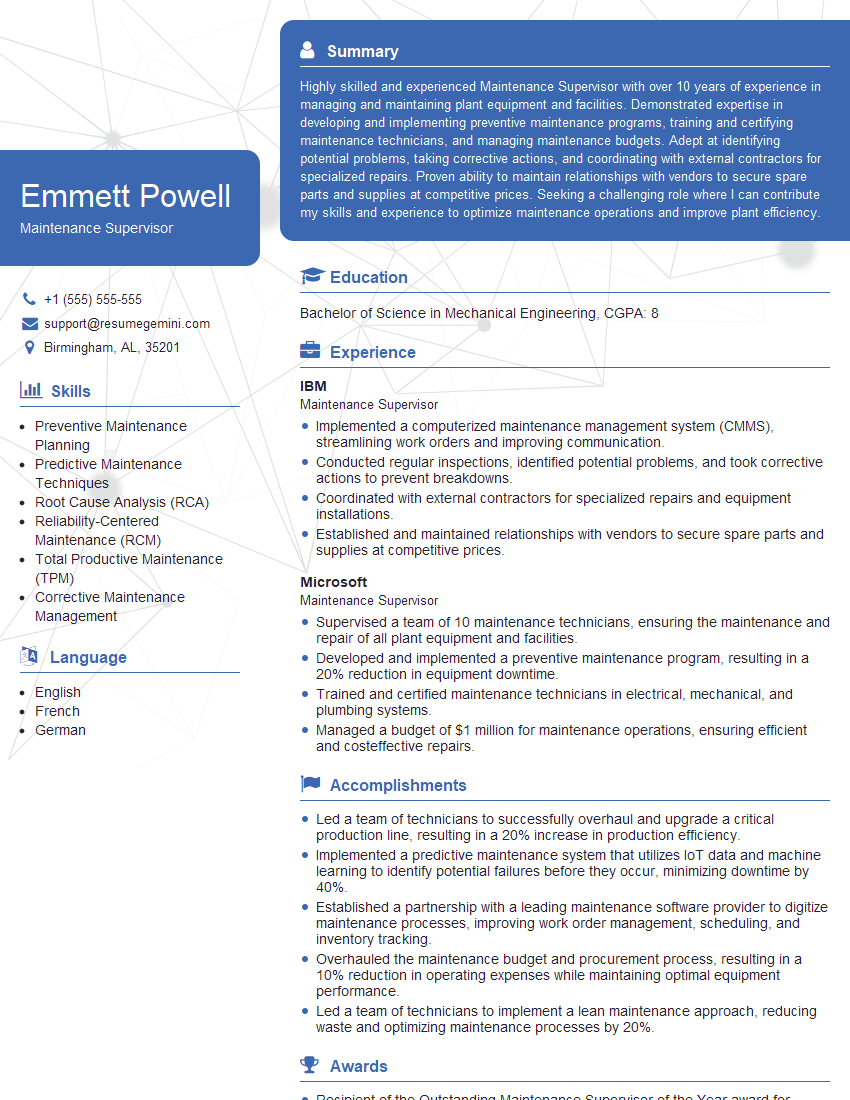
Maintenance Supervisor Resume Sample
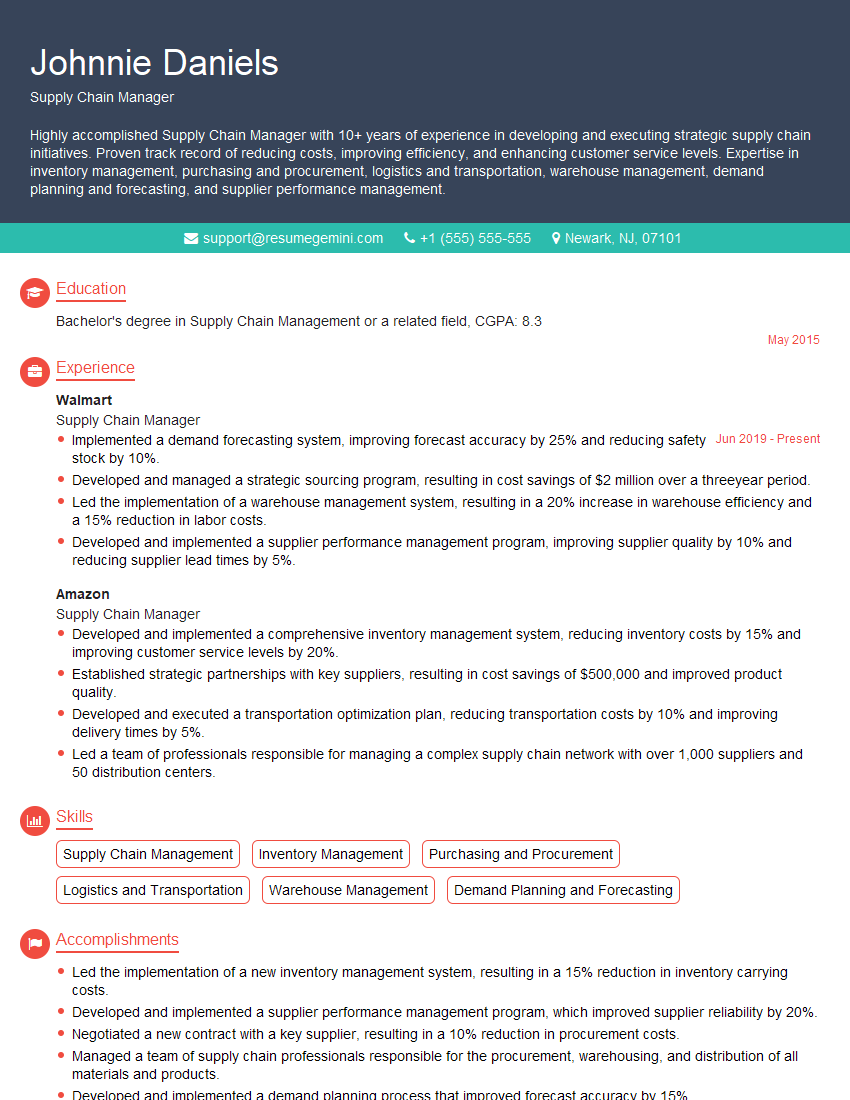
Supply Chain Manager Resume Sample
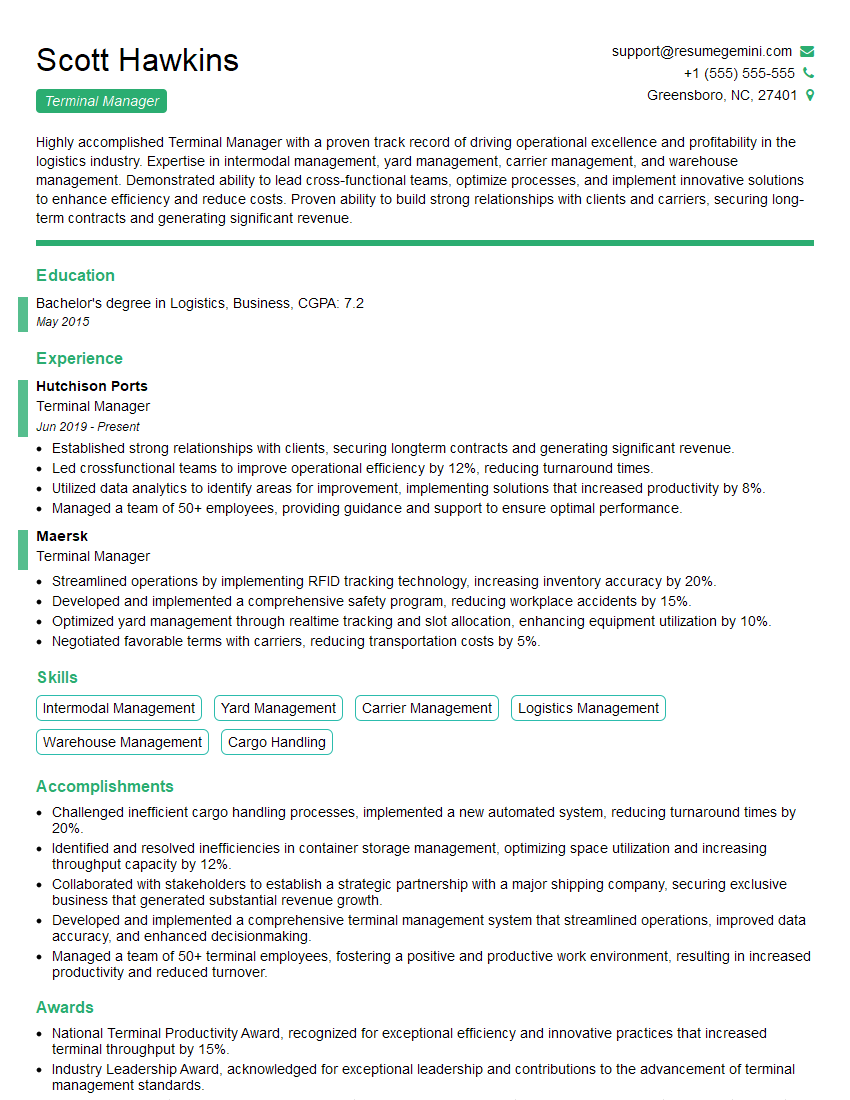
Terminal Manager Resume Sample
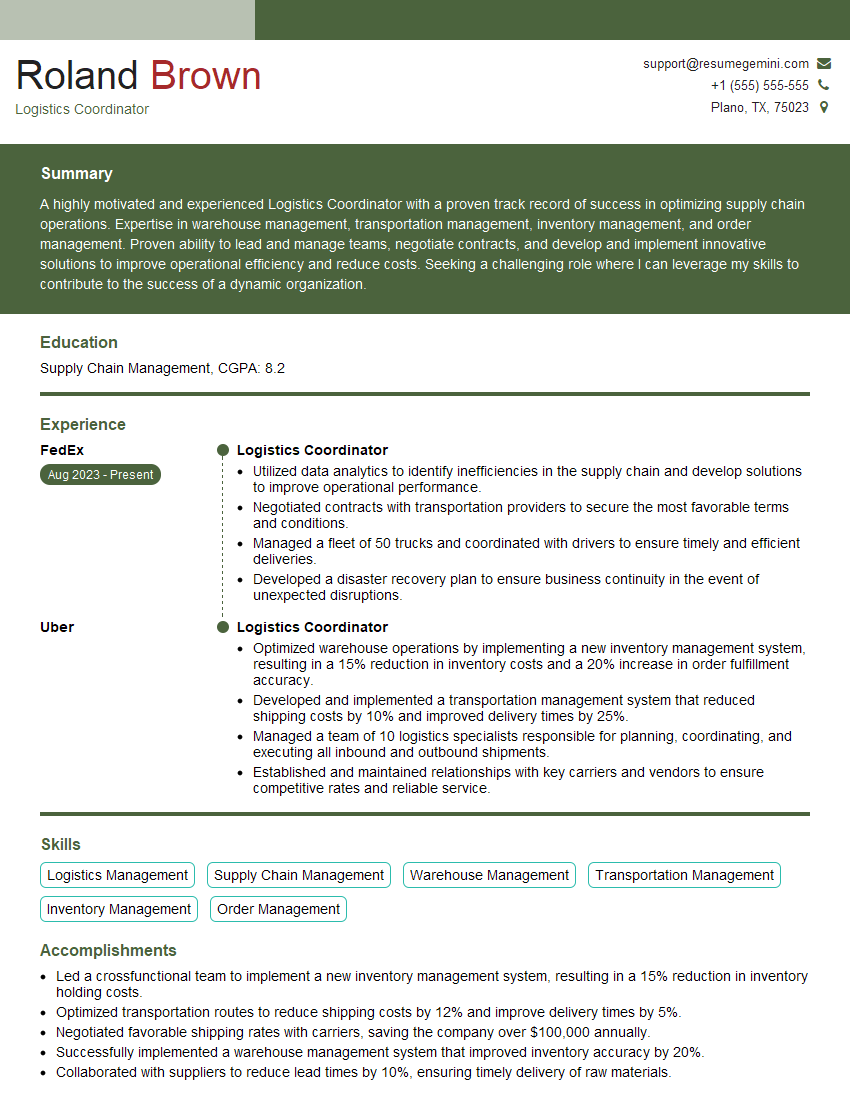
Logistics Coordinator Resume Sample
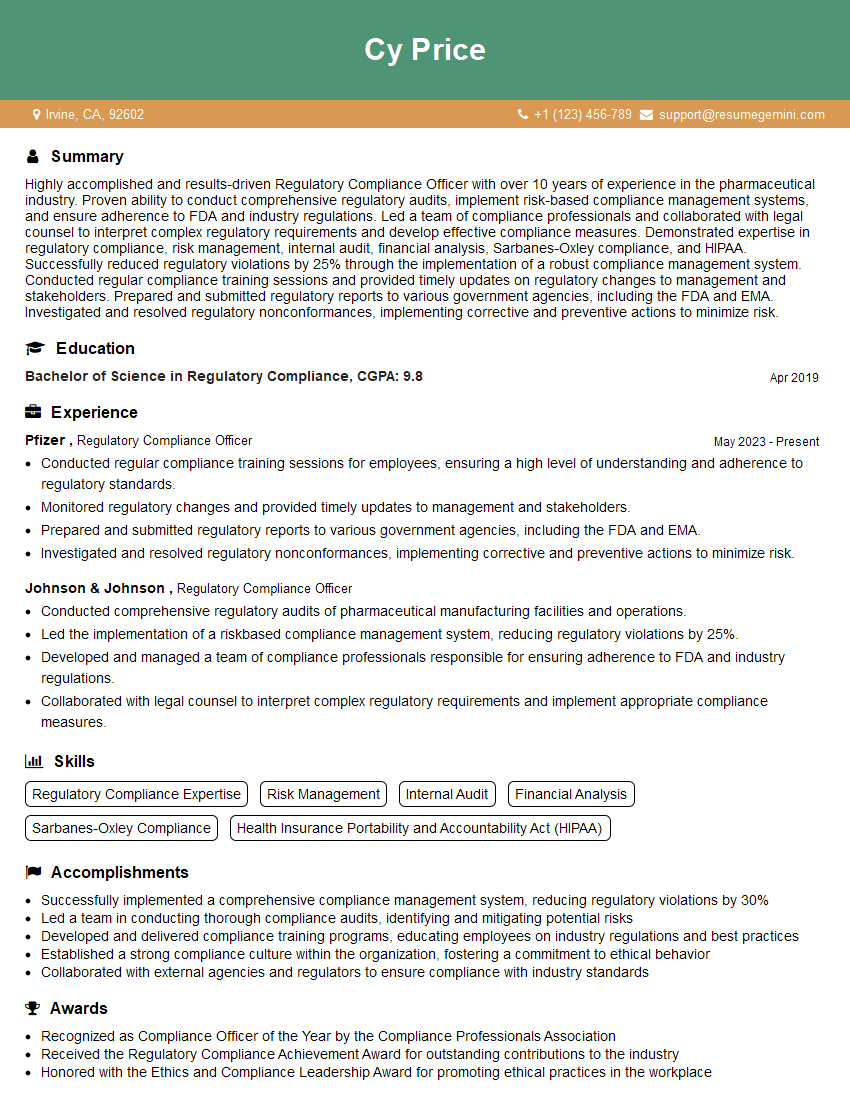
Regulatory Compliance Officer Resume Sample

Risk Management Specialist Resume Sample
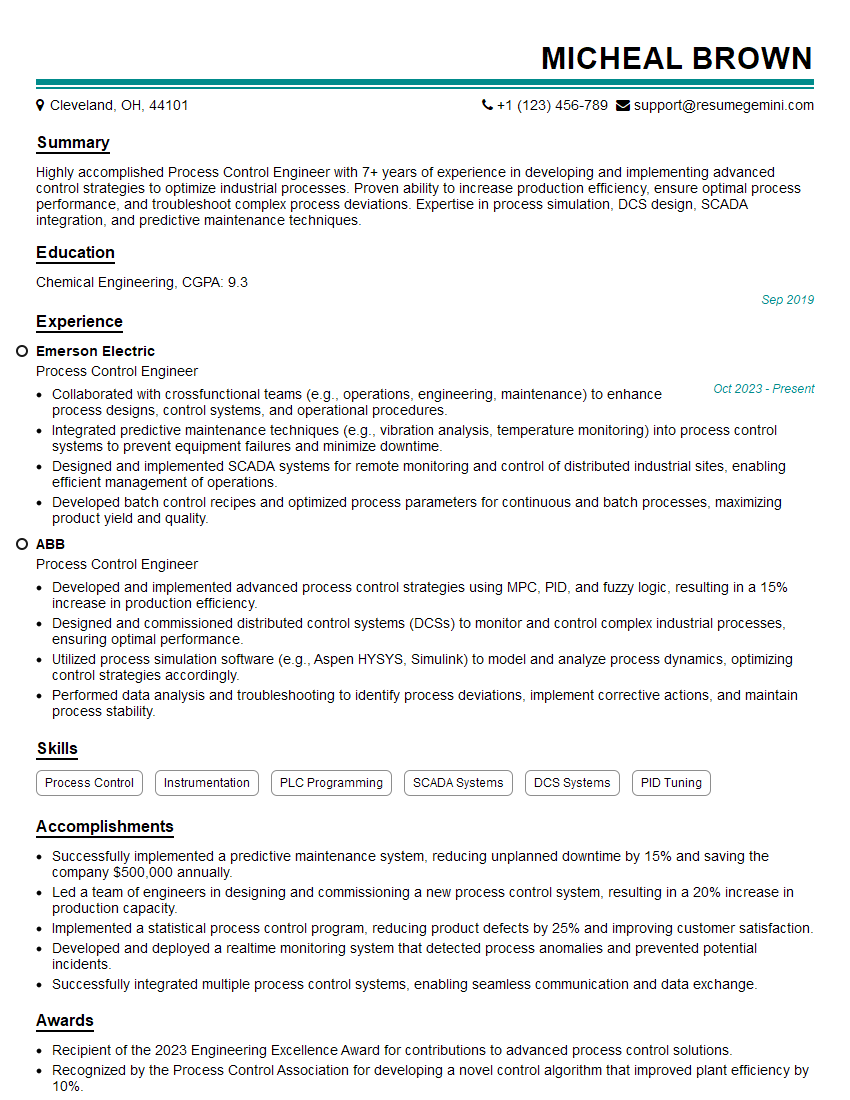
Process Control Engineer Resume Sample
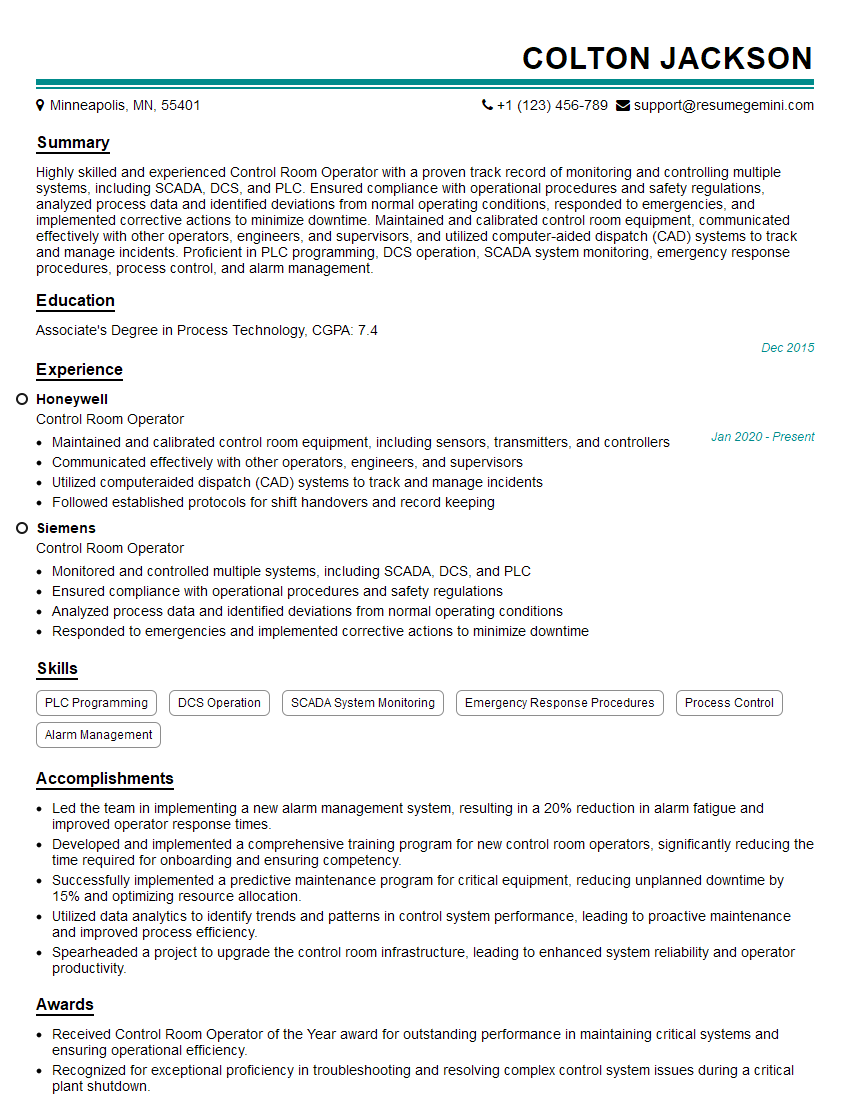
Control Room Operator Resume Sample
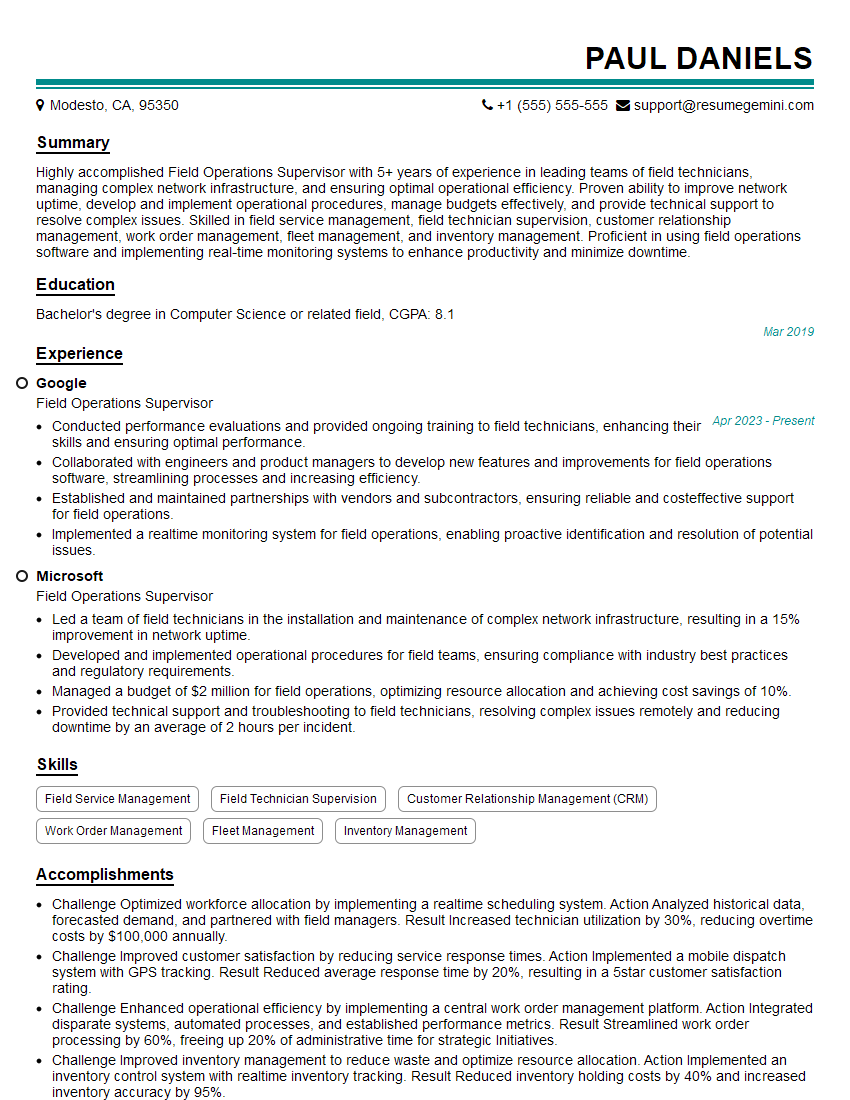
Field Operations Supervisor Resume Sample
Explore more articles
Users Rating of Our Blogs
Share Your Experience
We value your feedback! Please rate our content and share your thoughts (optional).
What Readers Say About Our Blog
To the interviewgemini.com Webmaster.
Very helpful and content specific questions to help prepare me for my interview!
Thank you
To the interviewgemini.com Webmaster.
This was kind of a unique content I found around the specialized skills. Very helpful questions and good detailed answers.
Very Helpful blog, thank you Interviewgemini team.