Feeling uncertain about what to expect in your upcoming interview? We’ve got you covered! This blog highlights the most important Safety Code Compliance interview questions and provides actionable advice to help you stand out as the ideal candidate. Let’s pave the way for your success.
Questions Asked in Safety Code Compliance Interview
Q 1. Explain your understanding of OSHA regulations.
OSHA (Occupational Safety and Health Administration) regulations are a comprehensive set of standards designed to ensure safe and healthful working conditions for all employees. My understanding encompasses a wide range of these regulations, focusing on general industry standards, but also extending to specific areas based on industry type. These standards cover everything from hazard communication and personal protective equipment (PPE) to machine guarding and emergency action plans. For instance, OSHA’s Hazard Communication Standard (HCS) requires employers to inform employees about hazardous chemicals present in the workplace through Safety Data Sheets (SDS) and proper labeling. Understanding these regulations isn’t just about knowing the rules; it’s about applying them effectively to minimize risks and ensure compliance. This includes staying updated on revisions and interpretations, as regulations evolve to address emerging hazards.
A crucial aspect of my understanding is the ability to interpret OSHA’s General Duty Clause, which states that employers have a responsibility to provide a workplace free from recognized hazards. This clause requires proactive hazard identification and mitigation beyond specific regulations. I consider this a cornerstone of responsible workplace safety.
Q 2. Describe your experience with implementing safety protocols.
In my previous role at a manufacturing plant, I played a key part in implementing several crucial safety protocols. We focused on improving lockout/tagout procedures for machinery maintenance, significantly reducing the risk of accidental equipment startup during repairs. This involved training staff on the proper procedures, providing them with the necessary equipment, and auditing adherence to the protocols. We also implemented a new system for reporting near misses and unsafe conditions, encouraging proactive hazard identification and a strong safety culture. This system, combined with regular safety meetings and toolbox talks, allowed us to address potential hazards before they escalated into incidents. We saw a marked decrease in workplace accidents after these implementations, demonstrating the effectiveness of a well-structured safety program.
Another significant project involved the implementation of a comprehensive PPE program. This wasn’t just about providing the right equipment; it involved thorough training on proper selection, use, and maintenance of PPE, ensuring employees understood the rationale behind each piece of equipment and its role in protecting them from specific hazards. We regularly assessed the effectiveness of the program and adjusted it based on feedback and incident reports.
Q 3. How do you conduct a safety audit?
Conducting a safety audit involves a systematic and objective evaluation of a workplace’s safety performance against established standards and regulations. I typically follow a structured approach, starting with a pre-audit planning phase to identify the scope and objectives of the audit. This includes reviewing existing safety documentation, policies, and procedures. The next step is the on-site audit itself, involving walkthroughs, interviews with employees at all levels, and a review of safety records. I use checklists and observation techniques to identify hazards, assess compliance with regulations, and evaluate the effectiveness of existing safety programs. For example, I might check for proper machine guarding, observe employee adherence to PPE protocols, and examine the effectiveness of emergency exit routes.
After the on-site audit, I compile my findings into a detailed report, which includes a summary of identified hazards, areas of non-compliance, and recommendations for corrective actions. This report is presented to management along with a prioritized plan of action for addressing identified deficiencies. The follow-up phase is crucial, verifying that recommended actions have been implemented and their effectiveness evaluated. This iterative process ensures continuous improvement in workplace safety.
Q 4. What are the key elements of a comprehensive safety program?
A comprehensive safety program is built on several key pillars. First, strong leadership commitment is paramount; safety must be a core value driven from the top down. Second, a thorough hazard identification and risk assessment process is essential, ensuring potential hazards are identified and risks mitigated. This often involves job hazard analyses (JHAs) to pinpoint specific risks associated with various tasks. Third, effective training programs are crucial for empowering employees with the knowledge and skills to work safely.
Fourth, a robust system for incident investigation and reporting allows for continuous improvement by learning from past events. The ‘five whys’ technique, for example, can help delve deeper into the root causes of incidents. Fifth, a comprehensive safety management system (SMS) provides a framework for integrating all safety aspects – policies, procedures, training, monitoring, and improvement. Finally, ongoing monitoring and evaluation is key; regular safety inspections, audits, and performance reviews ensure the program remains effective and responsive to evolving needs. Think of it as a living document that continuously adapts to the workplace’s dynamic nature.
Q 5. Explain your experience with incident investigation and reporting.
My experience with incident investigation and reporting emphasizes a thorough, unbiased approach focused on identifying root causes rather than assigning blame. I follow a structured methodology, beginning with securing the scene (if necessary), collecting evidence (witnesses, photos, equipment data), and interviewing involved personnel. I use various analytical techniques, such as fault tree analysis or fishbone diagrams, to delve deeper into the contributing factors that led to the incident.
The reporting phase is equally crucial. Reports are detailed, factual, and objective, outlining the circumstances of the incident, contributing factors, and recommendations for preventative measures. These reports are not merely documents; they are learning tools. They inform safety improvements, training programs, and revisions to existing safety procedures. For example, after investigating a fall from a height incident, we might revise our fall protection program, reinforcing training and introducing new safety equipment to prevent similar occurrences.
Q 6. How do you identify and mitigate workplace hazards?
Identifying and mitigating workplace hazards is a proactive and ongoing process. It starts with a thorough hazard identification process, employing methods such as workplace inspections, job safety analyses (JHAs), and employee input. This process aims to pinpoint potential hazards, ranging from physical hazards (e.g., slips, trips, falls) to chemical hazards (e.g., exposure to toxic substances) and ergonomic hazards (e.g., repetitive strain injuries). Once hazards are identified, a risk assessment is performed, determining the likelihood and severity of harm. This often involves a qualitative or quantitative evaluation.
Mitigation strategies vary depending on the nature and level of risk. They may include engineering controls (e.g., machine guarding, ventilation systems), administrative controls (e.g., work procedures, safety rules), and personal protective equipment (PPE). For instance, if a risk assessment identifies a high risk of slips and falls in a wet area, mitigation might involve installing non-slip flooring (engineering control), establishing a cleaning schedule (administrative control), and providing appropriate footwear (PPE). The effectiveness of these controls should be regularly monitored and adjusted as needed.
Q 7. Describe your experience with developing and delivering safety training.
I have extensive experience in developing and delivering safety training programs, tailored to the specific needs of the audience and the workplace hazards. My approach emphasizes interactive learning, incorporating various methods such as presentations, videos, hands-on demonstrations, and simulations. For instance, when training on lockout/tagout procedures, I incorporate hands-on practice with actual equipment under the supervision of experienced trainers. This ensures that employees not only understand the theory but also develop the practical skills necessary for safe execution.
I believe in creating engaging and relatable training modules, using real-world examples and case studies to illustrate the importance of safety procedures. Post-training assessments and evaluations are also essential to gauge the effectiveness of the training and identify areas for improvement. For example, we might use quizzes or practical demonstrations to assess comprehension and skill acquisition. Regular refresher training is equally important to reinforce knowledge and keep safety top of mind. I ensure all training materials are readily available and accessible to employees in their preferred formats.
Q 8. How do you ensure compliance with safety regulations?
Ensuring safety code compliance is a multi-faceted process that requires a proactive and systematic approach. It’s not just about ticking boxes; it’s about fostering a culture of safety.
- Regular Inspections and Audits: We conduct thorough, scheduled inspections of facilities, equipment, and processes to identify potential hazards and ensure compliance with all relevant regulations. This includes reviewing documentation, observing work practices, and interviewing employees. For instance, in a manufacturing plant, this might involve checking machine guarding, emergency exits, and the proper use of personal protective equipment (PPE).
- Training and Education: Providing comprehensive safety training to all employees is crucial. This includes initial training upon hire and ongoing refresher courses to reinforce safe practices and address emerging hazards. Role-playing scenarios and practical demonstrations can greatly improve knowledge retention.
- Hazard Identification and Risk Assessment: Proactively identifying potential hazards through methods like Job Safety Analyses (JSAs) and hazard checklists is essential. Then, we assess the risks associated with these hazards and implement appropriate control measures to mitigate them, prioritizing high-risk activities.
- Record Keeping and Documentation: Meticulous record keeping is paramount. We maintain detailed records of inspections, training, incidents, and corrective actions. This allows us to track progress, identify trends, and continuously improve safety performance. This documentation is crucial for audits and demonstrating compliance.
- Incident Investigation and Reporting: Thorough investigation of all incidents, no matter how minor, is critical. This helps us identify root causes and implement preventative measures to stop similar incidents from happening again. This also includes reporting incidents as required by law and to relevant authorities.
By implementing these strategies, we create a continuous improvement cycle focused on preventing accidents and ensuring a safe workplace. It’s not a one-time effort but an ongoing commitment.
Q 9. What is your experience with safety management systems (SMS)?
I have extensive experience with Safety Management Systems (SMS), having implemented and managed them in various industries. An SMS is a holistic approach to safety that integrates policies, procedures, and practices to manage safety risks effectively. It’s not just a set of documents, but a living system that requires continuous improvement and adaptation.
- Development and Implementation: I have led the development and implementation of SMS in several organizations, tailoring the system to the specific hazards and operational context. This involves establishing clear safety policies, developing detailed procedures, and defining roles and responsibilities.
- Risk Assessment and Mitigation: A key component of any effective SMS is a robust risk assessment process. I have extensive experience using various risk assessment methodologies (e.g., HAZOP, FMEA) to identify and prioritize hazards and develop appropriate control measures.
- Performance Monitoring and Reporting: An SMS needs regular monitoring and reporting to track its effectiveness. I have experience using key performance indicators (KPIs) to measure safety performance, identify areas for improvement, and report to management and regulatory bodies. Examples of KPIs include accident rates, near-miss reporting rates, and the effectiveness of implemented control measures.
- Auditing and Continuous Improvement: Regular internal audits and external inspections are vital for ensuring the SMS remains effective. I have experience conducting audits and implementing corrective actions based on audit findings, always seeking to improve the system’s performance.
My experience demonstrates my ability to successfully develop, implement, and manage SMS, leading to a demonstrable improvement in safety performance across diverse organizational settings.
Q 10. Describe a time you had to enforce safety rules despite resistance.
In a previous role, I encountered resistance to enforcing a new safety regulation regarding the use of harnesses during high-altitude work. Some experienced workers felt the harnesses were cumbersome and slowed them down. My approach involved a multi-step process:
- Understanding the Resistance: I held a meeting to understand their concerns. I listened actively and addressed their concerns directly, showing empathy and acknowledging their experience.
- Demonstrating the Benefits: I presented data on the reduction of falls and injuries since implementing similar regulations in other locations, showcasing the direct benefits of using the harnesses. I also emphasized the liability associated with not complying.
- Collaboration and Training: We jointly developed a training program to demonstrate proper harness use, emphasizing both comfort and safety, including tips and techniques for improved efficiency. We also conducted practical training sessions.
- Consistent Enforcement: After the training, I consistently enforced the new regulation, documenting all incidents and retraining those who failed to comply. I focused on education and support rather than punishment.
The result was a gradual increase in compliance as workers saw the practical benefits and realized that the regulation was not meant to impede progress but to ensure safety. This experience highlighted the importance of clear communication, empathy, and consistent enforcement to overcome resistance to safety rules.
Q 11. How do you stay current with changes in safety regulations?
Staying current with changes in safety regulations requires a proactive and multi-pronged approach.
- Subscription to Regulatory Updates: I subscribe to newsletters and alerts from relevant regulatory bodies (e.g., OSHA, EPA). This provides timely notifications about changes in regulations and standards.
- Professional Development: I regularly attend industry conferences, workshops, and training courses to learn about best practices and new safety technologies. This includes staying up-to-date on relevant certifications.
- Networking with Peers: Networking with other safety professionals through industry associations and online forums allows for the exchange of information and insights on emerging safety issues and changes in regulations.
- Review of Industry Publications: I regularly review relevant industry publications, journals, and trade magazines to stay informed about new research and best practices in safety.
- Internal Communication: Maintaining open communication channels within my organization ensures that changes in regulations are promptly communicated to all relevant personnel.
This multifaceted approach ensures I am always abreast of the latest developments and can effectively implement necessary changes to maintain compliance.
Q 12. What are the common causes of workplace accidents?
Workplace accidents stem from a variety of causes, often intertwined. These can be broadly categorized as:
- Unsafe Acts: These are actions by individuals that violate safety procedures or norms, such as failing to use PPE, ignoring warnings, or taking shortcuts. Examples include operating machinery without proper training, ignoring safety signs, or rushing a job.
- Unsafe Conditions: These refer to physical hazards in the work environment, such as inadequate lighting, faulty equipment, or poor housekeeping. Examples include slippery floors, exposed electrical wiring, or improperly stored materials.
- Lack of Training: Insufficient training on safe work procedures and equipment operation is a significant contributor to accidents. Employees may not understand the risks involved or the correct procedures to follow.
- Lack of Supervision: Inadequate supervision can lead to unsafe work practices being overlooked or tolerated. Supervisors play a vital role in promoting safe behavior and preventing accidents.
- Human Factors: Factors such as fatigue, stress, distraction, and complacency can significantly influence the likelihood of accidents. These can impair judgment and reaction time, leading to errors.
Addressing these causes requires a holistic approach that focuses on improving worker training, enhancing the safety of the work environment, and creating a culture of safety awareness and responsibility. Analyzing accident data to identify patterns and trends is crucial for targeted interventions.
Q 13. Explain your understanding of risk assessment methodologies.
Risk assessment methodologies provide a structured approach to identifying, analyzing, and controlling workplace hazards. Several methodologies exist, each with its strengths and weaknesses.
- Hazard and Operability Study (HAZOP): A systematic technique used to identify potential hazards in process plants by examining deviations from intended design or operation. It uses guide words (e.g., ‘no,’ ‘more,’ ‘less’) to explore potential deviations.
- Failure Modes and Effects Analysis (FMEA): This method focuses on identifying potential failures of components or systems and analyzing their effects. It involves rating the severity, occurrence, and detection of each failure mode to prioritize mitigation efforts. A Risk Priority Number (RPN) is calculated as Severity x Occurrence x Detection.
- Job Safety Analysis (JSA): This is a step-by-step analysis of a specific task to identify potential hazards and develop safe work procedures. It often involves breaking down a task into smaller steps, identifying potential hazards at each step, and recommending control measures.
- What-If Analysis: A brainstorming technique used to identify potential hazards by asking ‘What if’ questions about different aspects of a process or system.
The choice of methodology depends on the specific context and complexity of the task or process. The output of a risk assessment is typically a prioritized list of hazards and recommended control measures, which are then implemented and monitored. Example RPN Calculation: Severity (10), Occurrence (5), Detection (2) = RPN 100
Q 14. How do you manage safety within a budget?
Managing safety within a budget requires a strategic and prioritized approach. It’s about making informed decisions that maximize safety while respecting financial constraints.
- Prioritization of Risks: We prioritize safety investments based on the level of risk. High-risk hazards receive the most attention and resources. This may involve a cost-benefit analysis, considering the potential cost of an accident versus the cost of implementing preventative measures.
- Cost-Effective Solutions: We explore cost-effective solutions whenever possible. This can involve identifying inexpensive yet effective control measures or leveraging existing resources. For example, improving housekeeping might be far cheaper than installing new machinery.
- Phased Implementation: Large-scale safety improvements are often implemented in phases, allowing for budgeting across multiple periods and better tracking of ROI. This approach is particularly valuable for large-scale projects.
- Continuous Monitoring and Evaluation: Regularly monitoring the effectiveness of safety initiatives allows for optimization and adjustment based on real-world data and financial feedback loops. This avoids unnecessary spending on ineffective measures.
- Employee Involvement: Engaging employees in identifying cost-effective solutions can result in creative, budget-friendly improvements. Their firsthand knowledge and experience can prove invaluable in this process.
The key is to demonstrate the value of safety investments to leadership, showing how preventing accidents saves money in the long run. This involves quantifying the potential costs of accidents, including medical expenses, lost productivity, and legal liabilities.
Q 15. What is your experience with lockout/tagout procedures?
Lockout/Tagout (LOTO) procedures are critical for preventing the unexpected energization or startup of machinery and equipment during maintenance or servicing. They ensure that hazardous energy sources are isolated and rendered safe, preventing injuries or fatalities. My experience encompasses developing, implementing, and auditing LOTO programs across various industrial settings. This includes training employees on proper procedures, conducting regular inspections to ensure compliance, and investigating any LOTO-related incidents to identify areas for improvement.
For example, in a previous role at a manufacturing plant, I oversaw the implementation of a new LOTO system for a high-speed press. This involved a detailed risk assessment, the creation of specific LOTO procedures for each machine, and providing hands-on training to all maintenance personnel. We utilized a combination of physical locks and tags, ensuring a clear and traceable system for identifying authorized personnel and the status of each machine. Post-implementation, we saw a significant reduction in near-miss incidents and a notable improvement in overall safety culture.
Career Expert Tips:
- Ace those interviews! Prepare effectively by reviewing the Top 50 Most Common Interview Questions on ResumeGemini.
- Navigate your job search with confidence! Explore a wide range of Career Tips on ResumeGemini. Learn about common challenges and recommendations to overcome them.
- Craft the perfect resume! Master the Art of Resume Writing with ResumeGemini’s guide. Showcase your unique qualifications and achievements effectively.
- Don’t miss out on holiday savings! Build your dream resume with ResumeGemini’s ATS optimized templates.
Q 16. How do you handle safety violations within a team?
Handling safety violations requires a multi-faceted approach focusing on both corrective action and preventative measures. My strategy prioritizes education and understanding. First, I investigate the violation thoroughly to understand the root cause—was it a lack of training, inadequate equipment, or simply a lapse in judgment? Then, I address the violation directly with the individual involved, emphasizing the potential consequences and offering guidance on safe practices. I believe in constructive feedback, focusing on improvement rather than punishment.
For instance, if I observe an employee not wearing appropriate PPE, my approach is not to immediately issue a disciplinary action, but instead to understand why. Perhaps the PPE is uncomfortable, or they didn’t receive adequate training on its proper use. Addressing these underlying issues is key to preventing future violations. In cases of repeated violations or willful disregard for safety rules, more serious disciplinary measures may be necessary, always in accordance with company policy.
Q 17. Describe your experience with personal protective equipment (PPE).
My experience with personal protective equipment (PPE) is extensive, covering selection, training, inspection, and maintenance. I understand that effective PPE is crucial in mitigating workplace hazards. My responsibilities have included selecting appropriate PPE based on a comprehensive risk assessment, ensuring that PPE fits properly and is comfortable to encourage its consistent use, and implementing regular inspection and maintenance schedules to ensure its effectiveness.
For example, while working on a construction site, I ensured that workers had the correct safety helmets, eye protection, high-visibility clothing, and appropriate footwear depending on the task at hand. We implemented a system where PPE was inspected daily, and damaged or worn-out equipment was promptly replaced. This proactive approach fostered a strong safety culture and minimized the risk of injuries.
Q 18. How do you communicate safety information effectively?
Effective communication of safety information is paramount. I utilize a multi-pronged approach including regular safety meetings, toolbox talks (short, focused safety discussions), training sessions, visual aids like posters and videos, and digital communication tools. My goal is to ensure that safety information is easily accessible, understandable, and engaging. I tailor my communication style to the audience, using simple language and avoiding technical jargon whenever possible.
For instance, I’ve developed engaging safety videos demonstrating proper lifting techniques, using real-life examples of injuries and how they could have been prevented. I also utilize interactive training sessions to actively involve employees and ensure that the information is retained and understood. Regular feedback and open communication channels allow employees to voice concerns and suggestions, creating a participatory safety culture.
Q 19. What is your experience with emergency response planning?
Emergency response planning is a critical aspect of safety management. My experience includes developing and implementing emergency response plans, conducting drills and simulations, and coordinating responses to actual emergencies. I understand the importance of clear communication protocols, evacuation procedures, and the identification of emergency exits and assembly points. My approach is to make the plan as comprehensive and realistic as possible, covering a wide range of potential scenarios, including fire, chemical spills, and medical emergencies.
In a previous role, I developed an emergency response plan for a chemical processing plant that included detailed procedures for handling various hazardous materials, evacuation routes, and communication protocols with emergency services. We conducted regular drills to ensure that personnel were familiar with the plan and could respond effectively in a crisis. The effectiveness of this plan was tested during a minor chemical spill, and the swift and organized response minimized environmental damage and prevented any injuries.
Q 20. Describe your understanding of hazard communication standards.
Hazard communication standards, such as OSHA’s Hazard Communication Standard (HCS), are designed to ensure that employees are informed about the hazards associated with the chemicals they handle in the workplace. My understanding encompasses the proper labeling of chemicals, the creation and distribution of safety data sheets (SDSs), and the training of employees on the safe handling and use of hazardous materials. I ensure that SDSs are readily available and that employees are trained to understand the information contained within them, including hazard identification, protective measures, and emergency procedures.
For example, I’ve implemented a system for managing chemical inventories, ensuring that all containers are properly labeled with hazard warnings and that SDSs are readily available for each chemical. We also conduct regular training sessions to keep employees updated on the latest HCS requirements and best practices for handling hazardous materials.
Q 21. How do you ensure the effectiveness of your safety programs?
Ensuring the effectiveness of safety programs requires continuous monitoring, evaluation, and improvement. My approach involves establishing clear goals and objectives, using key performance indicators (KPIs) to track progress, conducting regular safety audits, and proactively addressing identified deficiencies. I regularly review accident and incident reports to identify trends and potential areas for improvement, and I encourage feedback from employees to identify areas where the program can be enhanced.
For instance, we tracked lost-time incident rates, near-miss reports, and employee safety training participation to gauge the success of the program. Regular safety audits helped to identify any gaps in our procedures and ensure that all equipment was properly maintained. This data-driven approach allowed for continuous improvement of the safety program, reducing risks and improving workplace safety.
Q 22. Explain your experience with safety data sheets (SDS).
Safety Data Sheets (SDS), formerly known as Material Safety Data Sheets (MSDS), are crucial documents providing comprehensive information about hazardous chemicals. My experience encompasses not only interpreting SDS information but also ensuring its accessibility and proper utilization across various work environments.
For example, in my previous role at a manufacturing plant, I was responsible for creating a central SDS database, ensuring all SDS were current, accessible to all employees, and properly categorized. This involved regular updates as new chemicals were introduced and training employees on how to effectively access and interpret this vital information. I also developed a system for tracking SDS revisions and ensuring that outdated sheets were immediately removed from circulation. This prevented accidents and ensured compliance with OSHA regulations.
Beyond simple access, I actively utilize SDS information during risk assessments, helping to identify potential hazards and implement appropriate control measures. Understanding the hazards, including health effects, flammability, and reactivity, allows for the development of effective safety protocols and the selection of appropriate personal protective equipment (PPE).
Q 23. What is your experience with conducting safety inspections?
Conducting safety inspections is a critical part of my role, involving a systematic evaluation of workplace areas to identify hazards and assess compliance with safety regulations. My approach is methodical and comprehensive, using standardized checklists tailored to specific work areas and focusing on both potential and existing hazards.
For instance, during inspections of a construction site, I’d examine fall protection systems, scaffolding stability, electrical safety practices, and the proper use of machinery. I’ve also conducted inspections in office environments focusing on ergonomics, fire safety, and emergency exits. Each inspection results in a detailed report outlining findings, recommendations, and required corrective actions. I follow up on these corrective actions to ensure they’re implemented promptly and effectively.
I employ a combination of observation, interviews with employees, and a review of relevant documentation during inspections. This multi-faceted approach enhances the thoroughness and accuracy of the assessment and helps uncover issues that might otherwise be overlooked. It’s crucial to maintain a positive and collaborative relationship with the workforce during inspections, fostering a culture of open communication and shared responsibility for safety.
Q 24. How do you maintain accurate safety records?
Maintaining accurate safety records is paramount for demonstrating compliance and identifying trends that can inform proactive safety improvements. My approach involves utilizing a combination of digital and physical record-keeping systems, depending on the specific nature of the data.
For example, I use dedicated safety management software to track incident reports, near misses, safety training records, and inspection results. This software ensures data integrity, allows for easy retrieval of information, and facilitates the generation of comprehensive reports. Physical records, such as inspection checklists and training certificates, are stored securely and organized for easy access. I regularly review and audit these records to ensure accuracy and completeness.
Data security is paramount. Access to sensitive information is restricted to authorized personnel, and data is regularly backed up to prevent loss. Regular audits ensure compliance with relevant data protection regulations. This organized and secure system ensures that all relevant safety information is readily available for analysis, regulatory review, and continuous improvement initiatives.
Q 25. How do you improve safety culture within an organization?
Improving safety culture is an ongoing process that requires a multi-pronged approach focusing on leadership commitment, employee engagement, and continuous improvement. It’s not simply about rules and regulations, but creating a shared understanding and belief that safety is everyone’s responsibility.
In previous roles, I have implemented initiatives such as regular safety meetings, safety campaigns with engaging themes, and recognition programs for employees who actively participate in safety initiatives. I have also facilitated workshops and training sessions to foster open communication, encourage hazard reporting, and empower employees to take ownership of their safety and the safety of their colleagues.
Leading by example is crucial. Management must actively demonstrate commitment to safety, participating in safety initiatives, and fostering a blame-free environment where near misses and incidents can be reported without fear of reprisal. This encourages a culture of continuous learning and improvement, transforming safety from a compliance exercise into an integral part of the organizational culture.
Q 26. Describe your experience with different types of safety training.
My experience with safety training is extensive and covers a range of methodologies tailored to different audiences and hazards. I’ve delivered training on topics including hazard identification, risk assessment, lockout/tagout procedures, personal protective equipment (PPE) selection and use, emergency response procedures, and the safe handling of hazardous materials.
For example, I’ve conducted hands-on training sessions for factory workers on the safe operation of machinery, incorporating demonstrations, simulations, and practical exercises. For office staff, I’ve focused on ergonomic awareness and the prevention of musculoskeletal injuries. I’ve also developed and delivered online training modules, ensuring accessibility and consistency in safety training delivery. This diverse experience allows me to adapt my training style to effectively reach different learners.
The effectiveness of safety training is closely monitored through post-training assessments, observation of on-the-job performance, and feedback mechanisms. This iterative process ensures that the training remains relevant, engaging, and effective in achieving its objectives and minimizing workplace accidents.
Q 27. How do you prioritize safety initiatives?
Prioritizing safety initiatives requires a systematic approach based on risk assessment and the potential impact on worker safety and the organization. I use a risk matrix that considers the likelihood and severity of potential hazards, allowing for the prioritization of those posing the greatest risk.
For example, a high-likelihood, high-severity hazard such as working at heights would receive immediate attention and resource allocation, resulting in immediate implementation of appropriate fall protection measures. Conversely, a low-likelihood, low-severity hazard might be addressed through less urgent preventative measures or further investigation.
This prioritization isn’t static; it’s continuously evaluated and adjusted based on new information, changes in the work environment, and the results of safety inspections and incident investigations. This dynamic approach ensures that resources are effectively allocated to address the most critical safety concerns, minimizing potential risks and improving overall safety performance.
Q 28. Describe your experience with working with regulatory bodies.
My experience working with regulatory bodies, such as OSHA (Occupational Safety and Health Administration) and local authorities, has been extensive and collaborative. This includes understanding and complying with relevant regulations, conducting self-audits to identify potential non-compliance, and proactively engaging with inspectors.
I’ve been involved in multiple regulatory inspections and audits, successfully demonstrating compliance and addressing any identified deficiencies. I’ve also participated in the development and implementation of safety programs designed to meet specific regulatory requirements. This often includes collaborating with regulatory agencies to interpret regulations, clarify ambiguities, and obtain guidance on best practices.
Maintaining open communication and a proactive approach with regulatory bodies is crucial. This helps foster a positive relationship, allows for early identification and resolution of potential compliance issues, and demonstrates a strong commitment to workplace safety. Effective collaboration with regulatory agencies not only ensures compliance but also contributes to a safer and more productive work environment.
Key Topics to Learn for Safety Code Compliance Interview
- Understanding Relevant Codes and Regulations: Familiarize yourself with OSHA standards, local building codes, fire codes, and any industry-specific regulations pertinent to your target role. Understand the hierarchy of codes and how they interact.
- Inspection and Auditing Procedures: Learn about conducting thorough safety inspections, identifying hazards, documenting findings, and recommending corrective actions. Practice applying different inspection methodologies.
- Risk Assessment and Mitigation: Master the principles of hazard identification, risk assessment (qualitative and quantitative), and the development and implementation of effective risk mitigation strategies. Be prepared to discuss case studies.
- Accident Investigation and Reporting: Understand the process of investigating workplace accidents, identifying root causes, and preparing comprehensive reports. Familiarize yourself with relevant reporting procedures and documentation requirements.
- Safety Training and Education: Know how to develop and deliver effective safety training programs tailored to different employee groups and roles. Understand the principles of adult learning and effective communication techniques.
- Emergency Response Planning: Be prepared to discuss emergency preparedness, evacuation procedures, and the development of comprehensive emergency response plans. Understand different types of emergencies and appropriate response strategies.
- Communication and Collaboration: Effective communication is crucial. Be prepared to discuss how you would communicate safety concerns to various stakeholders (management, employees, contractors).
- Legal and Ethical Considerations: Understand the legal implications of safety code violations and the ethical responsibilities of a Safety Code Compliance professional.
Next Steps
Mastering Safety Code Compliance is vital for career advancement in many high-demand industries. A strong understanding of safety regulations and best practices will open doors to leadership roles and increased earning potential. To maximize your job prospects, create an ATS-friendly resume that showcases your skills and experience effectively. ResumeGemini is a trusted resource that can help you build a professional resume that stands out. Examples of resumes tailored to Safety Code Compliance are available, providing valuable templates and guidance for crafting a winning application.
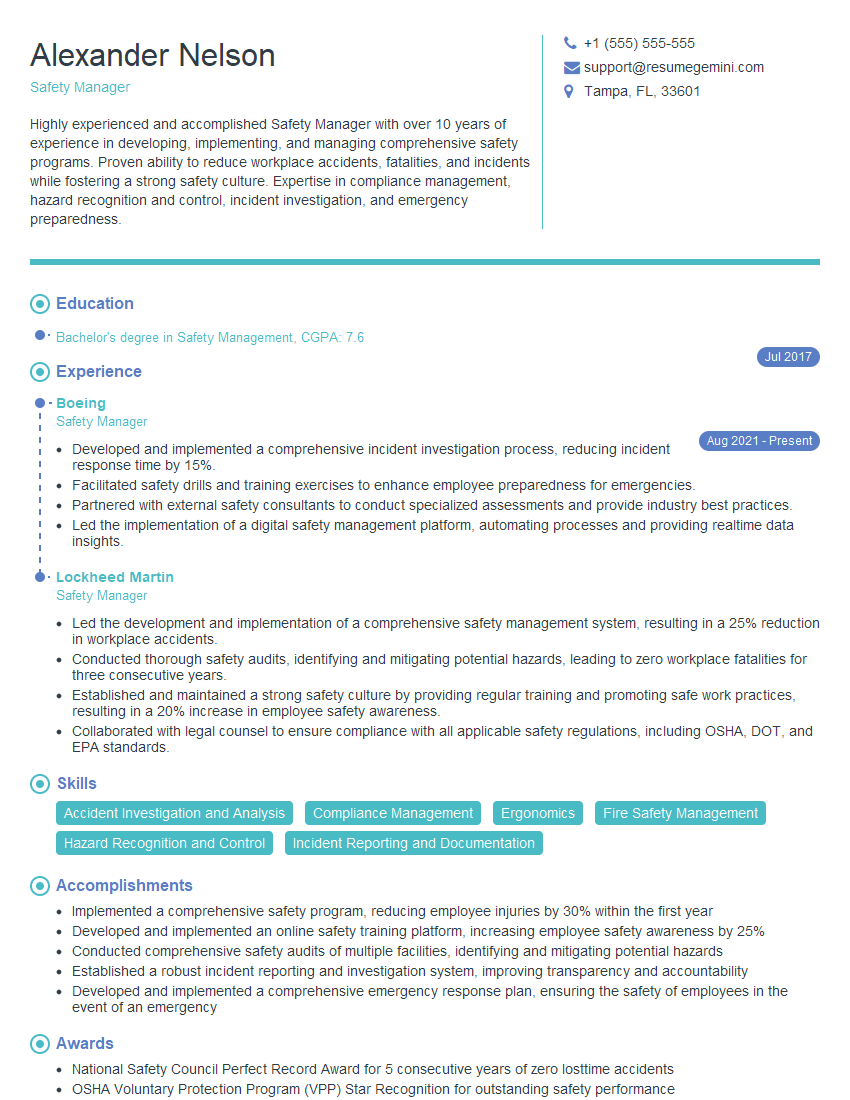
Safety Manager Resume Sample
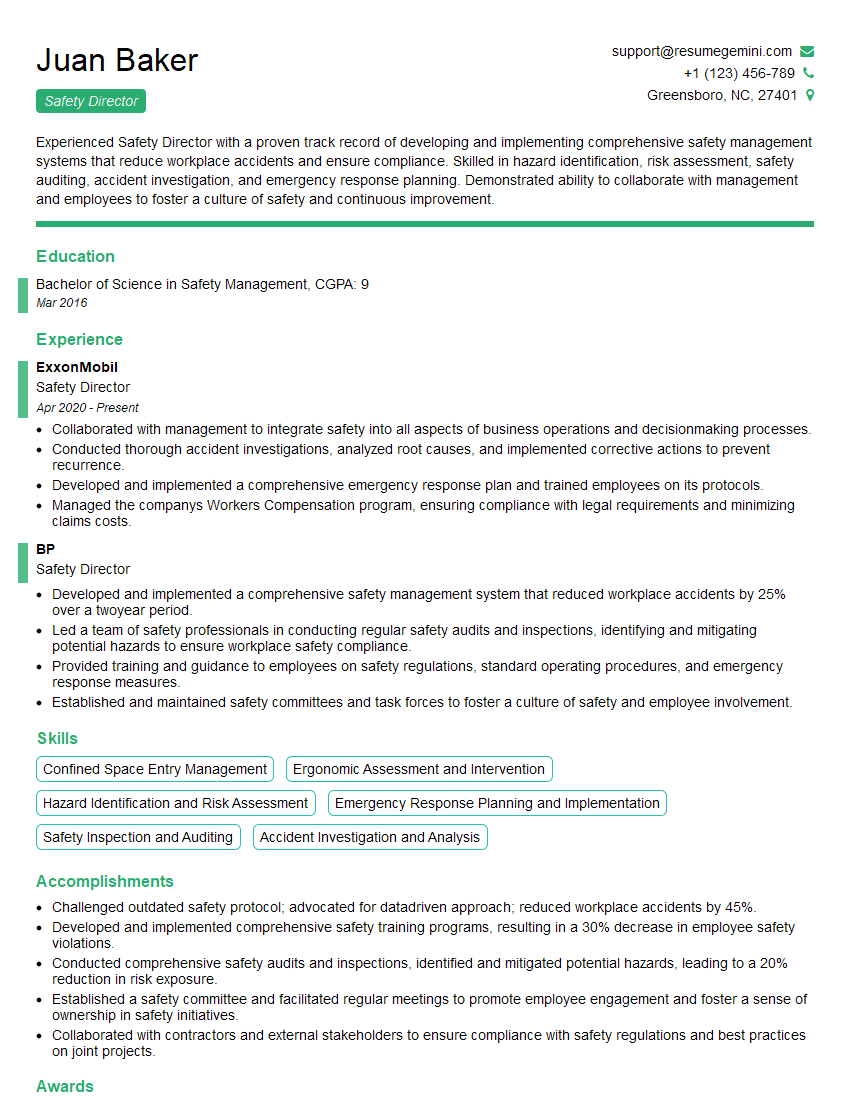
Safety Director Resume Sample
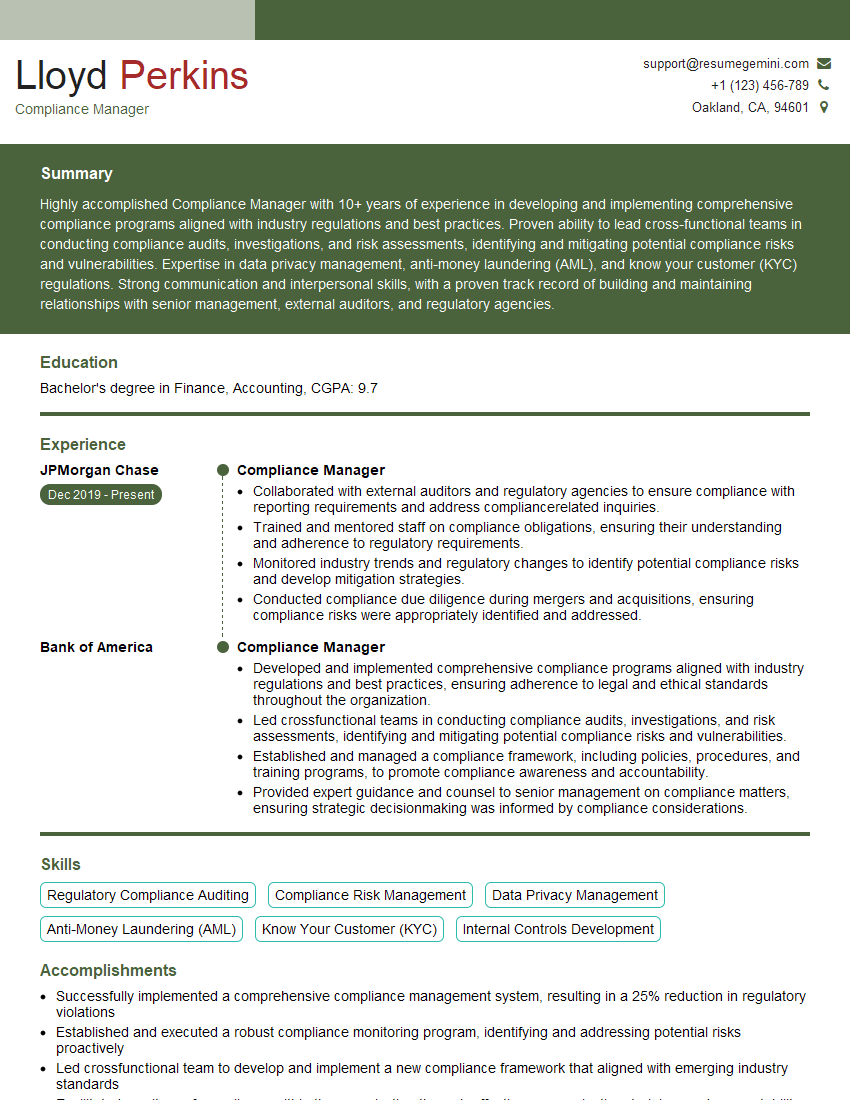
Compliance Manager Resume Sample

Compliance Officer Resume Sample
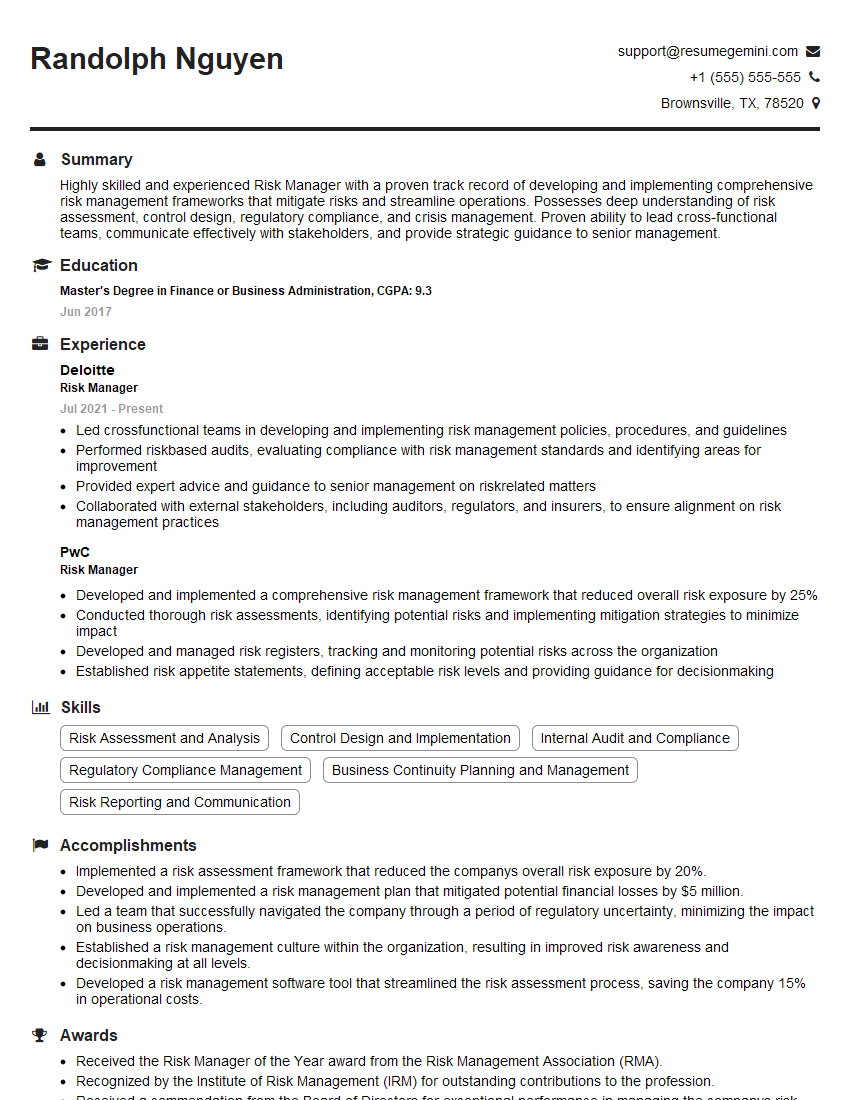
Risk Manager Resume Sample
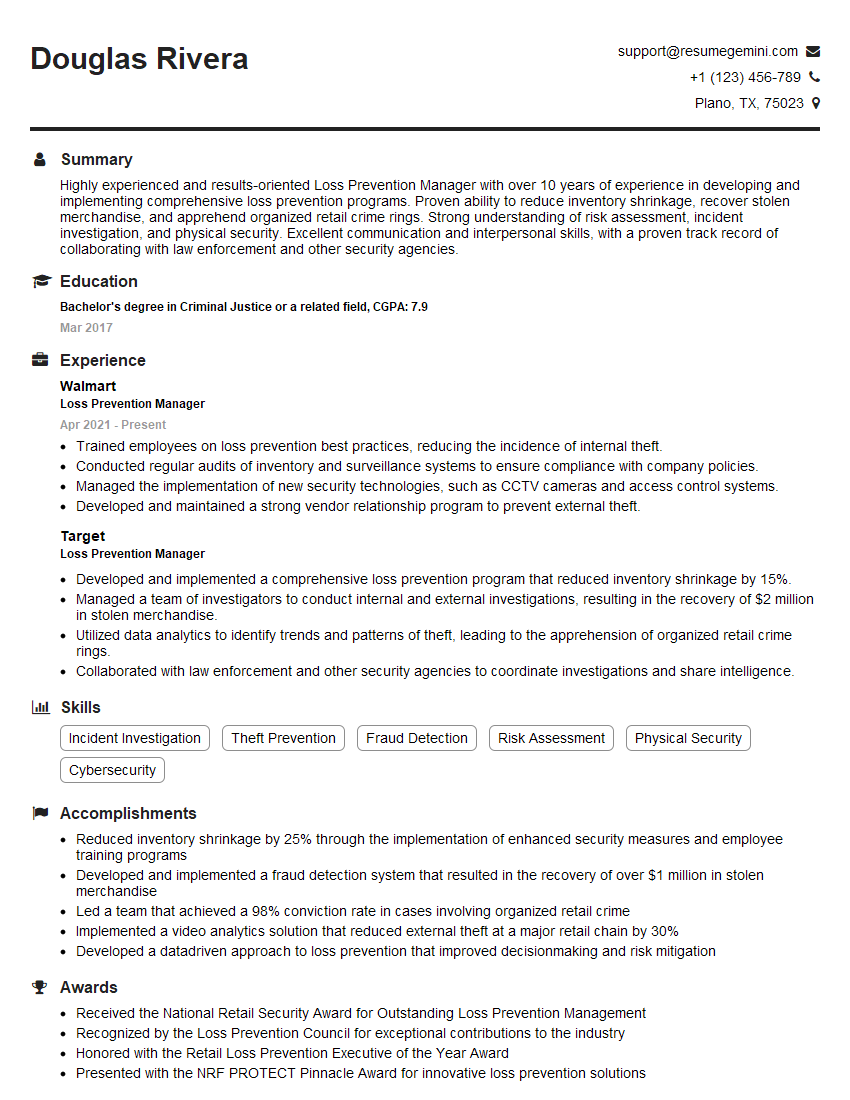
Loss Prevention Manager Resume Sample
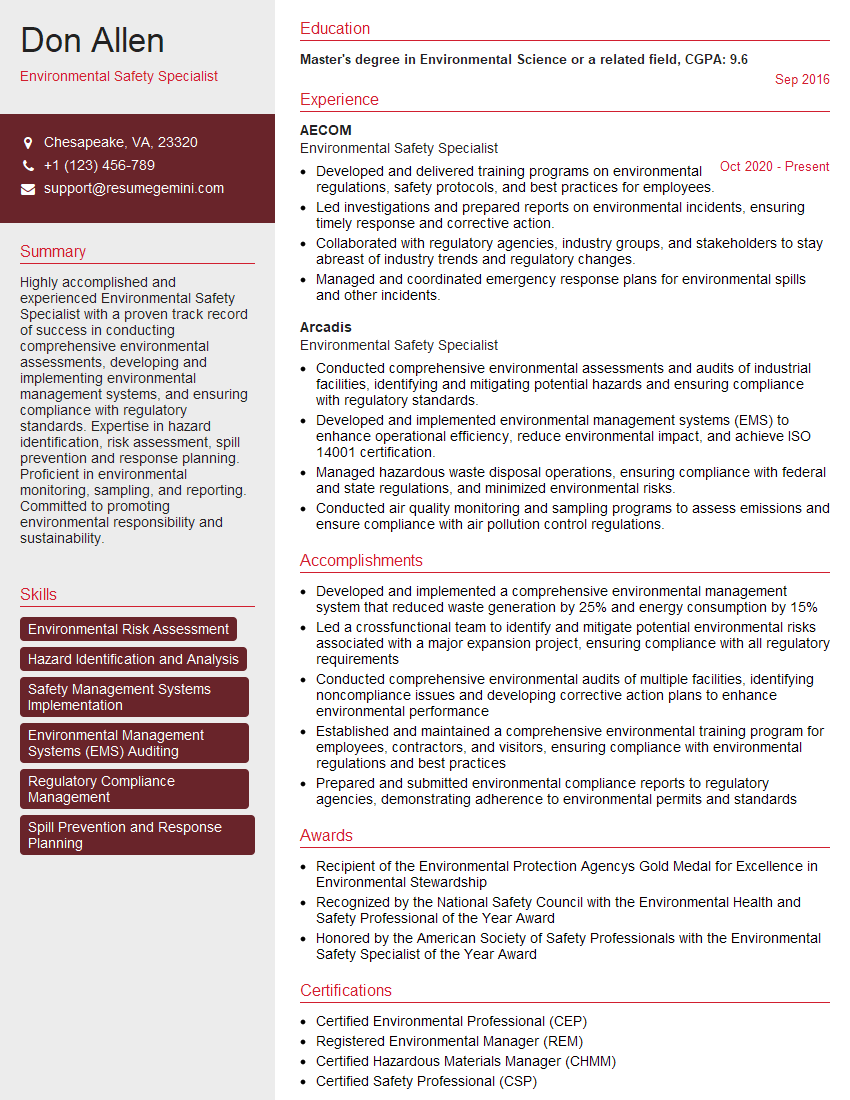
Environmental Safety Specialist Resume Sample
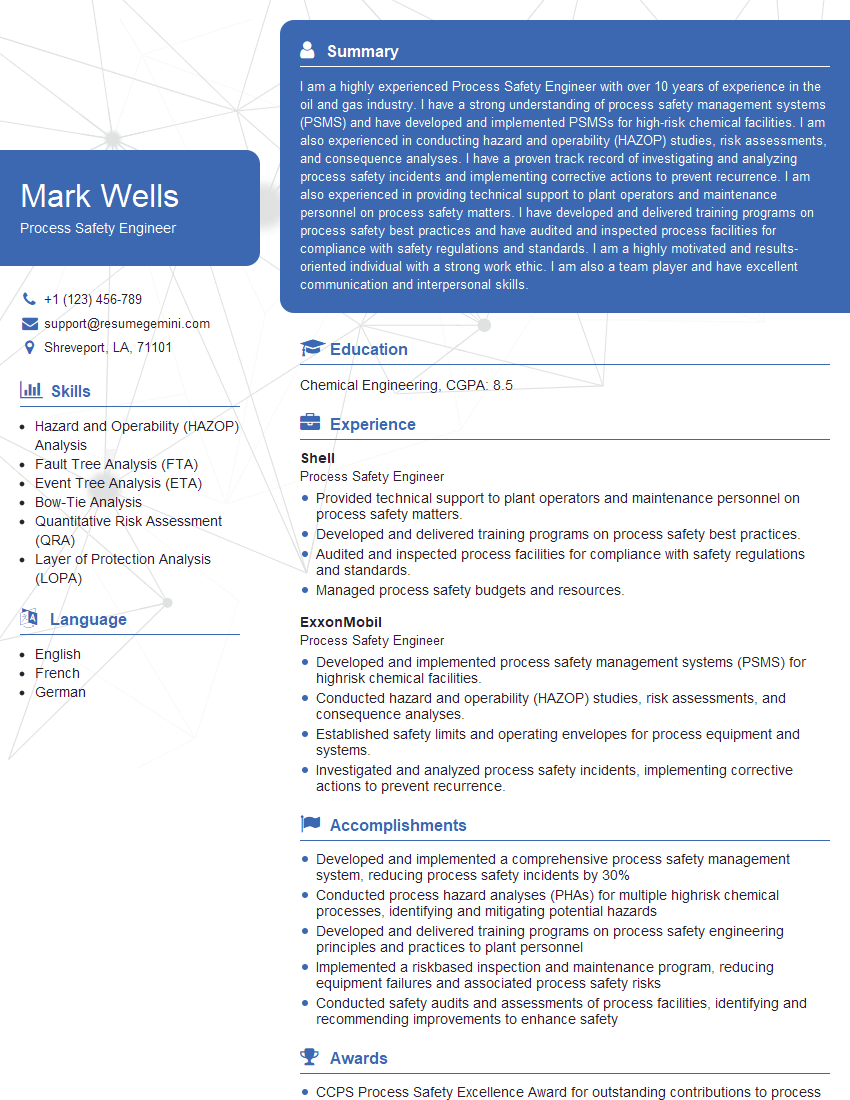
Process Safety Engineer Resume Sample
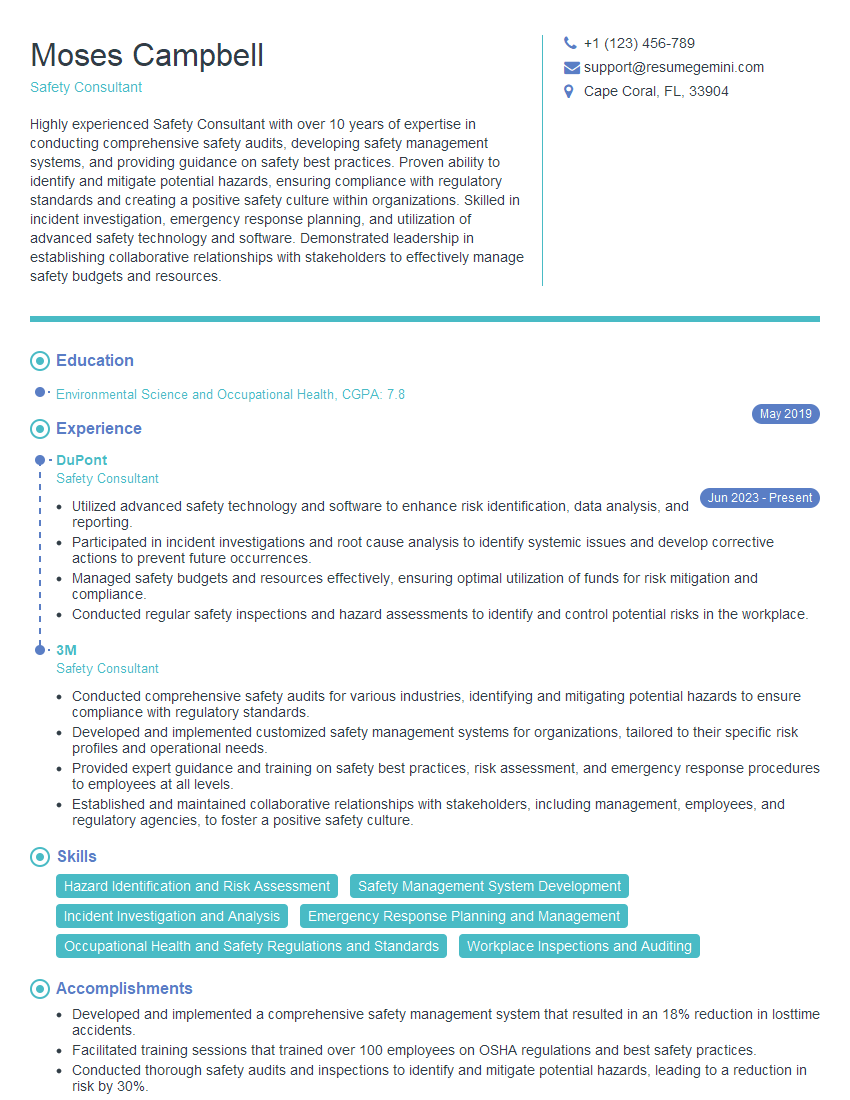
Safety Consultant Resume Sample
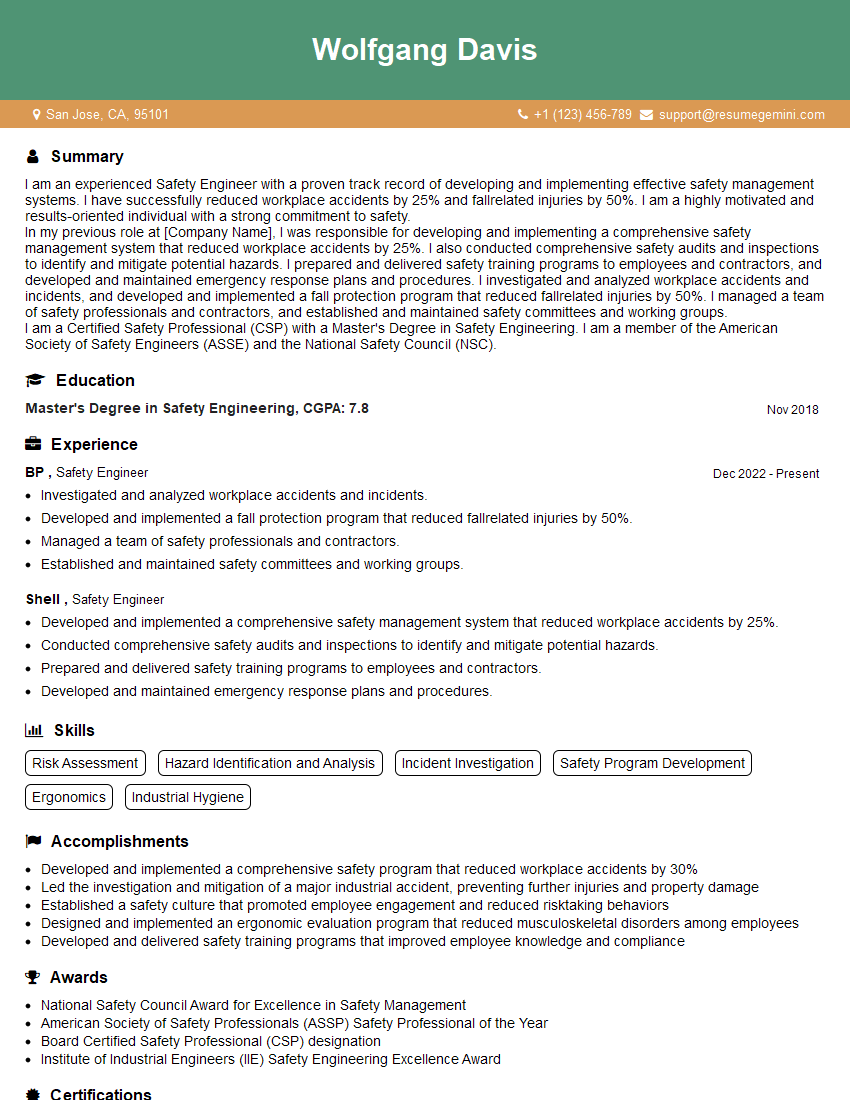
Safety Engineer Resume Sample
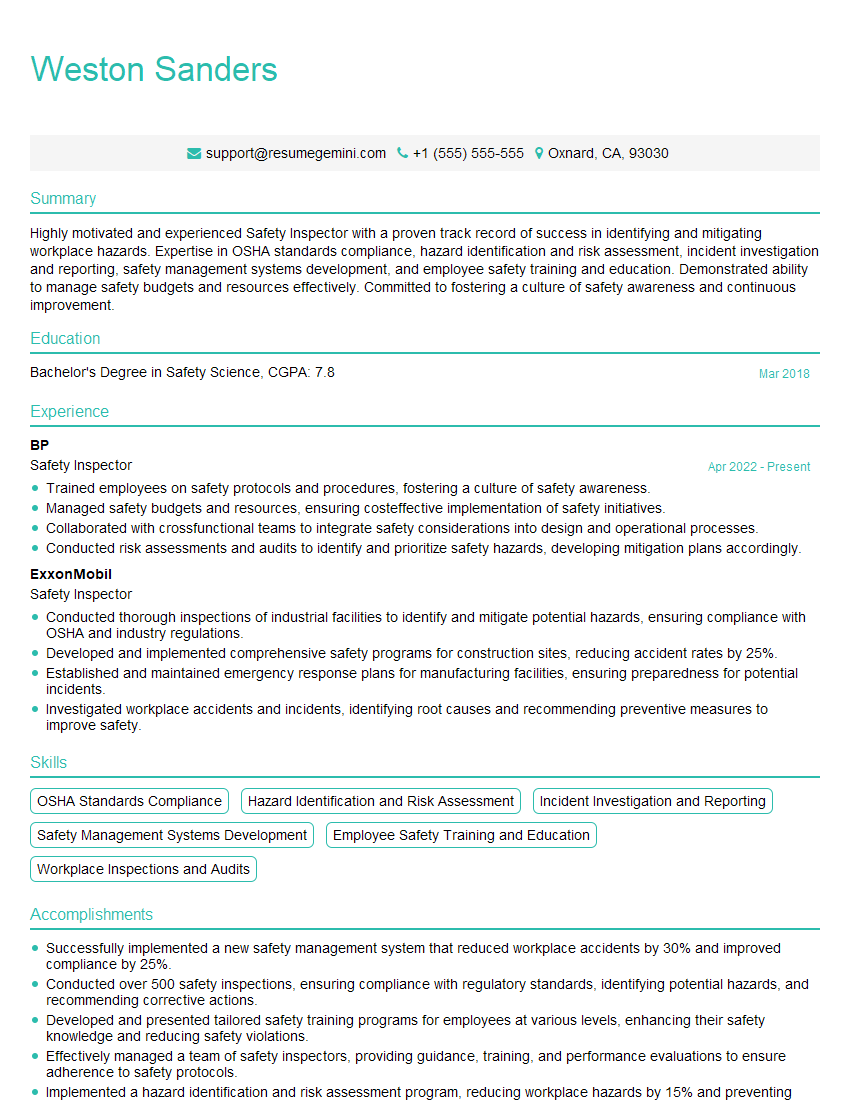
Safety Inspector Resume Sample
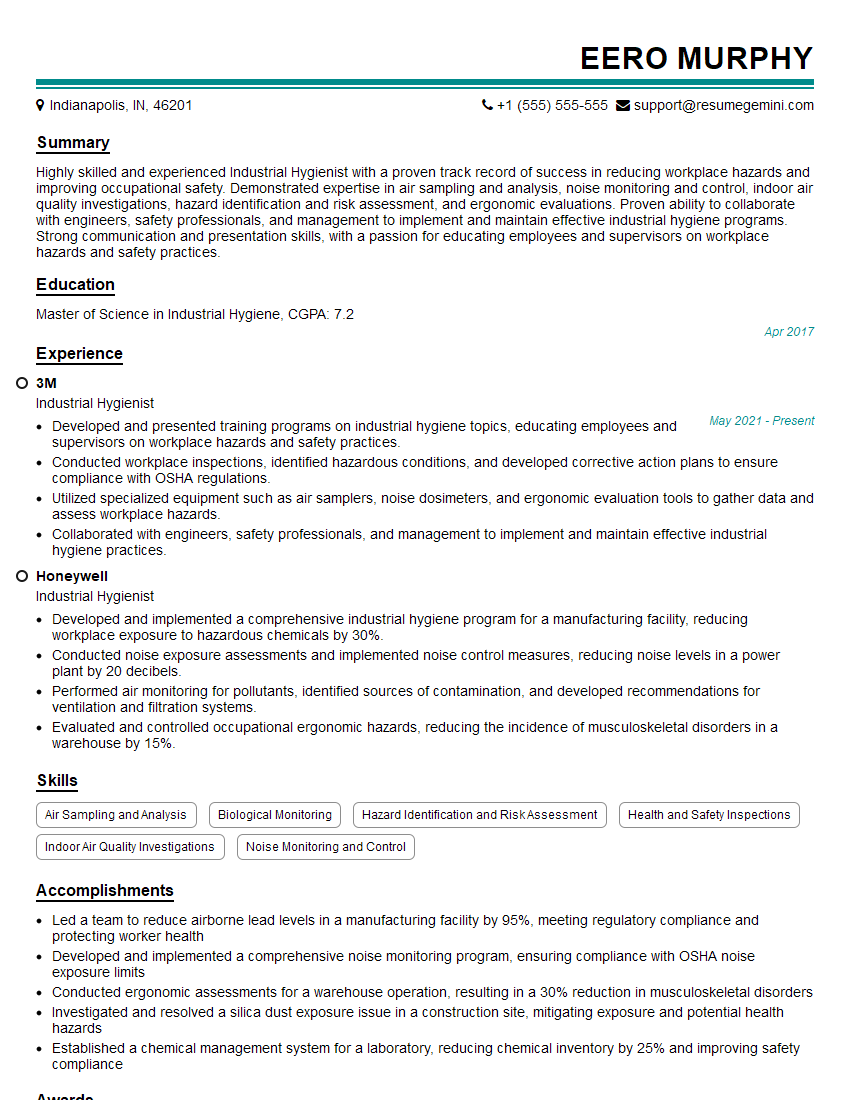
Industrial Hygienist Resume Sample
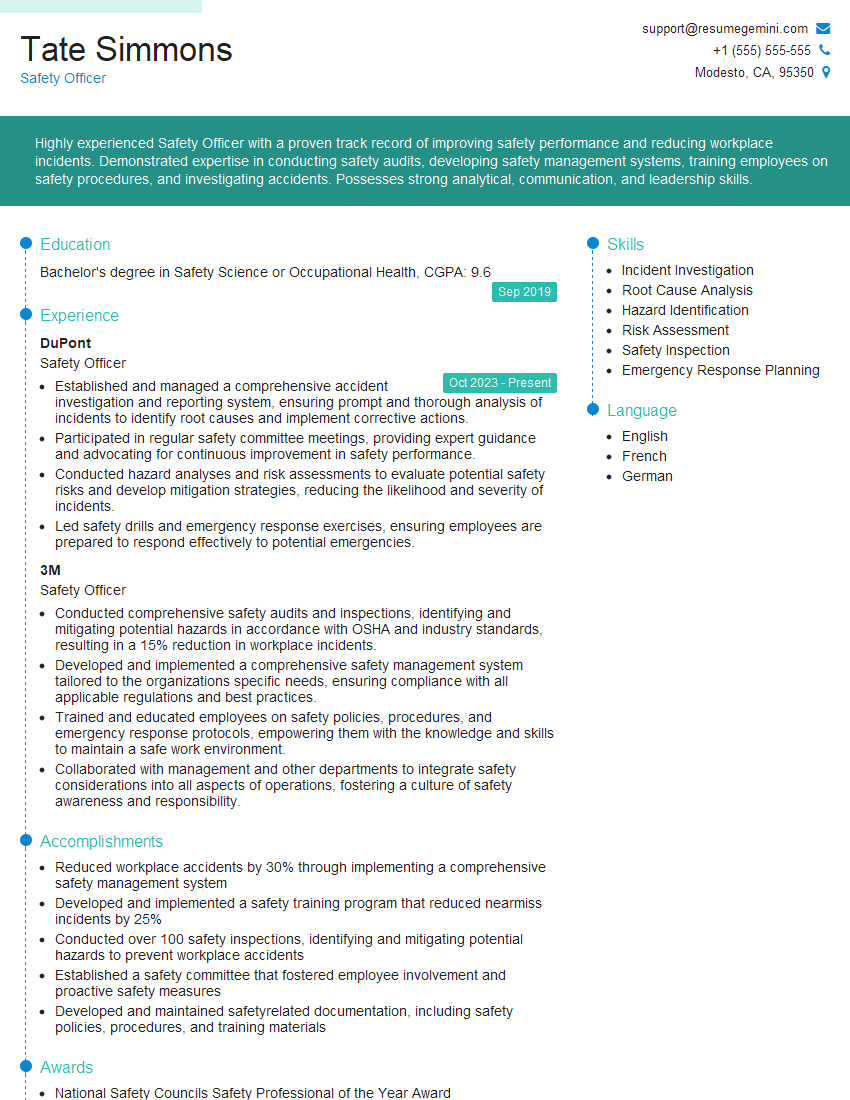
Safety Officer Resume Sample
Explore more articles
Users Rating of Our Blogs
Share Your Experience
We value your feedback! Please rate our content and share your thoughts (optional).
What Readers Say About Our Blog
To the interviewgemini.com Webmaster.
Very helpful and content specific questions to help prepare me for my interview!
Thank you
To the interviewgemini.com Webmaster.
This was kind of a unique content I found around the specialized skills. Very helpful questions and good detailed answers.
Very Helpful blog, thank you Interviewgemini team.