Are you ready to stand out in your next interview? Understanding and preparing for Social Gerontology interview questions is a game-changer. In this blog, we’ve compiled key questions and expert advice to help you showcase your skills with confidence and precision. Let’s get started on your journey to acing the interview.
Questions Asked in Social Gerontology Interview
Q 1. Explain the biopsychosocial model of aging.
The biopsychosocial model of aging is a holistic framework that acknowledges the interconnectedness of biological, psychological, and social factors in shaping the aging experience. It moves beyond a purely medical model to encompass the multifaceted influences impacting an older adult’s well-being.
- Biological factors include physical changes like decreased muscle mass, changes in sensory perception, and the increased prevalence of chronic diseases. Think of the natural decline in bone density leading to osteoporosis, a common biological challenge in aging.
- Psychological factors encompass cognitive abilities (memory, processing speed), emotional well-being (depression, anxiety), and personality traits. For instance, a positive outlook on life can significantly buffer the impact of age-related physical changes, demonstrating the power of psychological resilience.
- Social factors include social networks, socioeconomic status, access to resources, and cultural beliefs. An individual’s social support system, for example, heavily impacts their ability to adapt to challenges, highlighting the critical role of social connection in healthy aging.
In practice, understanding this model allows healthcare professionals and social workers to tailor interventions to the individual’s specific needs. For example, addressing social isolation in an older adult might improve their mental health (psychological), reduce stress on their physical health (biological), and thus increase their overall quality of life.
Q 2. Describe the impact of ageism on older adults.
Ageism, the stereotyping and discrimination against individuals based on their age, profoundly impacts older adults. It’s a pervasive issue that often goes unnoticed, but its consequences are significant.
- Negative Stereotypes: Ageist stereotypes portray older adults as frail, incompetent, or burdensome, leading to lower self-esteem and reduced self-efficacy. Imagine an older job applicant being overlooked simply due to their age, despite having extensive experience.
- Discrimination in Healthcare: Older adults may experience inadequate healthcare due to ageist assumptions by medical professionals. Their symptoms might be dismissed as ‘normal aging’ when, in fact, they indicate a serious underlying condition.
- Social Isolation and Exclusion: Ageism can lead to social isolation and exclusion, limiting opportunities for social interaction and participation in community activities. Think of a senior citizen being excluded from a social event because others mistakenly believe they are unable to participate.
- Economic Disadvantage: Ageism in the workplace can result in reduced employment opportunities and lower income, negatively impacting the financial security of older adults. Mandatory retirement policies, even if ostensibly aimed at encouraging younger workers, can perpetuate ageism.
Combating ageism requires raising awareness, challenging negative stereotypes, and promoting age-friendly policies and practices in all sectors of society. This includes promoting intergenerational programs and advocating for legislation that protects older adults from discrimination.
Q 3. What are the key differences between normal aging and age-related diseases?
Normal aging involves gradual, age-related changes that are generally considered typical and do not significantly impair daily functioning. Age-related diseases, on the other hand, are pathological conditions that cause significant functional decline and often require medical intervention.
- Normal Aging: Examples include decreased muscle mass, some memory decline, and slowed processing speed. These changes are typically gradual and do not interfere with a person’s ability to live independently and enjoy life.
- Age-Related Diseases: Examples include Alzheimer’s disease, Parkinson’s disease, osteoarthritis, cardiovascular disease, and certain types of cancer. These conditions are characterized by significant impairment of physical or cognitive functions and often necessitate medical care and support.
The key difference lies in the extent of functional impairment. While normal aging leads to some decline, it usually doesn’t significantly impact daily life. Age-related diseases, however, cause substantial limitations and often require assistance with activities of daily living.
Q 4. Discuss common ethical dilemmas faced in geriatric care.
Geriatric care presents unique ethical dilemmas due to the increasing vulnerability and dependence of older adults. Some common challenges include:
- Advance Care Planning: Determining the appropriate level of medical intervention at the end of life, respecting patient autonomy while considering their quality of life. This involves difficult conversations about life-sustaining treatments and end-of-life choices.
- Informed Consent: Ensuring that older adults with cognitive impairment can still provide meaningful consent for medical treatments or interventions. How do we balance respecting their autonomy with protecting them from harm if they lack full capacity to understand the implications?
- Allocation of Resources: Balancing the needs of aging populations with limited healthcare resources. How do we fairly distribute scarce resources among individuals with different needs and prognoses?
- Elder Abuse and Neglect: Identifying and addressing cases of elder abuse and neglect, balancing the rights of the individual with the need to protect them from harm. Reporting suspected abuse requires careful consideration of individual rights and legal ramifications.
- Decision-Making Capacity: Assessing and respecting the decision-making capacity of older adults with cognitive decline. Determining when a person is no longer capable of making informed decisions for themselves requires careful assessment and often involves legal frameworks.
Addressing these dilemmas requires careful consideration of ethical principles, such as autonomy, beneficence, non-maleficence, and justice, alongside effective communication and collaboration among healthcare professionals, family members, and the older adult themselves.
Q 5. Explain the role of social support networks in successful aging.
Social support networks play a crucial role in successful aging, impacting both physical and mental health. Strong social connections buffer the negative effects of stress, promote well-being, and contribute to a higher quality of life.
- Emotional Support: Feeling loved, accepted, and valued provides a sense of belonging and purpose, mitigating feelings of loneliness and isolation, which are significant contributors to poor mental health in later life.
- Practical Assistance: Family, friends, and community organizations can provide practical help with everyday tasks, such as transportation, grocery shopping, or household chores, enabling older adults to maintain independence.
- Companionship and Social Engagement: Social interaction reduces feelings of isolation, promoting cognitive stimulation and physical activity. Regular social interaction improves cardiovascular health and reduces the risk of cognitive decline.
- Access to Resources: Social networks can provide access to critical resources, such as healthcare services, financial assistance, and community programs, improving quality of life and resilience to challenges.
For example, an older adult with strong family support may be better equipped to cope with the loss of a spouse or navigate health challenges compared to someone who is socially isolated. Cultivating and maintaining strong social connections are vital for promoting successful aging.
Q 6. Describe different types of elder abuse and their prevention strategies.
Elder abuse encompasses a range of harmful actions directed towards older adults. It can be physical, emotional, financial, or neglectful.
- Physical Abuse: Includes hitting, slapping, pushing, or any other form of physical violence. This can result in physical injuries and psychological trauma.
- Emotional Abuse: Involves verbal harassment, threats, intimidation, humiliation, or isolation. It can lead to depression, anxiety, and low self-esteem.
- Financial Abuse: Misappropriation of an older adult’s funds or assets through theft, fraud, or coercion. This can leave victims financially vulnerable and dependent.
- Neglect: Failure to provide necessary care, such as food, water, medication, or hygiene. Neglect can lead to serious health problems and even death.
- Sexual Abuse: Any non-consensual sexual contact or activity. This is particularly devastating and traumatic for victims.
Prevention Strategies:
- Education and Awareness: Educating the public about the signs and symptoms of elder abuse.
- Strengthening Social Support: Promoting strong social networks and community engagement to provide support and protection.
- Mandatory Reporting: Enacting and enforcing laws that require mandatory reporting of suspected elder abuse.
- Support Services: Providing easily accessible resources and support services for victims of elder abuse.
- Financial Protection Measures: Implementing safeguards to prevent financial exploitation, such as financial literacy programs and power-of-attorney oversight.
Recognizing the signs of elder abuse and taking appropriate action are crucial steps in protecting vulnerable older adults.
Q 7. Outline the stages of grief and loss as they relate to aging.
Grief and loss are significant experiences in the aging process, often involving multiple losses over time. While the stages of grief are not always linear, understanding them can help support older adults navigating these difficult transitions.
- Denial: Initially, the individual may struggle to accept the reality of the loss, perhaps denying the severity of an illness or the finality of death.
- Anger: Anger may be directed towards oneself, others, or even a higher power. It’s a normal response to feelings of helplessness and unfairness.
- Bargaining: Individuals may attempt to negotiate with fate or a higher power, hoping to reverse the loss or postpone its consequences.
- Depression: This stage involves profound sadness, hopelessness, and a withdrawal from social activities. It is a normal part of the grieving process.
- Acceptance: Eventually, the individual begins to come to terms with the loss, finding a way to adapt and move forward with their life. This doesn’t mean forgetting the loss but integrating it into their life narrative.
In the context of aging, grief can be compounded by the cumulative loss of loved ones, physical abilities, independence, and social roles. Providing compassionate support and understanding is critical in helping older adults navigate these challenging transitions. This may involve bereavement support groups, counseling, or simply offering a listening ear.
Q 8. What are the major theories of aging (e.g., disengagement, activity, continuity)?
Several prominent theories attempt to explain the aging process and its social implications. These theories aren’t mutually exclusive; aspects of each might apply to an individual at different times.
- Disengagement Theory: This theory suggests that aging involves a gradual withdrawal from society, both on the part of the individual and society itself. It posits that this withdrawal is natural and beneficial, allowing older adults to reflect on their lives and prepare for death. However, critics argue it overlooks the active roles many older adults maintain and the negative consequences of forced disengagement.
- Activity Theory: This theory proposes that successful aging involves maintaining an active social life and engaging in meaningful activities. Staying involved helps older adults retain a sense of purpose, identity, and well-being. For example, volunteering, joining clubs, or pursuing hobbies are key components. While positive, this theory can place undue pressure on those unable to maintain high activity levels due to health or other limitations.
- Continuity Theory: This theory emphasizes the importance of maintaining consistent patterns of behavior and personality throughout life. As individuals age, they adapt and adjust their activities to maintain continuity with their past selves. For example, someone who enjoys gardening might adapt their gardening practices to accommodate physical changes, continuing the activity in a modified way.
- Social Exchange Theory: This theory suggests that social interactions are based on a reciprocal exchange of resources (emotional, material, etc.). As older adults may have fewer resources to contribute, they may experience reduced social engagement, unless other forms of exchange are present (e.g., wisdom, mentorship).
Understanding these theories helps professionals develop interventions tailored to individual needs, promoting positive aging experiences and supporting older adults in navigating the challenges of aging.
Q 9. Discuss the impact of technology on the lives of older adults.
Technology has profoundly impacted the lives of older adults, both positively and negatively. On the positive side, it offers access to information, social connection, and healthcare services. For instance, telehealth appointments reduce the need for difficult travel. Video calls help maintain contact with family and friends across distances, and online shopping offers convenience. However, challenges also exist. The digital divide, where older adults lack access to technology or the skills to use it effectively, creates inequality. This can lead to social isolation and missed opportunities. Additionally, concerns about online security and scams are prevalent. The design of some technological interfaces might also be inaccessible to older adults with visual or cognitive impairments.
Successfully integrating technology requires addressing these challenges. User-friendly interfaces, digital literacy programs, and reliable technical support are crucial for promoting equitable access and benefits.
Q 10. How does social isolation affect the health and well-being of older adults?
Social isolation significantly impacts the health and well-being of older adults. It’s a serious public health concern linked to increased risk of physical and cognitive decline, depression, anxiety, and even mortality. This isolation can manifest in various forms, such as limited social interaction, lack of meaningful relationships, and feelings of loneliness.
The absence of social interaction leads to a lack of emotional support, which is crucial for stress management and coping with life’s challenges. Reduced physical activity and poor diet, often stemming from social isolation, contribute to health issues. Moreover, the reduced cognitive stimulation associated with limited social contact can accelerate cognitive decline. Early intervention is crucial; strategies including social support groups, community programs, and technological solutions for communication can help combat social isolation.
Q 11. Describe various types of long-term care facilities and their suitability for different needs.
Long-term care facilities offer various levels of support, catering to diverse needs.
- Independent Living Facilities: These offer housing with amenities such as dining halls and recreational facilities but minimal healthcare services. They’re suitable for older adults who can live independently but desire social interaction and convenience.
- Assisted Living Facilities: These provide more support with activities of daily living (ADLs), such as bathing, dressing, and medication management. They’re appropriate for individuals needing some assistance but not requiring intensive medical care.
- Skilled Nursing Facilities: These offer 24-hour medical care and are best suited for individuals requiring significant assistance with ADLs and medical interventions like wound care or physical therapy.
- Memory Care Units: These specialized units within assisted living or skilled nursing facilities cater to individuals with dementia or Alzheimer’s disease, offering a secure and supportive environment.
- Continuing Care Retirement Communities (CCRCs): These provide a range of care options, allowing residents to transition between levels of care as their needs change, avoiding the disruption of relocating.
Choosing the right facility requires careful consideration of individual needs, financial resources, and available support systems. A comprehensive assessment of physical, cognitive, and social needs is vital in guiding this decision.
Q 12. Explain the role of caregivers in the lives of older adults.
Caregivers play a critical role in the lives of older adults, providing essential physical, emotional, and social support. This support can range from providing assistance with ADLs to offering companionship and emotional comfort. Caregivers can be family members, friends, or paid professionals.
The tasks of a caregiver can be physically and emotionally demanding. They might manage medication, provide transportation, assist with personal hygiene, prepare meals, and manage finances. Importantly, caregivers also provide emotional support, listening, and creating a sense of connection and belonging. The emotional toll on caregivers is significant, highlighting the importance of caregiver support programs that offer respite, training, and counseling.
Q 13. Discuss effective communication strategies with older adults with cognitive impairments.
Communicating effectively with older adults who have cognitive impairments requires patience, understanding, and adapting communication strategies.
- Simplicity and Clarity: Use short, simple sentences and avoid complex language or jargon. Speak slowly and clearly.
- Nonverbal Communication: Pay attention to nonverbal cues such as body language and facial expressions. Maintain eye contact and use a calm, reassuring tone of voice.
- Visual Aids: Use pictures, objects, or gestures to enhance understanding. Visual reminders can also be helpful.
- Repetition and Patience: Repeat information as needed and be patient with delays in response.
- Positive Reinforcement: Offer encouragement and praise for their efforts.
- Avoid Arguing: If the individual is confused or agitated, avoid arguing or correcting them. Redirect the conversation to a less stressful topic.
Adapting communication strategies to the individual’s specific cognitive abilities and preferences is essential for effective interaction.
Q 14. Describe the challenges faced by older adults living in poverty.
Older adults living in poverty face numerous significant challenges impacting their health, well-being, and quality of life. Limited financial resources restrict access to essential services, including healthcare, housing, and nutrition. This leads to increased health problems, higher rates of chronic illnesses, and reduced access to preventative care.
Inadequate housing can contribute to physical and mental health issues, especially in the context of poor living conditions. Limited access to healthy food can lead to malnutrition and exacerbate existing health conditions. Social isolation and lack of access to social support are common experiences, intensifying feelings of loneliness and despair. Difficulty affording medication and transportation further compounds the problem. Addressing poverty among older adults requires comprehensive strategies involving social security benefits, affordable healthcare, subsidized housing, and nutritional assistance programs.
Q 15. What are the key components of a successful aging-in-place program?
A successful aging-in-place program focuses on enabling older adults to maintain their independence and quality of life in their own homes for as long as possible. This requires a multifaceted approach.
- Accessible and Adaptable Housing: Homes must be modified to accommodate physical limitations, such as installing ramps, grab bars, and wider doorways. This might involve home modifications grants or programs.
- Comprehensive Healthcare Access: Easy access to primary care, specialists, and home healthcare services is crucial. This includes telehealth options to reduce the burden of travel.
- Social Support Networks: Maintaining social connections combats loneliness and isolation, a major health risk for older adults. Programs fostering social interaction, like senior centers and community events, are vital.
- Transportation Services: Reliable and affordable transportation is essential for accessing healthcare, shopping, and social activities. This could involve subsidized transportation or ride-sharing programs specifically for seniors.
- Assistive Technologies: Technology can significantly enhance independence, from medication reminders to fall detection systems. These technologies can be integrated into existing home infrastructure to maintain familiarity and comfort.
- Care Coordination: A central point of contact helps navigate the complex healthcare system and ensures smooth transitions between various services. A geriatric care manager can play this crucial role.
For example, a successful program might partner with local contractors to offer subsidized home modifications, connect seniors with volunteer drivers, and provide regular wellness checks through home healthcare visits.
Career Expert Tips:
- Ace those interviews! Prepare effectively by reviewing the Top 50 Most Common Interview Questions on ResumeGemini.
- Navigate your job search with confidence! Explore a wide range of Career Tips on ResumeGemini. Learn about common challenges and recommendations to overcome them.
- Craft the perfect resume! Master the Art of Resume Writing with ResumeGemini’s guide. Showcase your unique qualifications and achievements effectively.
- Don’t miss out on holiday savings! Build your dream resume with ResumeGemini’s ATS optimized templates.
Q 16. How does access to healthcare influence healthy aging?
Access to healthcare profoundly influences healthy aging. It’s not merely about treating illnesses; it’s about preventative care, early detection, and effective management of chronic conditions.
- Preventative Care: Regular check-ups, screenings (e.g., for cancer, cardiovascular disease), and vaccinations prevent diseases and promote early intervention. This can significantly improve overall health and reduce long-term complications.
- Chronic Disease Management: Many older adults manage multiple chronic conditions like diabetes, heart disease, and arthritis. Access to specialists, medication, and ongoing monitoring allows for better control, preventing serious complications and improving quality of life.
- Mental Healthcare: Addressing mental health issues like depression and anxiety is crucial for overall wellbeing. Access to therapy and support groups is just as important as physical healthcare.
- Rehabilitation Services: After illness or injury, rehabilitation services such as physical therapy and occupational therapy are critical for regaining independence and function. Prompt access to these services can significantly improve recovery times and outcomes.
Imagine an older adult with hypertension who can’t afford regular check-ups and medication. Their condition can worsen unchecked, leading to a stroke or heart failure, significantly impacting their health and quality of life. Conversely, timely access to preventative care and medication could avoid such a scenario.
Q 17. What are the implications of the growing aging population?
The implications of a growing aging population are far-reaching and affect numerous aspects of society.
- Increased Healthcare Demands: A larger elderly population requires more healthcare services, putting a strain on healthcare systems and potentially leading to longer wait times and increased costs.
- Economic Implications: Increased demand for healthcare, social security, and long-term care services places a significant burden on government budgets and tax payers. This can impact the overall economy and necessitate policy changes.
- Workforce Shortages: The aging population also means a shrinking workforce, creating potential shortages in various sectors, particularly in healthcare and elder care. Addressing this could involve immigration policies or increasing workforce participation among older adults.
- Social Security and Pension Systems: Existing social security and pension systems may struggle to support a larger proportion of retirees. Reforms and adjustments to these systems will likely be necessary to ensure their long-term sustainability.
- Shifting Family Dynamics: The caregiving responsibilities often fall on family members, who may face increased stress and financial burdens. This can affect family dynamics and lead to challenges in work-life balance.
For example, the strain on healthcare systems could result in longer wait times for appointments and surgeries, impacting the quality of care older adults receive. Economic pressure could also lead to difficult policy decisions around healthcare funding and long-term care subsidies.
Q 18. Discuss effective strategies for dementia care.
Effective dementia care requires a holistic approach, focusing on both the person with dementia and their caregivers.
- Person-Centered Care: Understanding the individual’s preferences, routines, and abilities is crucial. Maintaining their dignity and promoting their independence as much as possible are paramount.
- Environmental Modifications: Adapting the living environment to reduce confusion and promote safety is vital. This may include clear signage, simplified routines, and removing potential hazards.
- Medication Management: Properly managing medications is crucial, ensuring adherence to prescribed regimens and monitoring for side effects. A medication organizer or assistance from a caregiver can be beneficial.
- Behavioral Management: Addressing behavioral challenges, like agitation or wandering, requires patience, understanding, and often specialized interventions. Training caregivers in these techniques is essential.
- Support for Caregivers: Providing emotional support, respite care, and educational resources is crucial for reducing caregiver burden and burnout. Support groups and counseling services play a vital role.
- Cognitive Stimulation: Engaging in activities that stimulate the mind, such as reminiscence therapy, music therapy, or simple games, can help maintain cognitive function and improve quality of life.
For instance, a person with dementia might benefit from a structured daily routine, familiar objects in their environment, and regular engagement in activities they enjoy. The caregiver, in turn, would need access to support groups, respite care, and educational resources to manage the stress and demands of caregiving.
Q 19. Describe the legal and ethical considerations of advanced care planning.
Advanced care planning involves making decisions about future healthcare in the event of incapacitation. Legal and ethical considerations are crucial.
- Legal Documents: These include advance directives such as living wills (outlining treatment preferences), durable power of attorney for healthcare (designating a surrogate decision-maker), and Do Not Resuscitate (DNR) orders. Proper legal execution is vital to ensure their validity.
- Capacity and Competence: Individuals must possess the mental capacity to make informed decisions. Assessing capacity can be complex and may involve medical and legal professionals.
- Informed Consent: Individuals should receive clear and understandable information about their treatment options to make truly informed choices. This is especially important in end-of-life care.
- Surrogate Decision-Making: When individuals lose capacity, their surrogate decision-maker must act in accordance with their known wishes and best interests. This requires clear communication and potentially difficult judgments.
- Ethical Dilemmas: Conflicts can arise between family members, healthcare providers, and the patient’s wishes. Ethical frameworks and guidelines help navigate these challenges.
- Confidentiality: Maintaining patient confidentiality throughout the process is paramount. All information should be handled sensitively and in accordance with relevant privacy regulations.
For example, a family might face a conflict over whether to continue life support for a loved one who is terminally ill, particularly if their wishes are unclear or conflicting with family preferences. Legal counsel and ethical guidelines are critical in these situations.
Q 20. Explain the role of advocacy in improving the lives of older adults.
Advocacy plays a vital role in improving the lives of older adults by ensuring their needs are met and their rights protected.
- Policy Advocacy: Advocates work to influence policy changes at local, state, and national levels, advocating for improved healthcare access, affordable housing, and social security benefits. This can involve lobbying, public awareness campaigns, and collaboration with policymakers.
- Individual Advocacy: Advocates work directly with older adults and their families, helping them navigate the healthcare system, access available resources, and assert their rights. This might involve assisting with applications for benefits, advocating for better care in facilities, or providing support during challenging situations.
- Community Advocacy: Advocates build community support for older adults, promoting age-friendly environments and reducing ageism. This could involve organizing community events, raising awareness about elder abuse, and promoting intergenerational activities.
- Raising Awareness: Advocates bring attention to the challenges and needs of older adults, promoting public understanding and empathy. This involves education campaigns, media outreach, and public speaking engagements.
For example, an advocacy group might lobby for increased funding for home healthcare services or work to improve access to affordable senior housing. At the individual level, an advocate might assist an elderly person in appealing a decision made by their insurance company.
Q 21. Describe different models of palliative care for older adults.
Palliative care for older adults focuses on relieving suffering and improving quality of life, rather than curing disease. Several models exist.
- Hospital-Based Palliative Care: This model provides palliative care services within a hospital setting, often integrated with other forms of medical care. It is particularly useful for older adults with complex medical needs requiring hospitalization.
- Home-Based Palliative Care: This is often preferred for older adults, allowing them to receive care in their familiar environment, surrounded by loved ones. It frequently involves a multidisciplinary team providing medical, nursing, and social support.
- Hospice Care: Hospice care is a specialized form of palliative care provided when curative treatment is no longer considered appropriate. It focuses on providing comfort and support during the final stages of life. It emphasizes pain management, emotional support, and spiritual care.
- Integrated Palliative Care: This model integrates palliative care with other medical treatments, aiming to improve quality of life even while receiving active treatment for a serious illness. It is especially valuable for older adults with chronic conditions.
The choice of model depends on individual preferences, health status, and available resources. For example, an older adult with a terminal illness may opt for home-based hospice care to spend their final days in familiar surroundings, while someone with a chronic condition might benefit from integrated palliative care alongside ongoing medical treatment.
Q 22. What are the key differences between assisted living and nursing homes?
Assisted living and nursing homes both provide care for older adults, but they differ significantly in the level of care offered and the residents’ independence. Think of it like this: assisted living is like a supportive apartment building, while a nursing home is more like a hospital for long-term care.
- Assisted Living: Provides assistance with daily living activities (ADLs) like bathing, dressing, and medication management, but residents maintain a greater degree of independence. They typically live in their own apartments or rooms and have access to communal spaces. They may require assistance with some tasks, but they are largely self-sufficient.
- Nursing Homes (Skilled Nursing Facilities): Offer a higher level of medical care, including 24-hour nursing supervision, skilled medical services, and rehabilitation therapies. Residents often require significant assistance with ADLs and have more complex medical needs. They have less personal space and autonomy.
For example, someone with mild dementia who needs help with medication but can still manage most personal care might thrive in assisted living. Conversely, someone recovering from a stroke requiring intensive physical therapy and constant medical monitoring would be better suited for a nursing home.
Q 23. Discuss the role of nutrition in maintaining healthy aging.
Nutrition plays a crucial role in healthy aging, impacting everything from physical strength and cognitive function to mood and disease prevention. A well-balanced diet rich in fruits, vegetables, whole grains, lean protein, and healthy fats is essential.
- Macronutrients: Adequate protein is vital for muscle mass maintenance and repair, while complex carbohydrates provide sustained energy. Healthy fats, like those found in avocados and nuts, are crucial for brain health and hormone regulation.
- Micronutrients: Vitamins and minerals, especially Vitamin D, calcium (for bone health), and B vitamins (for cognitive function), are crucial in sufficient amounts. Sometimes supplements are necessary, but a balanced diet should be prioritized.
- Hydration: Maintaining proper hydration is equally important. Dehydration can lead to confusion, fatigue, and falls, especially in older adults.
For instance, I worked with a client who struggled with malnutrition leading to fatigue and decreased mobility. By implementing a tailored nutritional plan with assistance from a registered dietitian, we improved her energy levels, and she regained a greater sense of independence.
Q 24. How do you assess the needs of an older adult?
Assessing the needs of an older adult requires a holistic approach considering physical, cognitive, emotional, and social factors. This involves a combination of interviews, observations, and standardized assessments.
- Physical Assessment: This evaluates mobility, strength, sensory function (vision, hearing), and any chronic health conditions.
- Cognitive Assessment: This assesses memory, attention, problem-solving, and other cognitive abilities. Tools like the Mini-Mental State Examination (MMSE) can be used.
- Emotional and Social Assessment: This examines mood, social support networks, coping mechanisms, and risk of depression or isolation. Open-ended questions and observations are key.
- Functional Assessment: This assesses the individual’s ability to perform activities of daily living (ADLs) such as dressing, bathing, and eating, and instrumental activities of daily living (IADLs) such as managing finances and transportation.
For example, a thorough assessment might reveal that an older adult needs assistance with grocery shopping (IADL) due to limited mobility but is still able to manage their personal hygiene (ADL).
Q 25. Describe your experience working with diverse populations of older adults.
My experience working with diverse populations of older adults has been extensive, encompassing individuals from various socioeconomic backgrounds, ethnicities, cultural orientations, and religious beliefs. Understanding these differences is critical for providing culturally competent care.
I’ve worked with first-generation immigrants who faced language barriers and cultural misunderstandings regarding health care. I’ve also supported LGBTQ+ elders facing unique challenges related to societal stigma and discrimination. In each case, successful interventions required sensitivity, empathy, and tailoring services to their specific cultural and individual needs. This includes understanding their preferred communication styles, decision-making processes, and family dynamics.
For example, working with a family from a collectivist culture might involve actively including extended family members in care planning decisions, whereas working with an individual from an individualistic culture might prioritize their autonomy and independence in decision-making.
Q 26. Explain your understanding of evidence-based practices in geriatric care.
Evidence-based practices in geriatric care involve utilizing the best available research and scientific evidence to inform clinical decisions and interventions. It’s about moving beyond tradition and relying on data-driven approaches.
This includes staying up-to-date on the latest research in areas such as dementia care, fall prevention, and medication management. It also involves critically evaluating the quality of research and considering the applicability of findings to specific client populations.
For example, instead of simply assuming that all older adults benefit from a certain exercise program, we would use evidence to select programs that are appropriate for specific physical limitations and cognitive abilities. This might involve using research on the efficacy of chair exercises for individuals with arthritis or cognitive impairment.
Q 27. How do you handle challenging situations in a geriatric setting?
Challenging situations in geriatric settings are common, and effective handling requires patience, empathy, and a problem-solving approach. These situations range from family conflicts to behavioral changes related to dementia.
- Communication: Active listening and clear, empathetic communication are essential. This includes understanding and validating the emotions of all involved parties, including family members and the older adult.
- Collaboration: Working collaboratively with a multidisciplinary team (doctors, nurses, social workers, therapists) provides diverse perspectives and expertise.
- De-escalation techniques: In situations involving agitation or aggression, de-escalation techniques, such as creating a calm environment and using calming verbal strategies, are necessary.
- Crisis management: Having a plan for addressing crisis situations, including access to emergency services, is crucial.
For example, a situation involving a family dispute over care decisions would be addressed by facilitating open communication, mediating disagreements, and helping the family reach a consensus that aligns with the older adult’s wishes and best interests.
Q 28. What are your career goals within the field of social gerontology?
My career goals within social gerontology are focused on advancing the well-being and social justice of older adults. I aim to contribute to research and policy development that promotes positive aging, addresses ageism, and ensures equitable access to high-quality care for all older adults.
Specifically, I’m interested in developing and implementing innovative community-based programs that support healthy aging in place and prevent social isolation. I also aspire to become a leader in the field, mentoring younger professionals and advocating for policies that protect the rights and dignity of older adults.
Key Topics to Learn for Social Gerontology Interview
- Aging Theories: Understand major theories of aging (e.g., disengagement, activity, continuity) and their implications for social policy and practice. Be prepared to discuss their strengths and limitations.
- Social Networks and Support Systems: Explore the role of social networks in maintaining well-being in older adults. Consider how social isolation and loneliness impact health outcomes and what interventions might be effective.
- Health and Well-being in Later Life: Discuss the interplay between physical, mental, and social health in older age. Consider the impact of chronic conditions, access to healthcare, and social determinants of health.
- Caregiving and Family Dynamics: Analyze the challenges and rewards of family caregiving. Discuss the impact of caregiving on family relationships and the support systems available to caregivers.
- Social Policy and Programs for Older Adults: Familiarize yourself with key social policies and programs designed to support older adults (e.g., Social Security, Medicare, Medicaid). Be prepared to discuss their effectiveness and potential areas for improvement.
- Research Methods in Gerontology: Demonstrate understanding of various research methods used in social gerontology (e.g., qualitative, quantitative, mixed methods). Be ready to discuss the strengths and weaknesses of different approaches.
- Ethical Considerations in Gerontological Practice: Discuss ethical dilemmas related to aging, such as end-of-life care, elder abuse, and autonomy.
- Diversity and Inequality in Aging: Explore how factors such as race, ethnicity, gender, and socioeconomic status shape the aging experience. Be prepared to discuss health disparities and social inequalities among older adults.
Next Steps
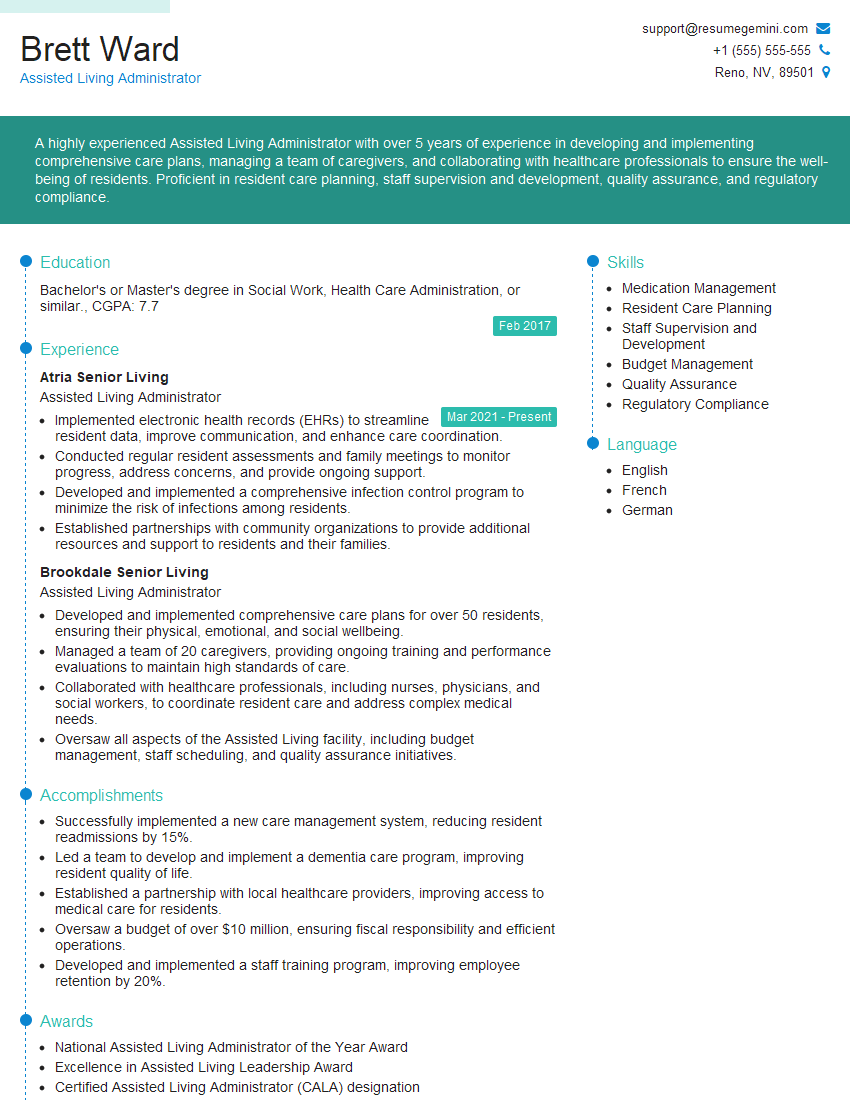
Mastering Social Gerontology opens doors to rewarding careers impacting the lives of older adults. To maximize your job prospects, crafting a compelling and ATS-friendly resume is crucial. ResumeGemini is a trusted resource to help you build a professional resume that showcases your skills and experience effectively. They offer examples of resumes tailored specifically to Social Gerontology, allowing you to present yourself as a highly qualified candidate. Invest time in creating a strong resume; it’s your first impression and a key to unlocking your career goals.
Explore more articles
Users Rating of Our Blogs
Share Your Experience
We value your feedback! Please rate our content and share your thoughts (optional).
What Readers Say About Our Blog
To the interviewgemini.com Webmaster.
Very helpful and content specific questions to help prepare me for my interview!
Thank you
To the interviewgemini.com Webmaster.
This was kind of a unique content I found around the specialized skills. Very helpful questions and good detailed answers.
Very Helpful blog, thank you Interviewgemini team.