Every successful interview starts with knowing what to expect. In this blog, we’ll take you through the top Radionuclide Therapy Administration interview questions, breaking them down with expert tips to help you deliver impactful answers. Step into your next interview fully prepared and ready to succeed.
Questions Asked in Radionuclide Therapy Administration Interview
Q 1. Explain the principles of radionuclide therapy.
Radionuclide therapy, also known as targeted radiotherapy, uses radioactive isotopes to treat various diseases, primarily cancer. The principle lies in delivering a high dose of ionizing radiation directly to cancerous cells, damaging their DNA and preventing their growth and replication. Unlike external beam radiotherapy, which delivers radiation from outside the body, radionuclide therapy involves administering the radioactive material directly into or near the target tissue. The radiation emitted then destroys the targeted cells while minimizing damage to surrounding healthy tissues. Imagine it like placing a tiny, targeted bomb inside the tumor to destroy it from within.
This targeted approach offers several advantages, including reduced side effects compared to other therapies. The choice of radionuclide and administration method is crucial in optimizing treatment efficacy and minimizing harm to healthy tissues.
Q 2. Describe the different types of radionuclides used in therapy.
Several radionuclides are employed in therapy, each with its own unique properties influencing its application. The selection depends on factors such as the type and location of the tumor, the desired radiation type (alpha, beta, or gamma), and the biological half-life. Some common examples include:
- Iodine-131 (131I): Primarily used for thyroid cancer treatment, it emits beta particles that effectively destroy thyroid cells.
- Yttrium-90 (90Y): Often used in radioembolization, delivering beta radiation to liver tumors. Its short range minimizes damage to adjacent structures.
- Samarium-153 (153Sm): Used in the treatment of bone pain associated with metastatic bone cancer, it emits beta and gamma radiation.
- Phosphorus-32 (32P): Can be used in the treatment of certain types of leukemia and polycythemia vera, and it emits beta radiation.
- Actinium-225 (225Ac): A more recent addition, emitting alpha particles which are highly cytotoxic but have very short range, limiting the damage to nearby healthy tissue. It’s often used in targeted alpha therapy.
The choice of radionuclide is a critical decision, balancing the therapeutic efficacy with the potential side effects and the specific needs of the patient.
Q 3. What are the safety precautions involved in handling radionuclides?
Handling radionuclides demands stringent safety measures to protect healthcare personnel and the environment. These precautions fall under the broad category of radiation protection and include:
- Time: Minimize the time spent near the source. The shorter the exposure time, the lower the dose received.
- Distance: Increase the distance from the radiation source. Radiation intensity decreases rapidly with increasing distance (inverse square law).
- Shielding: Use appropriate shielding materials (lead, concrete) to absorb radiation. This is crucial during handling, storage, and transport of the radionuclides.
- Personal Protective Equipment (PPE): Wearing lead aprons, gloves, and other protective gear is essential.
- Containment: Radionuclides should be handled within designated areas with appropriate ventilation and monitoring systems.
- Waste Management: Proper disposal of radioactive waste is crucial to prevent environmental contamination. This requires strict adherence to regulatory guidelines.
- Regular Monitoring: Personal dosimeters are used to track radiation exposure levels.
Strict adherence to these protocols is vital for preventing radiation exposure and maintaining a safe working environment.
Q 4. How do you calculate the administered activity of a radionuclide?
Calculating the administered activity of a radionuclide involves considering several factors. It’s not simply a matter of weighing the substance; the activity is a measure of the number of radioactive disintegrations per unit time. The calculation typically involves:
- Desired Activity: This is the prescribed activity to be administered to the patient, usually expressed in Becquerels (Bq) or Millicuries (mCi).
- Calibration Factor: The calibration factor accounts for any decay that has occurred since the radionuclide was calibrated. It’s often provided by the supplier.
- Decay Correction: The radionuclide will decay over time. A decay correction factor is needed to account for the decay between the time of calibration and the time of administration. This is often calculated using the formula:
At = A0 * e(-λt)where At is the activity at time t, A0 is the initial activity, λ is the decay constant, and t is the elapsed time.
For example, if a physician prescribes 5 mCi of 131I, but the calibration factor indicates a decay since calibration, the actual amount to be drawn up will be adjusted using the decay correction formula to account for this.
Accurate calculation is critical to ensure the patient receives the correct dose, which is crucial for treatment efficacy and safety.
Q 5. Explain the concept of biological half-life and effective half-life.
Understanding biological and effective half-lives is crucial for determining treatment duration and efficacy. These terms describe the rate at which a radionuclide is eliminated from the body:
- Biological Half-life (Tb): This is the time it takes for half of the radionuclide to be eliminated from the body through biological processes such as excretion and metabolism. It’s independent of the physical decay of the radionuclide.
- Physical Half-life (Tp): This is the time it takes for half of the radionuclide to decay through radioactive processes, irrespective of biological factors. This value is constant for a given radionuclide.
- Effective Half-life (Te): This represents the combined effect of both physical and biological decay. It describes the overall rate at which the radionuclide is removed from the body and is calculated using the formula:
1/Te = 1/Tp + 1/Tb
For instance, a radionuclide with a short physical half-life but a long biological half-life might have a relatively longer effective half-life. This information is crucial for determining the appropriate treatment schedule and duration.
Q 6. Describe the different routes of administration for radionuclides.
Radionuclides can be administered through various routes, each chosen based on the target tissue and the specific characteristics of the radionuclide:
- Oral Administration: Often used for thyroid cancer treatment with 131I, as the thyroid gland selectively absorbs iodine.
- Intravenous (IV) Injection: A common route for delivering radionuclides to various parts of the body. This allows for widespread distribution but may result in exposure of healthy tissues.
- Intra-arterial Injection: Delivers the radionuclide directly to a specific organ or tumor via an artery, increasing the localized concentration and reducing exposure to other tissues. Used in radioembolization for liver cancer.
- Intracavitary Injection: The radionuclide is injected directly into a body cavity, such as the pleural space or peritoneum, to treat cancers within that cavity.
- Interstitial Injection: Involves injecting the radionuclide directly into a tumor mass or its vicinity, maximizing the local dose while minimizing exposure to healthy tissues.
The selection of administration route is a crucial decision, significantly impacting treatment efficacy and side effects.
Q 7. What are the potential side effects of radionuclide therapy?
Radionuclide therapy, while highly effective, can cause various side effects, which vary depending on the type and dose of radionuclide, the administration route, and the patient’s overall health. Potential side effects include:
- Bone Marrow Suppression: Reduction in blood cell counts (leukocytes, erythrocytes, and thrombocytes), leading to increased risk of infection, anemia, and bleeding.
- Nausea and Vomiting: Common side effects, particularly after high doses.
- Fatigue: A common side effect due to the radiation damage.
- Radiation Sickness: In severe cases, high doses can lead to radiation sickness, characterized by severe nausea, vomiting, diarrhea, and other debilitating symptoms.
- Organ-Specific Toxicity: Depending on the location and type of radionuclide, specific organs may experience toxicity. For example, 131I treatment can cause salivary gland and thyroid gland damage.
- Secondary Cancers: While rare, there’s a potential increased risk of developing secondary cancers in the long term, although the benefits usually outweigh this risk.
It’s important to emphasize that these side effects are not always experienced, and their severity varies greatly depending on individual factors. Careful monitoring of patients during and after treatment is essential to identify and manage any side effects.
Q 8. How do you monitor patients undergoing radionuclide therapy?
Monitoring patients undergoing radionuclide therapy is crucial for ensuring treatment efficacy and patient safety. It involves a multifaceted approach combining several techniques.
- Regular Blood Tests: These track blood cell counts (complete blood count or CBC) to monitor for myelosuppression, a common side effect where the bone marrow’s production of blood cells is suppressed. For example, we’d look for decreases in white blood cells (indicating increased infection risk), red blood cells (leading to anemia), and platelets (increasing bleeding risk).
- Biochemistry Tests: These assess kidney and liver function, as these organs are vital for radionuclide excretion. Elevated levels of liver enzymes or creatinine could signal organ damage.
- Imaging Studies: Depending on the targeted organ and administered radionuclide, imaging such as SPECT/CT (Single-photon emission computed tomography/computed tomography) or planar gamma camera imaging might be used to assess the distribution and uptake of the therapy within the body and to monitor treatment response. For instance, in thyroid cancer treatment, imaging helps assess the reduction in the size and activity of any remaining cancerous tissues.
- Symptom Monitoring: Regular monitoring of patients includes careful questioning about symptoms like nausea, vomiting, fatigue, or pain. Early detection of such side effects allows for prompt management.
- Radiation Safety Monitoring: This often includes monitoring the patient’s urine and stool for radioactivity to ensure appropriate excretion and to limit environmental contamination. We also might use radiation detectors to check for residual radioactivity on the patient’s clothing or body.
The frequency of monitoring varies depending on the specific radionuclide used, the patient’s overall health, and the treatment protocol. It’s a collaborative effort between the nuclear medicine physician, nurses, and other healthcare professionals.
Q 9. What are the quality control measures for radionuclides?
Quality control (QC) for radionuclides is paramount to ensure patient safety and treatment efficacy. It’s a rigorous process that begins at the production facility and continues throughout the handling, storage, and administration process in the hospital.
- Radionuclide Purity: We verify the radionuclide’s identity and purity, ensuring that it’s free from other radioactive contaminants. Techniques include gamma spectroscopy, which analyzes the energy of emitted gamma rays to identify the radionuclide and quantify any impurities.
- Radiochemical Purity: This verifies that the radionuclide is in the correct chemical form for optimal biological targeting. Impurities can reduce treatment effectiveness or cause unexpected side effects. High-performance liquid chromatography (HPLC) is frequently used for this analysis.
- Calibration: Precise calibration of radioactivity is essential to ensure the correct dose is administered. Ionization chambers or well counters are used for activity measurements, and traceability to national standards is crucial.
- Leakage Tests: Regular checks on vials or syringes containing radionuclides confirm no leakage has occurred, preventing contamination and ensuring personnel safety.
- Storage and Handling: Proper storage conditions—shielding, temperature control—are monitored rigorously to maintain radionuclide integrity and minimize decay. Strict adherence to radiation safety protocols is also key.
Any deviation from established QC parameters mandates immediate corrective action and might involve discarding the affected batch. Documentation of every step in the QC process is meticulously maintained for regulatory compliance and to track potential issues.
Q 10. Explain the role of a dosimetrist in radionuclide therapy.
The dosimetrist plays a vital role in radionuclide therapy, acting as a bridge between the physician’s treatment plan and the safe and effective delivery of radiation to the patient. They are responsible for calculating the radiation dose the patient will receive.
- Dose Calculation: Dosimetrists use specialized software and patient-specific data (imaging studies, patient anatomy, radionuclide properties) to calculate the optimal and safe administered activity of the radionuclide. This ensures that the target tissue receives the therapeutic dose while minimizing radiation exposure to healthy organs. This involves complex mathematical models and simulations of radiation distribution within the body.
- Treatment Planning: Dosimetrists assist in treatment planning by providing quantitative data on dose distribution and potential side effects. They collaborate closely with the physician to optimize the treatment strategy based on the patient’s unique characteristics and disease status.
- Quality Assurance: They perform quality assurance checks on dose calculations and treatment planning procedures to ensure accuracy and compliance with regulatory standards. This also involves verifying the correct delivery of the calculated dose.
- Communication and Collaboration: Dosimetrists work closely with physicians, nurses, and other members of the healthcare team to ensure effective communication and coordination of patient care.
In essence, the dosimetrist is a key player in ensuring that radionuclide therapy is delivered precisely, safely, and effectively to the patient, maximizing the therapeutic benefit while minimizing the risks.
Q 11. Describe the regulations and safety standards governing radionuclide therapy.
Radionuclide therapy is heavily regulated to protect both patients and healthcare workers from the risks associated with ionizing radiation. Regulations vary slightly by country but generally fall under nuclear medicine licensing and radiation safety protocols.
- Licensing and Permits: Hospitals and clinics administering radionuclides must obtain licenses and permits, demonstrating compliance with stringent safety and operational standards.
- Radiation Safety Training: Healthcare professionals involved in radionuclide therapy undergo comprehensive radiation safety training and regular refresher courses to maintain competency in handling radioactive materials and minimizing exposure.
- Waste Management: Stringent regulations dictate the safe disposal of radioactive waste, including appropriate shielding, labeling, and transportation to authorized disposal facilities.
- Dose Limits: Legal limits exist on the amount of radiation exposure both patients and healthcare workers can receive. These are carefully monitored and documented.
- Record Keeping: Comprehensive documentation of all aspects of radionuclide handling, administration, and patient monitoring is mandatory. This documentation is subject to regular audits and inspections by regulatory bodies.
- Emergency Preparedness: Facilities must have detailed emergency plans in place to handle spills or accidents, including procedures for personnel evacuation, decontamination, and notification of authorities.
These regulations are designed to ensure that the benefits of radionuclide therapy outweigh the risks, protecting patients and healthcare professionals involved in its use.
Q 12. How do you handle spills or accidents involving radionuclides?
Handling spills or accidents involving radionuclides requires immediate and decisive action to minimize exposure and contamination. The response is dictated by the type and amount of radionuclide spilled and the area involved.
- Immediate Actions: The first priority is to evacuate the area, ensuring the safety of personnel. The spill should be immediately contained to prevent further spread, using absorbent materials if appropriate.
- Notification: Appropriate authorities, including radiation safety officers and potentially emergency services, should be immediately notified.
- Containment and Decontamination: Specialized teams, typically trained in radiation safety, will contain and decontaminate the spill area, using appropriate tools and equipment like protective clothing, radiation monitors, and specialized cleaning agents.
- Personnel Monitoring: Individuals potentially exposed to radiation will undergo monitoring (using dosimeters) to assess their radiation dose.
- Waste Disposal: The contaminated materials will be handled and disposed of according to strict regulations.
Thorough documentation of the event, including details of the spill, decontamination procedures, and personnel exposure levels, is crucial for analysis and future prevention. Regular drills and training exercises help prepare the staff for such scenarios.
Q 13. What are the different imaging modalities used in conjunction with radionuclide therapy?
Various imaging modalities are used in conjunction with radionuclide therapy to optimize treatment planning, monitor response, and assess side effects.
- SPECT/CT (Single-photon emission computed tomography/computed tomography): This combines the functional information from SPECT (showing the distribution of the therapeutic radionuclide) with the anatomical detail provided by CT. This allows precise localization of the therapeutic agent and accurate dose calculations.
- Planar Gamma Camera Imaging: This technique provides two-dimensional images of the radionuclide distribution. It’s often used for simpler procedures or as a rapid assessment tool.
- PET/CT (Positron emission tomography/computed tomography): Though not directly part of all radionuclide therapies, PET/CT is useful in assessing tumor metabolism and response to therapy in certain contexts. It provides functional imaging but uses different radionuclides than those used for therapy.
- MRI (Magnetic resonance imaging) and Ultrasound: These are complementary imaging modalities that provide anatomical information and can be used alongside nuclear medicine images to provide a more comprehensive assessment.
The selection of the appropriate imaging modality depends on the specific radionuclide used, the targeted organ, and the clinical question being addressed. For instance, SPECT/CT is frequently employed for evaluating the distribution of bone-seeking radionuclides in bone metastasis treatment.
Q 14. Describe the process of patient preparation for radionuclide therapy.
Patient preparation for radionuclide therapy is a crucial step to ensure the safety and efficacy of the procedure. It varies depending on the specific radionuclide, treatment protocol, and patient’s individual health status.
- Medical History and Physical Examination: A thorough medical history and physical examination assess the patient’s overall health and identify any potential contraindications or risk factors.
- Blood Tests: Pre-treatment blood tests assess organ function (kidney, liver) and blood cell counts (CBC). These help gauge suitability for treatment and establish a baseline for monitoring potential side effects.
- Imaging Studies: Imaging studies (such as CT, MRI, or other scans) might be necessary to accurately target the therapy and plan the treatment dose.
- Medication Review: A medication review assesses potential drug interactions that could affect the treatment’s efficacy or safety. Some medications may need to be stopped temporarily.
- Dietary Restrictions: Sometimes dietary restrictions might be implemented in the days leading up to the treatment to optimize conditions for the procedure.
- Hydration: Often, patients are advised to increase fluid intake to aid in the excretion of the radionuclide.
- Informed Consent: The patient must be fully informed about the procedure, potential benefits, risks, and side effects, providing informed consent before treatment initiation.
The specific preparation steps are carefully explained to the patient, ensuring they understand the procedure and can ask questions. This collaborative approach ensures a smooth and safe treatment process.
Q 15. Explain the importance of patient education in radionuclide therapy.
Patient education is paramount in radionuclide therapy. It’s not just about informing patients; it’s about empowering them to actively participate in their treatment and manage potential side effects effectively. A well-informed patient is better equipped to comply with treatment protocols, understand the risks and benefits, and report any unusual symptoms promptly.
My approach involves a multi-faceted educational strategy. This includes providing clear and concise explanations of the procedure, its purpose, and potential side effects using plain language, avoiding overly technical jargon. I always encourage patients to ask questions and ensure they understand the treatment plan, including pre-treatment preparations, post-treatment precautions (like radiation safety measures for family members), and follow-up appointments. We use visual aids like diagrams and brochures to supplement verbal explanations, catering to different learning styles. For example, when explaining precautions after I-131 therapy for thyroid cancer, we discuss the need for social distancing to protect others from radiation exposure, explaining that the radiation emitted is similar in principle to that from an X-ray machine, but with a more significant dosage and needing specific handling. We also provide written material summarizing this information for easy reference later.
Career Expert Tips:
- Ace those interviews! Prepare effectively by reviewing the Top 50 Most Common Interview Questions on ResumeGemini.
- Navigate your job search with confidence! Explore a wide range of Career Tips on ResumeGemini. Learn about common challenges and recommendations to overcome them.
- Craft the perfect resume! Master the Art of Resume Writing with ResumeGemini’s guide. Showcase your unique qualifications and achievements effectively.
- Don’t miss out on holiday savings! Build your dream resume with ResumeGemini’s ATS optimized templates.
Q 16. How do you manage adverse reactions during radionuclide therapy?
Managing adverse reactions during radionuclide therapy requires vigilance and a proactive approach. The nature and severity of side effects vary greatly depending on the specific radionuclide, the administered dose, and the patient’s individual health status. Common side effects can include nausea, vomiting, fatigue, and bone marrow suppression. Rare but serious reactions may also occur.
Our management strategy follows a tiered approach. We meticulously monitor patients during and after treatment, assessing vital signs and observing for any signs of distress. Mild symptoms like nausea can often be managed with antiemetic medications. For more severe reactions, we may need to adjust the treatment plan, provide supportive care (hydration, pain management), or hospitalize the patient for close monitoring. In my experience, prompt recognition and appropriate management of adverse events are crucial in minimizing their impact and ensuring patient safety. For instance, a patient experiencing severe bone marrow suppression following a high-dose therapy would require blood transfusions and close monitoring of their blood counts. Close collaboration with hematologists and other specialists is frequently needed.
Q 17. What are the different types of brachytherapy procedures?
Brachytherapy, the internal radiation therapy, involves placing radioactive sources directly within or near the tumor. Different types of brachytherapy procedures are categorized based on the placement technique and the type of radioactive source used.
- Interstitial Brachytherapy: Radioactive sources are implanted directly into the tumor using needles or catheters. This is commonly used for prostate cancer, breast cancer, and soft tissue sarcomas. The source’s placement is meticulously planned with image guidance (CT, MRI) to ensure optimal tumor coverage while minimizing exposure to healthy tissues.
- Intracavitary Brachytherapy: Radioactive sources are placed inside a body cavity, such as the uterus (for cervical cancer) or vagina. Applicators are used to hold the sources in place, often for a specific period of time.
- Surface Brachytherapy: Radioactive sources are applied to the surface of the skin or mucosa (e.g., in the treatment of skin cancers).
- Seed Brachytherapy: Small radioactive seeds are permanently implanted within the tissue, providing sustained radiation to the tumor. This technique is often used for prostate cancer treatment.
The choice of brachytherapy technique depends on several factors, including the location and size of the tumor, the patient’s overall health, and the specific type of cancer.
Q 18. Explain the concept of targeted radionuclide therapy.
Targeted radionuclide therapy (TRT) is a sophisticated approach that delivers radiation directly to cancer cells while minimizing damage to healthy tissues. This is achieved by attaching a radioactive isotope to a carrier molecule that specifically binds to cancer cells or receptors on their surface. The carrier molecule acts like a homing device, delivering the radiation precisely where it’s needed.
For example, in the treatment of neuroendocrine tumors, a radioactive isotope like Lutetium-177 (177Lu) might be conjugated to a molecule that targets somatostatin receptors, which are frequently overexpressed on these tumor cells. This ensures that the radiation primarily affects the tumor, sparing healthy organs. The effectiveness of TRT depends on the specificity of the carrier molecule and the distribution and retention of the radiopharmaceutical within the tumor. Advanced imaging techniques like PET/CT scans are crucial for monitoring treatment response and ensuring targeted delivery.
Q 19. Describe your experience with different radionuclide generators.
My experience encompasses working with various radionuclide generators, including those producing Technetium-99m (99mTc), commonly used in diagnostic imaging, and generators for therapeutic isotopes like Strontium-89 (89Sr) and Samarium-153 (153Sm). Each generator requires a specific handling procedure and quality control measures to ensure the purity and activity of the eluted radionuclide.
Technetium-99m generators, for instance, require meticulous elution techniques to avoid contamination or loss of activity. We use dedicated shielded elution systems to minimize radiation exposure to personnel. Regular quality control checks, including radionuclidic purity assays, are vital. For therapeutic generators, the process is even more rigorous due to the higher activity levels. Careful adherence to safety protocols, including the use of appropriate shielding, personal protective equipment (PPE), and waste management practices, is paramount. I’ve extensively used quality control instrumentation such as dose calibrators and gamma spectrometers to measure the activity and purity of the eluted radionuclides, ensuring their suitability for clinical use. Proper logging and documentation of these procedures are essential for regulatory compliance and patient safety.
Q 20. What software or systems are you familiar with for dose calculations?
I am proficient in using several software packages and systems for dose calculations in radionuclide therapy. These include treatment planning systems specifically designed for brachytherapy, such as those from Nucletron or Varian, along with dedicated software for external beam radiation therapy that can be adapted for calculations in targeted radionuclide therapy. These systems use sophisticated algorithms and models to predict the radiation dose distribution in the patient’s body, taking into account factors like the radionuclide’s physical properties, the treatment plan, and the patient’s anatomy (obtained through CT or MRI scans).
For example, in brachytherapy planning, software allows us to precisely simulate the placement of radioactive sources and predict the resulting dose distribution within the target volume and surrounding organs at risk. This aids in optimizing the treatment plan to maximize tumor control probability while minimizing potential side effects. These systems also generate detailed reports which are vital for treatment documentation and quality assurance. Continuous professional development is crucial to stay updated on the latest advances in these technologies and improve calculation accuracy.
Q 21. How do you ensure the accuracy and reliability of radionuclide measurements?
Ensuring the accuracy and reliability of radionuclide measurements is fundamental to safe and effective radionuclide therapy. This involves a multi-pronged approach, focusing on both instrumentation and procedural rigor.
Firstly, we rely on calibrated and regularly maintained instrumentation, including dose calibrators, gamma spectrometers, and well counters. These instruments are subjected to stringent quality control checks using standardized sources to ensure their accuracy and linearity. Secondly, we follow standardized procedures for handling and measuring radionuclides, adhering to strict protocols to minimize errors. This includes meticulous techniques for sample preparation, measurement, and data recording. Thirdly, we employ techniques like replicate measurements and internal quality control checks to identify and correct any potential errors. Finally, we participate in inter-laboratory comparisons and proficiency testing programs to benchmark our measurements against established standards and identify areas for improvement. For example, regular calibration of dose calibrators with traceable standards from national metrology institutes is crucial to ensure consistent and reliable activity measurements of therapeutic and diagnostic radiopharmaceuticals.
Q 22. Explain the concept of radiation protection and ALARA principle.
Radiation protection in radionuclide therapy centers around minimizing radiation exposure to patients, healthcare workers, and the public. The ALARA principle, which stands for “As Low As Reasonably Achievable,” guides this effort. It emphasizes that all radiation exposure should be kept to the lowest level possible, taking into account economic and social factors. This isn’t about eliminating all radiation; it’s about a balanced approach.
We achieve ALARA through a multi-pronged strategy: Time – minimizing the time spent near radiation sources; Distance – maximizing the distance from the source; and Shielding – using appropriate barriers like lead aprons, shielding containers, and specialized rooms to reduce exposure. For example, when handling a radioactive source, we use lead containers and tongs to minimize exposure time and distance. During patient procedures, we might use lead shielding to protect exposed body parts and limit staff exposure during procedures.
This principle is not just a guideline; it’s a fundamental ethos integrated into every aspect of handling and administering radionuclide therapies, ensuring patient safety and the safety of our staff.
Q 23. What is your experience with radiation safety instruments and monitoring devices?
My experience encompasses a wide range of radiation safety instruments. I’m proficient in using Geiger-Müller counters for area monitoring, ionization chambers for precise dose calibrations of radiopharmaceuticals, and survey meters for assessing radiation levels. I also have extensive experience with personal dosimeters, both film badges and electronic dosimeters, which track my individual radiation exposure. These devices are crucial for ensuring compliance with safety regulations and providing a reliable record of radiation exposure levels.
Furthermore, I’m familiar with more advanced instrumentation like contamination monitors (to detect radioactive spills) and various types of spectrometers (for identifying specific radionuclides). Regular calibration and quality control checks of all equipment are integral to accurate and reliable measurements. This ensures we’re consistently meeting strict safety standards.
Q 24. How do you document and record procedures related to radionuclide therapy?
Documentation in radionuclide therapy is meticulous and follows strict regulatory guidelines. Every step of the process, from the receipt of radiopharmaceuticals to their administration and patient monitoring, is meticulously recorded. We maintain detailed records of the patient’s identity, the type and quantity of radionuclide administered, the administration route (e.g., intravenous, intra-arterial), the time and date of administration, and the dosage.
We also meticulously record any observed side effects or adverse reactions, radiation levels measured before, during, and after procedures, and any incidents. This documentation is essential for accurate patient tracking, quality control, and regulatory compliance. We use electronic health records (EHR) systems that are specifically designed for secure storage and management of this sensitive data, often incorporating features such as automated safety checks and alerts.
Accurate record-keeping is not only a legal requirement but also crucial for patient safety and the ongoing improvement of our therapeutic procedures. It allows for proper tracking and follow-up, facilitating analysis and enhancing our understanding of treatment efficacy.
Q 25. Describe your experience with different types of radiation detectors.
My experience includes working with a variety of radiation detectors, each suited for specific applications. Geiger-Müller counters are excellent for detecting beta and gamma radiation and are commonly used for area monitoring. Scintillation detectors, often coupled with a photomultiplier tube, offer higher sensitivity and energy resolution, enabling identification of specific radionuclides. These are often used in dose calibrators to accurately measure the radioactivity of radiopharmaceuticals.
Proportional counters offer a wider dynamic range than Geiger-Müller counters. Semiconductor detectors, such as high-purity germanium (HPGe) detectors, provide superior energy resolution and are invaluable in identifying various radionuclides in complex mixtures. We also utilize specialized detectors for imaging procedures such as SPECT and PET scans, providing critical information about the distribution of the radionuclide within the patient.
The selection of a particular detector depends on the specific application, the type of radiation being detected, and the required level of sensitivity and energy resolution.
Q 26. How would you respond to a patient’s concerns or questions about radionuclide therapy?
Responding to patient concerns is a crucial aspect of my role. I approach each interaction with empathy and understanding, acknowledging the anxieties that radiation therapy can evoke. I start by actively listening to the patient’s concerns, ensuring they feel heard and valued. Then, I use clear, non-technical language to explain the procedure, its benefits, and potential risks.
I address their questions in a patient and informative manner, providing analogies and visual aids where helpful. For example, if a patient is concerned about side effects, I describe the likelihood and severity of specific side effects in simple terms. I always emphasize the importance of their participation in the treatment process and encourage them to ask questions at any time. The goal is to empower them with knowledge and reassurance, helping them feel comfortable and confident throughout their therapy.
Q 27. How do you maintain the sterility and integrity of radiopharmaceuticals?
Maintaining the sterility and integrity of radiopharmaceuticals is paramount. We adhere to strict aseptic techniques during handling, employing techniques akin to those in a sterile surgical environment. This includes using sterile gloves, working in designated sterile areas, and employing proper methods to prevent contamination. The radiopharmaceuticals are typically supplied in sterile vials or syringes, and we handle them carefully to avoid compromising their sterility.
We closely monitor the expiration date of all radiopharmaceuticals, ensuring they are within their shelf life. Any deviation from prescribed storage conditions (temperature, light exposure) can compromise their integrity, and these factors are constantly monitored. Regular visual inspections are conducted to check for any signs of leakage, discoloration, or particulate matter. We use specialized equipment to ensure the sterility of the products and workspaces.
Our commitment to sterility and integrity is essential for patient safety and the effectiveness of the therapy. Strict adherence to established protocols is mandatory to prevent infection and ensure the quality and potency of the medication.
Q 28. Describe your understanding of the legal and ethical considerations in radionuclide therapy.
Radionuclide therapy is governed by stringent legal and ethical considerations. We must adhere to all relevant national and international regulations regarding the handling, storage, and administration of radioactive materials. This includes licensing requirements, radiation safety protocols, and waste disposal regulations. Detailed record-keeping, as mentioned earlier, is a crucial aspect of legal compliance.
Ethically, we are bound to provide informed consent to every patient before initiating therapy. This involves providing clear and comprehensive information about the procedure, its benefits, risks, and alternatives. Patients must fully understand the potential side effects and make an autonomous decision about their treatment. Maintaining patient confidentiality is also of paramount importance, as is ensuring equitable access to this potentially life-saving therapy.
Continuous professional development is crucial to ensure we’re up-to-date with the latest regulations and best practices, guaranteeing both the legal and ethical administration of radionuclide therapy.
Key Topics to Learn for Radionuclide Therapy Administration Interview
- Radiopharmaceutical Handling and Safety: Understanding proper handling techniques, safety protocols, and radiation protection measures for various radionuclides.
- Dosage Calculations and Administration: Mastering accurate calculations and safe administration methods, including intravenous, intracavitary, and interstitial routes.
- Patient Assessment and Monitoring: Proficiency in assessing patient suitability, monitoring vital signs, and recognizing potential adverse reactions.
- Quality Control and Assurance: Knowledge of quality control procedures for radiopharmaceuticals and the importance of maintaining accurate records.
- Radiation Safety Regulations and Compliance: Familiarity with relevant regulations and legal requirements for handling and administering radionuclides.
- Emergency Procedures and Response: Understanding protocols for managing spills, accidents, and other emergency situations involving radioactive materials.
- Therapeutic Applications of Radionuclides: Knowledge of different types of radionuclides and their applications in treating various cancers and other diseases.
- Nuclear Medicine Imaging Techniques (Related): Basic understanding of imaging modalities used in conjunction with radionuclide therapy, such as SPECT and PET, to aid treatment planning and monitoring.
- Problem-Solving in Clinical Scenarios: Ability to analyze situations, identify potential issues, and develop effective solutions related to patient care and safety in radionuclide therapy.
Next Steps
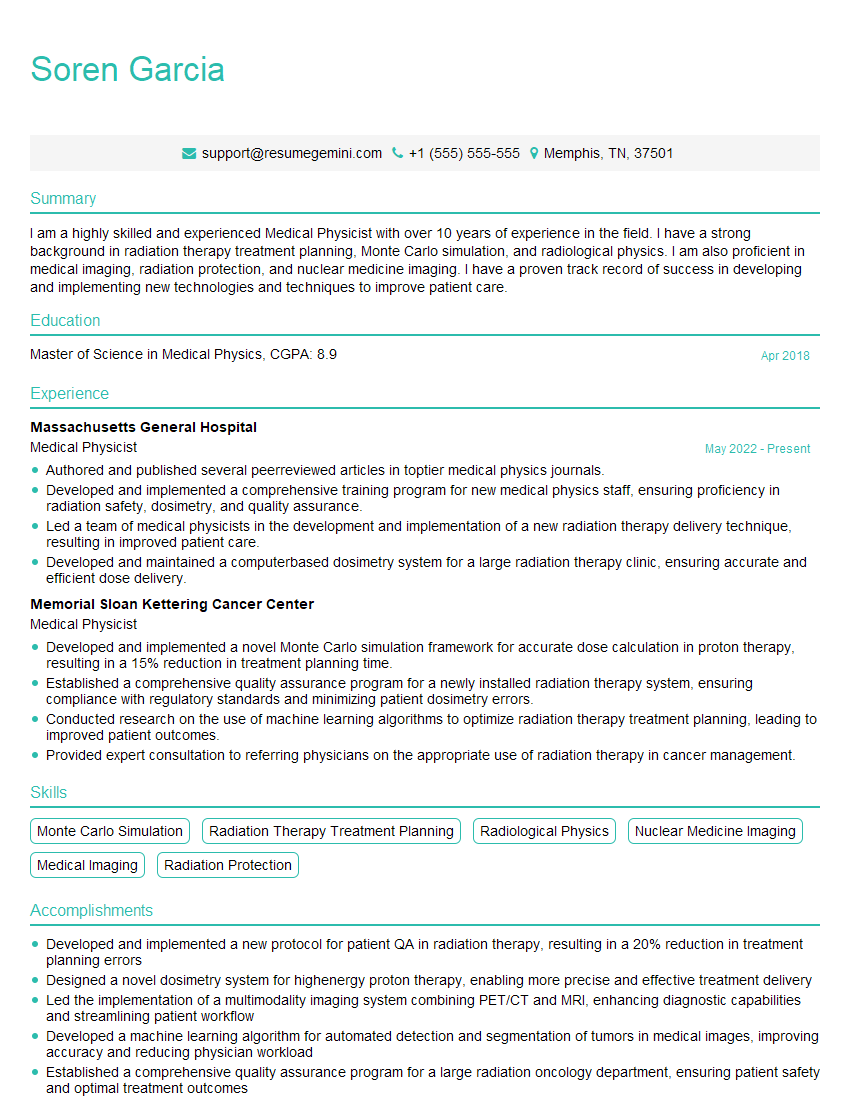
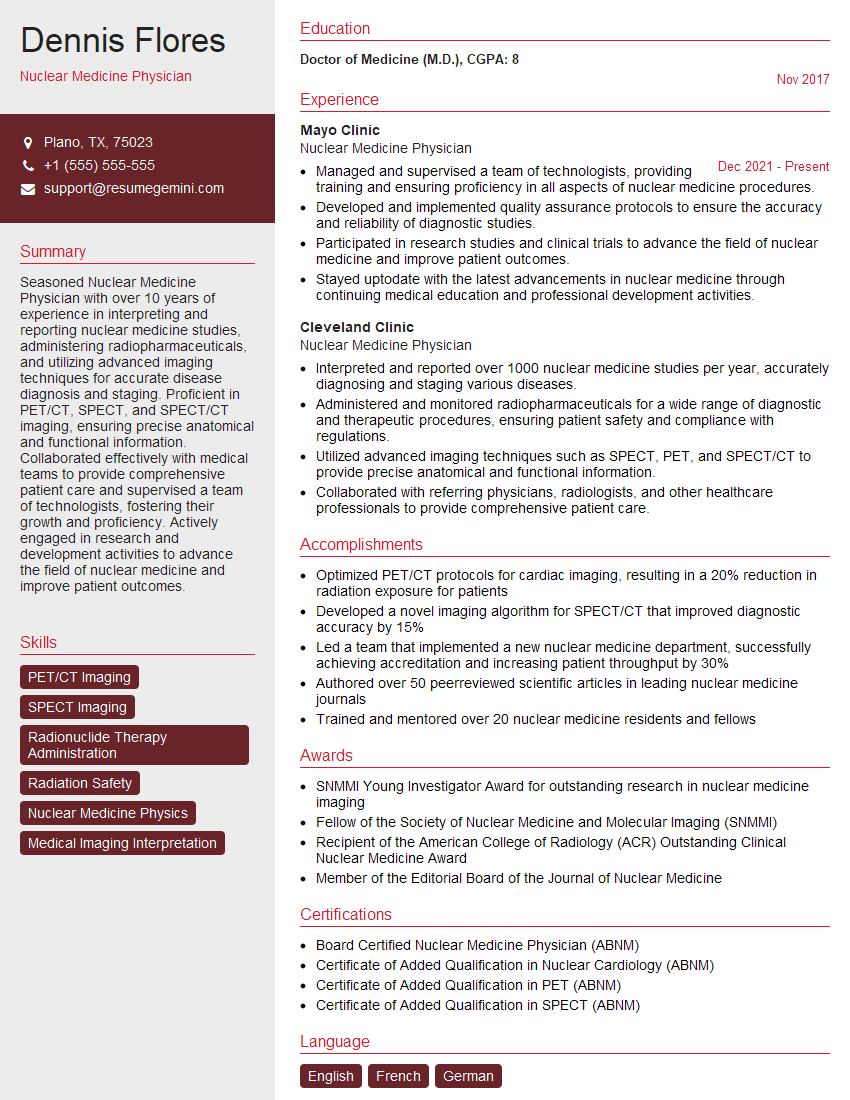
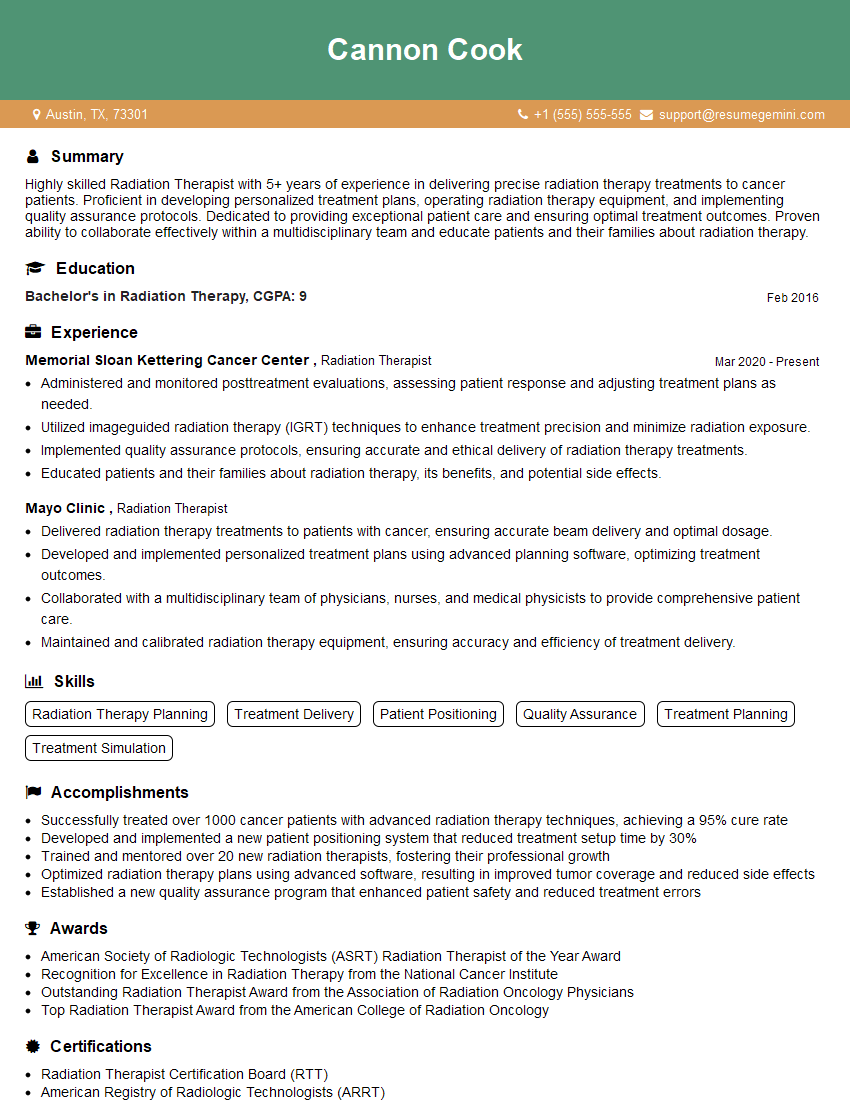
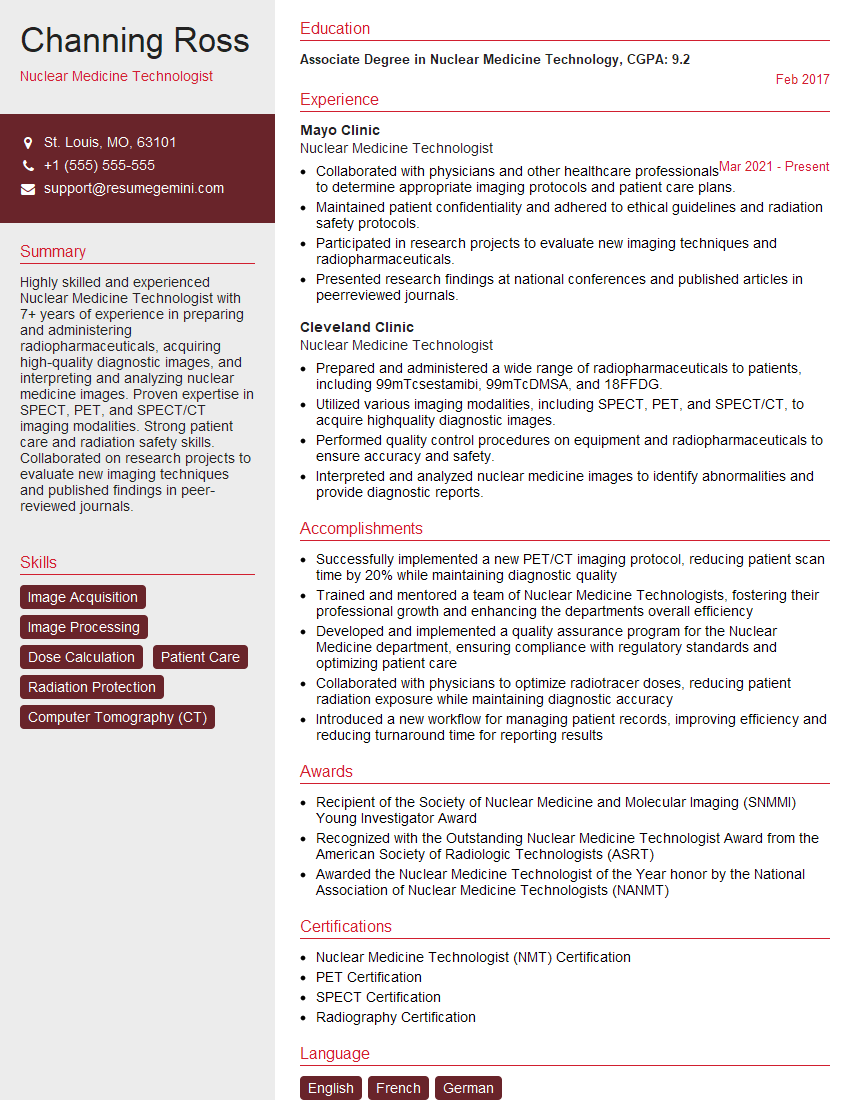
Mastering Radionuclide Therapy Administration opens doors to a rewarding career in a specialized and rapidly growing field within healthcare. Your expertise in safe and effective radiopharmaceutical handling will be highly sought after. To maximize your job prospects, creating a strong, ATS-friendly resume is crucial. ResumeGemini is a trusted resource that can help you craft a professional and impactful resume tailored to highlight your skills and experience in this competitive field. Examples of resumes specifically designed for Radionuclide Therapy Administration professionals are available through ResumeGemini, giving you a head start in presenting yourself to potential employers.


Explore more articles
Users Rating of Our Blogs
Share Your Experience
We value your feedback! Please rate our content and share your thoughts (optional).
What Readers Say About Our Blog
To the interviewgemini.com Webmaster.
Very helpful and content specific questions to help prepare me for my interview!
Thank you
To the interviewgemini.com Webmaster.
This was kind of a unique content I found around the specialized skills. Very helpful questions and good detailed answers.
Very Helpful blog, thank you Interviewgemini team.