Preparation is the key to success in any interview. In this post, we’ll explore crucial Waterway Maintenance interview questions and equip you with strategies to craft impactful answers. Whether you’re a beginner or a pro, these tips will elevate your preparation.
Questions Asked in Waterway Maintenance Interview
Q 1. Describe your experience with different types of waterway dredging techniques.
Waterway dredging involves removing sediment and debris from the bottom of a waterway to restore its depth and navigability. Different techniques are employed depending on factors like the type of sediment, water depth, environmental concerns, and budget.
- Mechanical Dredging: This is the most common method, using excavators, clamshell buckets, or draglines to remove sediment. It’s effective for various sediment types but can be disruptive and expensive. For example, a clamshell bucket is ideal for removing dense, compacted sediments from relatively shallow areas.
- Hydraulic Dredging: This method uses a suction dredge to pump sediment and water from the waterway. It’s efficient for large-scale projects and softer sediments, but requires careful management of dredged material disposal to avoid environmental damage. Imagine a giant vacuum cleaner sucking up the sediment and depositing it elsewhere for processing.
- Environmental Dredging: This approach focuses on minimizing environmental impact. Techniques like using specialized dredging equipment, careful sediment disposal, and habitat restoration are incorporated. For instance, a project might incorporate measures to protect sensitive benthic habitats during dredging activities.
My experience encompasses all three types, from small-scale projects using mechanical dredges in urban canals to large-scale hydraulic dredging in river channels, always prioritizing environmentally sound practices.
Q 2. Explain the importance of regular inspections for waterway infrastructure.
Regular inspections of waterway infrastructure are paramount for ensuring safety, preventing failures, and maintaining the overall functionality of the waterway system. Think of it like regular checkups for your body – preventative maintenance is far better than emergency repairs.
- Identifying potential hazards: Inspections reveal structural weaknesses, erosion, blockages, or damage caused by natural events (floods, storms) or human activities (boat impacts, vandalism).
- Preventing costly repairs: Early detection of issues allows for timely and less expensive repairs. A small crack in a dam wall identified early is far cheaper to repair than a catastrophic breach.
- Ensuring public safety: Regular inspections maintain navigation safety, preventing accidents and ensuring the stability of structures near the waterway like bridges and embankments.
- Protecting the environment: Inspections can detect environmental problems like pollution sources or habitat degradation.
My approach involves a comprehensive inspection schedule, utilizing both visual inspections and advanced technologies like sonar and underwater drones where applicable. A detailed report with recommendations is generated following each inspection.
Q 3. How do you identify and address potential erosion problems in waterways?
Erosion in waterways can lead to significant damage and environmental consequences. Identifying and addressing erosion involves a multi-step process.
- Identifying Erosion Sites: This involves visual inspections, aerial photography, and analysis of historical data to pinpoint areas experiencing accelerated erosion. Look for things like undercut banks, widening channels, and sediment plumes in the water.
- Analyzing Causes: The causes of erosion can vary. It could be natural processes like river flow changes or human-induced factors such as deforestation, urbanization, or improper land management. Understanding the root cause is crucial for effective mitigation.
- Implementing Mitigation Measures: Solutions range from simple techniques like planting vegetation to stabilize banks to more complex engineering solutions like building retaining walls or using bioengineering techniques such as using live stakes and other vegetation to strengthen and stabilize banks. The selection depends on the severity and cause of erosion.
For example, in one project, we identified erosion in a riverbank due to increased river flow after a period of heavy rainfall. We implemented a combination of bank stabilization techniques using gabions (wire cages filled with rocks) and planting native vegetation to reinforce the bank and prevent further erosion.
Q 4. What are the common causes of sedimentation in waterways, and how can they be mitigated?
Sedimentation, the accumulation of sediment in waterways, is a common problem with several causes and significant consequences, including reduced water depth and habitat degradation.
- Soil Erosion: Runoff from agricultural land, construction sites, and deforestation carries significant amounts of sediment into waterways.
- Natural Processes: River erosion and the breakdown of rocks contribute to natural sedimentation.
- Urban Runoff: Storm water runoff from urban areas carries pollutants and sediment into waterways.
- Dam Construction: Dams can trap sediment upstream, reducing the sediment supply downstream and potentially causing increased erosion in the riverbed below the dam.
Mitigation strategies involve addressing the source of the problem. This might include implementing soil conservation practices in agricultural areas, improving stormwater management in urban areas, controlling erosion on construction sites, and, in some cases, controlled dredging.
Q 5. Describe your experience with aquatic vegetation management techniques.
Aquatic vegetation management is crucial for maintaining the health and functionality of waterways. Uncontrolled growth can impede navigation, reduce water quality, and negatively impact aquatic life. My experience includes a range of techniques.
- Mechanical Harvesting: Using machinery like aquatic weed harvesters to physically remove vegetation. This is effective for large areas but can be expensive and disruptive.
- Chemical Control: Employing herbicides to control the growth of specific plant species. This requires careful consideration of environmental impacts and selective herbicide choice to minimize harm to non-target species.
- Biological Control: Introducing natural predators or pathogens to control invasive species. This is an environmentally friendly approach but requires careful planning and monitoring.
- Integrated Pest Management (IPM): Combining several techniques to optimize control and minimize environmental impact. This often involves a combination of mechanical, chemical, and biological controls, tailored to the specific needs of the waterway.
For example, in a lake restoration project, we used a combination of mechanical harvesting and biological control (introducing a specific herbivorous fish) to manage invasive hydrilla, successfully restoring the lake’s ecosystem.
Q 6. How do you maintain water quality standards in a waterway?
Maintaining water quality involves a multifaceted approach, encompassing various strategies to protect and improve the health of the waterway.
- Monitoring Water Quality: Regular testing for parameters such as pH, dissolved oxygen, nutrients, and pollutants provides a baseline and helps track improvements or identify emerging problems.
- Addressing Pollution Sources: Identifying and addressing sources of pollution such as industrial discharges, agricultural runoff, and sewage overflows is crucial. This requires collaboration with various stakeholders, including industries and regulatory agencies.
- Restoring Damaged Habitats: Rehabilitating degraded riparian zones (areas adjacent to the water) helps filter pollutants and improve overall water quality. This might involve replanting vegetation or creating buffer zones.
- Controlling Erosion and Sedimentation: Minimizing soil erosion and sedimentation helps maintain water clarity and reduces nutrient loading, which can lead to algal blooms.
My experience includes developing and implementing water quality management plans, collaborating with regulatory agencies to ensure compliance, and utilizing data-driven strategies to improve water quality outcomes.
Q 7. Explain your understanding of flood control measures and their implementation.
Flood control measures are essential for protecting communities and infrastructure from the devastating impacts of floods. The approach often involves a combination of strategies.
- Structural Measures: These include physical structures like dams, levees, and floodwalls designed to control or redirect floodwaters. Dams can store floodwater, while levees and floodwalls provide barriers against rising water levels.
- Non-Structural Measures: These strategies focus on reducing flood risk without constructing physical structures. Examples include land-use planning and zoning regulations to restrict development in flood-prone areas, early warning systems to alert communities of impending floods, and public awareness programs to educate communities about flood preparedness.
- Natural Flood Management: Techniques focus on utilizing natural processes to reduce flood risk. This might involve restoring wetlands or reconnecting floodplains to rivers to allow for natural water storage and slow down floodwaters.
The implementation of flood control measures requires careful planning, considering factors like hydrology, topography, and community needs. It often involves a collaborative approach between engineers, hydrologists, and community stakeholders to develop effective and sustainable flood control solutions.
Q 8. What are the safety protocols you follow during waterway maintenance operations?
Safety is paramount in waterway maintenance. Our protocols are multifaceted and rigorously enforced. They begin with comprehensive risk assessments specific to each project, identifying potential hazards like equipment malfunction, confined space entry, and exposure to hazardous materials.
- Personal Protective Equipment (PPE): All personnel are required to wear appropriate PPE, including hard hats, safety vests, life jackets (where necessary), safety glasses, and hearing protection. Specific PPE requirements are dictated by the task.
- Lockout/Tagout Procedures: Strict lockout/tagout procedures are followed when working on or near energized equipment to prevent accidental startup. This involves physically locking out power sources and tagging them to indicate who is working on the equipment and when it can be re-energized.
- Confined Space Entry: Entry into confined spaces like culverts or manholes requires a permit-to-work system, atmospheric monitoring, and a designated standby person. Proper ventilation is crucial to prevent asphyxiation.
- Emergency Response Plan: A detailed emergency response plan is in place, including communication protocols, emergency contact information, and procedures for handling various emergencies like spills, injuries, or equipment failures. Regular drills are conducted to ensure everyone is familiar with these procedures.
- Regular Training and Competency Assessments: All personnel undergo regular safety training and competency assessments to ensure they are up to date on safety regulations and best practices. This includes training on specific equipment and hazards related to their tasks.
For example, during a dredging operation, we ensure that all personnel wear life jackets and that safety boats are stationed nearby. If working near a dam, we adhere to the strict protocols established by the dam operator to ensure the safety of both our crew and the public.
Q 9. Describe your experience with the operation and maintenance of locks and dams.
I have extensive experience in the operation and maintenance of locks and dams, spanning over 10 years. This includes involvement in both preventative maintenance and emergency repairs. My work has encompassed various aspects, from inspecting and repairing gate mechanisms and hydraulic systems to managing water levels and ensuring the safe passage of vessels.
One project I oversaw involved the complete overhaul of a lock gate mechanism. This required detailed planning, coordinating a team of specialists, sourcing replacement parts, and meticulous execution to minimize downtime and ensure the continued operation of the waterway. This experience involved the careful management of complex hydraulic systems, understanding the pressures and forces involved in maintaining water levels, and working within stringent safety protocols.
Another key experience was managing the response to a sudden failure in a dam’s spillway. This required immediate action, including activating emergency procedures, diverting water flow safely, assessing the damage, and coordinating repairs with specialized contractors. The situation highlighted the importance of proactive maintenance, accurate monitoring, and rapid emergency response. It involved an intimate understanding of hydraulic modelling and stress management to minimize the impact on downstream communities.
Q 10. How do you manage and monitor water levels in a waterway?
Water level management is critical for navigation, flood control, and environmental protection. We use a combination of methods for monitoring and managing water levels.
- Real-time Monitoring: We utilize a network of automated gauges and sensors strategically placed throughout the waterway. These gauges provide continuous readings of water levels, which are transmitted in real-time to a central control system. This data is vital for understanding current conditions and anticipating potential problems.
- Predictive Modelling: Sophisticated hydraulic models are used to predict water levels based on factors such as rainfall, upstream flows, and reservoir releases. This enables proactive management and mitigation of potential issues like flooding or low water levels.
- Control Structures: We operate and maintain control structures such as dams, weirs, and spillways to regulate water flow and maintain desired water levels. This involves careful consideration of the downstream impacts of water releases.
- Data Analysis and Reporting: Regular data analysis and reporting are crucial for monitoring trends and identifying potential issues. This includes generating reports on water levels, flow rates, and other relevant parameters for stakeholders.
For instance, during periods of heavy rainfall, we use our predictive models to forecast potential flooding. This allows us to preemptively adjust water releases from dams and reservoirs to minimize downstream impacts. Conversely, during droughts, we manage water releases carefully to maintain sufficient water levels for navigation while also balancing ecological needs.
Q 11. What is your experience with different types of waterway infrastructure materials?
My experience encompasses a wide range of waterway infrastructure materials, each with its own advantages and disadvantages.
- Concrete: Widely used for dams, locks, and retaining walls due to its strength and durability. However, concrete can be susceptible to cracking and degradation over time if not properly maintained.
- Steel: Employed in lock gates, bridges, and other structural elements. Steel’s high strength-to-weight ratio is beneficial, but it requires regular inspection and protection against corrosion.
- Timber: Traditionally used for bulkheads and certain types of structures. While cost-effective, timber requires regular maintenance to prevent decay and insect infestation.
- Geosynthetics: Increasingly used in bank stabilization and erosion control projects. They provide reinforcement and improve the stability of soil structures.
- Composite Materials: Modern composite materials are increasingly being explored for their high strength, low weight, and corrosion resistance, offering potential advantages in various applications.
For example, I’ve worked on projects involving the repair of concrete structures damaged by erosion and the replacement of corroded steel components in lock gates. Selecting the right material for a specific application involves careful consideration of factors such as cost, durability, environmental conditions, and maintenance requirements.
Q 12. Explain your knowledge of hydraulic principles related to waterway flow.
A solid understanding of hydraulic principles is fundamental to waterway maintenance. This includes knowledge of:
- Fluid Mechanics: Understanding concepts like flow velocity, pressure, and shear stress is crucial for analyzing water flow in channels and predicting scour (erosion) and sedimentation patterns. This knowledge allows us to design and implement effective mitigation measures.
- Open Channel Flow: This is particularly important for understanding flow dynamics in rivers and canals. We use Manning’s equation (
Q = (A*R^(2/3) * S^(1/2))/n, where Q is discharge, A is cross-sectional area, R is hydraulic radius, S is slope, and n is Manning’s roughness coefficient) and other related equations to analyze flow characteristics and predict water levels. - Hydrology: Understanding rainfall patterns, runoff, and infiltration is essential for predicting water levels and managing water resources effectively. We use hydrological models to forecast water levels and anticipate potential flooding.
- Sediment Transport: Understanding how sediment is transported by water flow is critical for managing sedimentation in reservoirs and channels. This involves understanding factors like particle size, flow velocity, and channel geometry.
For example, in designing a new channel, we would use hydraulic modelling to determine the optimal channel dimensions and slope to ensure efficient water flow and minimize erosion. Similarly, understanding sediment transport helps in designing effective dredging strategies to remove accumulated sediment and maintain navigational depths.
Q 13. How do you handle unexpected issues or emergencies during waterway maintenance?
Unexpected issues and emergencies are an inherent part of waterway maintenance. Our approach involves a structured response framework:
- Immediate Assessment: Rapid assessment of the situation is the first step. This involves identifying the nature and extent of the problem and any immediate safety hazards.
- Emergency Response Team Activation: The appropriate emergency response team is activated based on the nature of the emergency. This might involve calling in specialized contractors or coordinating with other agencies.
- Damage Control: Measures are taken to control the situation and prevent further damage. This might include temporarily shutting down sections of the waterway or implementing emergency repairs.
- Investigation: Once the immediate emergency is addressed, a thorough investigation is conducted to determine the root cause of the problem and to prevent similar incidents in the future.
- Communication: Effective communication with stakeholders, including the public and regulatory agencies, is crucial throughout the entire process.
For example, if a sudden breach occurs in a levee, the immediate response would involve activating emergency response teams to evacuate people in the affected area, deploying flood barriers to contain the breach, and coordinating with emergency services. Following the immediate response, a thorough investigation would be conducted to determine the cause of the breach and to identify steps to prevent future occurrences. This could involve soil testing, reviewing design specifications, and reinforcing the levee.
Q 14. Describe your experience with budget management and resource allocation for waterway projects.
Budget management and resource allocation are critical aspects of waterway projects. My experience encompasses all stages, from initial budgeting and cost estimation to tracking expenses and reporting on project performance.
My approach begins with a detailed cost estimate that takes into account all aspects of the project, including materials, labor, equipment, and contingency funds. I use various budgeting techniques, including bottom-up budgeting (starting with individual tasks and summing up costs) and top-down budgeting (starting with overall project cost and allocating to different tasks). I use project management software to track expenses, monitor progress against the budget, and identify potential cost overruns.
Resource allocation involves strategically assigning personnel, equipment, and materials to maximize efficiency and minimize costs. This often involves scheduling and coordinating multiple tasks concurrently. A key part of this is effective communication with all project stakeholders to keep everyone informed about project progress and resource needs.
For example, during a large-scale dredging project, I developed a detailed budget that accounted for the costs of equipment rental, fuel, labor, disposal of dredged material, and environmental monitoring. Through effective resource allocation and careful monitoring of expenses, we were able to complete the project on time and within budget.
Q 15. What software or tools do you use for waterway maintenance planning and management?
Effective waterway maintenance planning and management relies heavily on specialized software and tools. My experience encompasses a range of applications, from Geographic Information Systems (GIS) software like ArcGIS and QGIS for visualizing waterways, analyzing data, and planning maintenance routes, to dedicated asset management systems such as Cityworks or similar platforms. These systems allow us to track infrastructure elements like bridges, culverts, and dams, schedule maintenance activities, and manage budgets. We also utilize hydrological modeling software to predict water levels and flows, which is crucial for planning dredging or flood mitigation strategies. In addition, I’m proficient in using various surveying tools and software for data collection and analysis, as I’ll detail later. For example, we might use a GIS to identify areas of high sediment accumulation based on historical data and then use hydrological models to predict how dredging in those areas will affect downstream water levels.
Career Expert Tips:
- Ace those interviews! Prepare effectively by reviewing the Top 50 Most Common Interview Questions on ResumeGemini.
- Navigate your job search with confidence! Explore a wide range of Career Tips on ResumeGemini. Learn about common challenges and recommendations to overcome them.
- Craft the perfect resume! Master the Art of Resume Writing with ResumeGemini’s guide. Showcase your unique qualifications and achievements effectively.
- Don’t miss out on holiday savings! Build your dream resume with ResumeGemini’s ATS optimized templates.
Q 16. How do you ensure compliance with environmental regulations during waterway maintenance?
Environmental compliance is paramount in waterway maintenance. We adhere strictly to all relevant local, state, and federal regulations, which often involve permits for dredging, construction activities, and the handling of dredged materials. Before any work begins, we conduct thorough environmental assessments, identifying potential impacts on aquatic life, water quality, and surrounding habitats. These assessments inform our mitigation plans, which might include measures like sediment traps, temporary barriers, or the use of environmentally friendly dredging techniques. We also maintain detailed records of all activities, including water quality testing results and waste disposal procedures, to demonstrate compliance with regulatory agencies. For instance, if we’re dredging a section of a river, we might be required to obtain permits from the Environmental Protection Agency and relevant state agencies, and we’ll need to follow specific protocols for disposing of the dredged material to prevent pollution. Regular audits and inspections ensure our ongoing compliance.
Q 17. Describe your experience with communicating technical information to non-technical audiences.
Communicating complex technical information to non-technical audiences is a crucial skill. I employ several strategies to ensure clear understanding. I avoid jargon whenever possible, opting for plain language and analogies to illustrate concepts. Visual aids, such as maps, charts, and diagrams, are invaluable tools. For example, when explaining the need for dredging to a community group, I might use a simple diagram showing sediment buildup and its impact on water flow and navigation, instead of using technical terms like ‘hydraulic radius’ or ‘sediment transport capacity’. I also actively solicit questions and tailor my explanations to the audience’s level of understanding, checking for comprehension throughout the presentation. I have successfully used this approach in many public forums, community meetings, and internal briefings. My experience includes preparing clear and concise reports to non-technical stakeholders such as city council members and community leaders. In these cases, I prioritize presenting the key findings in a simple, easy-to-understand format.
Q 18. Explain your problem-solving approach when dealing with complex waterway maintenance challenges.
My approach to problem-solving in waterway maintenance is systematic. I begin by clearly defining the problem, gathering all relevant data, and identifying the root causes. This often involves analyzing historical data, conducting site inspections, and consulting with experts from various disciplines, such as engineers, hydrologists, and biologists. Next, I brainstorm potential solutions and evaluate their feasibility, considering factors such as cost, environmental impact, and safety. This stage might involve using modeling software to simulate the effects of different solutions. I then select the most effective and practical solution, implement it, and monitor its impact closely, making adjustments as needed. A recent example involved addressing significant erosion along a riverbank. After assessing the cause (high water velocity during storms), I evaluated options like installing riprap, planting vegetation, and creating a bioengineered bank stabilization system. Modeling showed that the bioengineered solution was most sustainable and cost-effective in the long term. We then implemented this approach with careful monitoring for success.
Q 19. How do you prioritize tasks and manage your time effectively during waterway maintenance operations?
Prioritizing tasks and managing time effectively during waterway maintenance involves a strategic approach. We use a combination of techniques including critical path method (CPM) scheduling, which helps us identify the most important tasks and their dependencies, and risk assessment to prioritize urgent issues. We also utilize project management software to track progress, allocate resources, and ensure timely completion of projects. For example, emergency repairs will always take precedence over routine maintenance. Prioritization is also informed by the severity of the problem, the potential risks, and the available resources. We use a system that weighs these factors to create a prioritized task list. This system, combined with regular review meetings, ensures that all important tasks are completed on time and within budget.
Q 20. What is your experience with different types of waterway surveying techniques?
My experience encompasses a wide range of waterway surveying techniques. I’m proficient in traditional methods like bathymetric surveys using sonar and echo sounders to map the underwater topography, and I use GPS-based technologies such as RTK (Real-Time Kinematic) GPS for accurate position measurements of features along the waterway. These are complemented by LiDAR (Light Detection and Ranging) technology for highly accurate elevation data. I also utilize aerial photography and drone surveys to obtain high-resolution images for monitoring changes over time and detecting erosion or other issues. For example, in a recent project, we used a combination of bathymetric surveys and LiDAR to create a detailed 3D model of a riverbed to better understand sedimentation patterns and inform dredging operations. The choice of technique depends heavily on the specific needs of the project, the scale of the work, and the budget constraints.
Q 21. Describe your experience with working with diverse teams in a waterway maintenance environment.
Waterway maintenance requires collaboration between diverse teams including engineers, environmental scientists, contractors, and community stakeholders. I have extensive experience fostering positive working relationships and coordinating efforts between different groups. I believe in open communication, clear expectations, and a culture of mutual respect. For instance, in one project involving a large-scale dredging operation, I worked closely with the contracting firm, the environmental regulatory agency, and local residents to ensure that the work was carried out safely and efficiently, while minimizing environmental disruption and community inconvenience. This involved regular meetings, collaborative problem-solving, and transparent communication of project updates. Successful teamwork involves actively listening to diverse perspectives, valuing input from every member, and creating a supportive environment where everyone feels comfortable contributing.
Q 22. How do you maintain accurate records and documentation for waterway maintenance activities?
Maintaining accurate records for waterway maintenance is crucial for efficient management and long-term planning. We utilize a comprehensive, integrated system that combines digital and physical documentation.
- Digital Database: A central database, often using a Geographic Information System (GIS), tracks all maintenance activities. This includes the location, date, type of work performed, materials used, personnel involved, and associated costs. This allows for easy searching, analysis, and reporting.
- Physical Records: We also maintain hard copies of crucial documents, such as permits, inspection reports, and engineering drawings, for backup and audit trail purposes. These are securely archived.
- Workflow Management System: This helps track the progress of individual projects, from initial planning through to completion. It also aids in scheduling and allocation of resources.
- Regular Audits: To ensure accuracy and completeness, the system undergoes regular audits to identify discrepancies and improve processes.
For example, a dredging project would have entries detailing the volume of sediment removed, the disposal site, equipment used, and any environmental monitoring data. This information is crucial for cost analysis, future planning, and compliance reporting.
Q 23. What are the common challenges associated with maintaining waterways in different climates?
Maintaining waterways across diverse climates presents unique challenges. Temperature fluctuations greatly affect water levels, ice formation, and vegetation growth.
- Freezing Climates: Ice formation can damage infrastructure, like docks and bridges. Maintenance includes ice breaking and snow removal to ensure navigability and prevent structural damage. We need specialized equipment and strategies for these conditions.
- Arid Climates: Water scarcity is a major concern. Maintenance focuses on water conservation, minimizing water loss through leaks and evaporation, and managing sediment build-up due to reduced water flow.
- Tropical Climates: Heavy rainfall and extreme weather events, such as hurricanes, pose significant risks to waterways. Maintenance includes strengthening infrastructure against flooding, managing debris removal after storms, and controlling the spread of aquatic weeds that thrive in warm, humid conditions.
- Seasonal Variations: Regardless of the climate, seasonal changes impact maintenance strategies. For example, increased water flow in the spring might necessitate more frequent debris removal.
In each case, adaptive maintenance plans are crucial. We use predictive modelling and historical data to anticipate challenges and proactively implement preventative measures.
Q 24. Describe your experience with the use of GIS and other spatial data analysis tools in waterway management.
GIS and spatial data analysis tools are indispensable in waterway management. They allow us to visualize data, analyze patterns, and make informed decisions.
- Asset Management: GIS maps accurately locate and track all waterway assets, including bridges, dams, locks, and pipelines. This facilitates scheduling maintenance, prioritizing repairs, and tracking their lifecycle.
- Environmental Monitoring: GIS integrates data from various sources, such as water quality sensors, hydrological models, and ecological surveys. This allows us to identify pollution sources, track water quality changes, and monitor sensitive ecosystems.
- Flood Risk Assessment: Spatial analysis tools help model flood risk, enabling us to identify vulnerable areas and prioritize mitigation measures. This involves analyzing elevation data, historical flood patterns, and land use information.
- Maintenance Planning: GIS optimizes maintenance routes, ensuring efficient resource allocation and minimizing travel time for maintenance crews.
For example, using GIS, we can identify areas with high sediment accumulation based on bathymetric data and schedule dredging operations efficiently. We can also visualize the proximity of critical infrastructure to floodplains to inform risk mitigation strategies.
Q 25. How do you adapt your maintenance strategies based on the specific characteristics of different waterways?
Maintenance strategies must be tailored to the unique characteristics of each waterway. We consider factors like size, depth, flow rate, water quality, and the presence of sensitive ecosystems.
- River vs. Canal: River maintenance focuses on managing erosion, sedimentation, and debris flow. Canal maintenance involves managing water levels, lock operations, and weed control.
- Navigational Waterways: These require regular dredging, buoy maintenance, and monitoring of water depth to ensure safe navigation.
- Ecologically Sensitive Areas: Maintenance activities in these areas must minimize environmental impact. We use eco-friendly techniques, employ specialized equipment, and carefully plan work schedules to avoid harming wildlife.
- Urban vs. Rural Waterways: Urban waterways require more frequent cleaning due to pollution from runoff and litter. Rural waterways may focus on erosion control and habitat restoration.
For instance, a shallow, slow-moving stream might require manual weed removal, while a large, fast-flowing river might necessitate the use of dredging equipment. Careful assessment is key.
Q 26. What are your strategies for minimizing disruption to waterway users during maintenance activities?
Minimizing disruption to waterway users during maintenance is a top priority. We employ several strategies to achieve this.
- Advance Notification: We provide ample notice to users through various channels, including websites, social media, and local news outlets. This allows for planning and adjustments to schedules.
- Phased Approach: We often perform maintenance in phases, minimizing the duration of closures or restrictions on specific sections of a waterway.
- Traffic Management: Where necessary, we use temporary traffic control measures, like buoys and signage, to guide users around work areas.
- Community Engagement: We actively engage with stakeholders, including residents, businesses, and recreational users, to understand their needs and concerns and incorporate their feedback into our planning.
- Real-time Communication: During maintenance, we use real-time communication channels, such as social media and mobile apps, to update users on progress and any potential delays.
For example, before starting a bridge repair, we would notify boaters about temporary speed restrictions or closures in that area, providing alternative routes if possible. Clear and timely communication is essential.
Q 27. Explain your understanding of the lifecycle costing of waterway infrastructure.
Lifecycle costing considers all costs associated with a waterway asset throughout its entire lifespan, from design and construction to operation, maintenance, and eventual decommissioning. This holistic approach helps optimize resource allocation and achieve long-term value.
- Initial Costs: This includes design, engineering, construction, and initial commissioning of the asset.
- Operational Costs: These are the recurring expenses for monitoring, managing, and operating the waterway infrastructure.
- Maintenance Costs: This encompasses routine and preventative maintenance, as well as repairs and rehabilitation of damaged components.
- Replacement Costs: The eventual cost of replacing or upgrading aging infrastructure is factored in.
- Decommissioning Costs: Costs associated with safely removing and disposing of the asset at the end of its lifespan are included.
By considering all these costs upfront, we can make informed decisions about material selection, design choices, and maintenance strategies that minimize the total cost of ownership over the asset’s lifespan. This prevents costly short-term fixes that may lead to larger problems later on.
Q 28. Describe your experience with developing and implementing waterway maintenance plans.
Developing and implementing waterway maintenance plans involves a systematic approach.
- Assessment and Prioritization: We begin by assessing the condition of the waterway infrastructure and identifying areas needing attention. This involves physical inspections, data analysis, and input from stakeholders.
- Budget Allocation: Based on the assessment, we develop a budget that prioritizes critical repairs and maintenance activities. This often involves balancing immediate needs with long-term goals.
- Scheduling and Sequencing: We create a detailed schedule that sequences maintenance activities to minimize disruption and maximize efficiency. This considers factors like weather conditions, resource availability, and user impact.
- Implementation and Monitoring: We oversee the implementation of the plan, tracking progress against the schedule and budget. Regular monitoring ensures the effectiveness of the activities and allows for timely adjustments.
- Documentation and Reporting: We maintain comprehensive documentation of all activities, including costs, completion dates, and any unforeseen issues. Regular reports are generated to track performance and inform future planning.
For instance, in a recent project, we developed a multi-year plan for a river system, prioritizing dredging in areas with significant sediment buildup and addressing bridge repairs based on structural assessments. The plan involved detailed scheduling, budgeting, and communication with stakeholders.
Key Topics to Learn for Waterway Maintenance Interview
- Hydrology and Hydraulics: Understanding water flow dynamics, water levels, and their impact on waterway structures.
- Water Quality Management: Knowledge of water quality parameters, pollution control measures, and environmental regulations.
- Structural Maintenance of Waterways: Inspection, repair, and maintenance of dams, locks, levees, canals, and other waterway infrastructure; including understanding of materials and construction techniques.
- Sediment Management: Strategies for dredging, erosion control, and managing sediment buildup in waterways.
- Navigation and Safety: Understanding navigational aids, safety regulations, and procedures for ensuring safe waterway operation.
- Equipment Operation and Maintenance: Familiarity with the operation and maintenance of dredging equipment, boats, and other specialized machinery used in waterway maintenance.
- Budgeting and Project Management: Experience with planning, budgeting, and managing waterway maintenance projects effectively.
- Environmental Impact Assessment: Understanding the environmental impact of waterway maintenance activities and mitigation strategies.
- Problem-Solving and Troubleshooting: Ability to diagnose and resolve issues related to waterway infrastructure, equipment malfunctions, and environmental concerns.
- Regulatory Compliance: Knowledge of relevant environmental regulations, permits, and safety standards.
Next Steps
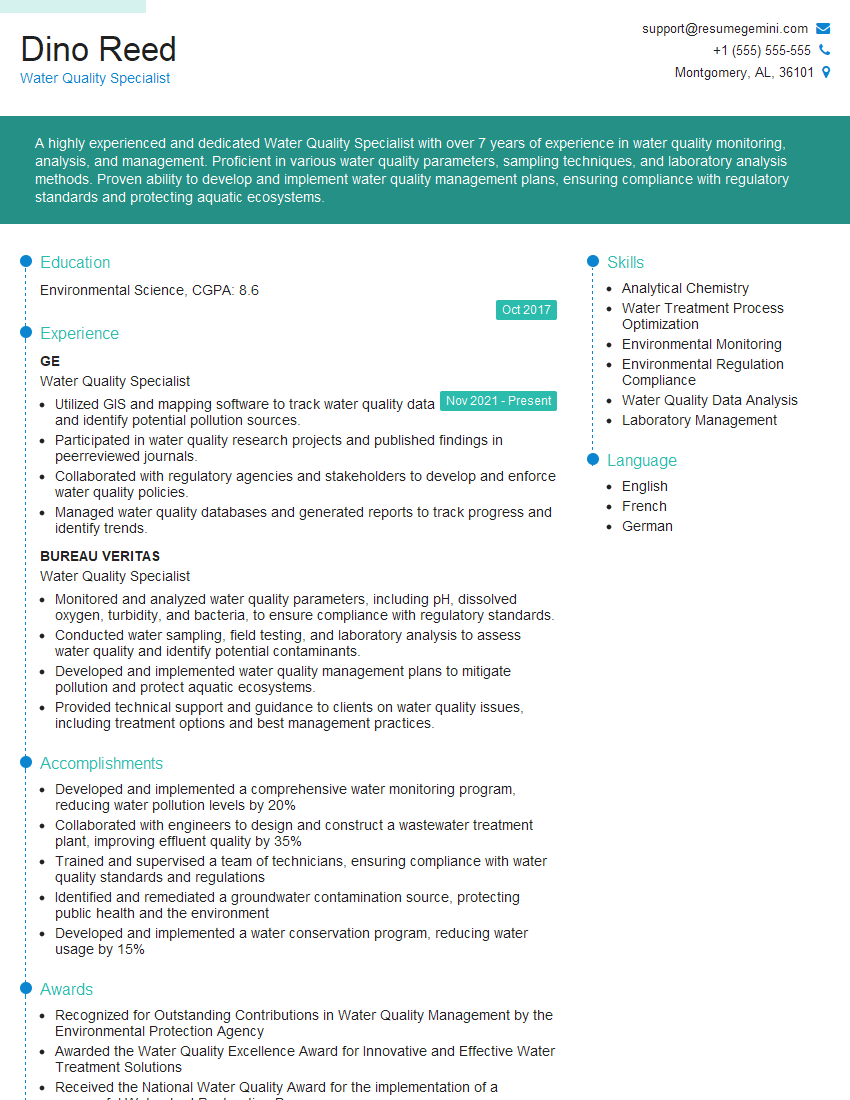
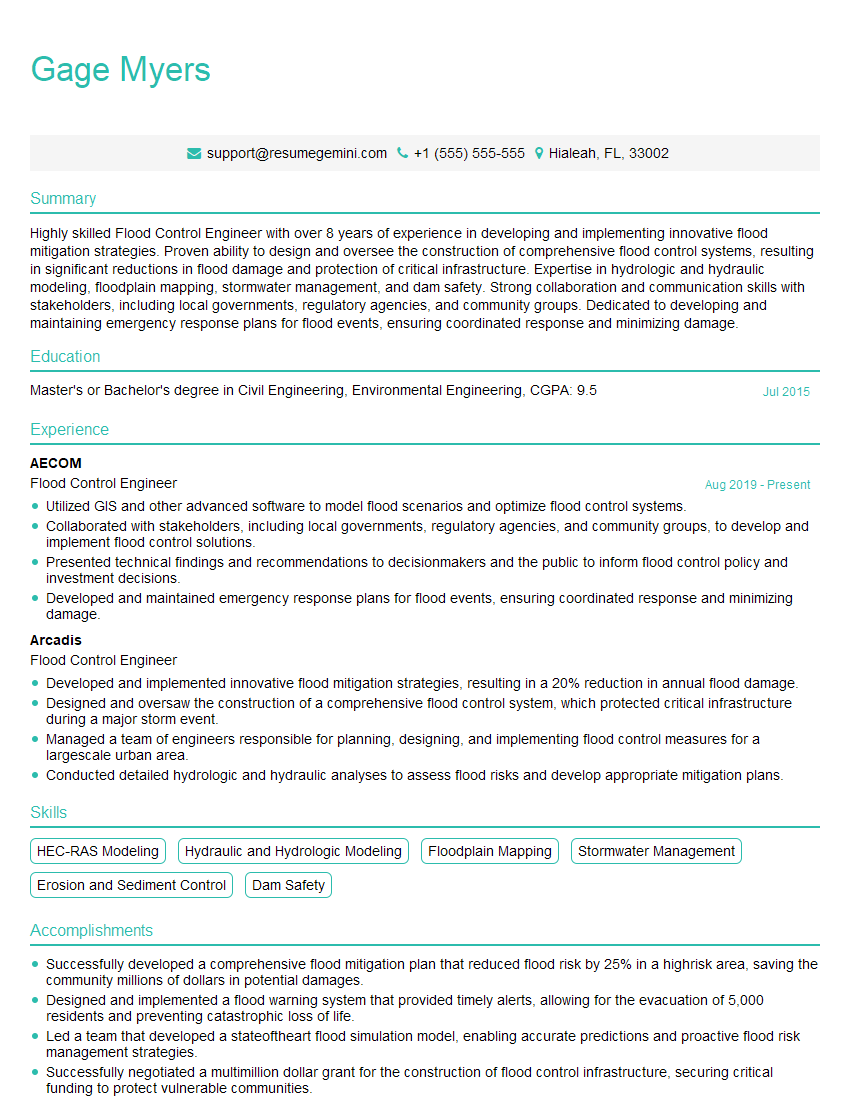
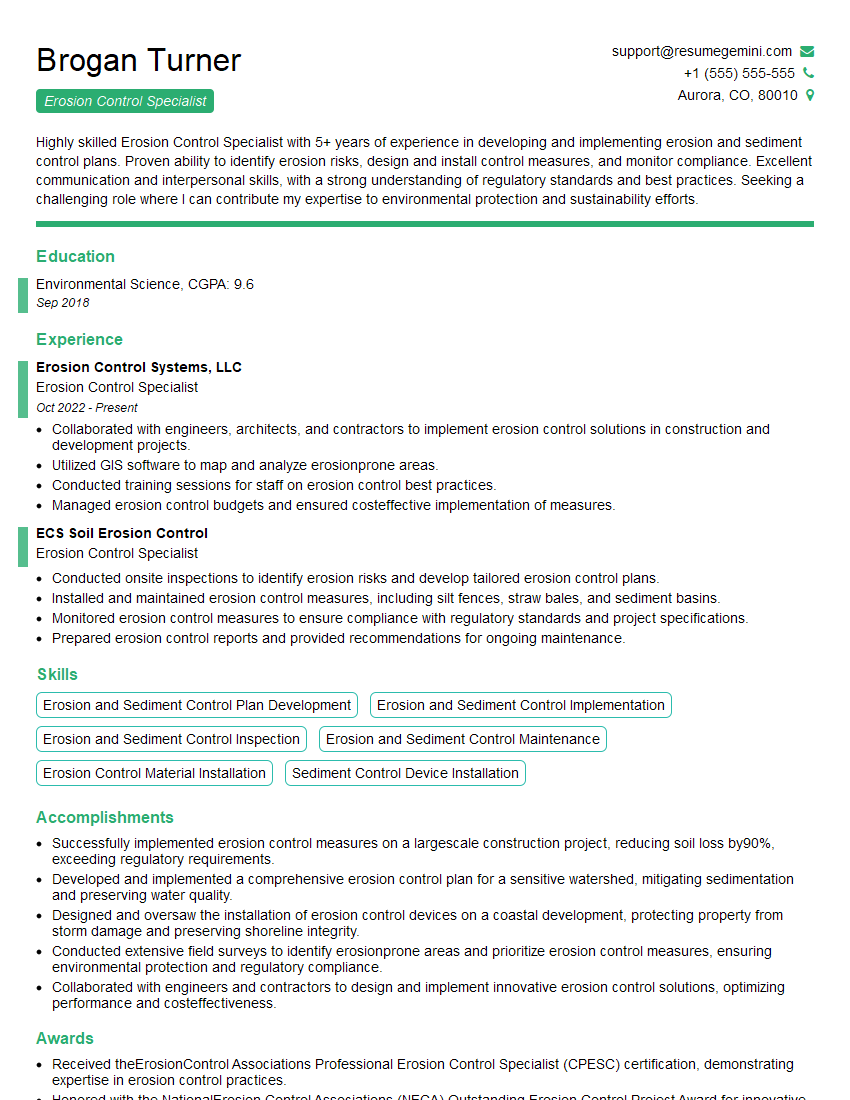
Mastering Waterway Maintenance opens doors to a rewarding career with opportunities for advancement and specialization. A strong understanding of these key areas will significantly boost your interview performance and career prospects. To further enhance your job search, creating an ATS-friendly resume is crucial for getting your application noticed by recruiters. ResumeGemini is a trusted resource to help you build a professional and impactful resume that highlights your skills and experience effectively. Examples of resumes tailored to Waterway Maintenance are available to guide you through the process.
Explore more articles
Users Rating of Our Blogs
Share Your Experience
We value your feedback! Please rate our content and share your thoughts (optional).
What Readers Say About Our Blog
To the interviewgemini.com Webmaster.
Very helpful and content specific questions to help prepare me for my interview!
Thank you
To the interviewgemini.com Webmaster.
This was kind of a unique content I found around the specialized skills. Very helpful questions and good detailed answers.
Very Helpful blog, thank you Interviewgemini team.